
A certified climate project combined with additional commitment
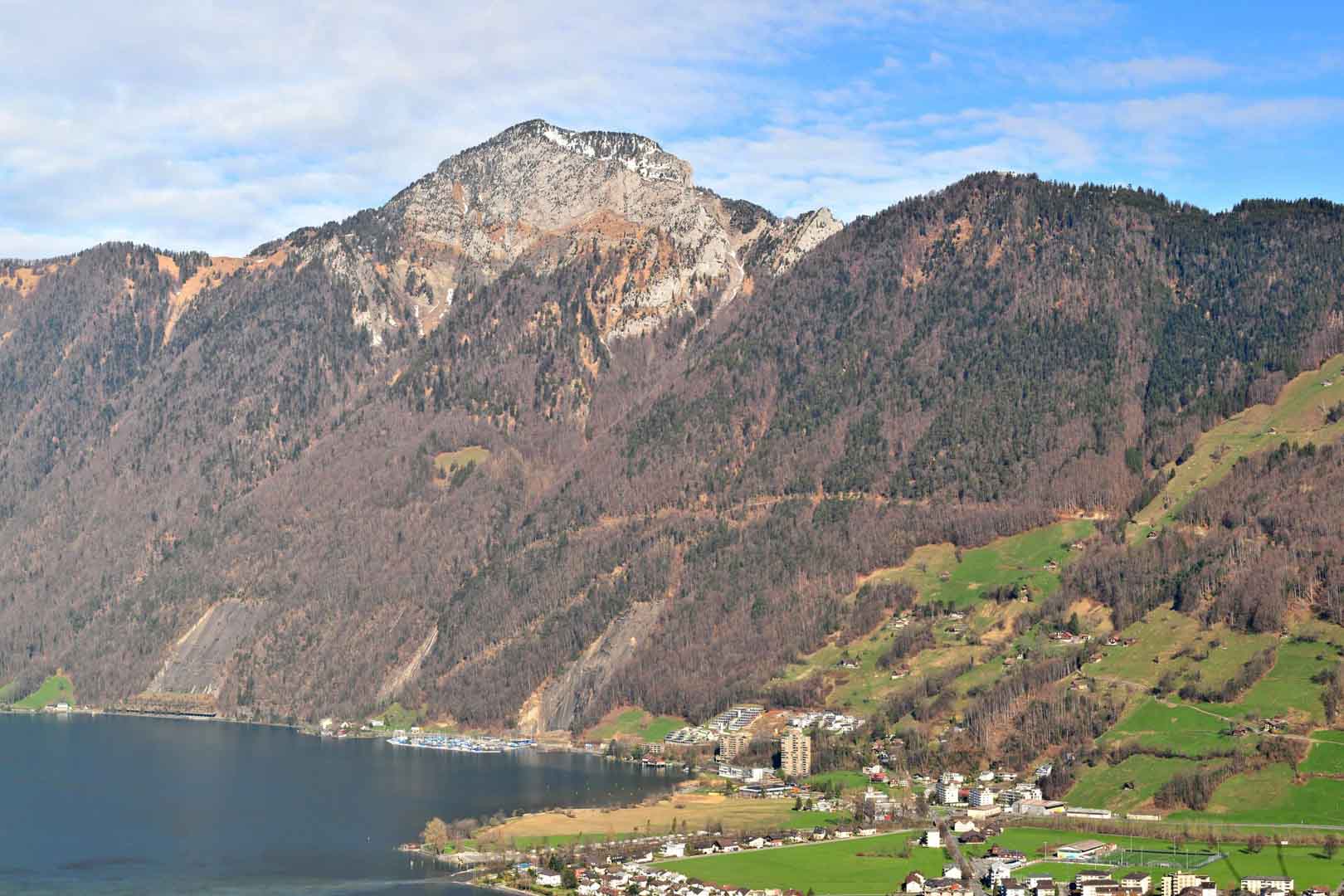
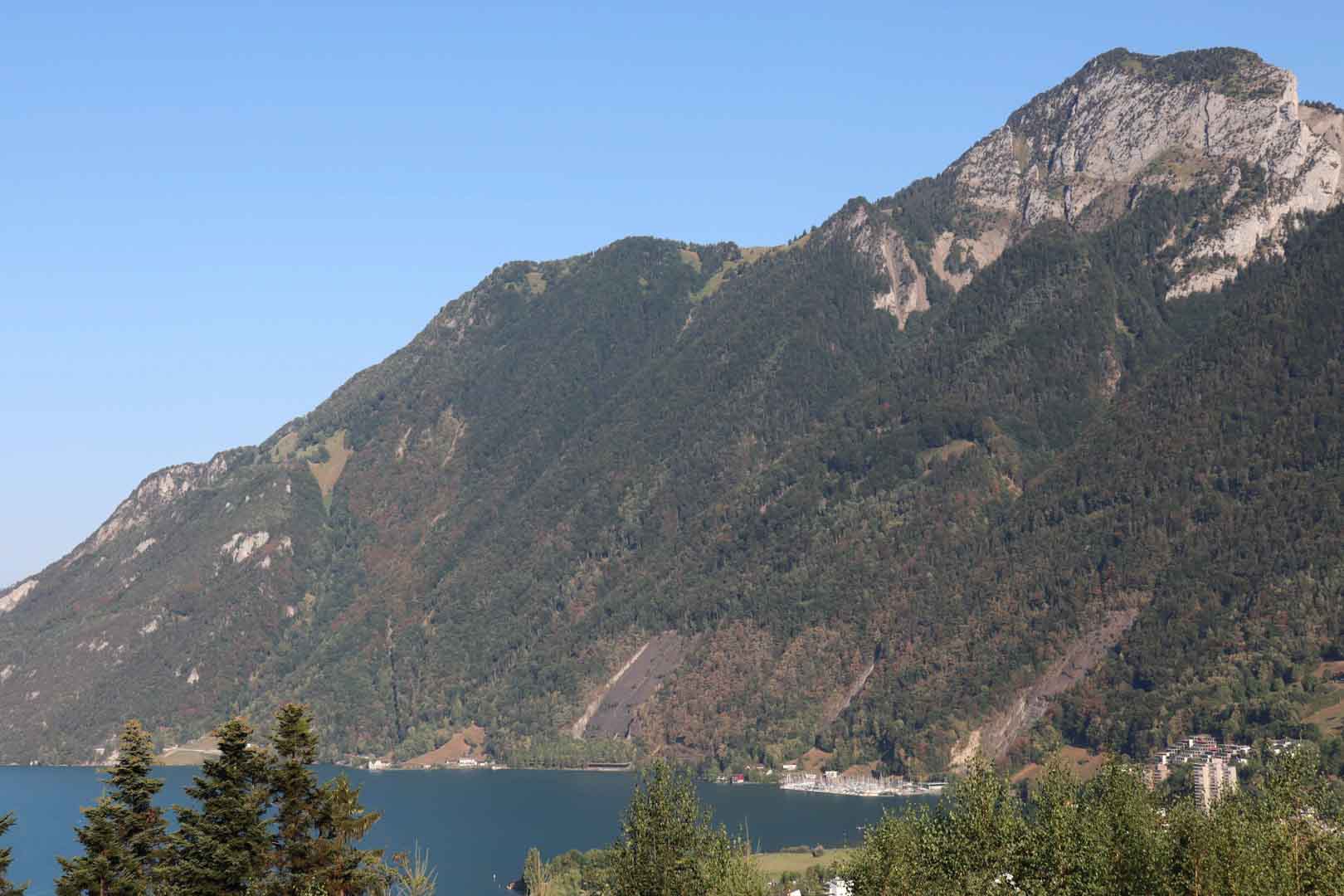
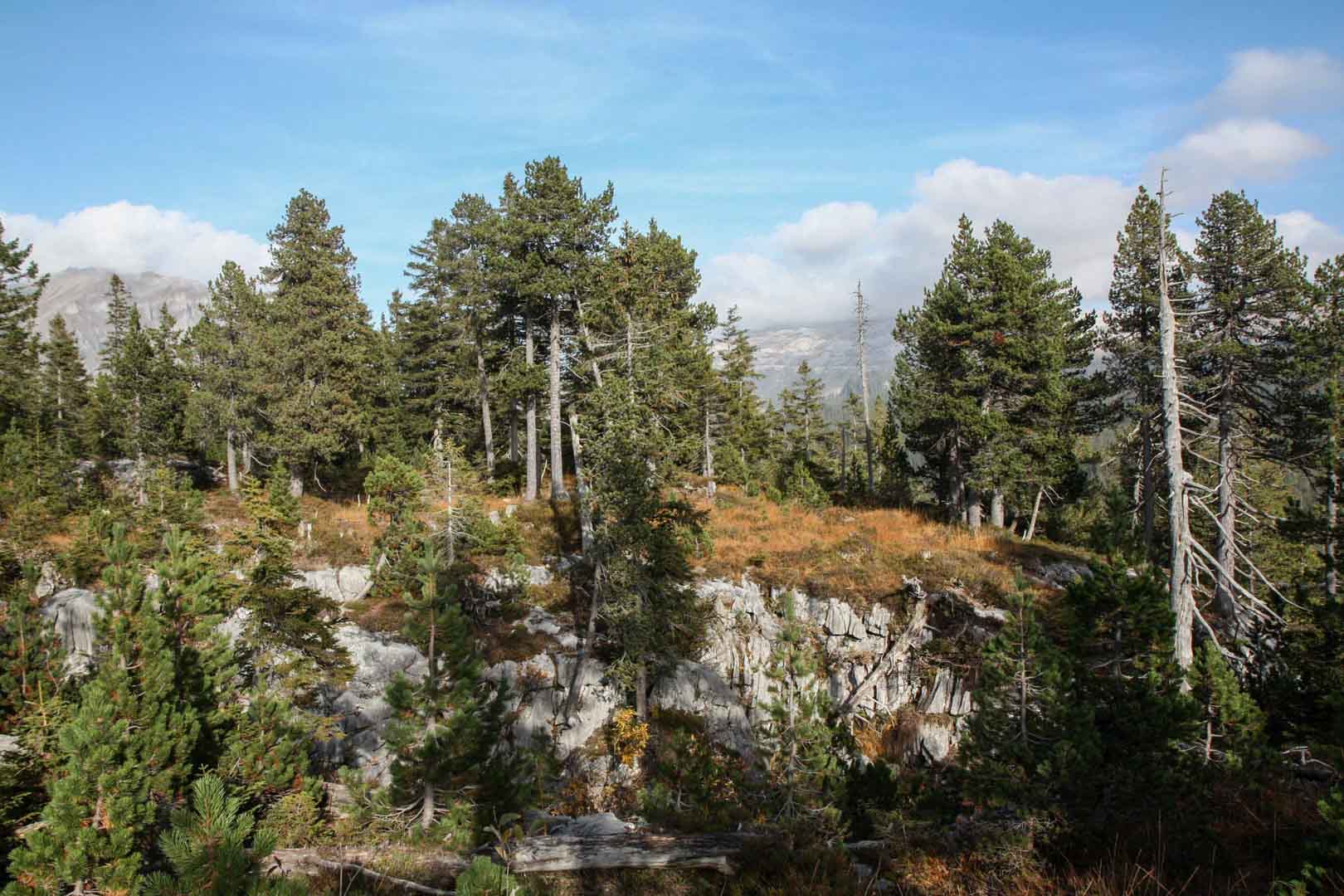
Forests play a central role in addressing climate change. Approximately 15 percent of global CO₂ emissions are attributable to deforestation. The Oberallmeind Corporation (OAK) Schwyz safeguards around 7,400 hectares of forest through sustainable management in accordance with FSC standards. This includes avoiding clear-cutting, applying selective single-tree harvesting and refraining from the use of hazardous chemicals.
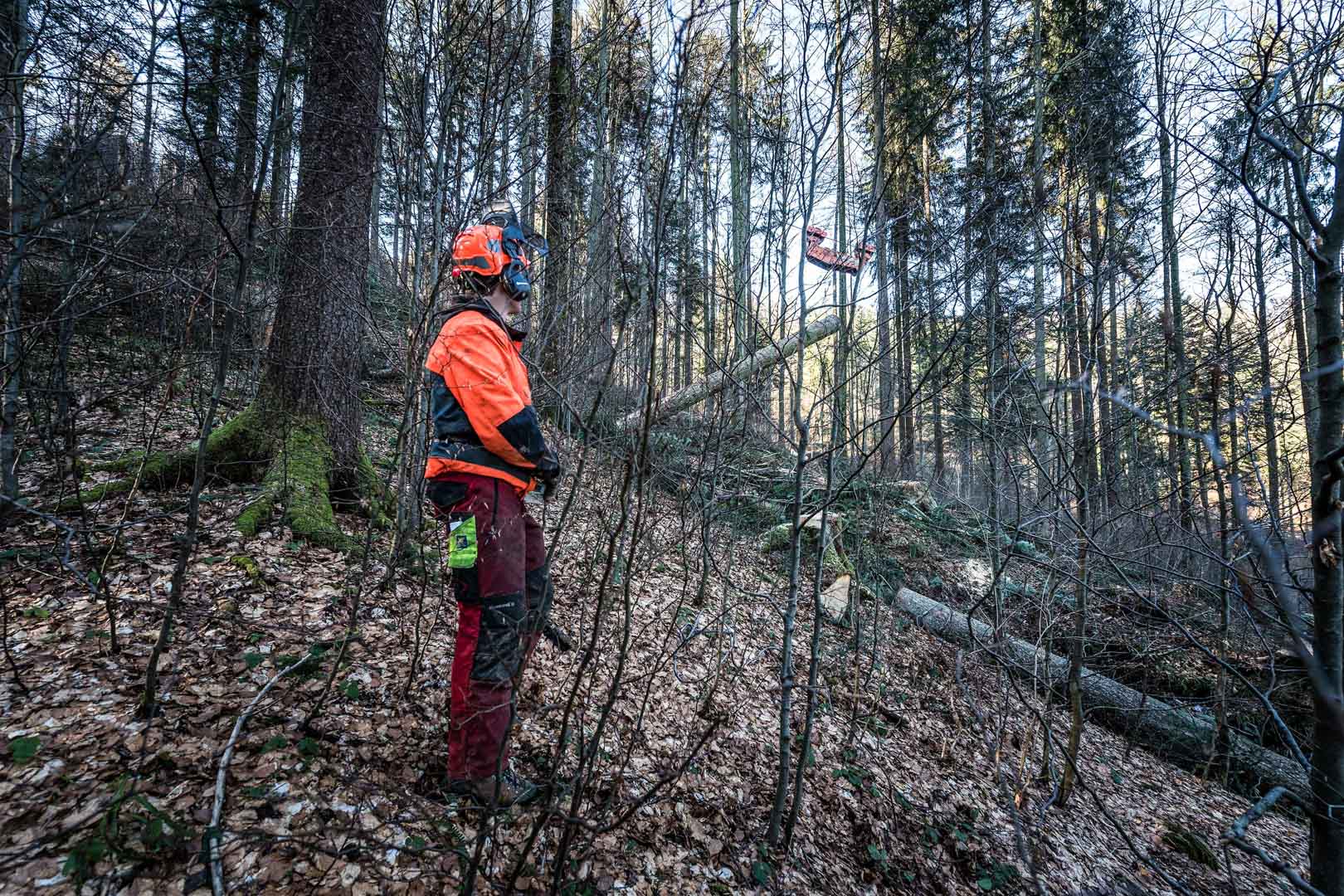
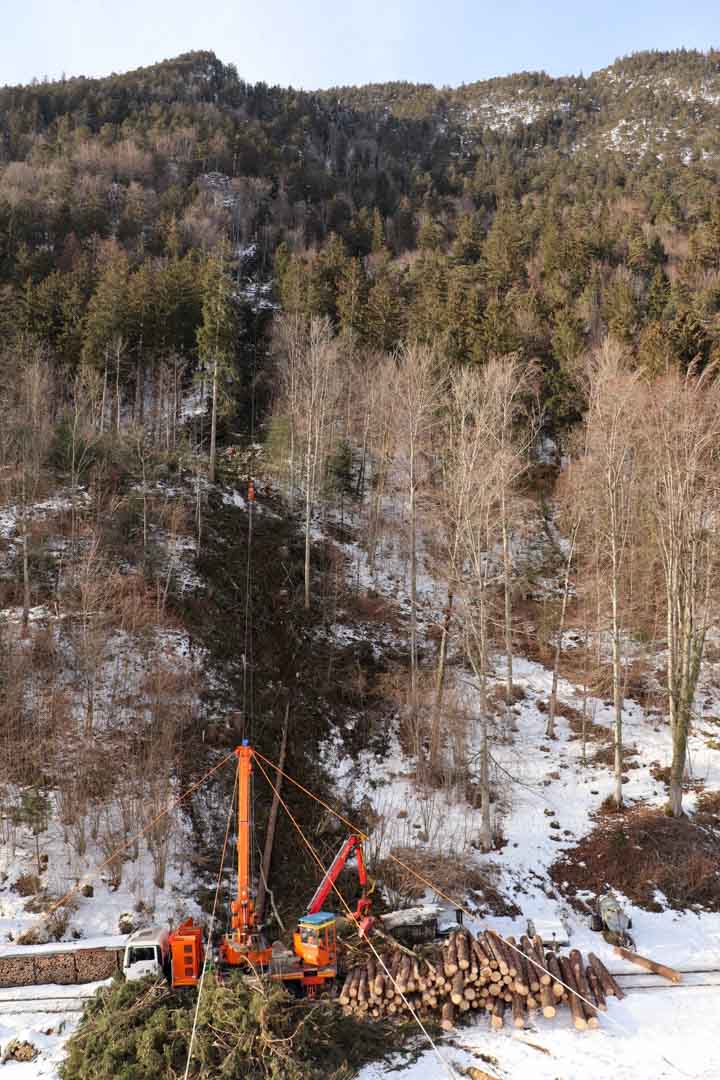
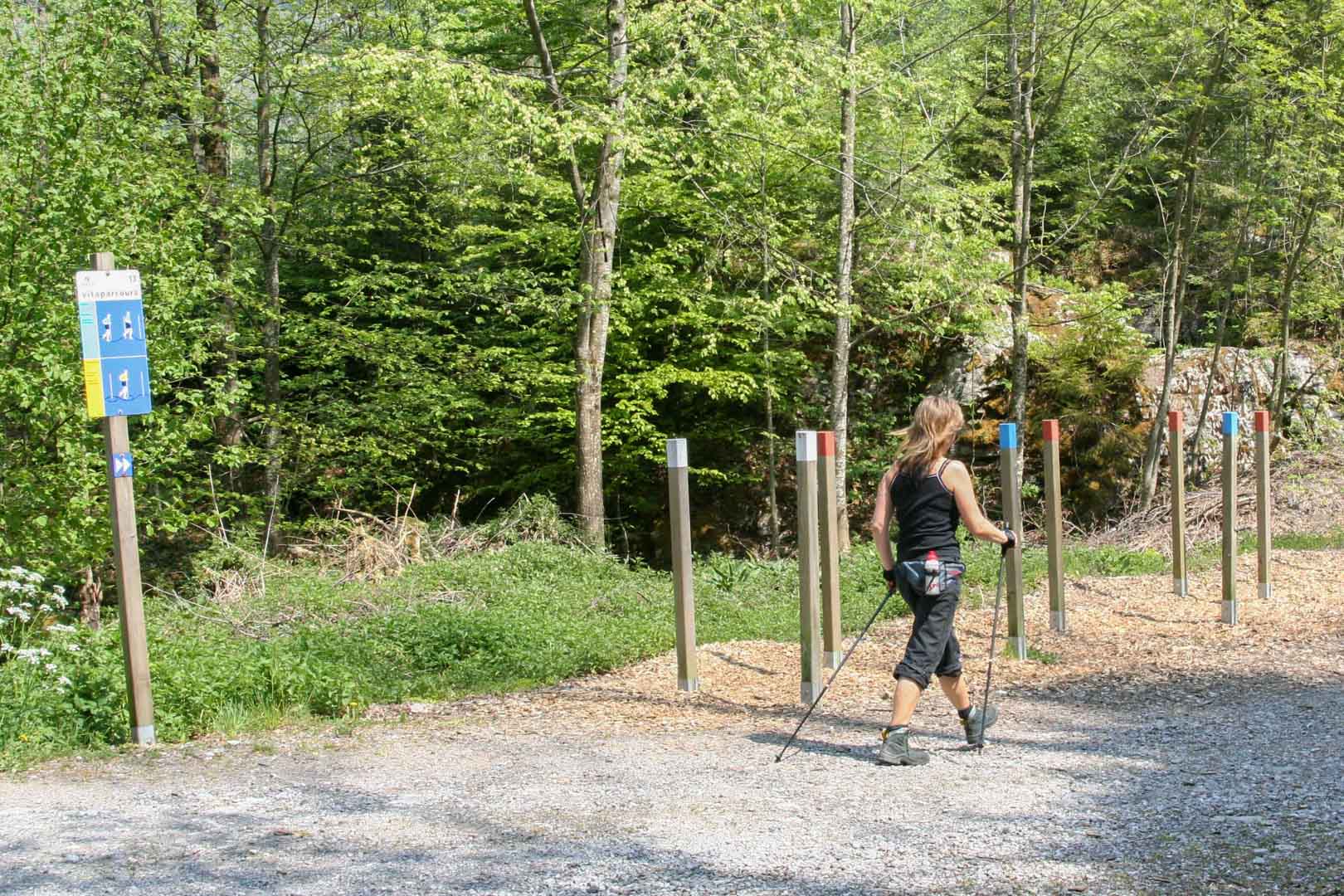
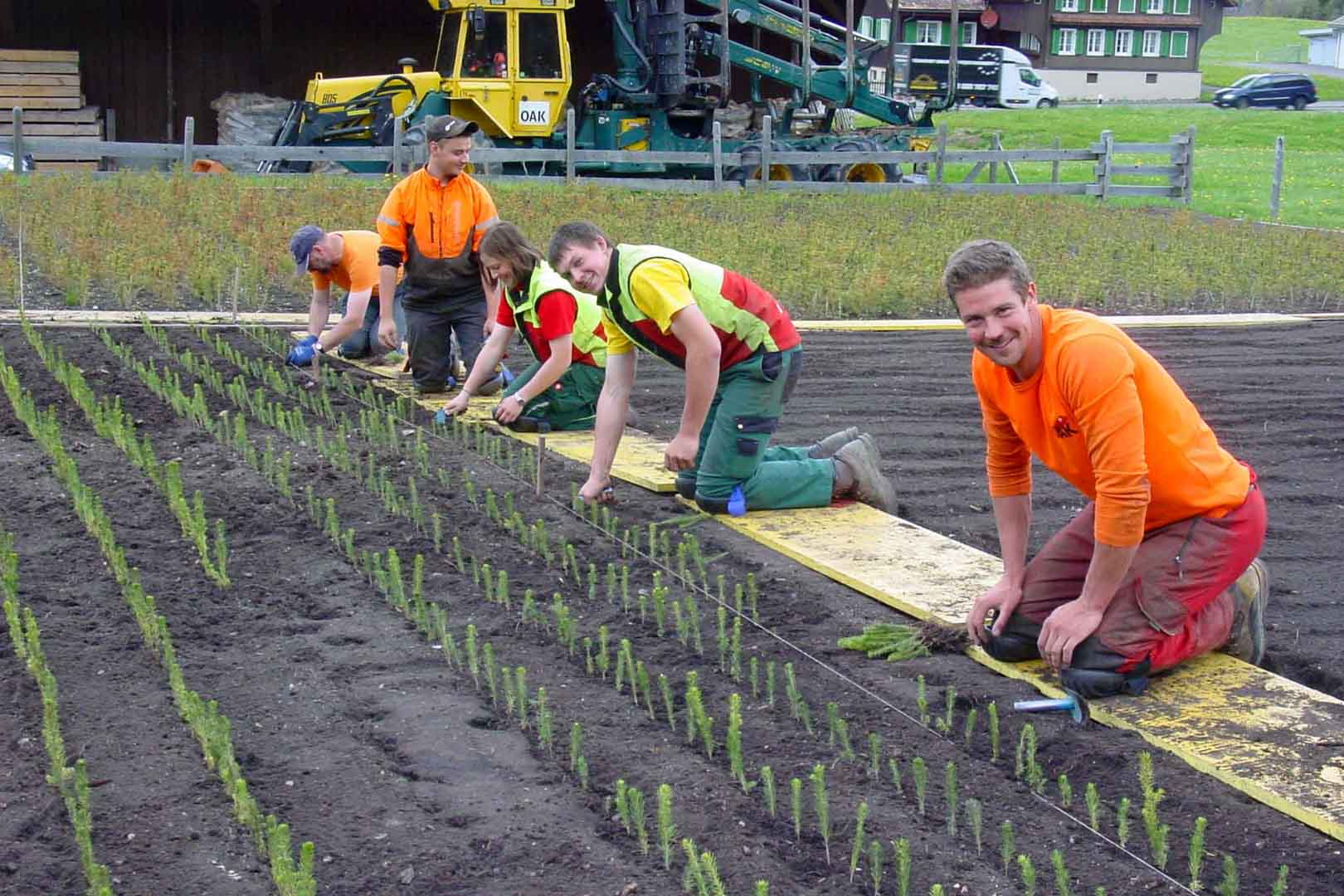
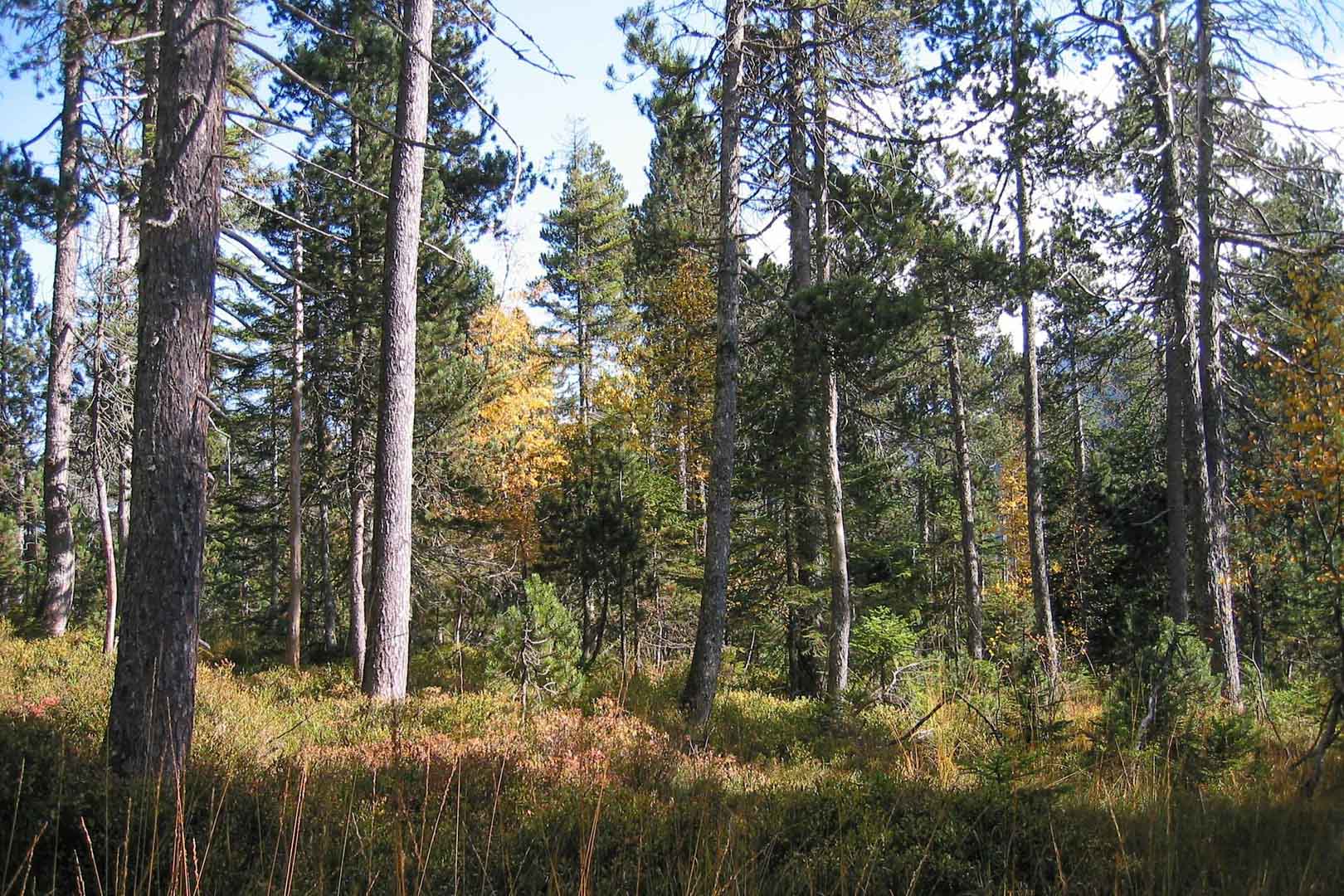
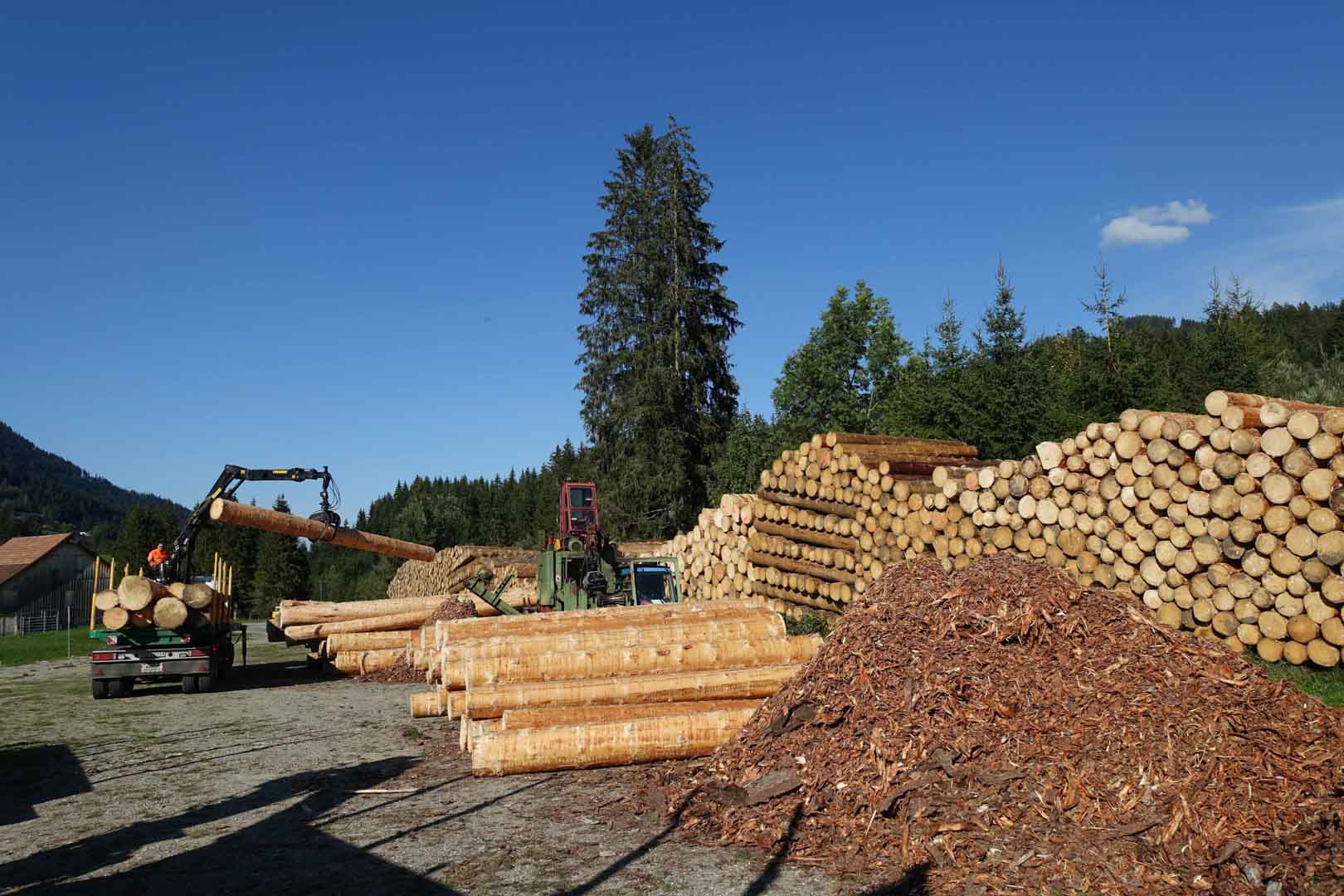
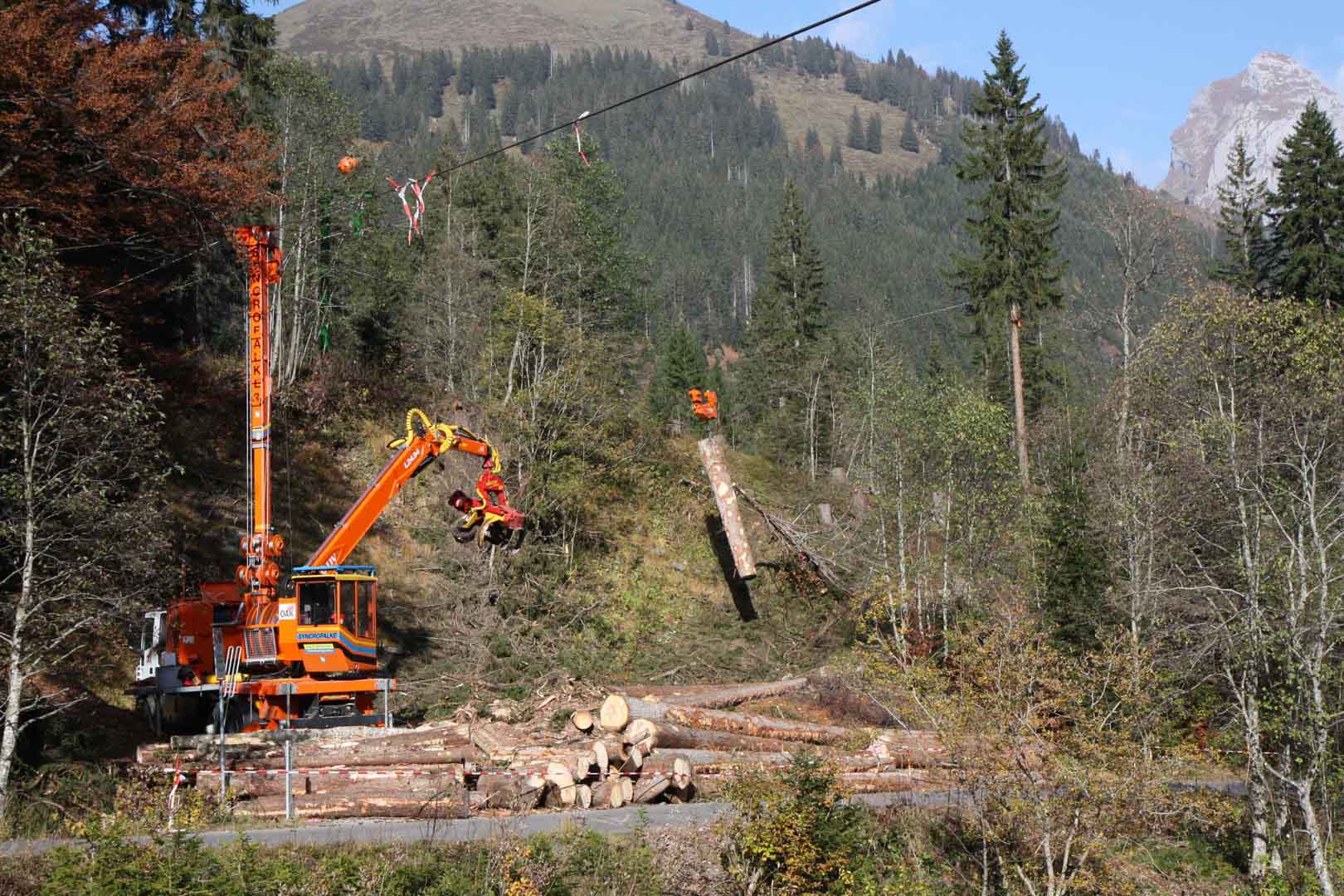
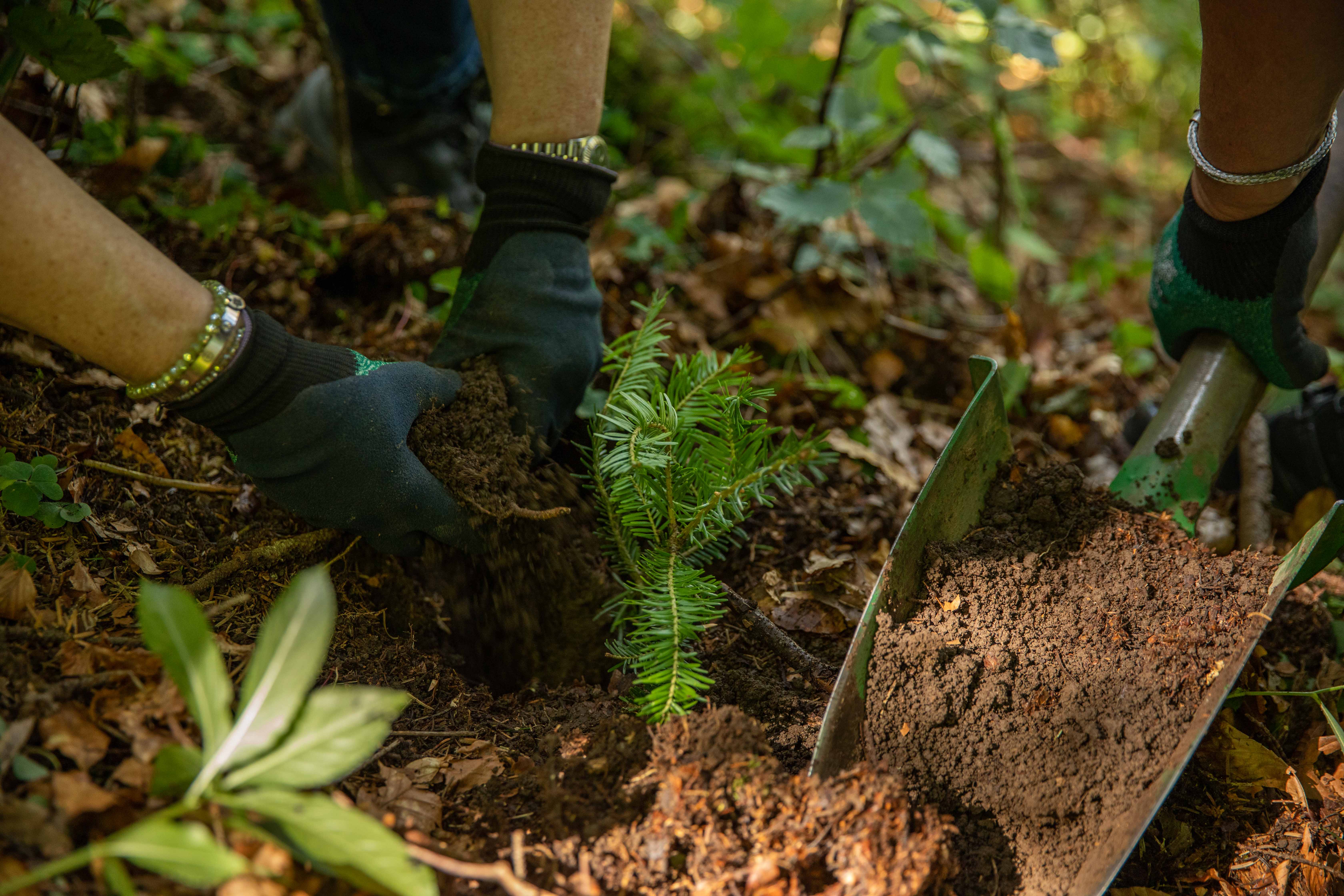
At the same time, OAK promotes natural regeneration by thinning small areas, removing individual trees, and, where necessary, replanting with native species; timber is harvested in a way that protects the soil. In this way, the next forest generation consists predominantly of site-appropriate, native tree species. The timber stock is increased over a period of 30 years so that the forest is preserved as a carbon sink and as a habitat and recreational area.
This nature conservation initiative is part of a combined project.
Companies investing in this project support improved forest management in Switzerland and a certified international climate project – delivering double the impact. For every tonne of CO2 saved through the contribution via a certified climate project, another tonne of CO2 is reduced through the forest protection in Switzerland.
The project in Switzerland is currently combined with a certified climate project for waste heat recovery in Pakistan (climatepartner.com/1428). At a cement plant in Punjab, the project installs three steam generators that capture waste heat. Instead of being released unused into the atmosphere, the heat is converted into electricity and fed back directly into cement production.
Combined climate project to date:
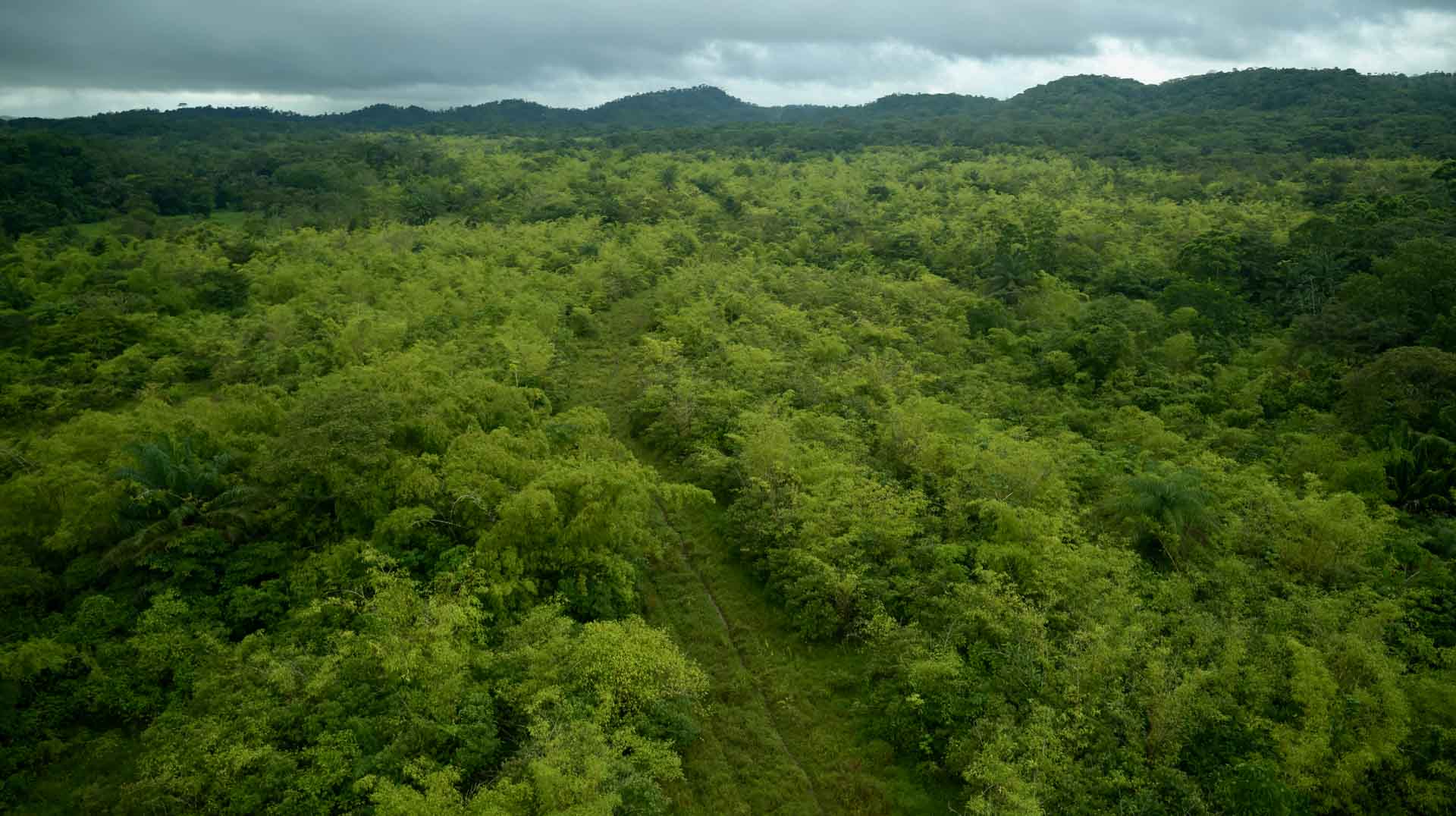
Reforestation, San Jose, Nicaragua (climatepartner.com/1249)
Hydropower, Alaknanda, India (climatepartner.com/1484)
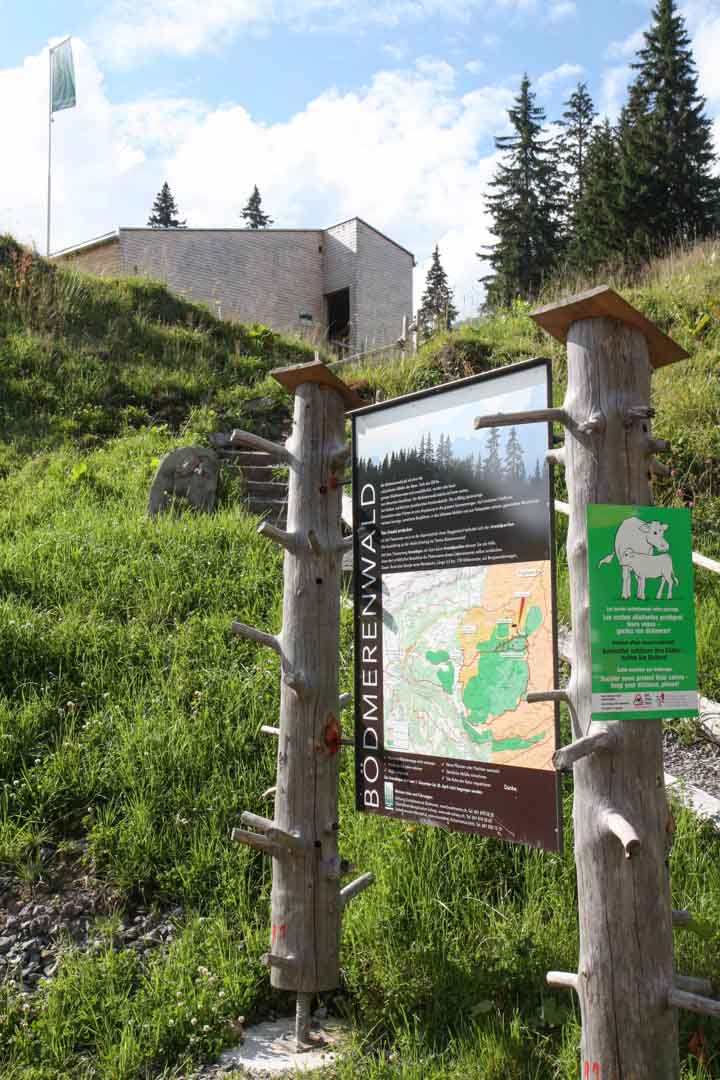
Improved forest management for climate action and biodiversity
Forests are true superheroes: they prevent desertification, purify water and air, store carbon, and are an important habitat to roughly 50 percent of all animal and plant species. Forests also play a key role in the fight against the climate crisis. Around 15 percent of global CO2 emissions result from deforestation, making forest protection one of the most cost-effective solutions to mitigate climate change.
Improved Forest Management (IFM) aims to increase the forest's capacity to store carbon, conserve the forest and reduce greenhouse gas emissions caused by deforestation.
Depending on the project, different IFM measures are implemented:
Extended rotation: Increasing the time between harvest cycles allows trees to grow larger, accumulate more biomass, and store more carbon.
Reduced-impact logging: Selective removal of individual trees preserves the forest structure, and promotes natural regeneration.
Build-up of timber stock: Less wood is harvested than naturally grows back, resulting in a continuous increase of forest biomass.
Forest reserve: In natural forest reserves, all logging activities are entirely prohibited within a designated area. This significantly increases biomass and promotes high biodiversity.
The project aims to contribute to these United Nations’ Sustainable Development Goals (SDGs).


What’s a combined project?
With combined projects, ClimatePartner brings together funding for international, certified climate projects with additional support for nature conservation projects.
Explore our projects
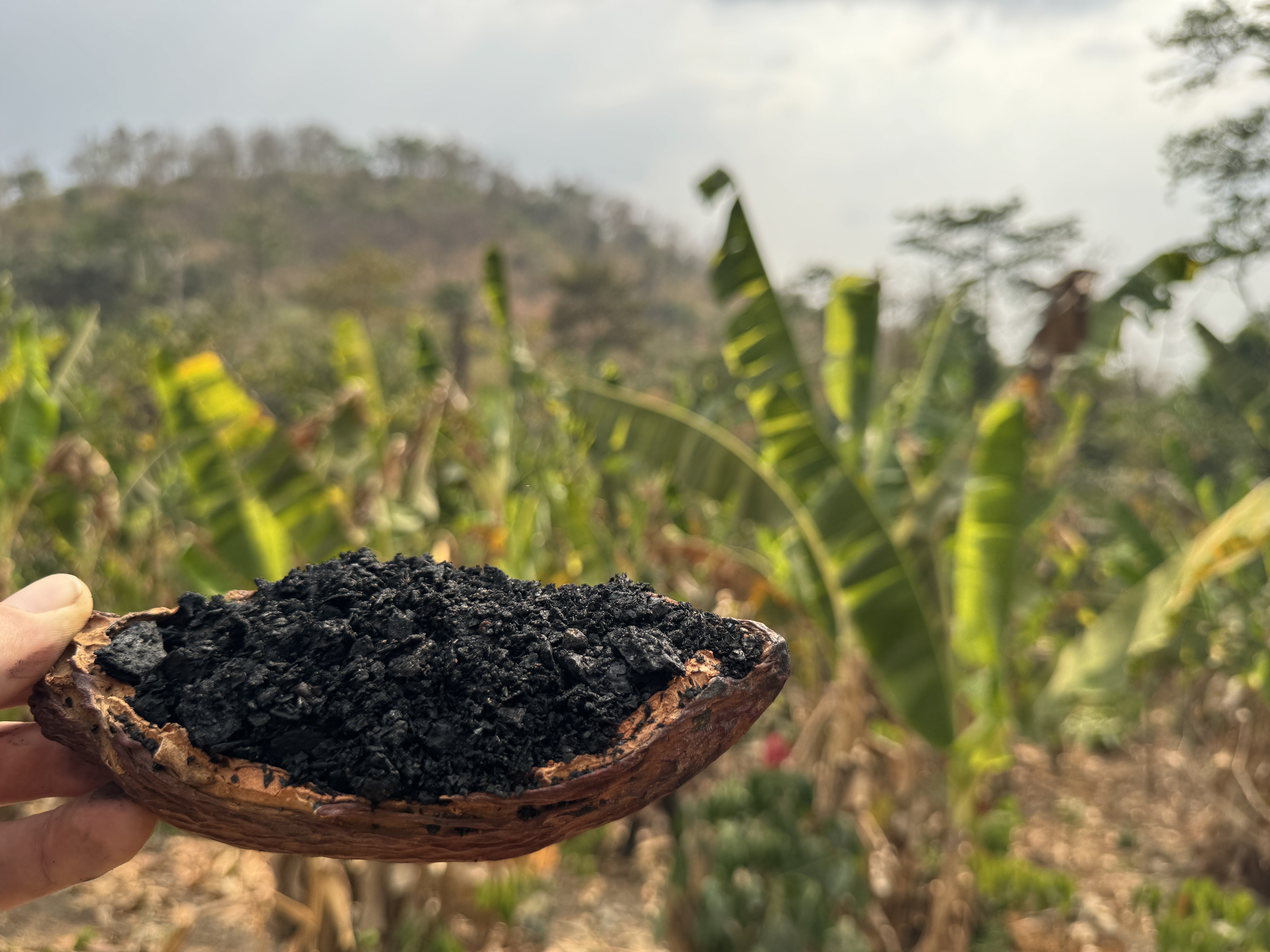
Biochar for Climate Action, Healthy Soils, and Better Harvests
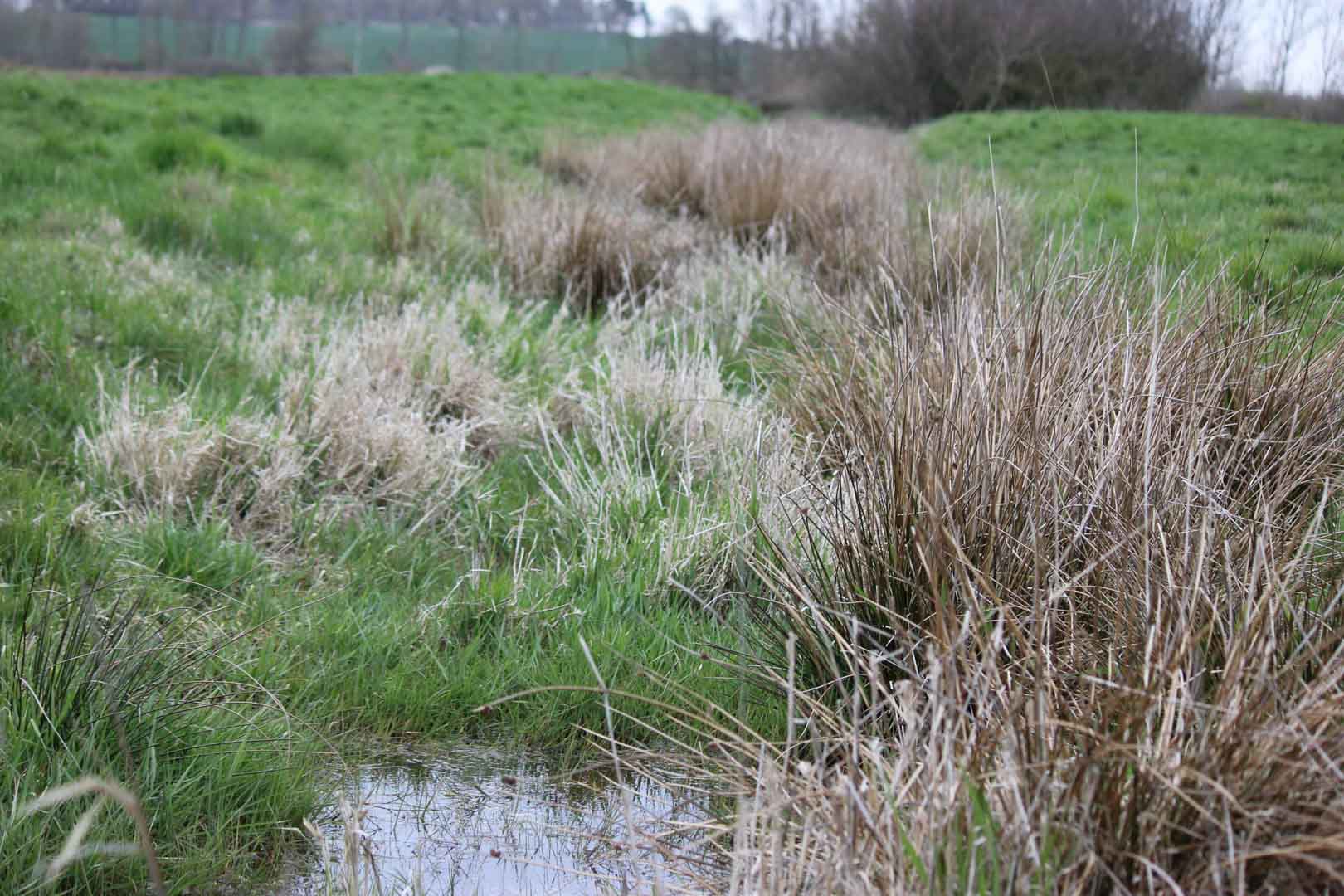
A certified climate project combined with additional commitment
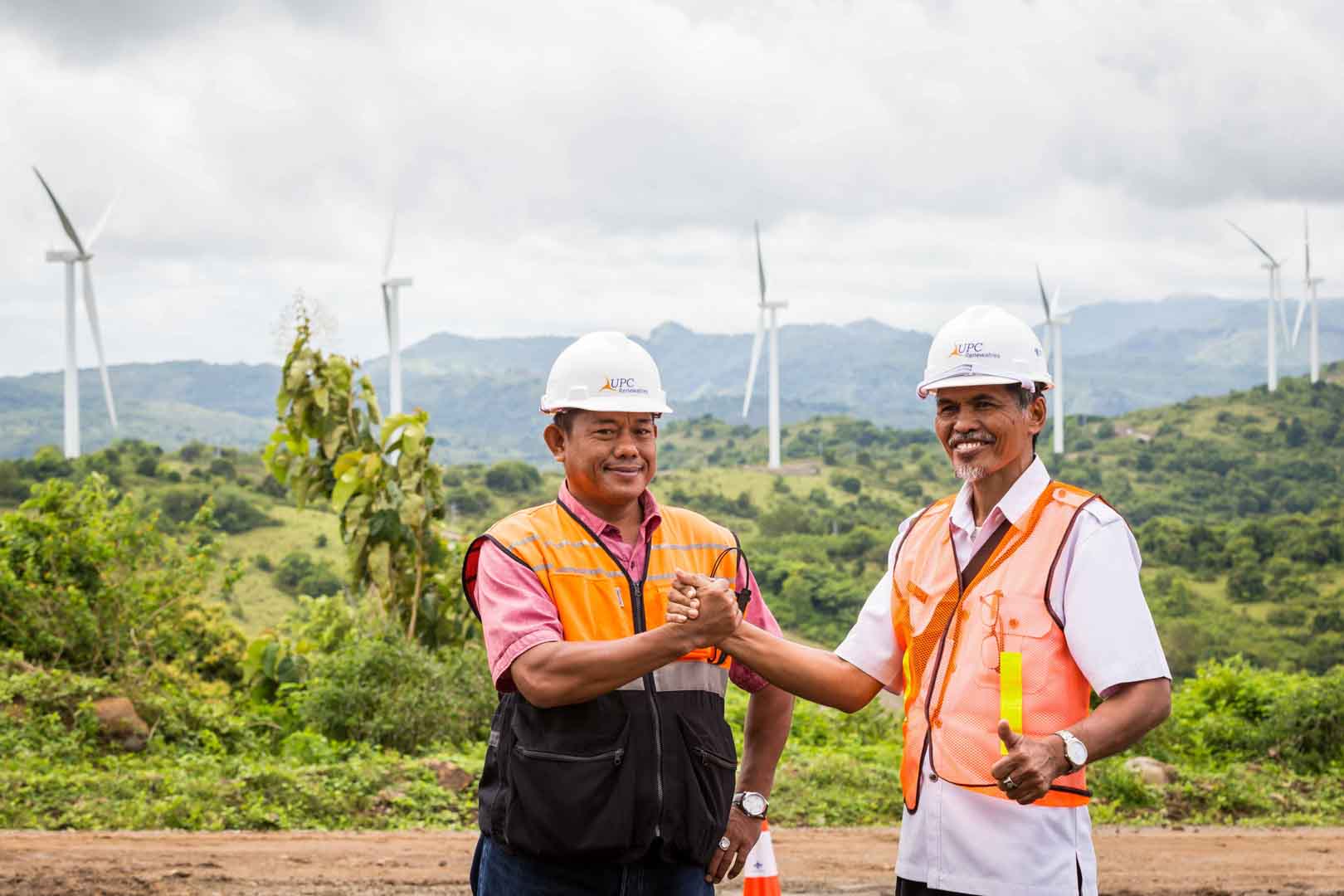
Expansion of renewable energy generation in Asia
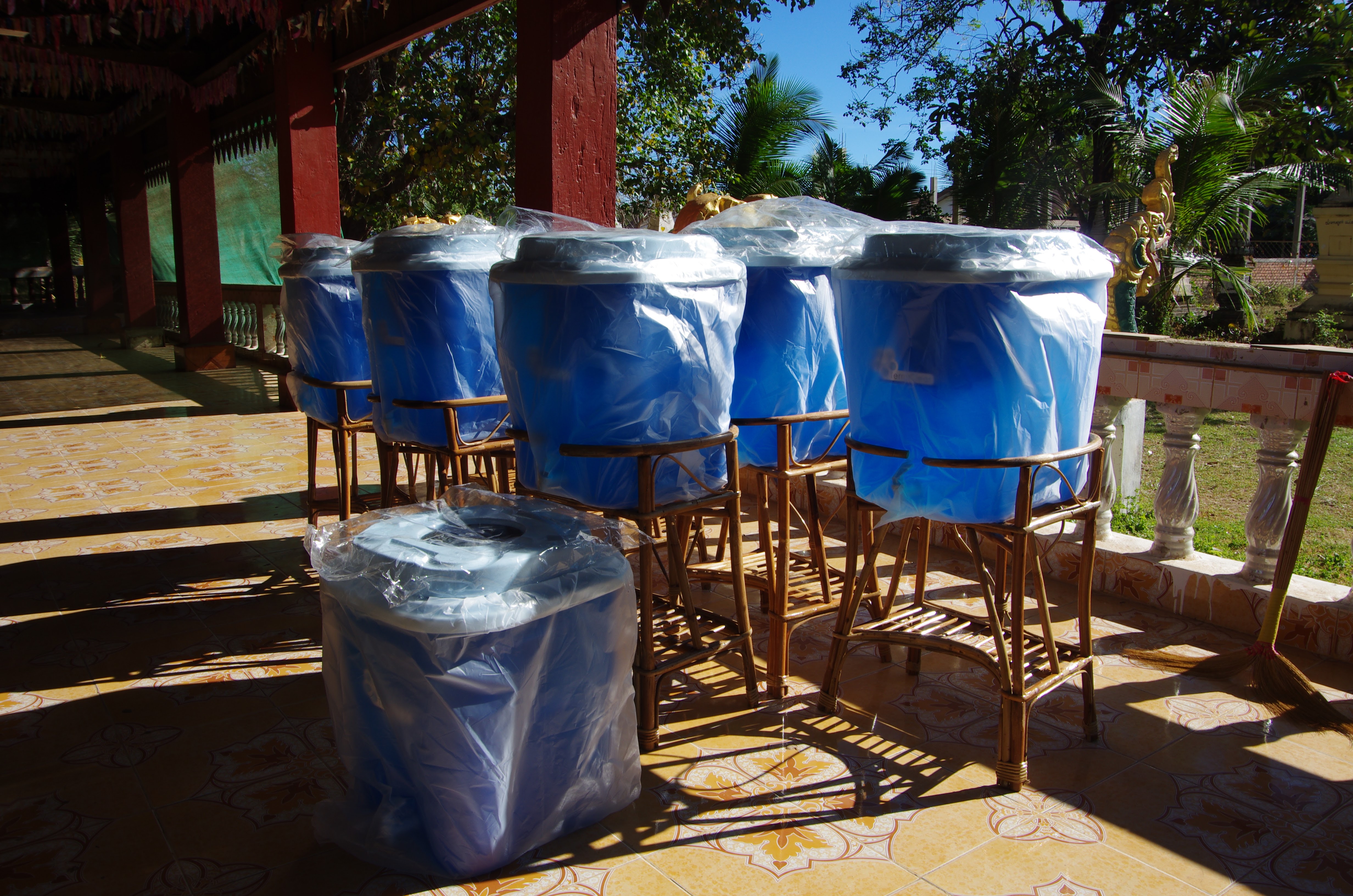
Ceramic water filters save CO2 and improve health
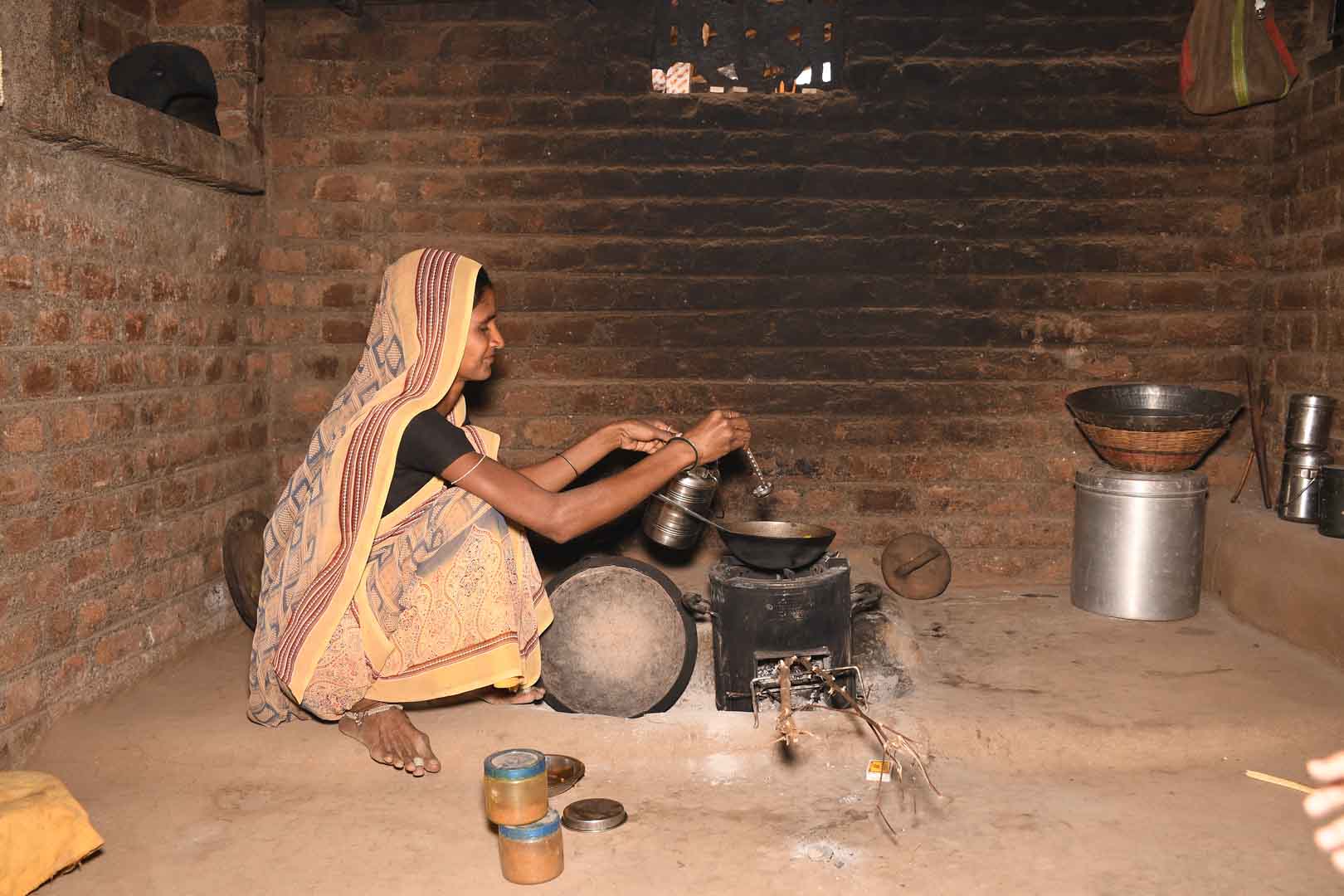
Improved cookstoves worldwide – for better health and cleaner air

A certified climate project combined with additional commitment
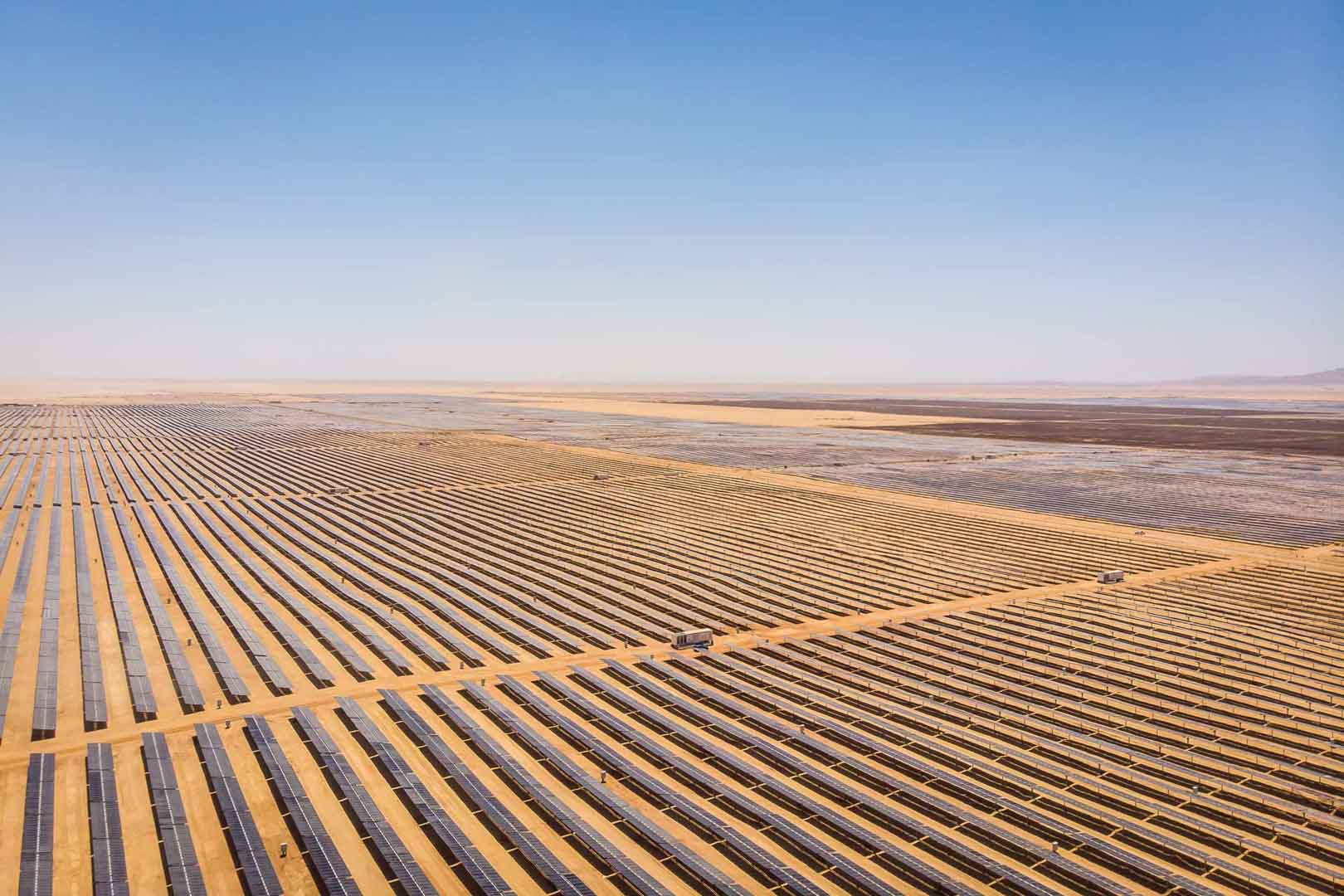
Powering access to renewable energy in Africa
A certified climate project combined with additional commitment
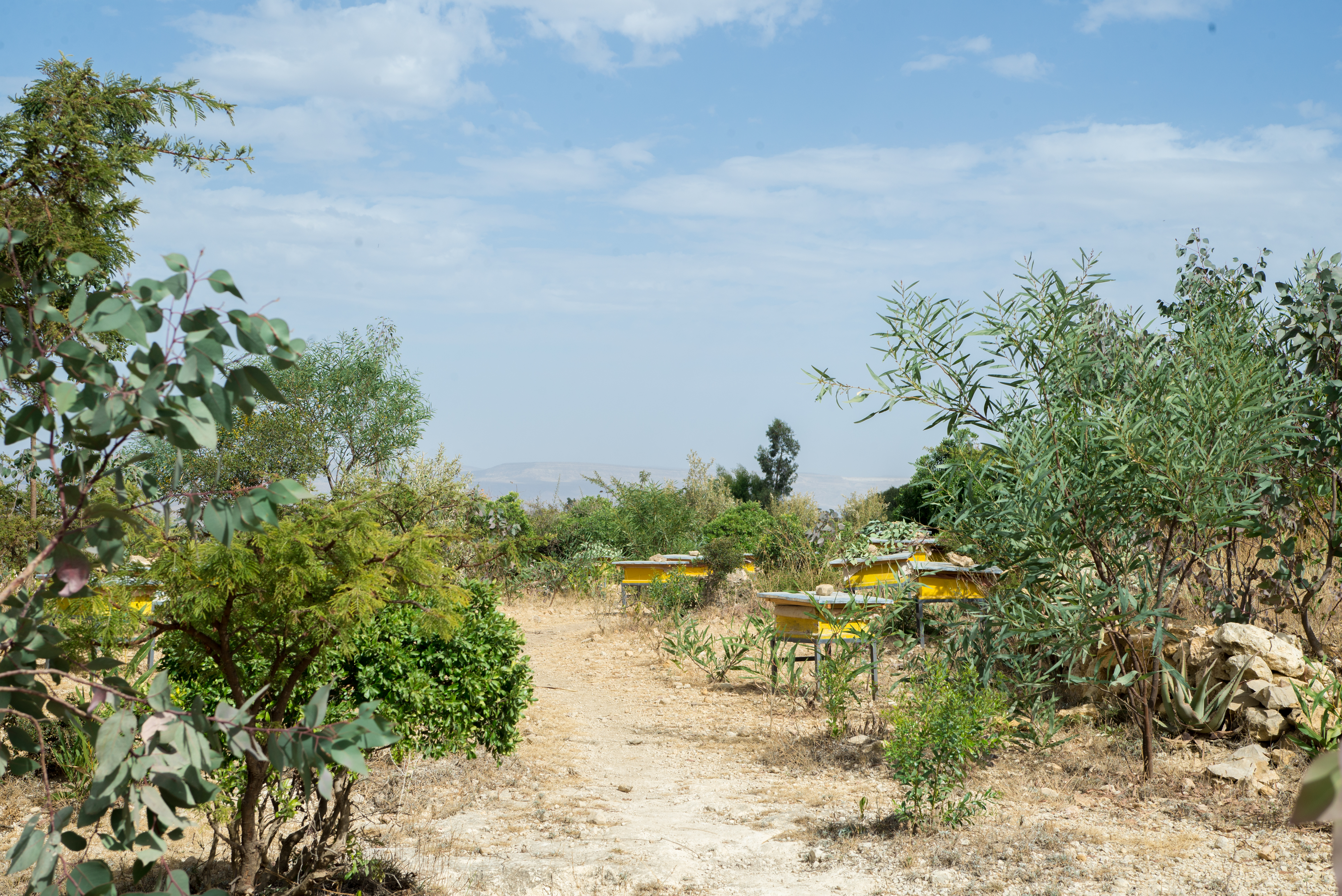
Restored ecosystems remove carbon
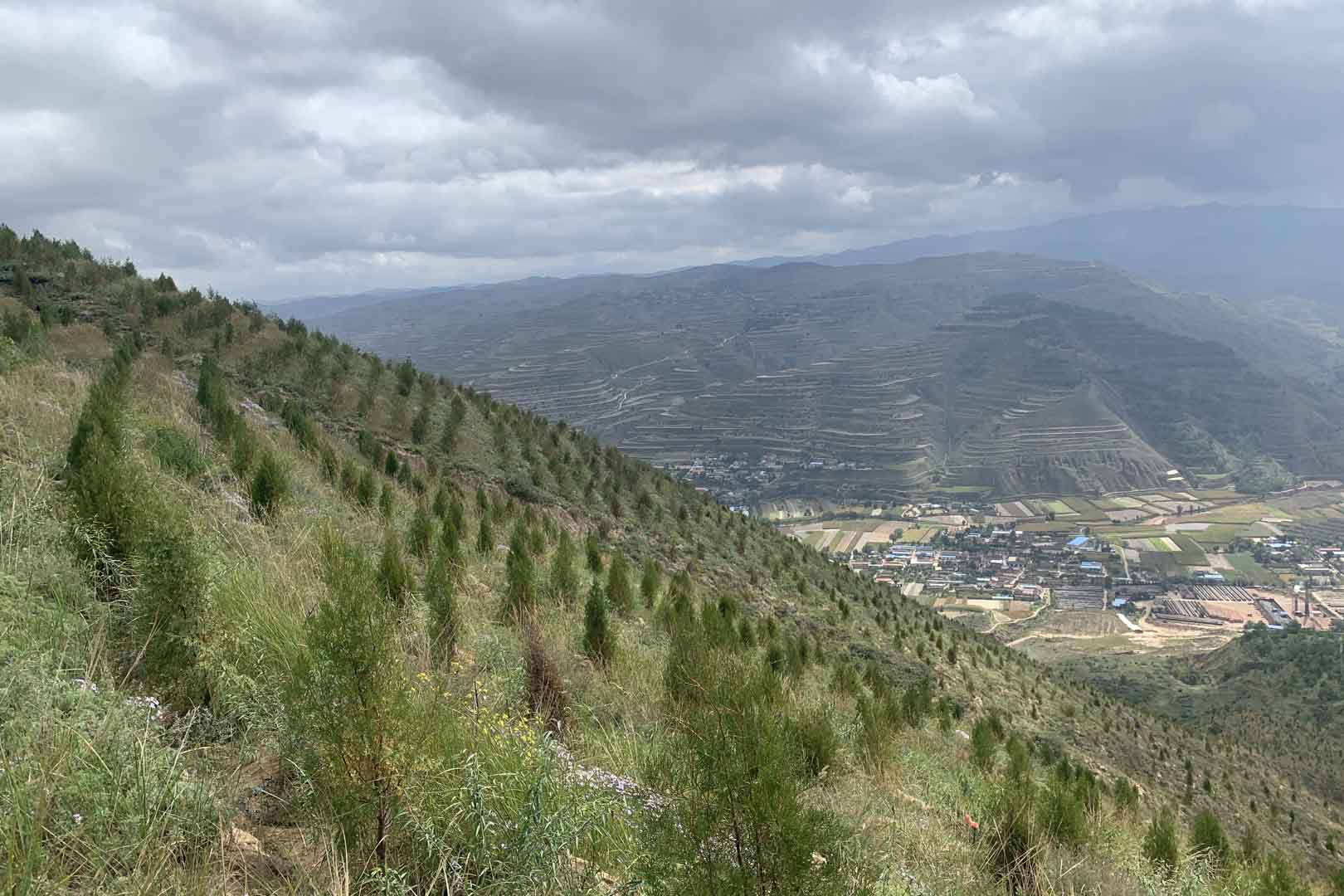
Turning degraded farmlands into healthy ecosystems
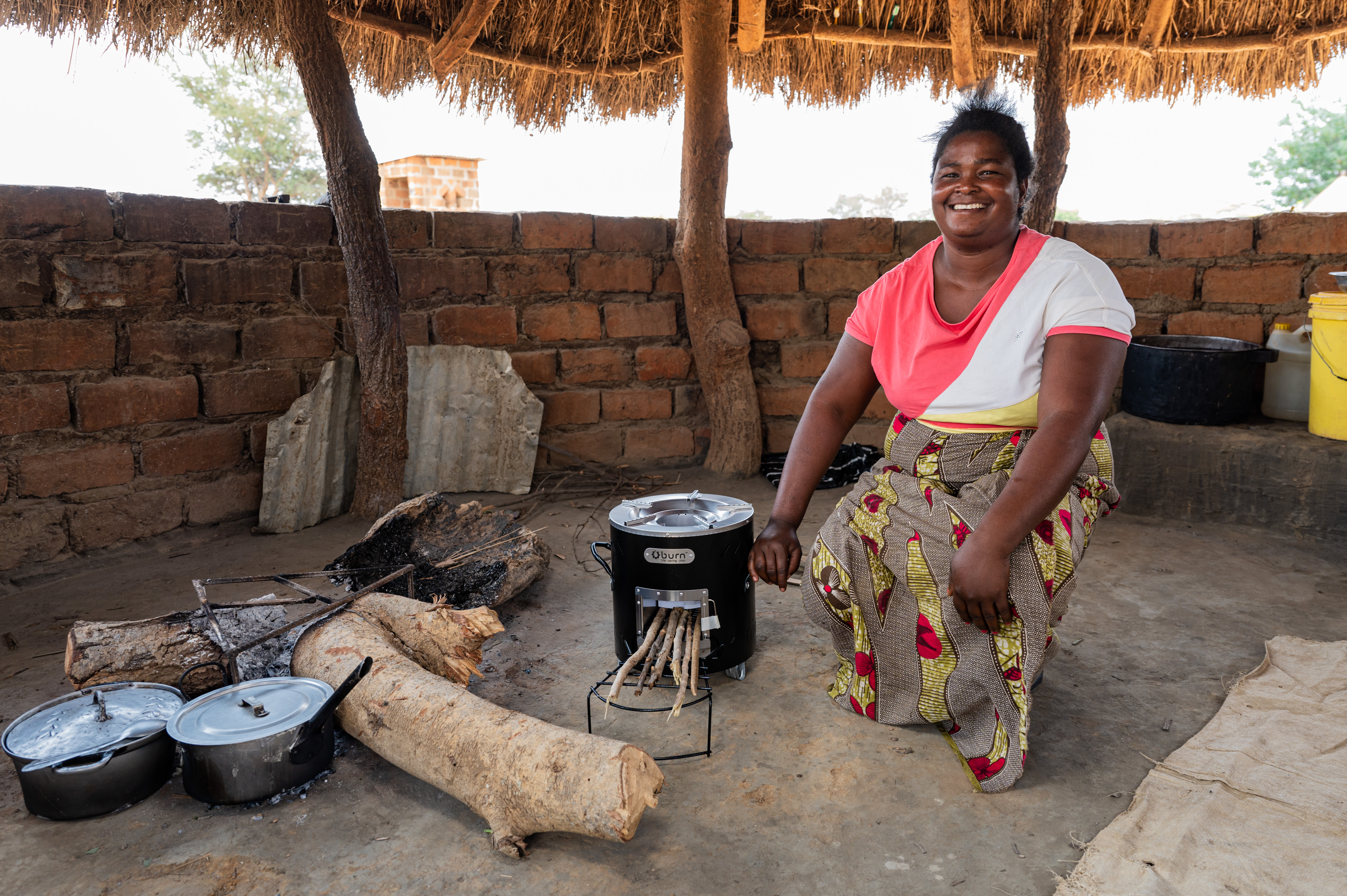
Improved cookstoves - better for health and the environment