
Improved cookstoves - better for health and the environment
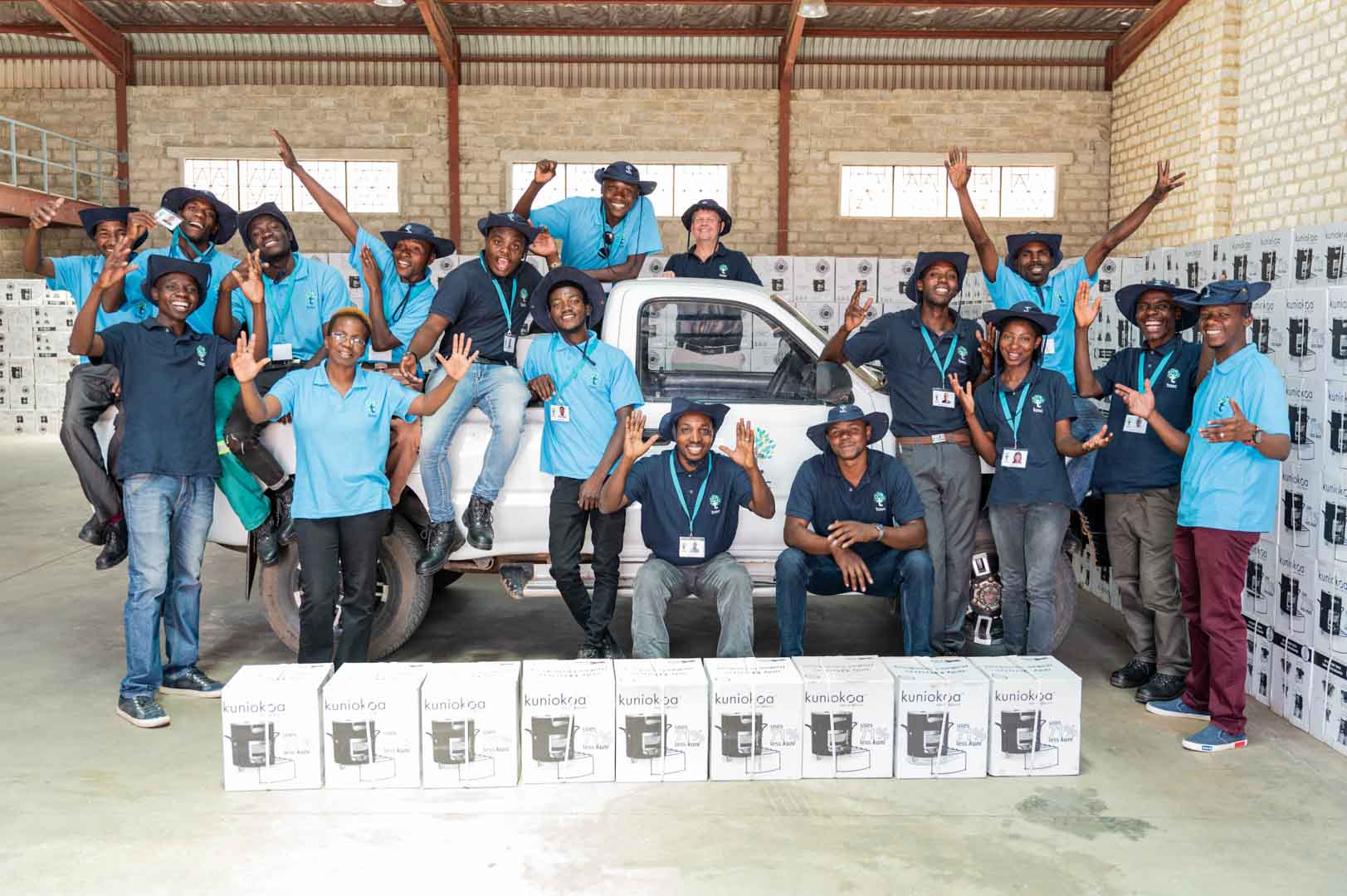
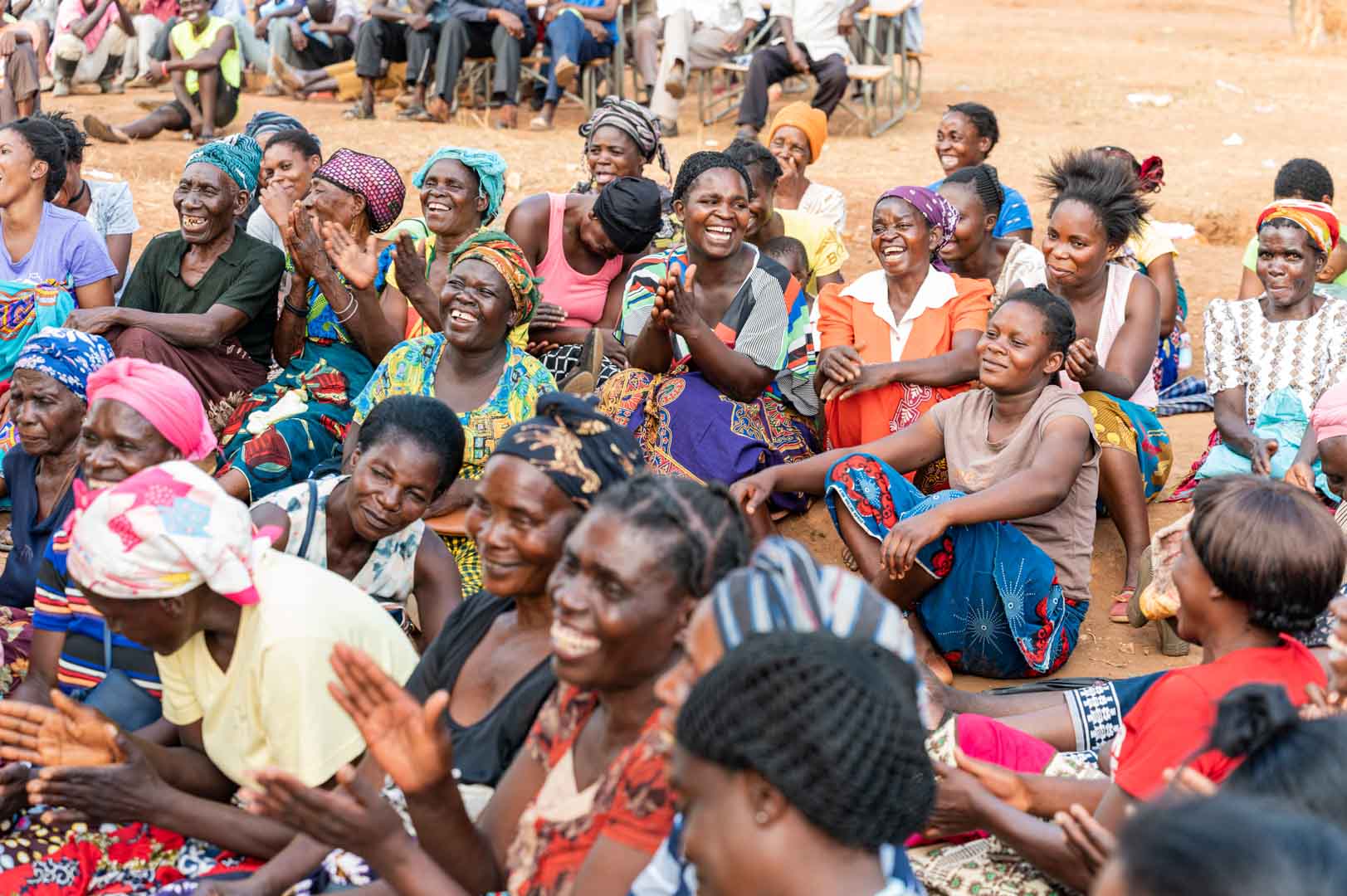
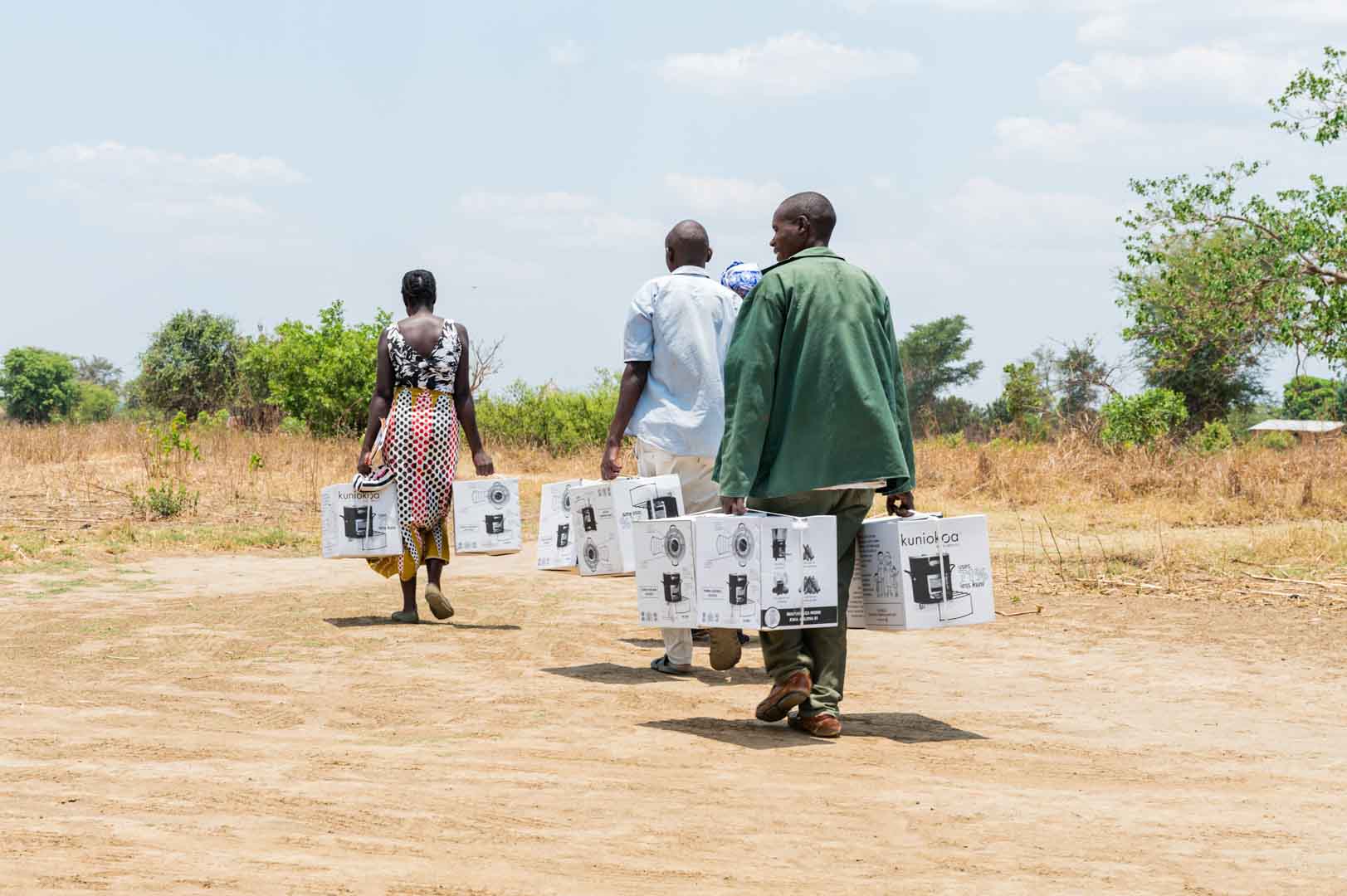
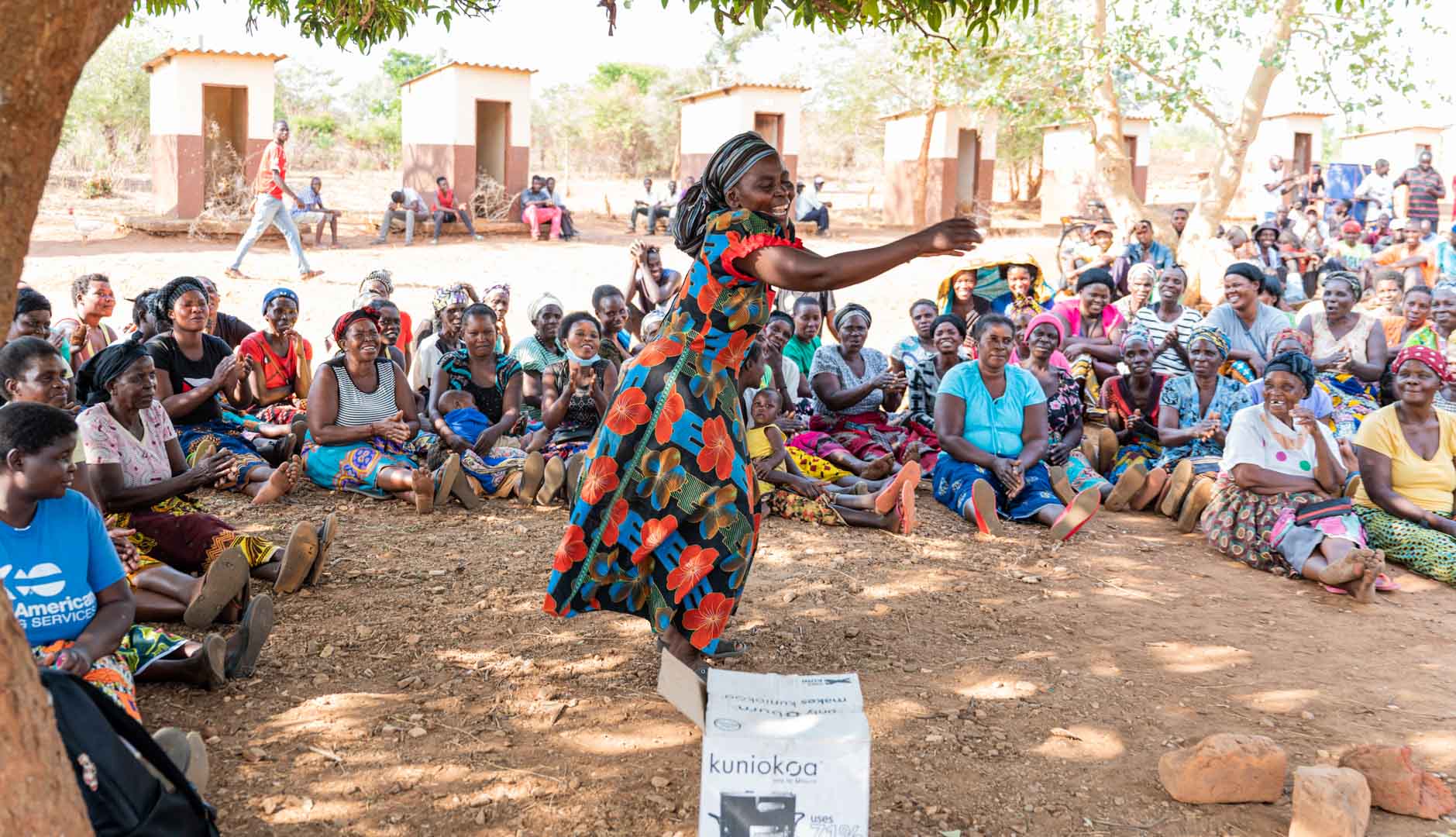
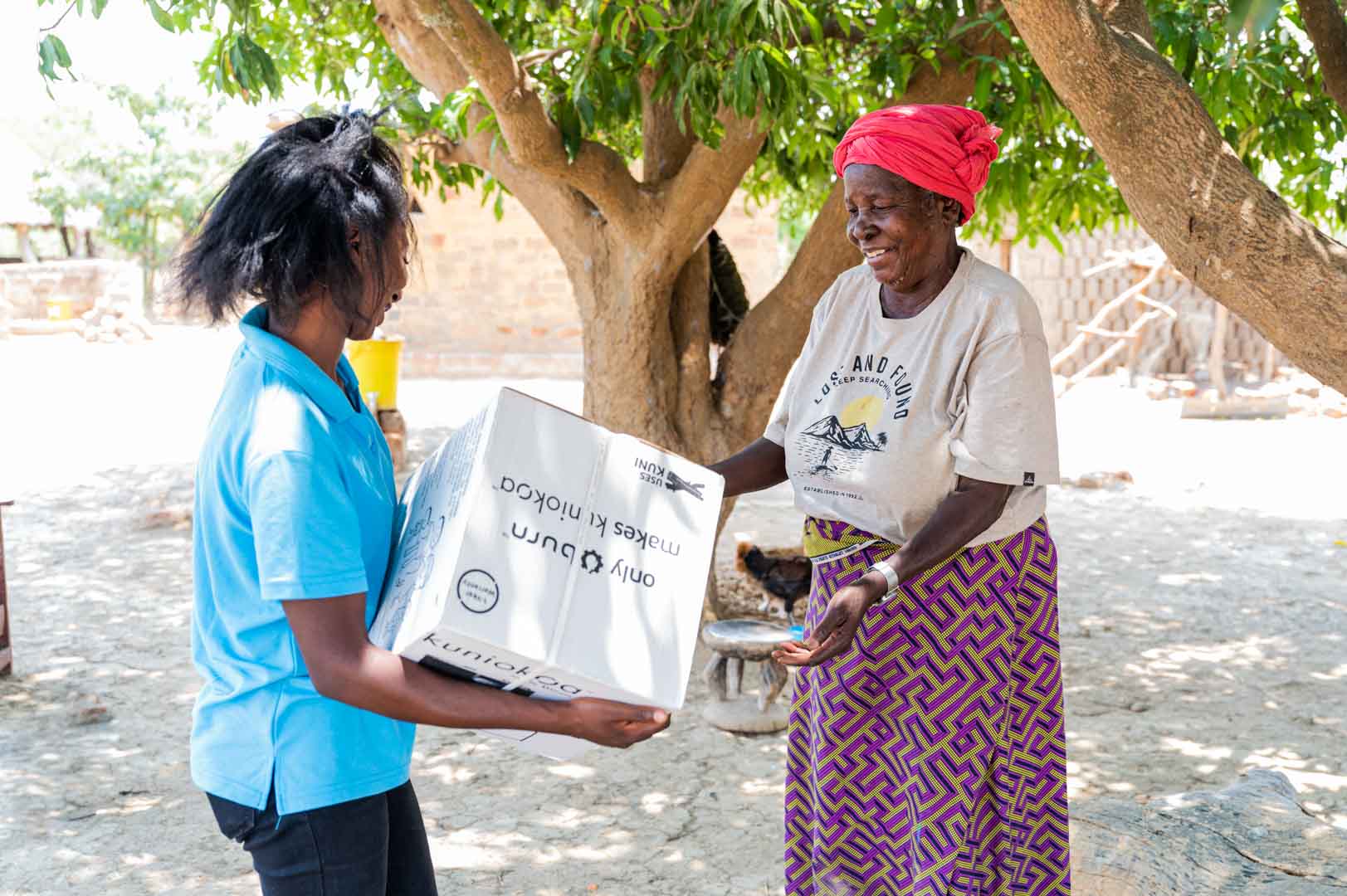
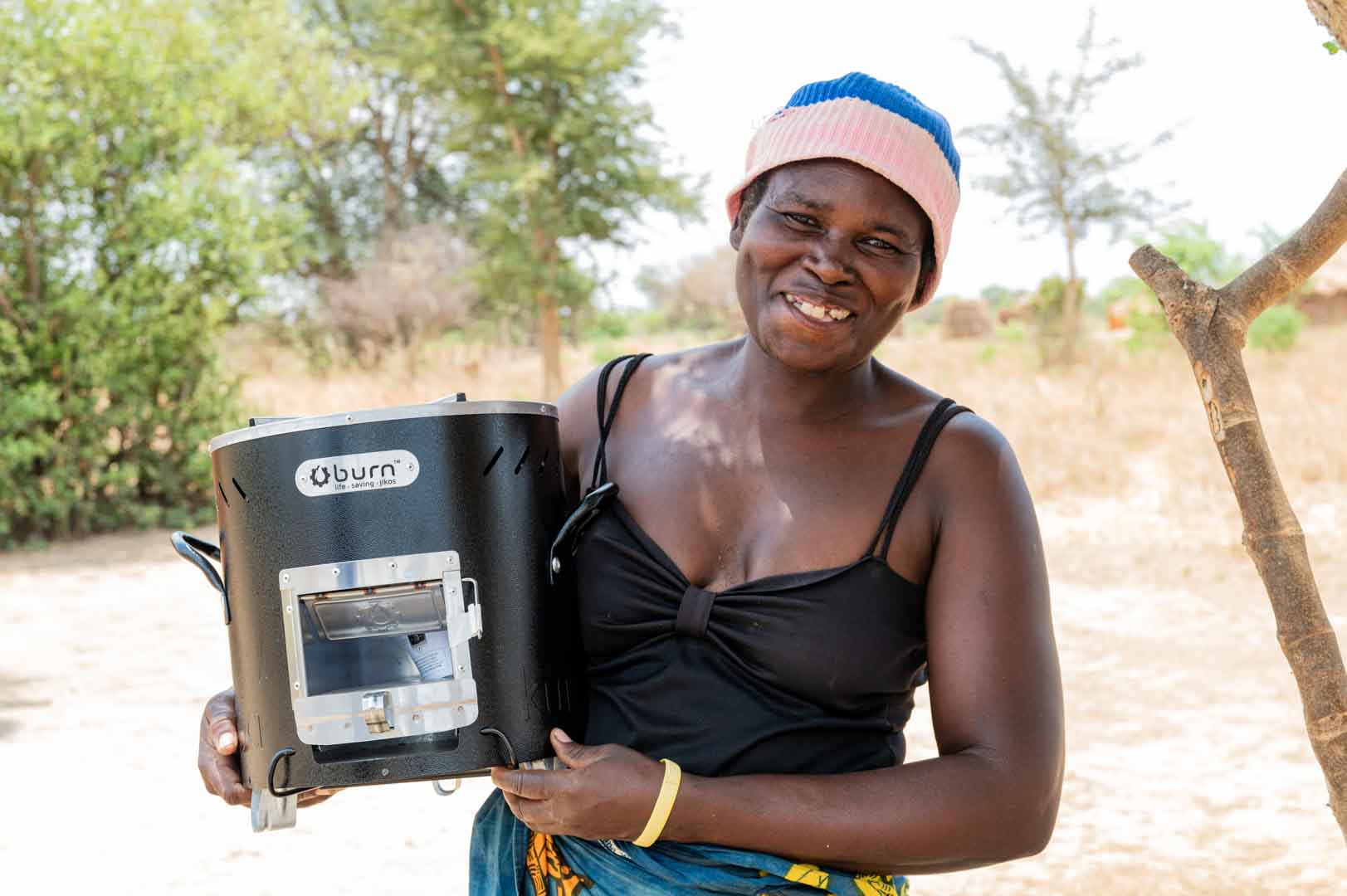
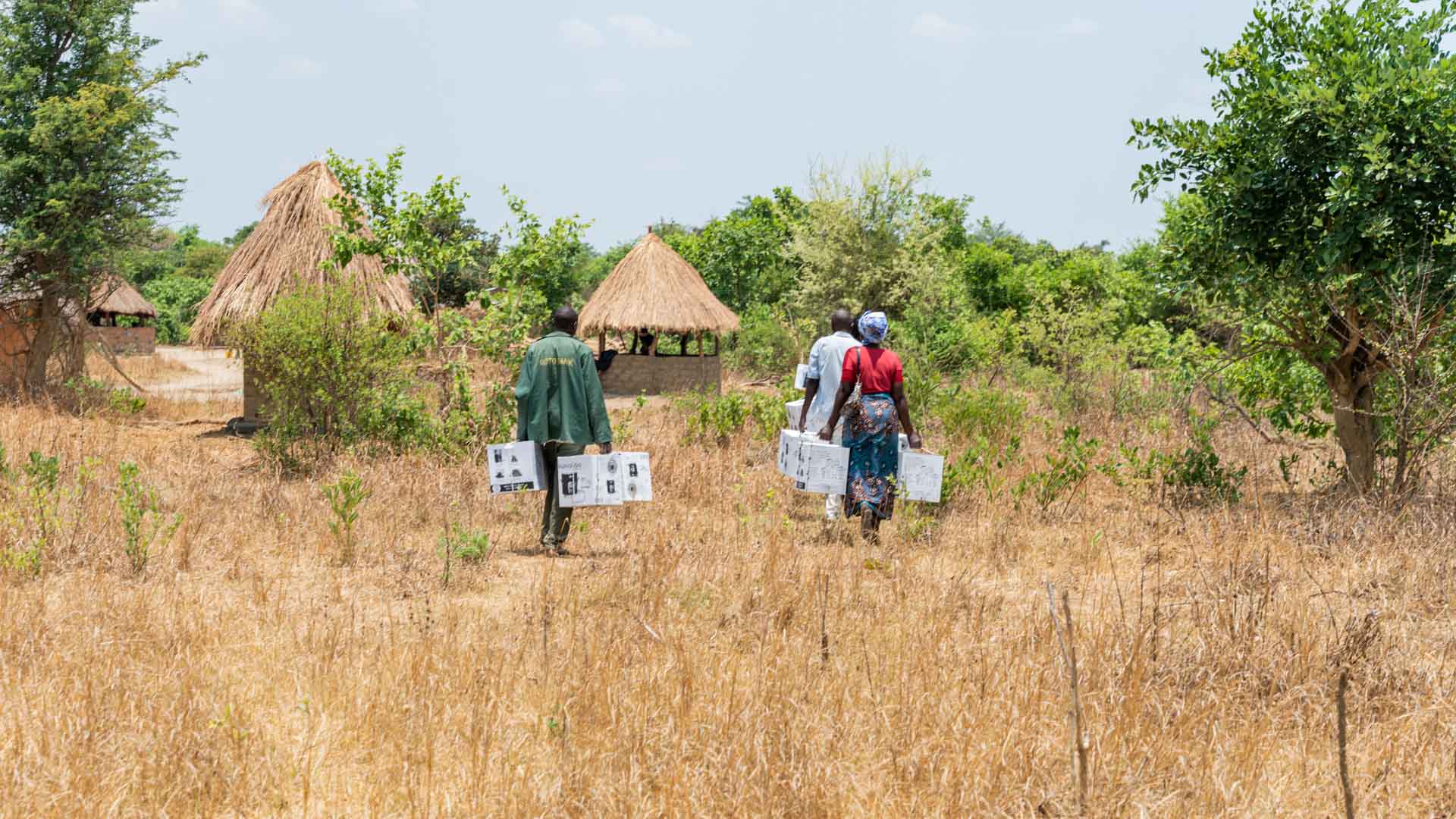
In Zambia, household air pollution is one of the biggest health risks. The reason for the pollution is often cooking over open fires. Only 17 percent of the population uses cookstoves, which is more efficient and better for human health and the climate. Therefore, this climate project distributes improved cookstoves in Zambia to households that use open wood fires as their energy source. Thereby, local jobs will be created and approximately 45,000 households per year will have access to an improved cookstove.
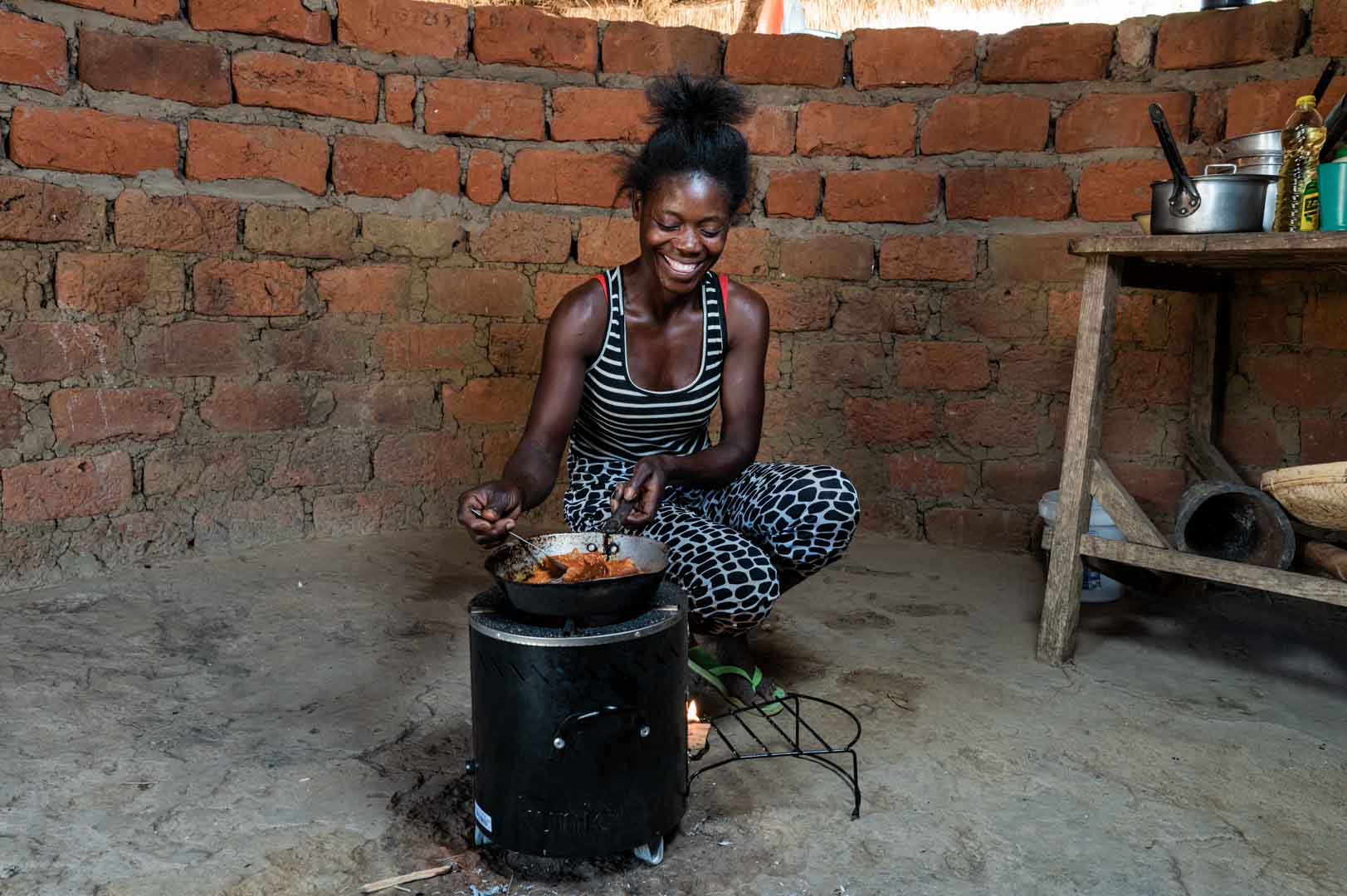
The improved cookstoves burn biomass fuels more efficiently, reducing greenhouse gas and particulate matter emissions. This saves approximately 429,490 tonnes of CO2 per year and significantly improves indoor air quality.

 The project contributes to the the United Nations' Sustainable Development Goals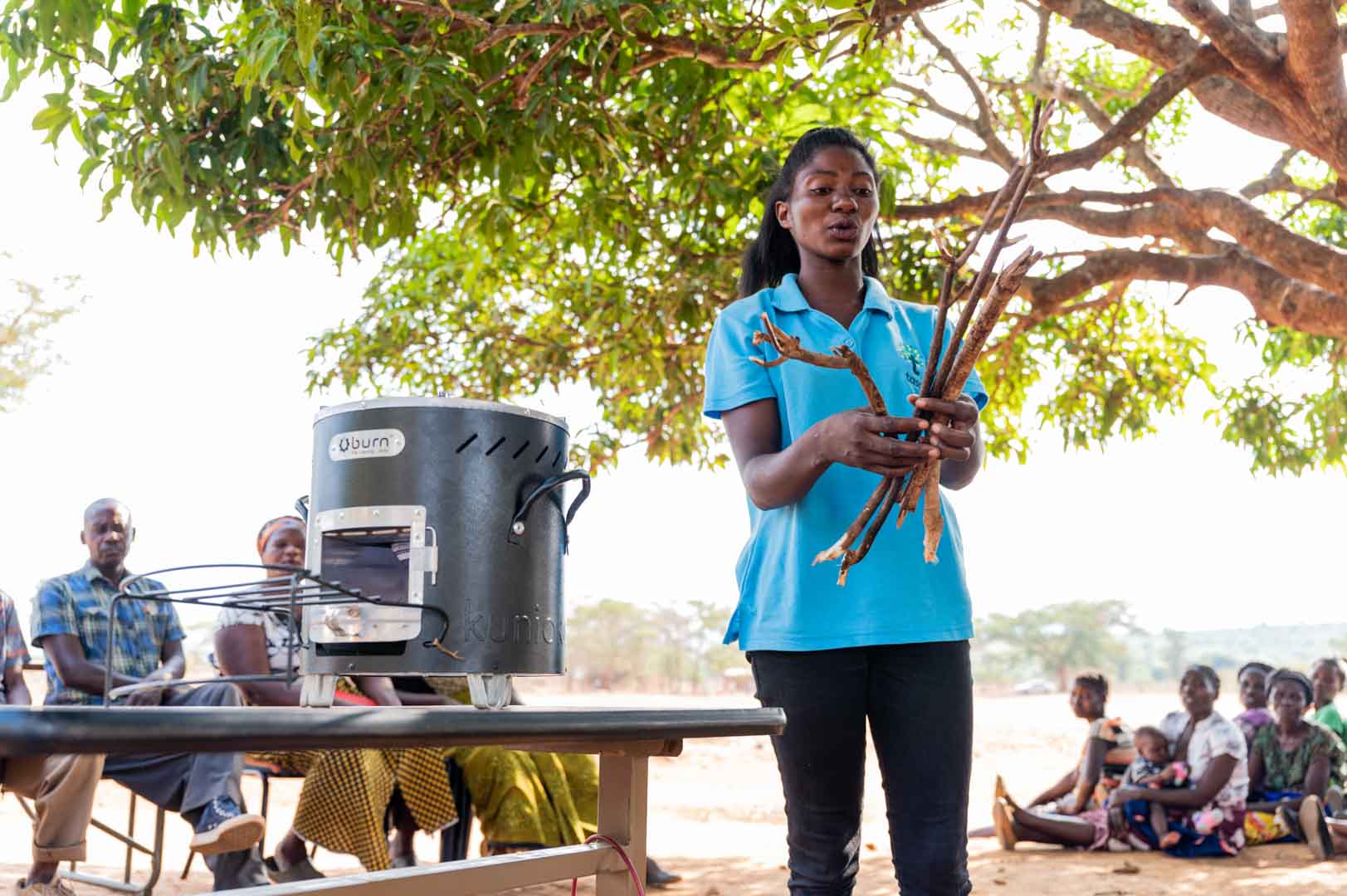
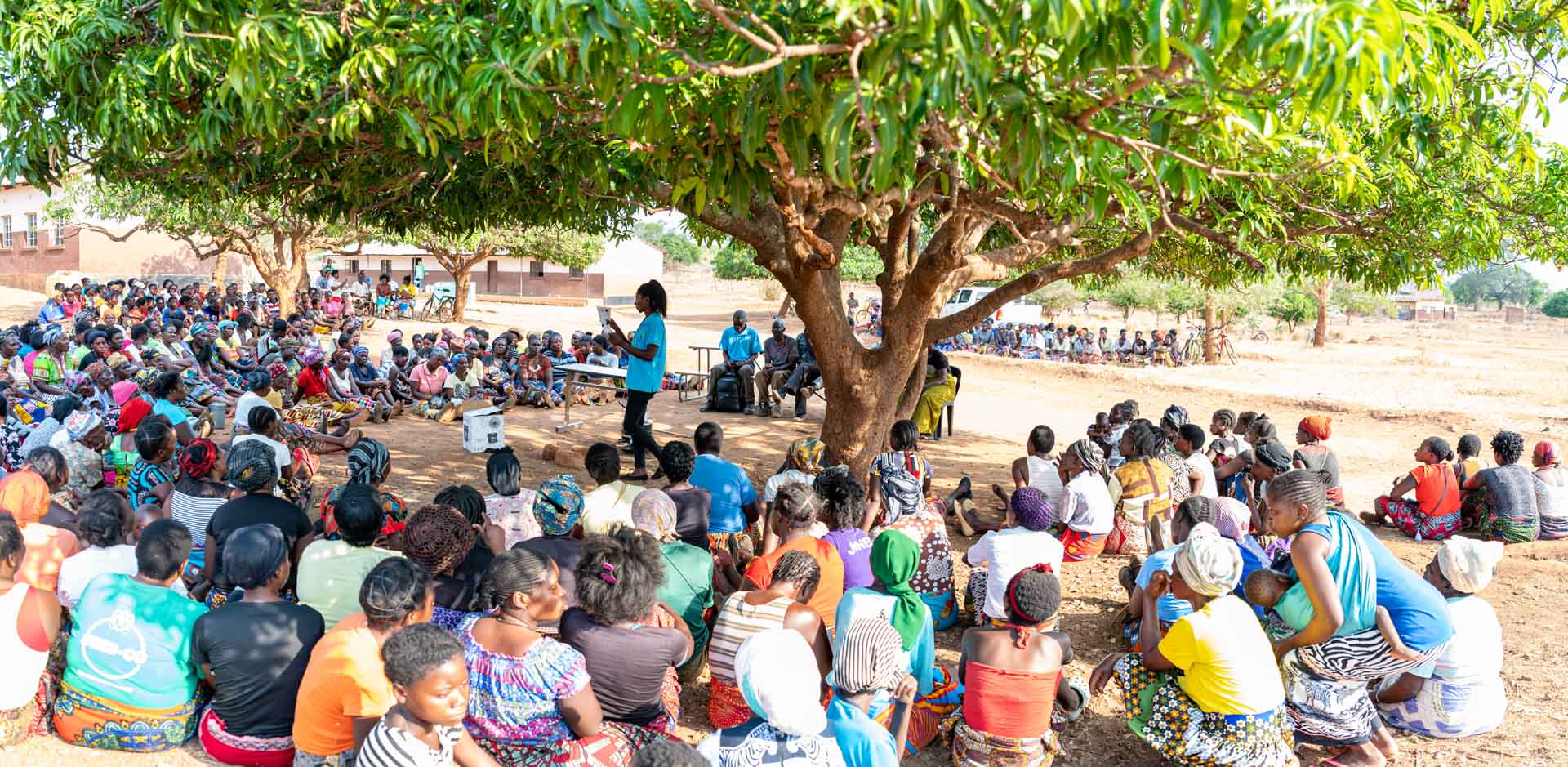
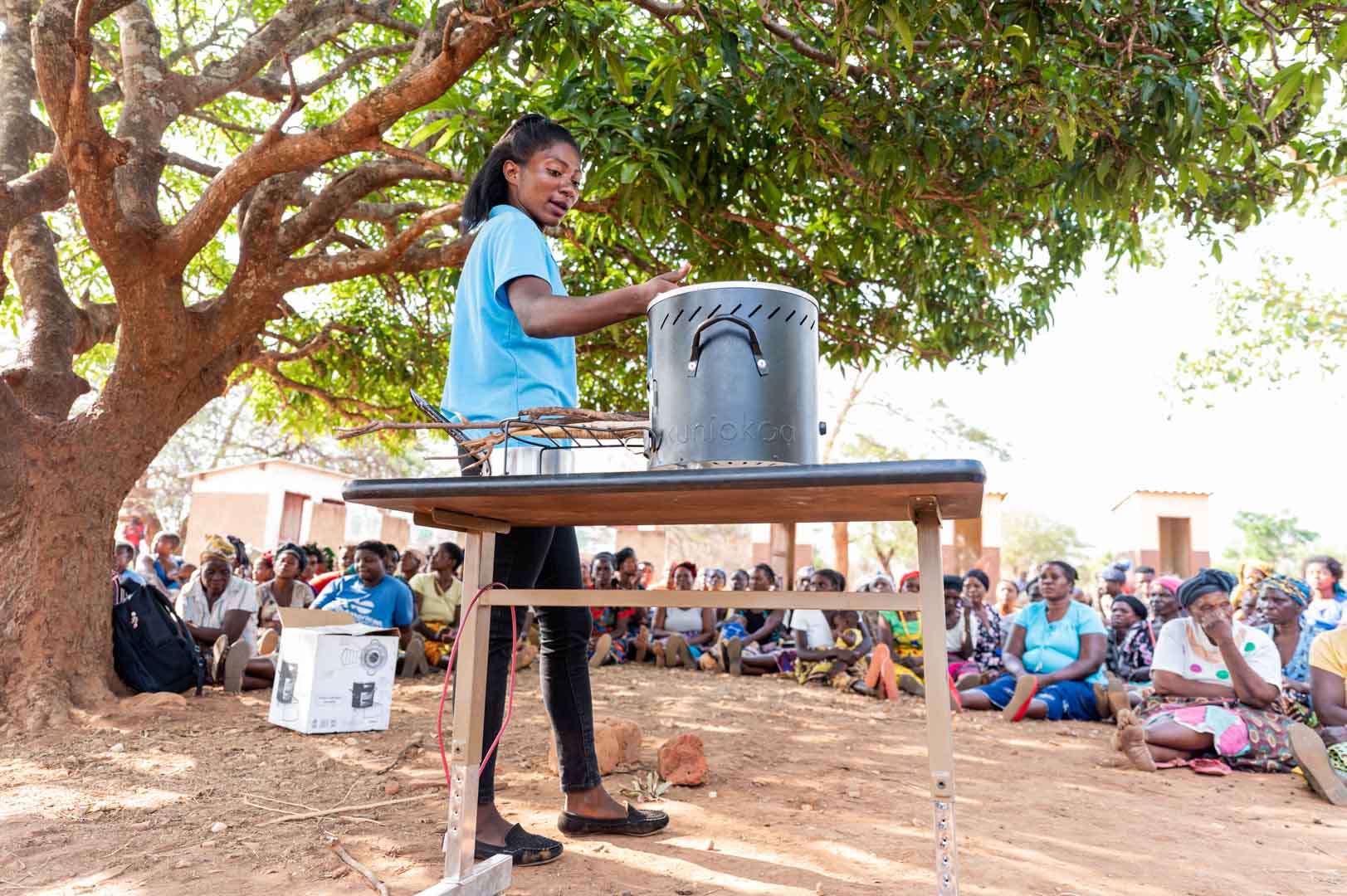
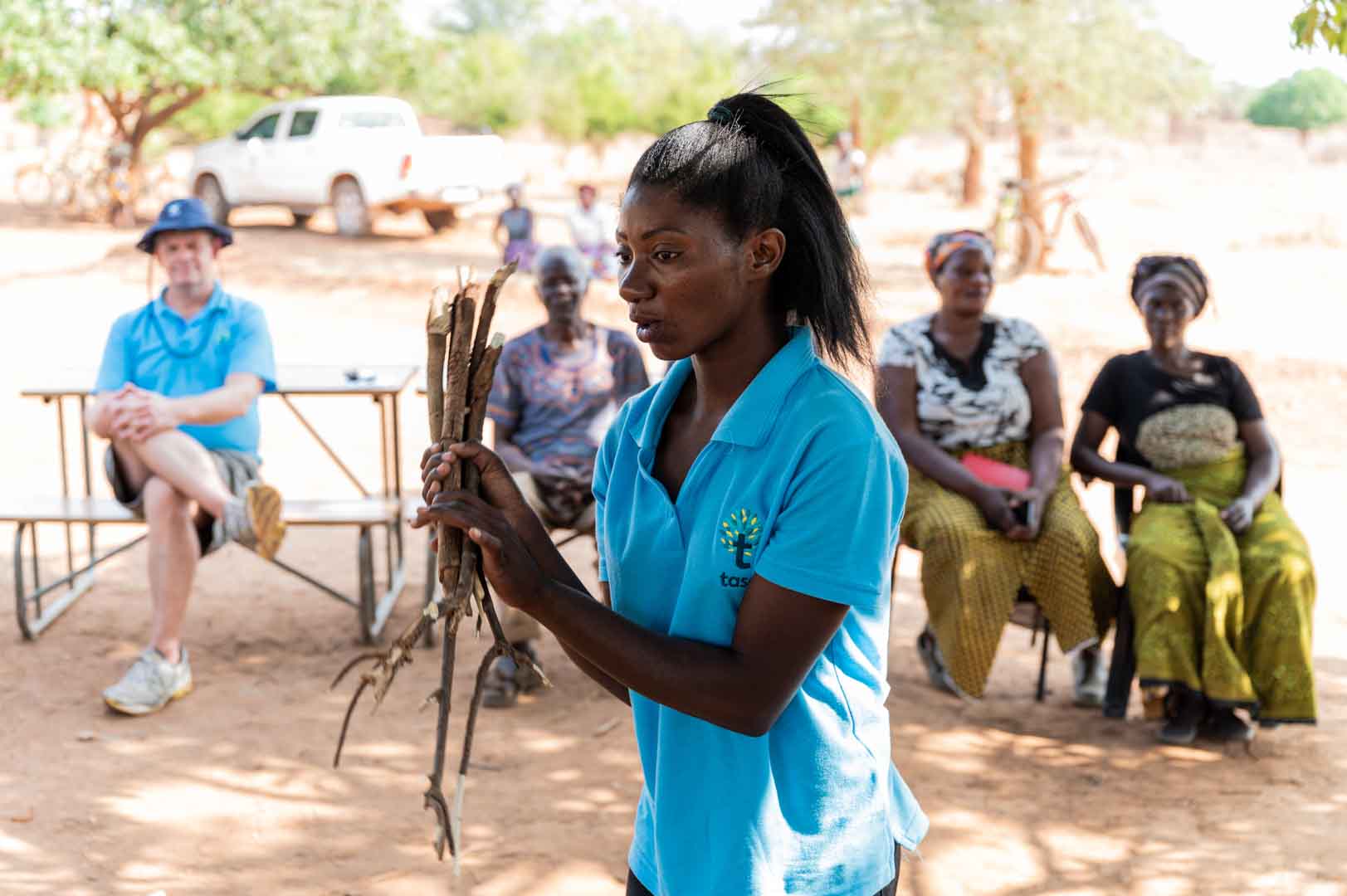
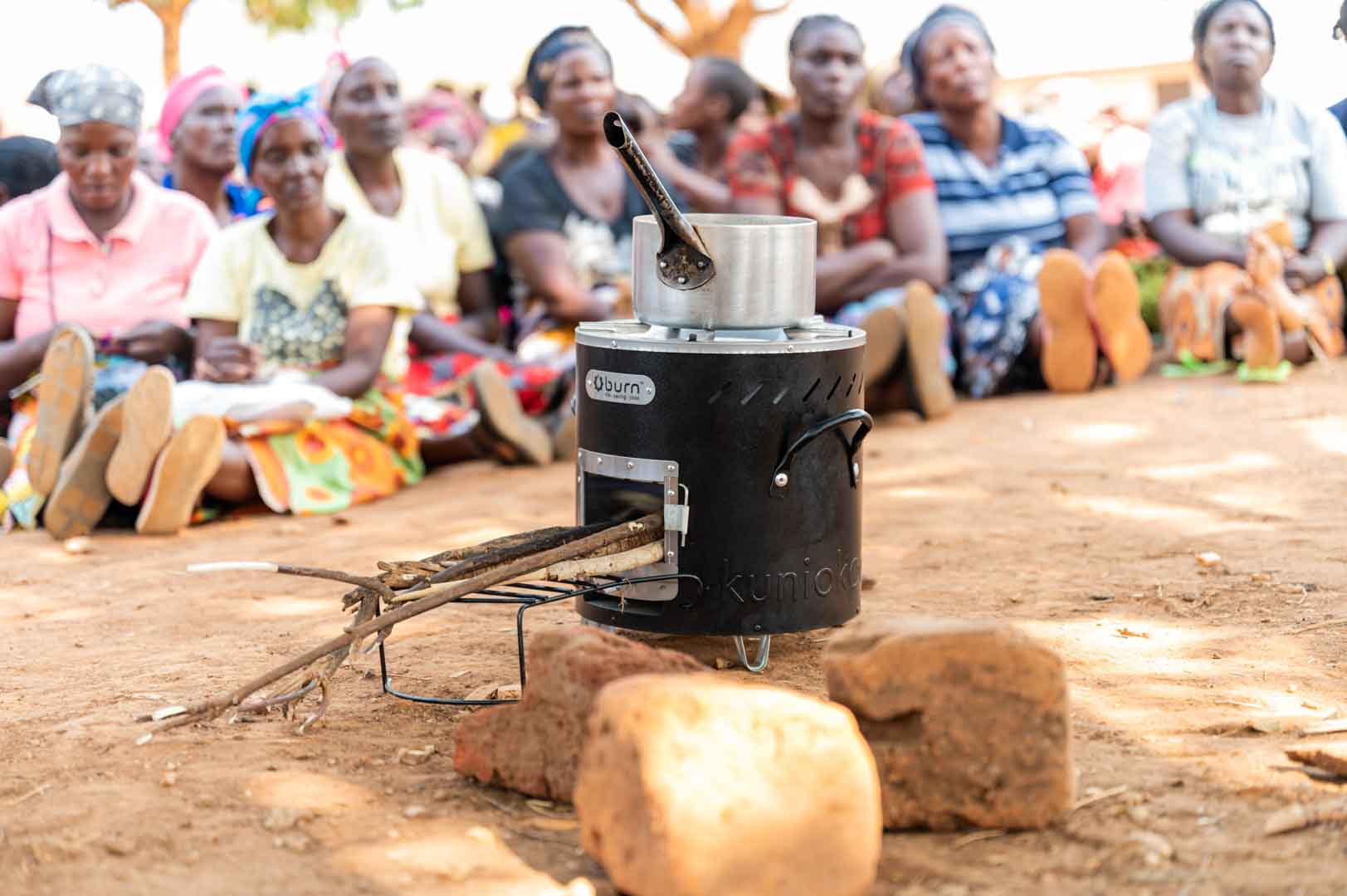
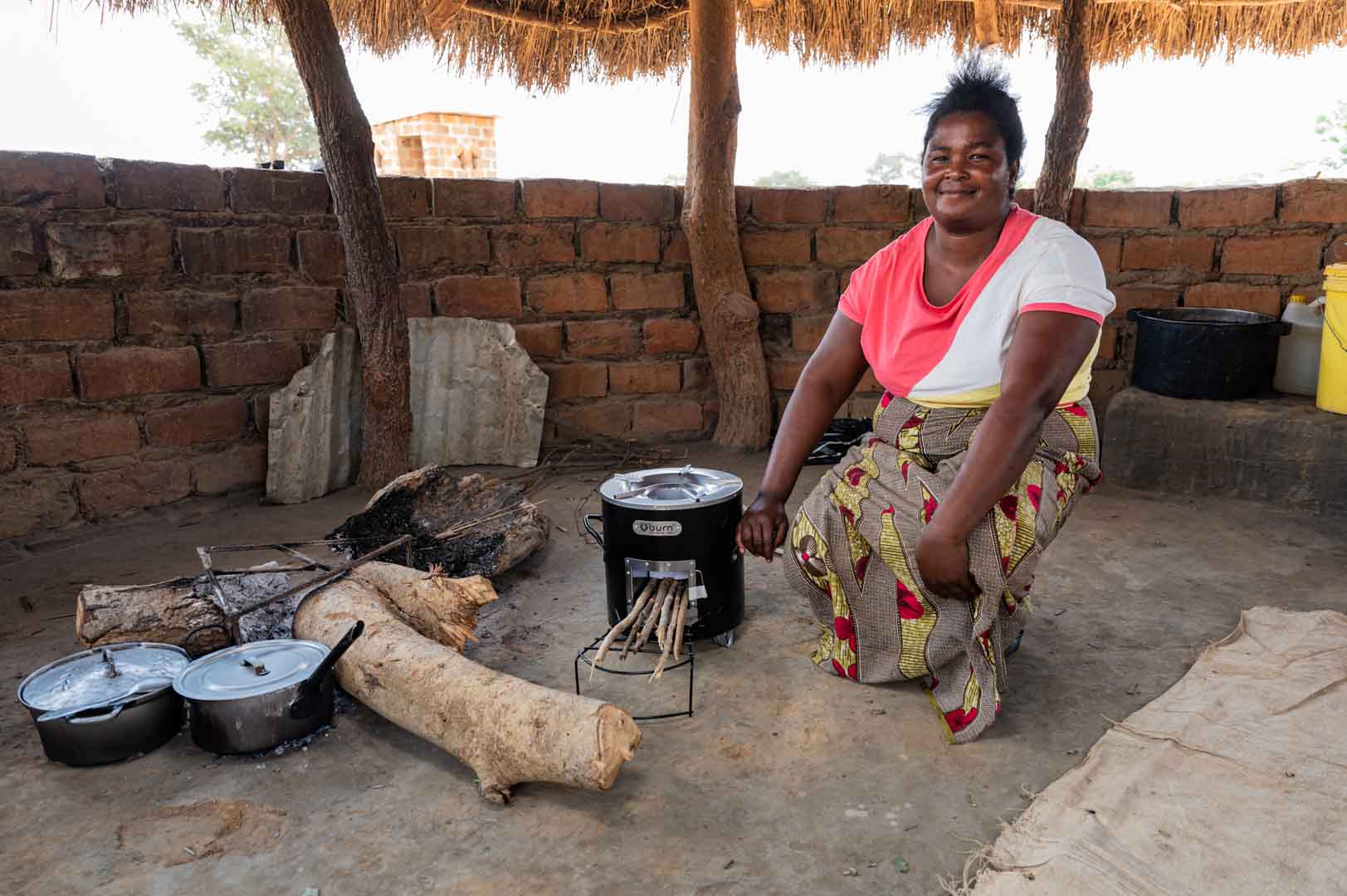
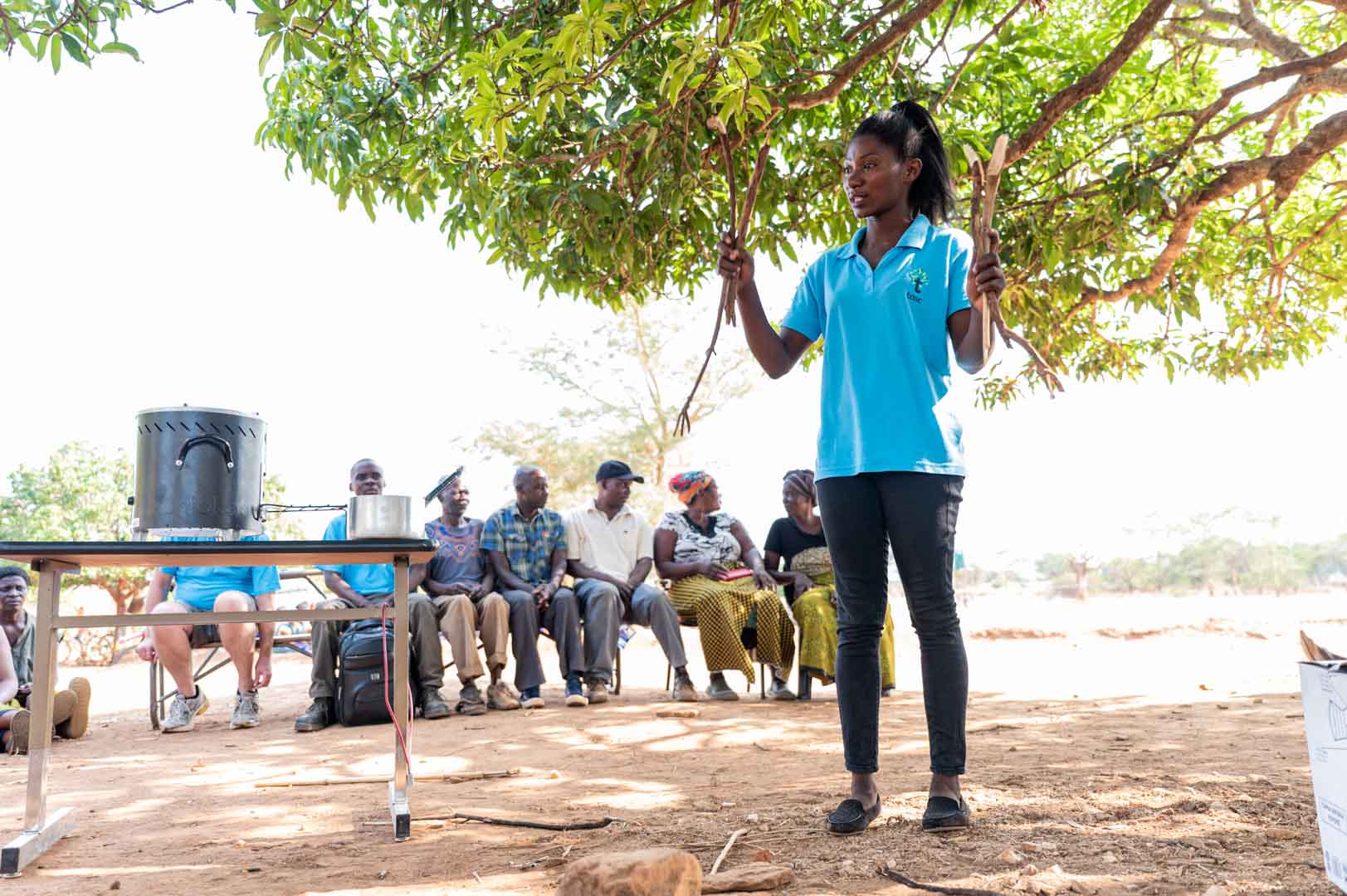
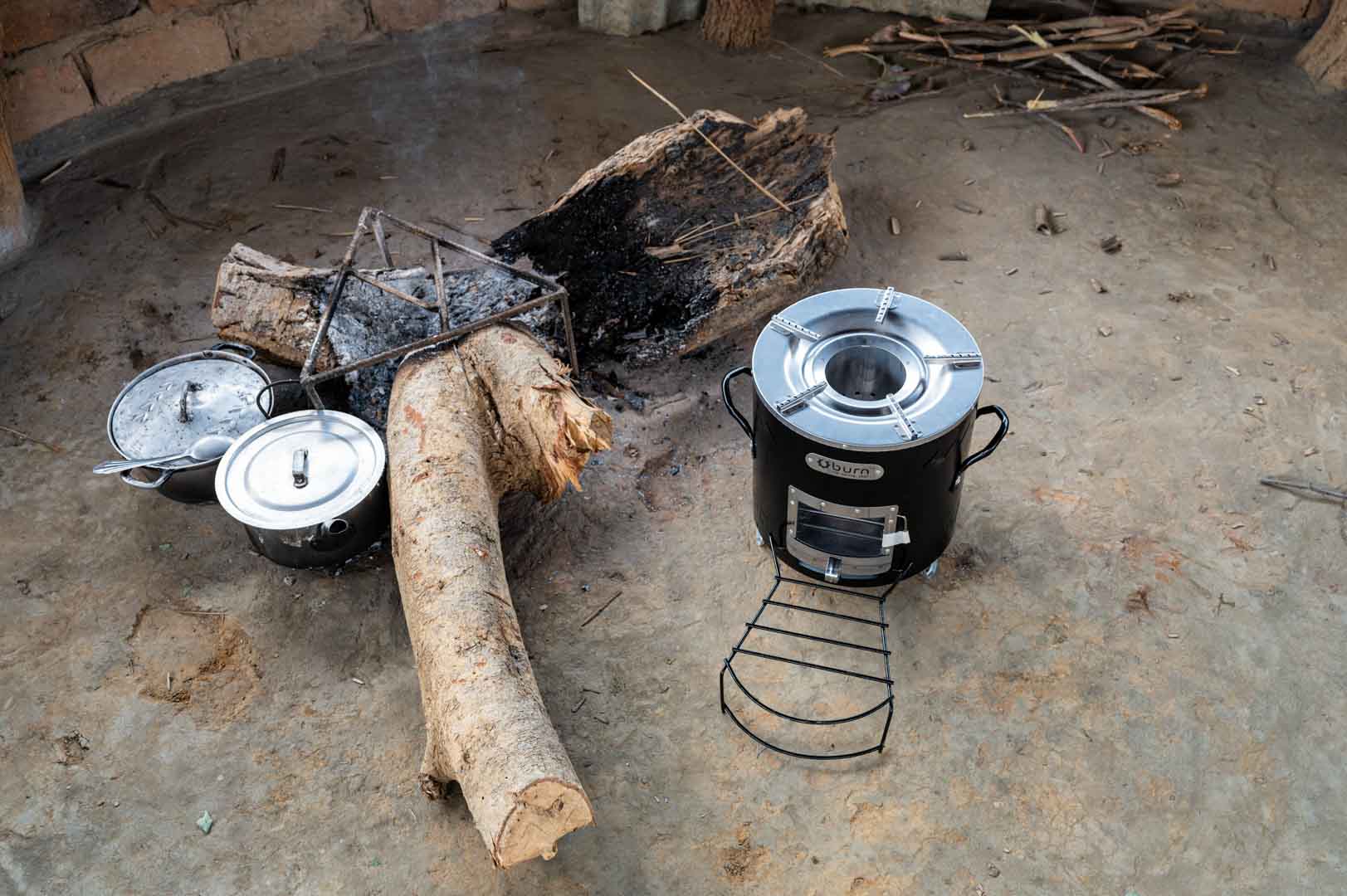

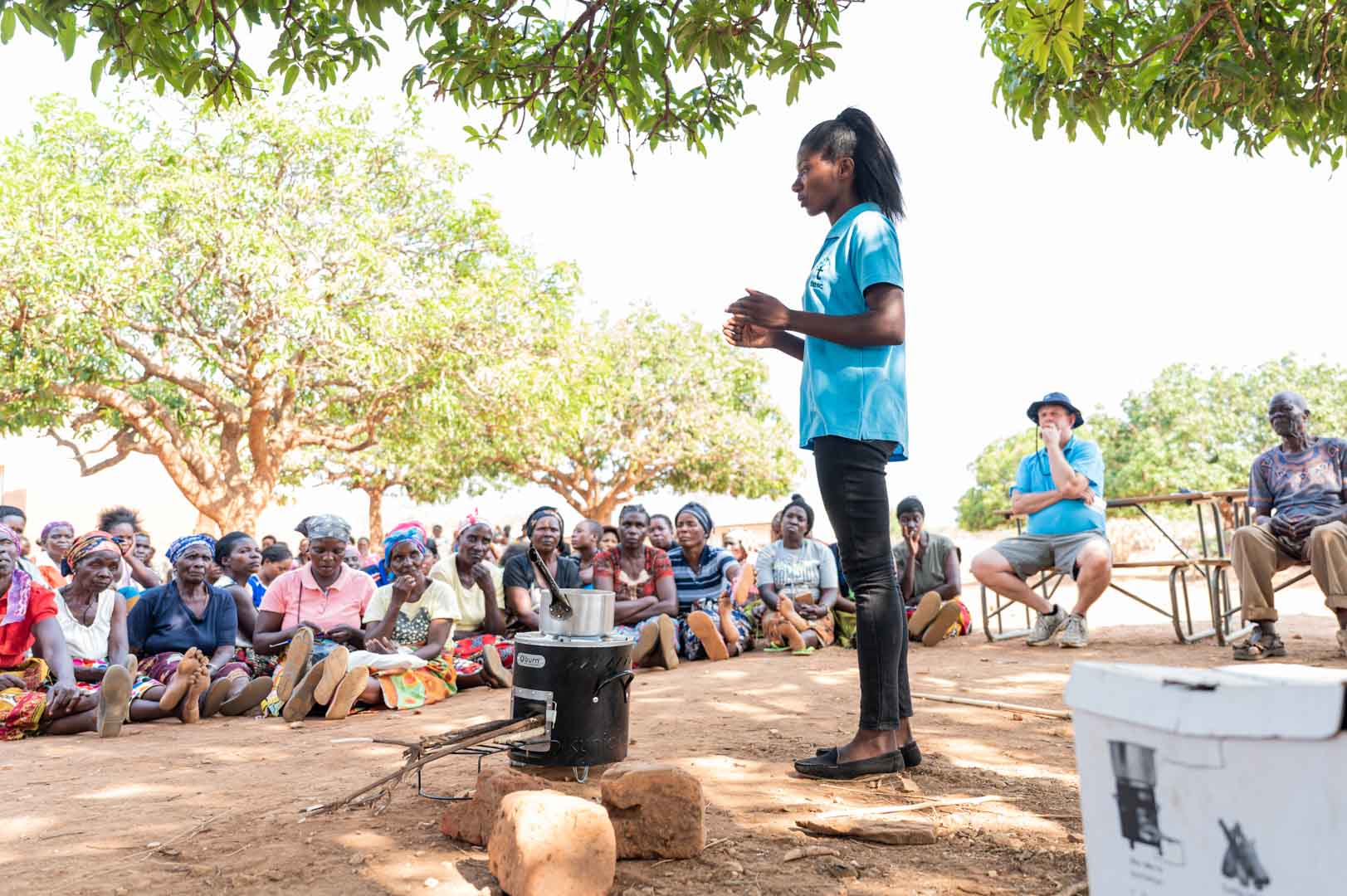
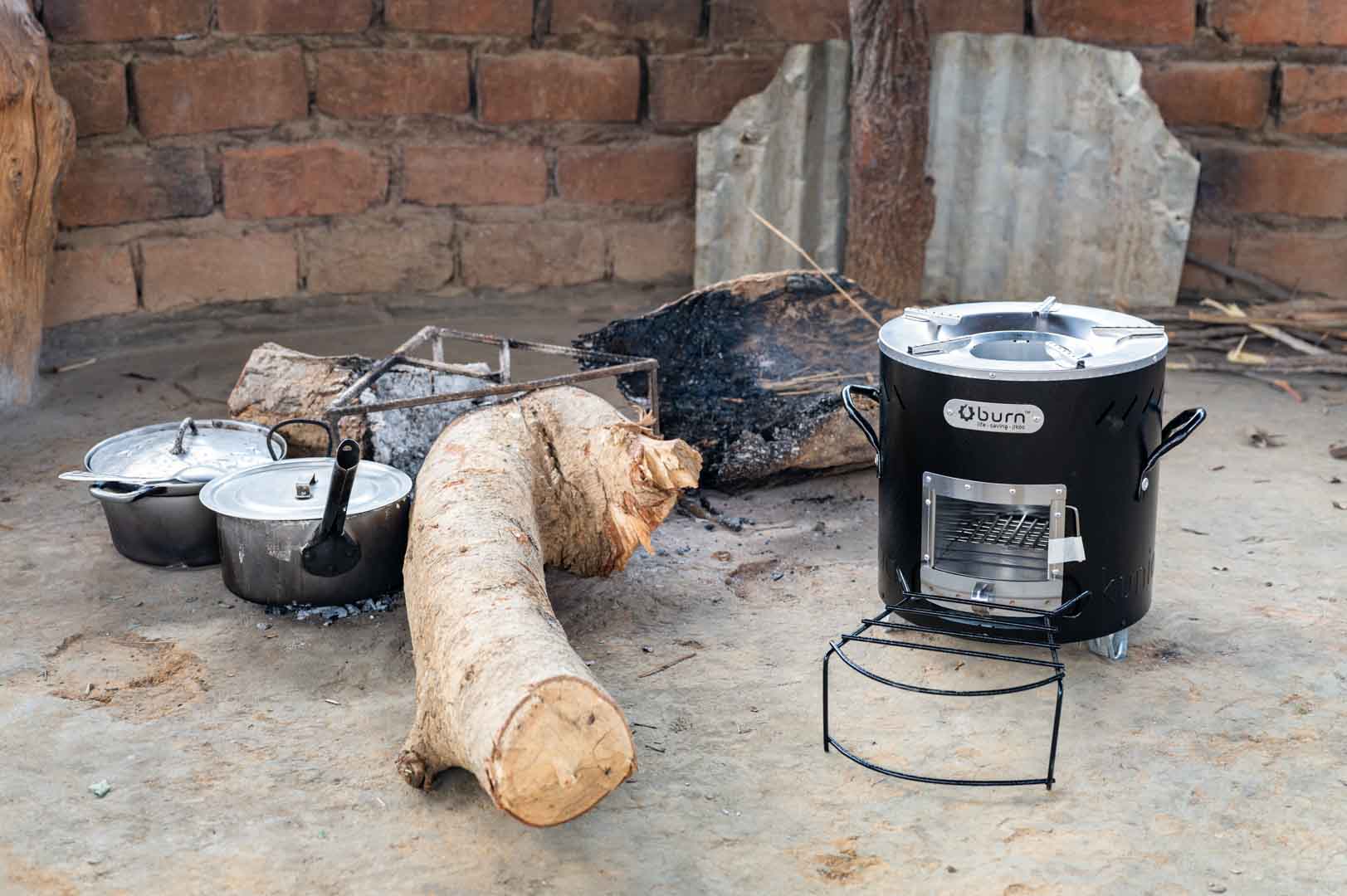
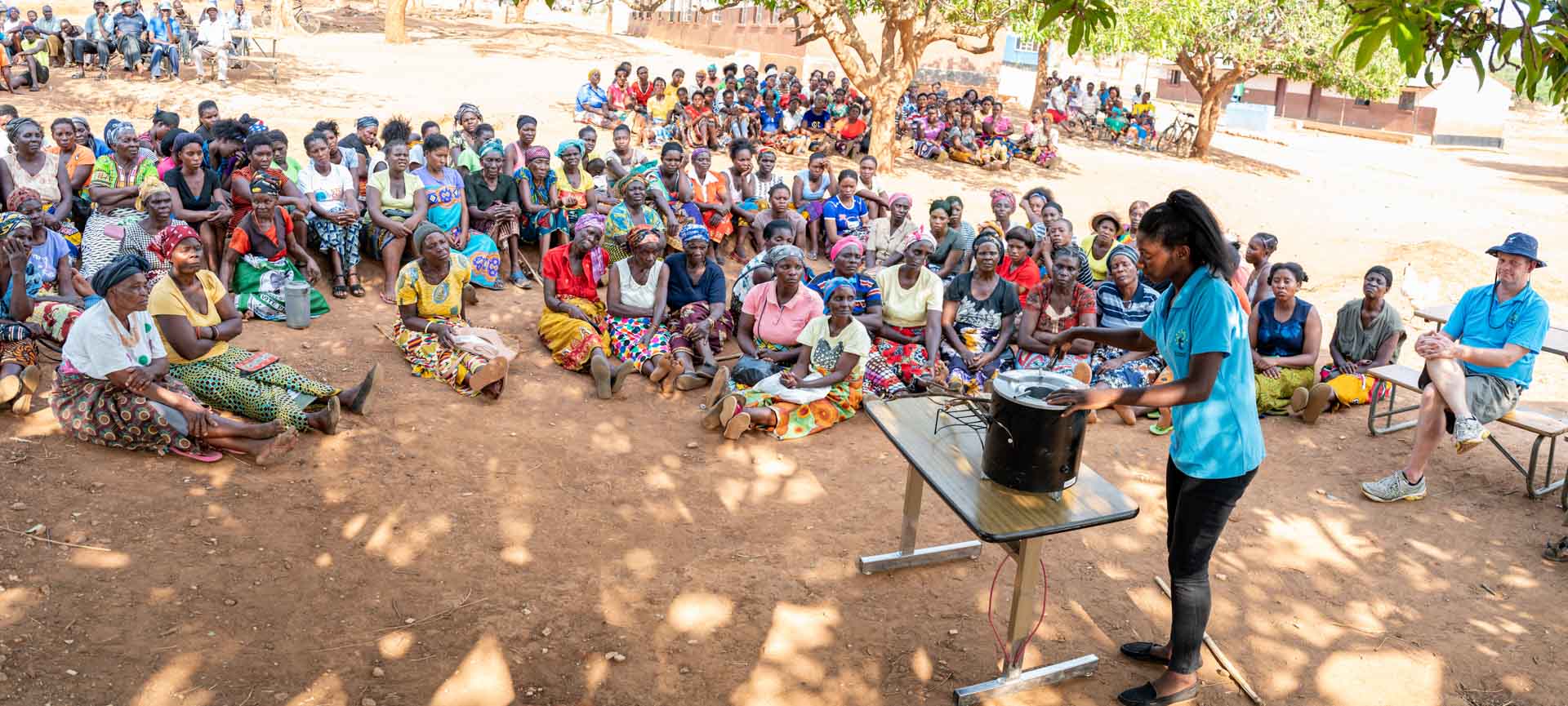
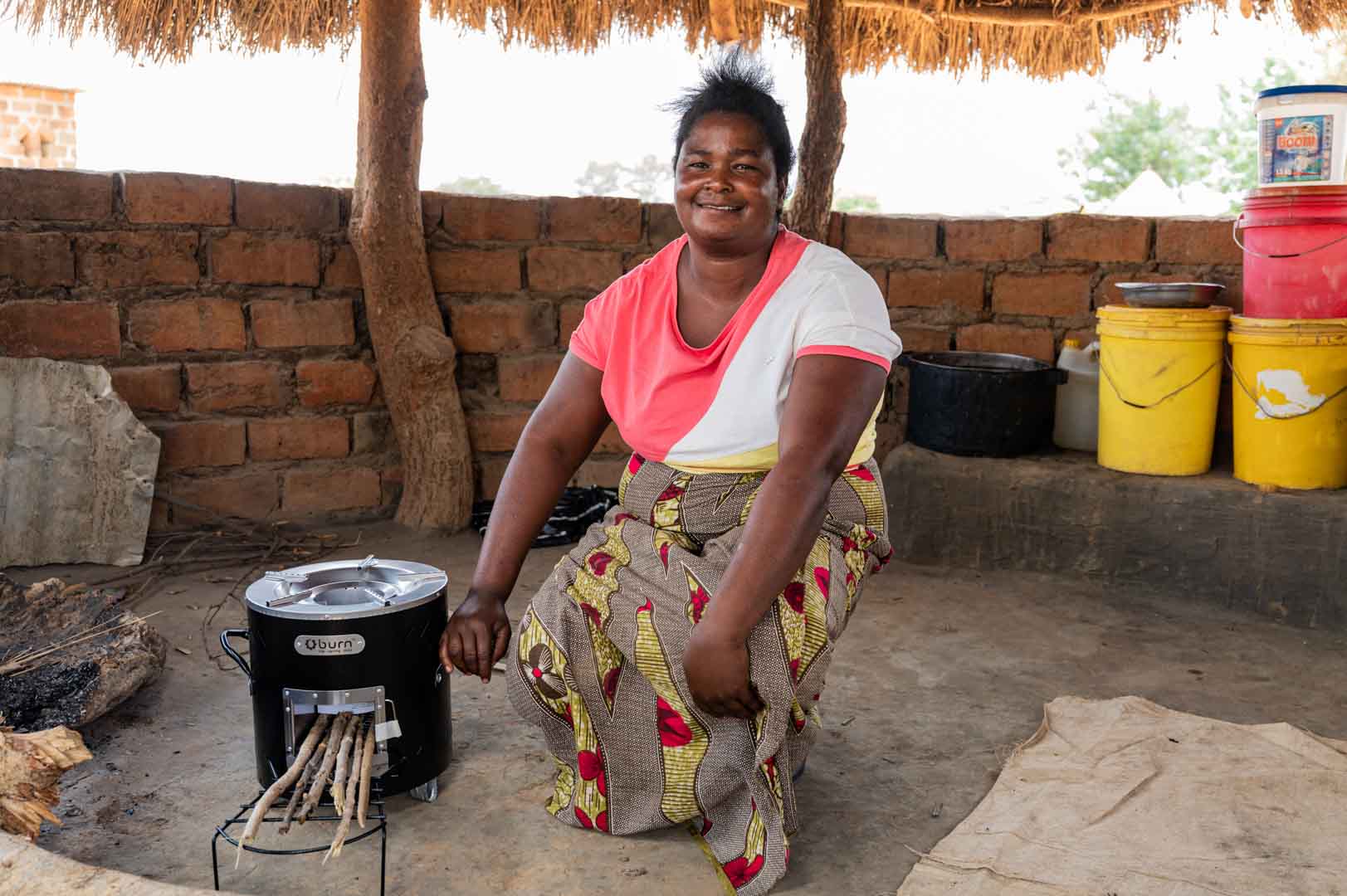
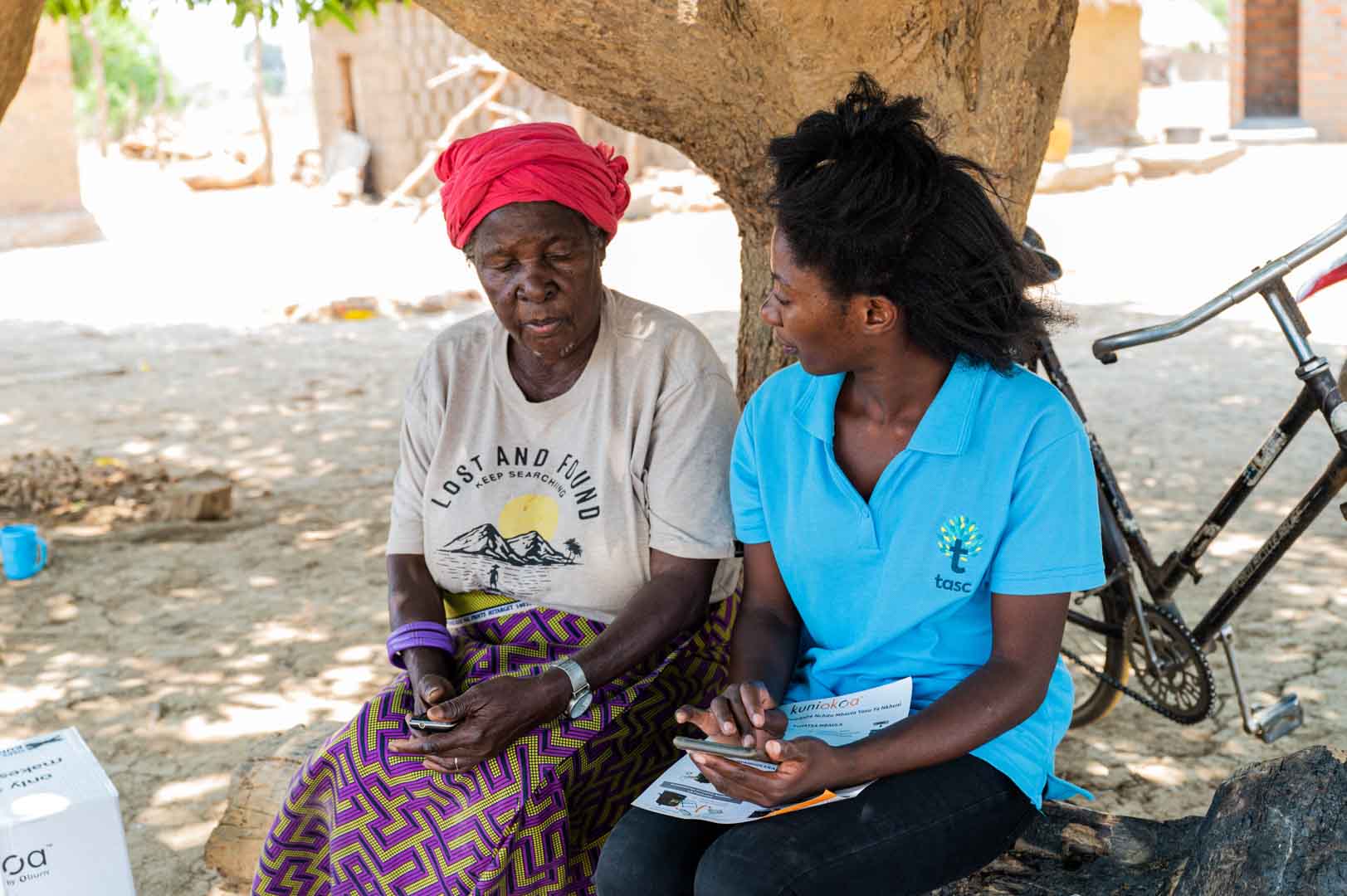
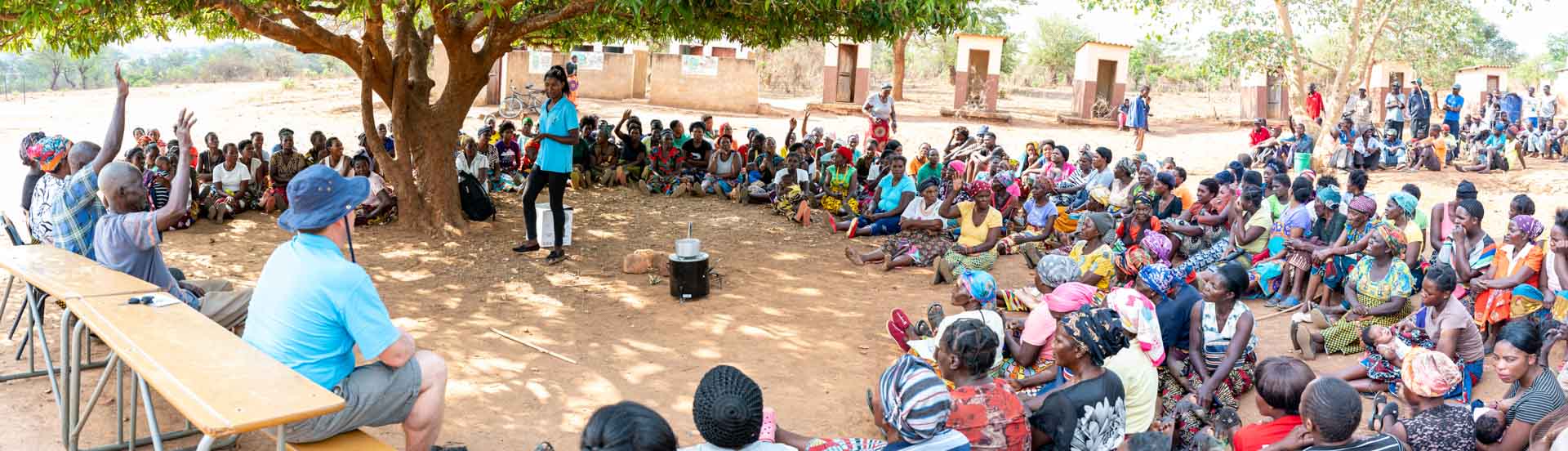
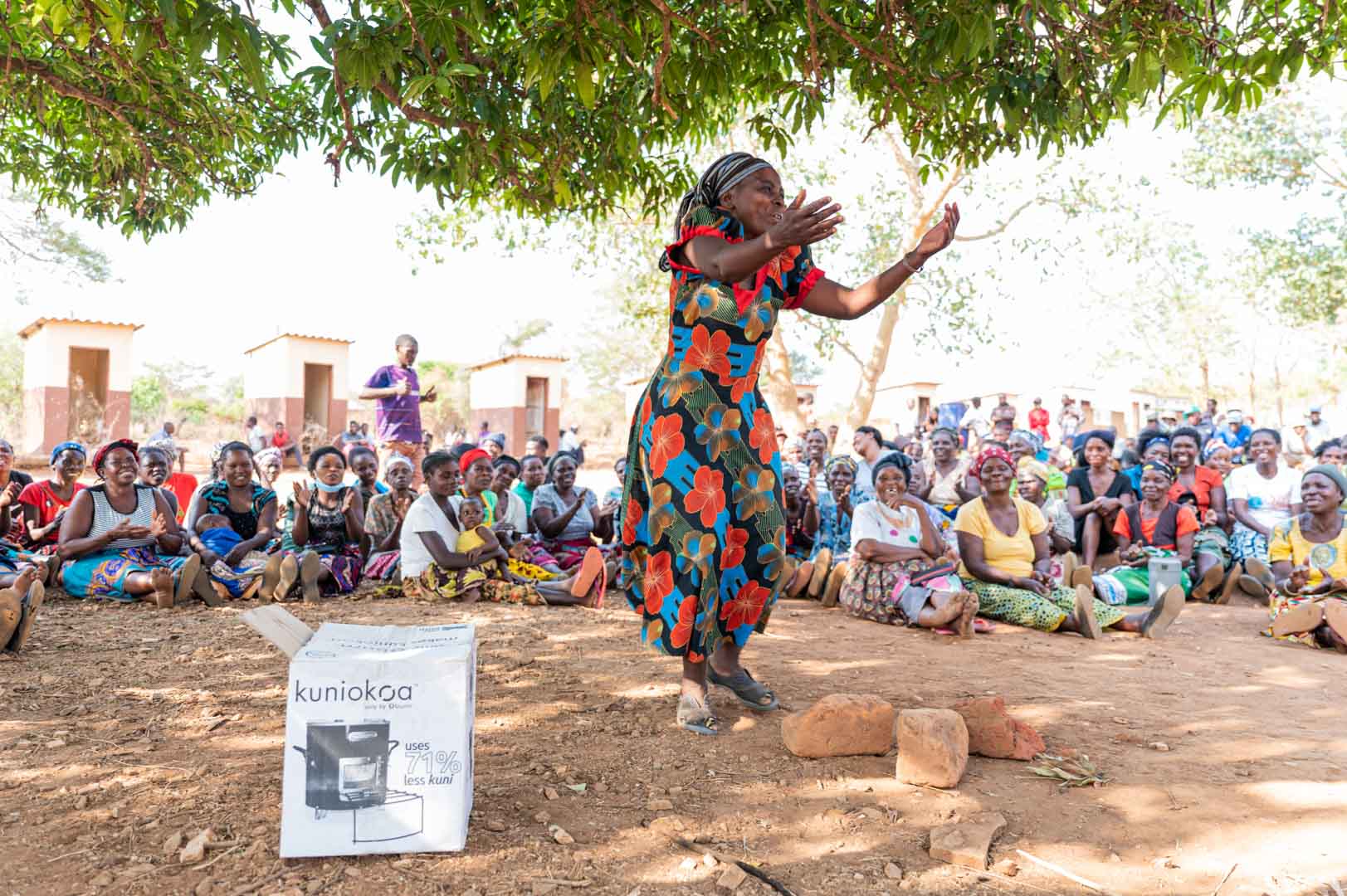
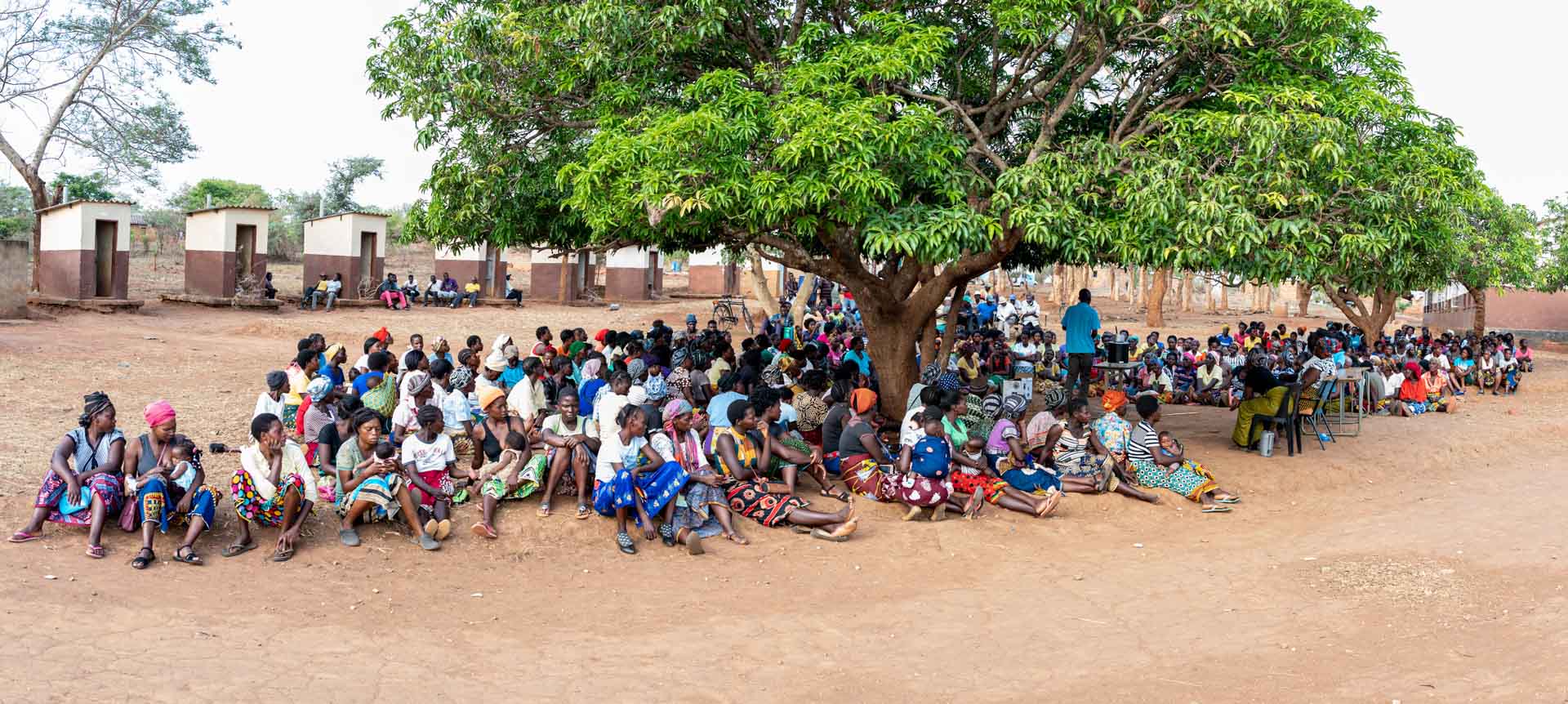
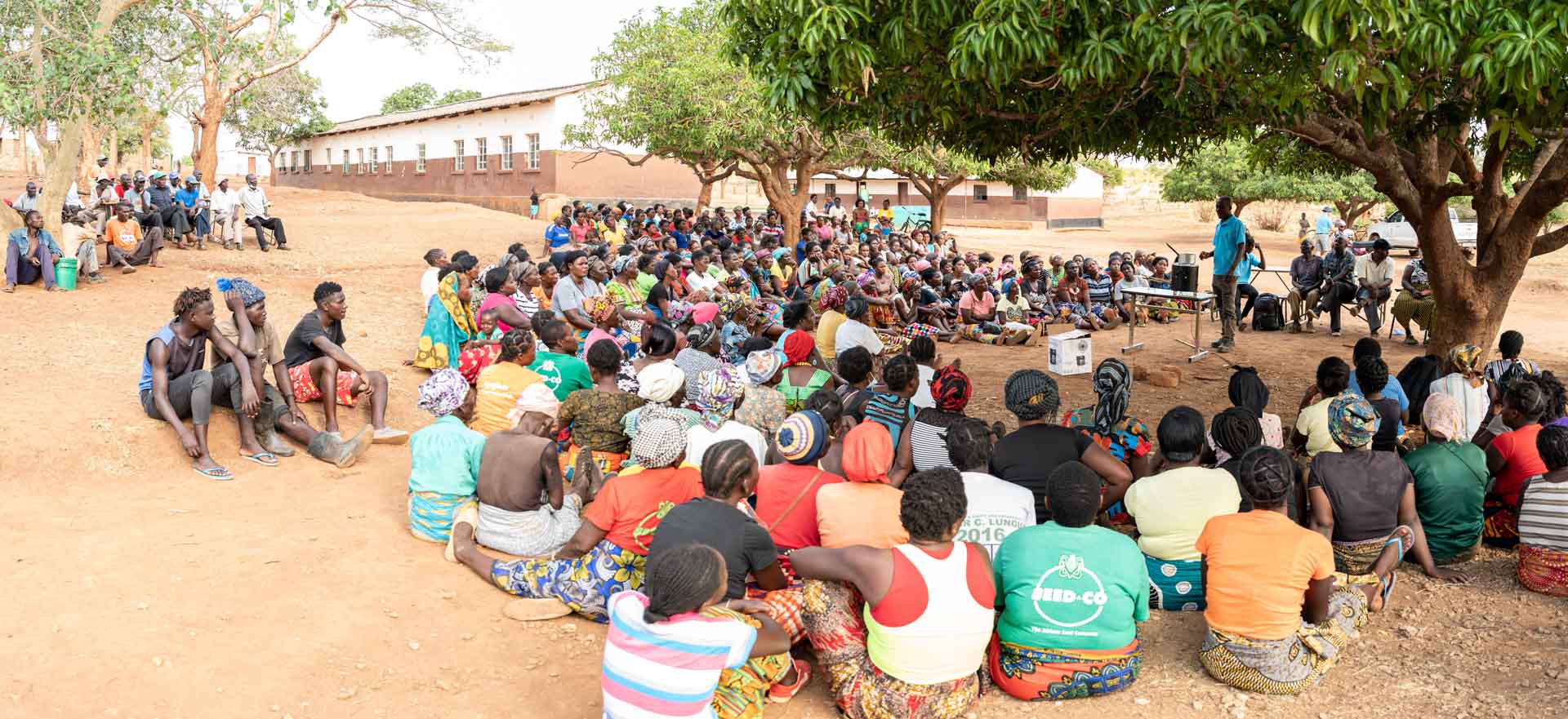
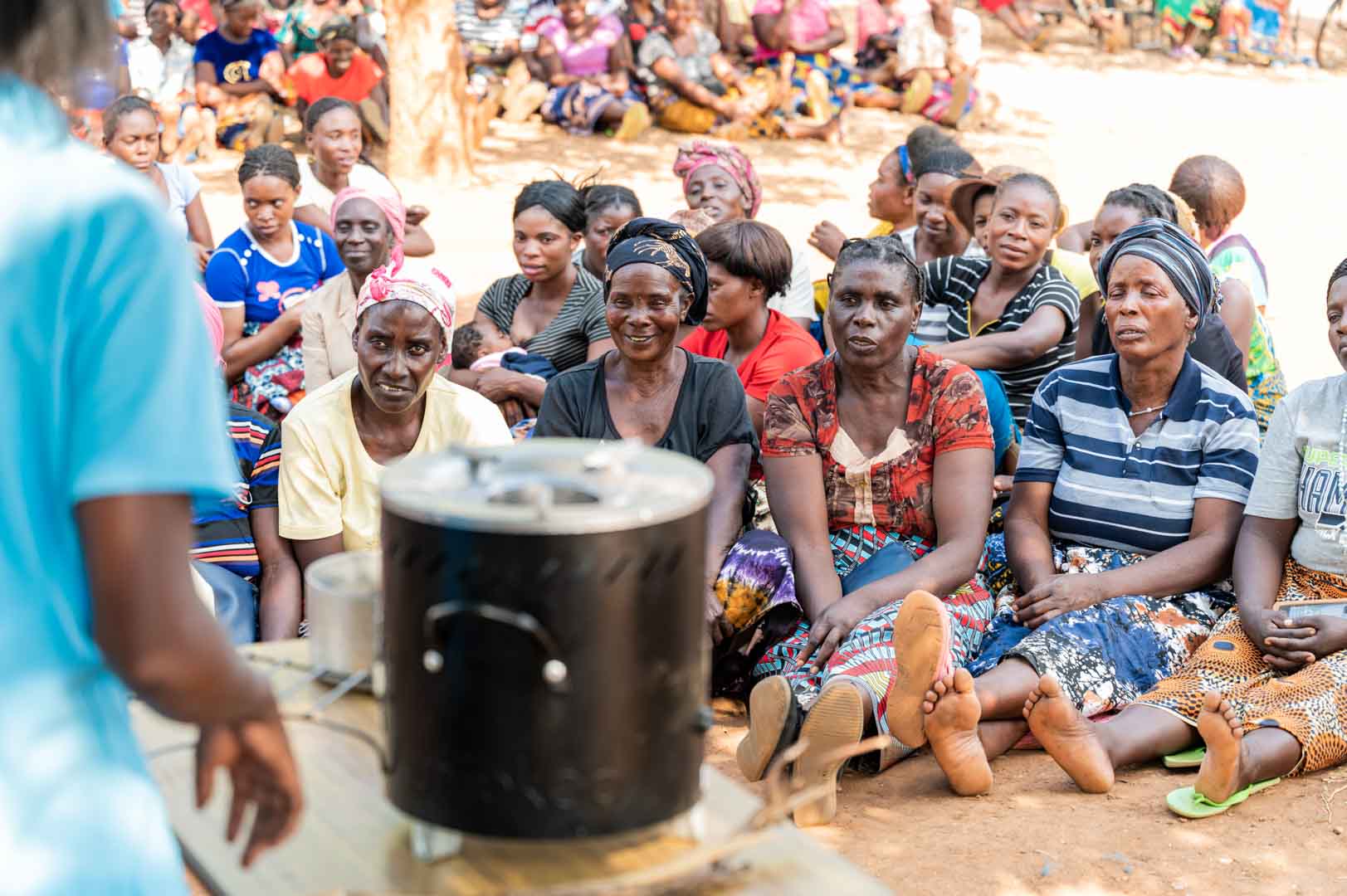
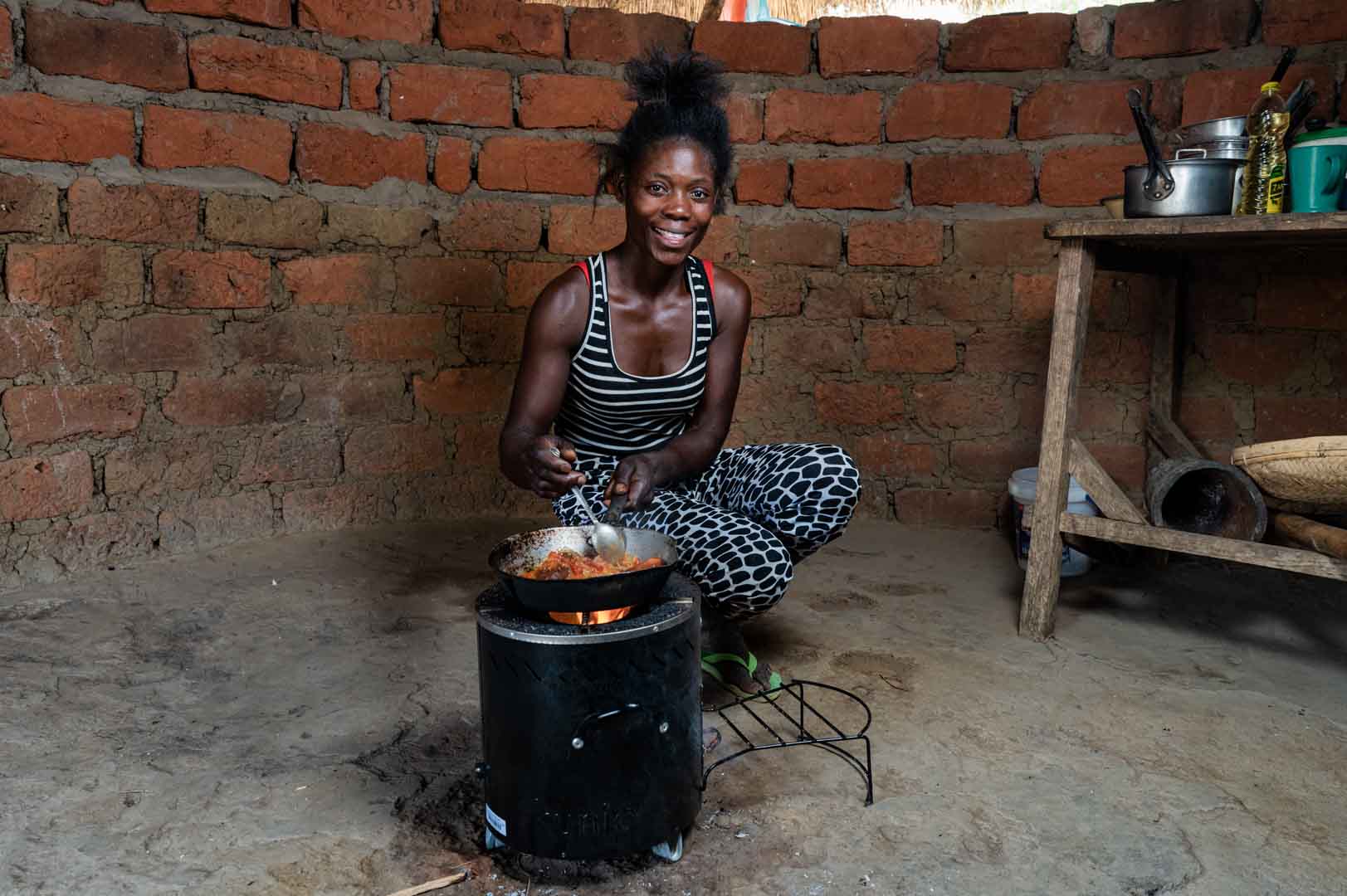
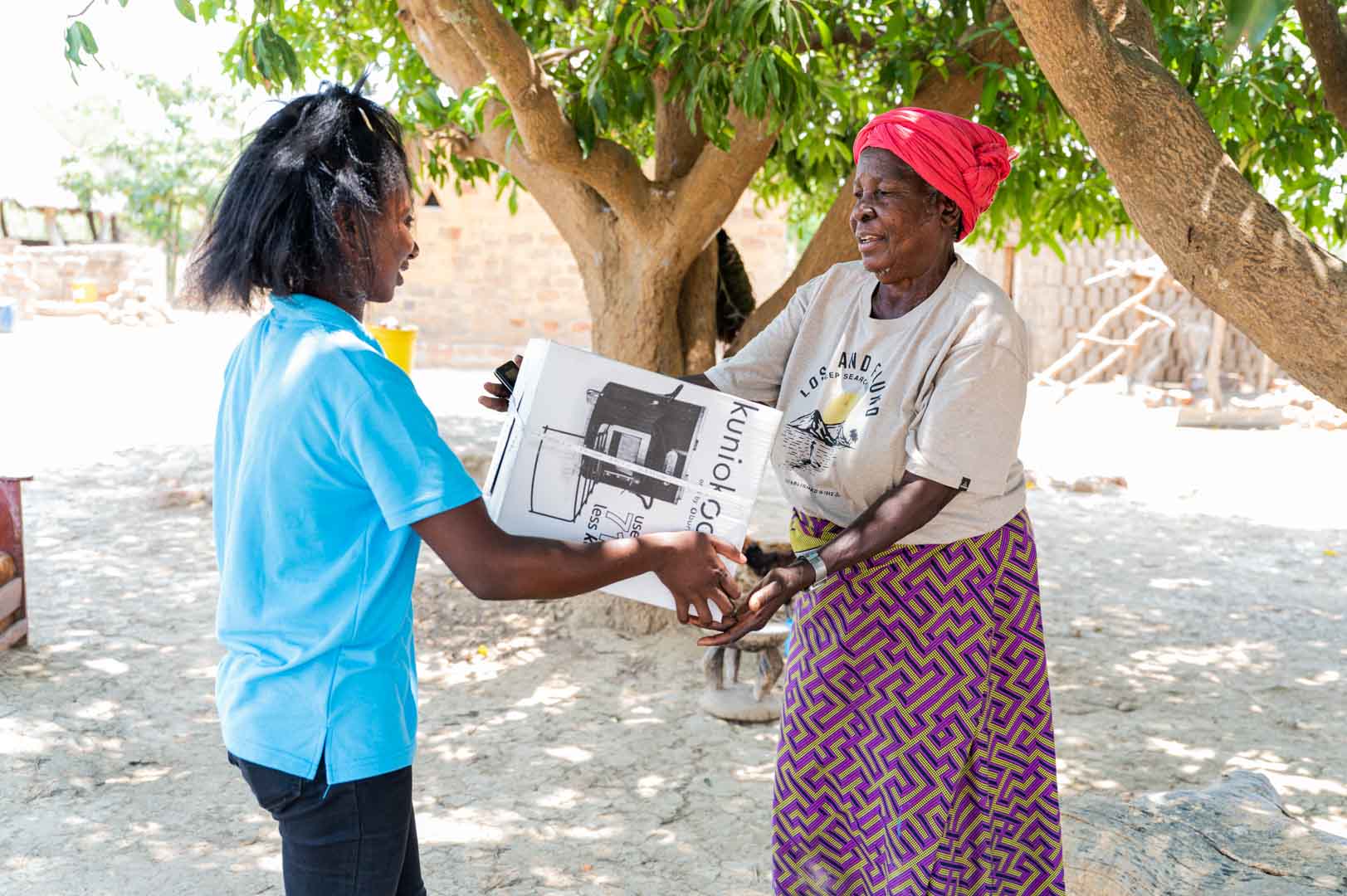
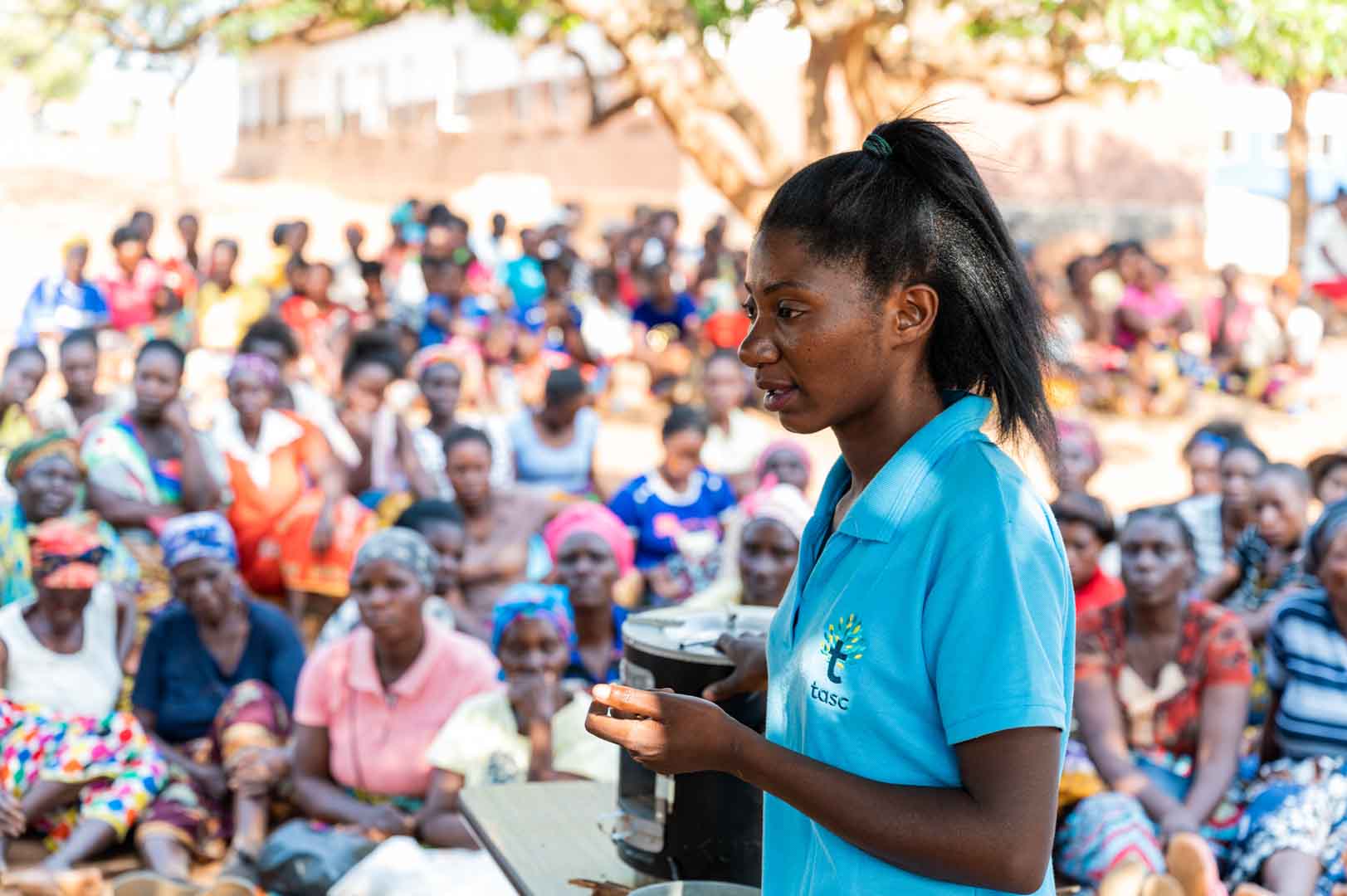
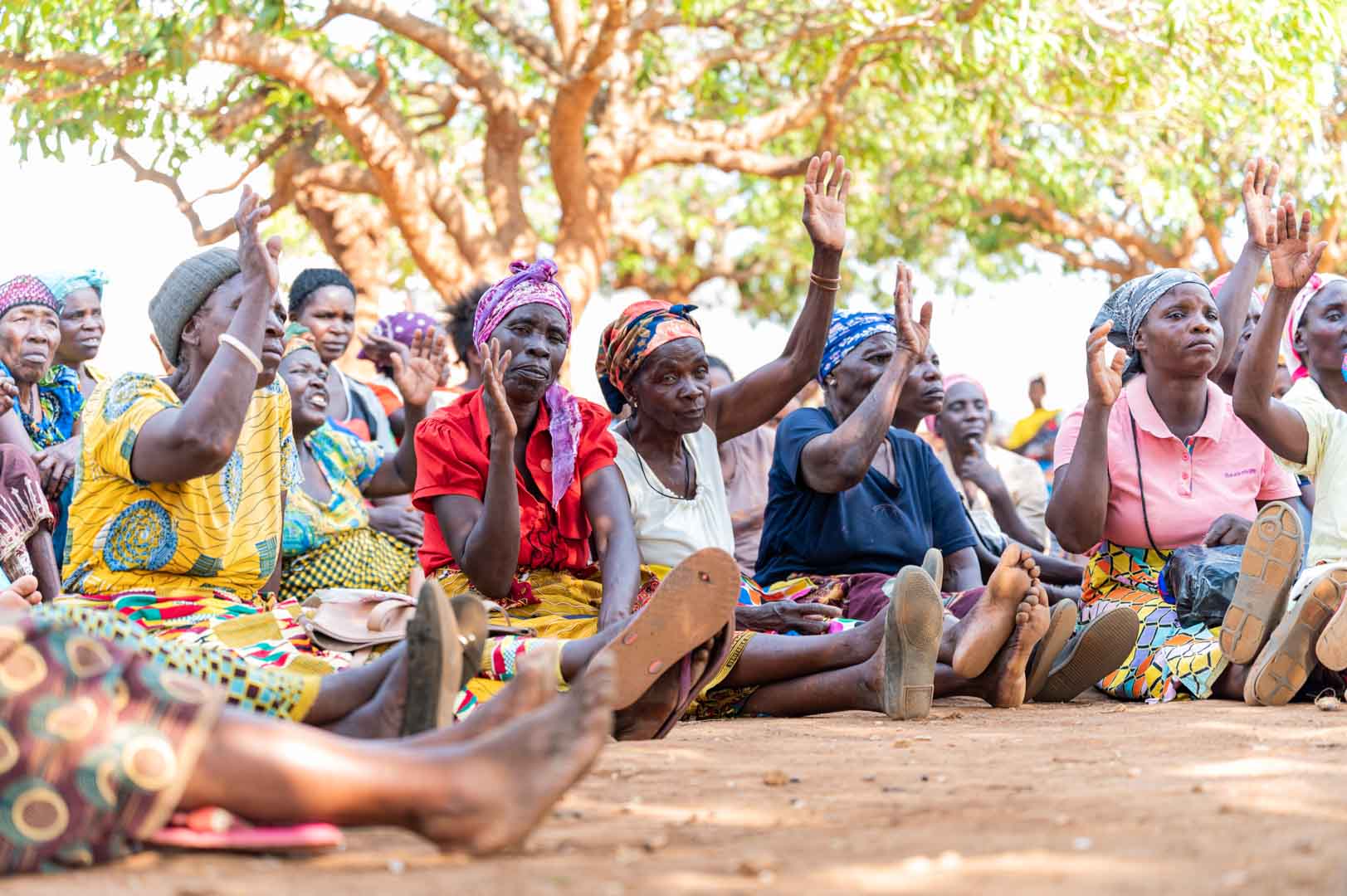
According to a statistic from the World Health Organization (WHO, 2024) around a third of the global population still relies on unsafe and environmentally harmful cooking methods. This includes, for example, cooking over open fires or using polluting cooking fuels, such as coal or kerosene. Improved cookstoves tackle this problem by using thermal energy more efficiently.
Depending on the model, an improved cookstove can reduce fuel consumption by up to 70 percent, which significantly saves CO2 emissions and can lower the pressure on local forests as less firewood needs to be harvested.
Improved cookstove projects allow the distribution of the - often simple - devices made from metal or clay to households, small enterprises or community facilities. Especially for households, this has an impact beyond the CO2 reduction: better indoor air quality decreases respiratory diseases and families can save time and money as less fuel is needed. Improved cookstoves projects in the ClimatePartner portfolio are registered with international standards.
The project aims to contribute to these United Nations’ Sustainable Development Goals (SDGs).


Four criteria for projects to meet quality thresholds
The life cycle of a climate project
A climate project has a set life cycle consisting of various phases, from the feasibility assessment to the retirement of Verified Emission Reductions (VERs).
The project developer reviews the general feasibility of the project, the project design, and the financing. Then, the Project Design Document (PDD) is prepared, which contains all the basic information about the project, such as the objective, location, timeline, and duration.

In this phase, independent auditors examine the PDD and the information it contains. This phase often also involves field visits with on-side interviews and analyses. Auditors are accredited, impartial assessors who have to be approved by the relevant standard as a validation and verification body (VVB). TÜV Nord/Süd, S&A Carbon LLC., and SCS Global Services are examples of VVBs."

Once validated, the project can be registered with a standard such as the Verified Carbon Standard or the Gold Standard. All high-quality climate projects are based on international standards. They provide the framework for project design, construction, carbon accounting, and monitoring. Recognised standards make the climate project system and the projects themselves resilient, traceable, and credible.

After the climate project has been registered, the monitoring begins. Here, the project developers monitor and document the data of the project activities and progress. The duration of the monitoring phase varies from project to project: it can cover two years, but documentation over five or seven years is also possible.

At the end of each monitoring phase, a VVB checks and assesses whether the values and project activities stated in the monitoring report are correct. As with validation, visits to the project site are often part of the verification process.

Once verified, the emission reductions that were confirmed in the verification phase can be issued as VERs. The steps of monitoring, verification, and issuance of VERs are repeated regularly and are therefore considered as a cycle.

Once a VER has been used, it must be retired. This process is also reflected in the registry. If the financing of a climate project is done through ClimatePartner, the VERs are bundled in a system certified by TÜV Austria and then retired on a regular basis. This ensures that each VER can no longer be sold and is only used once, preventing double counting.
Explore our projects
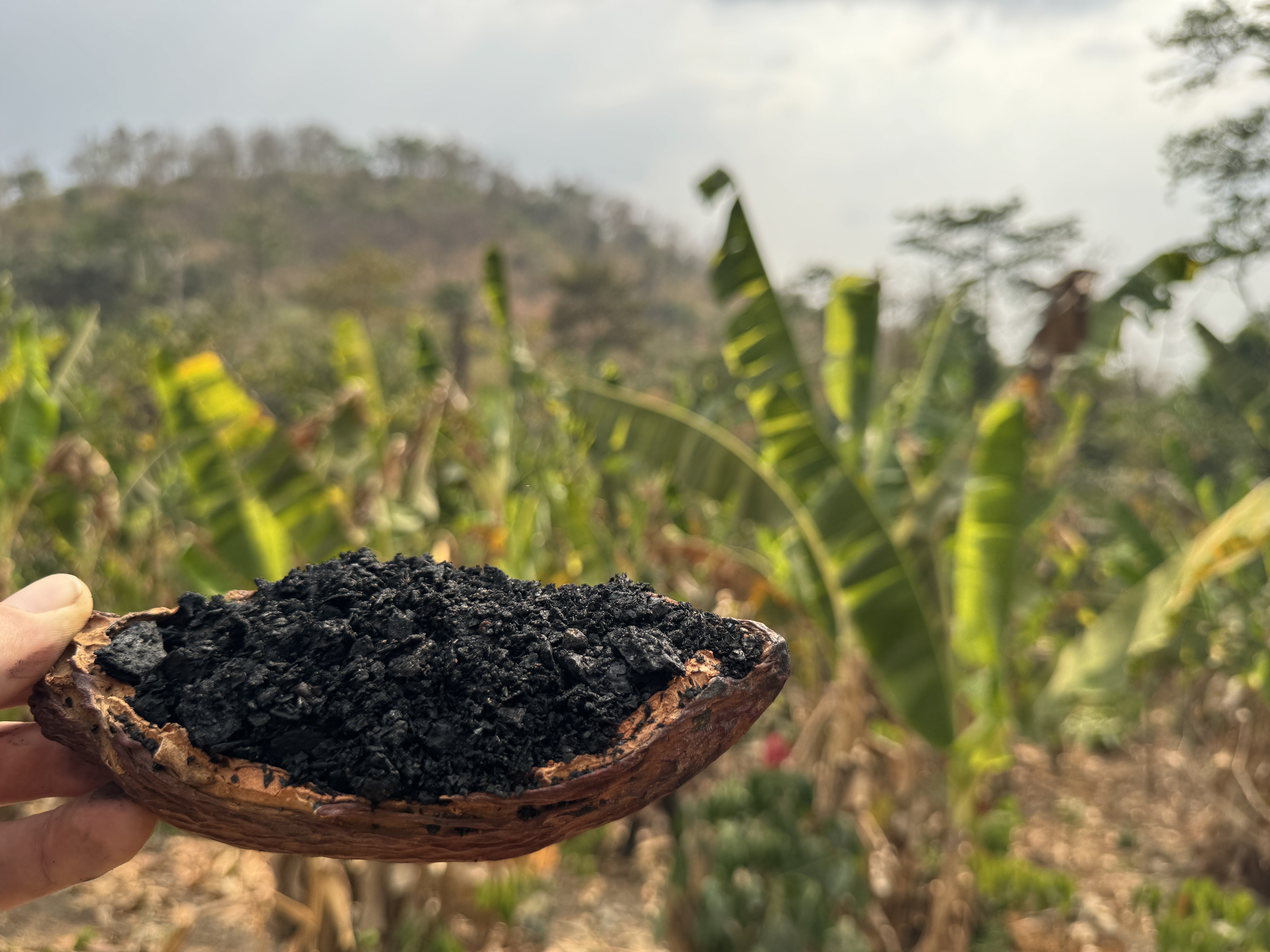
Biochar for Climate Action, Healthy Soils, and Better Harvests
A certified climate project combined with additional commitment
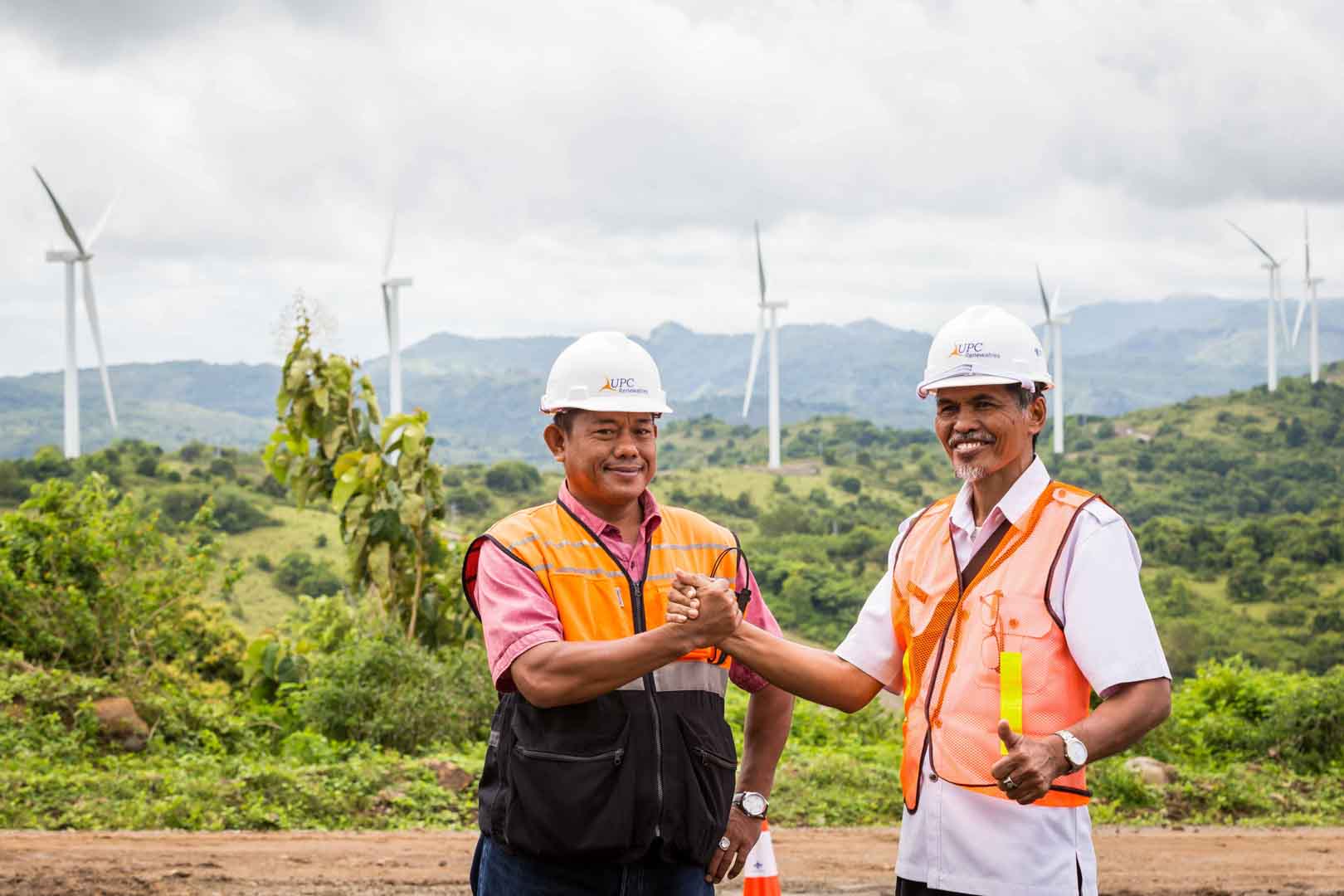
Expansion of renewable energy generation in Asia
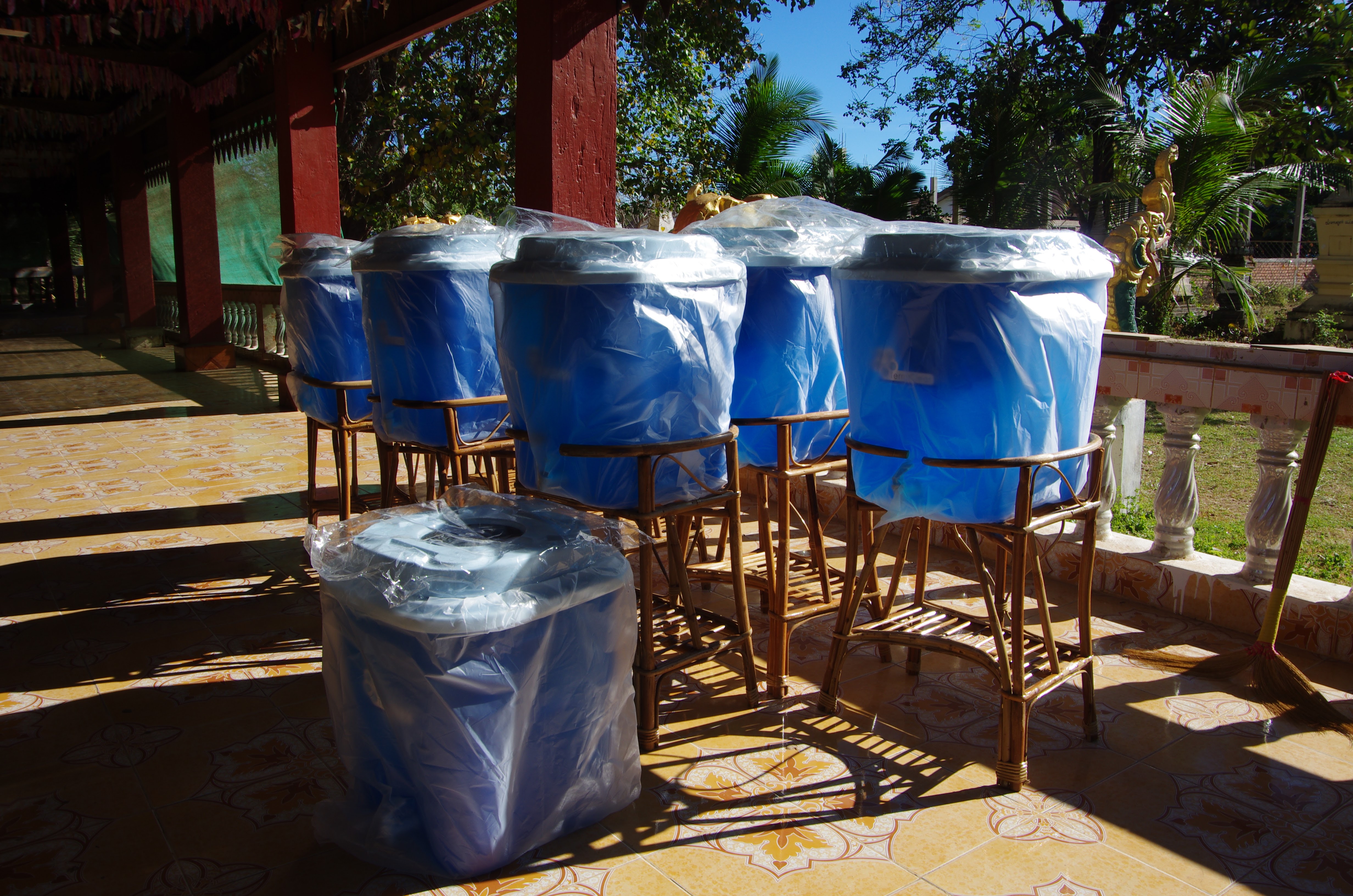
Ceramic water filters save CO2 and improve health
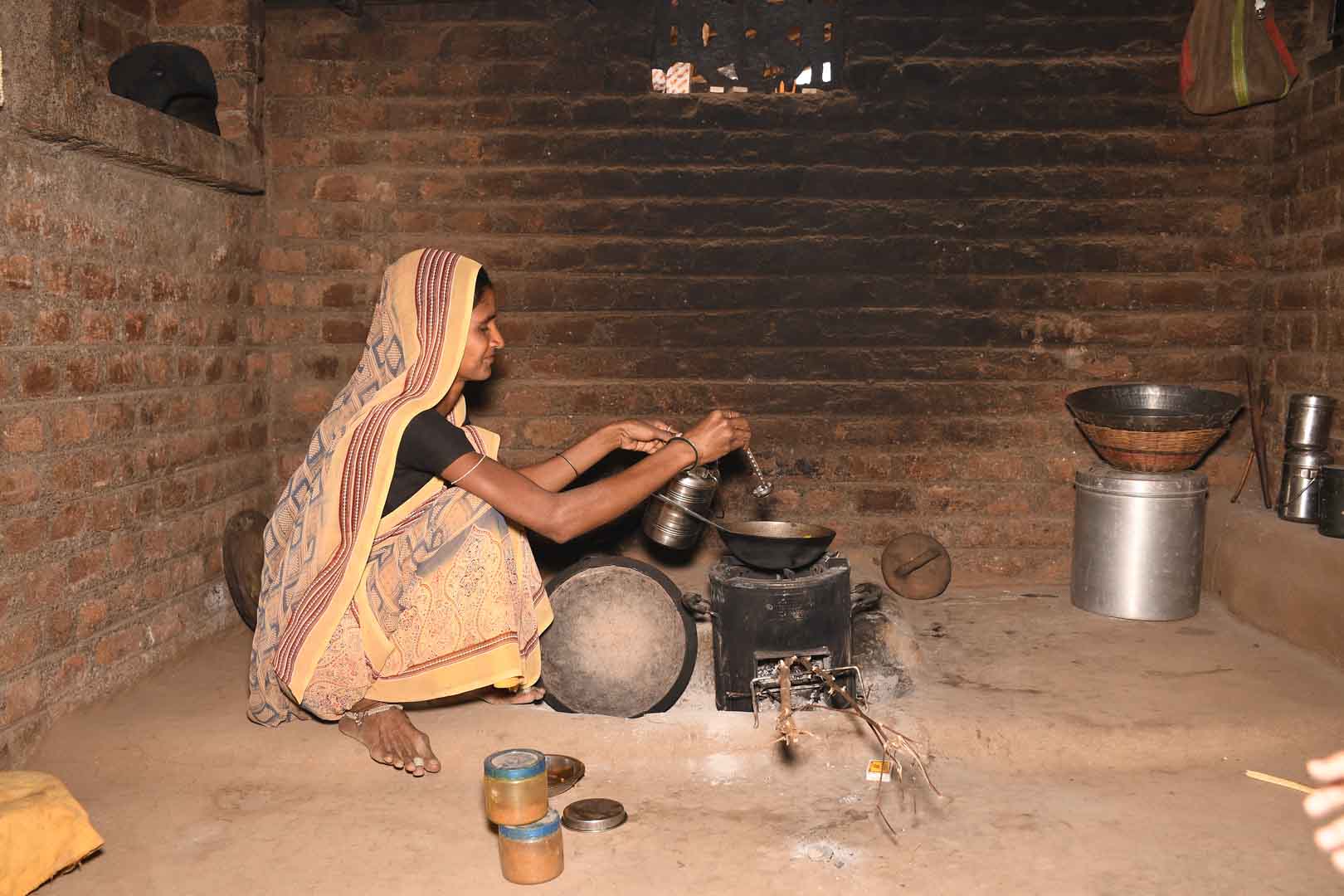
Improved cookstoves worldwide – for better health and cleaner air

A certified climate project combined with additional commitment
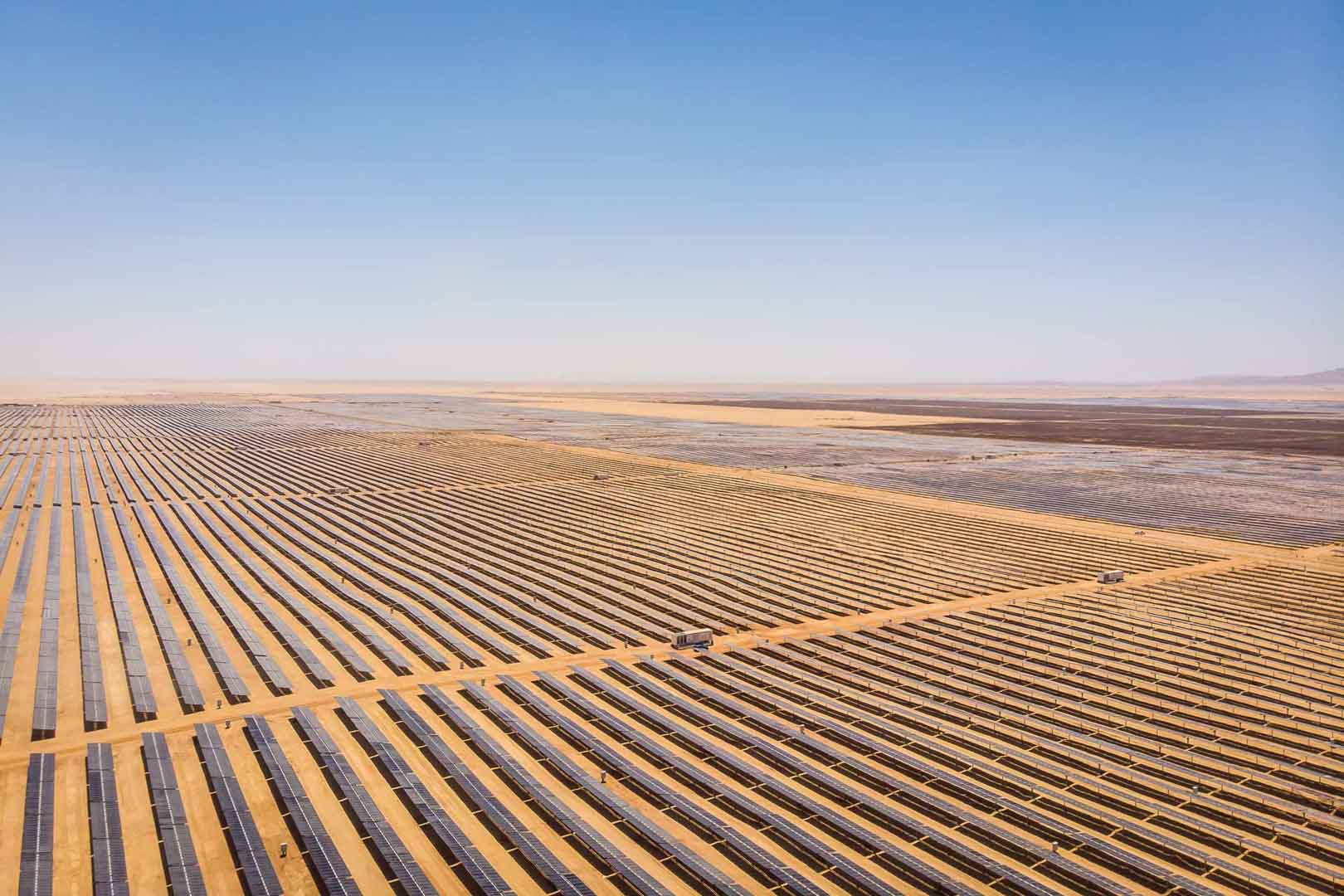
Powering access to renewable energy in Africa
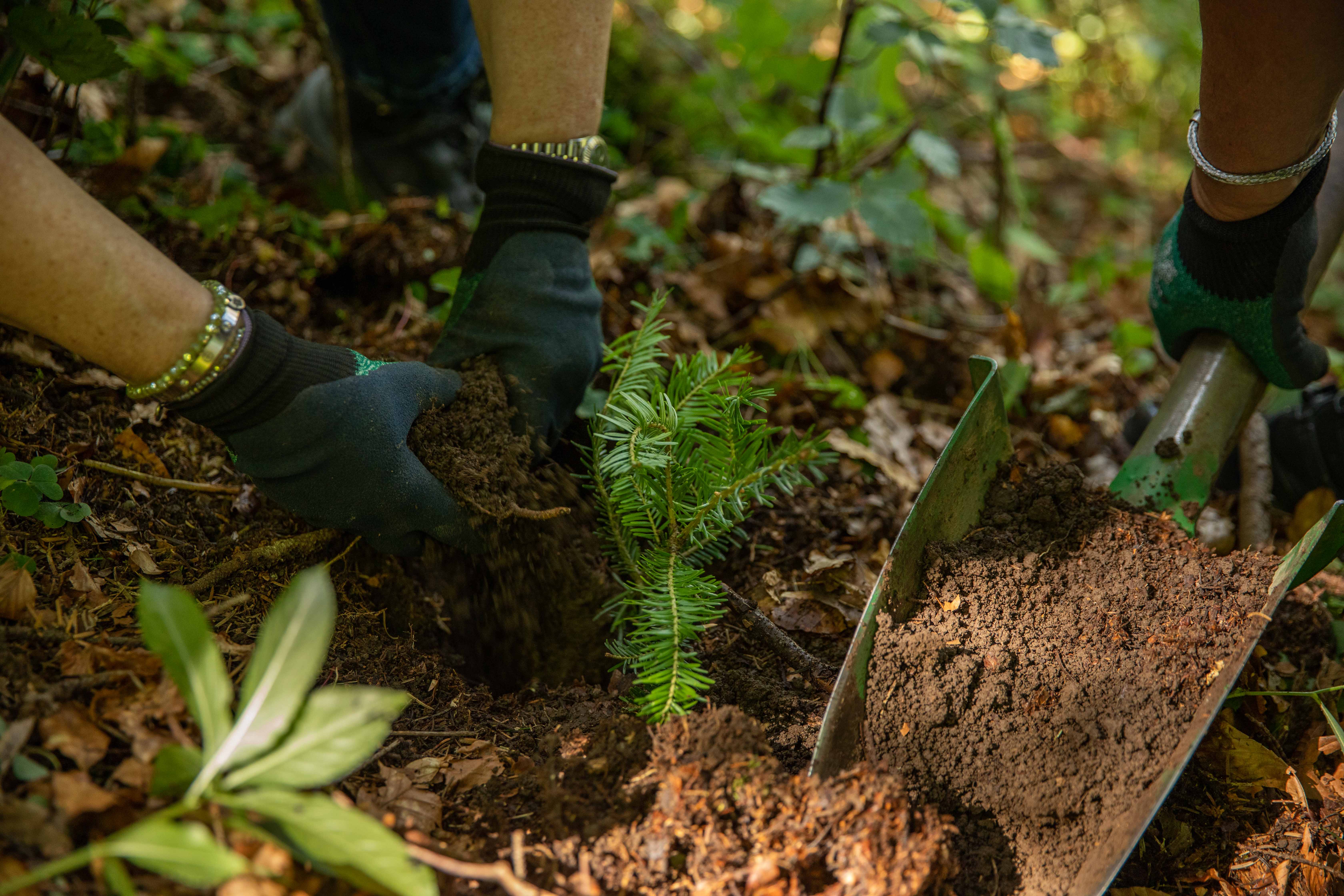
A certified climate project combined with additional commitment
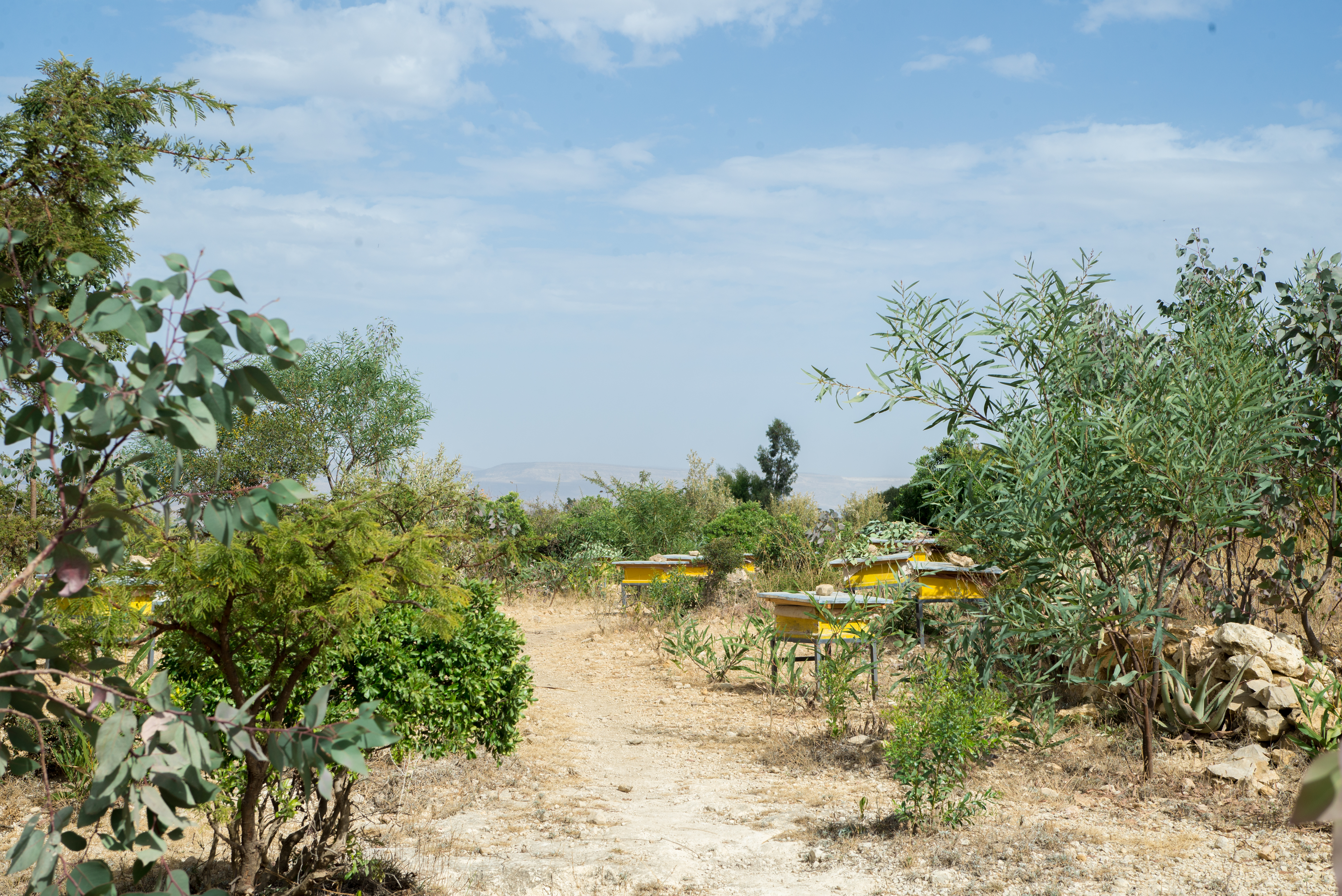
Restored ecosystems remove carbon
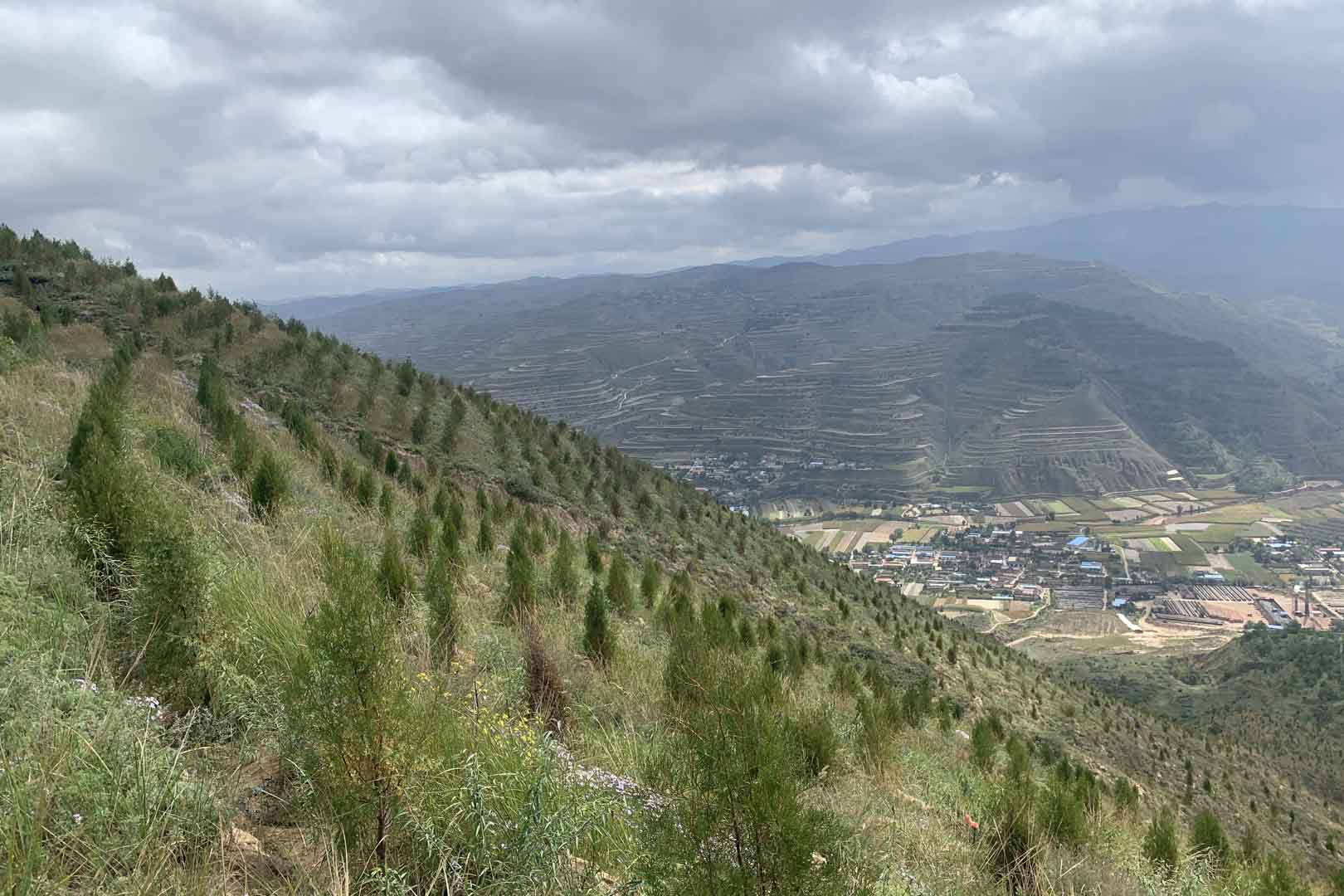
Turning degraded farmlands into healthy ecosystems