
Biochar for Climate Action, Healthy Soils, and Better Harvests
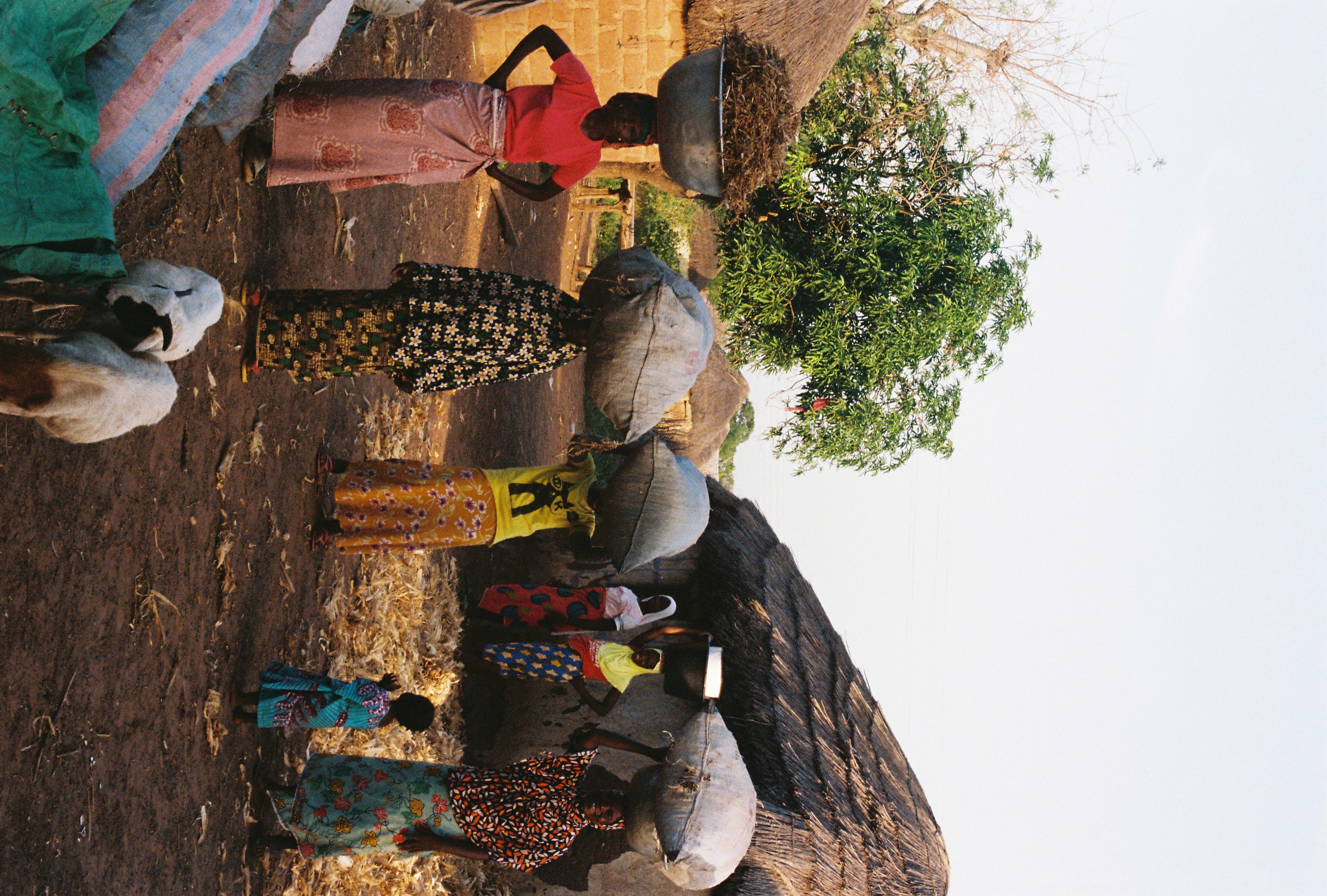
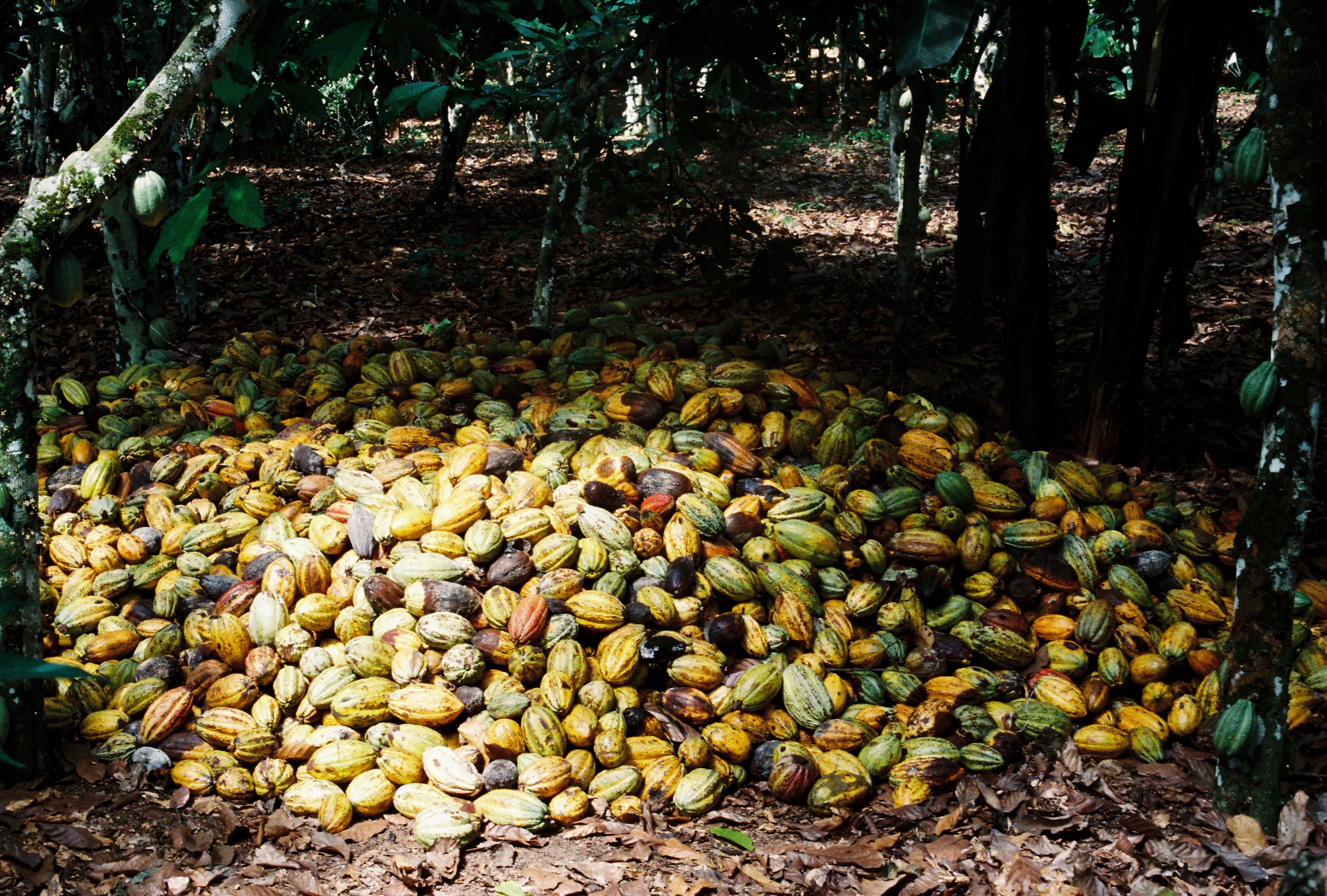
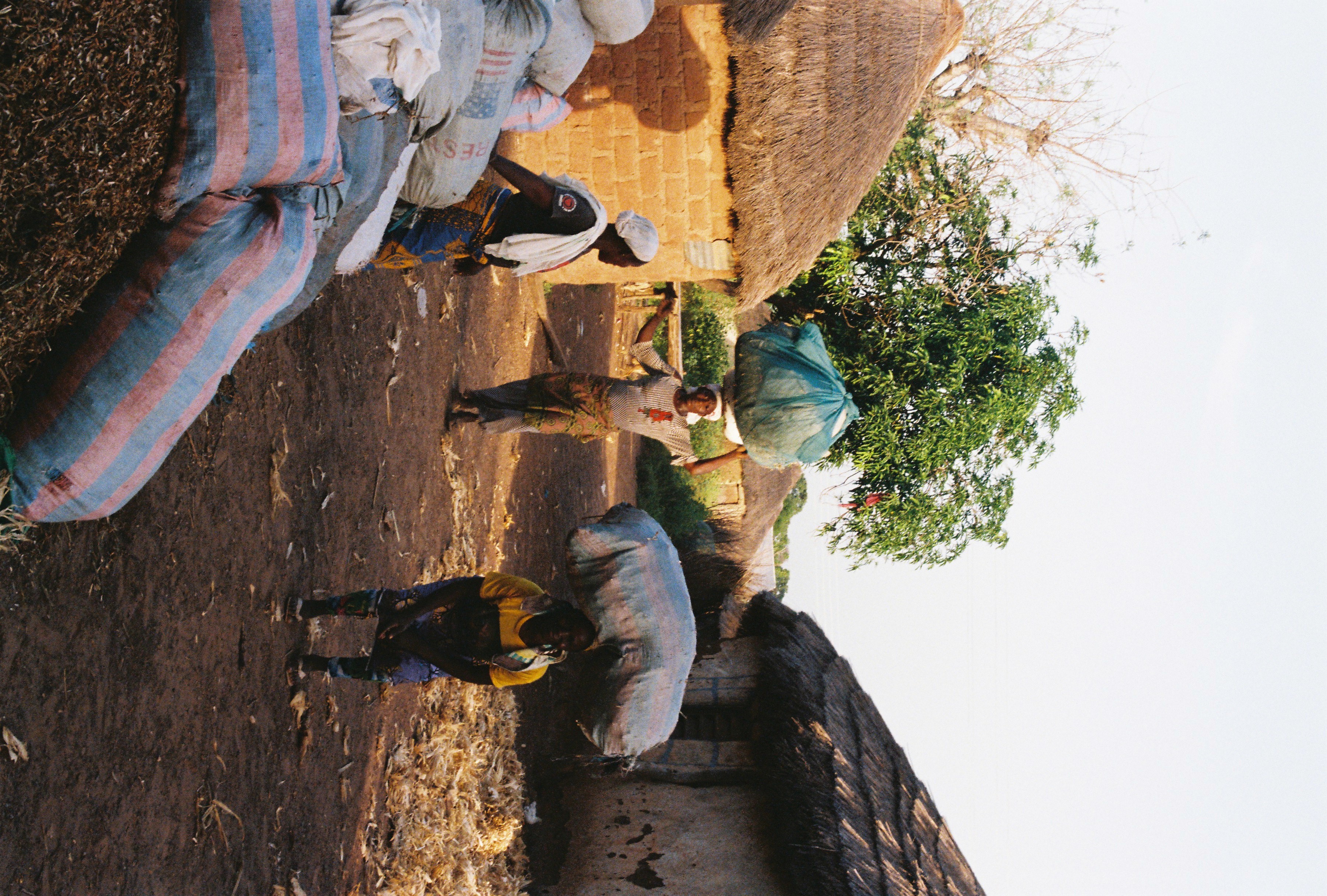
In Ghana, crop residues such as cocoa, maize, rice, and millet stalks are still often burned in open fields or left to decompose – with serious consequences: these practices release large amounts of climate-damaging gases like CO₂ and methane. At the same time, many soils suffer from nutrient depletion and acidification, leading to low crop yields. This issue is particularly evident in Ghana, where, according to the World Bank, around 24% of the population lives below the poverty line – many of whom depend directly on agriculture.
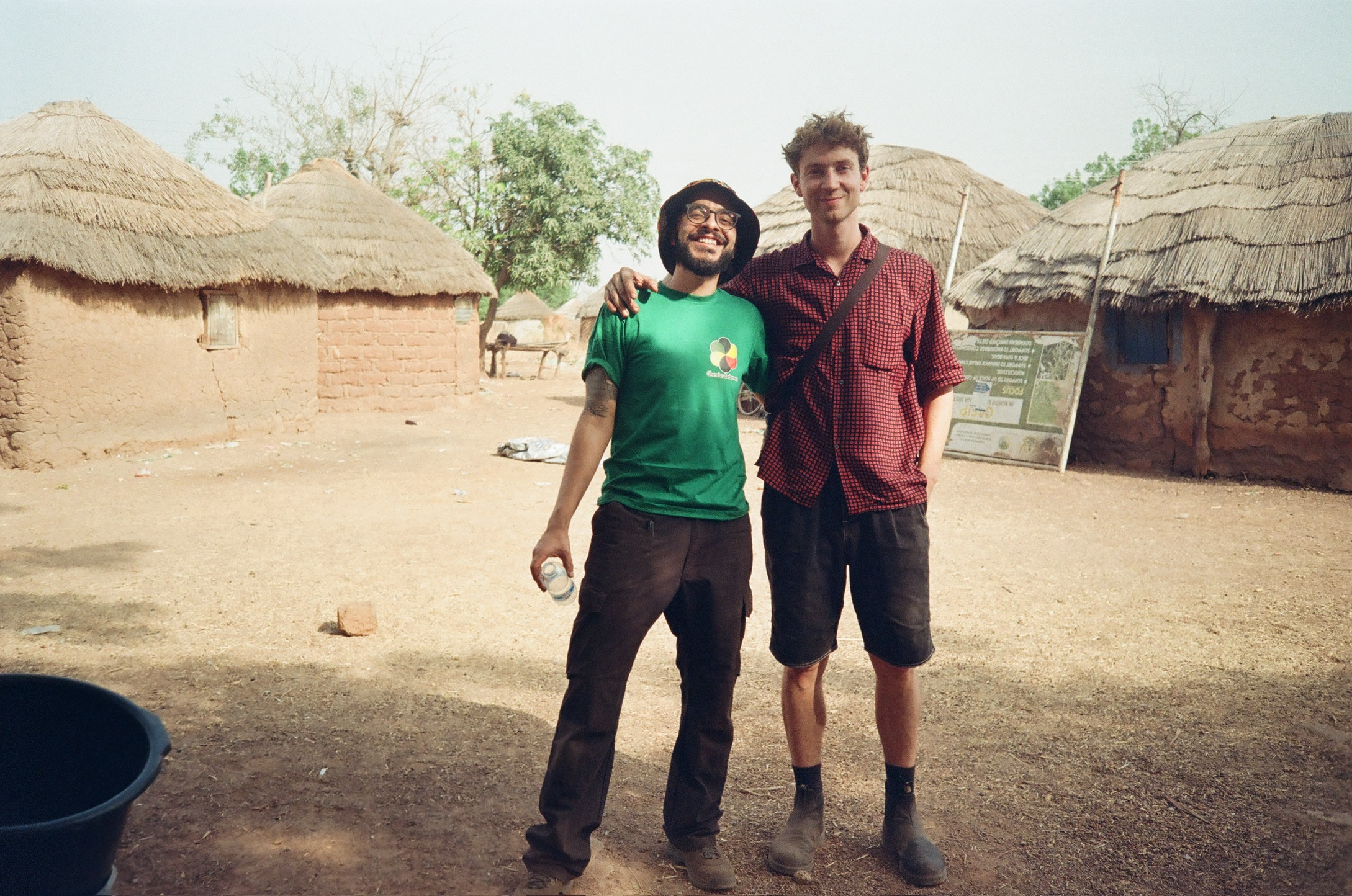
This is where this climate project comes in: instead of burning crop residues, such as cocoa pods, they are converted on-site into biochar through open flame pyrolysis – a natural and long-lasting carbon sink. Mixed with compost, the biochar is applied by smallholder farmers directly to their fields. The result: healthier soils, improved water retention, and higher yields – turning climate action into a foundation for food security.
Beyond climate action, the project delivers additional social value: women and youth groups receive training, are fairly paid, and are actively integrated into local value creation. With 866 biochar production groups already active in 2025, new economic opportunities are emerging, locally rooted, environmentally friendly, and future-oriented.
 The project contributes to the the United Nations' Sustainable Development Goals
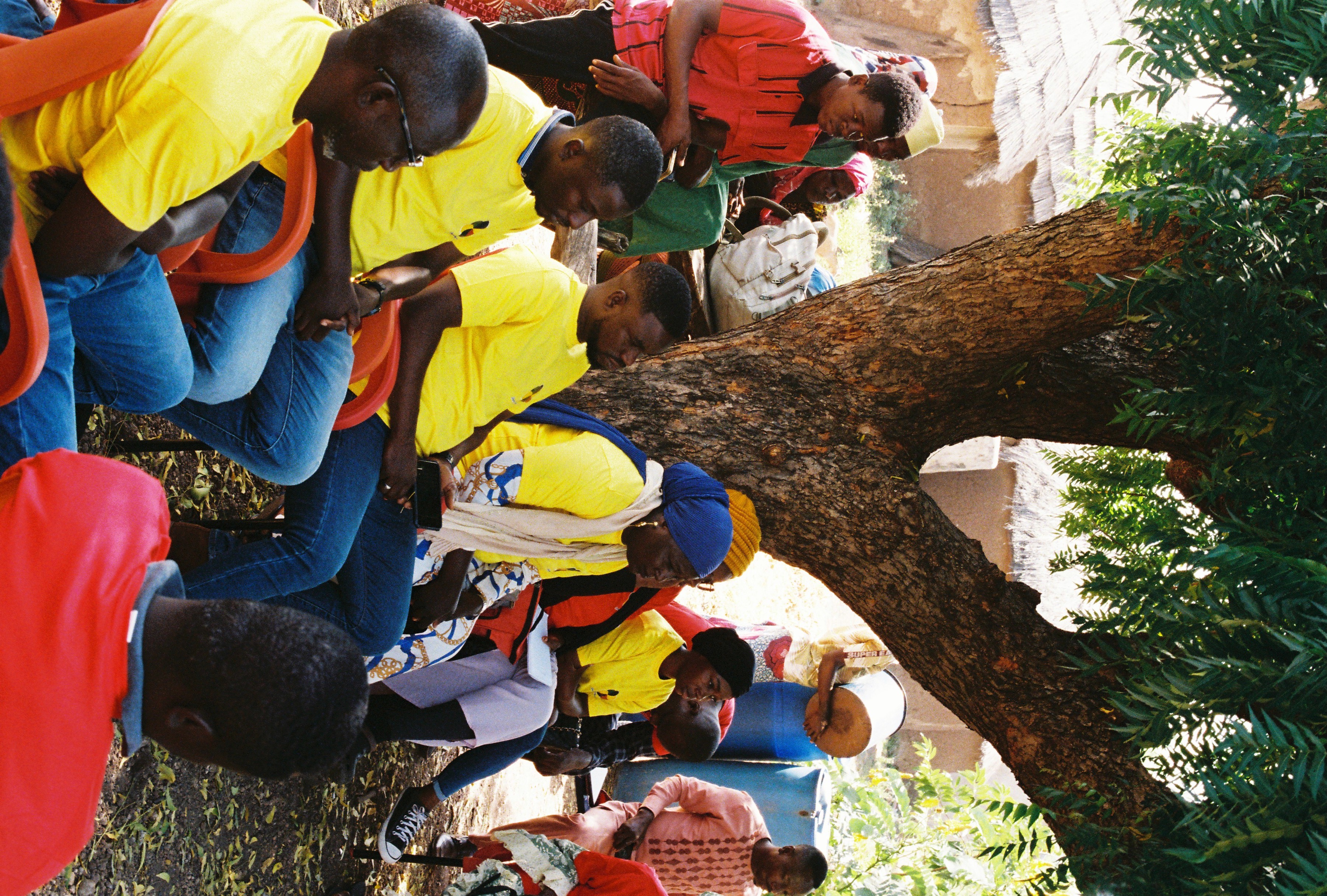
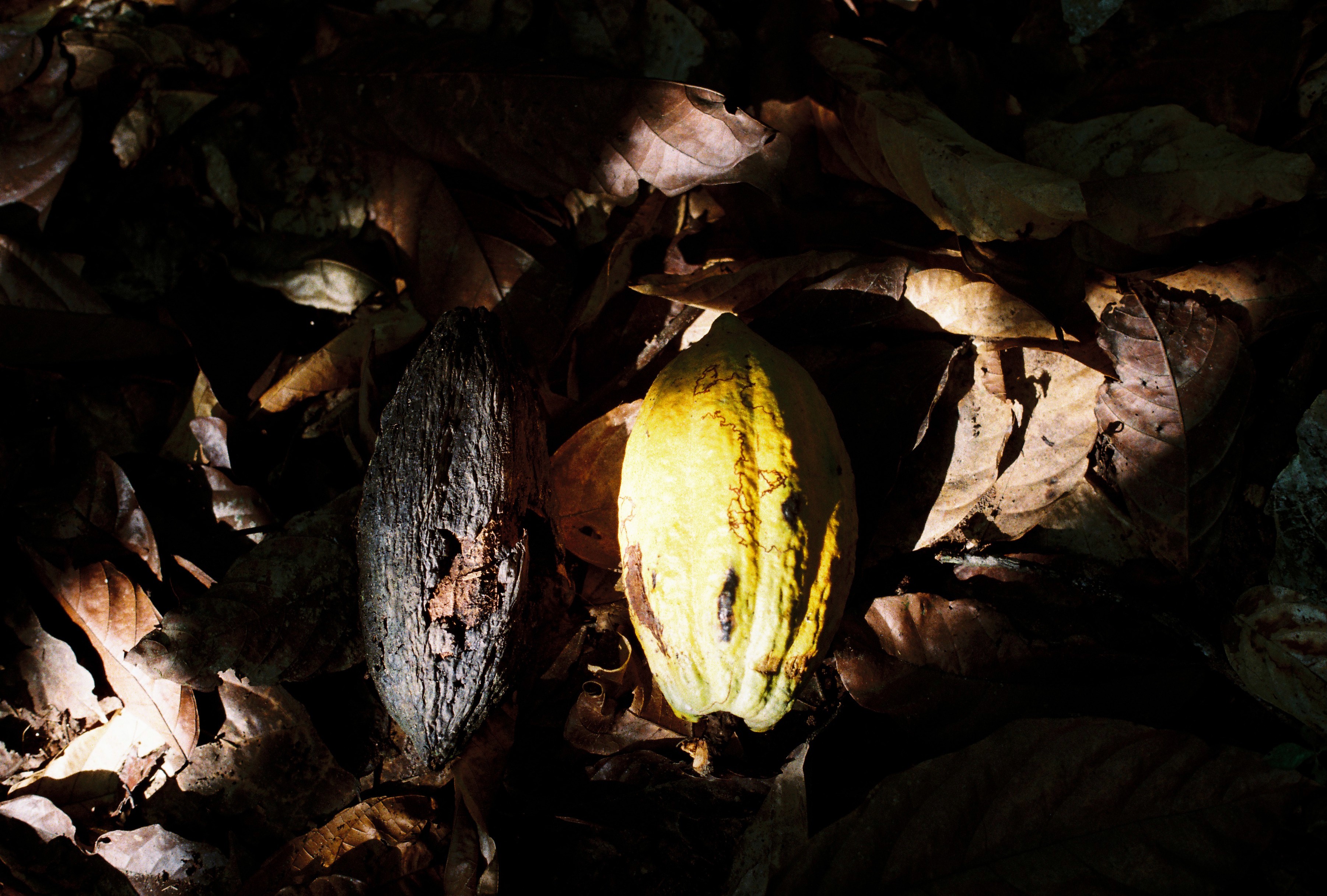
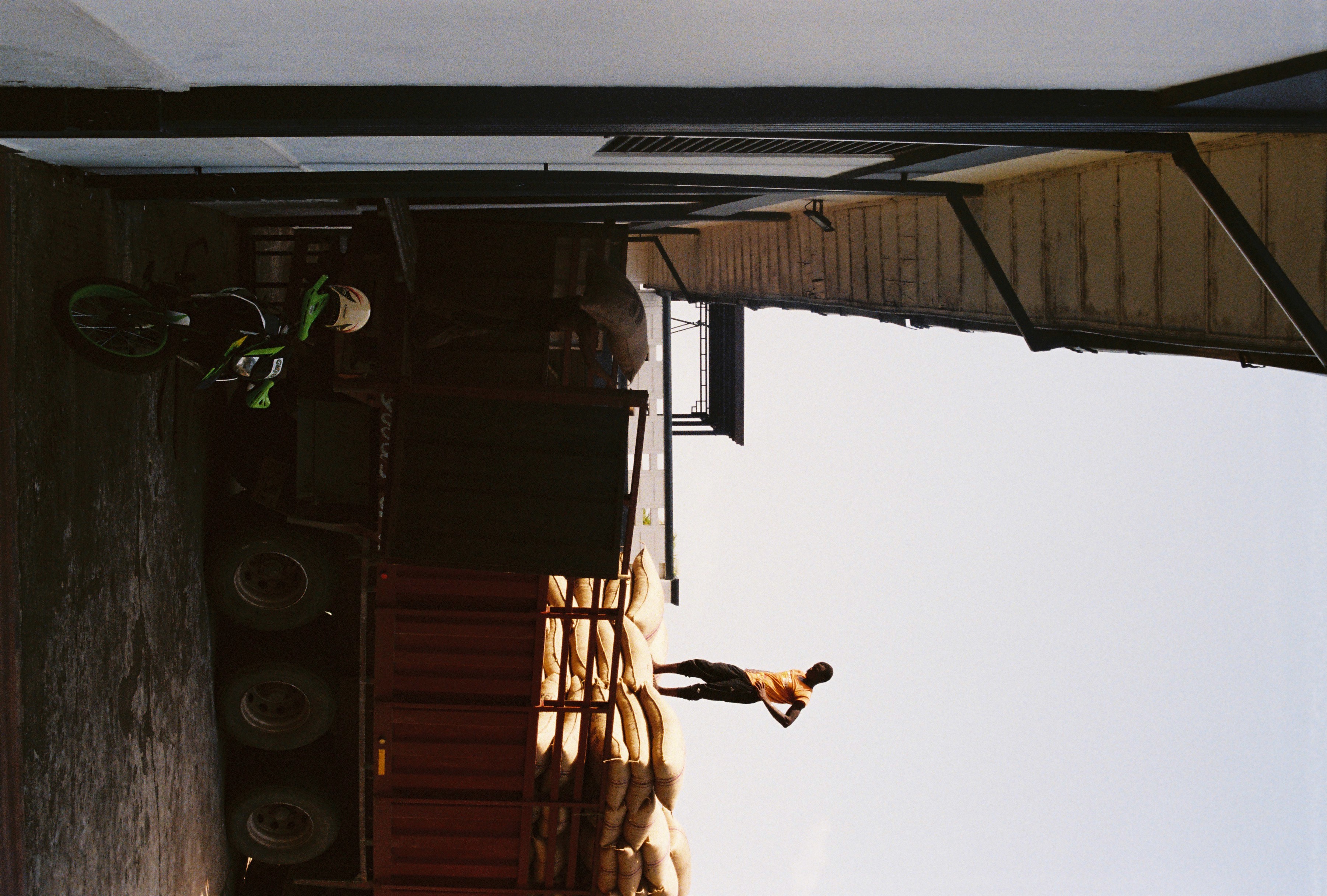
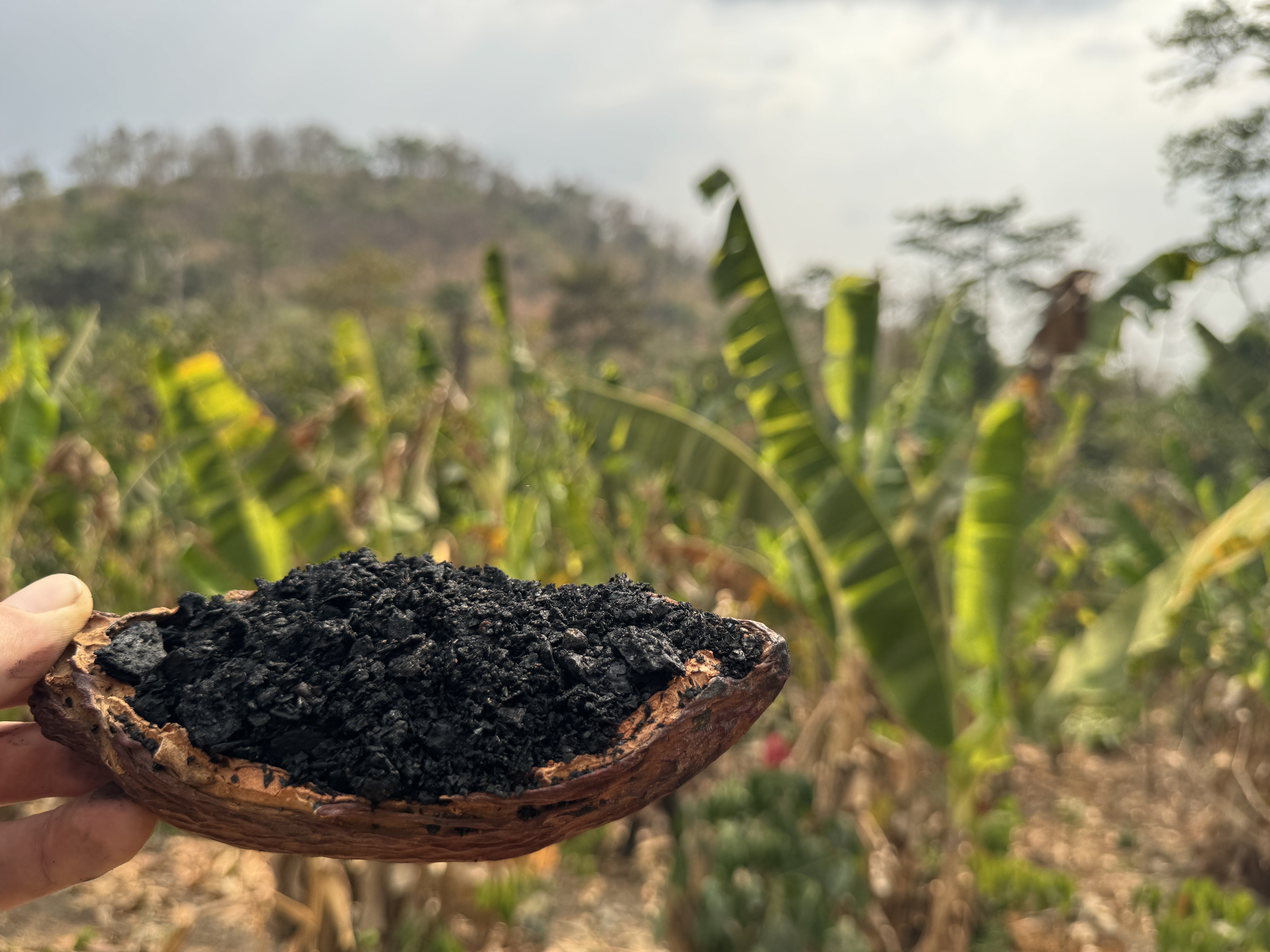
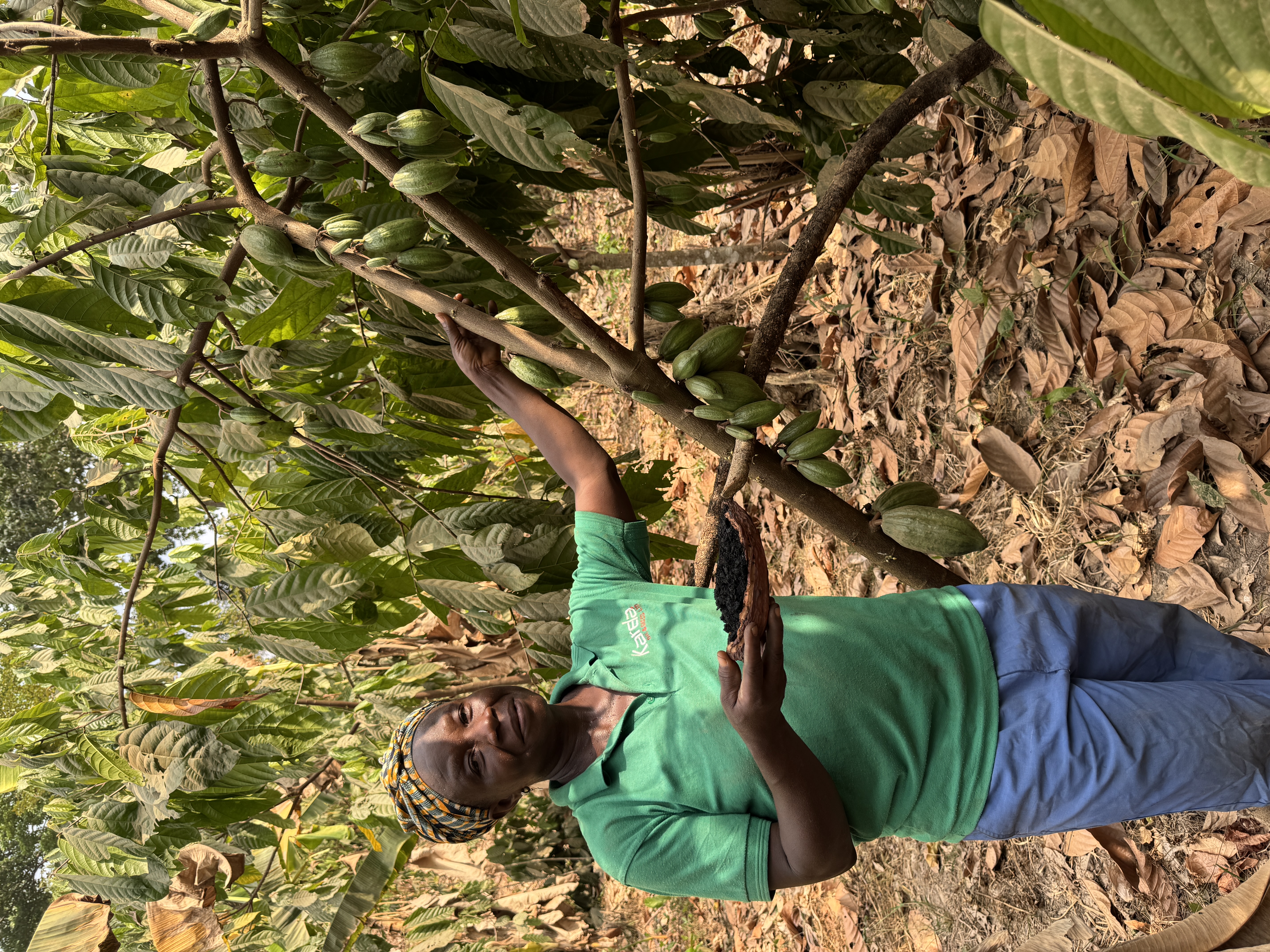
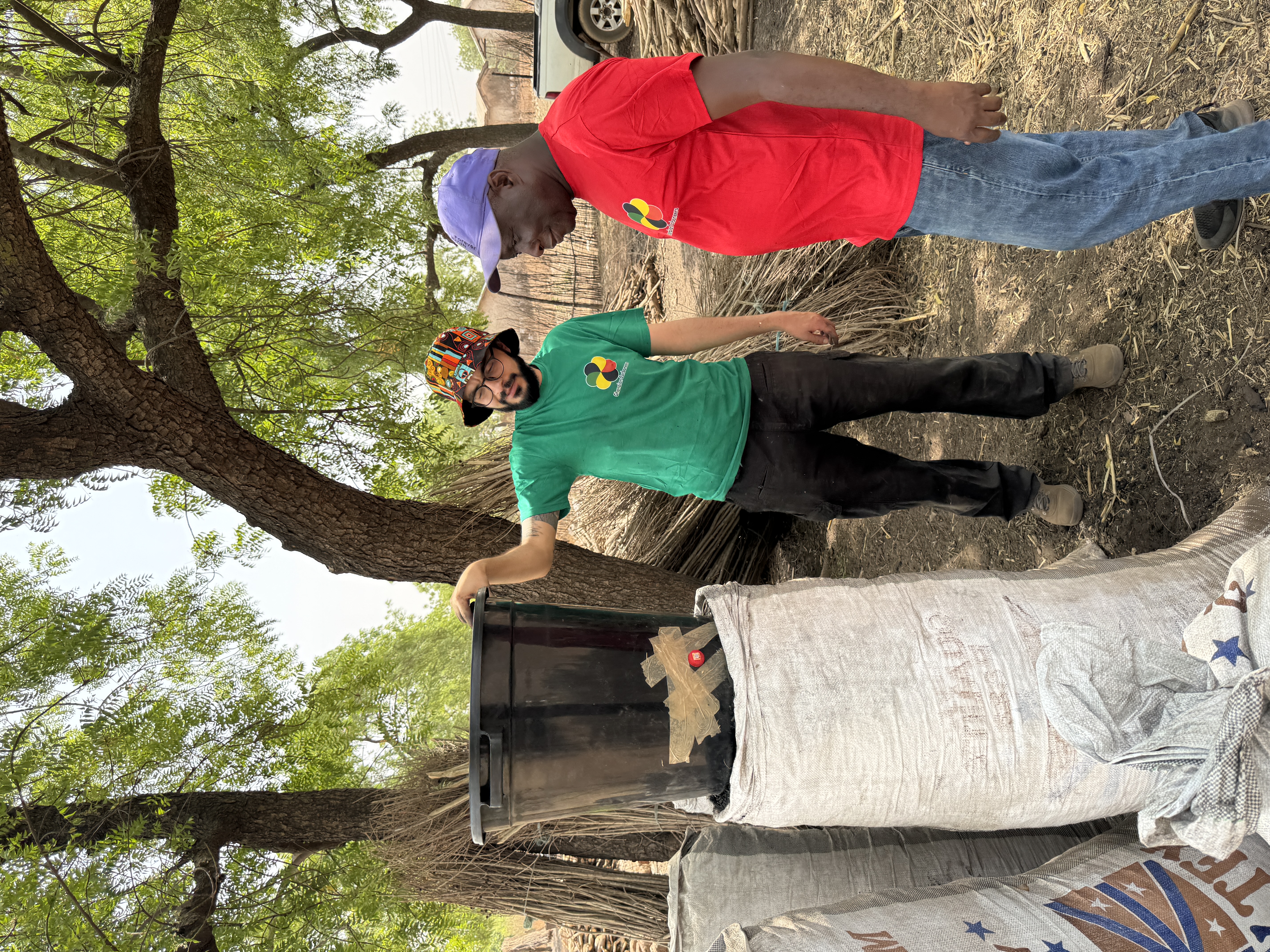
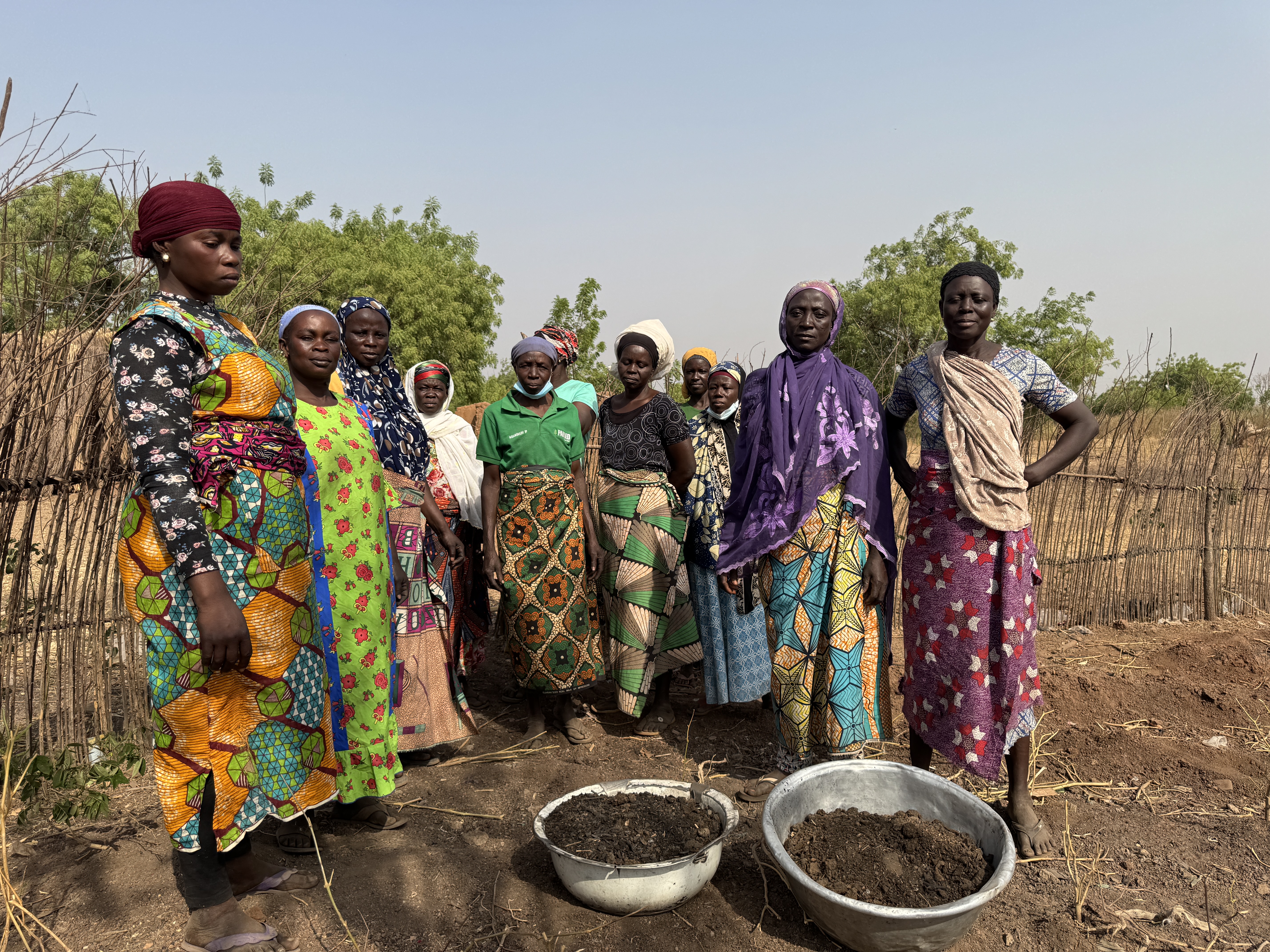
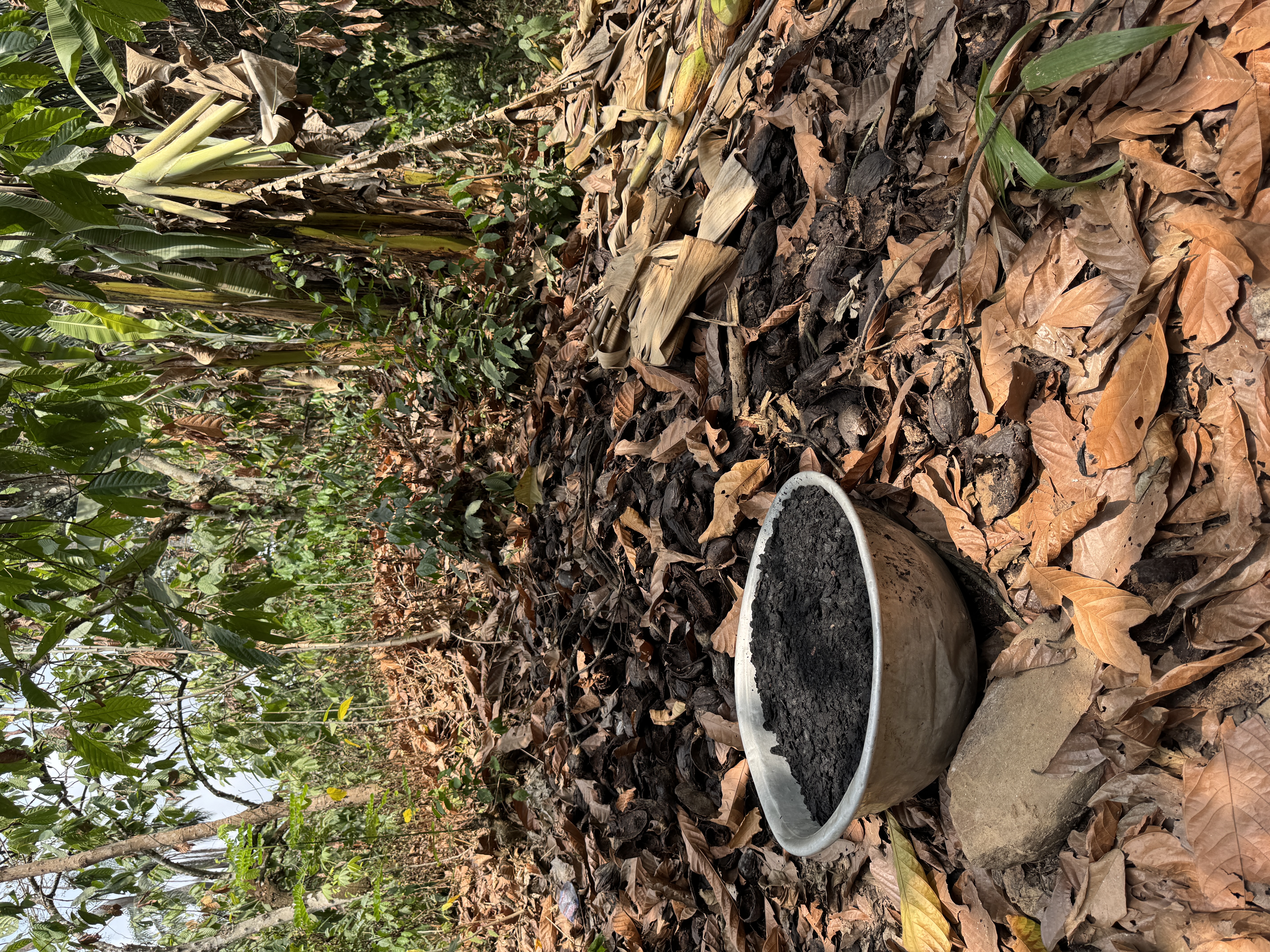
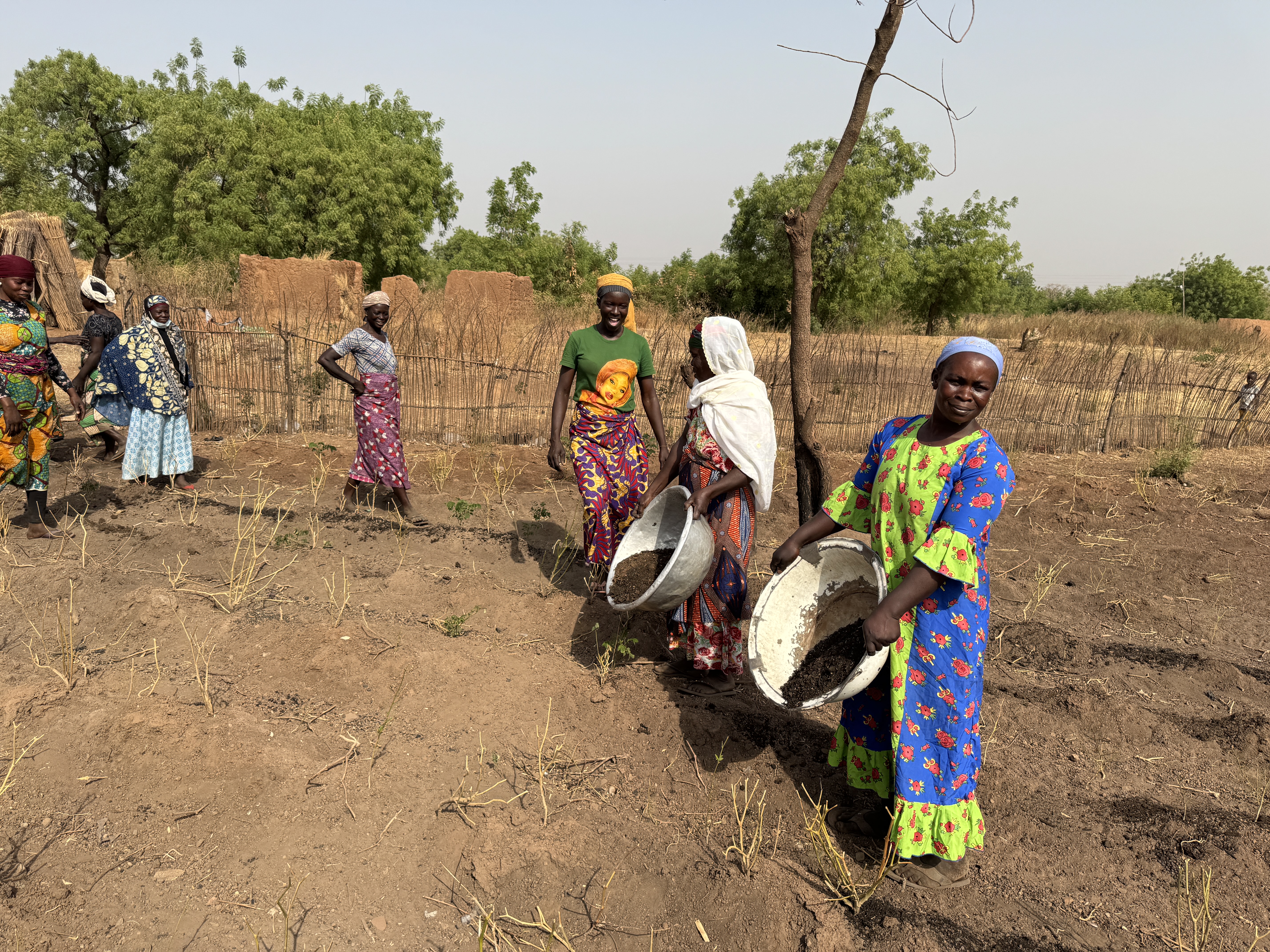
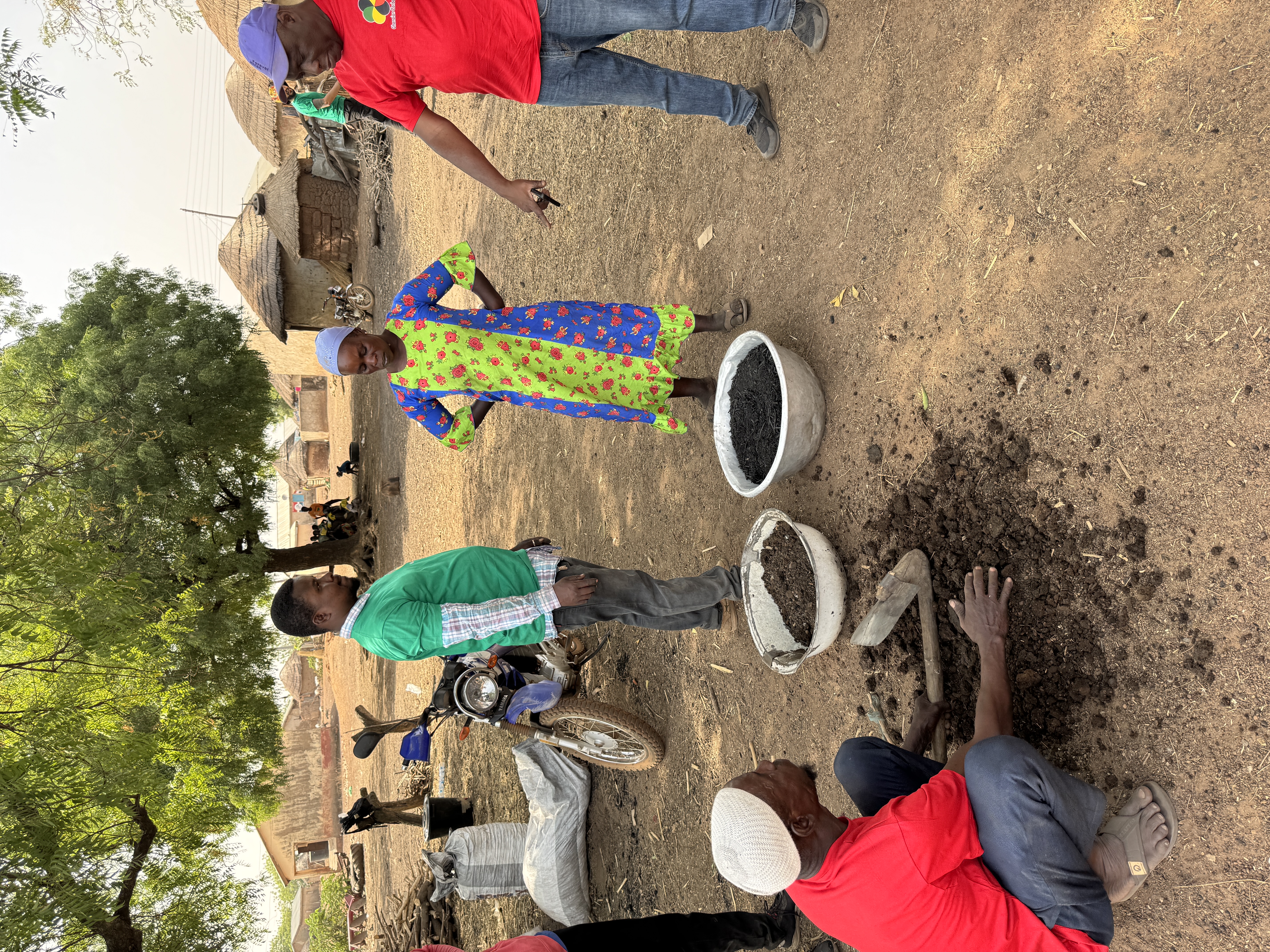
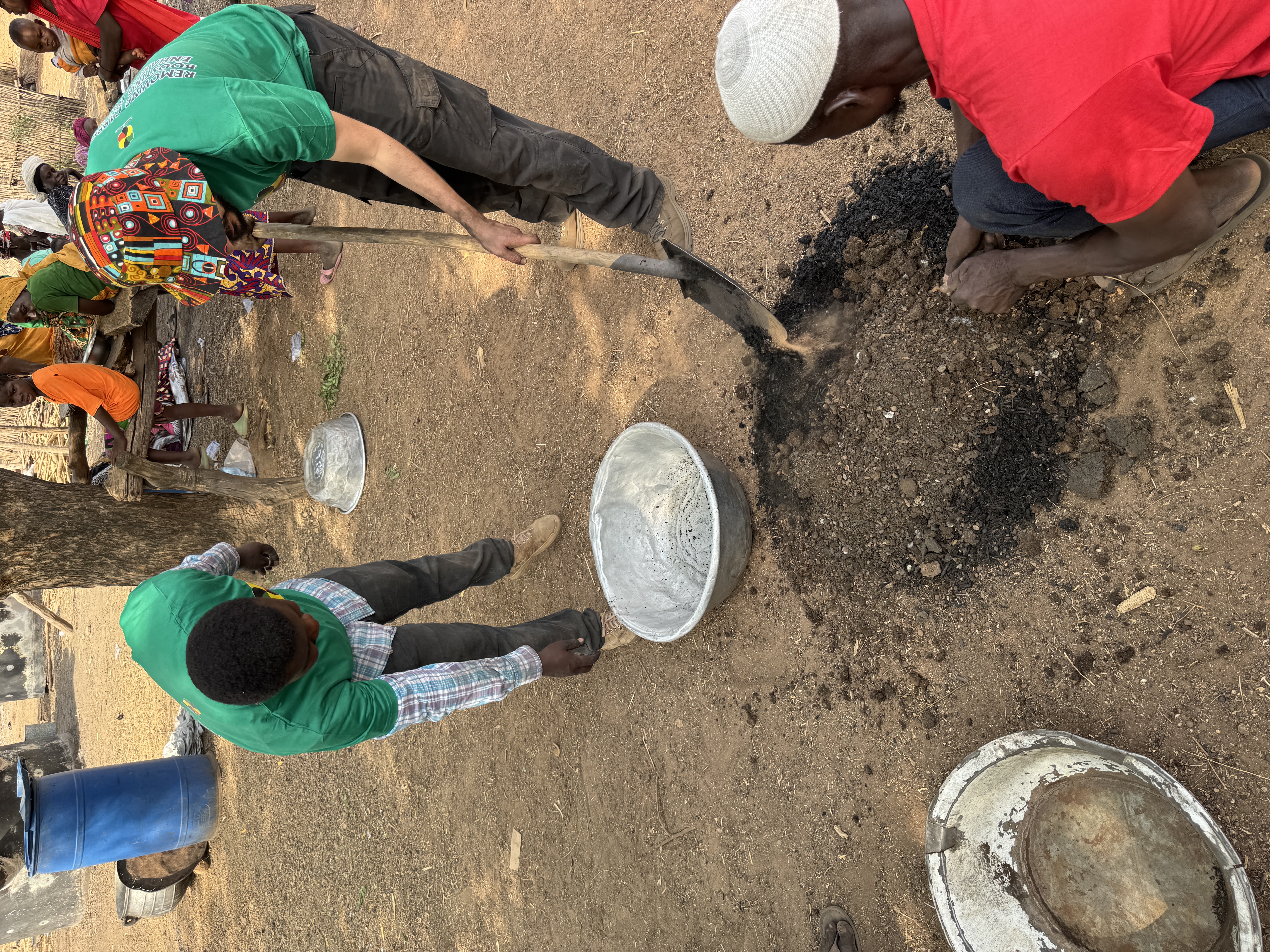
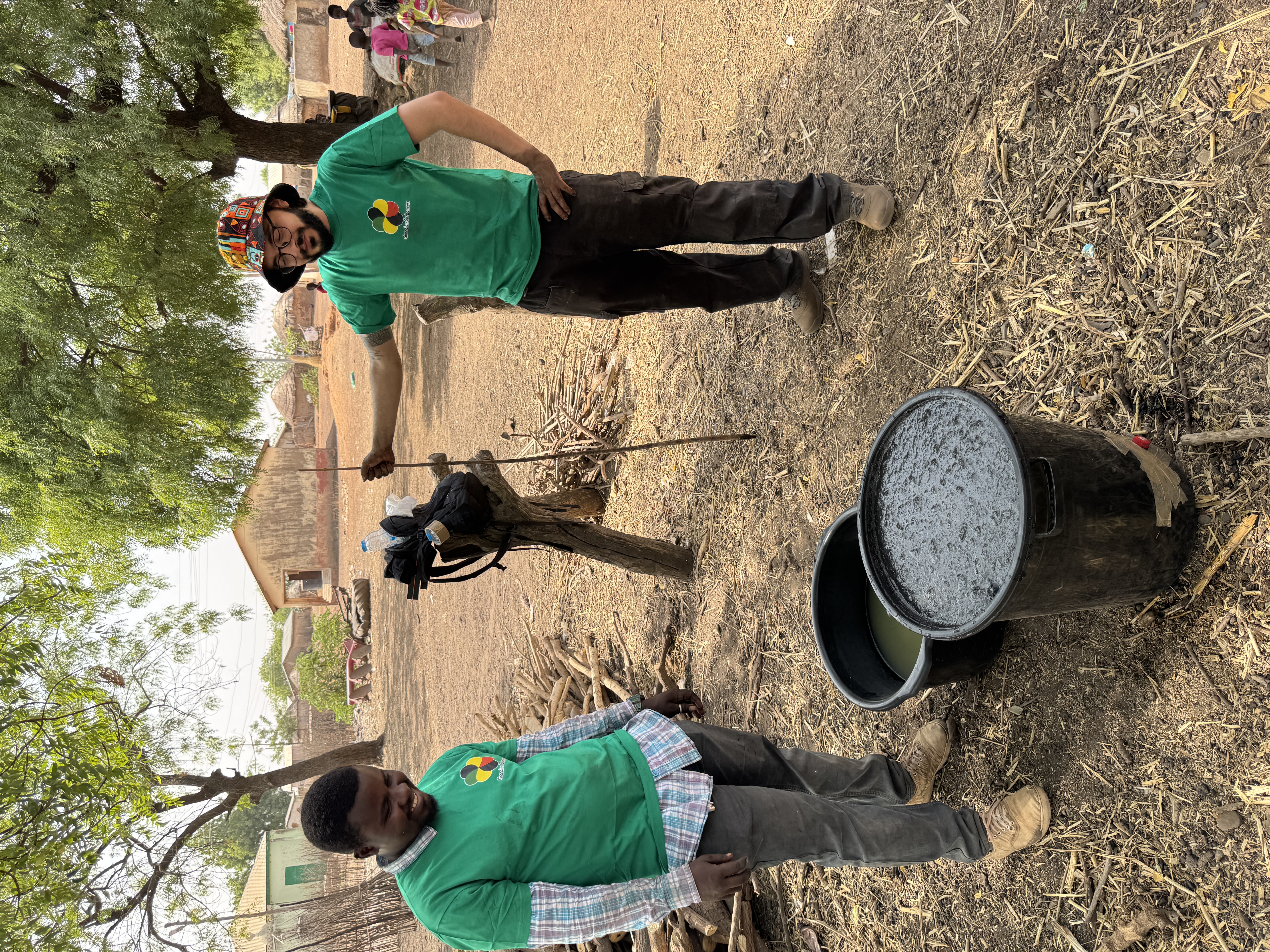
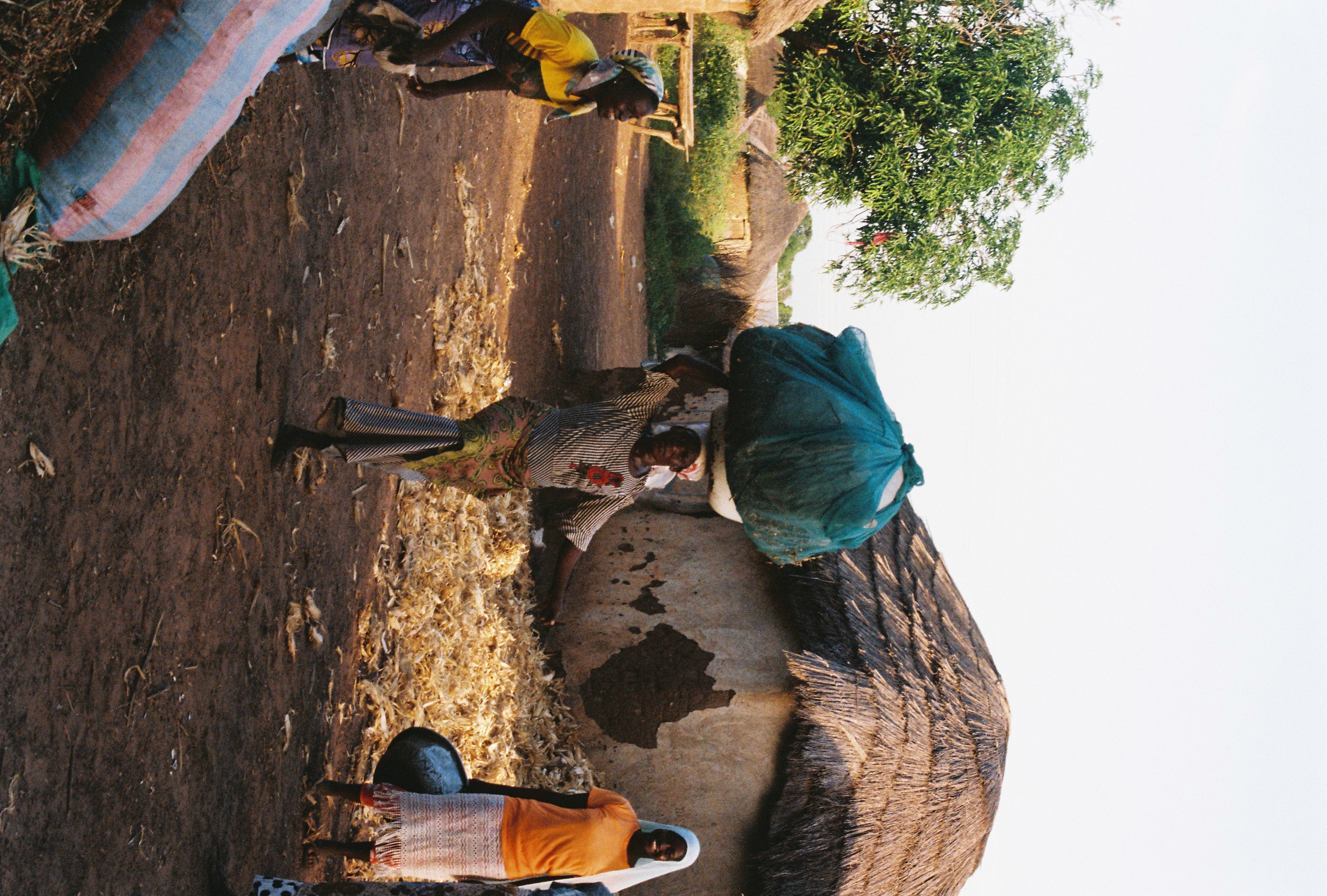
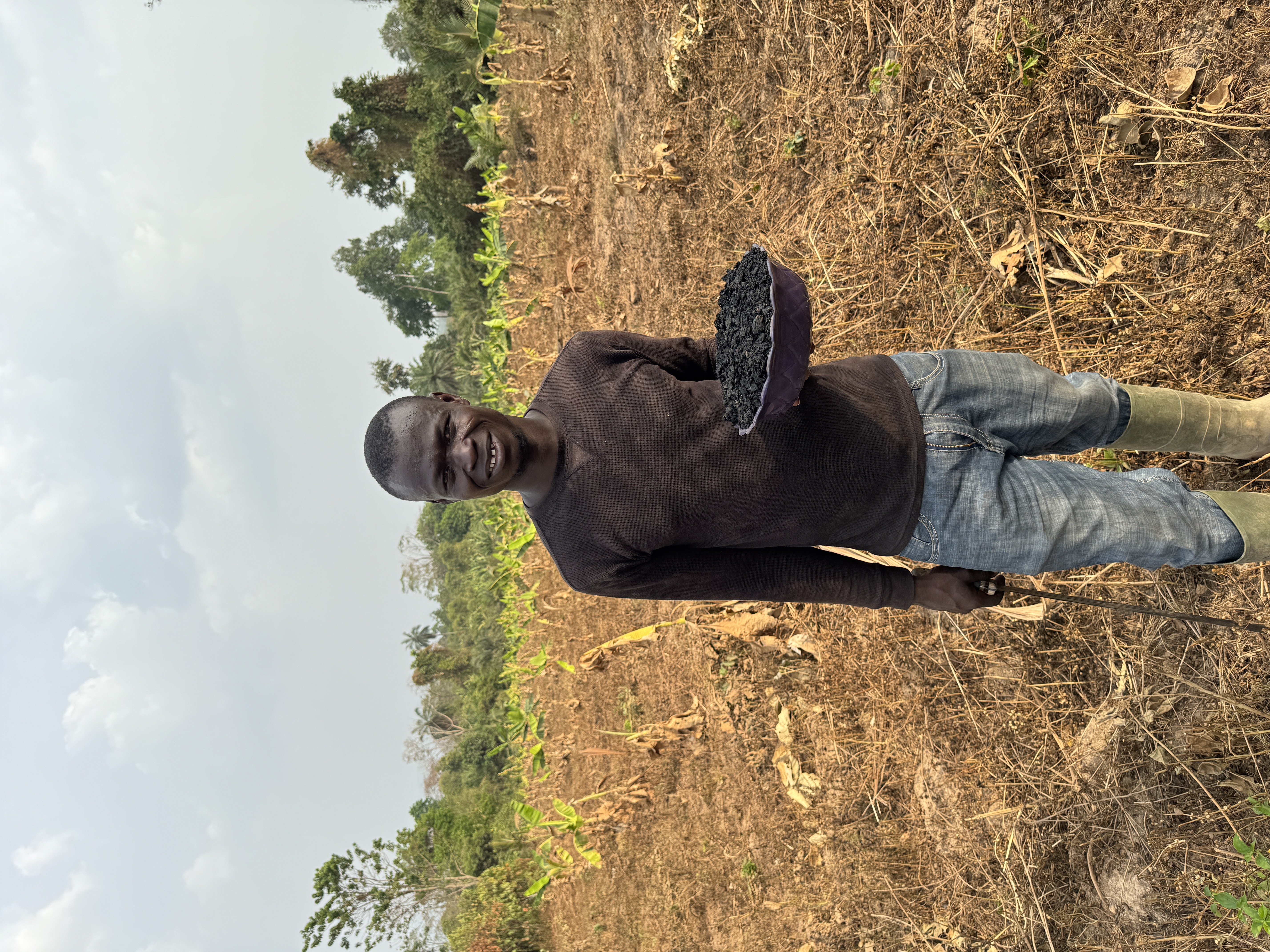
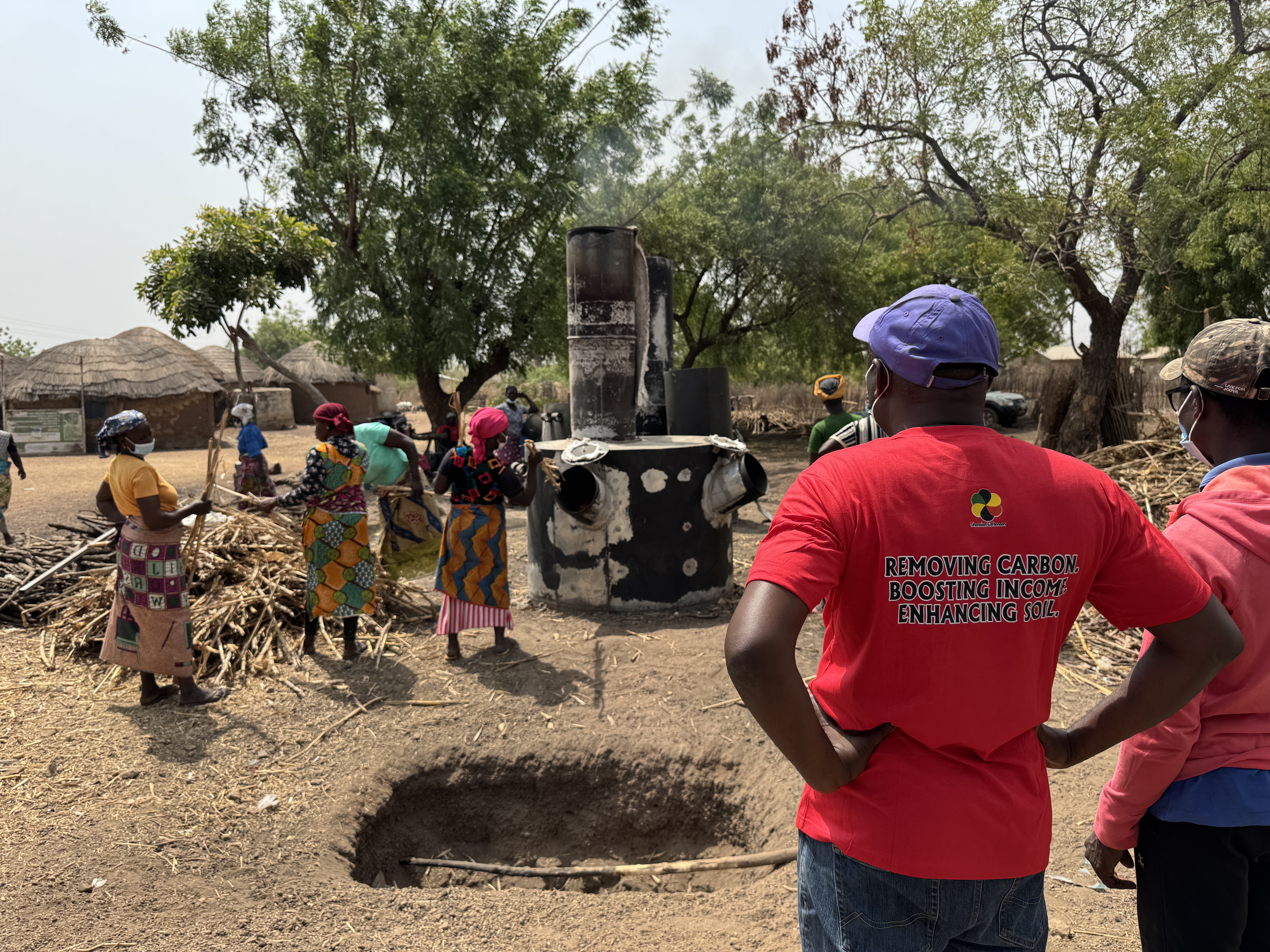
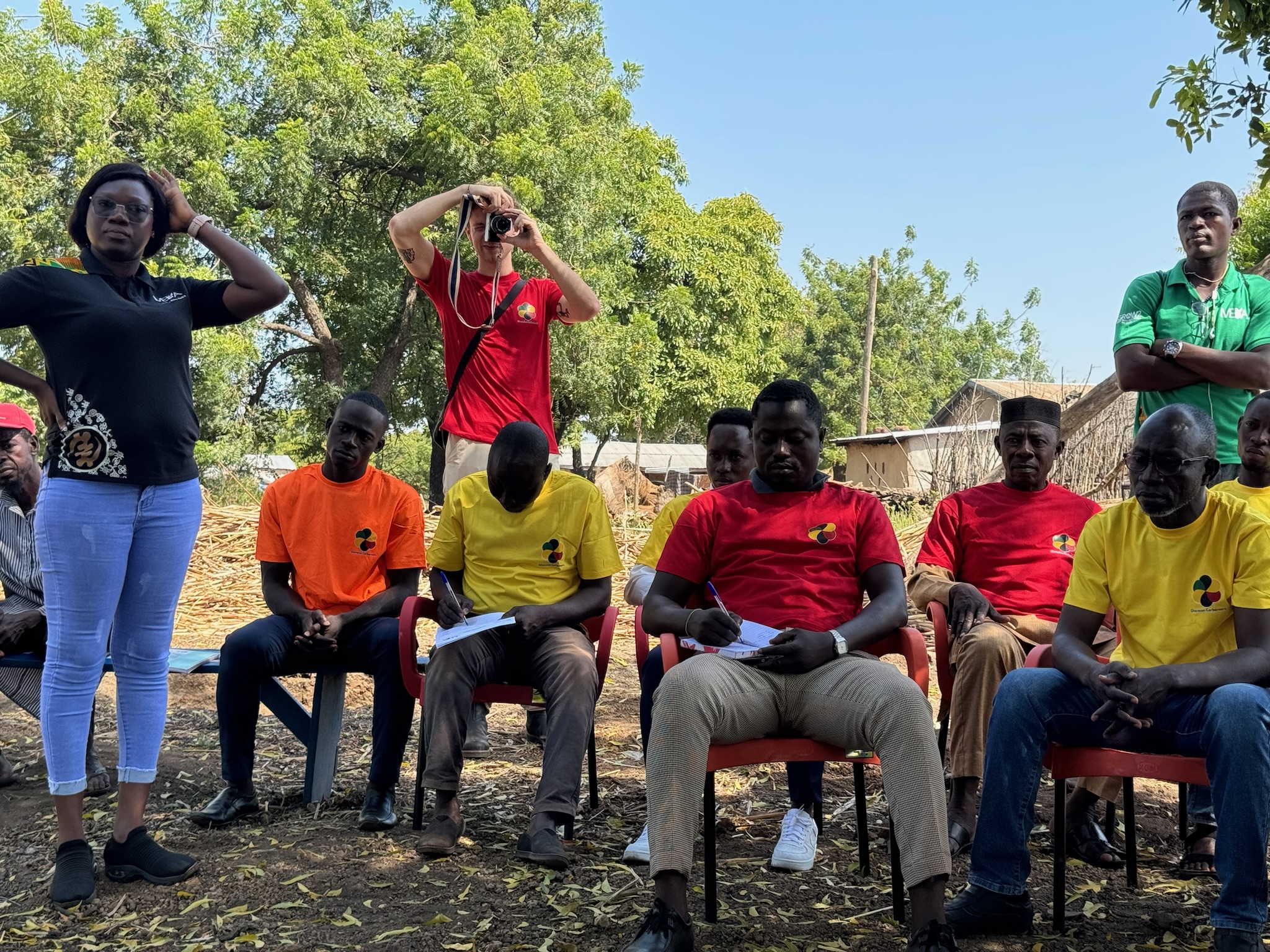
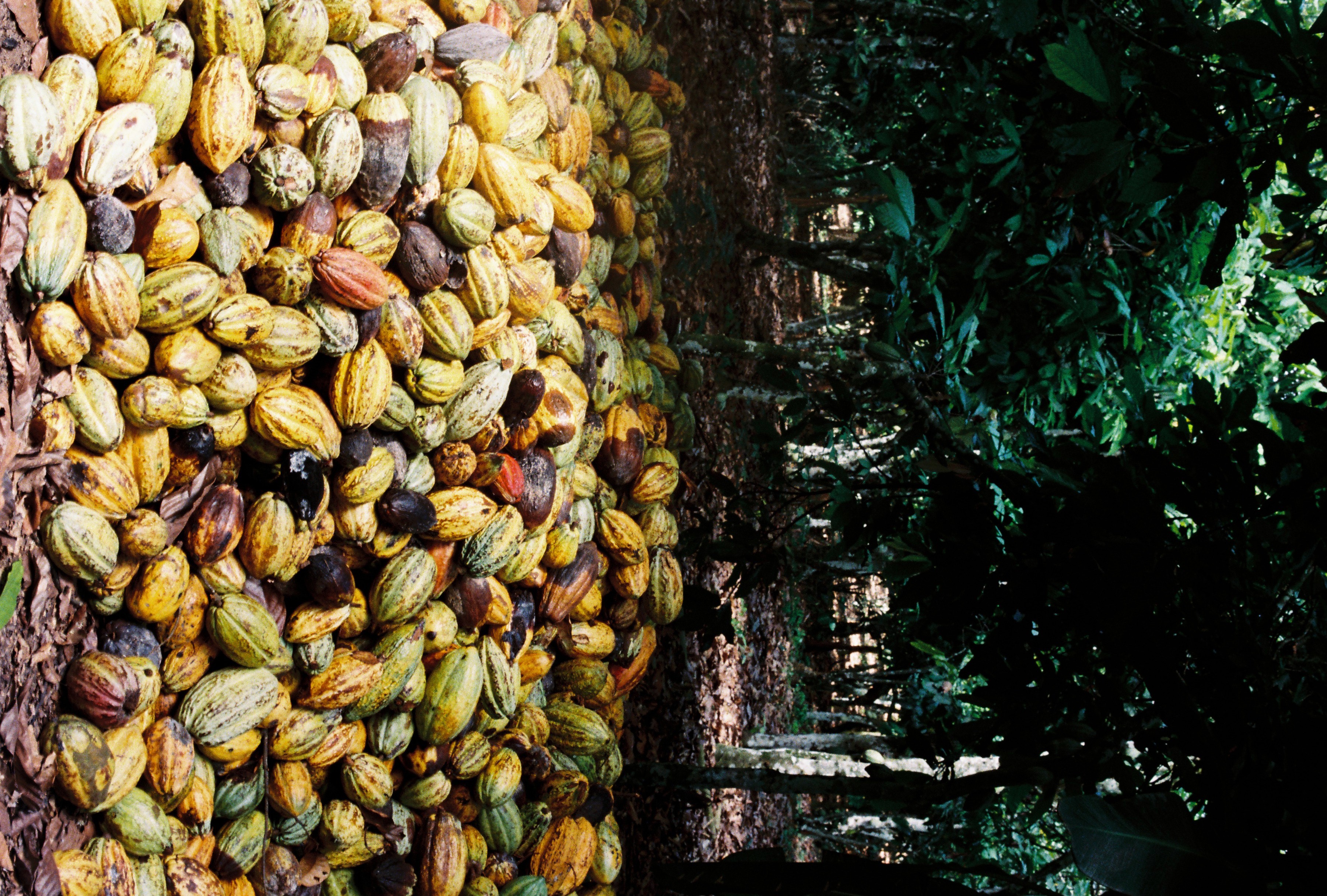
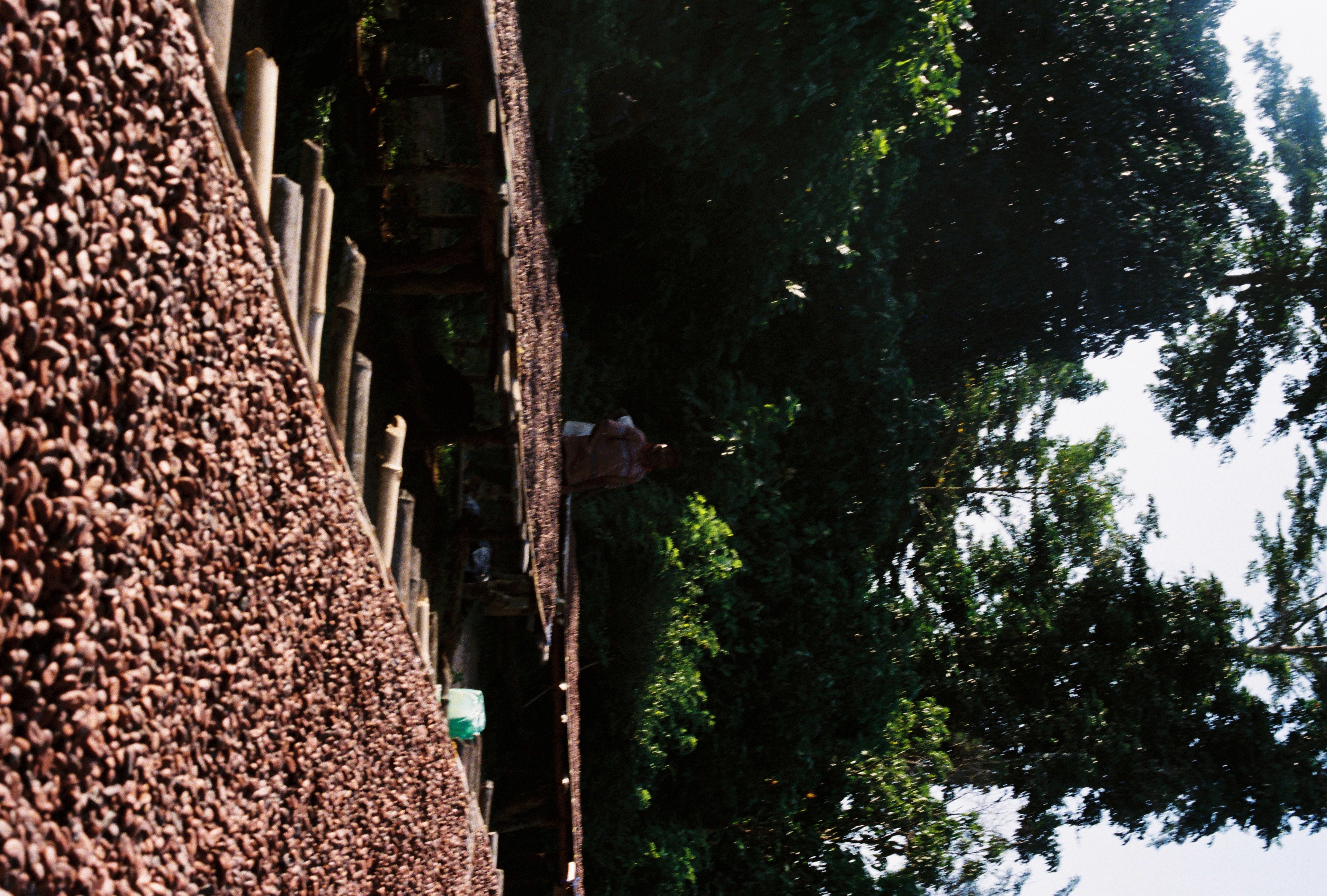
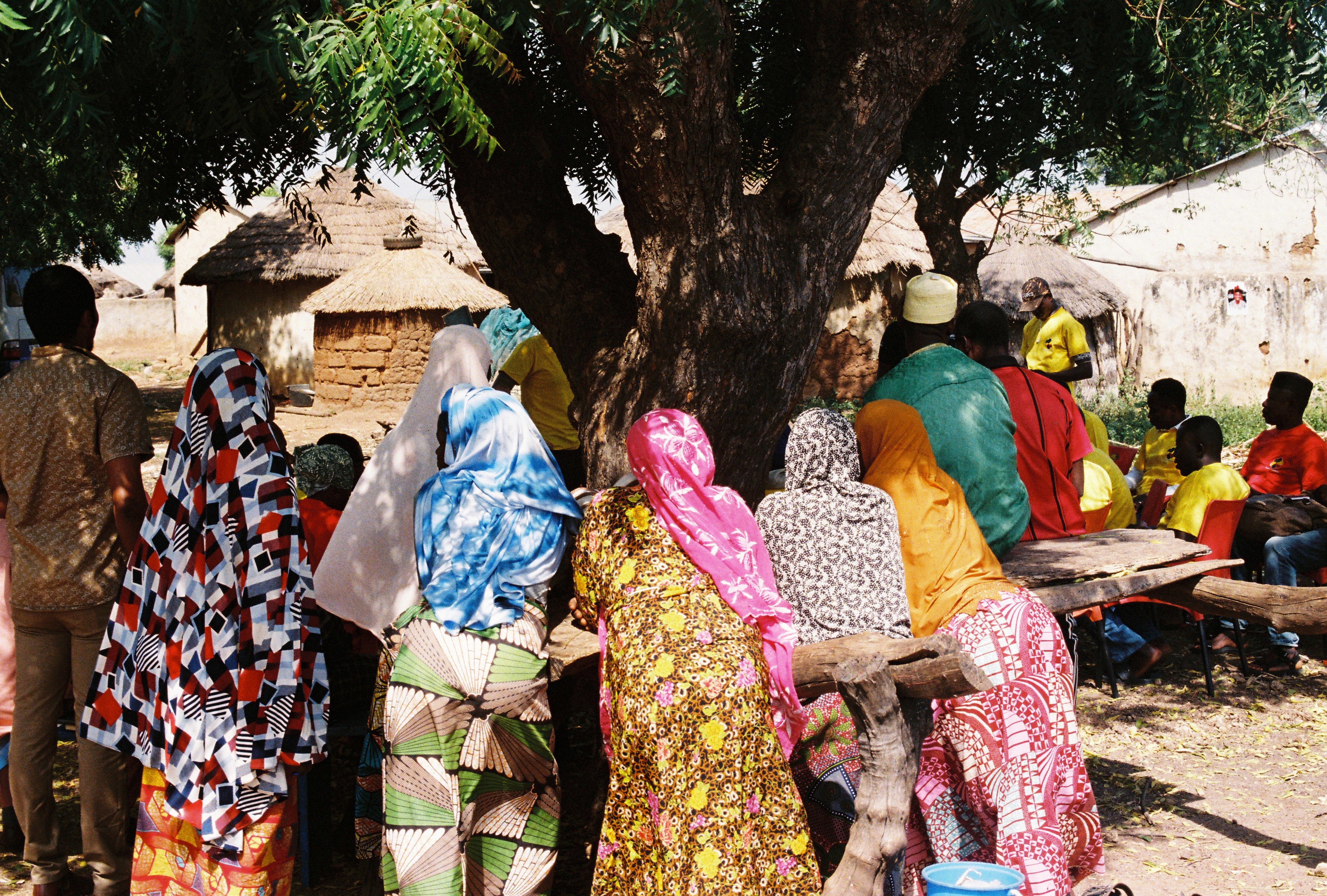
Charred biomass - biochar - has a long list of benefits that make it a valuable resource for climate action. Not only is biochar a permanent carbon sink, but it can also be used for a variety of applications such as water filtration, medicine, and even as a sustainable building material. As a soil enhancer, it improves the water and nutrient storage capacity of the soil, among other things, resulting in healthier plants and higher yields for farmers. Biochar neutralizes acidic soils where plants would otherwise grow poorly - a problem that is particularly prevalent in sub-Saharan Africa. Its structure also prevents fertilizers from leaking into groundwater, and since it can restore fertility to degraded soils, it reduces the need for fertilizers in the long term, enabling sustainable, environmentally friendly agriculture. Biochar is produced by heating biomass in the absence of oxygen to get rid of all volatiles. The remaining material - biochar - is an almost pure carbon structure. Biochar can be made from any organic material, such as field waste, making it a sustainable waste management mechanism. Biochar projects in the ClimatePartner portfolio are registered with international standards
The project aims to contribute to these United Nations’ Sustainable Development Goals (SDGs).


Four criteria for projects to meet quality thresholds
The life cycle of a climate project
A climate project has a set life cycle consisting of various phases, from the feasibility assessment to the retirement of Verified Emission Reductions (VERs).
The project developer reviews the general feasibility of the project, the project design, and the financing. Then, the Project Design Document (PDD) is prepared, which contains all the basic information about the project, such as the objective, location, timeline, and duration.

In this phase, independent auditors examine the PDD and the information it contains. This phase often also involves field visits with on-side interviews and analyses. Auditors are accredited, impartial assessors who have to be approved by the relevant standard as a validation and verification body (VVB). TÜV Nord/Süd, S&A Carbon LLC., and SCS Global Services are examples of VVBs."

Once validated, the project can be registered with a standard such as the Verified Carbon Standard or the Gold Standard. All high-quality climate projects are based on international standards. They provide the framework for project design, construction, carbon accounting, and monitoring. Recognised standards make the climate project system and the projects themselves resilient, traceable, and credible.

After the climate project has been registered, the monitoring begins. Here, the project developers monitor and document the data of the project activities and progress. The duration of the monitoring phase varies from project to project: it can cover two years, but documentation over five or seven years is also possible.

At the end of each monitoring phase, a VVB checks and assesses whether the values and project activities stated in the monitoring report are correct. As with validation, visits to the project site are often part of the verification process.

Once verified, the emission reductions that were confirmed in the verification phase can be issued as VERs. The steps of monitoring, verification, and issuance of VERs are repeated regularly and are therefore considered as a cycle.

Once a VER has been used, it must be retired. This process is also reflected in the registry. If the financing of a climate project is done through ClimatePartner, the VERs are bundled in a system certified by TÜV Austria and then retired on a regular basis. This ensures that each VER can no longer be sold and is only used once, preventing double counting.
Explore our projects
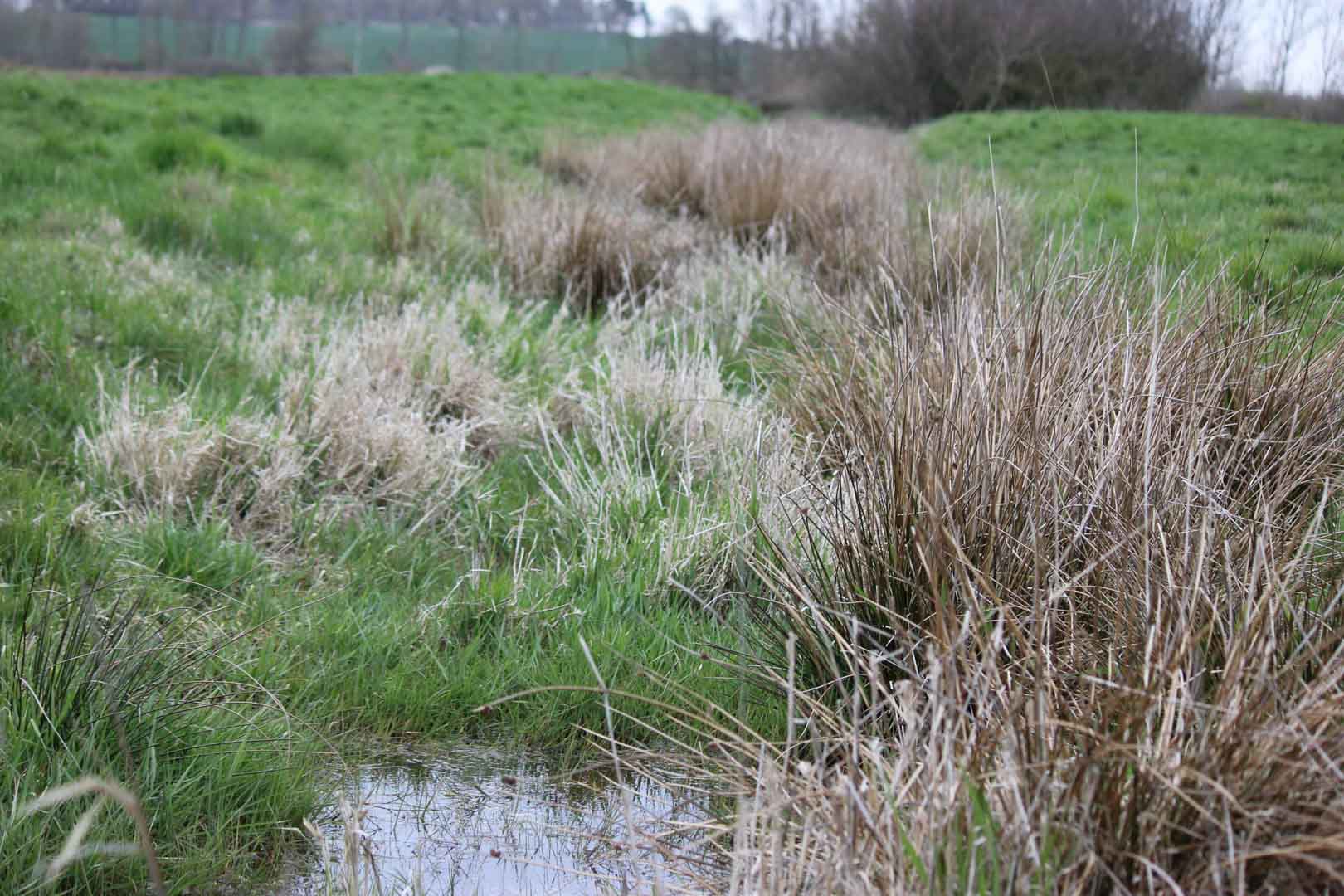
A certified climate project combined with additional commitment
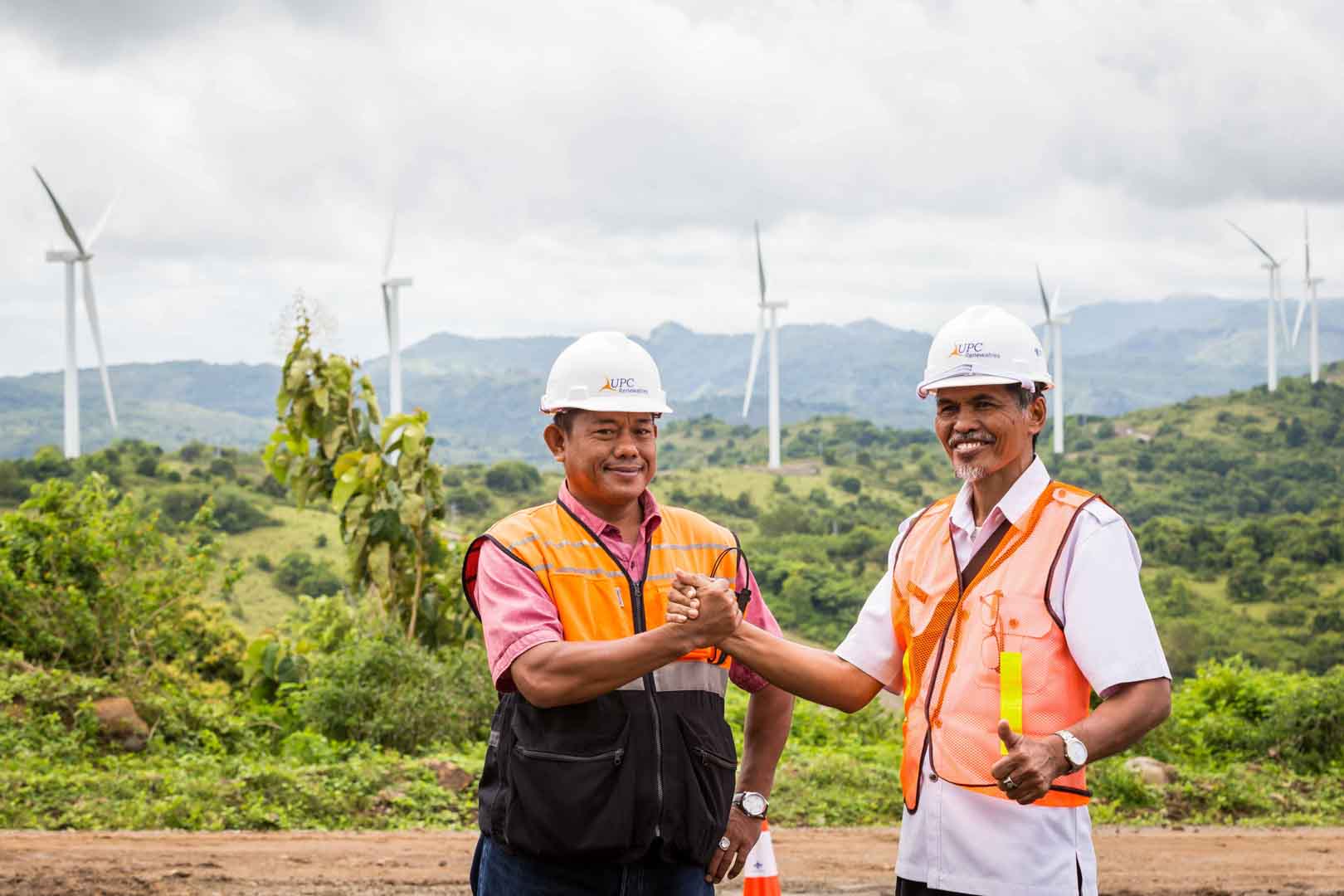
Expansion of renewable energy generation in Asia
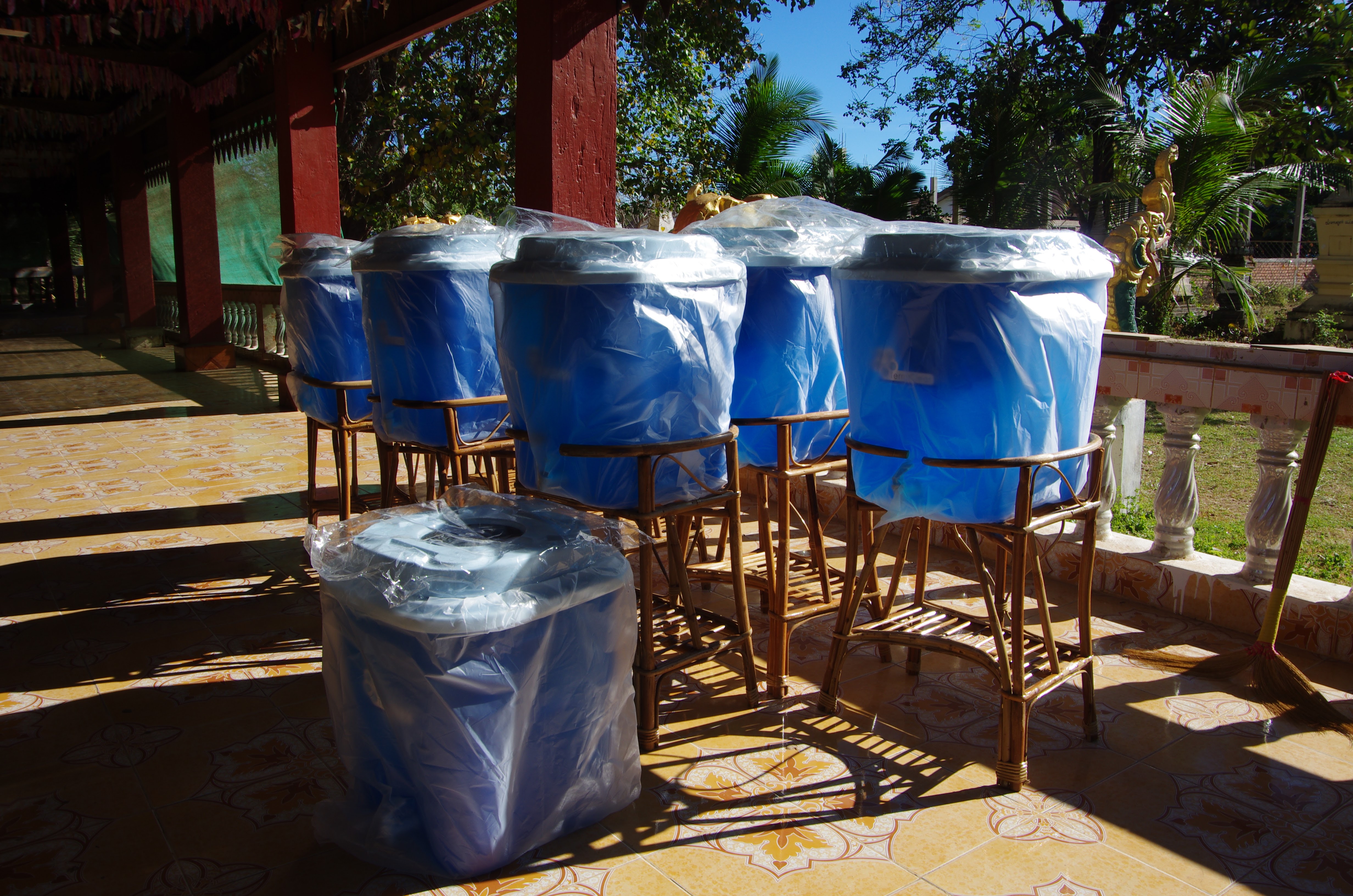
Ceramic water filters save CO2 and improve health
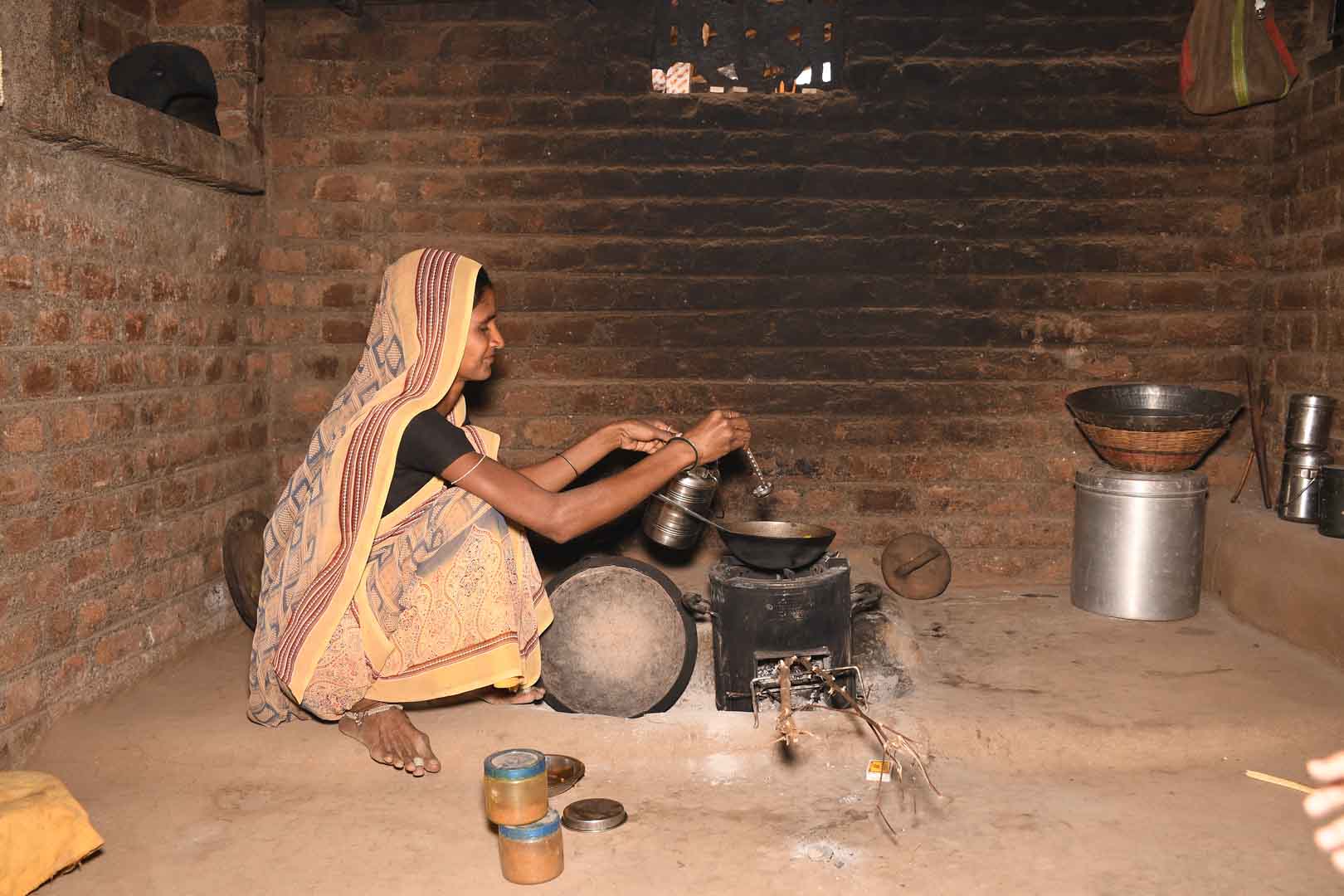
Improved cookstoves worldwide – for better health and cleaner air

A certified climate project combined with additional commitment
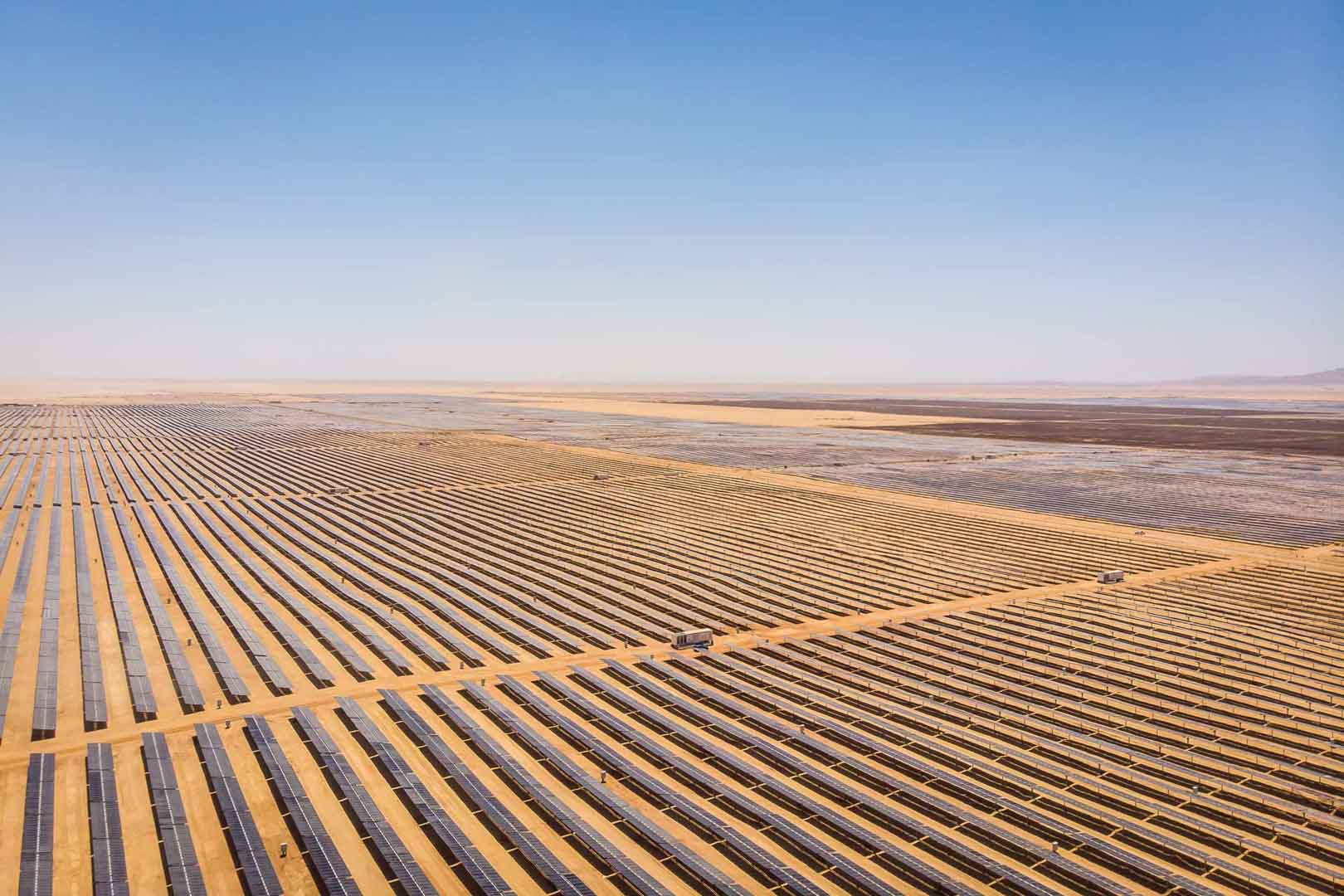
Powering access to renewable energy in Africa
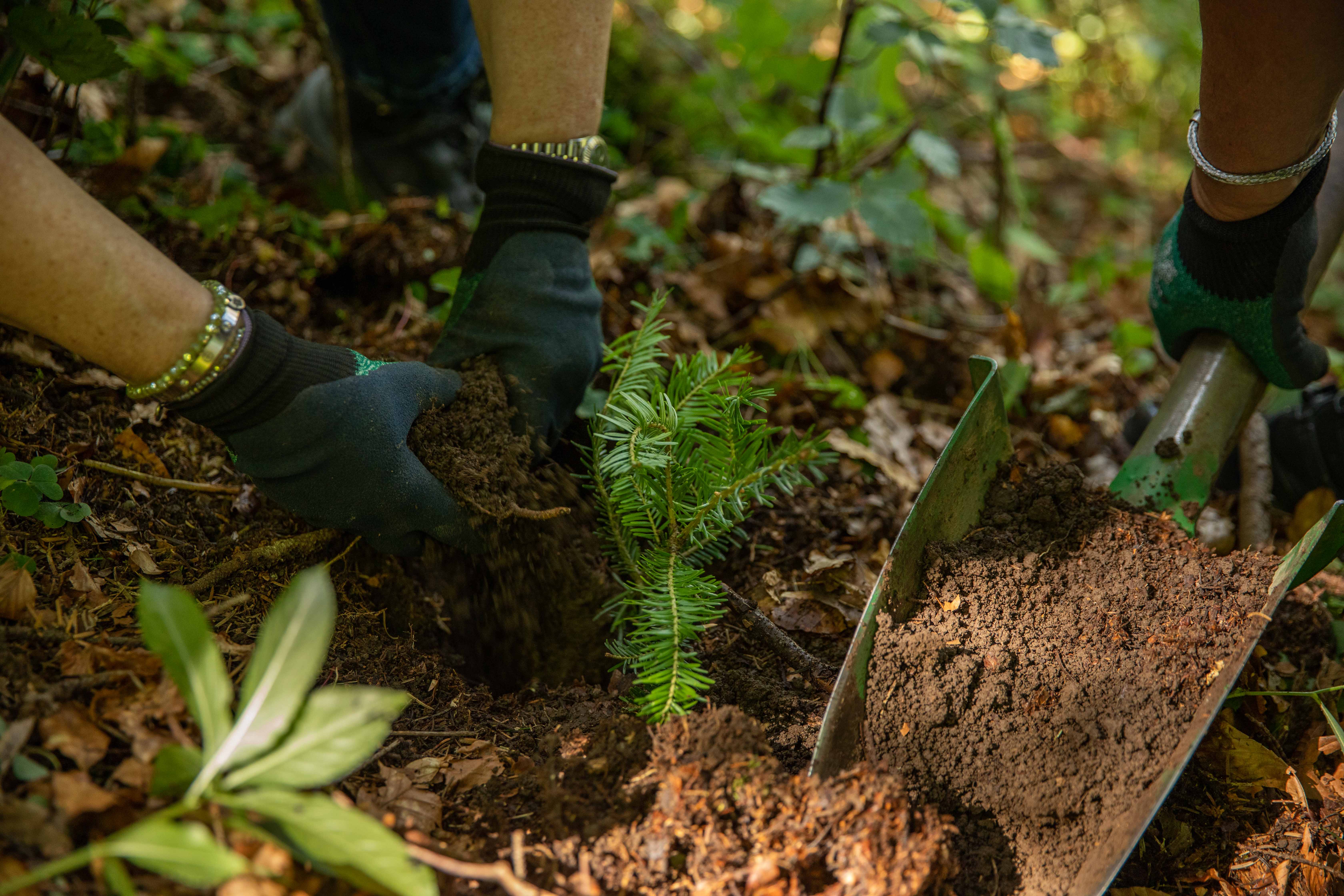
A certified climate project combined with additional commitment
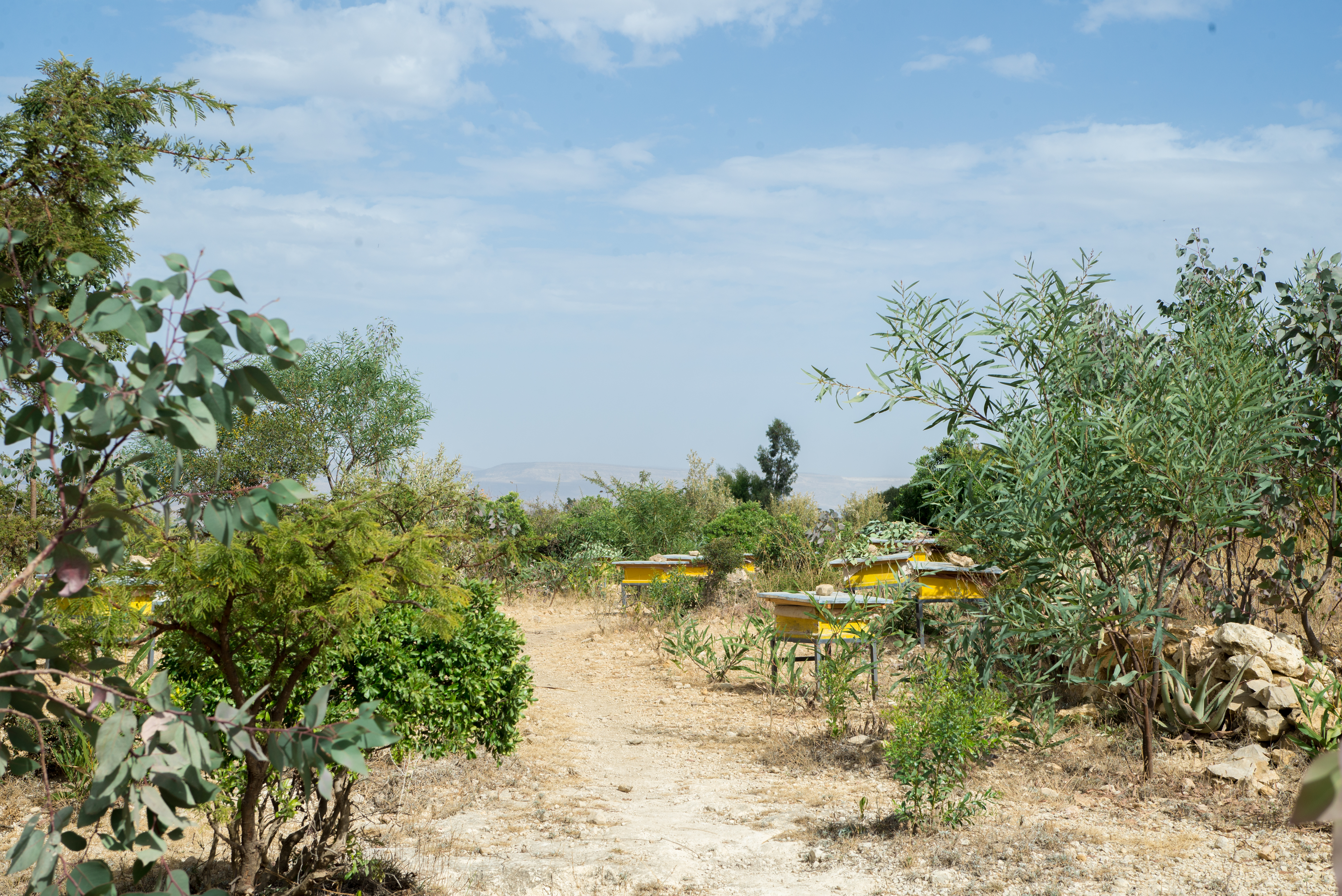
Restored ecosystems remove carbon
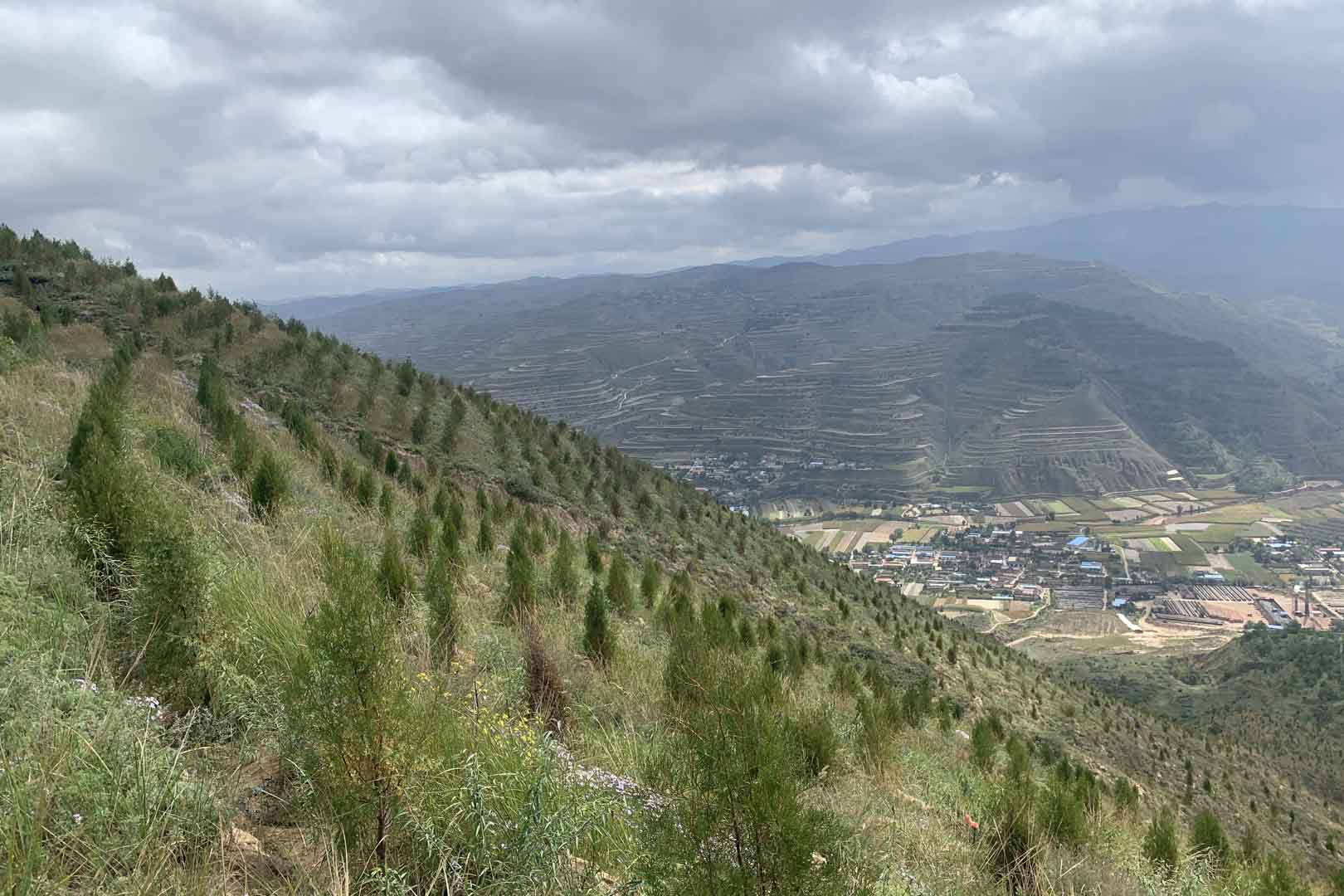
Turning degraded farmlands into healthy ecosystems
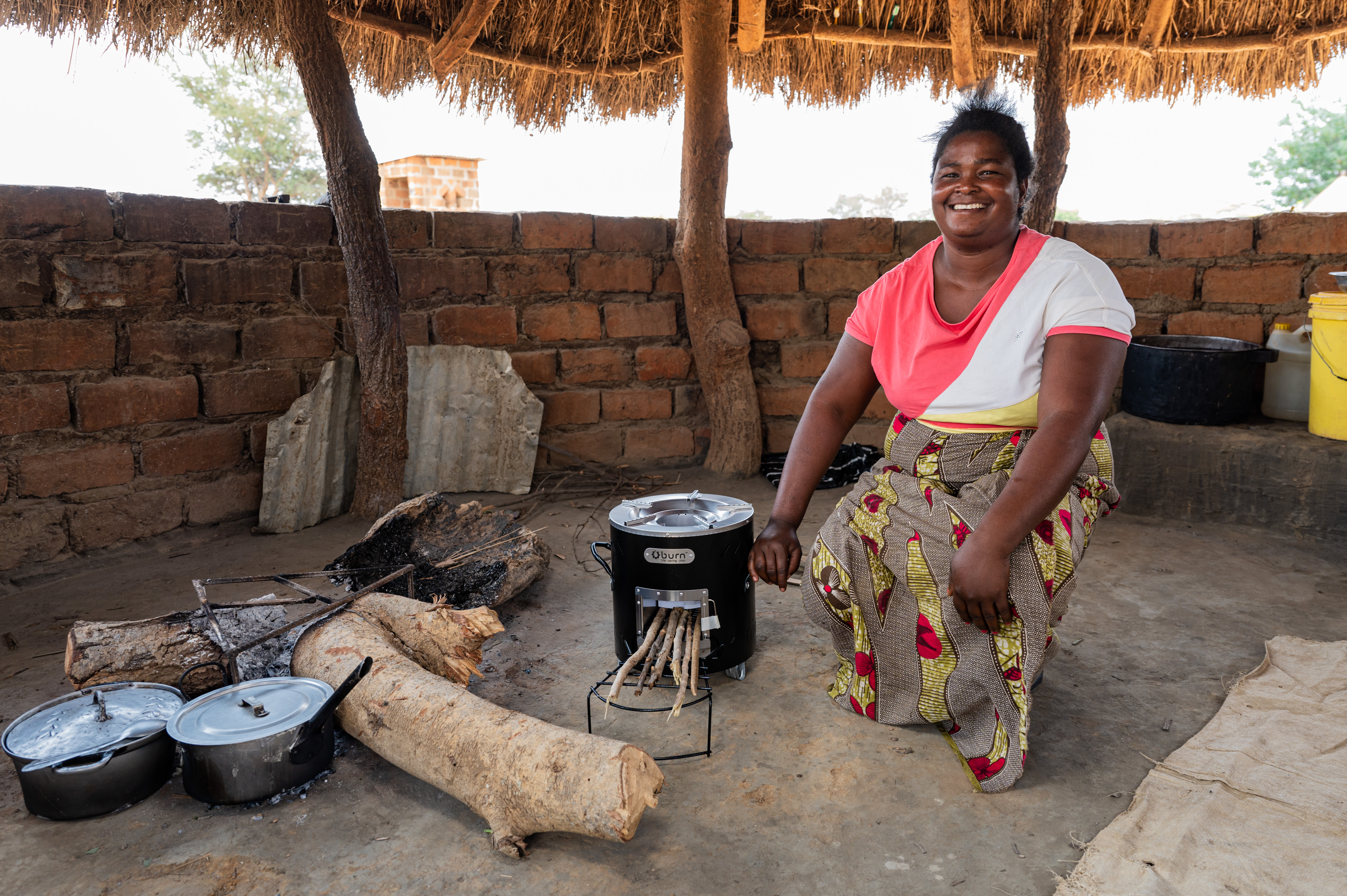
Improved cookstoves - better for health and the environment