ClimatePartner logo
Lenovo

Lenovo's data center portfolio


Vietnam, Gai Lai
ClimatePartner ID: 7025
Lenovo data center portfolioGet to know the project

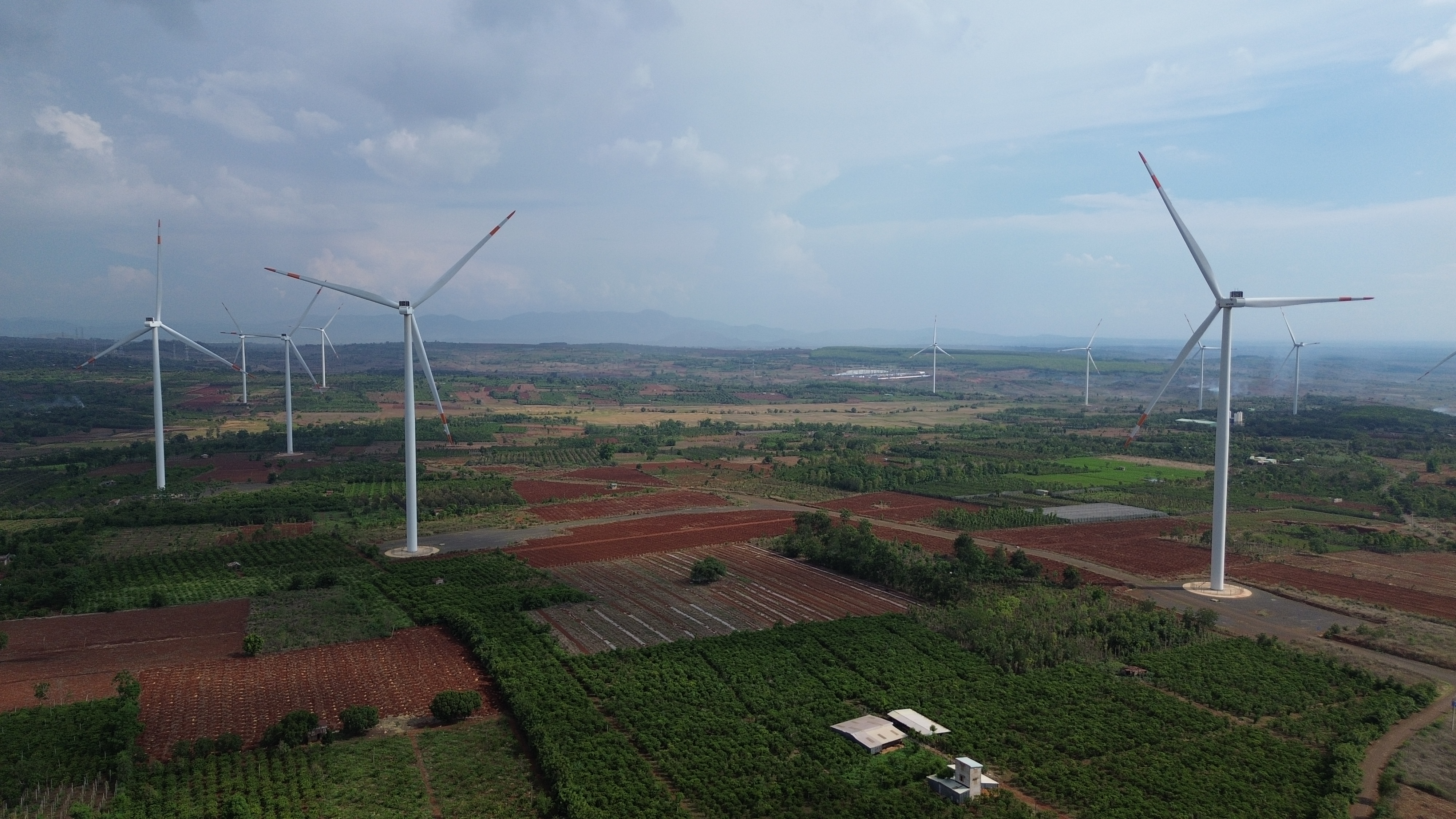
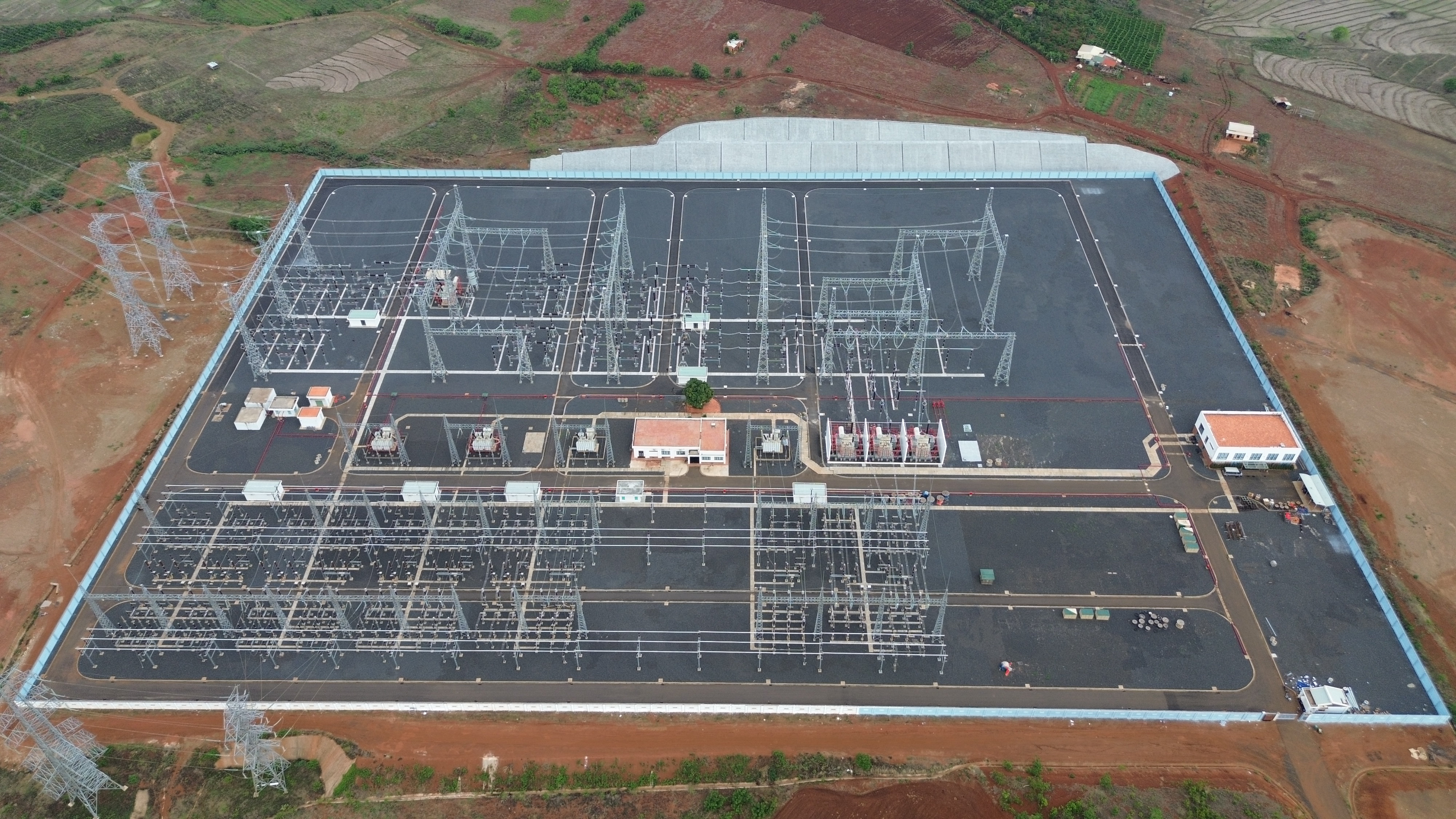
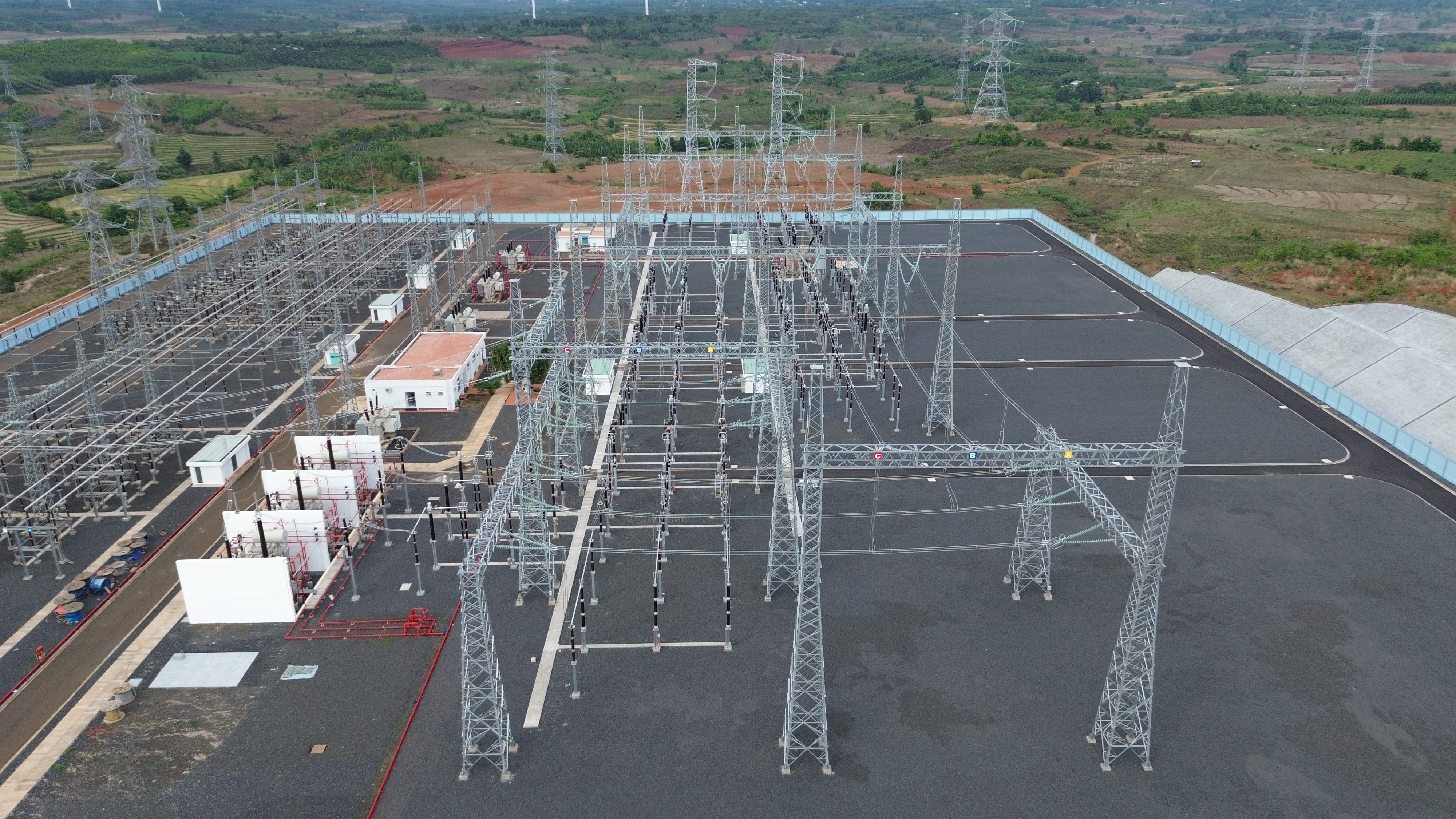
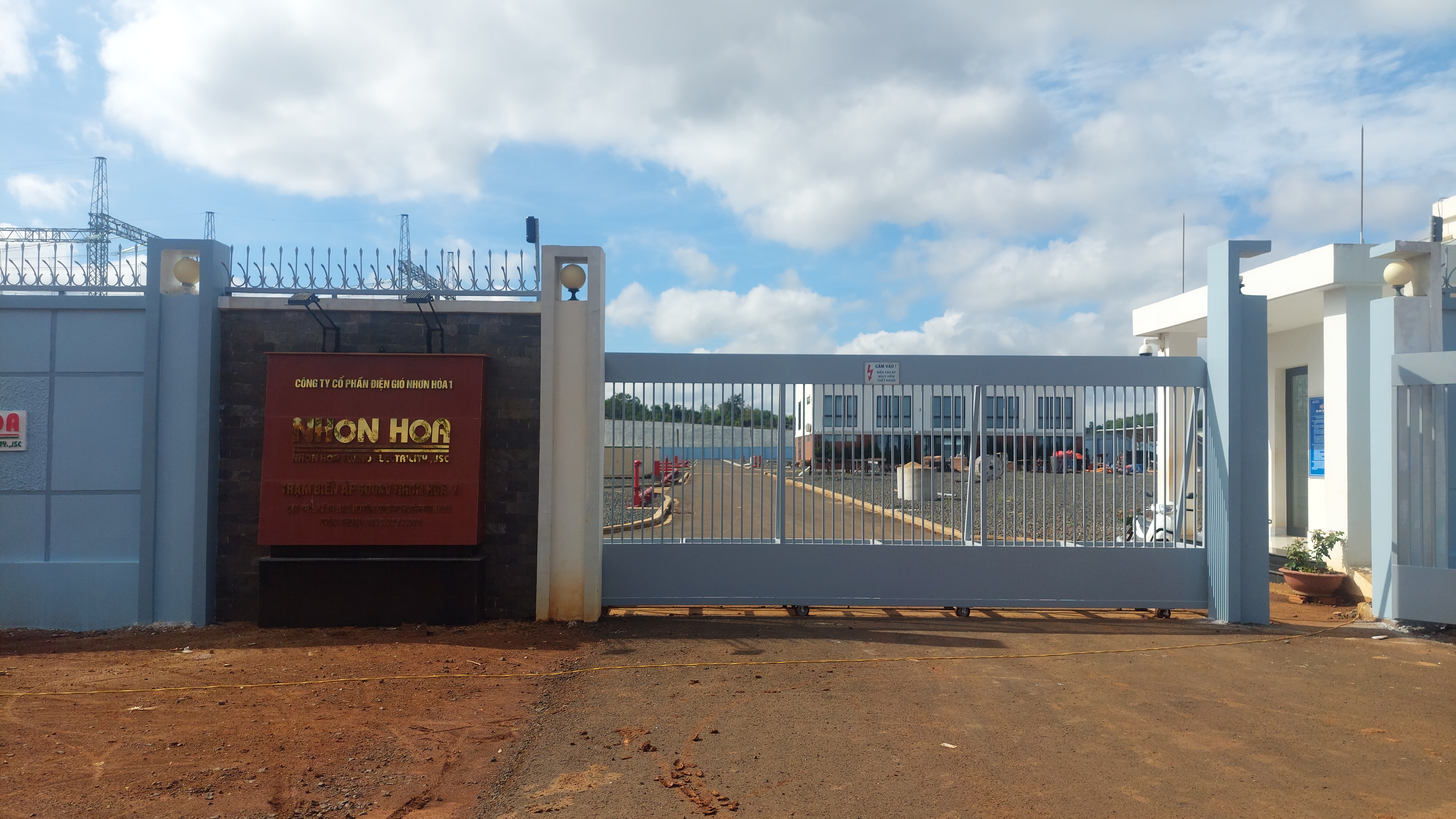
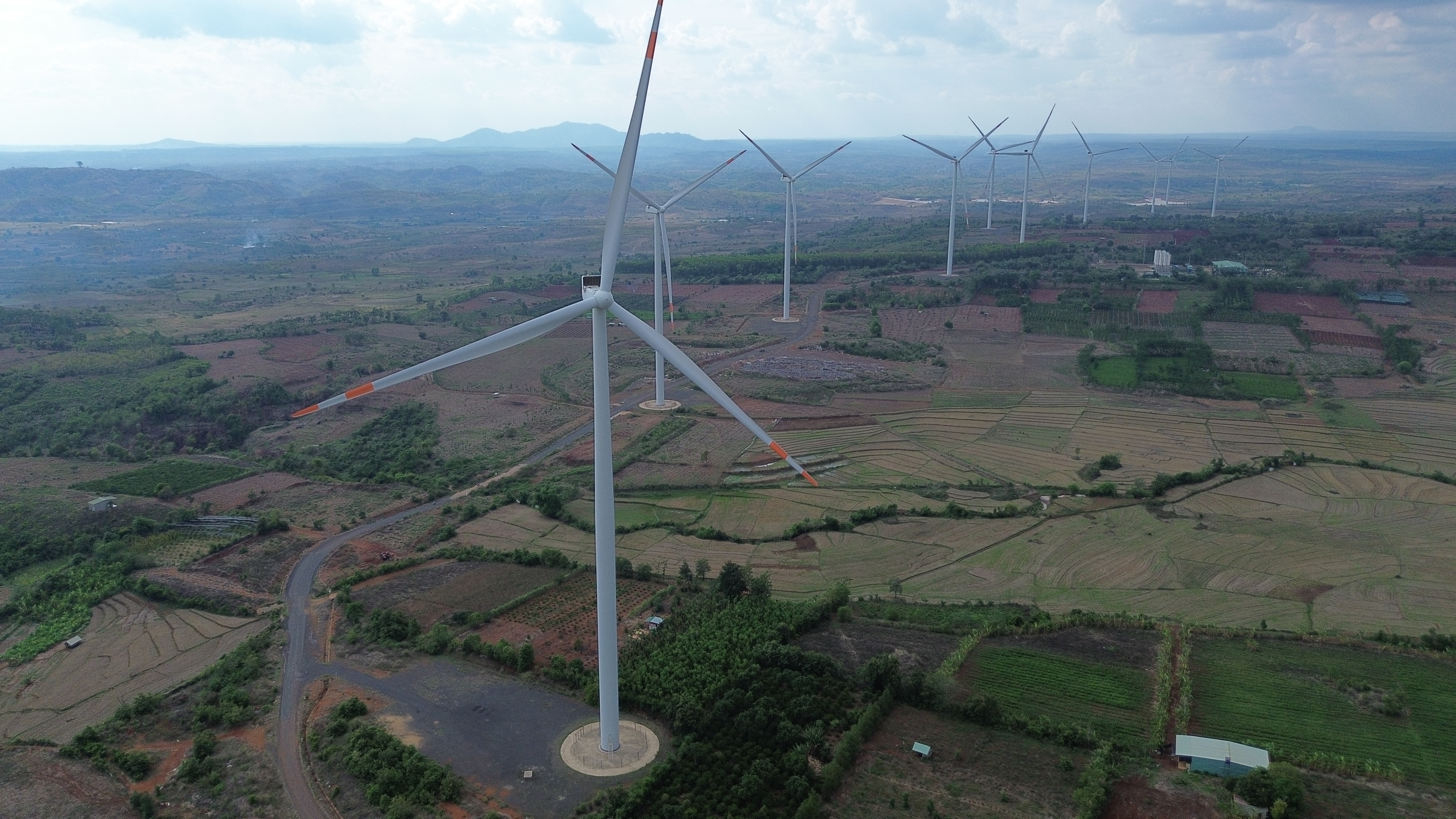
With CO₂ Offset Service by Lenovo, Data Center customers support a dedicated wind energy project in Vietnam.

The project expands renewable wind energy generation in Vietnam while also delivering social benefits through local employment and community development.

Lenovo and ClimatePartner have done the due diligence, selecting, verifying, and managing the project to ensure credibility. All it takes from you is one order. Ask your Lenovo representative to add CO₂ Offset Service by Lenovo to your next Data Center order today.

Climate project supported alongside your Lenovo Data Center purchase:
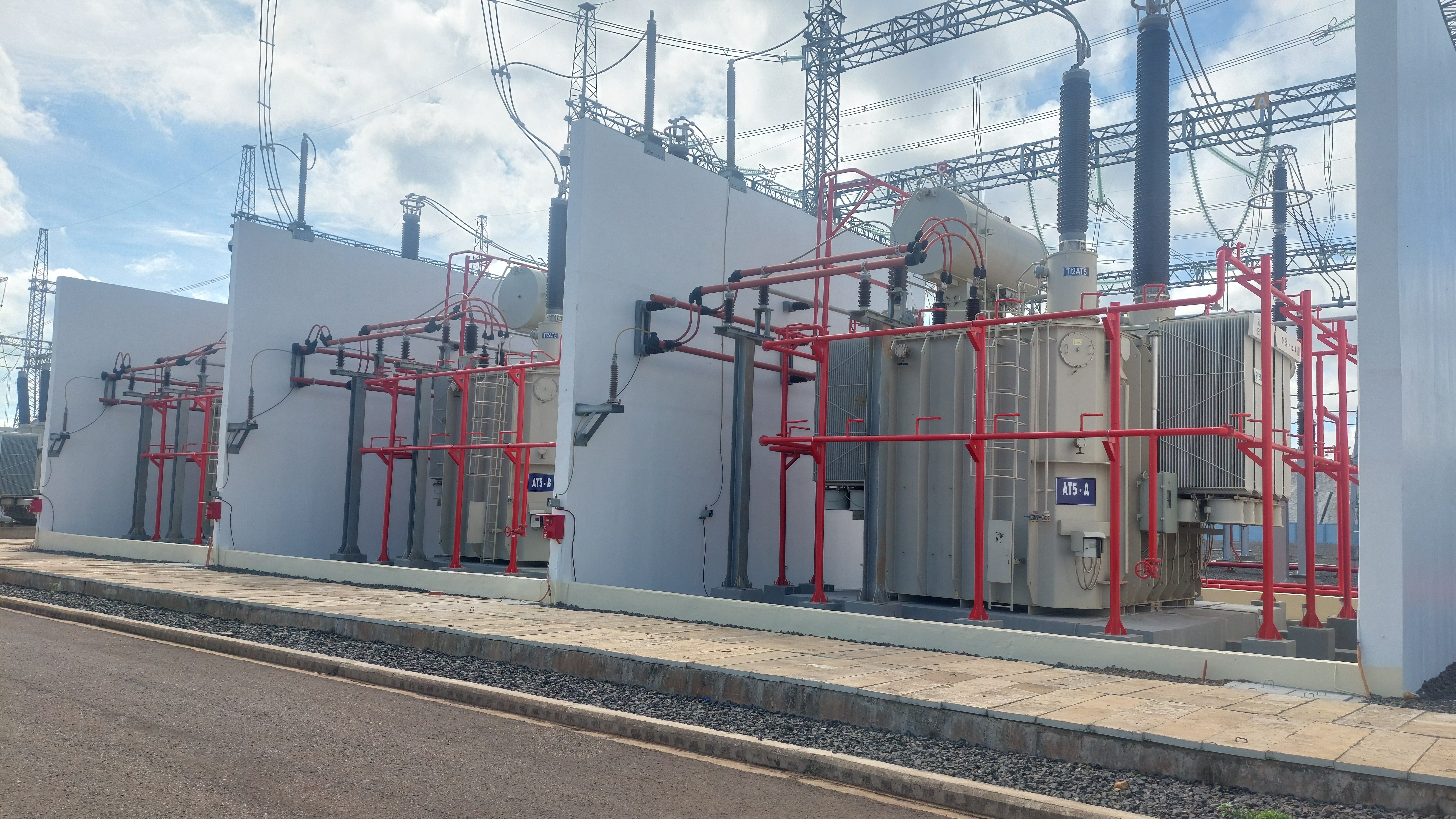
  • #1765 Wind energy, Gia Lai Province, Vietnam

This project is verified

International certification standard

The project is certified under the Gold Standard. It sets the baseline for additionality, permanence, and independent third-party verification.

Project integrity review

In alignment with Lenovo, ClimatePartner’s experts conduct a thorough assessment covering the project developer, contractual partners, and publicly available performance data. Projects that do not pass the review are not selected.

Permanent retirement

Once a carbon credit is used, it’s permanently retired from the registry. It cannot be resold or reused.

Independent validation

TÜV Austria verifies, confirming that the process from emissions calculation to credit retirement meets established quality requirements.
The project aims to contribute to these United Nations’ Sustainable Development Goals (SDGs).

Quality Education
Affordable and Clean Energy
Decent Work and Economic Growth
Climate Action
The project aims to contribute to these United Nations’ Sustainable Development Goals (SDGs).
Project facts

Climate projects generally fall into one of three groups: carbon reduction, carbon removal, or carbon avoidance. Carbon reduction projects reduce the amount of greenhouse gas emissions produced by a specific activity (e.g., improved cookstoves). Carbon removal projects remove carbon from the atmosphere by sequestering it in carbon sinks (e.g., reforestation). Carbon avoidance projects avoid greenhouse gas emissions entering the atmosphere (e.g., protecting forests from deforestation with REDD+ projects).

All climate projects are based on international standards. They set processes and requirements which carbon projects must fulfill to be recognised as a proven method of reducing carbon emissions.

Climate projects demonstrably reduce, remove, or avoid greenhouse gas emissions. This is achieved with various technologies, ranging from nature-based solutions to social impact projects and renewable energies.

Climate projects go through third-party validation and verification. Verification happens regularly after each monitoring period. A validation and verification body checks and assesses whether the values and project activities stated in the monitoring report are correct and verifies them. As with validation, visits to the project site are often part of the process.

Climate projects go through third-party validation and verification. Validation happens early in the project life cycle and ensures that the project design is in line with current processes and requirements. This phase often also involves field visits with on-site interviews and analyses. Auditors are accredited, impartial assessors who have to be approved as a validation and verification body (VVB) by the standards body.

This figure shows the estimated annual emission reductions calculated before the project started. The actual number of emissions saved in each monitoring period may differ. The background to this process is that in order to be registered as a climate project, the project operator must submit the calculation of the estimated emissions savings using the ex-ante methodology in a Project Design Document (PDD), which is similar to a business plan. This calculation is validated by an independent auditor. The values determined in the PDD are recalculated during regular monitoring periods based on actual project performance, documented in a monitoring report, and verified again by independent auditors at the end of the monitoring period to ensure a robust process. Independent verification thus provides ex-post verification of actual emission reductions. Verified emission reductions are not distributed until the savings have actually been made.
ClimatePartner logo© 2026 ClimatePartner GmbH
Follow us
InstagramNewsletterLinkedin

Join companies worldwide in taking climate action with us.

Get in touch