
Restoring Switzerland’s natural springs strengthens biodiversity and stabilizes the microclimate
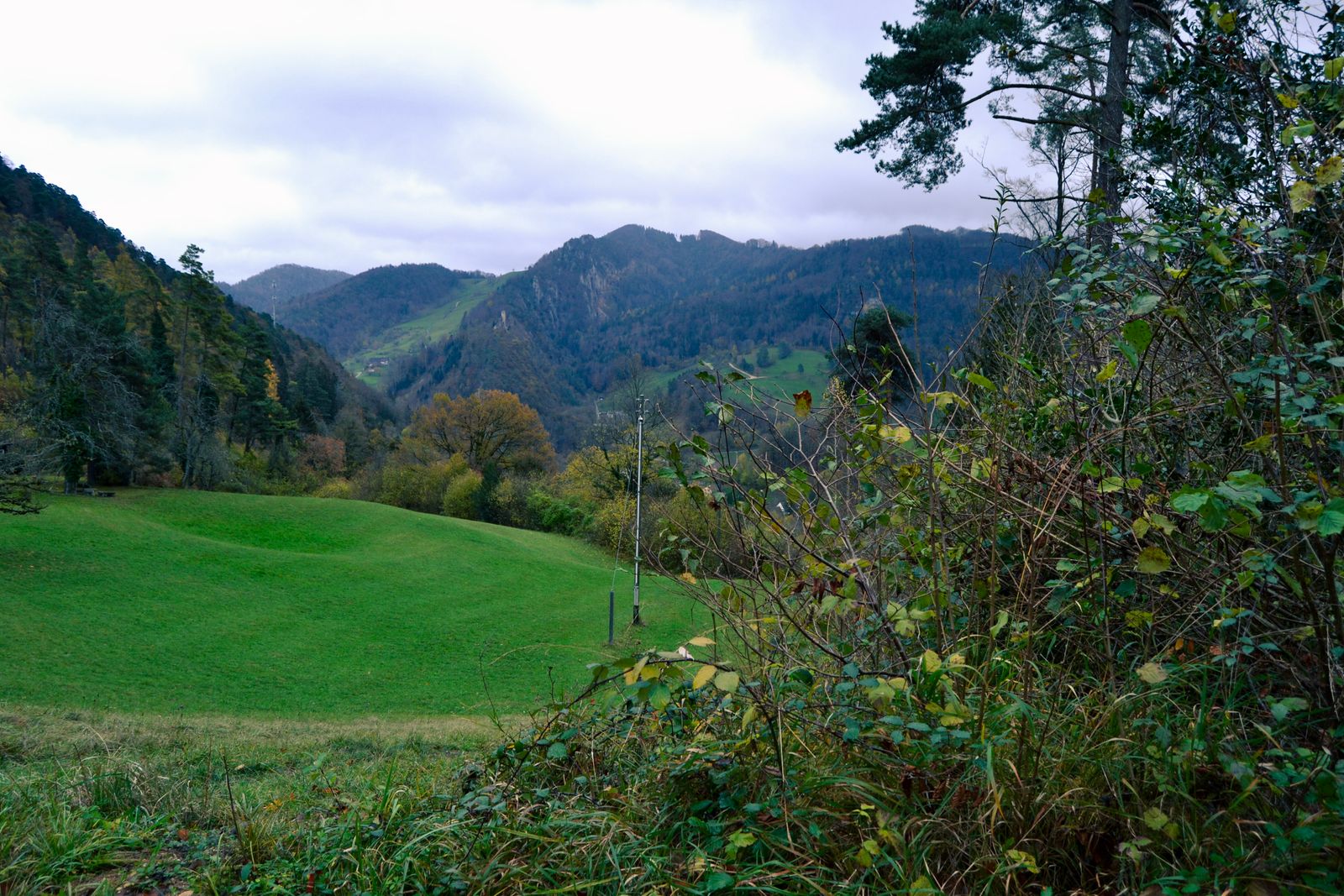
In Switzerland, around 90% of natural springs have been degraded due to drought, climate change, and human interventions. Approximately 96 species depend on spring ecosystems, 40% of which are endangered.
This project aims to restore springs to a near-natural state, allowing water to flow freely once again. In doing so, unique wetland habitats are recreated, and conditions improve for the many species that rely on them.
Restored springs enhance biodiversity, support groundwater recharge, and stabilize local microclimates, making landscapes more resilient to drought and other climate extremes.
Key restoration activities include:
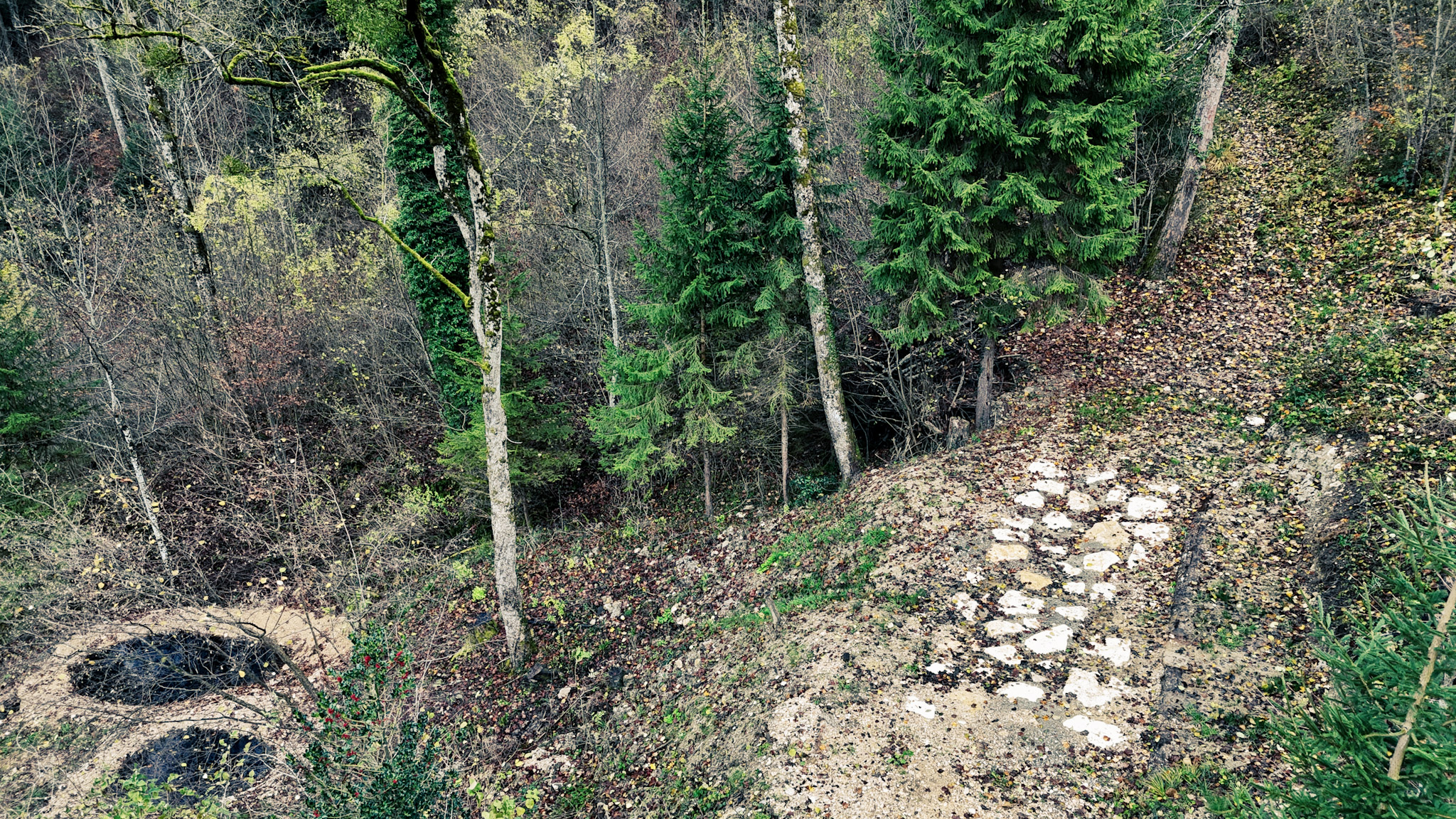
Removing structural catchments and artificial water drains to restore natural water flow
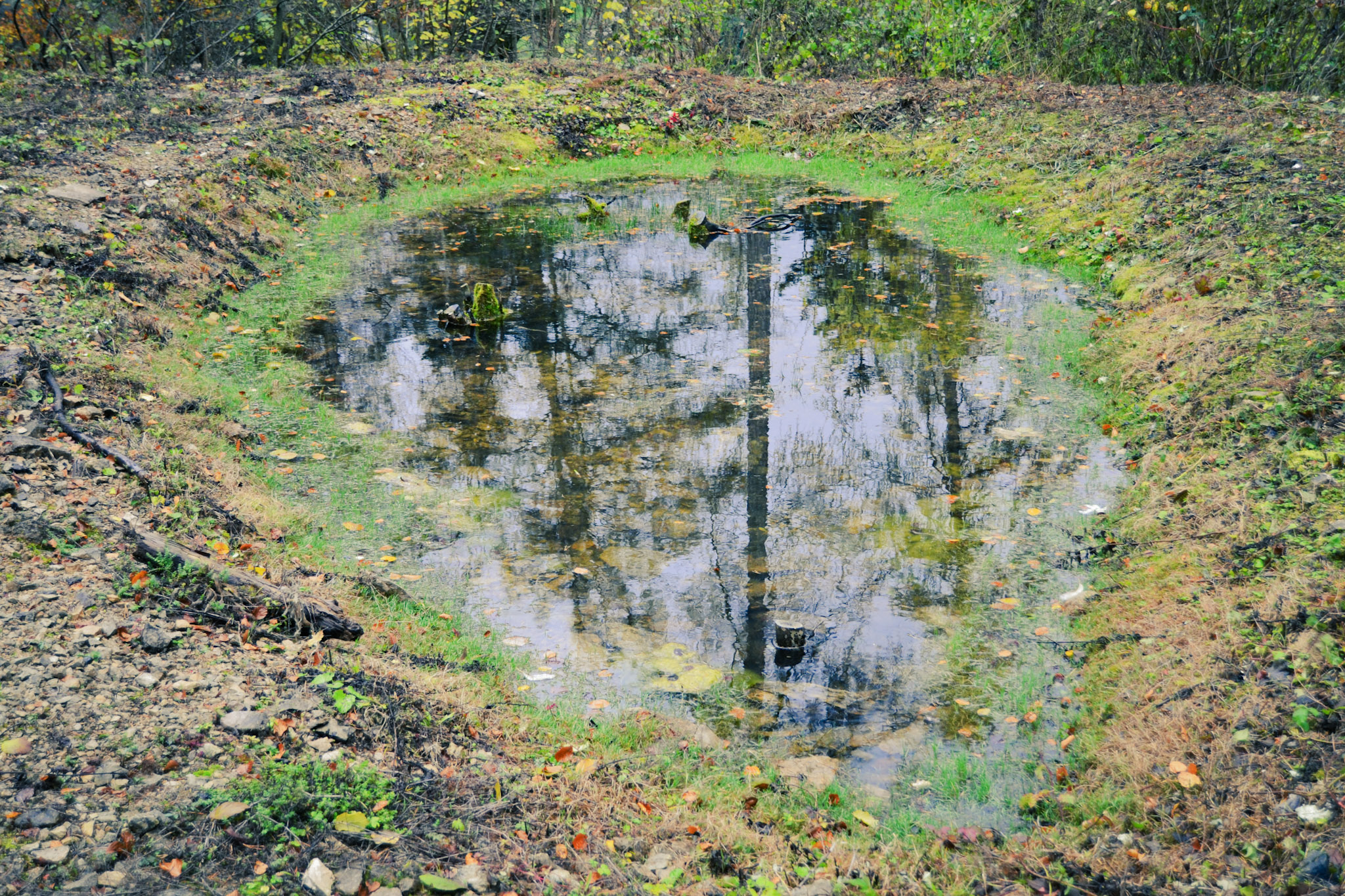
Creating ponds to provide new habitats for aquatic and semi-aquatic species
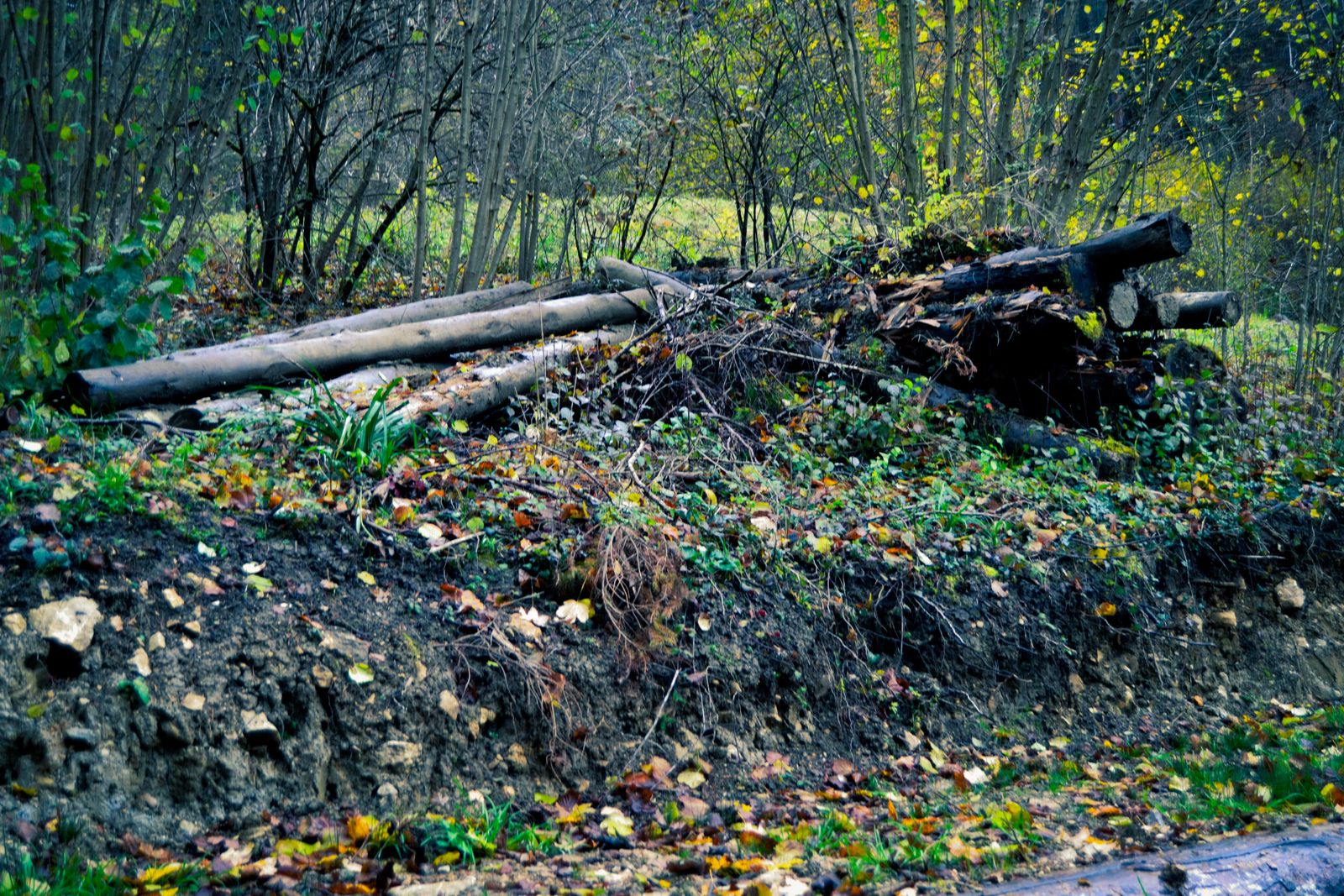
Adding deadwood to offer shelter and food sources
Selectively thinning trees, where necessary, to reduce competition and improve habitat conditions
Installing amphibian guidance systems to enable safe movement between habitats
Ceasing forestry activities in source areas to reduce human impact
By restoring these springs, the project helps reestablish the natural balance between water and forest, enabling ecosystems to recover and thrive.
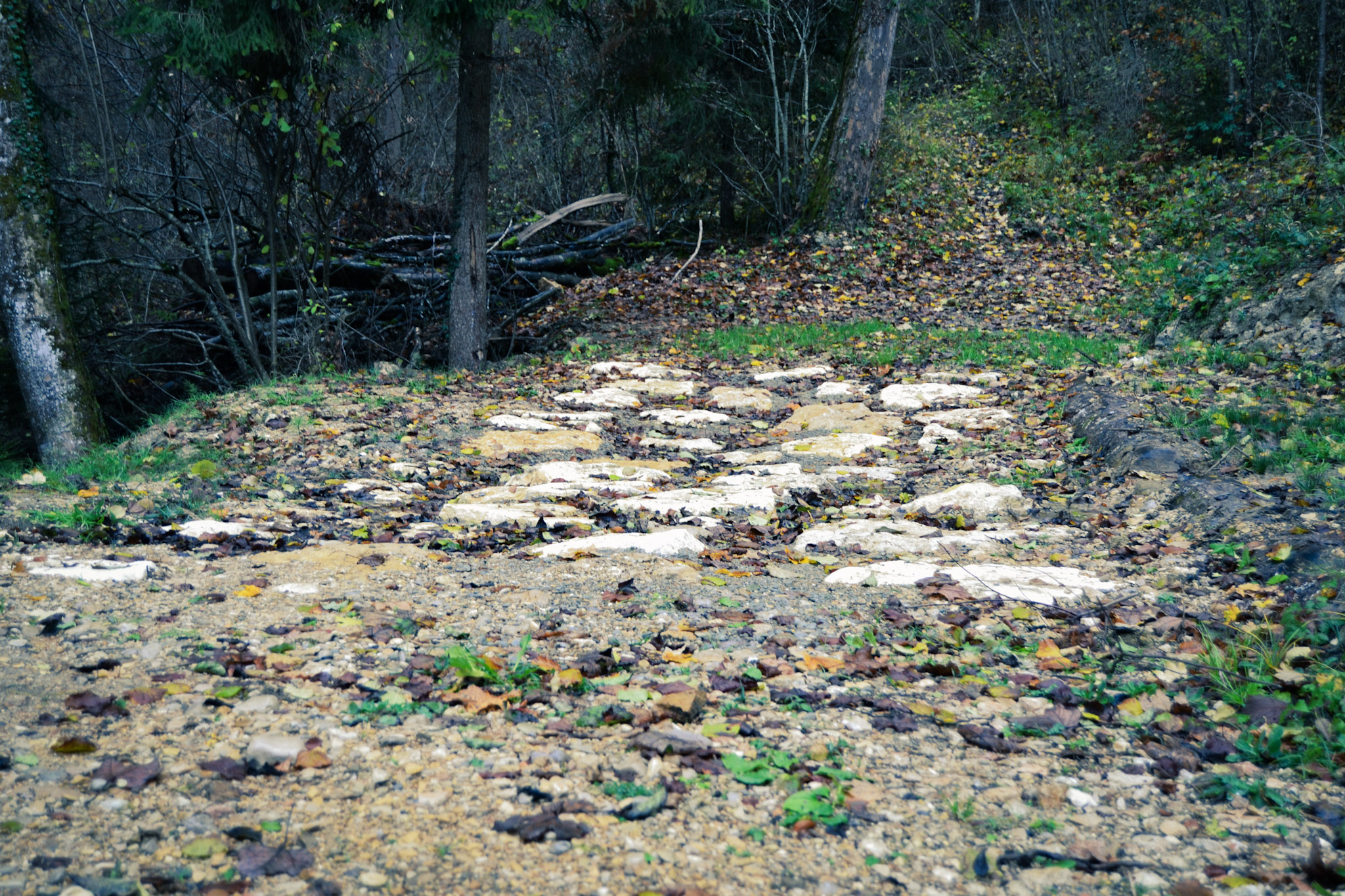
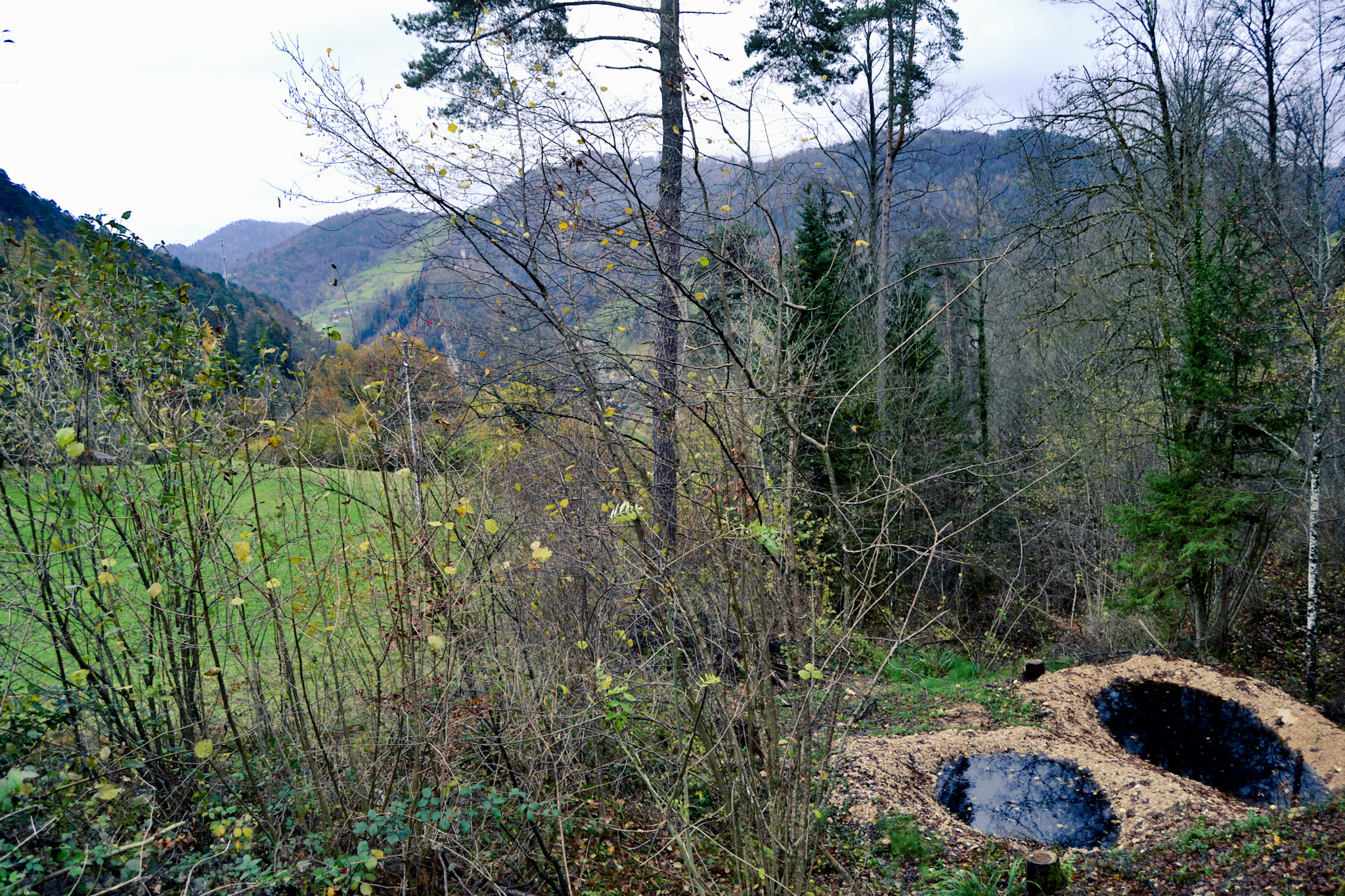
How does spring restoration support biodiversity and climate action?
Natural springs are delicate ecosystems where groundwater emerges at the surface. They regulate water flows and provide habitats for amphibians, insects, and specialized plants. At the same time, natural springs promote forest health and strengthen the resilience of entire landscapes.
Around the world, natural springs have been degraded by urbanization, agriculture, water extraction, forestry, and the impacts of climate change. Their decline reduces water quality, weakens ecosystems, and threatens species that depend on them.
Spring restoration seeks to reverse this trend by returning springs to a near-natural state. Typical activities include removing artificial catchments and drains to restore natural water flow, thinning vegetation to improve habitat conditions, creating ponds and wetlands, and adding deadwood to foster microhabitats. Guidance systems and similar measures help species move safely between habitats.
Restored springs strengthen biodiversity, improve groundwater recharge, and stabilize microclimates, making landscapes more resilient to weather extremes. Projects that restore natural springs promote biodiversity, improve groundwater recharge, and stabilize the microclimate. In doing so, they make a direct contribution to climate protection and the preservation of species diversity.
Le projet vise à contribuer à Objectifs de développement durable (ODD) des Nations Unies.


Explorer d'autres projets
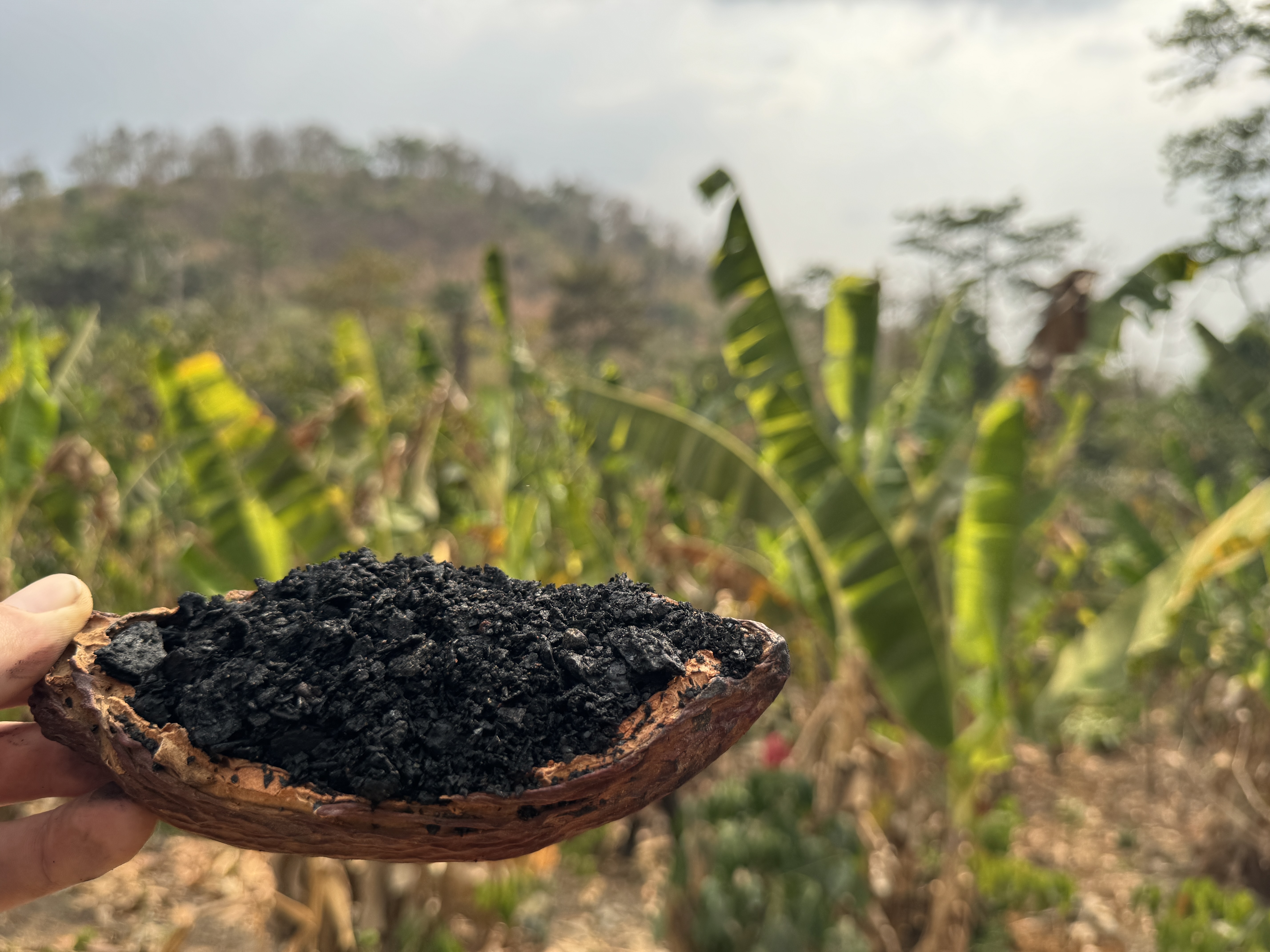
Biochar pour l'action climatique, des sols sains et de meilleures récoltes
Un projet climatique certifié combiné à un engagement supplémentaire
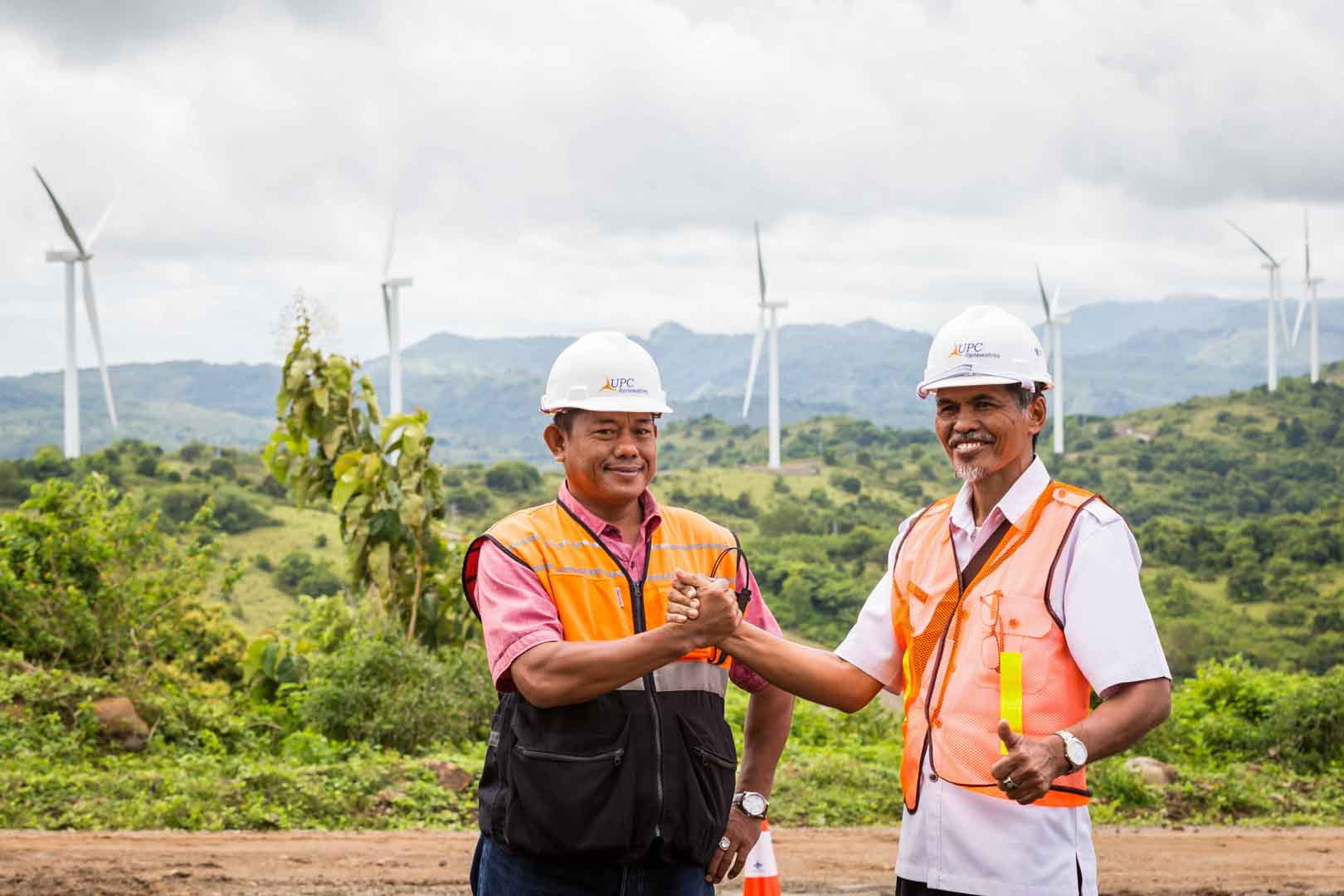
Développement d'énergie renouvelable en Asie
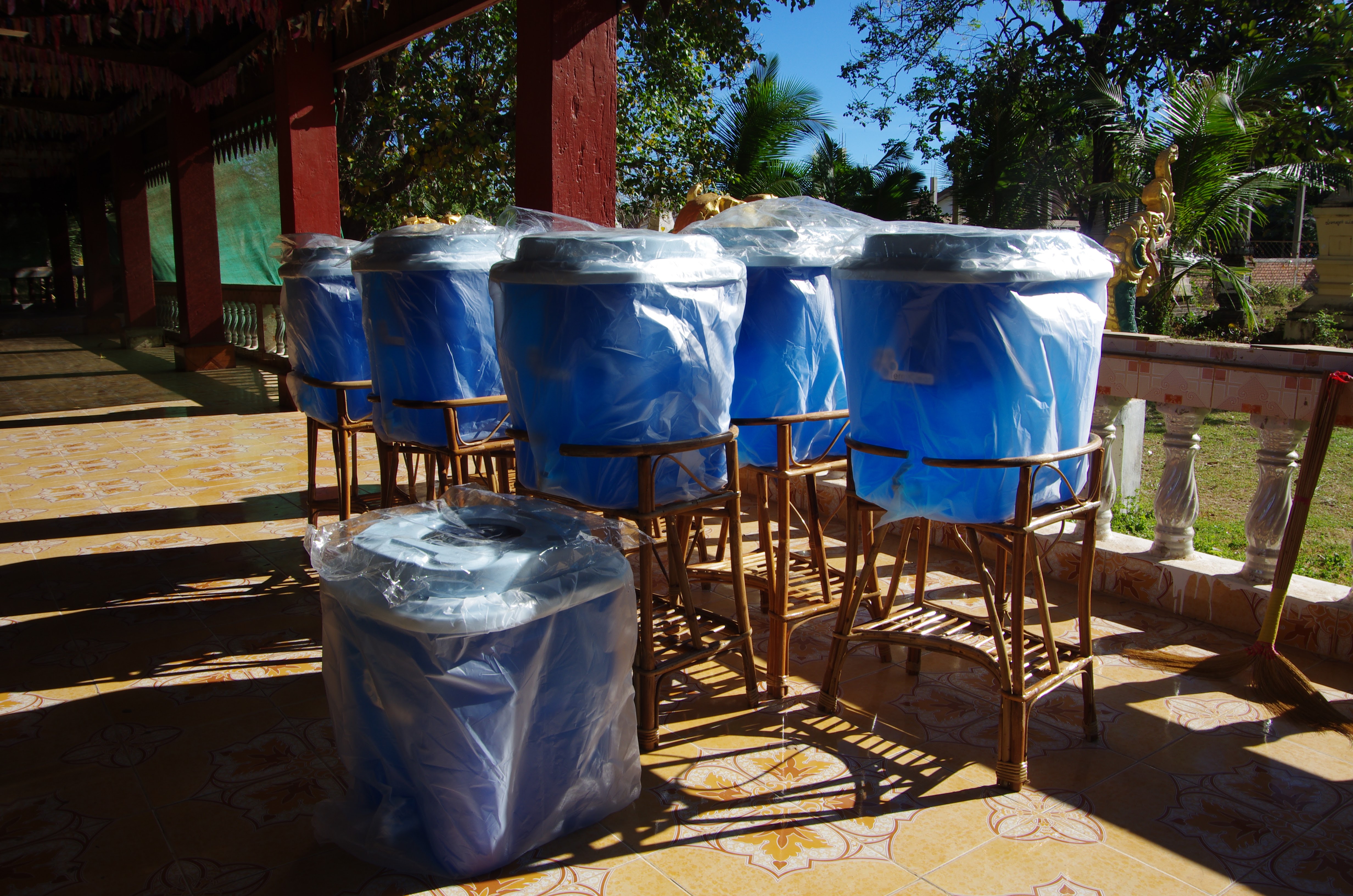
Les filtres à eau en céramique permettent d'économiser du CO2 et améliorent la santé
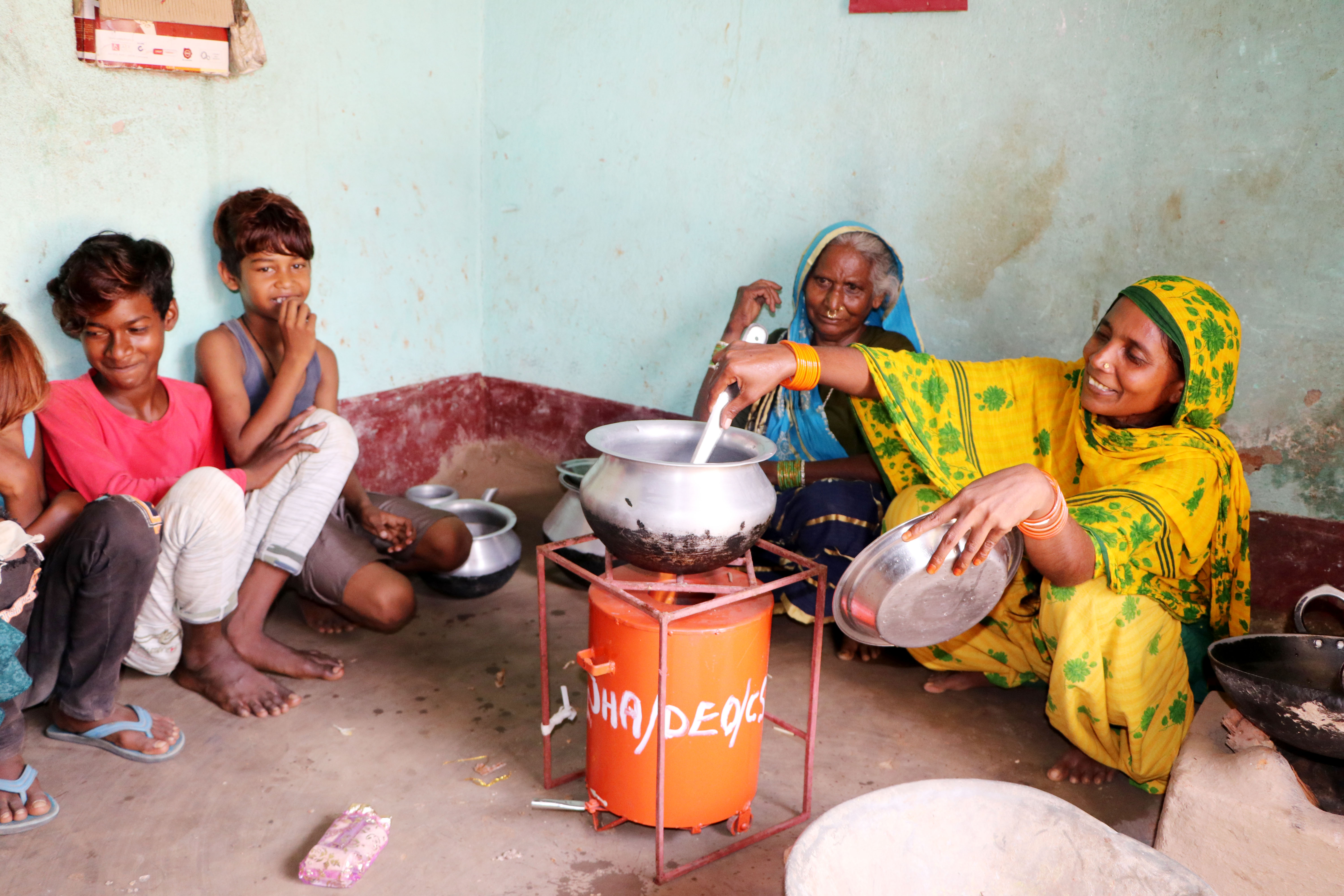
Des foyers améliorés dans le monde entier – pour une meilleure santé et un air plus pur

Un projet climatique certifié combiné à un engagement supplémentaire
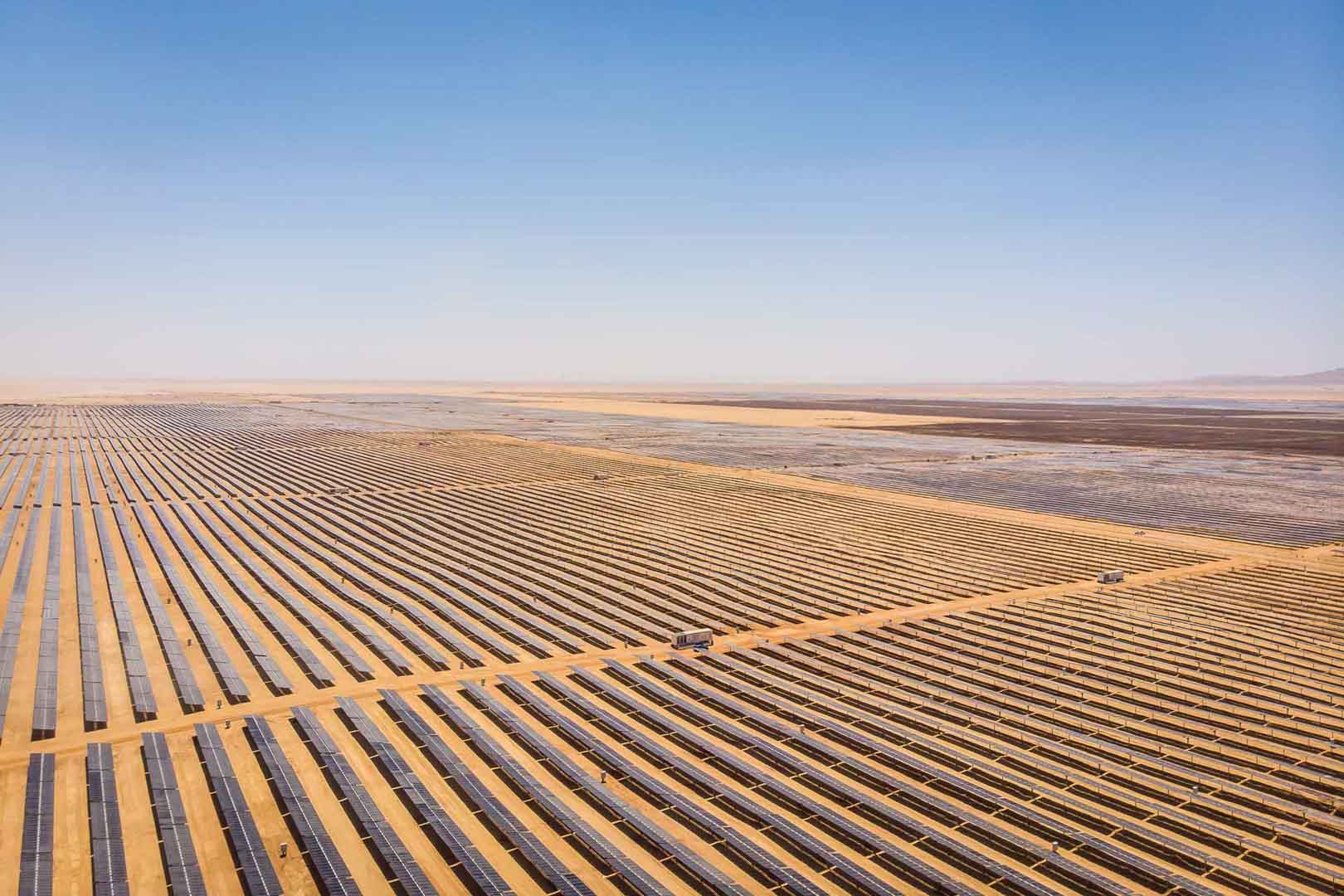
Favoriser l'accès à l'énergie verte en Afrique
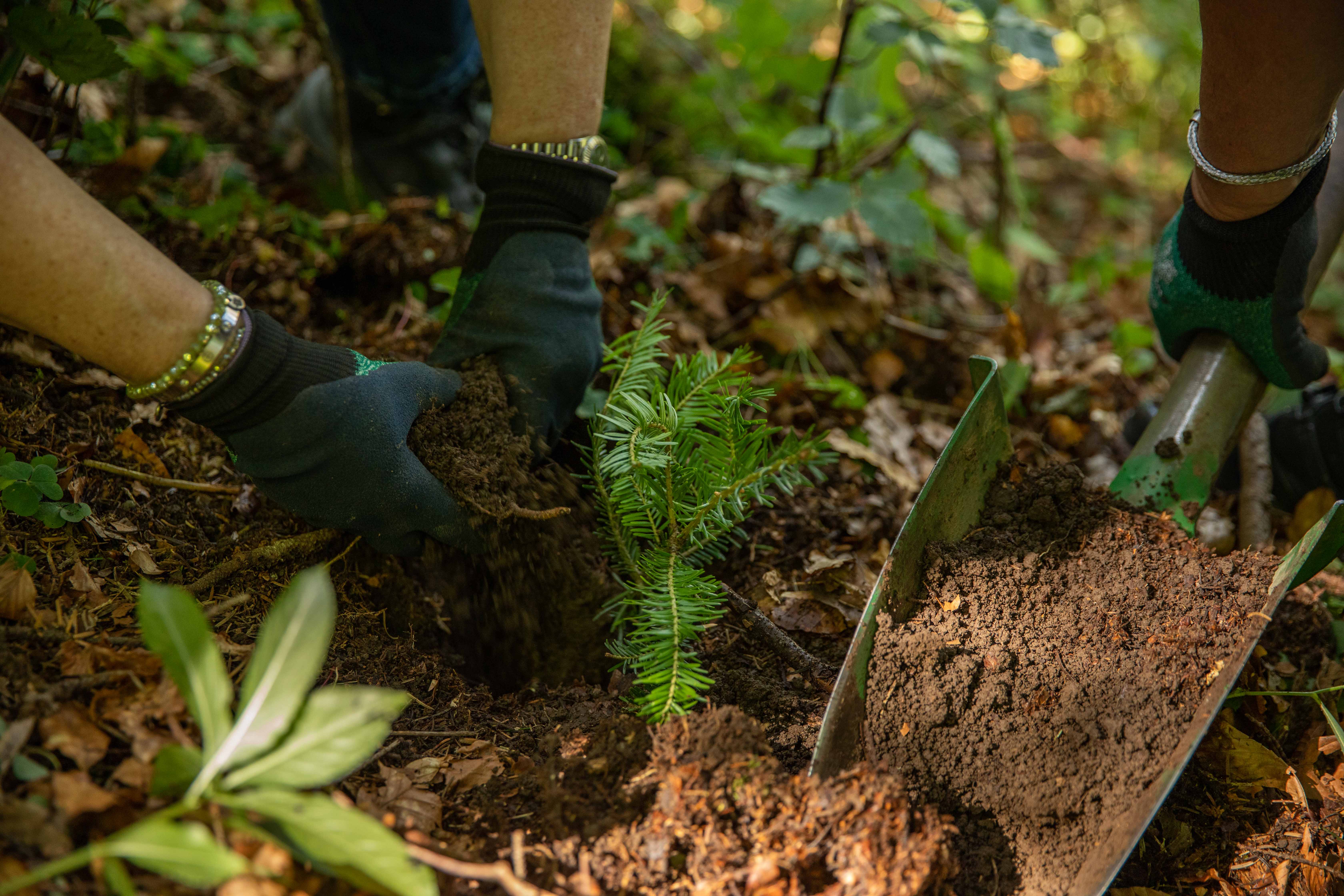
Un projet climatique certifié combiné à un engagement supplémentaire
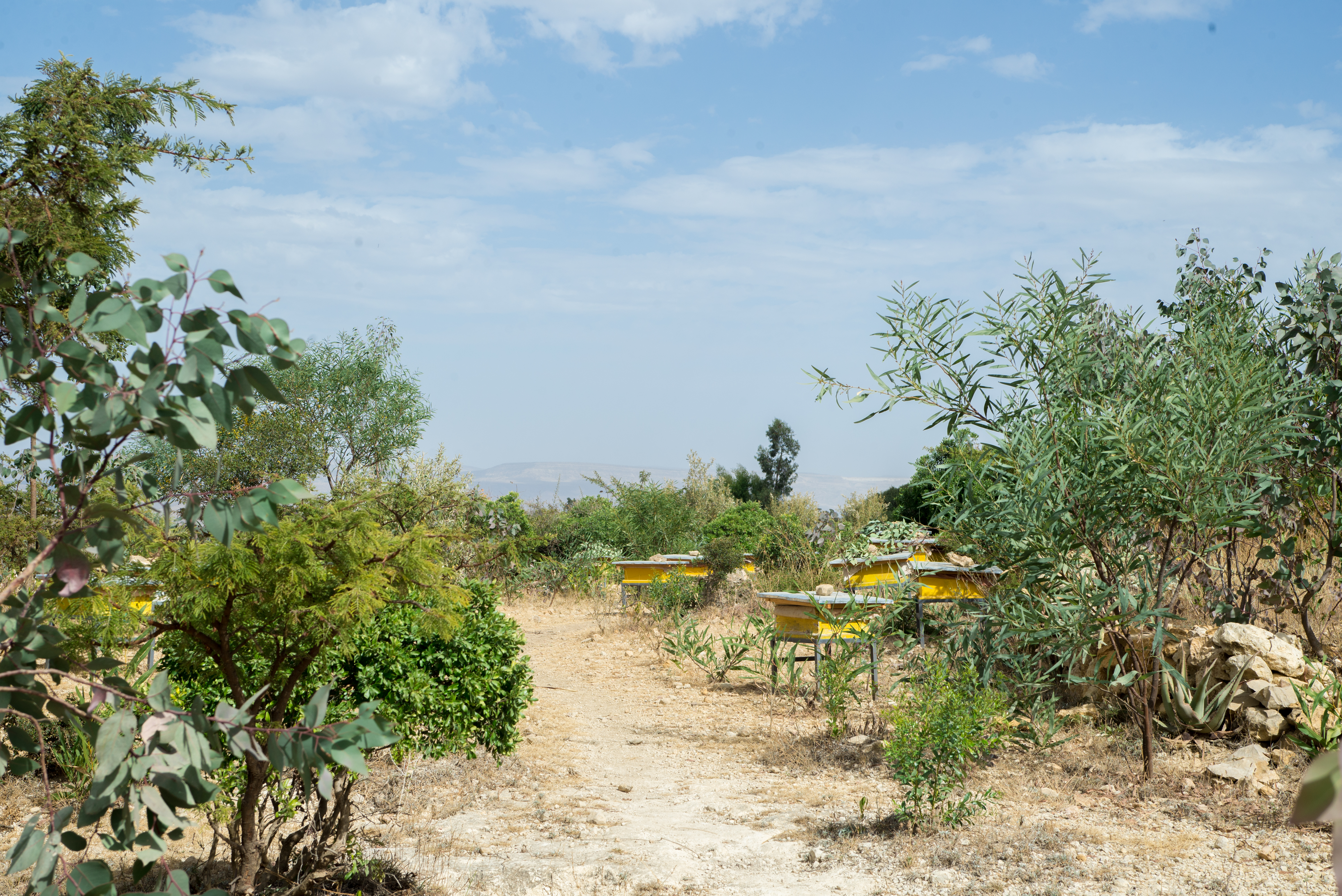
Les écosystèmes restaurés éliminent le CO2
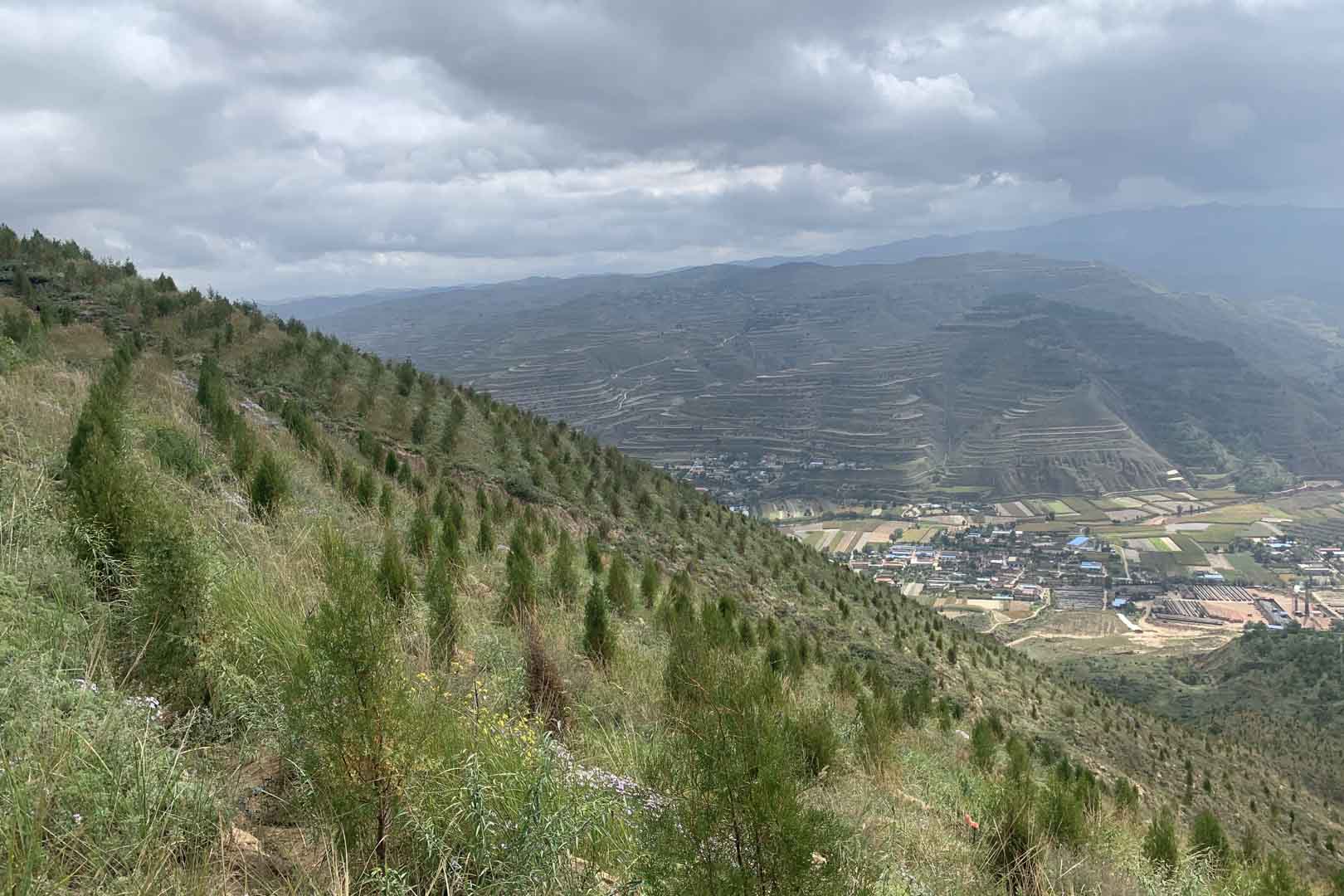
D’une terre agricole dégradée à un écosystème sain
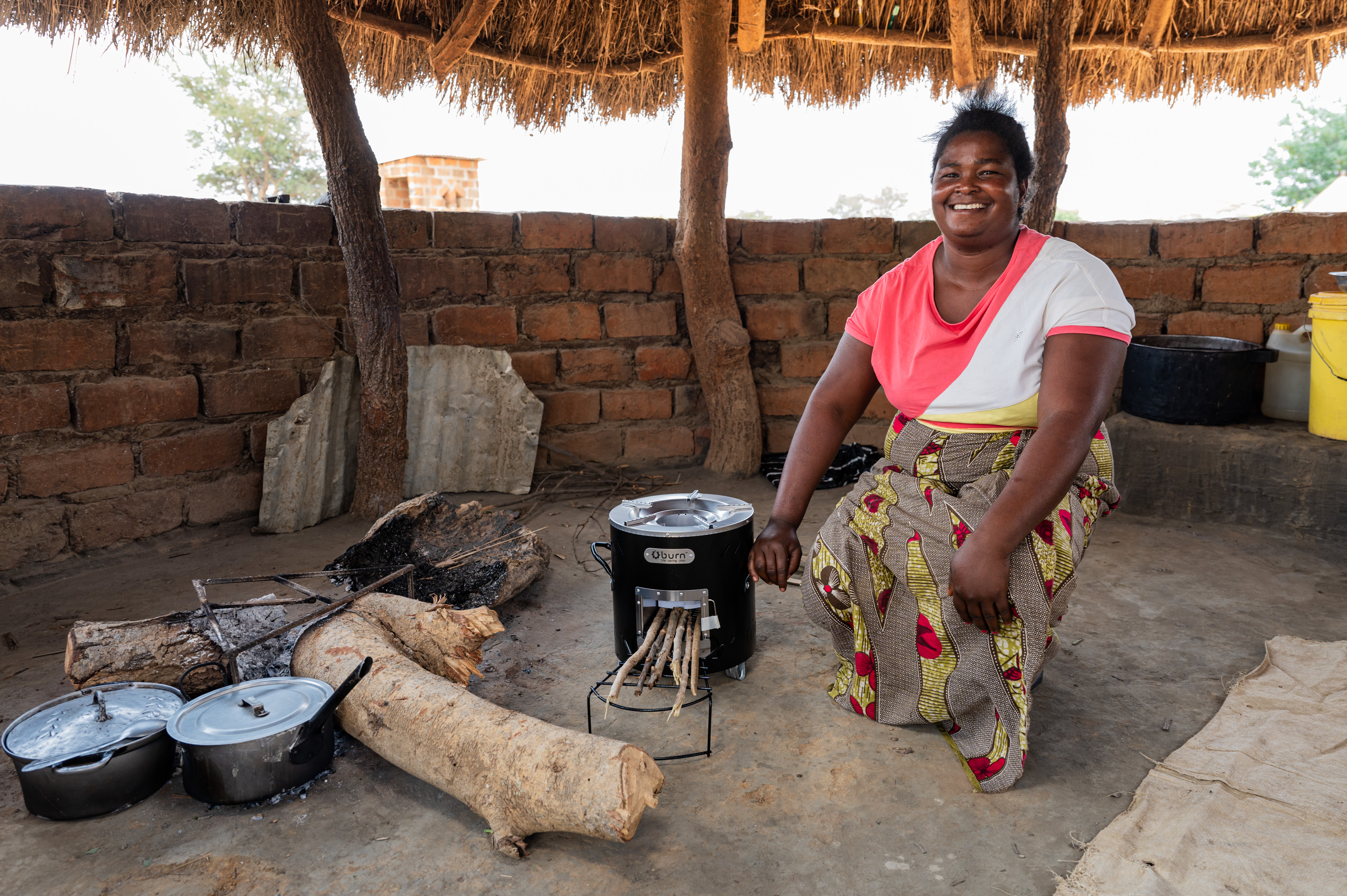
Des fourneaux améliorés - meilleurs pour la santé et l'environnement