
Climate action in the heart of Sumatra: How a forest protection project is saving peatlands
The Indonesian province of Riau, located on the island of Sumatra, is characterized by vast peatlands and rich biodiversity. It is one of Indonesia's largest carbon sinks and home to endangered species such as the Sumatran tiger and Asian elephants.
At the same time, Riau is one of the country’s most threatened ecosystems. Decades of drainage, deforestation, and the conversion of peatlands into plantations—primarily for palm oil and pulpwood (e.g., Acacia crassicarpa)—have left their mark. According to a WWF study, over 4.2 million hectares of tropical forests and peatlands have been destroyed in the last 25 years—equivalent to around 65% of the region’s original forest cover. This has not only led to the loss of vital habitats but also released large quantities of CO₂ and methane into the atmosphere.
This is where the forest conservation project comes in. It protects and restores around 130,090 hectares of tropical peat swamp forest on the Kampar Peninsula and prevents over 78,400 hectares from being converted into industrial plantations. As part of the restoration, peatlands are rewetted, old drainage canals are blocked, and native plant species are planted. In doing so, the project saves around 6.02 million tonnes of carbon emissions per year.
Regular patrols monitor the area and protect it from illegal logging and land-use violations. A specially developed wildfire prevention program ensures that fires are detected early and extinguished quickly.
A key success factor of the project is the close involvement of local communities. Around 17,000 people from surrounding villages benefit from training programs and new income opportunities. The project creates jobs, promotes the production of forest honey, and supports sustainable fishing. A vegetable farming program encourages small-scale agriculture and prevents farmers from clearing forest land to grow crops. As a result, economic dependence on forest exploitation is reduced, while social acceptance for the long-term protection of these ecosystems is strengthened.
Written agreements, biodiversity education, and continuous collaboration with local communities ensure that the peatlands are preserved in the long term.

 Projektet bidrar till att uppfylla FN:s mål för hållbar utveckling
Forests are not only among the planet's most important carbon reservoirs. They also are home to an enormous diversity of species and are the livelihood for all people. However, global forest areas have declined sharply in recent decades due to increasing settlement, agricultural use, illegal logging and mining.
Forest protection projects ensure that forests are preserved in the long term and that the protection of forests is given a higher value than their deforestation. Together with the local population, project participants protect the area from negative influences. To allow for this the projects create alternative sources of income and educational opportunities. Depending on the project region, forests store varying amounts of carbon per hectare. Particularly high amounts of carbon are stored in the vegetation and soil of tropical swamp forests, primary rainforests, or mangroves. Forest protection projects in the ClimatePartner portfolio are registered with international standards.
Projektet syftar till att bidra till dessa FN:s mål för hållbar utveckling (SDG).


Fyra kriterier som projekt måste uppfylla för att nå kvalitetströsklar
Livscykeln för ett klimatprojekt
Ett klimatprojekt har en bestämd livscykel som består av olika faser, från genomförbarhetsanalysen till avveckling av verifierade utsläppsminskningar (VERs).
Projektutvecklaren granskar projektets allmänna genomförbarhet, projektets design och finansiering. Därefter förbereds Projektdesignsdokumentet (PDD), som innehåller all grundläggande information om projektet, såsom syfte, plats, tidplan och varaktighet.

I detta skede granskar oberoende revisorer Projektdesignsdokumentet (PDD) och informationen det innehåller. Detta skede inkluderar ofta också fältbesök med intervjuer och analyser på plats. Revisorerna är ackrediterade, opartiska bedömare som måste godkännas av den relevanta standarden som en validerings- och verifieringsorgan (VVB). TÜV Nord/Süd, S&A Carbon LLC och SCS Global Services är exempel på VVBs.

När projektet har validerats kan det registreras hos en standard såsom Verified Carbon Standard eller Gold Standard. Alla högkvalitativa klimatprojekt bygger på internationella standarder. Dessa standarder ger ramverket för projektets design, konstruktion, koldioxidredovisning och övervakning. Erkända standarder gör klimatprojektsystemet och själva projekten motståndskraftiga, spårbara och trovärdiga.

Efter att klimatprojektet har registrerats börjar övervakningen. Här övervakar och dokumenterar projektutvecklarna uppgifterna om projektets aktiviteter och framsteg. Övervakningsfasens längd varierar från projekt till projekt: den kan omfatta två år, men dokumentation under fem eller sju år är också möjlig.

I slutet av varje övervakningsfas kontrollerar och bedömer ett validerings- och verifieringsorgan (VVB) om de värden och projektaktiviteter som anges i övervakningsrapporten är korrekta. Precis som vid validering är besök på projektplatsen ofta en del av verifieringsprocessen.

När utsläppsminskningarna har verifierats kan de utsläppsminskningar som bekräftades i verifieringsfasen utfärdas som VERs. Stegen med övervakning, verifiering och utfärdande av VERs upprepas regelbundet och betraktas därför som en cykel.

När en VER har använts måste den avvecklas. Denna process återspeglas också i registret. Om finansieringen av ett klimatprojekt sker genom ClimatePartner, paketeras VERs i ett system certifierat av TÜV Austria och avvecklas regelbundet. Detta säkerställer att varje VER inte längre kan säljas och bara används en gång, vilket förhindrar dubbelräkning.
Utforska fler projekt
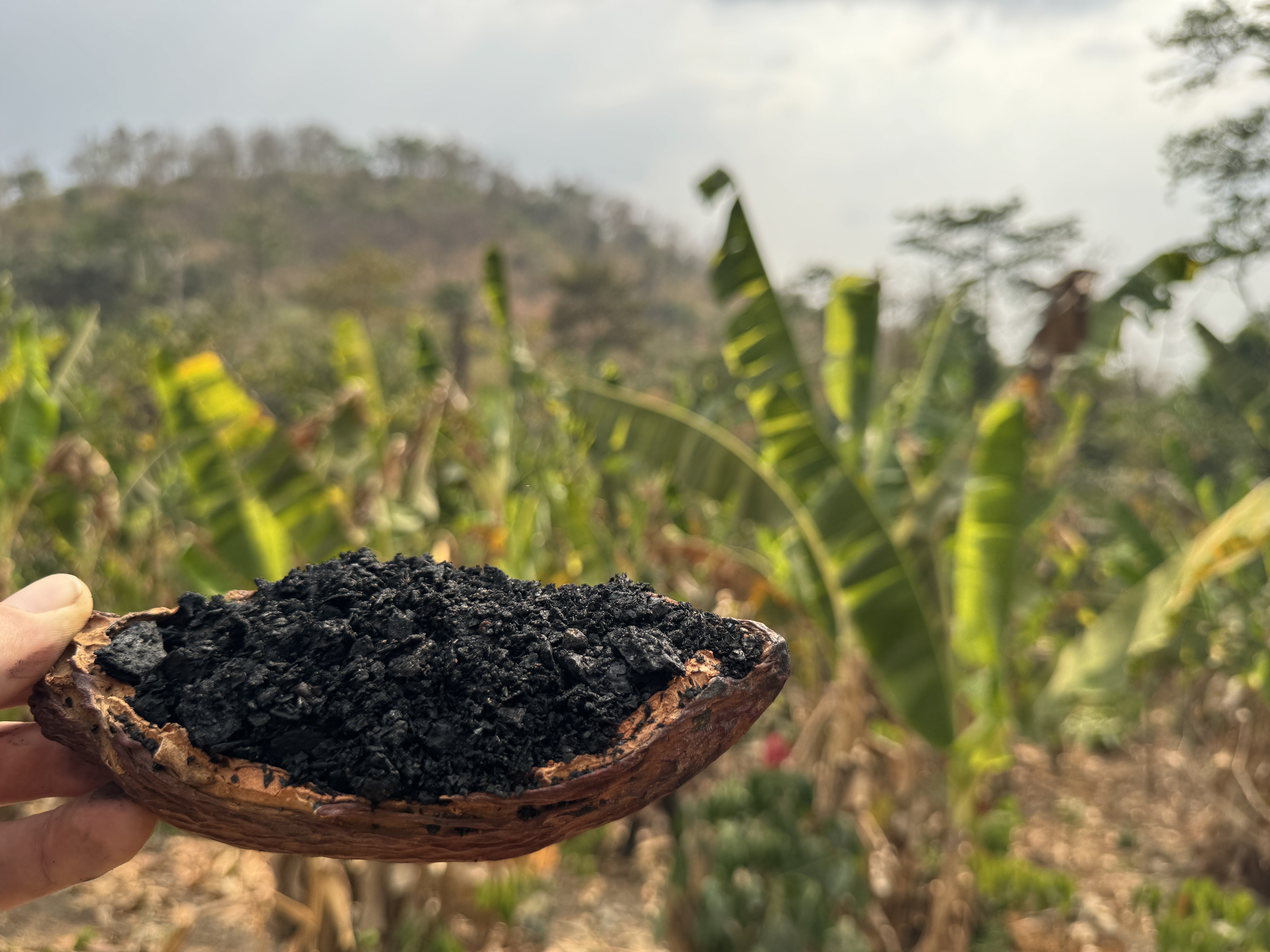
Biokol för klimatåtgärder, friska jordar och bättre skördar
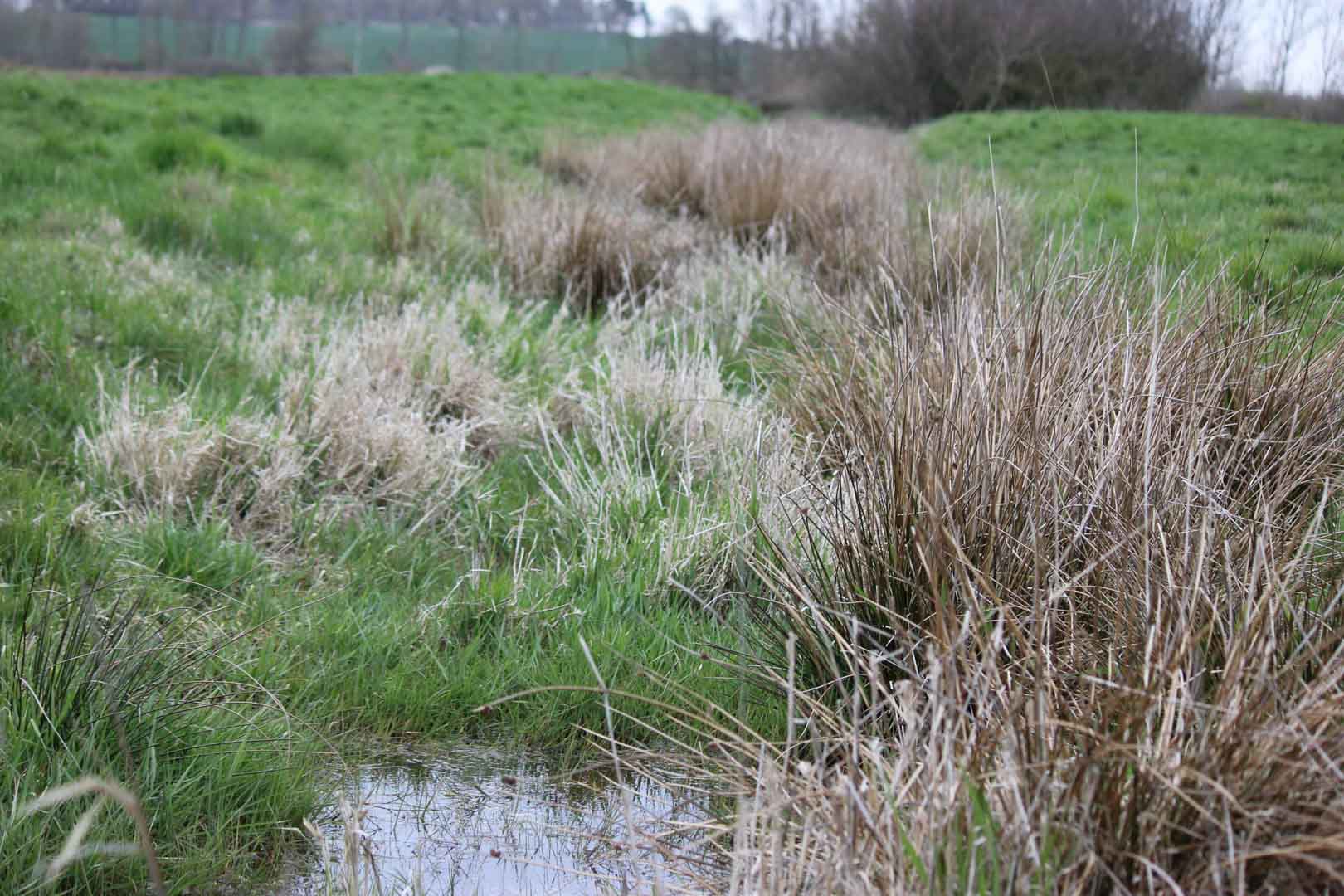
Ett certifierat klimatprojekt kombinerat med ytterligare engagemang
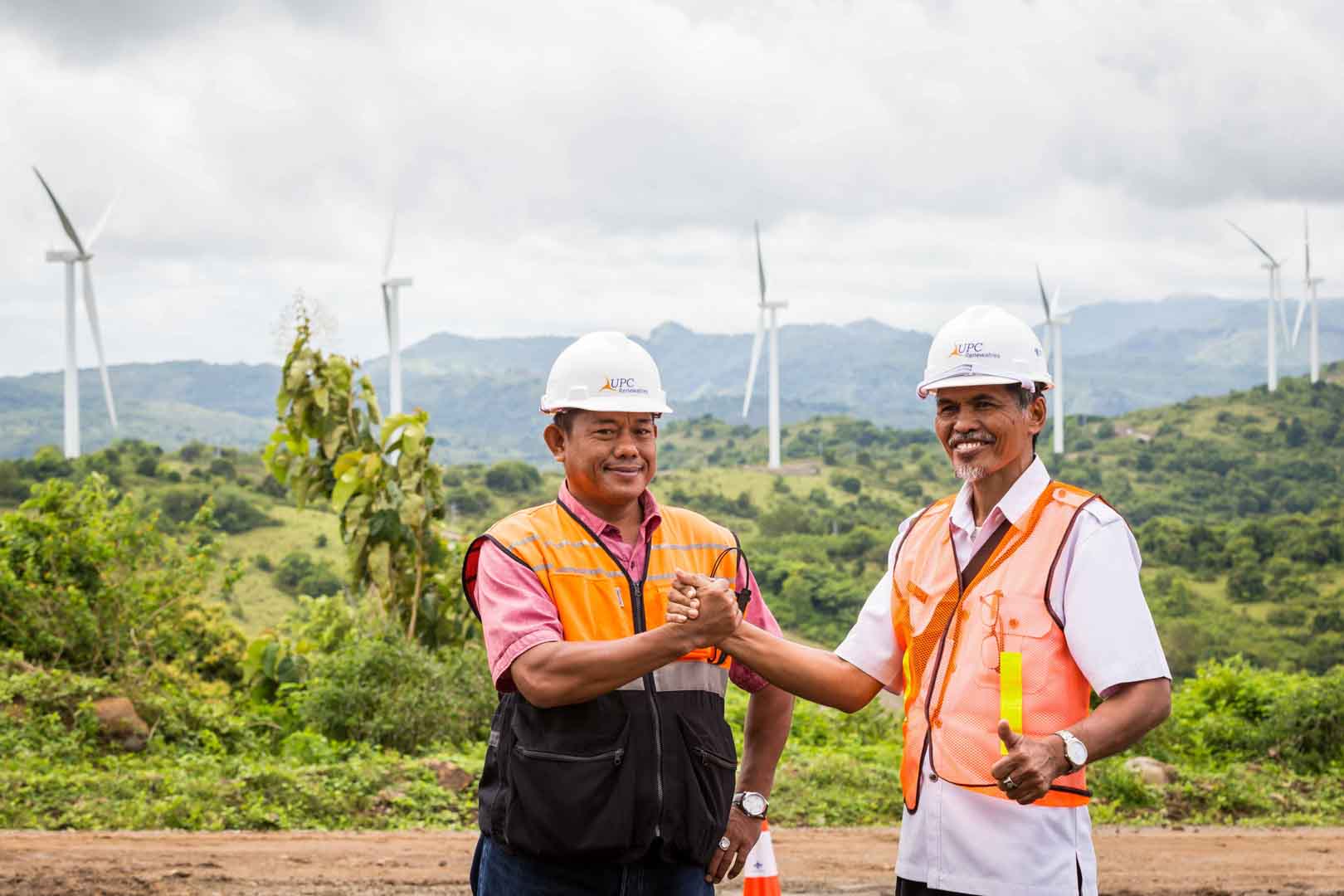
Utbyggnad av förnybar energiproduktion i Asien
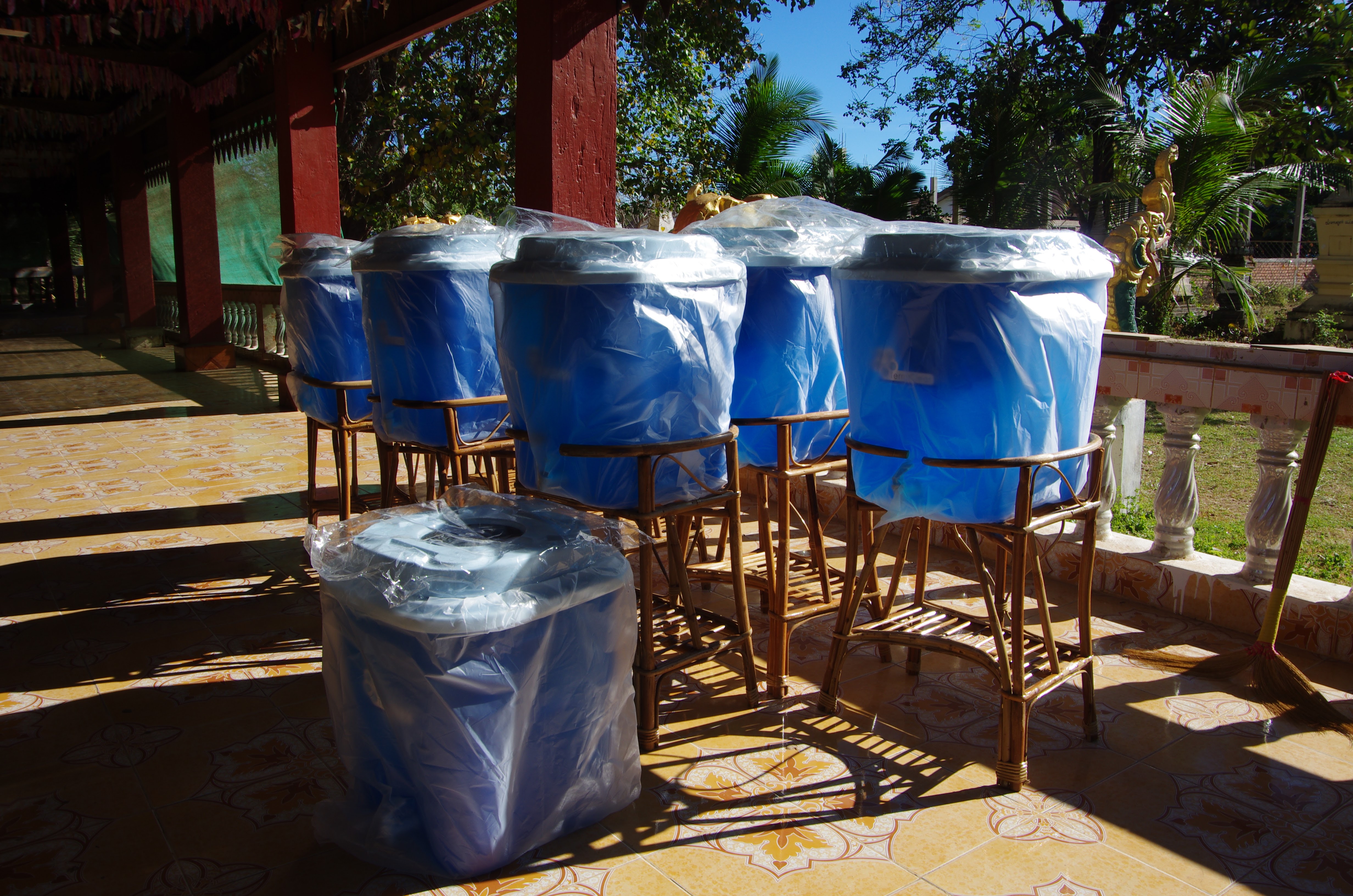
Keramiska vattenfilter sparar CO2 och förbättrar hälsan
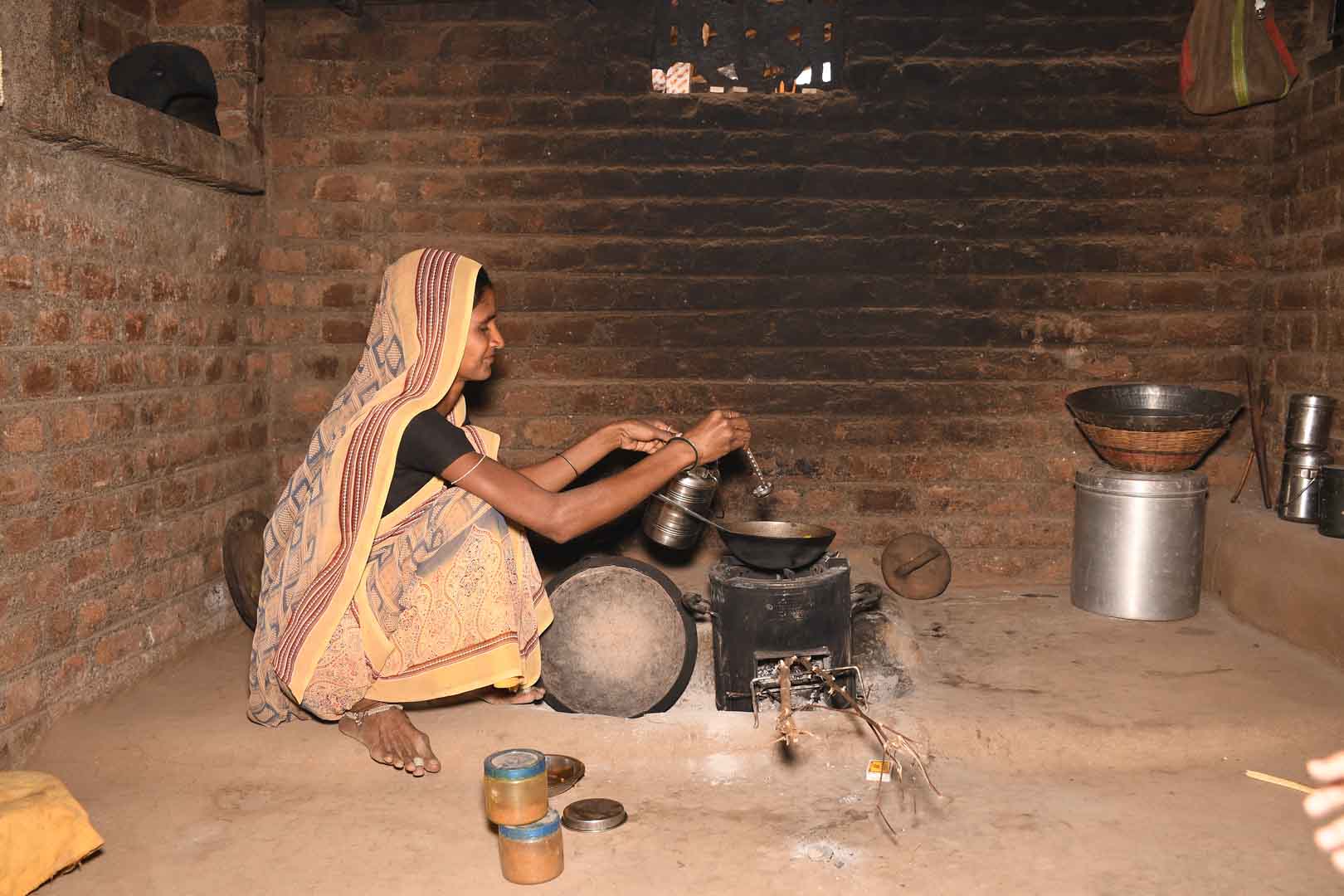
Förbättrade spisar världen över – för bättre hälsa och renare luft

Ett certifierat klimatprojekt kombinerat med ytterligare engagemang
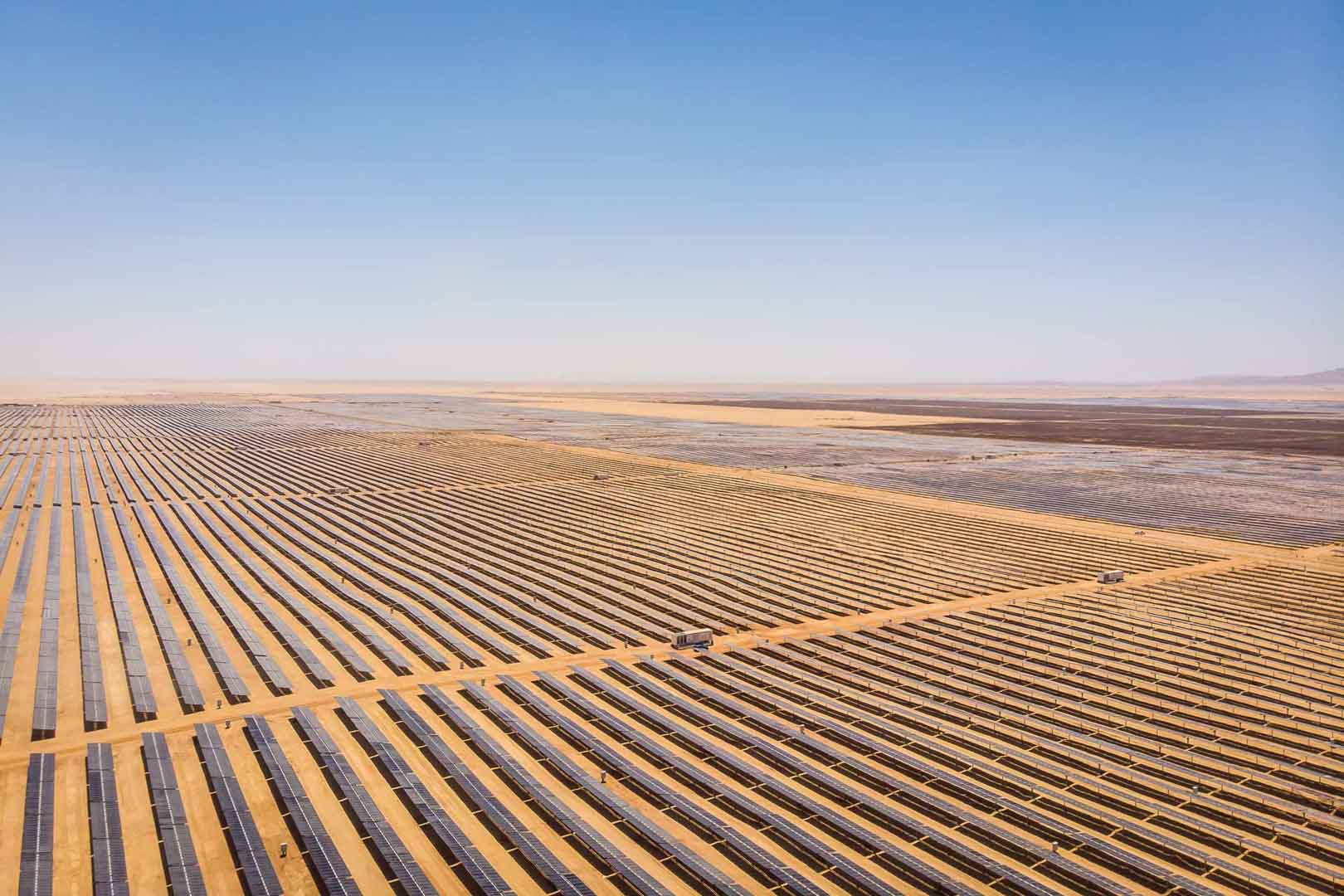
Tillgång till grön energi i Afrika
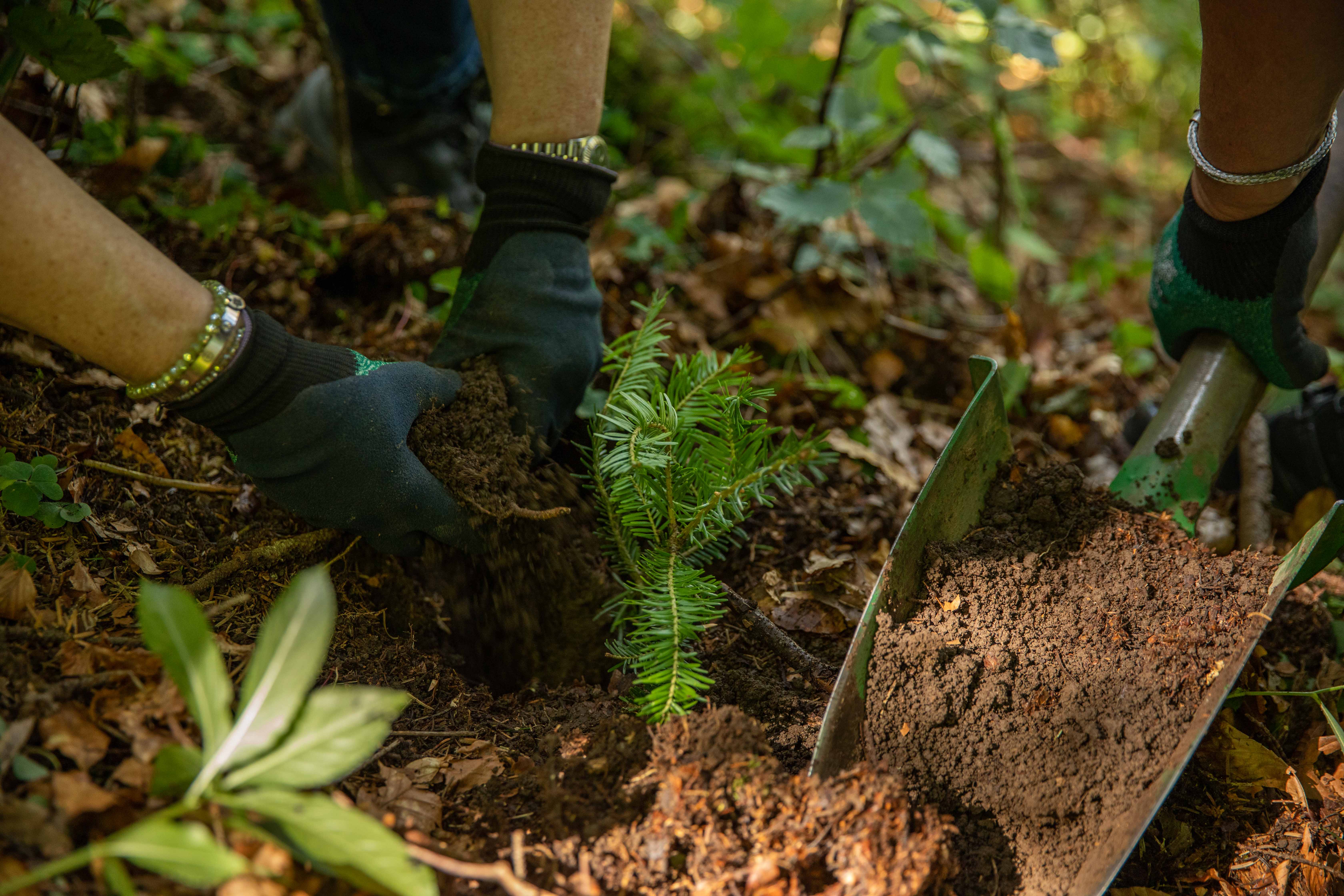
Ett certifierat klimatprojekt kombinerat med ytterligare engagemang
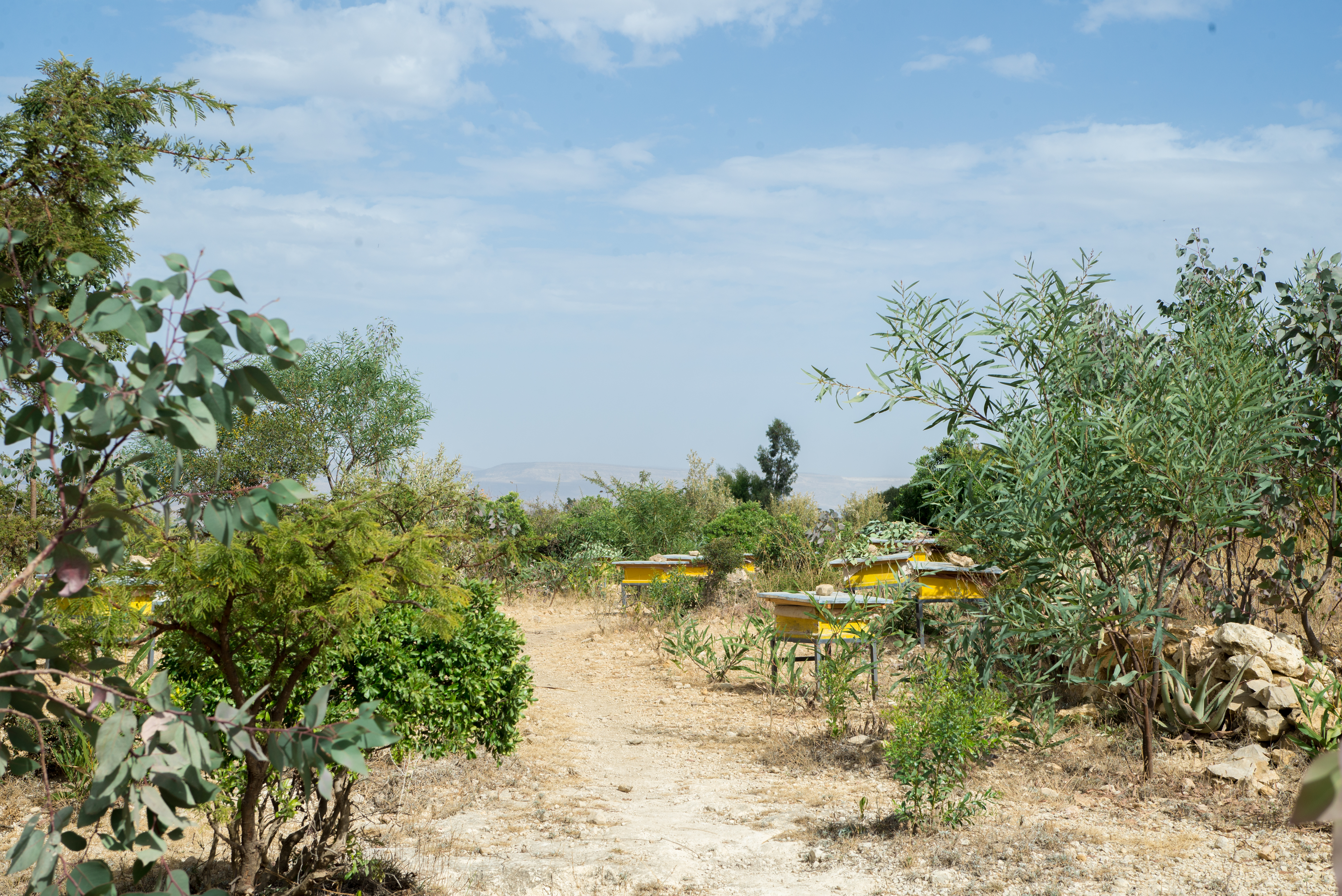
Återställda ekosystem tar bort kol
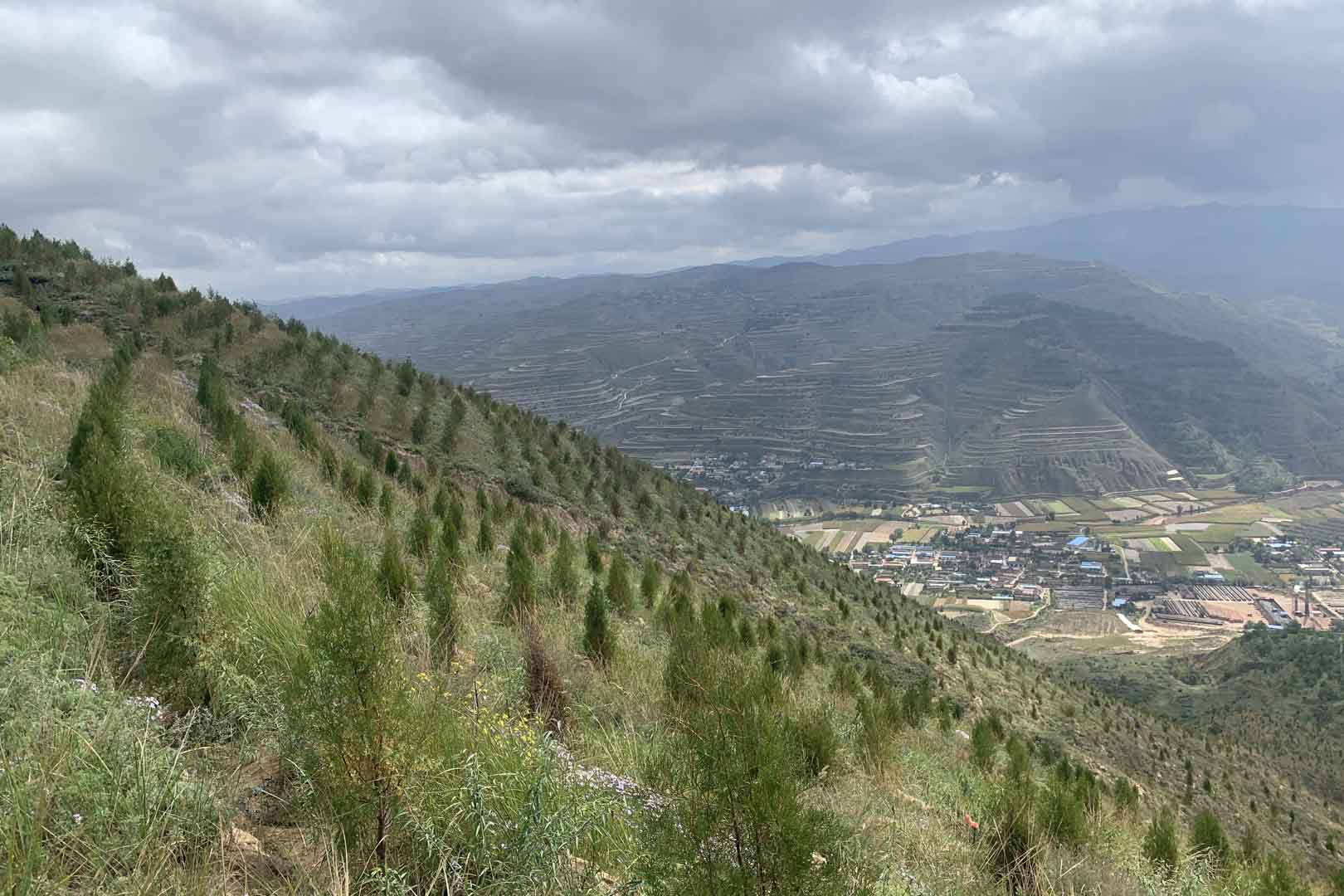
Förvandla förstörda jordbruksmarker till hälsosamma ekosystem
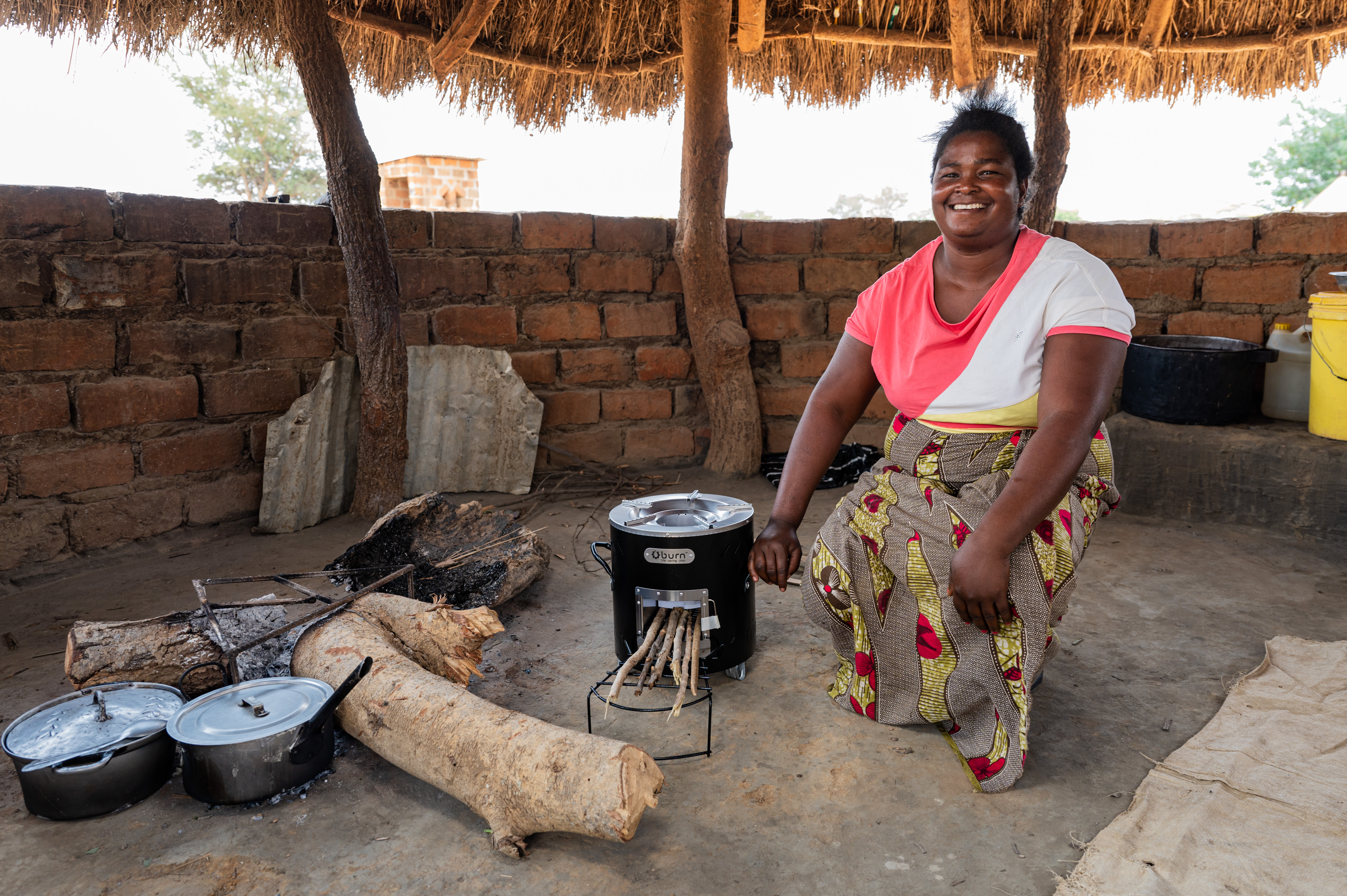
Förbättrade spisar - bättre för hälsan och miljön