
Clean wind energy for the Turkish power grid
Turkey is a growing energy market with increasing electricity demand. Thermal power plants – particularly those running on natural gas and coal – continue to dominate the Turkish electricity mix and generate significant greenhouse gas emissions. Every kilowatt-hour fed into the grid from renewable sources directly displaces electricity from fossil fuel plants, thereby reducing emissions from power generation.
This is exactly where the wind power project comes in. In the province of Hatay in southern Turkey, near the villages of Nahırlı and Aknehir, the project operates 30 wind turbines with a total capacity of 76 MW. The turbines convert kinetic wind energy into electricity, which is fed into the Turkish power grid via the regional substation. The expected annual net electricity production is 262,500 MWh. The electricity generated replaces power that would otherwise have been drawn from the emissions-intensive Turkish grid.
The project employs local workers and places particular emphasis on occupational safety and skills development: employees regularly participate in training sessions, including first aid training, health and safety courses, and a gender equality awareness training. Local stakeholders from the surrounding villages are regularly involved in the project process; a grievance logbook is publicly accessible at the community house of Aknehir village. No complaints were received throughout the last monitoring period.
To protect the local environment, wastewater is properly disposed of and hazardous waste is handled professionally. Regular ornithological studies monitor the impact on birdlife: the current report from 2023 confirms that the collision risk for birds is minimal and that the site is not located on a significant migratory bird route.
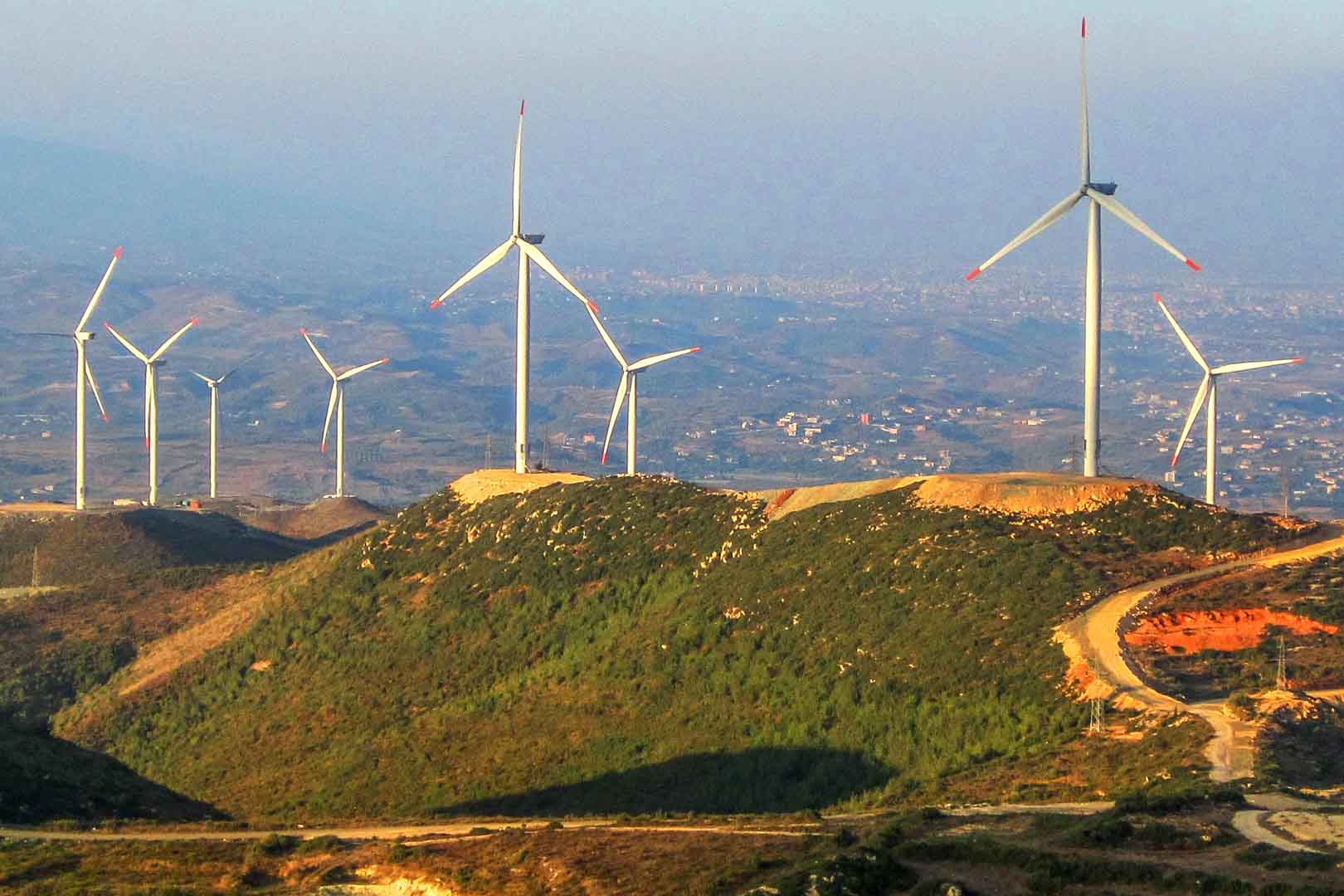
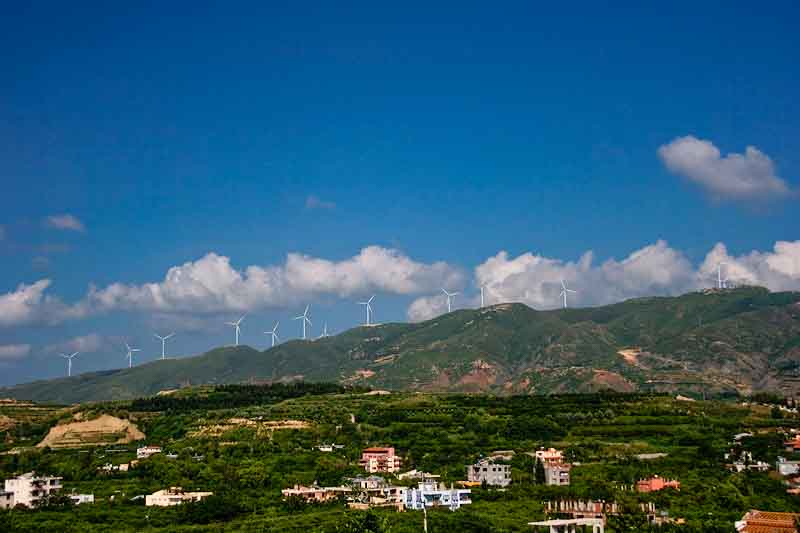
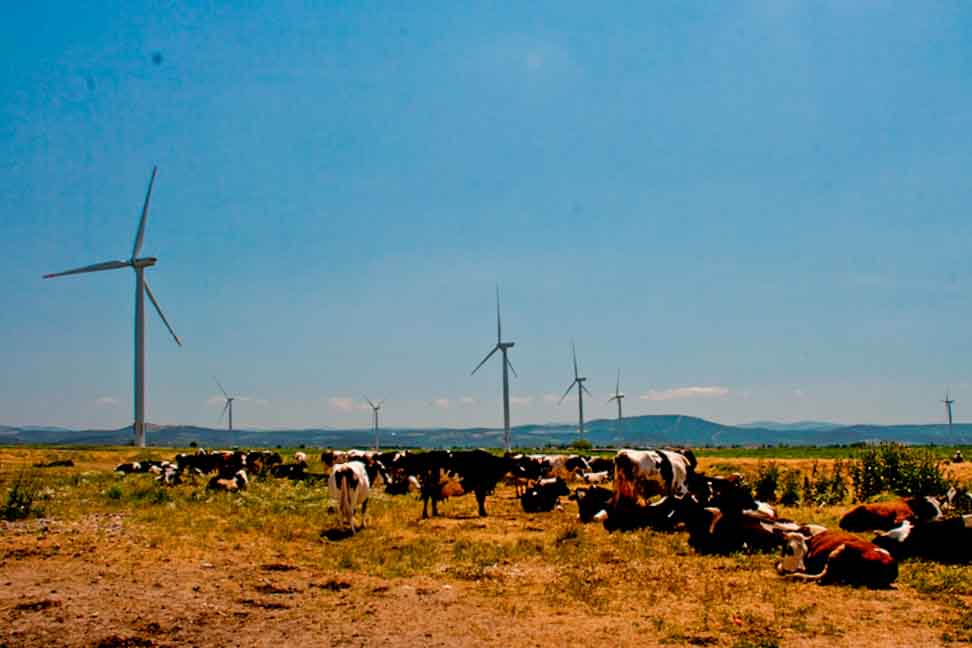
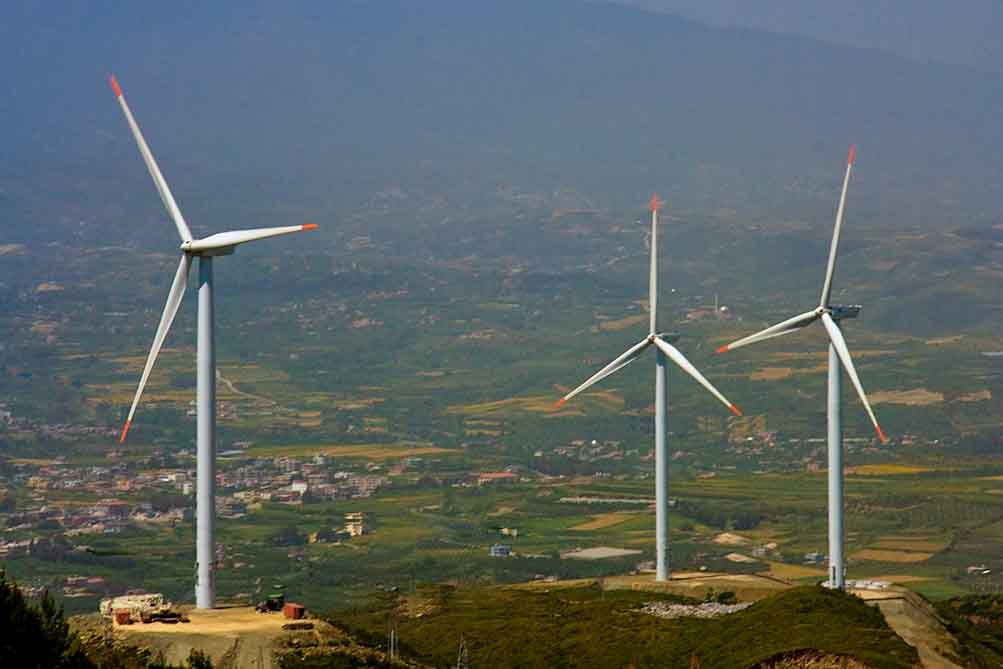
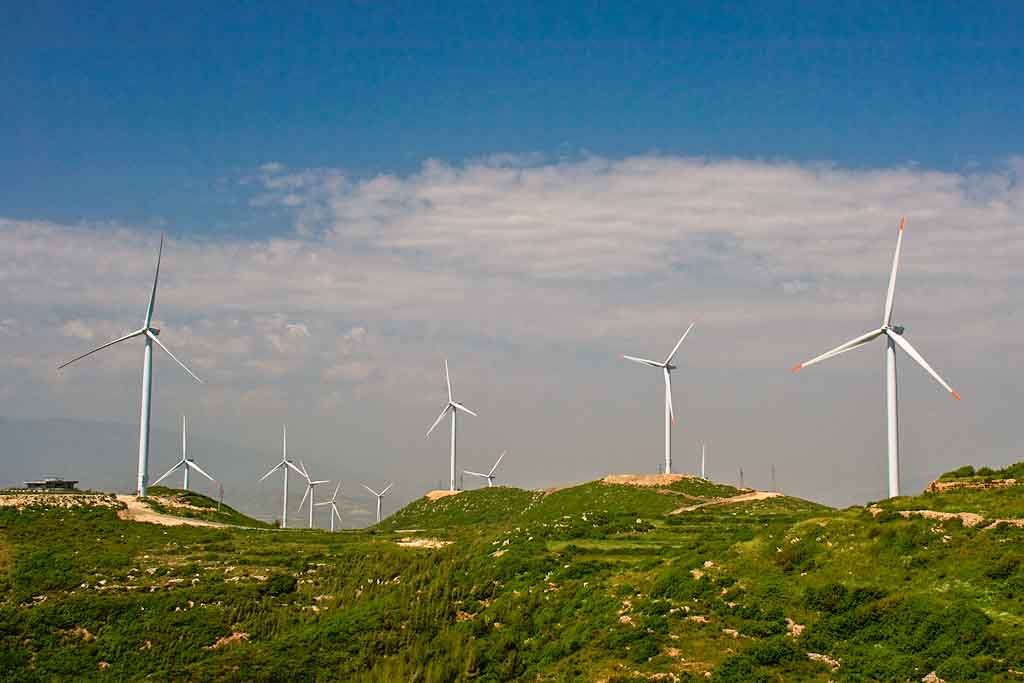
As the name suggests, wind turbines use the power of the wind to generate energy. During this process, a generator located inside the wind turbine converts kinetic energy into electrical energy. As energy is still mainly generated from fossil fuels in many areas around the world, clean wind energy can replace some of this fossil, high-emission energy and verifiably save CO2 emissions.
In most cases, the sustainably generated electricity from the wind power projects is fed into a regional power grid, which diversifies the power supply and improves energy security in regions that are frequently affected by power shortages and outages. A project often creates increased job opportunities for the local population and the area can be used for additional activities, such as agriculture. Wind power projects make an important contribution to a clean energy supply worldwide and contribute to sustainable development with respect to the UN Sustainable Development Goals (SDGs). Wind energy projects in the ClimatePartner portfolio are registered with international standards.
The project aims to contribute to these United Nations’ Sustainable Development Goals (SDGs).


Explore our projects
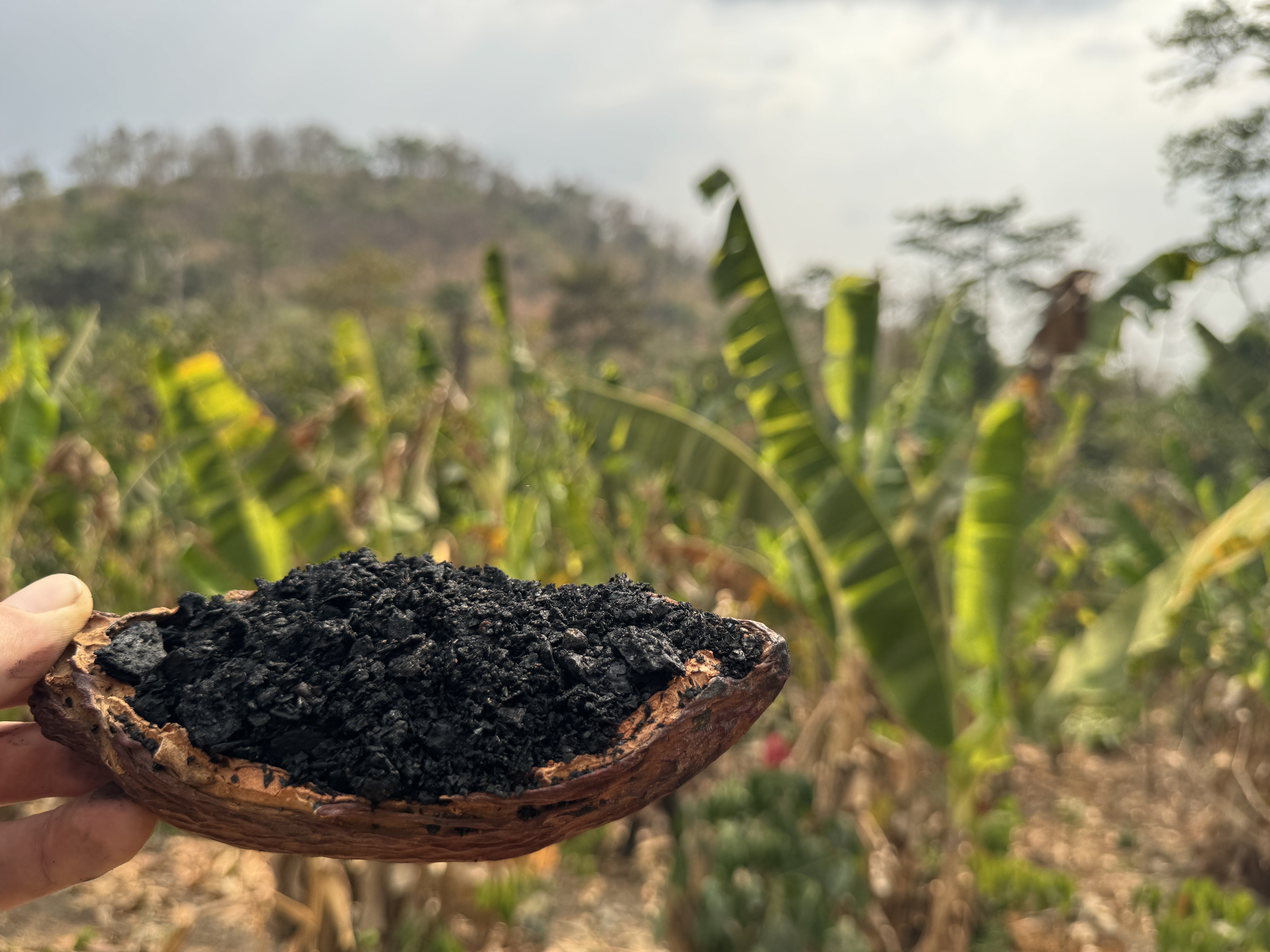
Biochar for Climate Action, Healthy Soils, and Better Harvests
A certified climate project combined with additional commitment

Expansion of renewable energy generation in Asia
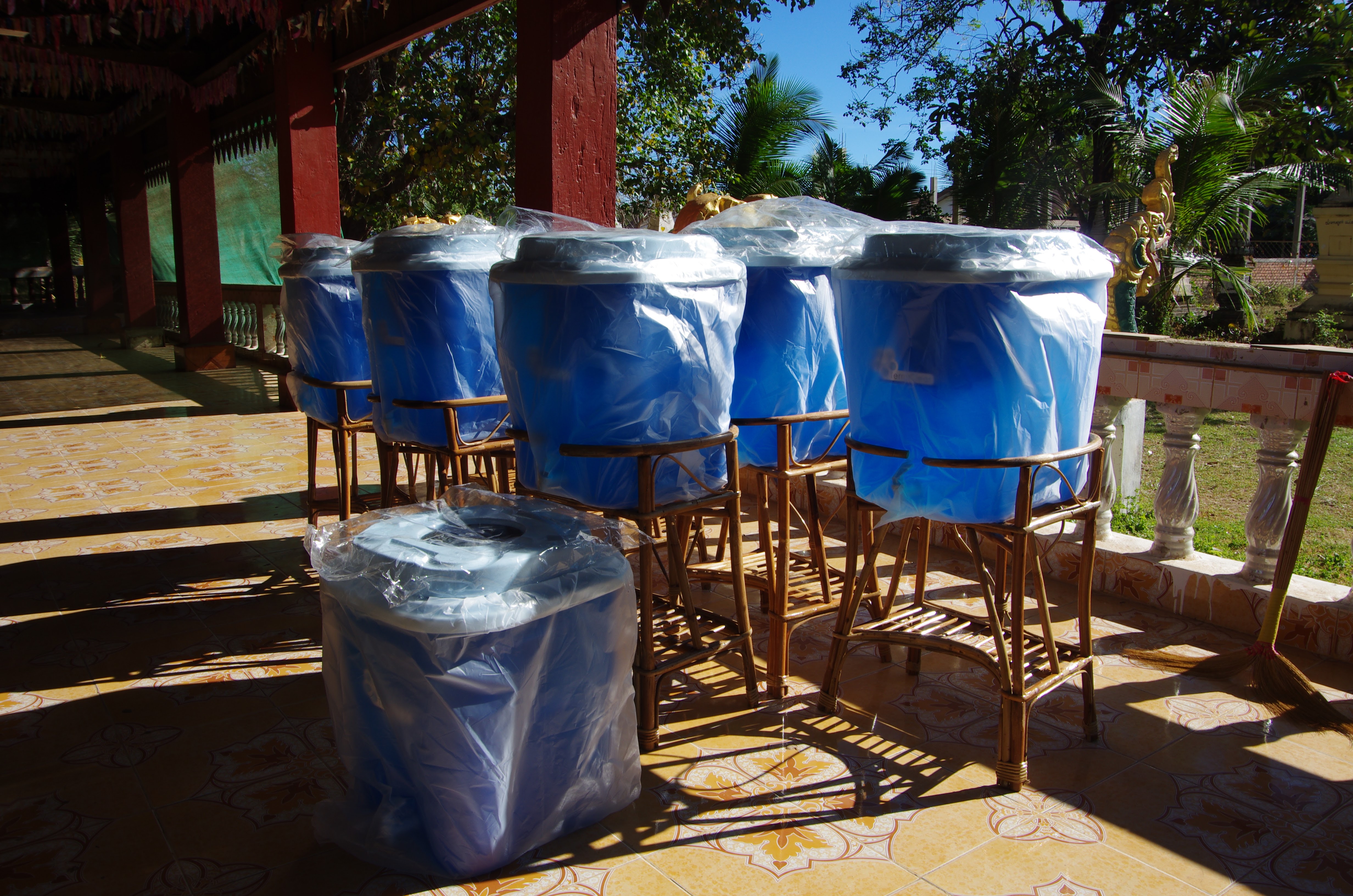
Ceramic water filters save CO2 and improve health
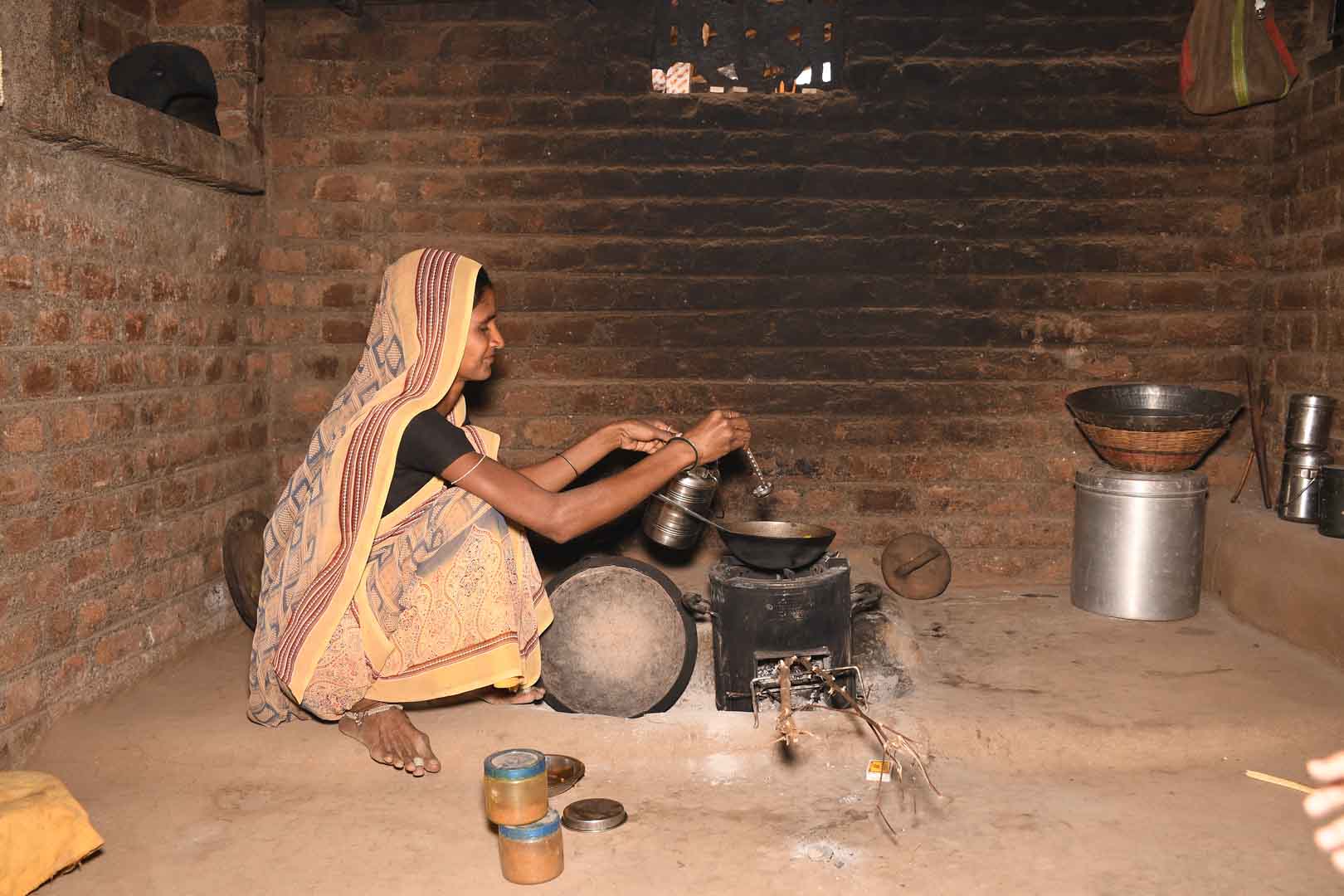
Improved cookstoves worldwide – for better health and cleaner air

A certified climate project combined with additional commitment
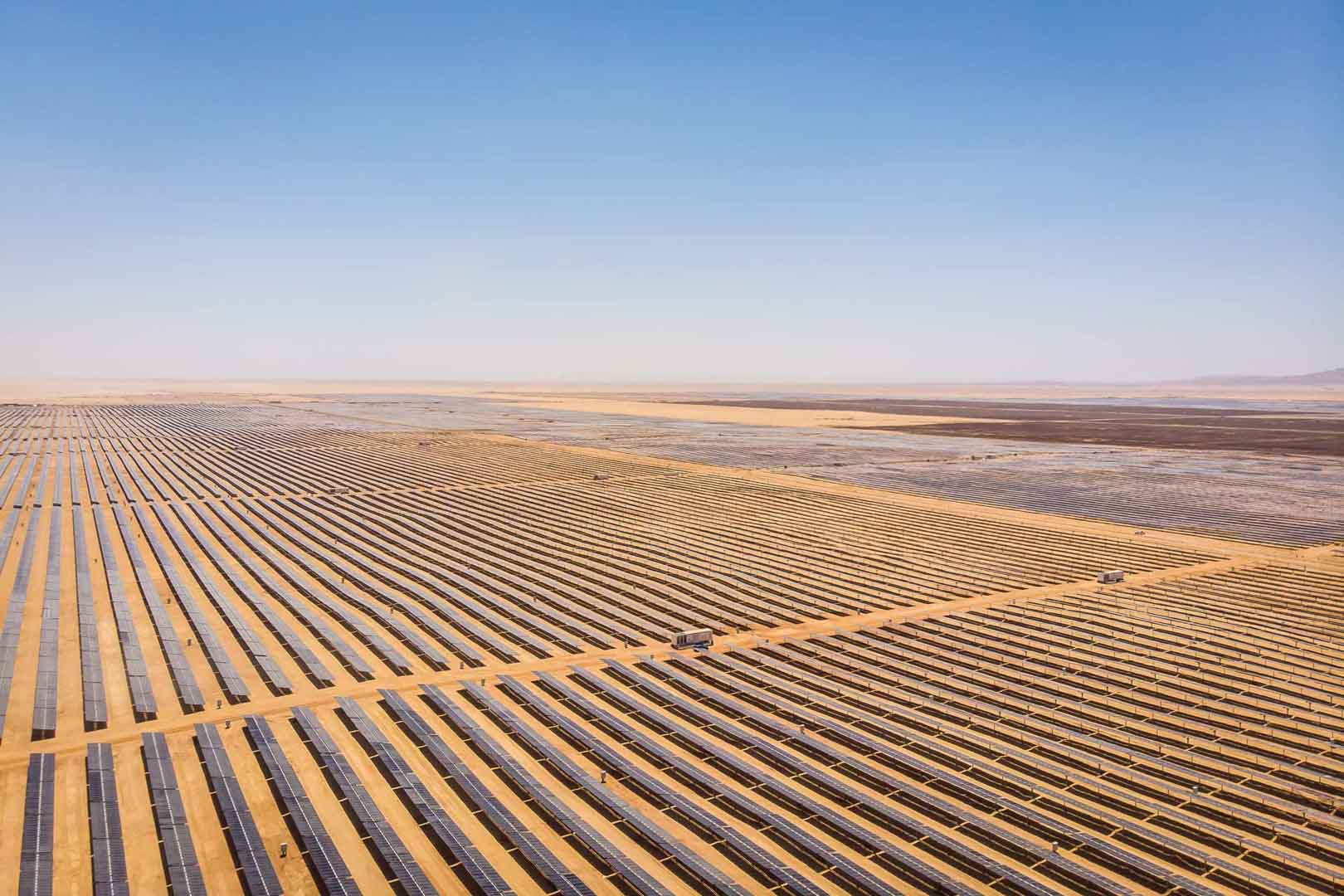
Powering access to renewable energy in Africa

A certified climate project combined with additional commitment
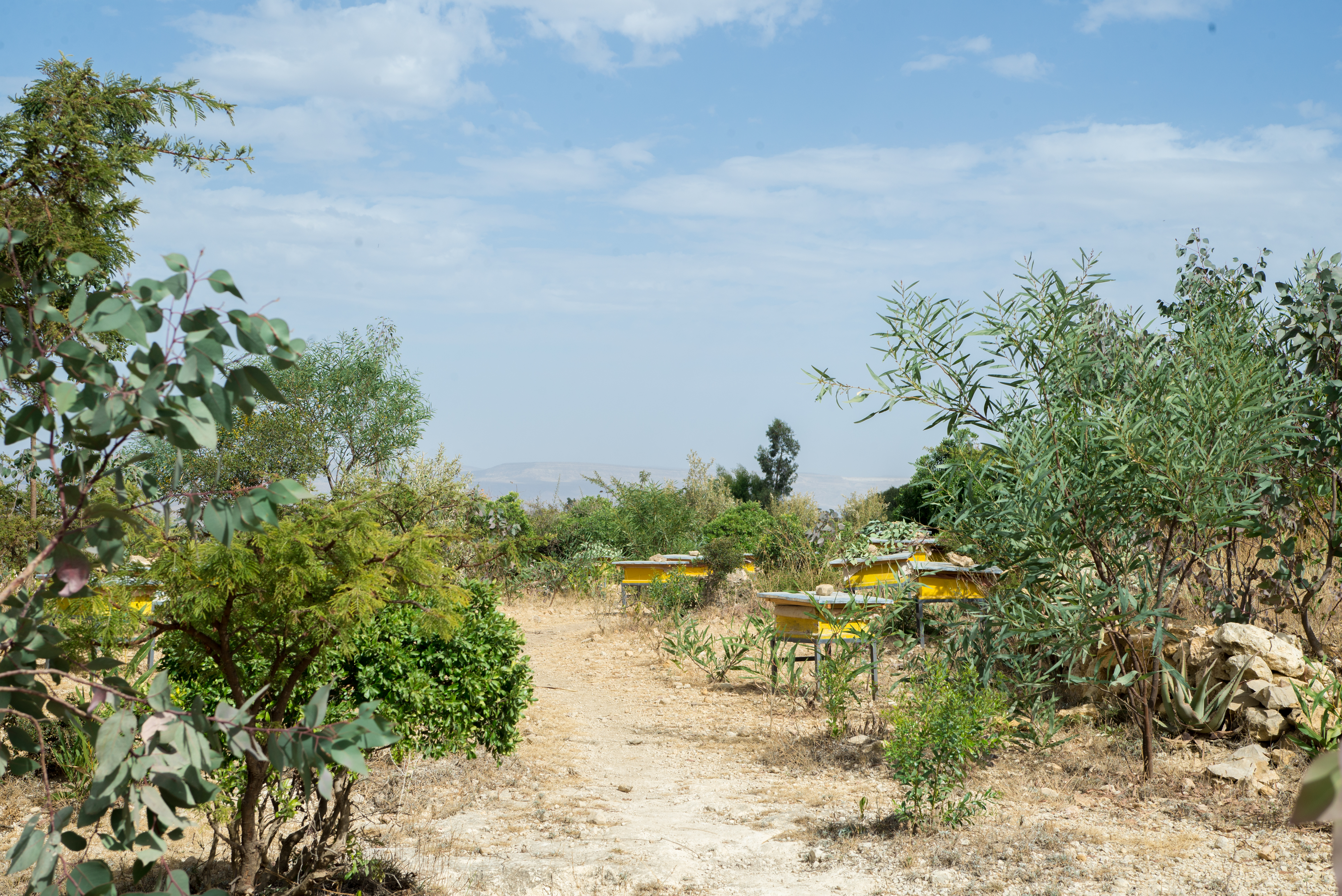
Restored ecosystems remove carbon
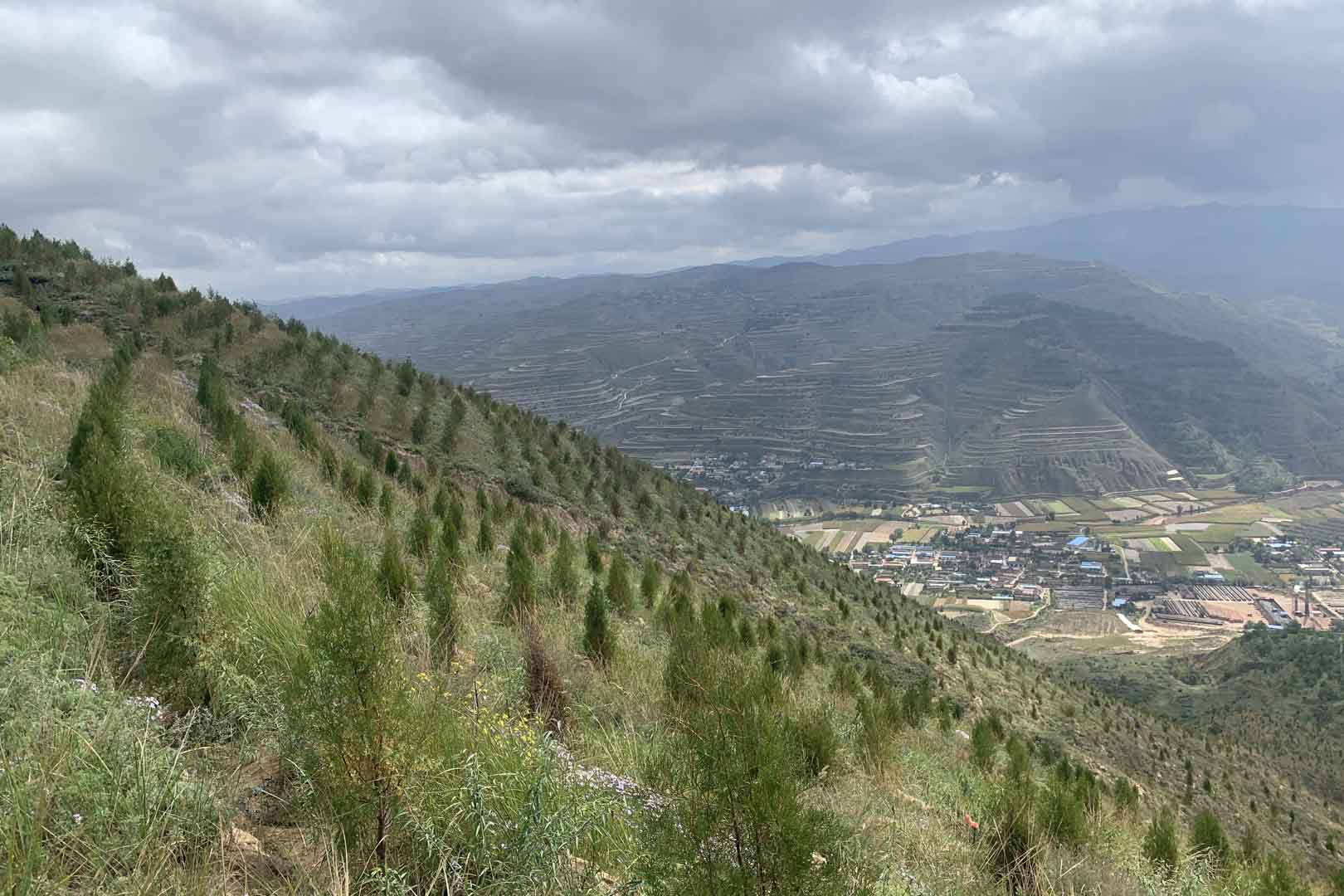
Turning degraded farmlands into healthy ecosystems
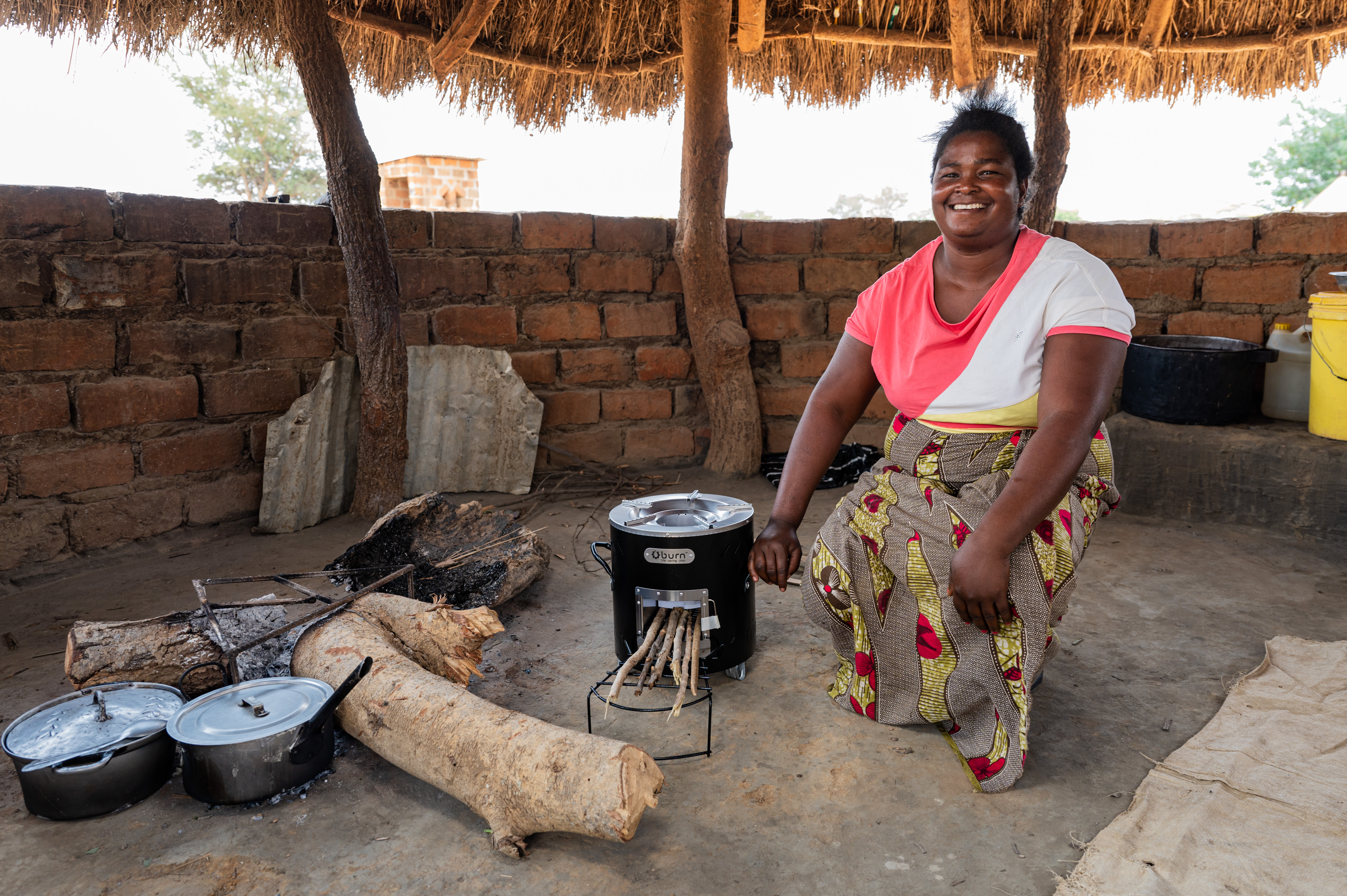
Improved cookstoves - better for health and the environment