
Generating energy from waste water
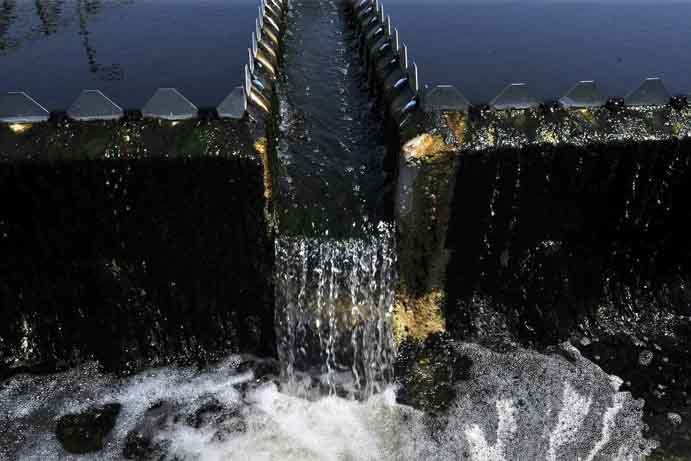
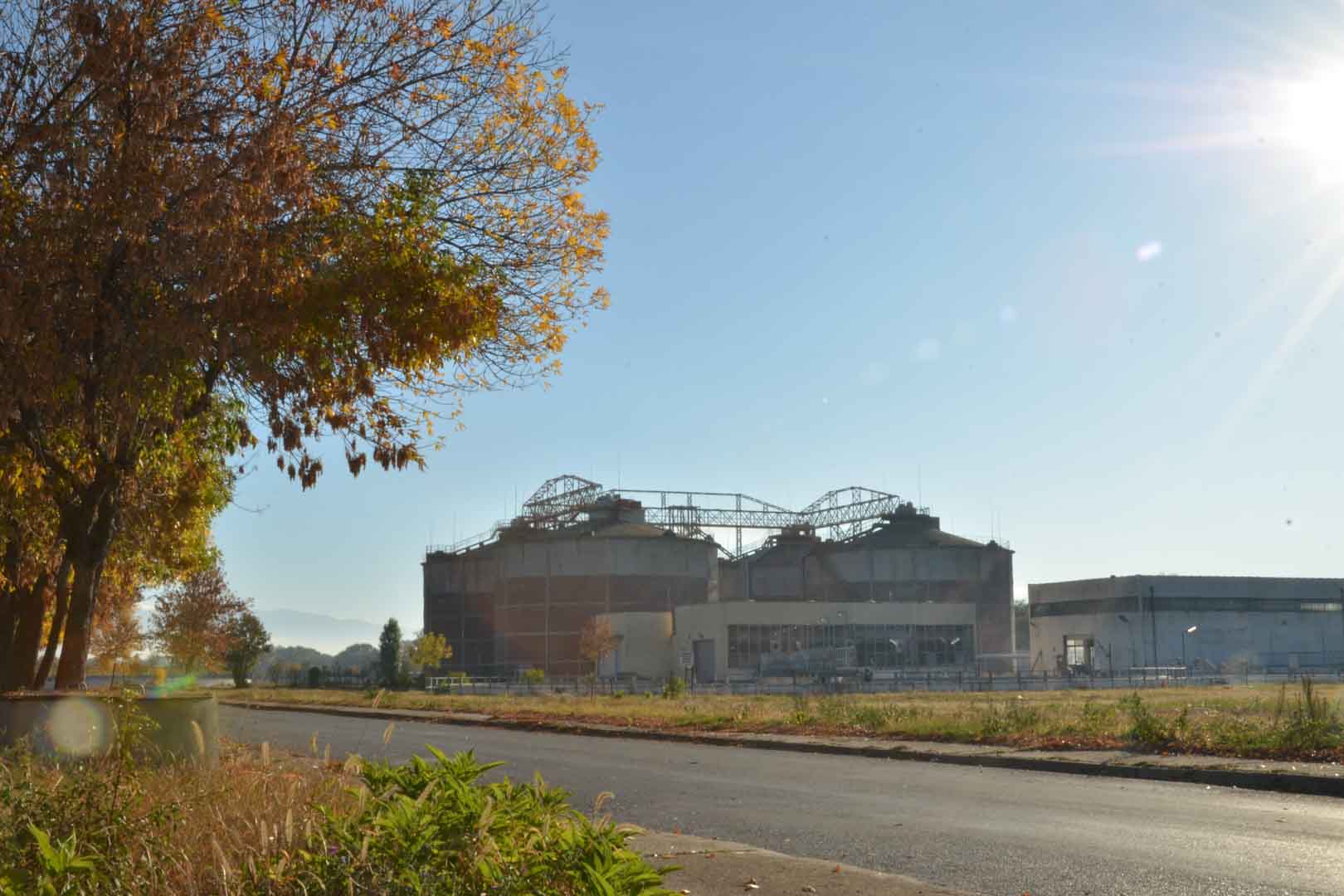
Sofiyska Voda provides water supply, sewerage and waste water treatment services to over 1.4 million citizens in the Municipality of Sofia. The company operates the Kubratovo waste water treatment plant, processing about 400,000 cubic metres of water per day. The plant is located close to the village of Kubratovo, 20 km outside of Sofia, near the Iskar river.
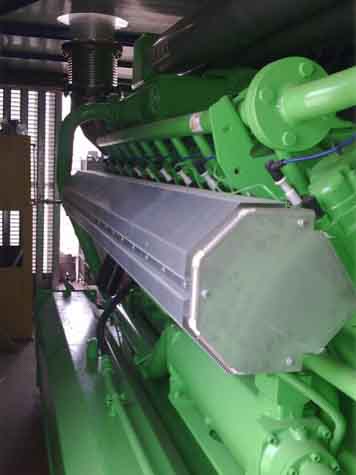
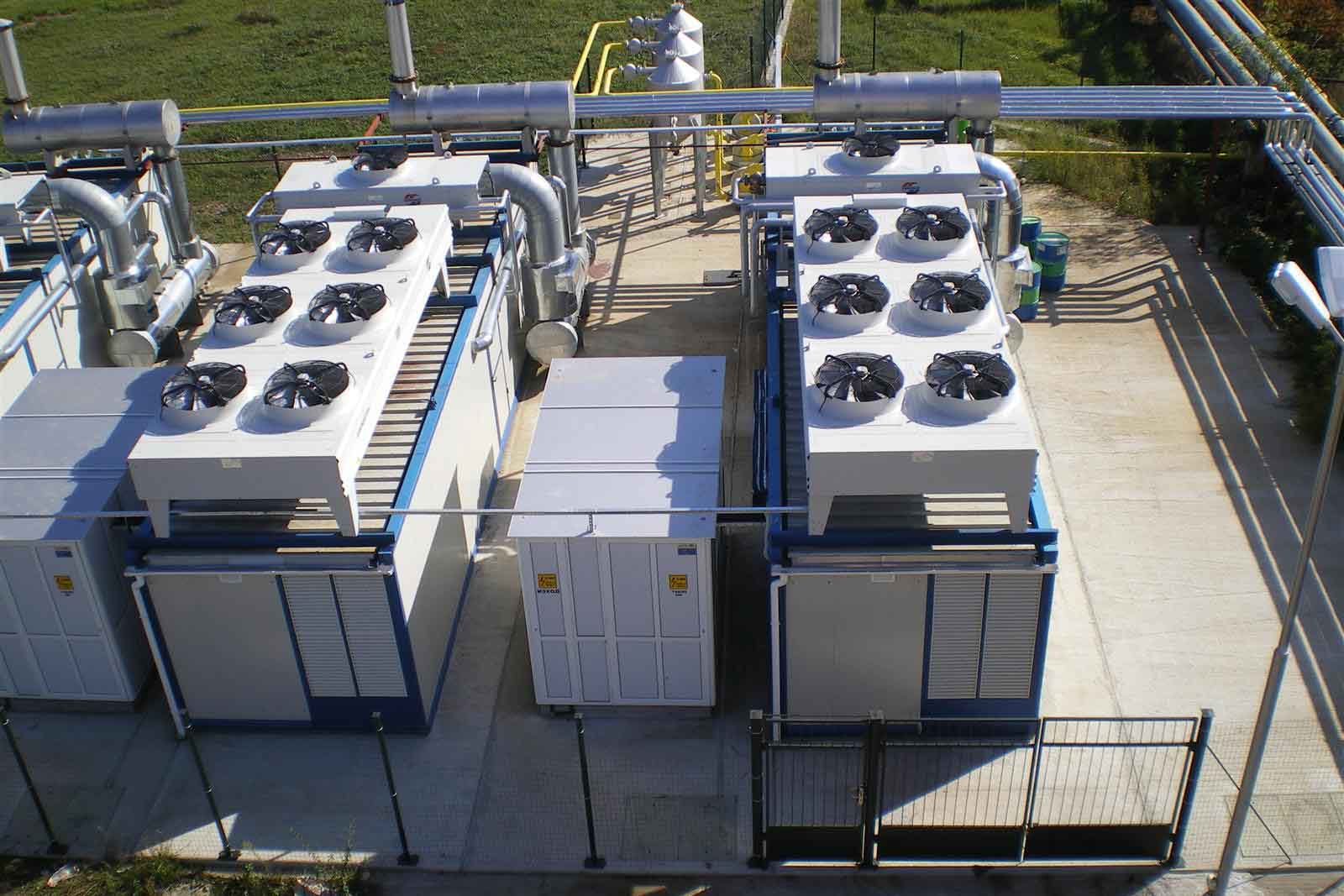
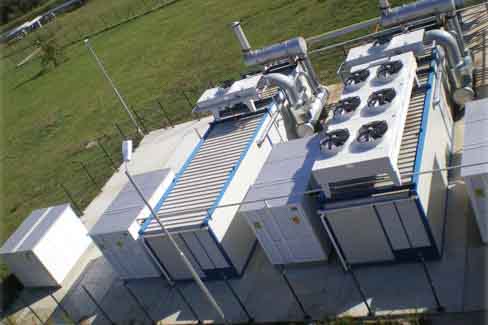
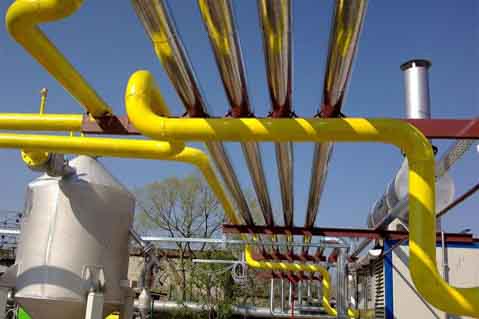
In order to reduce greenhouse gas emissions the company implemented a system for anaerobic sludge treatment and combustion of biogas for power generation. Methane is captured in common tanks and then supplied to the newly installed combined heat and power (CHP) gas engines for electricity and heat production. This substitutes the plant’s electricity purchases from the grid and also diesel fuel usage. Excess electricity is supplied to the grid. The project reduces the volume of sludge by up to 50 percent. It saves methane emissions from open anaerobic sludge tanks, drying beds and landfill disposal sites and reduces CO2 emissions from fossil fuel-based energy generation.
 Project Standard
 The project contributes to the the United Nations' Sustainable Development Goals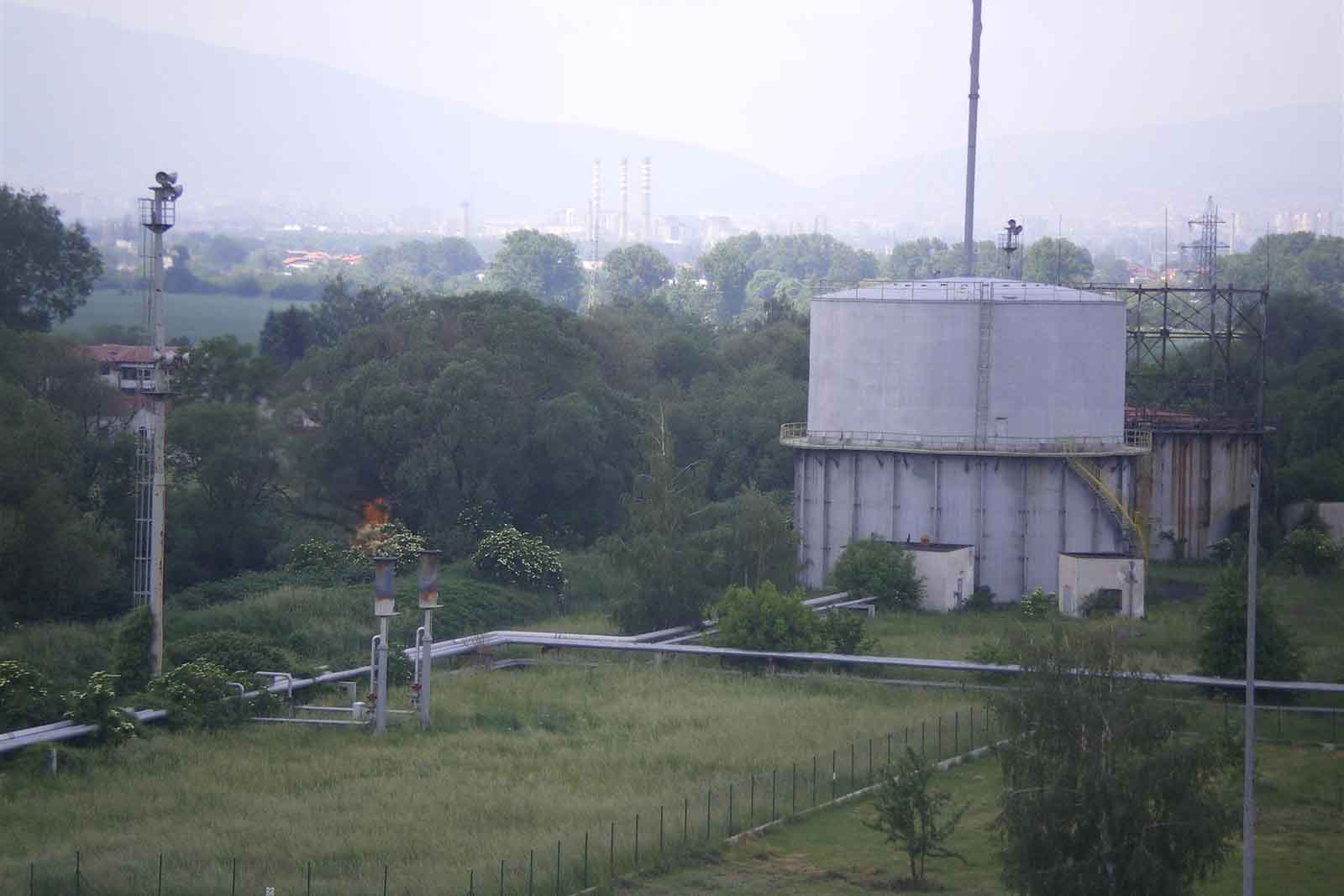
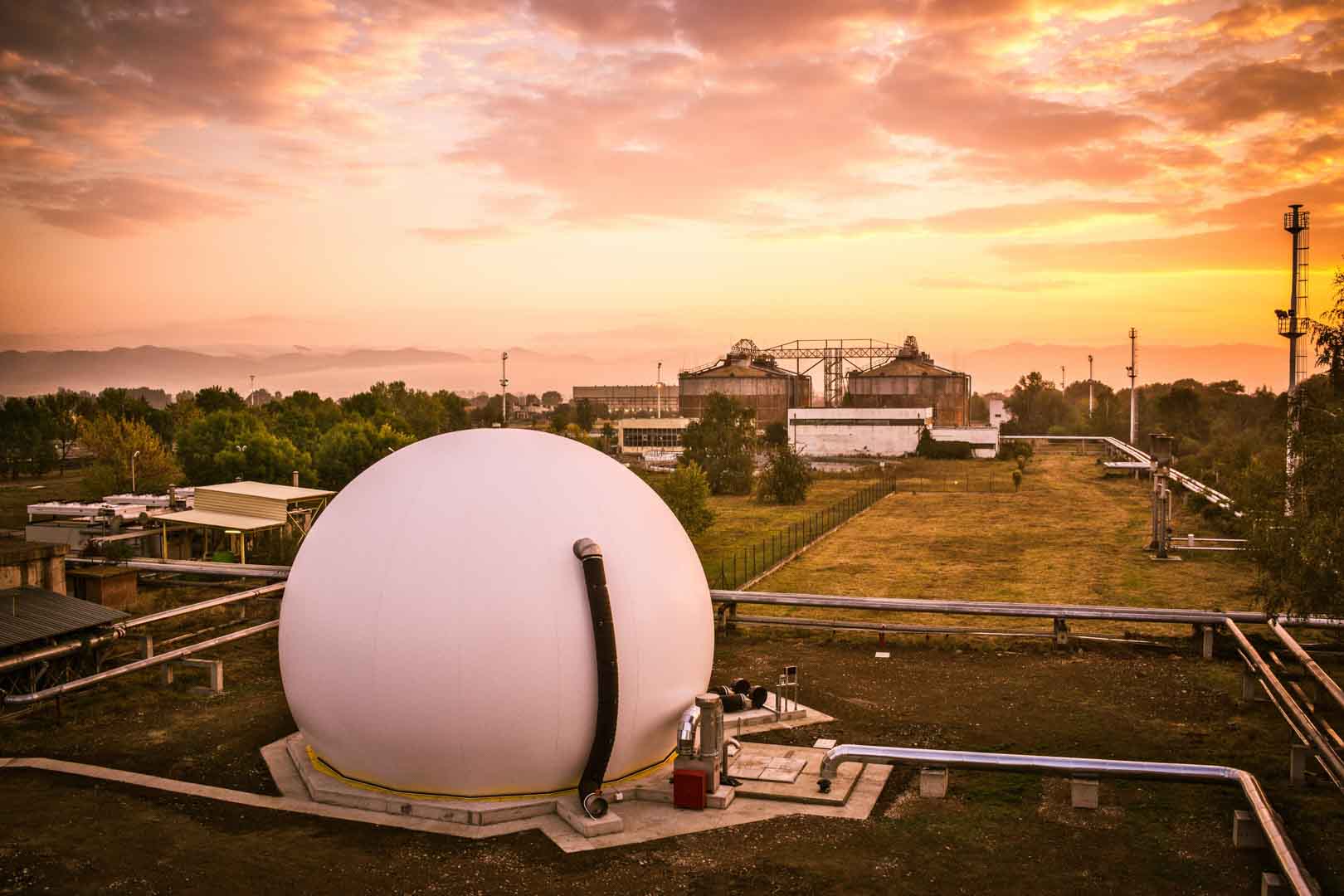
Methane is a greenhouse gas emitted by many processes including livestock farming, waste management, sewage treatment, oil production, and coal mining. When released into the atmosphere, it oxidises first to carbon monoxide and then to carbon dioxide, making it a major contributor to global warming. Climate projects avoid these emissions by capturing the gas and using it to generate heat or electricity, or by processing the gas into dry and liquid gas. In this way, the gas is not released into the atmosphere and is used to generate energy instead. Gas recovery projects in the ClimatePartner portfolio are registered with international standards.
The project aims to contribute to these United Nations’ Sustainable Development Goals (SDGs).


Four criteria for projects to meet quality thresholds
The life cycle of a climate project
A climate project has a set life cycle consisting of various phases, from the feasibility assessment to the retirement of Verified Emission Reductions (VERs).
The project developer reviews the general feasibility of the project, the project design, and the financing. Then, the Project Design Document (PDD) is prepared, which contains all the basic information about the project, such as the objective, location, timeline, and duration.

In this phase, independent auditors examine the PDD and the information it contains. This phase often also involves field visits with on-side interviews and analyses. Auditors are accredited, impartial assessors who have to be approved by the relevant standard as a validation and verification body (VVB). TÜV Nord/Süd, S&A Carbon LLC., and SCS Global Services are examples of VVBs."

Once validated, the project can be registered with a standard such as the Verified Carbon Standard or the Gold Standard. All high-quality climate projects are based on international standards. They provide the framework for project design, construction, carbon accounting, and monitoring. Recognised standards make the climate project system and the projects themselves resilient, traceable, and credible.

After the climate project has been registered, the monitoring begins. Here, the project developers monitor and document the data of the project activities and progress. The duration of the monitoring phase varies from project to project: it can cover two years, but documentation over five or seven years is also possible.

At the end of each monitoring phase, a VVB checks and assesses whether the values and project activities stated in the monitoring report are correct. As with validation, visits to the project site are often part of the verification process.

Once verified, the emission reductions that were confirmed in the verification phase can be issued as VERs. The steps of monitoring, verification, and issuance of VERs are repeated regularly and are therefore considered as a cycle.

Once a VER has been used, it must be retired. This process is also reflected in the registry. If the financing of a climate project is done through ClimatePartner, the VERs are bundled in a system certified by TÜV Austria and then retired on a regular basis. This ensures that each VER can no longer be sold and is only used once, preventing double counting.
Explore our projects
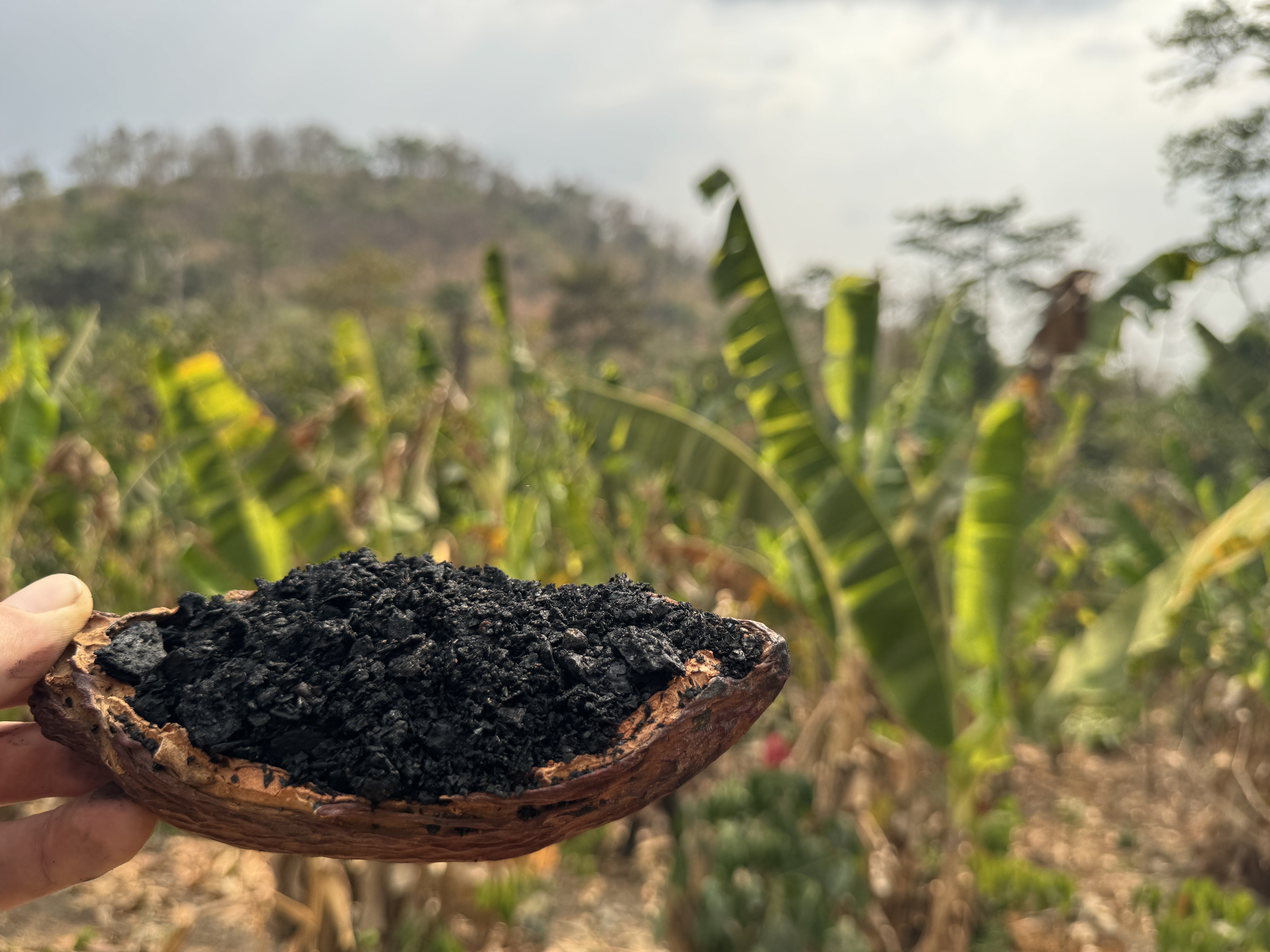
Biochar for Climate Action, Healthy Soils, and Better Harvests
A certified climate project combined with additional commitment
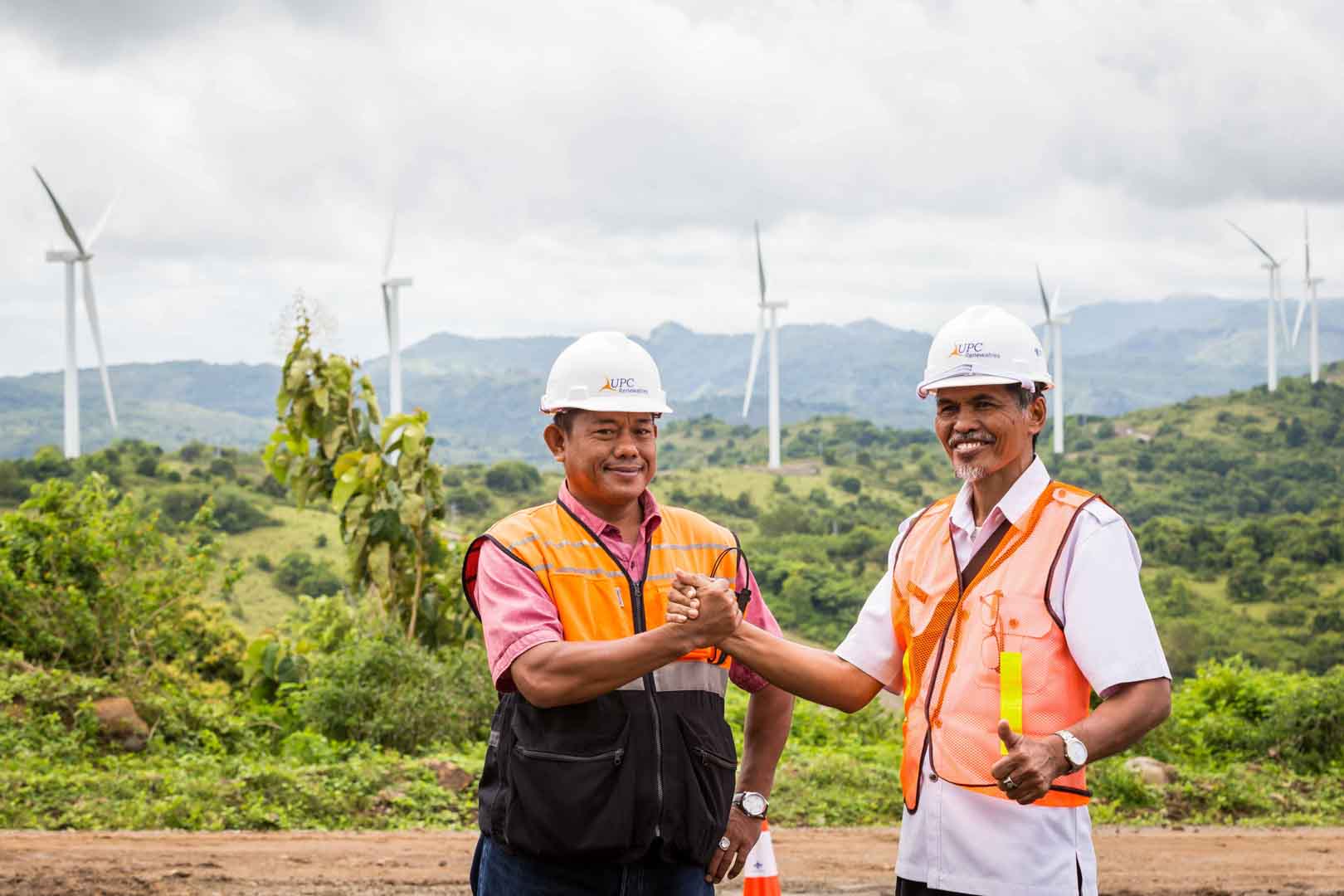
Expansion of renewable energy generation in Asia
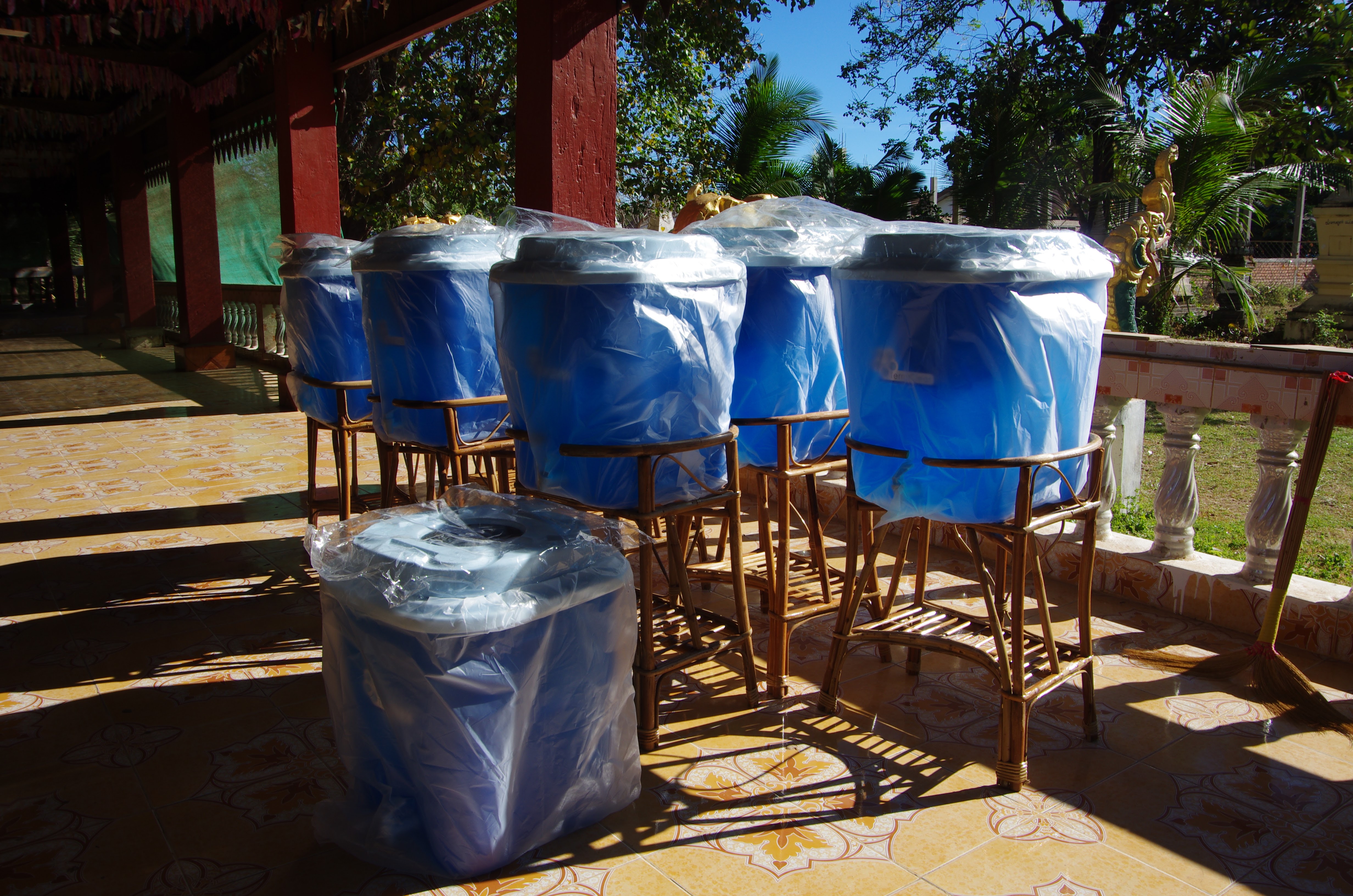
Ceramic water filters save CO2 and improve health
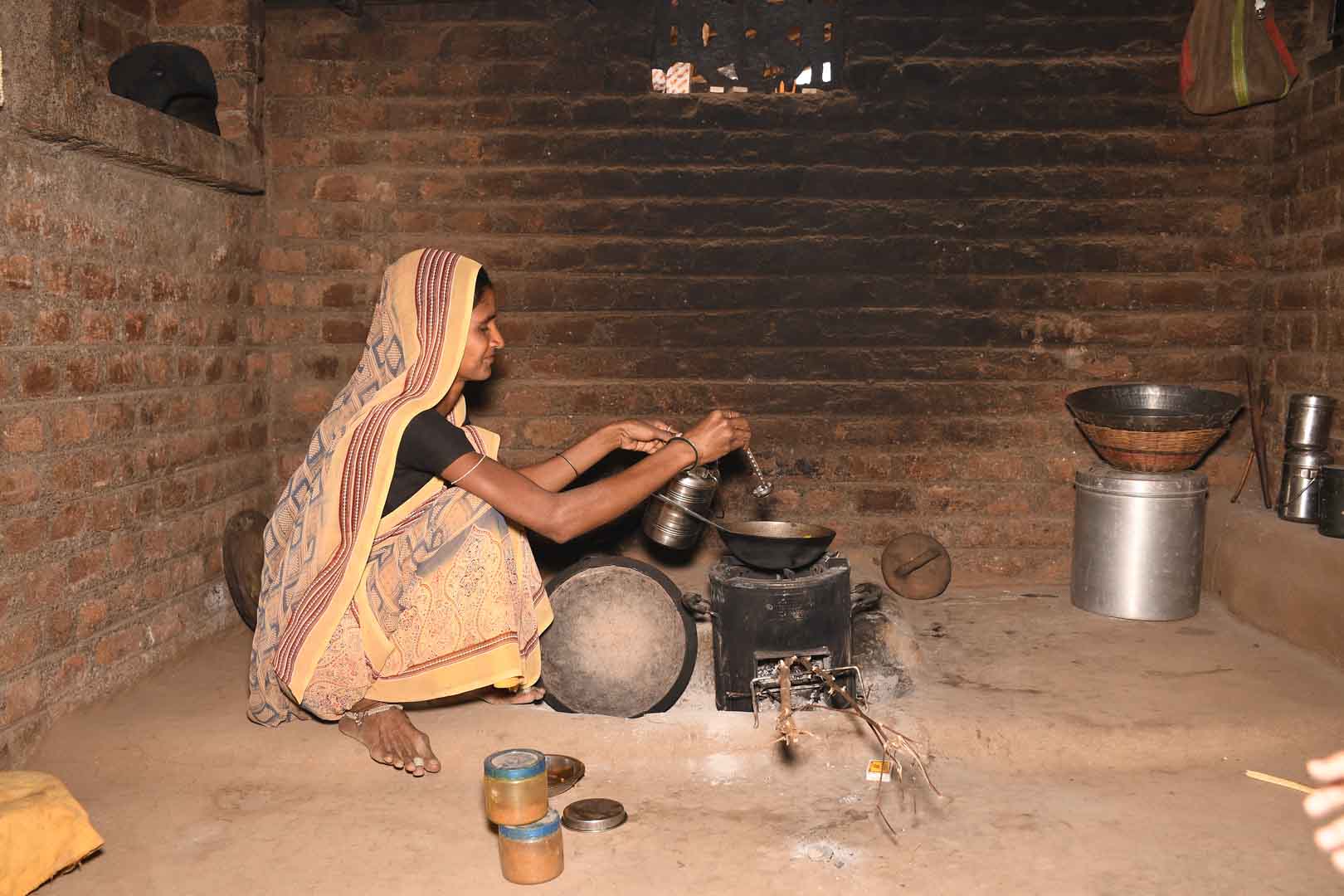
Improved cookstoves worldwide – for better health and cleaner air

A certified climate project combined with additional commitment
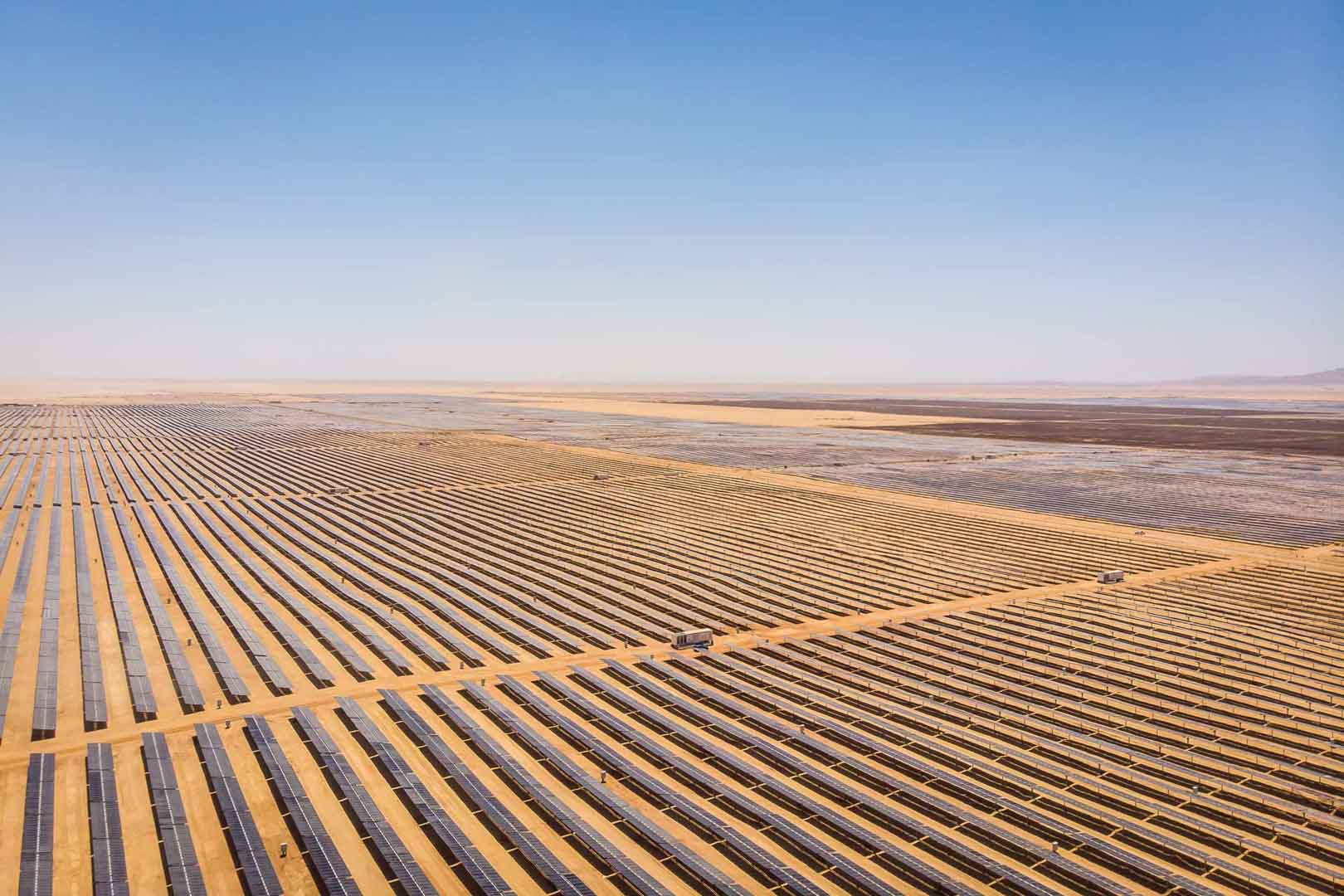
Powering access to renewable energy in Africa
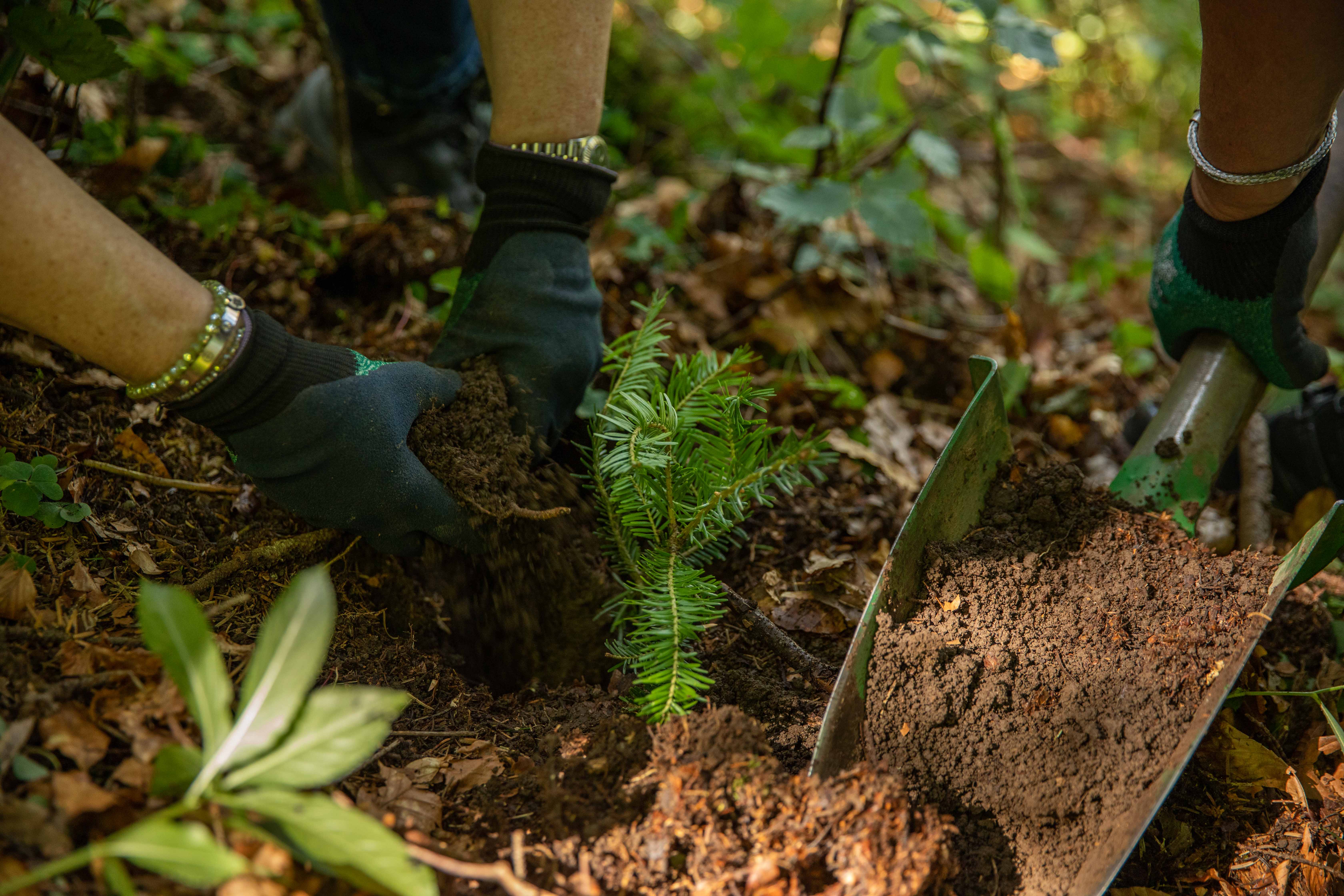
A certified climate project combined with additional commitment
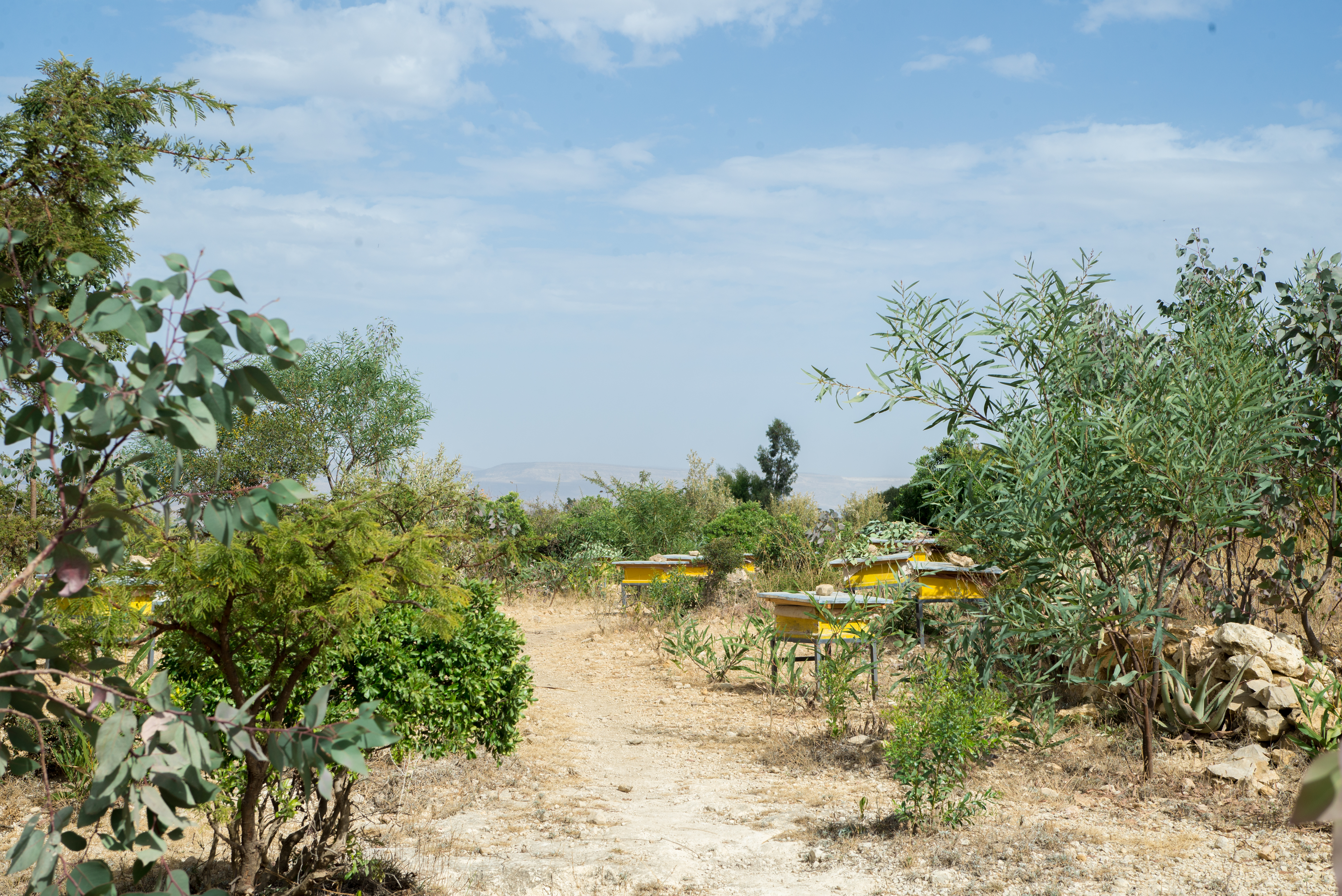
Restored ecosystems remove carbon
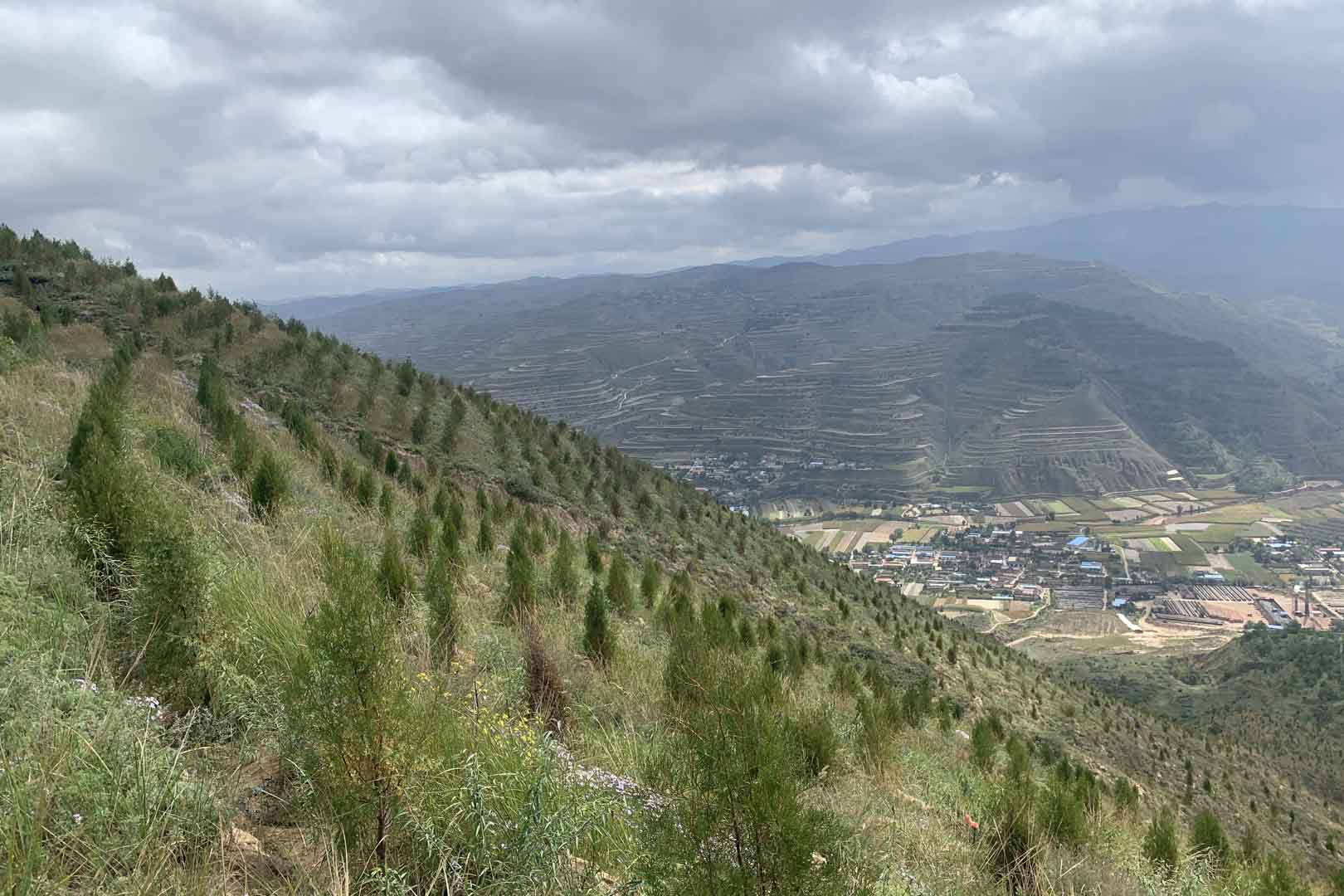
Turning degraded farmlands into healthy ecosystems
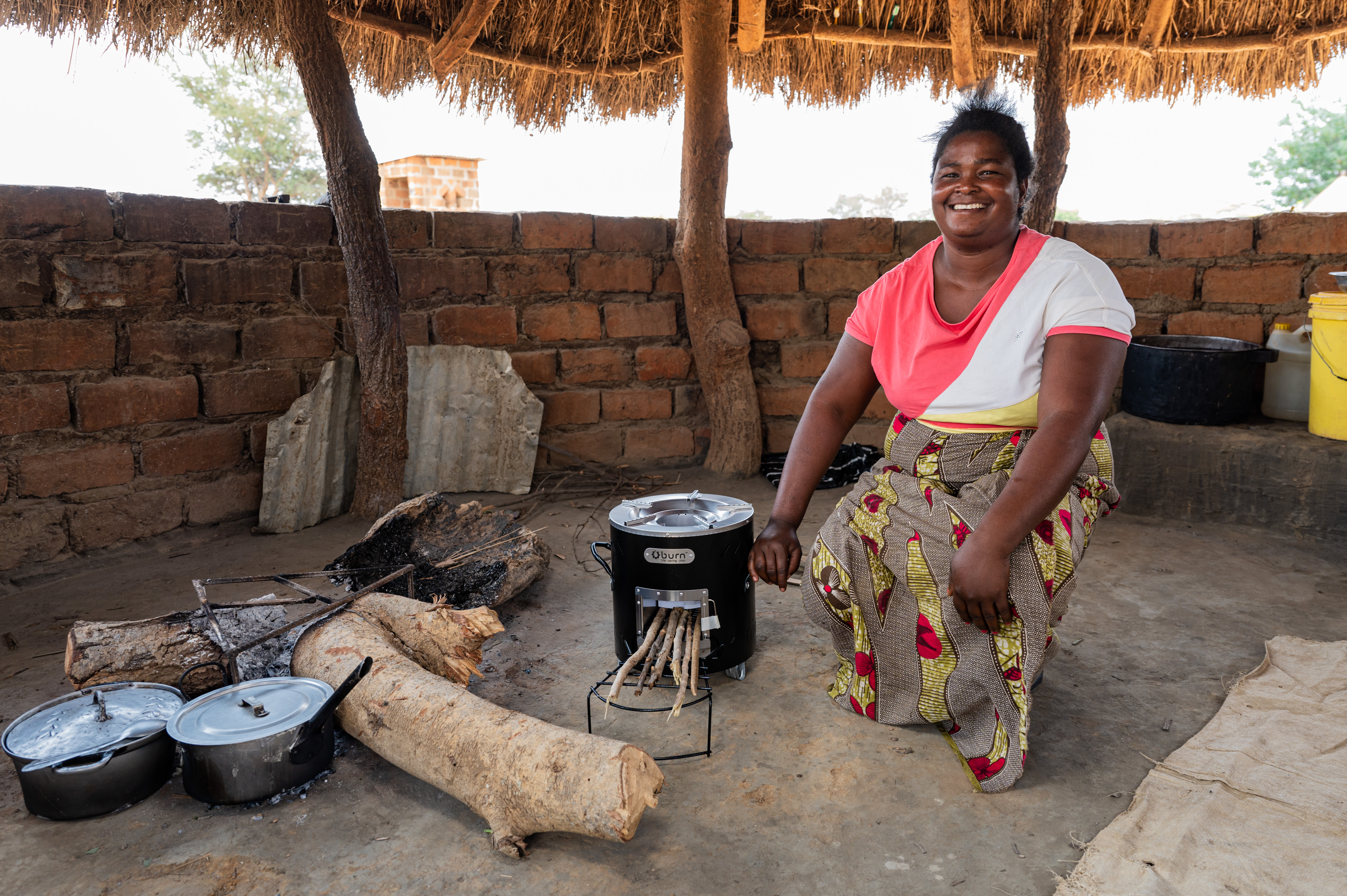
Improved cookstoves - better for health and the environment