
Wind energy fosters community benefits in South Africa
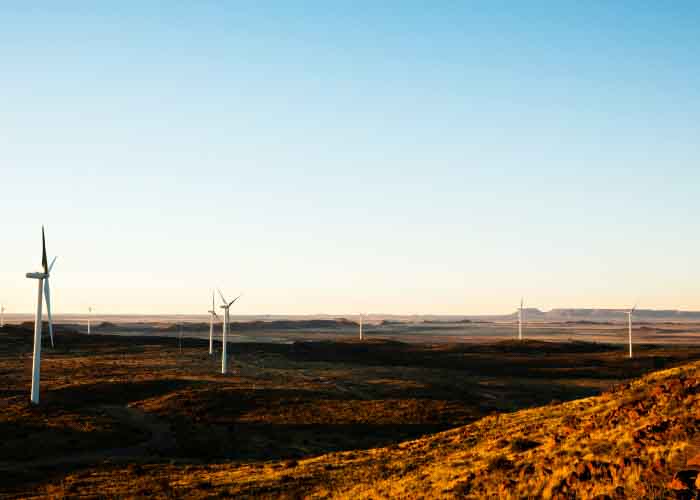
Close to the town of De Aar in South Africa, 96 wind turbines have been producing an average of 439,600 MWh of electricity per year since 2017, which is being fed into the South African grid. The aim of the project is to harness the region's wind energy potential to balance its energy needs in a sustainable way.
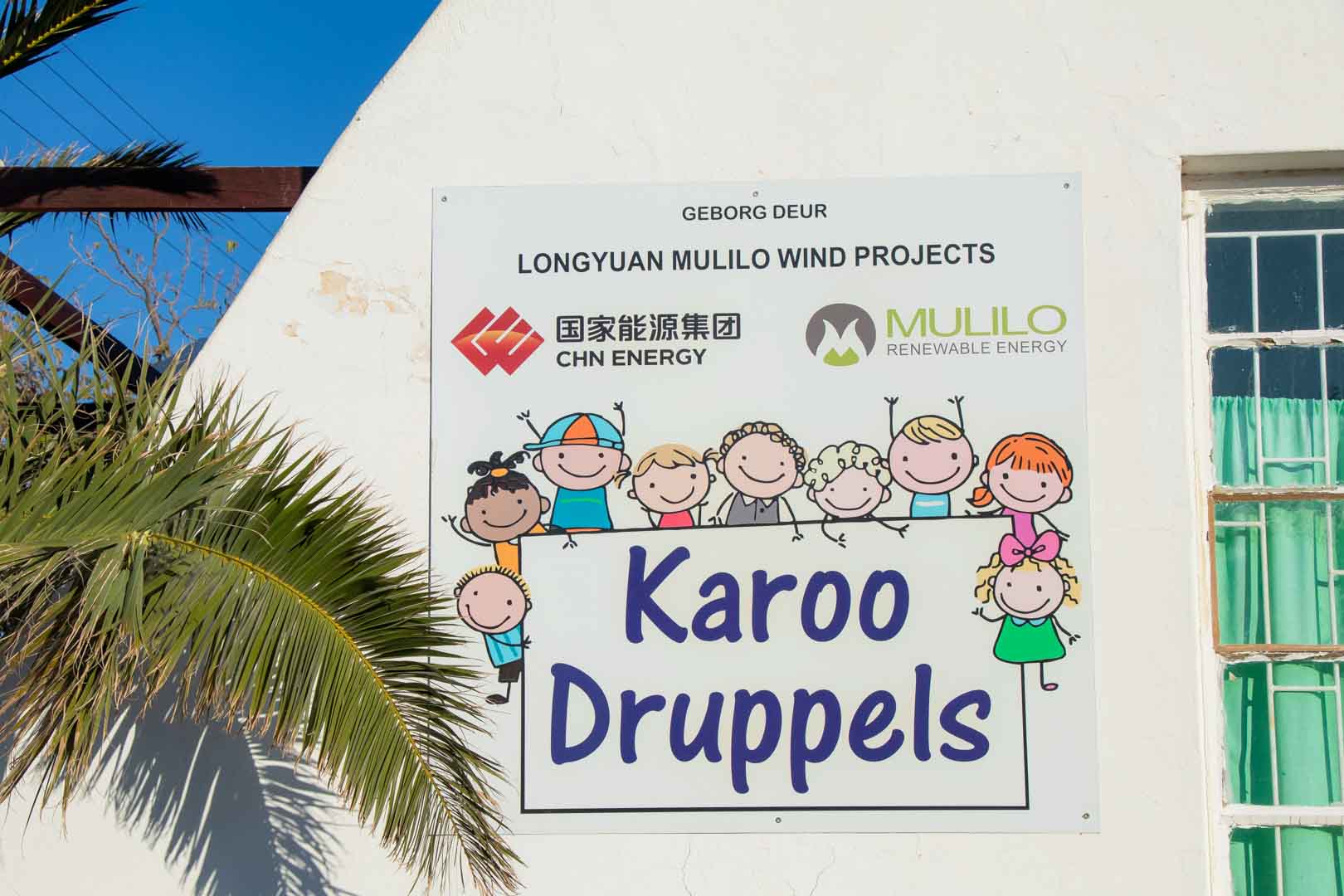
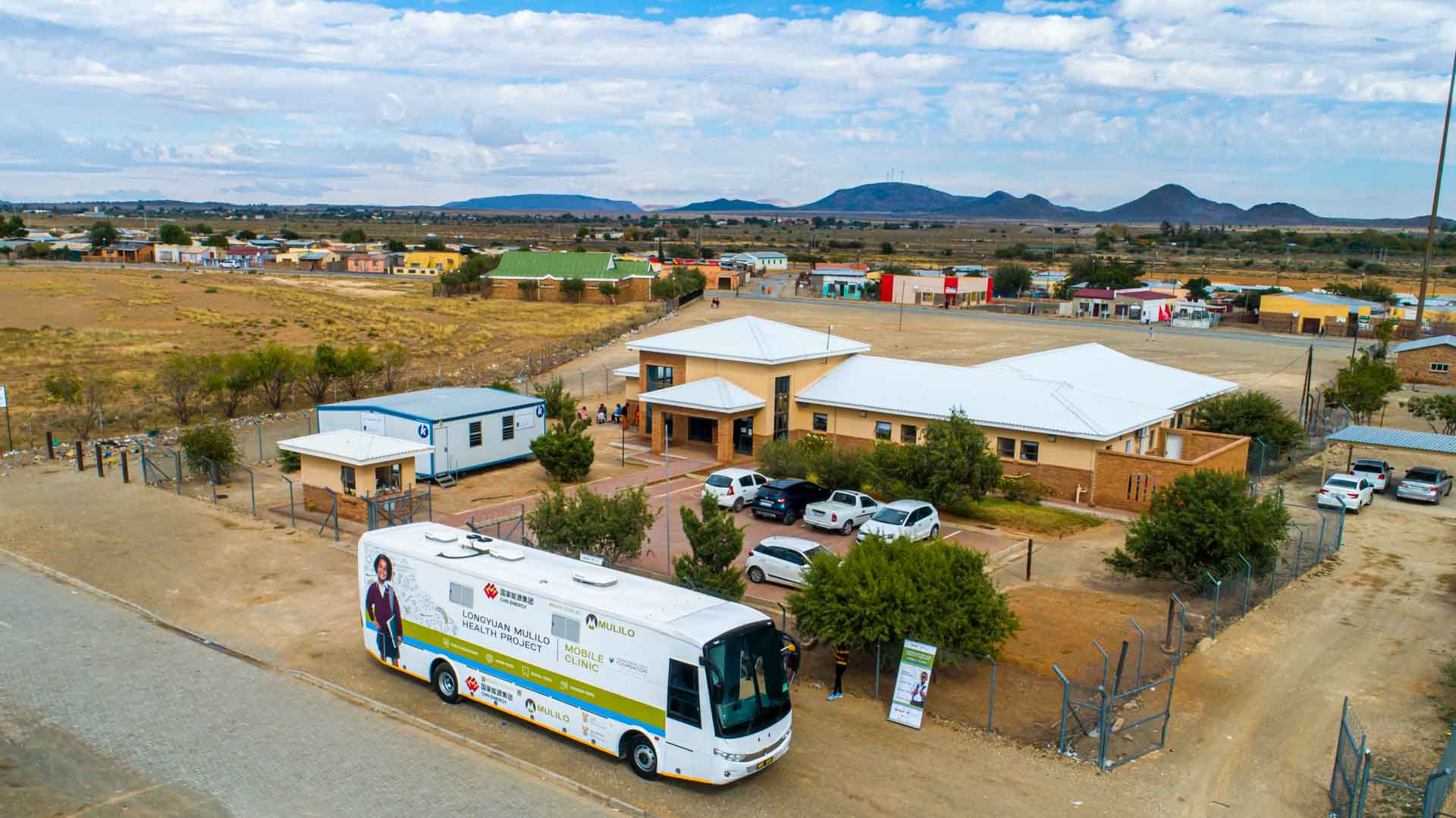
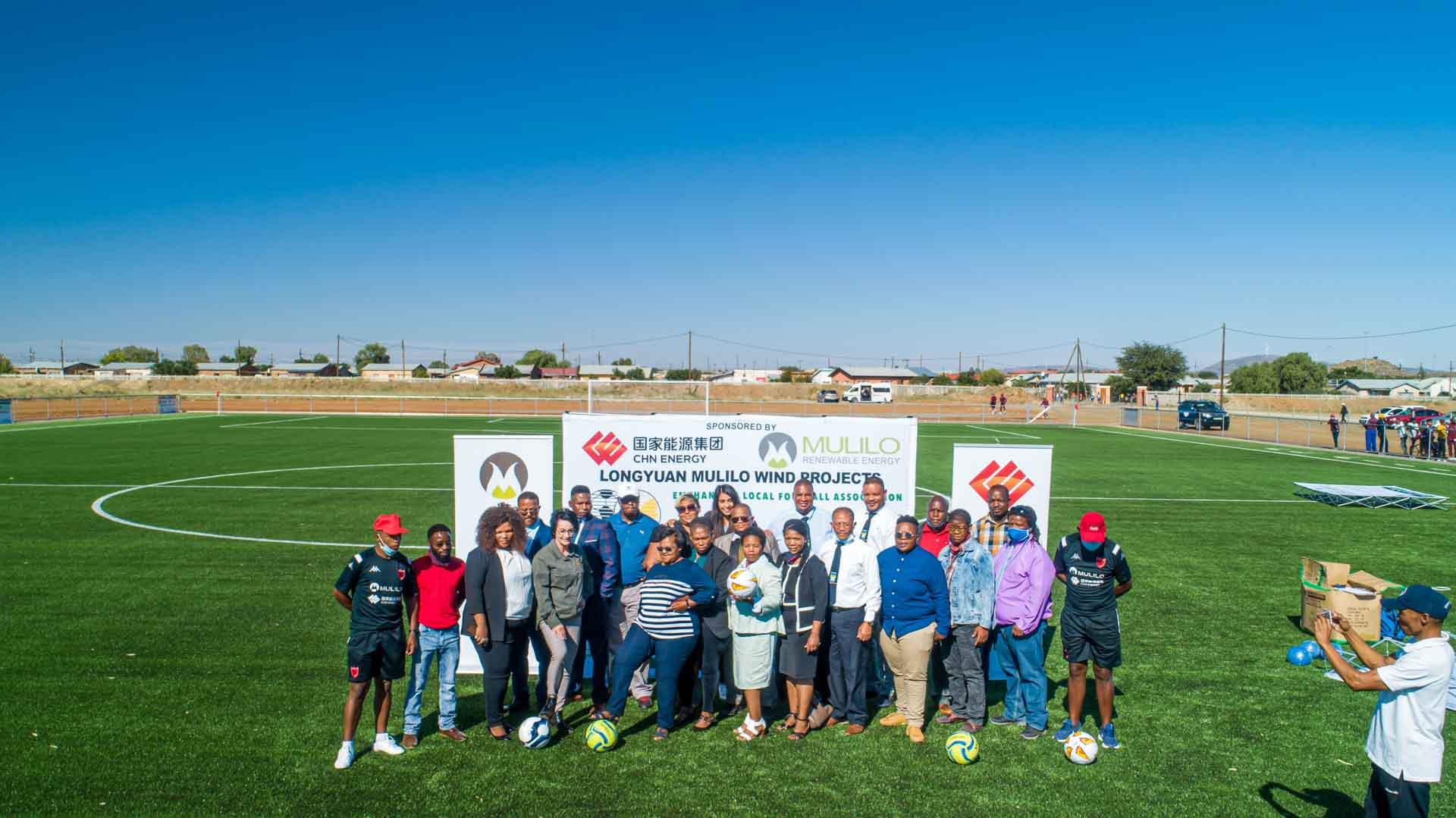
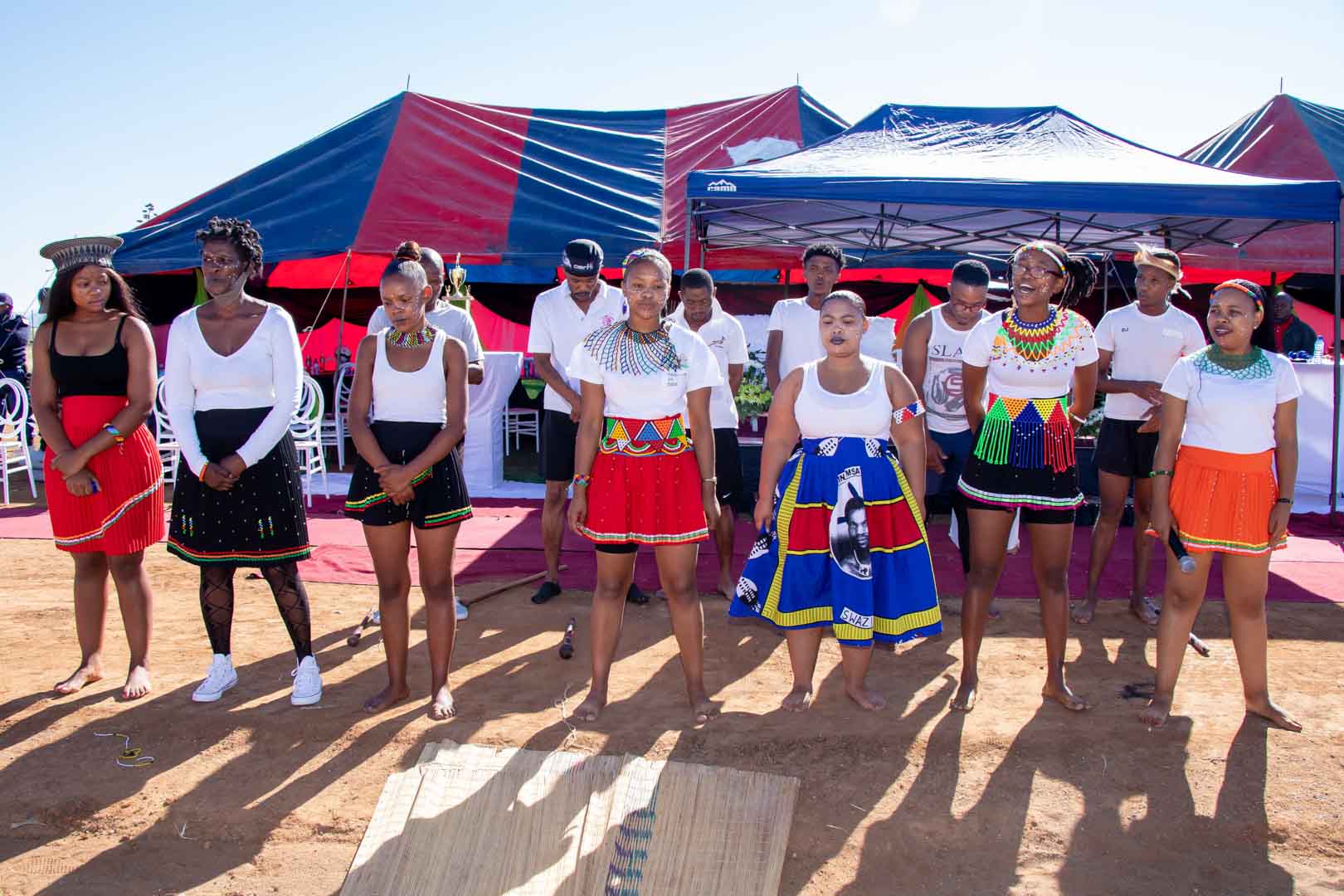
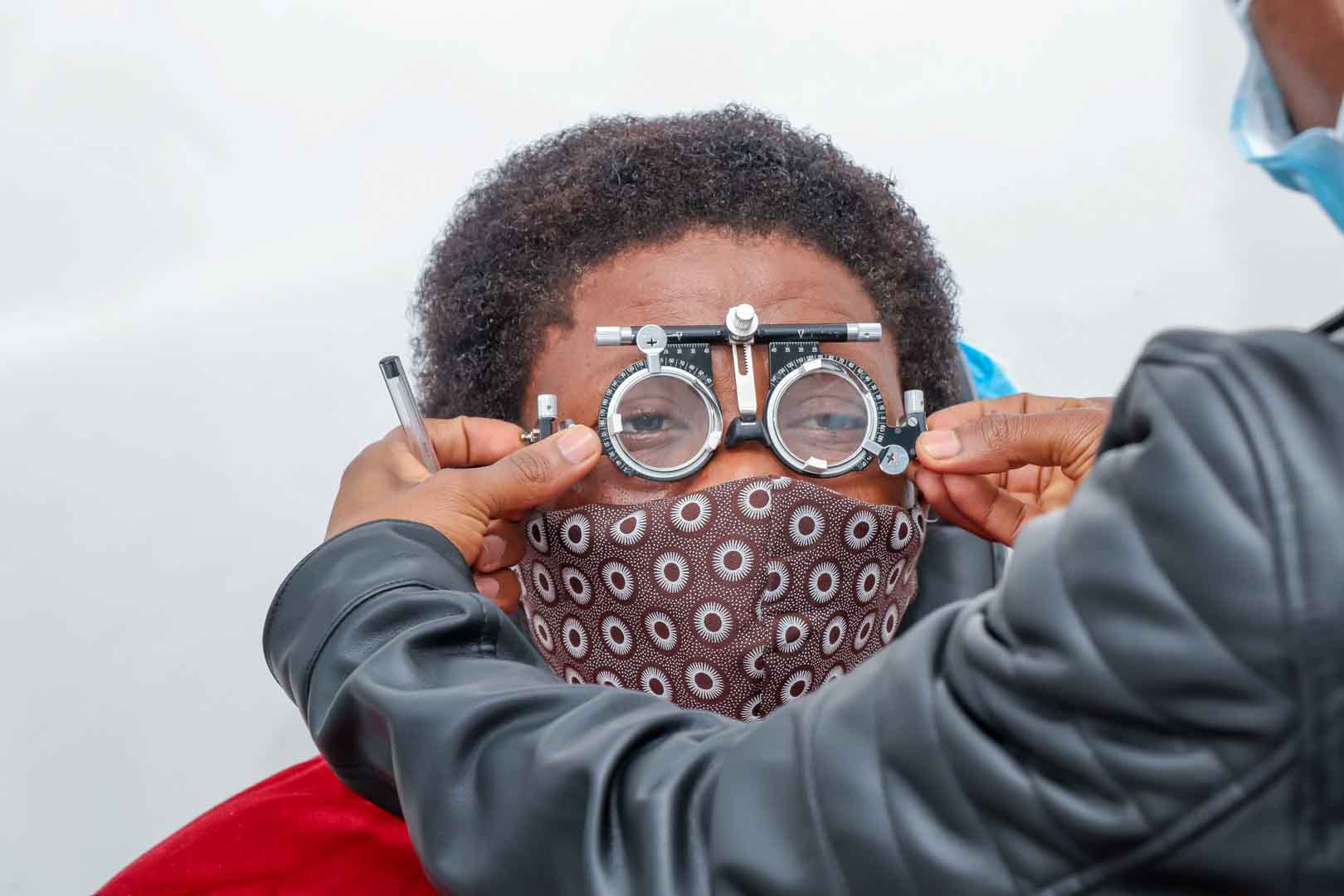
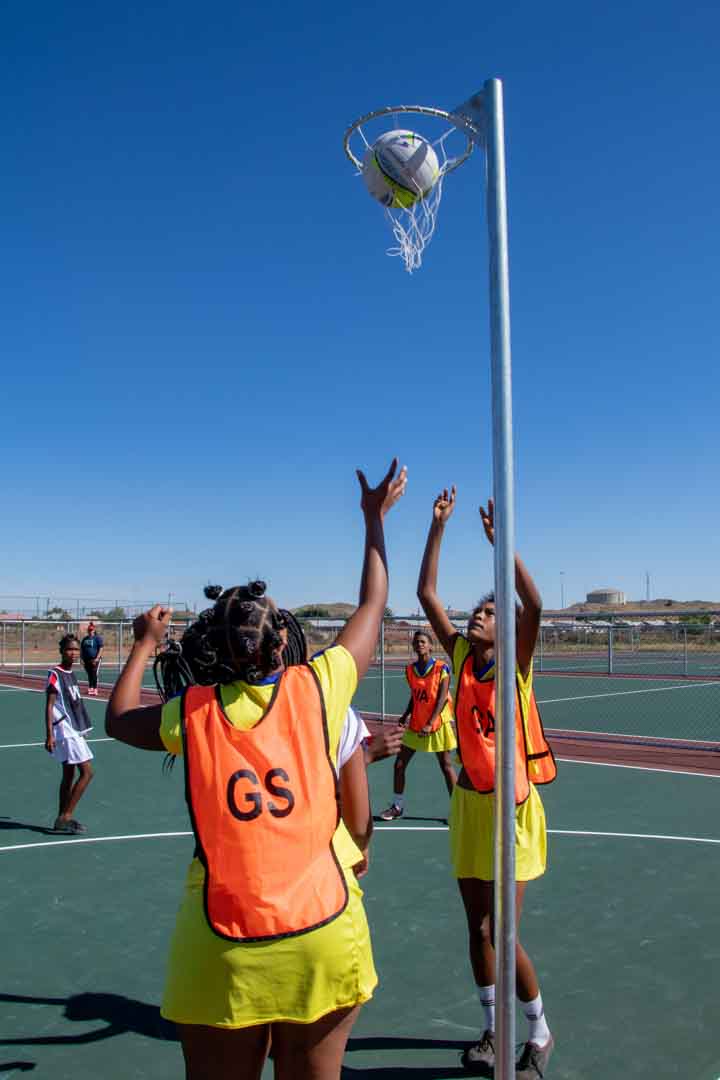
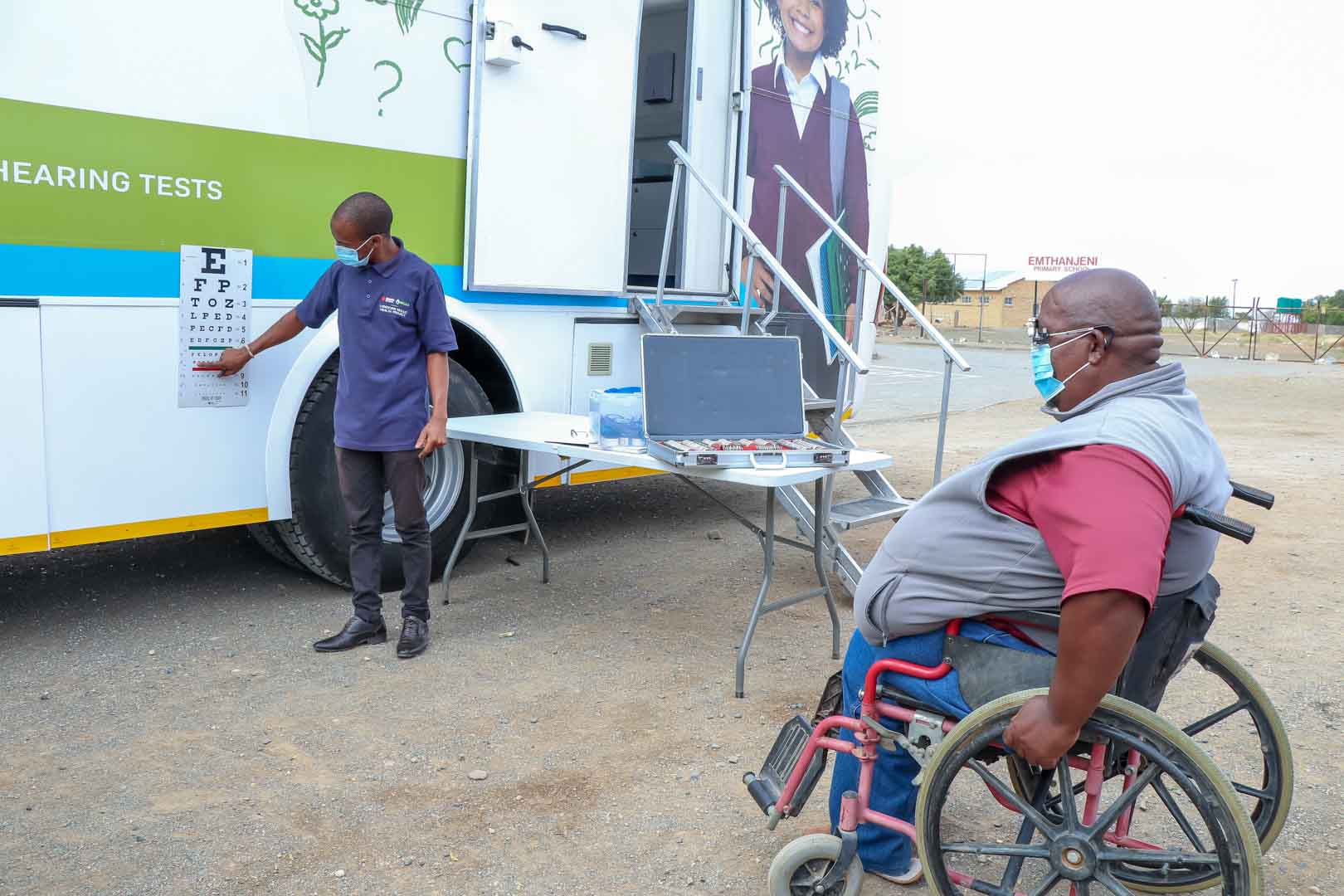
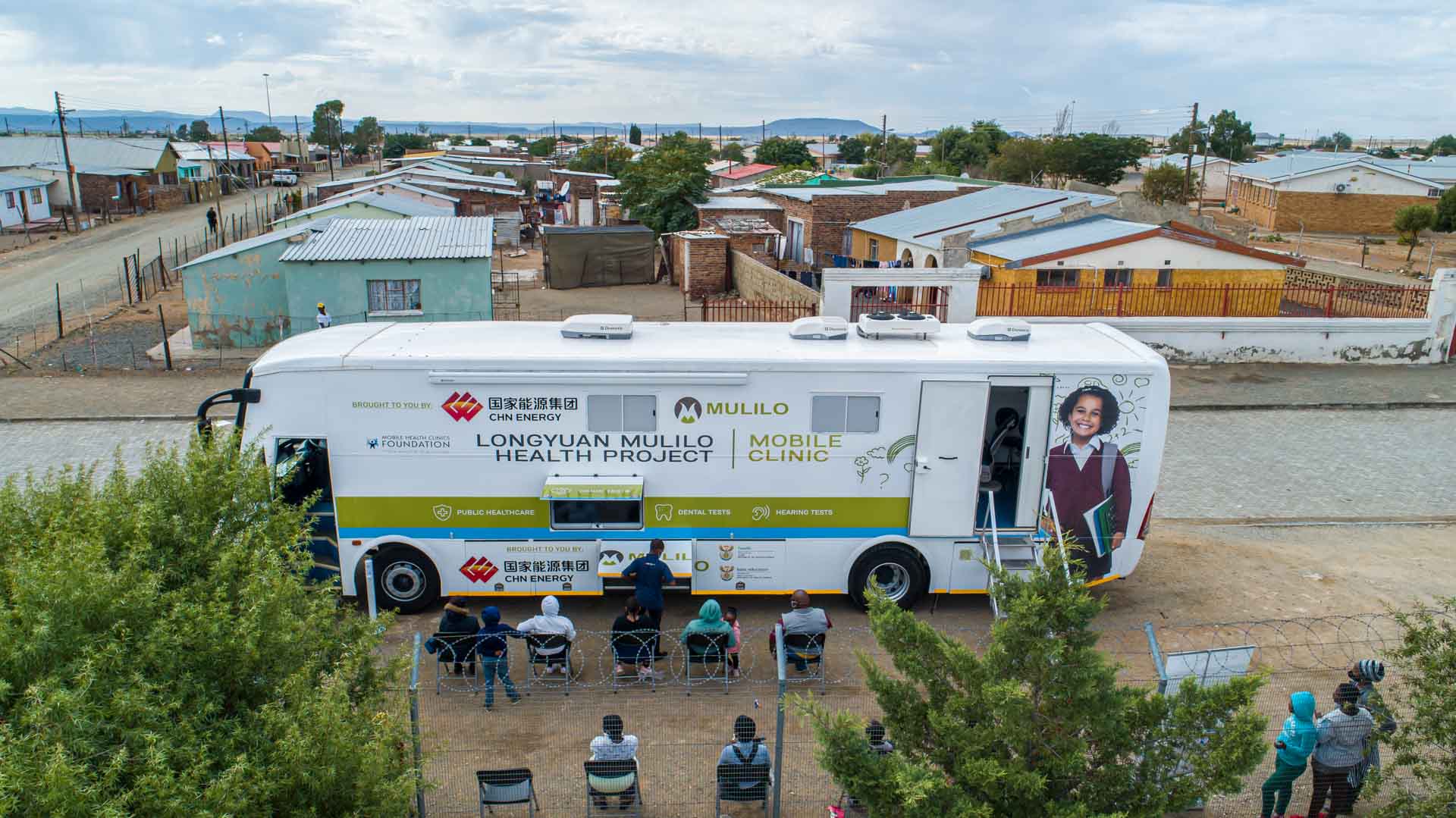
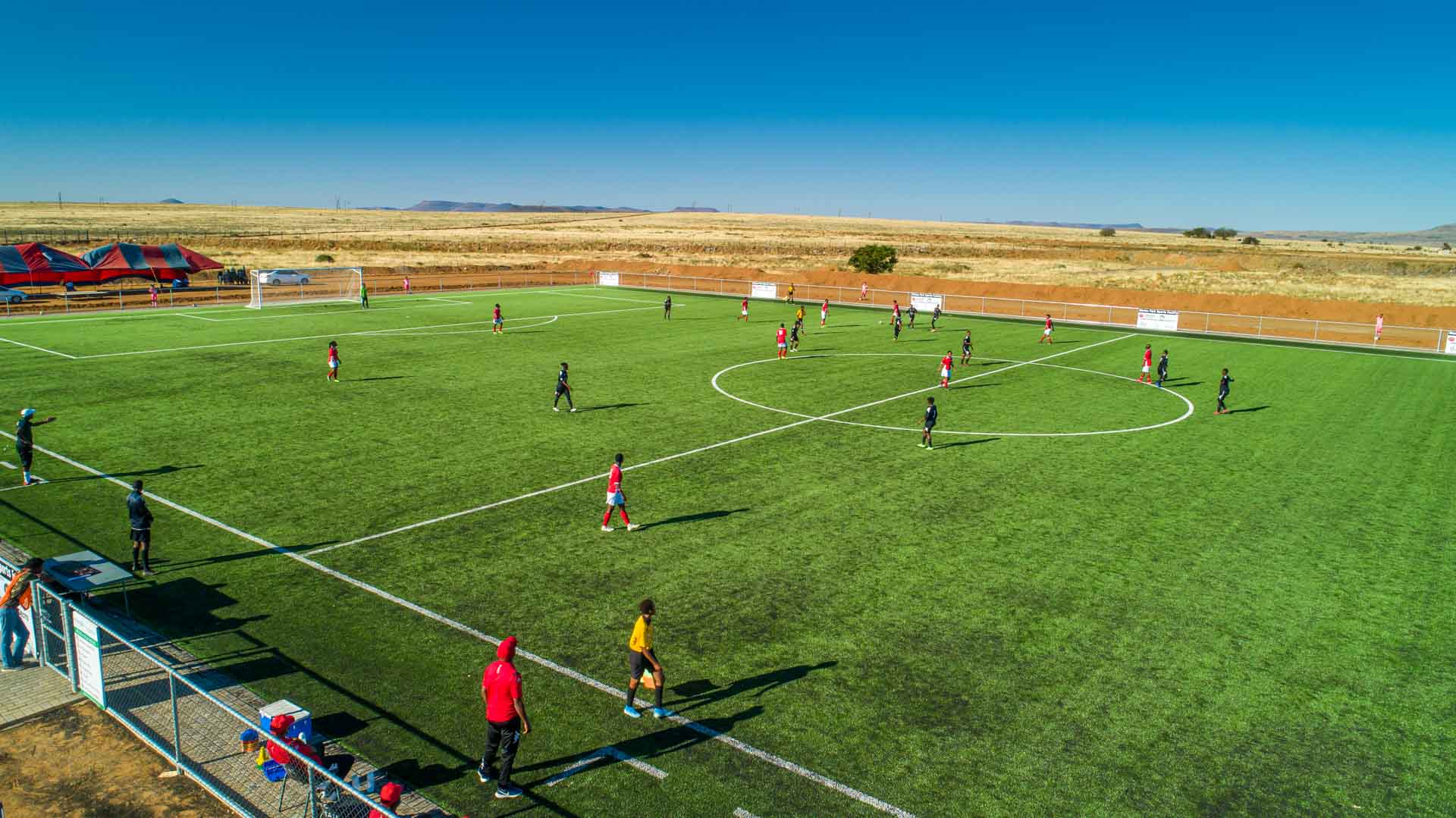
The share of electricity now supplied by the wind farm would have otherwise been generated by fossil fuels. The wind power project avoids about 433,920 tonnes of CO2 emissions per year. In addition to the environmental benefits, the project assists the local community by creating jobs and improving the access to healthcare. The project supports local football clubs by funding equipment, events, travel and much more. It also provides financial funds to the Richmond Untied Ladies Football Club, the only female club in De Aar playing in the premier league.

 The project contributes to the the United Nations' Sustainable Development Goals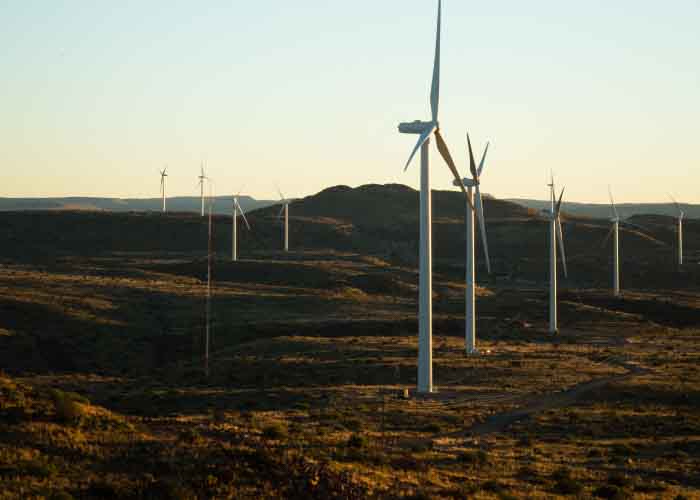

As the name suggests, wind turbines use the power of the wind to generate energy. During this process, a generator located inside the wind turbine converts kinetic energy into electrical energy. As energy is still mainly generated from fossil fuels in many areas around the world, clean wind energy can replace some of this fossil, high-emission energy and verifiably save CO2 emissions.
In most cases, the sustainably generated electricity from the wind power projects is fed into a regional power grid, which diversifies the power supply and improves energy security in regions that are frequently affected by power shortages and outages. A project often creates increased job opportunities for the local population and the area can be used for additional activities, such as agriculture. Wind power projects make an important contribution to a clean energy supply worldwide and contribute to sustainable development with respect to the UN Sustainable Development Goals (SDGs). Wind energy projects in the ClimatePartner portfolio are registered with international standards.
The project aims to contribute to these United Nations’ Sustainable Development Goals (SDGs).


Four criteria for projects to meet quality thresholds
The life cycle of a climate project
A climate project has a set life cycle consisting of various phases, from the feasibility assessment to the retirement of Verified Emission Reductions (VERs).
The project developer reviews the general feasibility of the project, the project design, and the financing. Then, the Project Design Document (PDD) is prepared, which contains all the basic information about the project, such as the objective, location, timeline, and duration.

In this phase, independent auditors examine the PDD and the information it contains. This phase often also involves field visits with on-side interviews and analyses. Auditors are accredited, impartial assessors who have to be approved by the relevant standard as a validation and verification body (VVB). TÜV Nord/Süd, S&A Carbon LLC., and SCS Global Services are examples of VVBs."

Once validated, the project can be registered with a standard such as the Verified Carbon Standard or the Gold Standard. All high-quality climate projects are based on international standards. They provide the framework for project design, construction, carbon accounting, and monitoring. Recognised standards make the climate project system and the projects themselves resilient, traceable, and credible.

After the climate project has been registered, the monitoring begins. Here, the project developers monitor and document the data of the project activities and progress. The duration of the monitoring phase varies from project to project: it can cover two years, but documentation over five or seven years is also possible.

At the end of each monitoring phase, a VVB checks and assesses whether the values and project activities stated in the monitoring report are correct. As with validation, visits to the project site are often part of the verification process.

Once verified, the emission reductions that were confirmed in the verification phase can be issued as VERs. The steps of monitoring, verification, and issuance of VERs are repeated regularly and are therefore considered as a cycle.

Once a VER has been used, it must be retired. This process is also reflected in the registry. If the financing of a climate project is done through ClimatePartner, the VERs are bundled in a system certified by TÜV Austria and then retired on a regular basis. This ensures that each VER can no longer be sold and is only used once, preventing double counting.
Explore our projects
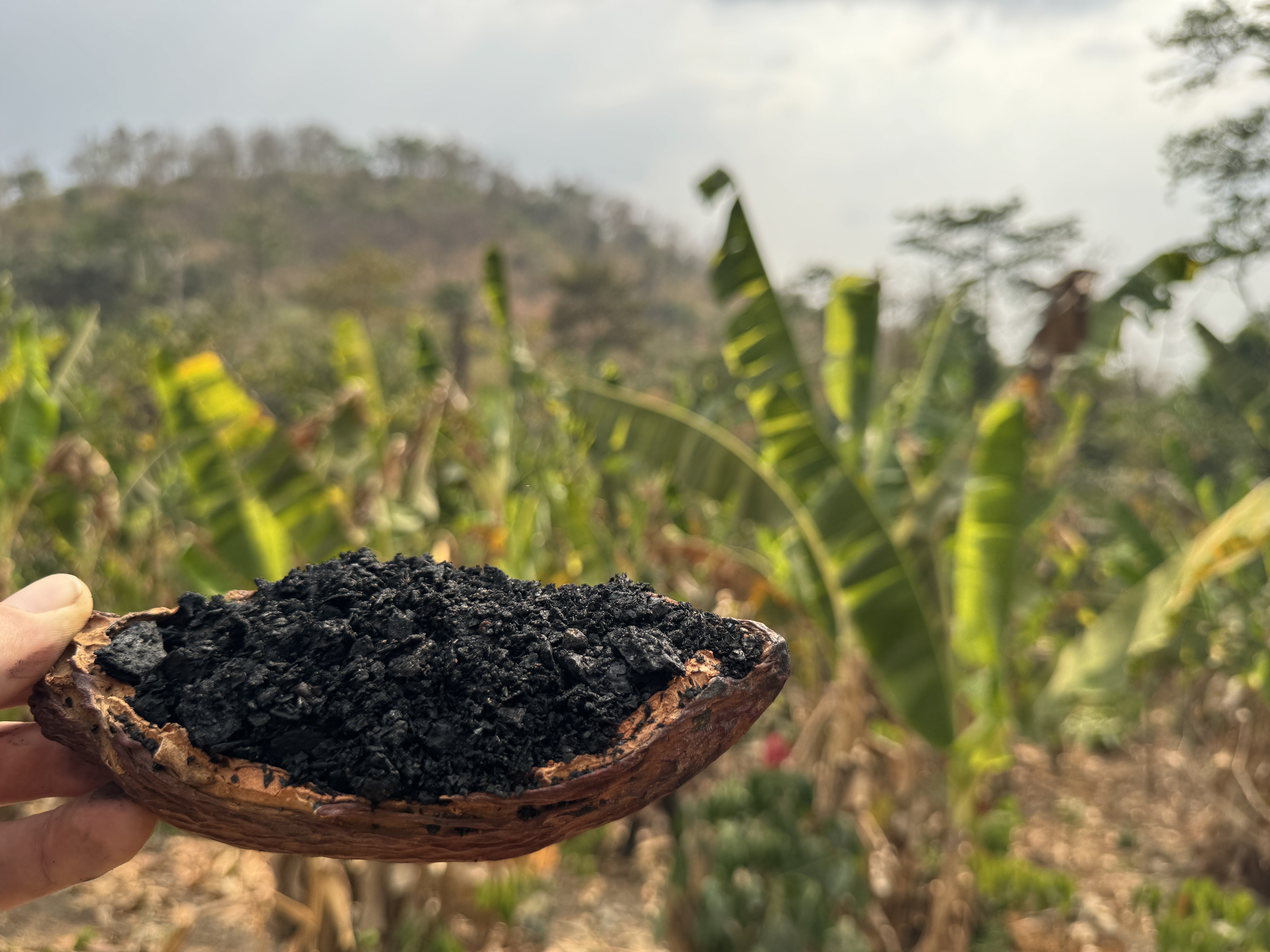
Biochar for Climate Action, Healthy Soils, and Better Harvests
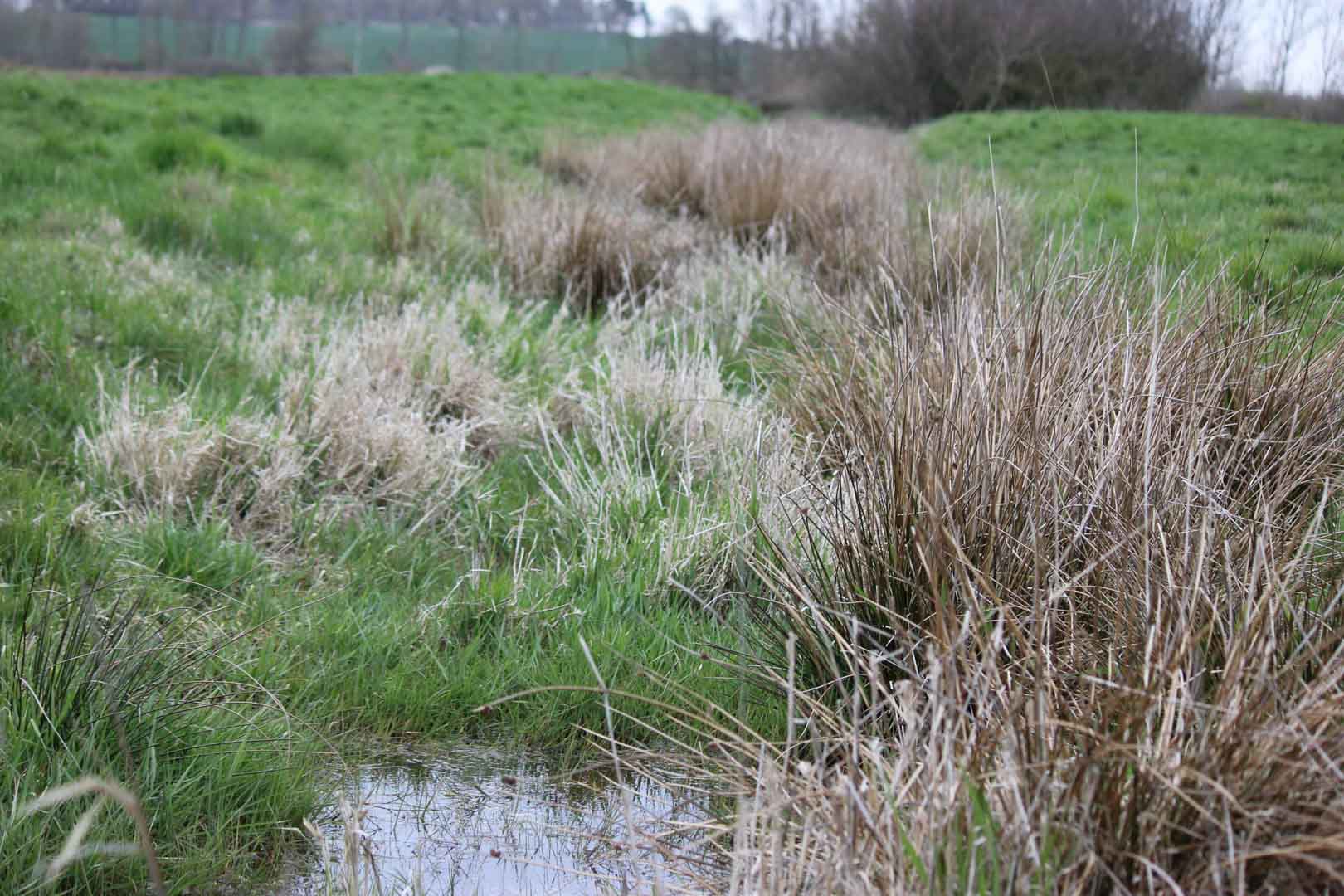
A certified climate project combined with additional commitment
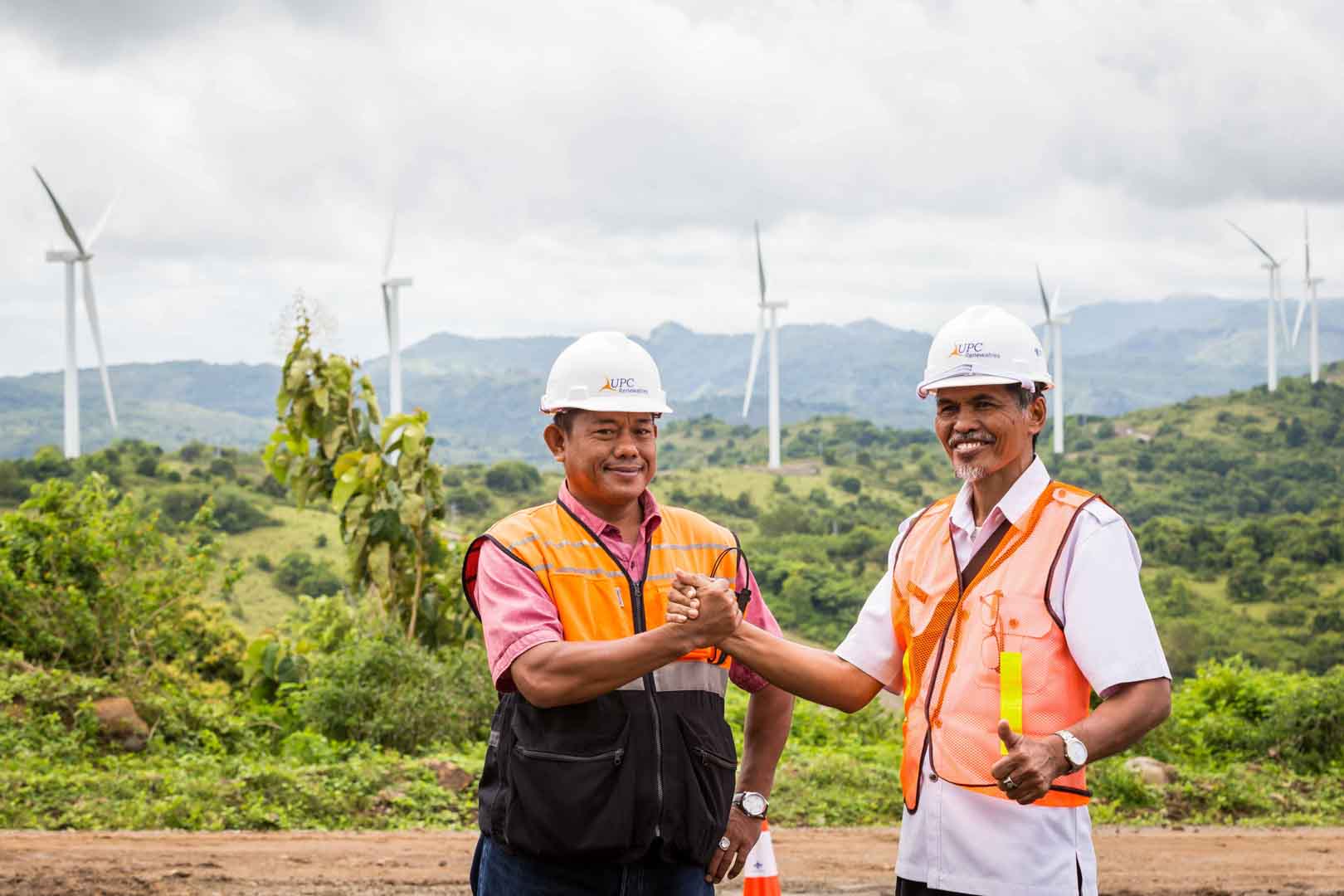
Expansion of renewable energy generation in Asia
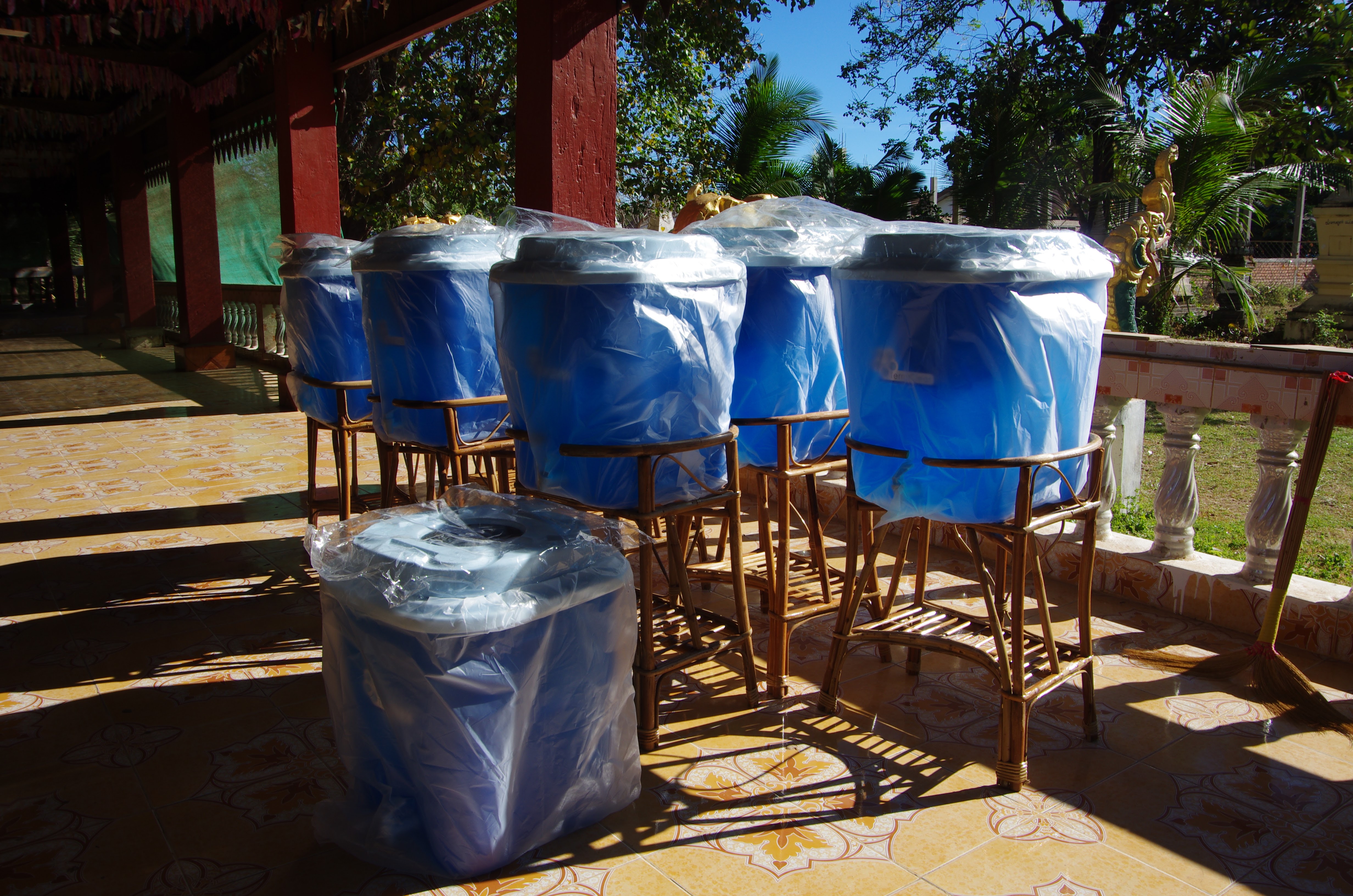
Ceramic water filters save CO2 and improve health
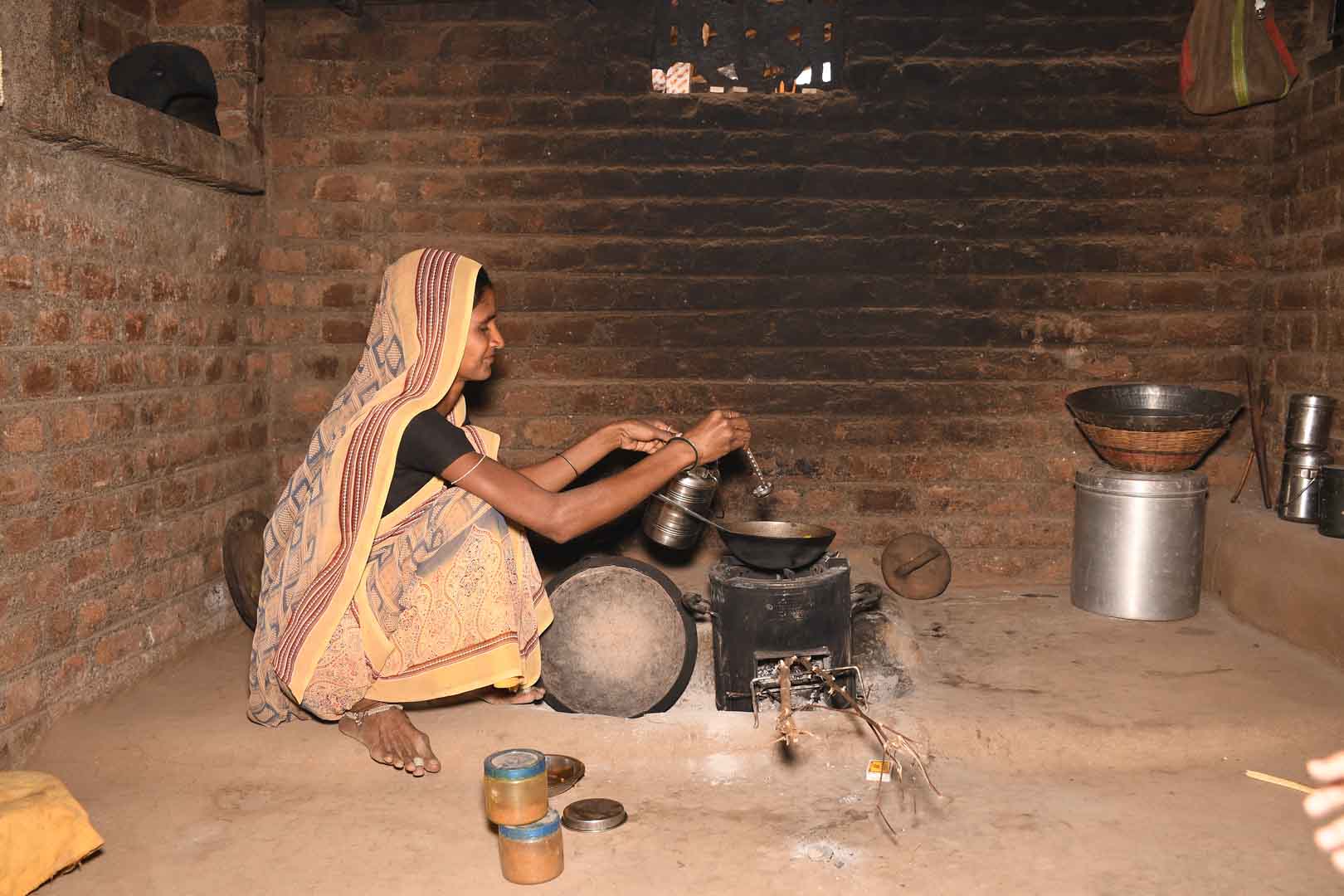
Improved cookstoves worldwide – for better health and cleaner air

A certified climate project combined with additional commitment
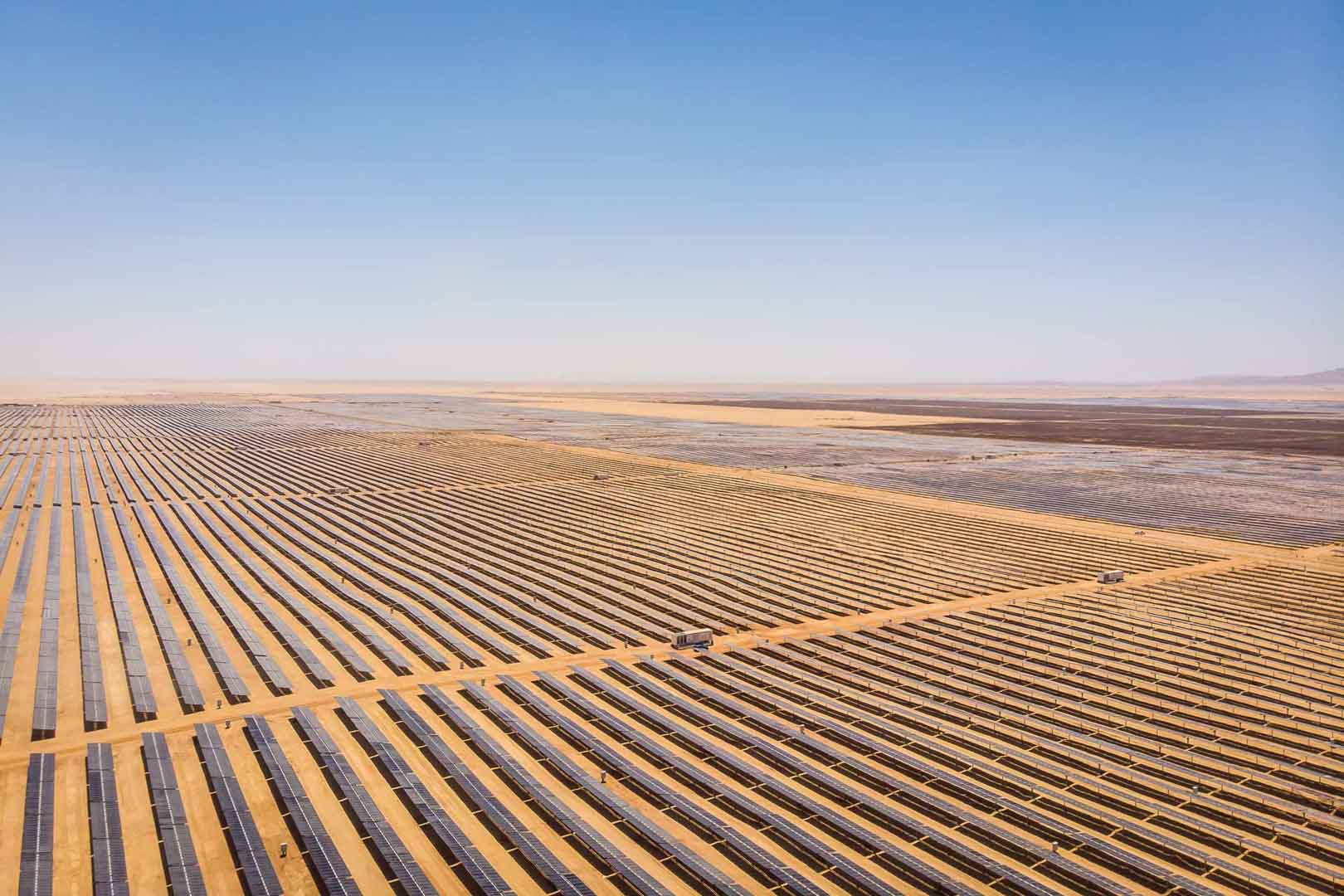
Powering access to renewable energy in Africa
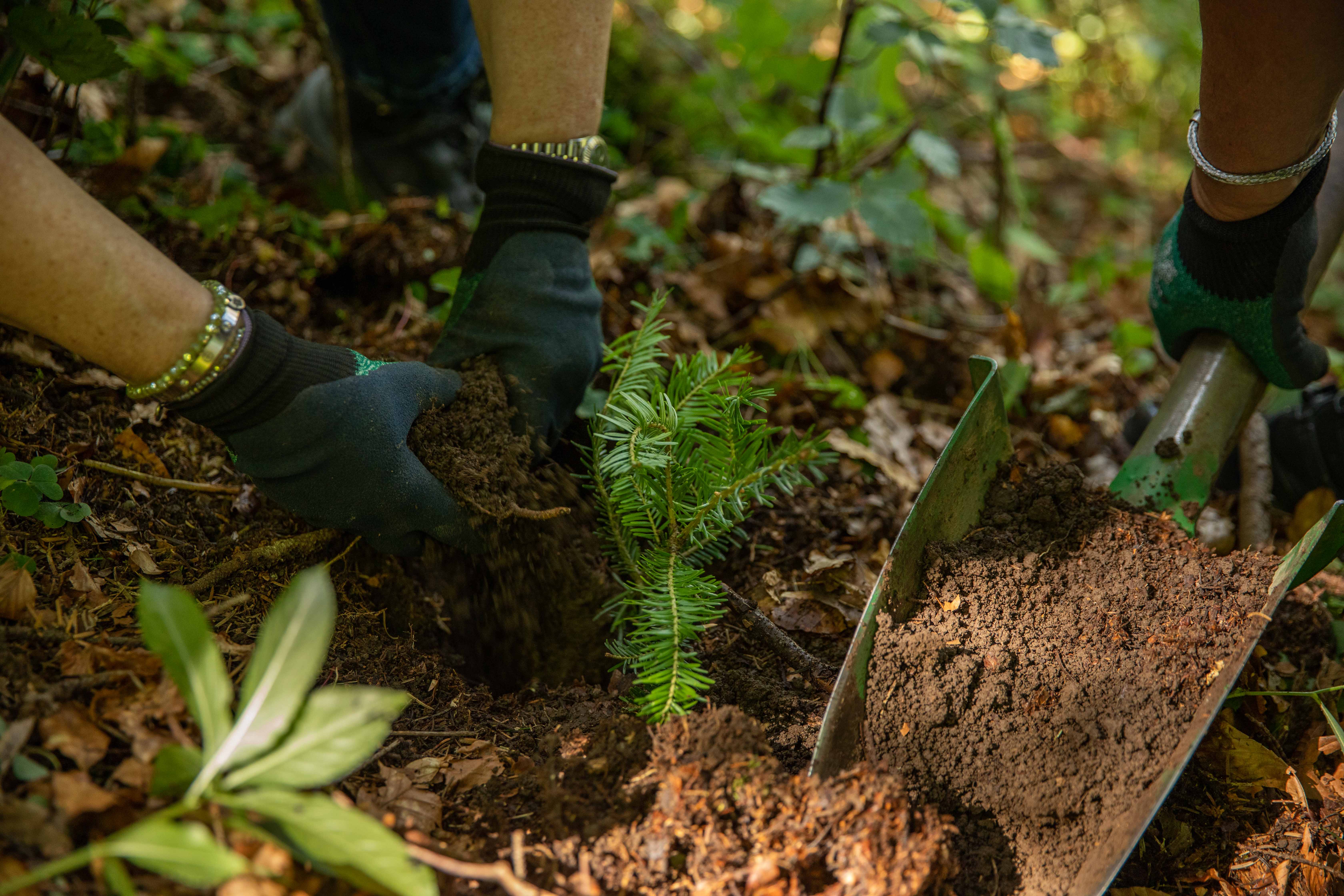
A certified climate project combined with additional commitment
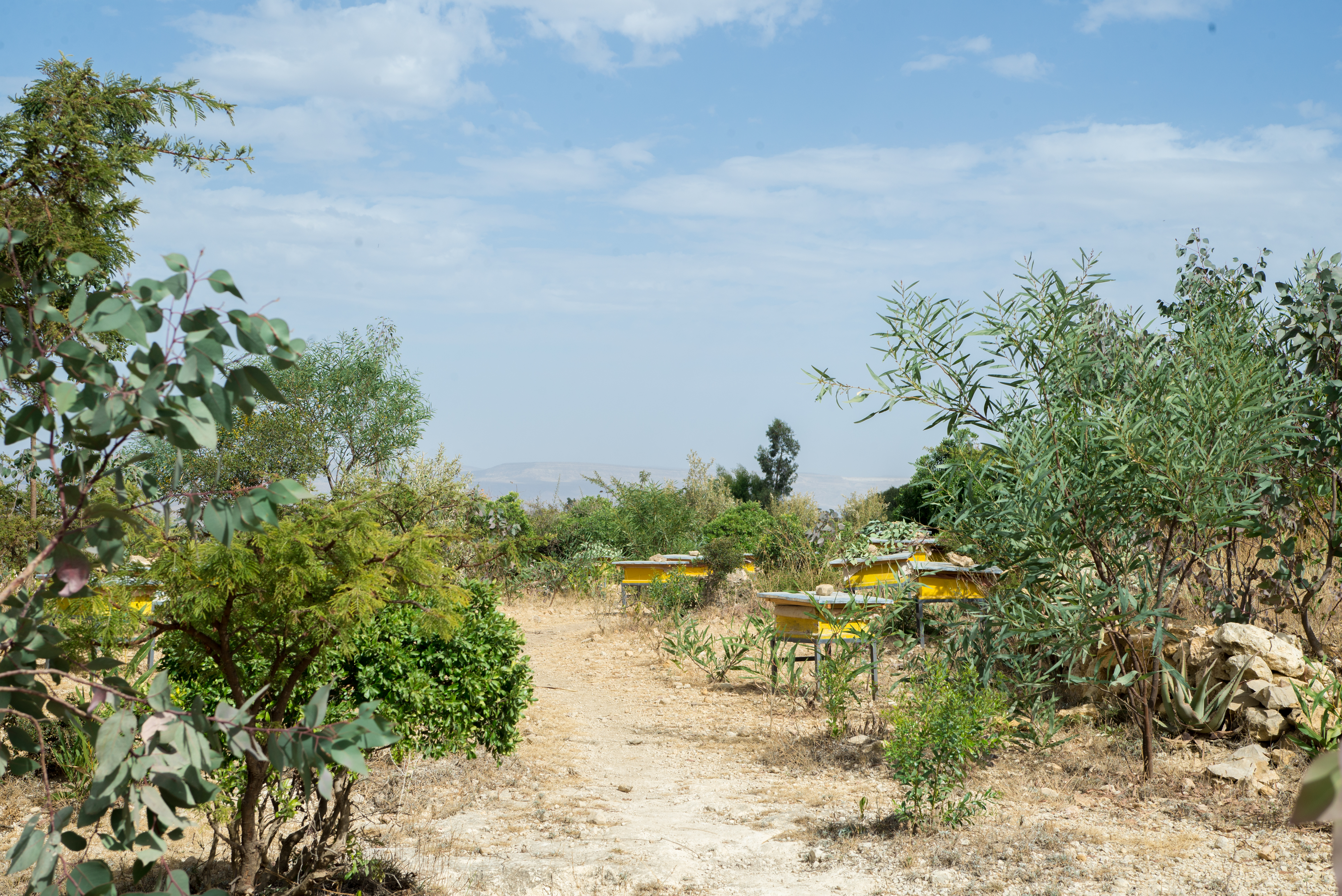
Restored ecosystems remove carbon
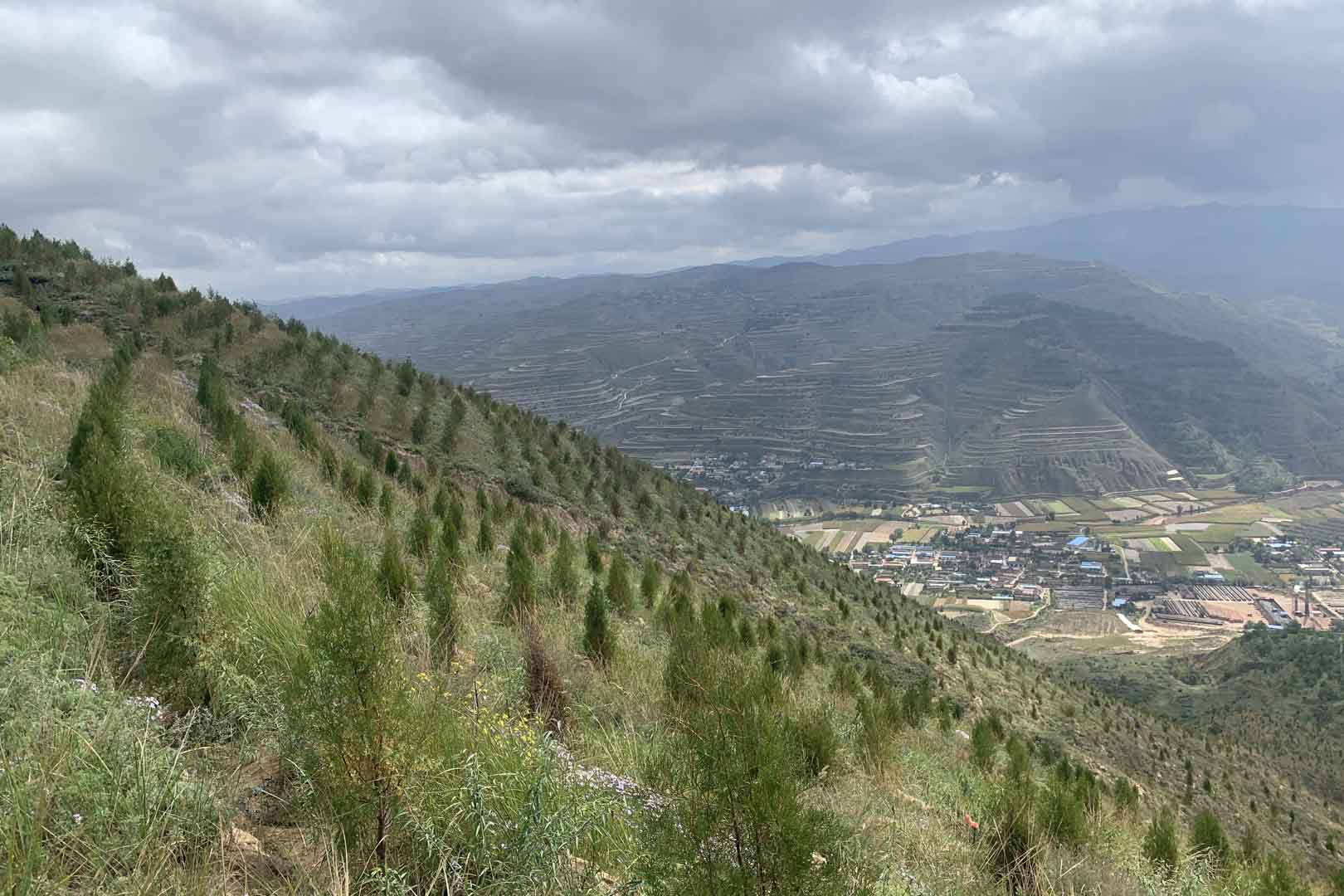
Turning degraded farmlands into healthy ecosystems
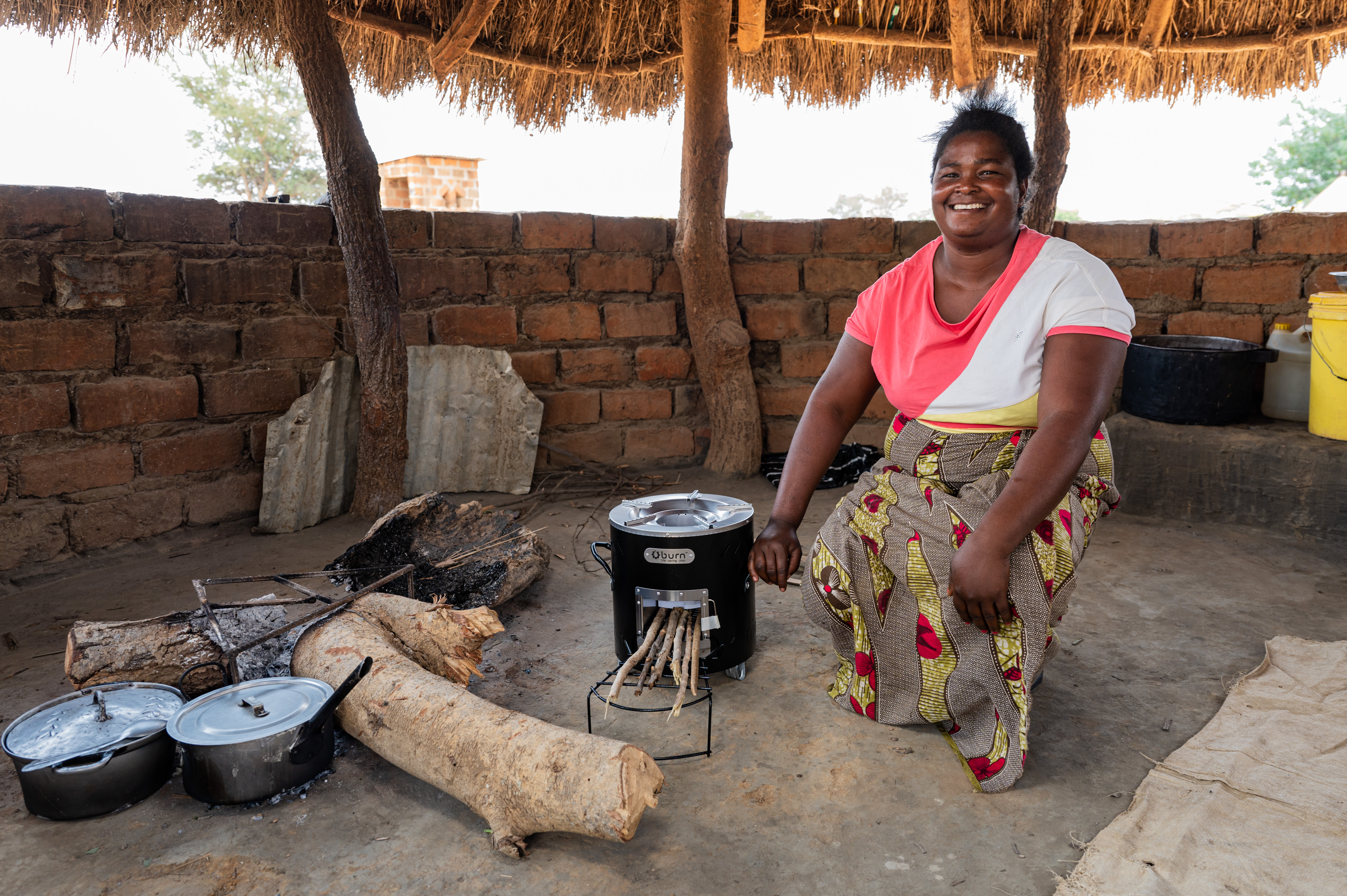
Improved cookstoves - better for health and the environment