
A certified climate project combined with additional commitment
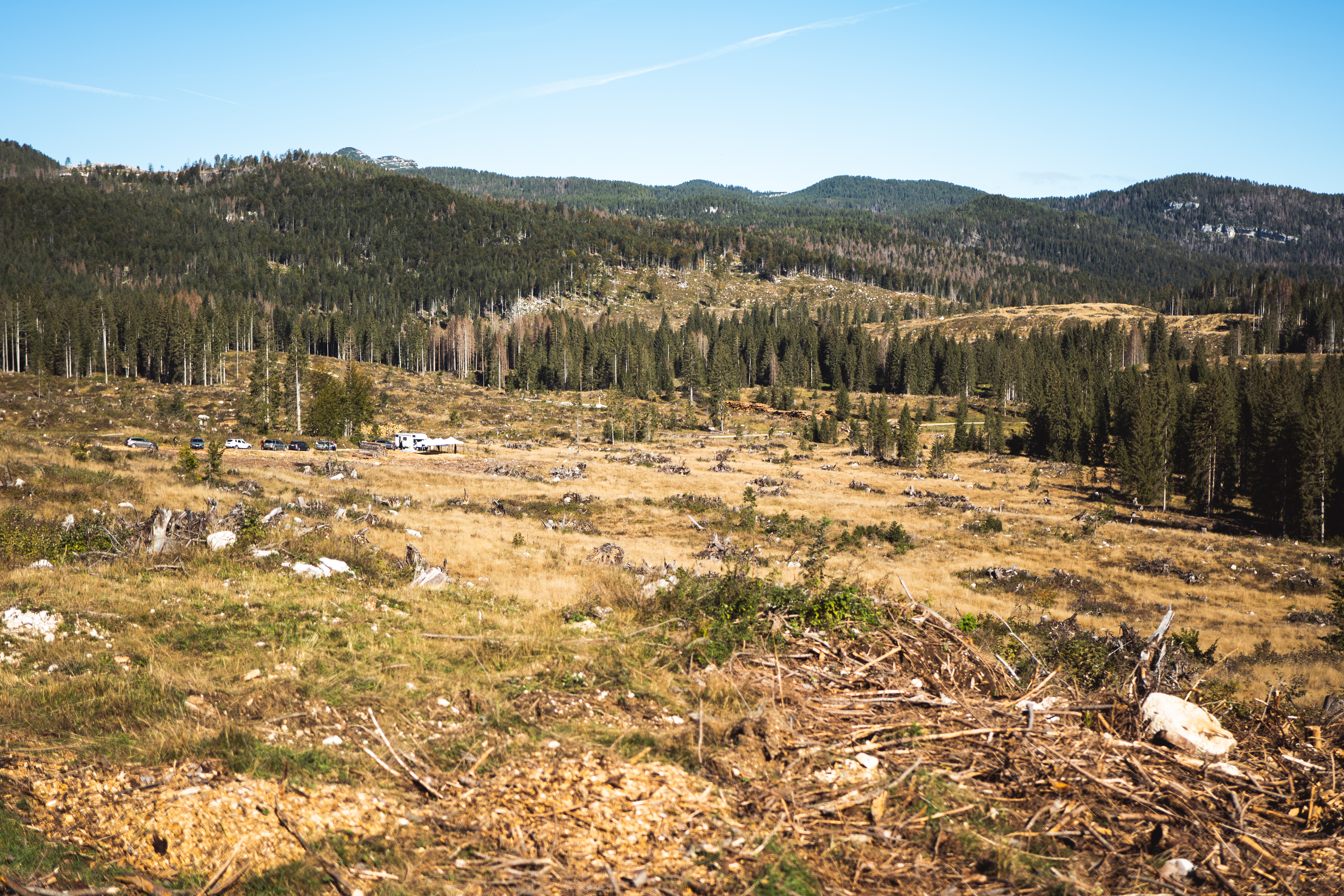
In October 2018, Storm Vaia caused severe damage across Northern Italy, particularly in Veneto, Trentino-Alto Adige, and the Dolomites. With wind speeds exceeding 200 km/h, it uprooted vast numbers of trees; around 42,000 hectares of forest were damaged. Beyond the loss of forest and biodiversity, this also increases the risk of landslides and avalanches.
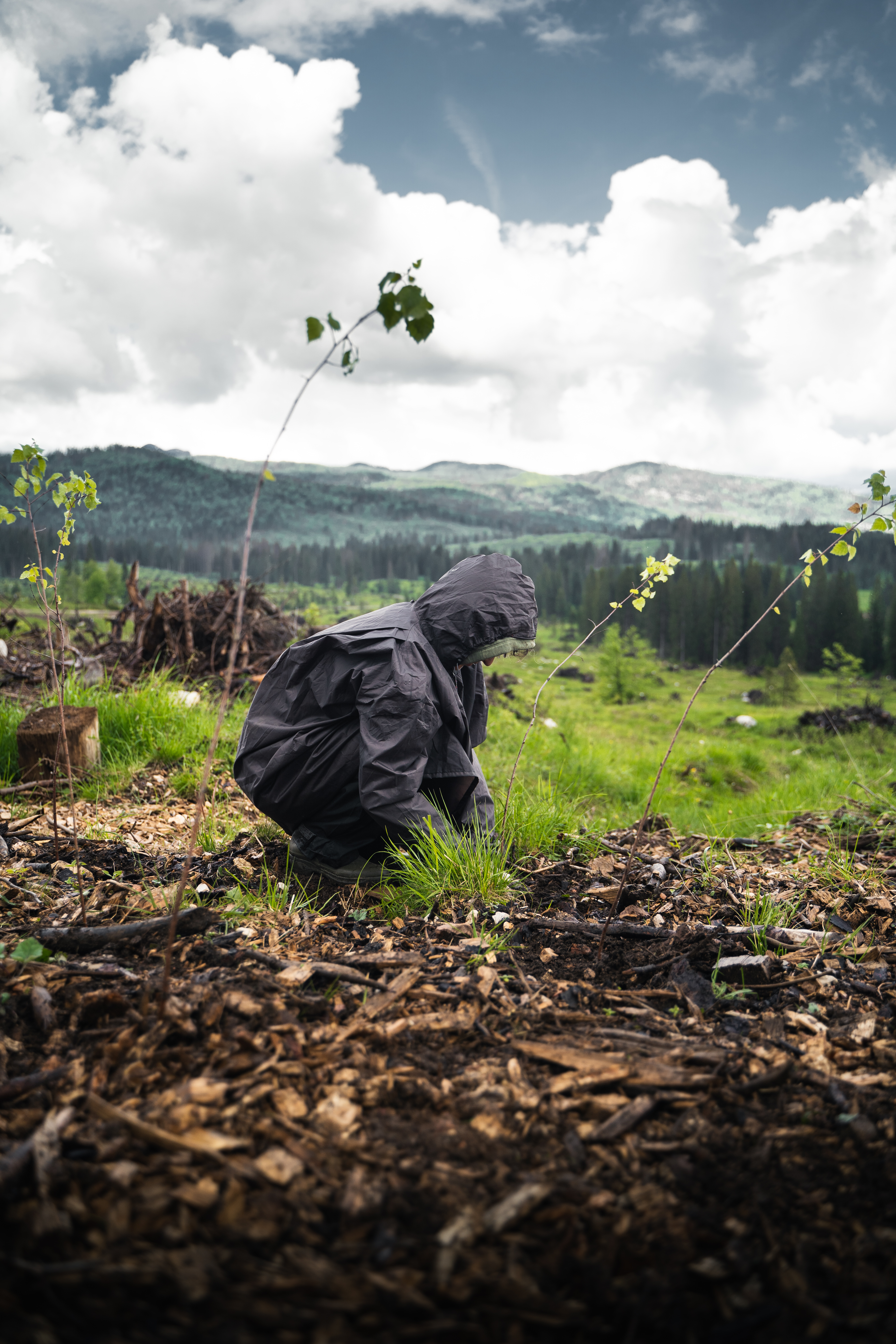
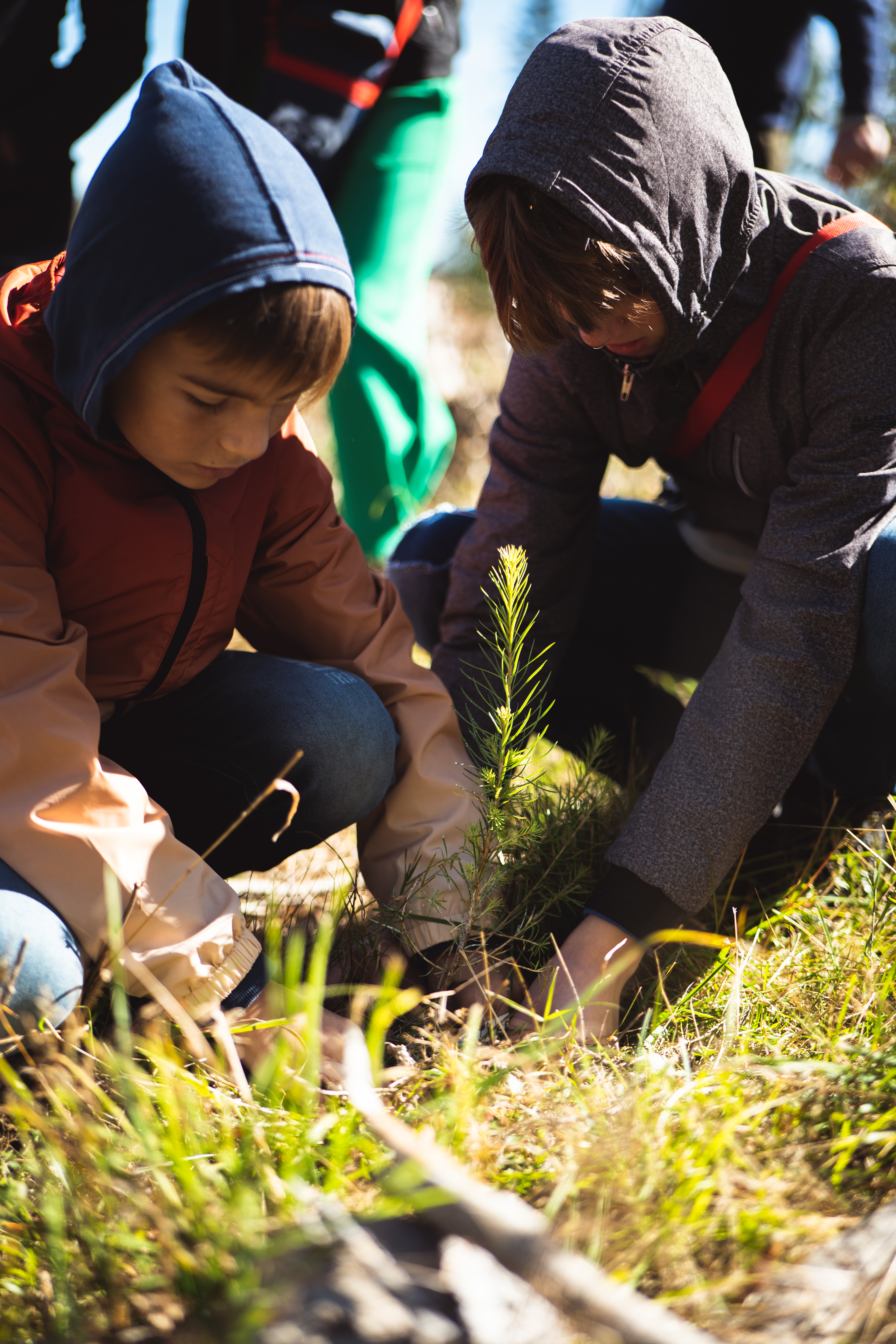
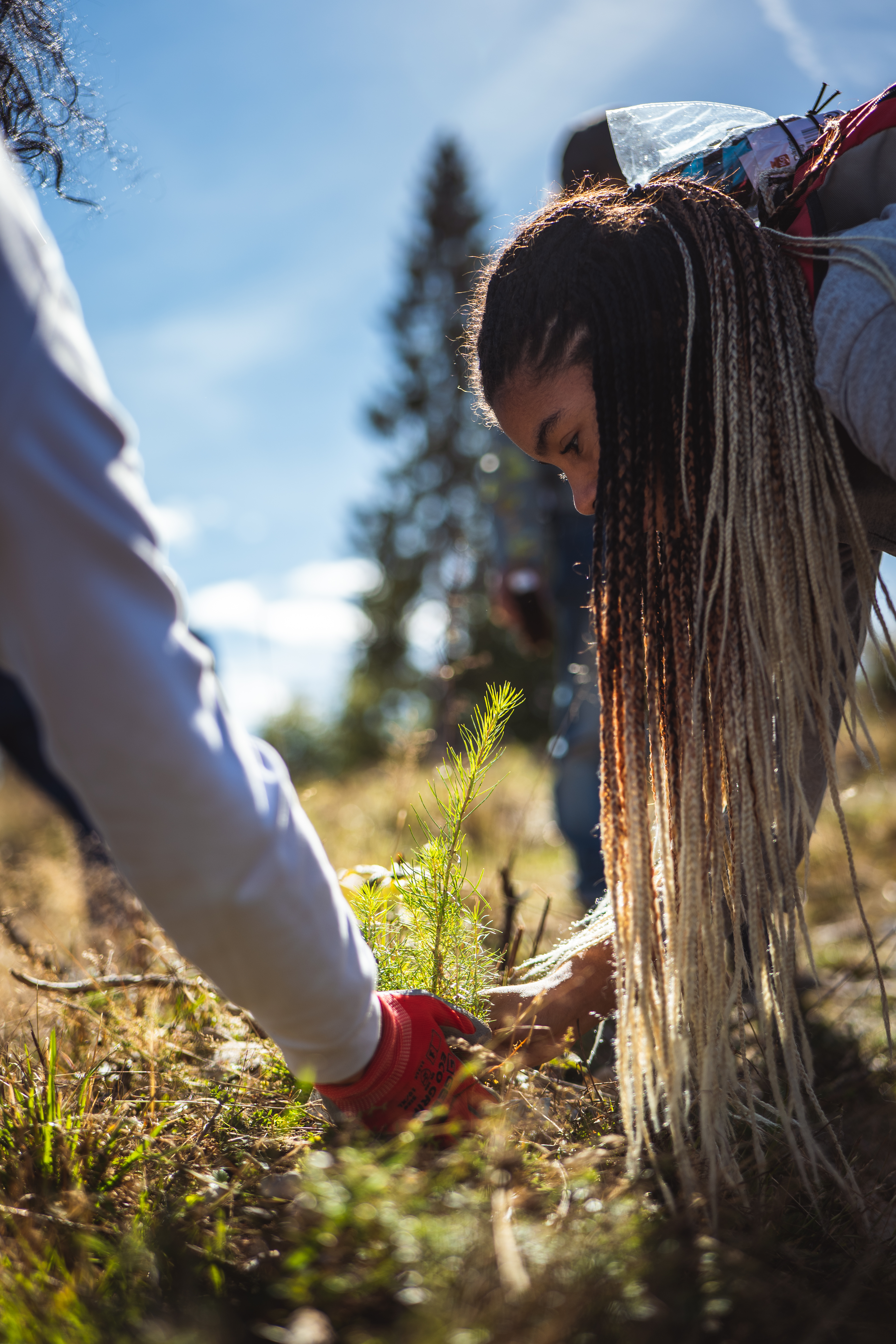
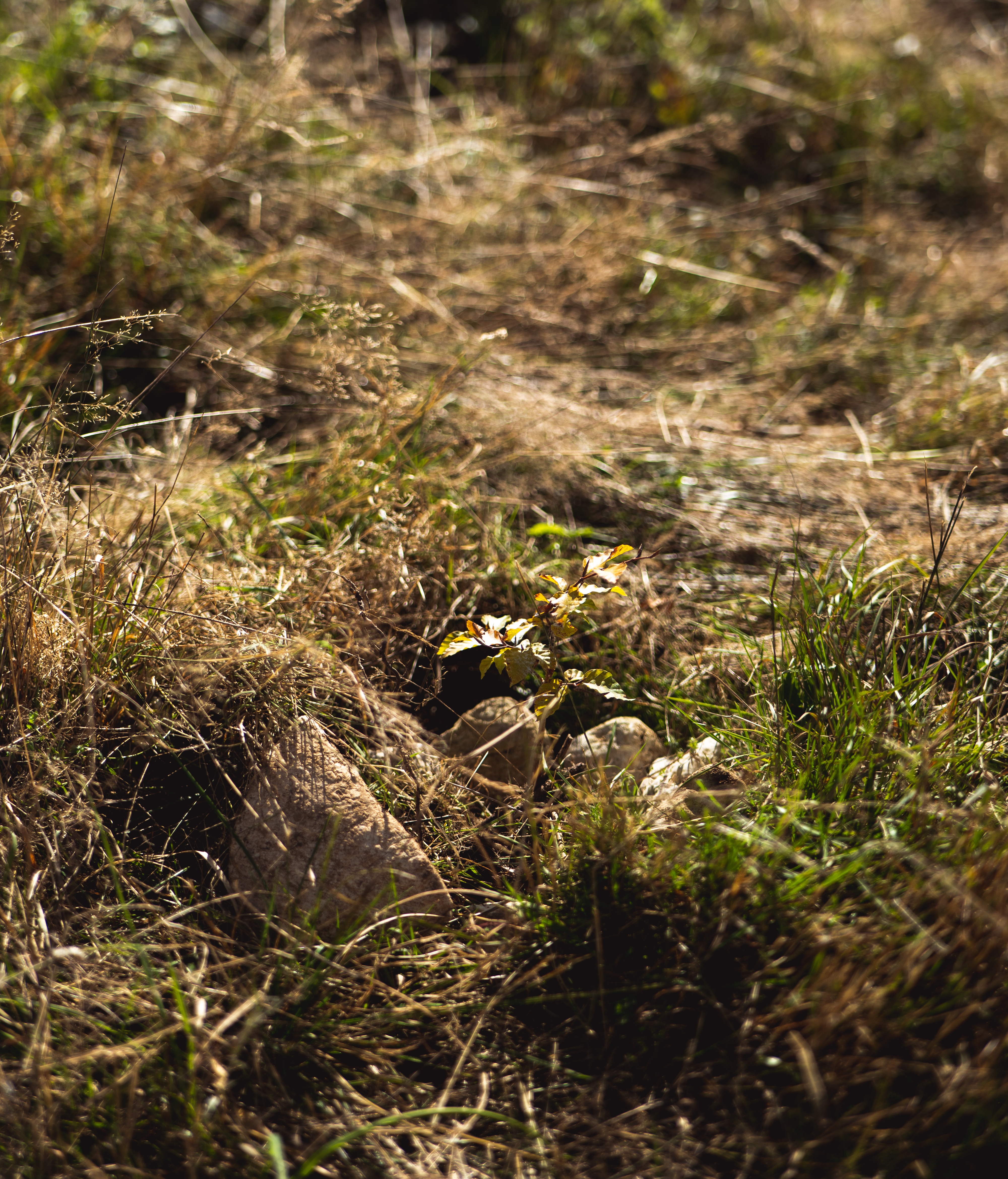
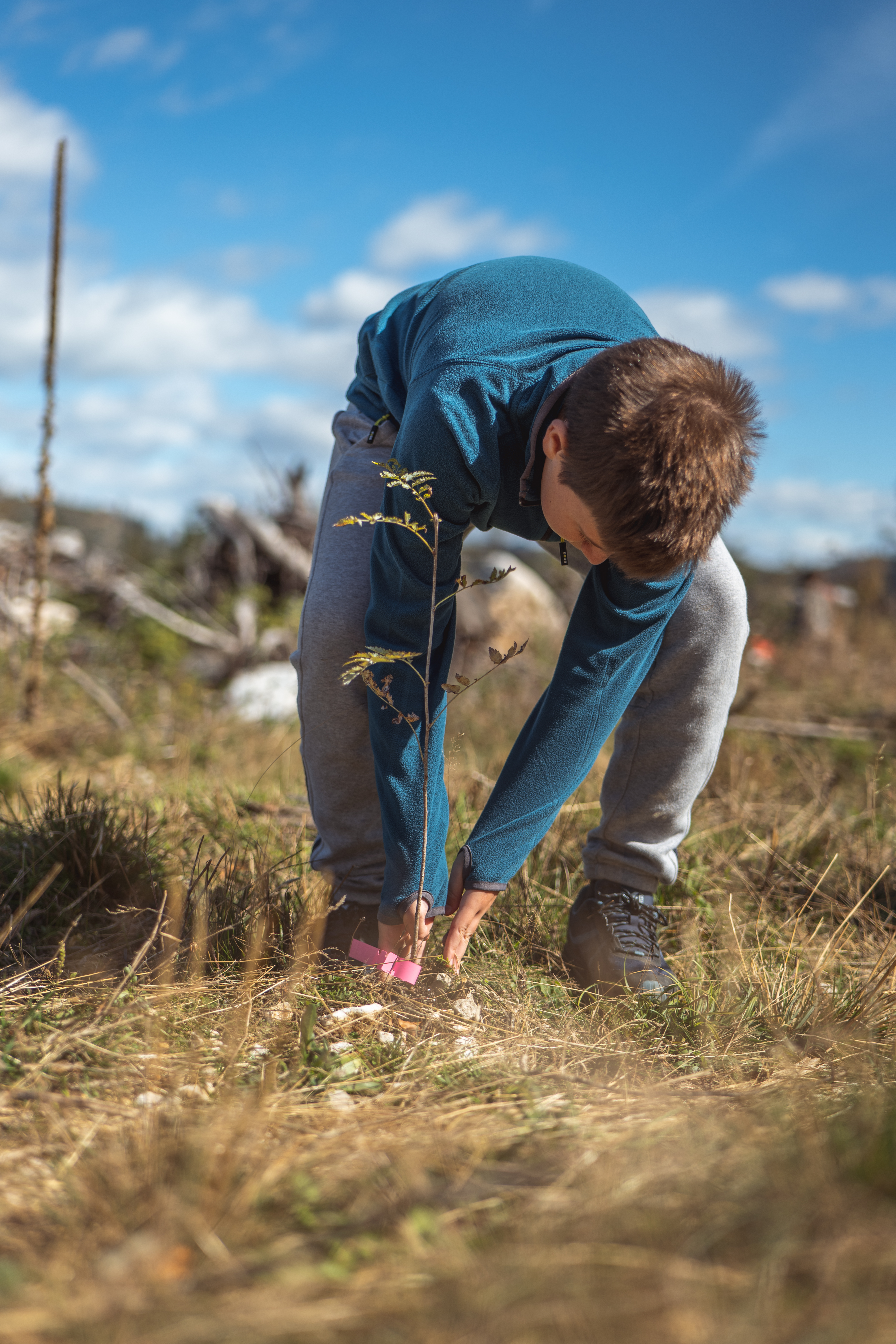
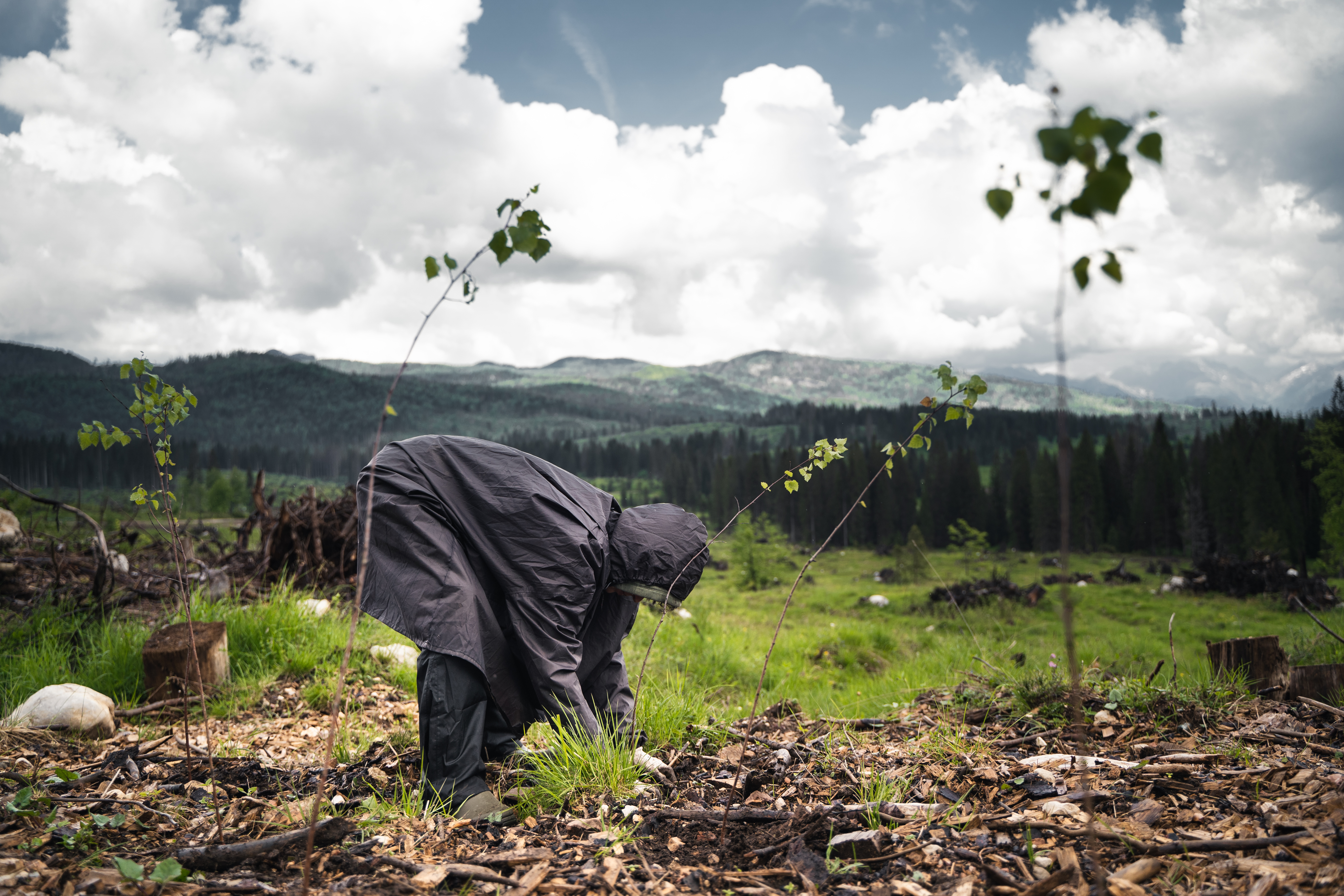
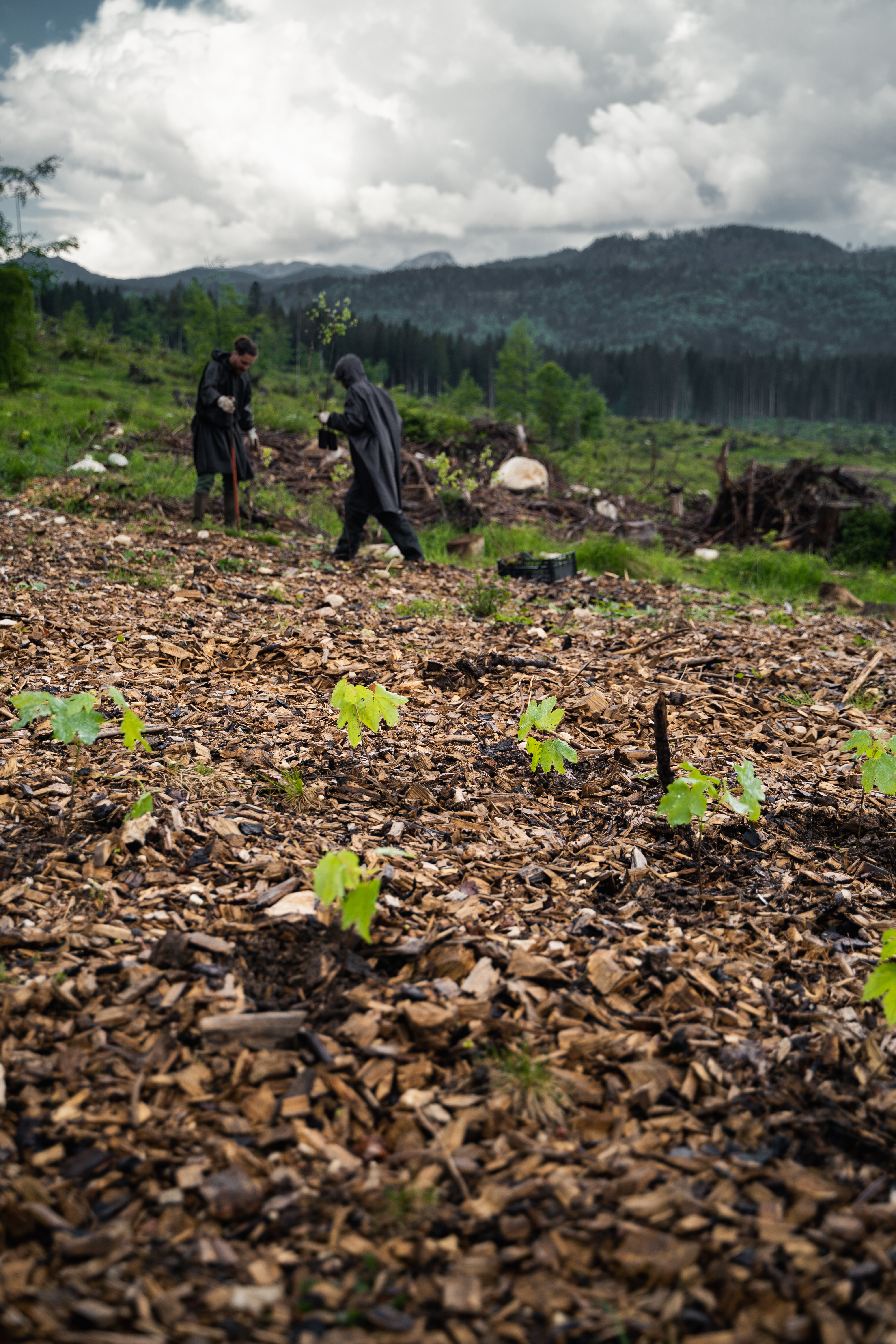
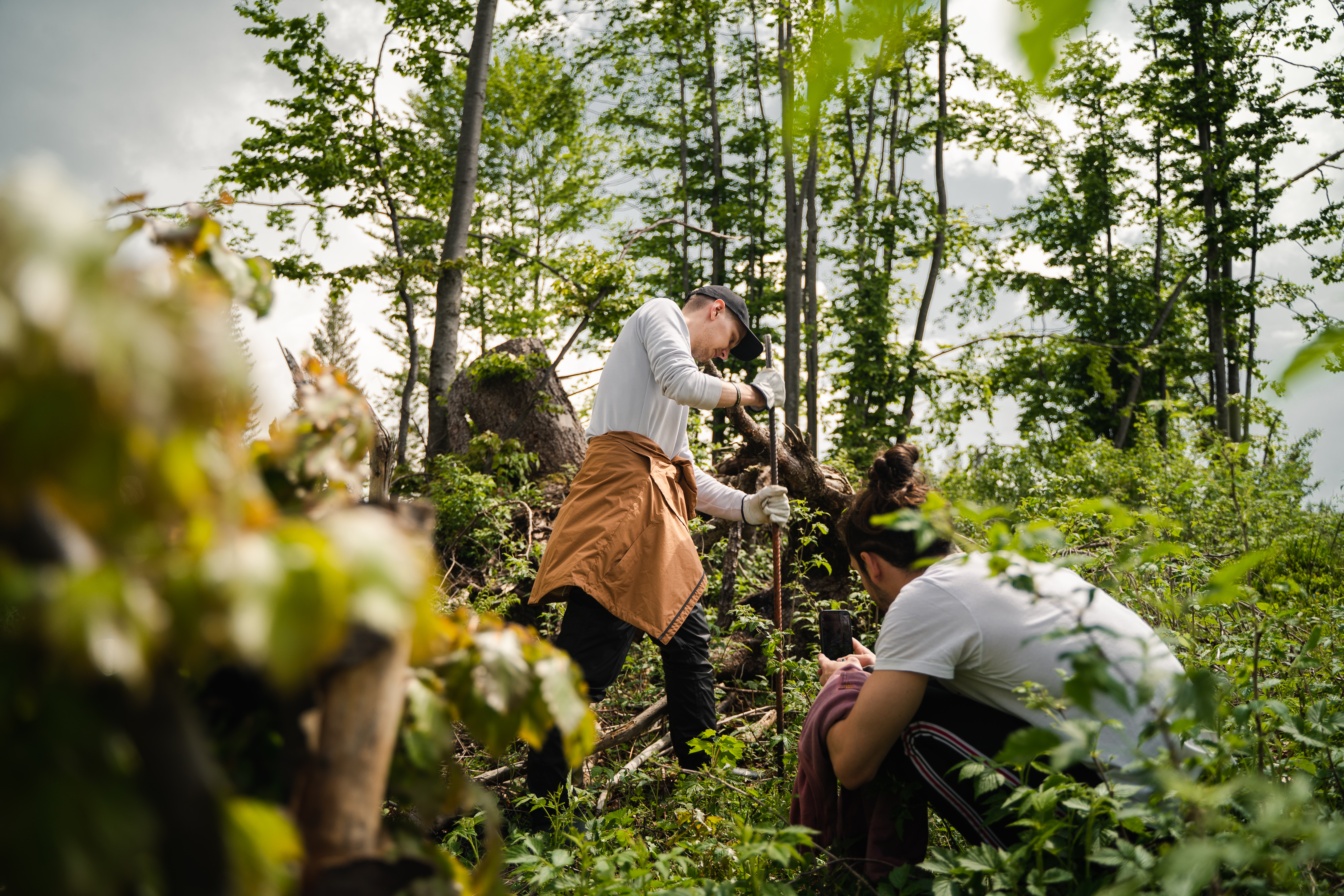
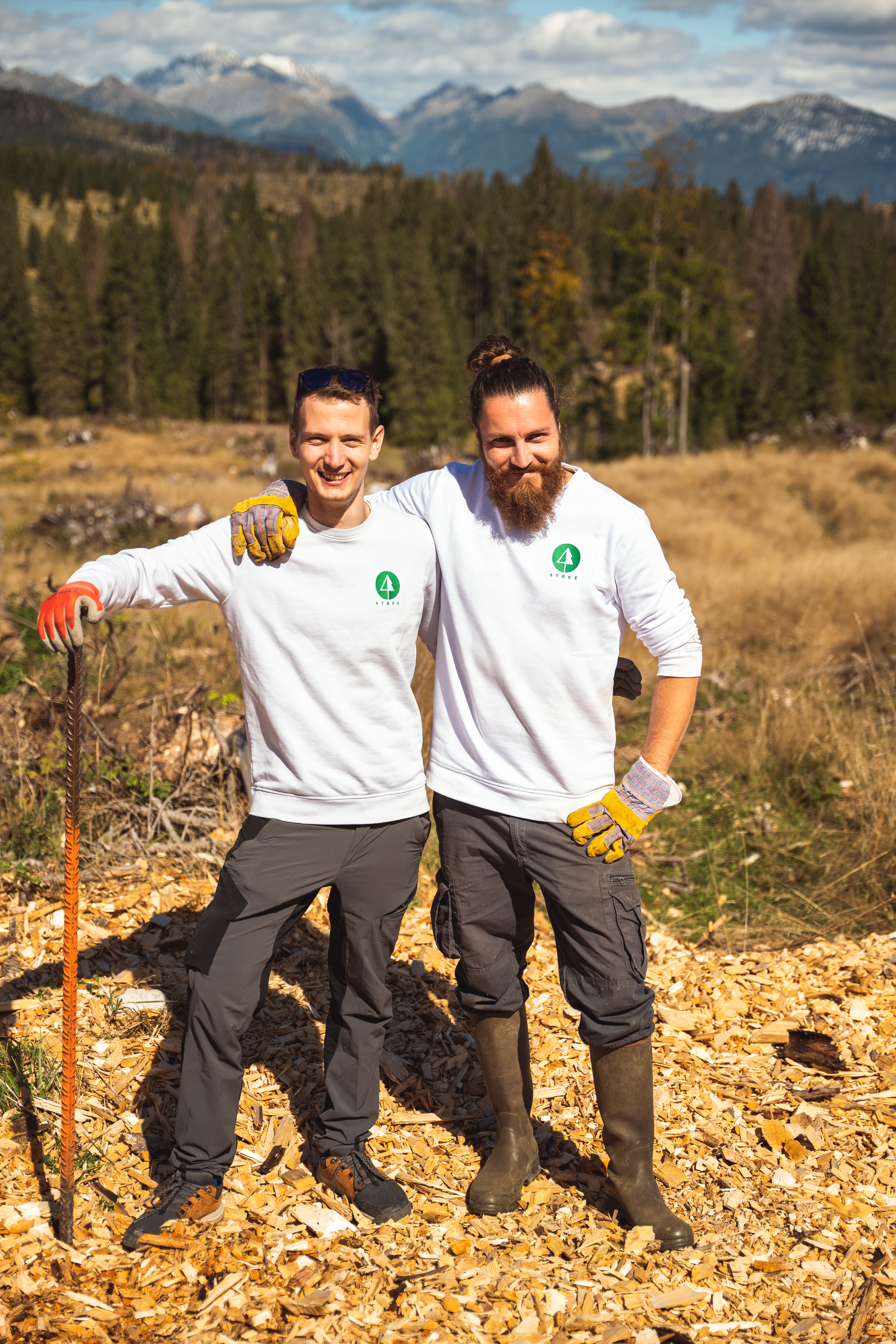
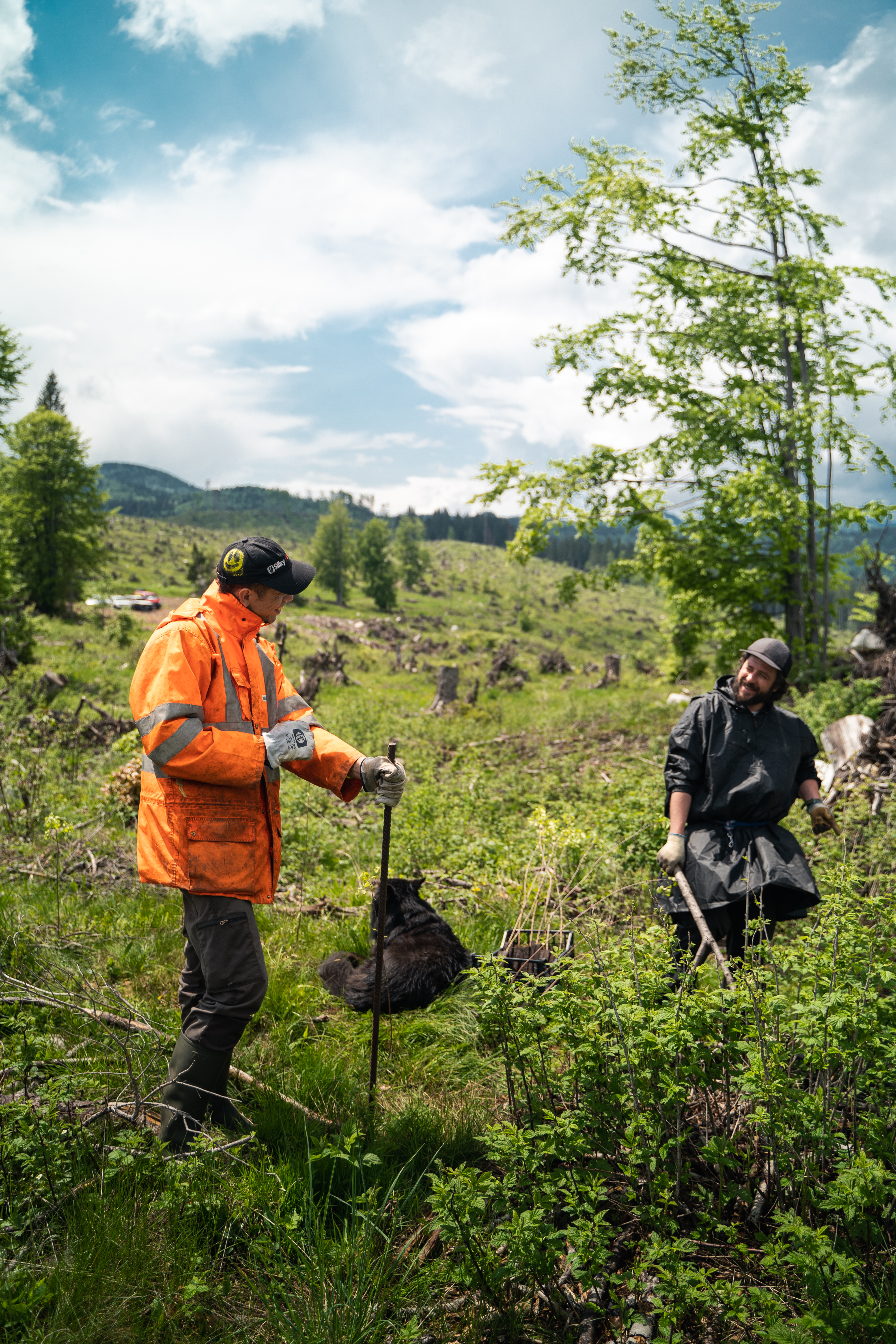
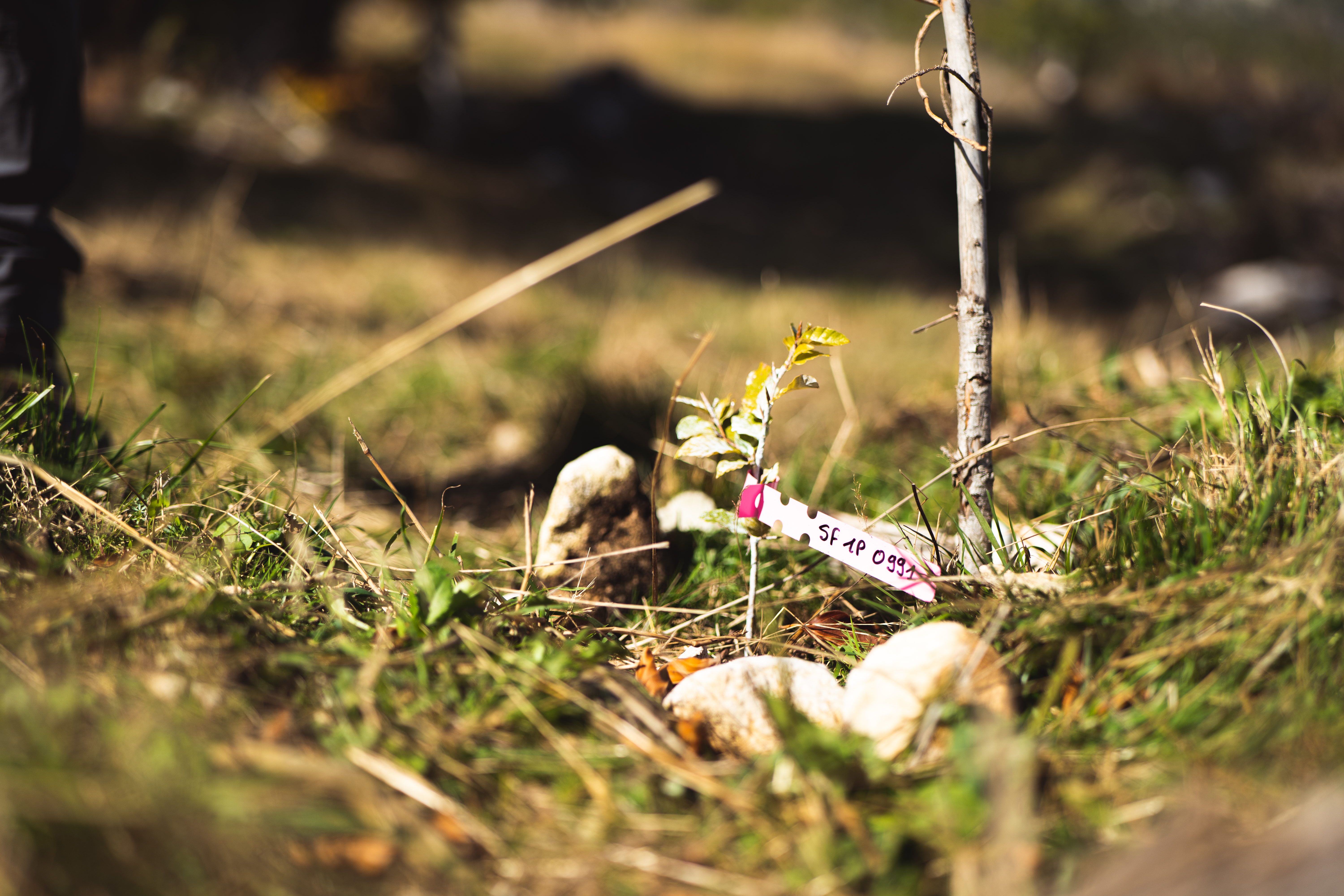
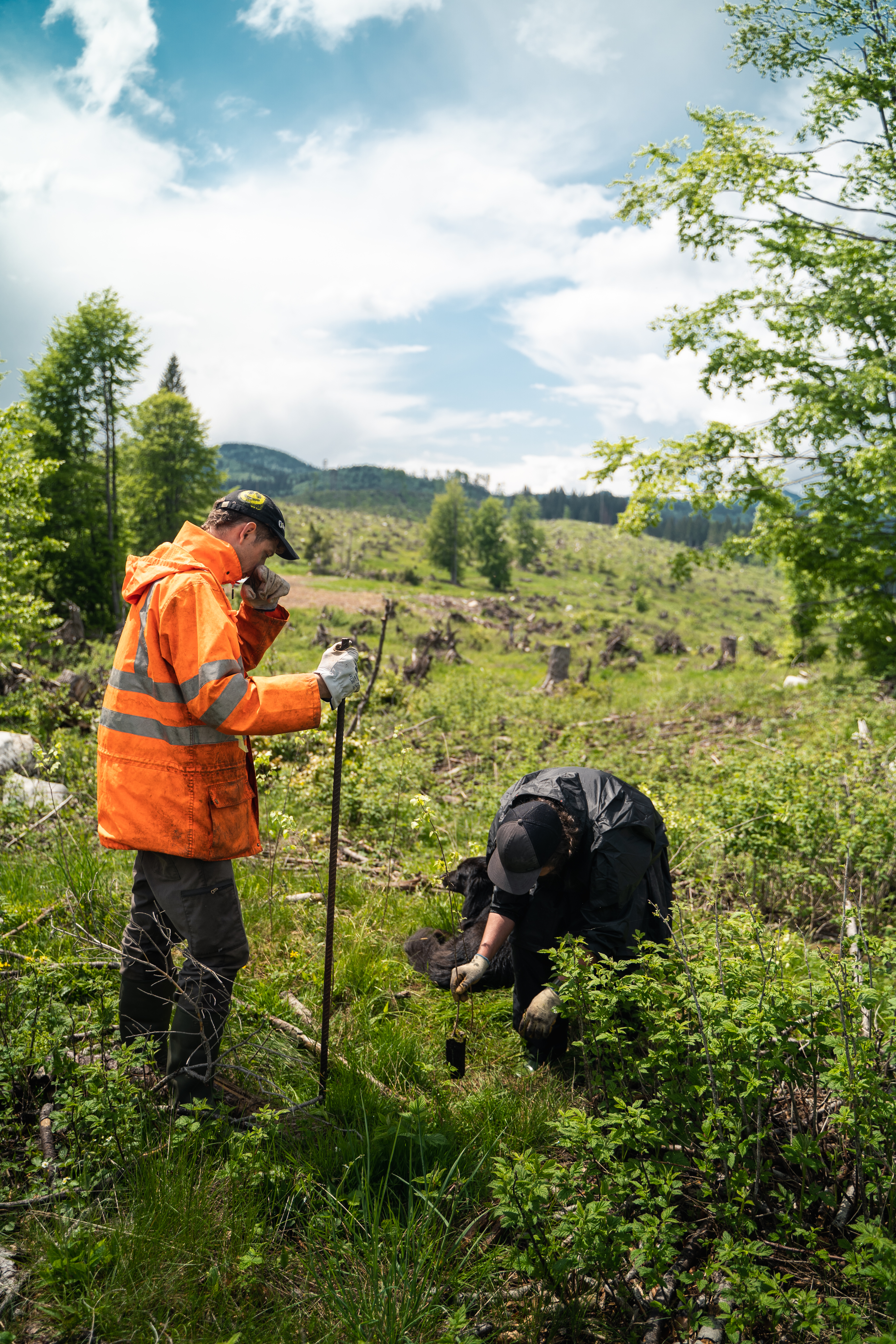
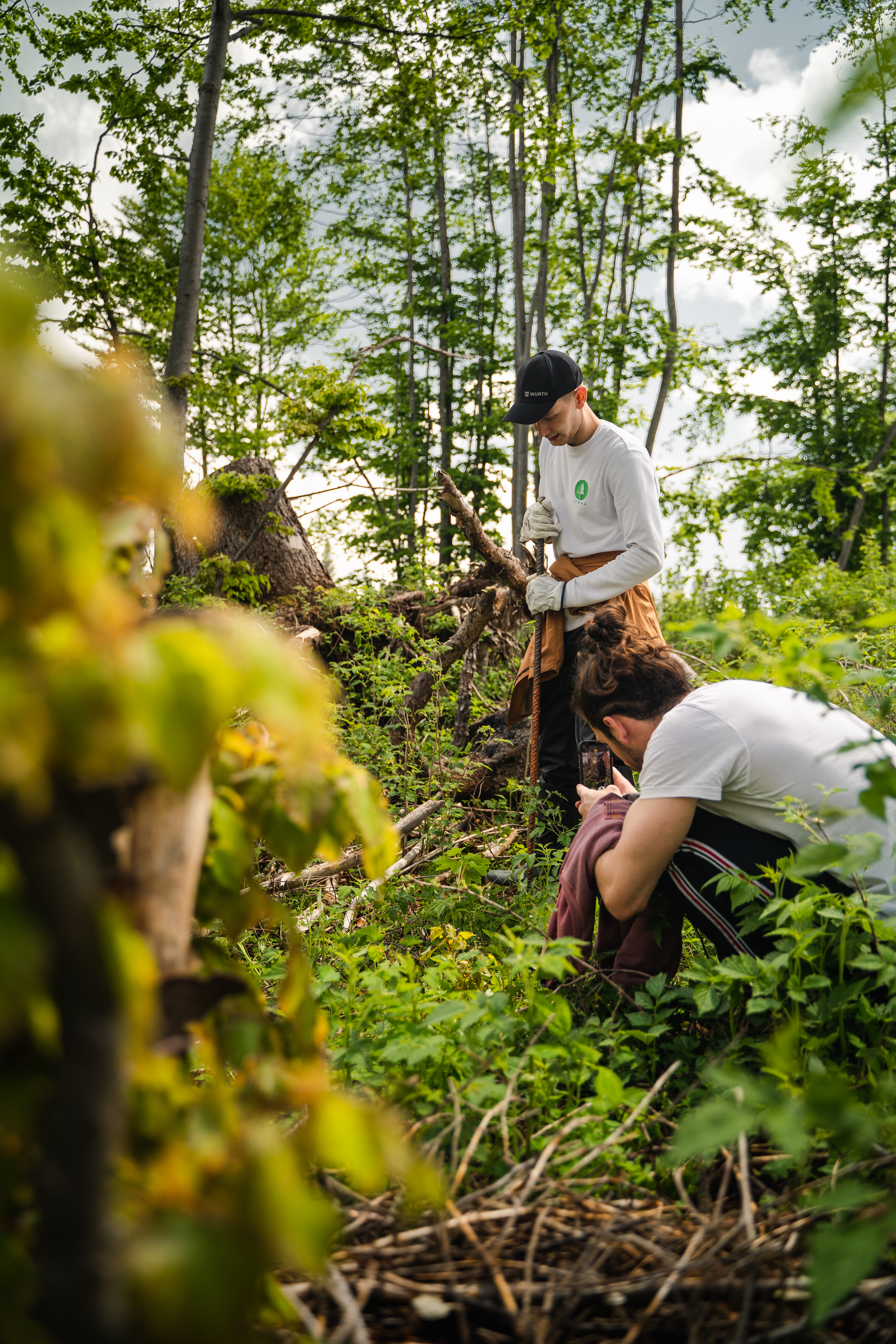
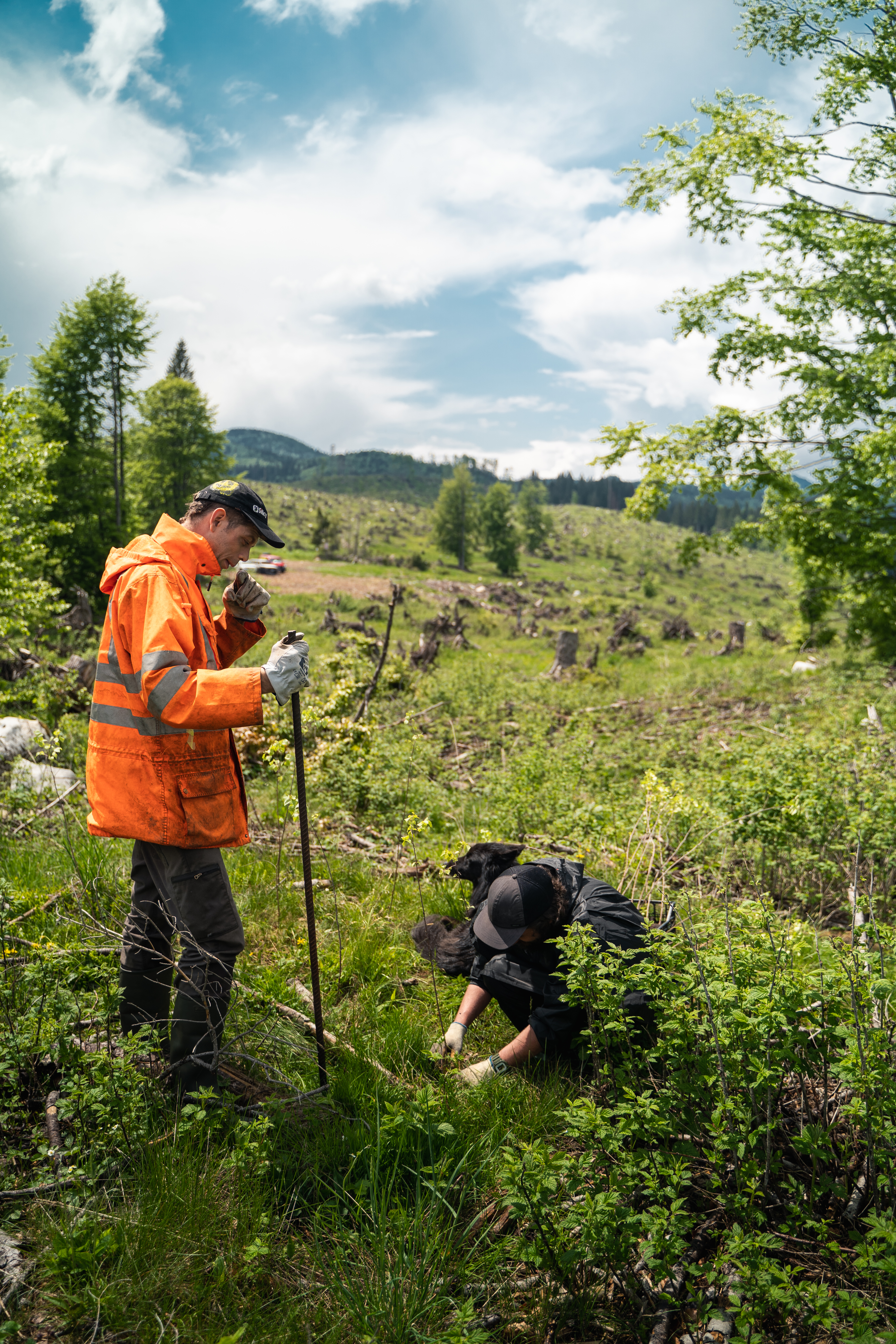
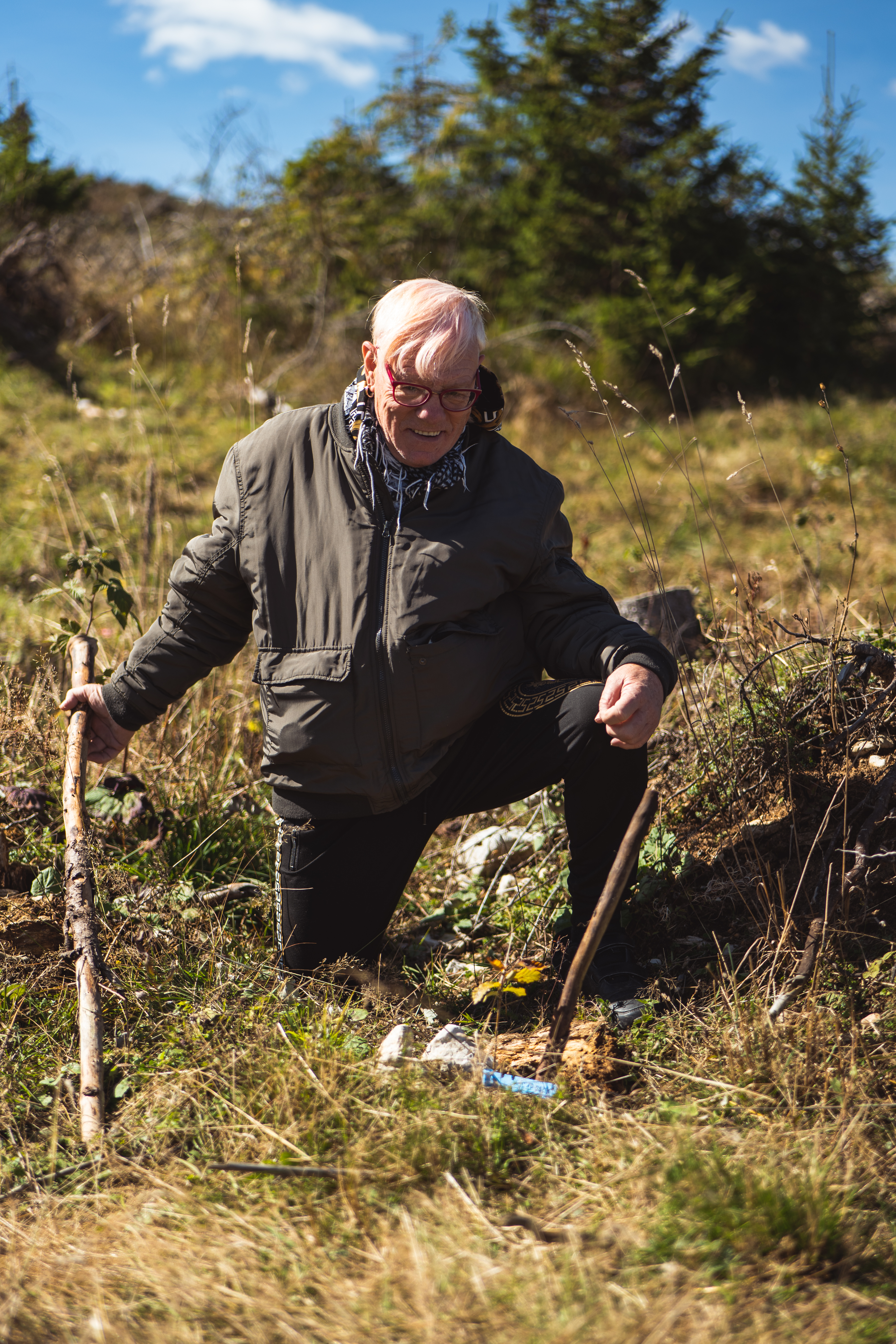
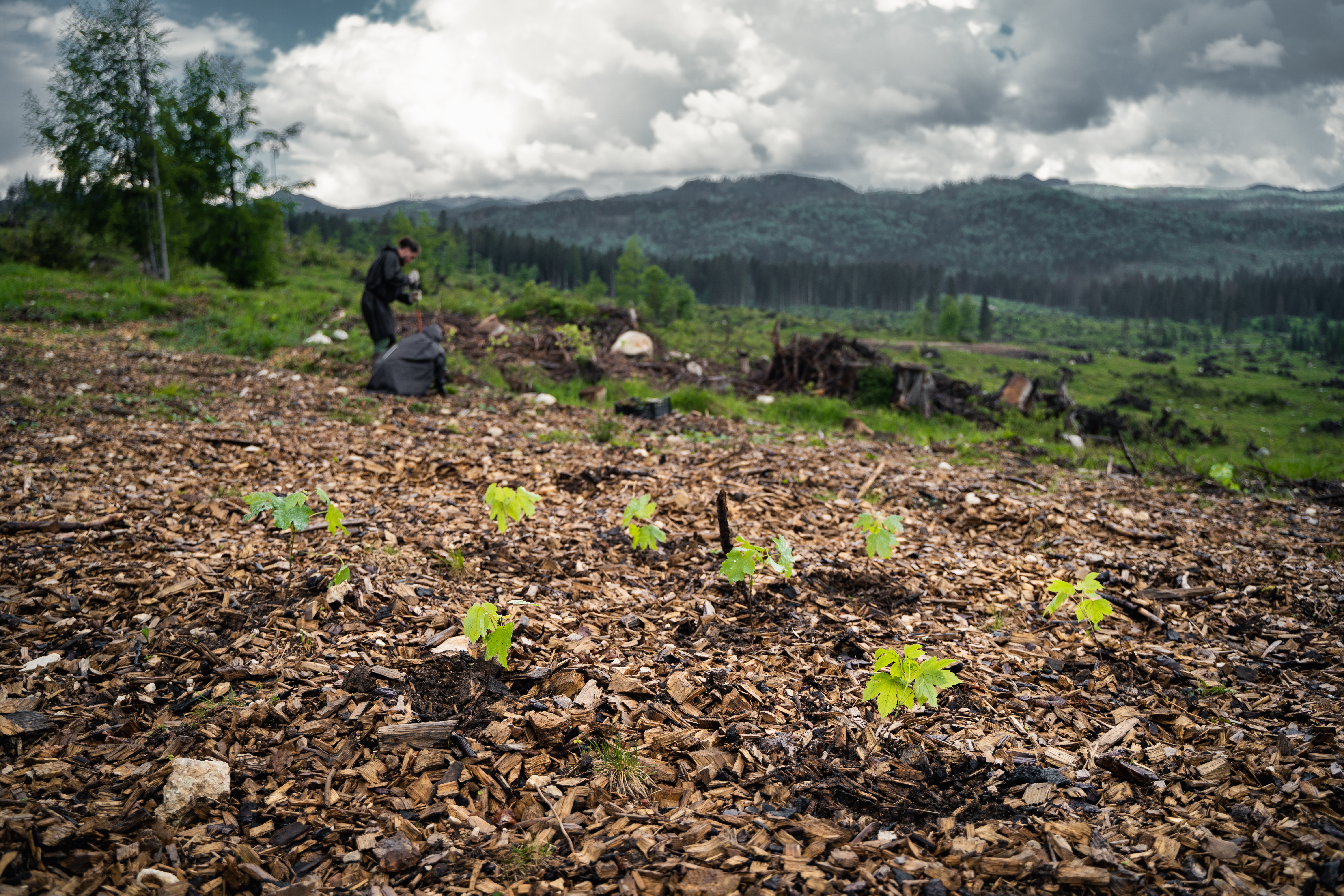
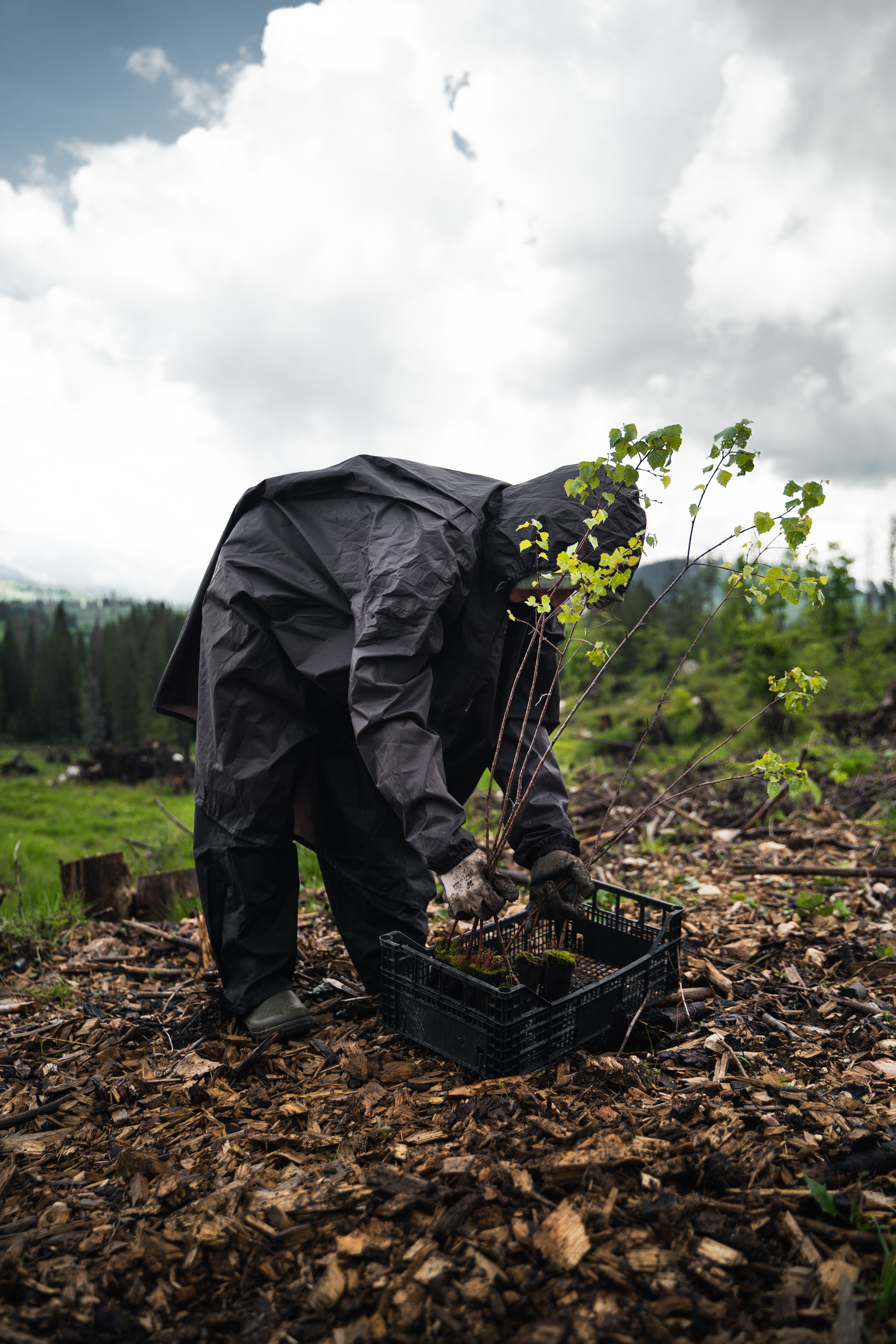
This project supports the reforestation of the affected areas with native, climate-resilient mixed tree species. Regular inspections, maintenance, and monitoring help ensure that young trees establish successfully and that a stable, species-rich forest can develop over the long term.
This reforestation initiative is part of a combined project.
Companies investing in this project support both the planting of climate-resilient trees and a certified international climate project – delivering double the impact. For every tonne of CO₂ saved through the contribution to a certified climate project, a financial contribution goes to our partner 4Tree. This enables reforestation, strengthening ecosystems and protecting against future extreme weather events.
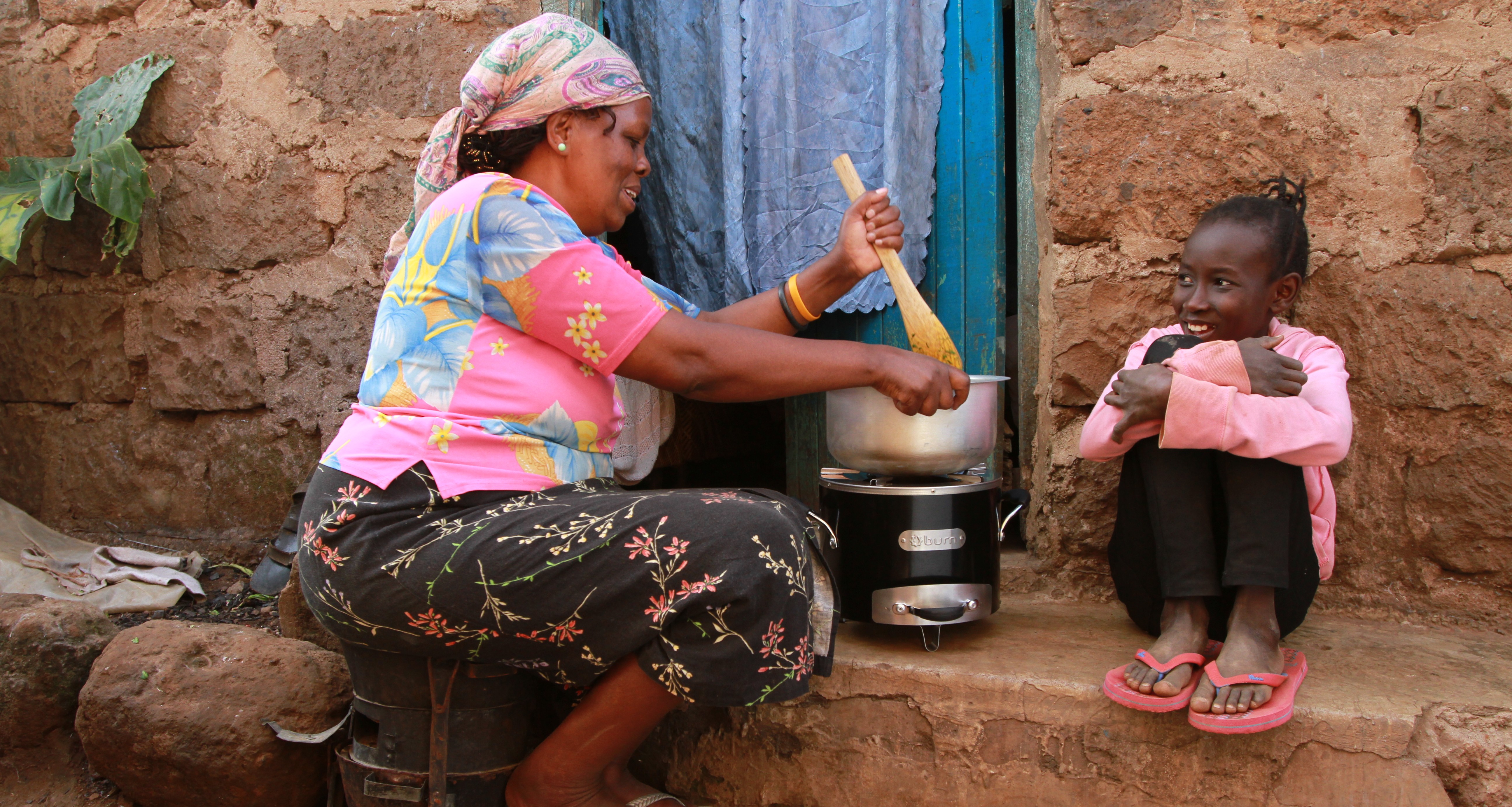
Currently, the reforestation initiative is combined with a certified cookstove project in Kenya (climatepartner.com/1209). Improved cookstoves reduce smoke, improving indoor air quality and protecting the health of women and children.
How does woodland creation contribute to climate action?
Forests play a key role in climate action. They absorb CO₂ from the atmosphere and store carbon in trees and soil – making them one of the planet’s most important natural carbon sinks. But their impact goes far beyond carbon storage.
Forests are home to a vast range of biodiversity. They filter rainwater, cool the air, and provide shade. At the same time, they help mitigate the effects of climate change by preventing soil erosion, stabilising slopes, and reducing the severity of extreme weather events such as floods and droughts.
However, the pressure on forests is increasing. Spruce trees, in particular, are highly vulnerable to extended dry periods – their shallow roots are unable to access deeper, moister soil layers. As a result, they become more susceptible to pests like the bark beetle, leading to widespread forest dieback.
To counter this, forests must be transformed into more resilient, site-appropriate mixed woodlands. We plant tree species that are better adapted to local conditions and the current and future climate. In doing so, we help establish robust forest ecosystems that can continue to provide essential ecological functions – for the climate, biodiversity, and people.
The project aims to contribute to these United Nations’ Sustainable Development Goals (SDGs).


What’s a combined project?
With combined projects, ClimatePartner brings together funding for international, certified climate projects with additional support for nature conservation projects.
Explore our projects
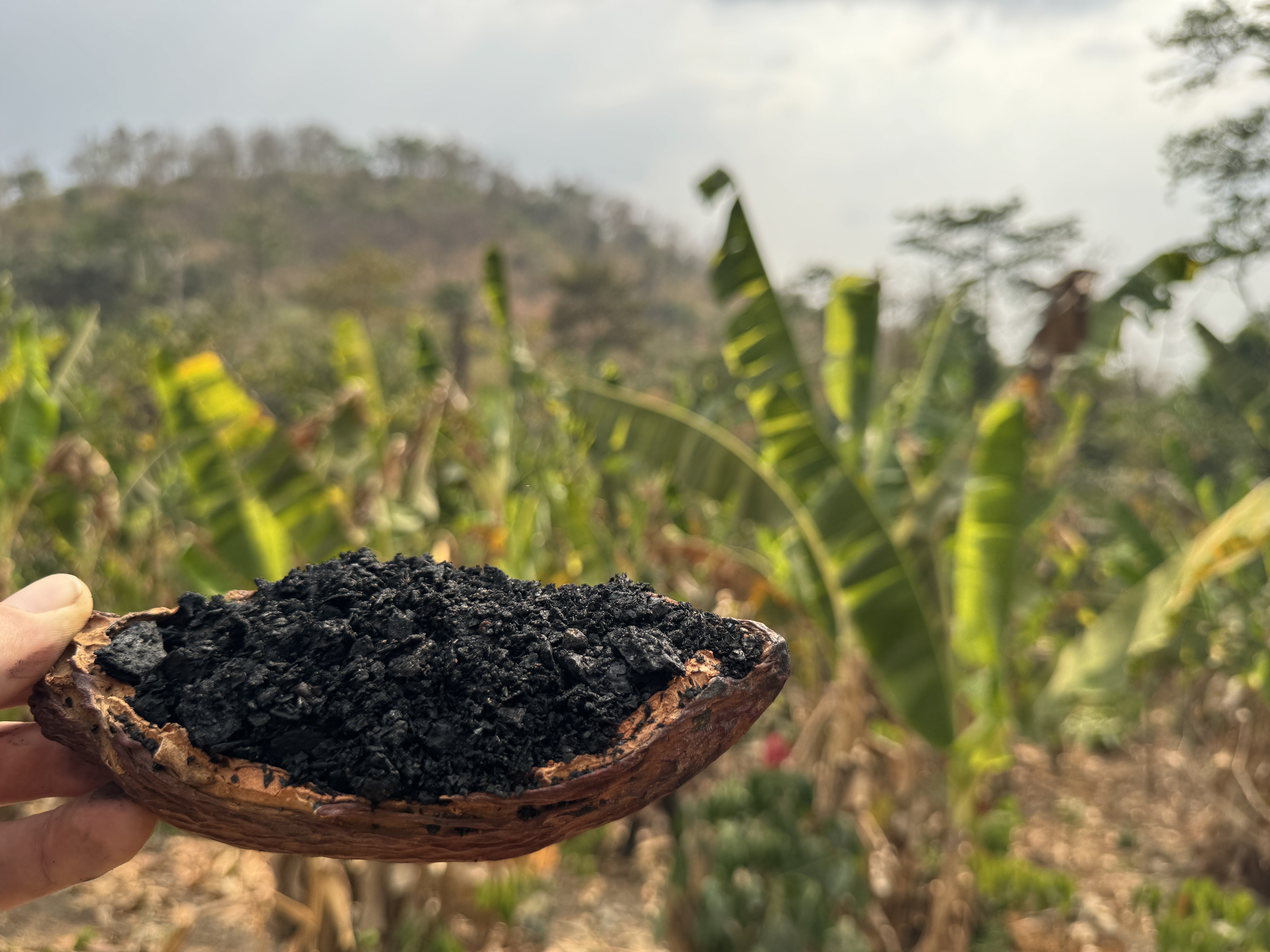
Biochar for Climate Action, Healthy Soils, and Better Harvests
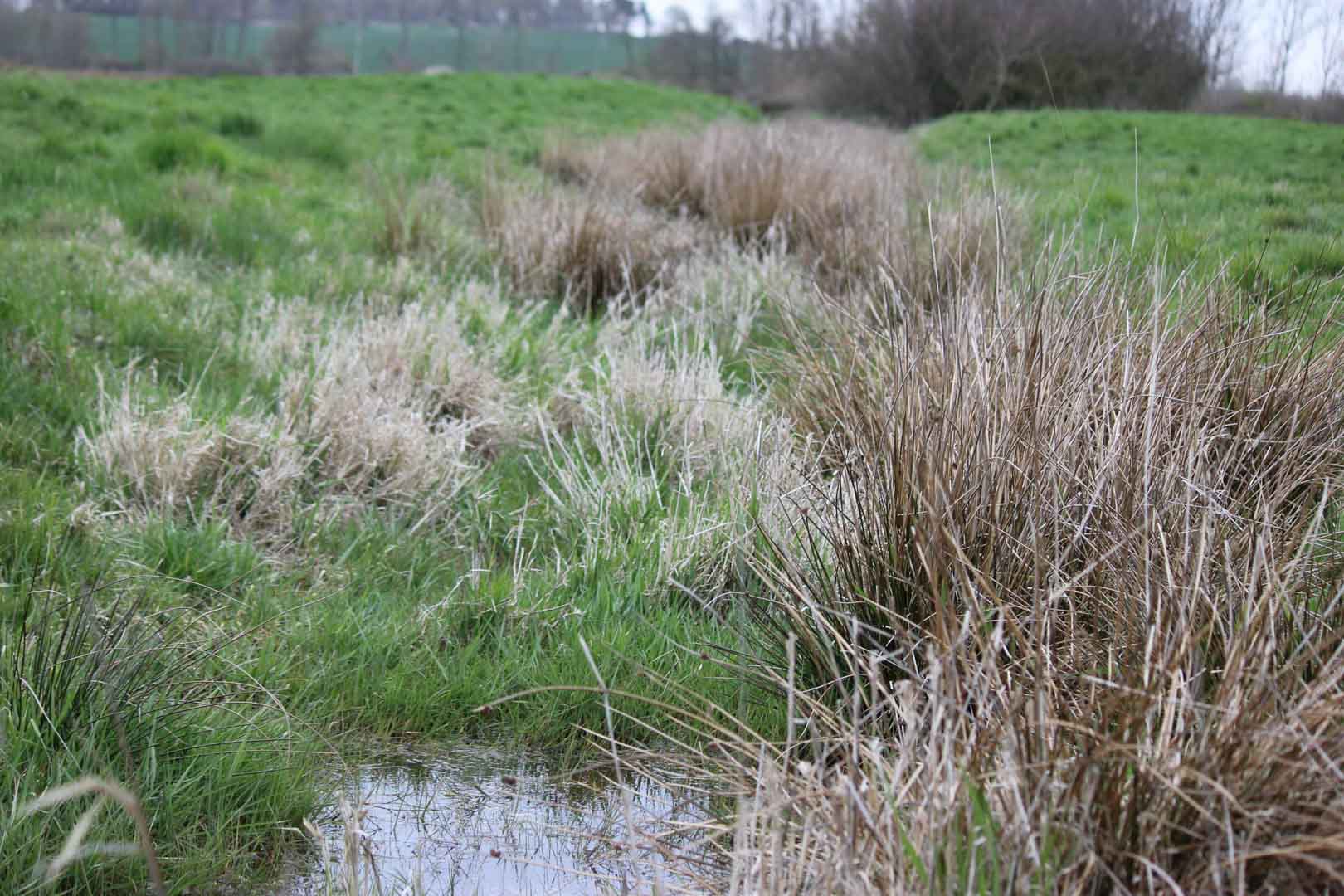
A certified climate project combined with additional commitment
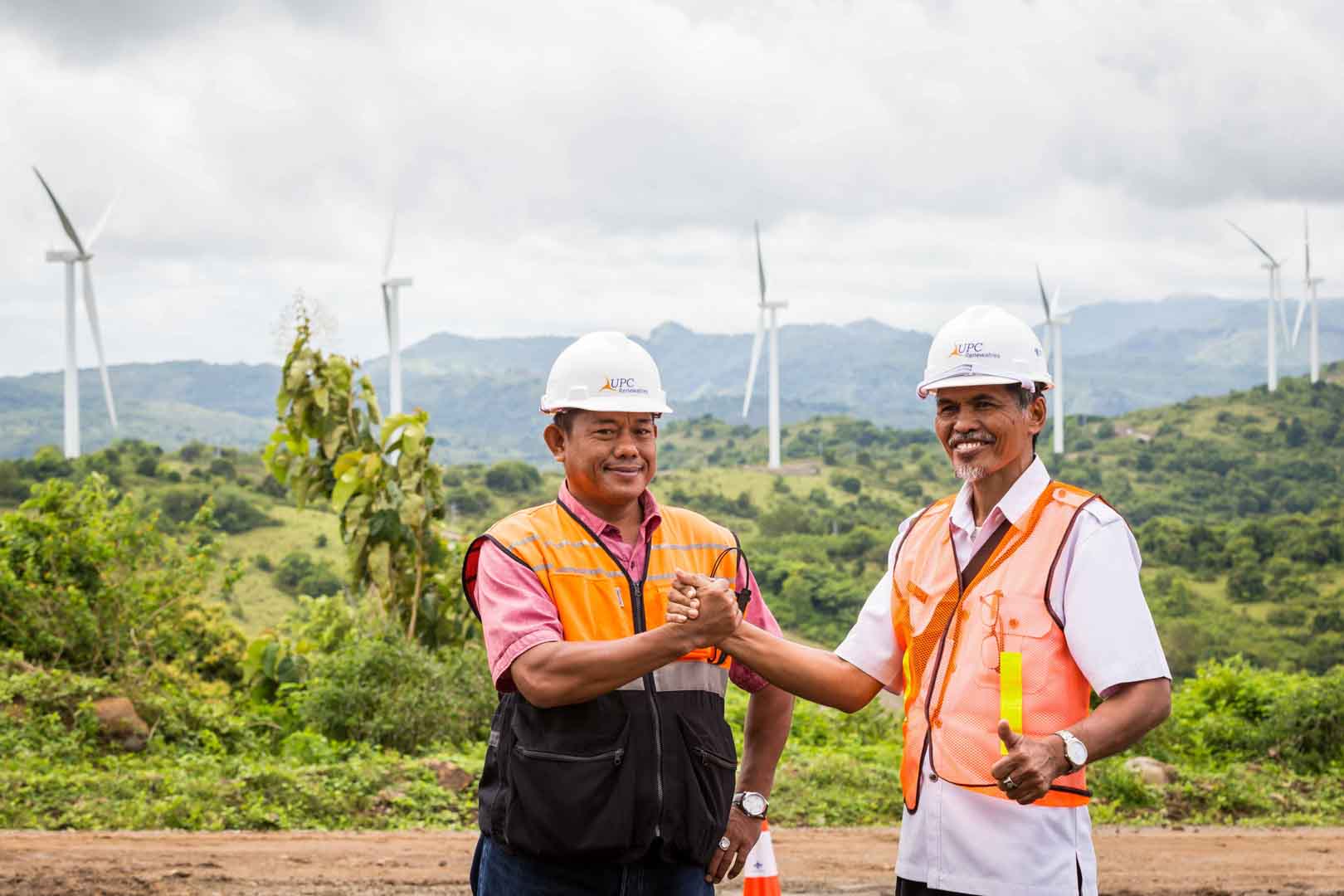
Expansion of renewable energy generation in Asia
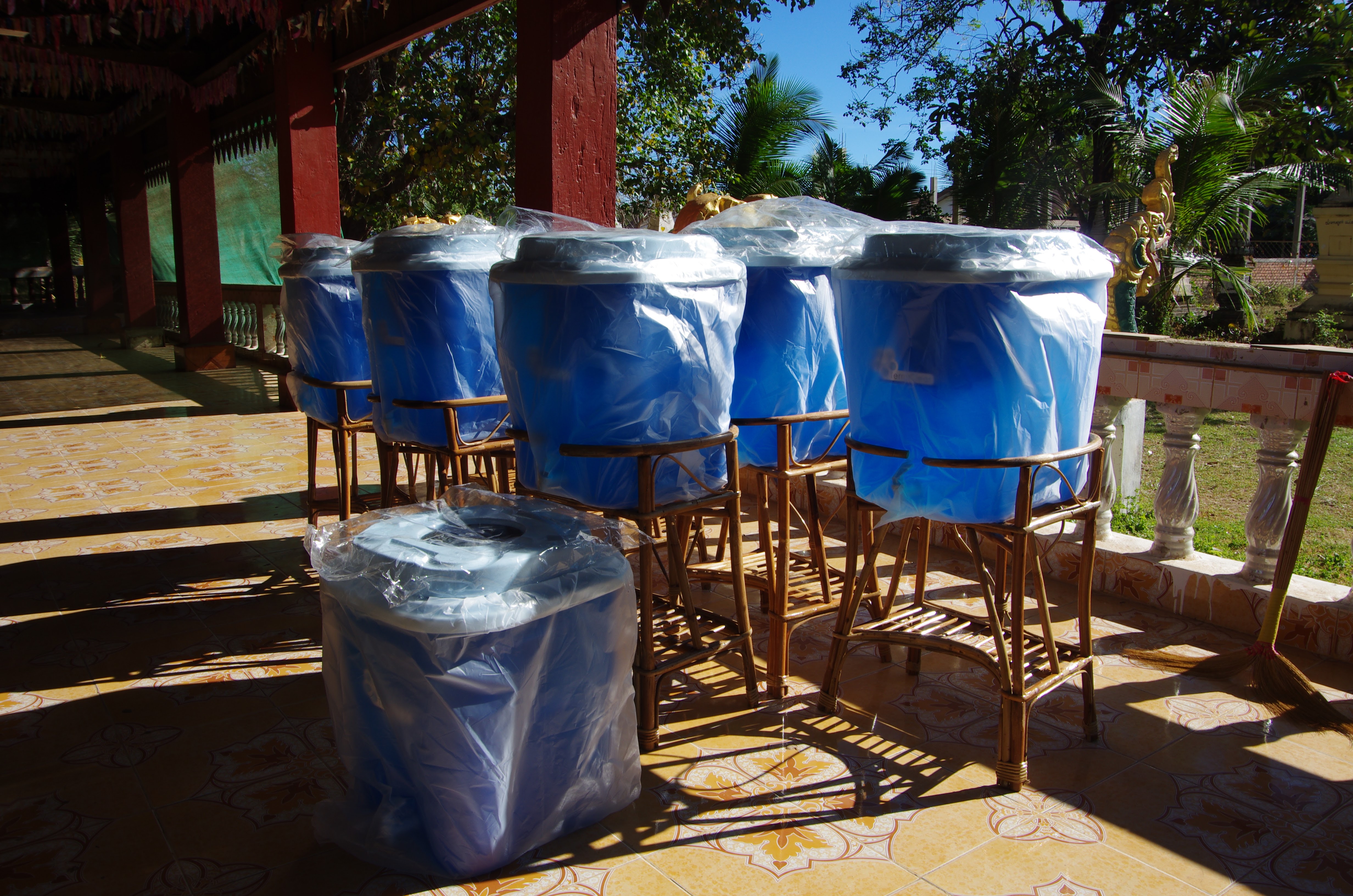
Ceramic water filters save CO2 and improve health
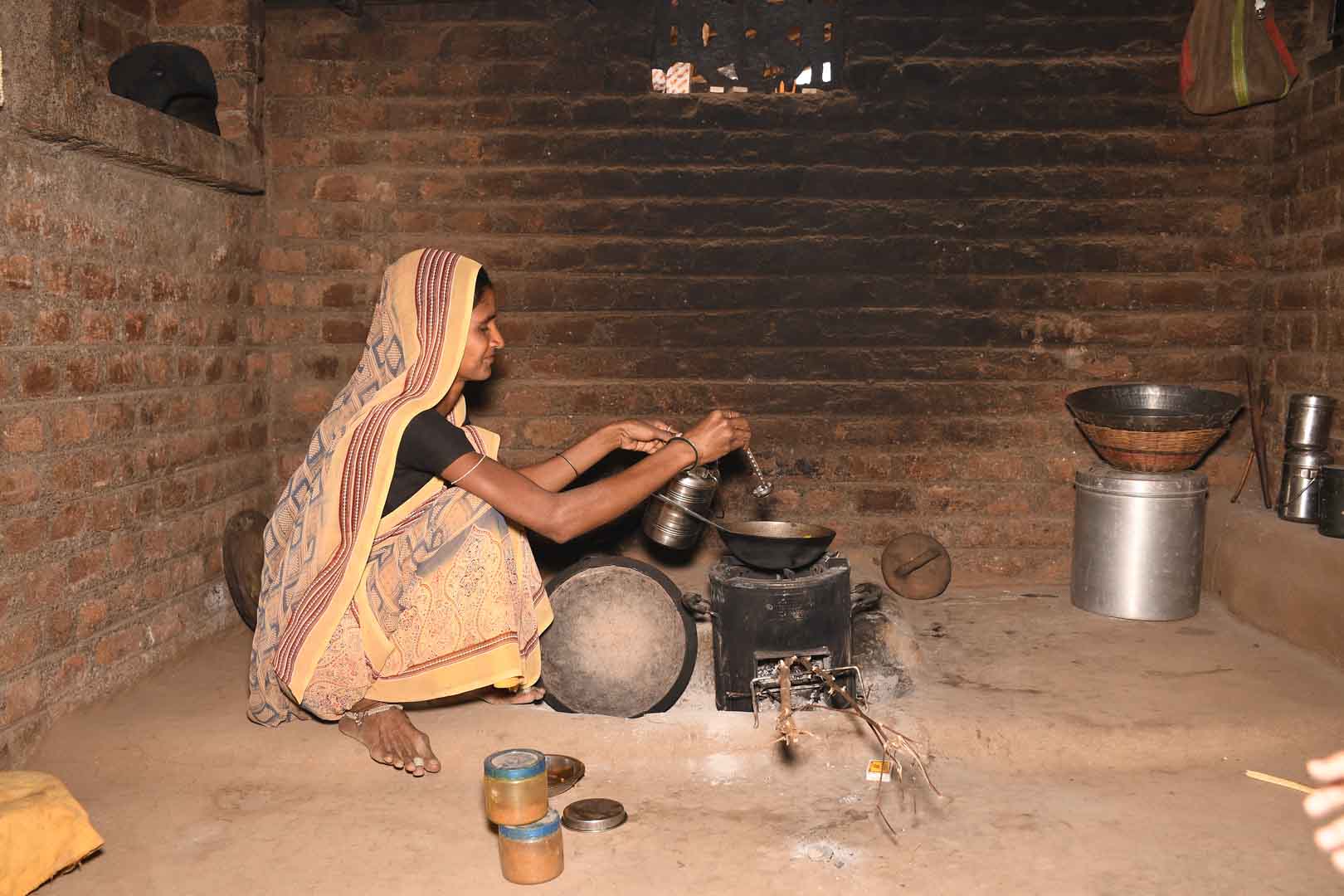
Improved cookstoves worldwide – for better health and cleaner air

A certified climate project combined with additional commitment
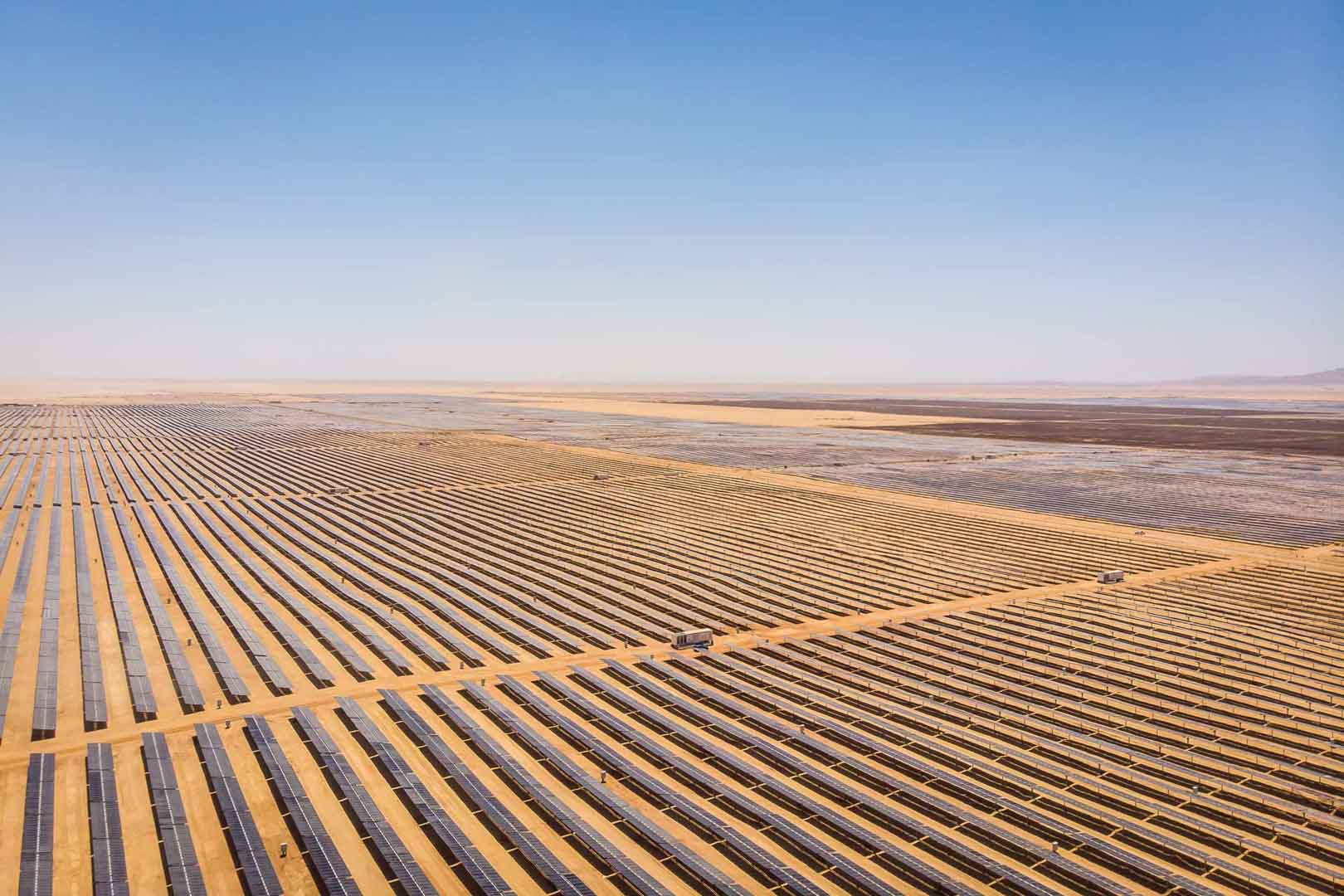
Powering access to renewable energy in Africa
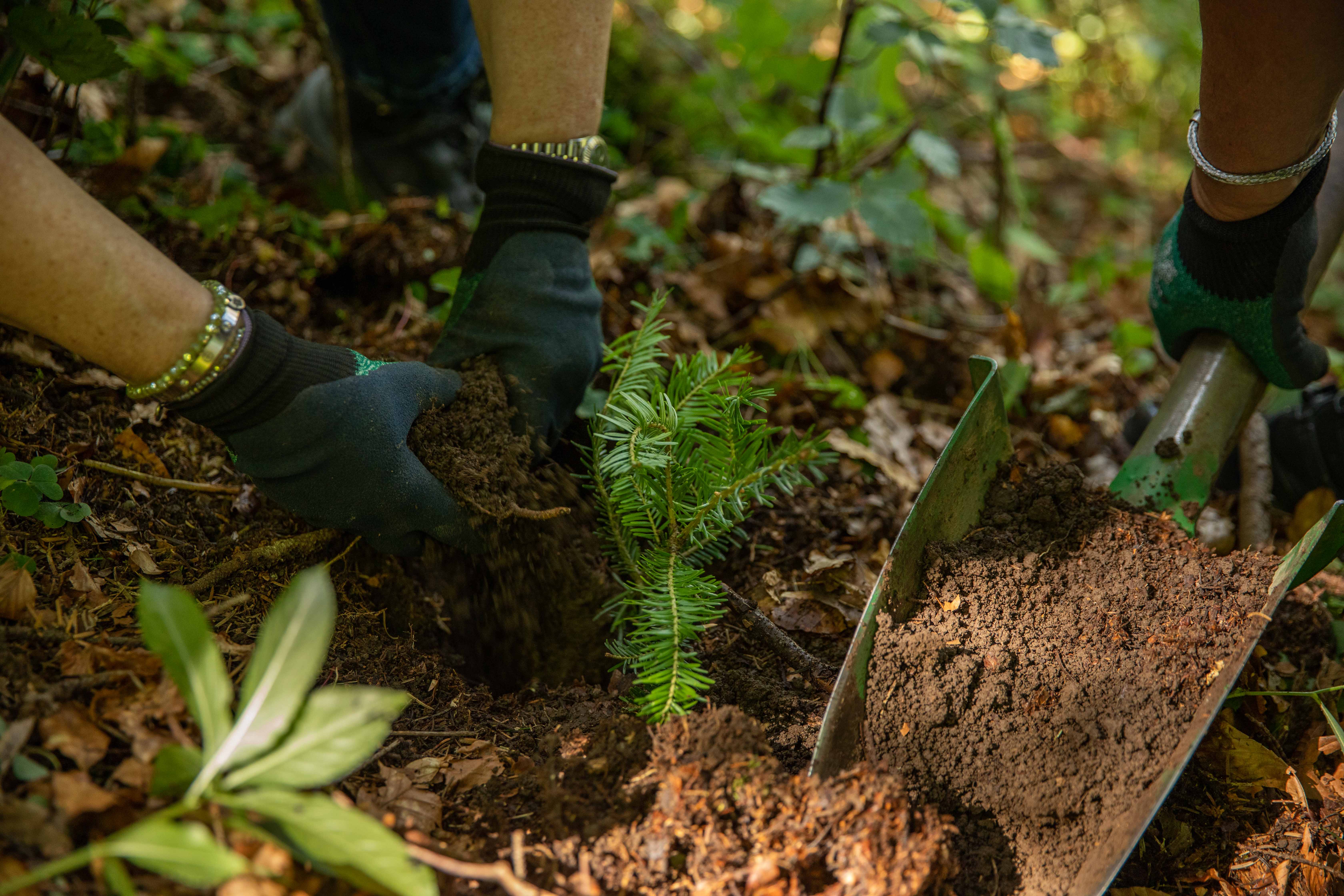
A certified climate project combined with additional commitment
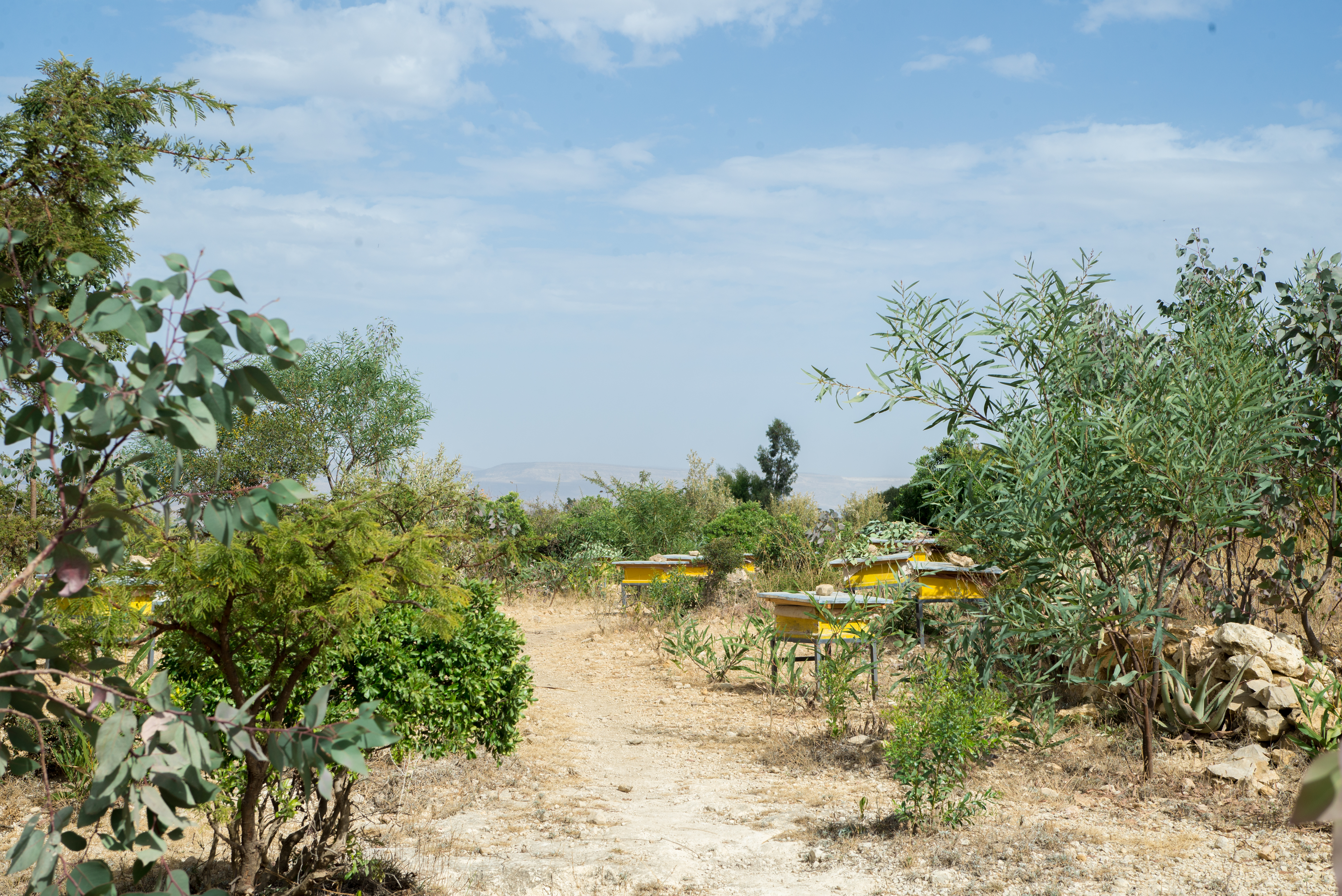
Restored ecosystems remove carbon
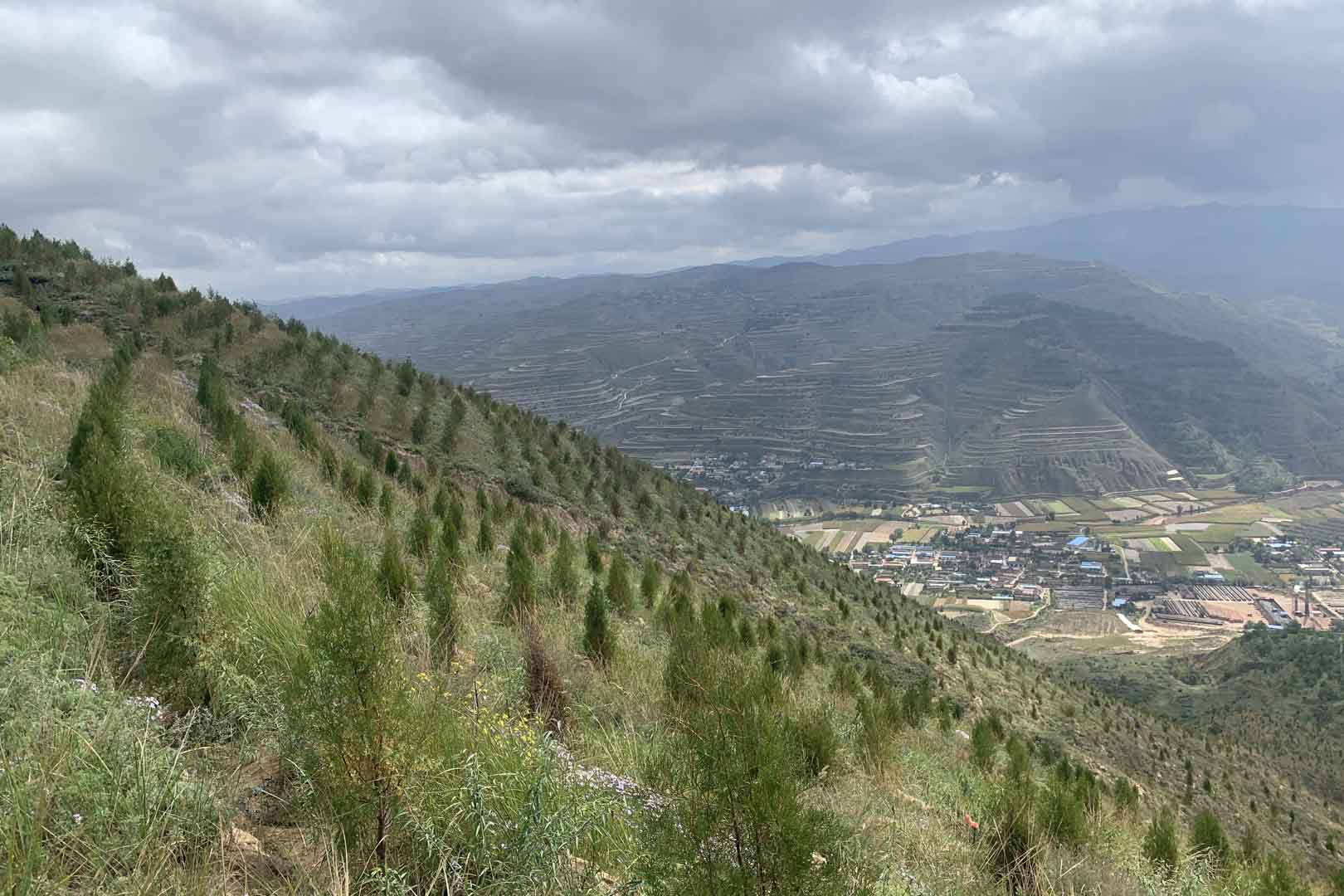
Turning degraded farmlands into healthy ecosystems
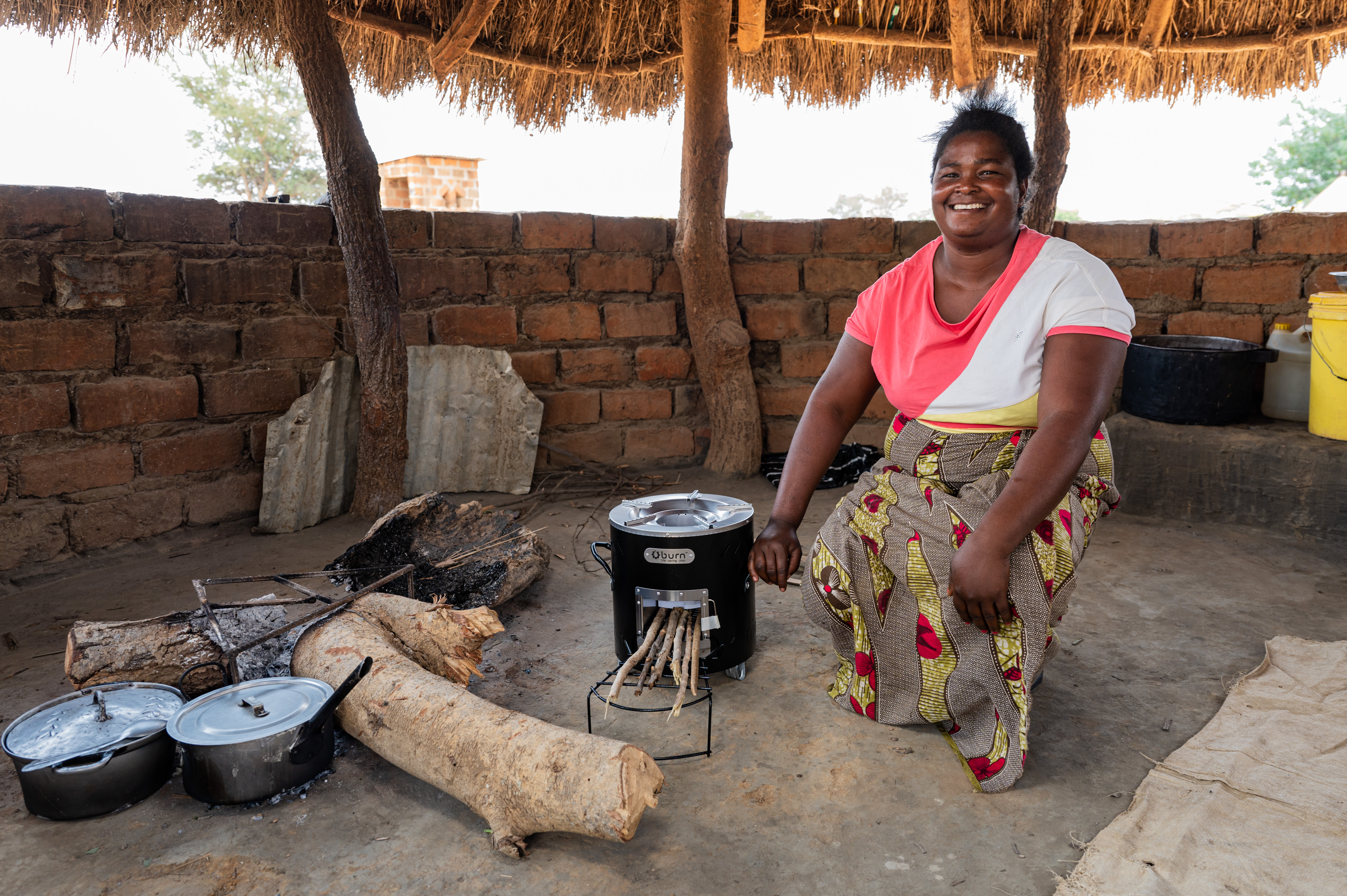
Improved cookstoves - better for health and the environment