
Greater Dhaka: repairing methane leaks in the gas distribution network and reducing emissions
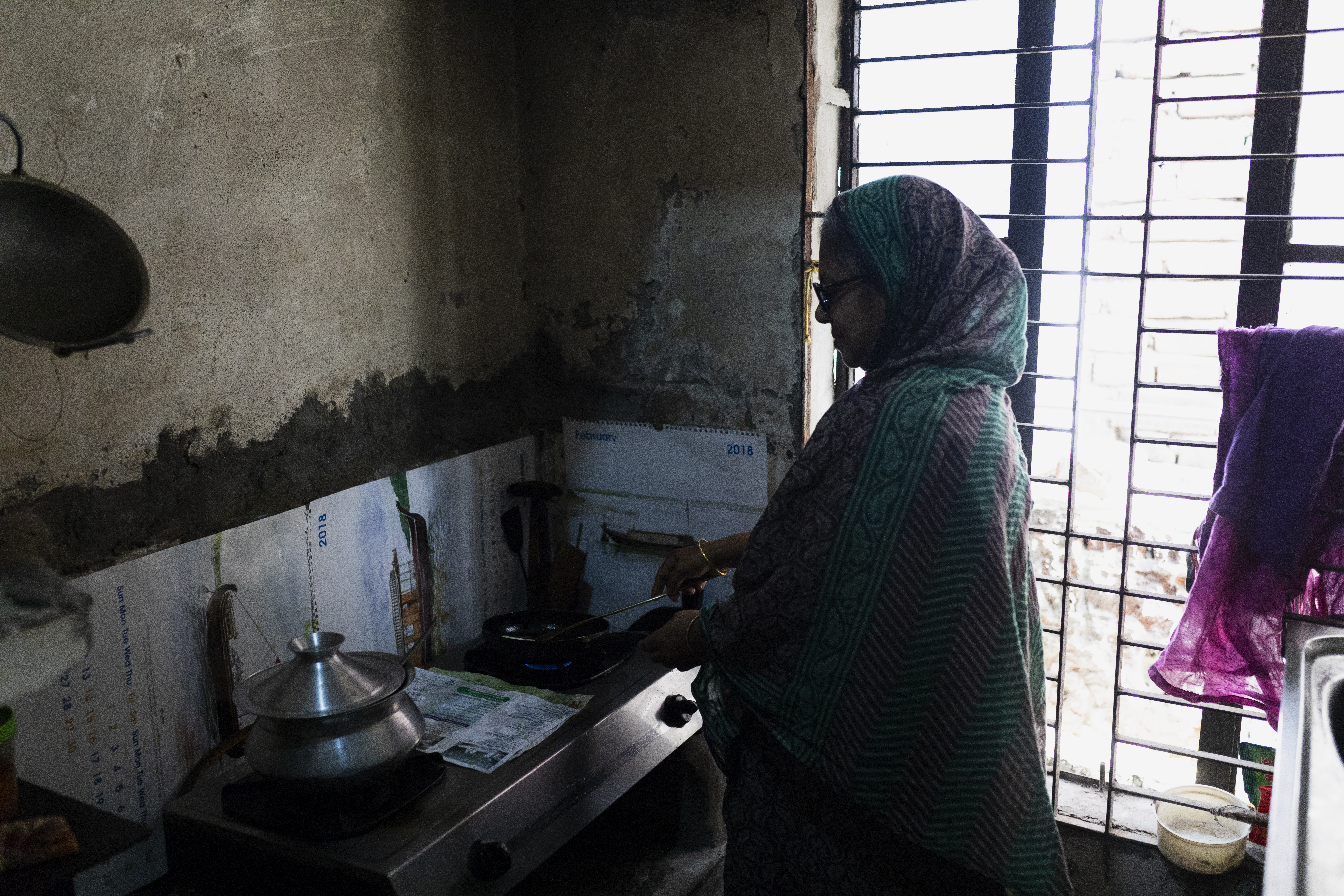
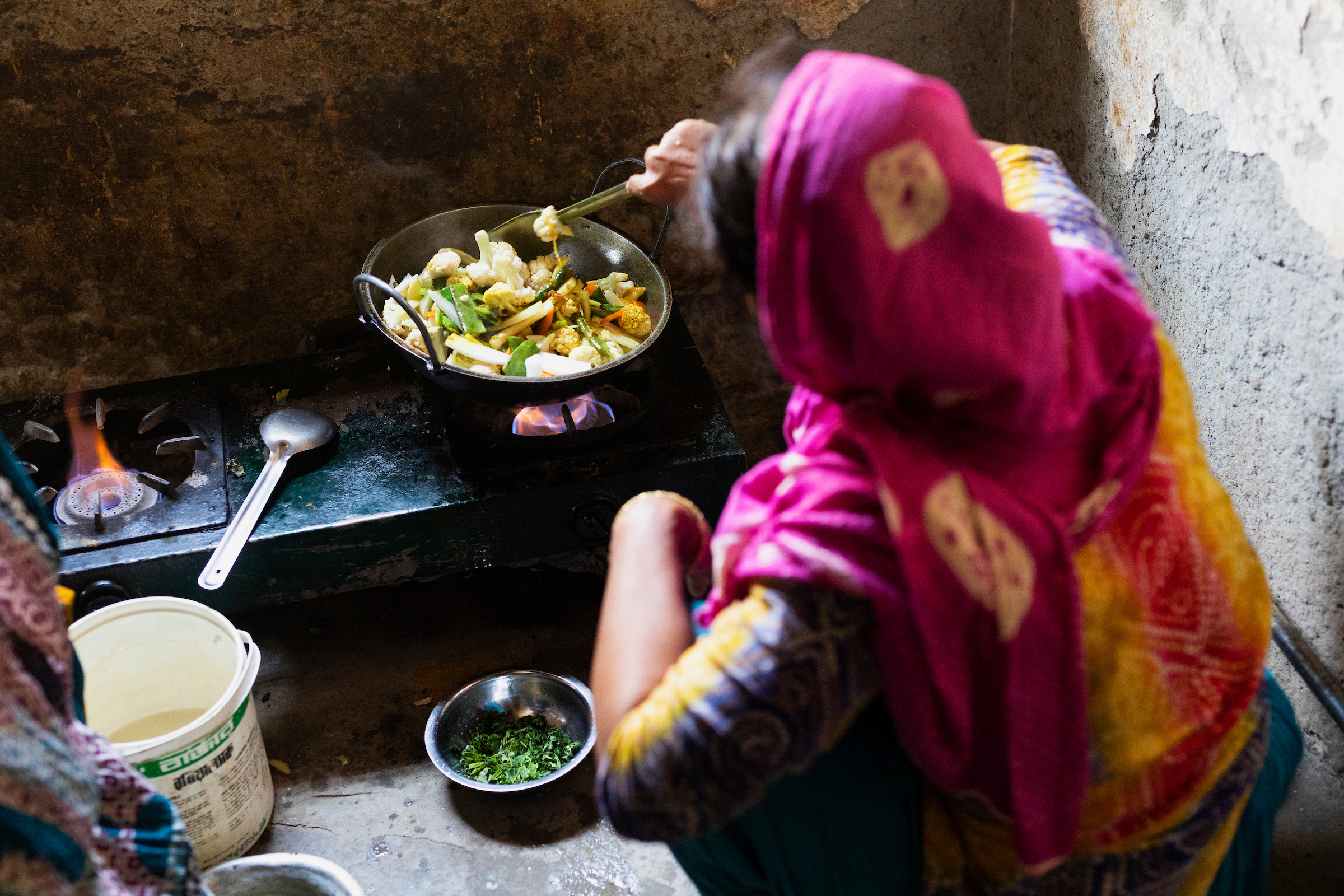
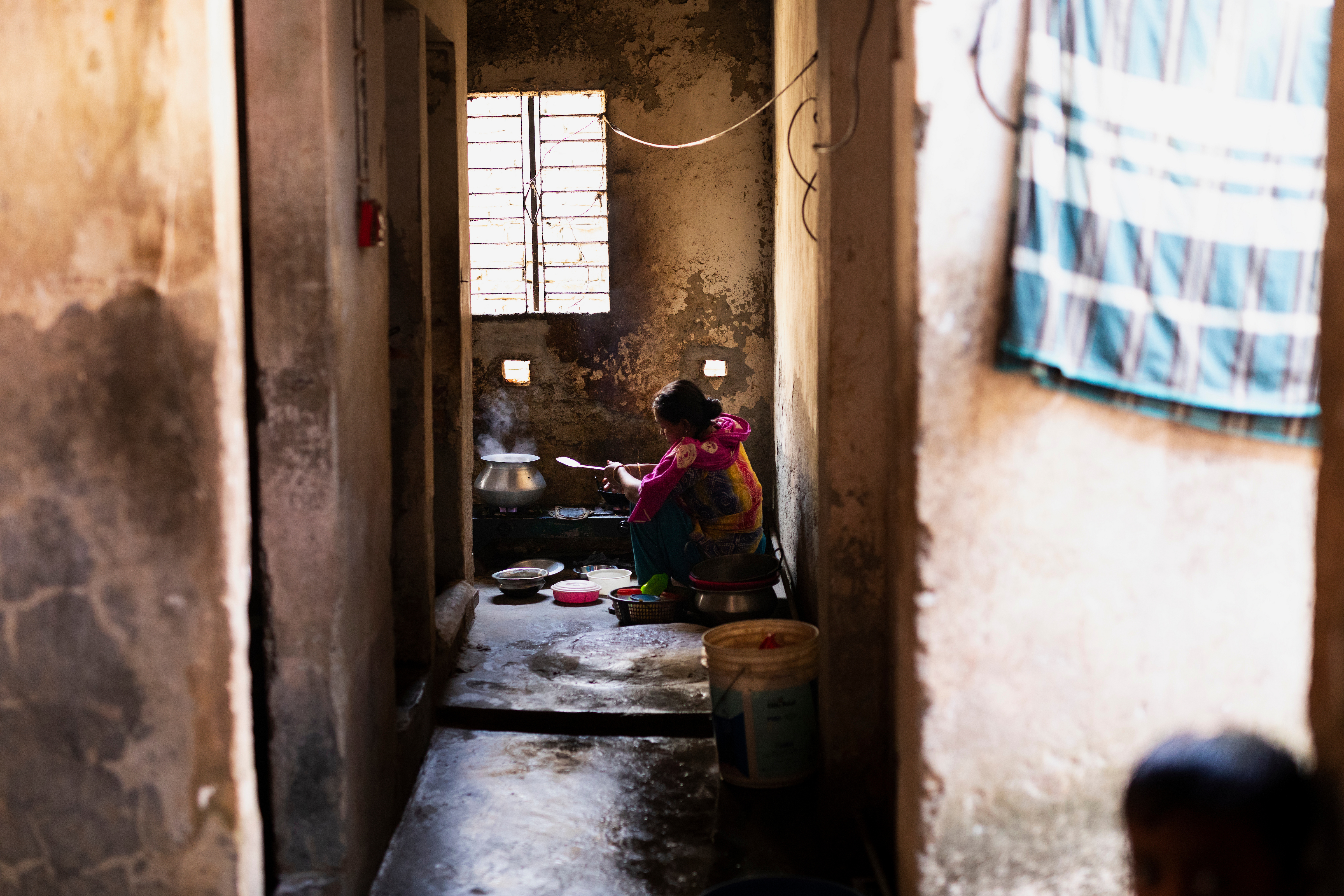
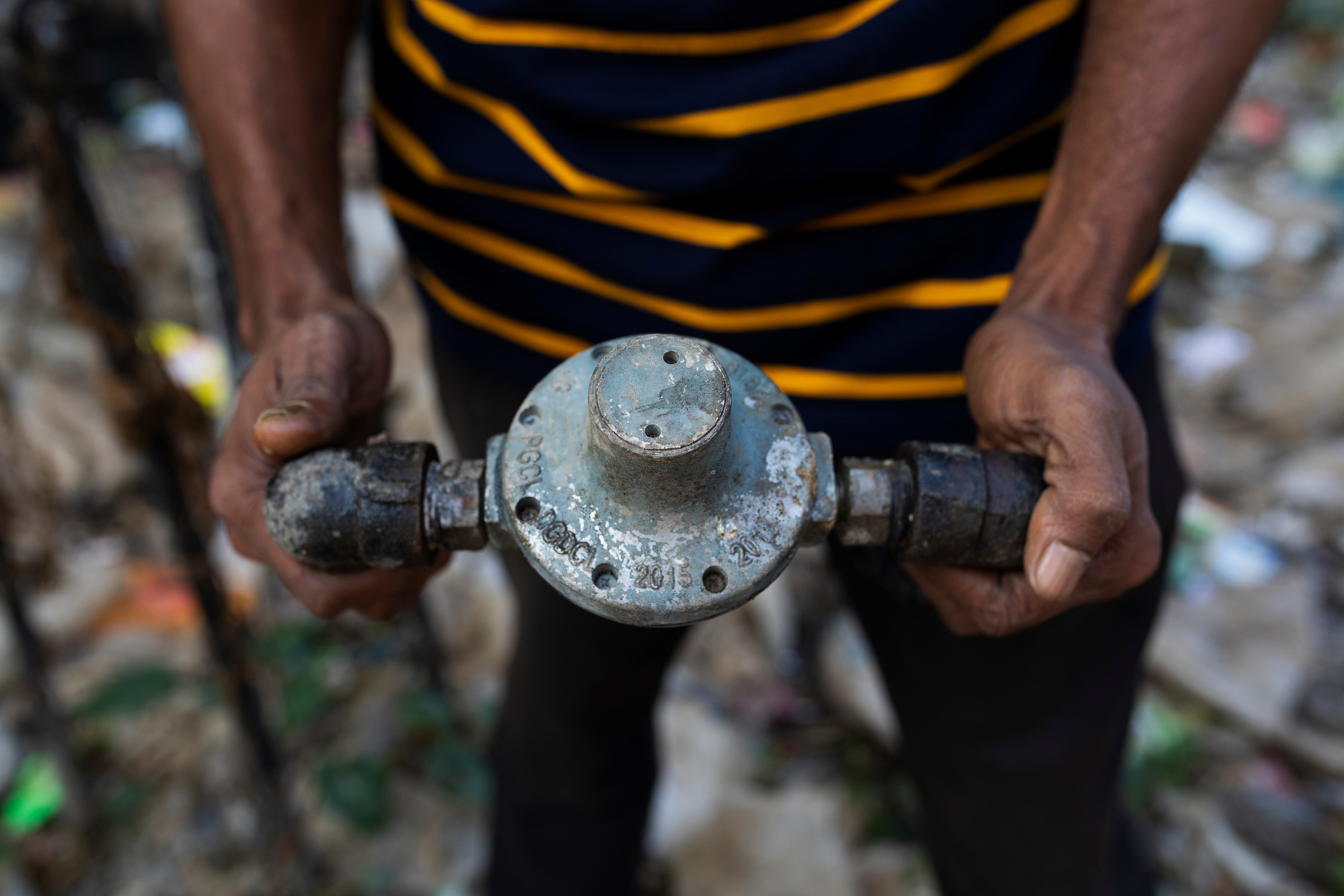
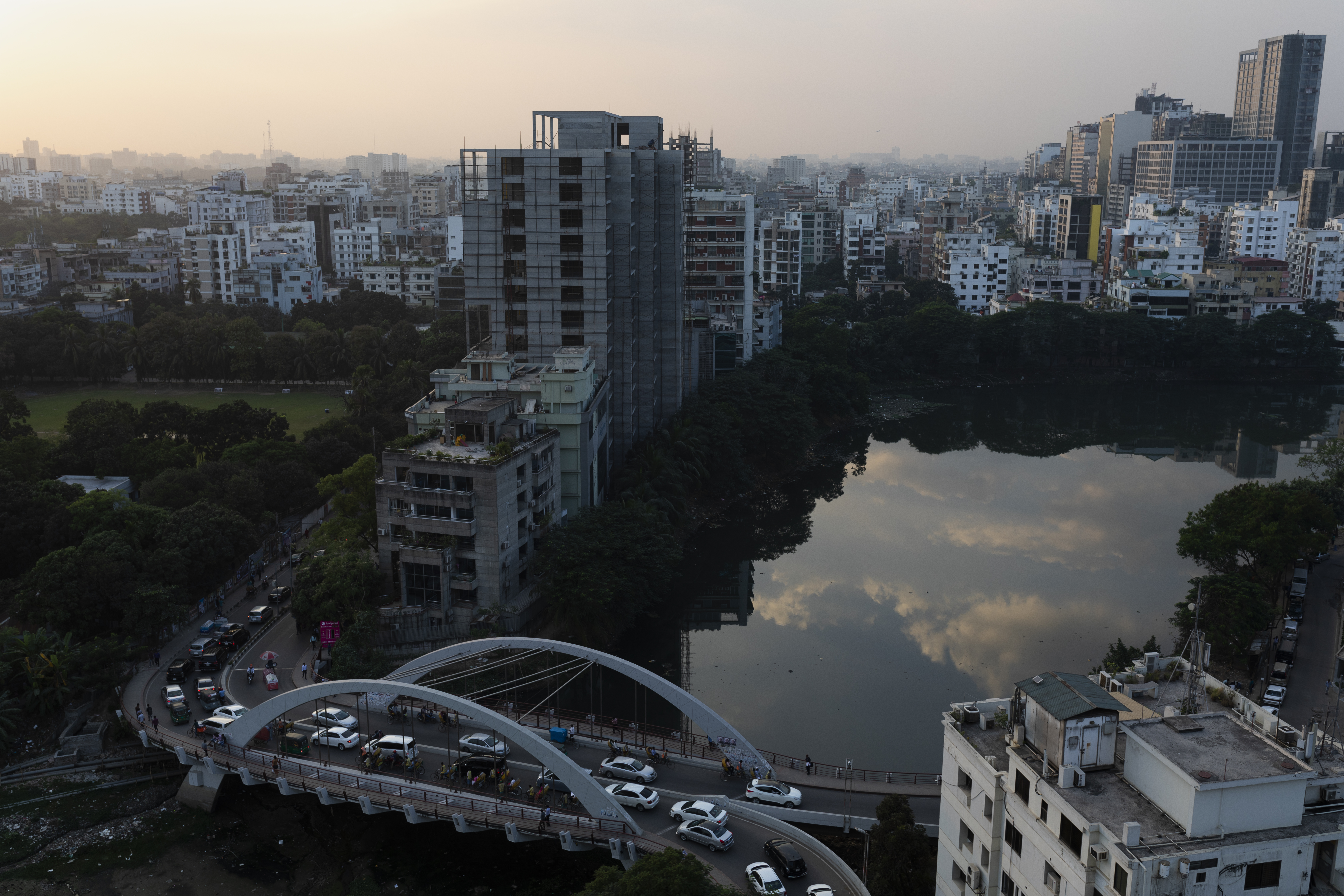
In Bangladesh, rising energy demand and rapid urban growth meet an infrastructure that is in parts decades old. The Titas gas distribution network in Greater Dhaka spans around 12,250 km and has been developed since the mid-1960s. The Titas gas network supplies numerous households in and around Dhaka with natural gas, which is frequently used for cooking. Over many years, the network has not been adequately maintained, allowing a significant share of the natural gas throughput—mainly methane—to escape as fugitive emissions. Methane is highly flammable and can displace oxygen in enclosed spaces; at the same time, it is a much more powerful greenhouse gas than CO₂.
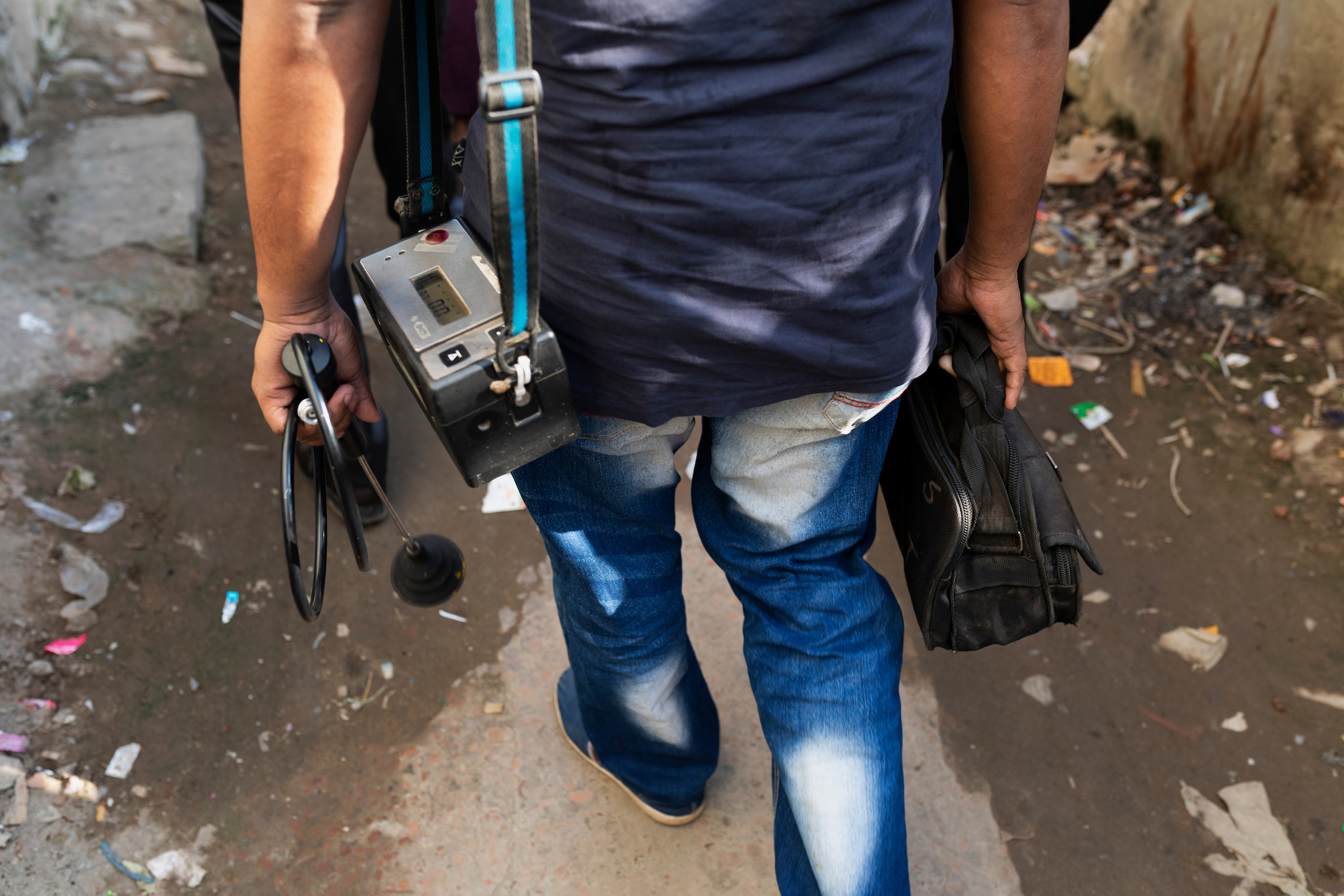
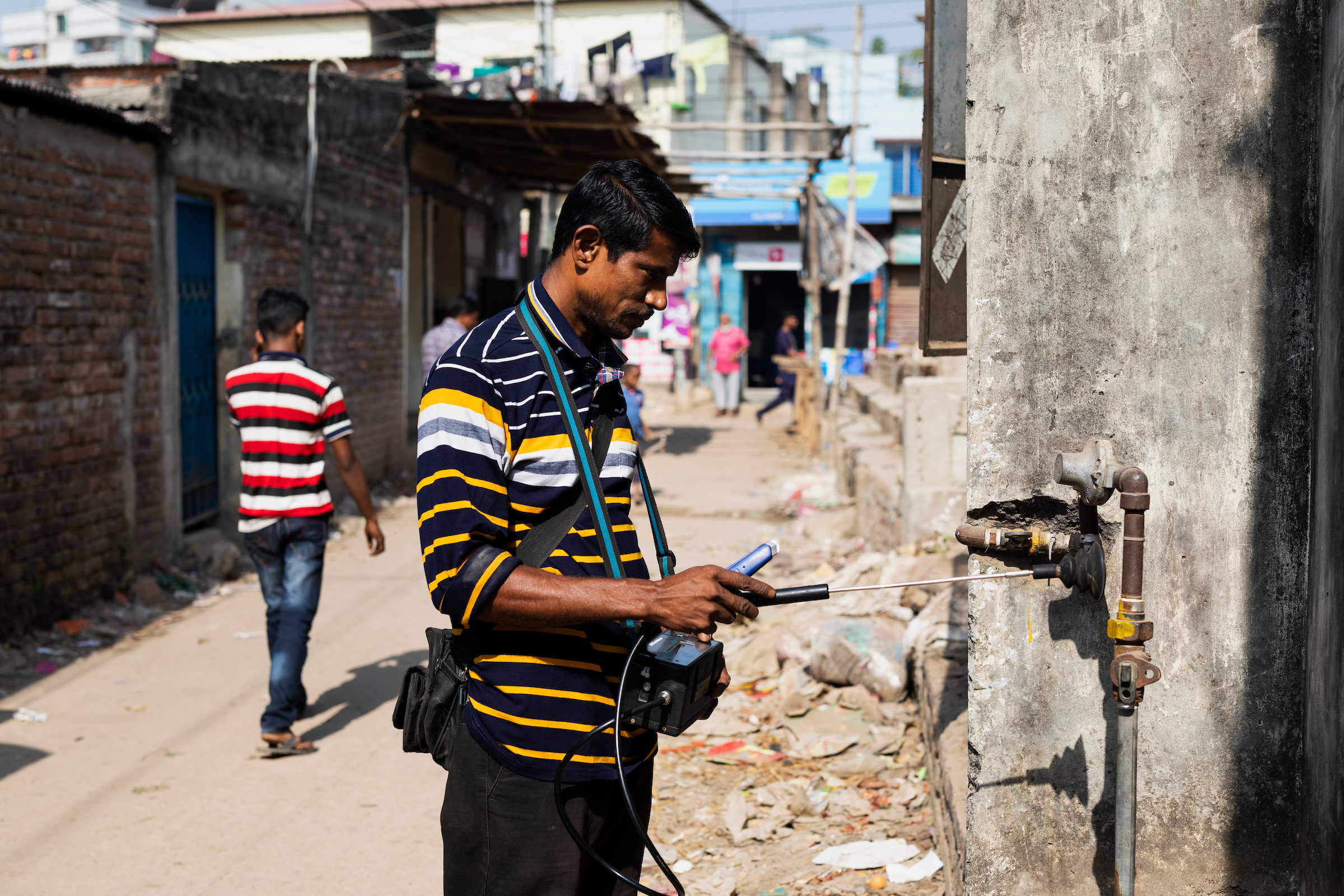
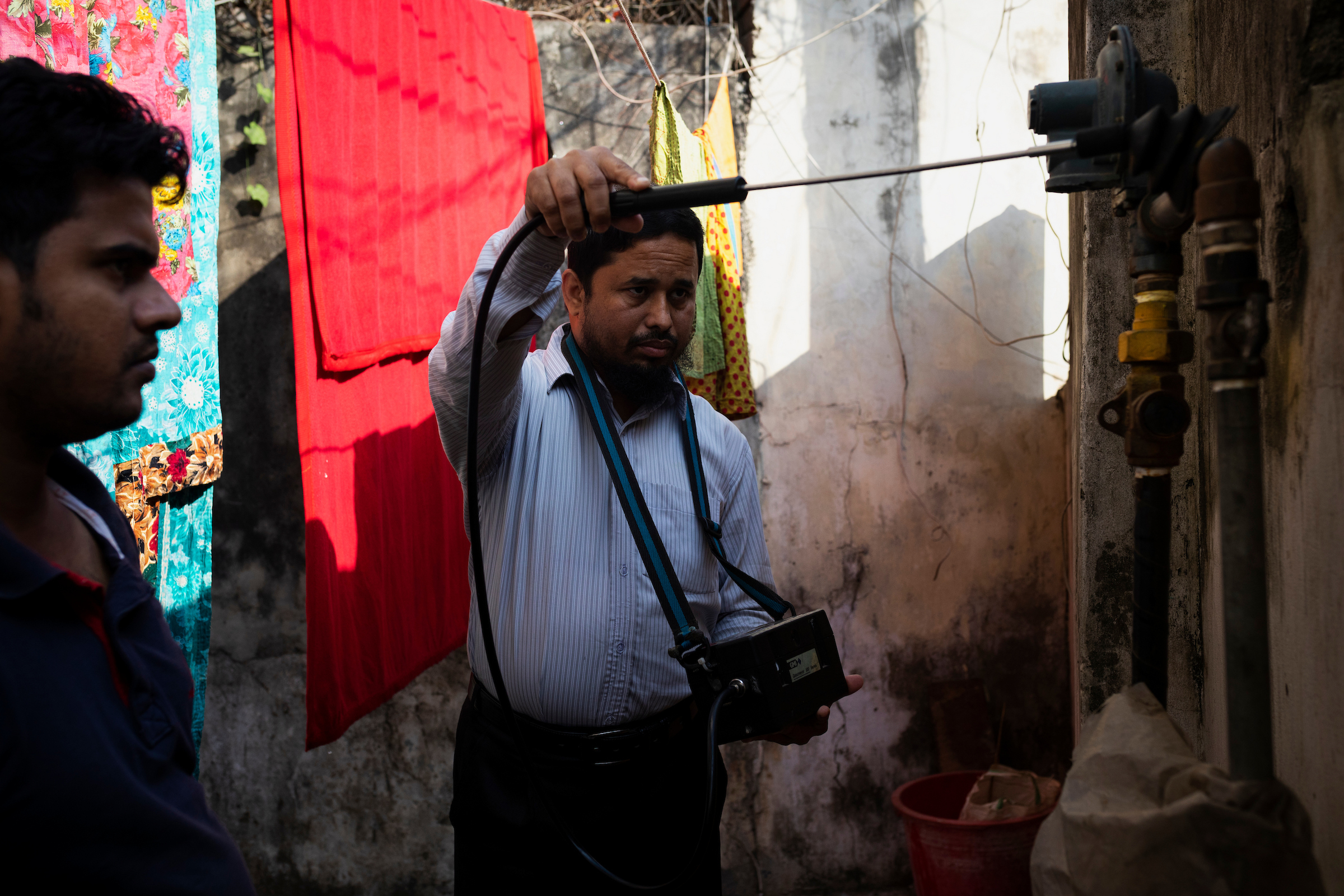
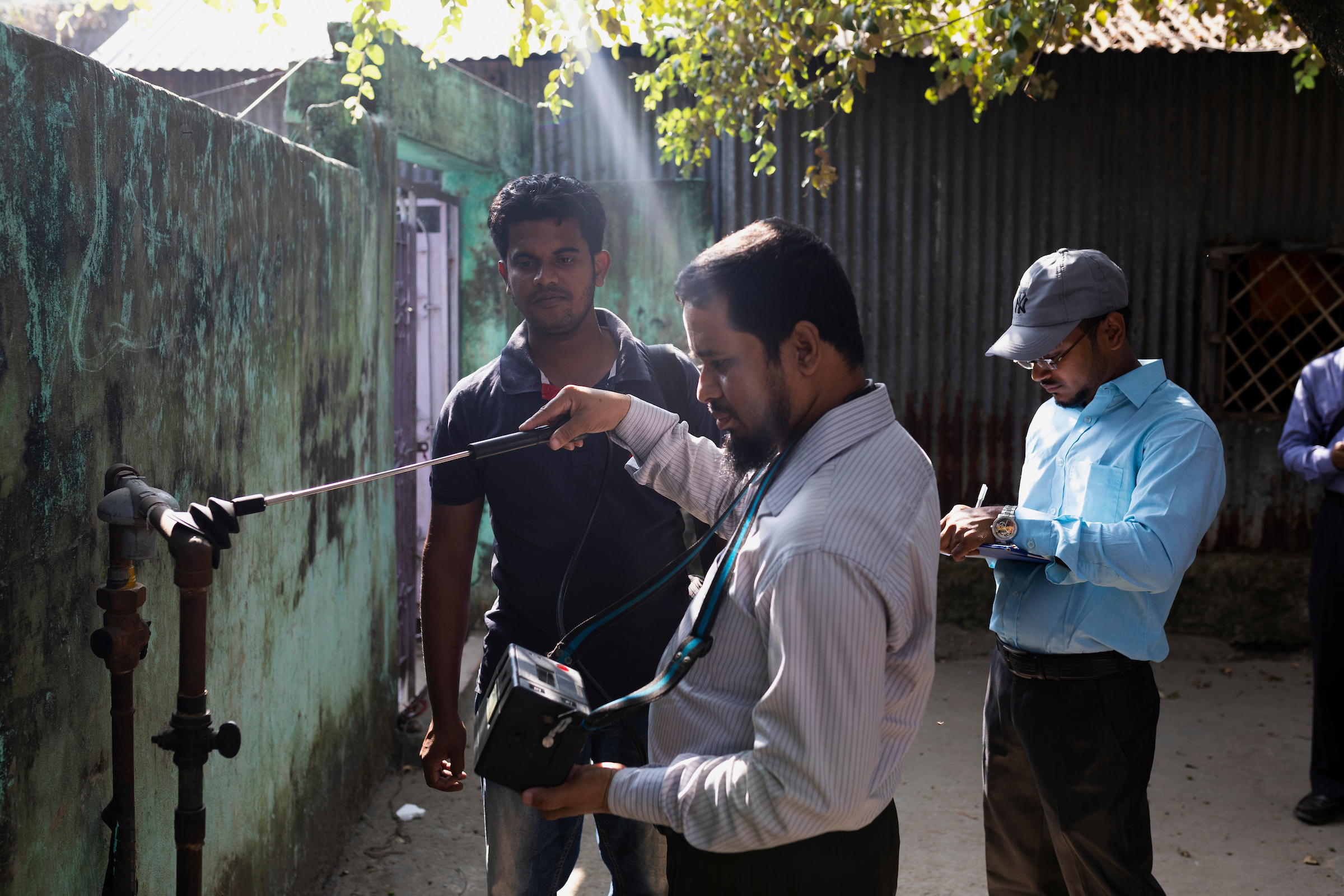
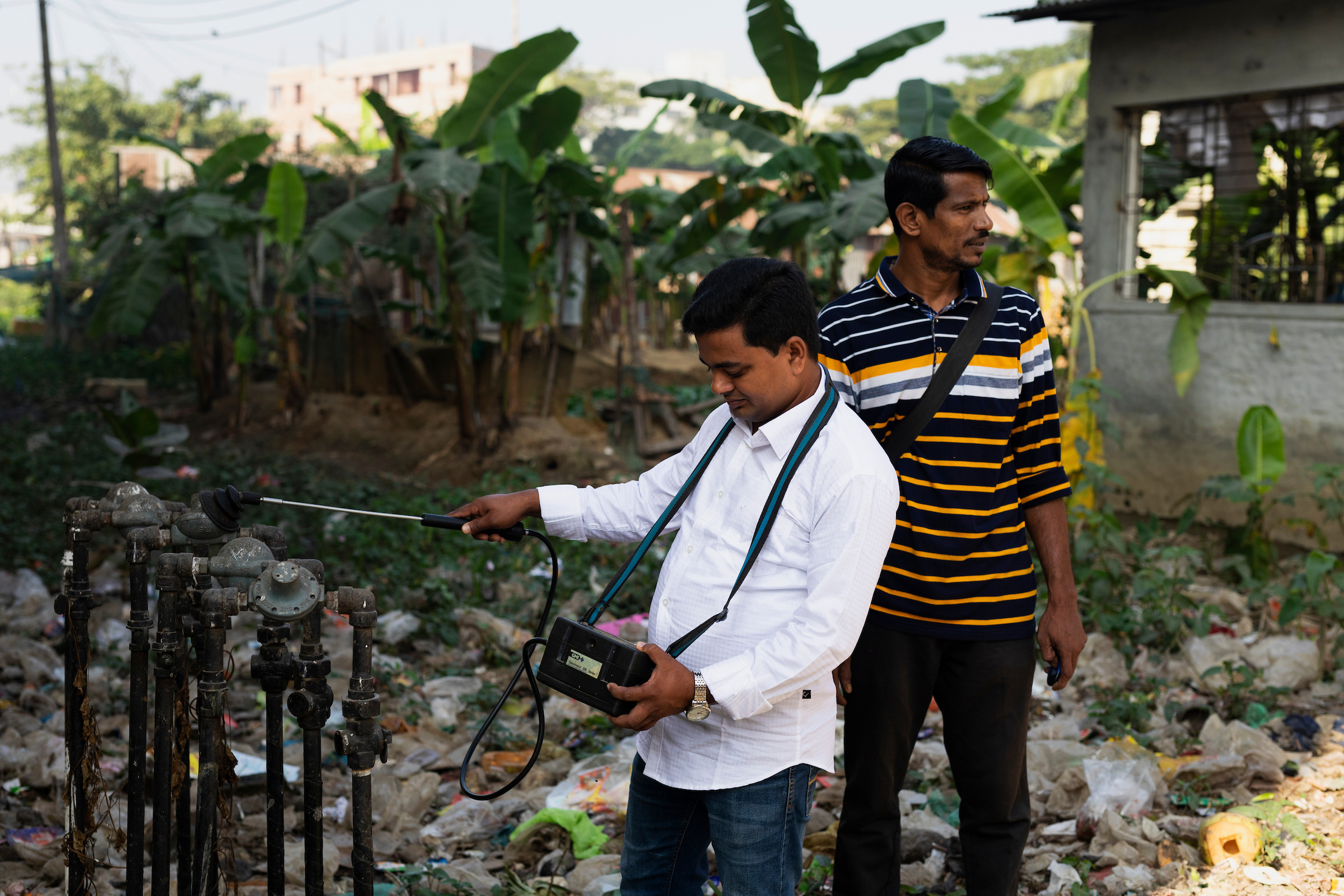
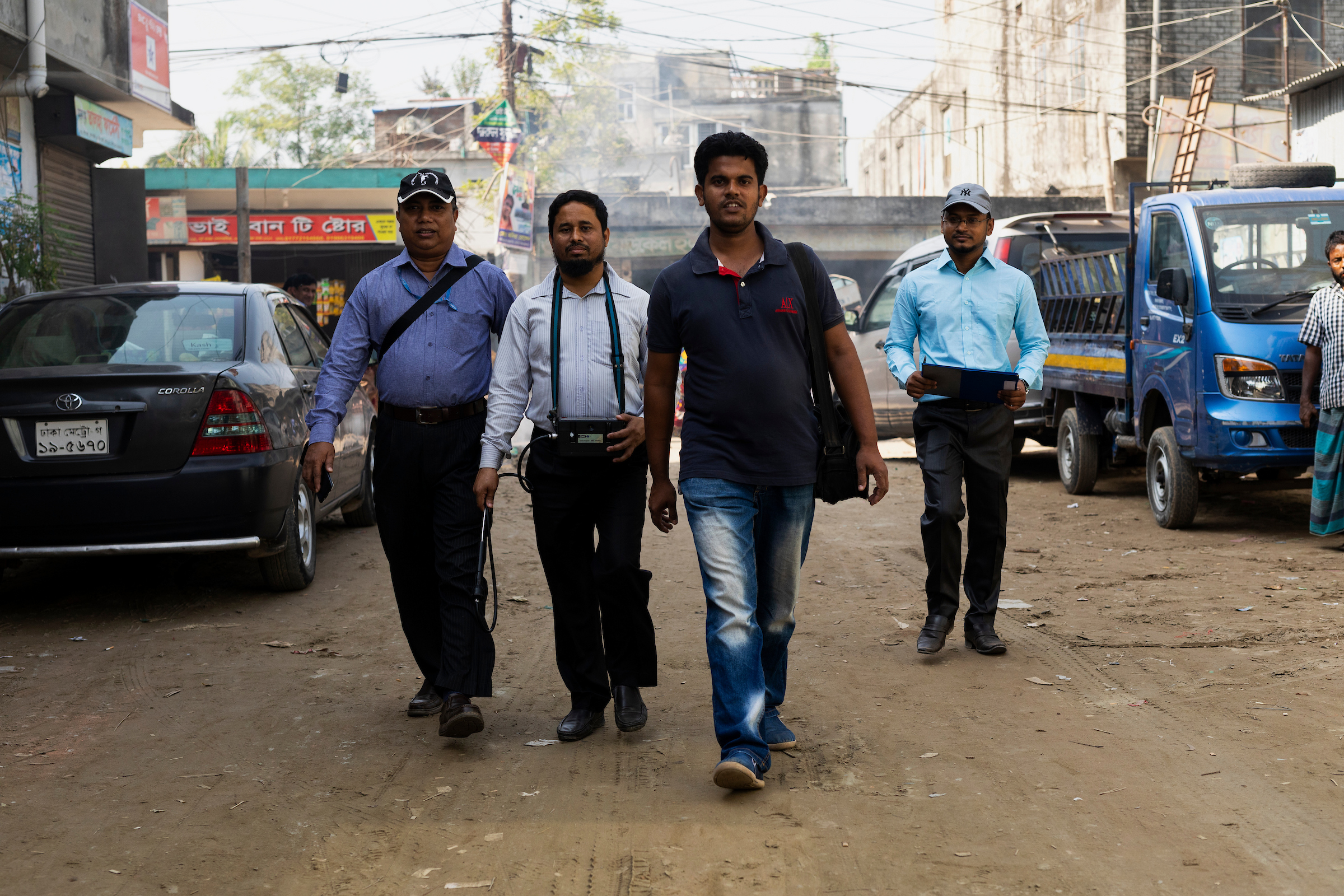
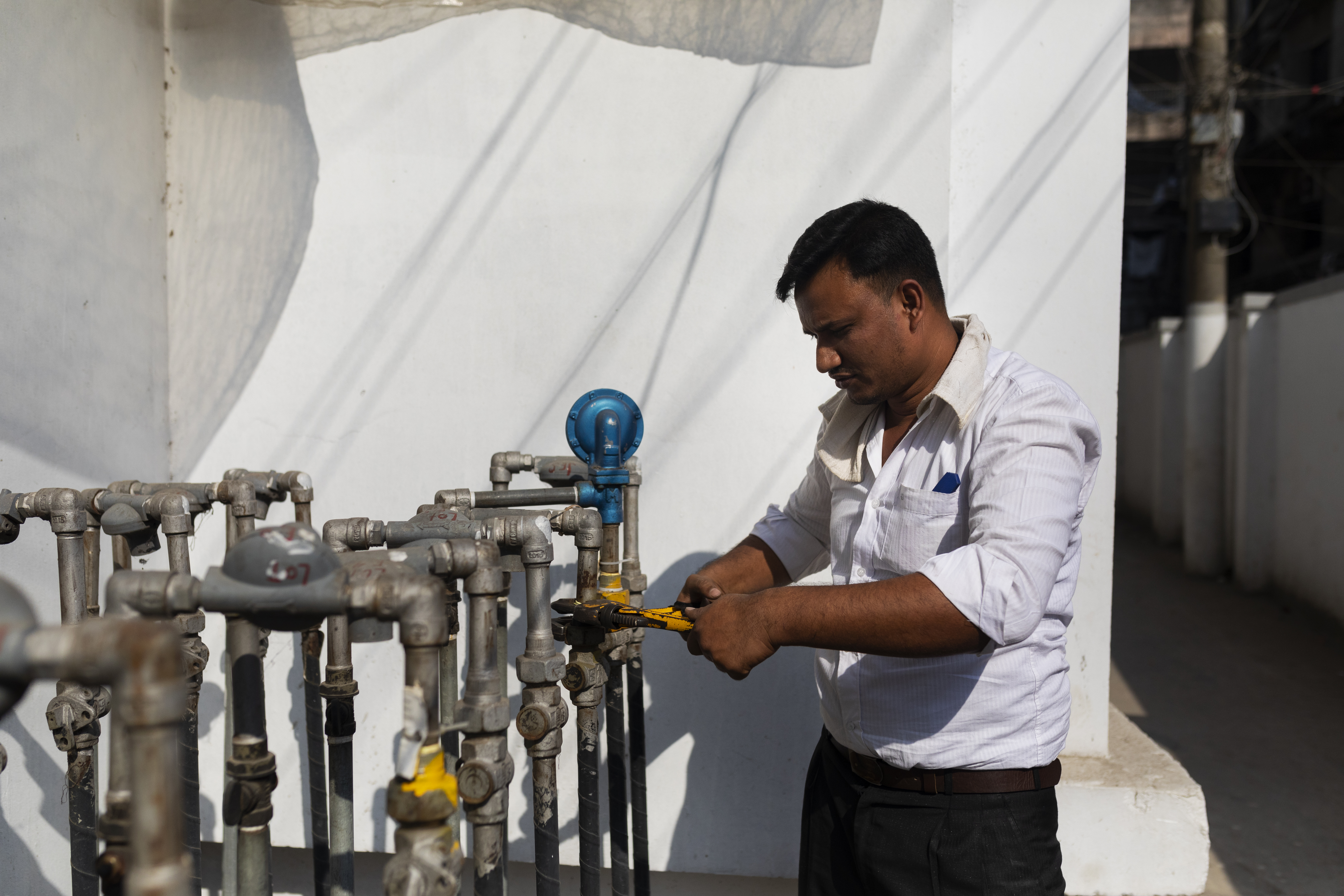
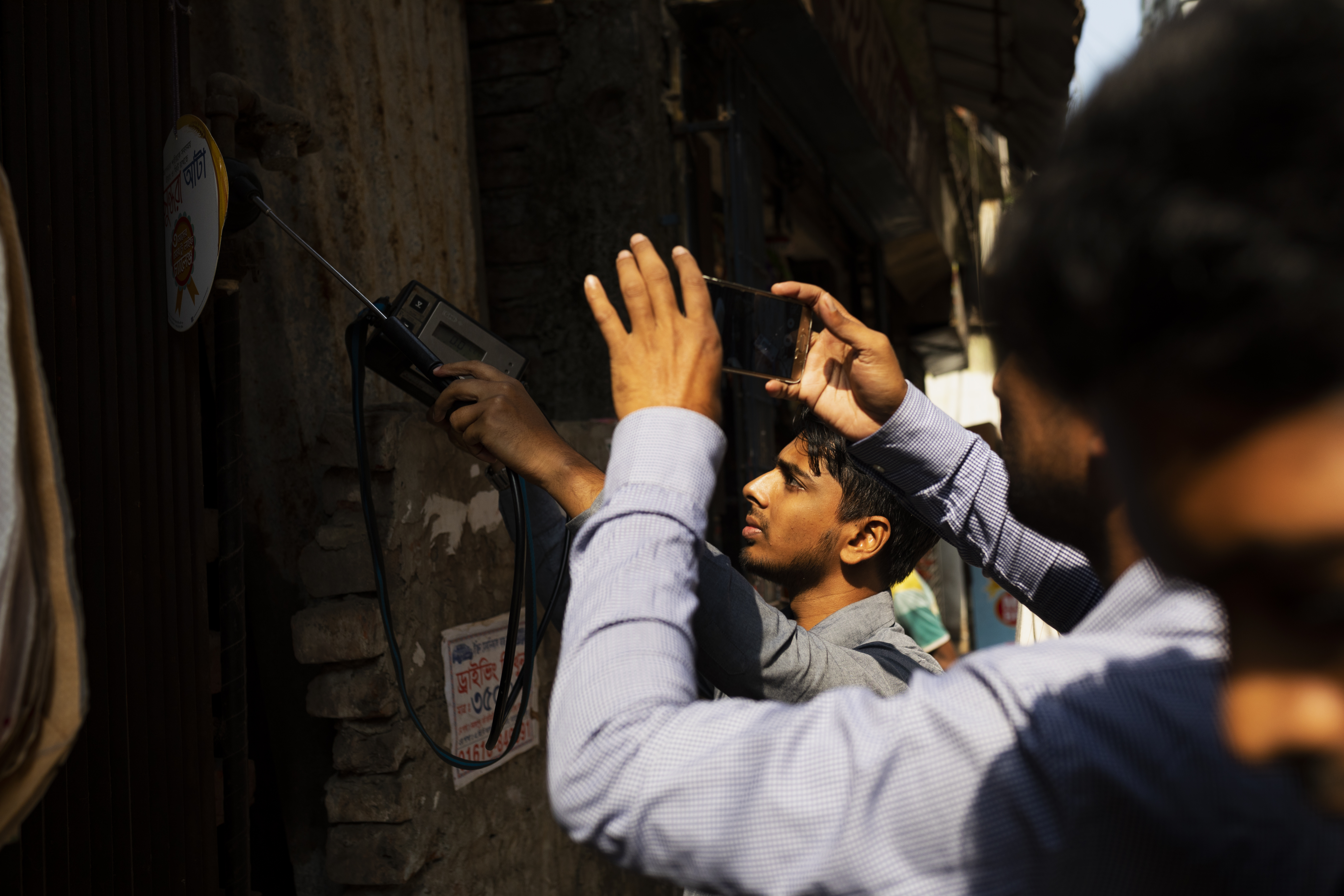
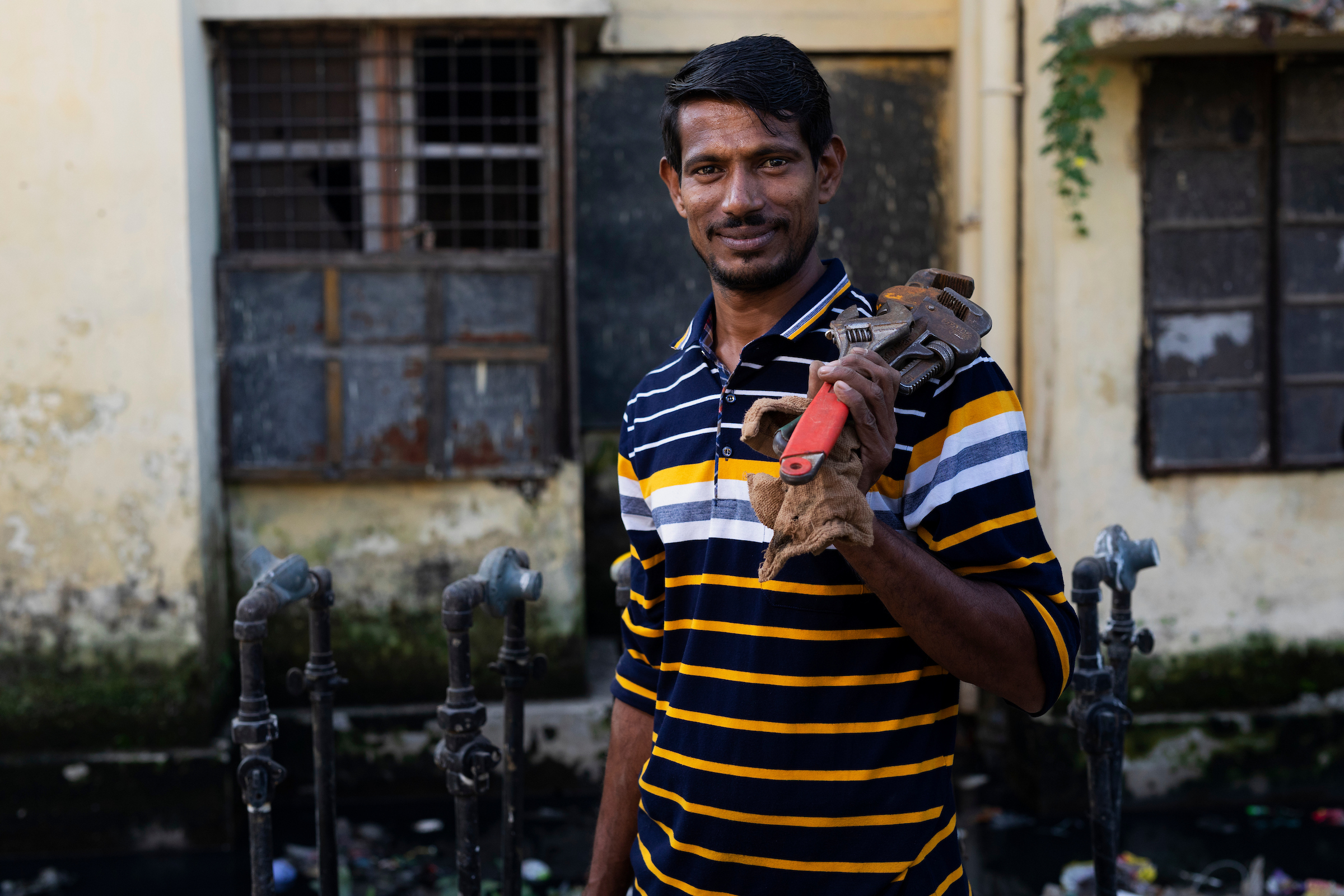
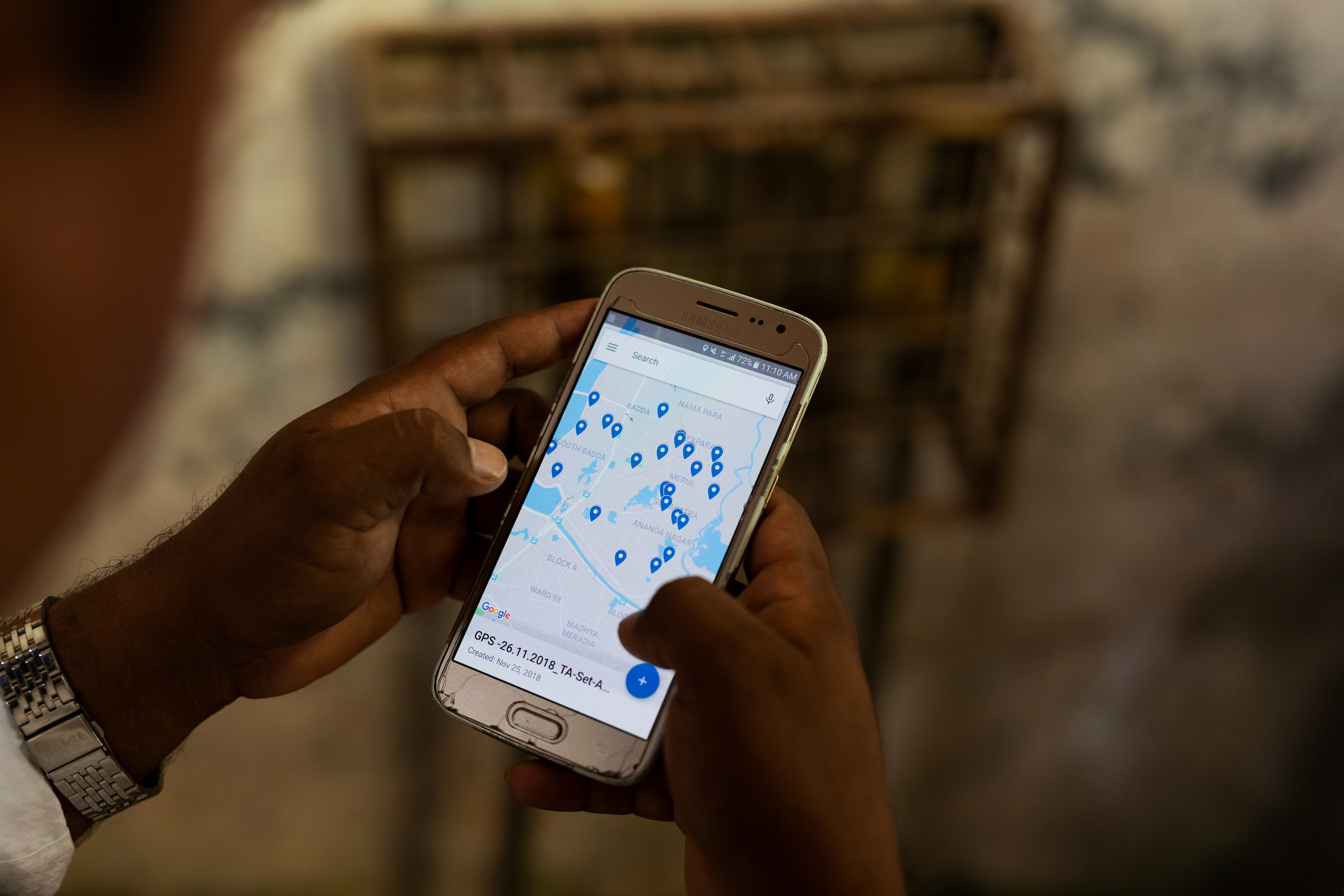
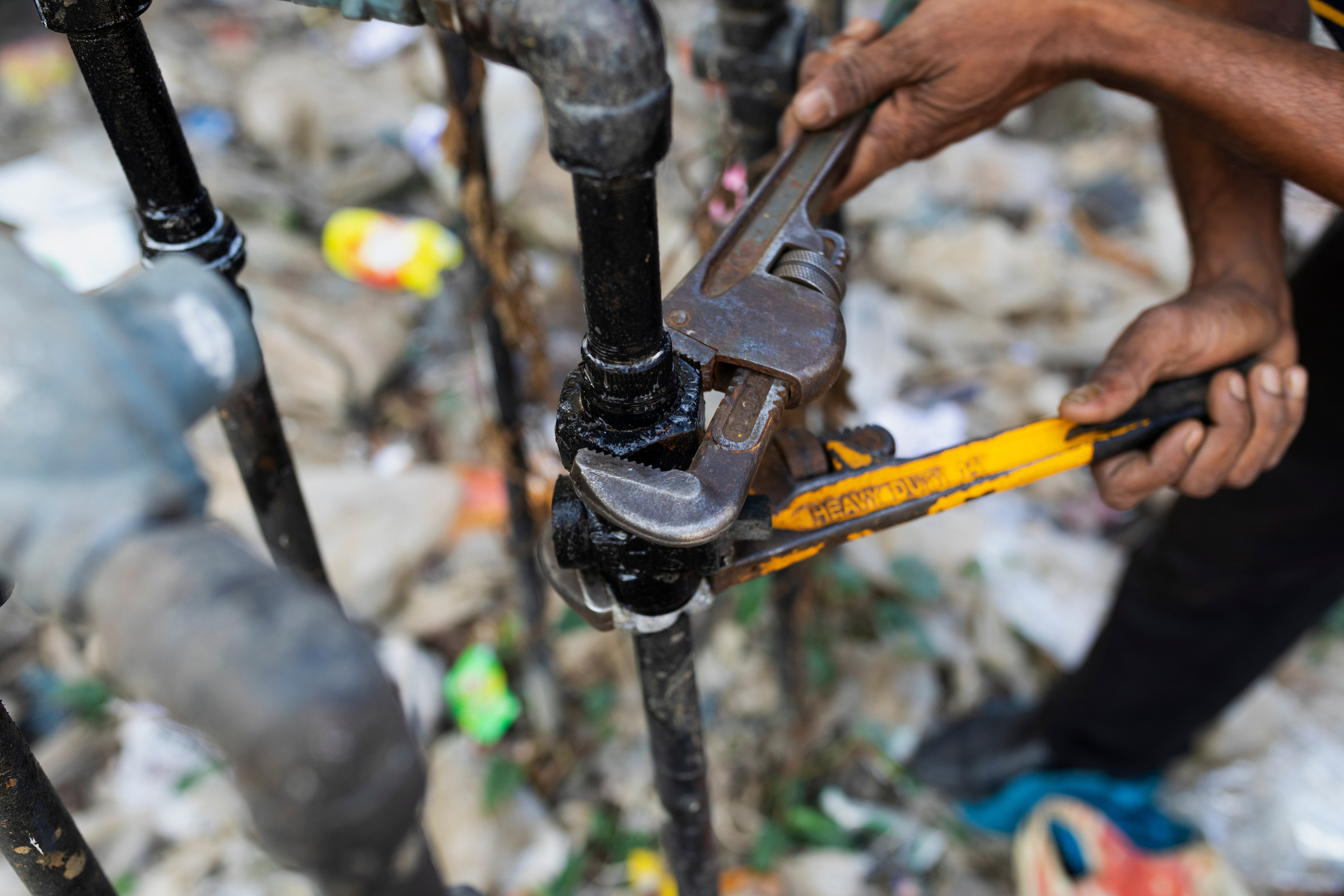
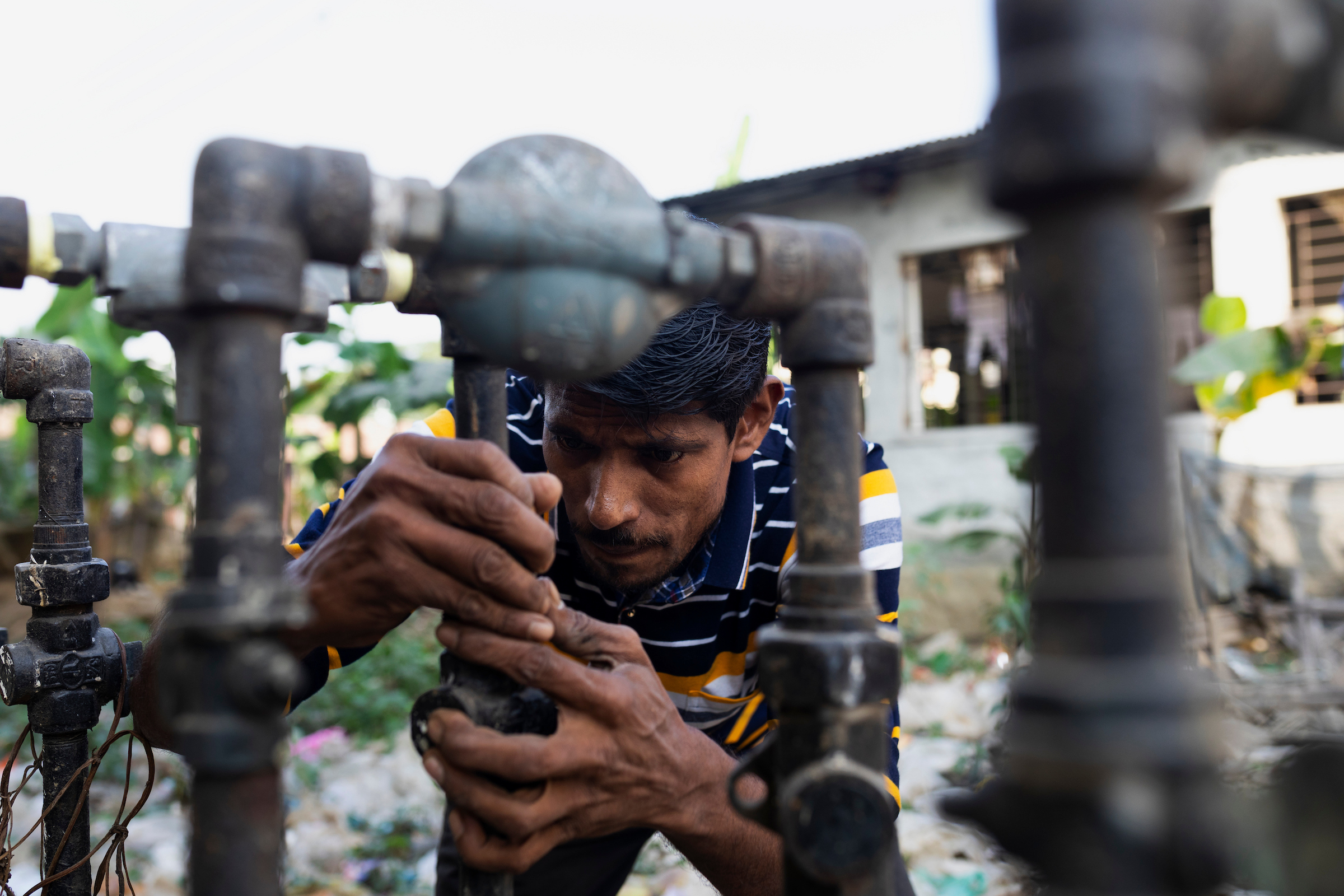
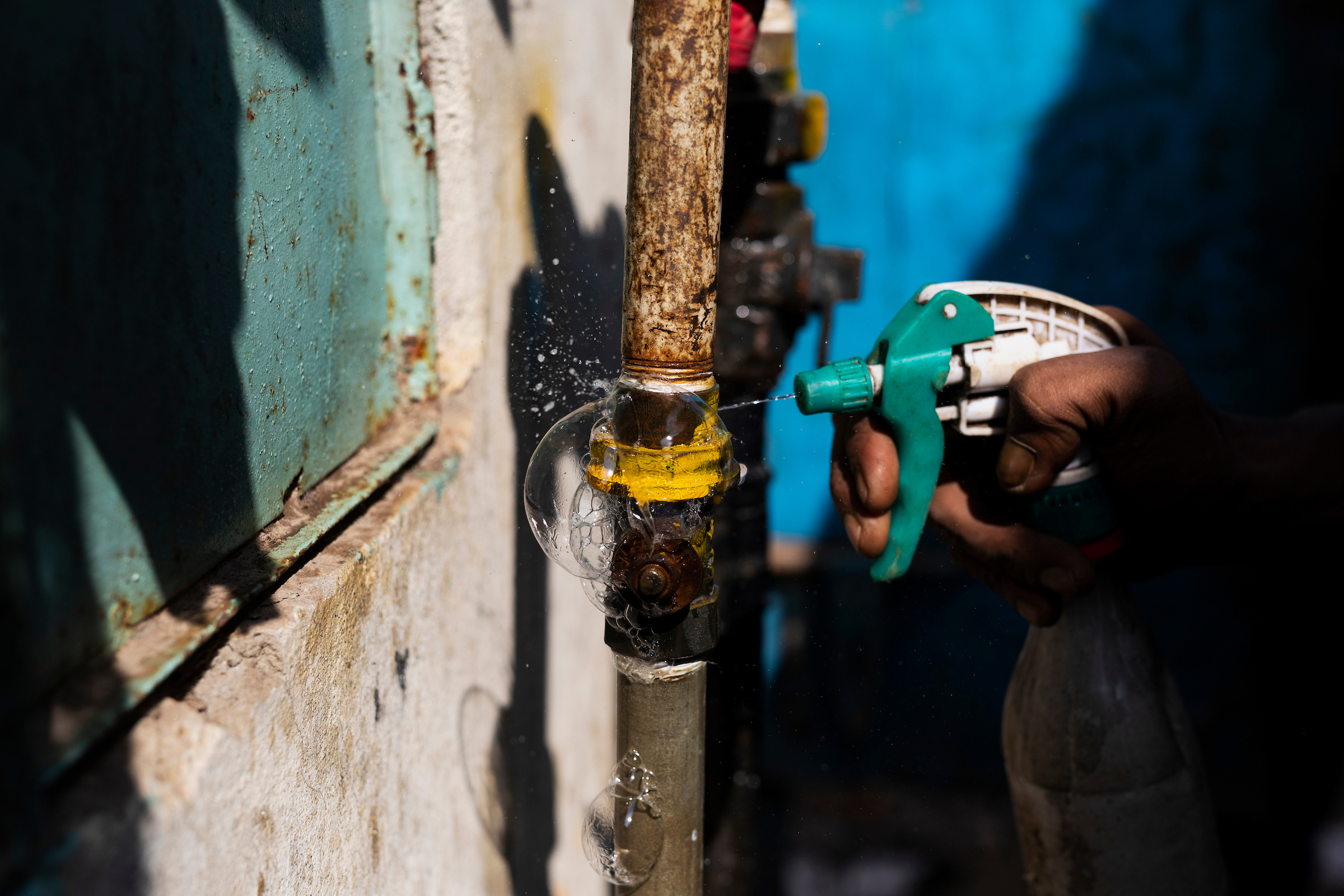
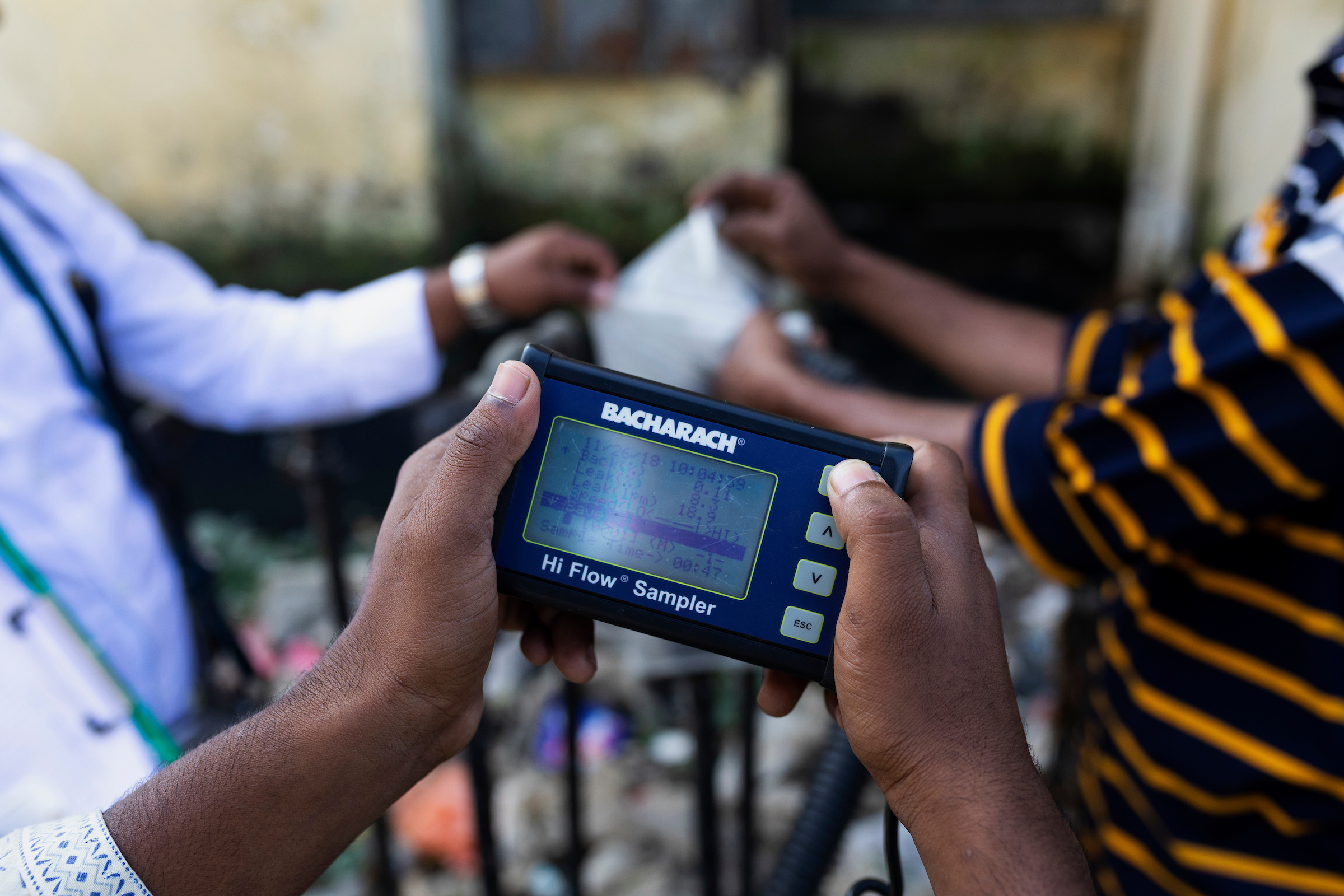
This climate project reduces methane emissions by systematically identifying, quantifying, and professionally repairing or sealing leaks in the Titas distribution network. Hi-Flow Samplers are used to reliably measure leak rates, while staff are trained and equipped with modern repair materials and tools to ensure durable fixes. Continuous monitoring and documentation ensure repairs are traceable and reworked if needed. The project thus improves the energy supply for over 500,000 households in Greater Dhaka, while saving around 4,378,500 tonnes of carbon emissions each year.

 The project contributes to the the United Nations' Sustainable Development Goals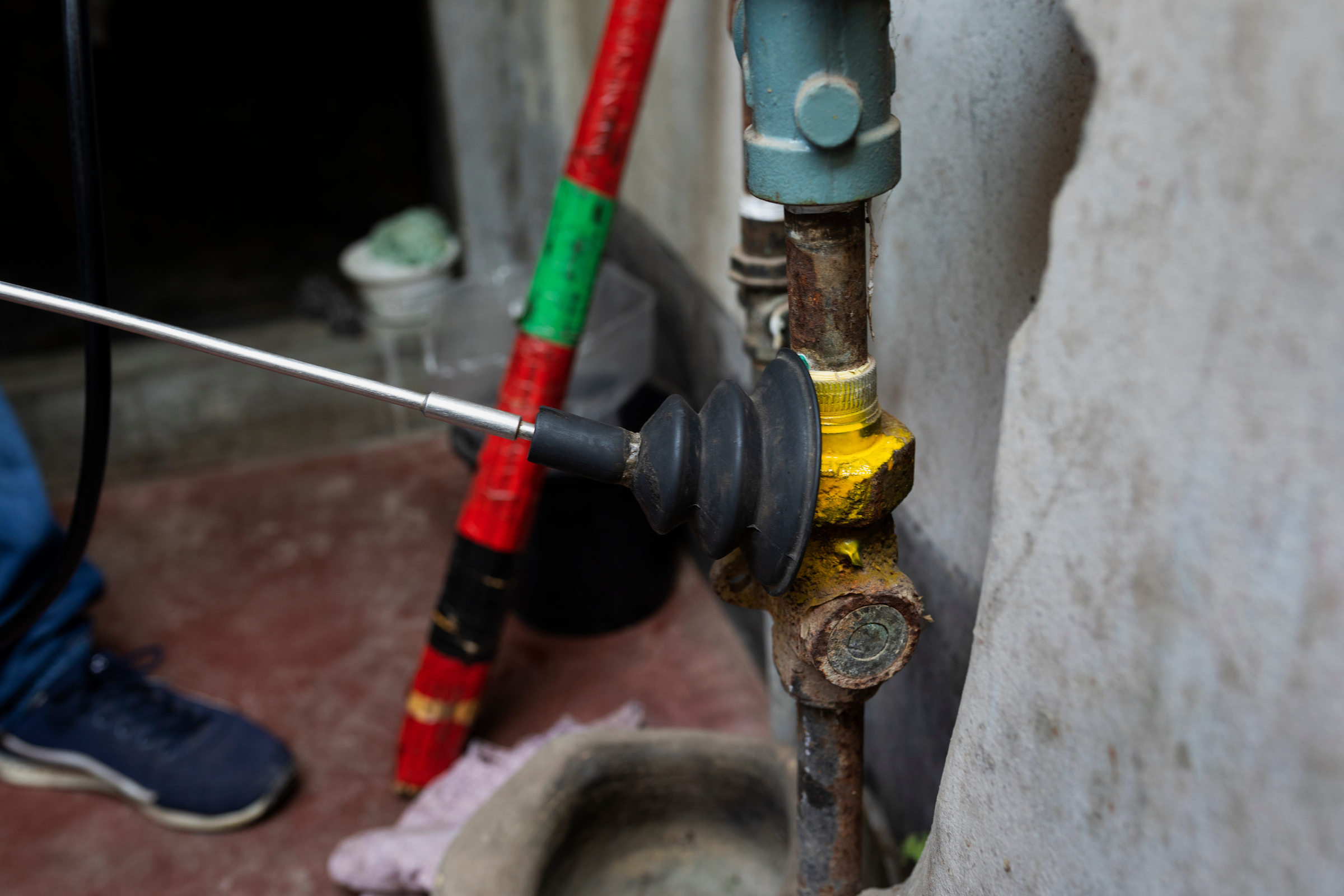
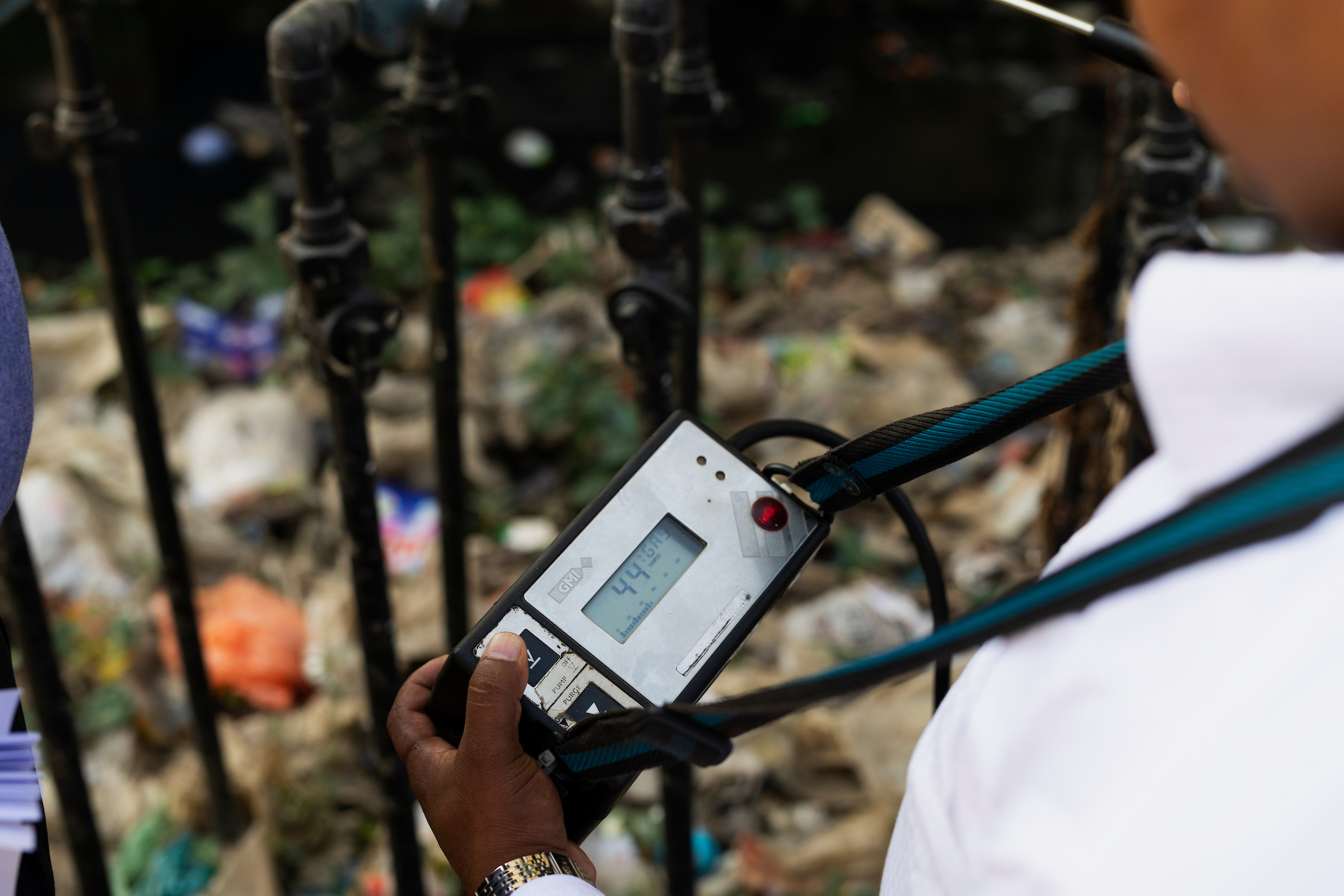
How Leak Detection and Repair (LDAR) contributes to climate action
Methane—the primary component of natural gas and a key constituent of biogas—is a highly potent greenhouse gas. Over a 20-year time horizon, methane has more than 80 times the global warming potential of carbon dioxide. Since the Industrial Revolution, methane emissions have contributed to around 30% of global warming.
Yet methane emissions affect more than the climate: they also degrade air quality. Methane promotes the formation of ground-level ozone, an air pollutant that can harm the respiratory system. Typical sources along gas infrastructure include leaking components such as valves, connectors, pressure-relief devices, and similar equipment.
Leak Detection and Repair (LDAR) programmes systematically identify gas leaks and address them through repair or replacement. Facilities and networks are screened using specialised measurement instruments, leak points are accurately located and—depending on the programme—leak rates are quantified to prioritise actions according to urgency. Corrective measures can range from tightening and resealing to replacing gaskets and, where necessary, entire components. By preventing emissions directly at the source, LDAR projects reduce greenhouse gas releases and deliver measurable climate benefits.
Climate projects in the ClimatePartner portfolio are registered with international standards.
The project aims to contribute to these United Nations’ Sustainable Development Goals (SDGs).


Four criteria for projects to meet quality thresholds
The life cycle of a climate project
A climate project has a set life cycle consisting of various phases, from the feasibility assessment to the retirement of Verified Emission Reductions (VERs).
The project developer reviews the general feasibility of the project, the project design, and the financing. Then, the Project Design Document (PDD) is prepared, which contains all the basic information about the project, such as the objective, location, timeline, and duration.

In this phase, independent auditors examine the PDD and the information it contains. This phase often also involves field visits with on-side interviews and analyses. Auditors are accredited, impartial assessors who have to be approved by the relevant standard as a validation and verification body (VVB). TÜV Nord/Süd, S&A Carbon LLC., and SCS Global Services are examples of VVBs."

Once validated, the project can be registered with a standard such as the Verified Carbon Standard or the Gold Standard. All high-quality climate projects are based on international standards. They provide the framework for project design, construction, carbon accounting, and monitoring. Recognised standards make the climate project system and the projects themselves resilient, traceable, and credible.

After the climate project has been registered, the monitoring begins. Here, the project developers monitor and document the data of the project activities and progress. The duration of the monitoring phase varies from project to project: it can cover two years, but documentation over five or seven years is also possible.

At the end of each monitoring phase, a VVB checks and assesses whether the values and project activities stated in the monitoring report are correct. As with validation, visits to the project site are often part of the verification process.

Once verified, the emission reductions that were confirmed in the verification phase can be issued as VERs. The steps of monitoring, verification, and issuance of VERs are repeated regularly and are therefore considered as a cycle.

Once a VER has been used, it must be retired. This process is also reflected in the registry. If the financing of a climate project is done through ClimatePartner, the VERs are bundled in a system certified by TÜV Austria and then retired on a regular basis. This ensures that each VER can no longer be sold and is only used once, preventing double counting.
Explore our projects
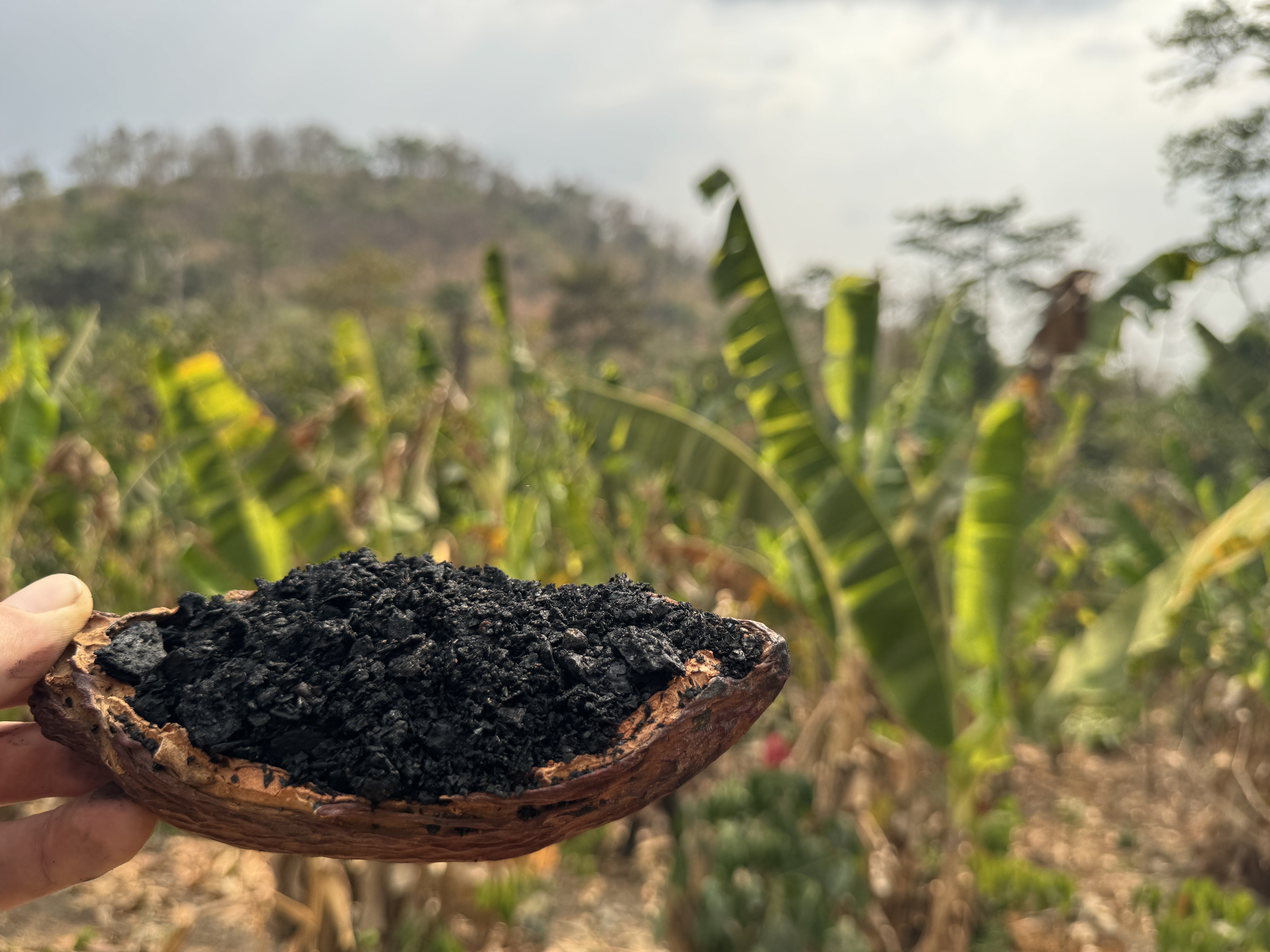
Biochar for Climate Action, Healthy Soils, and Better Harvests
A certified climate project combined with additional commitment
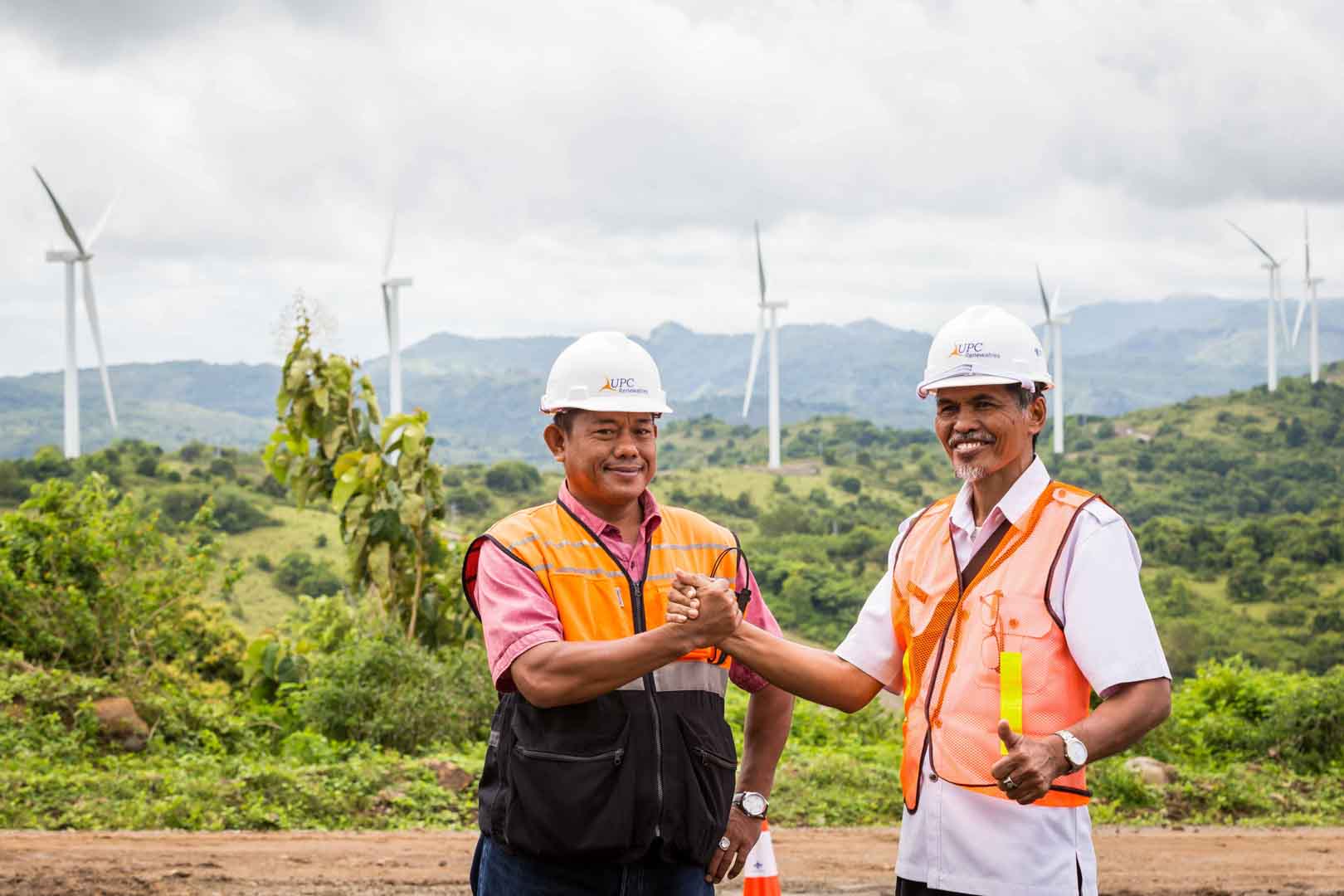
Expansion of renewable energy generation in Asia
Ceramic water filters save CO2 and improve health
Improved cookstoves worldwide – for better health and cleaner air

A certified climate project combined with additional commitment
Powering access to renewable energy in Africa
A certified climate project combined with additional commitment
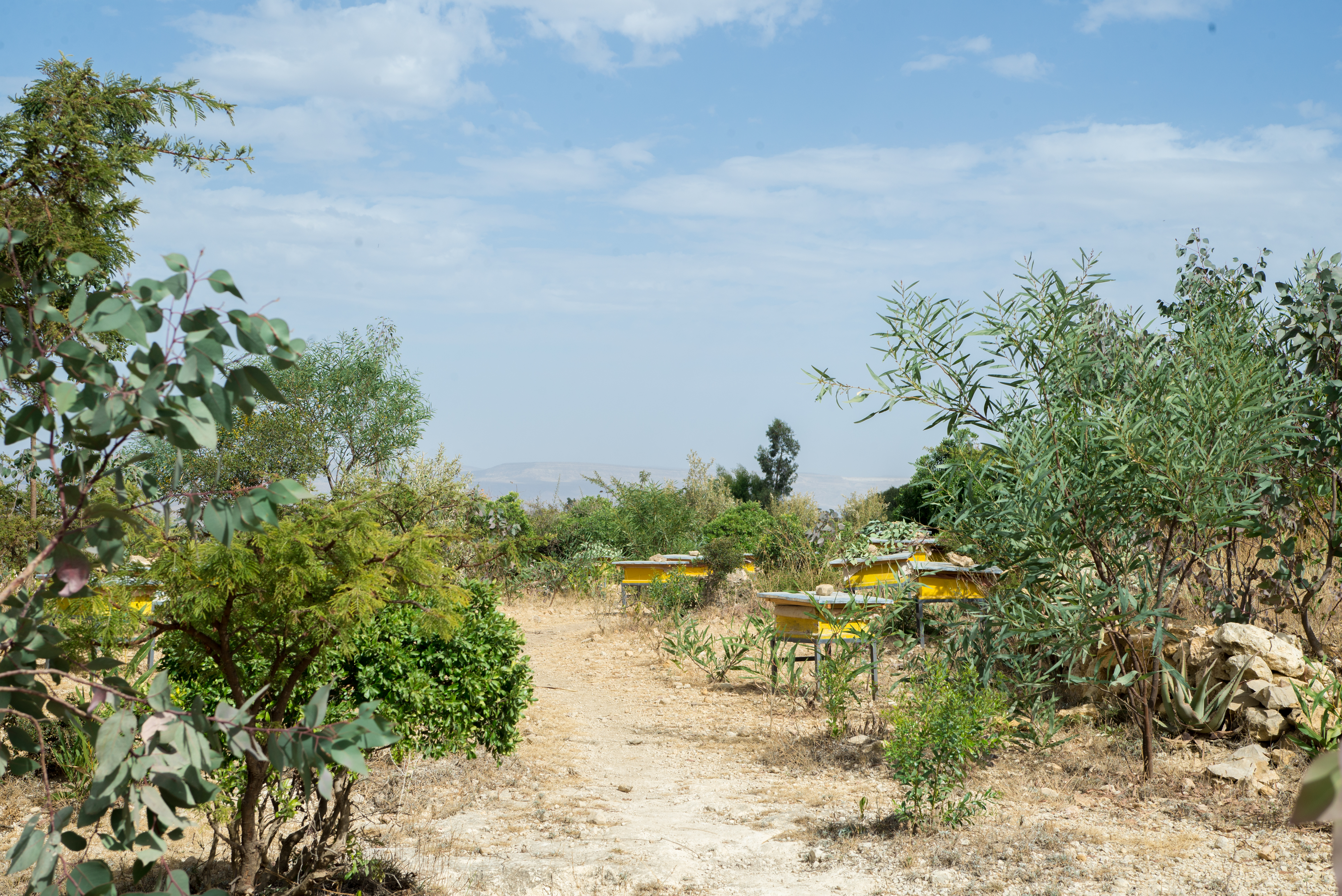
Restored ecosystems remove carbon
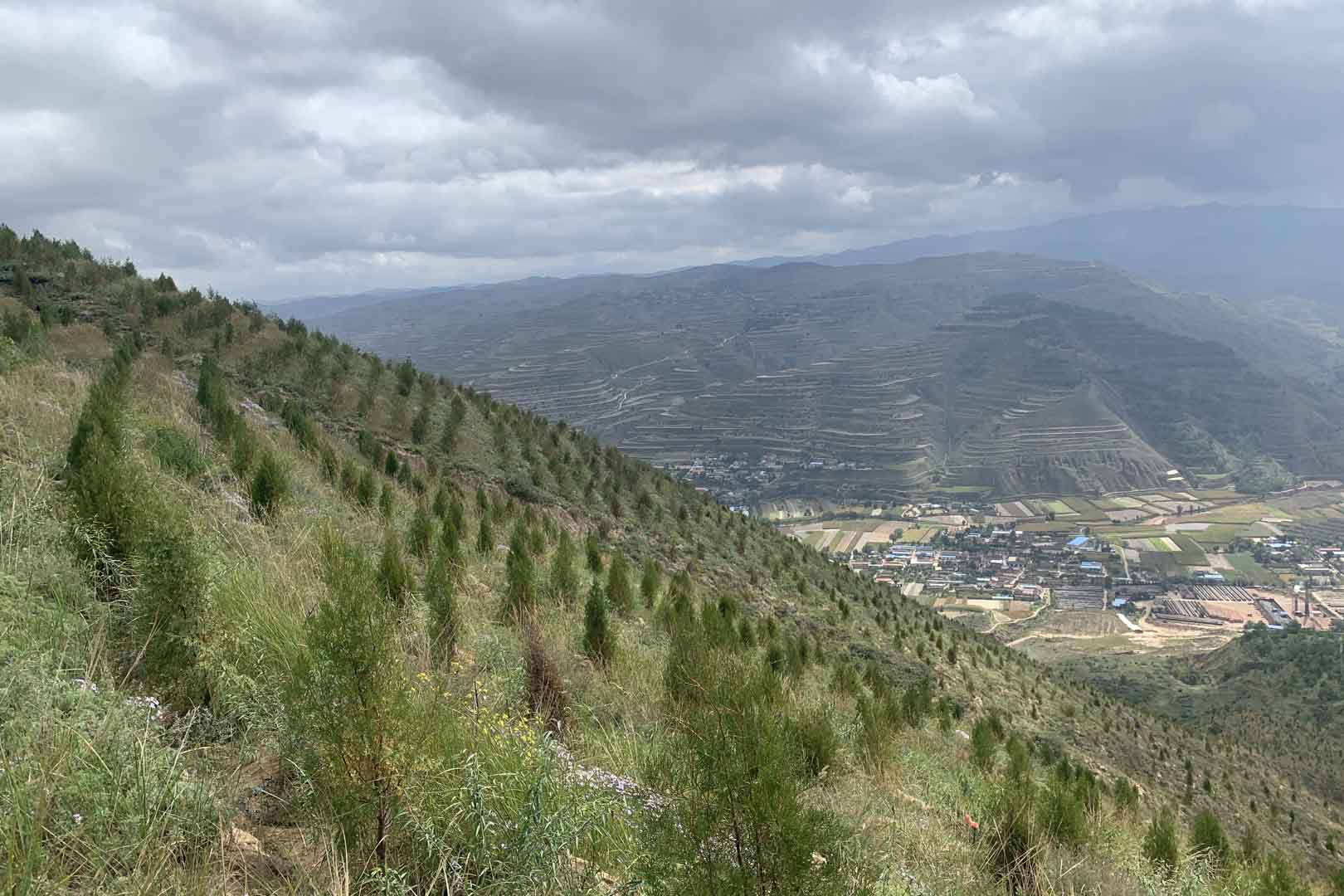
Turning degraded farmlands into healthy ecosystems
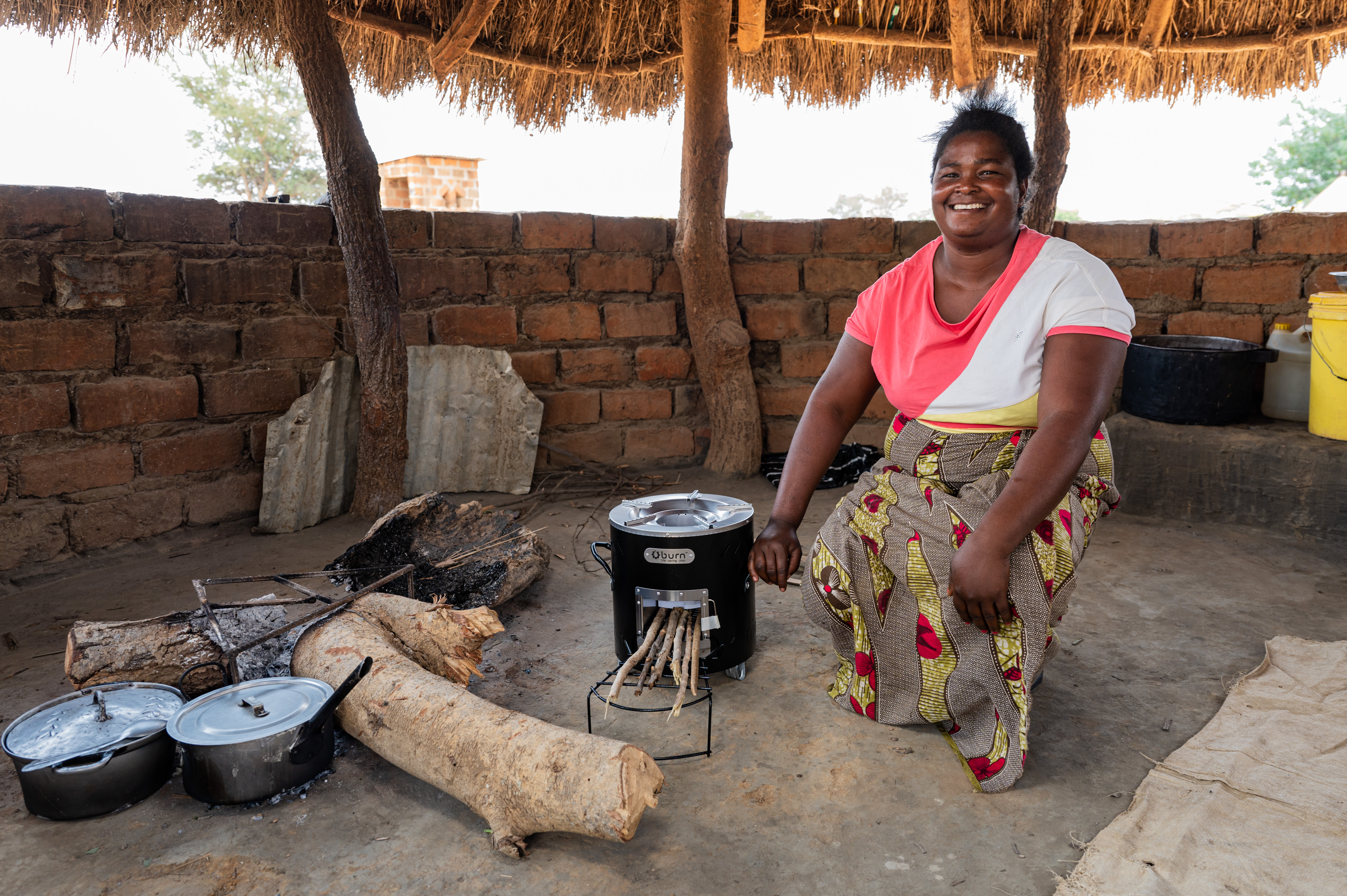
Improved cookstoves - better for health and the environment