
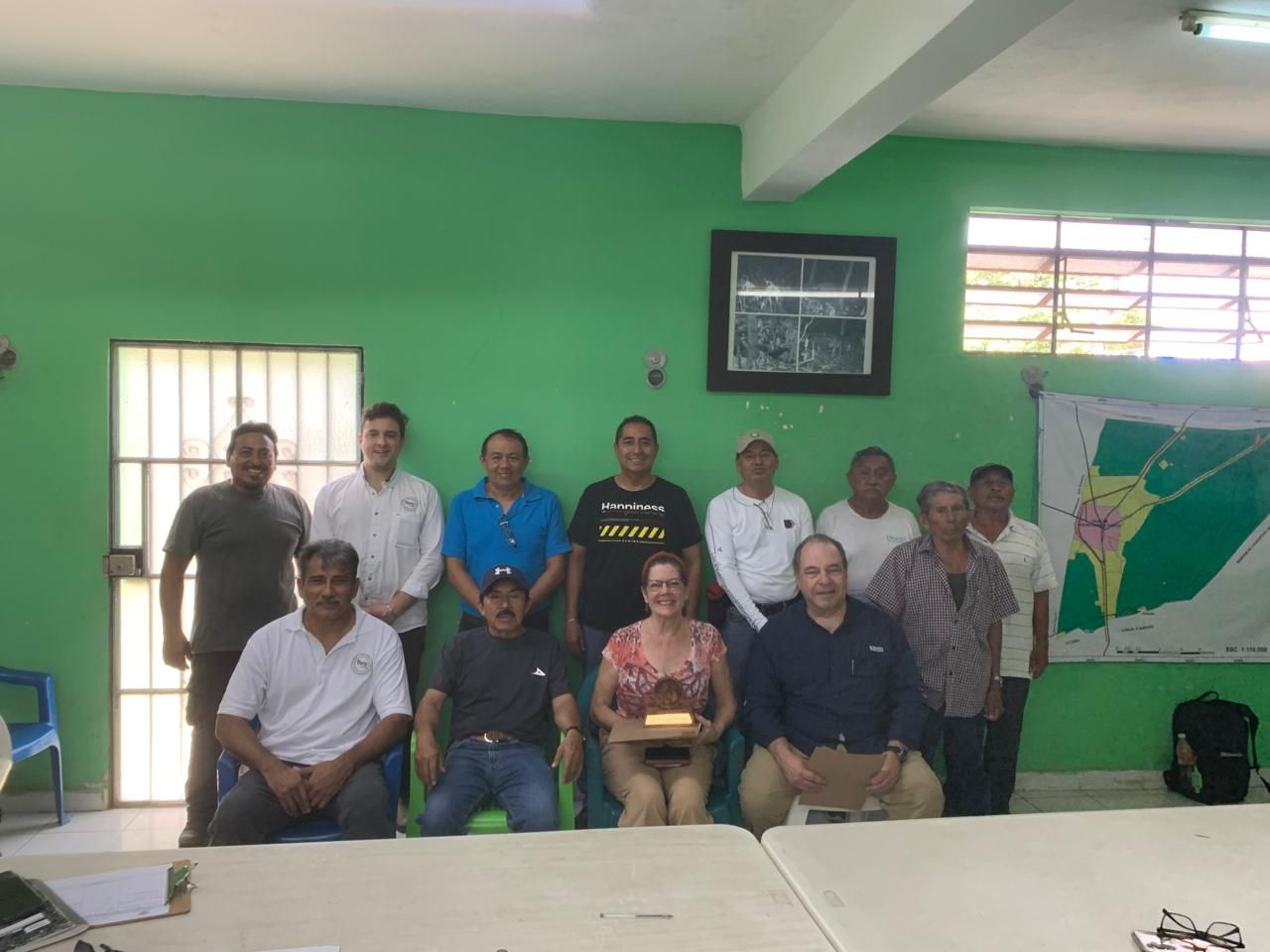
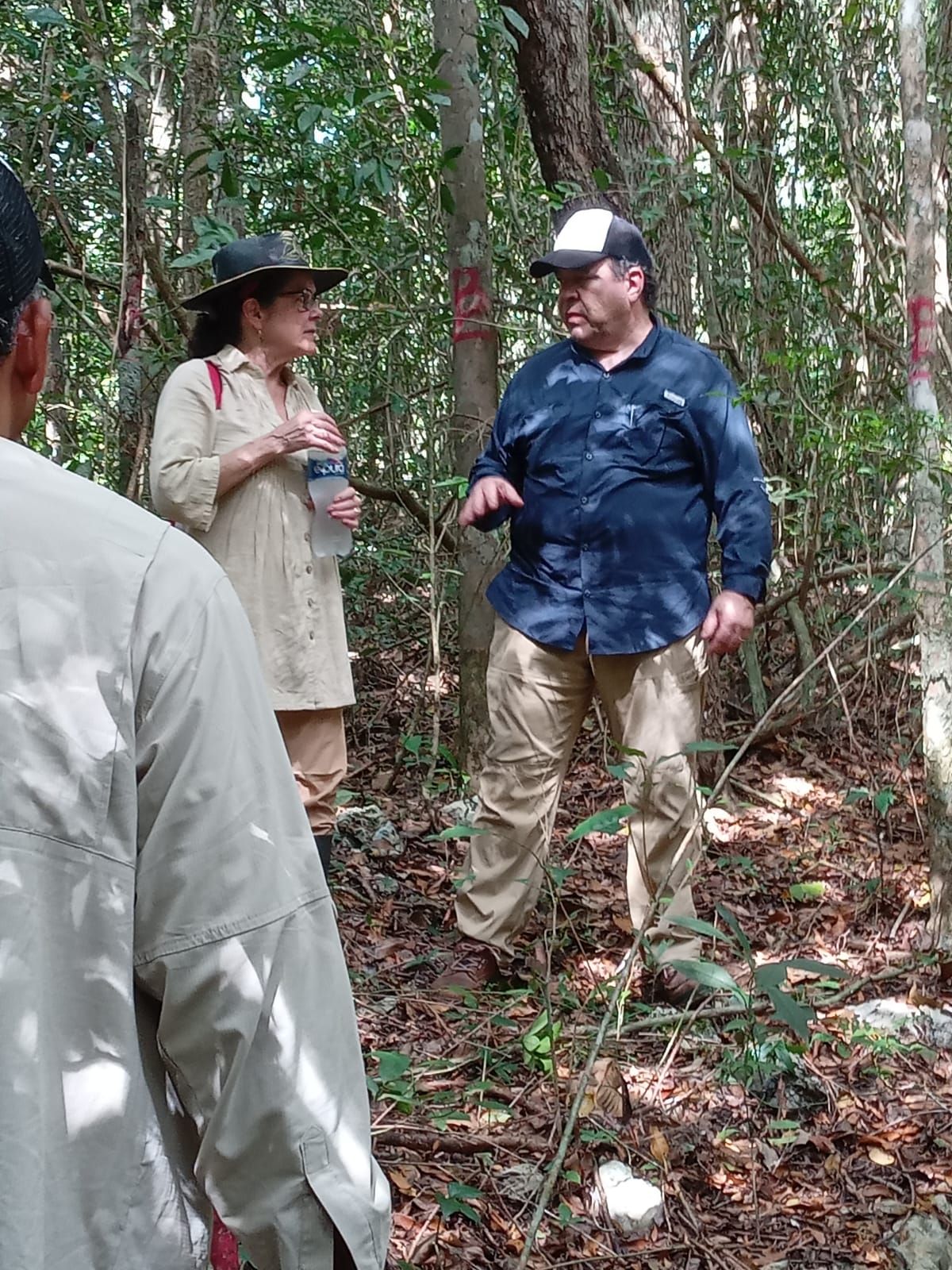
A forest owned by the Maya community of X-Hazil
On Mexico's Yucatán Peninsula, one of Mesoamerica's most biodiverse forest regions is under pressure. Tourism is expanding, infrastructure is pushing in, and the communities whose lives depend on the forest are caught in the middle.
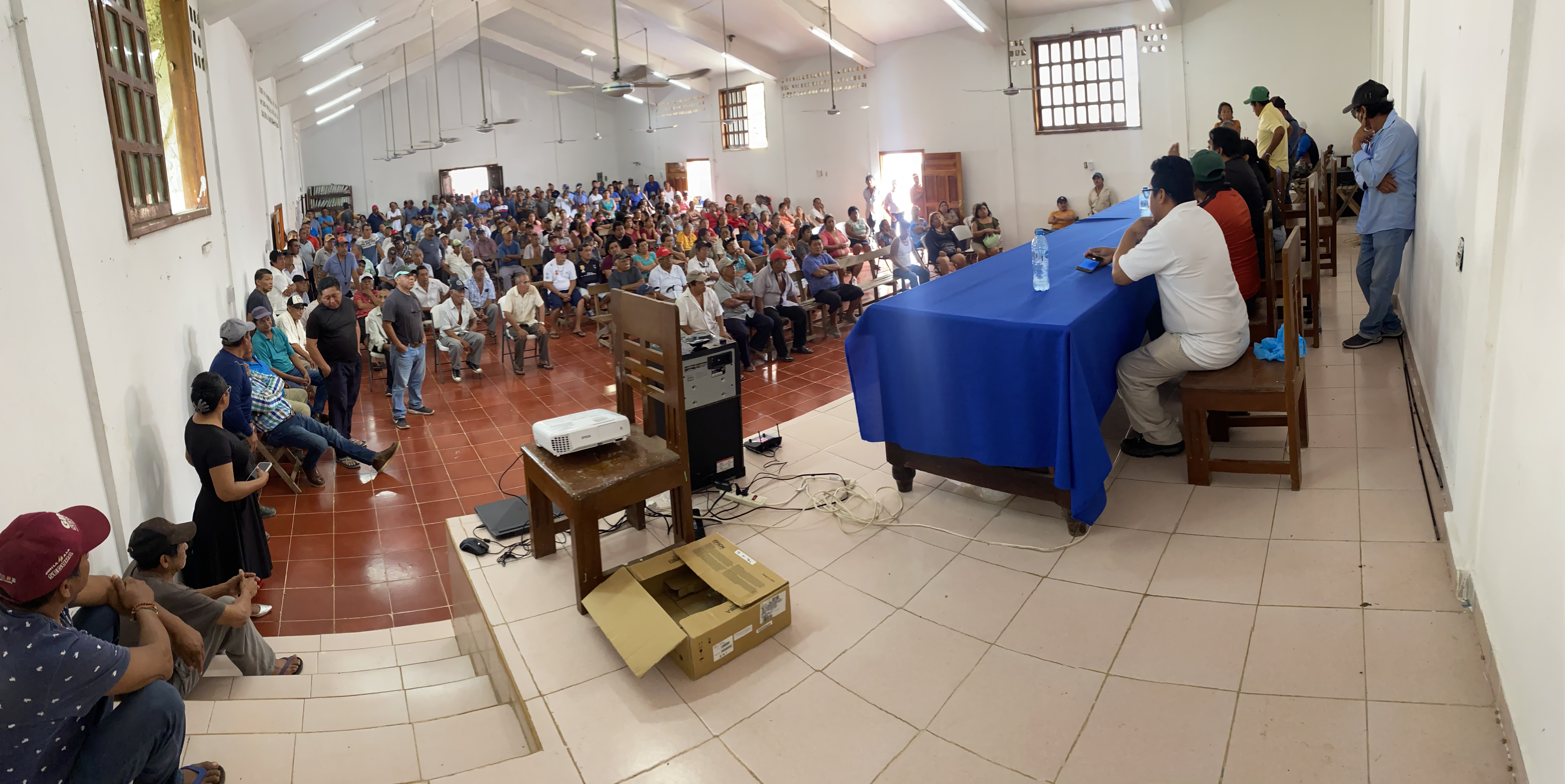
The Maya community of Ejido X-Hazil isn't relying for someone else to fix it.
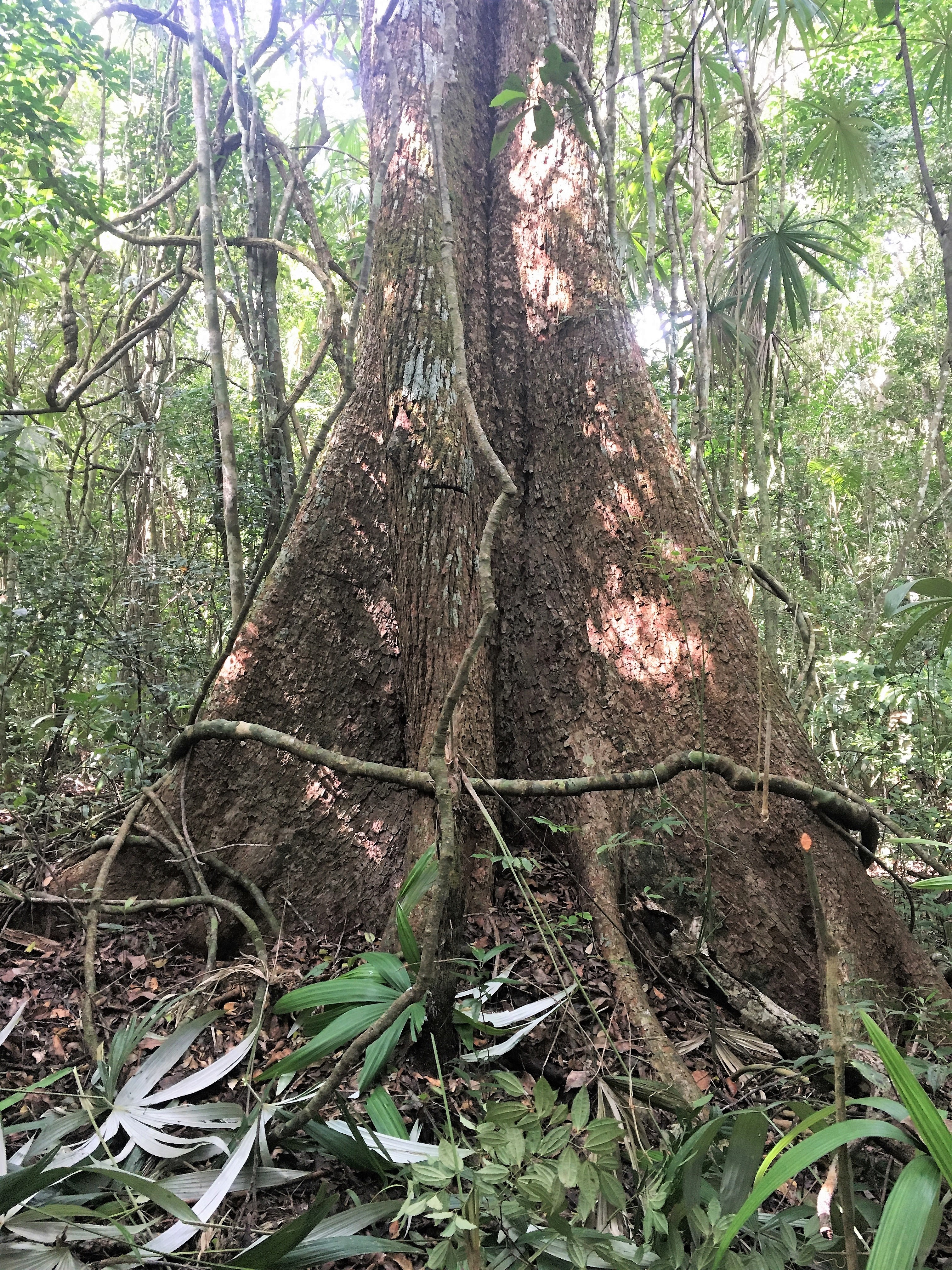
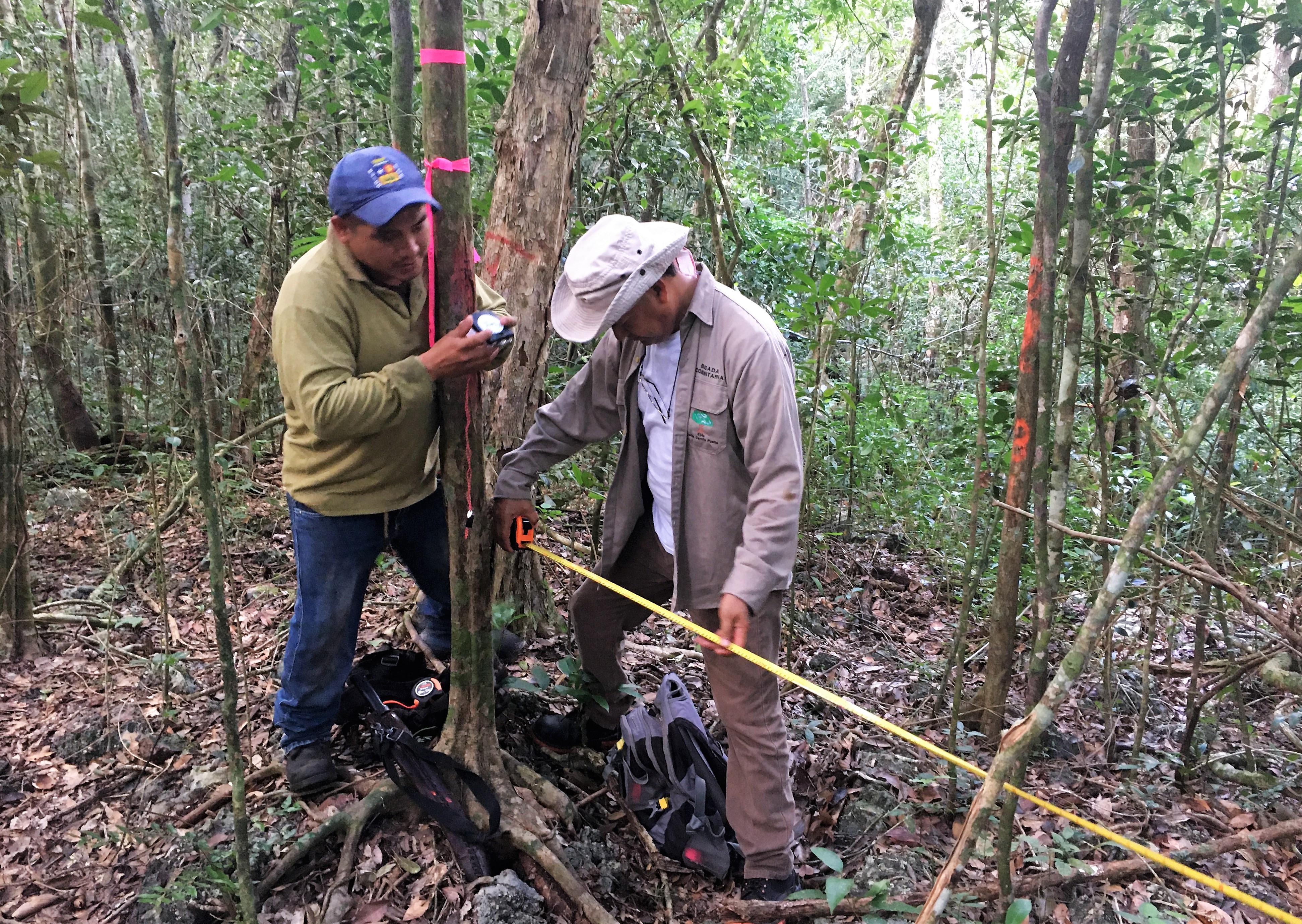
They manage 26,256 hectares of rainforest: selectively thinning trees, maintaining firebreaks, running organised fire patrols, and restoring areas. Some of the forest stock stays untouched, protecting young trees, natural regeneration, and the old seed trees that keep the ecosystem alive.
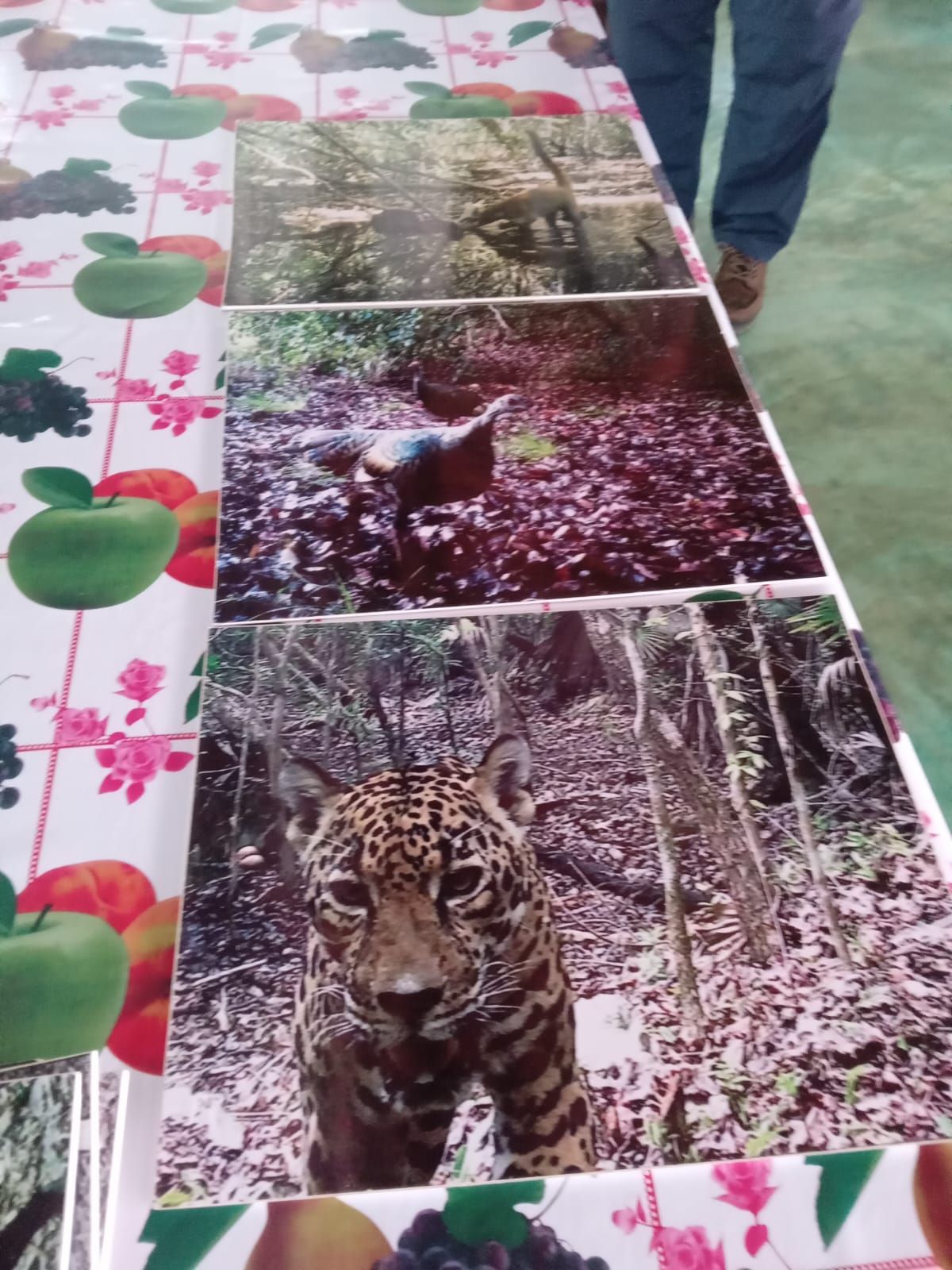
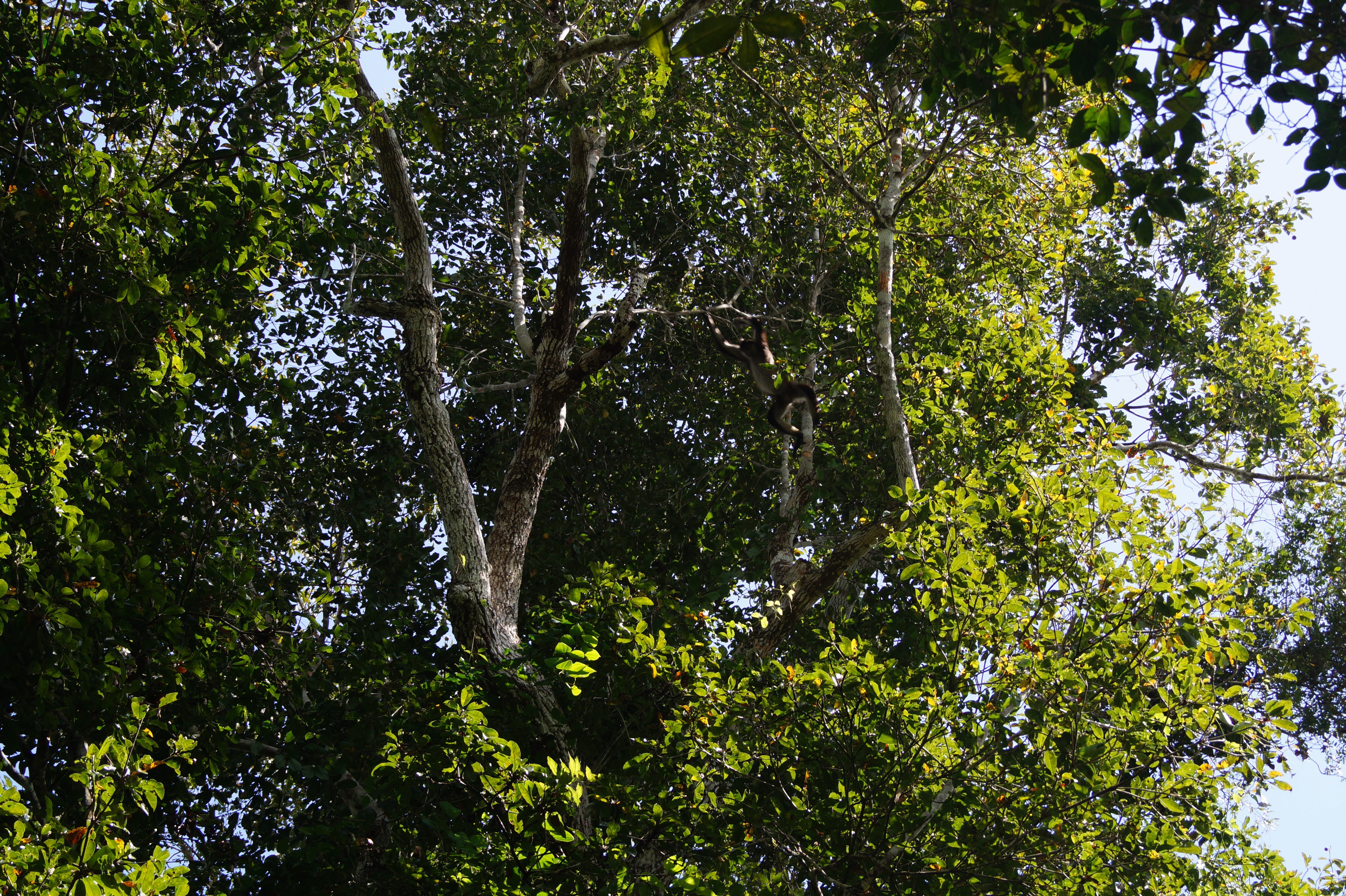
The result: more carbon stored, 158 native tree species protected, and a forest that's prepared for whatever comes next.
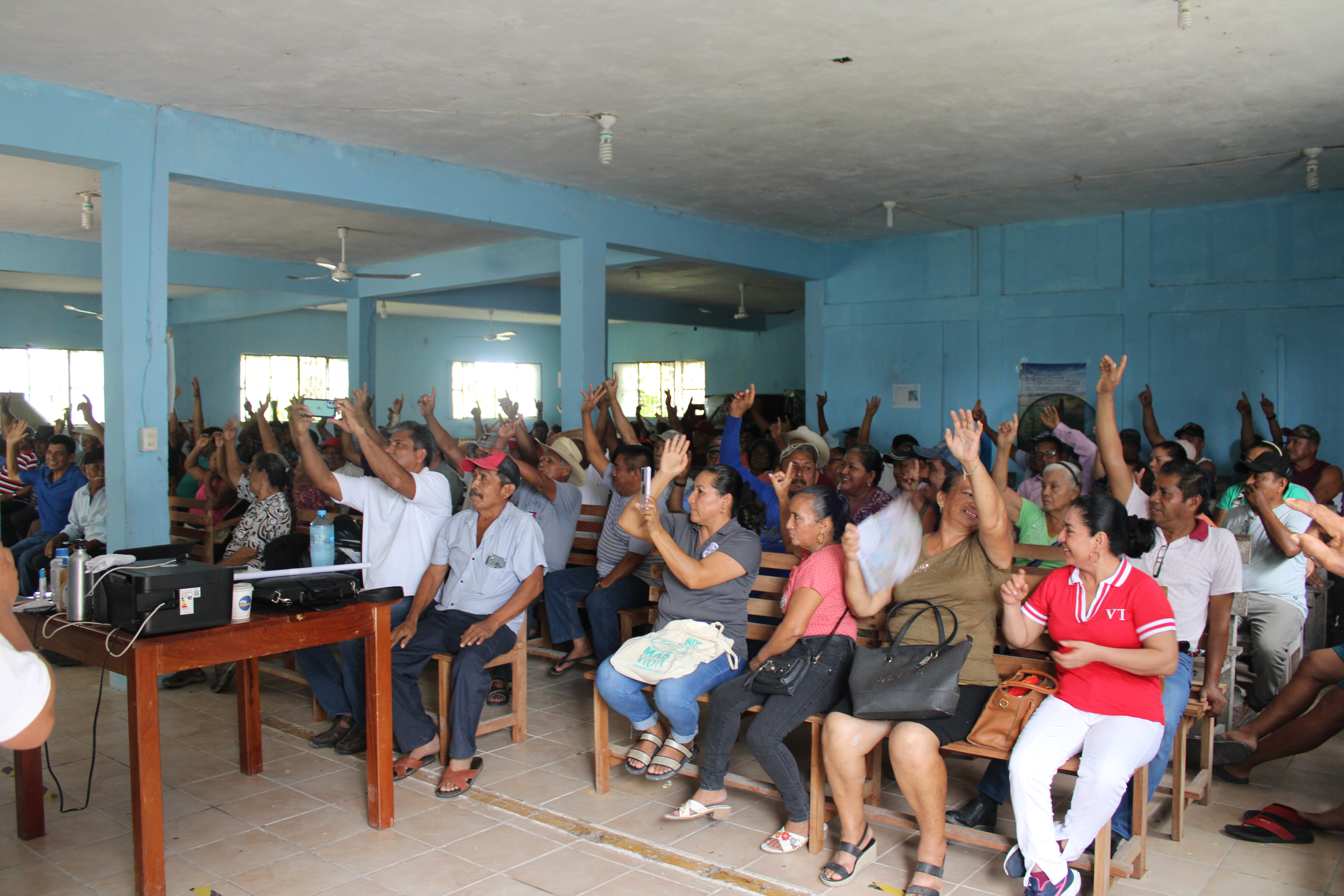
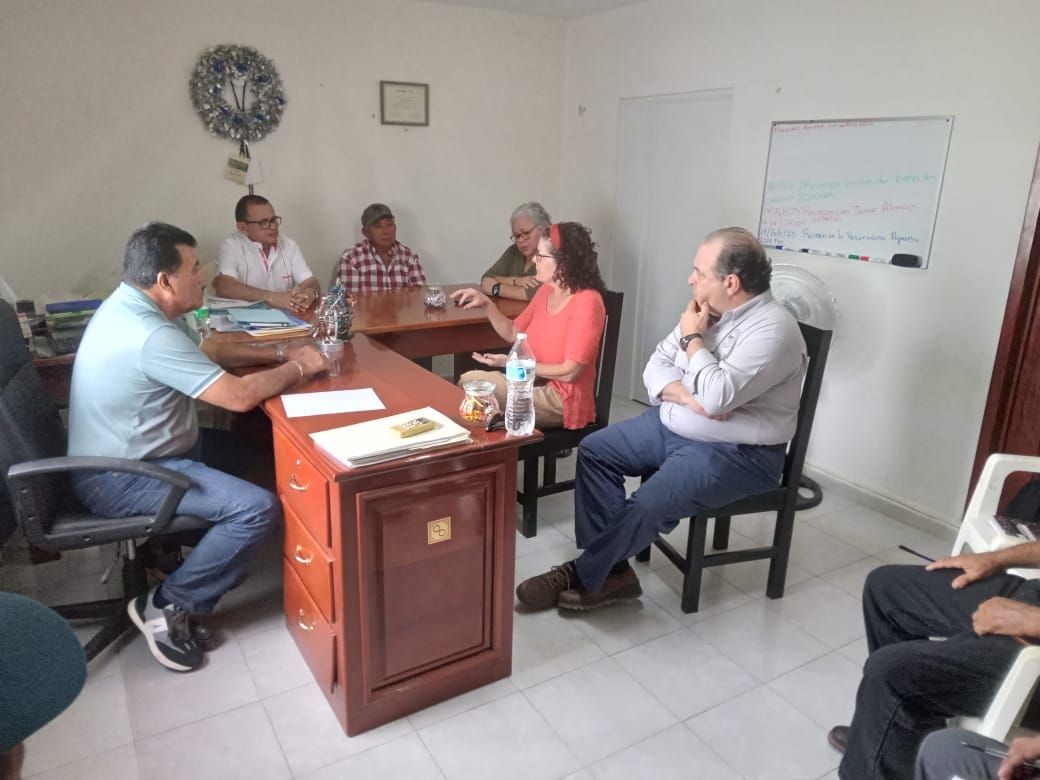
And the benefits don't stop at the treeline. Carbon revenue flows directly into a community-led social fund, financing healthcare, education, ecotourism, and social programmes for the people.

 The project contributes to the the United Nations' Sustainable Development Goals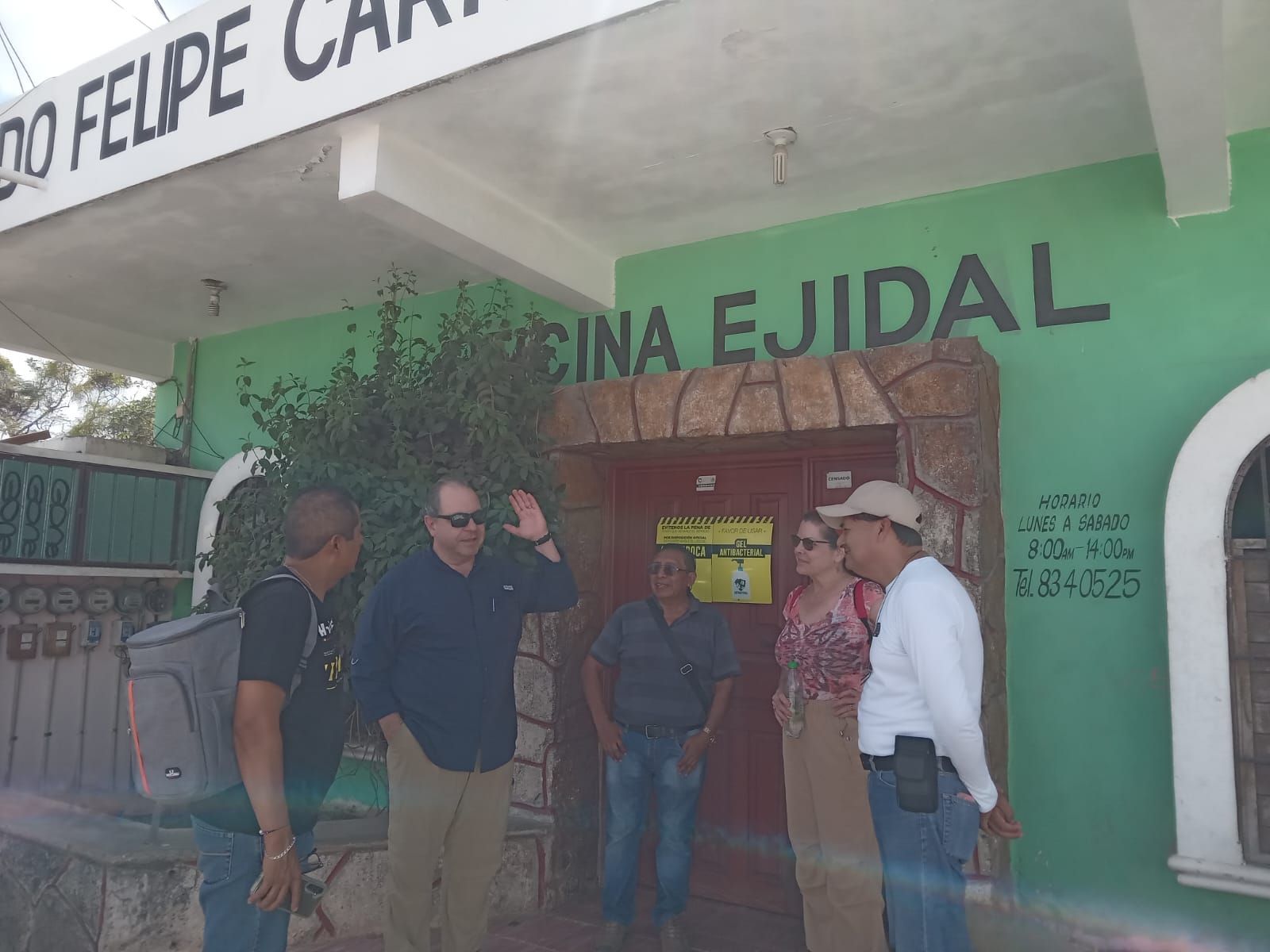
Improved forest management for climate action and biodiversity
Forests are true superheroes: they prevent desertification, purify water and air, store carbon, and are an important habitat to roughly 50 percent of all animal and plant species. Forests also play a key role in the fight against the climate crisis. Around 15 percent of global CO2 emissions result from deforestation, making forest protection one of the most cost-effective solutions to mitigate climate change.
Improved Forest Management (IFM) aims to increase the forest's capacity to store carbon, conserve the forest and reduce greenhouse gas emissions caused by deforestation.
Depending on the project, different IFM measures are implemented:
Extended rotation: Increasing the time between harvest cycles allows trees to grow larger, accumulate more biomass, and store more carbon.
Reduced-impact logging: Selective removal of individual trees preserves the forest structure, and promotes natural regeneration.
Build-up of timber stock: Less wood is harvested than naturally grows back, resulting in a continuous increase of forest biomass.
Forest reserve: In natural forest reserves, all logging activities are entirely prohibited within a designated area. This significantly increases biomass and promotes high biodiversity.
The project aims to contribute to these United Nations’ Sustainable Development Goals (SDGs).


Four criteria for projects to meet quality thresholds
The life cycle of a climate project
A climate project has a set life cycle consisting of various phases, from the feasibility assessment to the retirement of Verified Emission Reductions (VERs).
The project developer reviews the general feasibility of the project, the project design, and the financing. Then, the Project Design Document (PDD) is prepared, which contains all the basic information about the project, such as the objective, location, timeline, and duration.

In this phase, independent auditors examine the PDD and the information it contains. This phase often also involves field visits with on-side interviews and analyses. Auditors are accredited, impartial assessors who have to be approved by the relevant standard as a validation and verification body (VVB). TÜV Nord/Süd, S&A Carbon LLC., and SCS Global Services are examples of VVBs."

Once validated, the project can be registered with a standard such as the Verified Carbon Standard or the Gold Standard. All high-quality climate projects are based on international standards. They provide the framework for project design, construction, carbon accounting, and monitoring. Recognised standards make the climate project system and the projects themselves resilient, traceable, and credible.

After the climate project has been registered, the monitoring begins. Here, the project developers monitor and document the data of the project activities and progress. The duration of the monitoring phase varies from project to project: it can cover two years, but documentation over five or seven years is also possible.

At the end of each monitoring phase, a VVB checks and assesses whether the values and project activities stated in the monitoring report are correct. As with validation, visits to the project site are often part of the verification process.

Once verified, the emission reductions that were confirmed in the verification phase can be issued as VERs. The steps of monitoring, verification, and issuance of VERs are repeated regularly and are therefore considered as a cycle.

Once a VER has been used, it must be retired. This process is also reflected in the registry. If the financing of a climate project is done through ClimatePartner, the VERs are bundled in a system certified by TÜV Austria and then retired on a regular basis. This ensures that each VER can no longer be sold and is only used once, preventing double counting.
Explore our projects
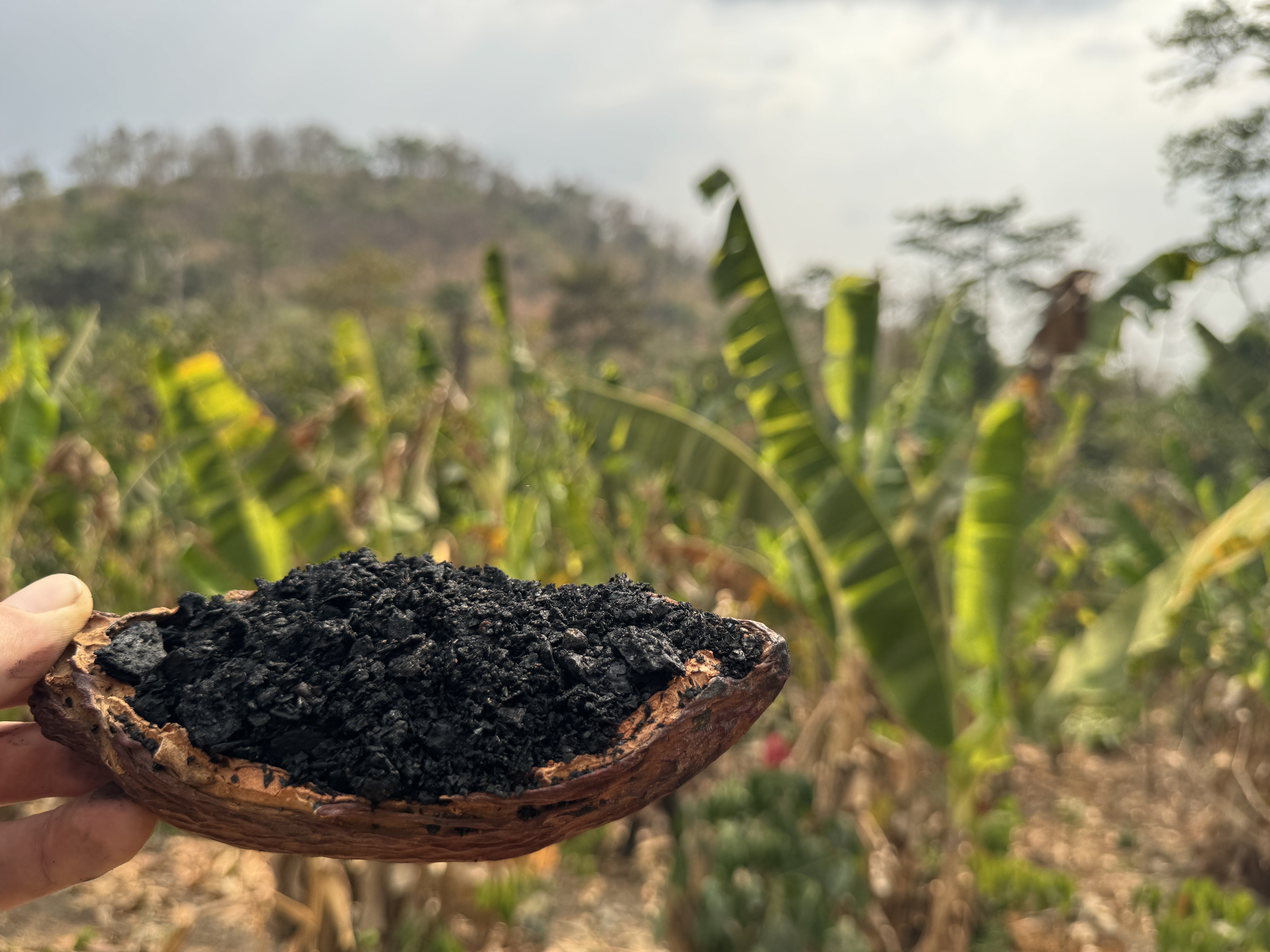
Biochar for Climate Action, Healthy Soils, and Better Harvests
A certified climate project combined with additional commitment
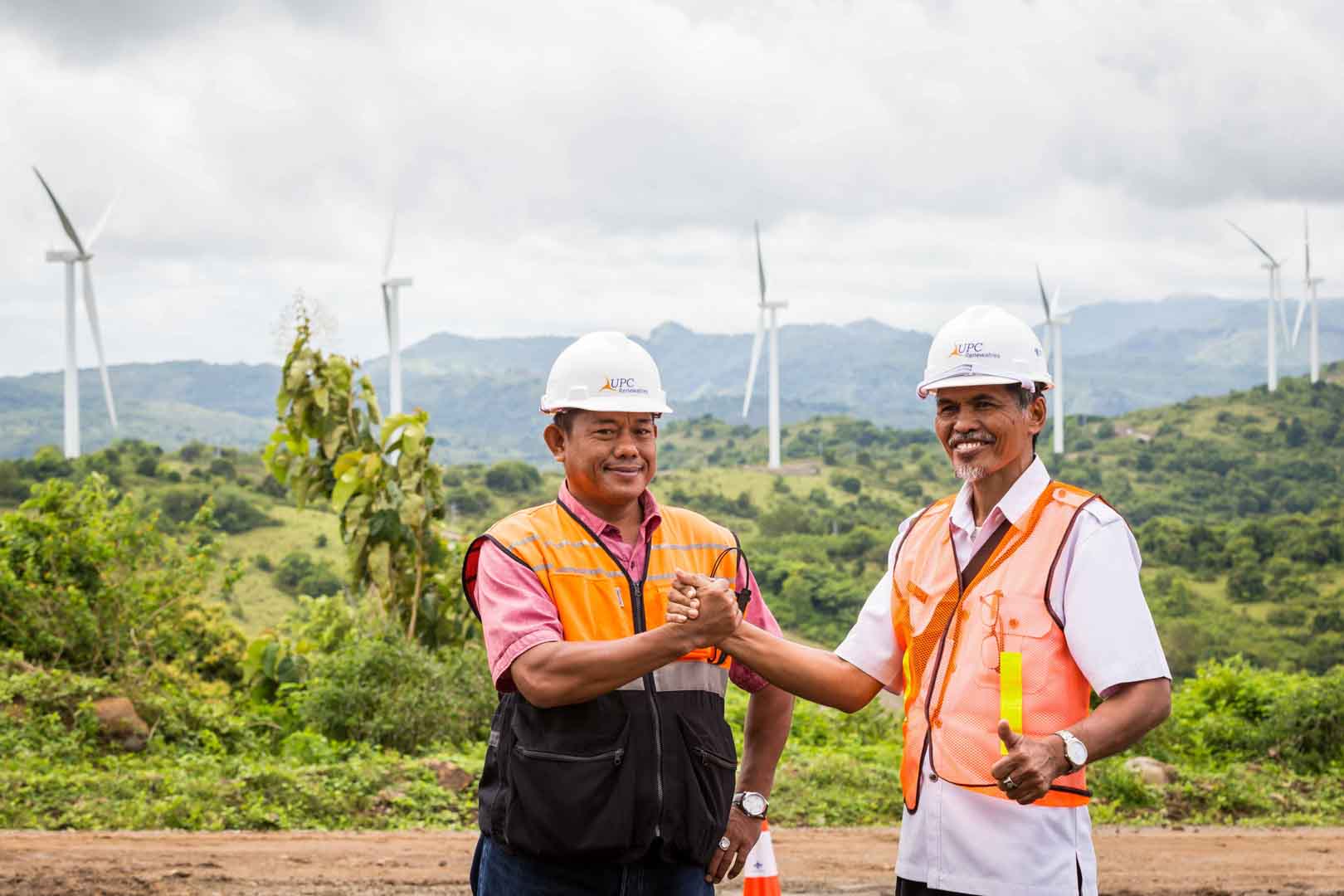
Expansion of renewable energy generation in Asia
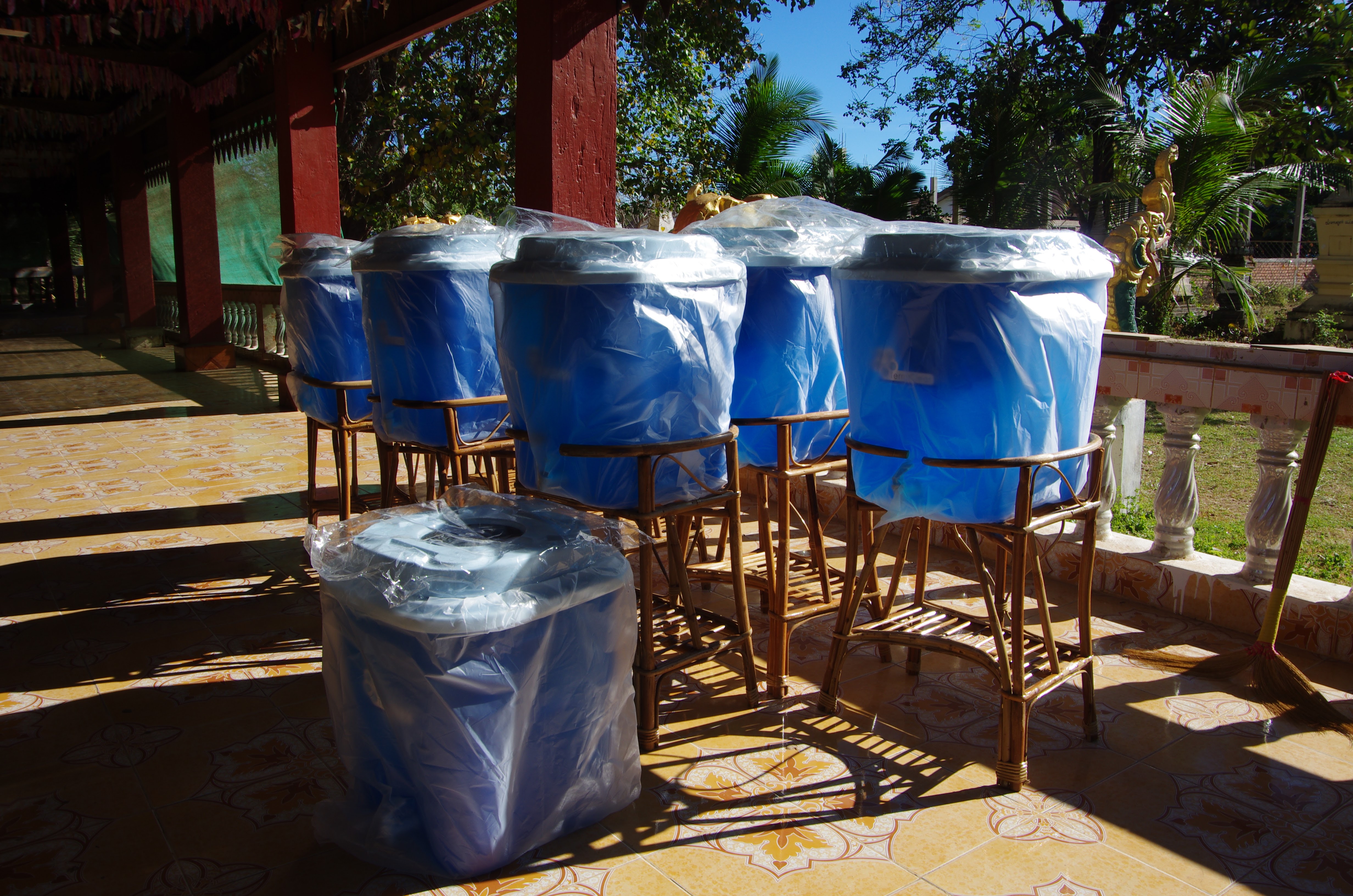
Ceramic water filters save CO2 and improve health
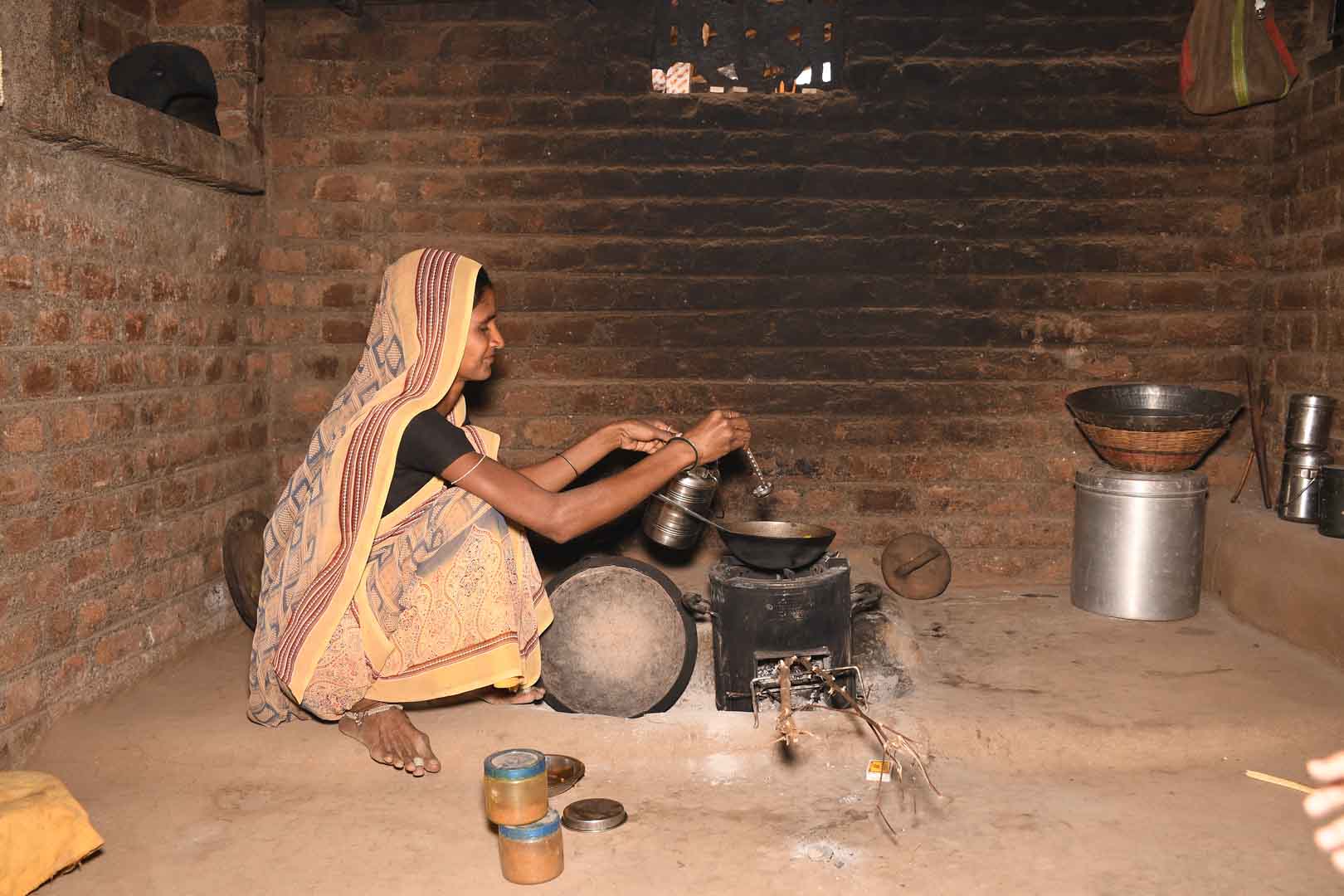
Improved cookstoves worldwide – for better health and cleaner air

A certified climate project combined with additional commitment
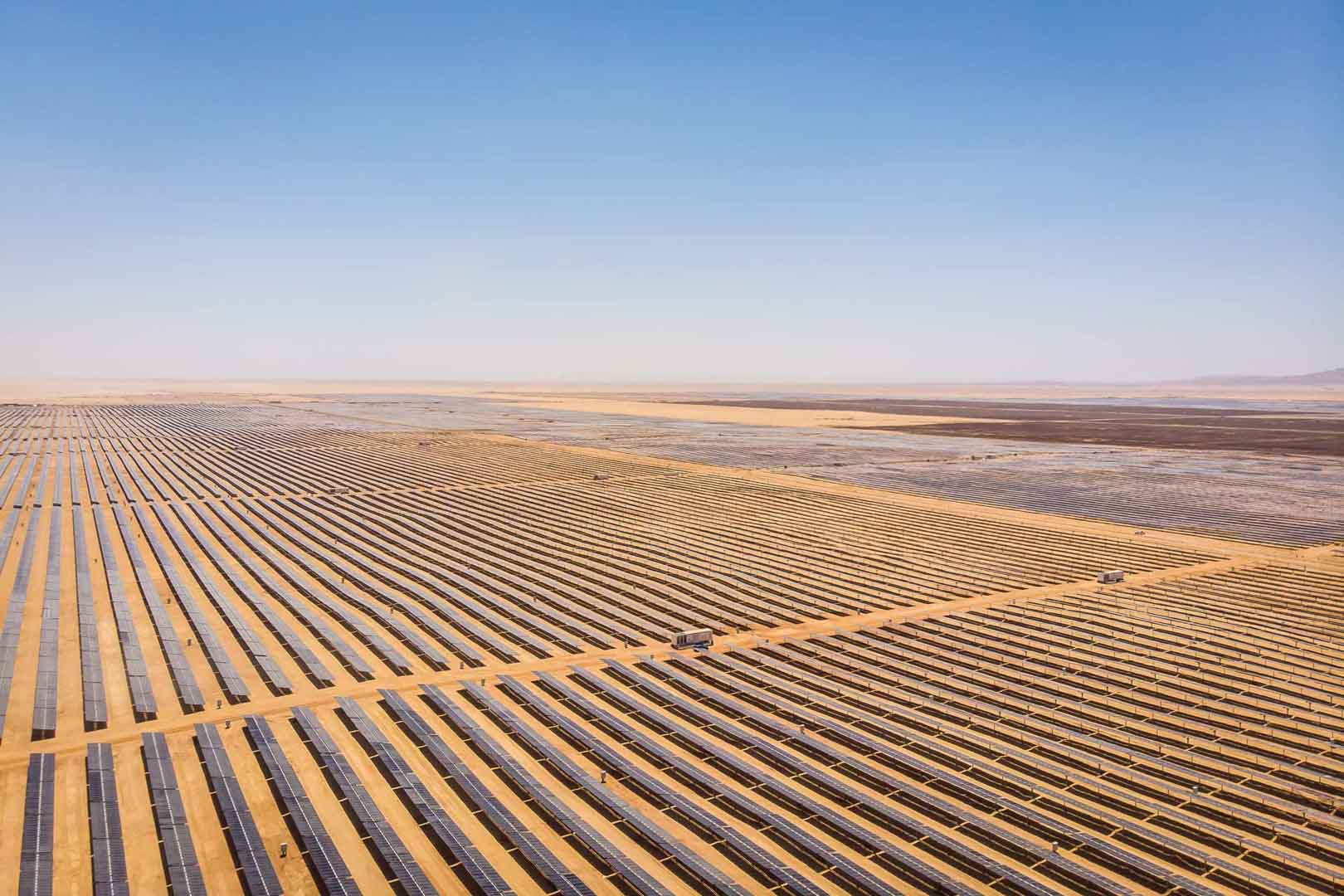
Powering access to renewable energy in Africa
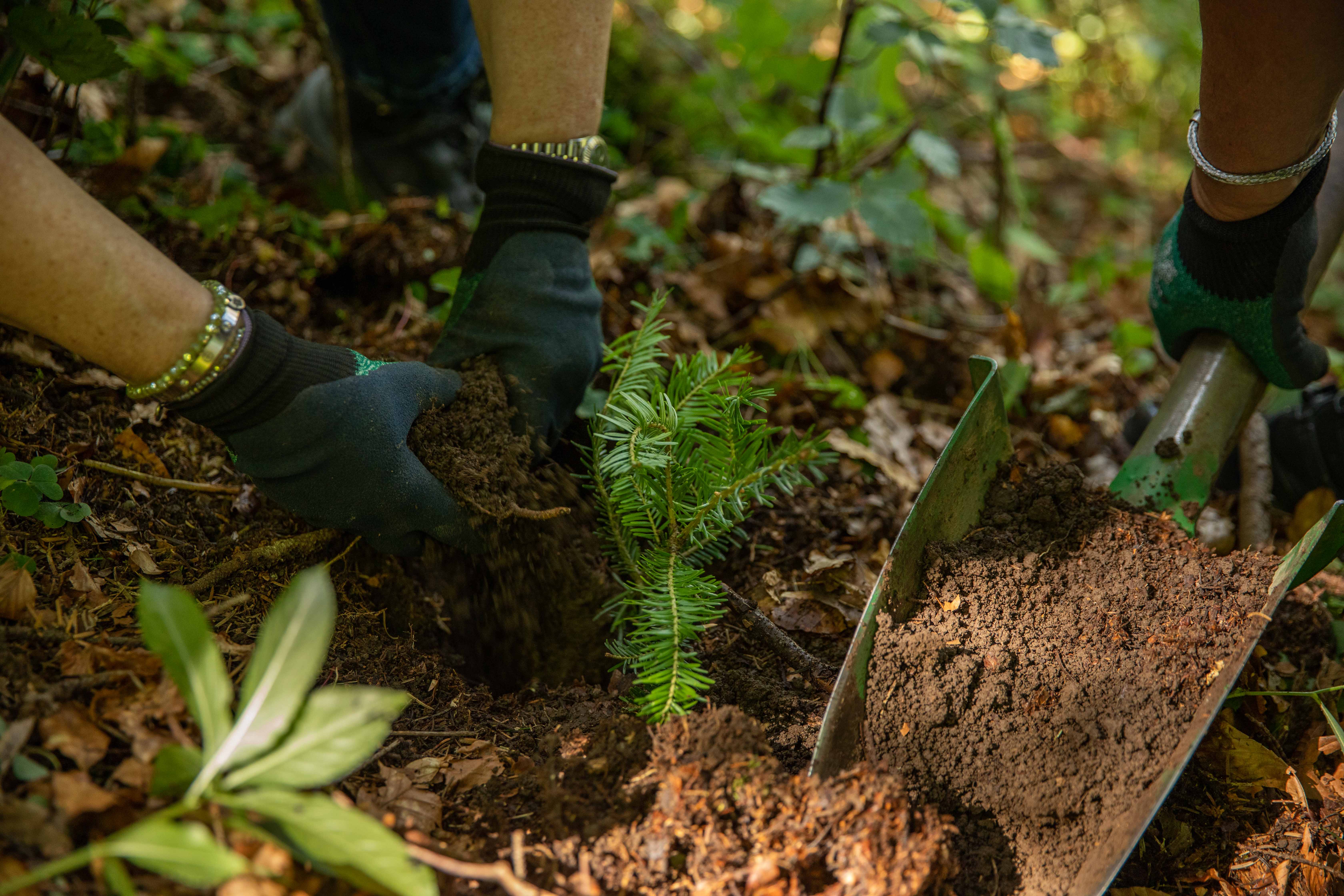
A certified climate project combined with additional commitment
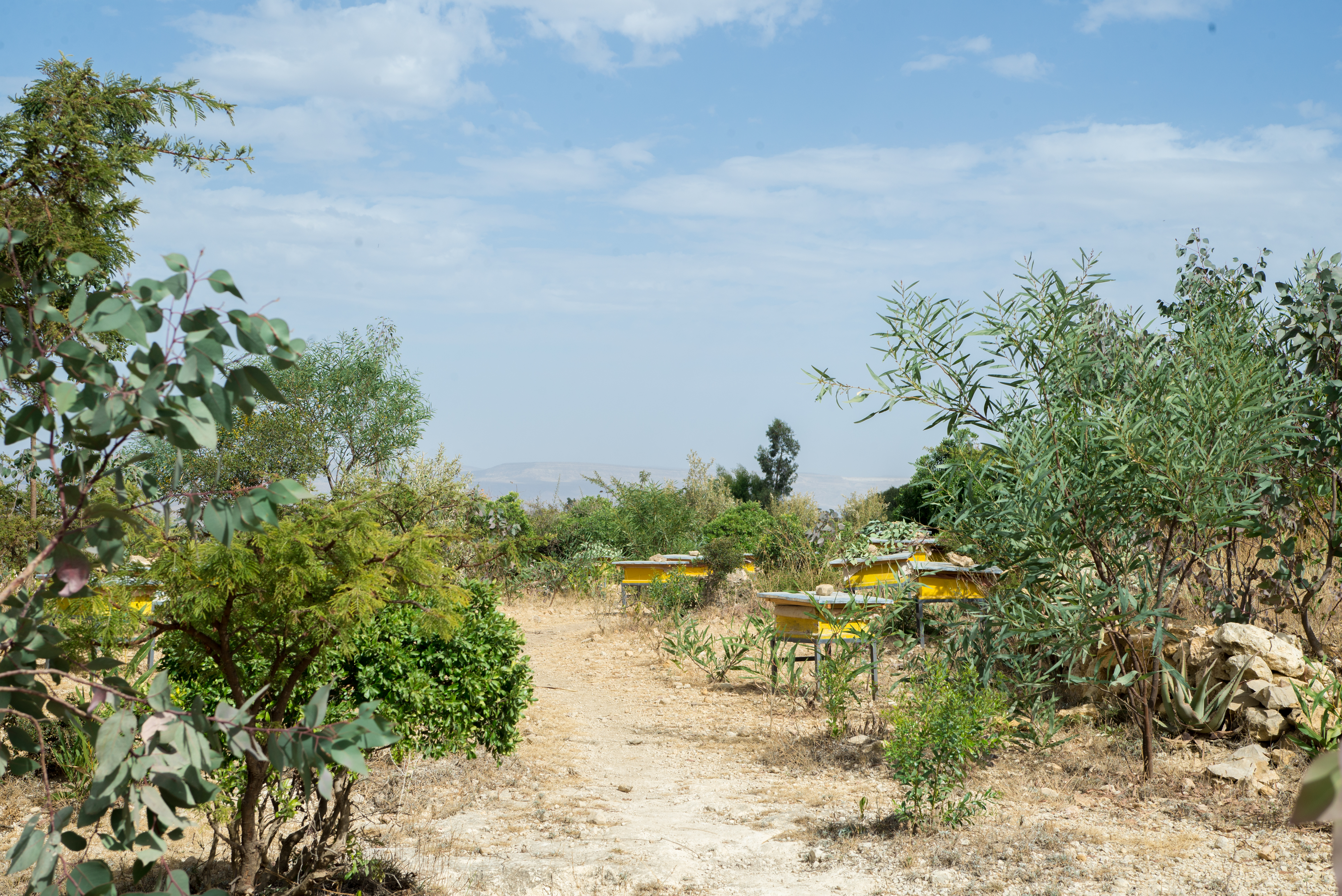
Restored ecosystems remove carbon
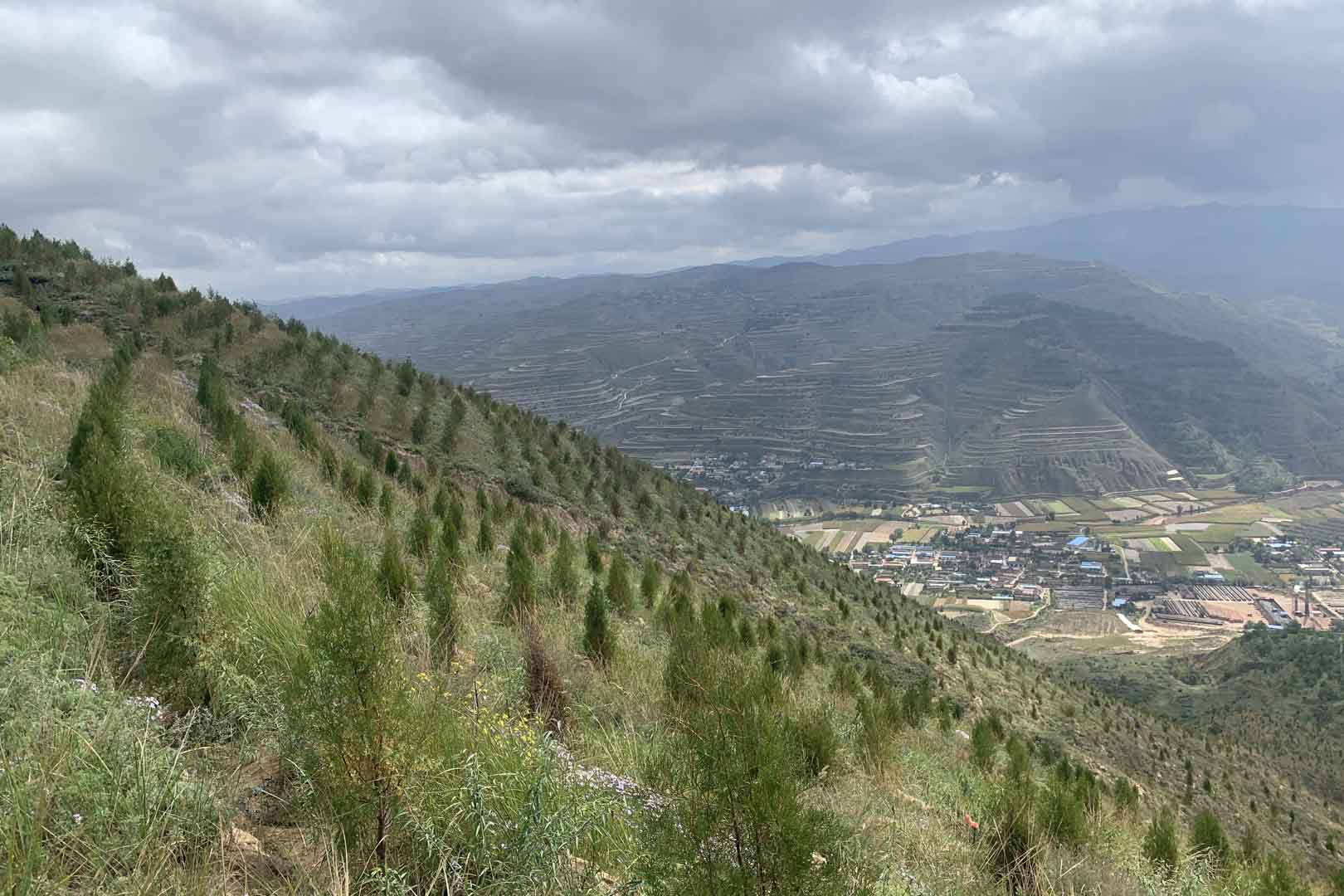
Turning degraded farmlands into healthy ecosystems
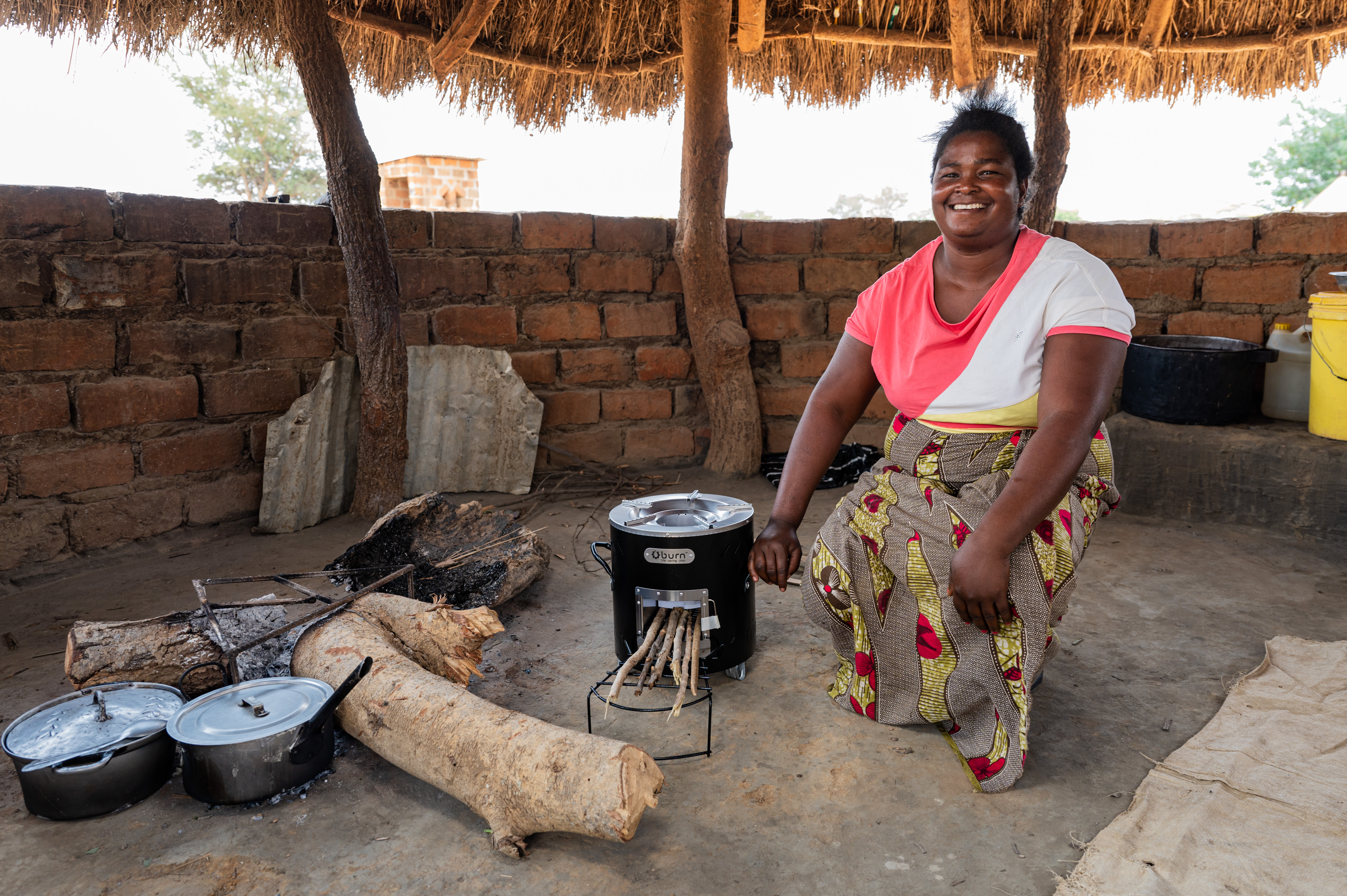
Improved cookstoves - better for health and the environment