
Forest protection in Kenya: Preserving biodiversity, protecting the climate
How do you actually conserve 200,000 hectares of forest? The forest in question is a section of dry forest and savanna in the Kasigau Wildlife Corridor, which connects the Tsavo East and Tsavo West Natural Parks in Kenya. It is home to endangered species such as lions, zebras and parrots as well as countless species of birds. Every day during their seasonal migration, 2,000 African elephants cross the area.
However, this forest area is facing massive deforestation and slash-and-burn practices. In order to protect the Kasigau Wildlife Corridor, more than 100 rangers who guard and defend the area have been trained among the local population. More income opportunities for the local population are required in order to stem the depletion of the natural environment. That's why the project creates jobs in factories and small businesses.
The project was chosen as the Best Offsetting Project in Environmental Finance's 8th voluntary carbon poll in 2017.


Forests are not only among the planet's most important carbon reservoirs. They also are home to an enormous diversity of species and are the livelihood for all people. However, global forest areas have declined sharply in recent decades due to increasing settlement, agricultural use, illegal logging and mining.
Forest protection projects ensure that forests are preserved in the long term and that the protection of forests is given a higher value than their deforestation. Together with the local population, project participants protect the area from negative influences. To allow for this the projects create alternative sources of income and educational opportunities. Depending on the project region, forests store varying amounts of carbon per hectare. Particularly high amounts of carbon are stored in the vegetation and soil of tropical swamp forests, primary rainforests, or mangroves. Forest protection projects in the ClimatePartner portfolio are registered with international standards.
The project aims to contribute to these United Nations Sustainable Development Goals (SDGs).


Explore our projects
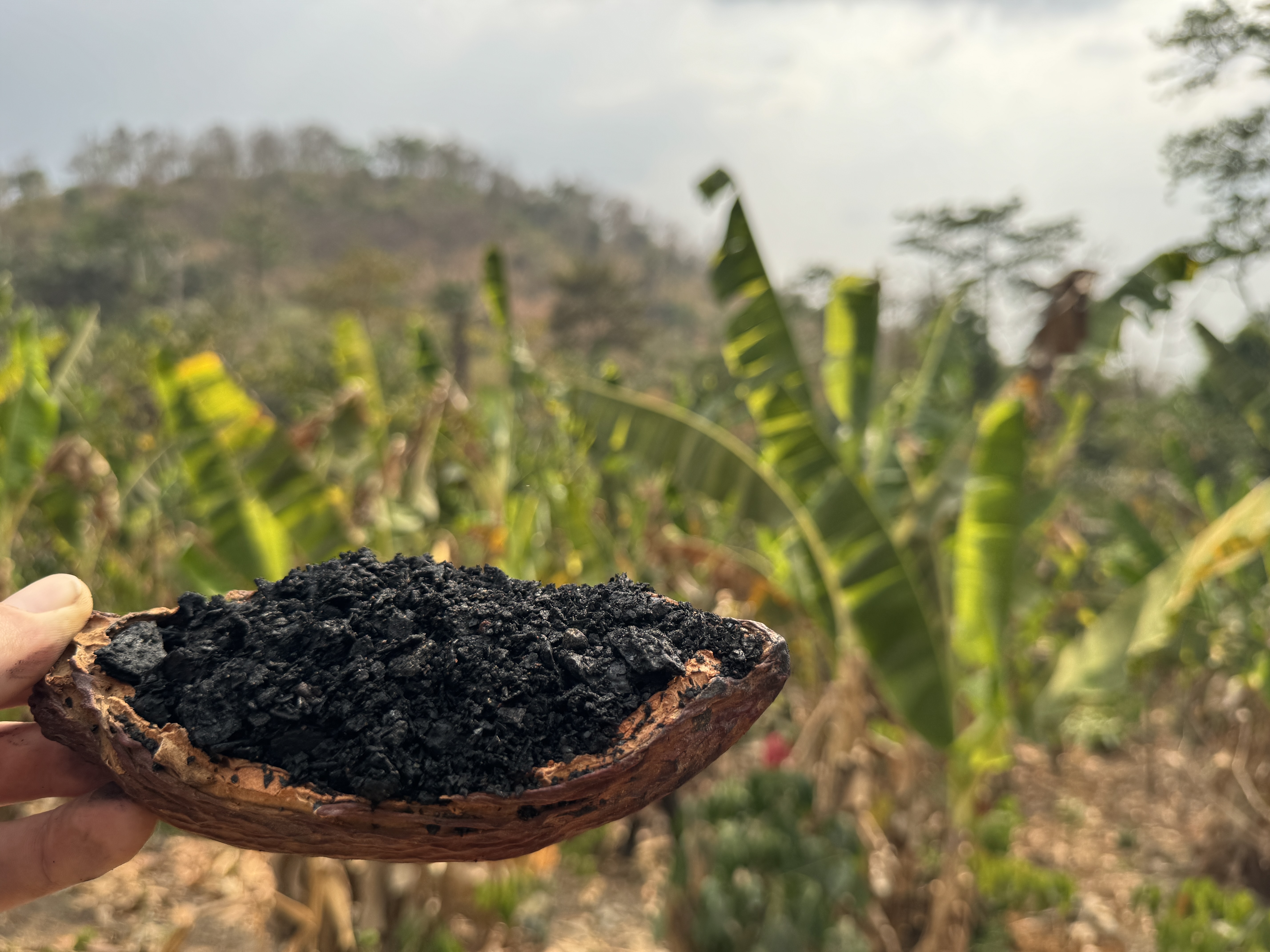
Biochar for Climate Action, Healthy Soils, and Better Harvests
A certified climate project combined with additional commitment
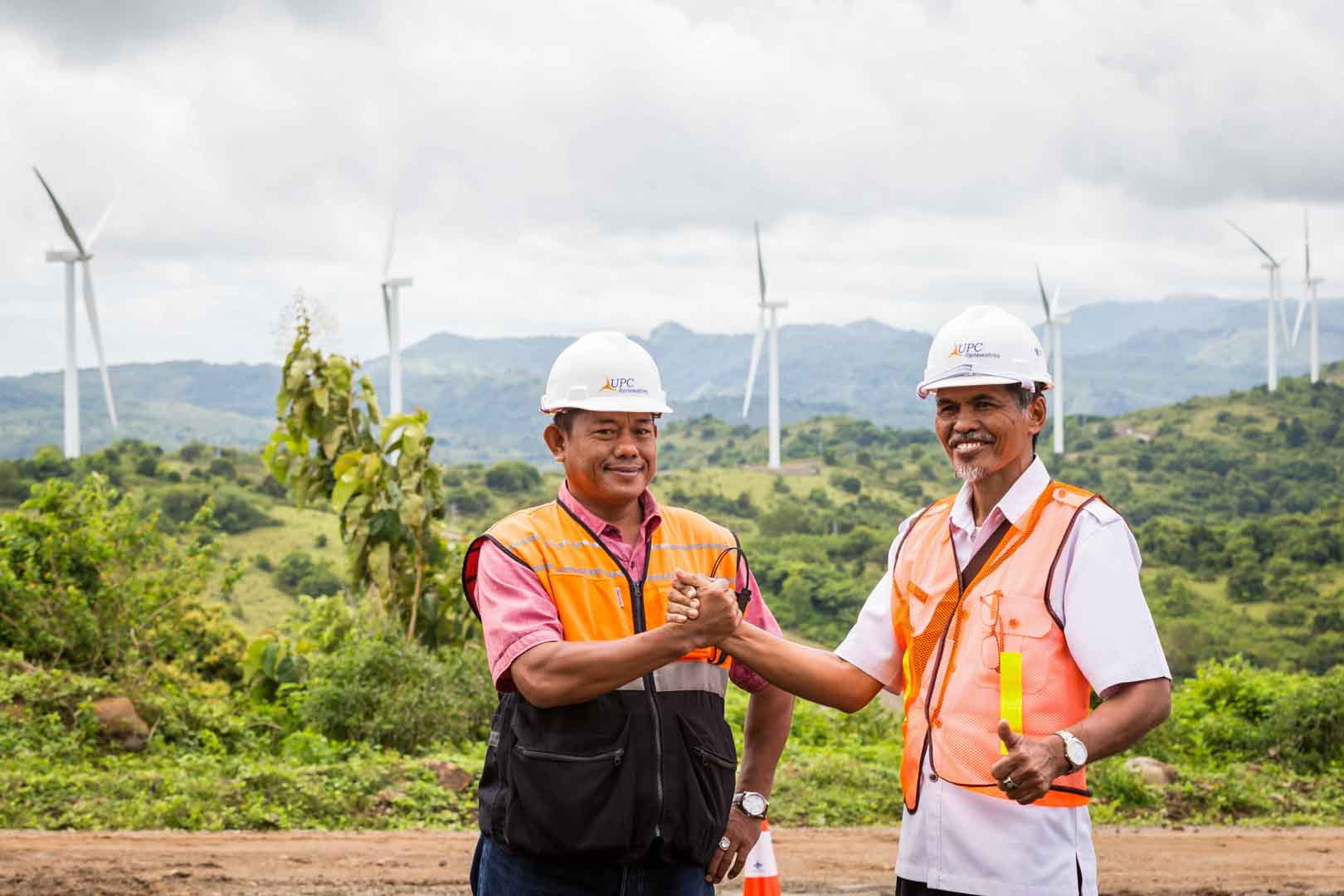
Expansion of renewable energy generation in Asia
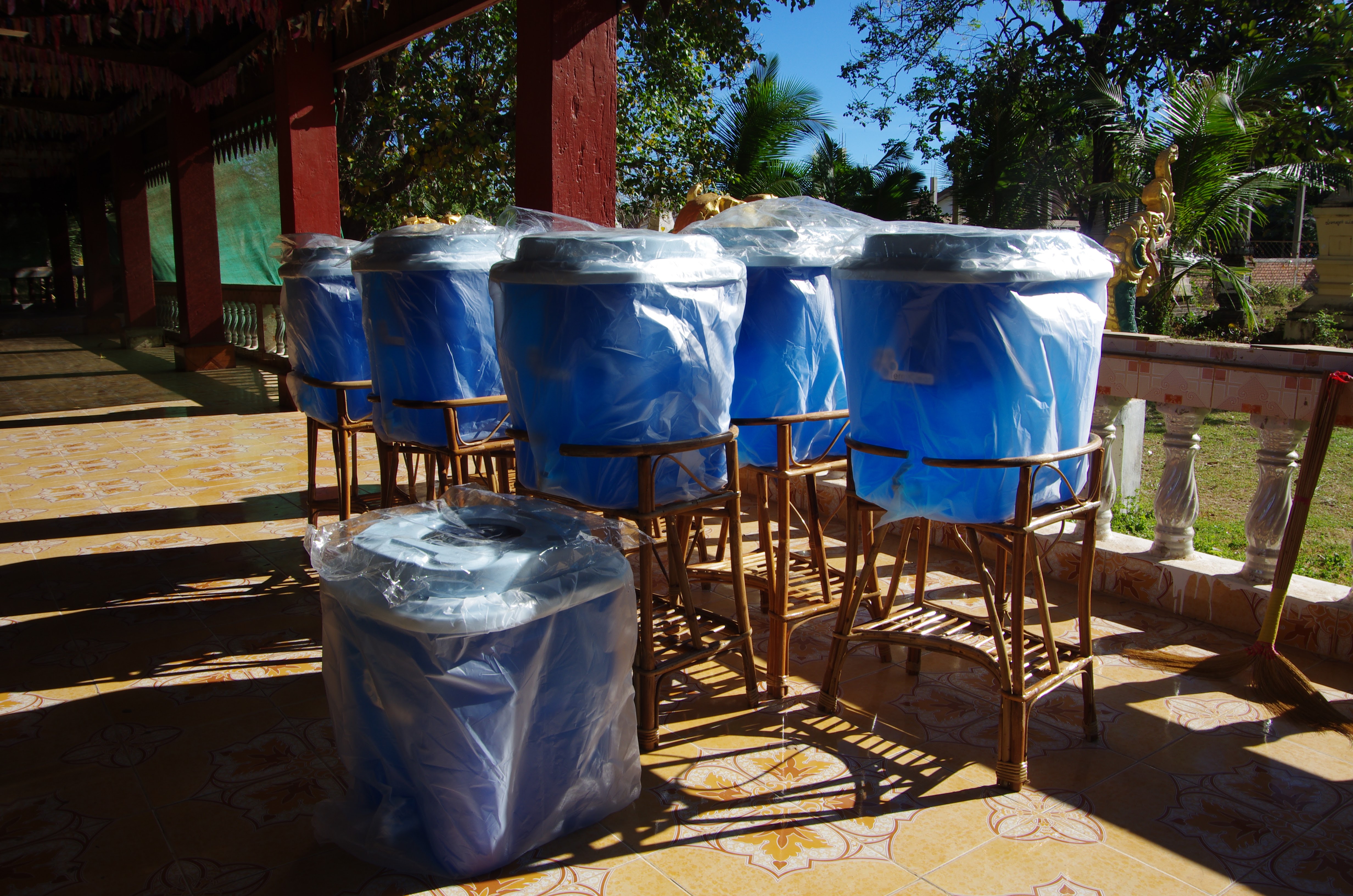
Ceramic water filters save CO2 and improve health
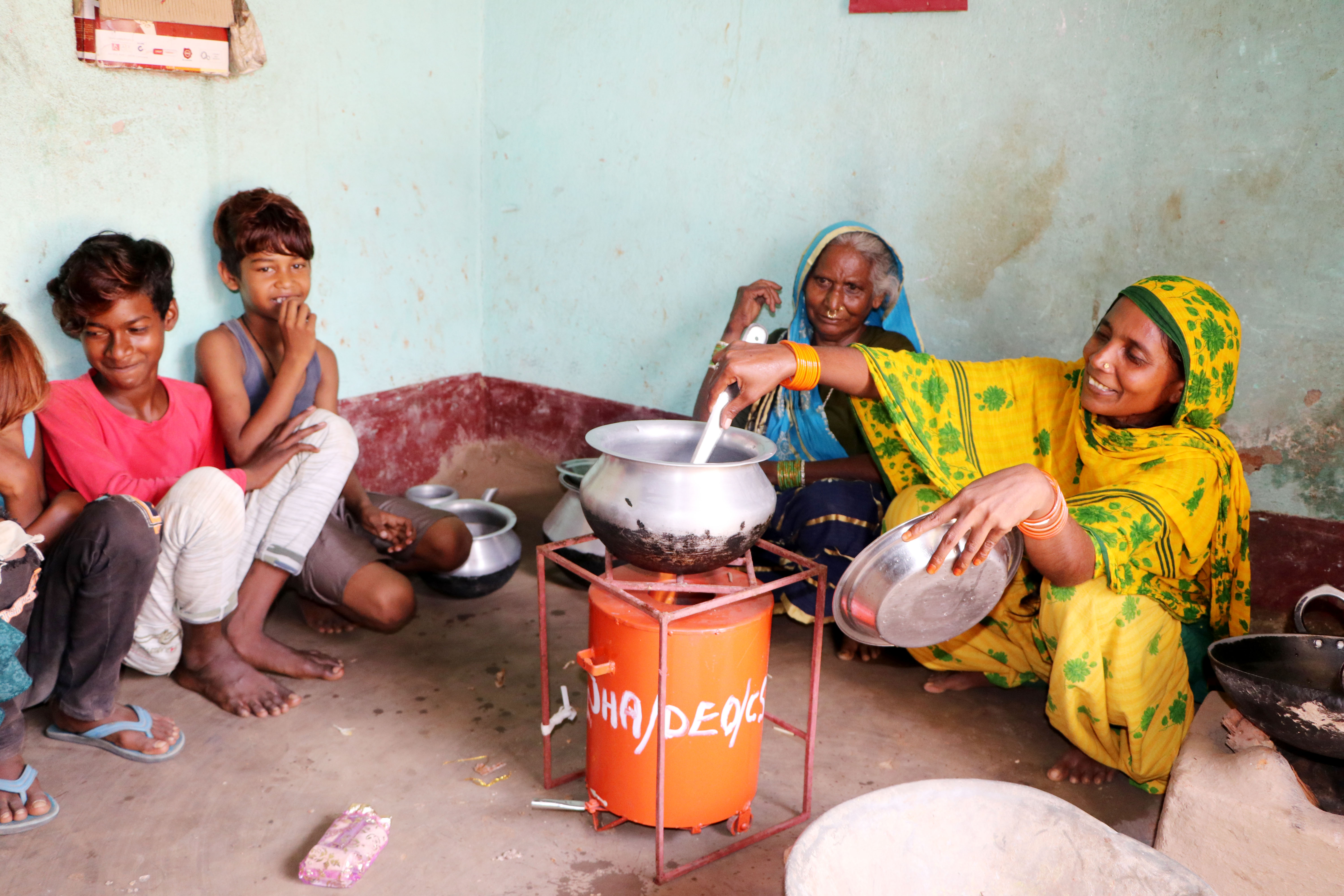
Improved cookstoves worldwide – for better health and cleaner air

A certified climate project combined with additional commitment
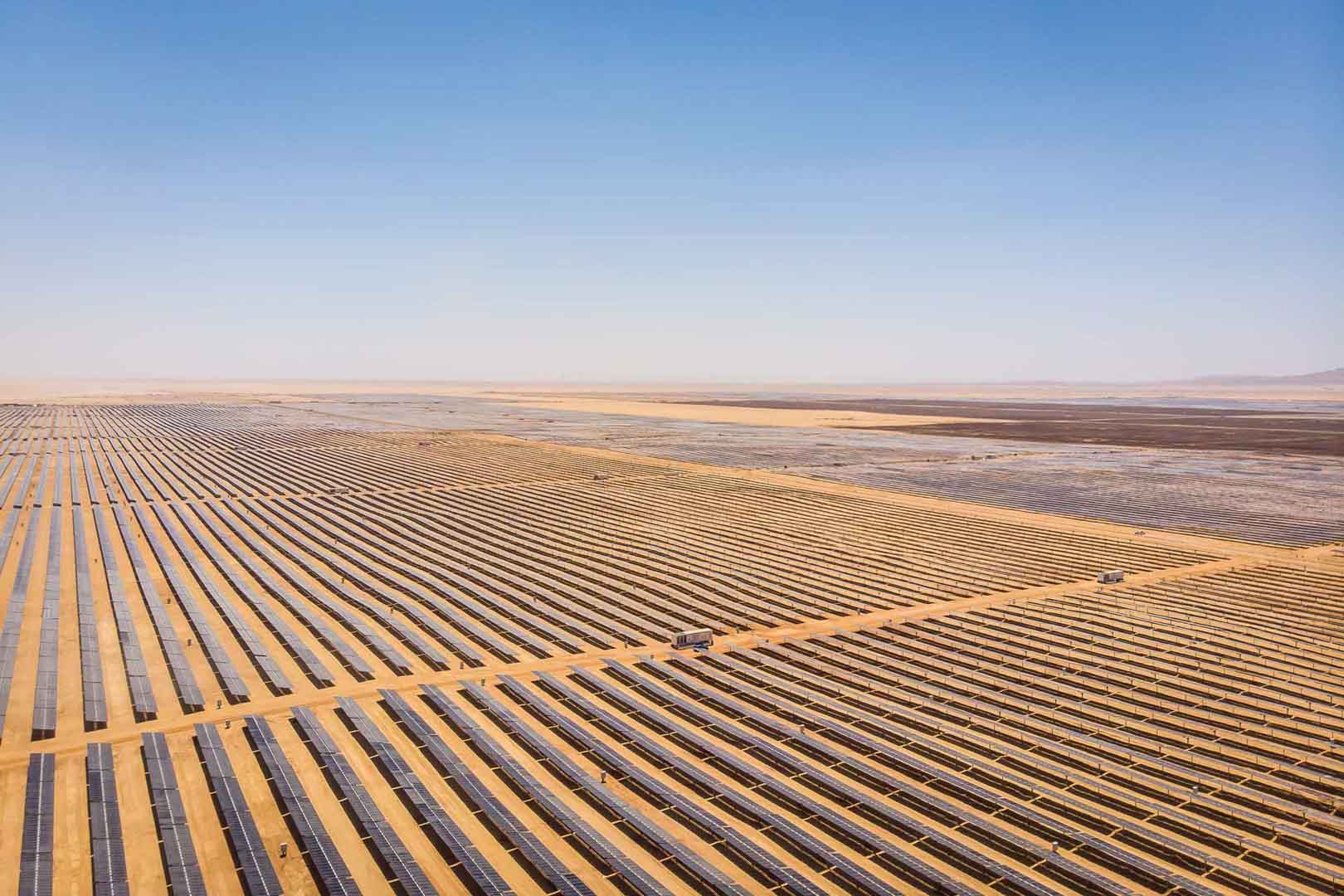
Powering access to renewable energy in Africa
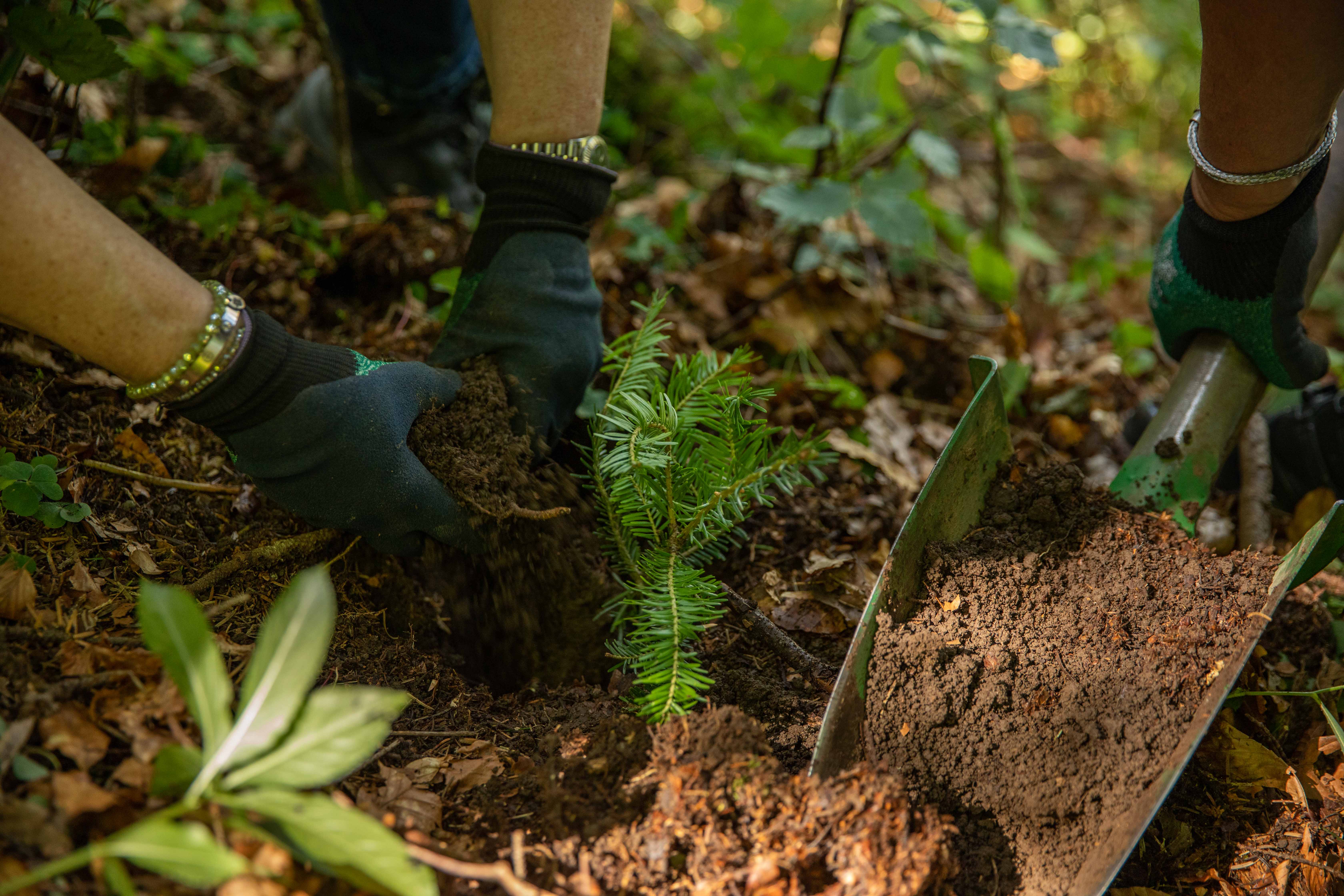
A certified climate project combined with additional commitment
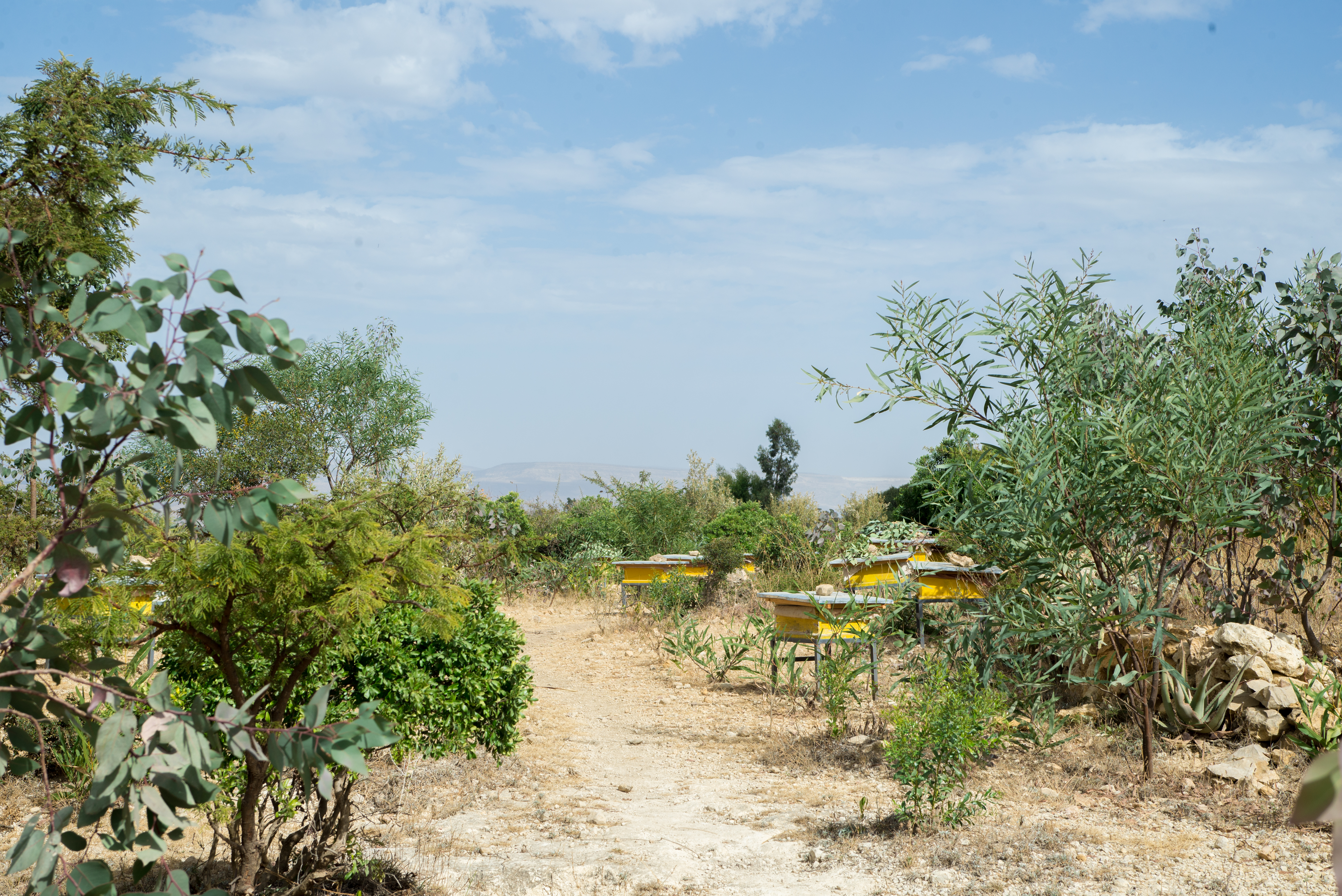
Restored ecosystems remove carbon
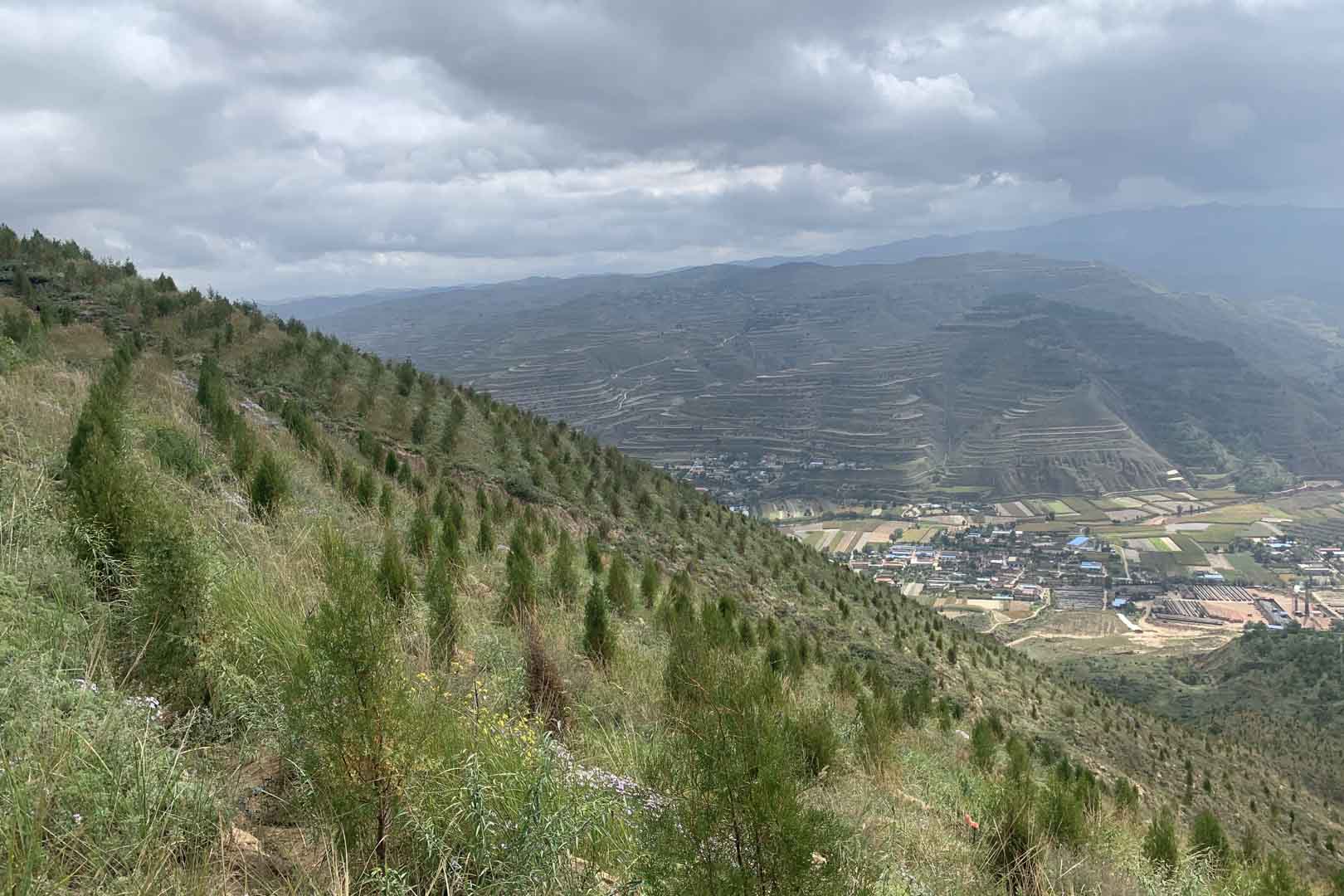
Turning degraded farmlands into healthy ecosystems
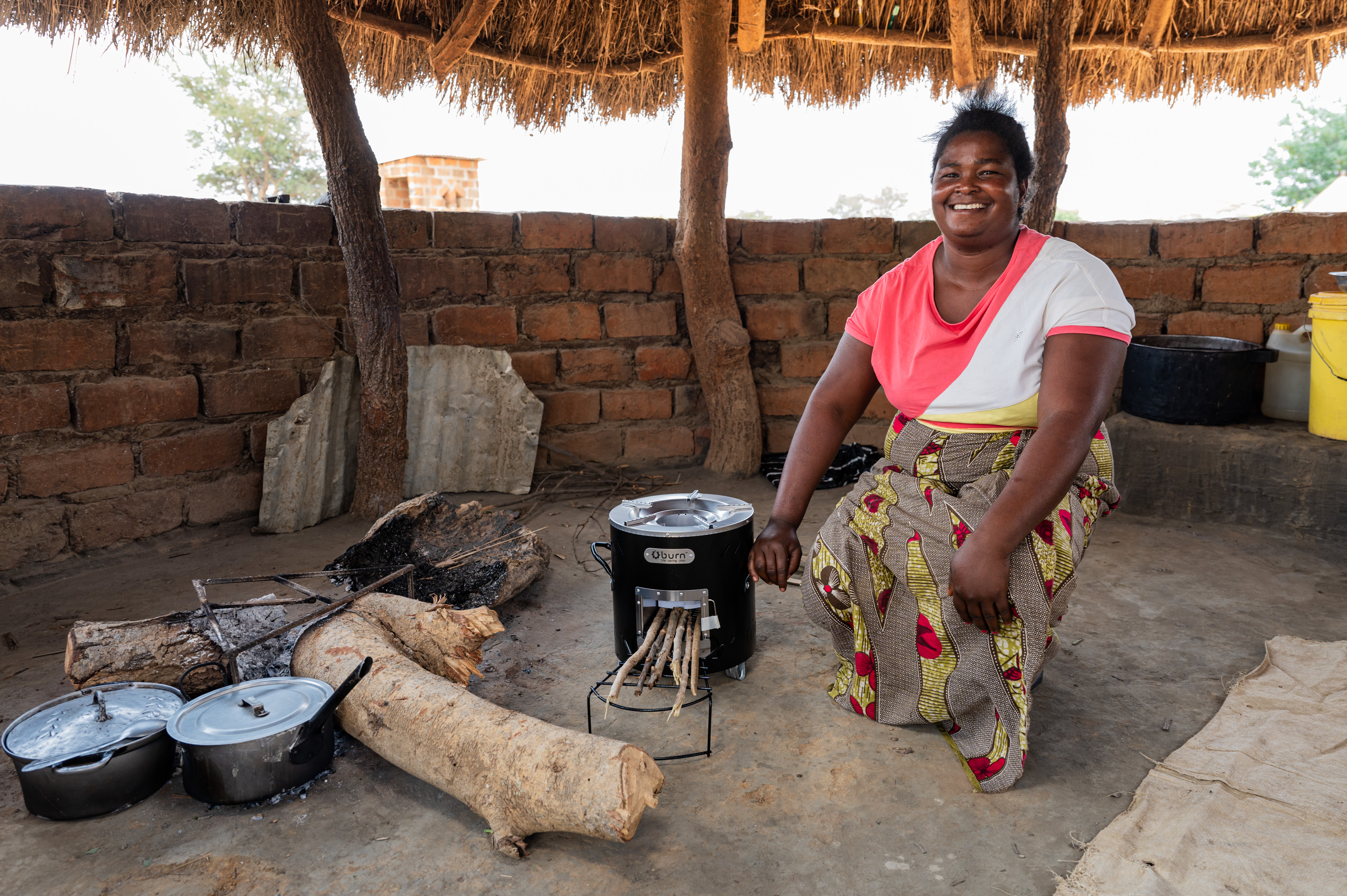
Improved cookstoves - better for health and the environment