
Sustainable forestry instead of paper mills
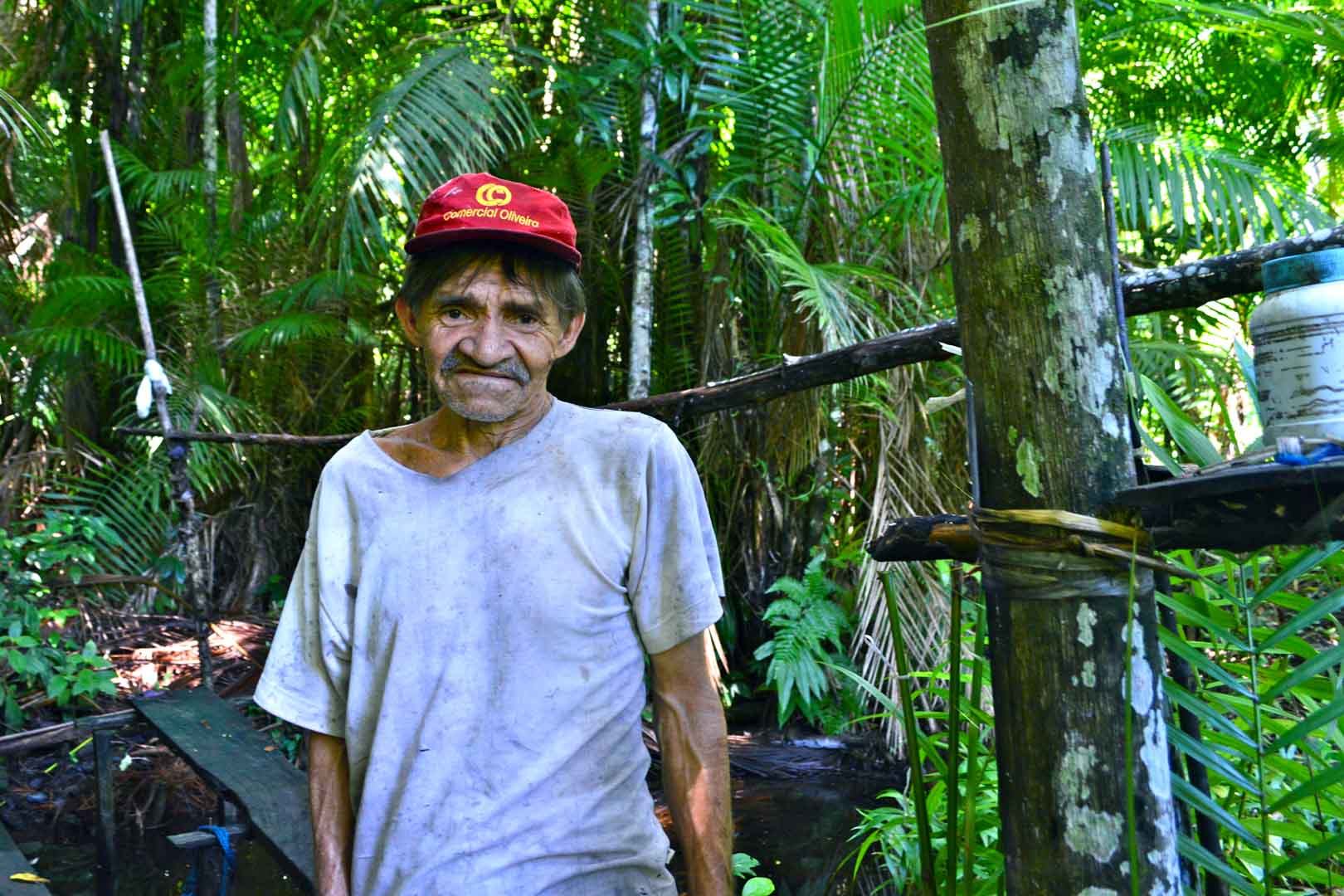
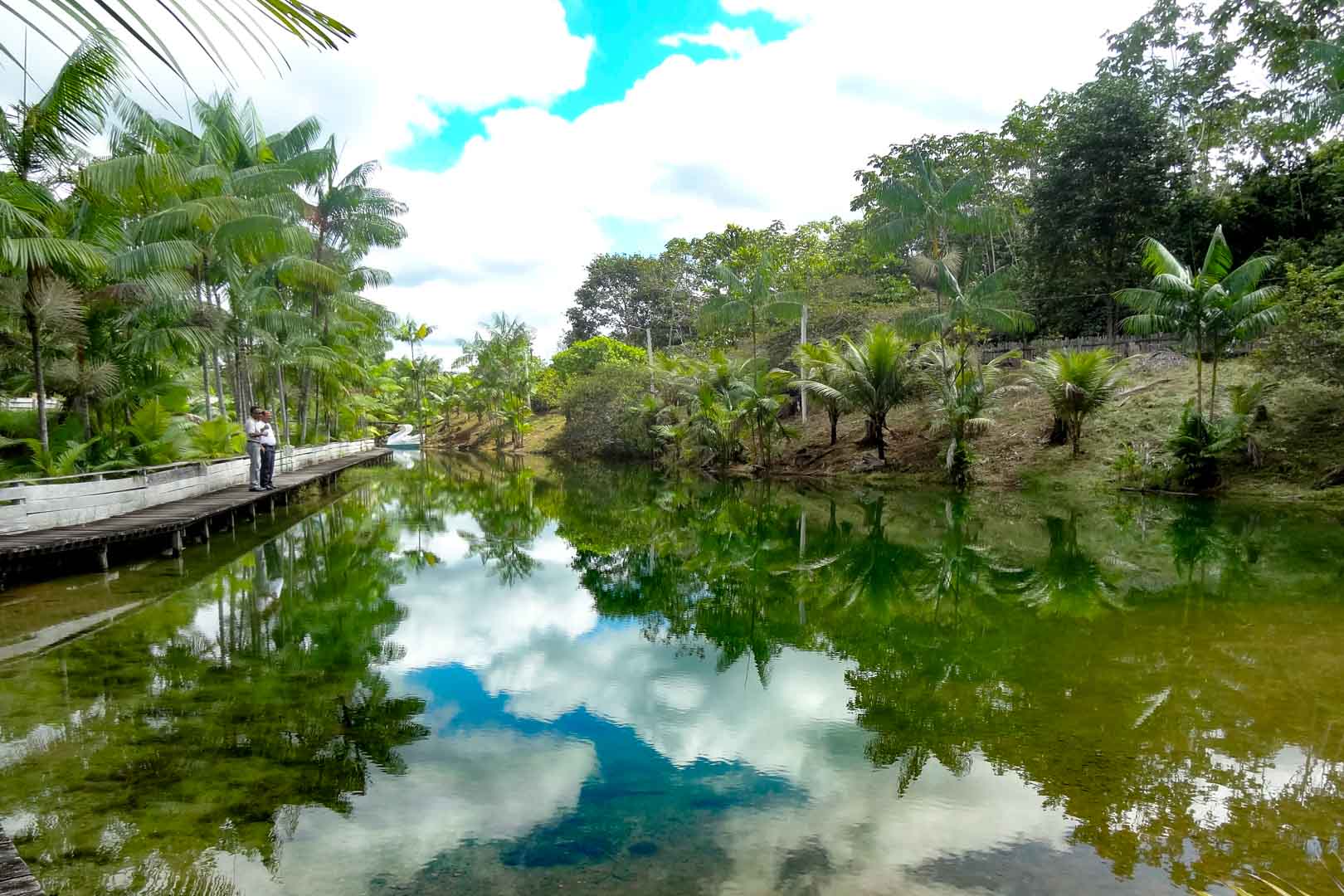
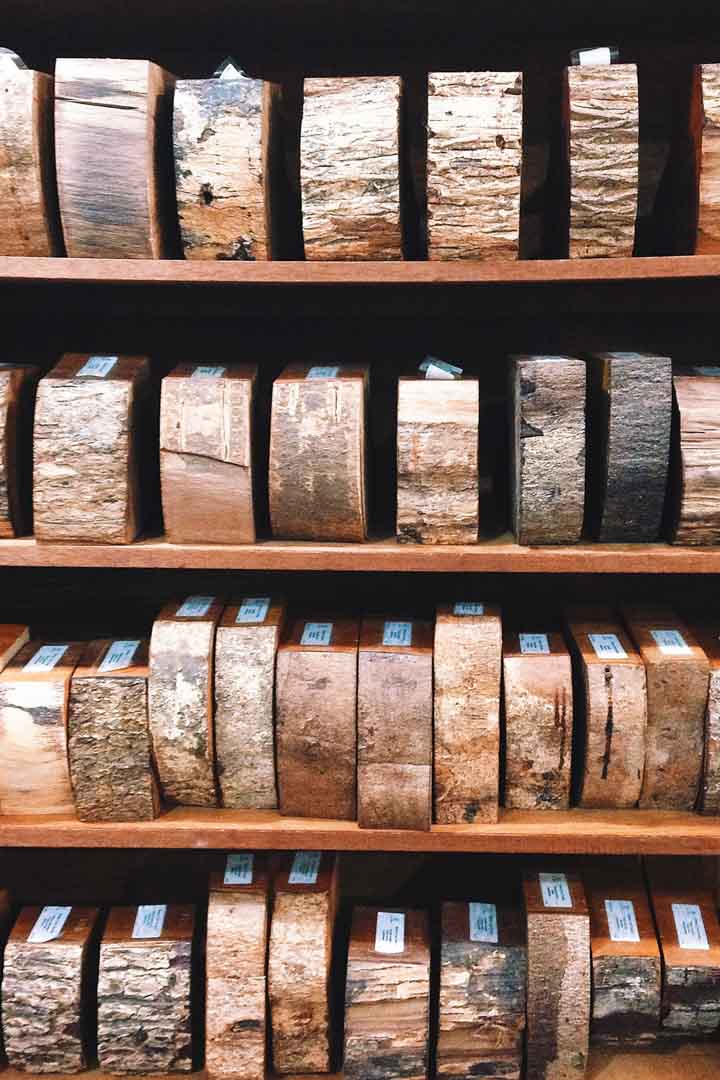
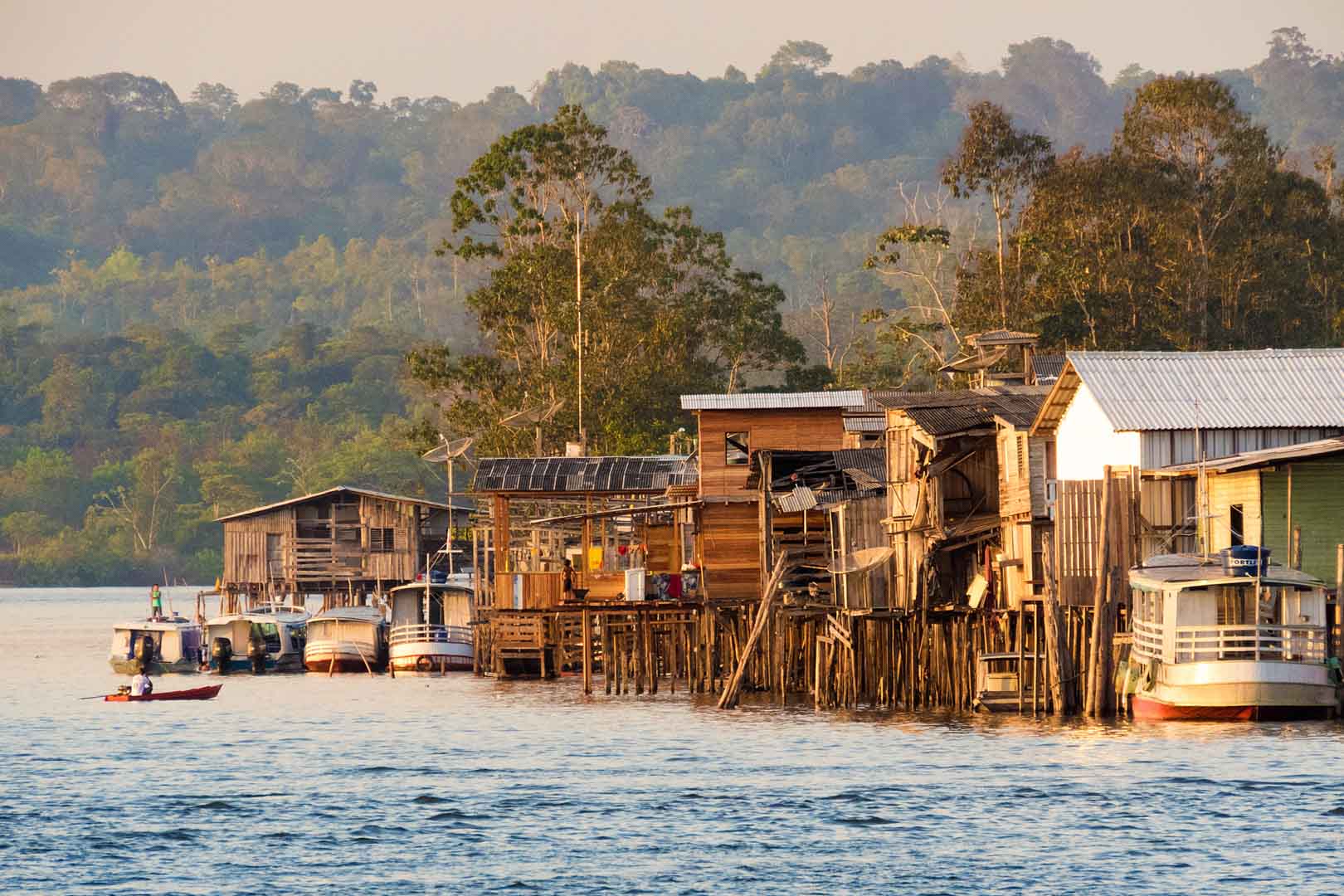
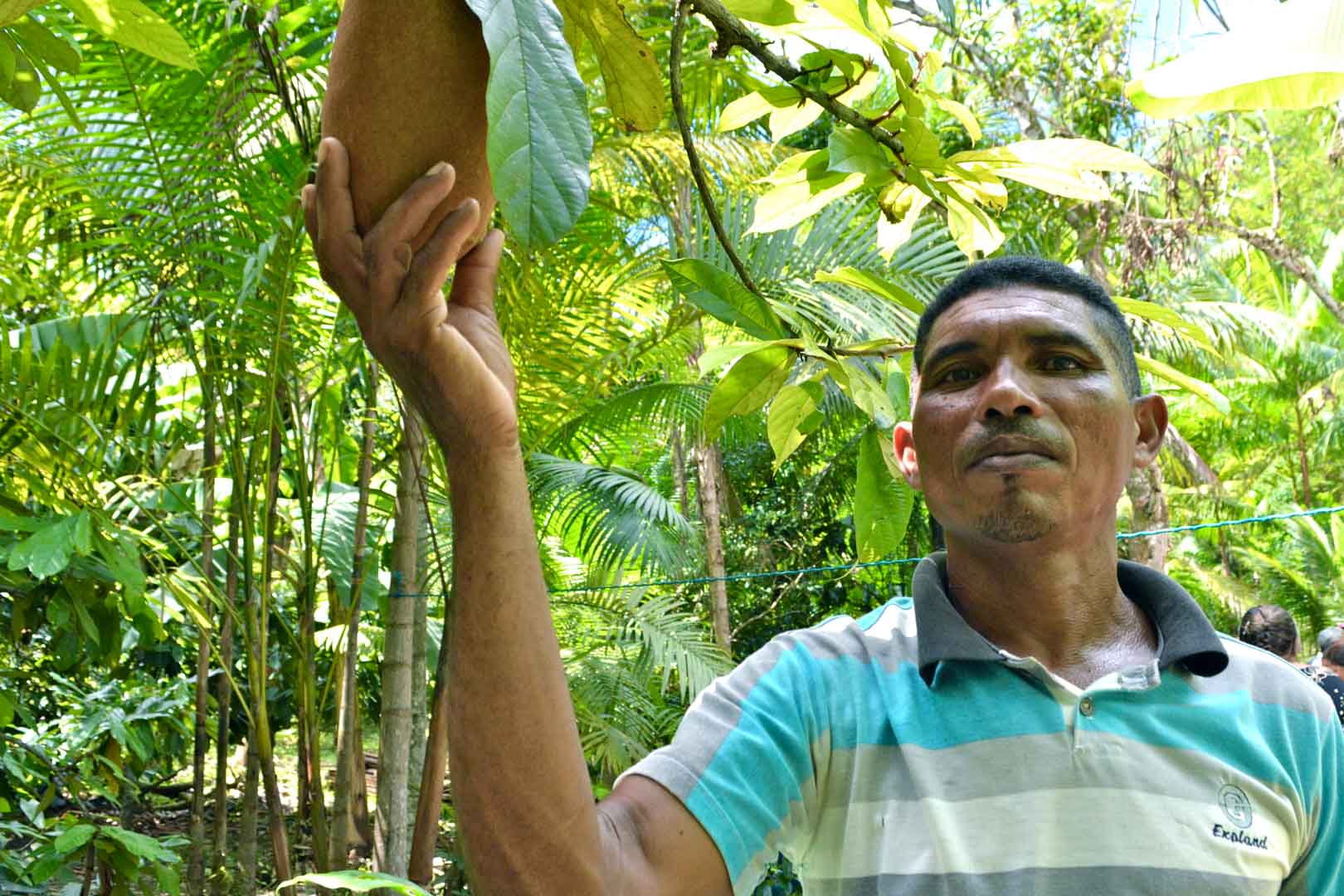
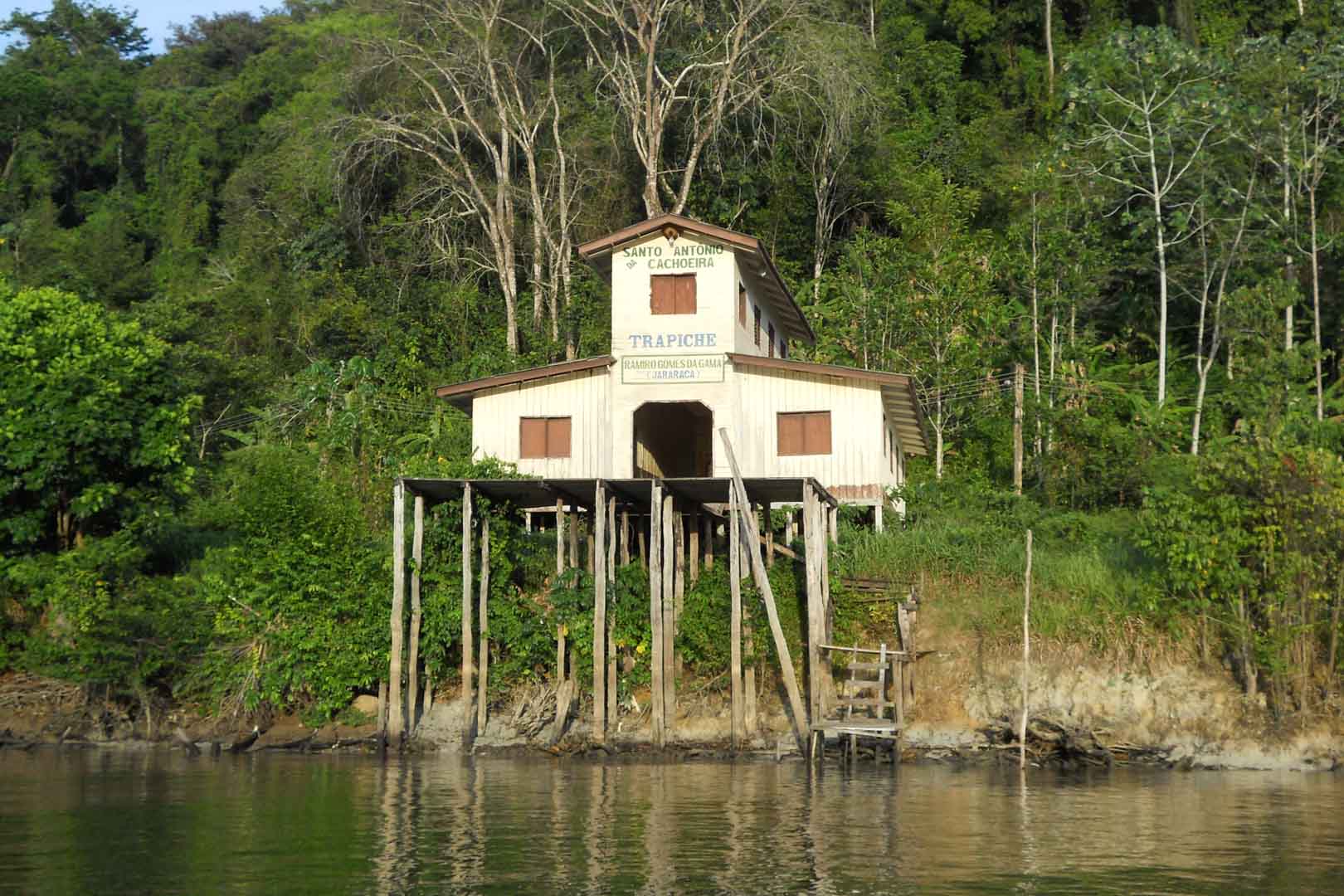
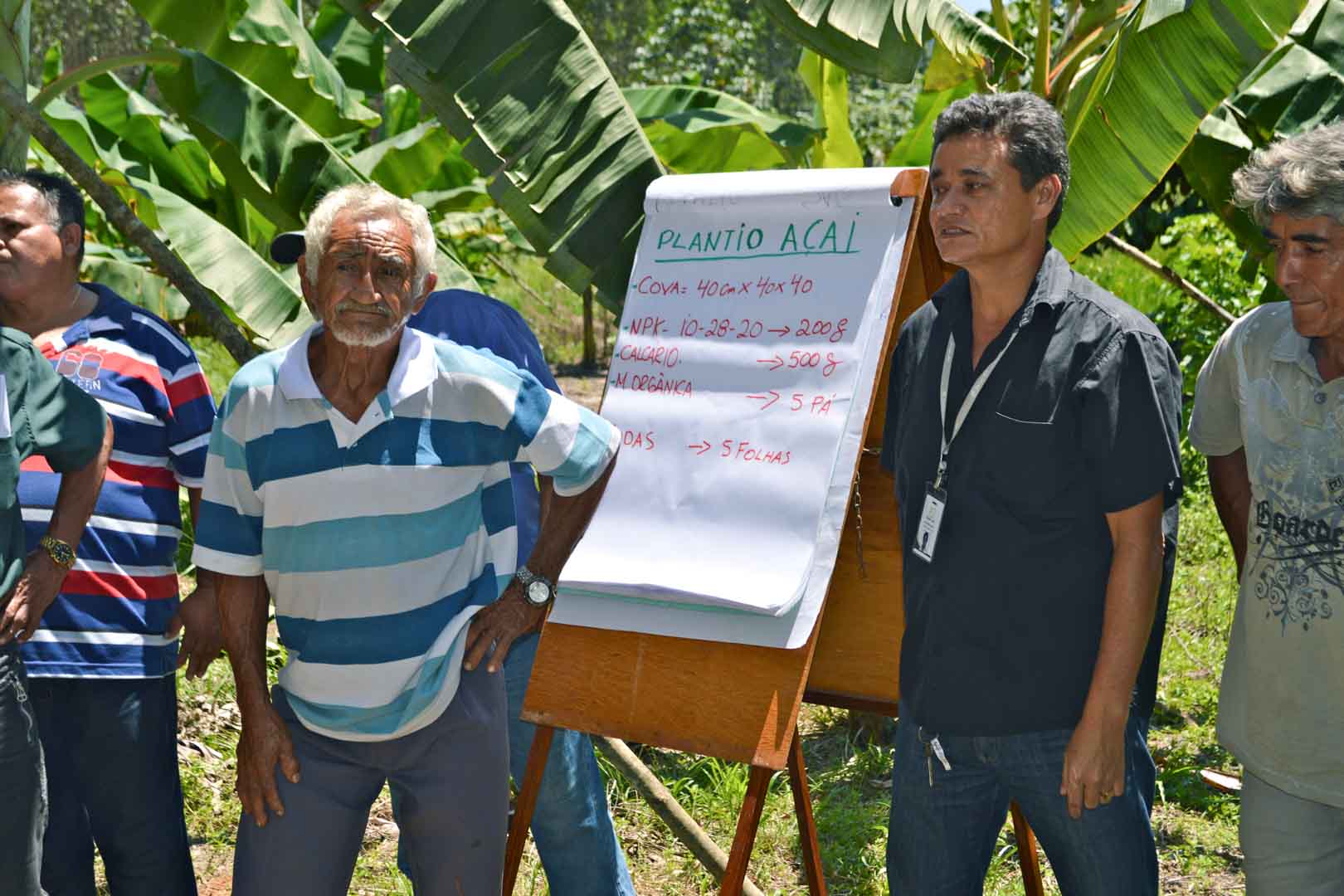
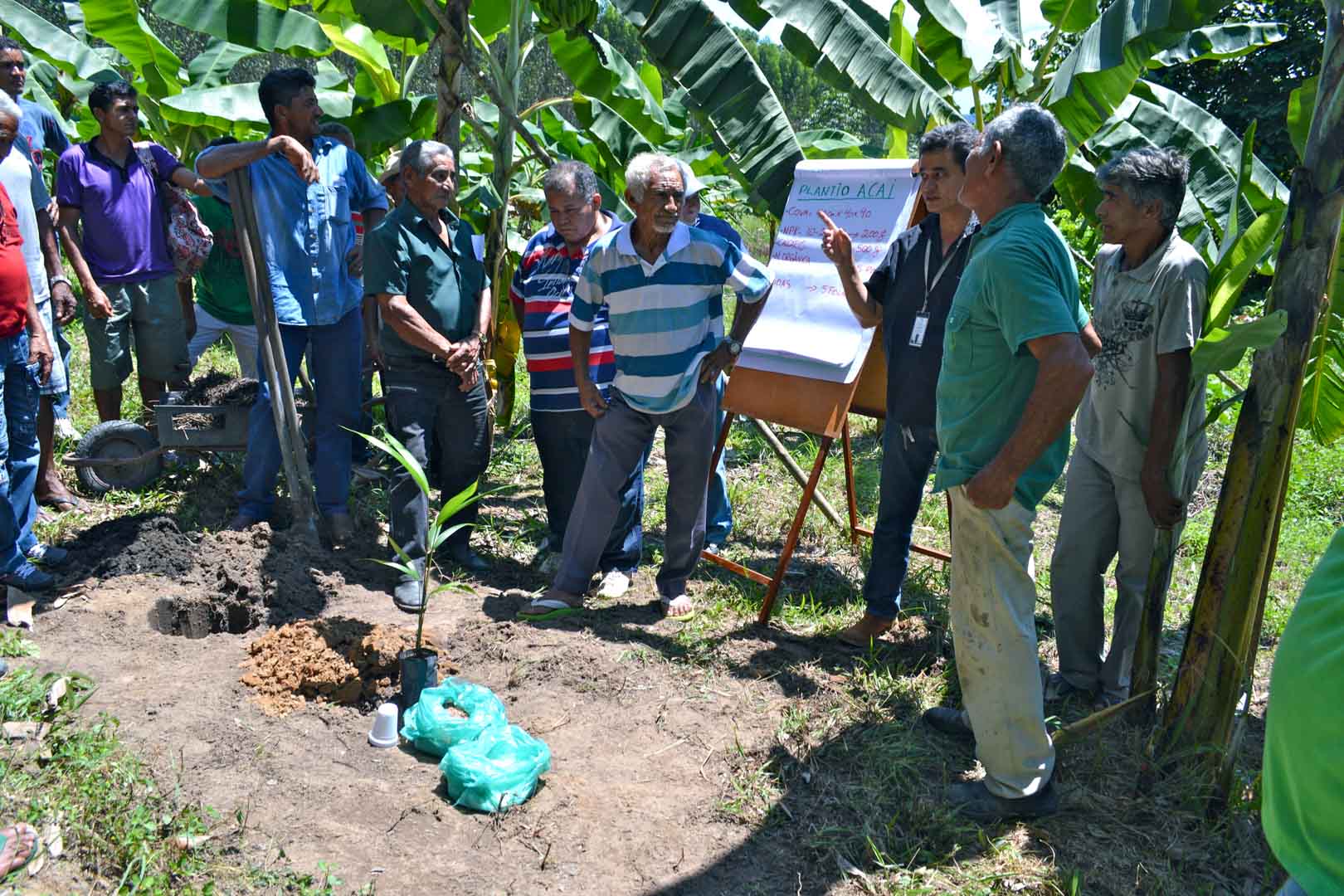
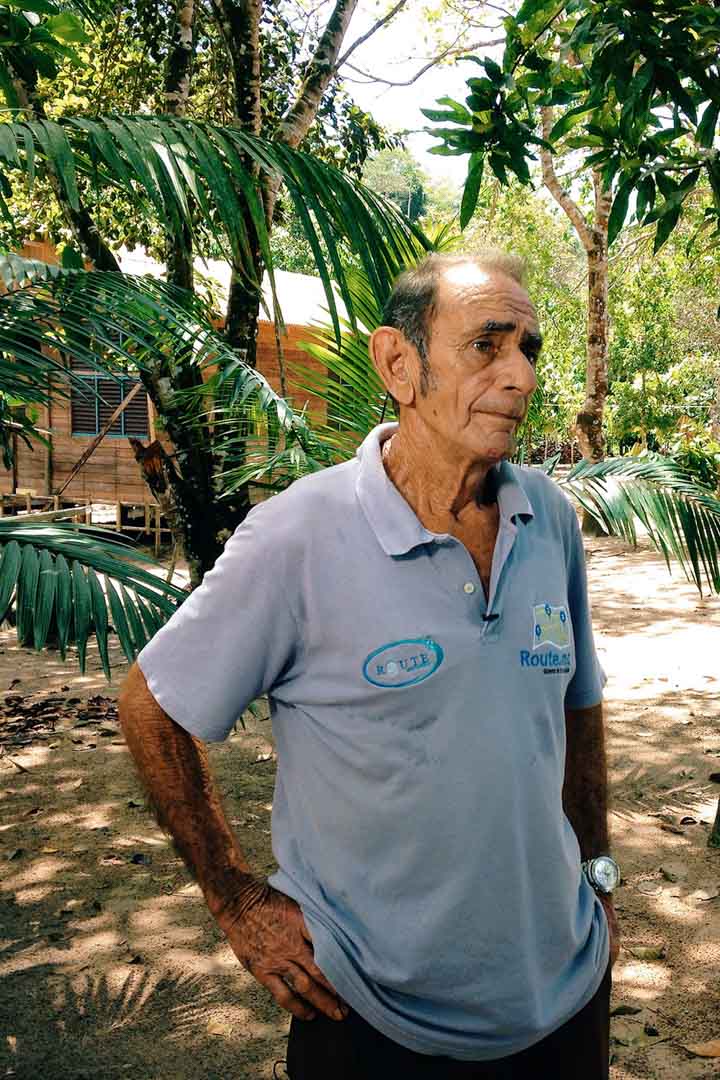
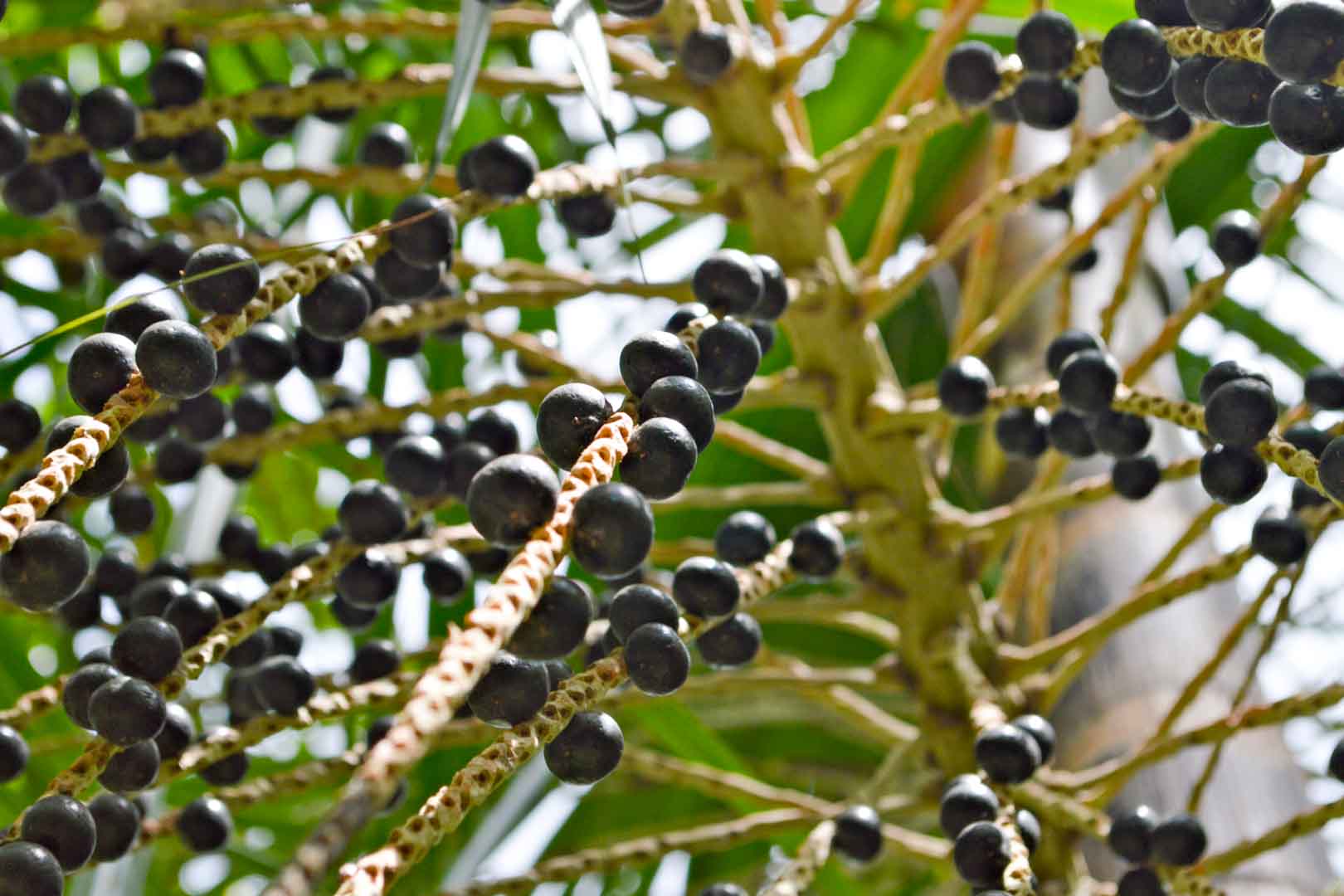
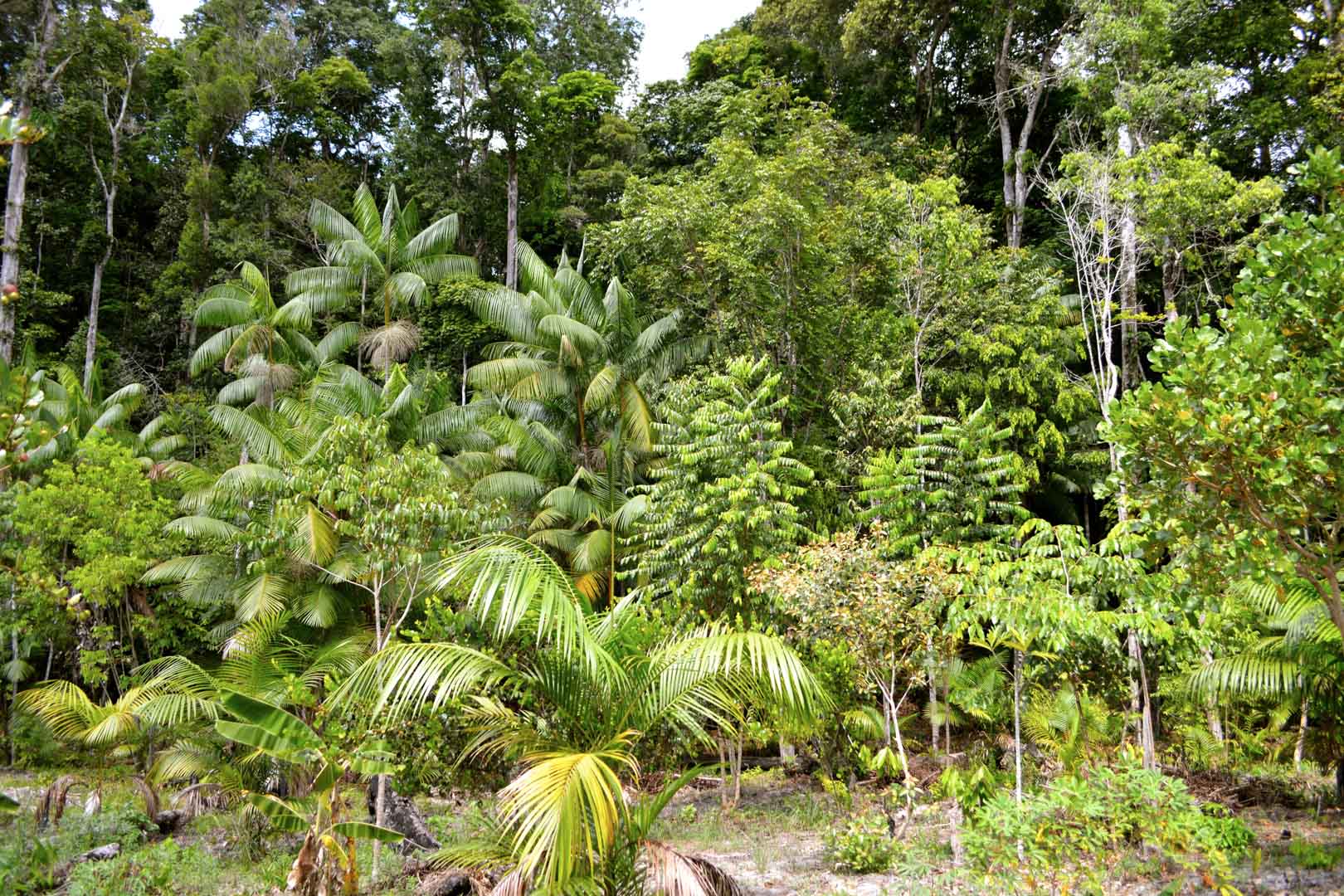
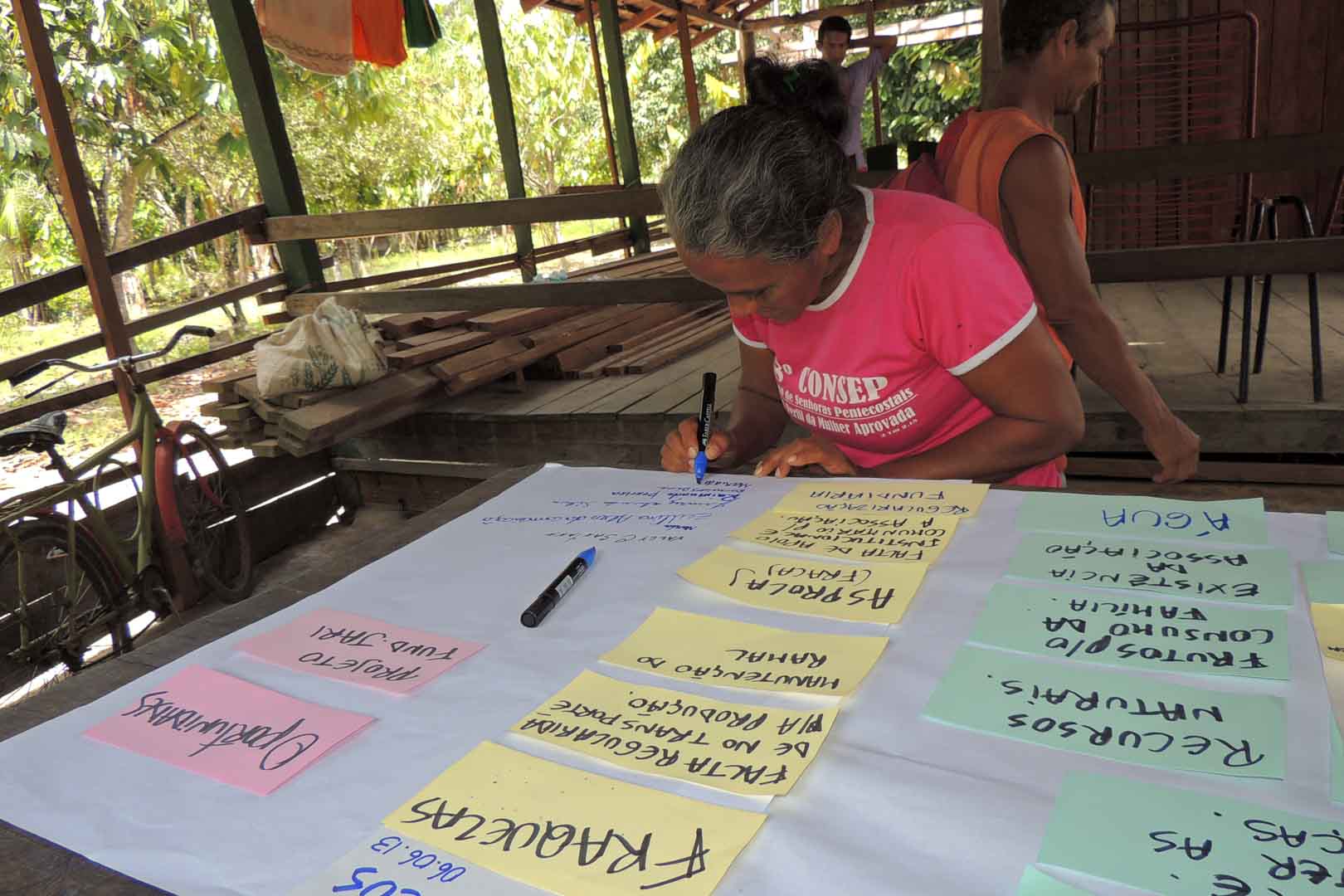
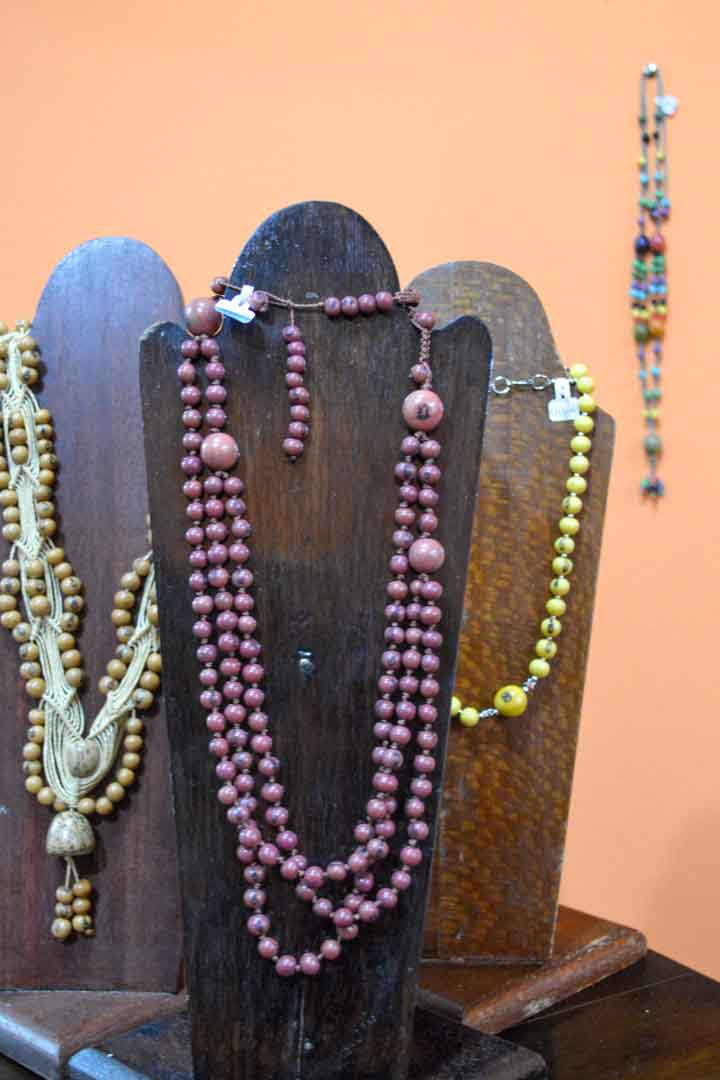
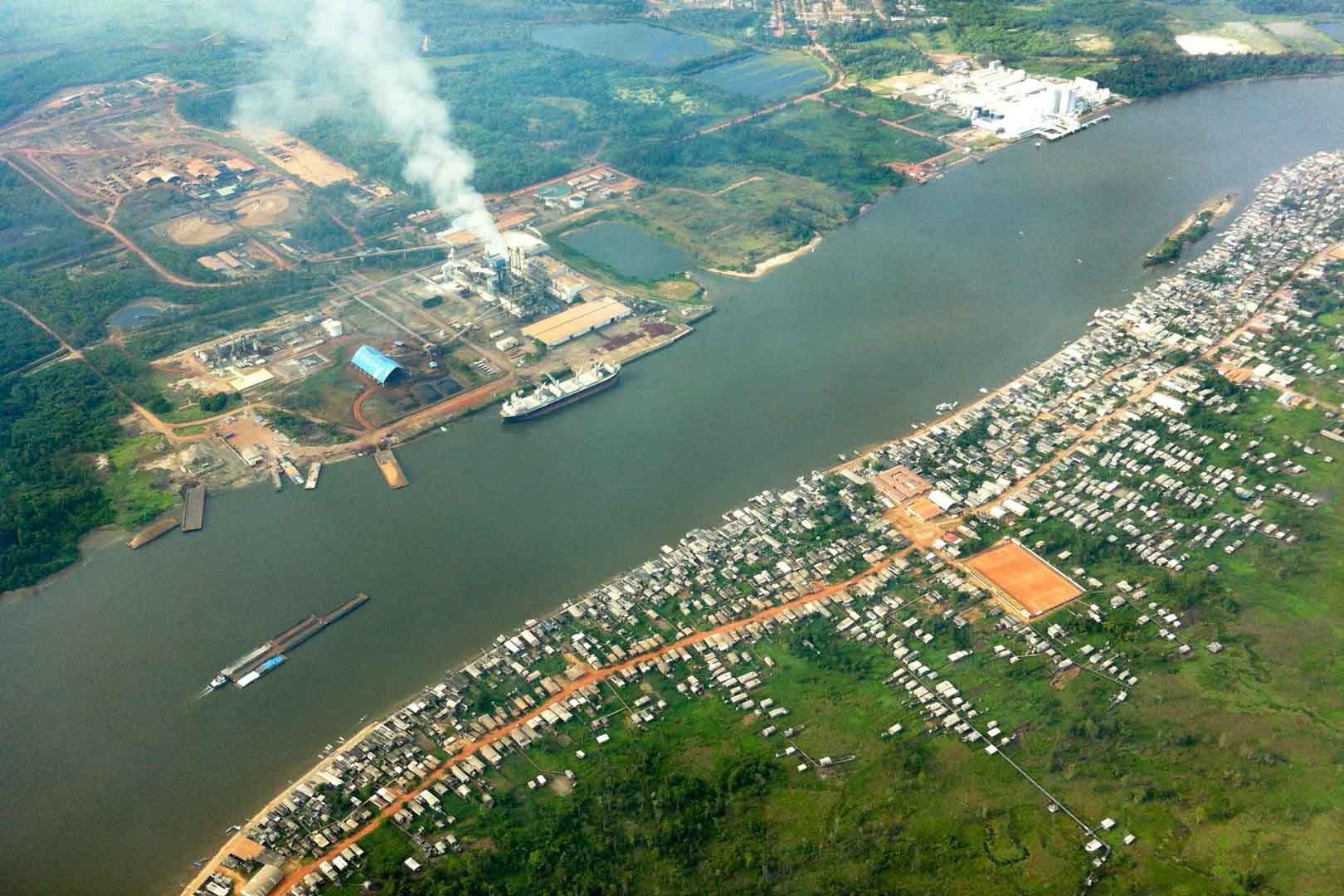
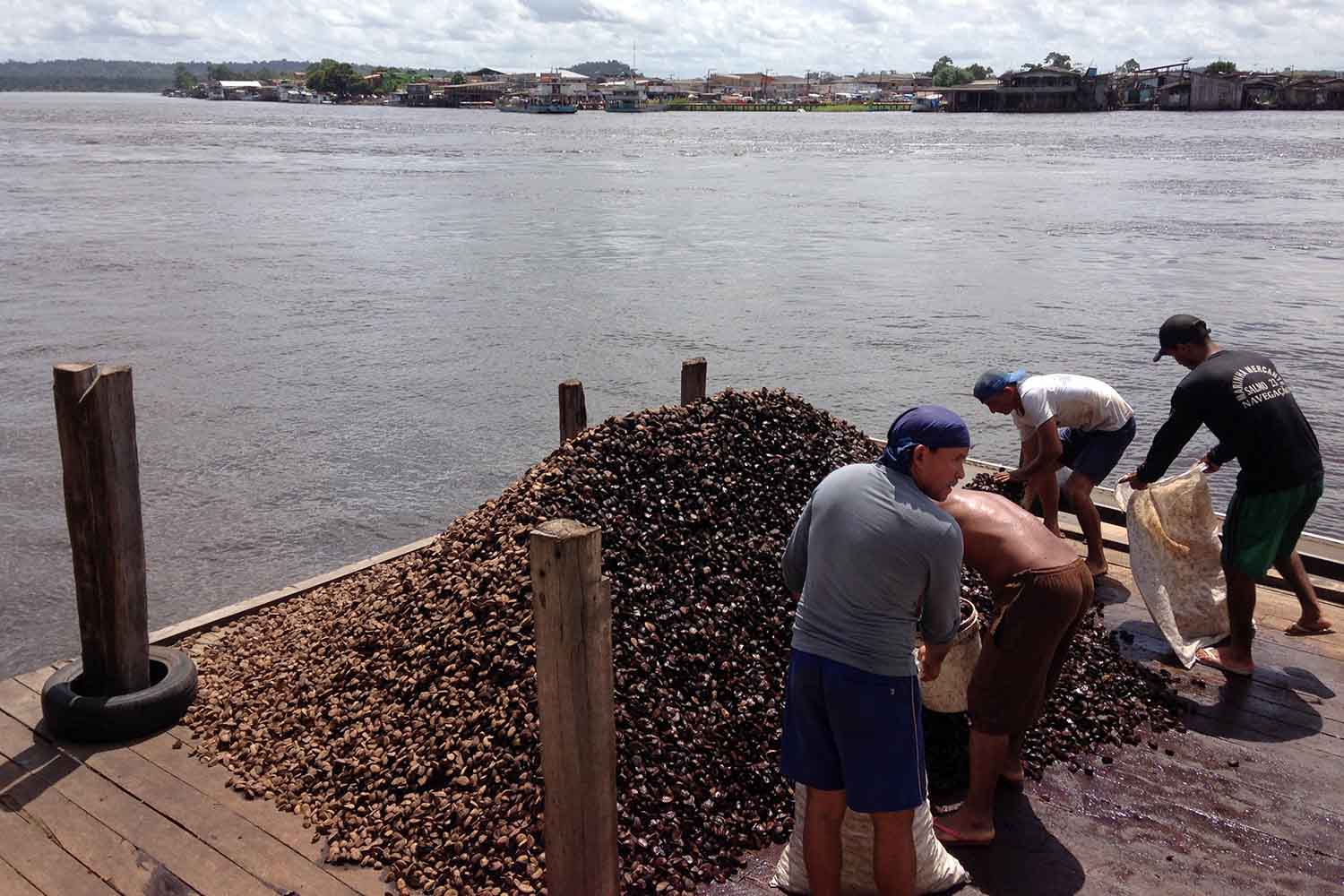
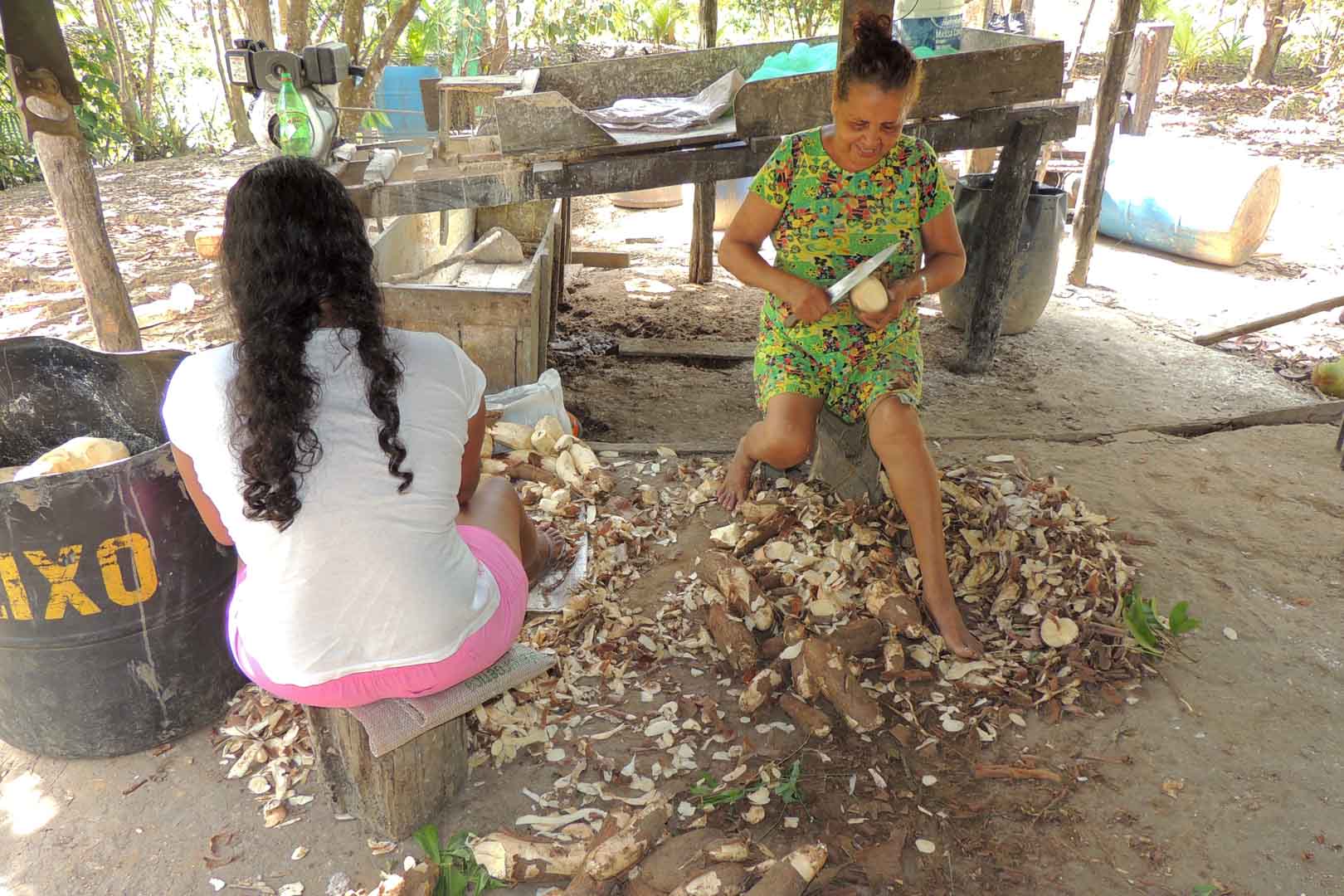
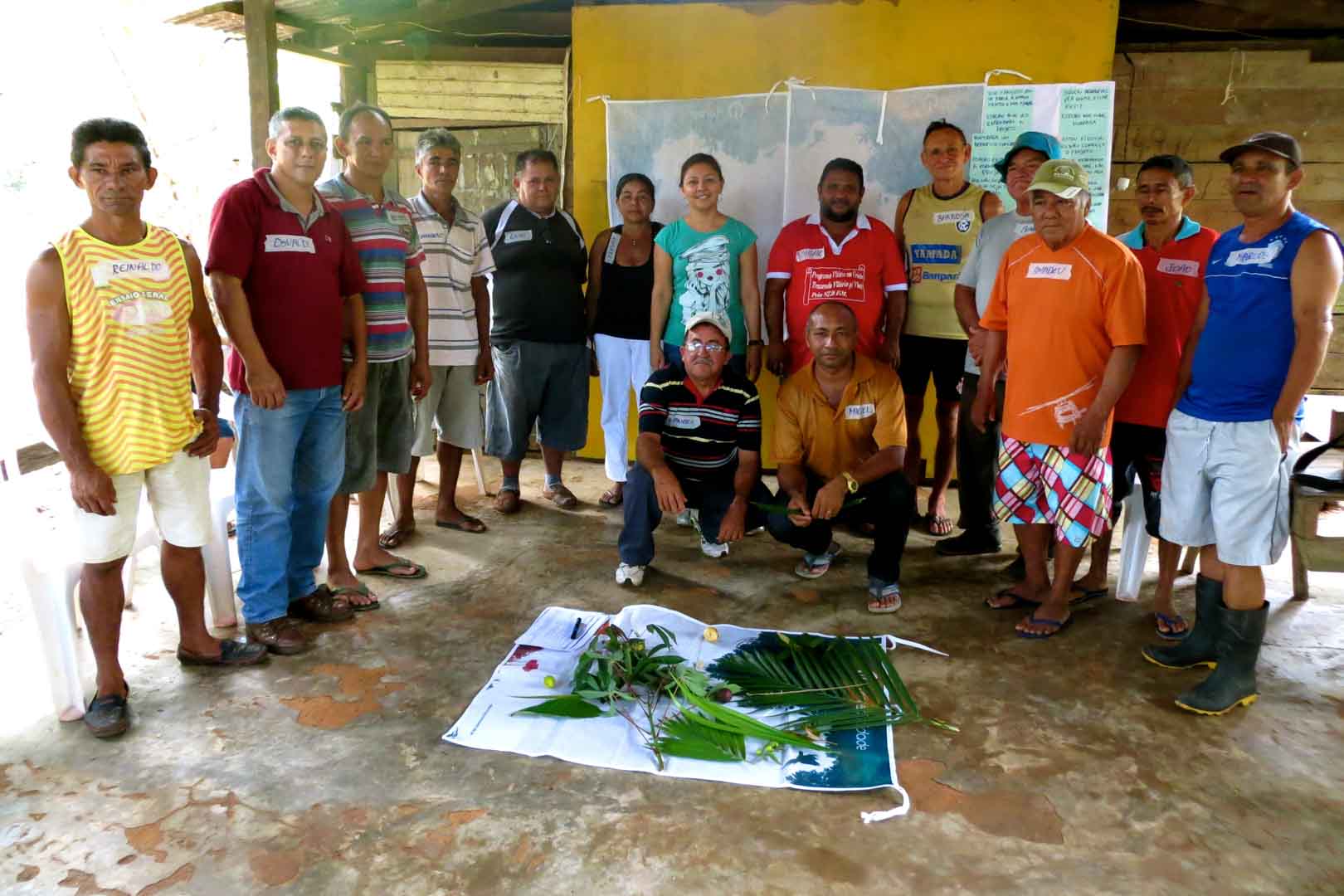
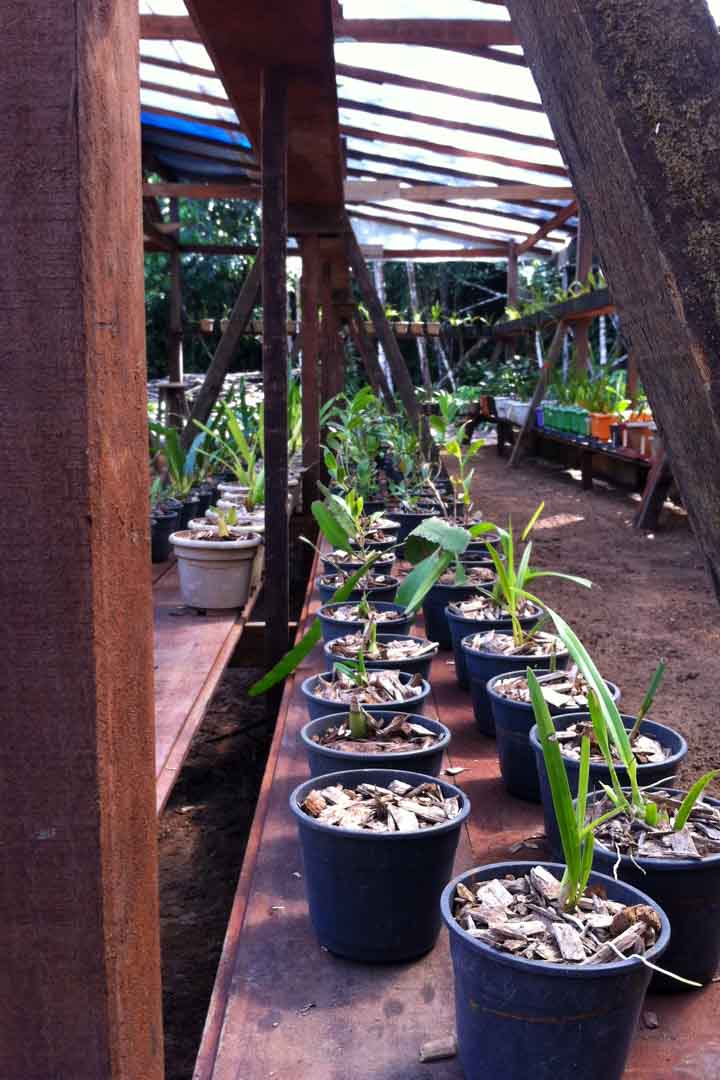
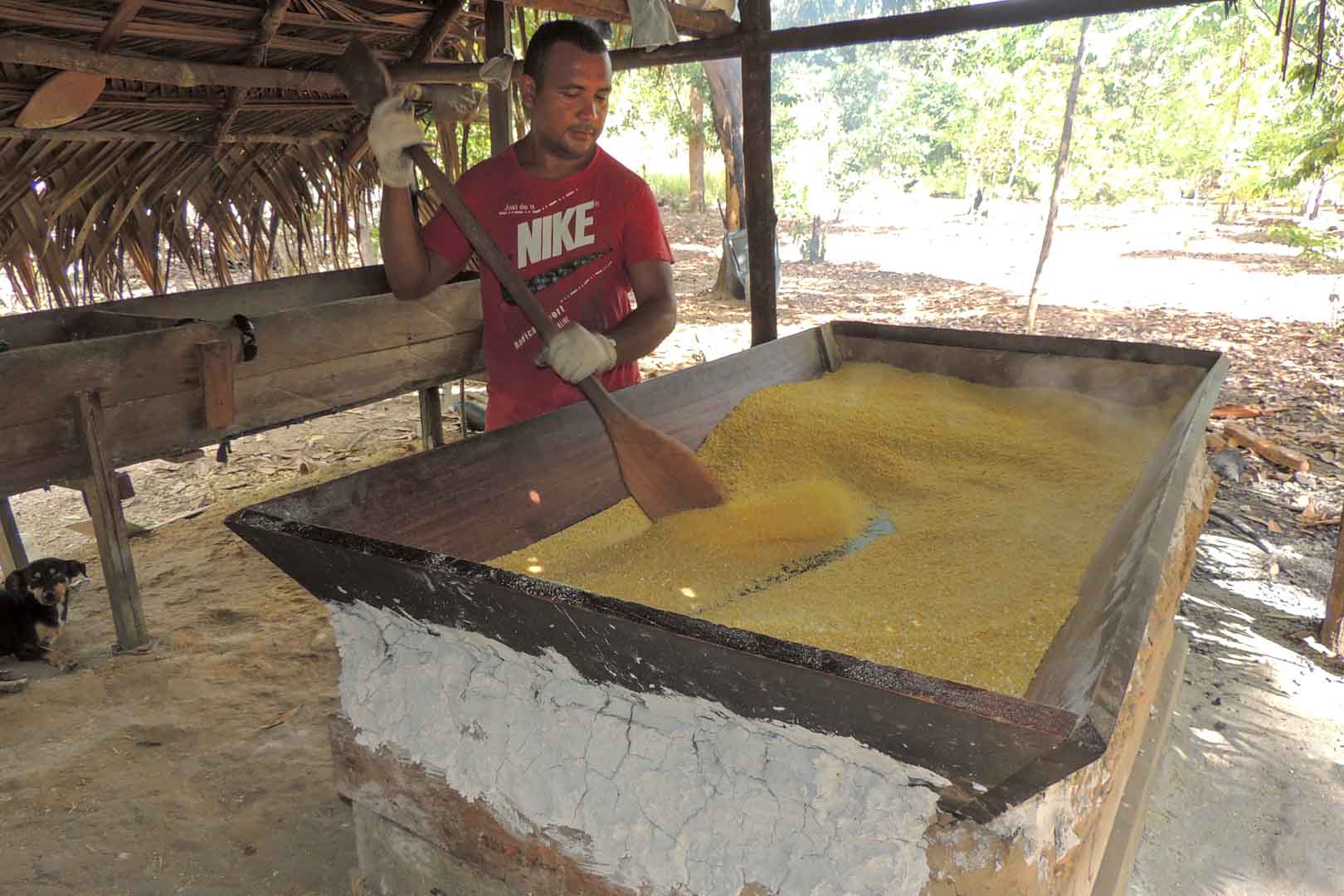
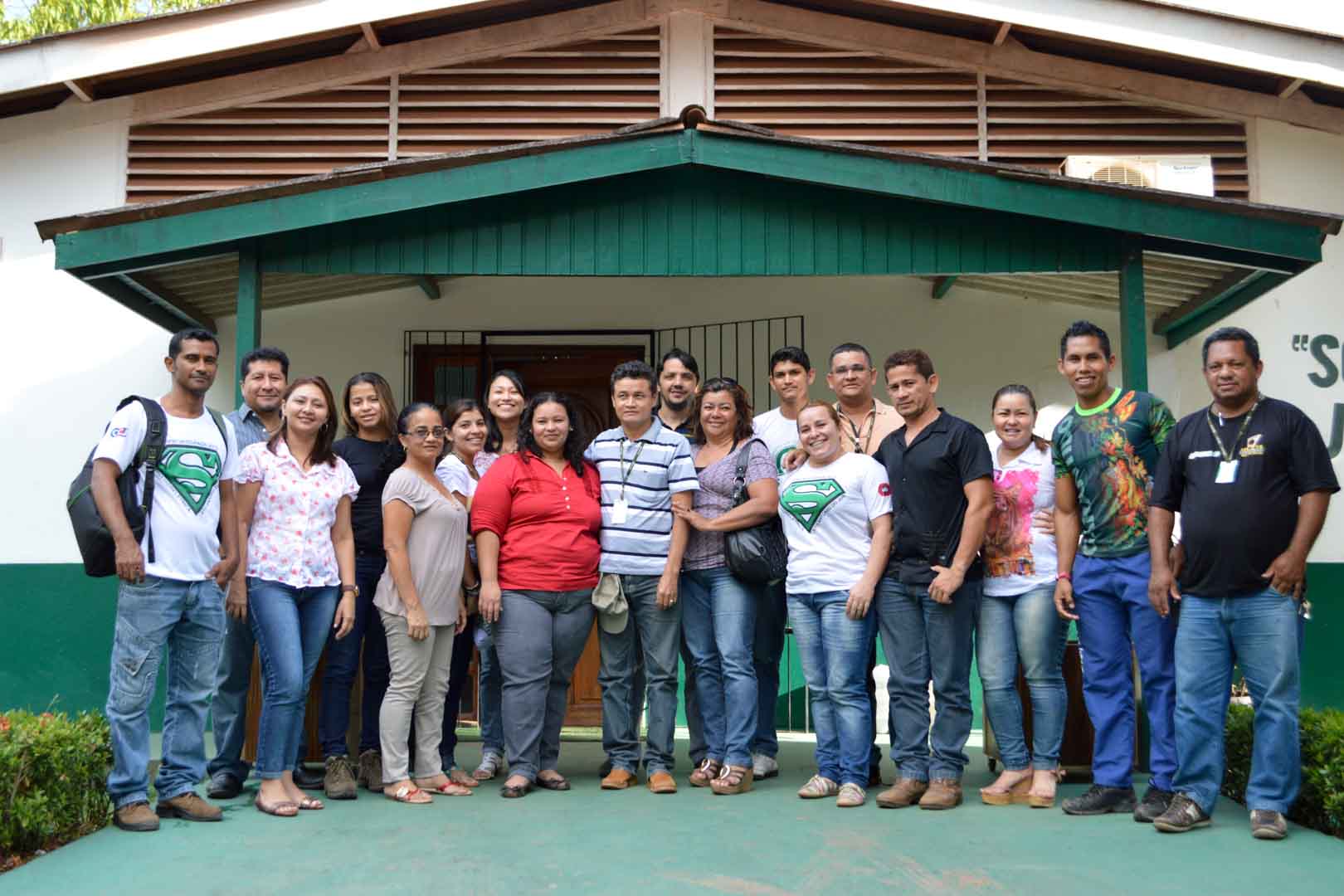
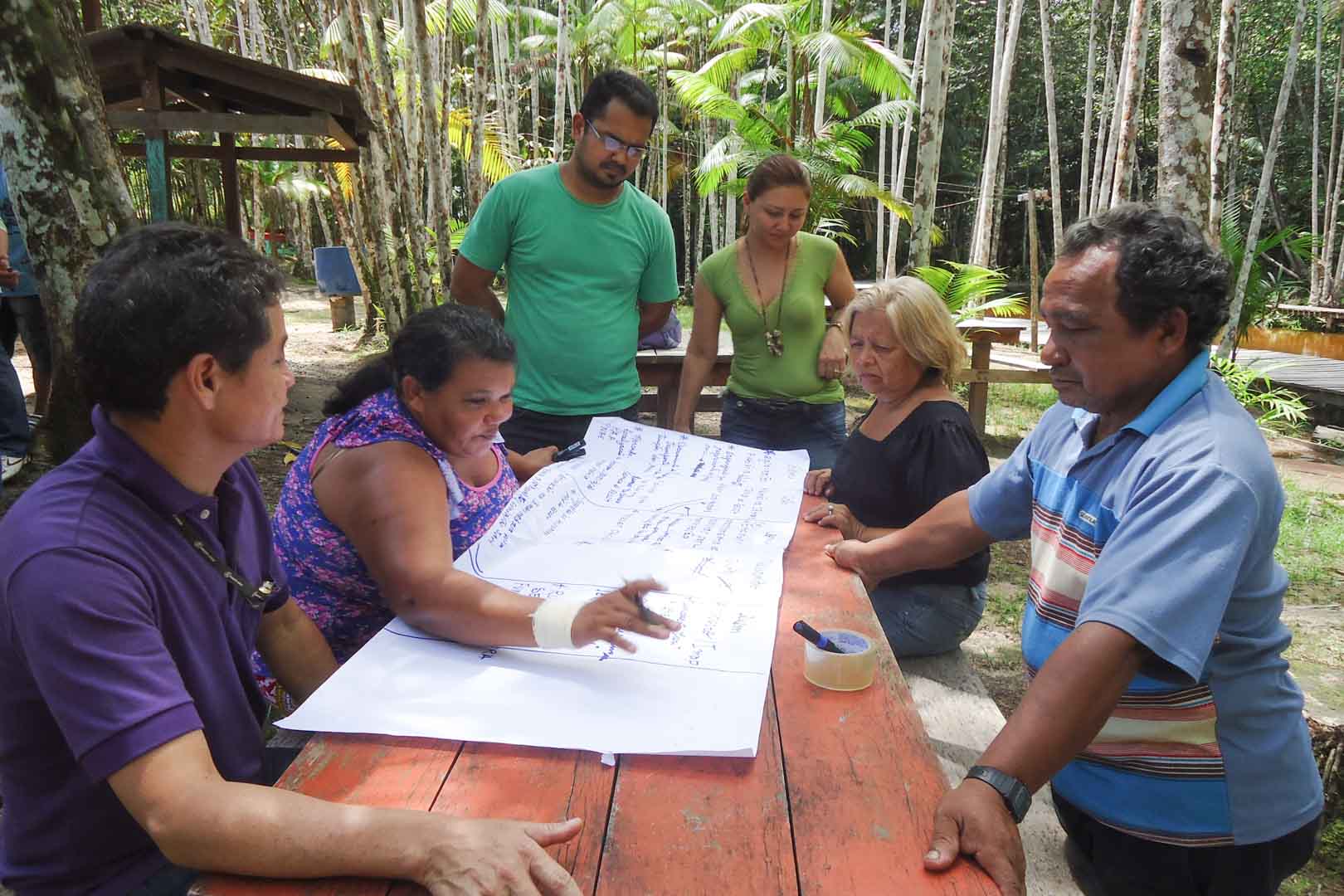
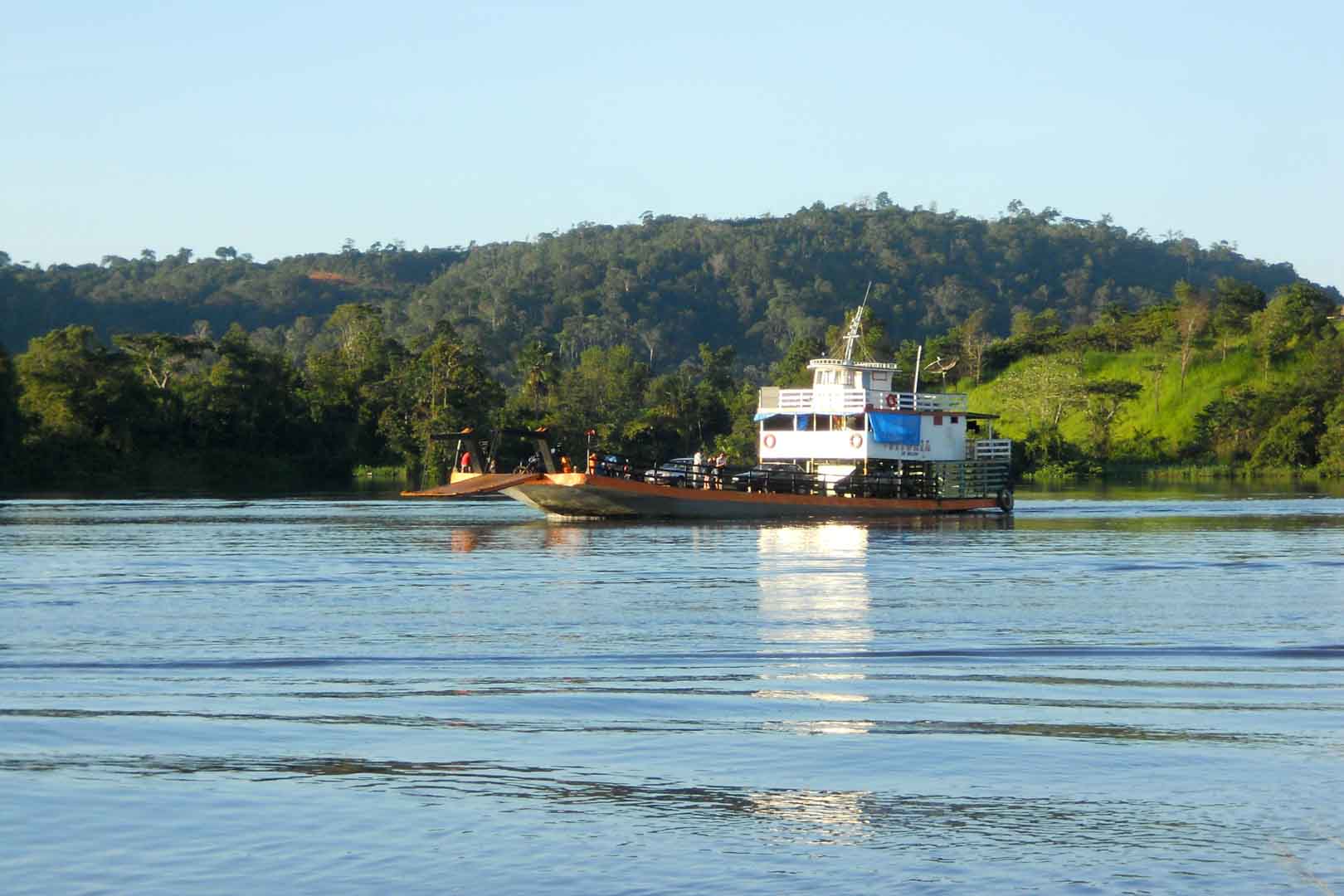
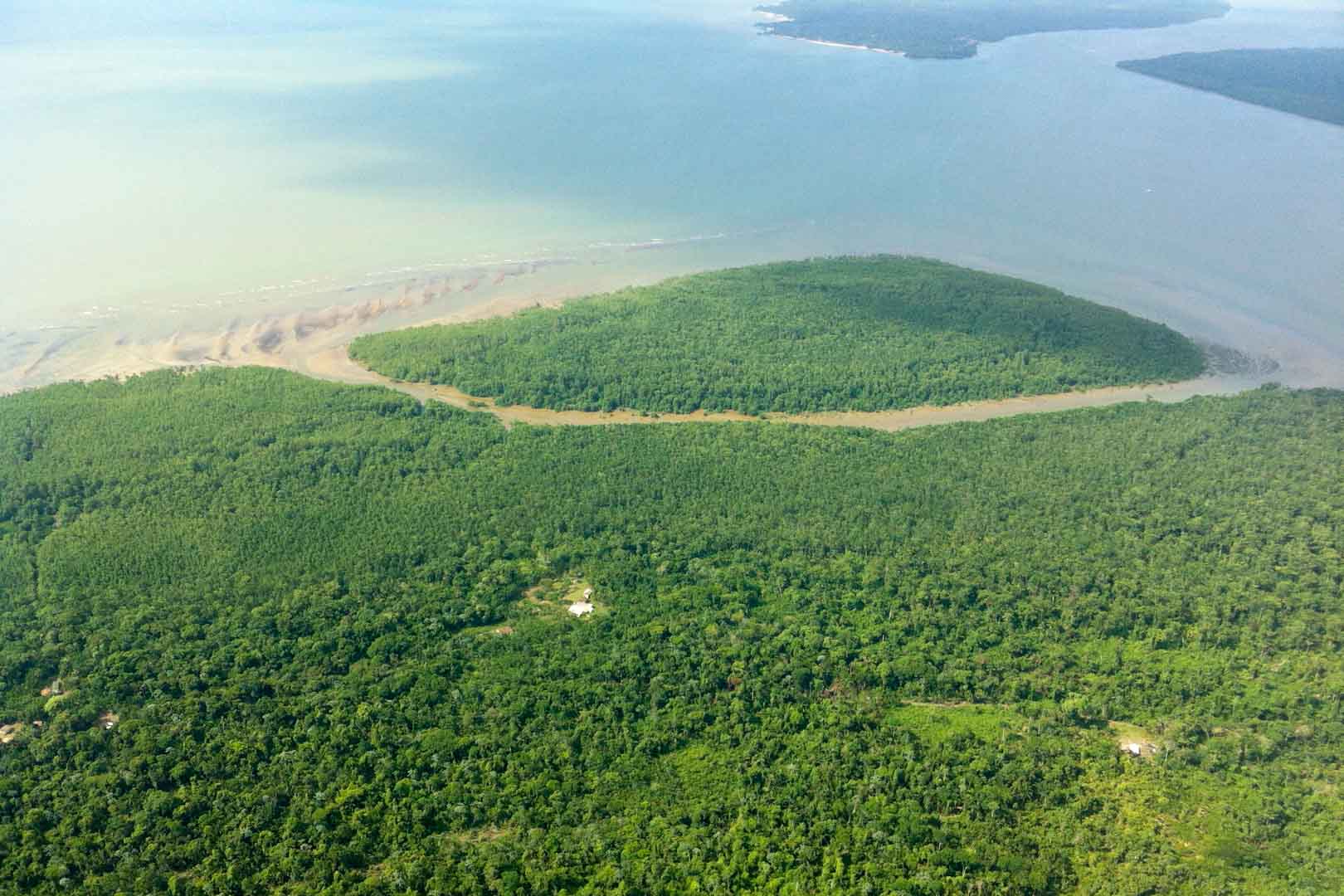
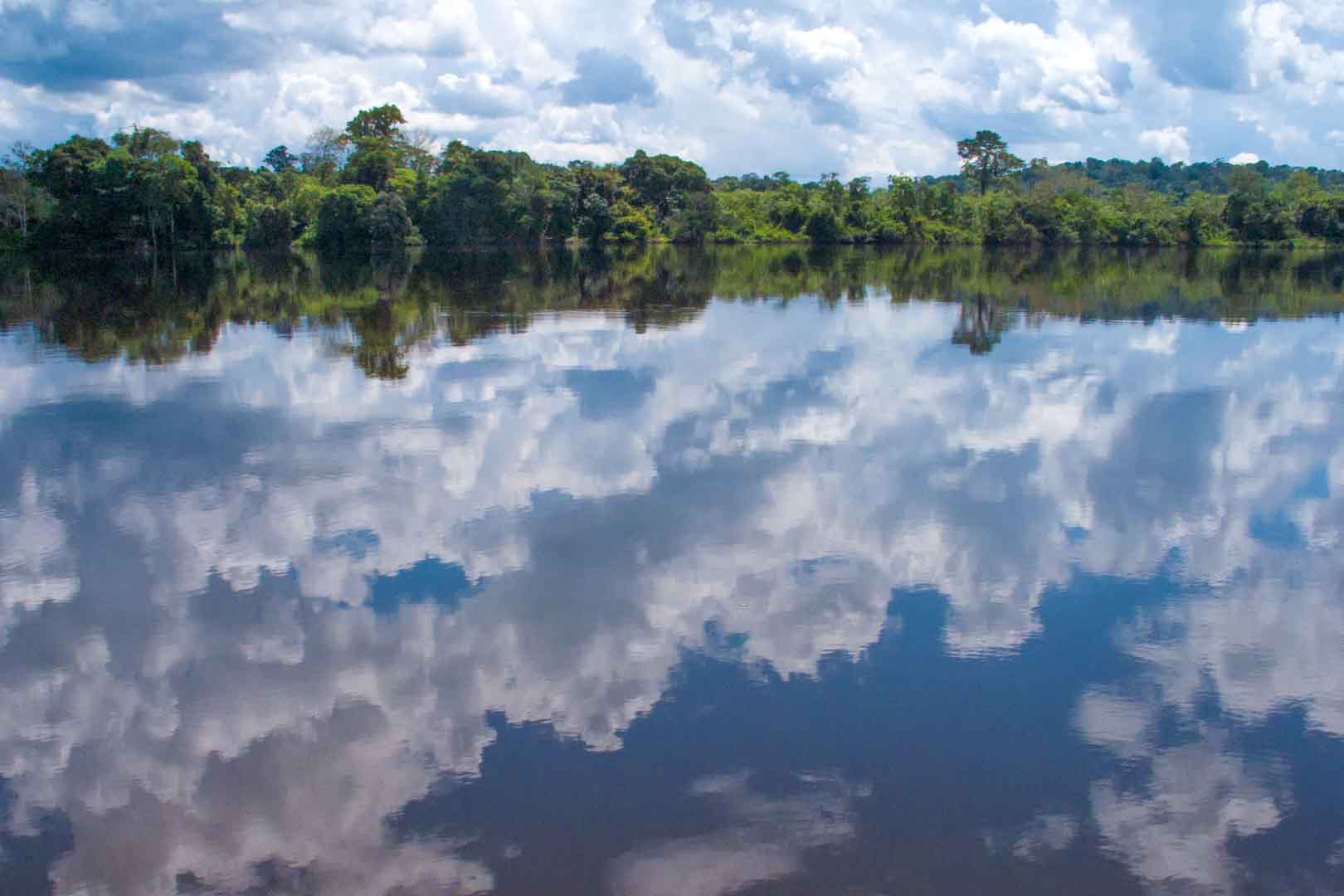
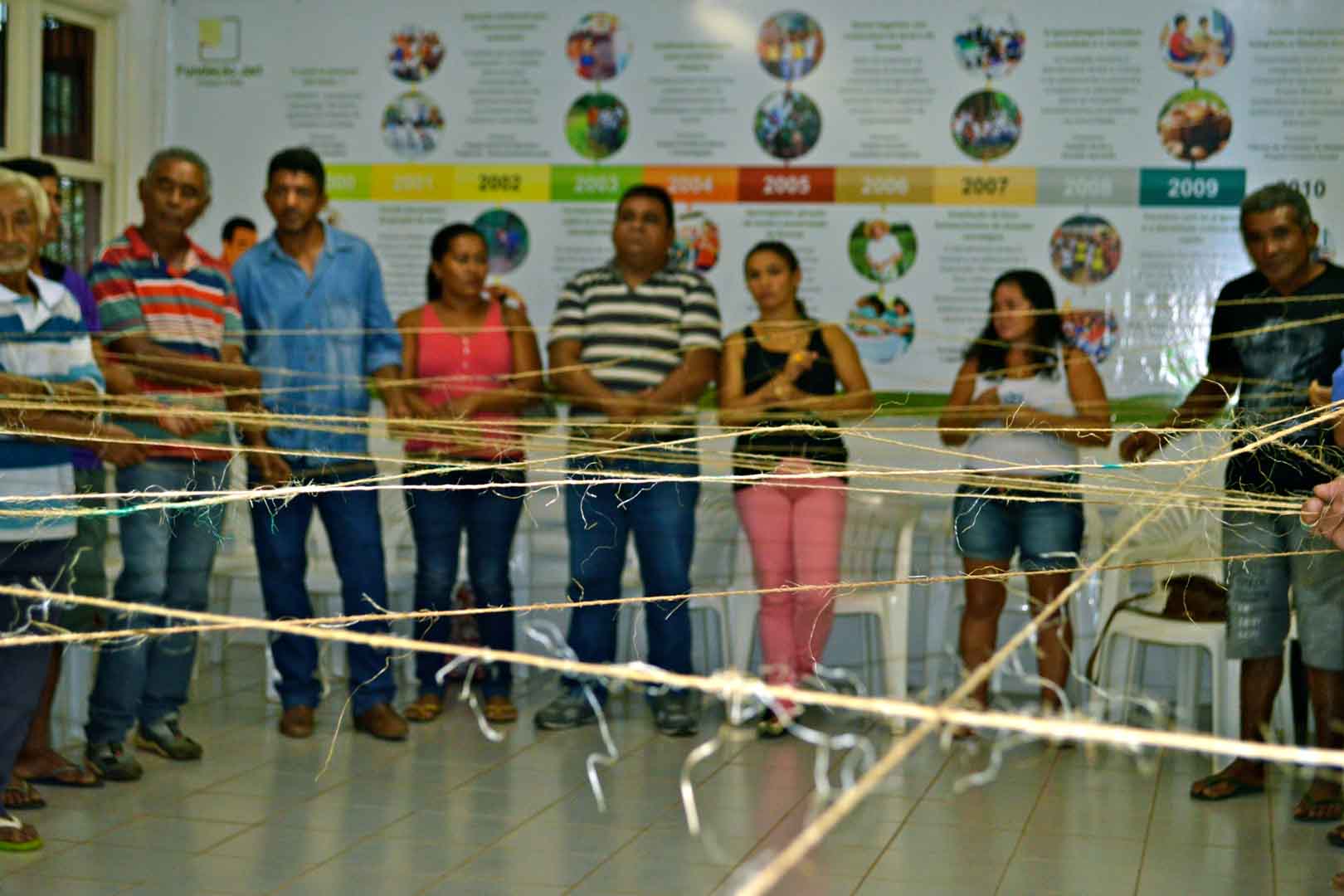
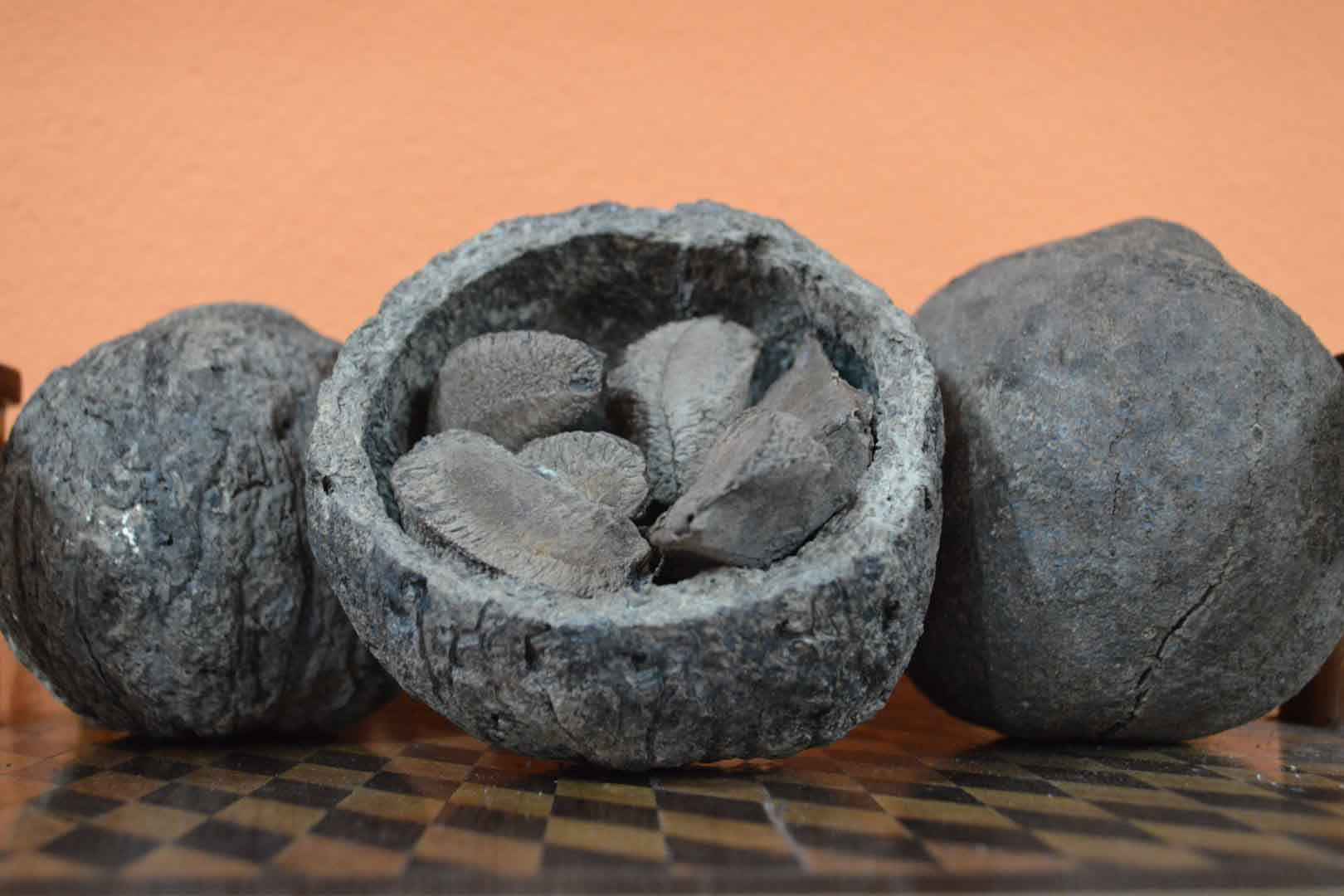
In 1978 a paper mill was built in the valley of the Jari River in northern Brazil, benefitting from the abundant wood resources. People from all over Brazil moved here to find work. But the lack of infrastructure and high production costs made the company unprofitable. To prevent uncontrolled deforestation by unemployed local residents, the Jari Group bought the area to make it a showcase project for sustainable forest management. Since then, 66,000 hectares of Amazon rainforest have been sustainably managed and monitored through satellite imagery. In addition, a plan for a sustainable value chain has been developed to ensure regular income for the 50 families in the eight local communities. Many of them are small farmers who are supported by the project. In addition to cassava, typical cultivars include fruits such as acai and cupuaçu, as well as Brazil nuts.
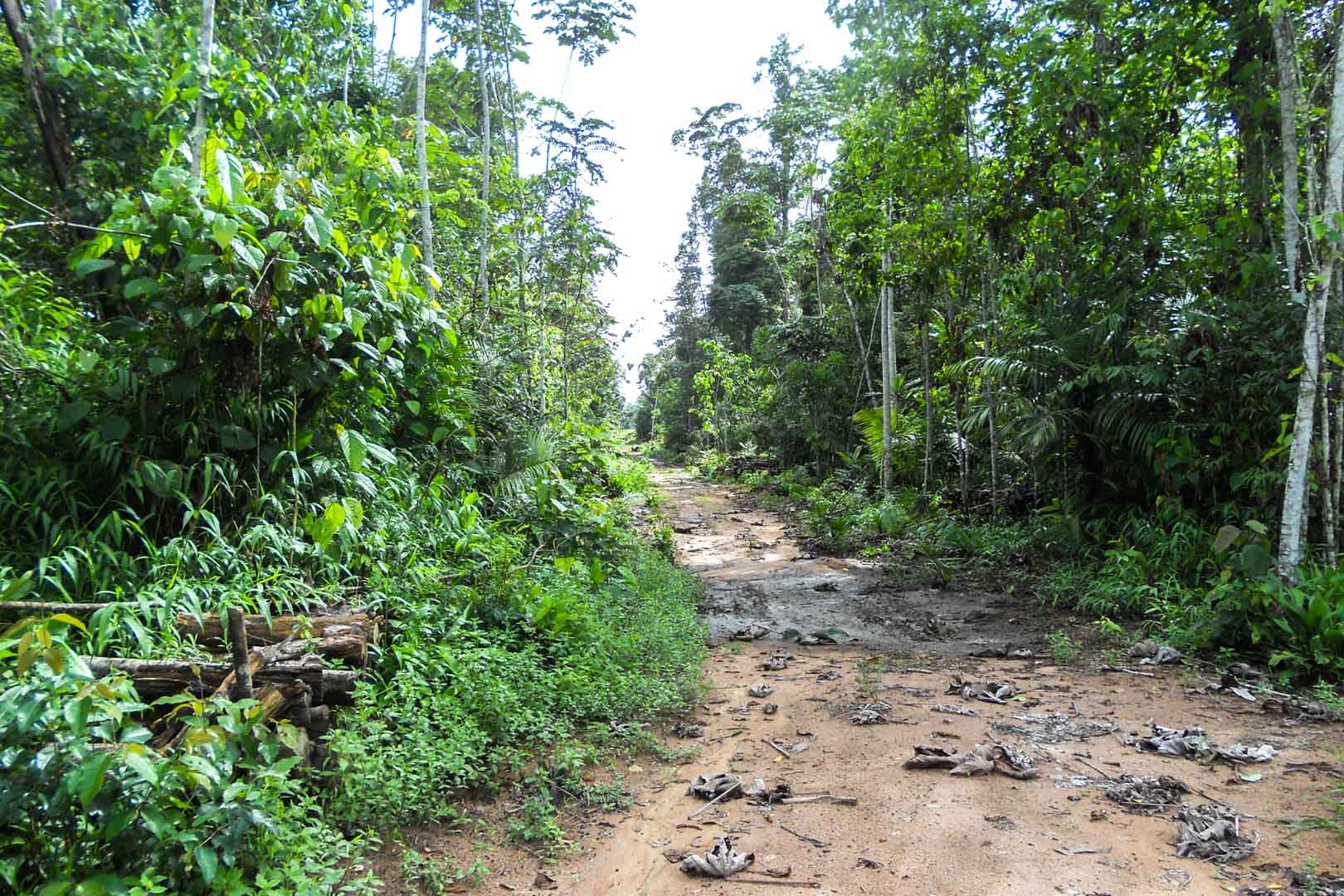
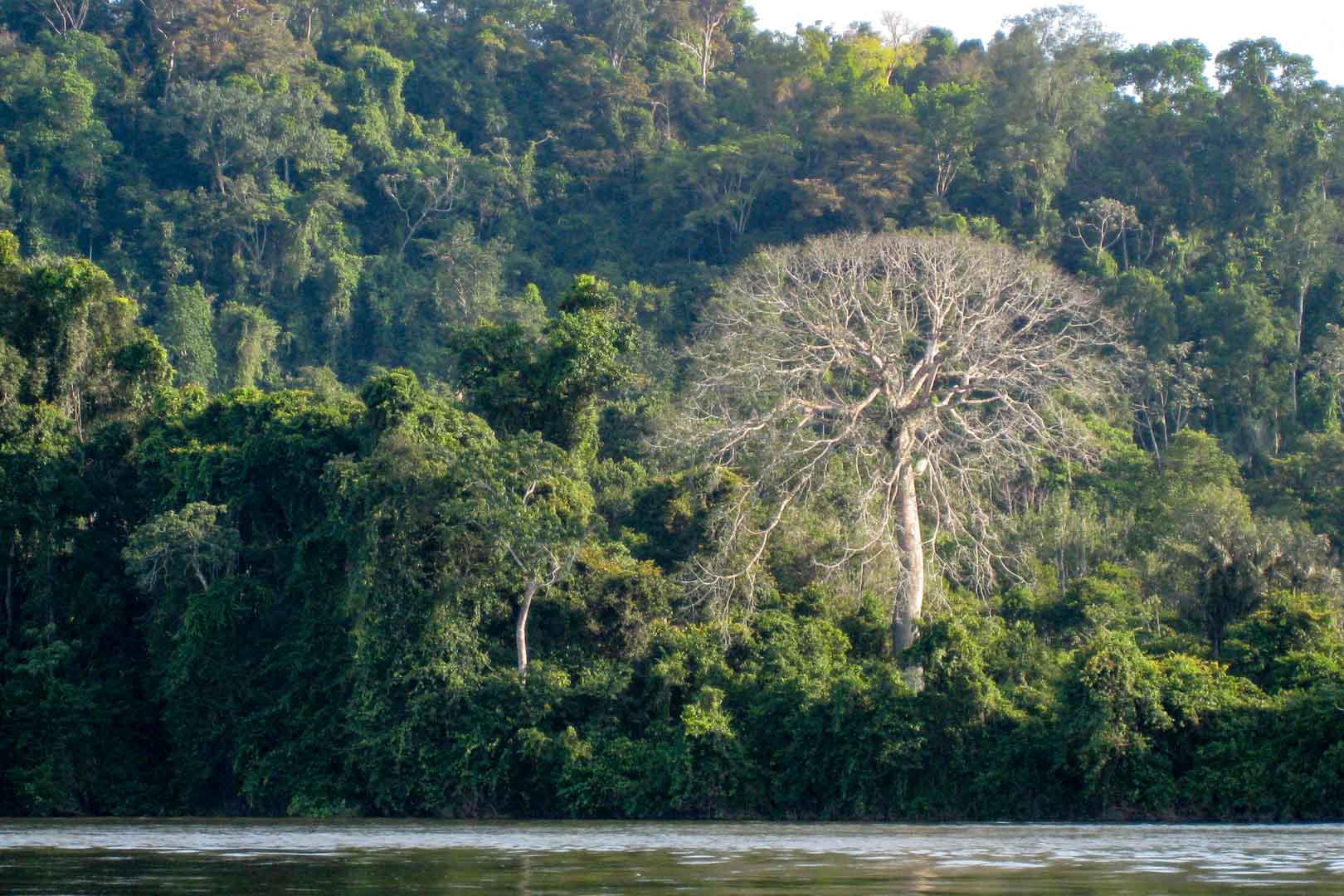
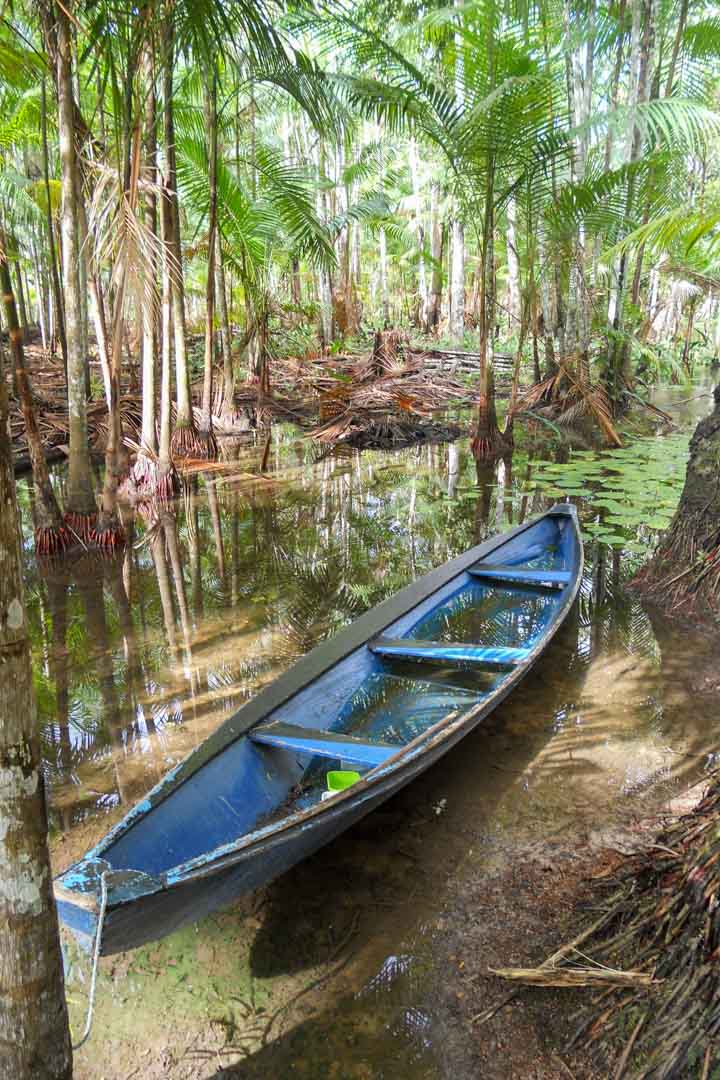
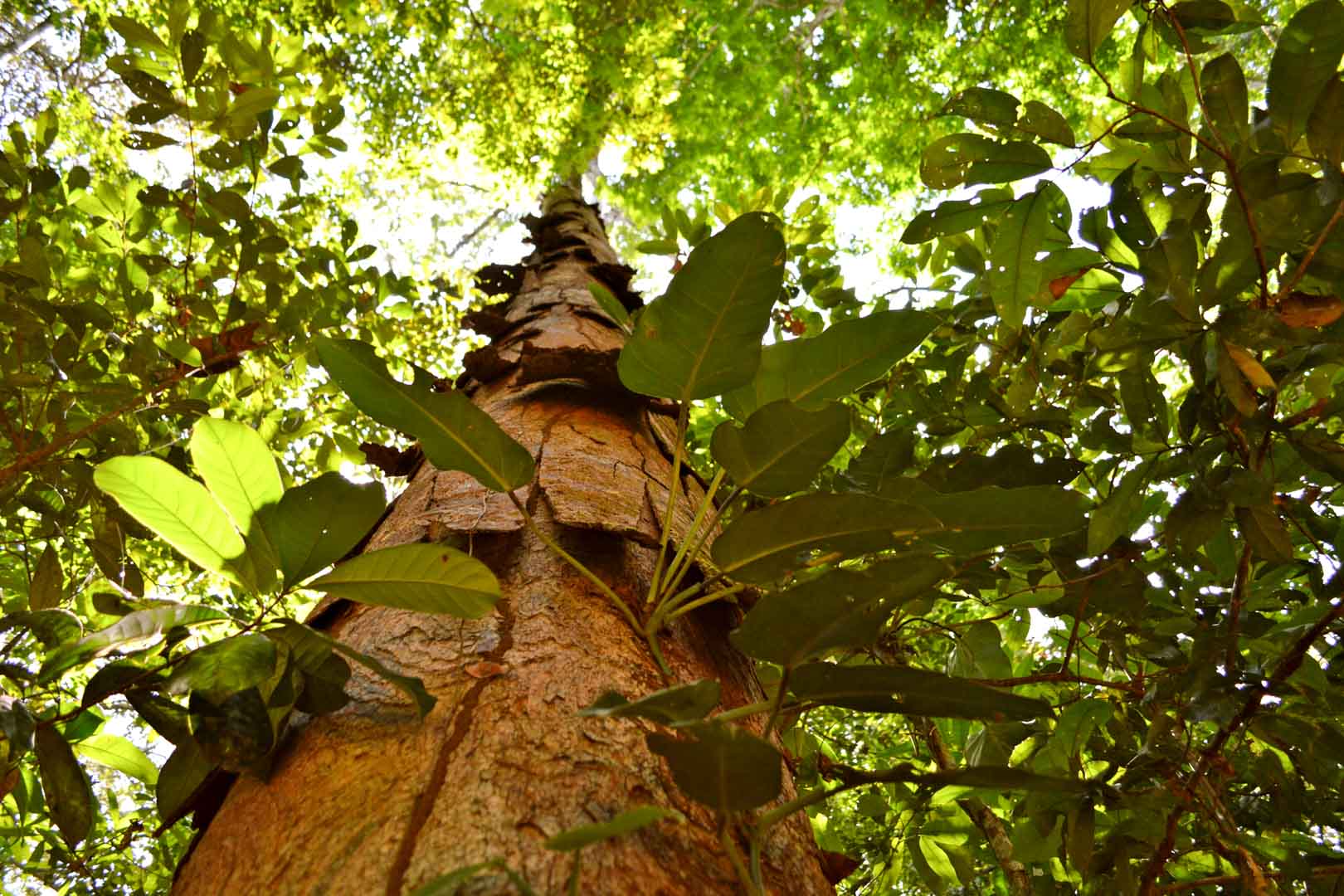
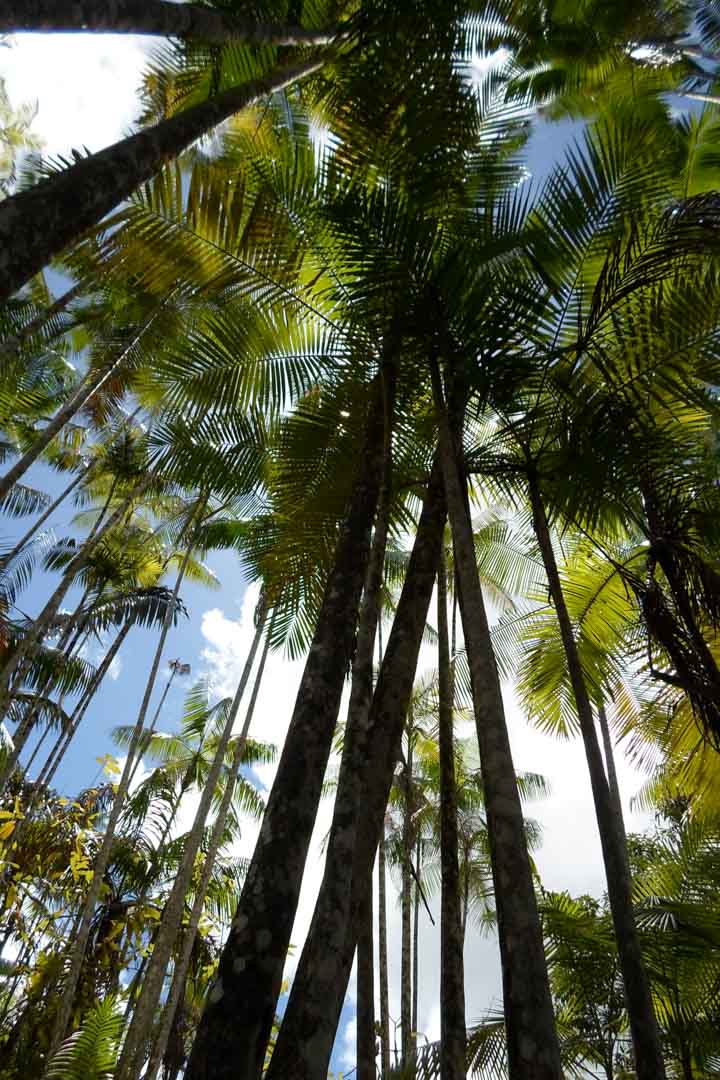
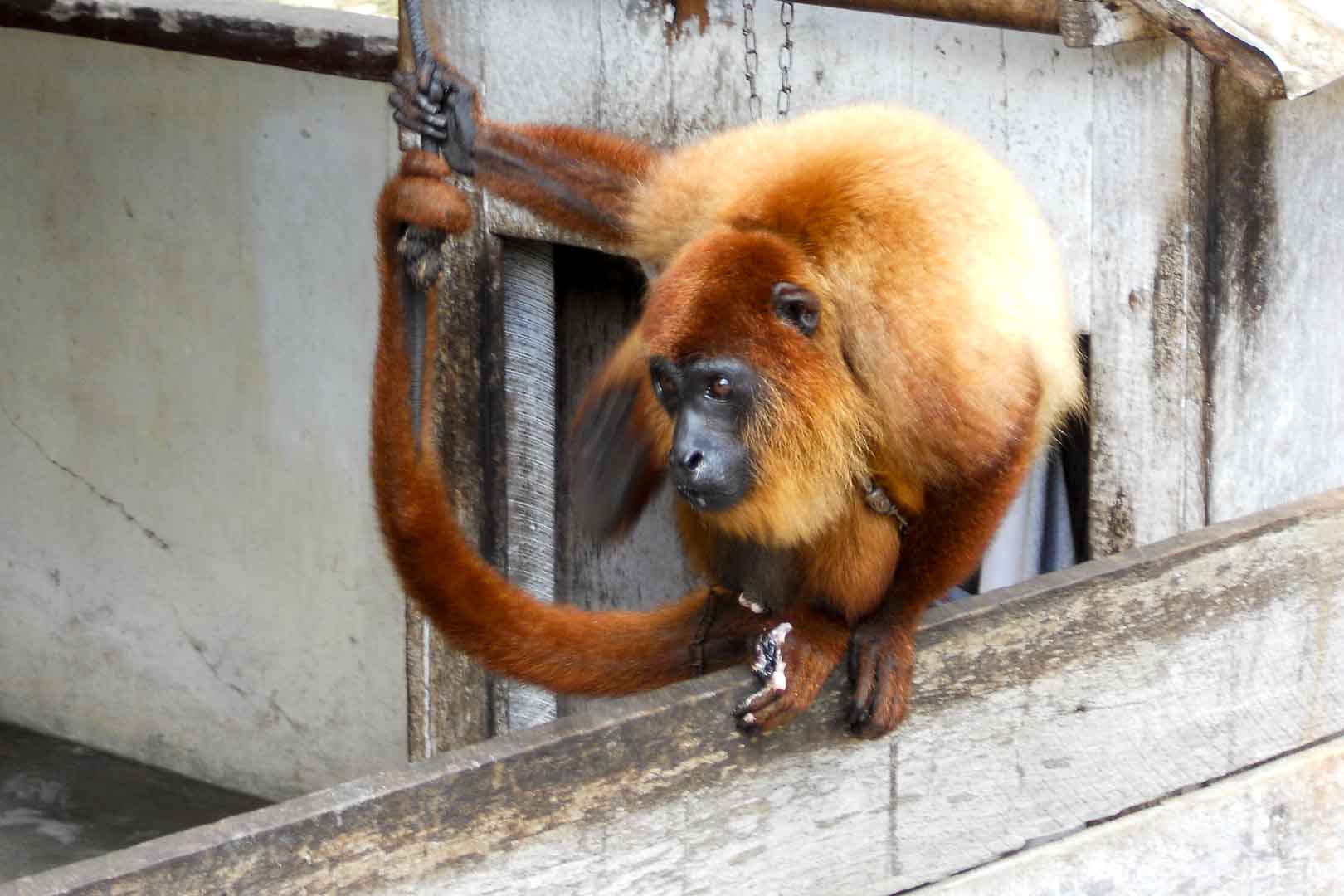
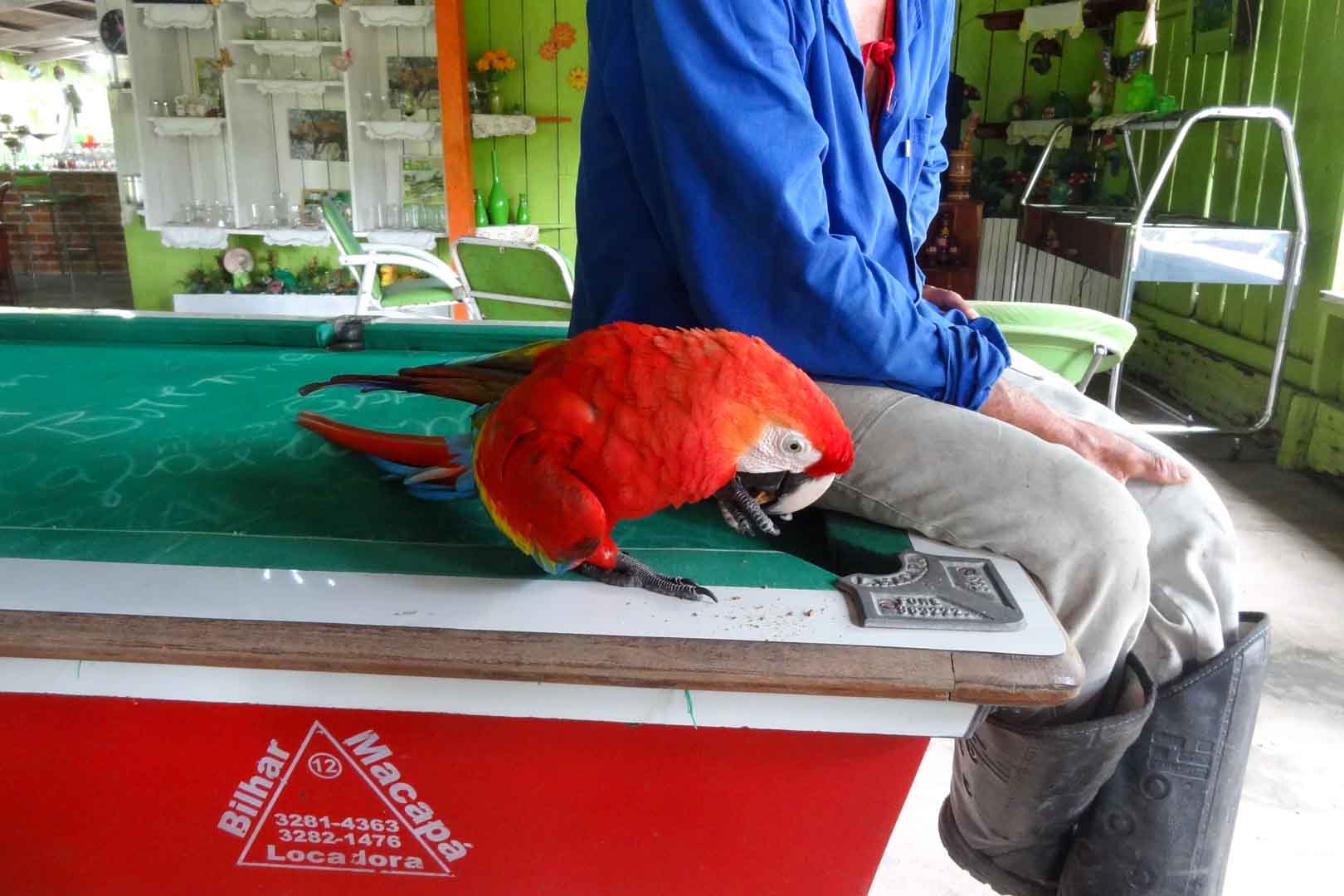
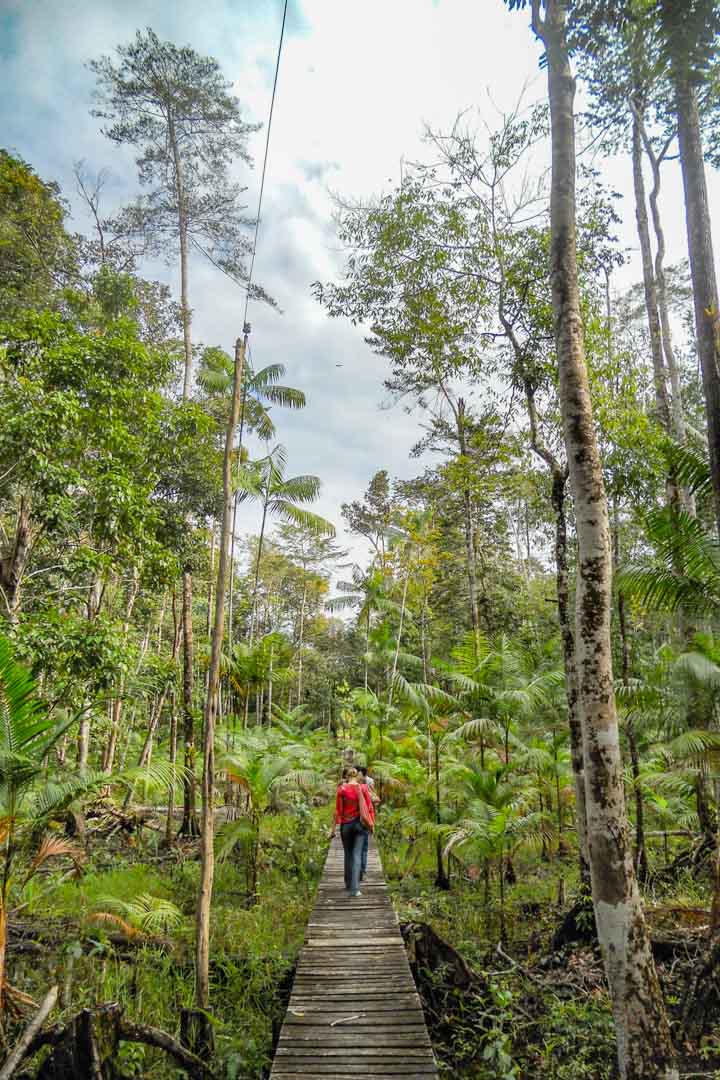
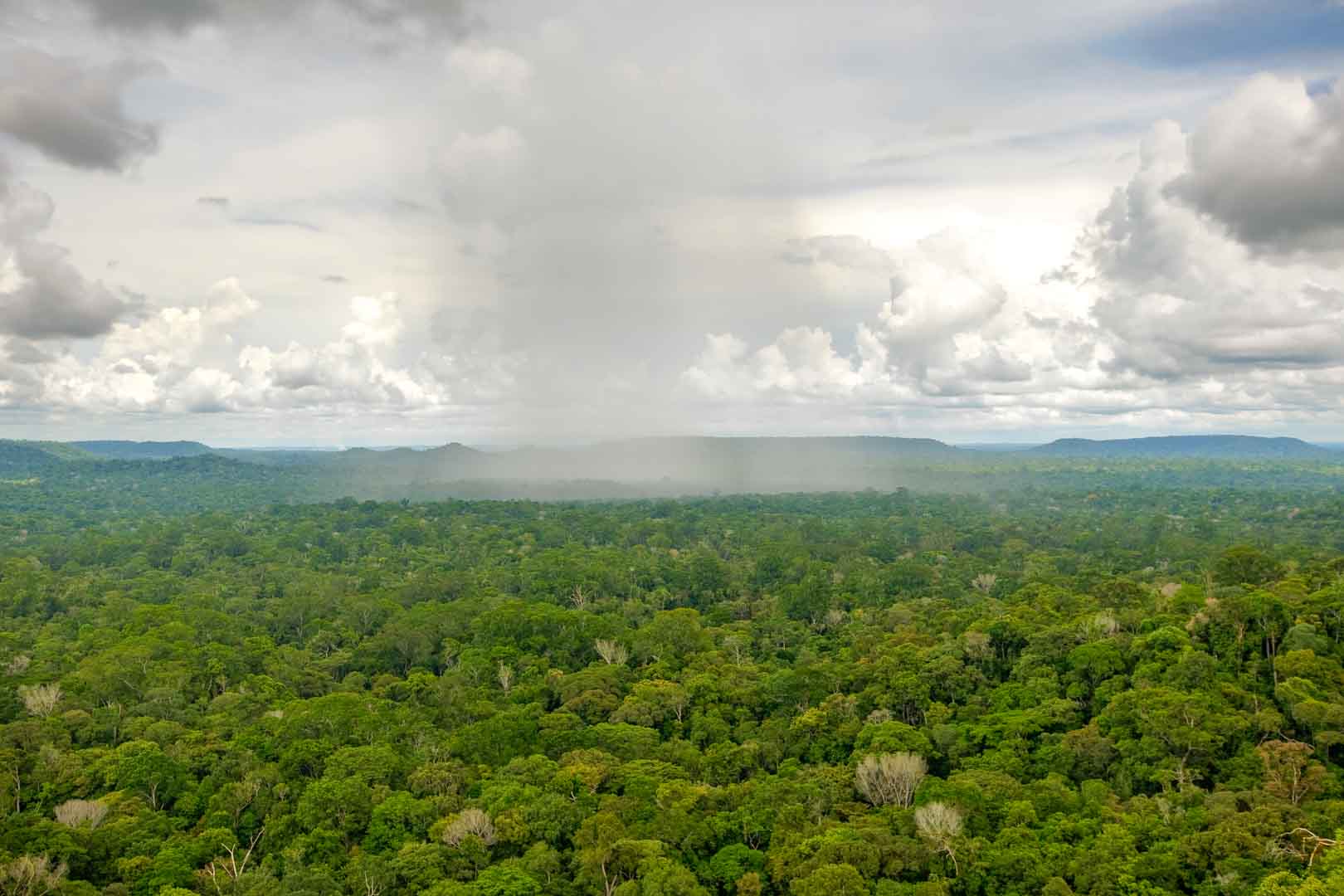

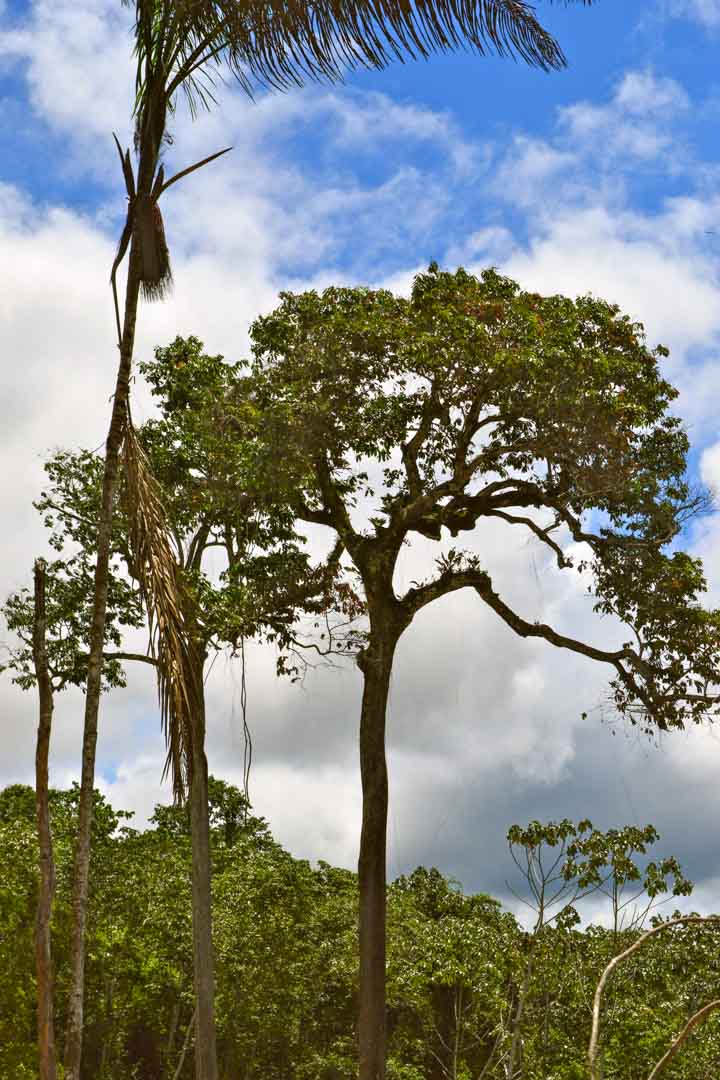
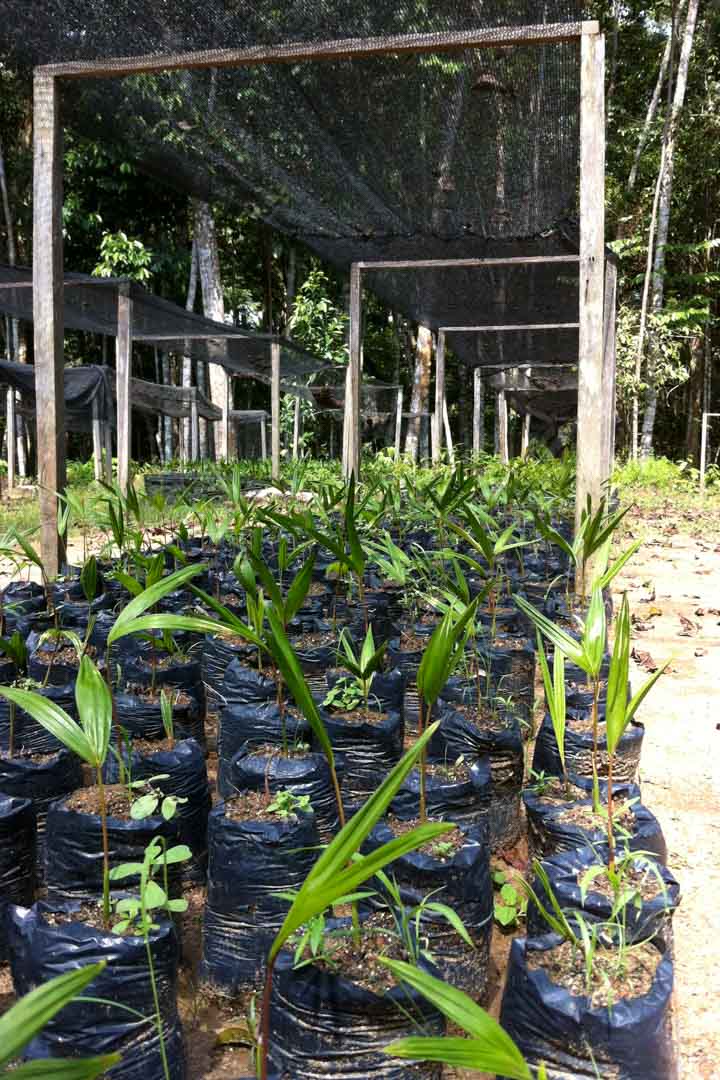
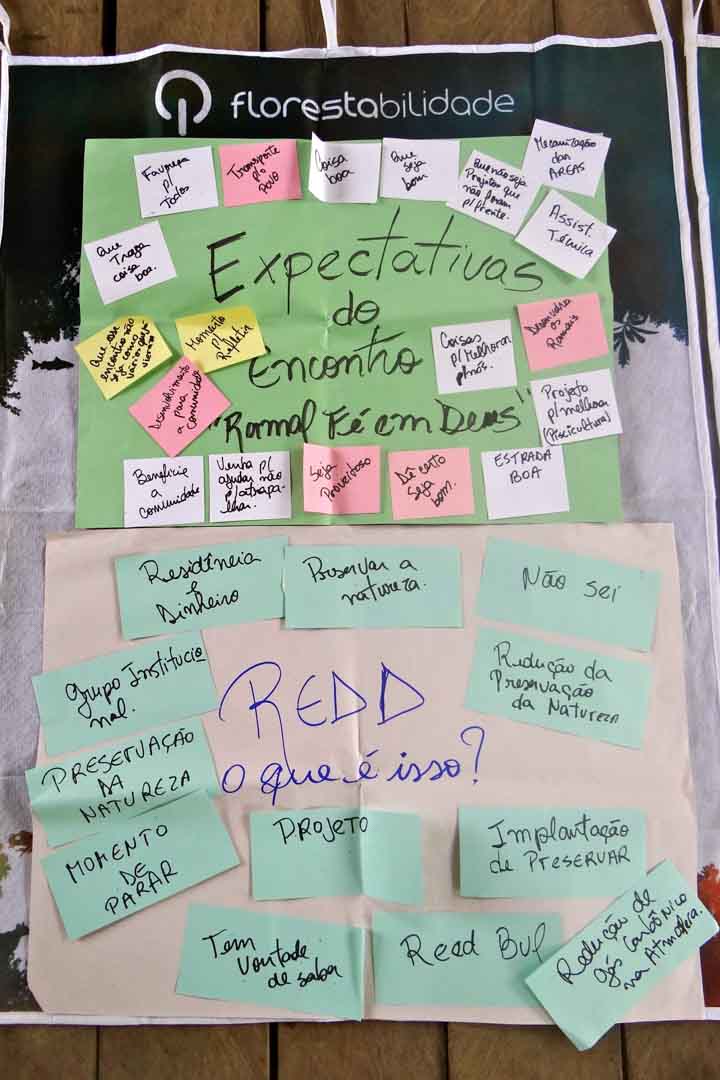
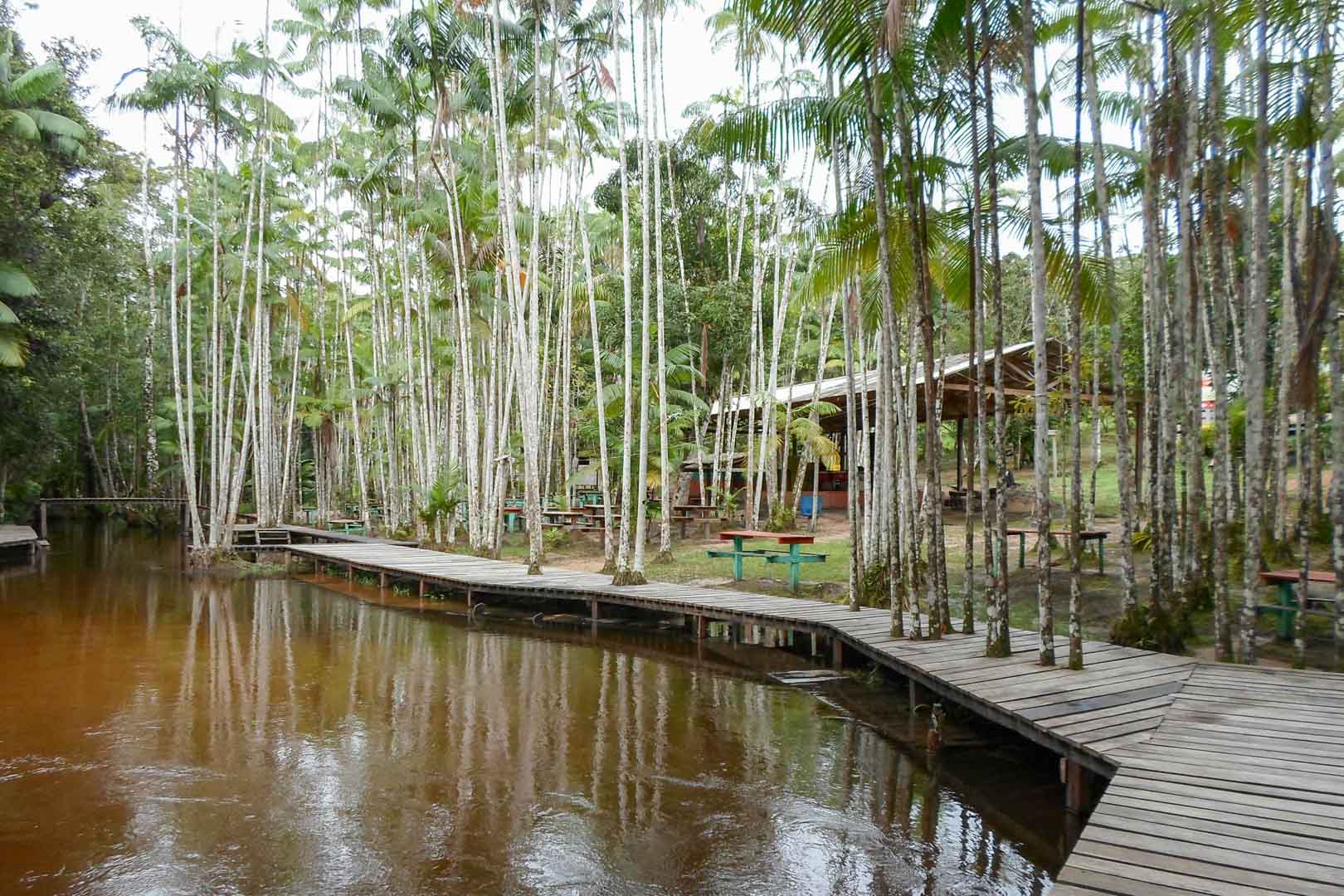
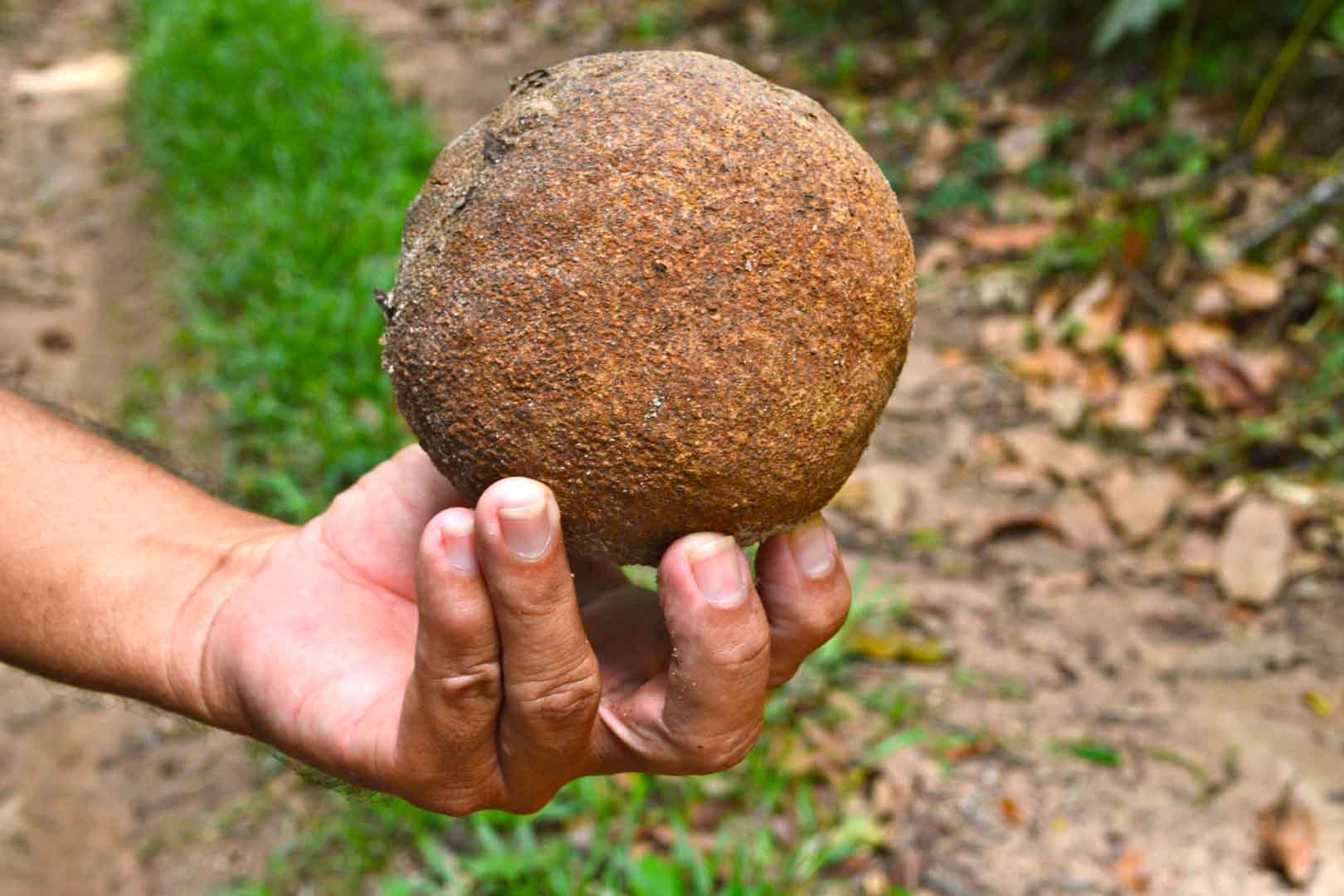
Forests are not only among the planet's most important carbon reservoirs. They also are home to an enormous diversity of species and are the livelihood for all people. However, global forest areas have declined sharply in recent decades due to increasing settlement, agricultural use, illegal logging and mining.
Forest protection projects ensure that forests are preserved in the long term and that the protection of forests is given a higher value than their deforestation. Together with the local population, project participants protect the area from negative influences. To allow for this the projects create alternative sources of income and educational opportunities. Depending on the project region, forests store varying amounts of carbon per hectare. Particularly high amounts of carbon are stored in the vegetation and soil of tropical swamp forests, primary rainforests, or mangroves. Forest protection projects in the ClimatePartner portfolio are registered with international standards.
The project aims to contribute to these United Nations’ Sustainable Development Goals (SDGs).


Explore our projects
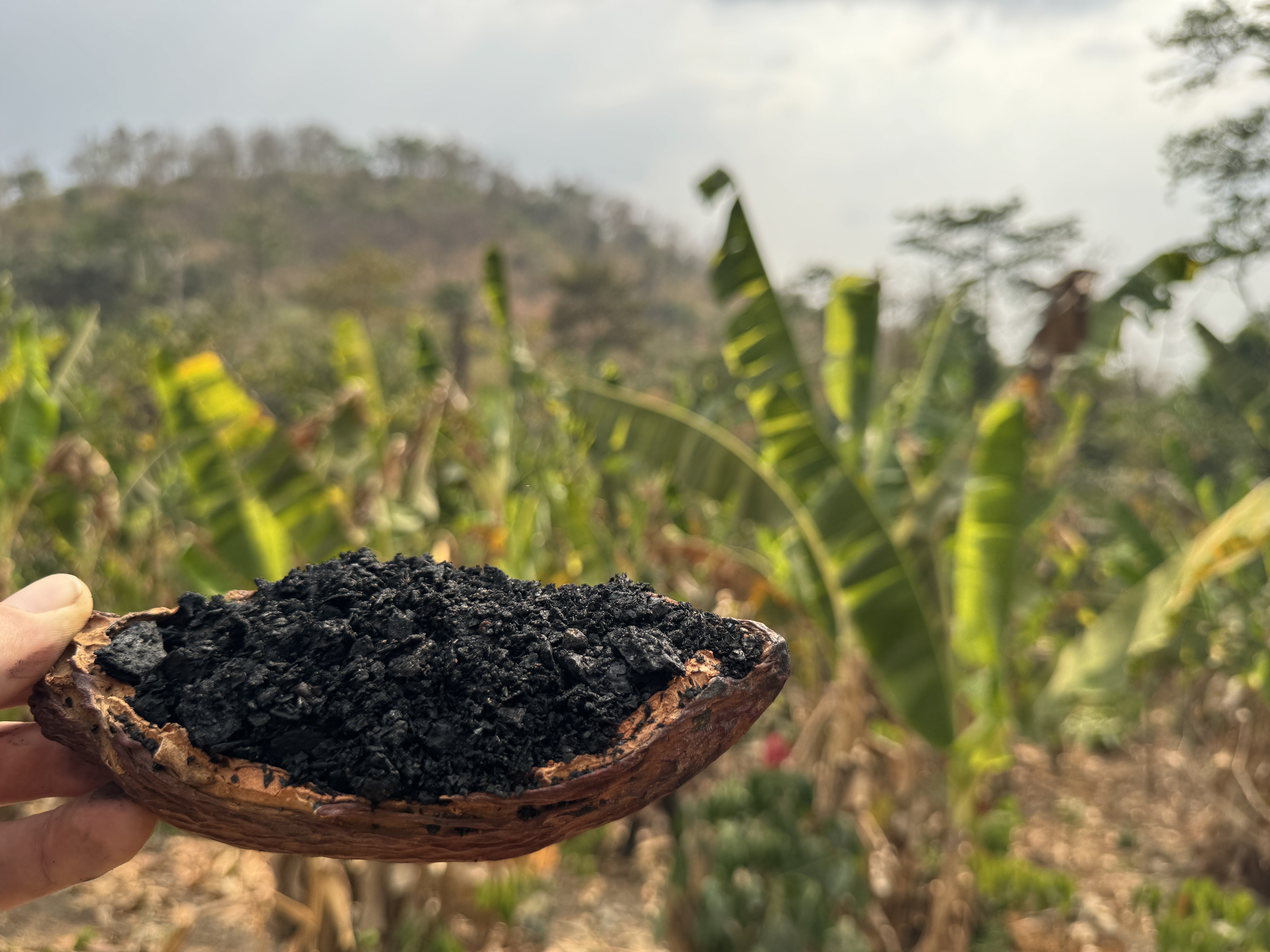
Biochar for Climate Action, Healthy Soils, and Better Harvests
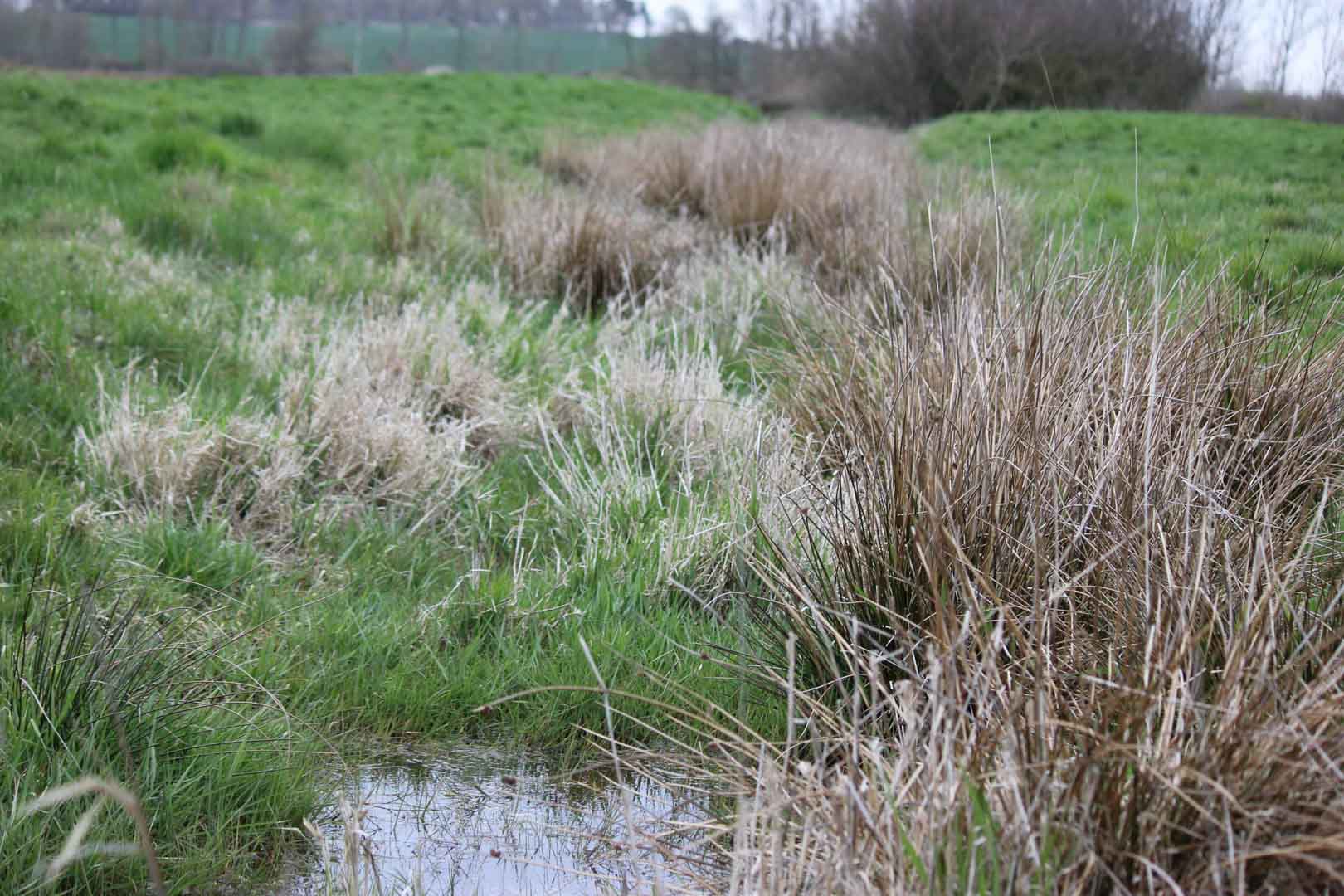
A certified climate project combined with additional commitment
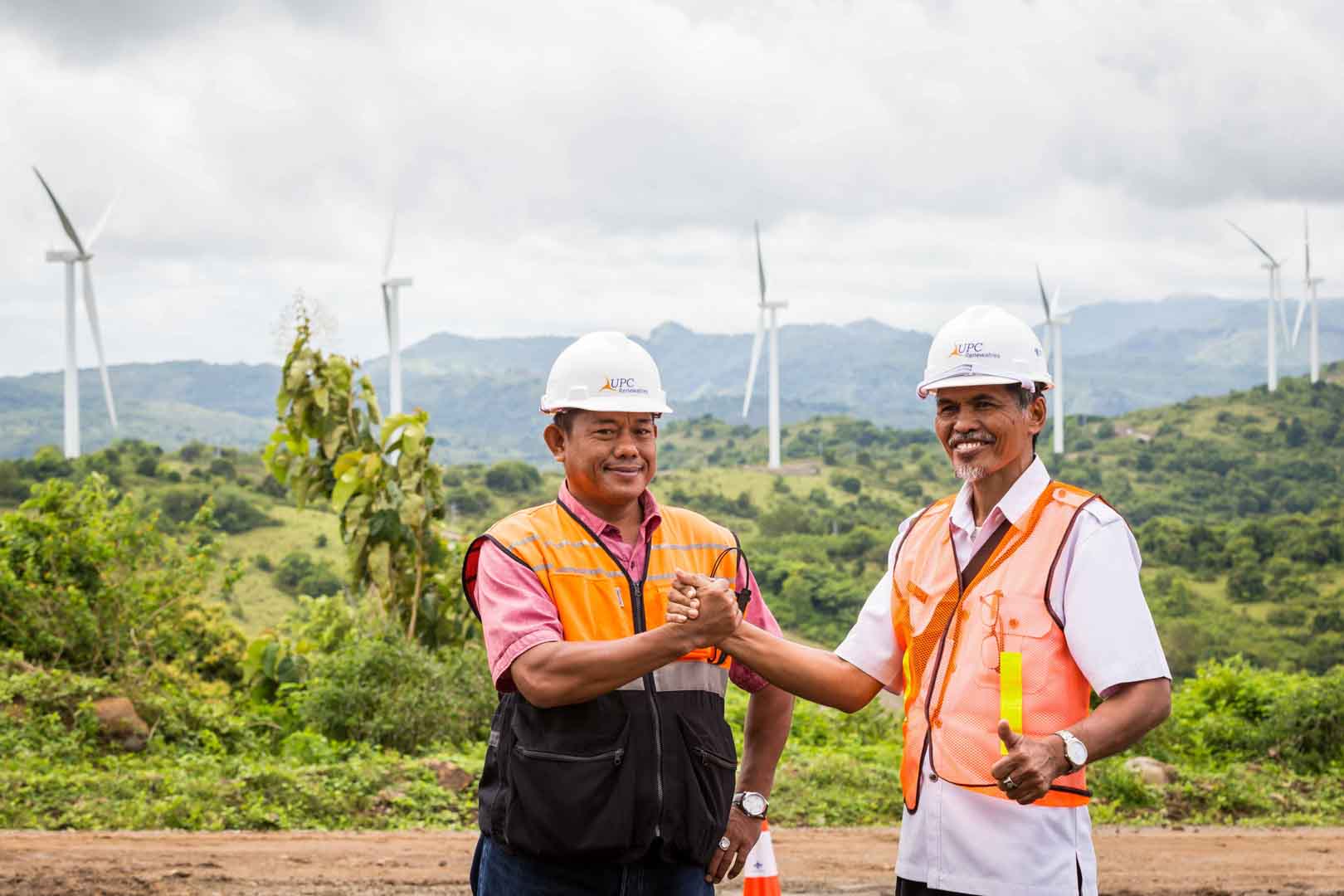
Expansion of renewable energy generation in Asia
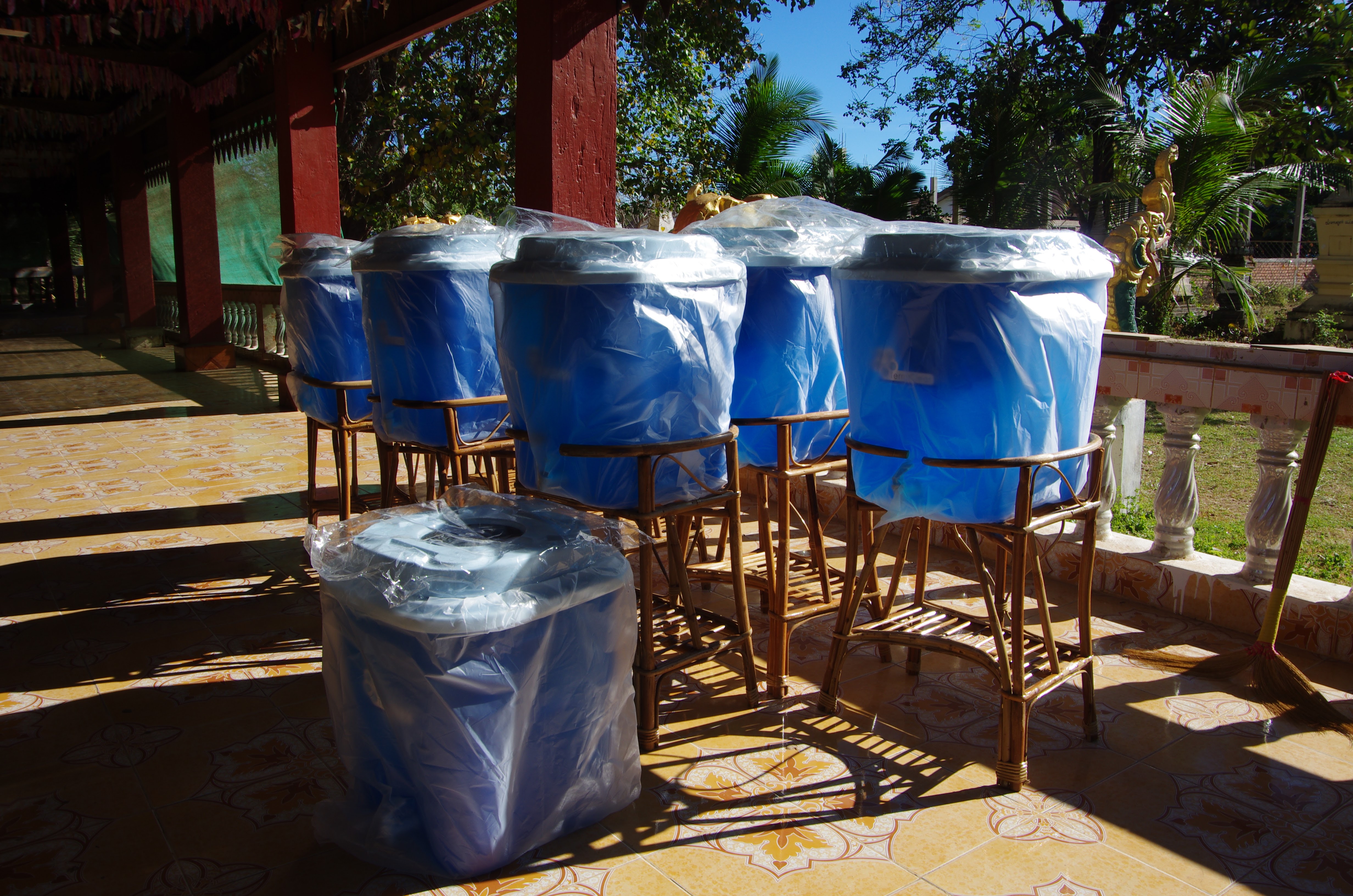
Ceramic water filters save CO2 and improve health
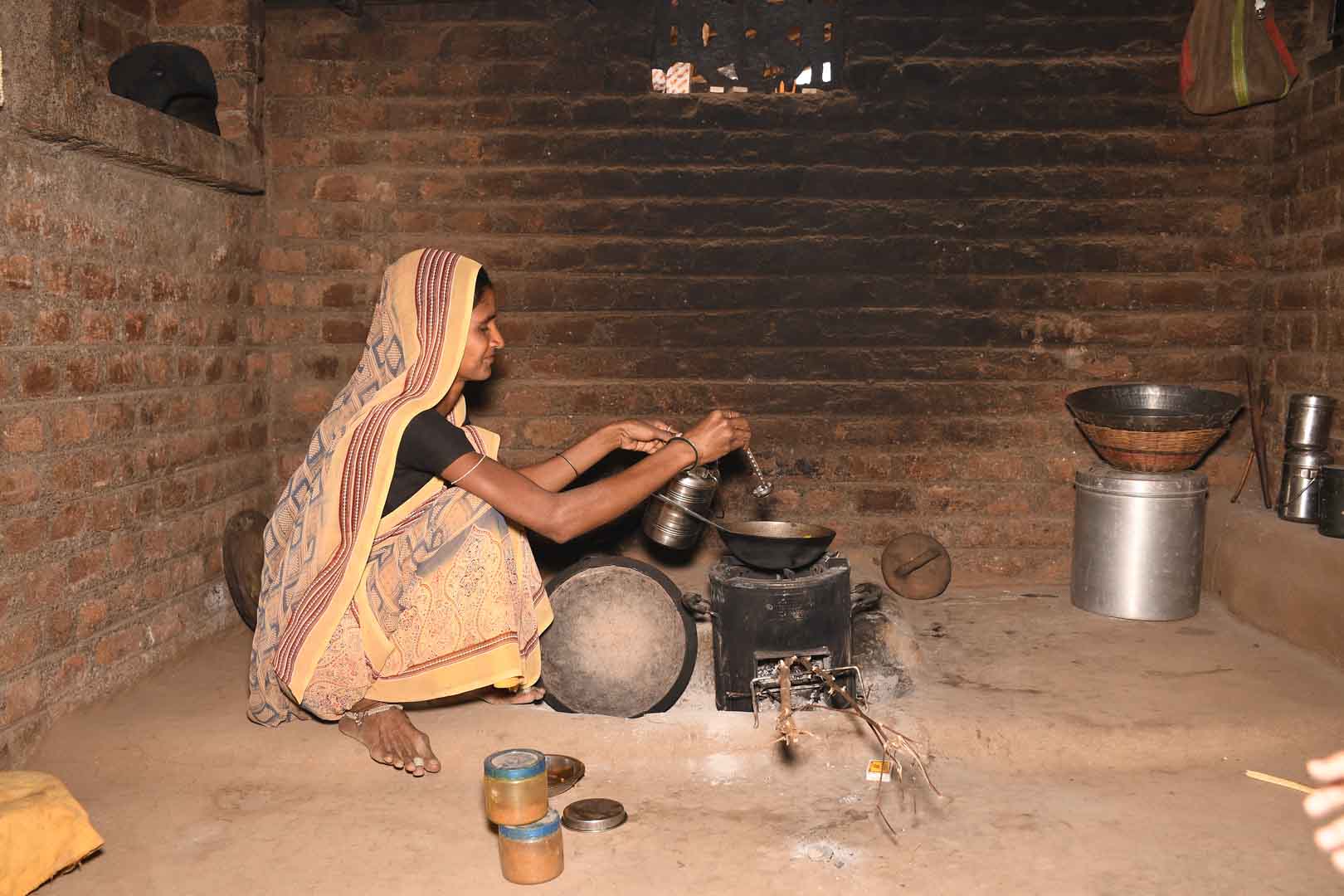
Improved cookstoves worldwide – for better health and cleaner air

A certified climate project combined with additional commitment
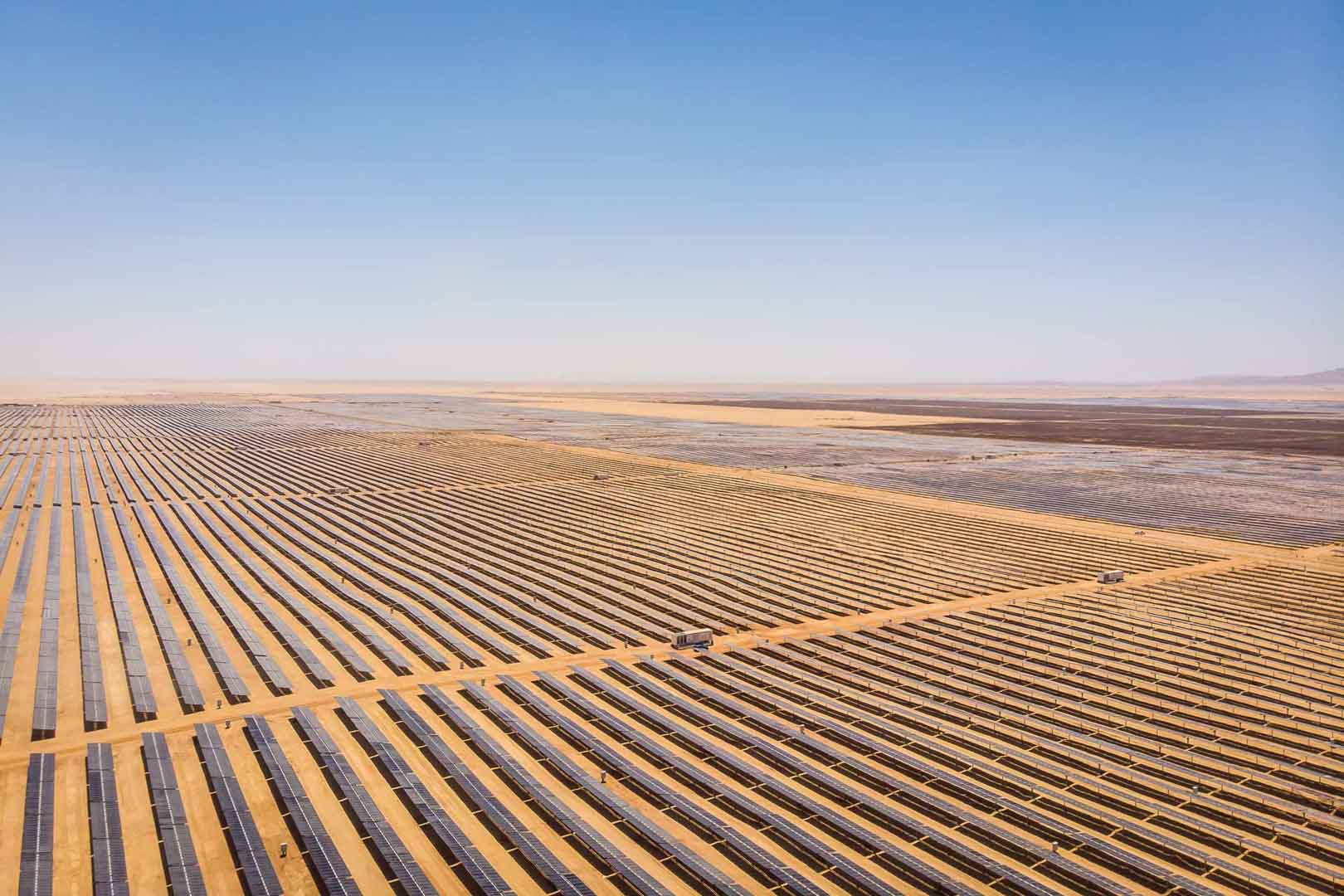
Powering access to renewable energy in Africa
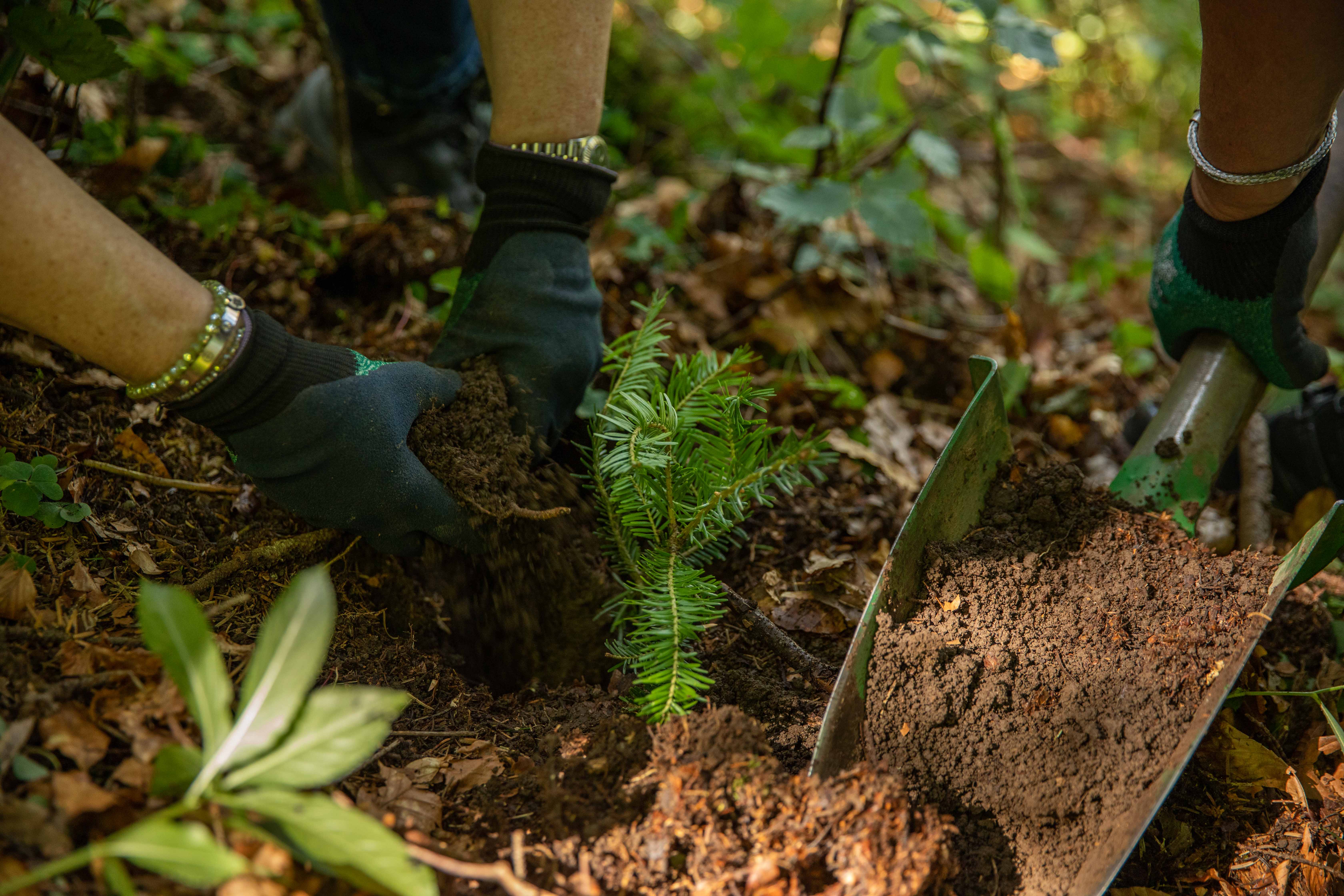
A certified climate project combined with additional commitment
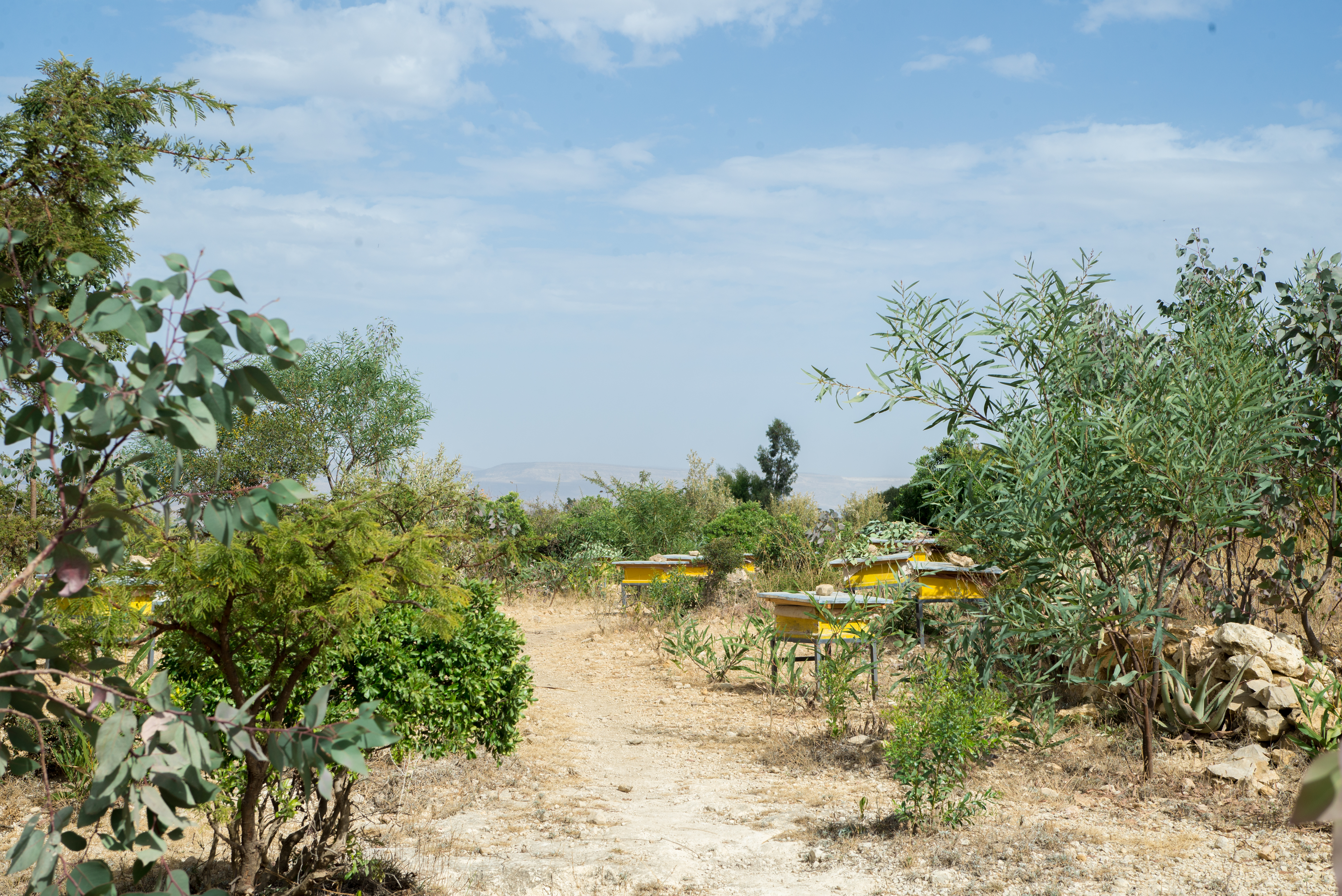
Restored ecosystems remove carbon
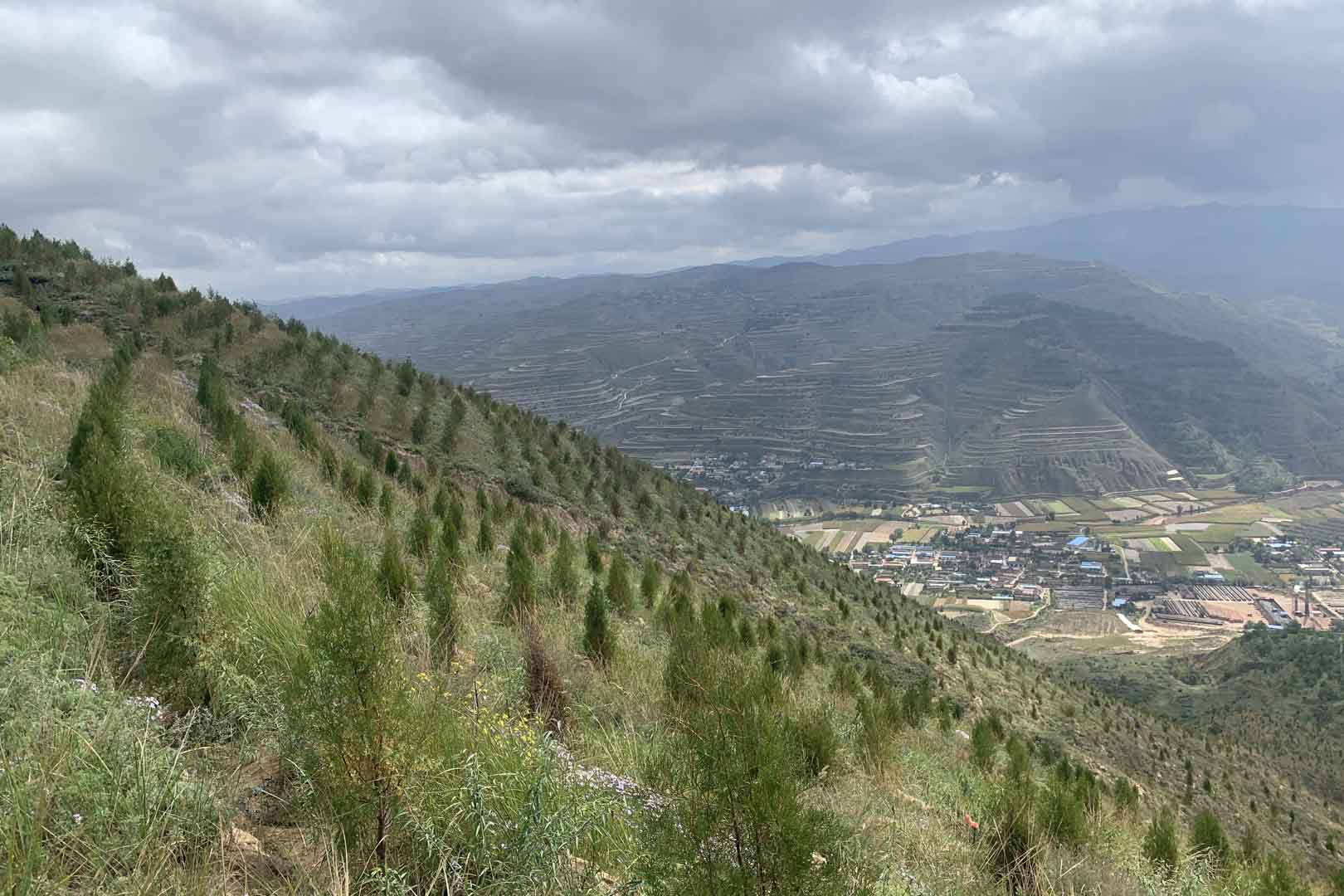
Turning degraded farmlands into healthy ecosystems
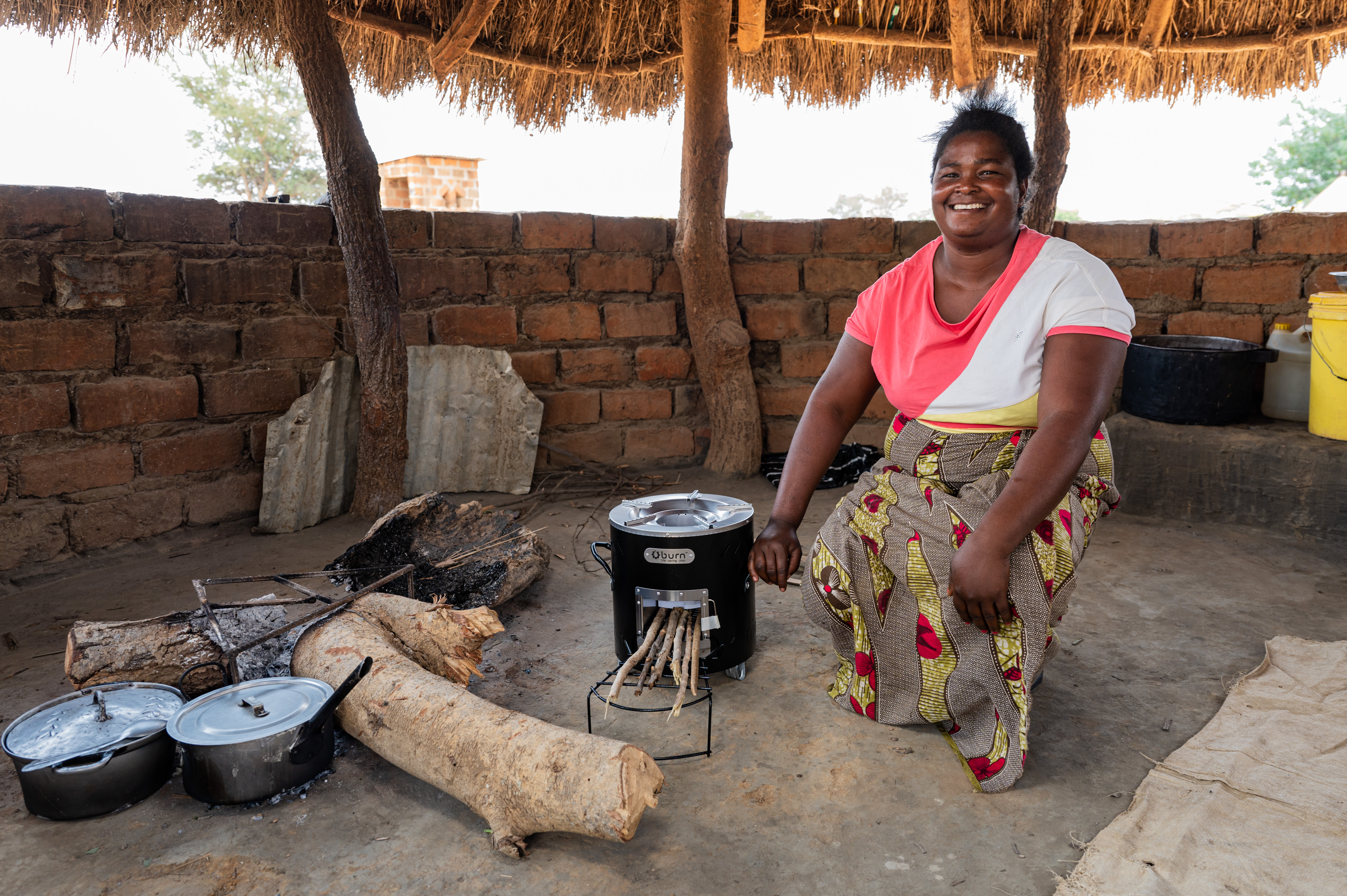
Improved cookstoves - better for health and the environment