
How wind energy contributes towards the diversification of the electric mix
The project activity consists of the implementation and operation of seven new wind electricity generation facilities, located in the municipality of Parazinho, in the brazilian state Rio Grande do Norte. The new Windfarms Santa Clara I - VI and Eurus VI contribute to sustainable development by making the country’s electric mix more diverse as the project activity will deliver 726,712 MWh of renewable electricity to the national grid annually.
Moreover the project has a positive impact on the security of renewable electricity supply throughout the year as the period when there is the greatest abundance of wind resources is coincident with the period of the smallest hydraulic availability in Brazil. Hence, windbased electricity generation is complementary to hydroelectricity, which also diminishes the dependence upon fossil fuels during the dry season.
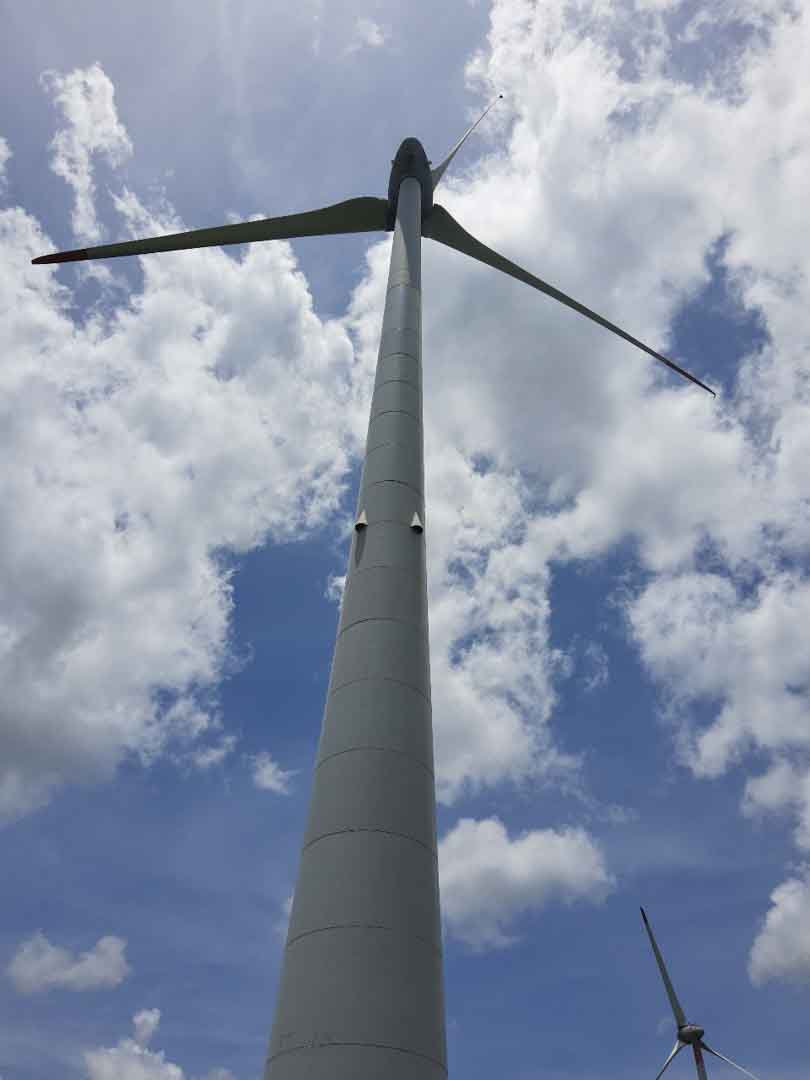
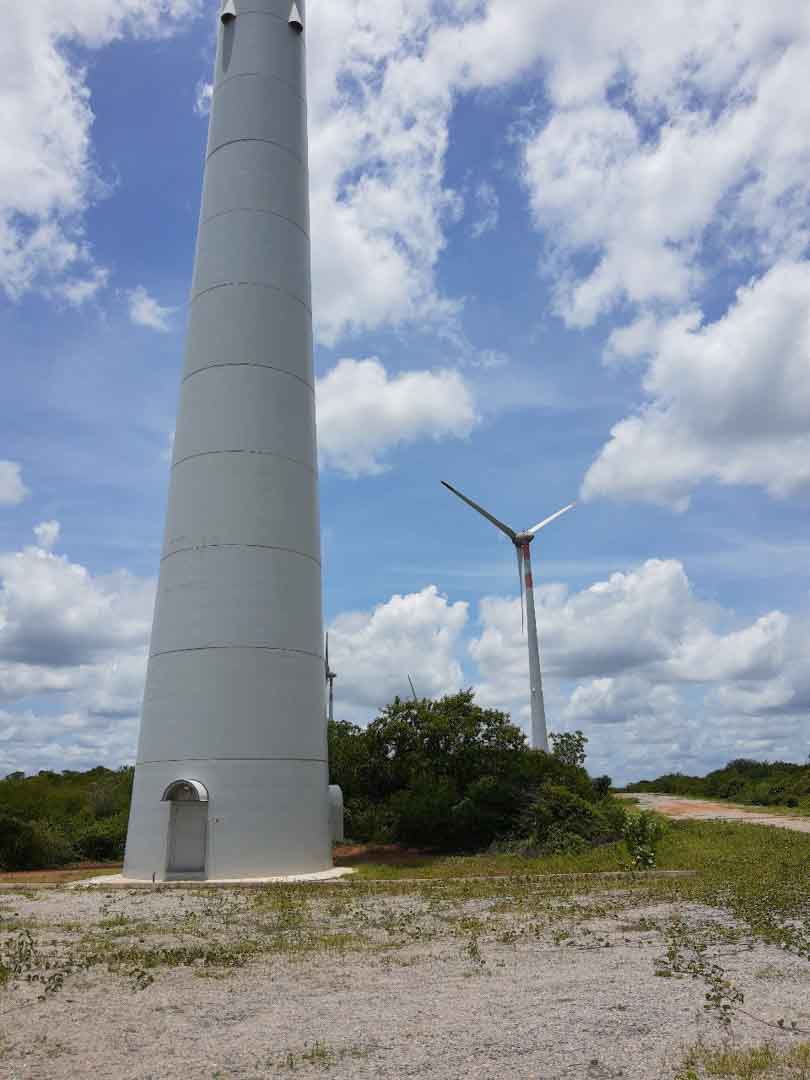
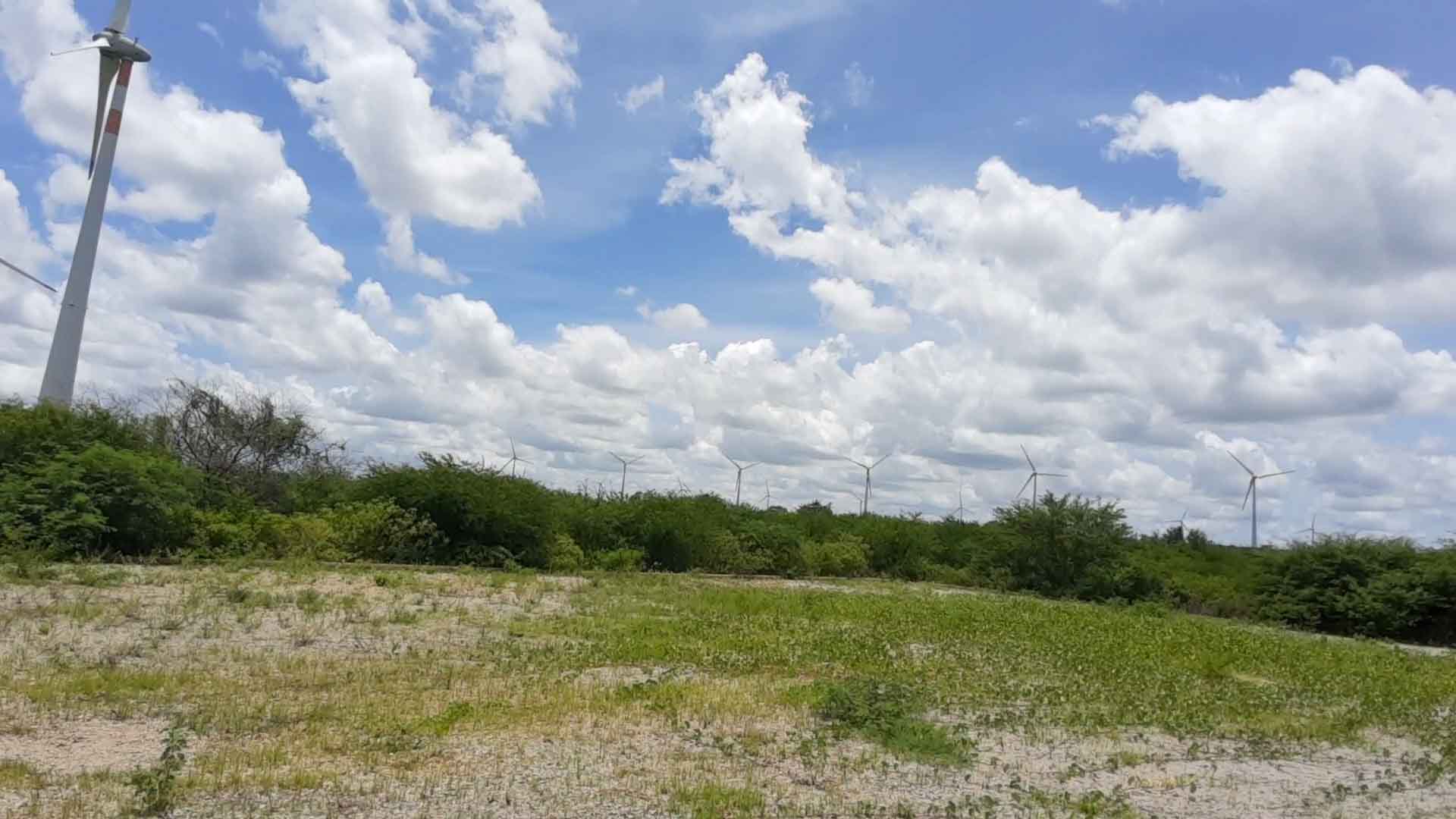
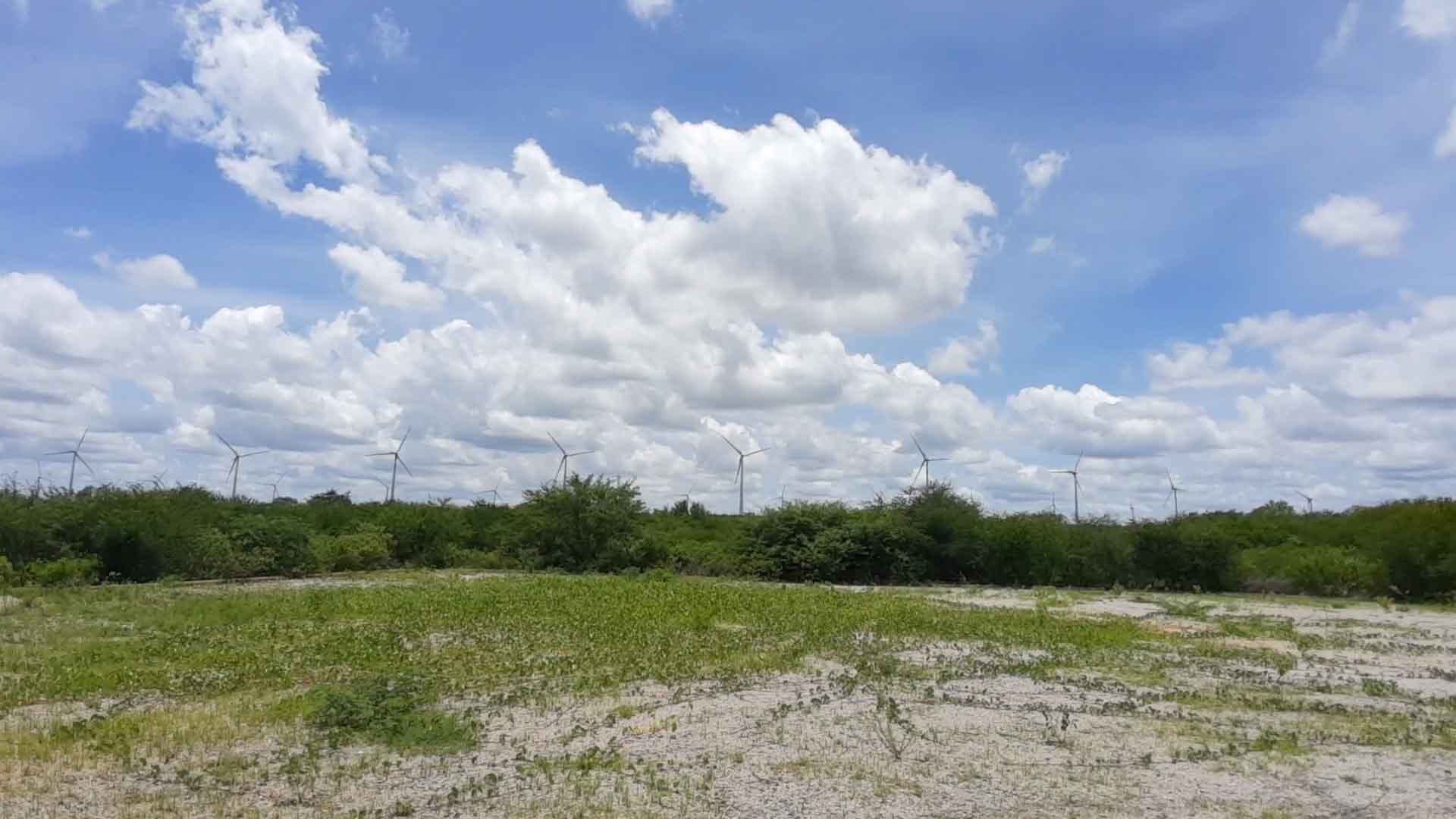
As the name suggests, wind turbines use the power of the wind to generate energy. During this process, a generator located inside the wind turbine converts kinetic energy into electrical energy. As energy is still mainly generated from fossil fuels in many areas around the world, clean wind energy can replace some of this fossil, high-emission energy and verifiably save CO2 emissions.
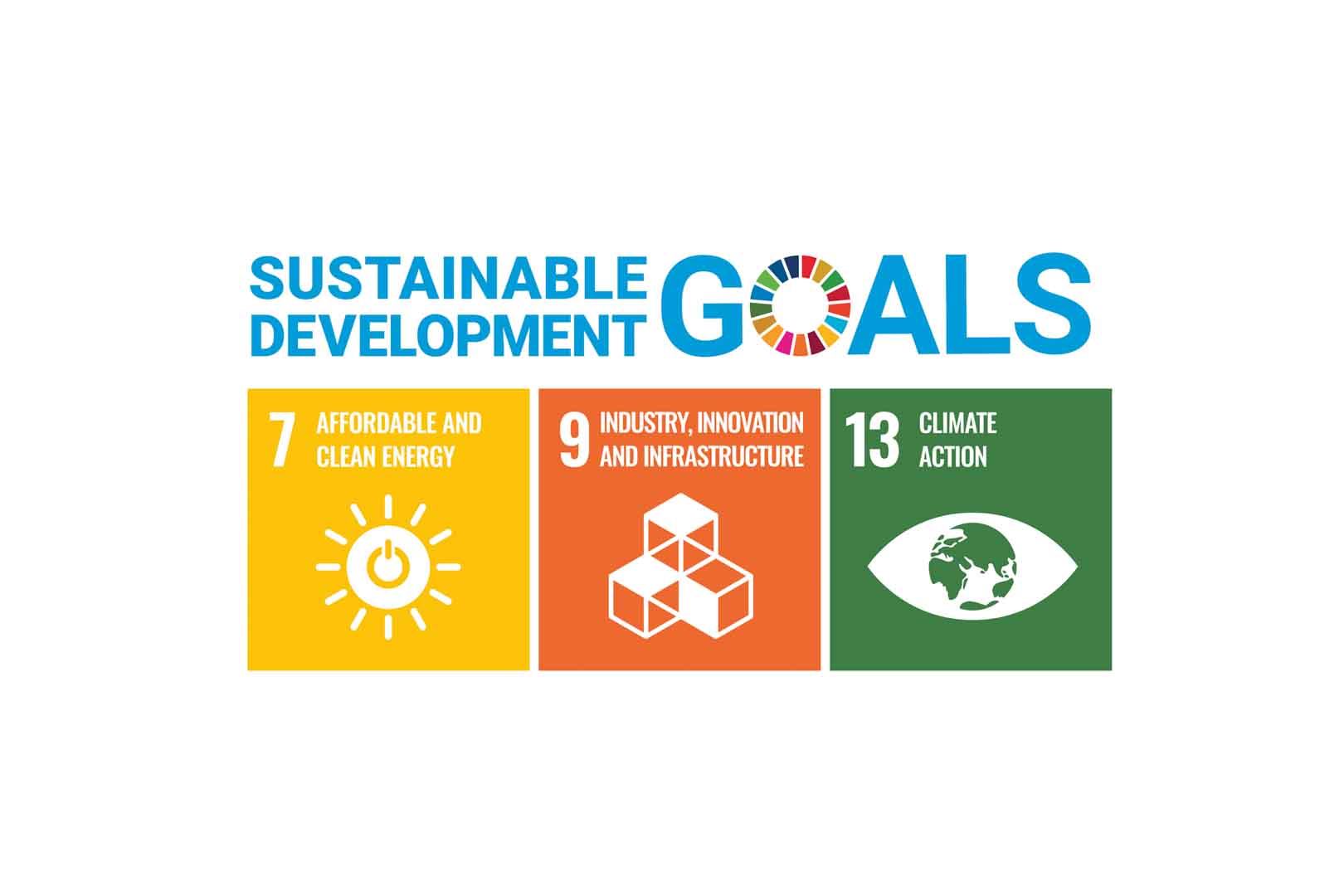
In most cases, the sustainably generated electricity from the wind power projects is fed into a regional power grid, which diversifies the power supply and improves energy security in regions that are frequently affected by power shortages and outages. A project often creates increased job opportunities for the local population and the area can be used for additional activities, such as agriculture. Wind power projects make an important contribution to a clean energy supply worldwide and contribute to sustainable development with respect to the UN Sustainable Development Goals (SDGs). Wind energy projects in the ClimatePartner portfolio are registered with international standards.
The project aims to contribute to these United Nations Sustainable Development Goals (SDGs).


Explore our projects
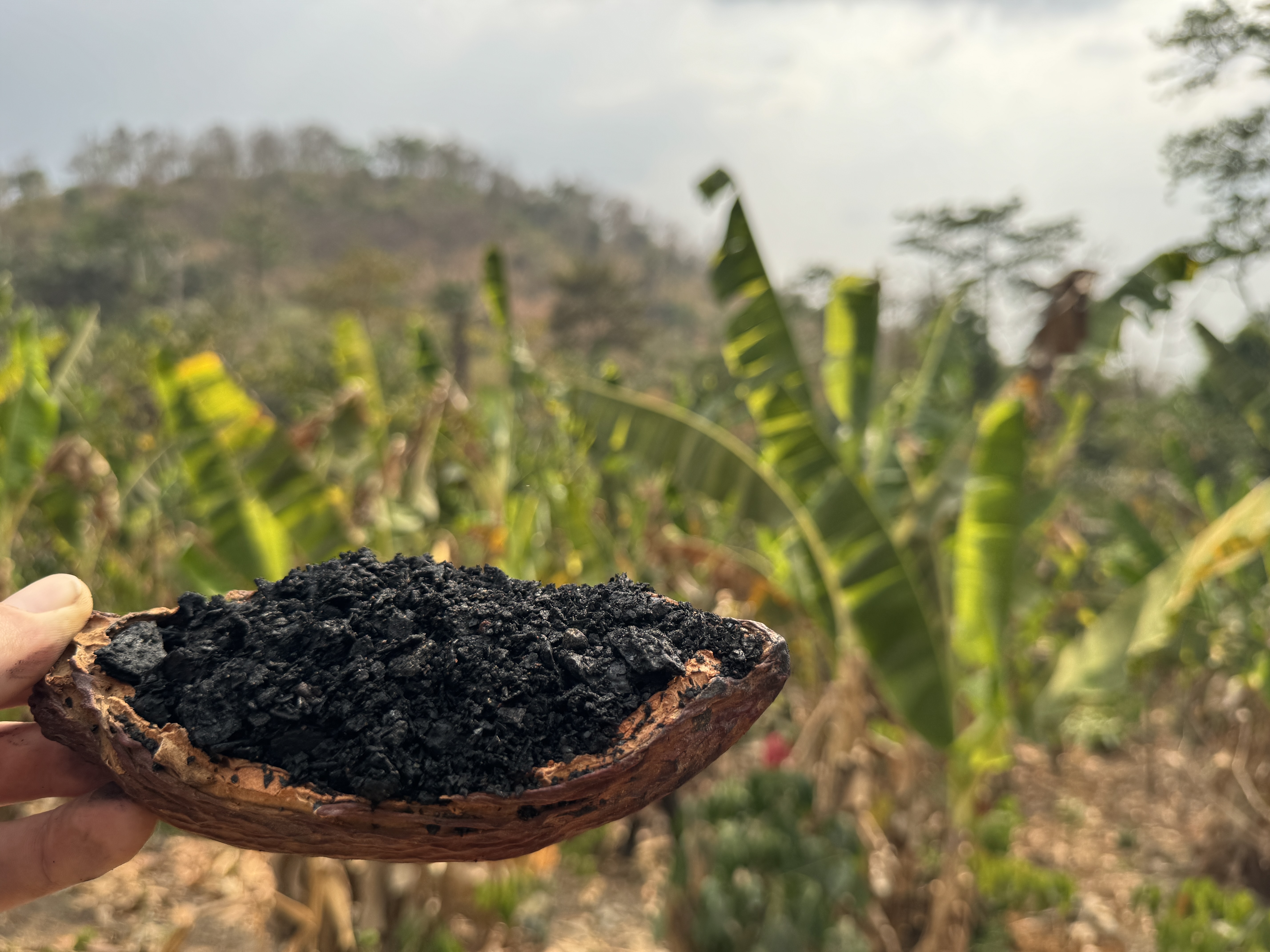
Biochar for Climate Action, Healthy Soils, and Better Harvests
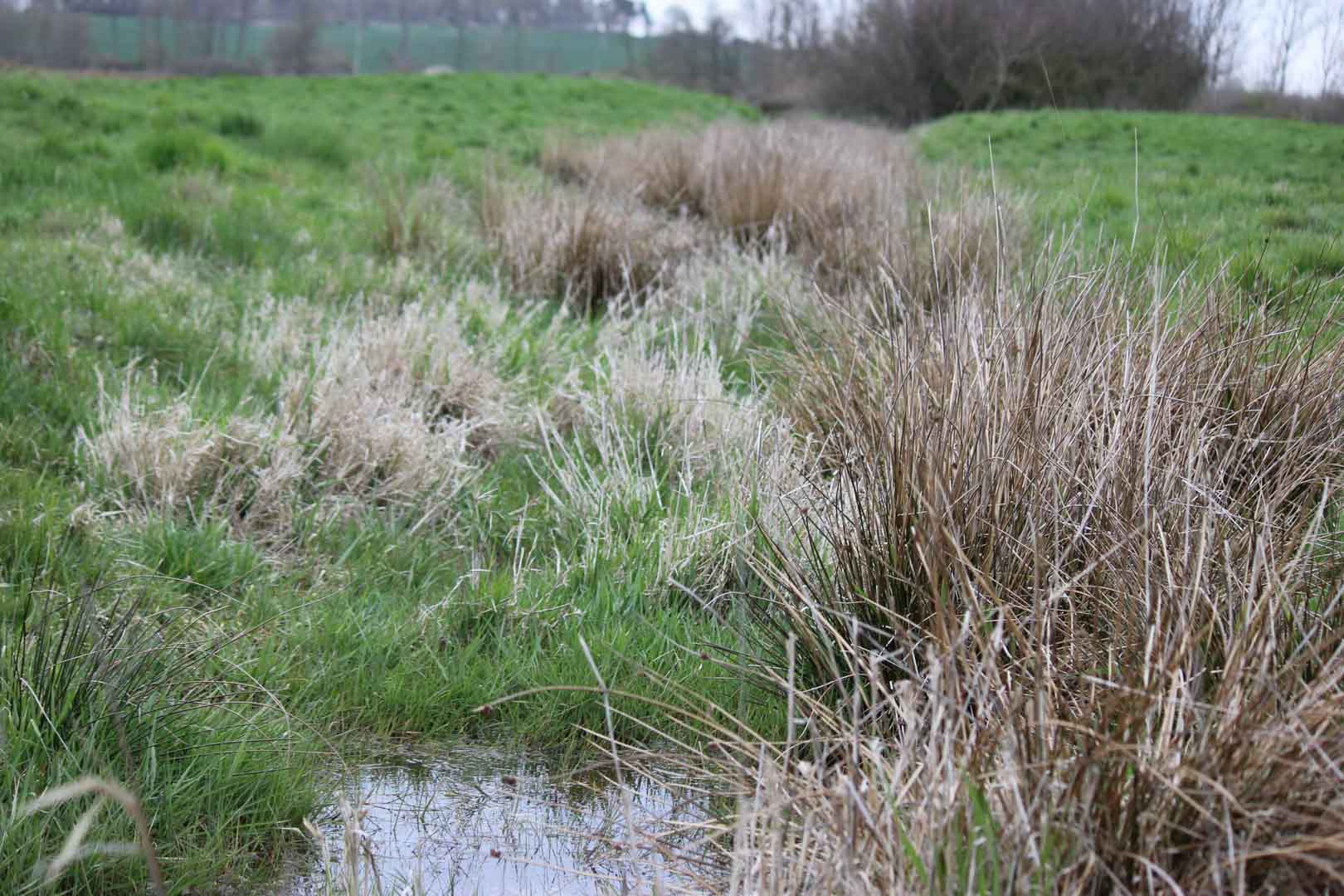
A certified climate project combined with additional commitment
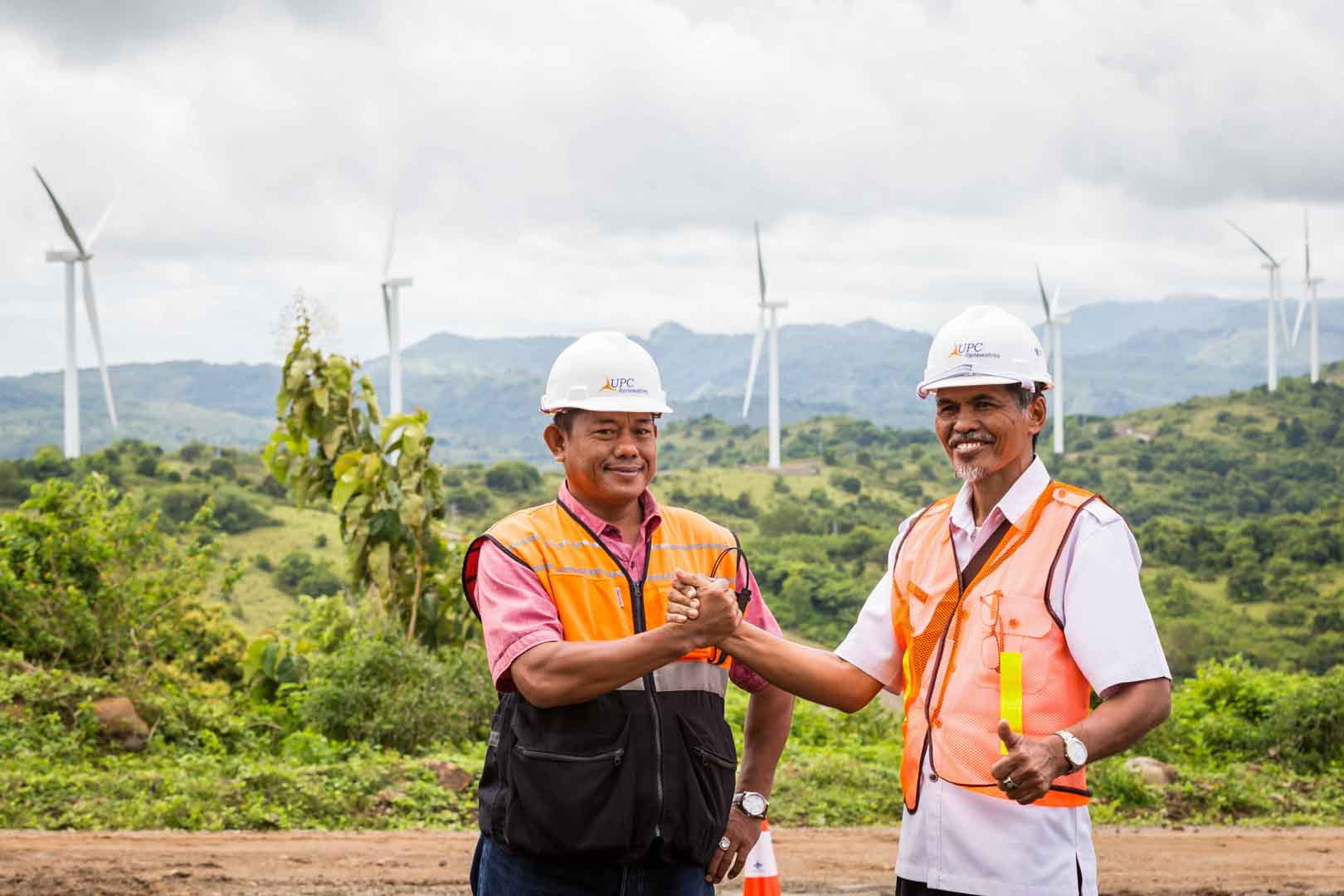
Expansion of renewable energy generation in Asia
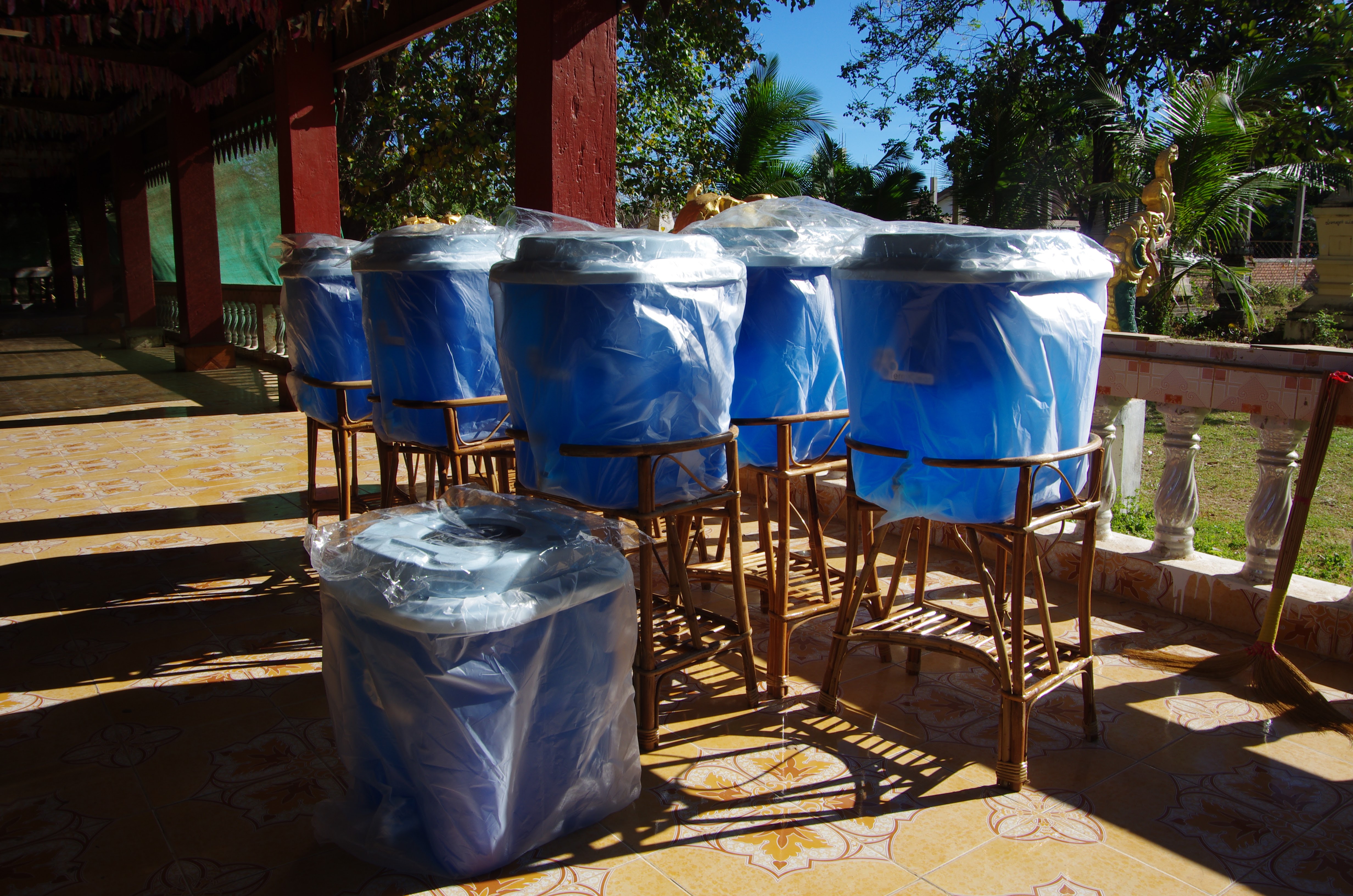
Ceramic water filters save CO2 and improve health
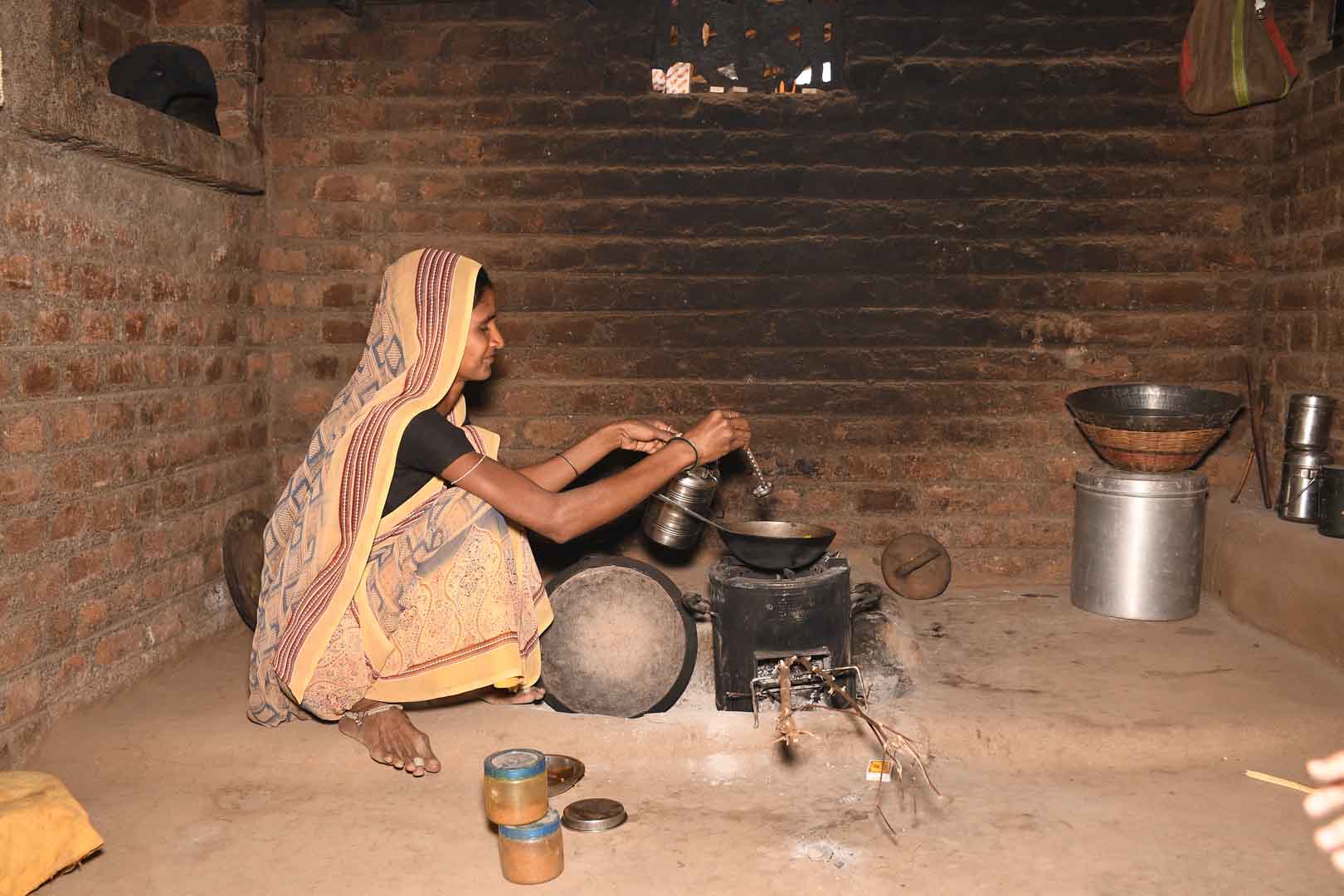
Improved cookstoves worldwide – for better health and cleaner air

A certified climate project combined with additional commitment
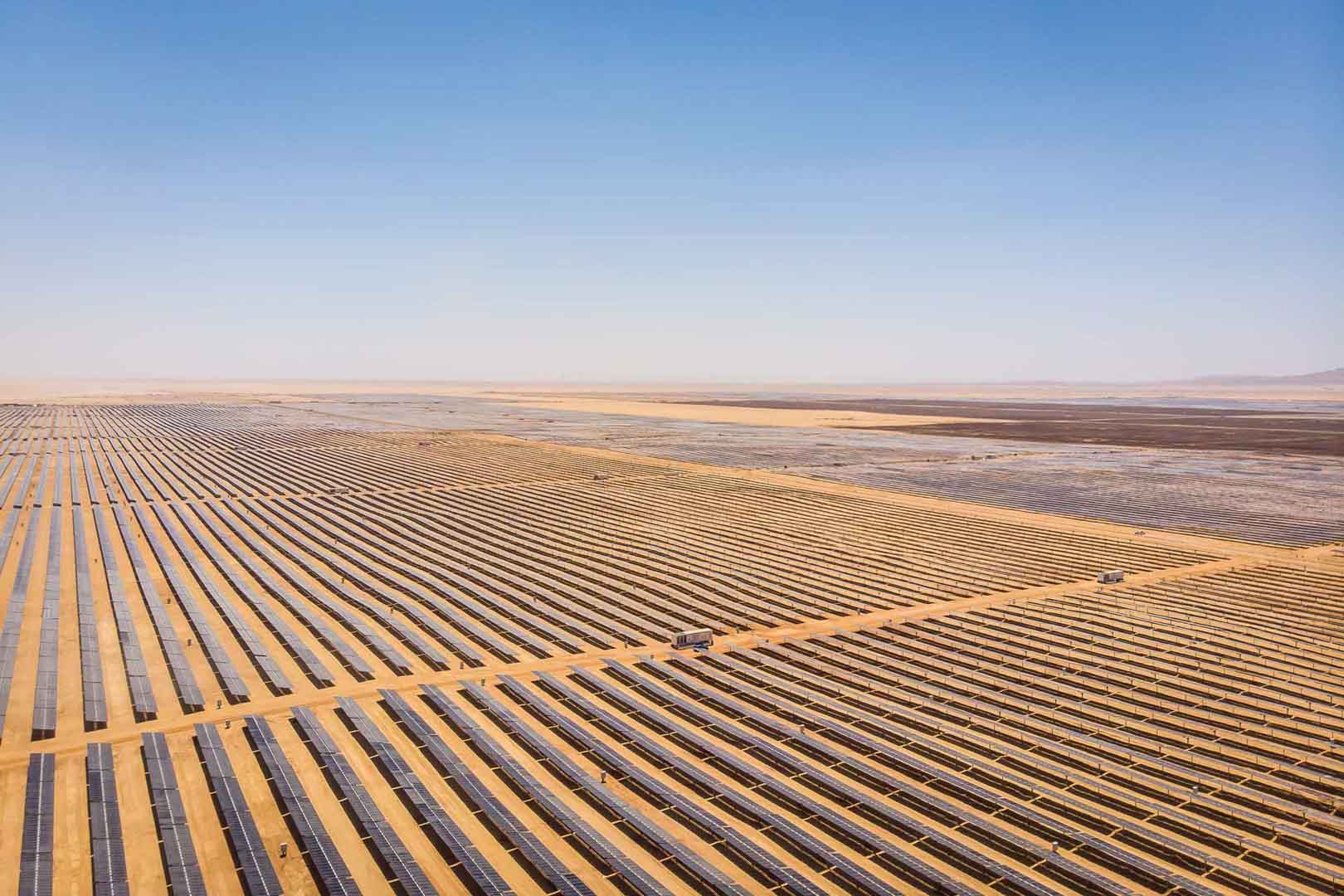
Powering access to renewable energy in Africa
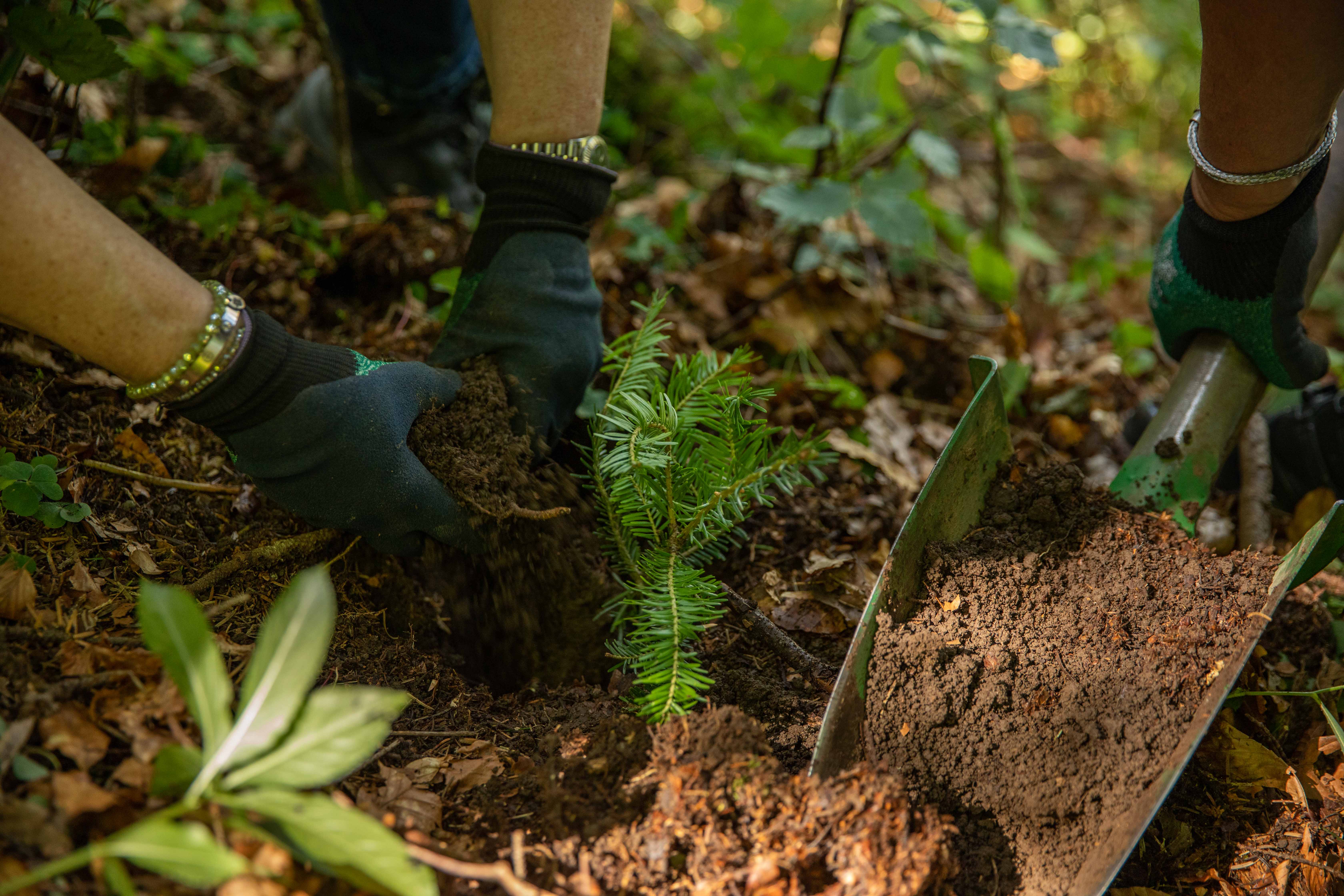
A certified climate project combined with additional commitment
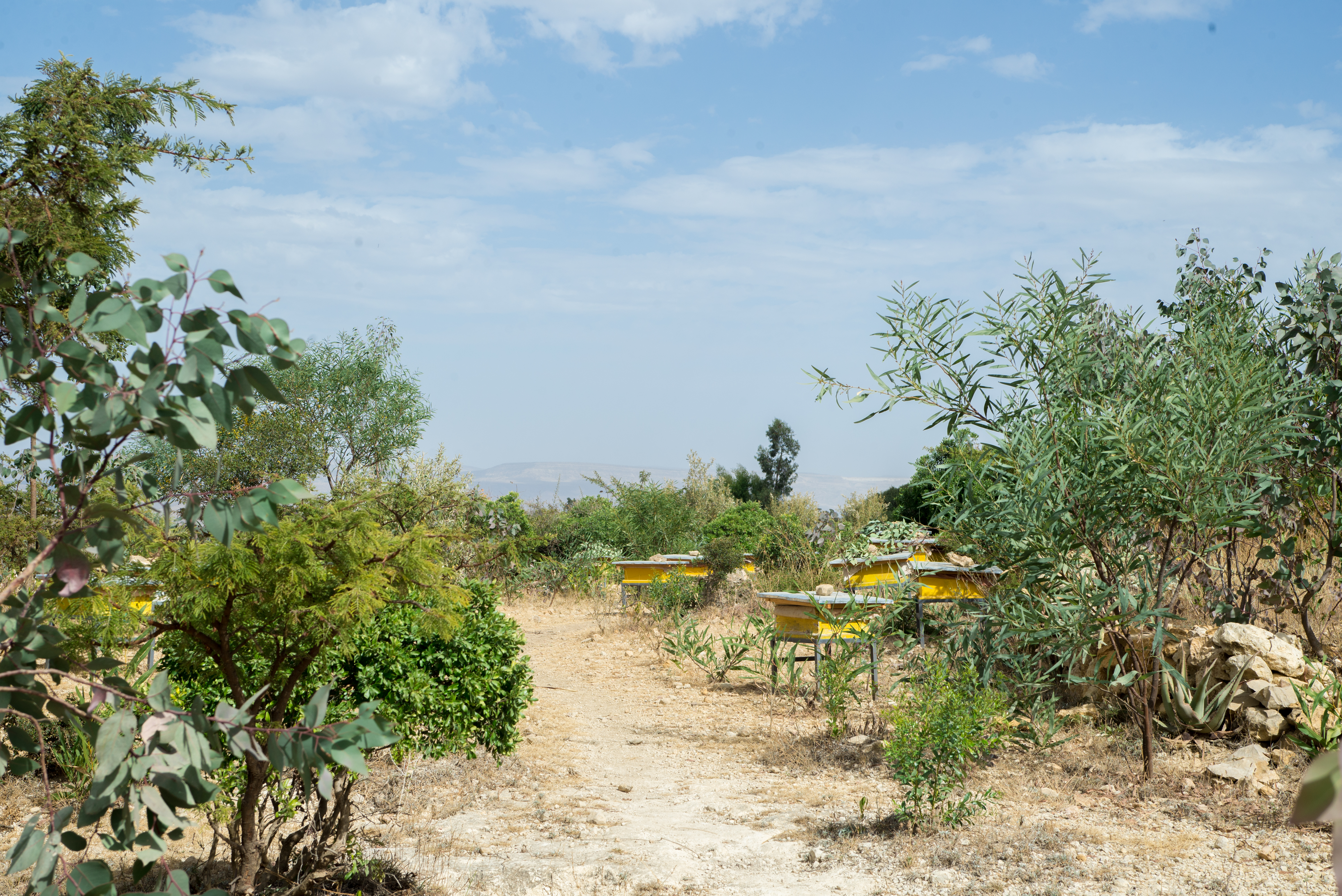
Restored ecosystems remove carbon
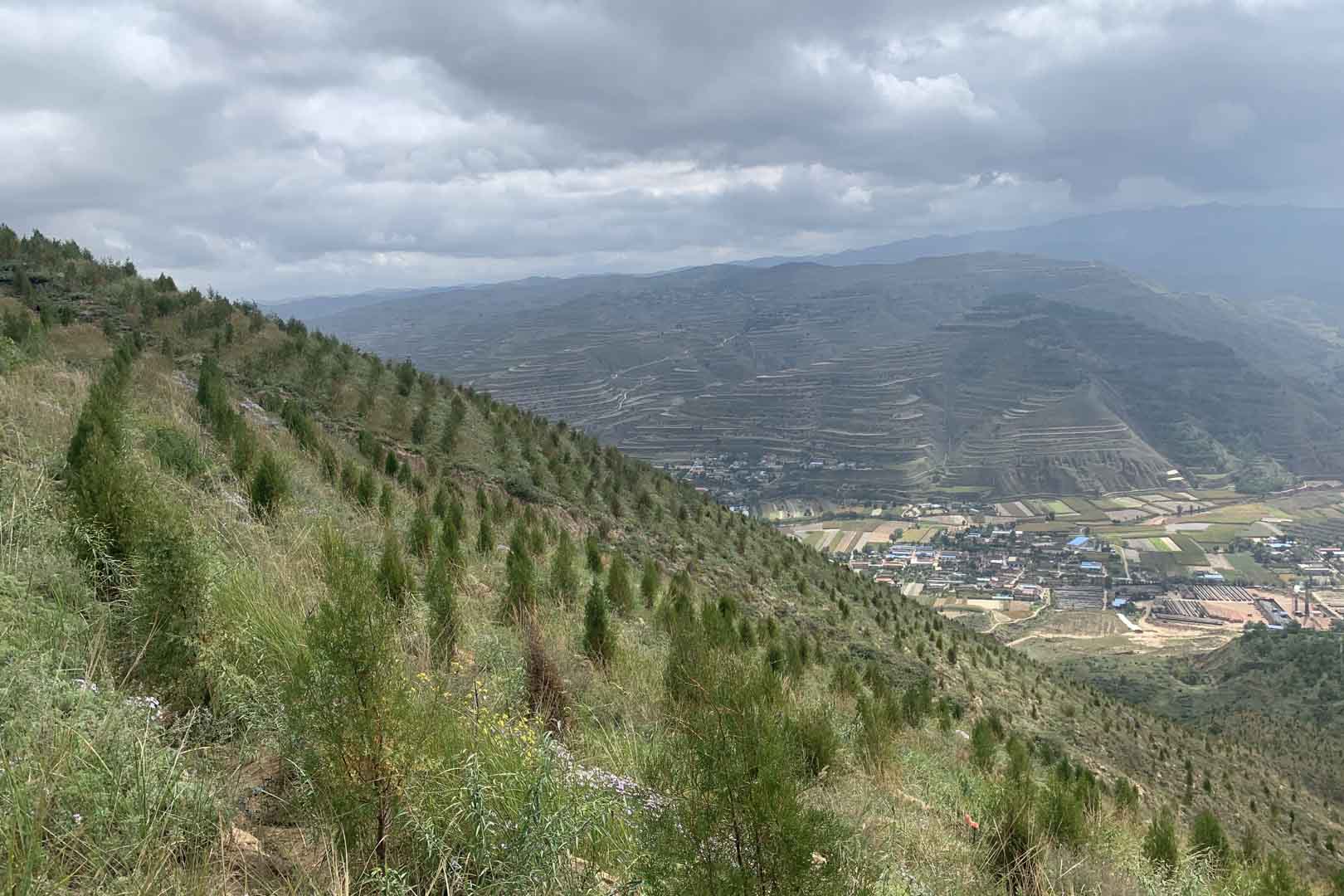
Turning degraded farmlands into healthy ecosystems
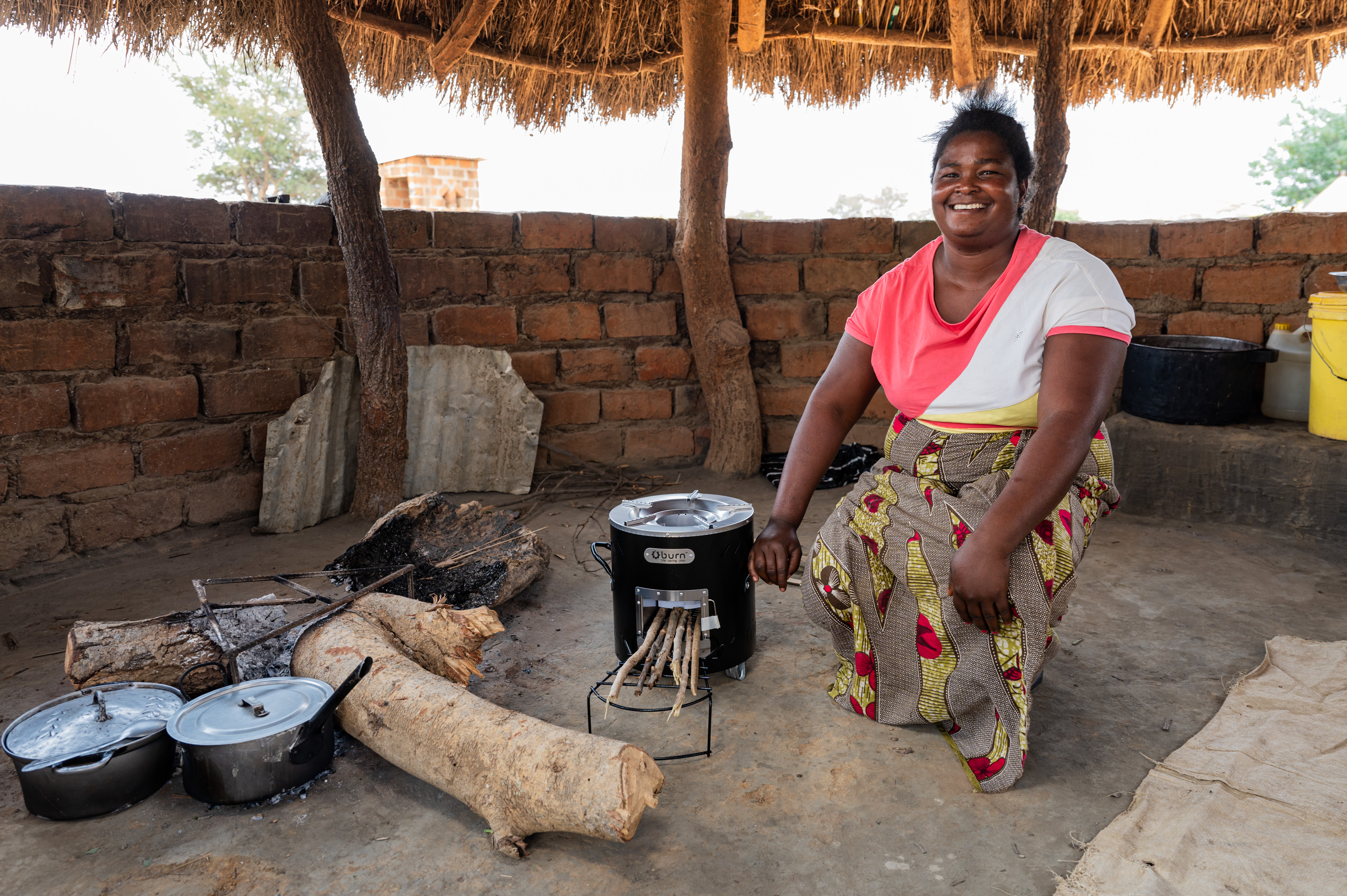
Improved cookstoves - better for health and the environment