
Climate action in Brazil: Protecting rainforest and strengthening communities
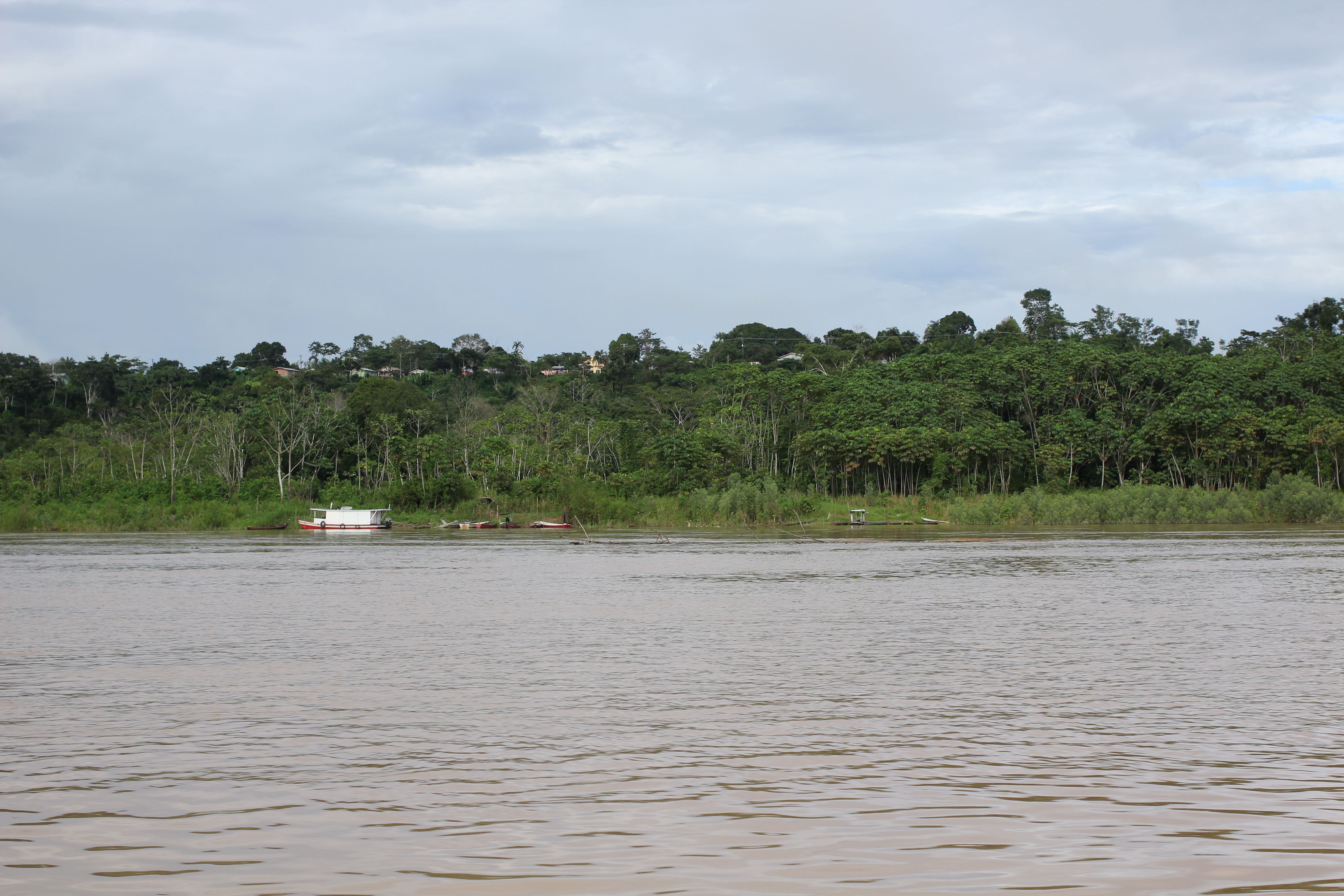
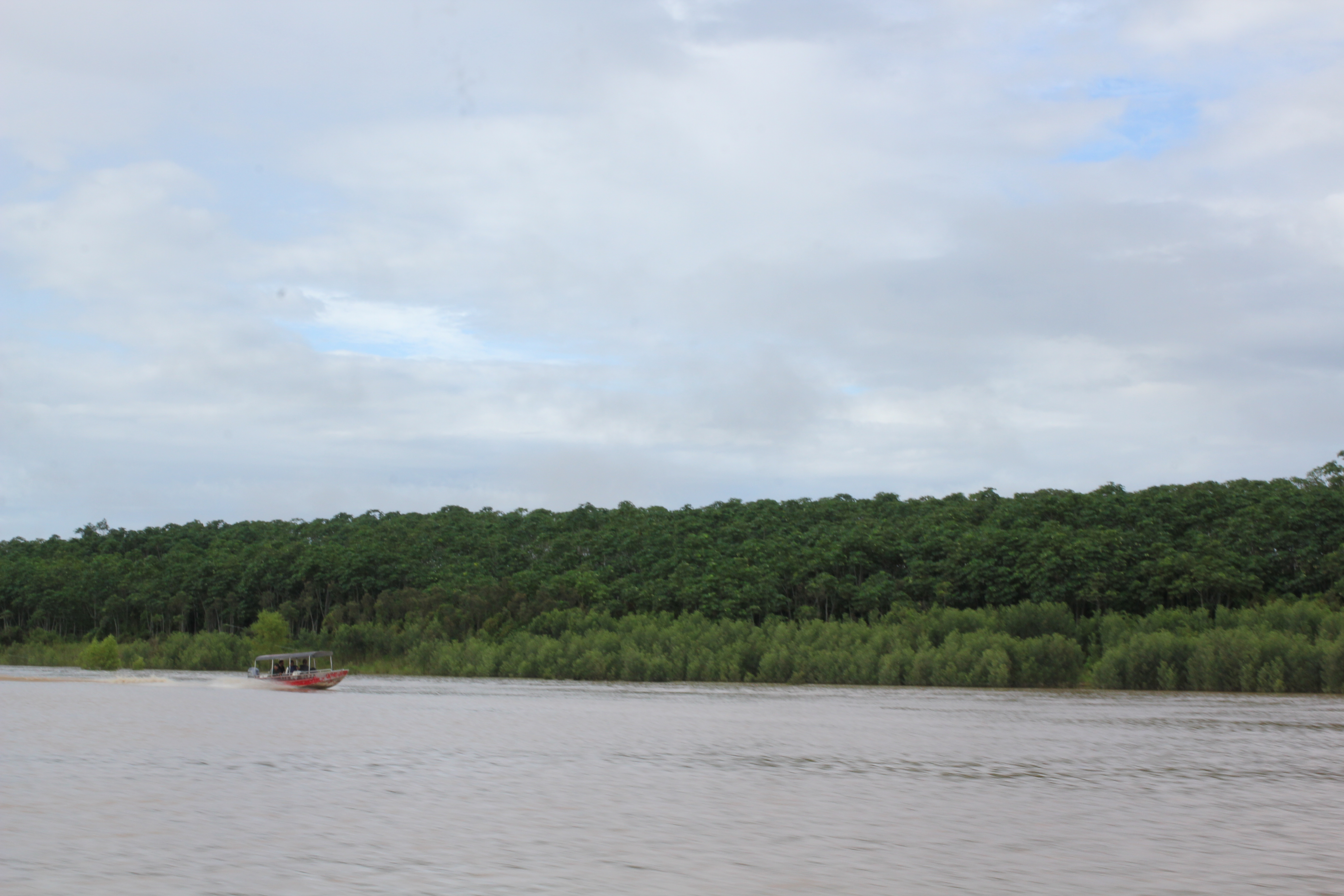
In the southwest of Brazil’s Amazonas state lies the município of Boca do Acre, part of the so-called Arc of Deforestation. Between 2008 and 2021, 1,133.20 km² of land were deforested here—roughly the size of Hong Kong. A 2025 modelling study suggests that cumulative forest loss could total around 3,800 km² by 2050.
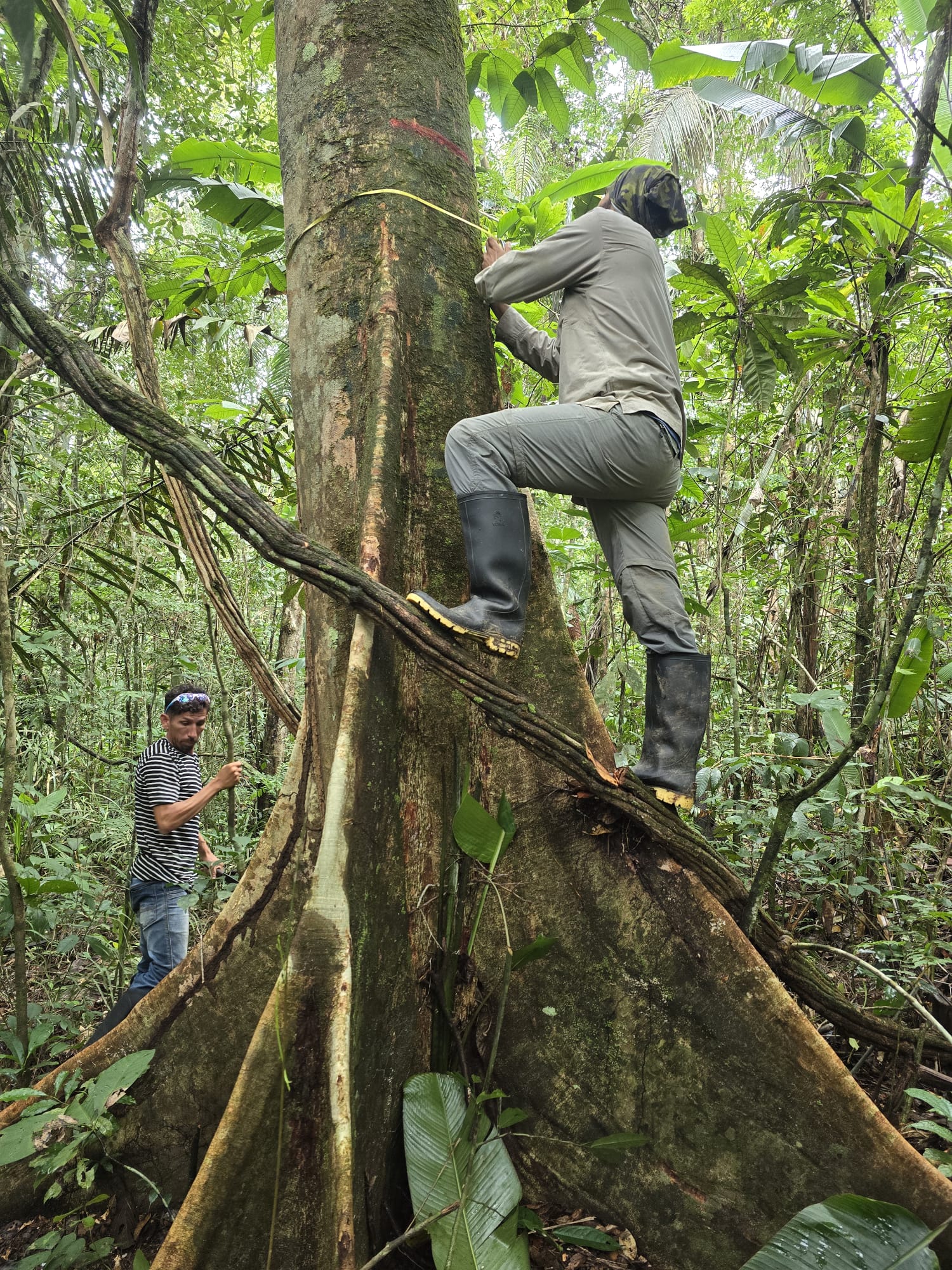
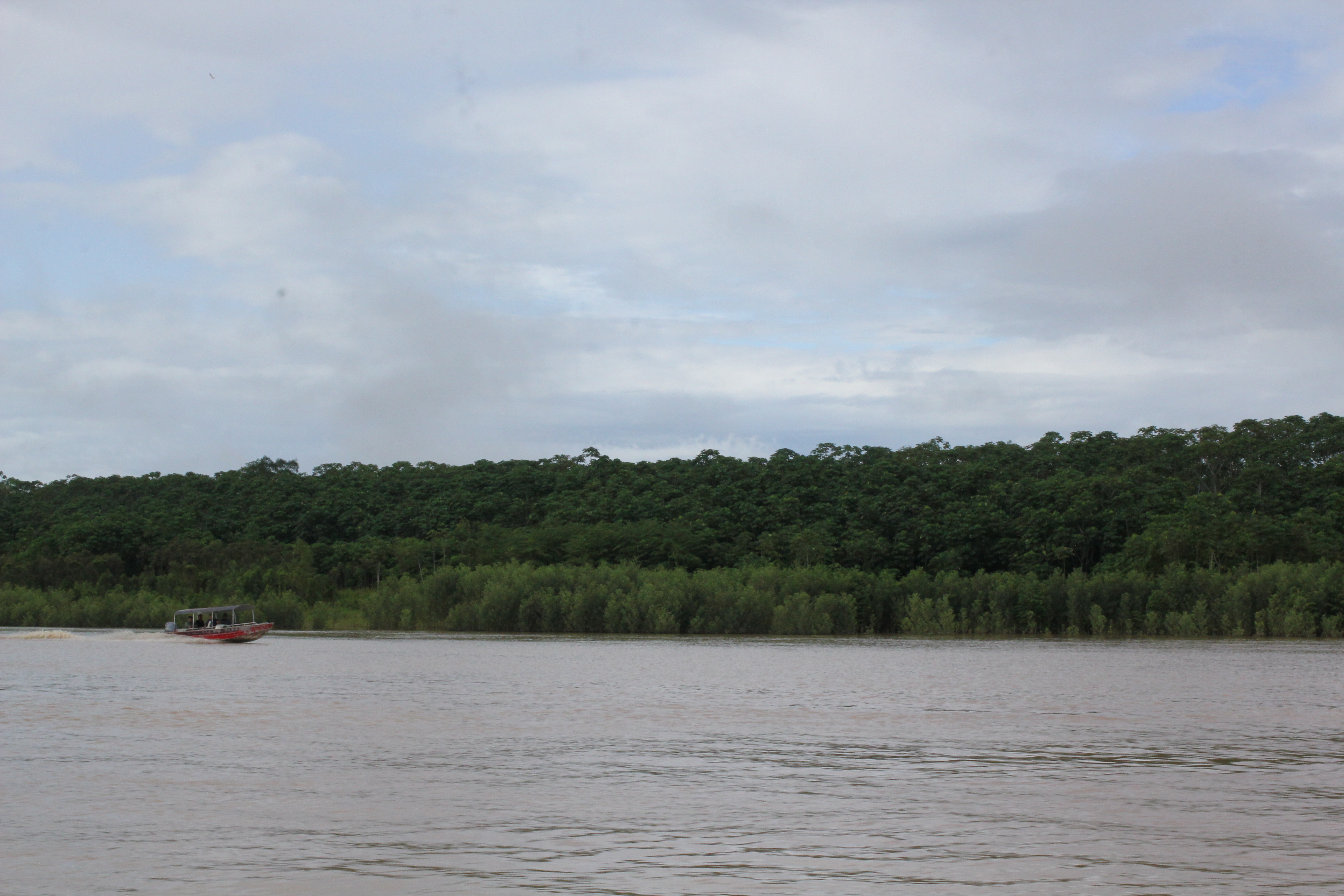
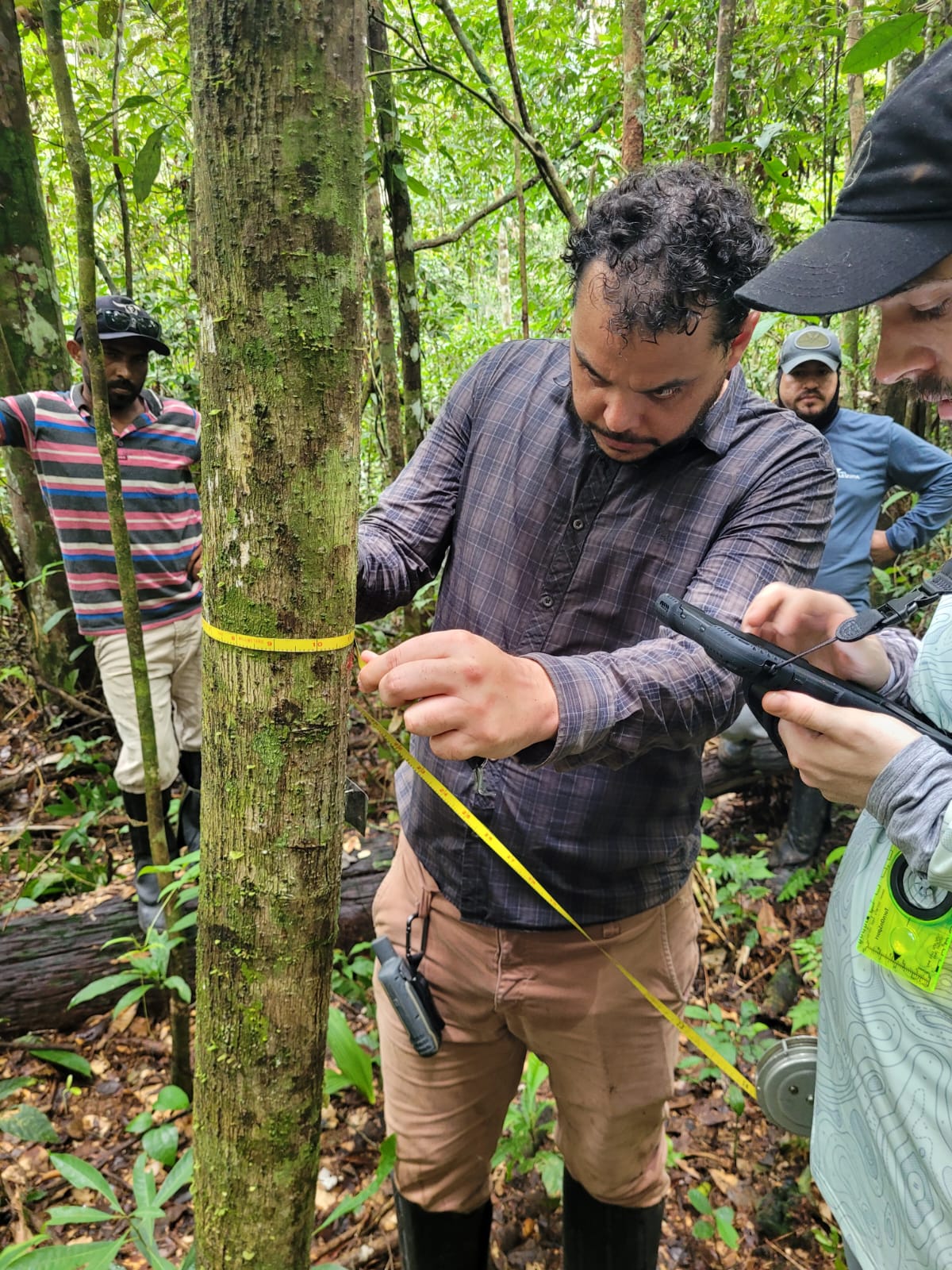
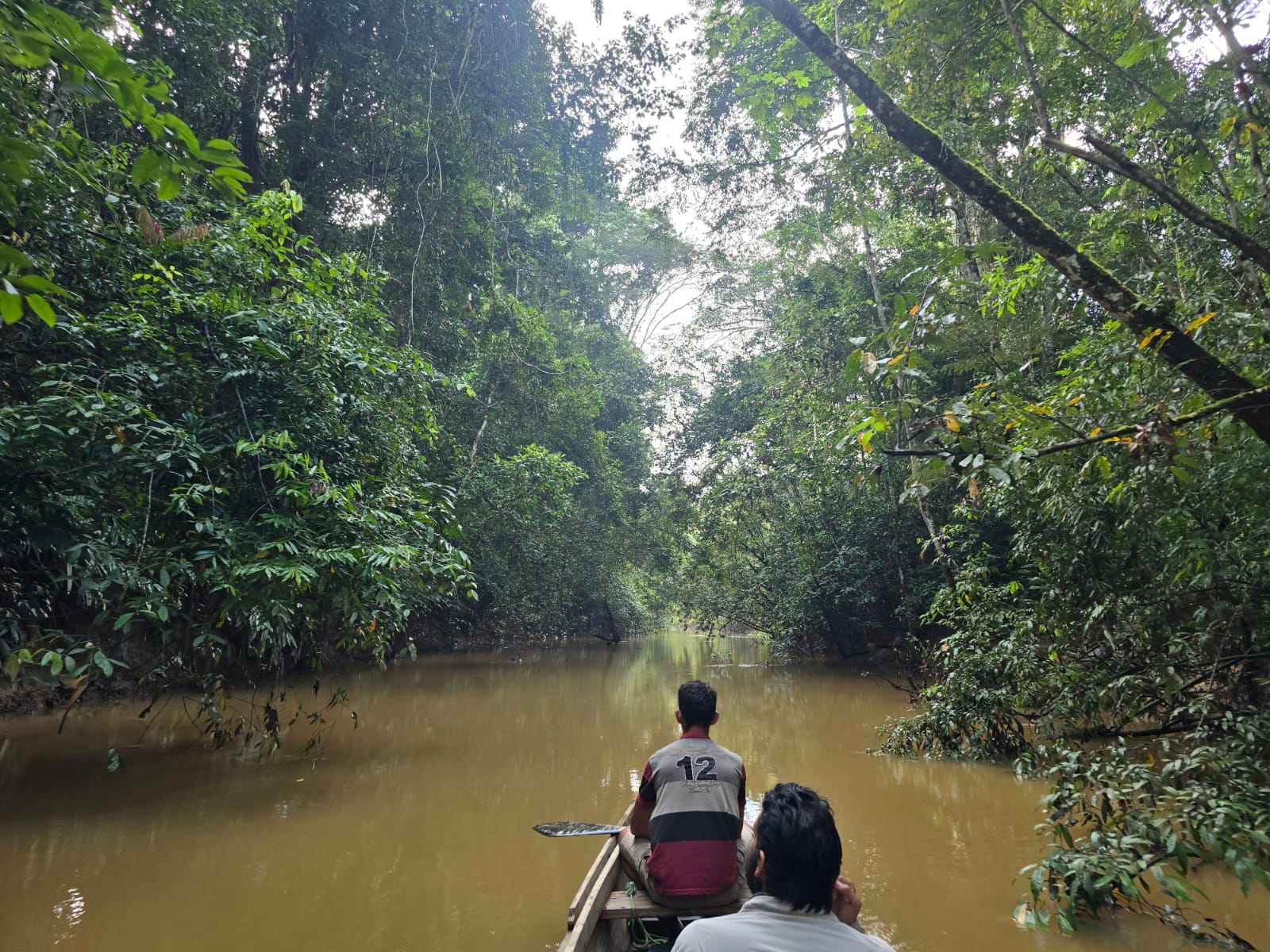
The main driver of deforestation is the conversion of rainforest into pasture for cattle ranching. This climate project aims to halt the advance of this trend and preserve the forest as a carbon sink and a vital habitat for plants and animals. To achieve this, the project protects over 18,010 hectares of rainforest. Land- and river-based patrols, satellite and forest monitoring, and biodiversity checks ensure that illegal logging is detected early and prevented. In this way, the project avoids the release of carbon emissions and helps protect one of the Amazon’s most threatened regions.
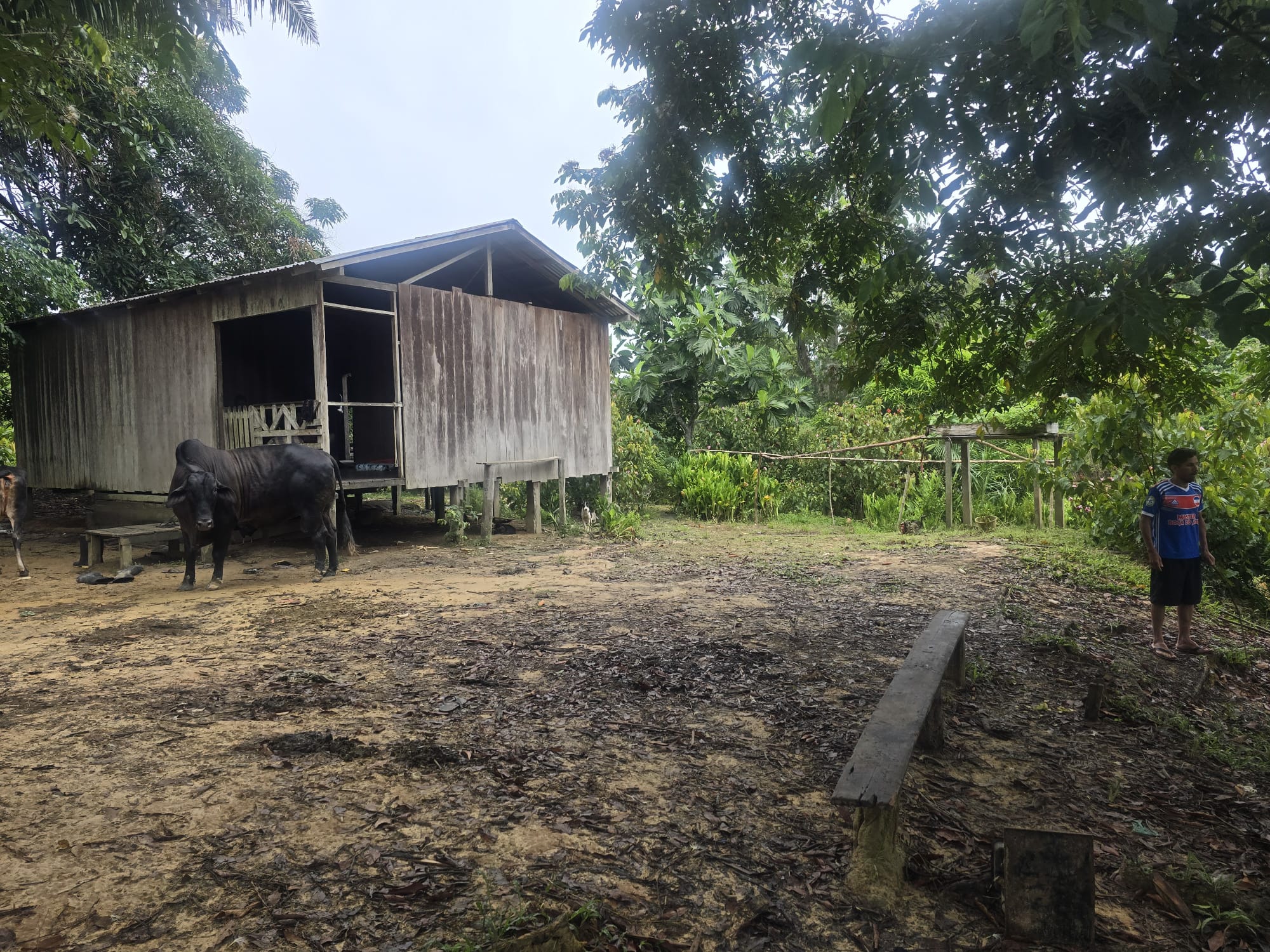
A core element of the project is the active involvement of local communities who rely on fishing and small-scale agriculture. The project visibly improves living conditions through social infrastructure: systems for water collection and treatment, sanitation solutions, and expanded solar power and communications infrastructure. At the same time, training builds new skills and opens up income opportunities compatible with forest protection. This creates a strong incentive to keep the rainforest standing as a long-term livelihood base rather than clearing it.

 The project contributes to the the United Nations' Sustainable Development Goals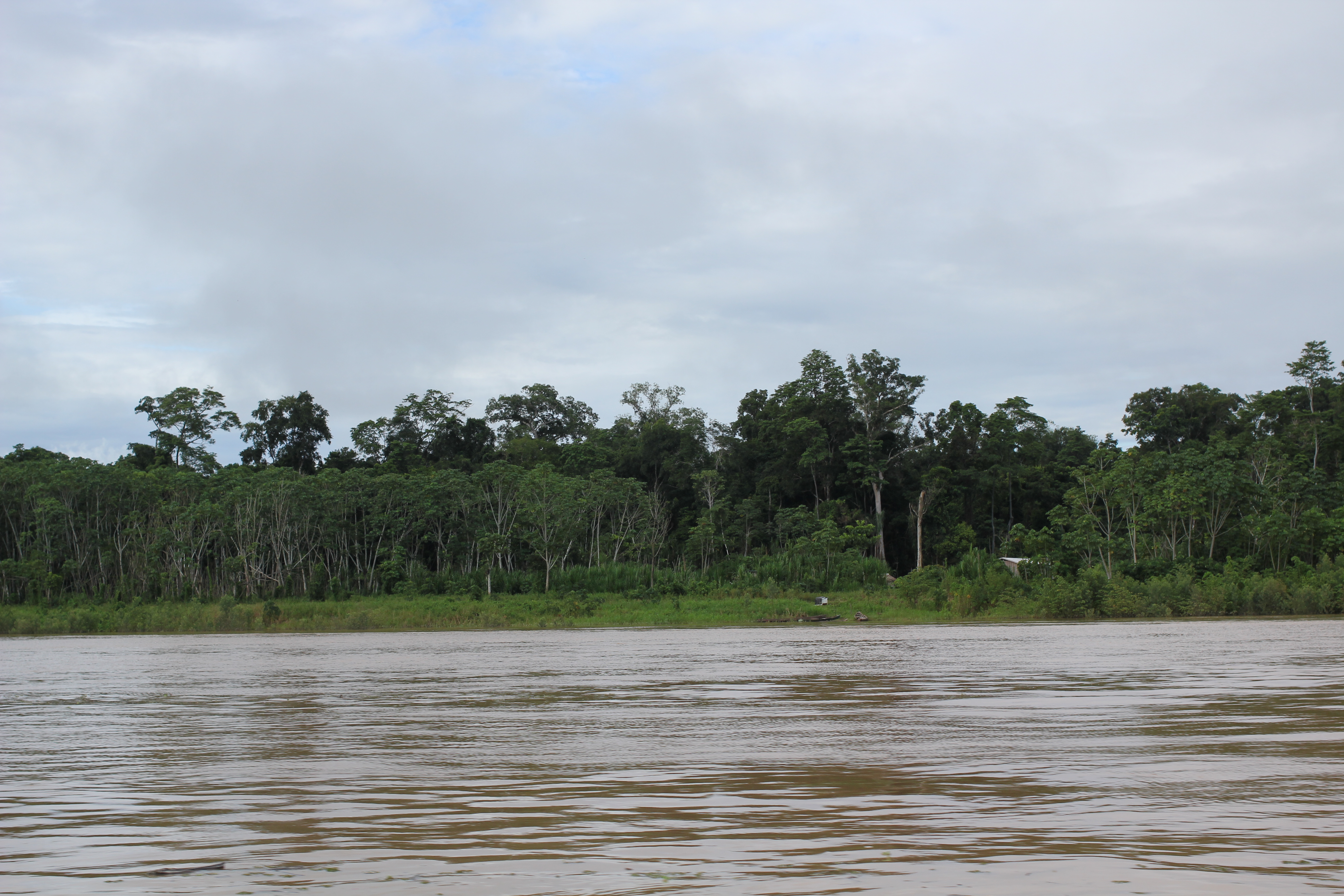
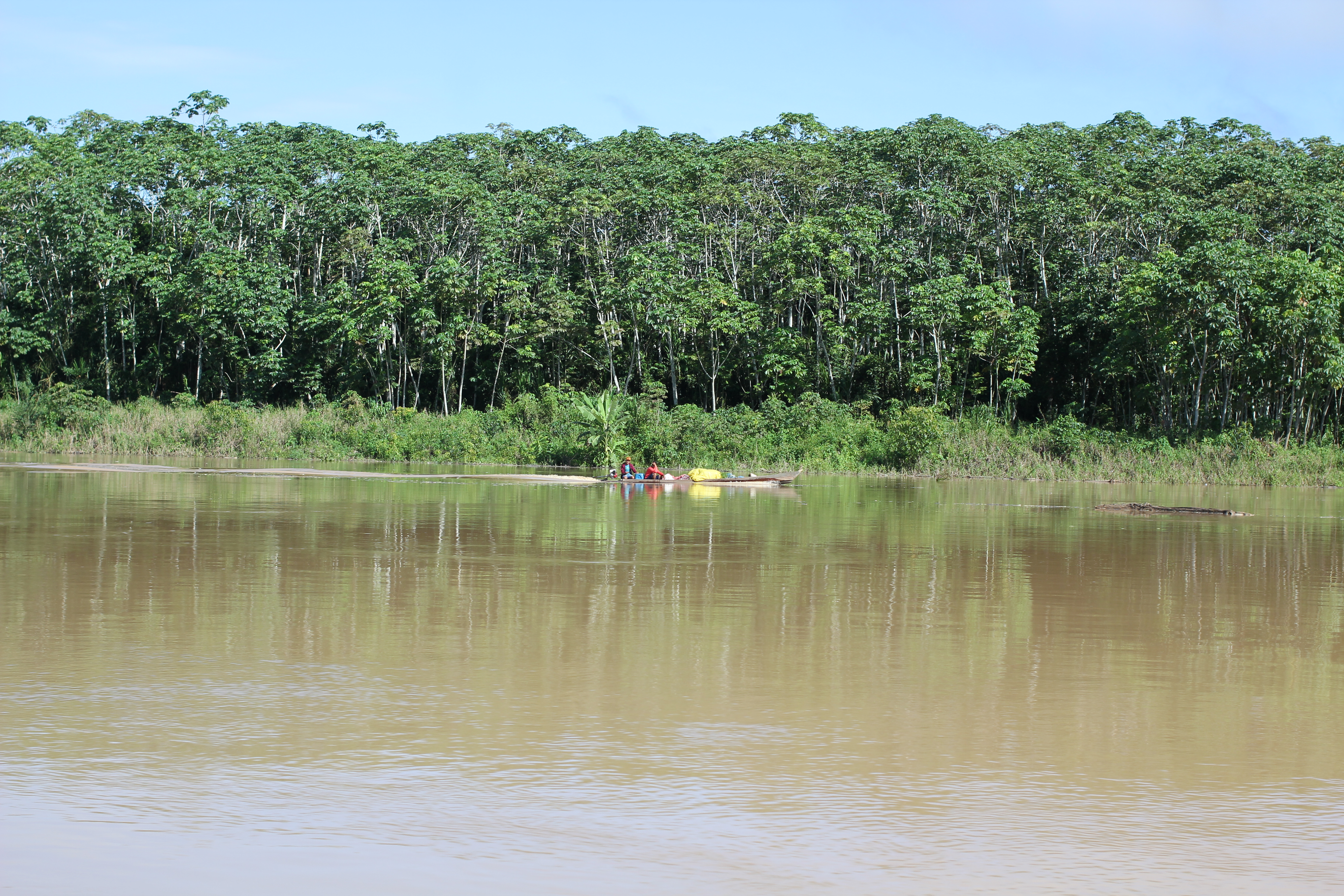
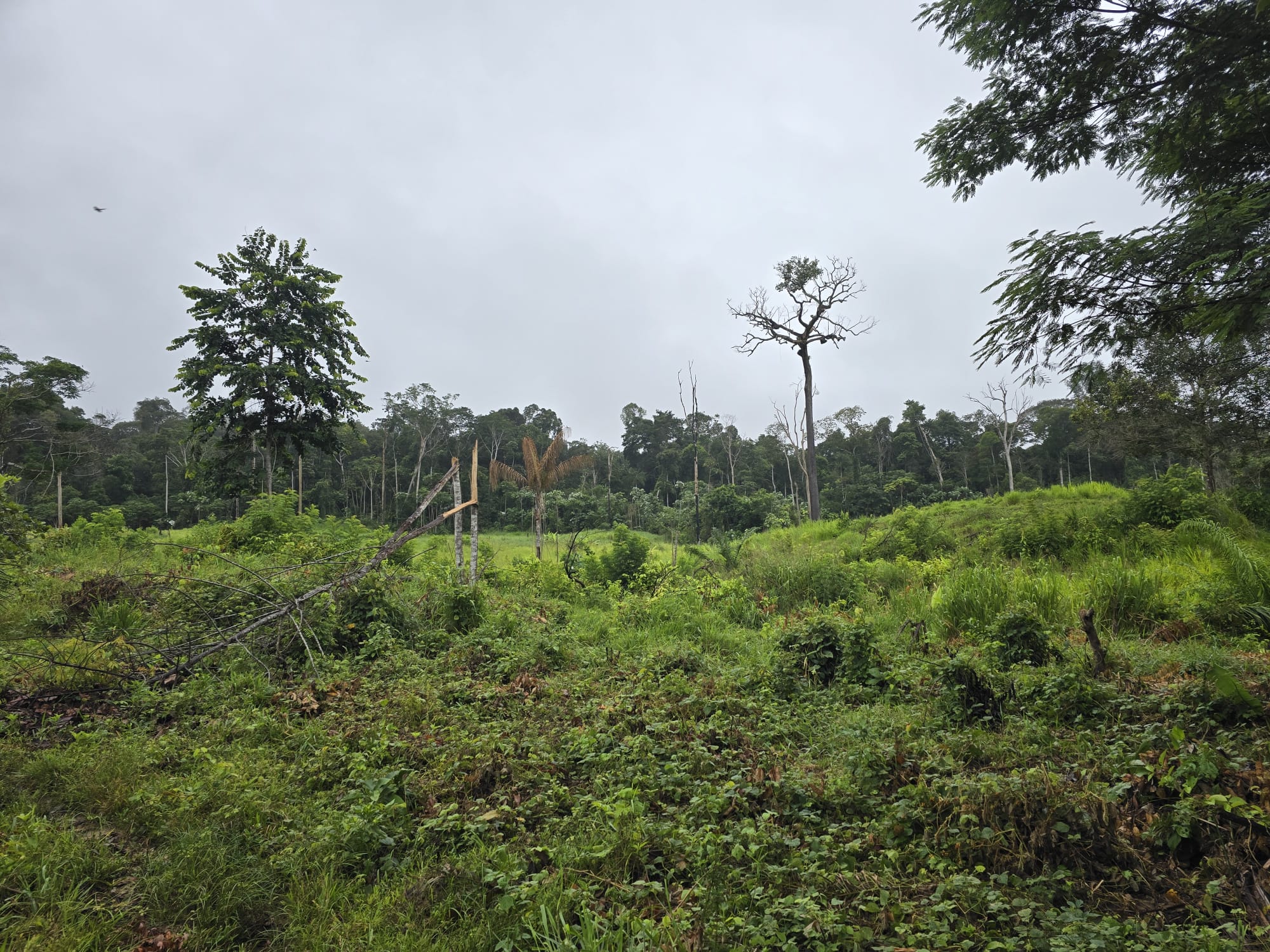
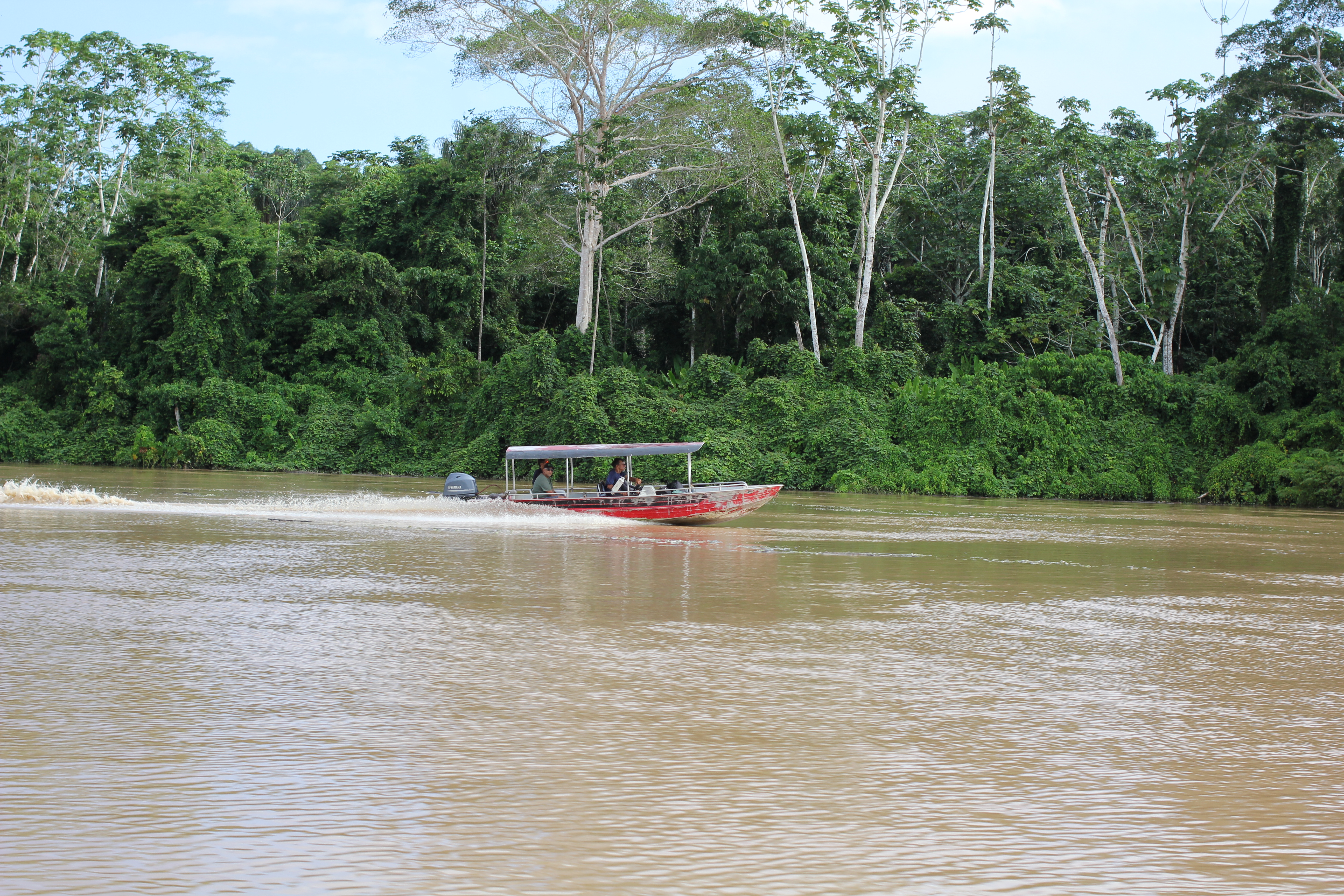
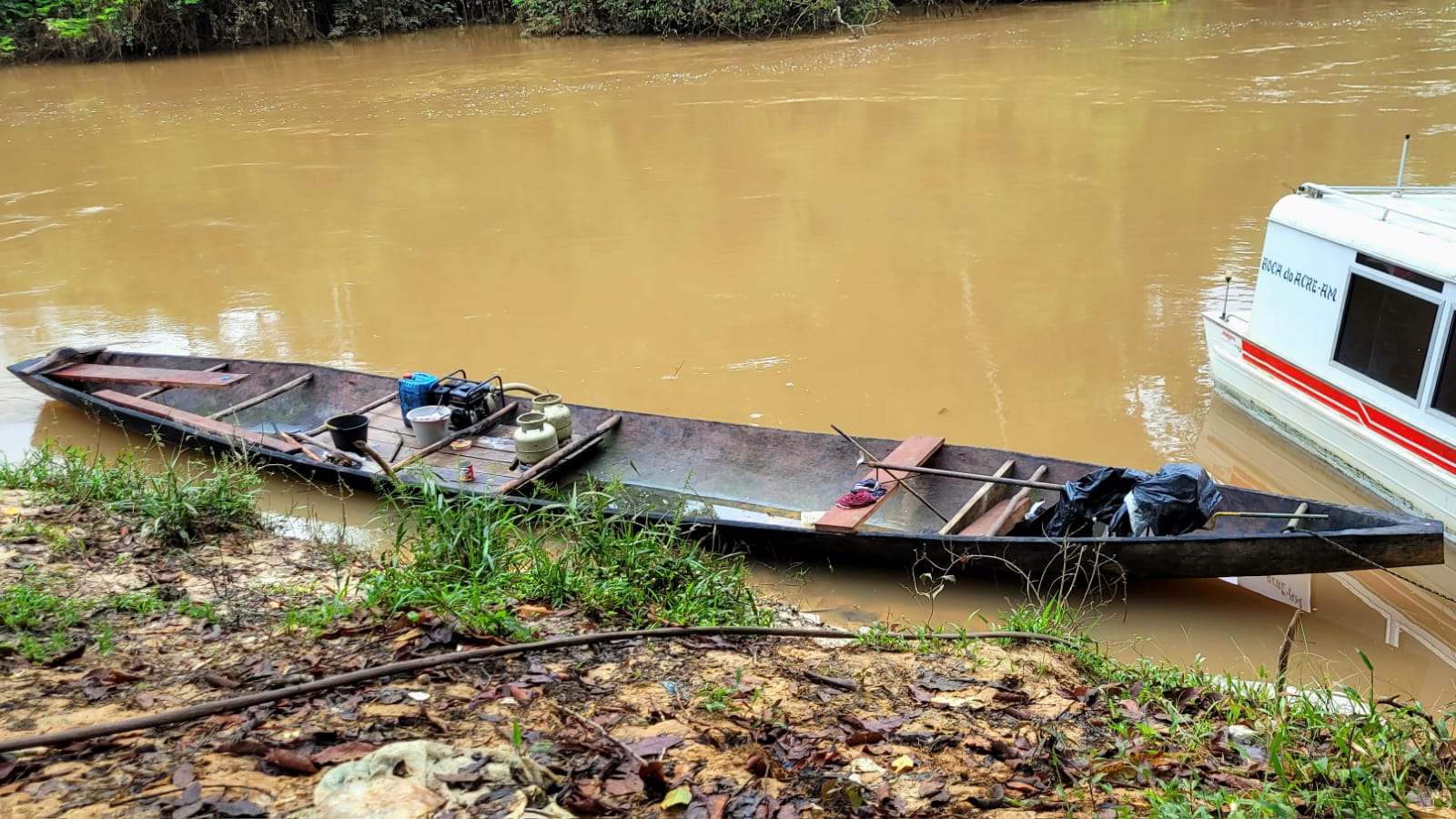
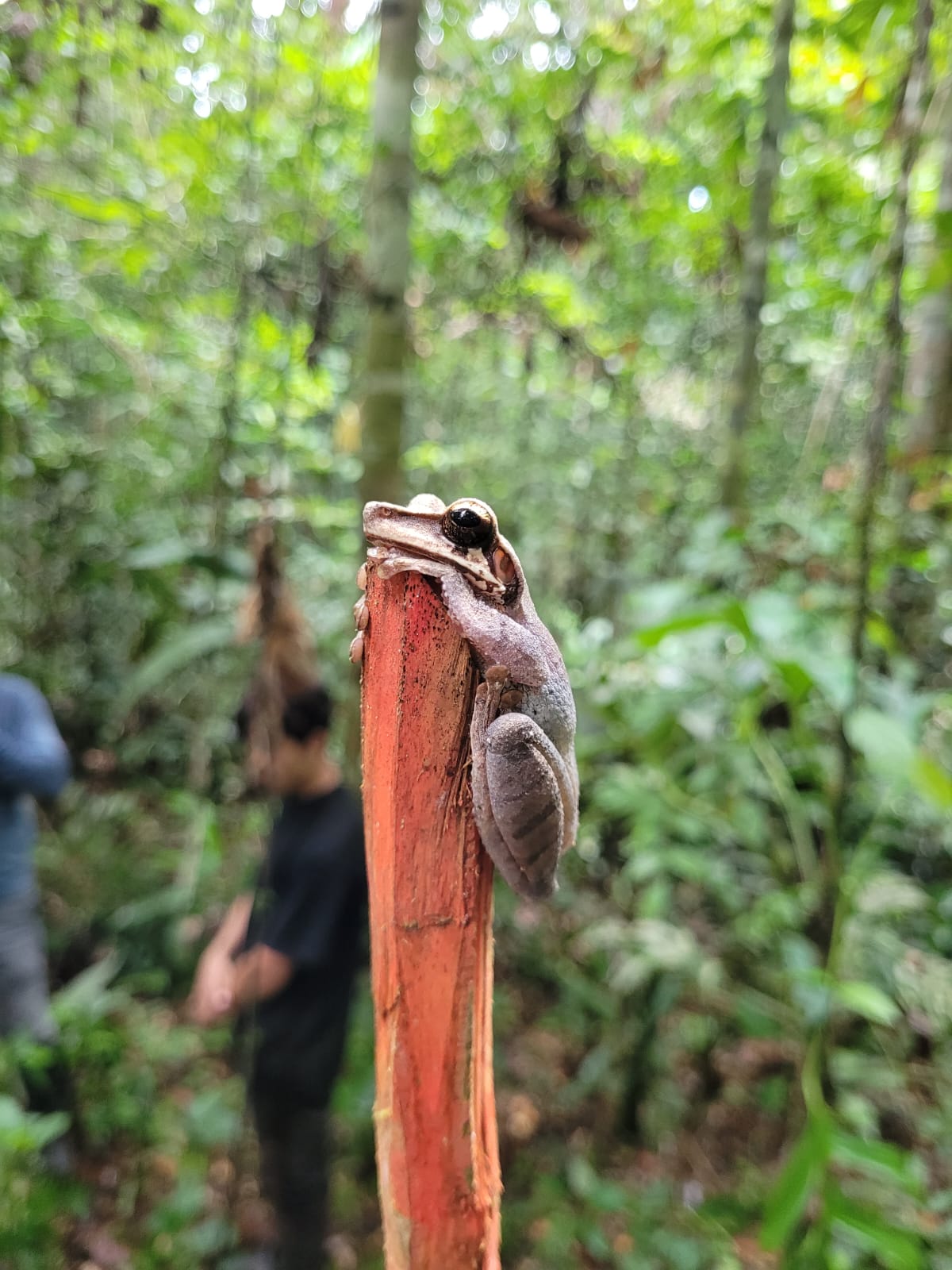
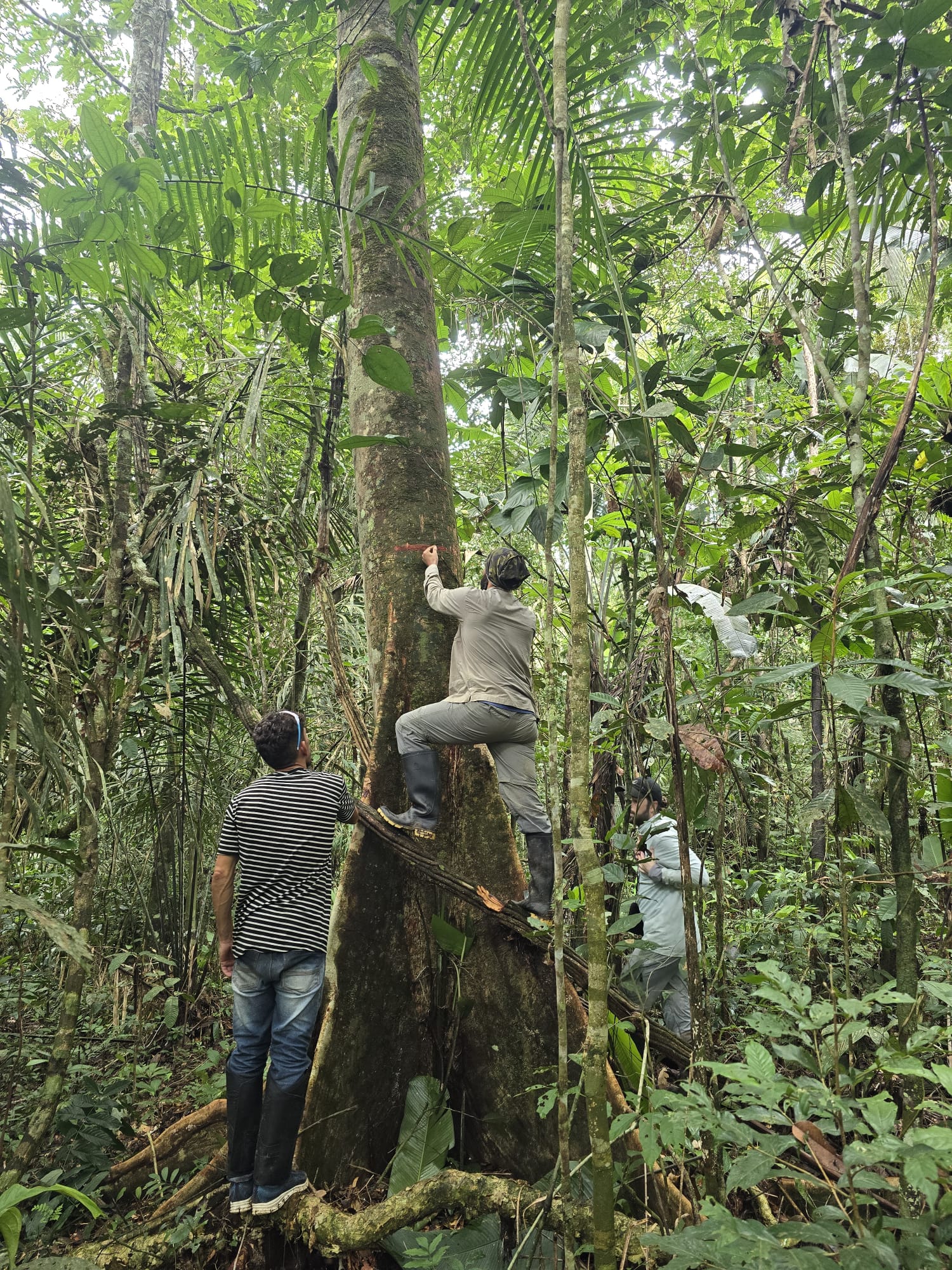
Forests are not only among the planet's most important carbon reservoirs. They also are home to an enormous diversity of species and are the livelihood for all people. However, global forest areas have declined sharply in recent decades due to increasing settlement, agricultural use, illegal logging and mining.
Forest protection projects ensure that forests are preserved in the long term and that the protection of forests is given a higher value than their deforestation. Together with the local population, project participants protect the area from negative influences. To allow for this the projects create alternative sources of income and educational opportunities. Depending on the project region, forests store varying amounts of carbon per hectare. Particularly high amounts of carbon are stored in the vegetation and soil of tropical swamp forests, primary rainforests, or mangroves. Forest protection projects in the ClimatePartner portfolio are registered with international standards.
The project aims to contribute to these United Nations’ Sustainable Development Goals (SDGs).


Four criteria for projects to meet quality thresholds
The life cycle of a climate project
A climate project has a set life cycle consisting of various phases, from the feasibility assessment to the retirement of Verified Emission Reductions (VERs).
The project developer reviews the general feasibility of the project, the project design, and the financing. Then, the Project Design Document (PDD) is prepared, which contains all the basic information about the project, such as the objective, location, timeline, and duration.

In this phase, independent auditors examine the PDD and the information it contains. This phase often also involves field visits with on-side interviews and analyses. Auditors are accredited, impartial assessors who have to be approved by the relevant standard as a validation and verification body (VVB). TÜV Nord/Süd, S&A Carbon LLC., and SCS Global Services are examples of VVBs."

Once validated, the project can be registered with a standard such as the Verified Carbon Standard or the Gold Standard. All high-quality climate projects are based on international standards. They provide the framework for project design, construction, carbon accounting, and monitoring. Recognised standards make the climate project system and the projects themselves resilient, traceable, and credible.

After the climate project has been registered, the monitoring begins. Here, the project developers monitor and document the data of the project activities and progress. The duration of the monitoring phase varies from project to project: it can cover two years, but documentation over five or seven years is also possible.

At the end of each monitoring phase, a VVB checks and assesses whether the values and project activities stated in the monitoring report are correct. As with validation, visits to the project site are often part of the verification process.

Once verified, the emission reductions that were confirmed in the verification phase can be issued as VERs. The steps of monitoring, verification, and issuance of VERs are repeated regularly and are therefore considered as a cycle.

Once a VER has been used, it must be retired. This process is also reflected in the registry. If the financing of a climate project is done through ClimatePartner, the VERs are bundled in a system certified by TÜV Austria and then retired on a regular basis. This ensures that each VER can no longer be sold and is only used once, preventing double counting.
Explore our projects
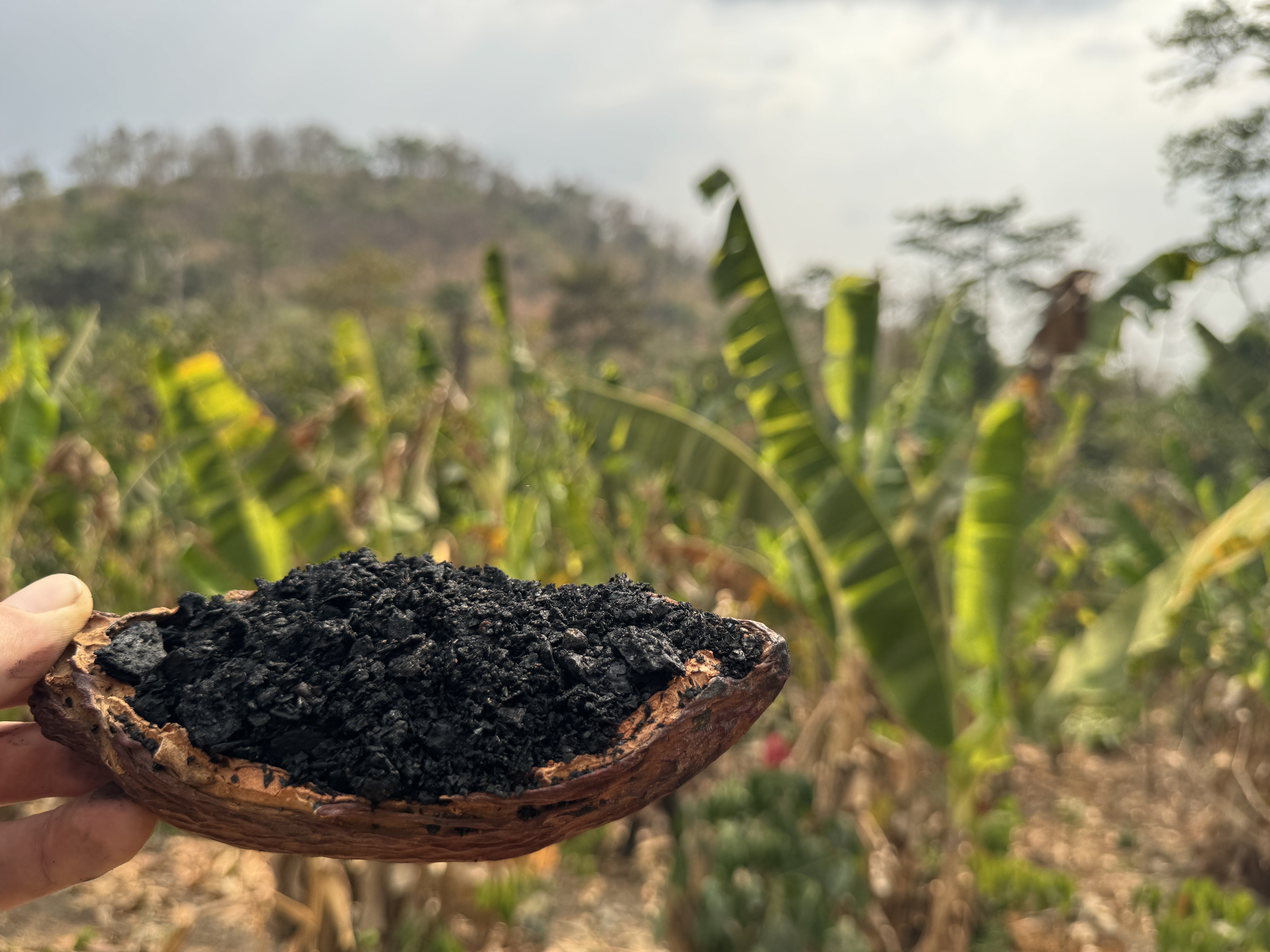
Biochar for Climate Action, Healthy Soils, and Better Harvests
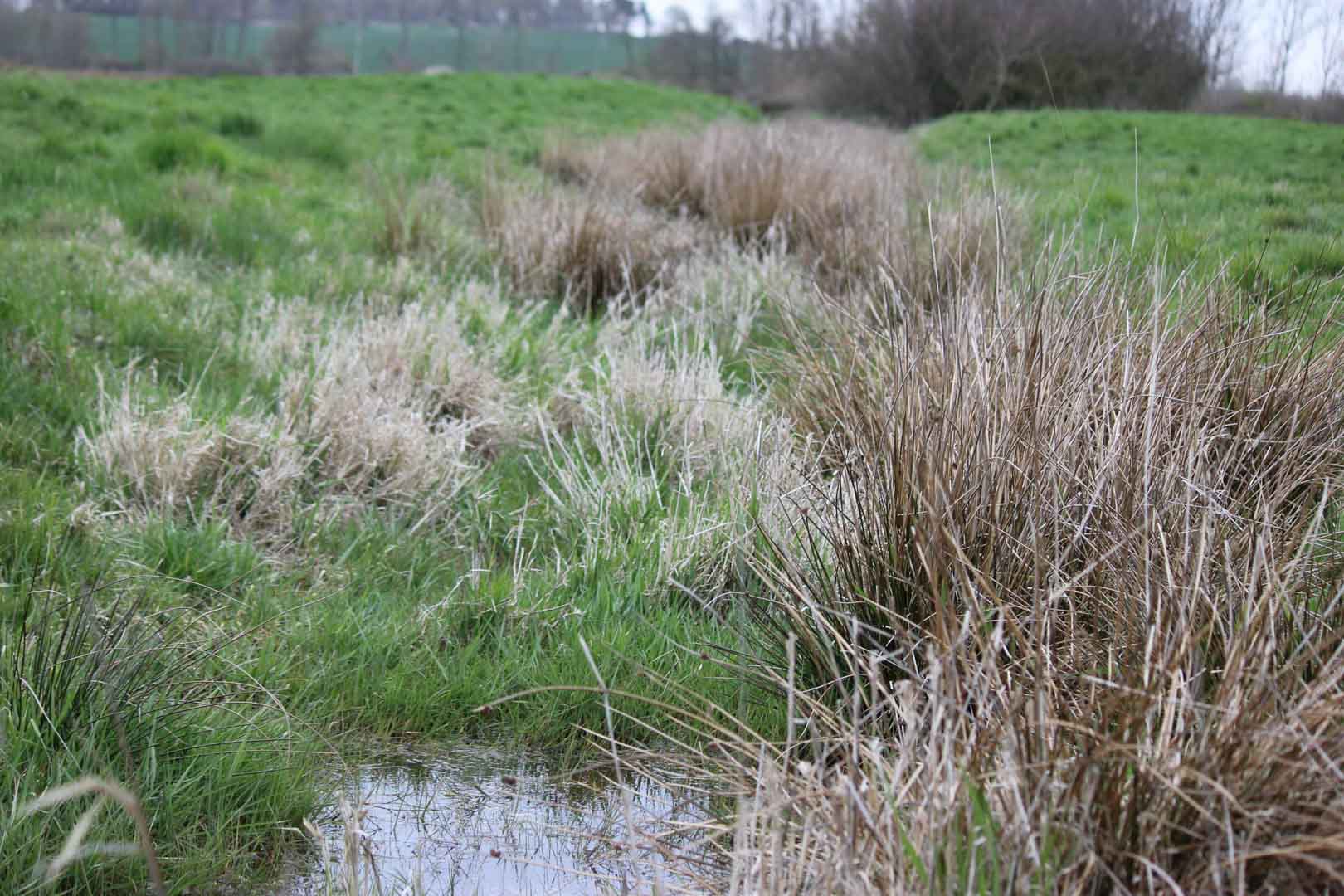
A certified climate project combined with additional commitment
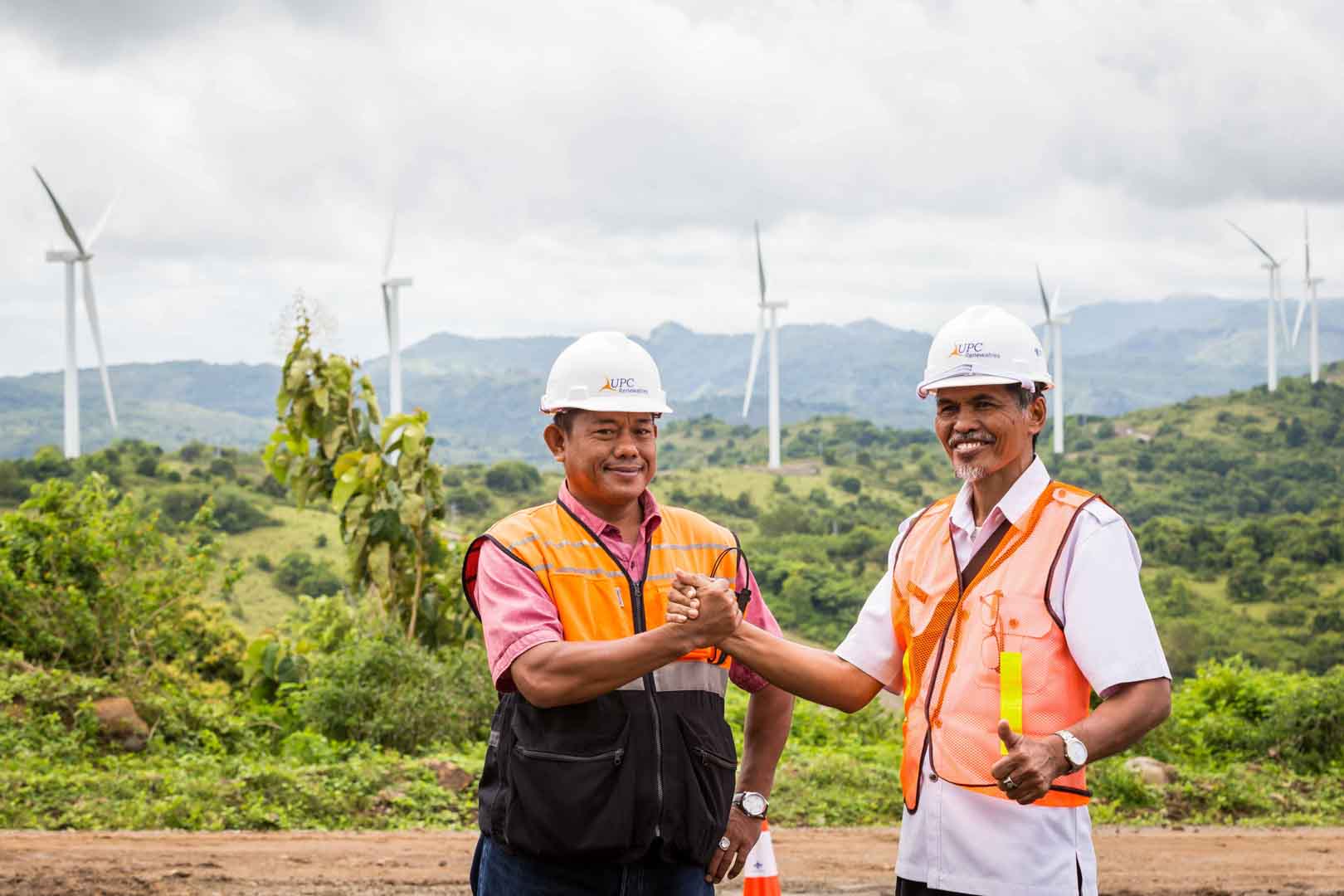
Expansion of renewable energy generation in Asia
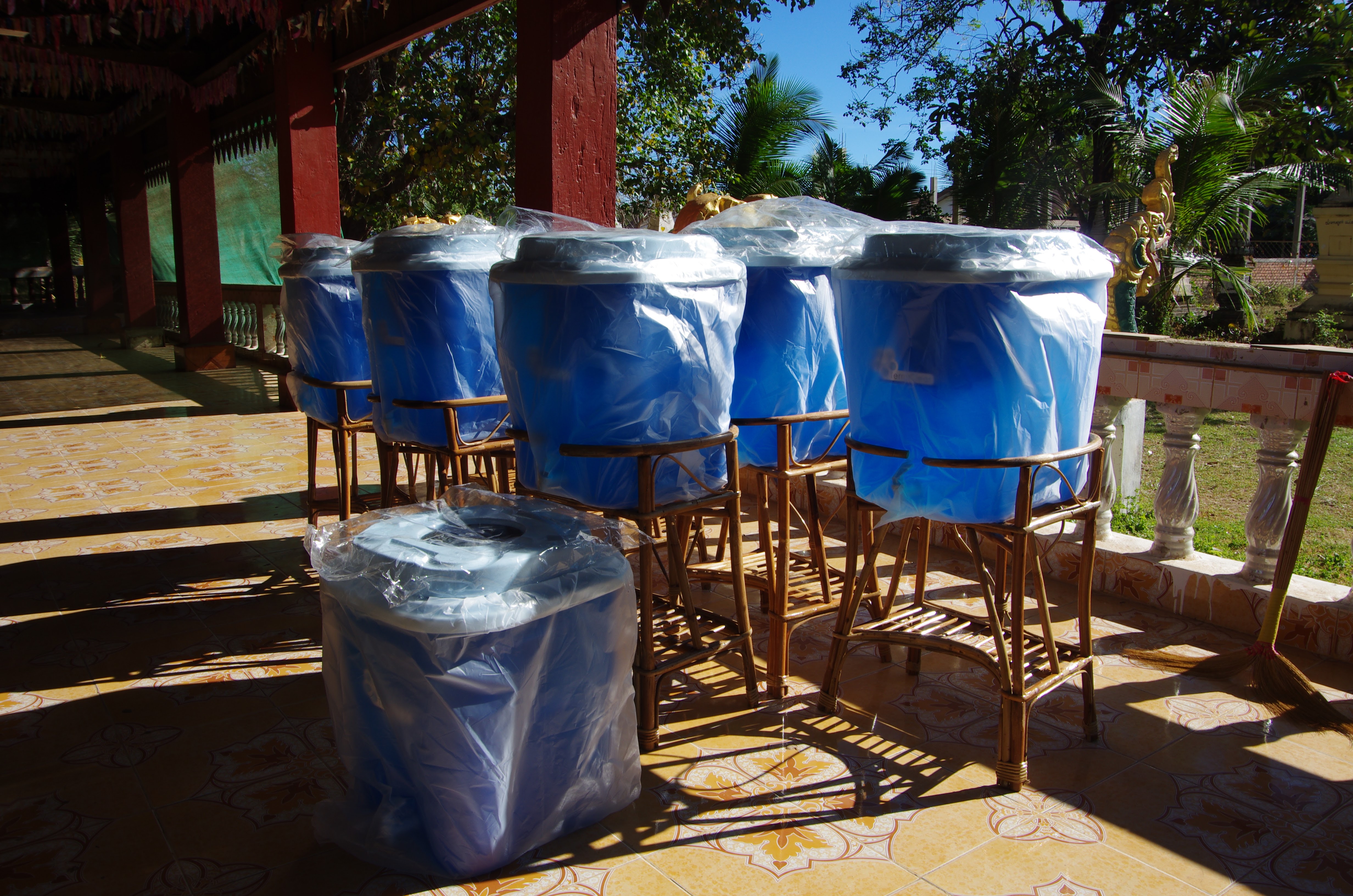
Ceramic water filters save CO2 and improve health
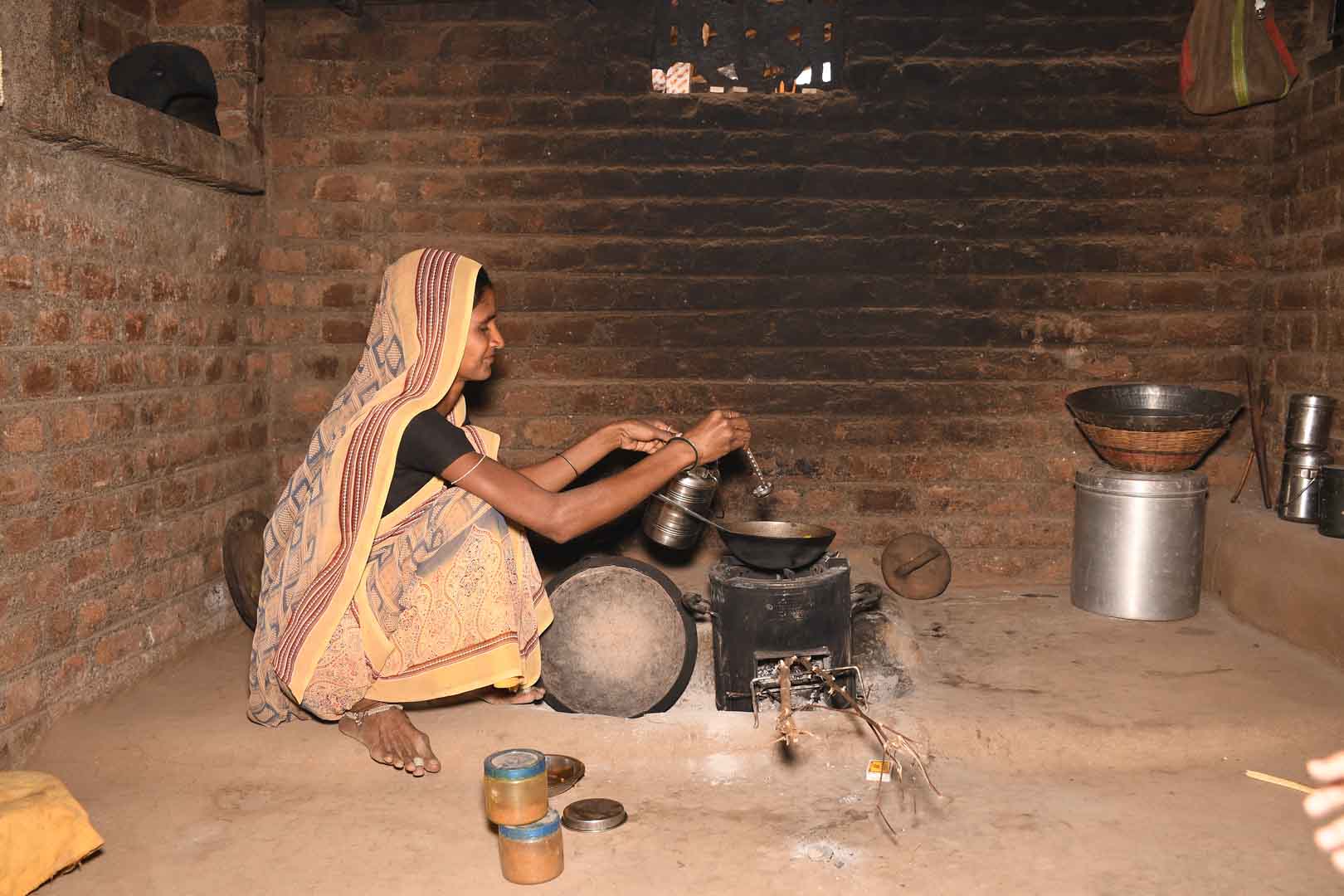
Improved cookstoves worldwide – for better health and cleaner air

A certified climate project combined with additional commitment
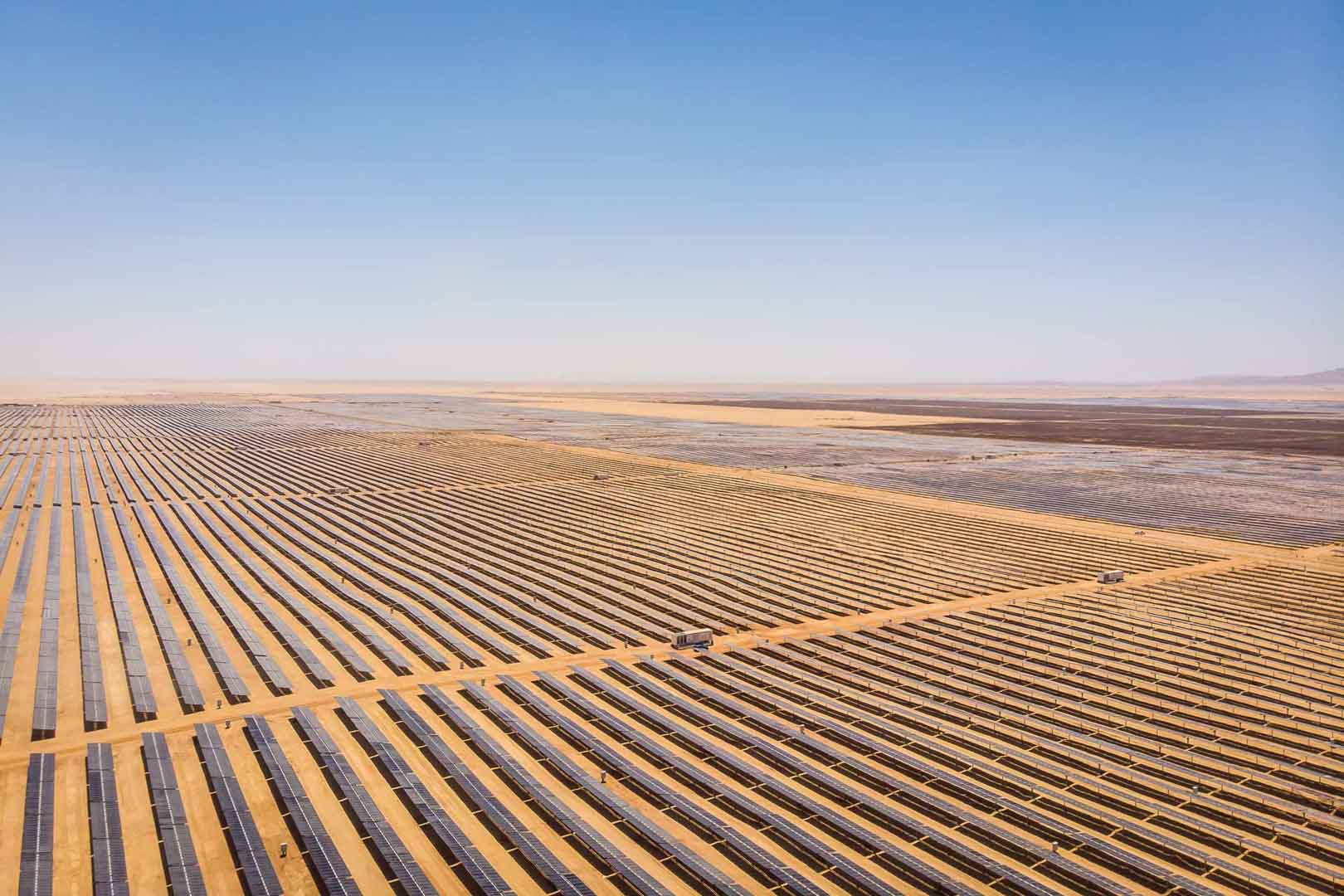
Powering access to renewable energy in Africa
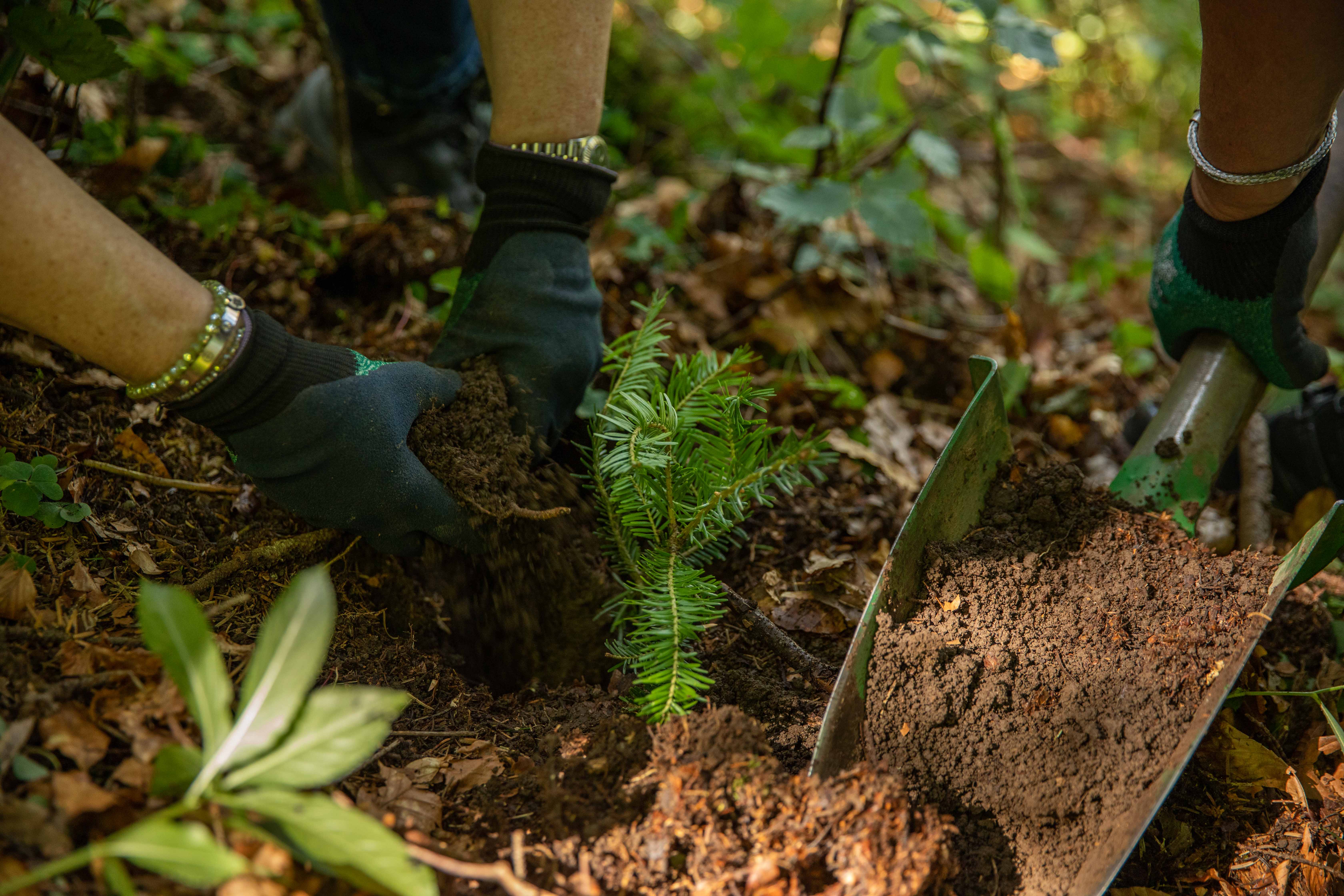
A certified climate project combined with additional commitment
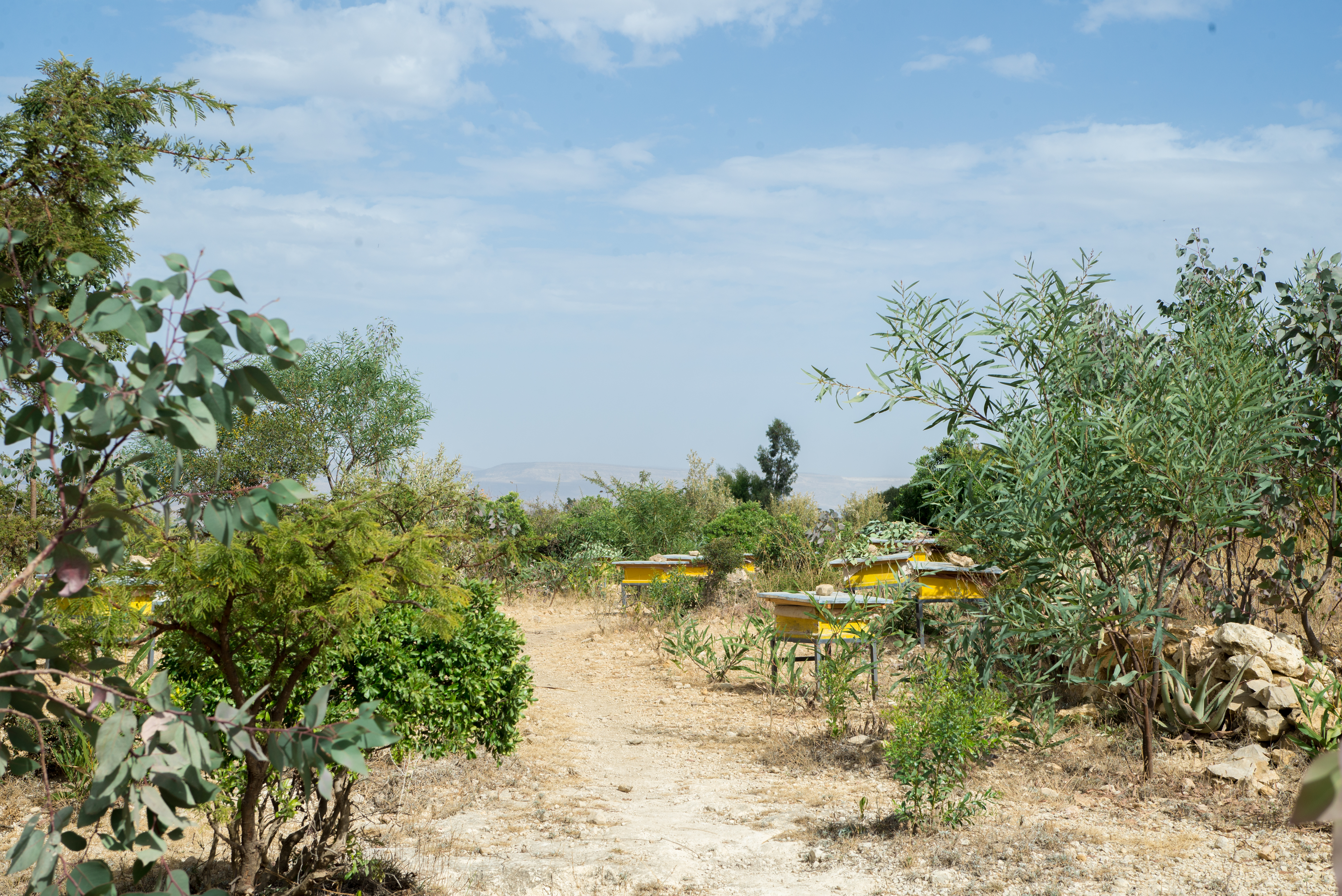
Restored ecosystems remove carbon
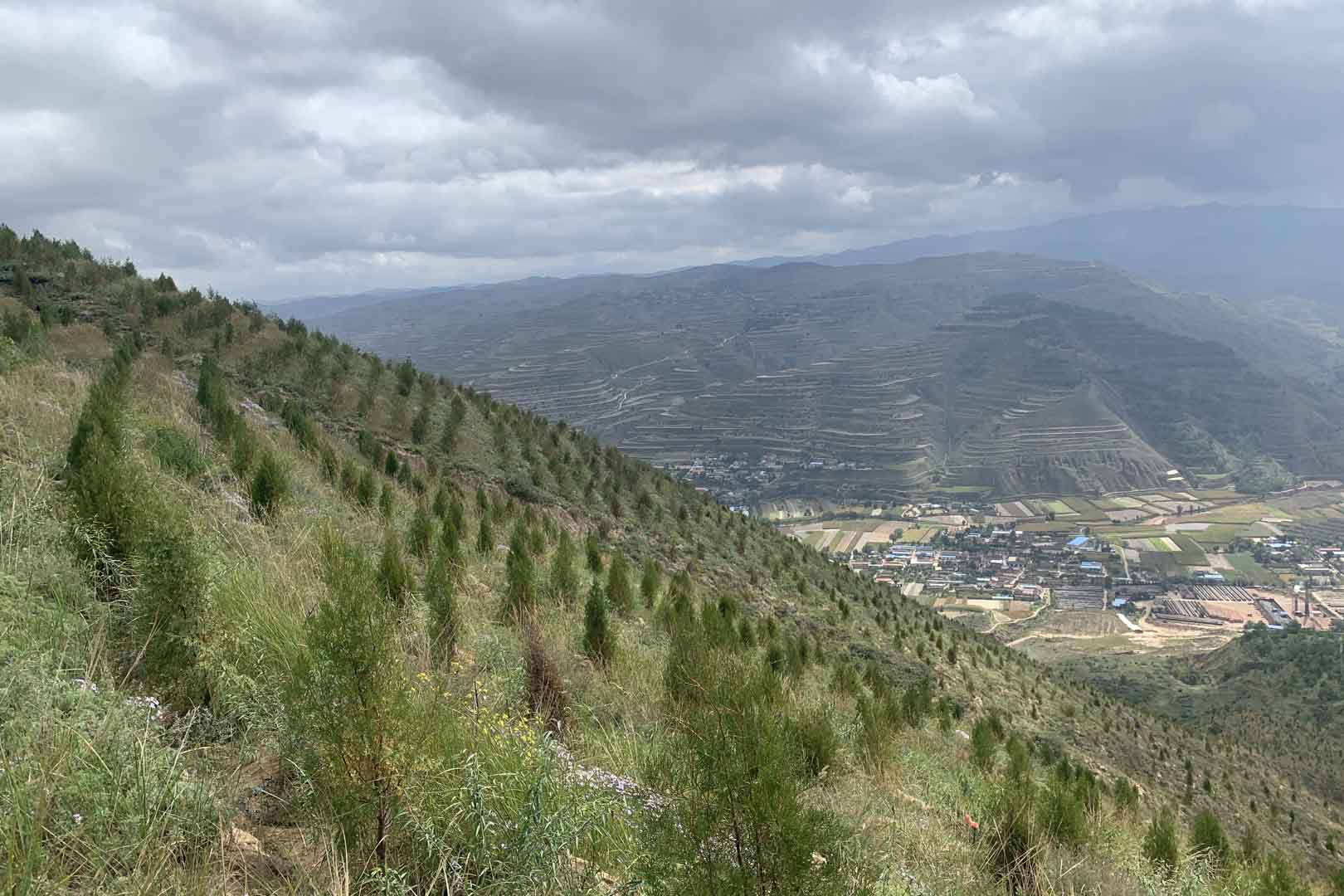
Turning degraded farmlands into healthy ecosystems
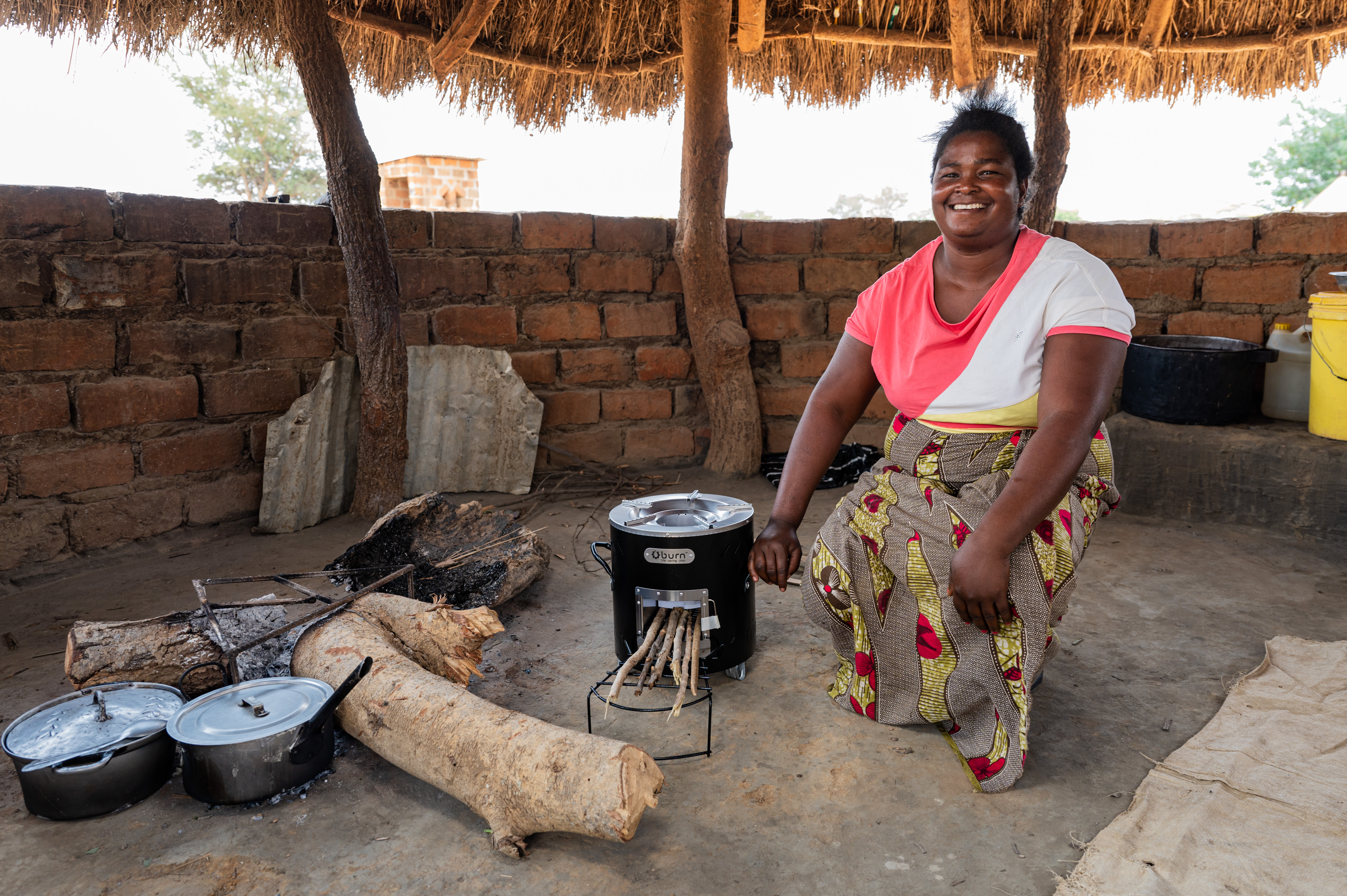
Improved cookstoves - better for health and the environment