
Protecting rainforests and creating local opportunities
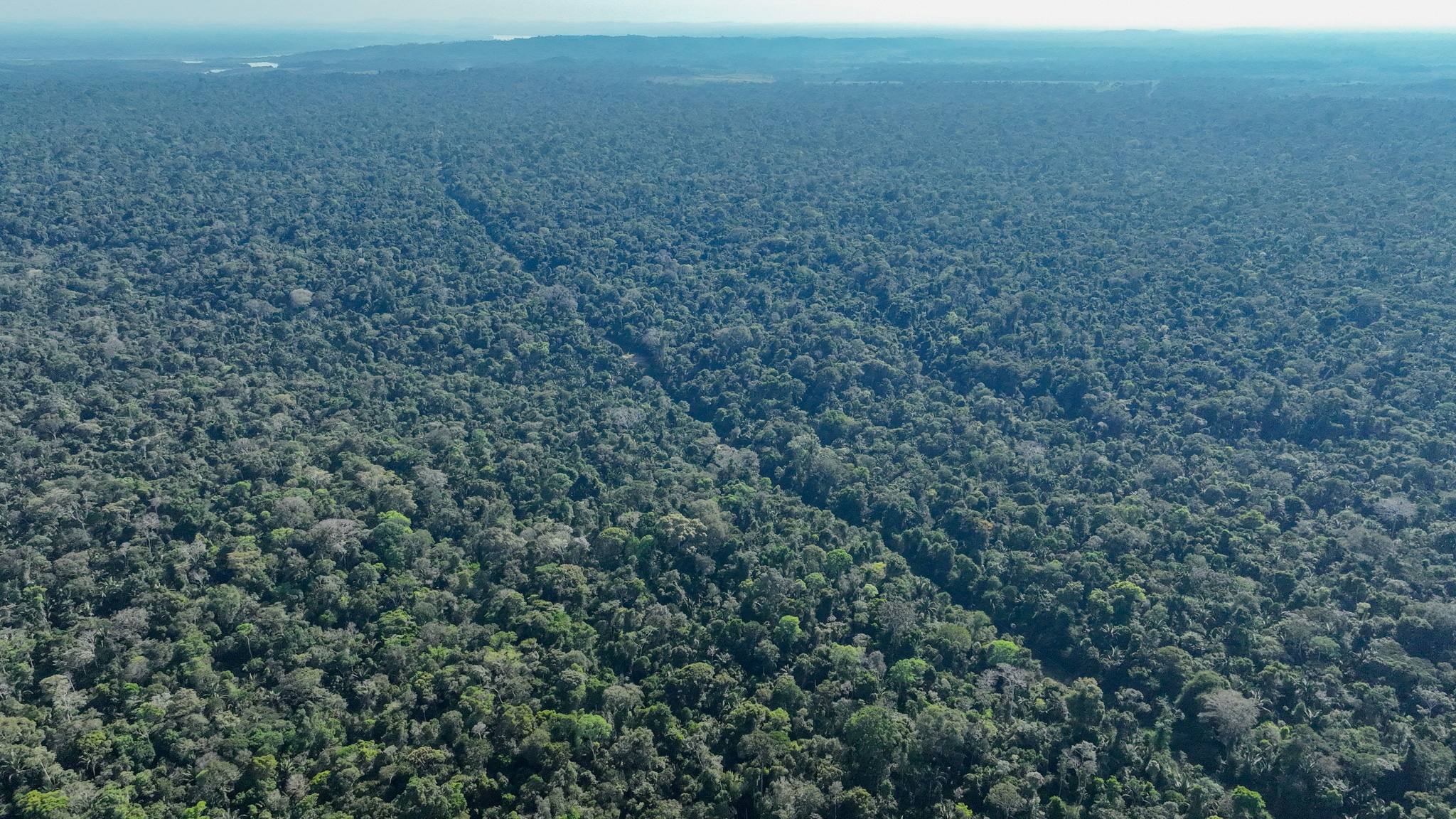
The Amazon is one of the world’s most important carbon sinks. At the same time, it is among the regions with the highest rates of deforestation globally. According to the World Bank, several hundred thousand hectares of forest are lost each year in Brazil due to illegal logging, agricultural expansion, cattle ranching and slash-and-burn practices. This releases large amounts of carbon emissions, accelerates climate change and damages ecosystems.
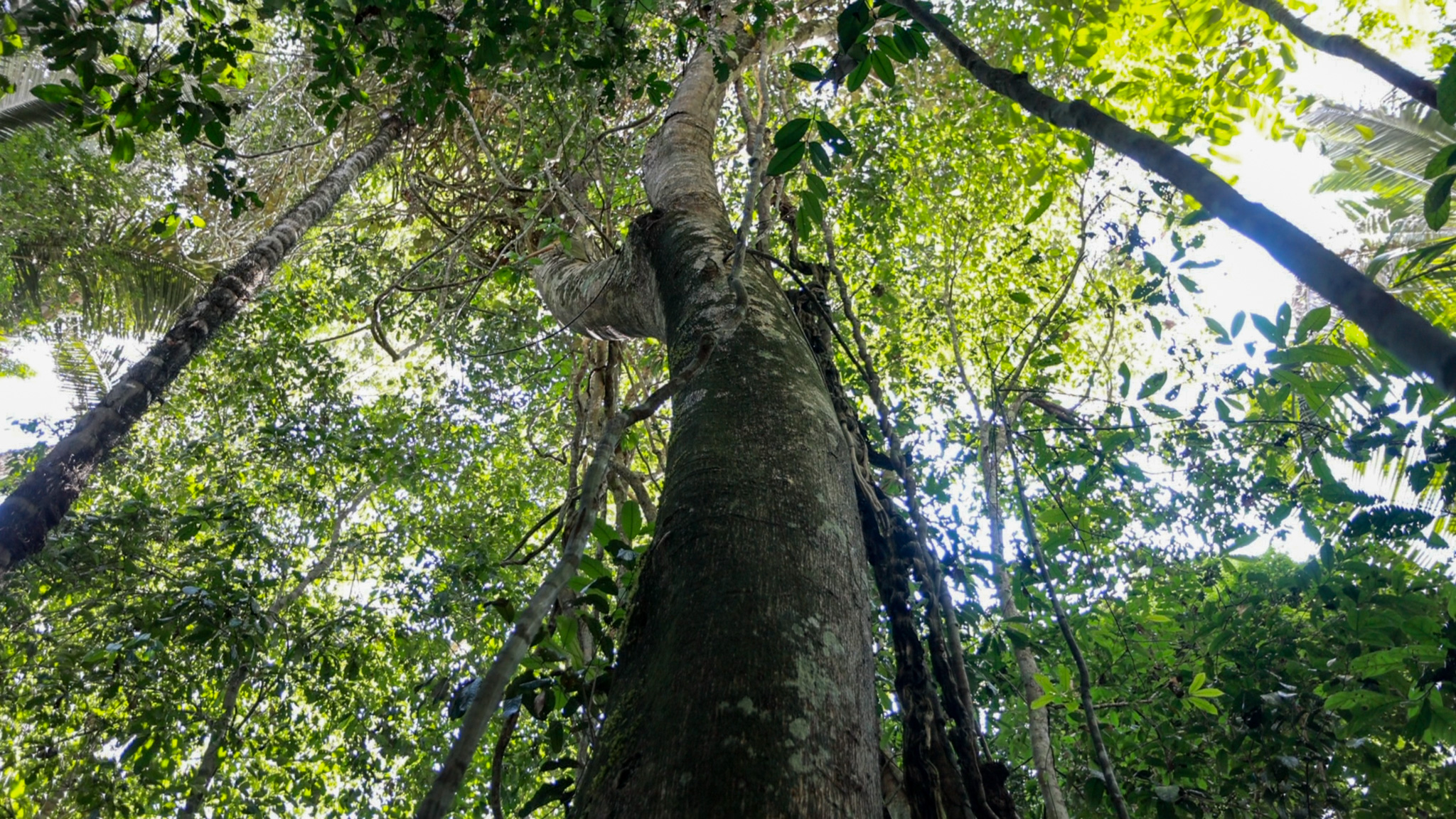
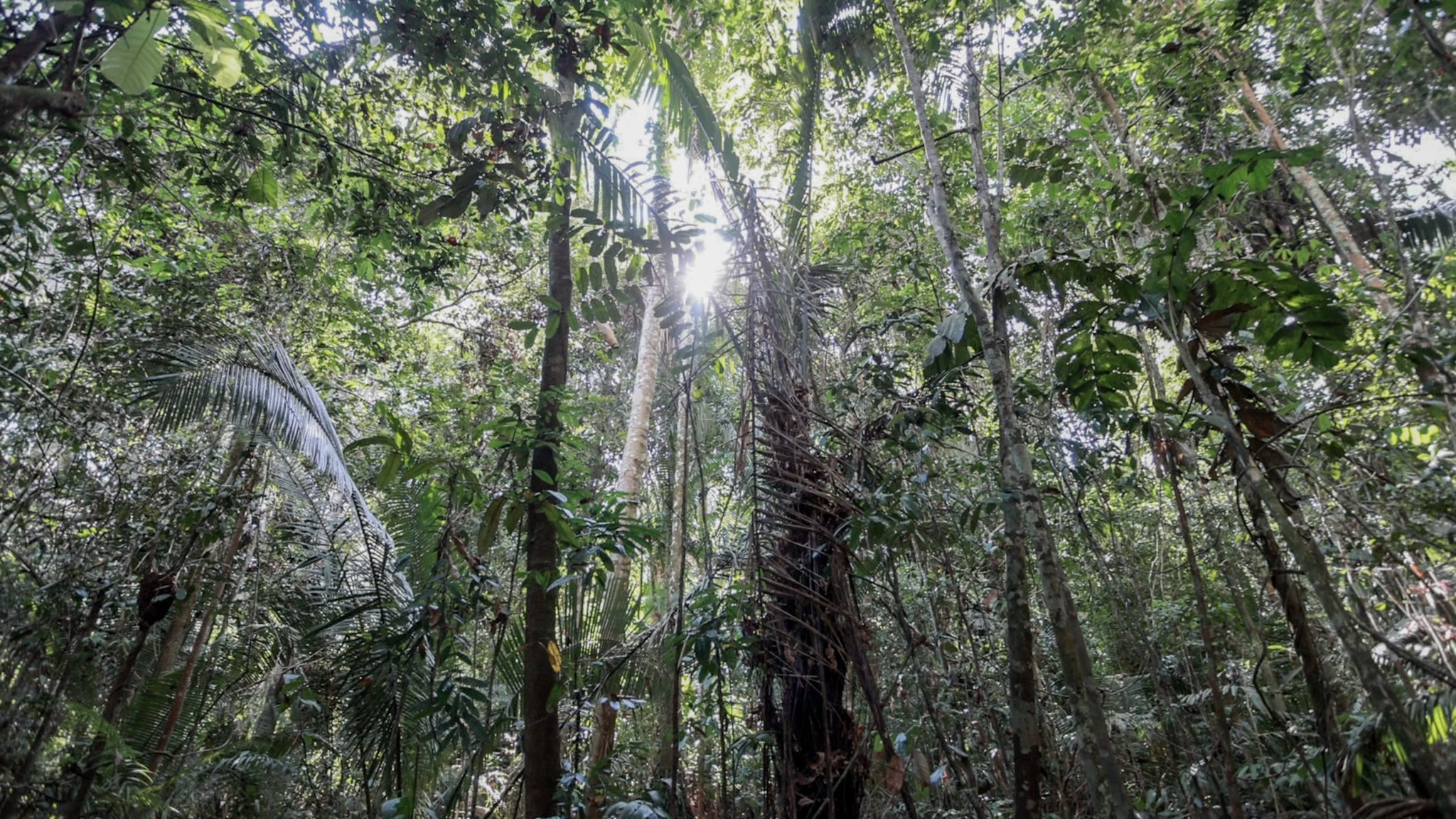
This forest protection project is a grouped project with three project instances located in the regions of Porto Velho and Lábrea in western Brazil. In total, the project protects 55,274 hectares of rainforest from deforestation. Patrols regularly monitor the project area, supported by satellite-based monitoring to detect changes in forest cover at an early stage. Legally binding contracts with landowners commit them to conserving the forest for a period of 100 years, ensuring long-term legal protection of the project area.
Preserving the forest stabilizes local ecosystems, secures water availability, helps regulate regional rainfall patterns and protects habitats for a wide range of plant and animal species.
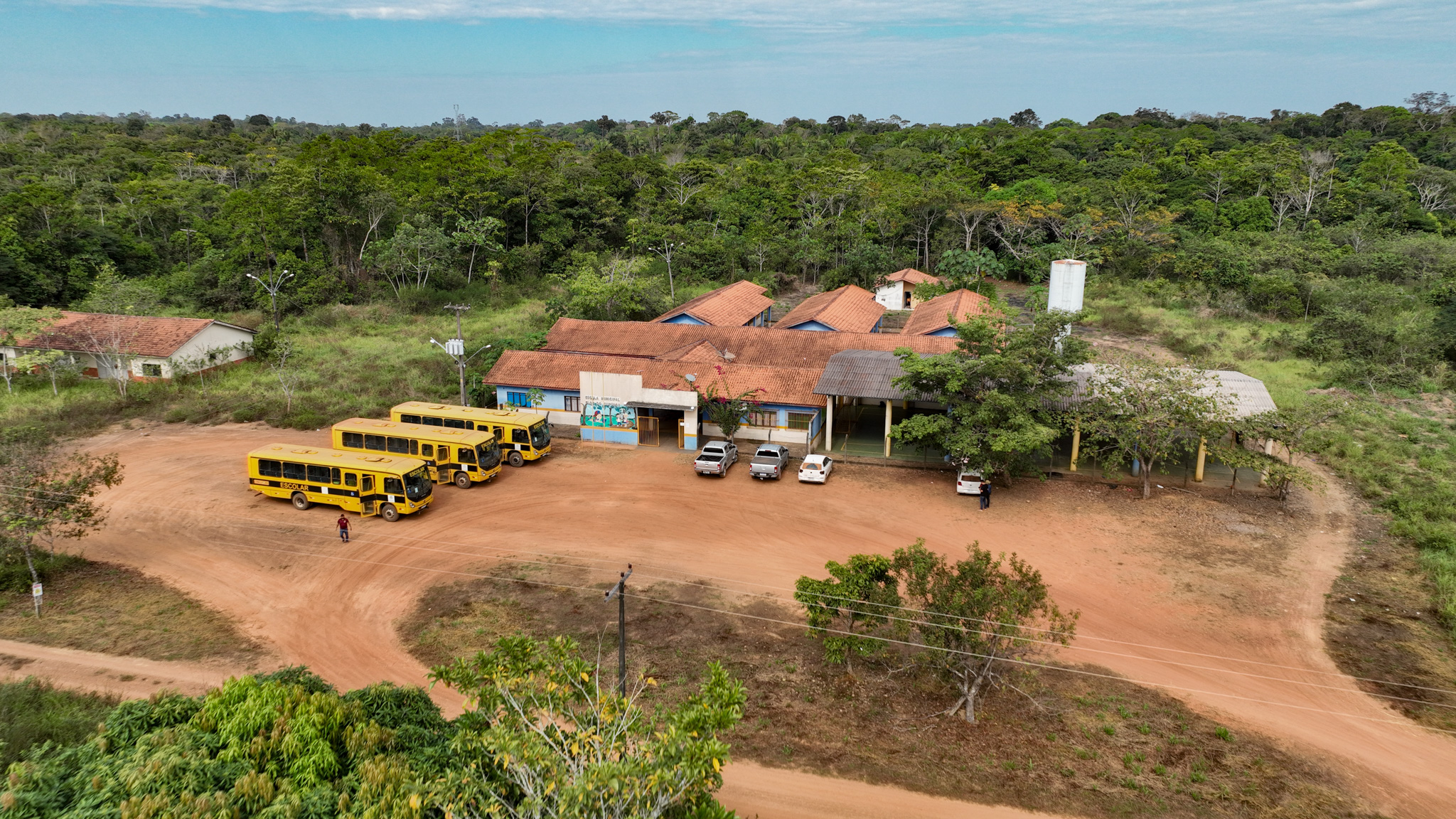
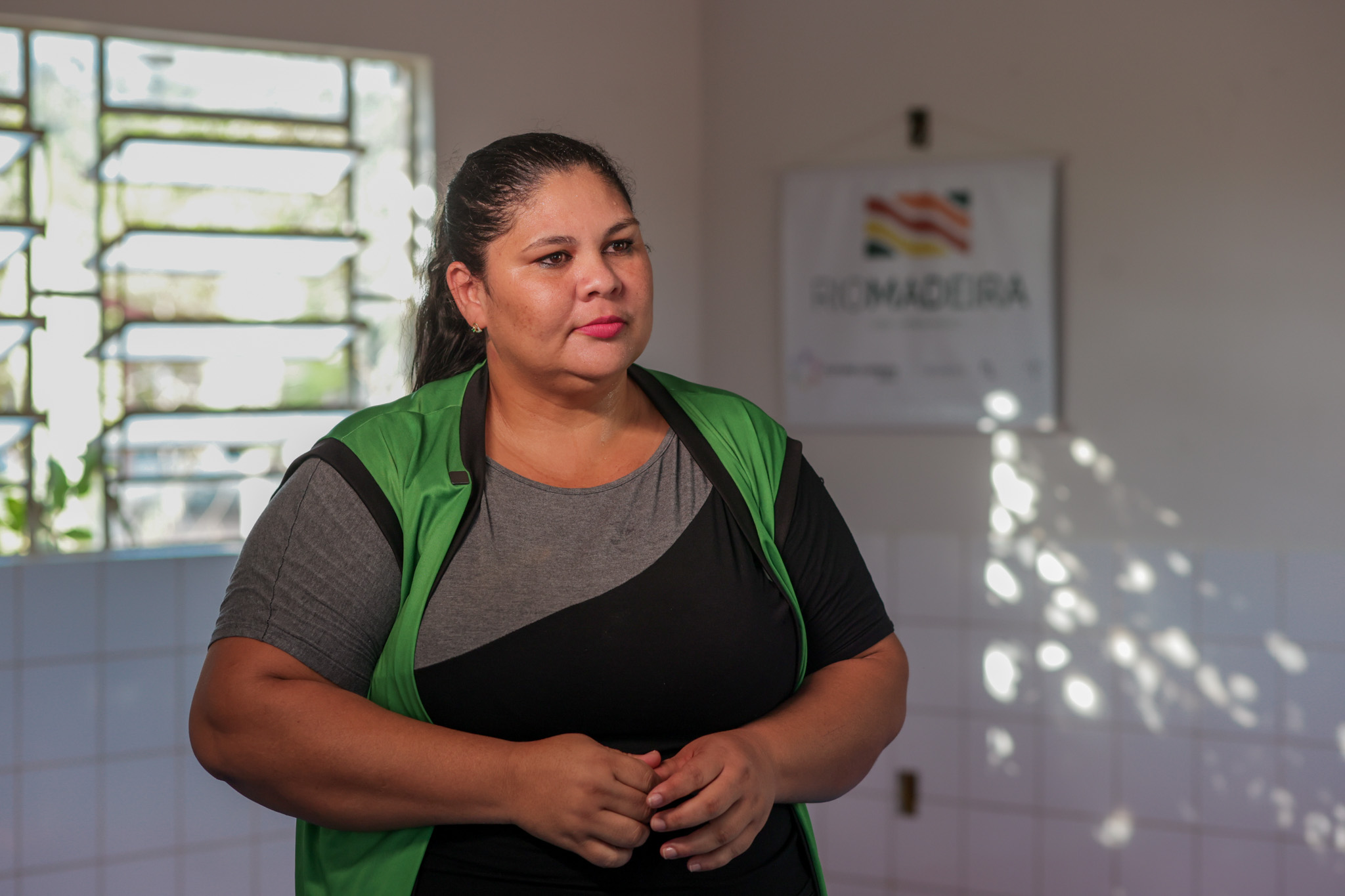
Revenues from the project are reinvested locally. Measures include the creation of a school garden, the installation of a satellite internet connection, upgrades to electrical infrastructure, donations to a karate training center, the sterilization of free-roaming dogs and cats, and training programs for local communities and employees. Local communities are permitted to use the forest sustainably for the collection of non-timber forest products and contribute to forest protection through their presence and involvement.

Forests are not only among the planet's most important carbon reservoirs. They also are home to an enormous diversity of species and are the livelihood for all people. However, global forest areas have declined sharply in recent decades due to increasing settlement, agricultural use, illegal logging and mining.
Forest protection projects ensure that forests are preserved in the long term and that the protection of forests is given a higher value than their deforestation. Together with the local population, project participants protect the area from negative influences. To allow for this the projects create alternative sources of income and educational opportunities. Depending on the project region, forests store varying amounts of carbon per hectare. Particularly high amounts of carbon are stored in the vegetation and soil of tropical swamp forests, primary rainforests, or mangroves. Forest protection projects in the ClimatePartner portfolio are registered with international standards.
The project aims to contribute to these United Nations’ Sustainable Development Goals (SDGs).


Explore our projects
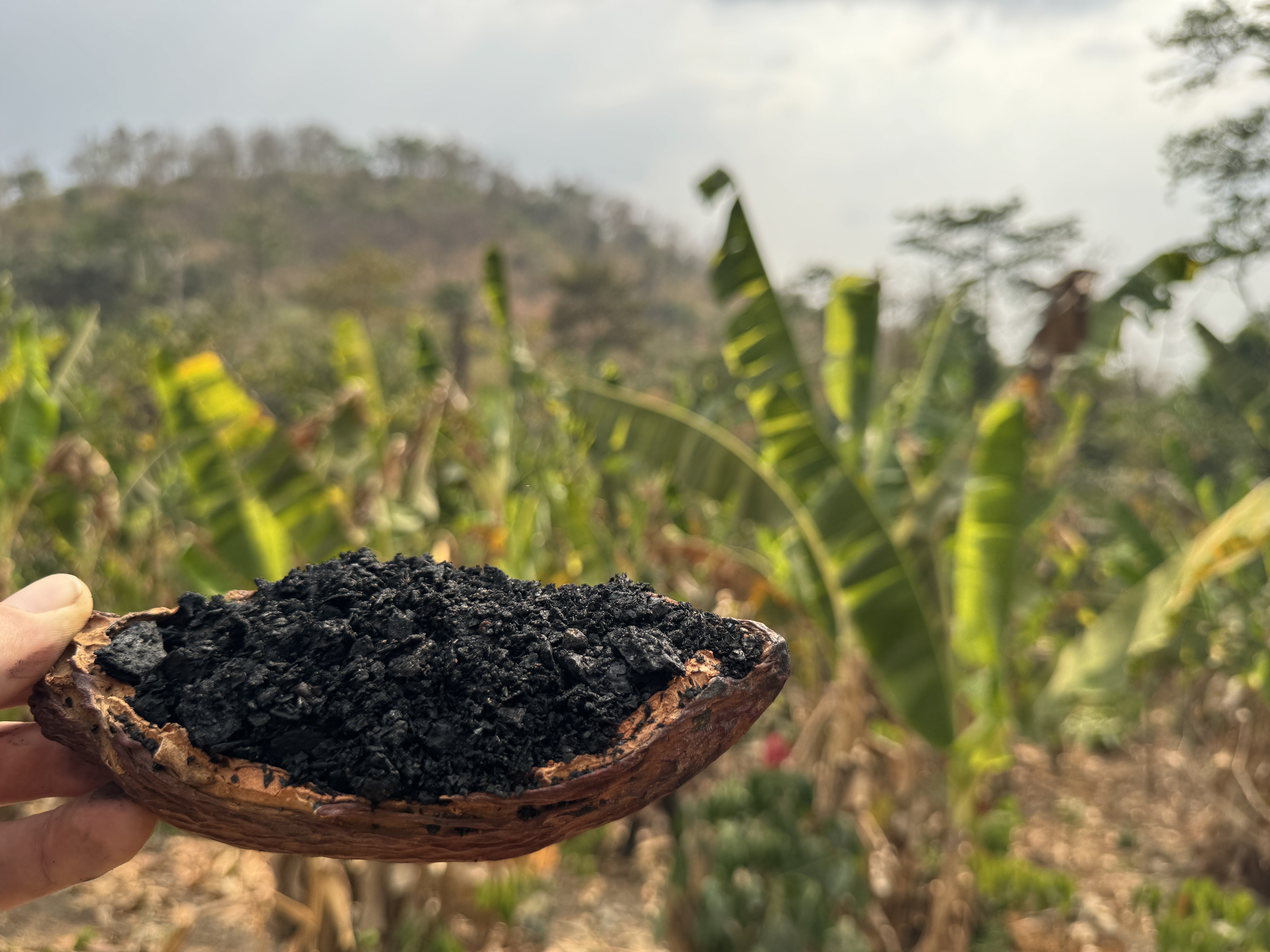
Biochar for Climate Action, Healthy Soils, and Better Harvests
A certified climate project combined with additional commitment
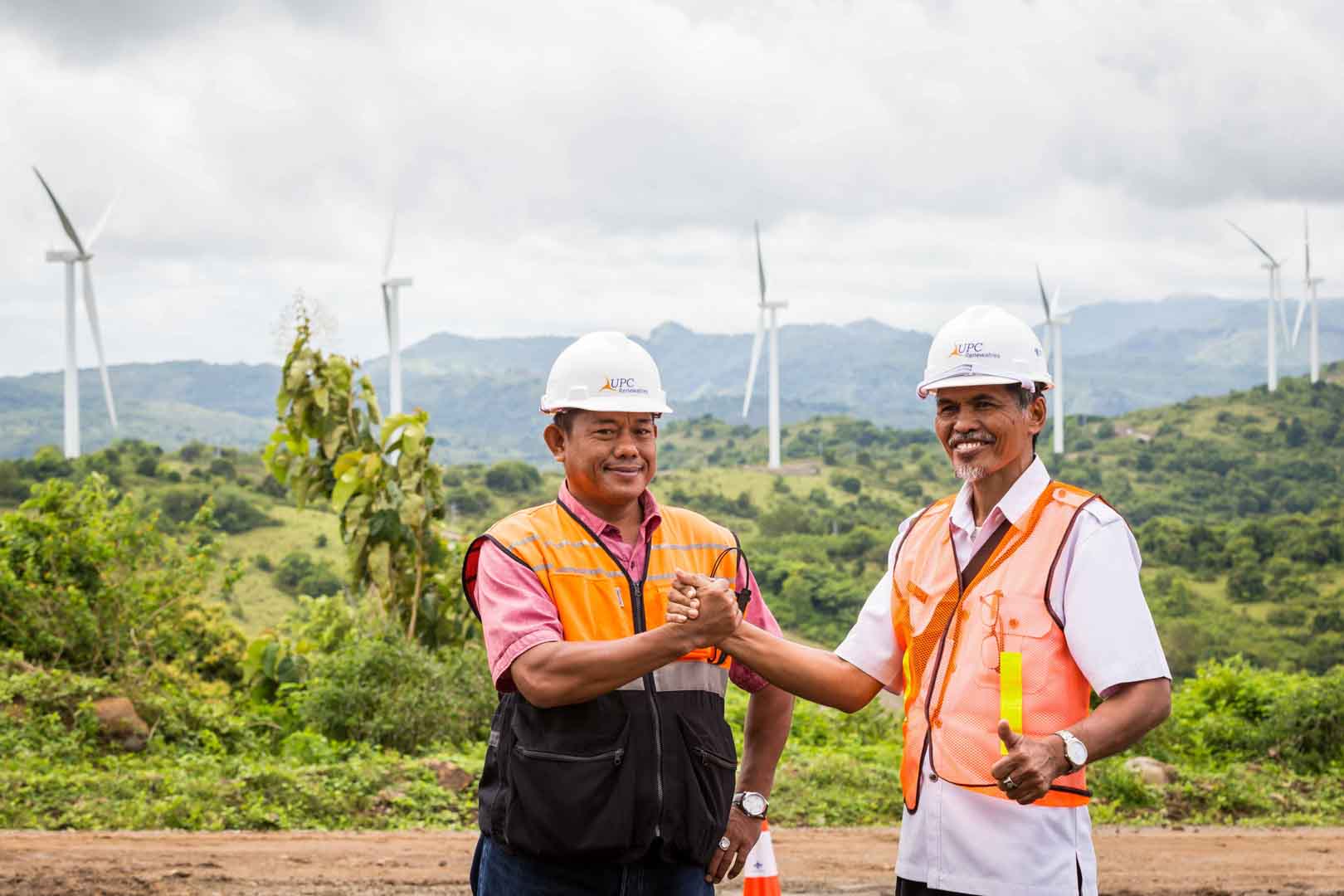
Expansion of renewable energy generation in Asia
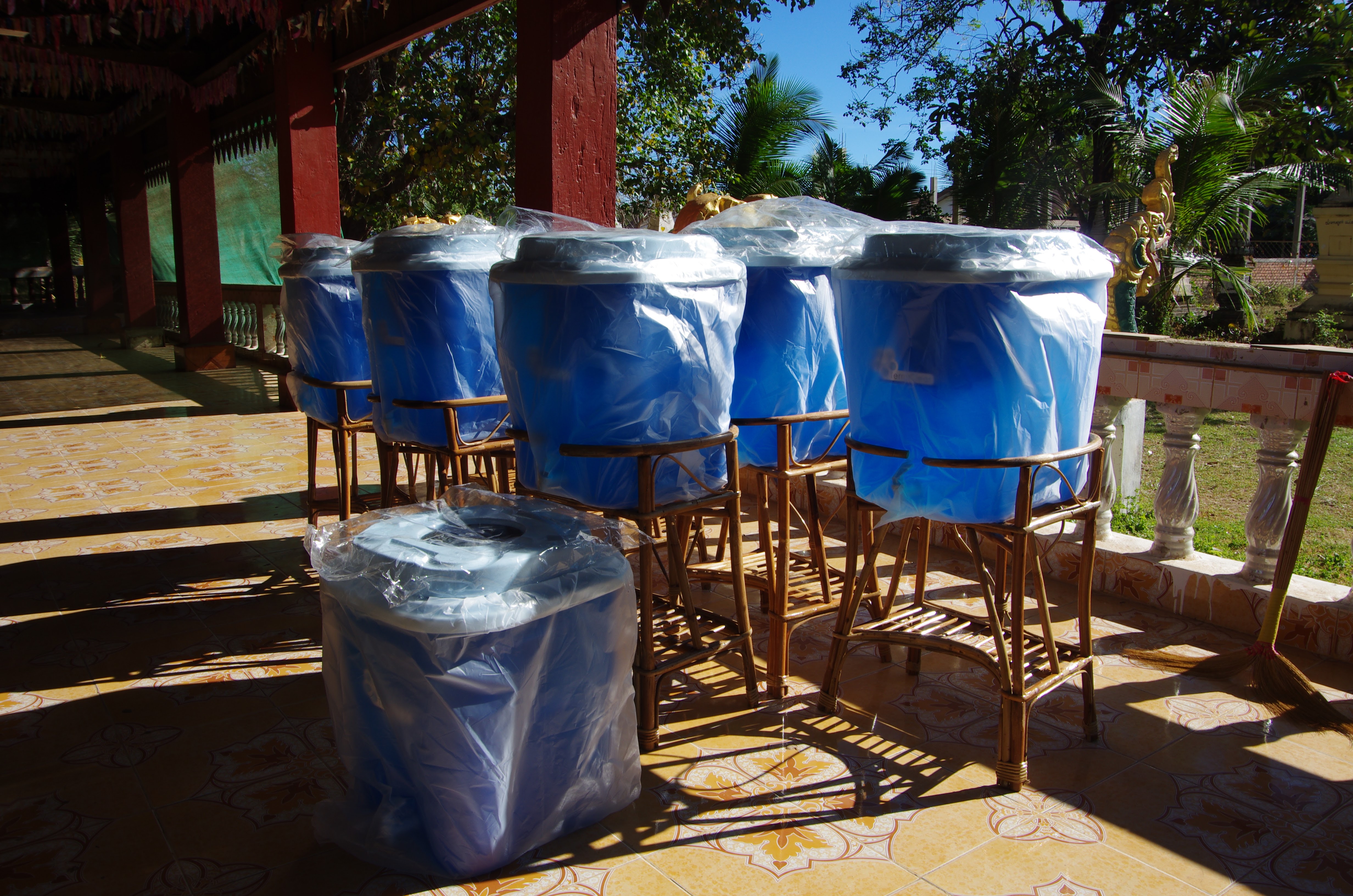
Ceramic water filters save CO2 and improve health
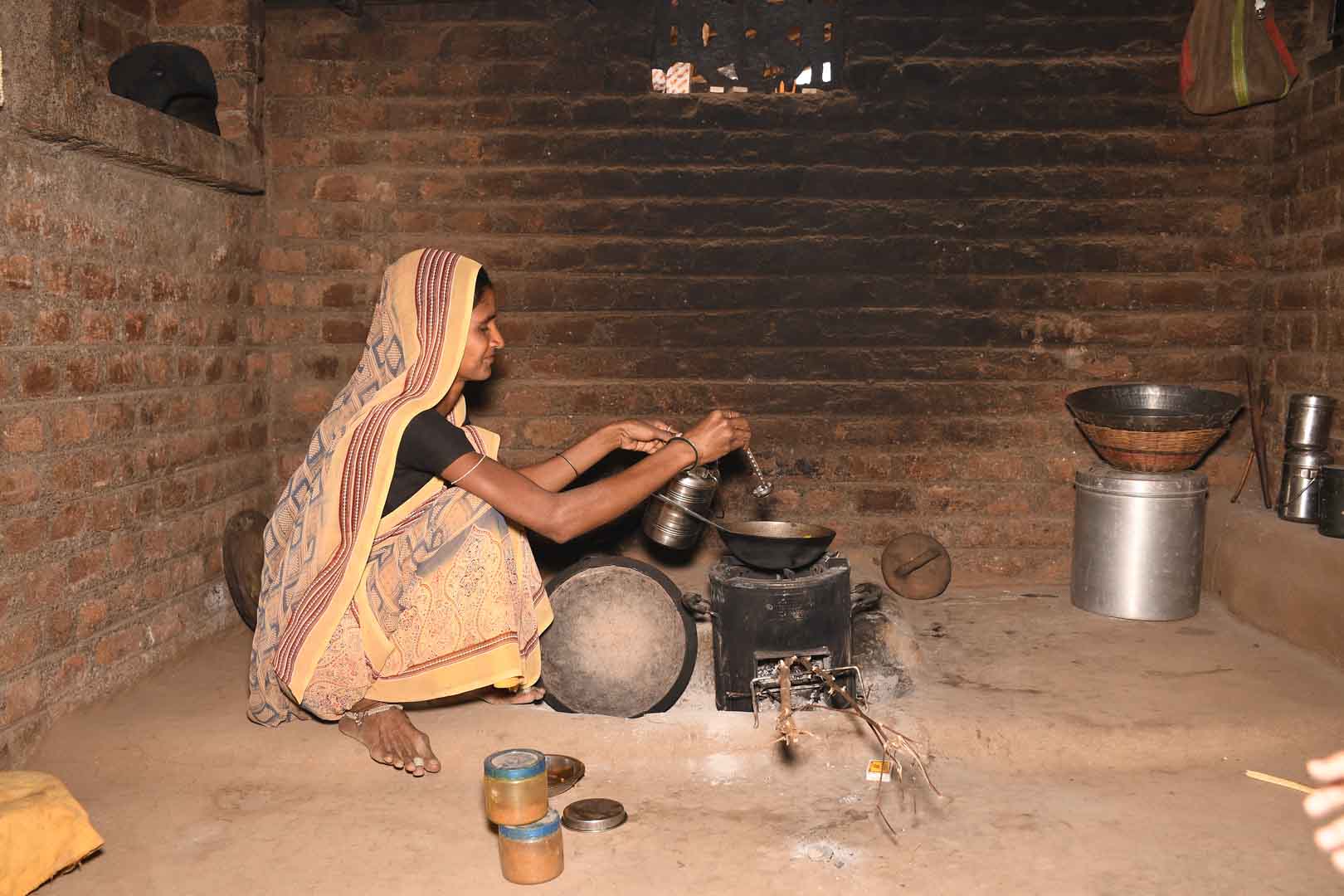
Improved cookstoves worldwide – for better health and cleaner air

A certified climate project combined with additional commitment
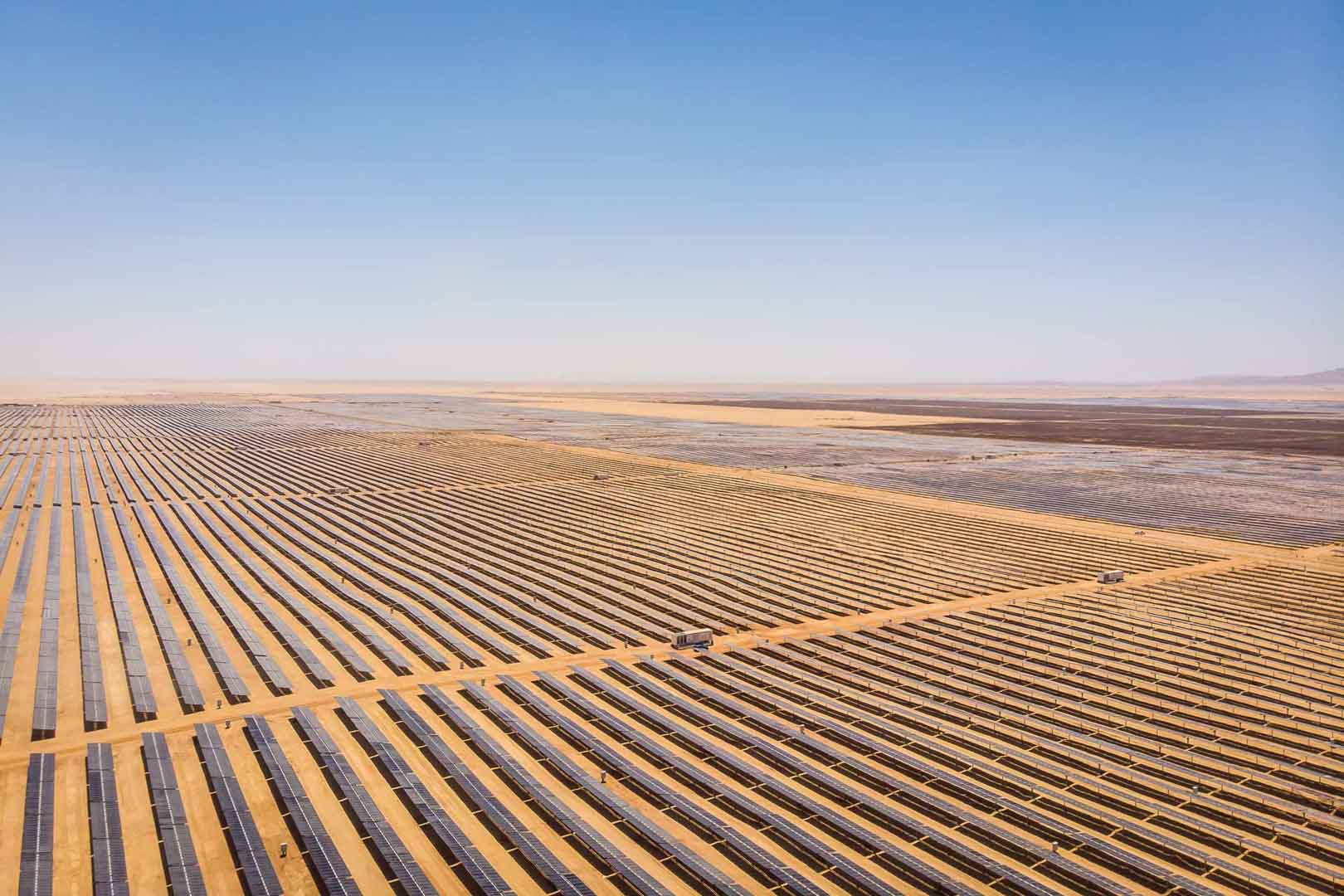
Powering access to renewable energy in Africa
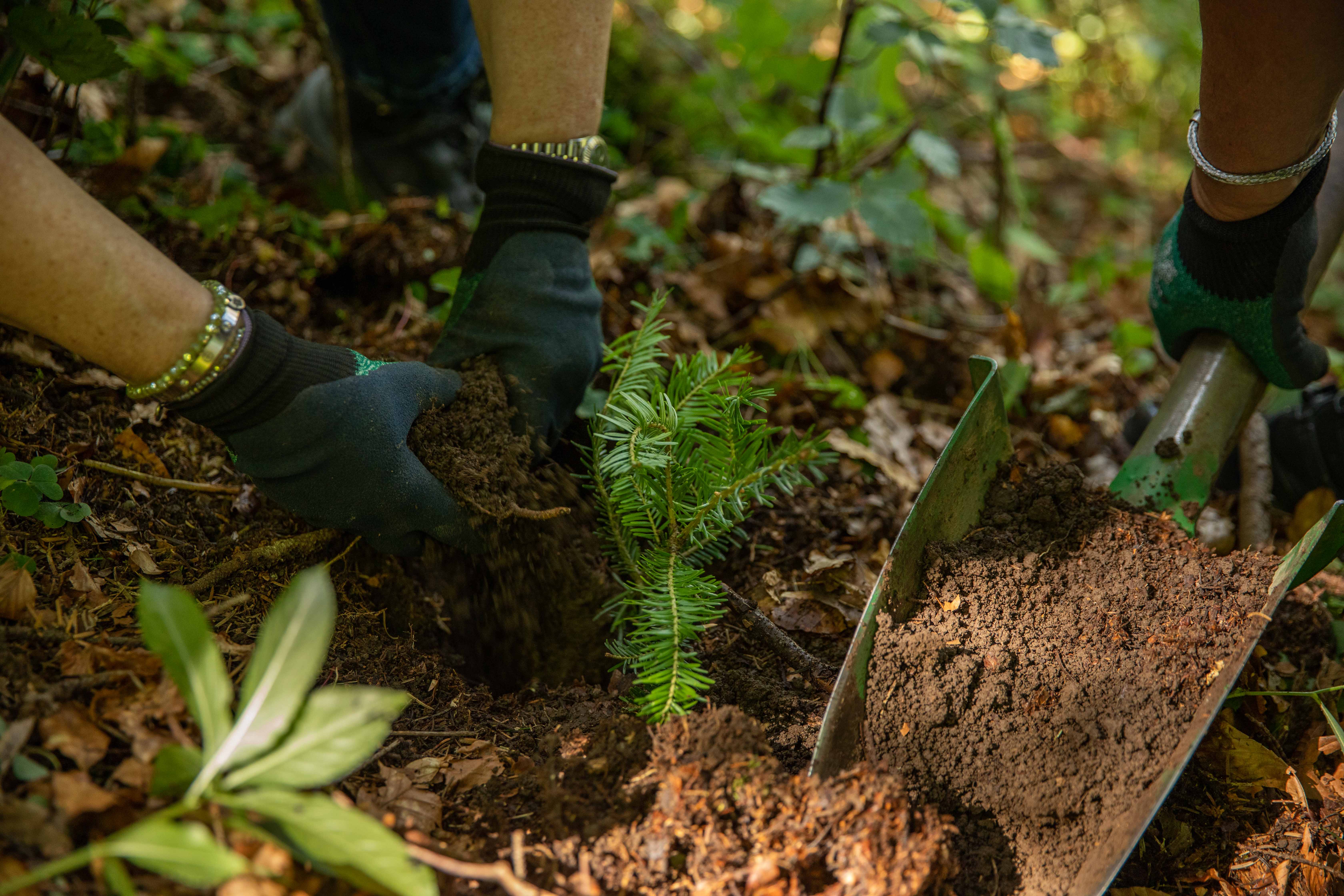
A certified climate project combined with additional commitment
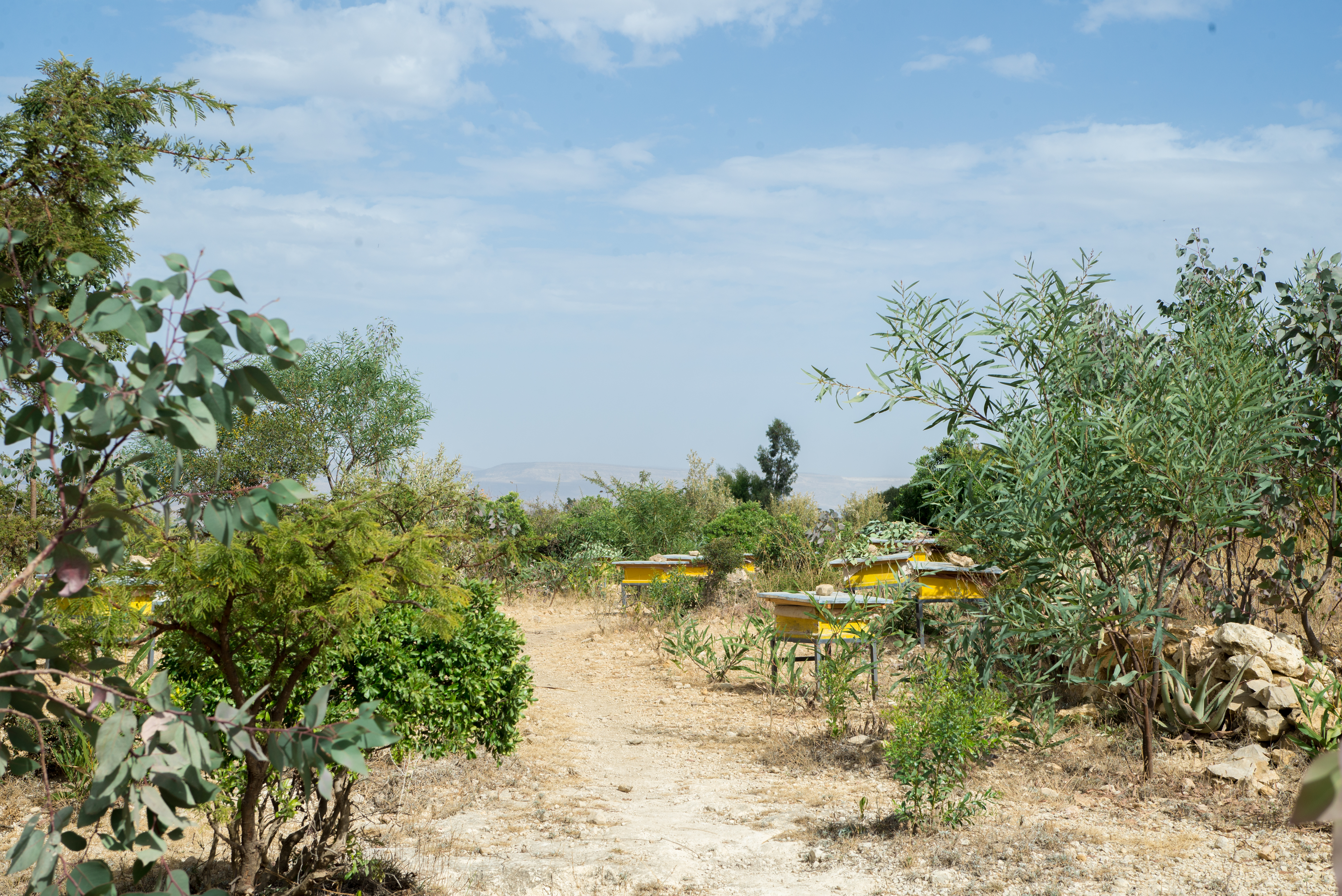
Restored ecosystems remove carbon
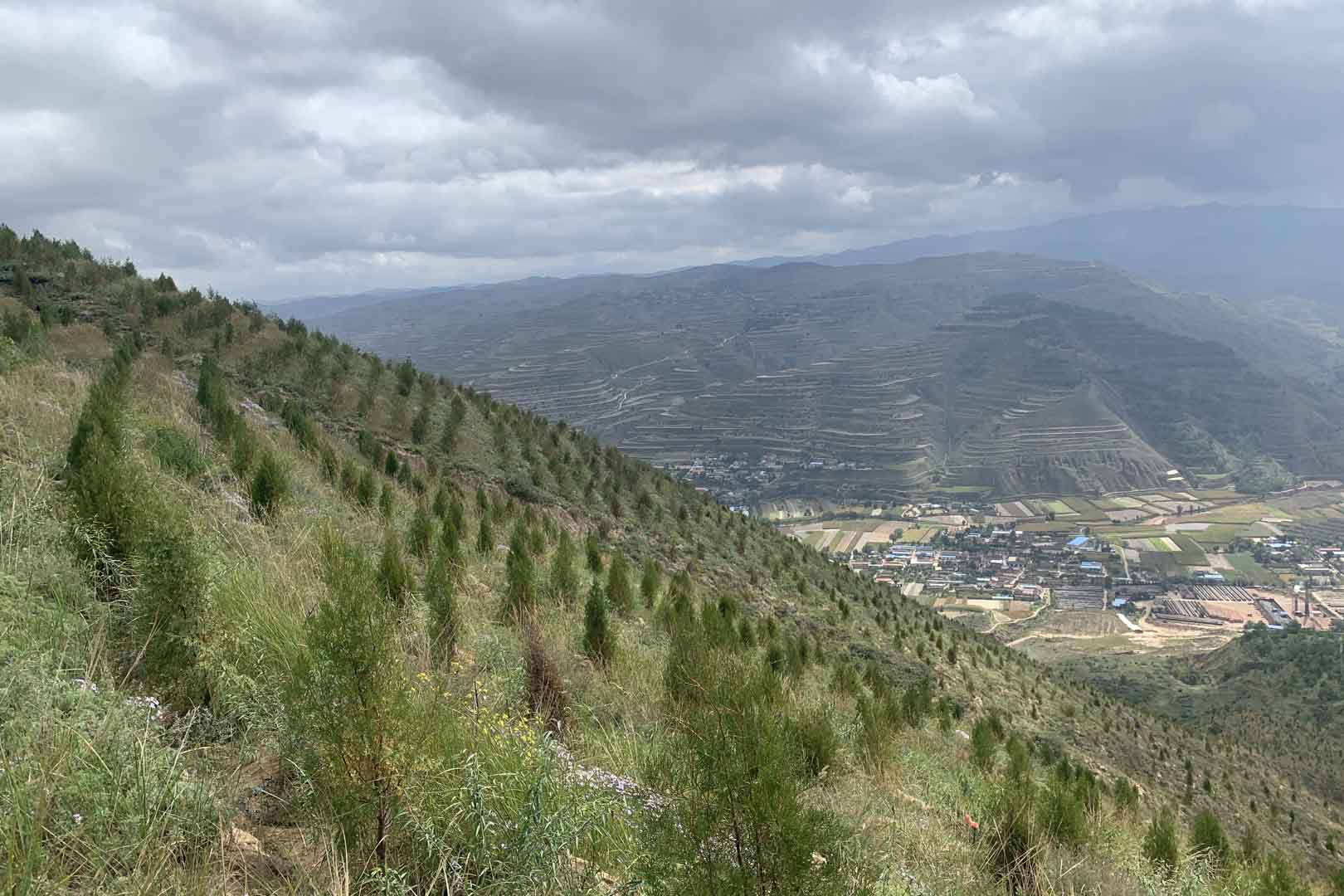
Turning degraded farmlands into healthy ecosystems
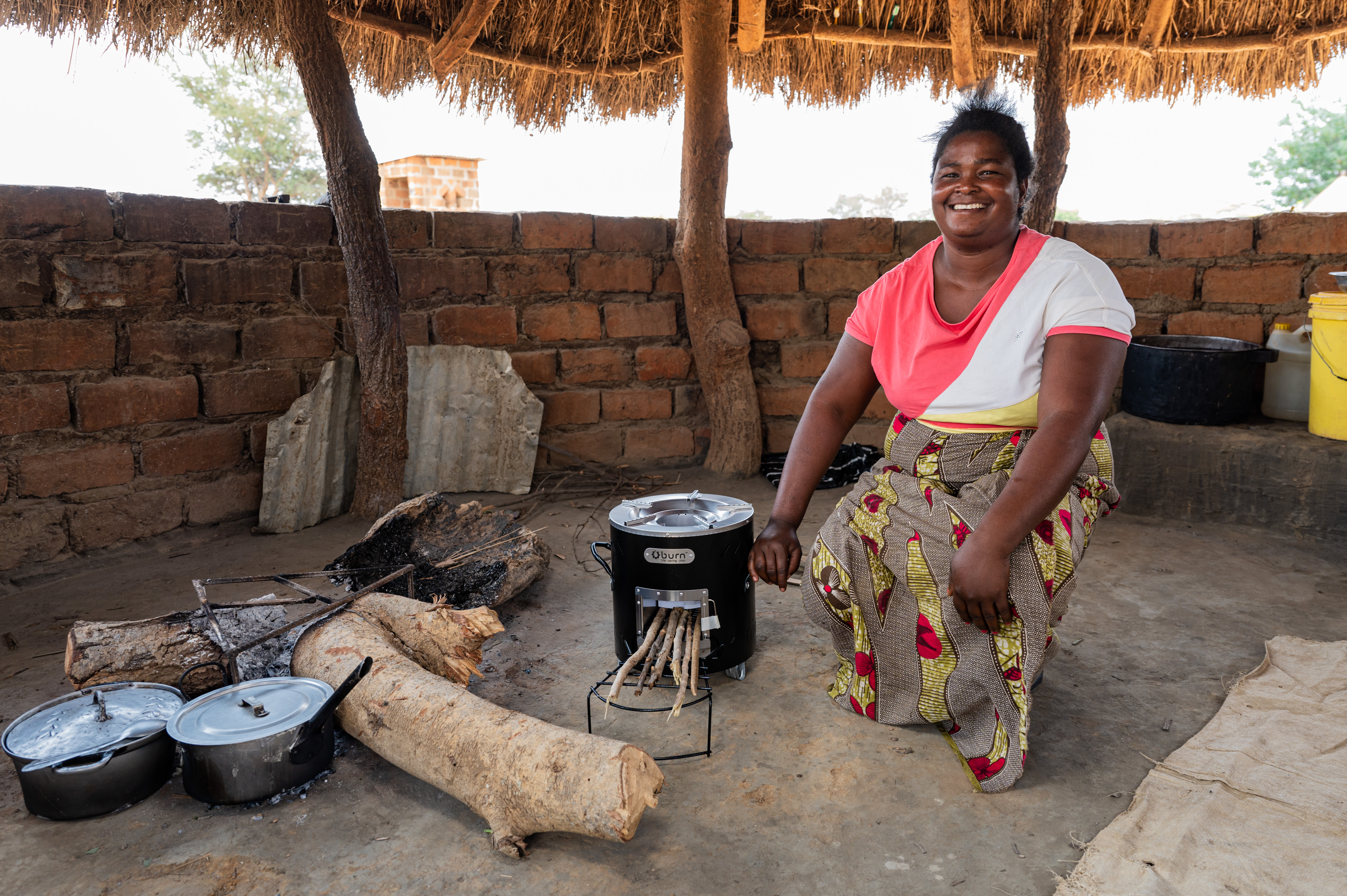
Improved cookstoves - better for health and the environment