
Clean drinking water for communities in Nigeria
In rural areas of Nigeria, many people lack reliable access to safe drinking water. Available water sources are often contaminated or located far away. To make the water safe to drink, people frequently boil it over an open fire. However, some households do not treat their water for financial or practical reasons and drink it untreated.
The project improves water supplies in central and northern Nigeria by installing new boreholes and repairing water points that are no longer functioning. Depending on the location, water is pumped using hand pumps or solar-powered pumps. Regular inspections and repairs support the long-term operation of the water points.
During the first monitoring period from 4 October 2023 to 31 December 2024, 499 of the 502 water points installed or repaired were active. The verified results show that the project provided 8,451 households with access to safe water. Water quality was tested using samples taken at users’ homes.
Improved access to water also affects households’ daily lives. During the monitoring period, the time spent collecting water and fuel each day decreased by 71.5 percent.
At the same time, the project reduces the need to boil water over an open fire. This lowers firewood consumption and the associated emissions. The project is estimated to avoid approximately 39,200 tonnes of CO2 per year on average.
The project also conducts annual training on water, sanitation and hygiene. These training sessions teach users how to handle drinking water hygienically and prevent contamination.

 The project contributes to the the United Nations' Sustainable Development Goals
According to UNICEF, 2.2 billion people worldwide lack reliable access to safe and clean drinking water – 26% of the global population. Women and girls often must travel long distances to collect water from the nearest water point. To make the water safe for use, it is typically boiled over open fires using wood, which generates carbon emissions and harmful smoke. Additionally, the collection of firewood contributes to deforestation.
Climate projects for clean drinking water offer practical solutions. Water can be treated chemically (e.g., with chlorine-based purifiers), mechanically (e.g., with water filters), or through tapping groundwater from wells. For this, wells must be repaired, maintained, or newly installed, as only functioning wells provide clean drinking water. These solutions grant even remote villages access to safe water.
Such projects also reduce carbon emissions by eliminating the need to boil water and help combat deforestation. The clean drinking water projects in ClimatePartner's portfolio are registered with international standards.
The project aims to contribute to these United Nations’ Sustainable Development Goals (SDGs).


Four criteria for projects to meet quality thresholds
The life cycle of a climate project
A climate project has a set life cycle consisting of various phases, from the feasibility assessment to the retirement of Verified Emission Reductions (VERs).
The project developer reviews the general feasibility of the project, the project design, and the financing. Then, the Project Design Document (PDD) is prepared, which contains all the basic information about the project, such as the objective, location, timeline, and duration.

In this phase, independent auditors examine the PDD and the information it contains. This phase often also involves field visits with on-side interviews and analyses. Auditors are accredited, impartial assessors who have to be approved by the relevant standard as a validation and verification body (VVB). TÜV Nord/Süd, S&A Carbon LLC., and SCS Global Services are examples of VVBs."

Once validated, the project can be registered with a standard such as the Verified Carbon Standard or the Gold Standard. All high-quality climate projects are based on international standards. They provide the framework for project design, construction, carbon accounting, and monitoring. Recognised standards make the climate project system and the projects themselves resilient, traceable, and credible.

After the climate project has been registered, the monitoring begins. Here, the project developers monitor and document the data of the project activities and progress. The duration of the monitoring phase varies from project to project: it can cover two years, but documentation over five or seven years is also possible.

At the end of each monitoring phase, a VVB checks and assesses whether the values and project activities stated in the monitoring report are correct. As with validation, visits to the project site are often part of the verification process.

Once verified, the emission reductions that were confirmed in the verification phase can be issued as VERs. The steps of monitoring, verification, and issuance of VERs are repeated regularly and are therefore considered as a cycle.

Once a VER has been used, it must be retired. This process is also reflected in the registry. If the financing of a climate project is done through ClimatePartner, the VERs are bundled in a system certified by TÜV Austria and then retired on a regular basis. This ensures that each VER can no longer be sold and is only used once, preventing double counting.
Explore our projects
Biochar for Climate Action, Healthy Soils, and Better Harvests
A certified climate project combined with additional commitment
Expansion of renewable energy generation in Asia
Ceramic water filters save CO2 and improve health
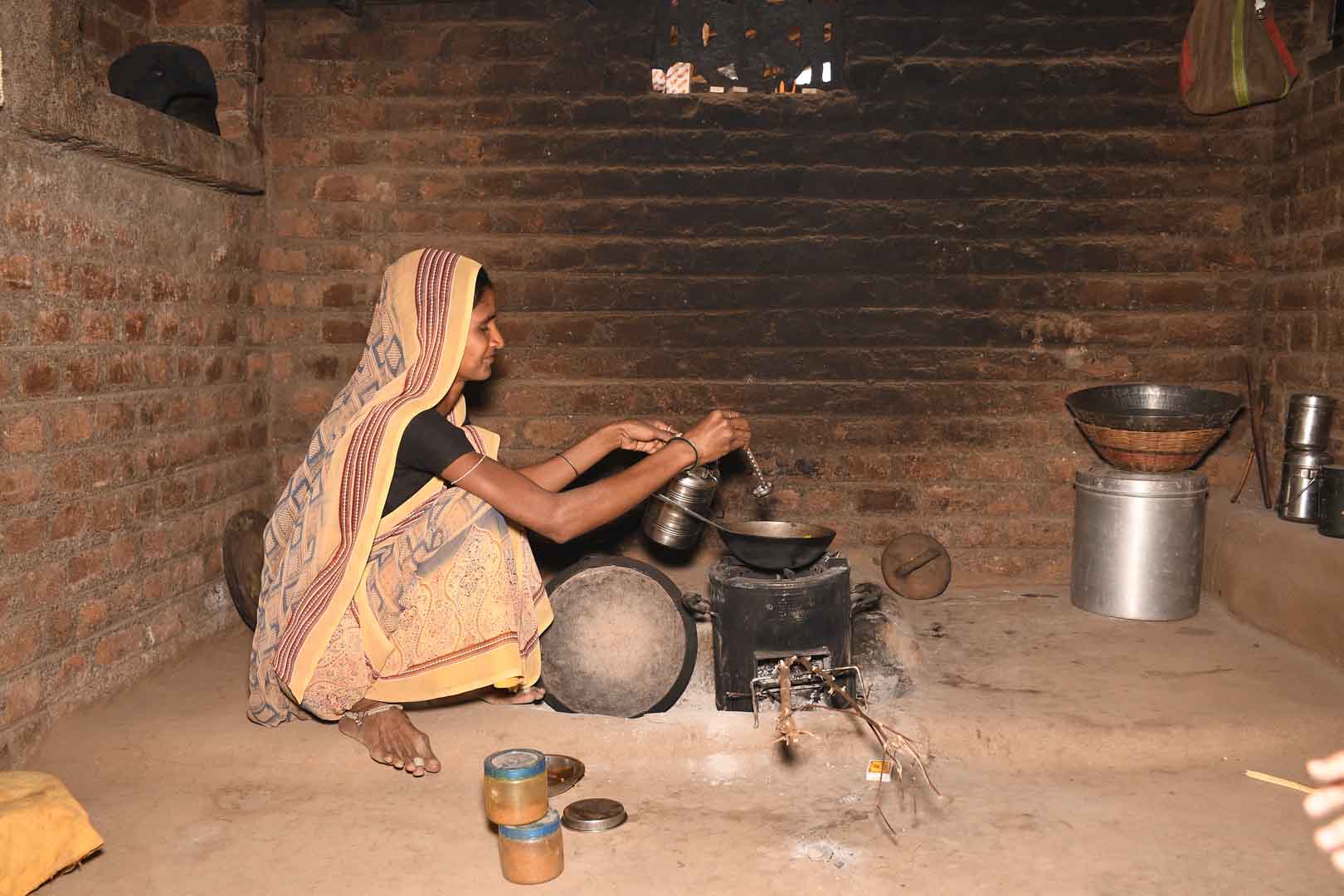
Improved cookstoves worldwide – for better health and cleaner air

A certified climate project combined with additional commitment
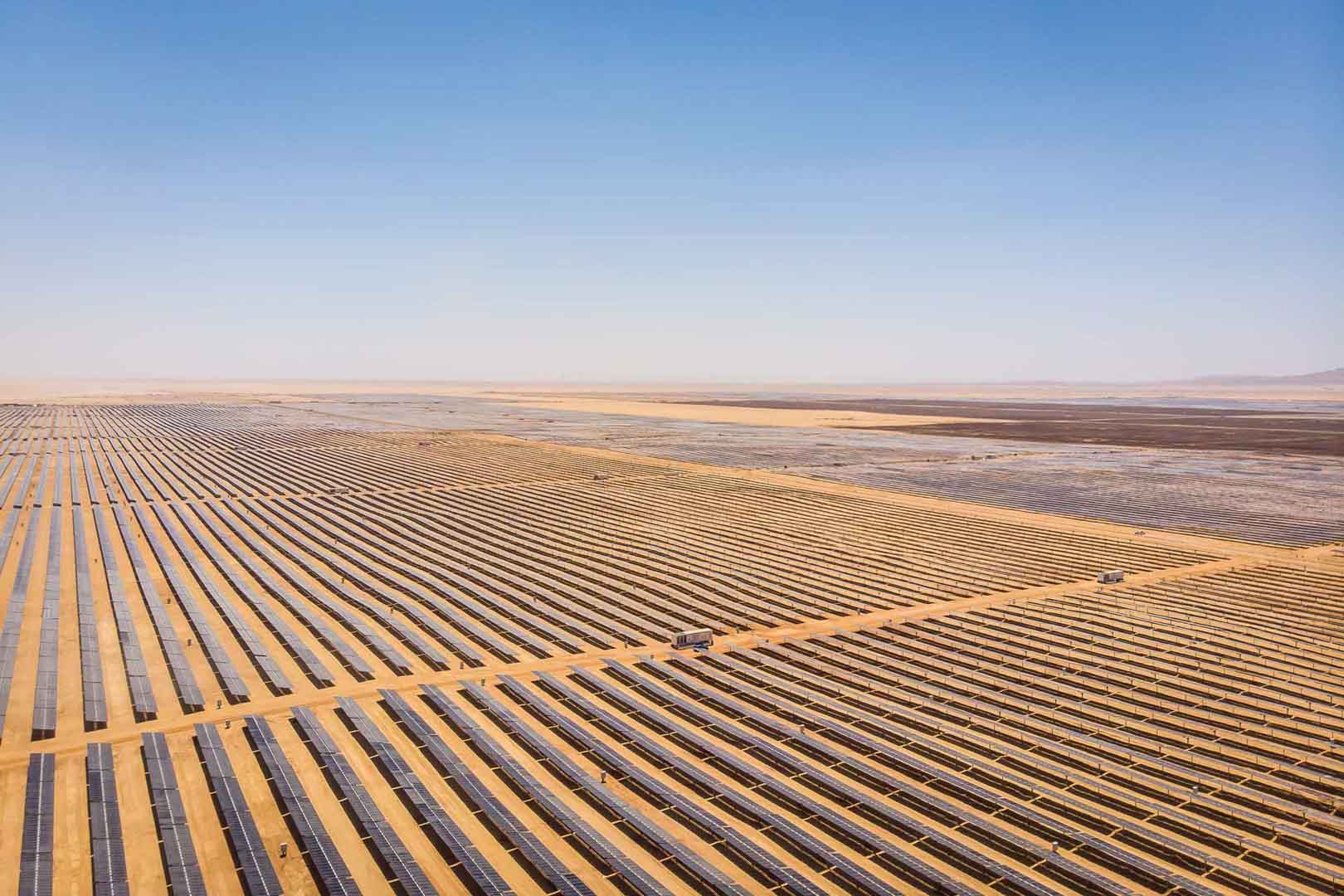
Powering access to renewable energy in Africa
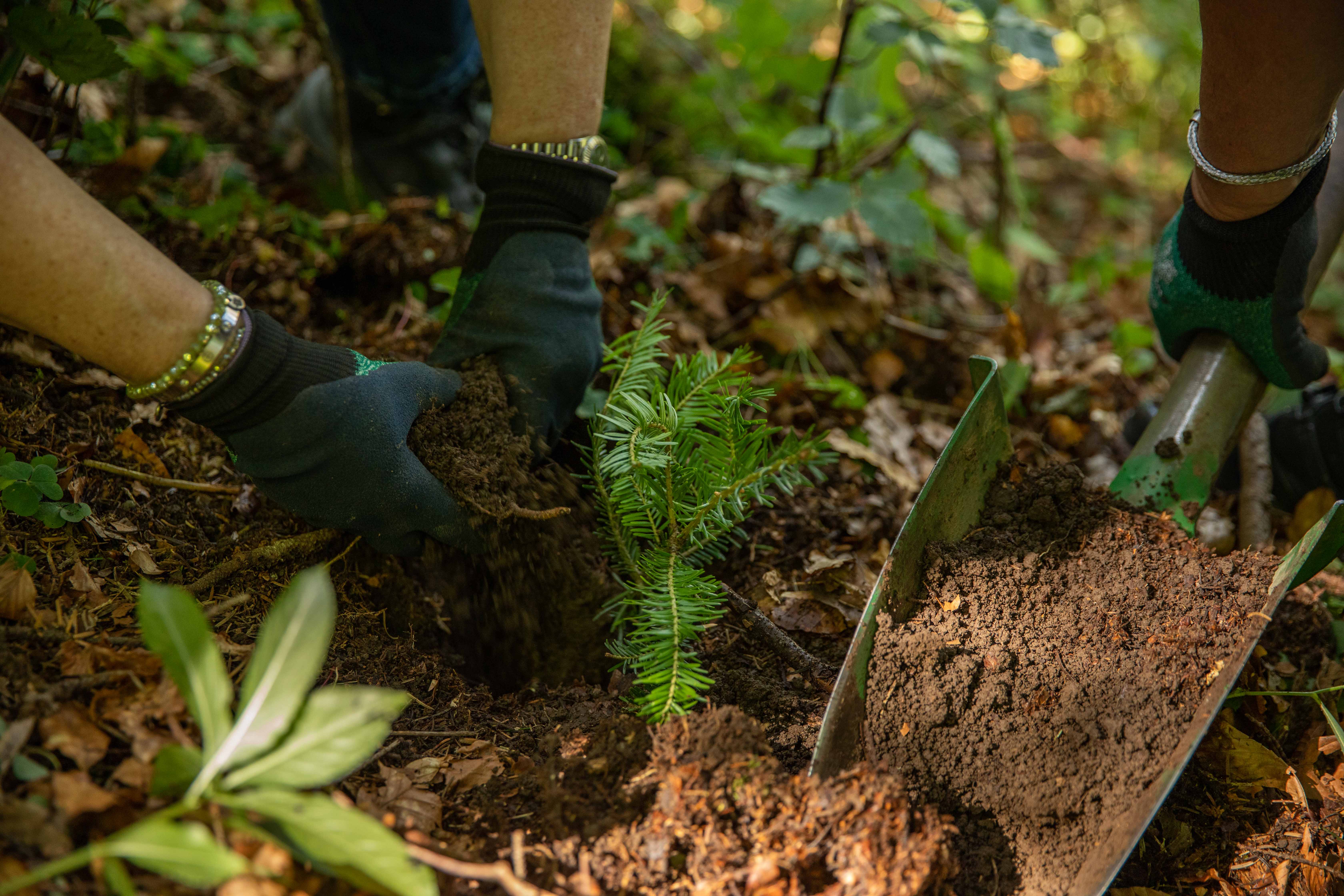
A certified climate project combined with additional commitment
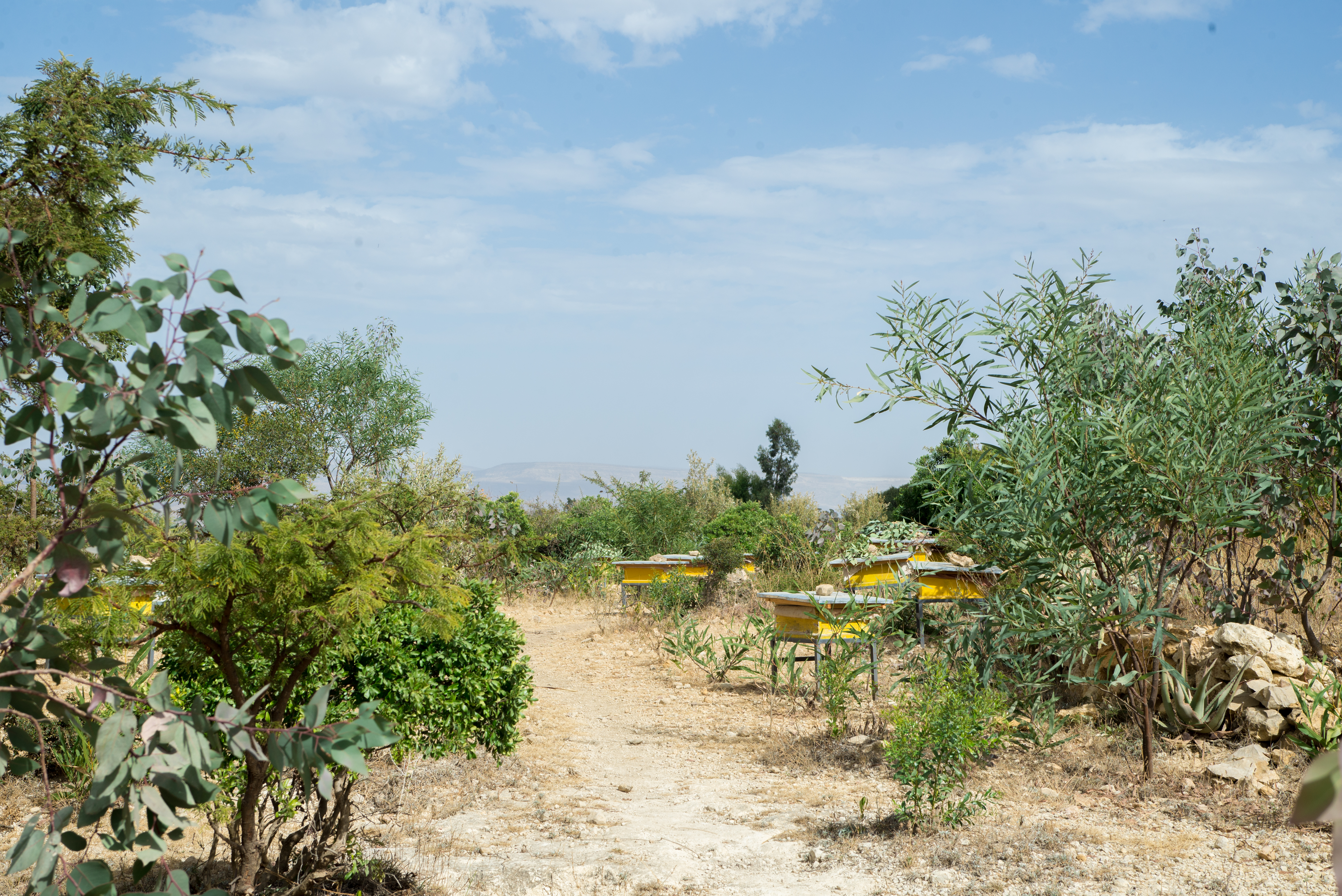
Restored ecosystems remove carbon
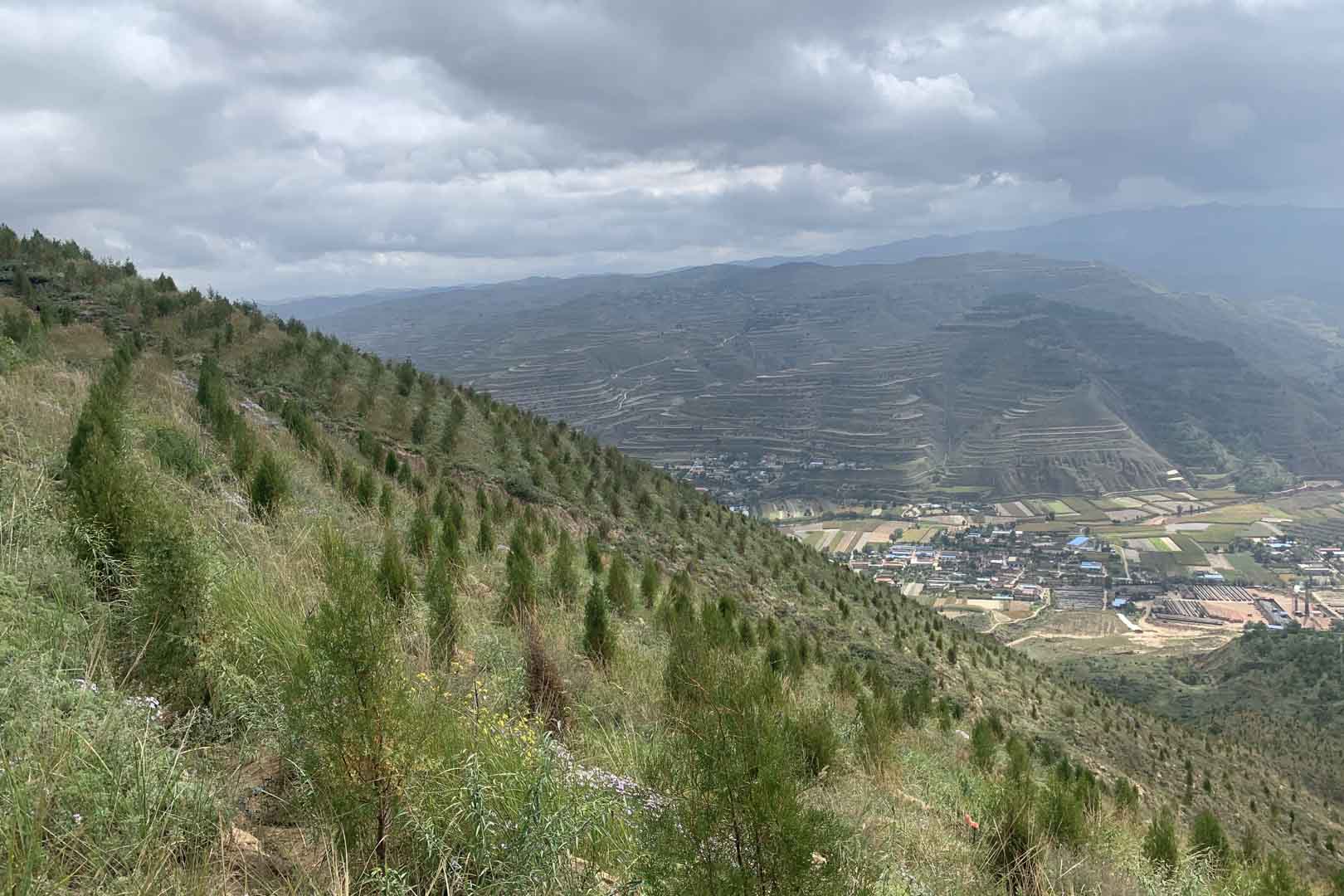
Turning degraded farmlands into healthy ecosystems
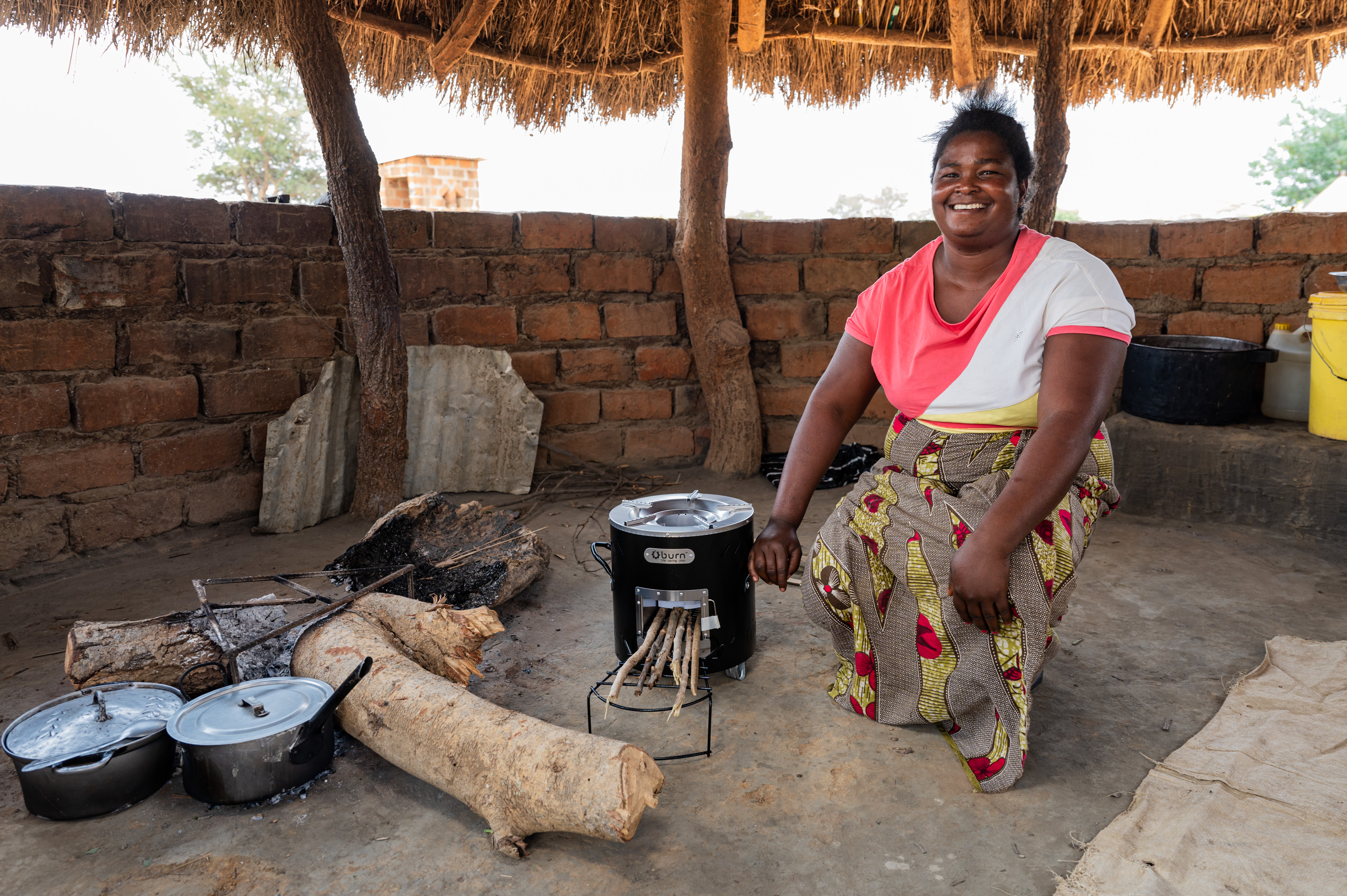
Improved cookstoves - better for health and the environment