
Wind and solar power replace fossil electricity in eastern Turkey
Turkey needs more and more electricity. Between 2005 and 2024, demand grew by almost 5 percent per year on average. According to the International Energy Agency (IEA), this is the fastest growth among all IEA member countries. A large share of this electricity still comes from fossil sources. In 2024, coal generated more than a third of the country's electricity, and many fuels are imported. The carbon intensity of Turkey’s power generation is among the highest of all IEA members.
This is where the wind power project comes in. It is located in eastern Turkey , in the provinces of Van and Bitlis. 14 wind turbines convert wind energy into electricity. Via two substations, the electricity flows directly into the national grid.
A solar power plant with around 90,900 photovoltaic modules now complements the wind farm. It uses the same grid connection and feeds in additional electricity. Together, the site generates an estimated 200,000 MWh of electricity per year.
The climate impact happens in the power grid: every megawatt hour from wind and sun replaces electricity that fossil power plants would otherwise generate. This way, the project saves an estimated 129,640 tonnes of CO2 per year. From August 2021 to August 2023, the wind farm fed around 203,990 MWh into the grid, avoiding 132,211 tonnes of CO2.
The project also makes a difference on site. By August 2023, 9 people were directly employed by the project with social security coverage. In 23 occupational safety trainings, employees received regular instruction for their work at the plant.
Residents of the surrounding villages can raise concerns and complaints, and the operator follows up on them. Noise and possible impacts on birds and bats are monitored regularly. Until August 2023, there were no complaints about noise, and no dead birds or bats were found.

 The project contributes to the the United Nations Sustainable Development Goals
As the name suggests, wind turbines use the power of the wind to generate energy. During this process, a generator located inside the wind turbine converts kinetic energy into electrical energy. As energy is still mainly generated from fossil fuels in many areas around the world, clean wind energy can replace some of this fossil, high-emission energy and verifiably save CO2 emissions.
In most cases, the sustainably generated electricity from the wind power projects is fed into a regional power grid, which diversifies the power supply and improves energy security in regions that are frequently affected by power shortages and outages. A project often creates increased job opportunities for the local population and the area can be used for additional activities, such as agriculture. Wind power projects make an important contribution to a clean energy supply worldwide and contribute to sustainable development with respect to the UN Sustainable Development Goals (SDGs). Wind energy projects in the ClimatePartner portfolio are registered with international standards.
The project aims to contribute to these United Nations Sustainable Development Goals (SDGs).


Four criteria for projects to meet quality thresholds
The life cycle of a climate project
A climate project has a set life cycle consisting of various phases, from the feasibility assessment to the retirement of Verified Emission Reductions (VERs).
The project developer reviews the general feasibility of the project, the project design, and the financing. Then, the Project Design Document (PDD) is prepared, which contains all the basic information about the project, such as the objective, location, timeline, and duration.

In this phase, independent auditors examine the PDD and the information it contains. This phase often also involves field visits with on-side interviews and analyses. Auditors are accredited, impartial assessors who have to be approved by the relevant standard as a validation and verification body (VVB). TÜV Nord/Süd, S&A Carbon LLC., and SCS Global Services are examples of VVBs."

Once validated, the project can be registered with a standard such as the Verified Carbon Standard or the Gold Standard. All high-quality climate projects are based on international standards. They provide the framework for project design, construction, carbon accounting, and monitoring. Recognised standards make the climate project system and the projects themselves resilient, traceable, and credible.

After the climate project has been registered, the monitoring begins. Here, the project developers monitor and document the data of the project activities and progress. The duration of the monitoring phase varies from project to project: it can cover two years, but documentation over five or seven years is also possible.

At the end of each monitoring phase, a VVB checks and assesses whether the values and project activities stated in the monitoring report are correct. As with validation, visits to the project site are often part of the verification process.

Once verified, the emission reductions that were confirmed in the verification phase can be issued as VERs. The steps of monitoring, verification, and issuance of VERs are repeated regularly and are therefore considered as a cycle.

Once a VER has been used, it must be retired. This process is also reflected in the registry. If the financing of a climate project is done through ClimatePartner, the VERs are bundled in a system certified by TÜV Austria and then retired on a regular basis. This ensures that each VER can no longer be sold and is only used once, preventing double counting.
Explore our projects
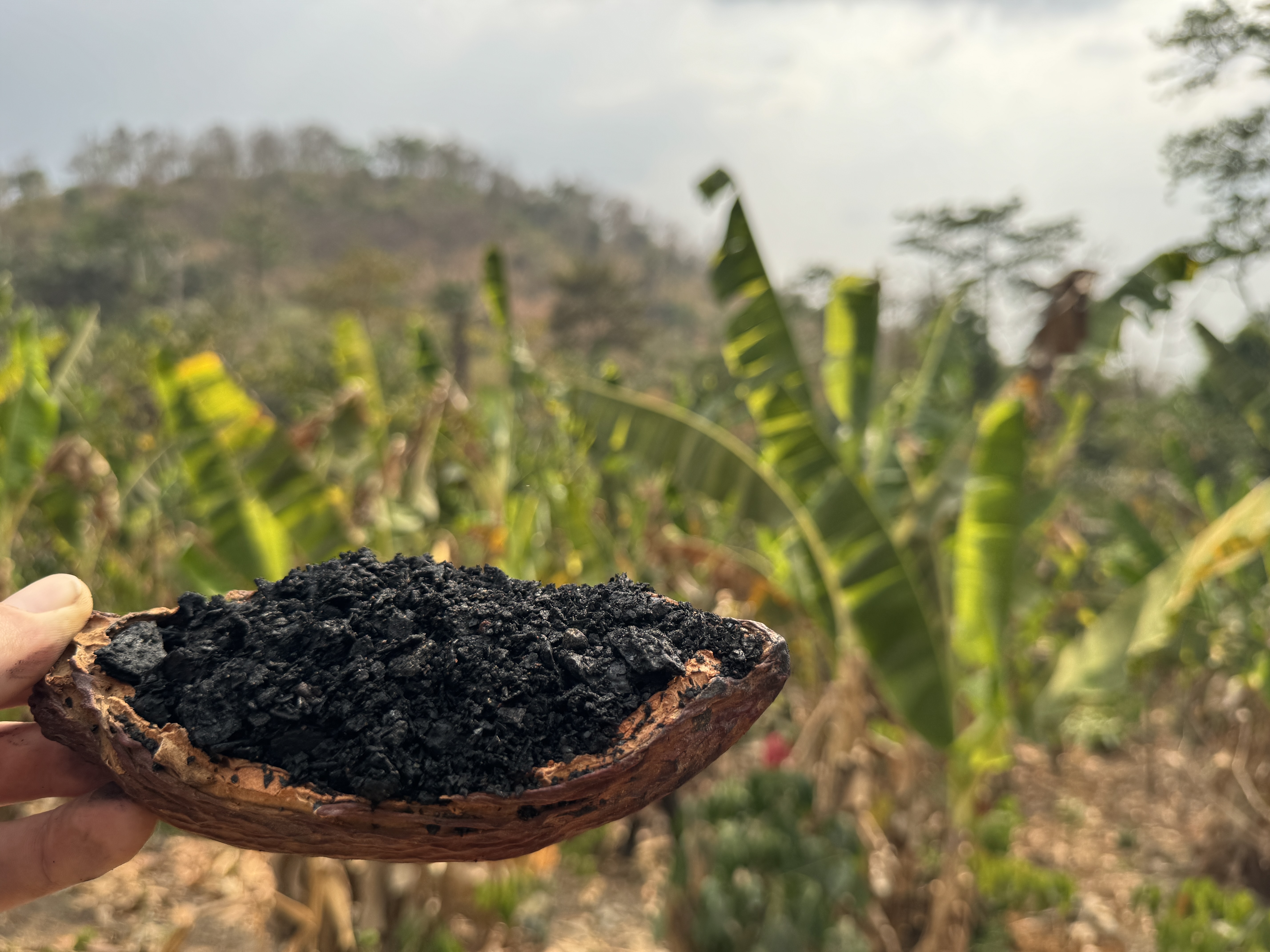
Biochar for Climate Action, Healthy Soils, and Better Harvests
A certified climate project combined with additional commitment
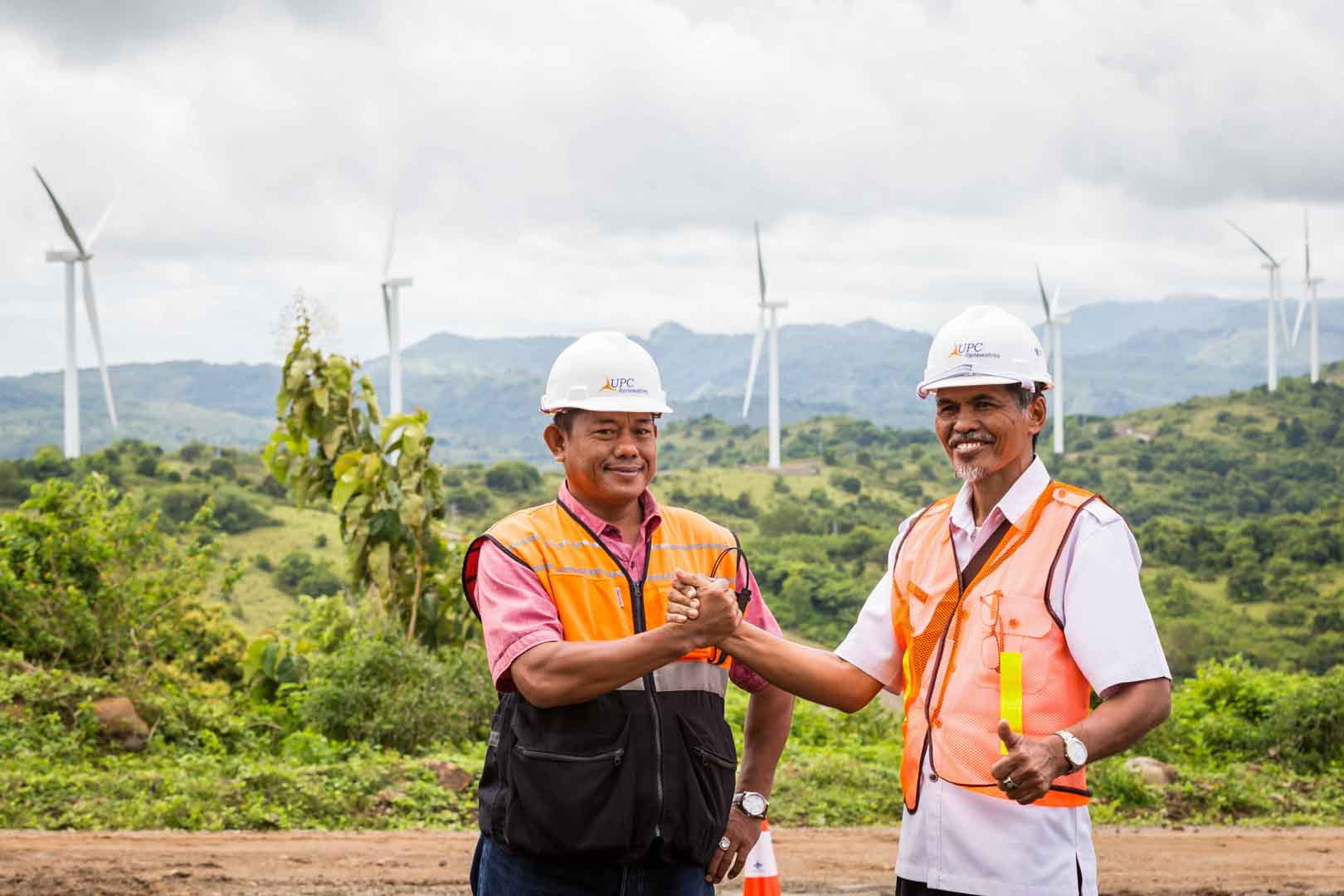
Expansion of renewable energy generation in Asia
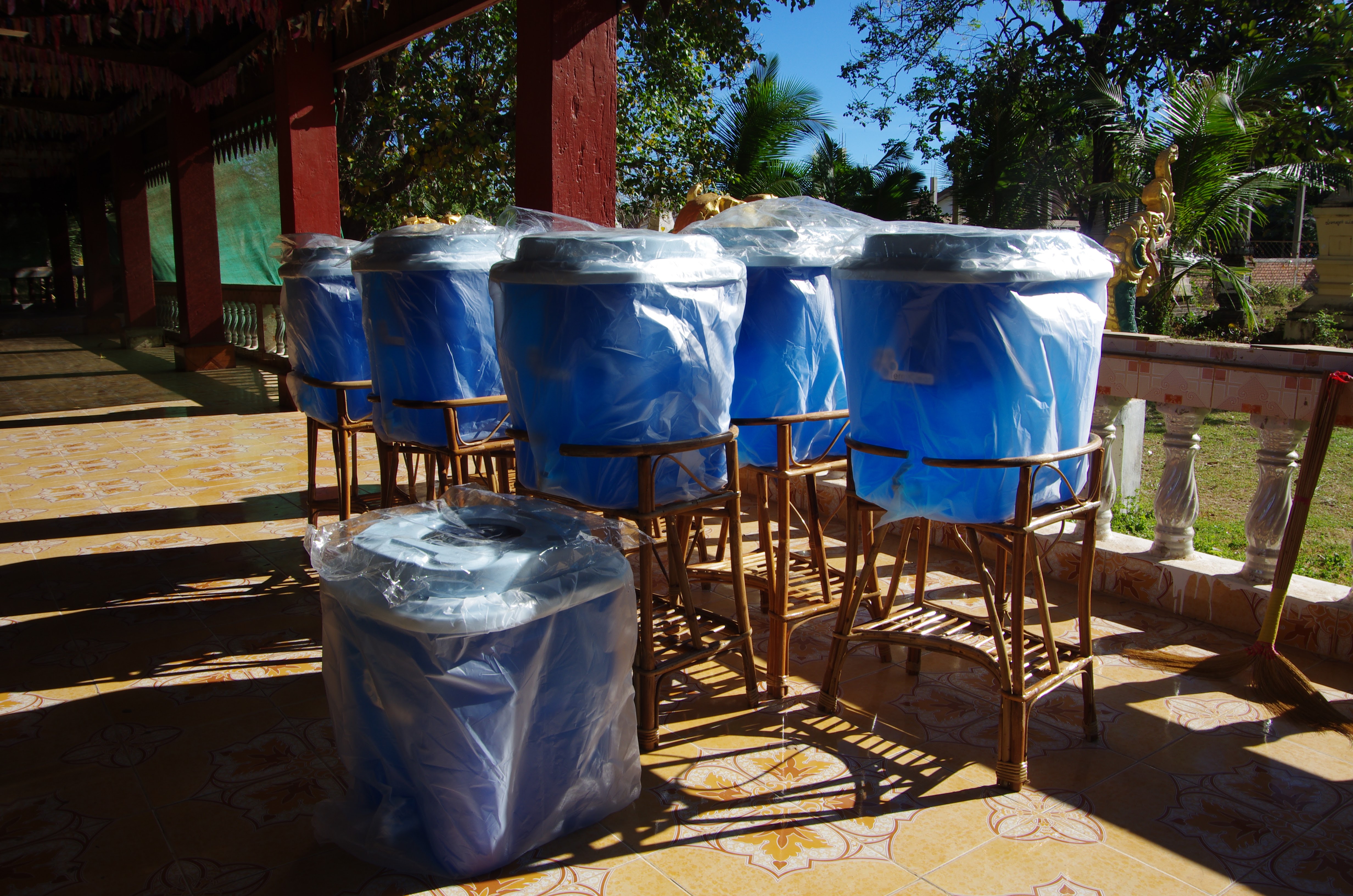
Ceramic water filters save CO2 and improve health
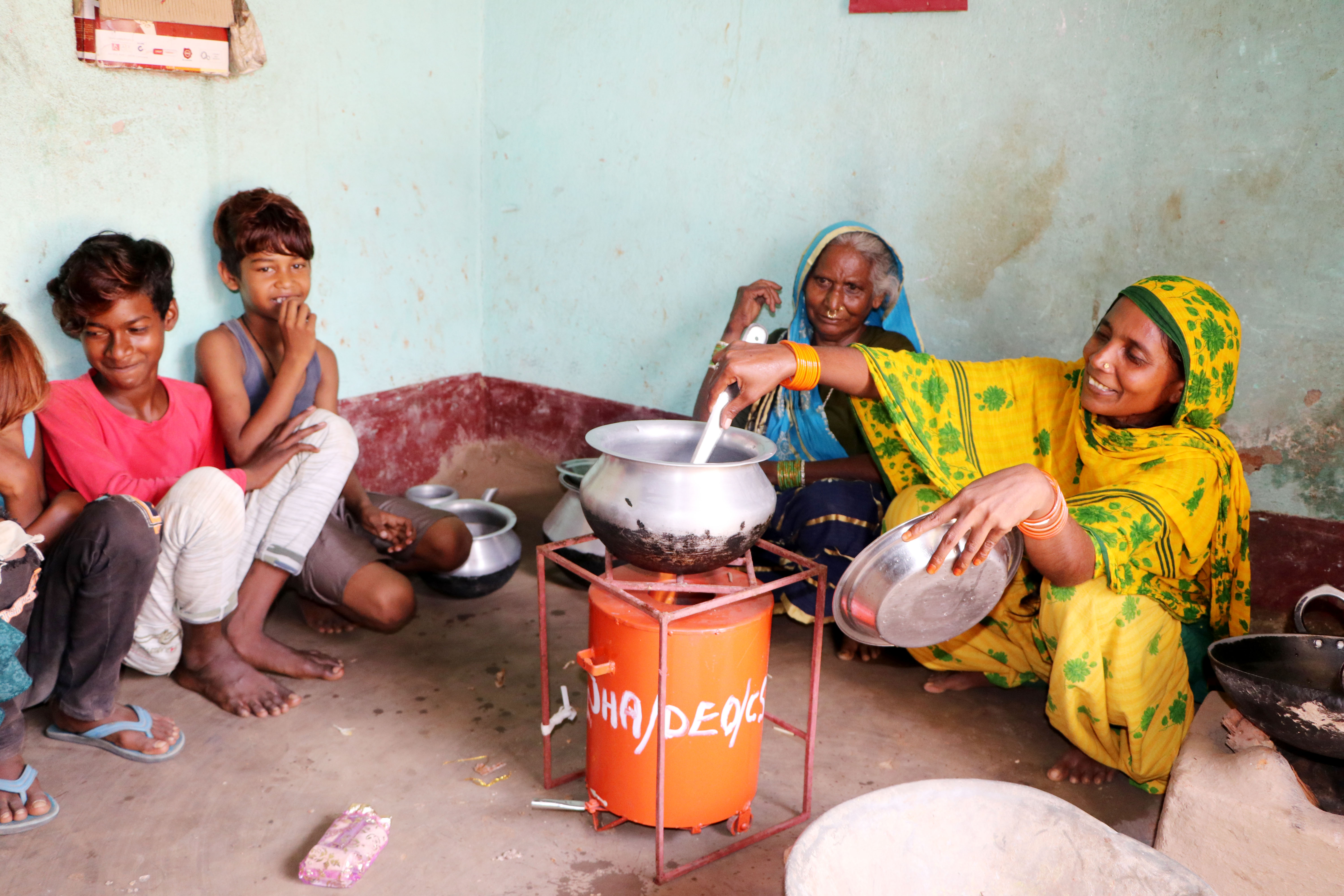
Improved cookstoves worldwide – for better health and cleaner air

A certified climate project combined with additional commitment
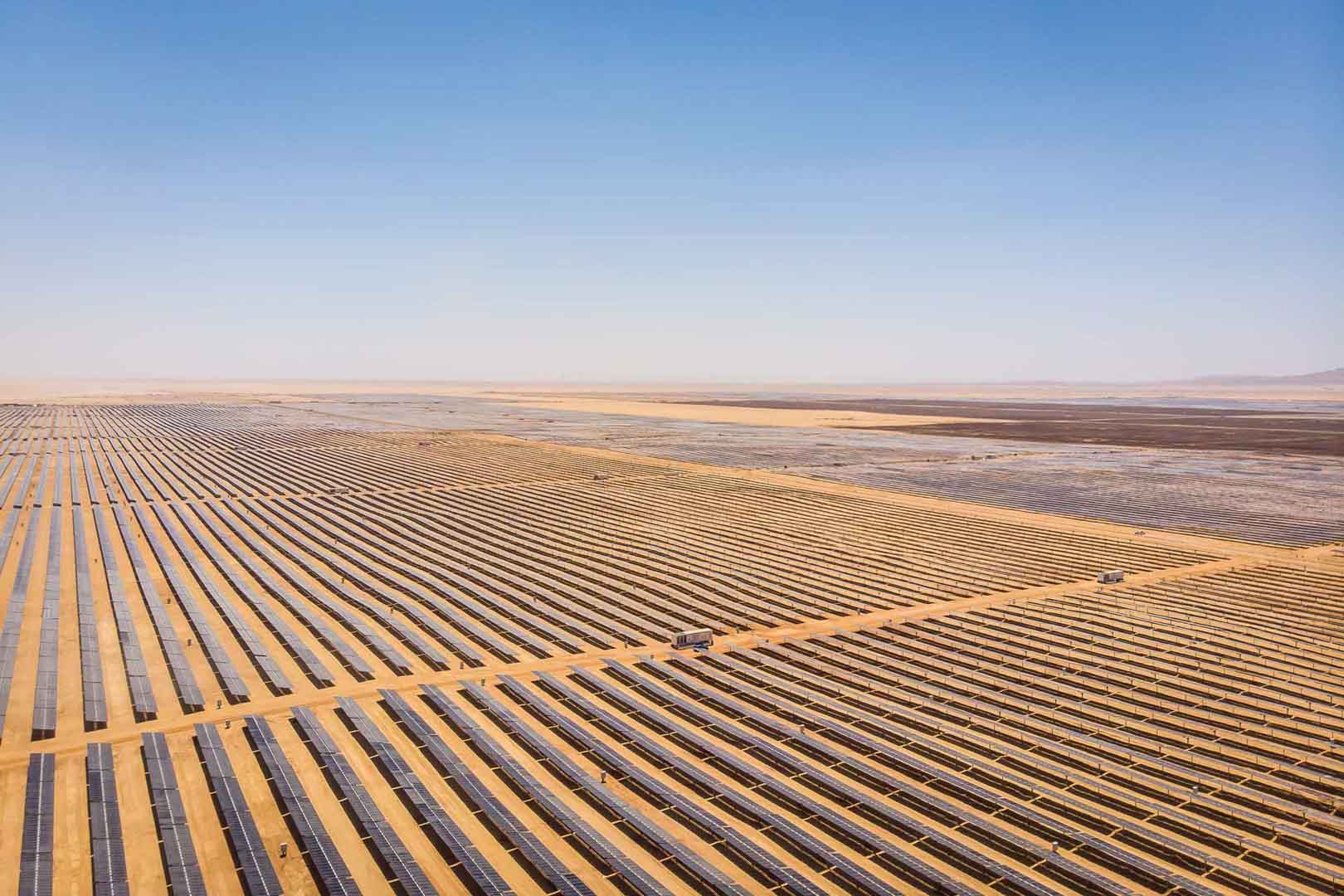
Powering access to renewable energy in Africa
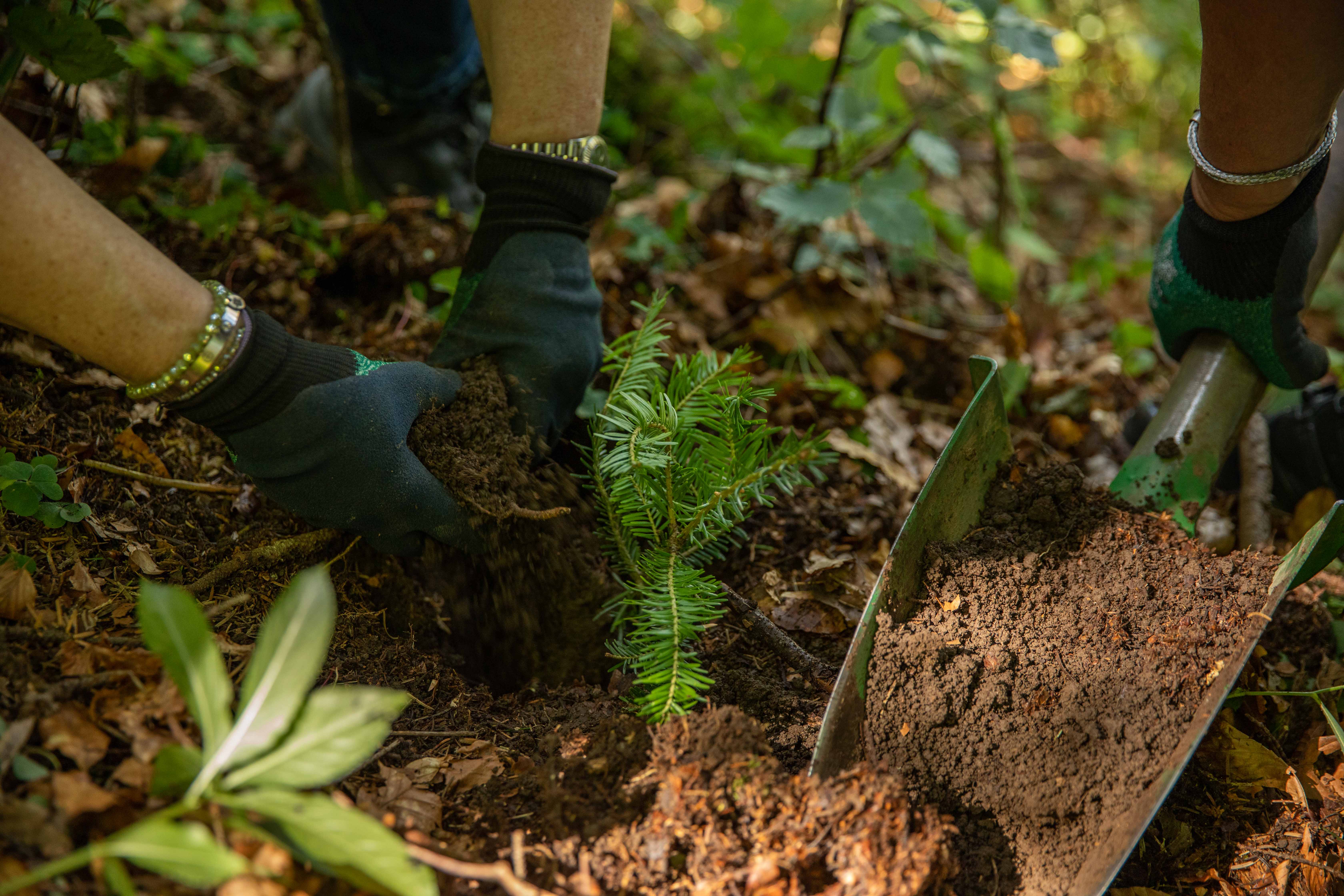
A certified climate project combined with additional commitment
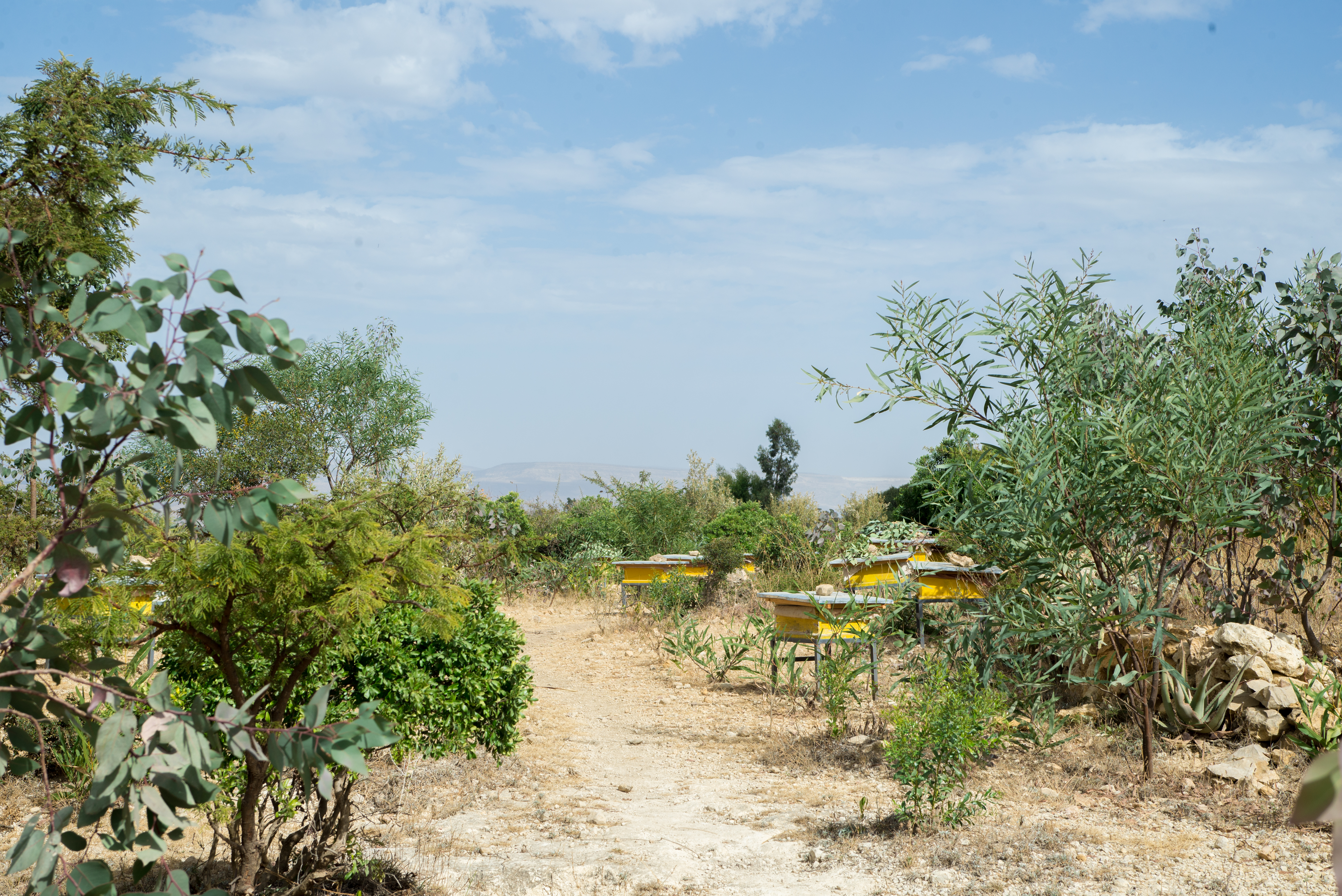
Restored ecosystems remove carbon
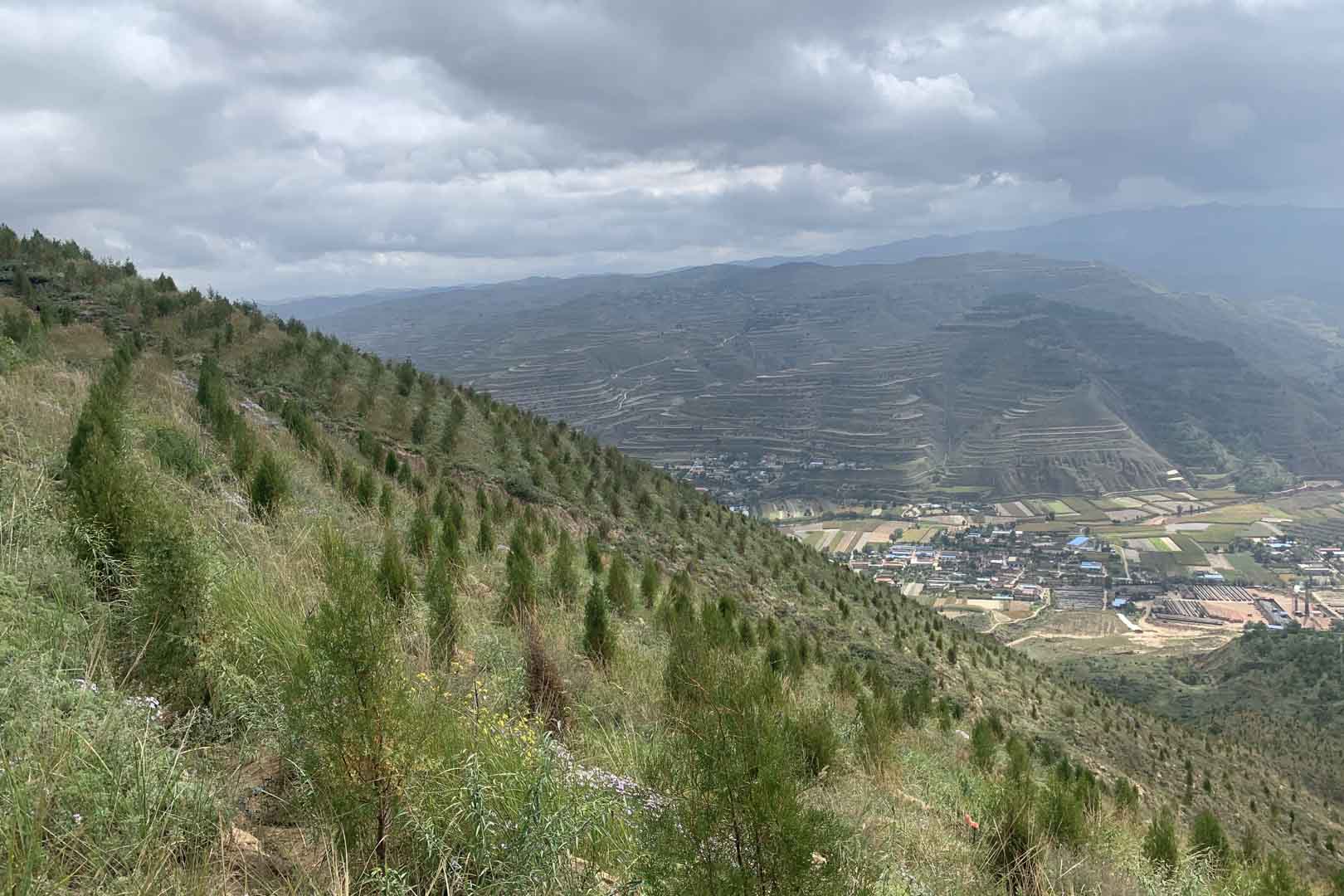
Turning degraded farmlands into healthy ecosystems
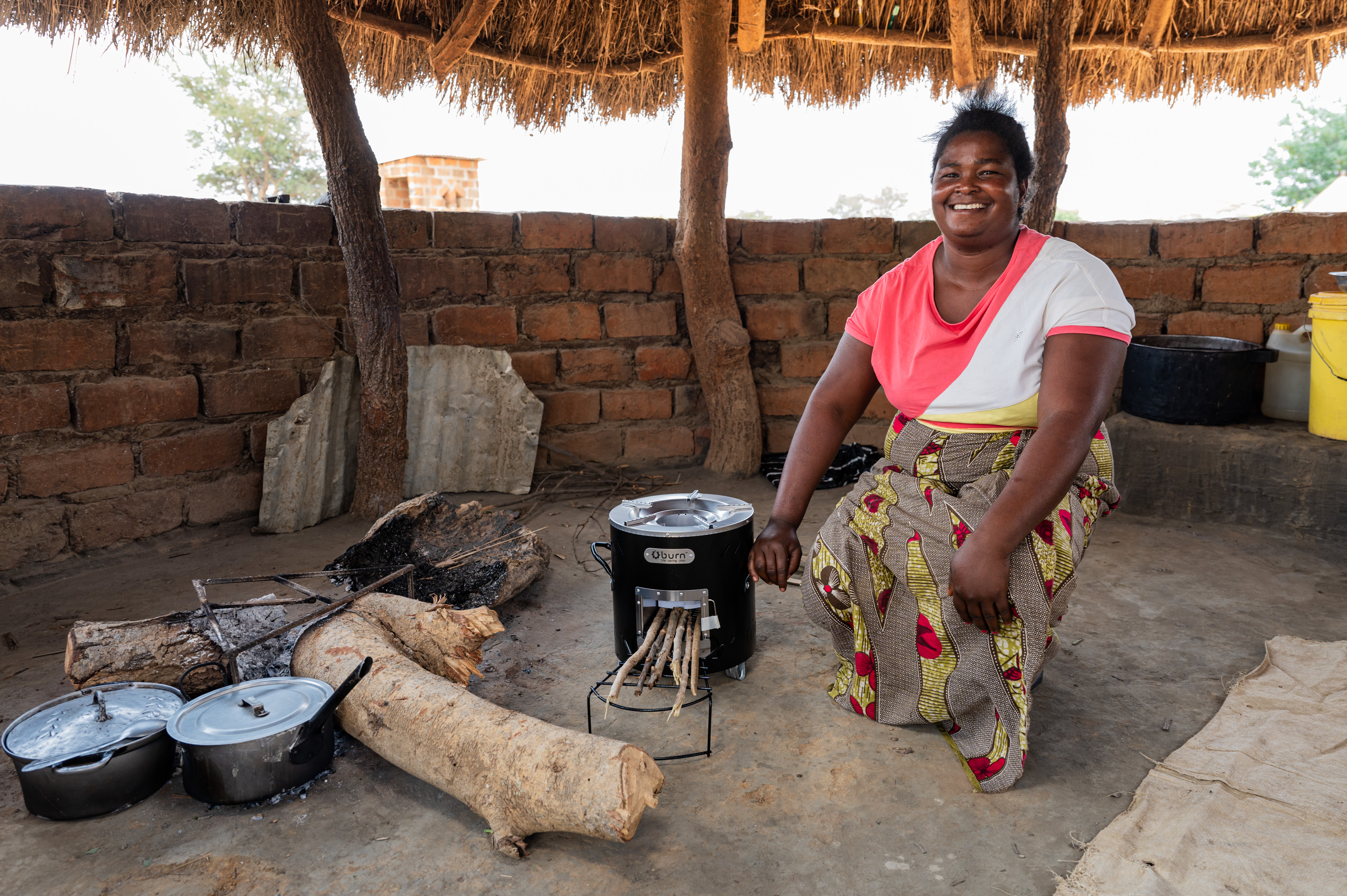
Improved cookstoves - better for health and the environment