
Klimaschutzprojektportfolio für Esso
Esso Deutschland unterstützt vier Klimaschutzprojekte in Asien und Lateinamerika.
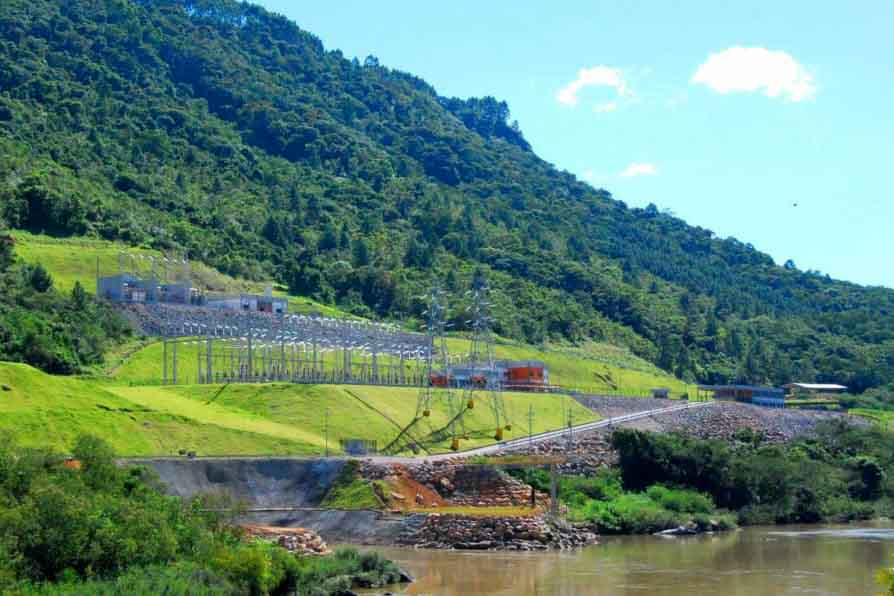
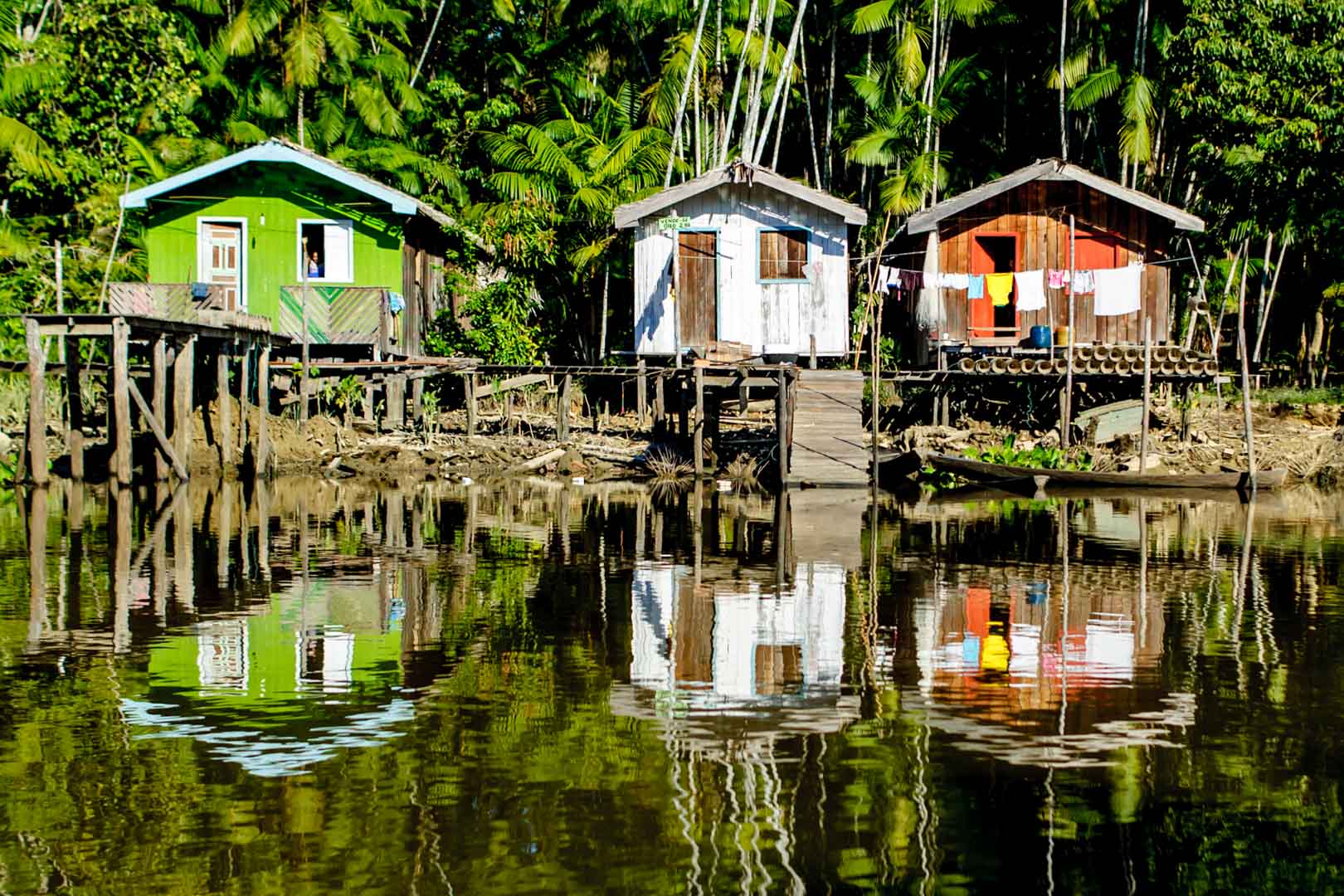
Das Projekt von Portel im brasilianischen Bundesstaat Pará schützt knapp 178.000 Hektar Amazonas-Regenwald vor der Abholzung. Es trägt zum Erhalt der Artenvielfalt bei und sichert Landrechte für in Armut lebende Familien: https://climatepartner.com/1086. Im Bundesstaat Santa Catarina spart ein Laufwasserkraftwerk Treibhausgasemissionen ein, indem es den Anteil erneuerbarer Energien im brasilianischen Strommix erhöht: https://climatepartner.com/1014
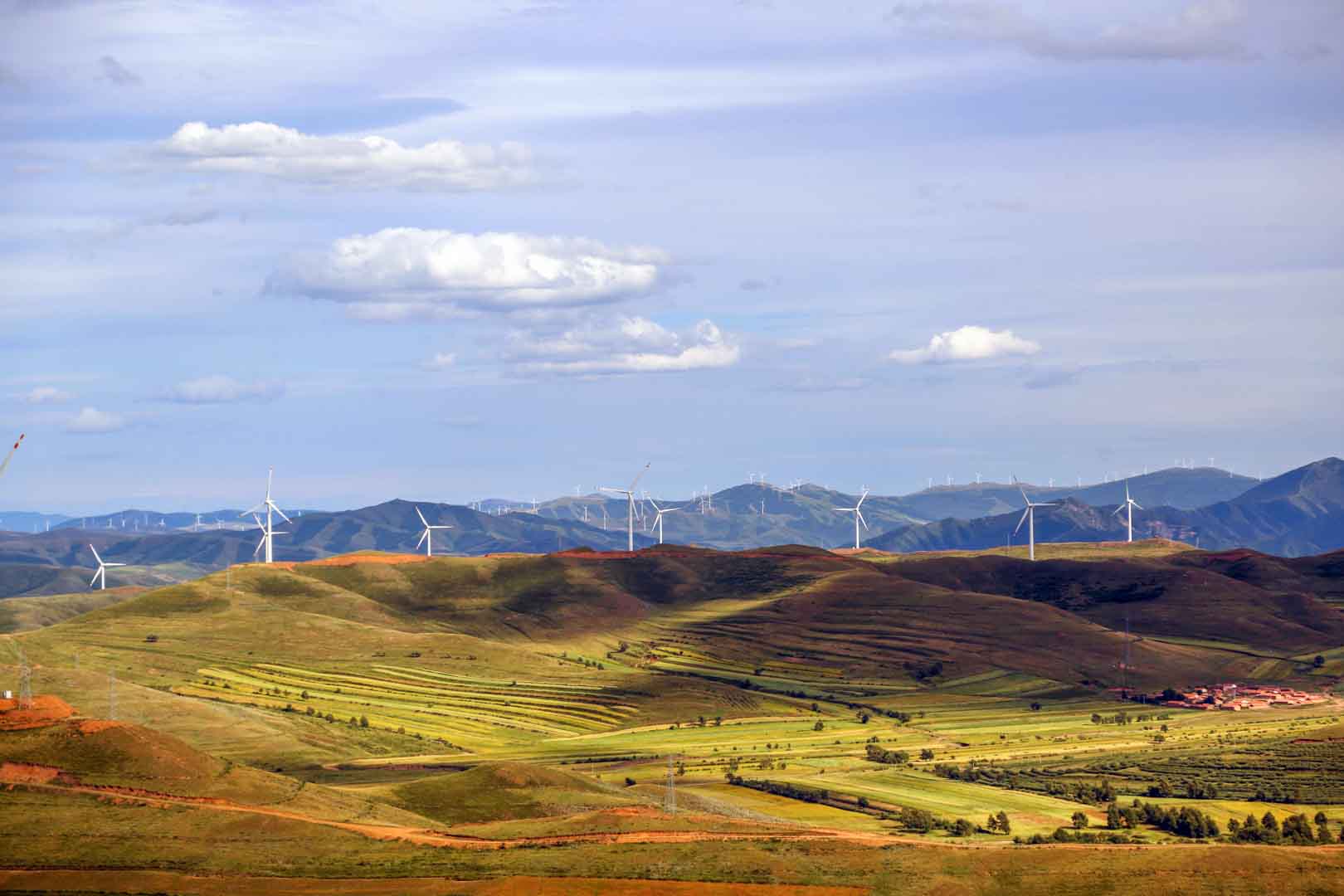
In der chinesischen Provinz Hebei erzeugt der Windpark von Guyuan seit 2010 mit 133 Turbinen sauberen Strom für die regionale Bevölkerung. So entsteht weniger CO2 aus der Stromerzeugung mit Kohle, Gas und Öl: https://climatepartner.com/1085. Zwei Windparks im indischen Staat Rajasthan versorgen etwa 100.000 Menschen mit Elektrizität. Zudem setzt sich der Projektbetreiber für eine bessere Wasserversorgung, für Frauenrechte und gegen Kinderarbeit ein: https://climatepartner.com/1077

 The project contributes to the the United Nations' Sustainable Development Goals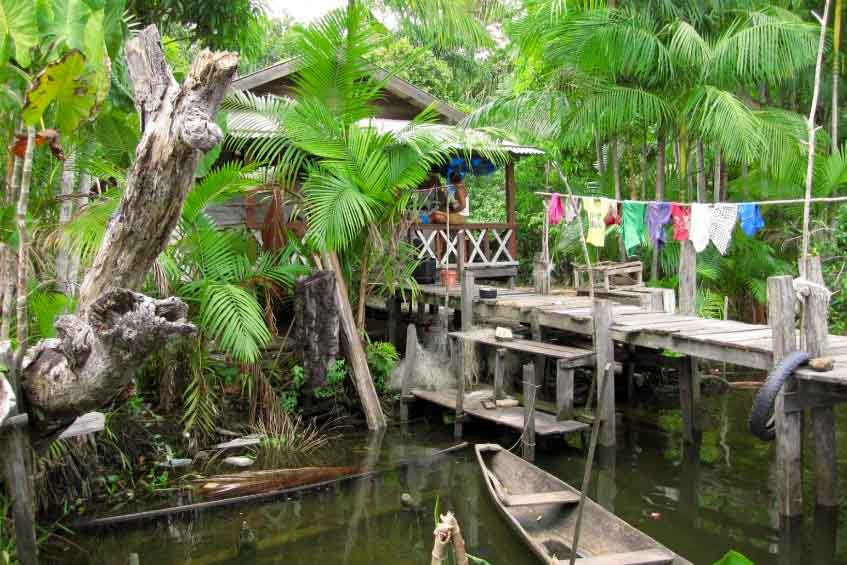
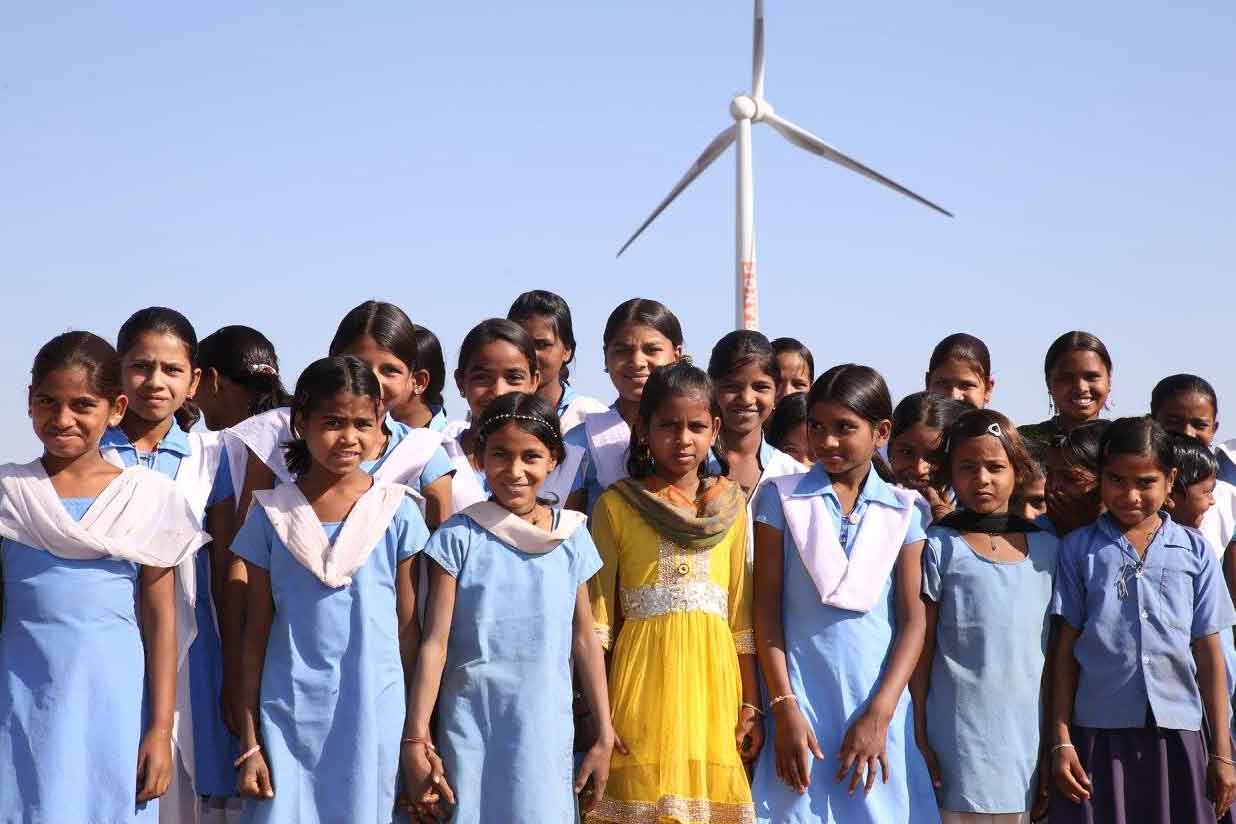
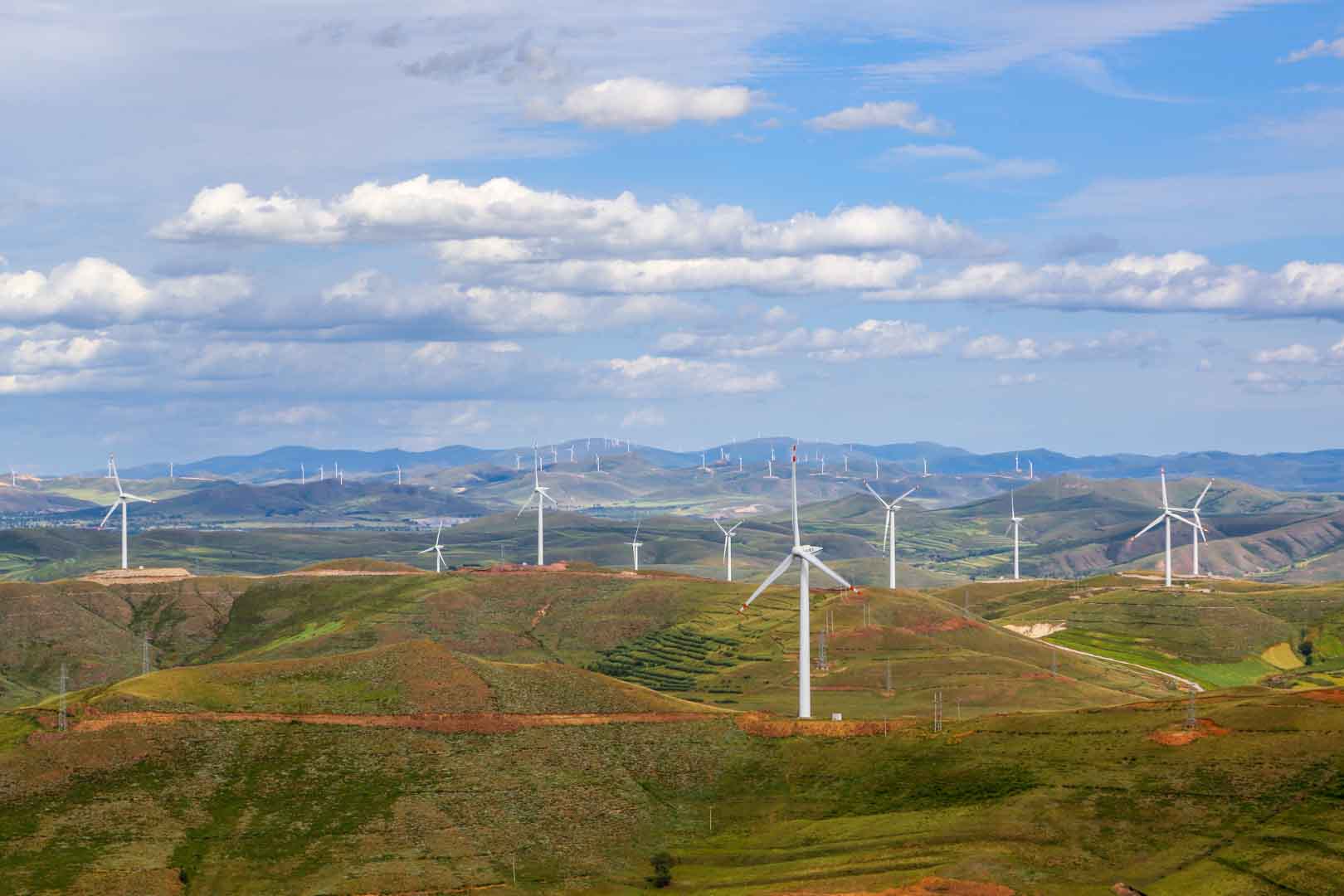
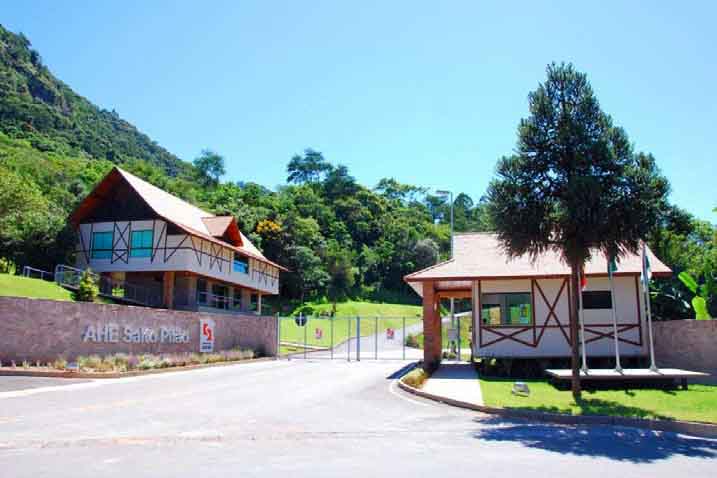
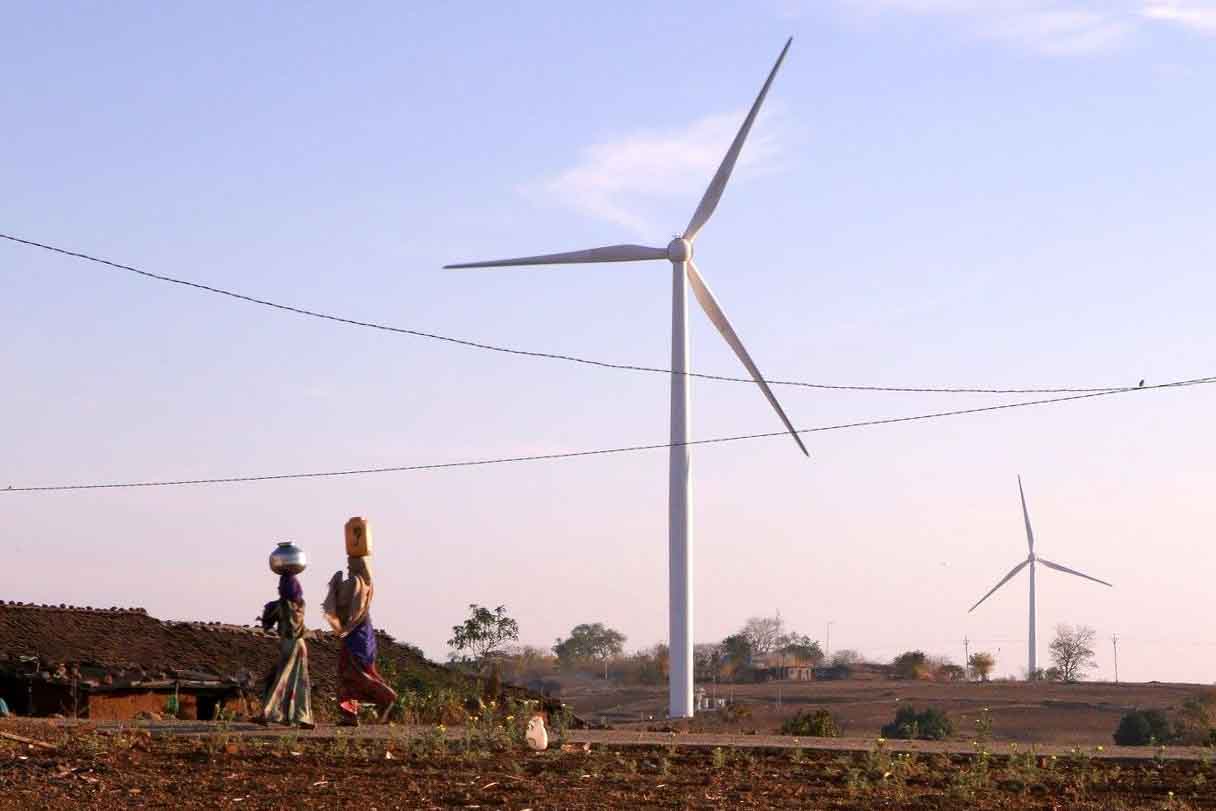
The portfolio includes projects that evidently reduce CO2 emissions using various technologies. These include, for example, the protection of rainforests, energy efficiency measures or the expansion of renewable energies. The income from the sale of proven CO2 savings is necessary to be able to implement climate projects in economically weak regions.
Besides reducing greenhouse gases, the project activities create additional benefits for the environment and local people. Detailed descriptions of the projects and methods for reducing emissions can be found via the respective project links. The portfolio projects are registered with international standards.
The project aims to contribute to these United Nations’ Sustainable Development Goals (SDGs).


Four criteria for projects to meet quality thresholds
The life cycle of a climate project
A climate project has a set life cycle consisting of various phases, from the feasibility assessment to the retirement of Verified Emission Reductions (VERs).
The project developer reviews the general feasibility of the project, the project design, and the financing. Then, the Project Design Document (PDD) is prepared, which contains all the basic information about the project, such as the objective, location, timeline, and duration.

In this phase, independent auditors examine the PDD and the information it contains. This phase often also involves field visits with on-side interviews and analyses. Auditors are accredited, impartial assessors who have to be approved by the relevant standard as a validation and verification body (VVB). TÜV Nord/Süd, S&A Carbon LLC., and SCS Global Services are examples of VVBs."

Once validated, the project can be registered with a standard such as the Verified Carbon Standard or the Gold Standard. All high-quality climate projects are based on international standards. They provide the framework for project design, construction, carbon accounting, and monitoring. Recognised standards make the climate project system and the projects themselves resilient, traceable, and credible.

After the climate project has been registered, the monitoring begins. Here, the project developers monitor and document the data of the project activities and progress. The duration of the monitoring phase varies from project to project: it can cover two years, but documentation over five or seven years is also possible.

At the end of each monitoring phase, a VVB checks and assesses whether the values and project activities stated in the monitoring report are correct. As with validation, visits to the project site are often part of the verification process.

Once verified, the emission reductions that were confirmed in the verification phase can be issued as VERs. The steps of monitoring, verification, and issuance of VERs are repeated regularly and are therefore considered as a cycle.

Once a VER has been used, it must be retired. This process is also reflected in the registry. If the financing of a climate project is done through ClimatePartner, the VERs are bundled in a system certified by TÜV Austria and then retired on a regular basis. This ensures that each VER can no longer be sold and is only used once, preventing double counting.
Explore our projects
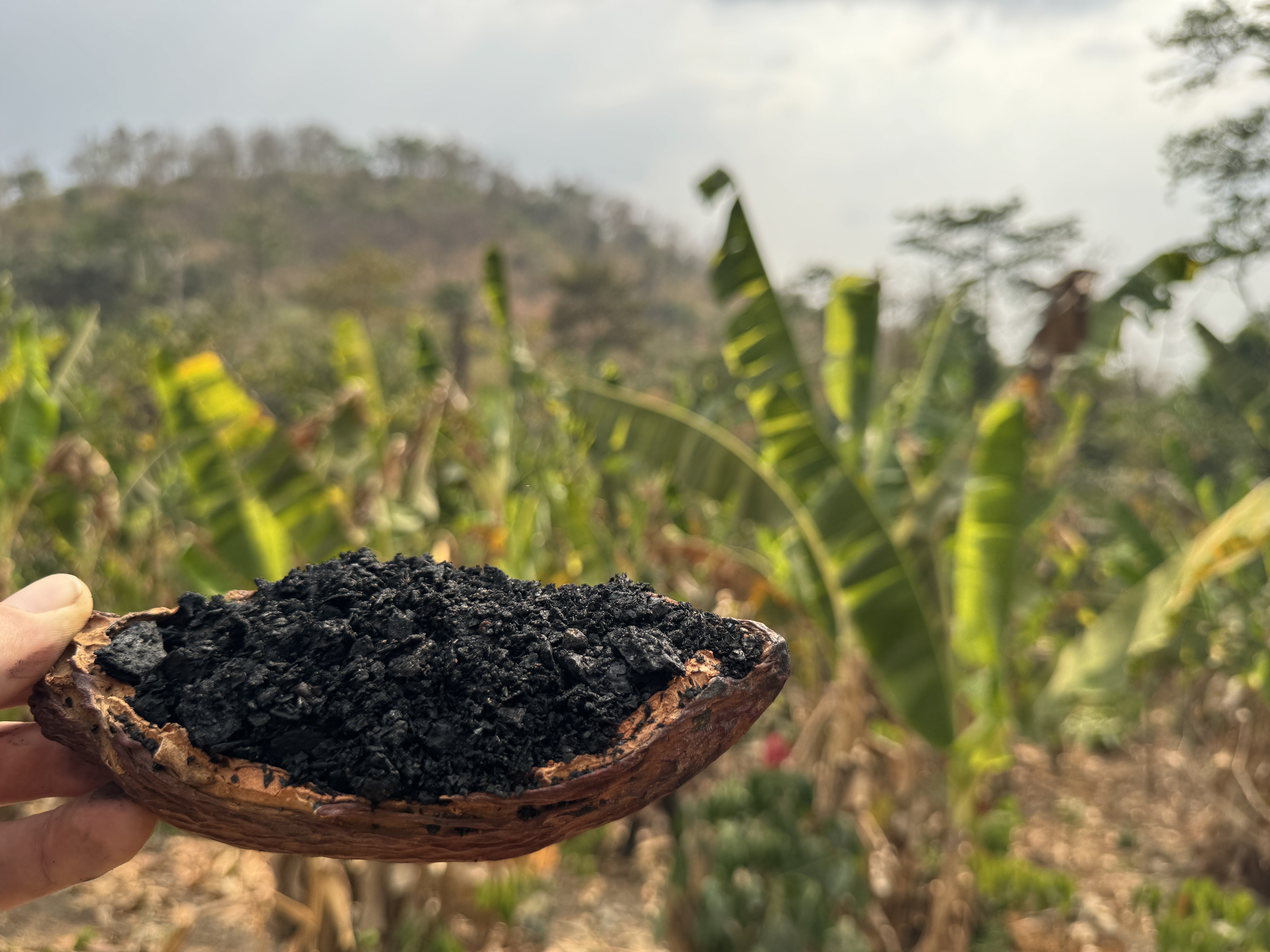
Biochar for Climate Action, Healthy Soils, and Better Harvests
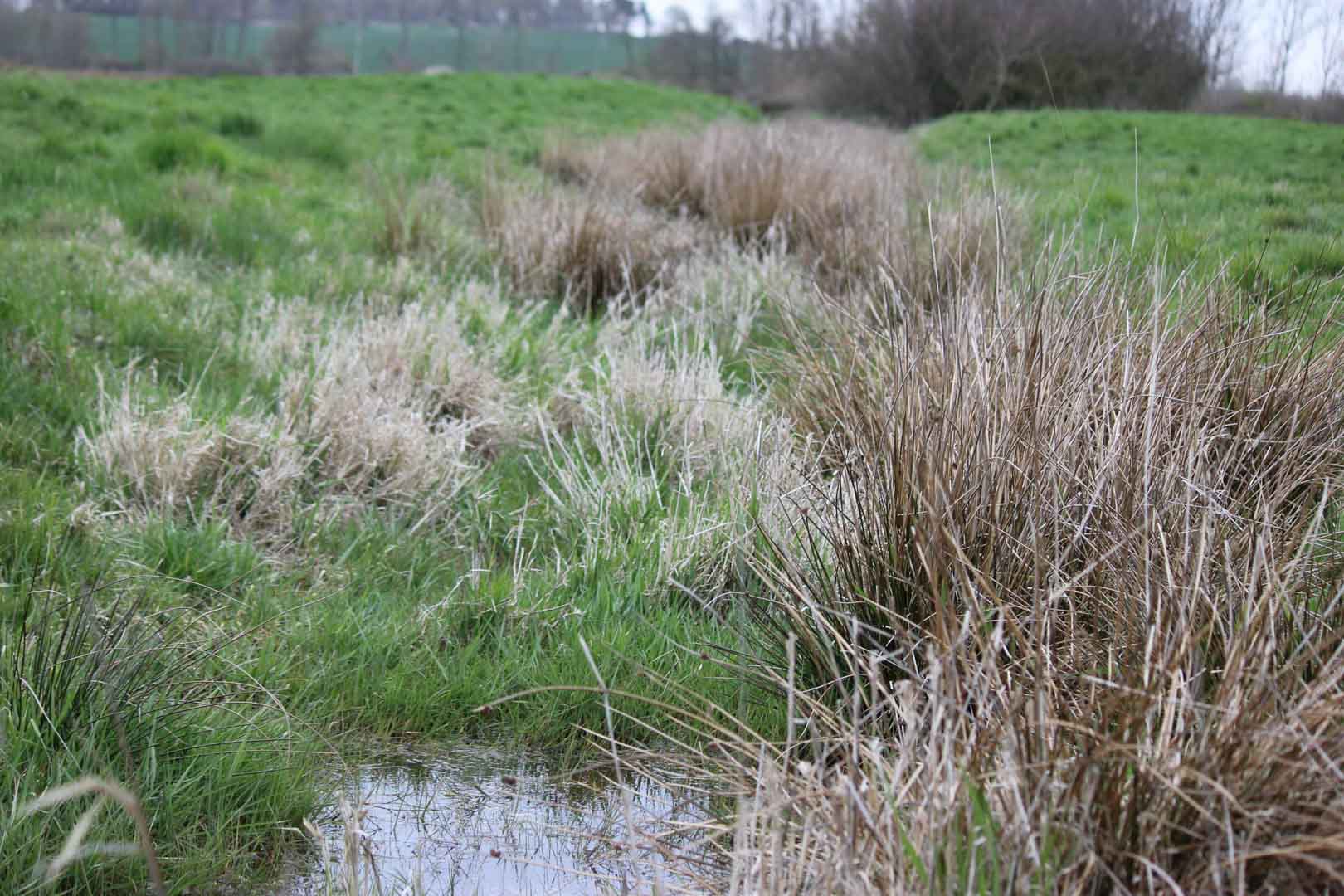
A certified climate project combined with additional commitment
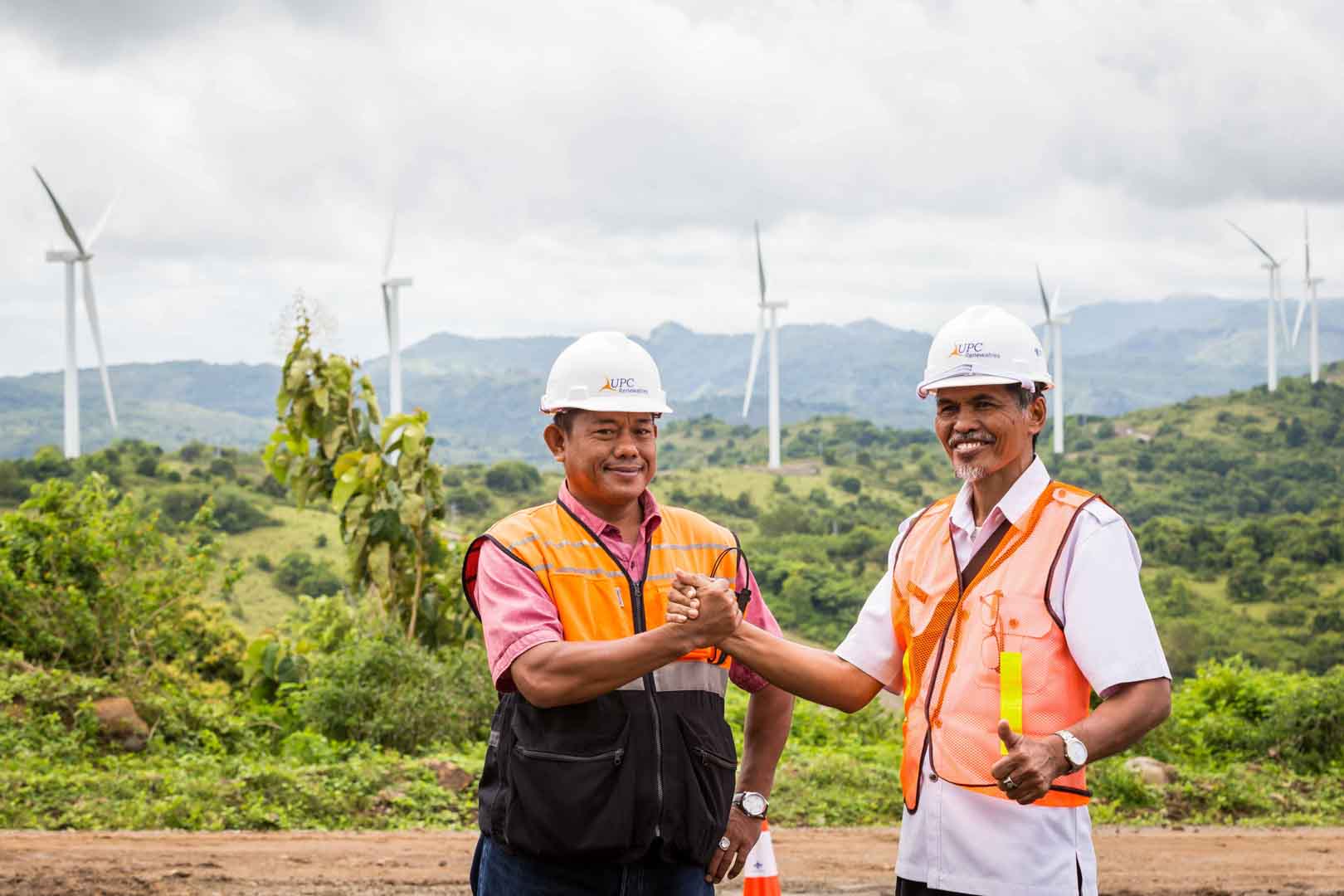
Expansion of renewable energy generation in Asia
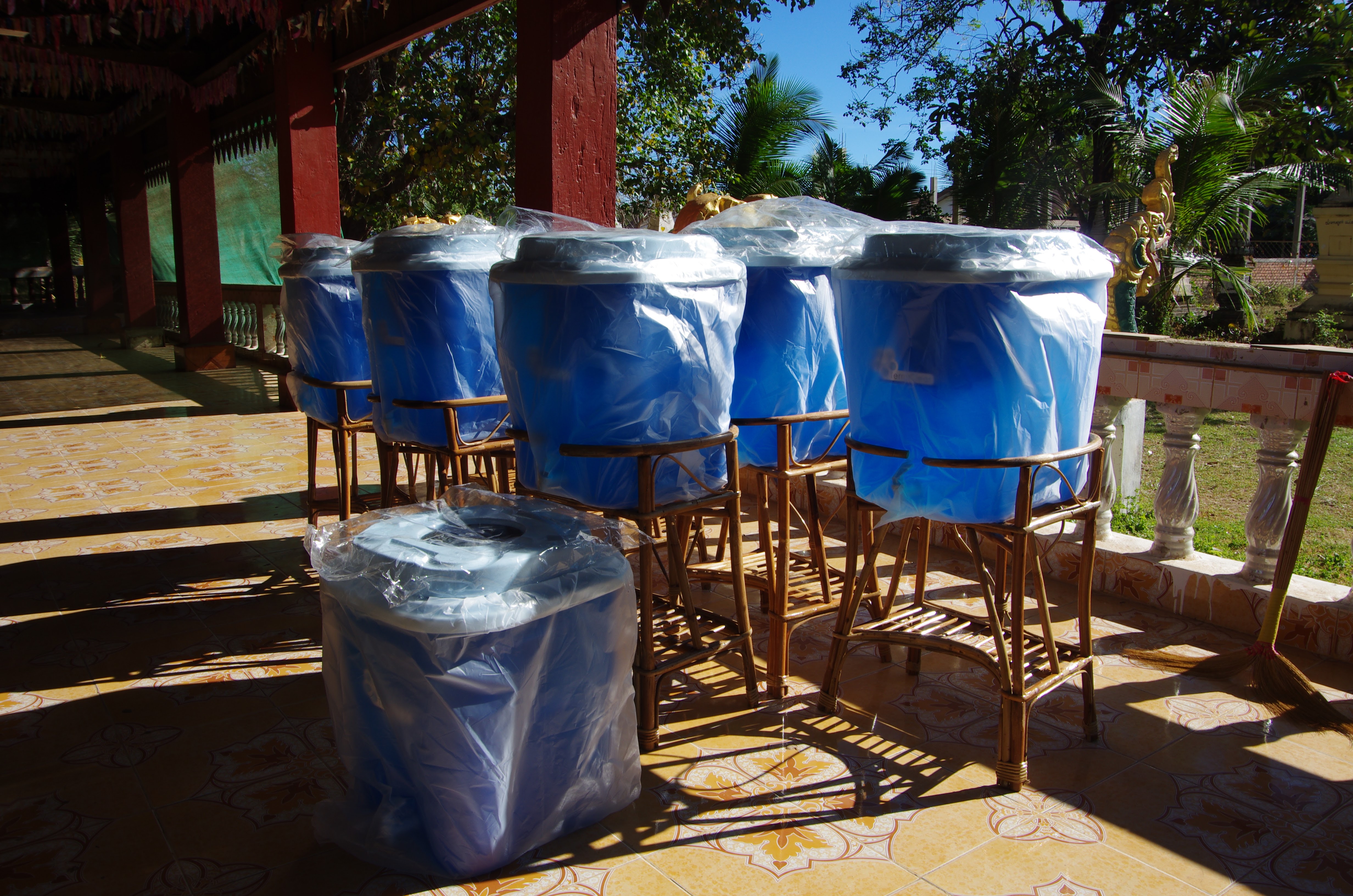
Ceramic water filters save CO2 and improve health
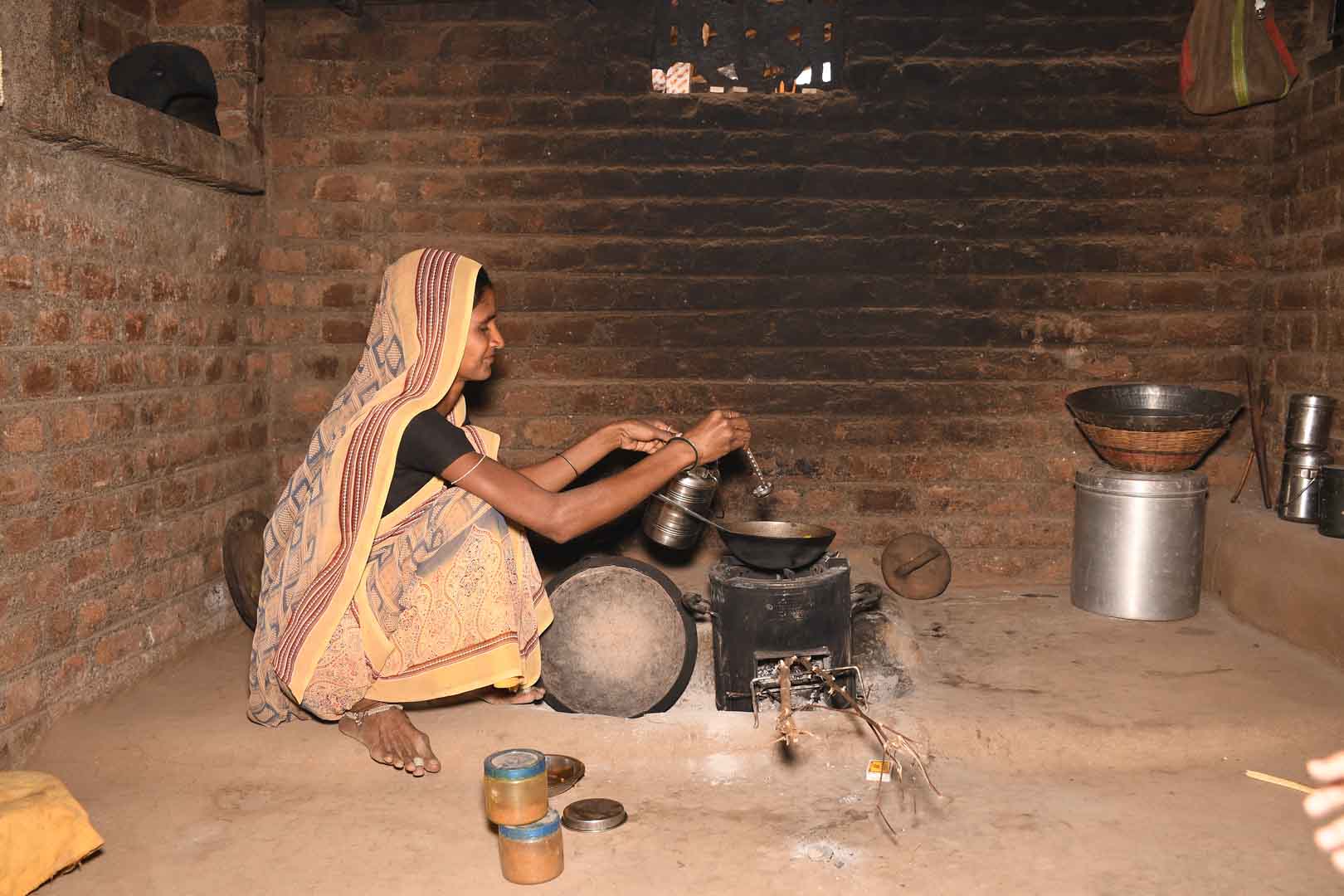
Improved cookstoves worldwide – for better health and cleaner air

A certified climate project combined with additional commitment
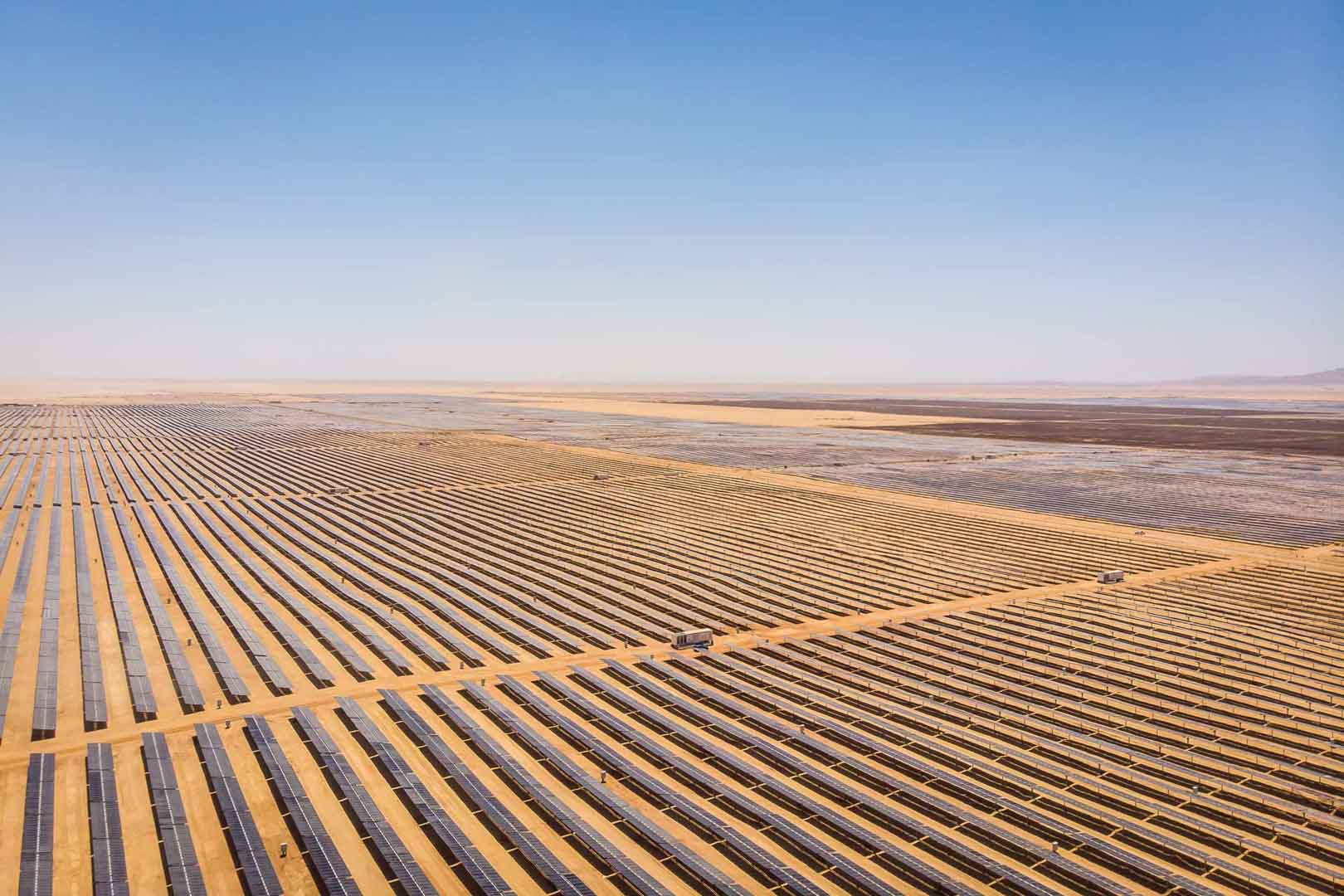
Powering access to renewable energy in Africa
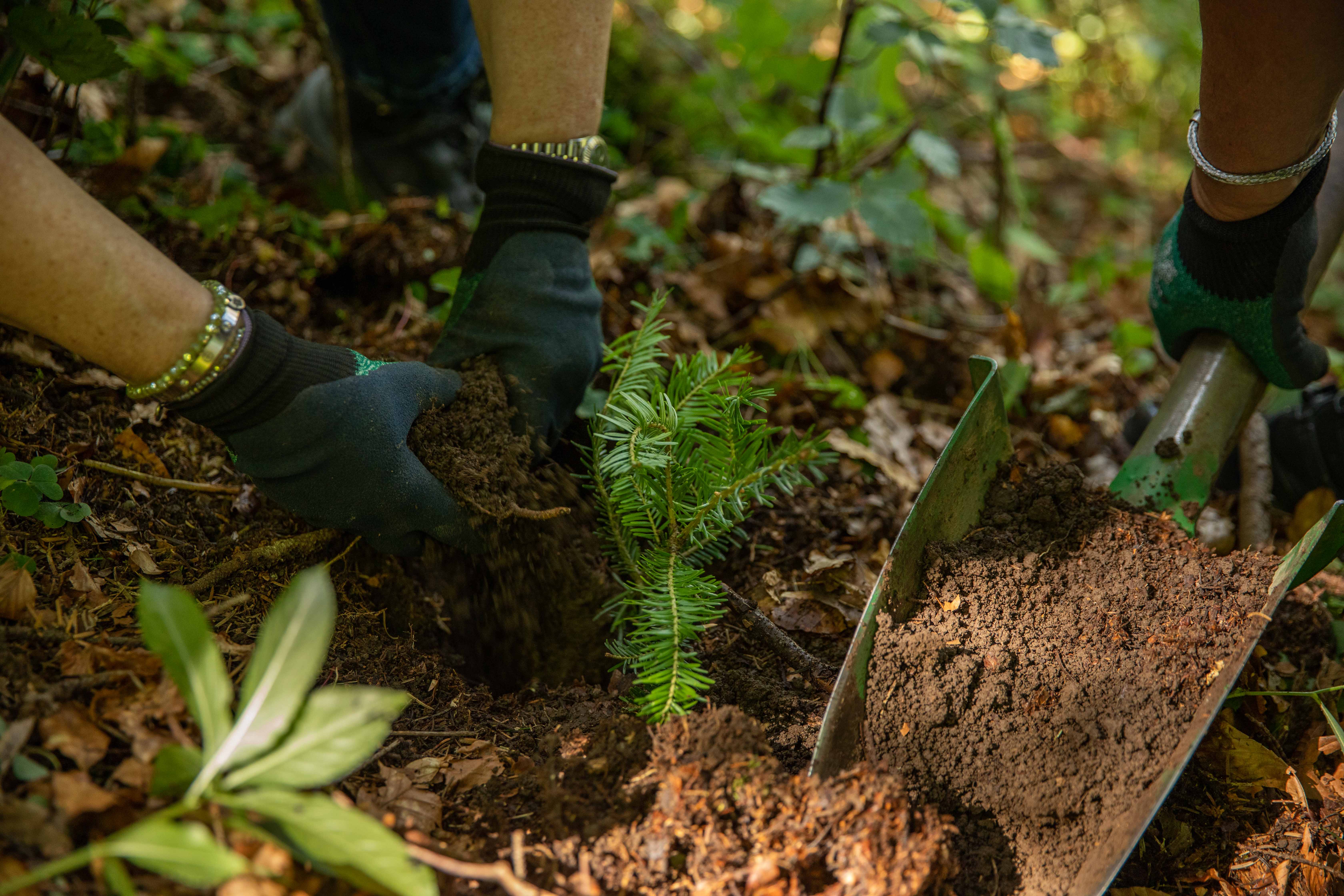
A certified climate project combined with additional commitment
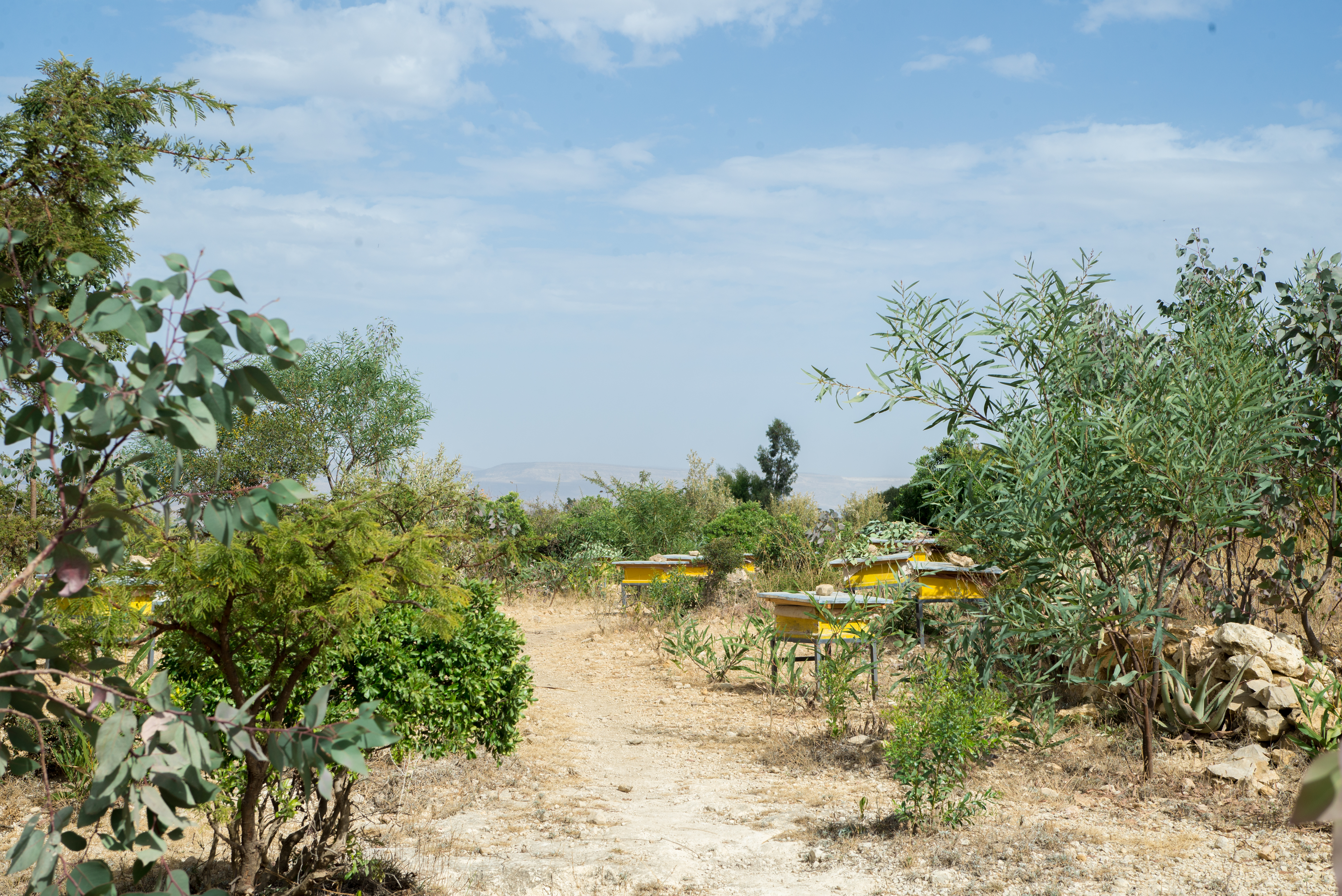
Restored ecosystems remove carbon
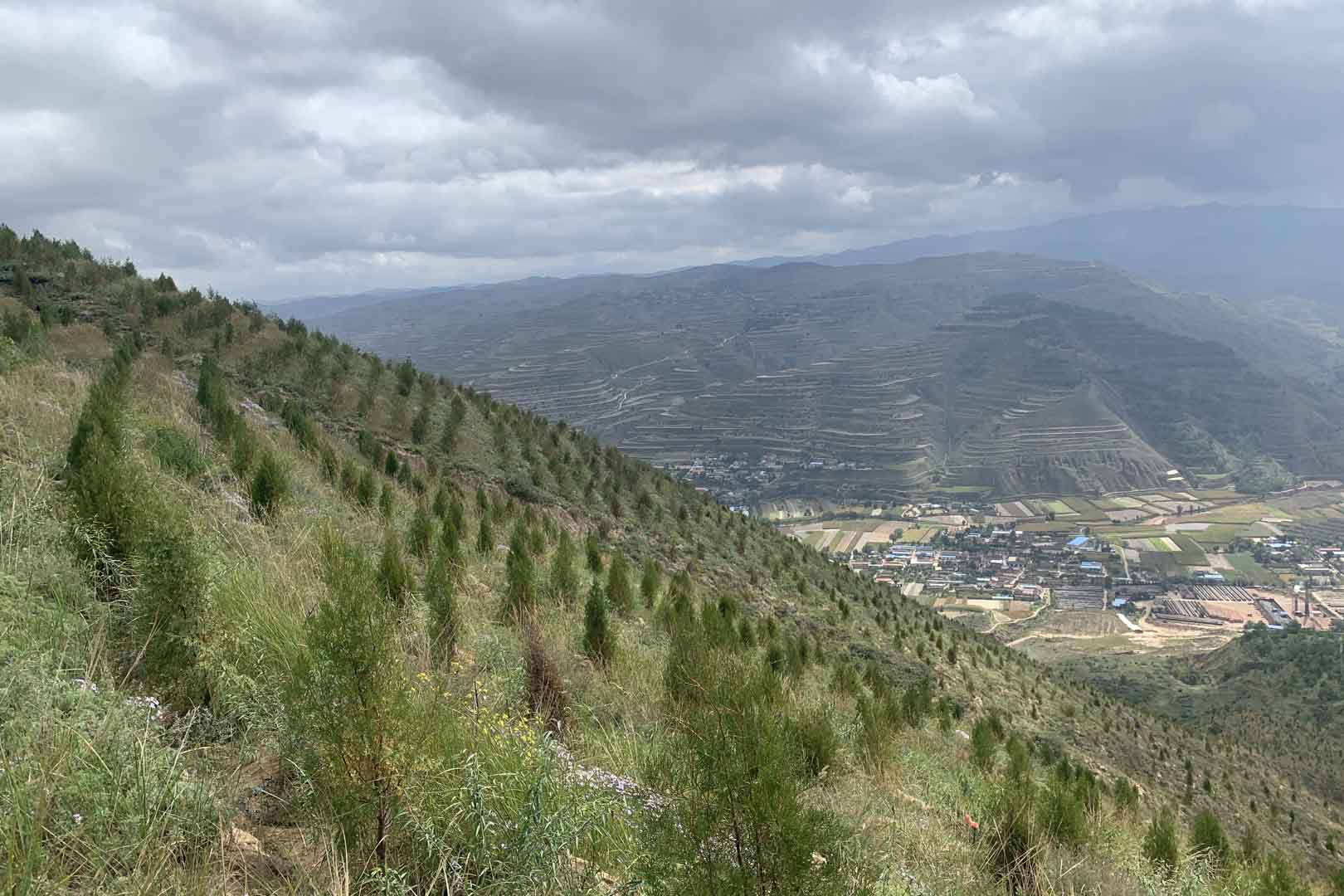
Turning degraded farmlands into healthy ecosystems
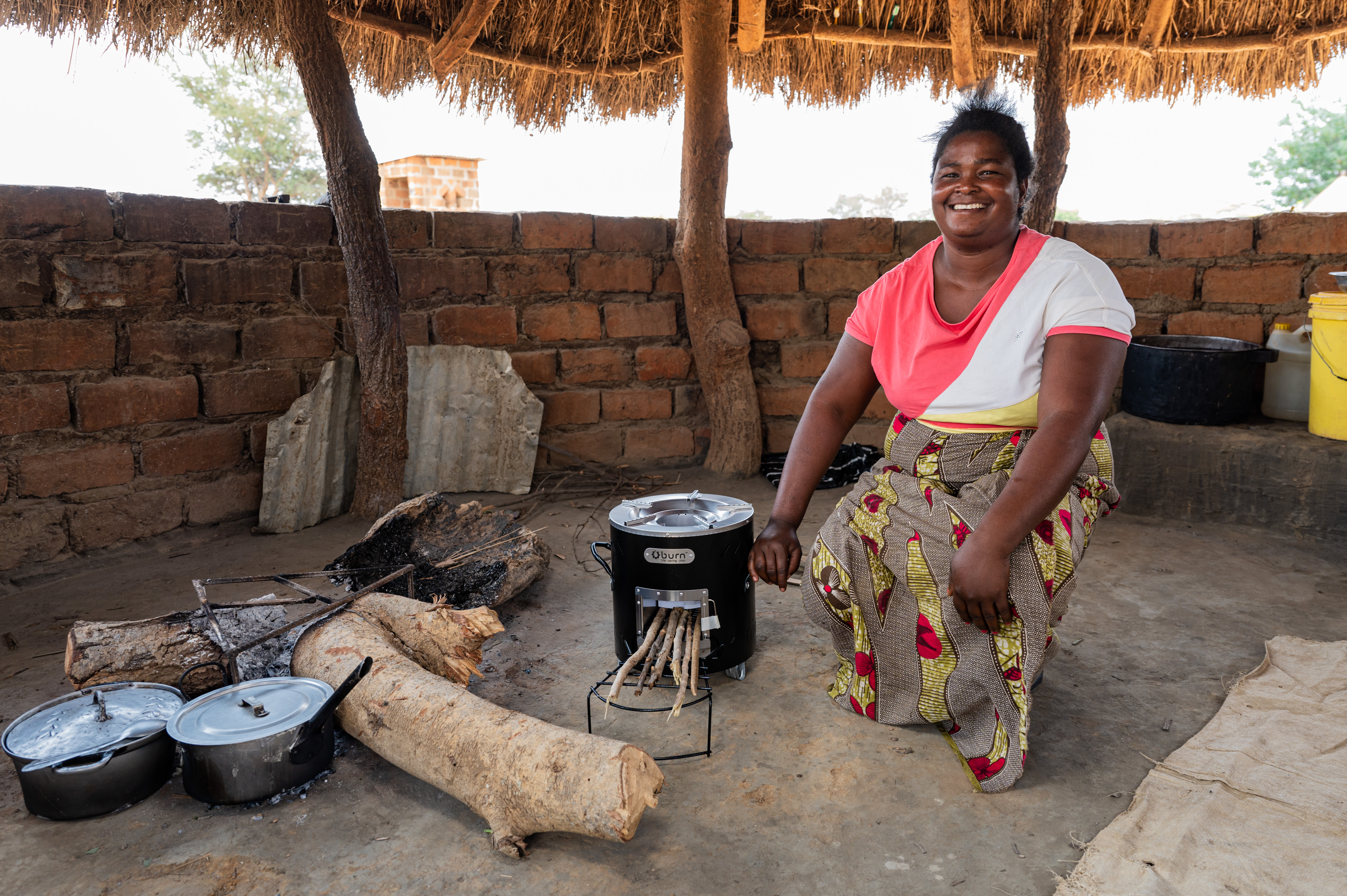
Improved cookstoves - better for health and the environment