
Restoring Switzerland’s natural springs strengthens biodiversity and stabilizes the microclimate
In Switzerland, around 90% of natural springs have been degraded due to drought, climate change, and human interventions. Approximately 96 species depend on spring ecosystems, 40% of which are endangered.
This project aims to restore springs to a near-natural state, allowing water to flow freely once again. In doing so, unique wetland habitats are recreated, and conditions improve for the many species that rely on them.
Restored springs enhance biodiversity, support groundwater recharge, and stabilize local microclimates, making landscapes more resilient to drought and other climate extremes.
Key restoration activities include:
Removing structural catchments and artificial water drains to restore natural water flow
Creating ponds to provide new habitats for aquatic and semi-aquatic species
Adding deadwood to offer shelter and food sources
Selectively thinning trees, where necessary, to reduce competition and improve habitat conditions
Installing amphibian guidance systems to enable safe movement between habitats
Ceasing forestry activities in source areas to reduce human impact
By restoring these springs, the project helps reestablish the natural balance between water and forest, enabling ecosystems to recover and thrive.
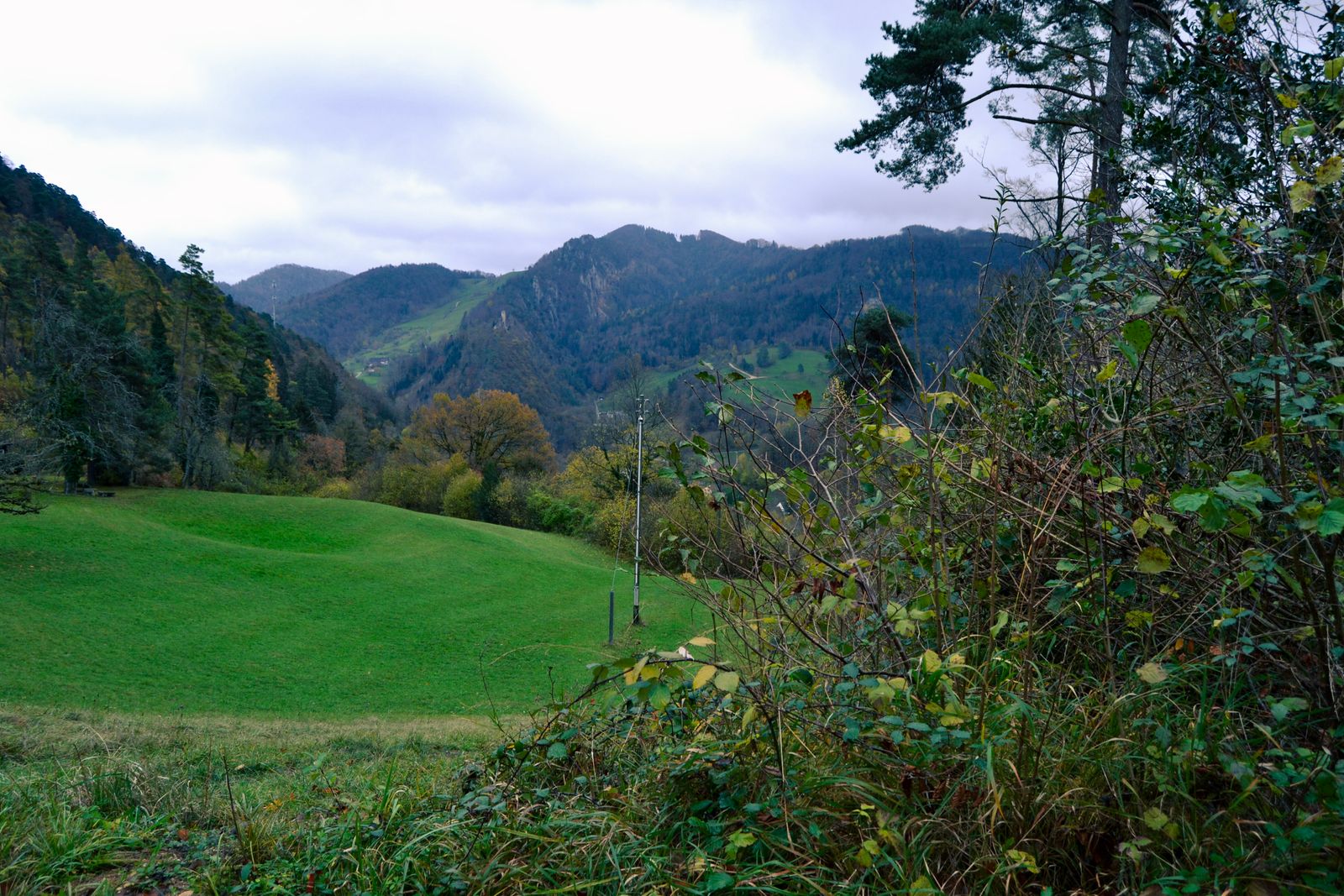
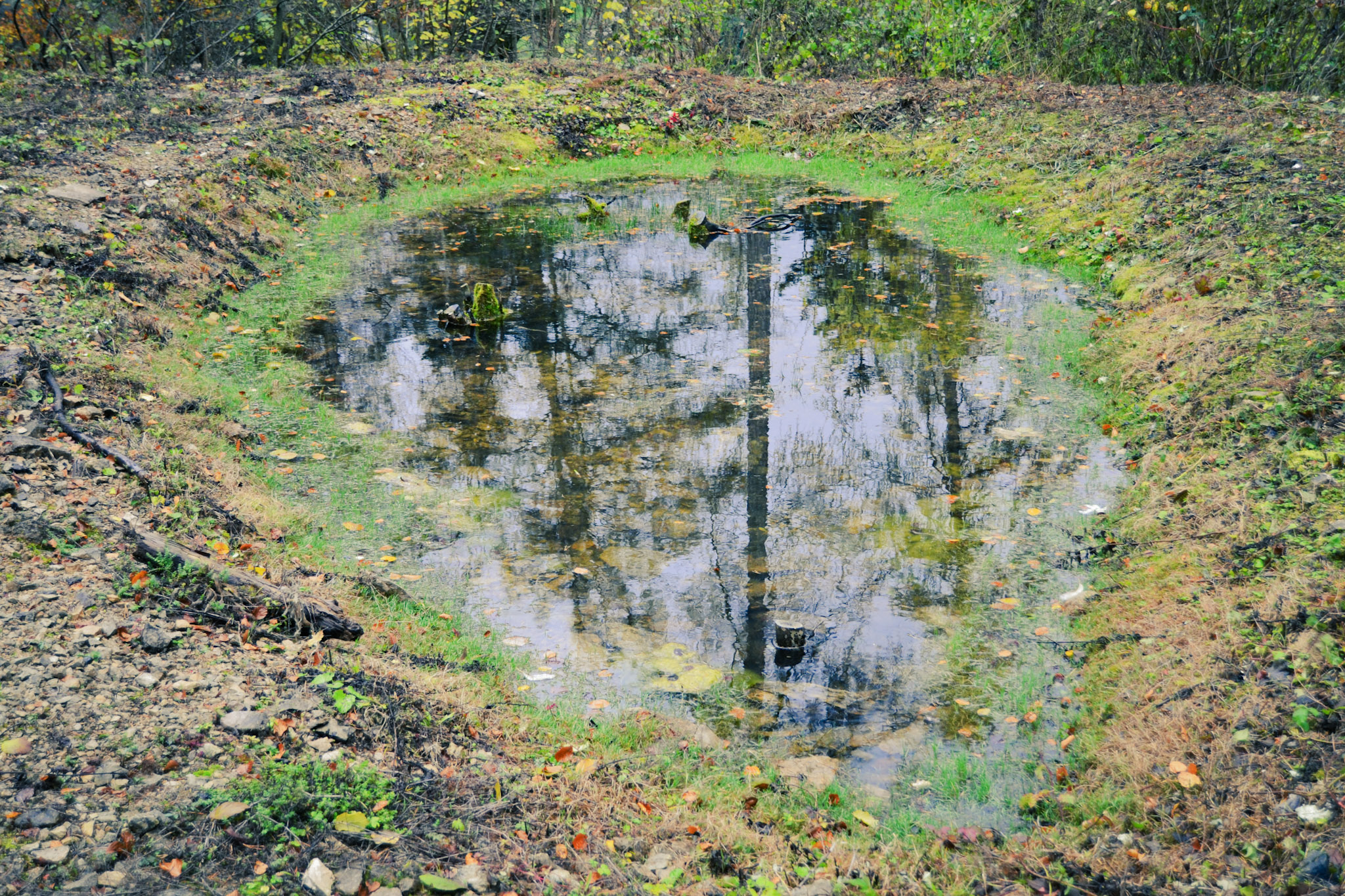
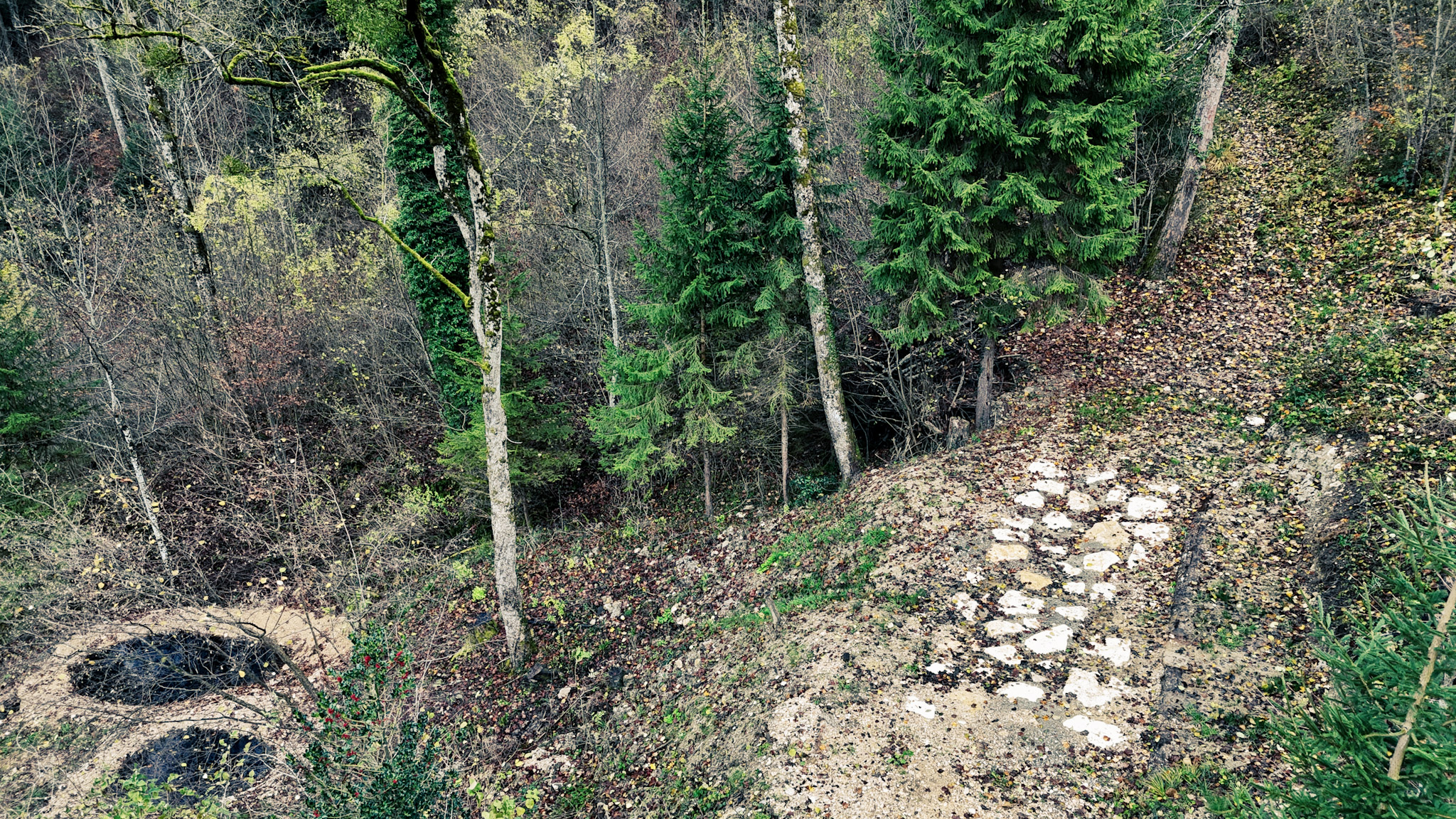
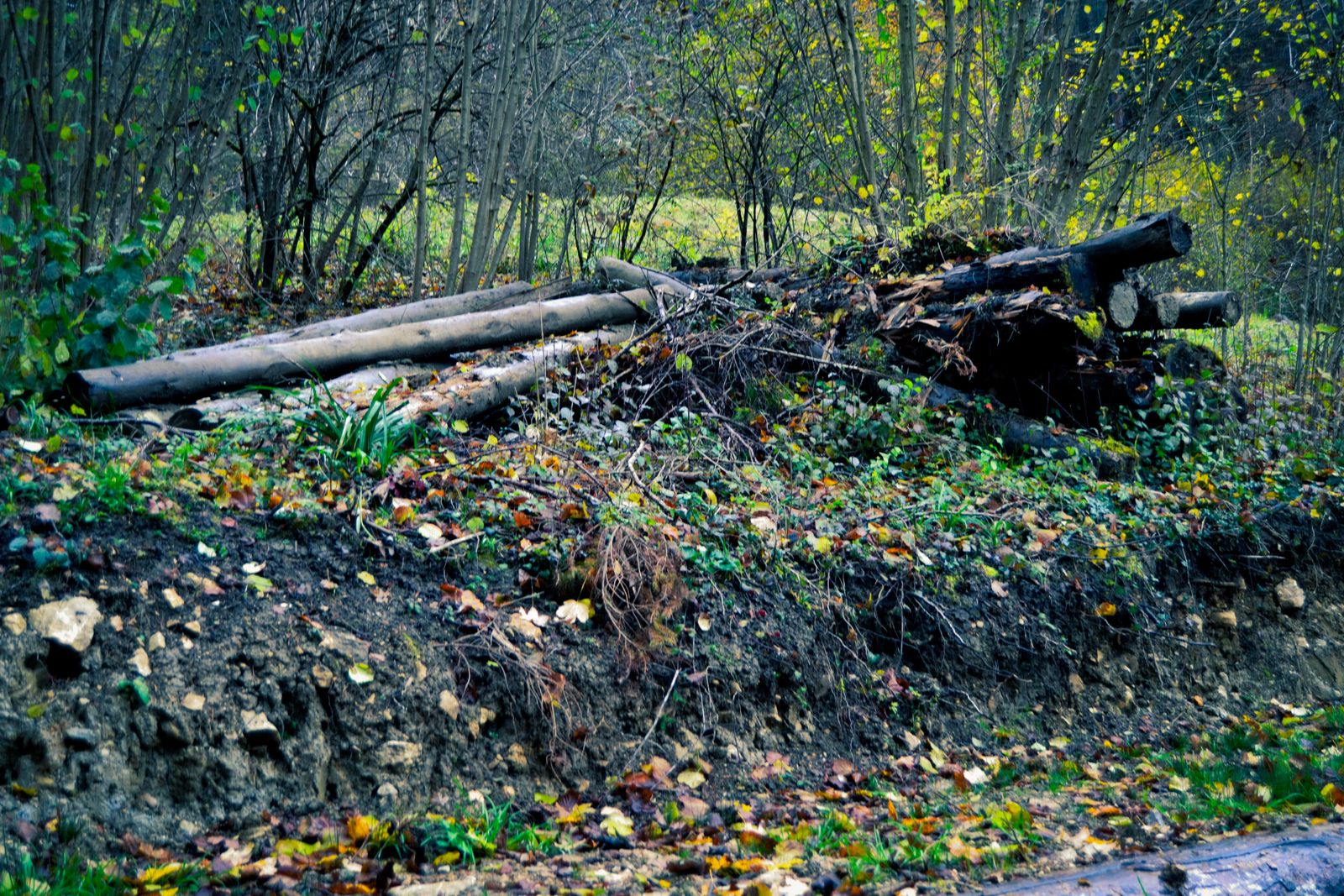
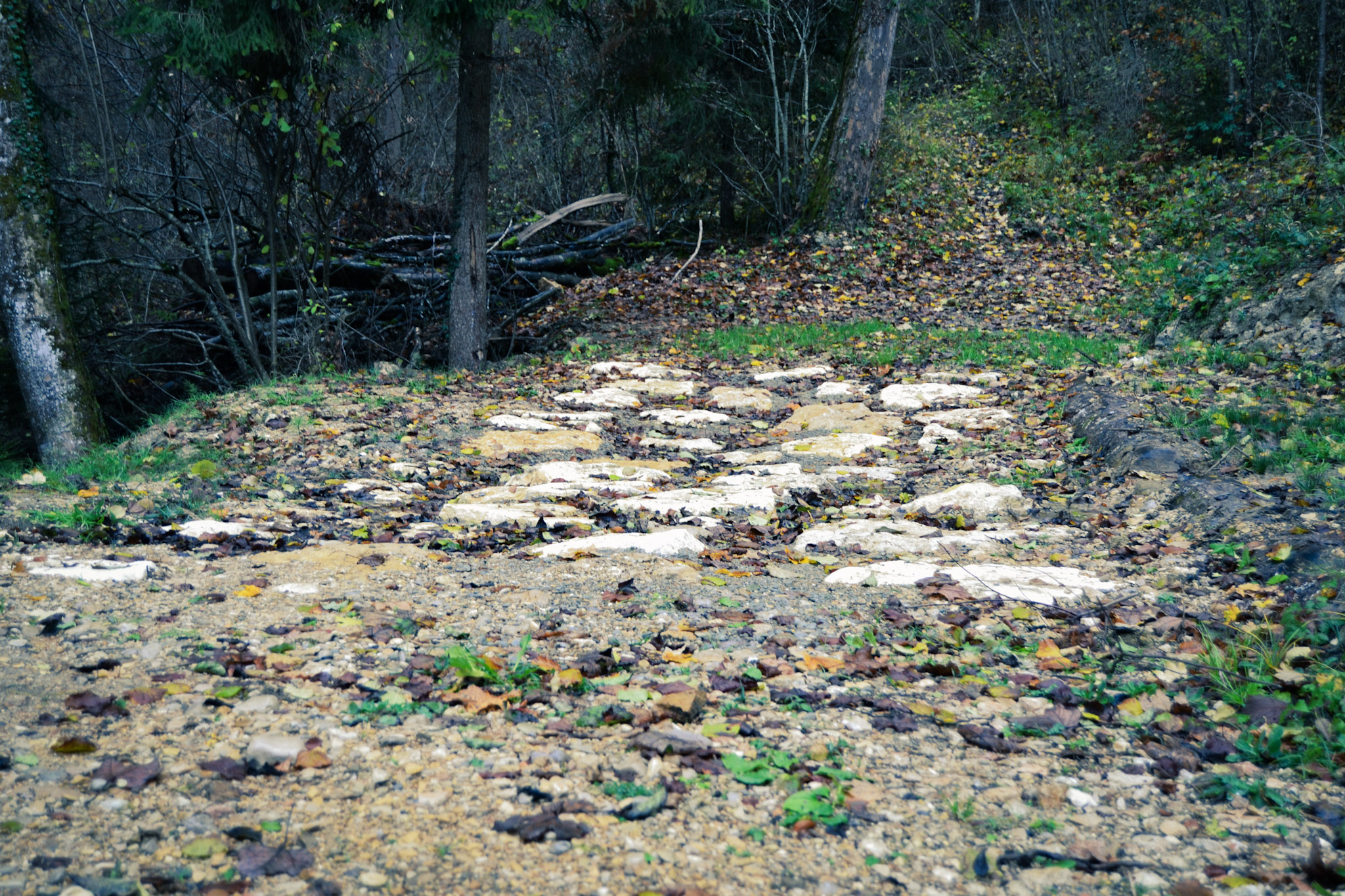
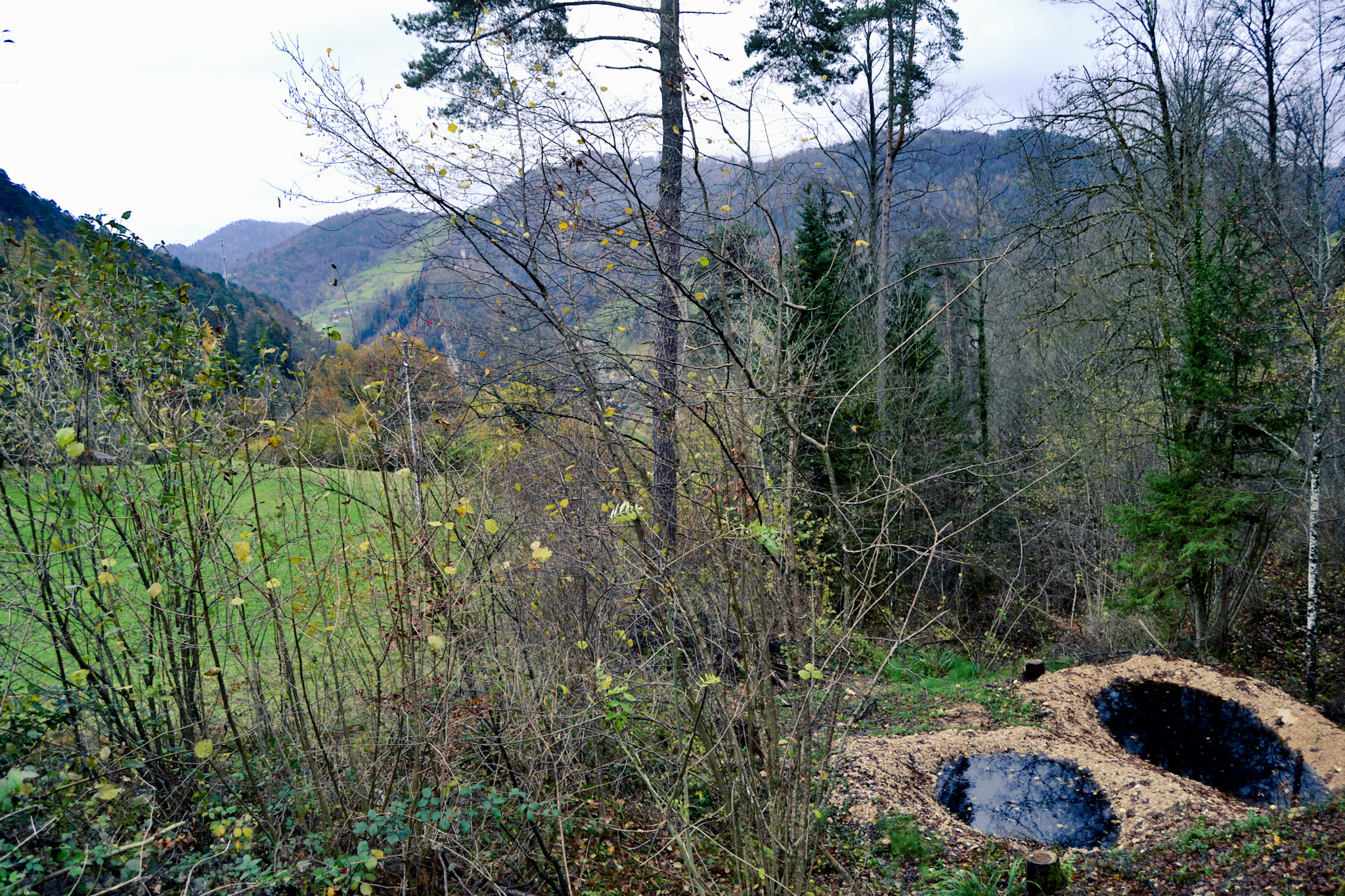
How does spring restoration support biodiversity and climate action?
Natural springs are delicate ecosystems where groundwater emerges at the surface. They regulate water flows and provide habitats for amphibians, insects, and specialized plants. At the same time, natural springs promote forest health and strengthen the resilience of entire landscapes.
Around the world, natural springs have been degraded by urbanization, agriculture, water extraction, forestry, and the impacts of climate change. Their decline reduces water quality, weakens ecosystems, and threatens species that depend on them.
Spring restoration seeks to reverse this trend by returning springs to a near-natural state. Typical activities include removing artificial catchments and drains to restore natural water flow, thinning vegetation to improve habitat conditions, creating ponds and wetlands, and adding deadwood to foster microhabitats. Guidance systems and similar measures help species move safely between habitats.
Restored springs strengthen biodiversity, improve groundwater recharge, and stabilize microclimates, making landscapes more resilient to weather extremes. Projects that restore natural springs promote biodiversity, improve groundwater recharge, and stabilize the microclimate. In doing so, they make a direct contribution to climate protection and the preservation of species diversity.
The project aims to contribute to these United Nations Sustainable Development Goals (SDGs).


Explore our projects
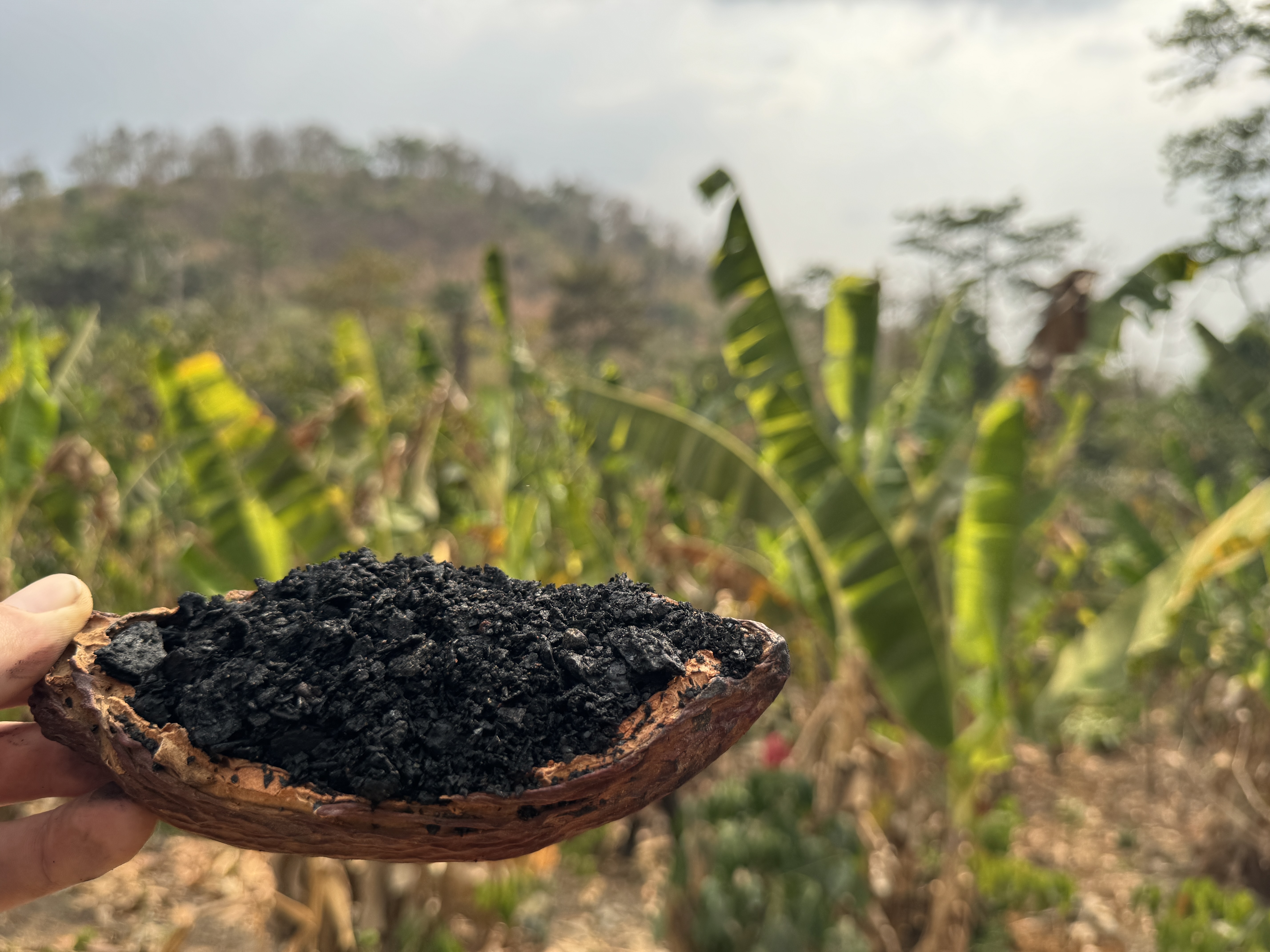
Biochar for Climate Action, Healthy Soils, and Better Harvests
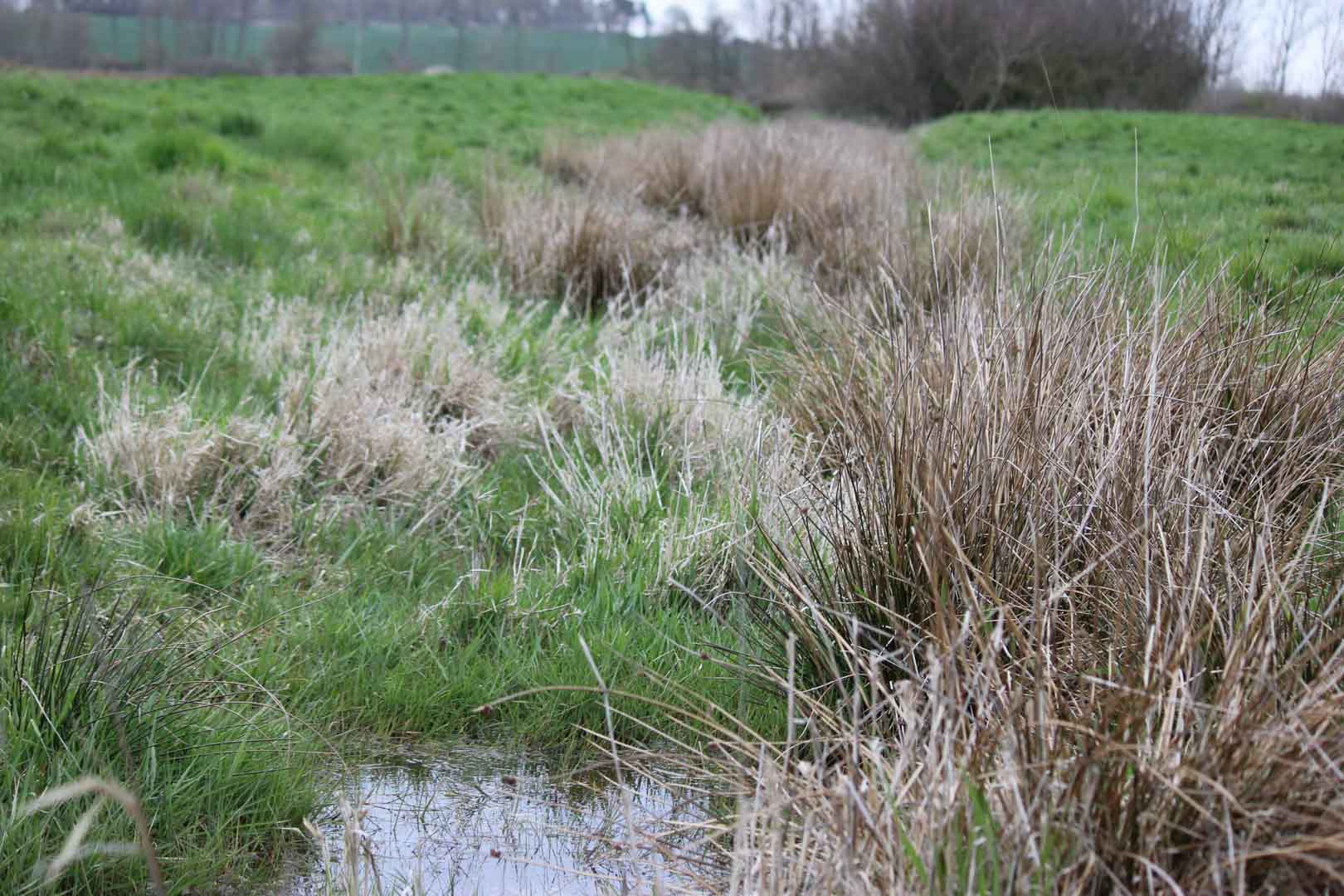
A certified climate project combined with additional commitment

Expansion of renewable energy generation in Asia
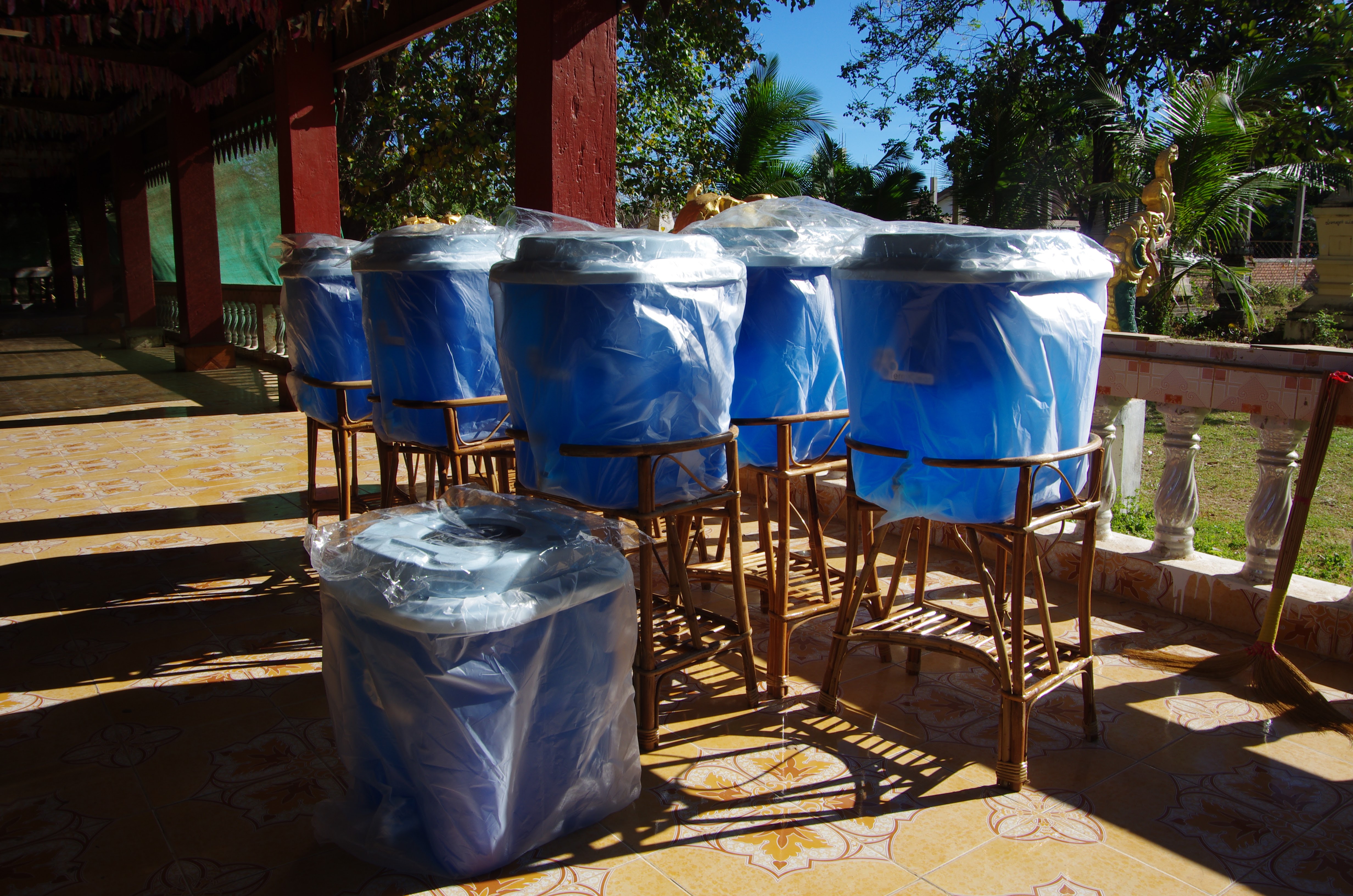
Ceramic water filters save CO2 and improve health
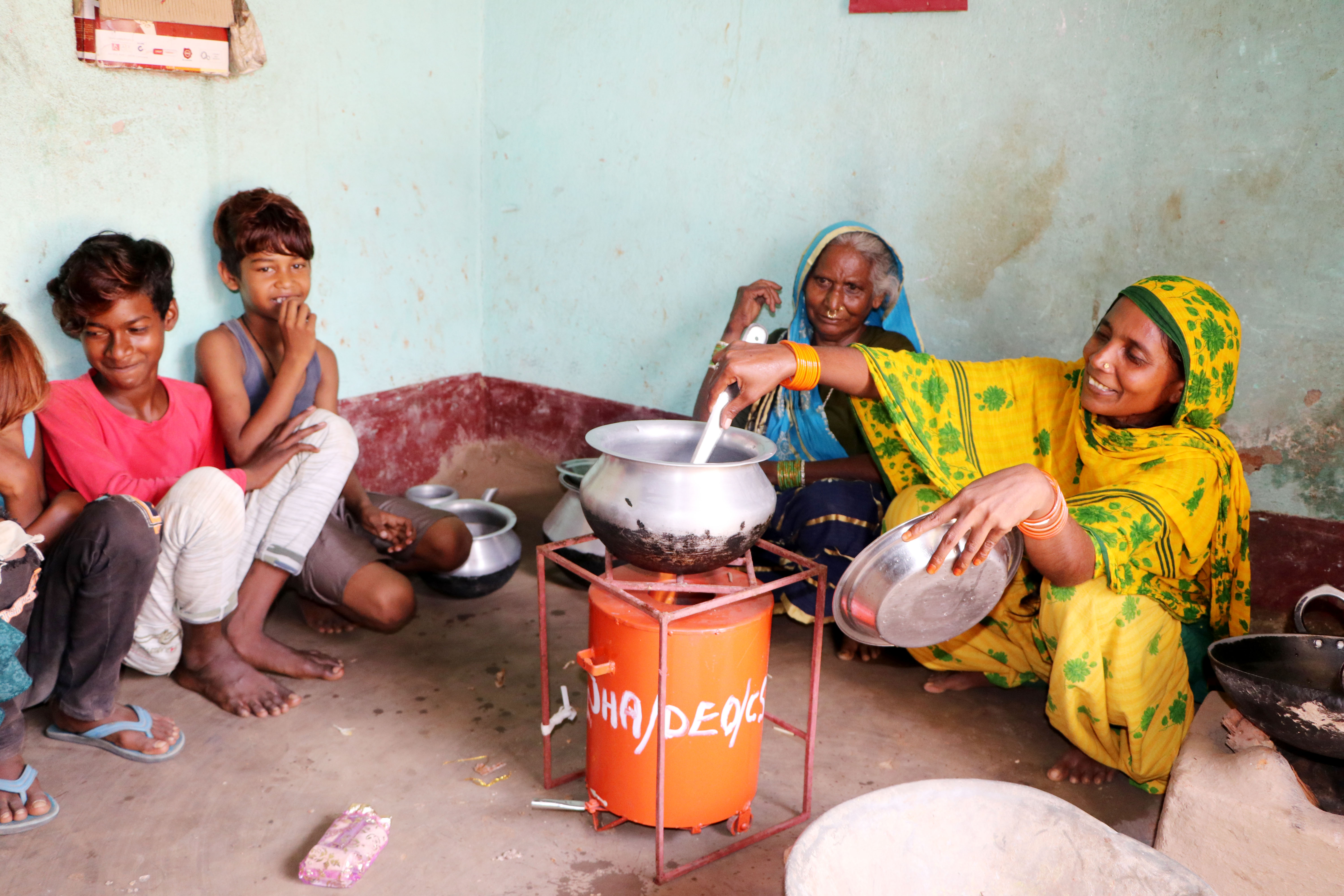
Improved cookstoves worldwide – for better health and cleaner air

A certified climate project combined with additional commitment
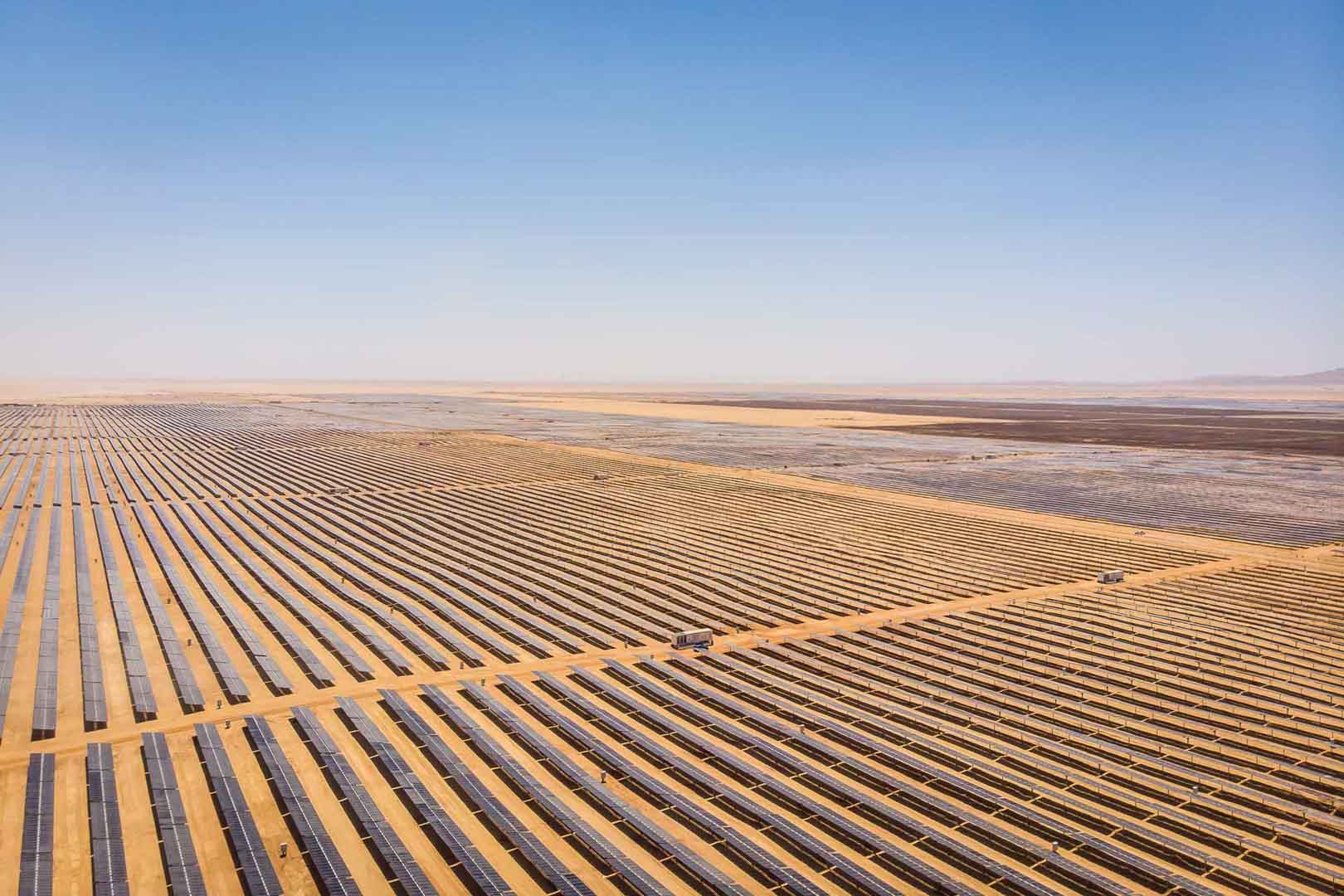
Powering access to renewable energy in Africa
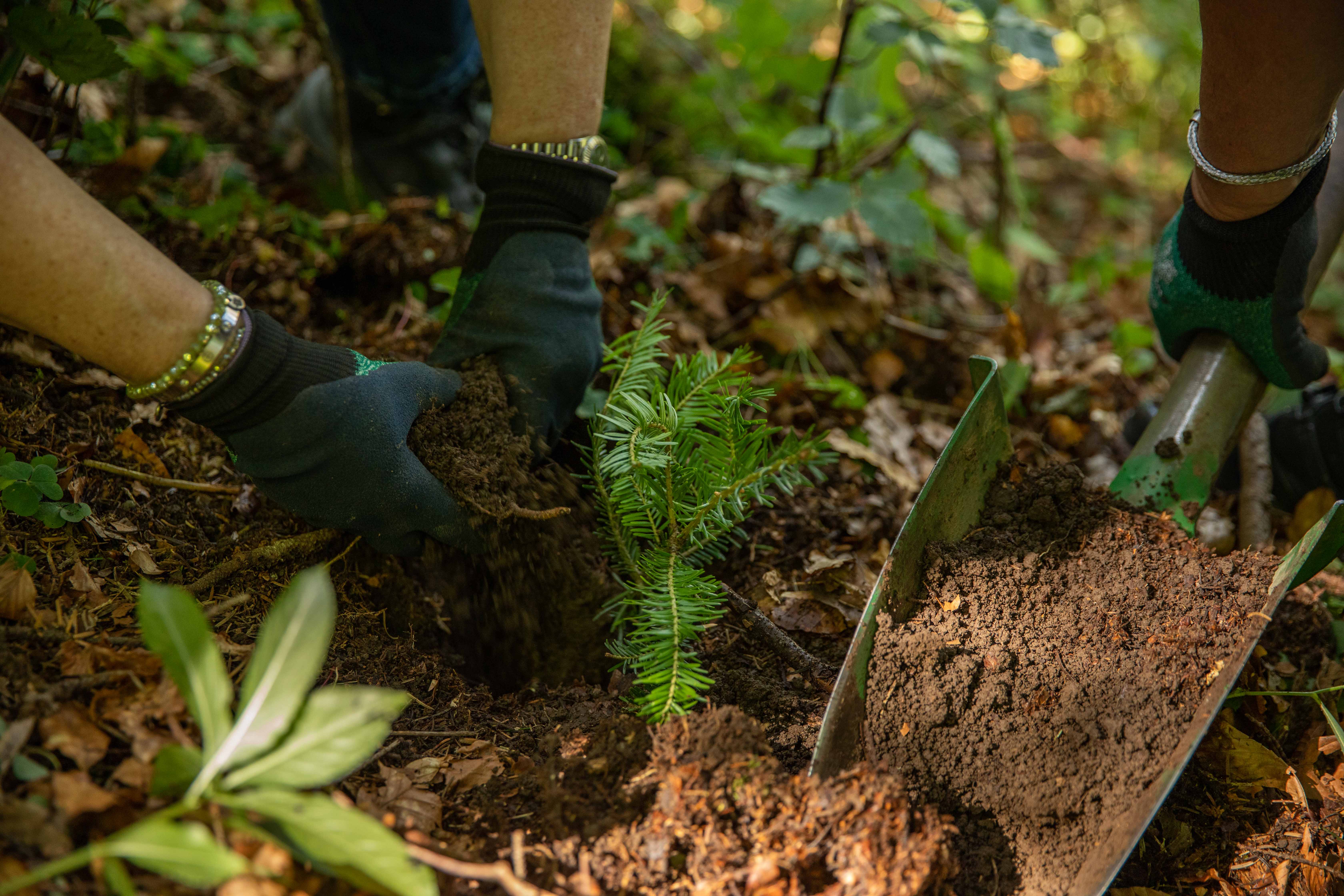
A certified climate project combined with additional commitment
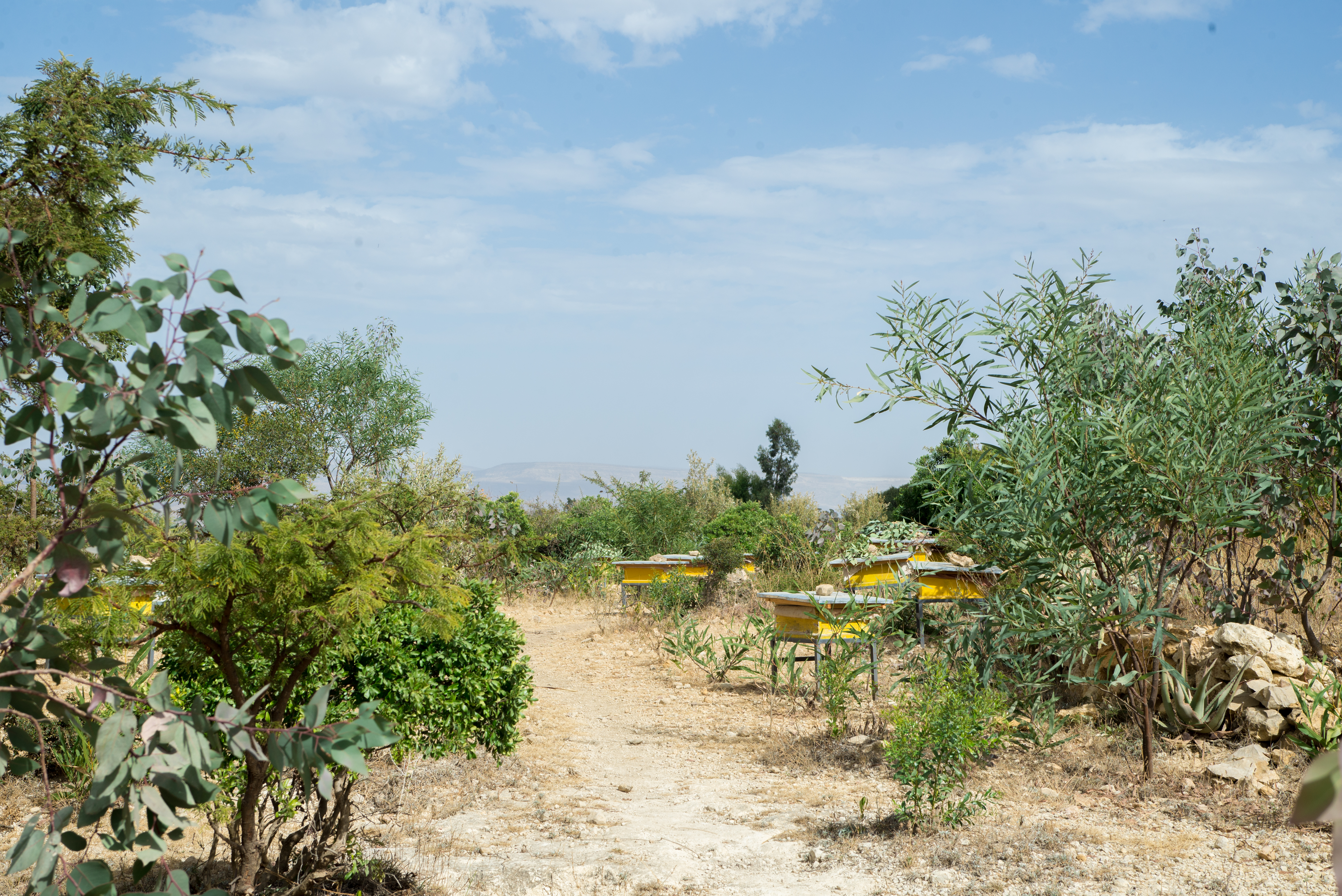
Restored ecosystems remove carbon
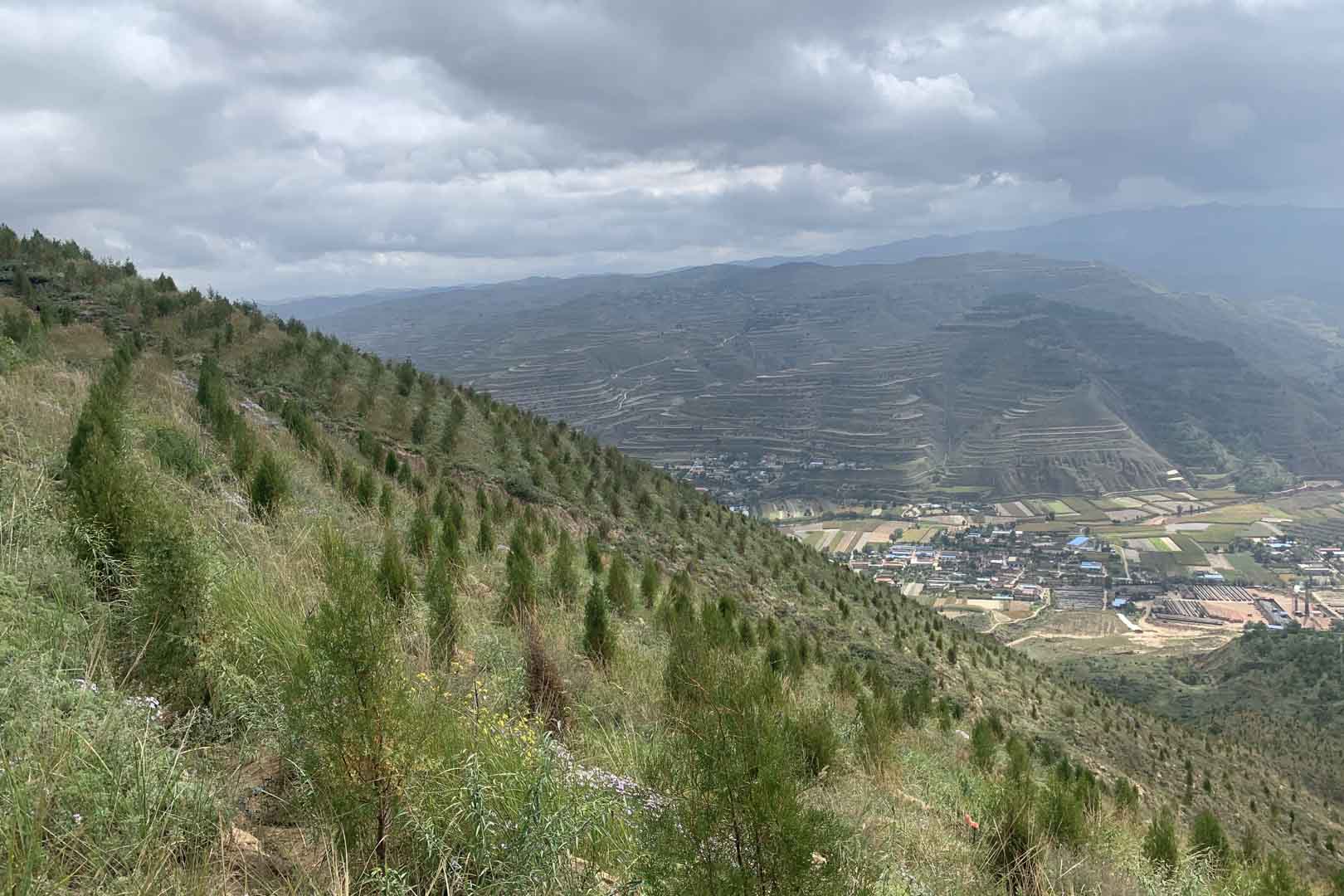
Turning degraded farmlands into healthy ecosystems
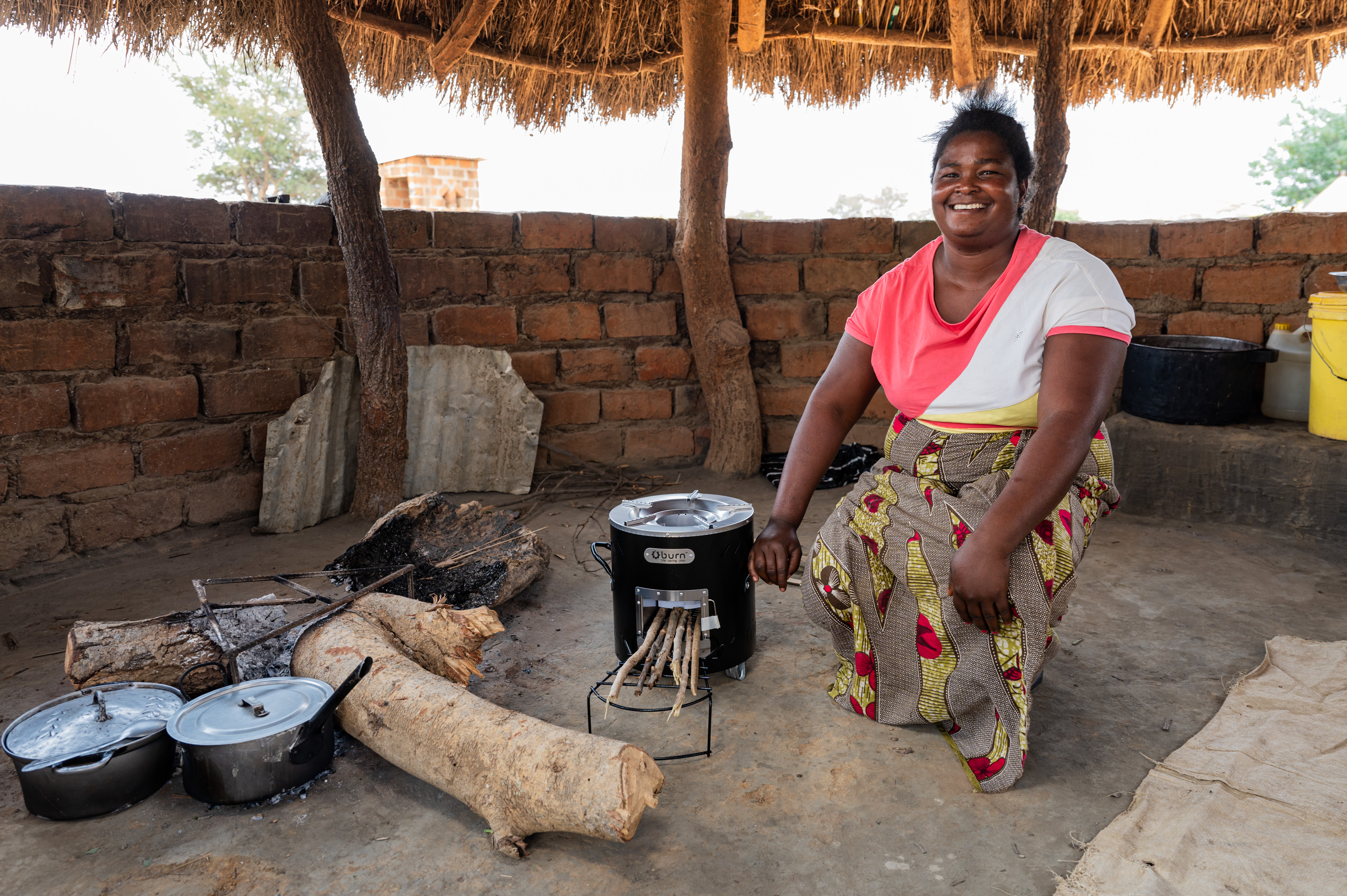
Improved cookstoves - better for health and the environment