
Restoring mangroves, protecting coastlines in Kenya
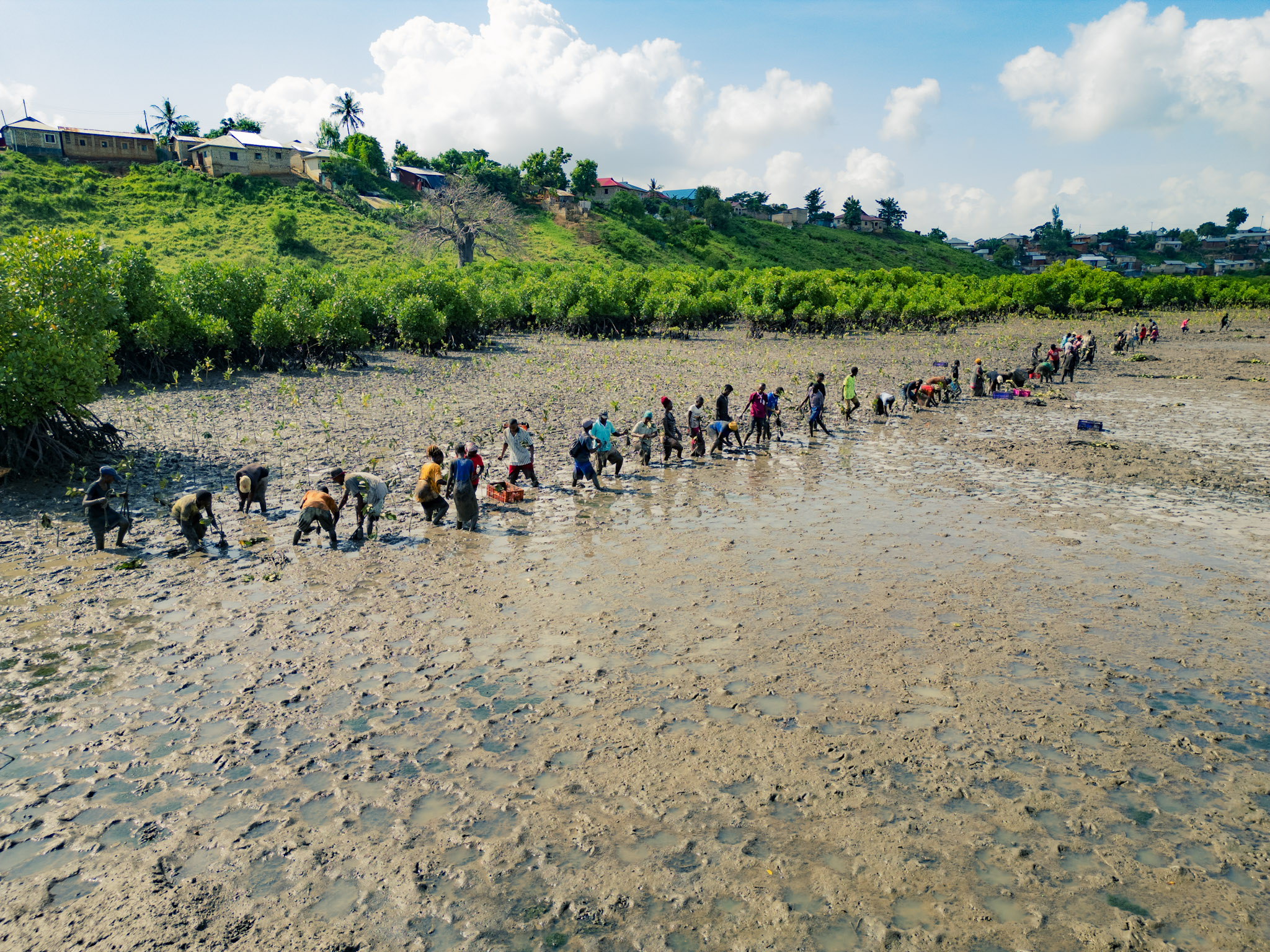
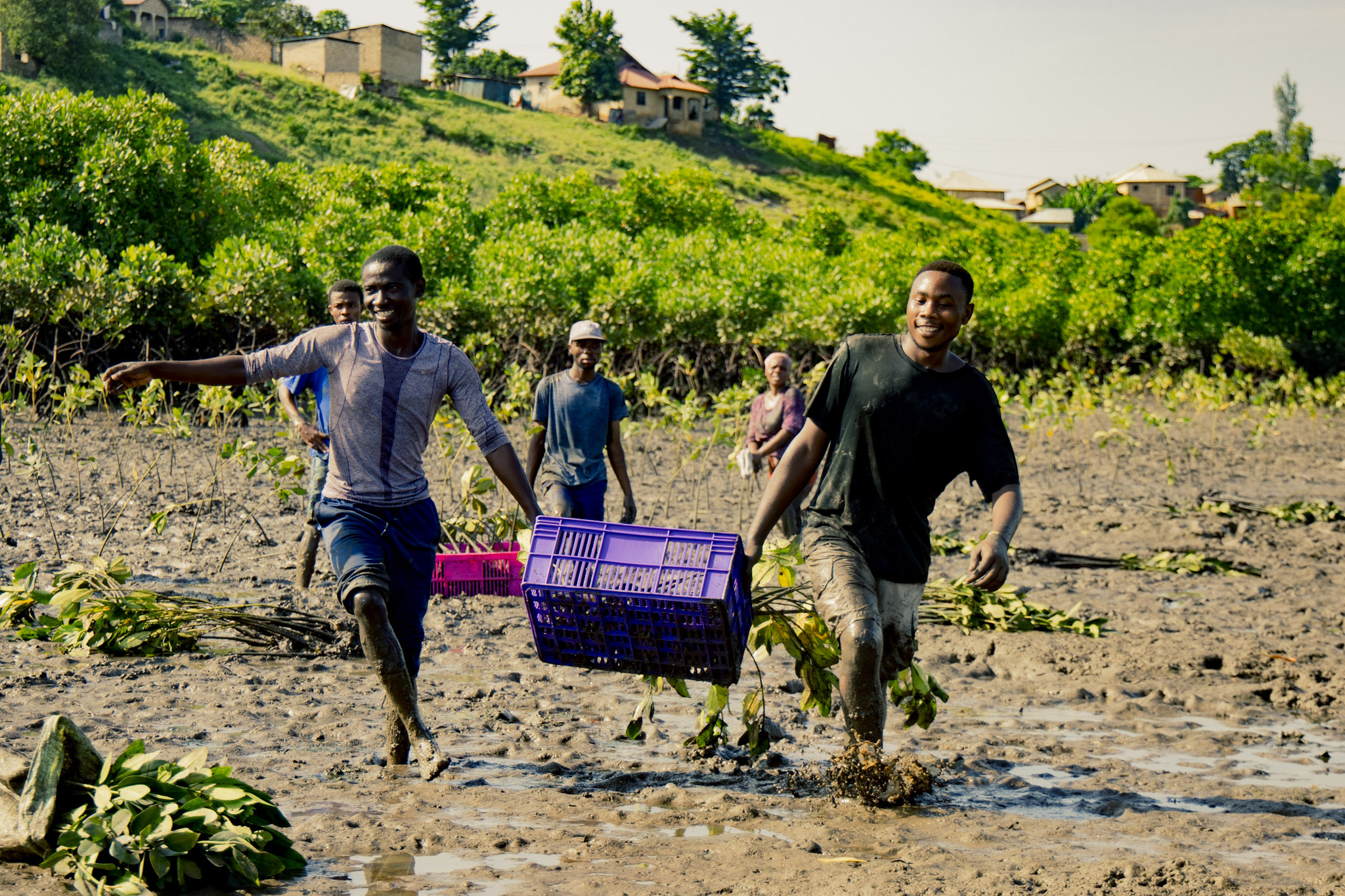
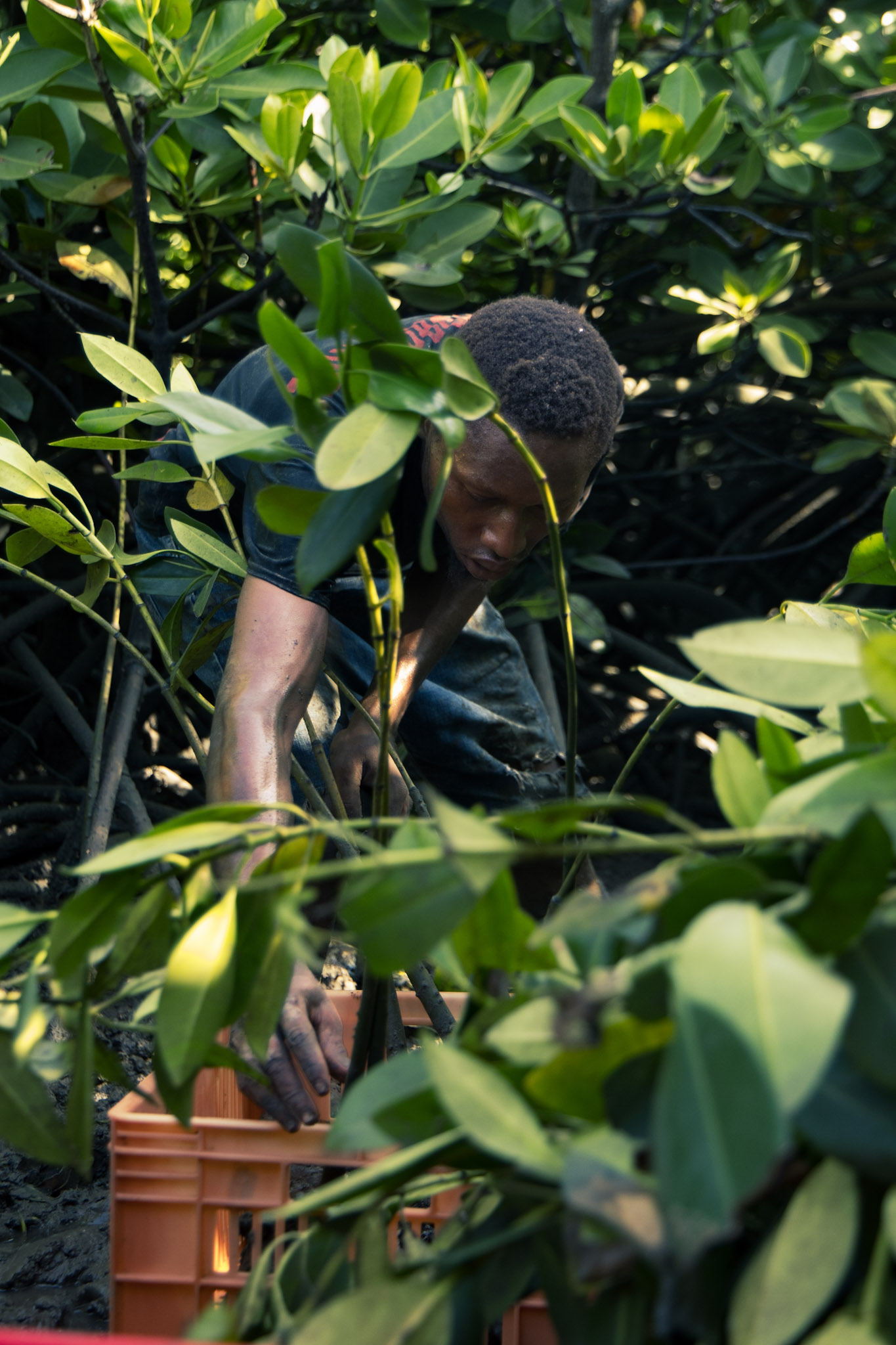
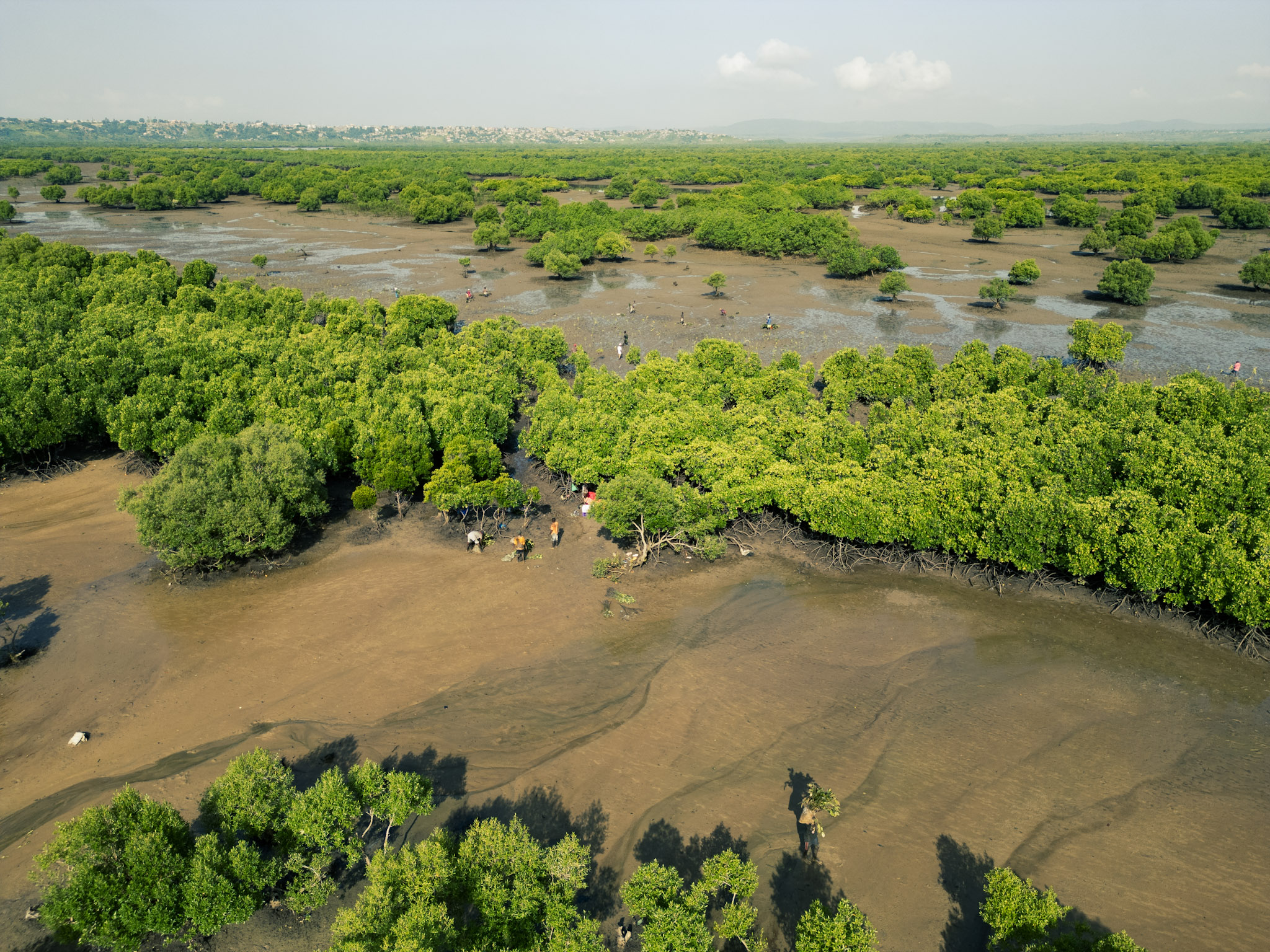
Mangrove forests play a significant role in the protection of the coastlines around the world, providing highly valuable ecosystem services to coastal communities. Benefits include reducing the impact of waves and storm surges, improving water quality, reducing soil erosion, providing nursery grounds for a wide range of terrestrial and aquatic species, and supporting coastal tourism. This project has planted mangrove seedlings to restore the degraded mangrove forests of Tudor Creek, together with our community-based local partners Brain Youth Group and Amani Jipange. These groups will also be benefitting from the socio-economic programmes provided through the project. |
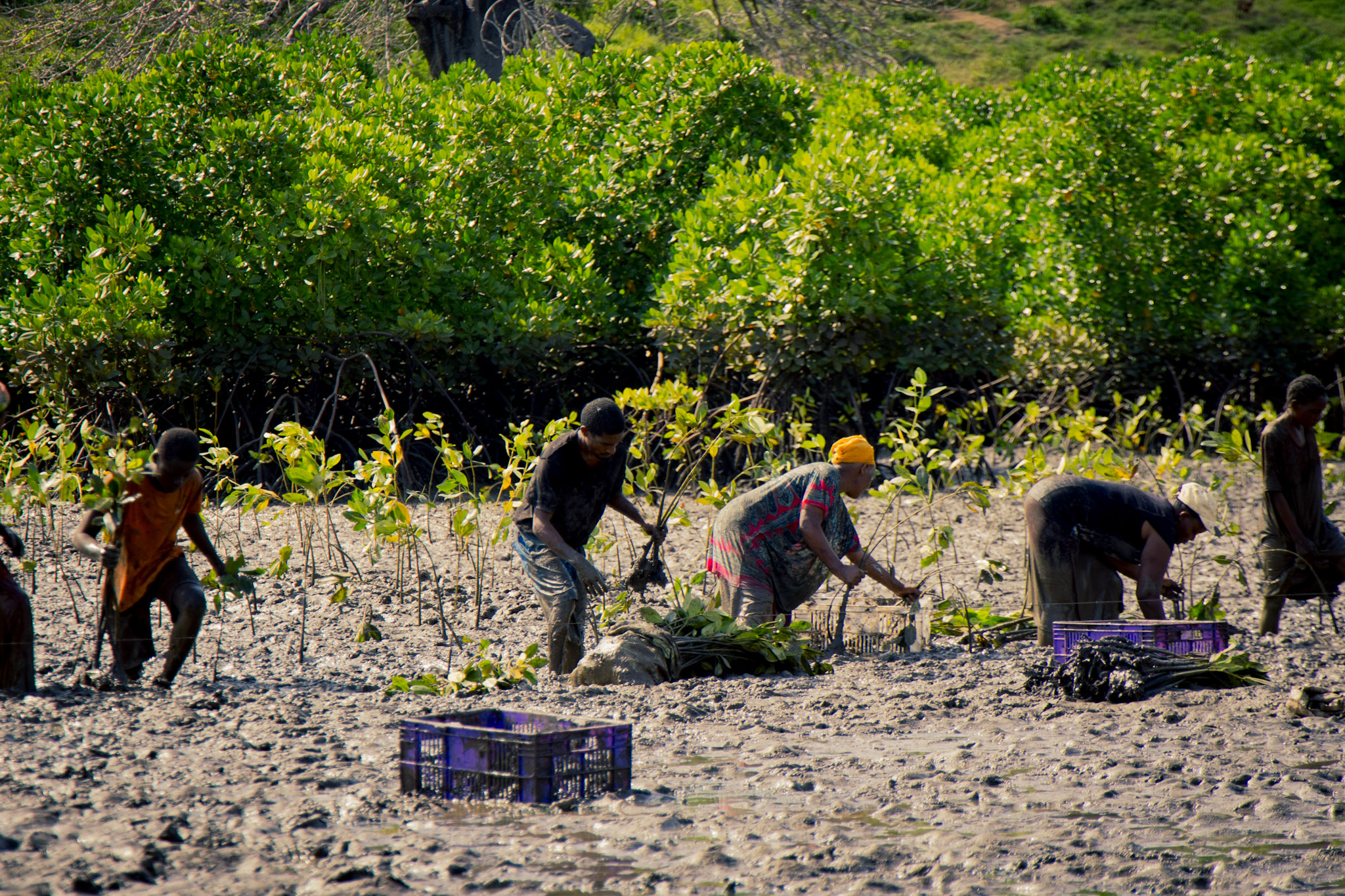
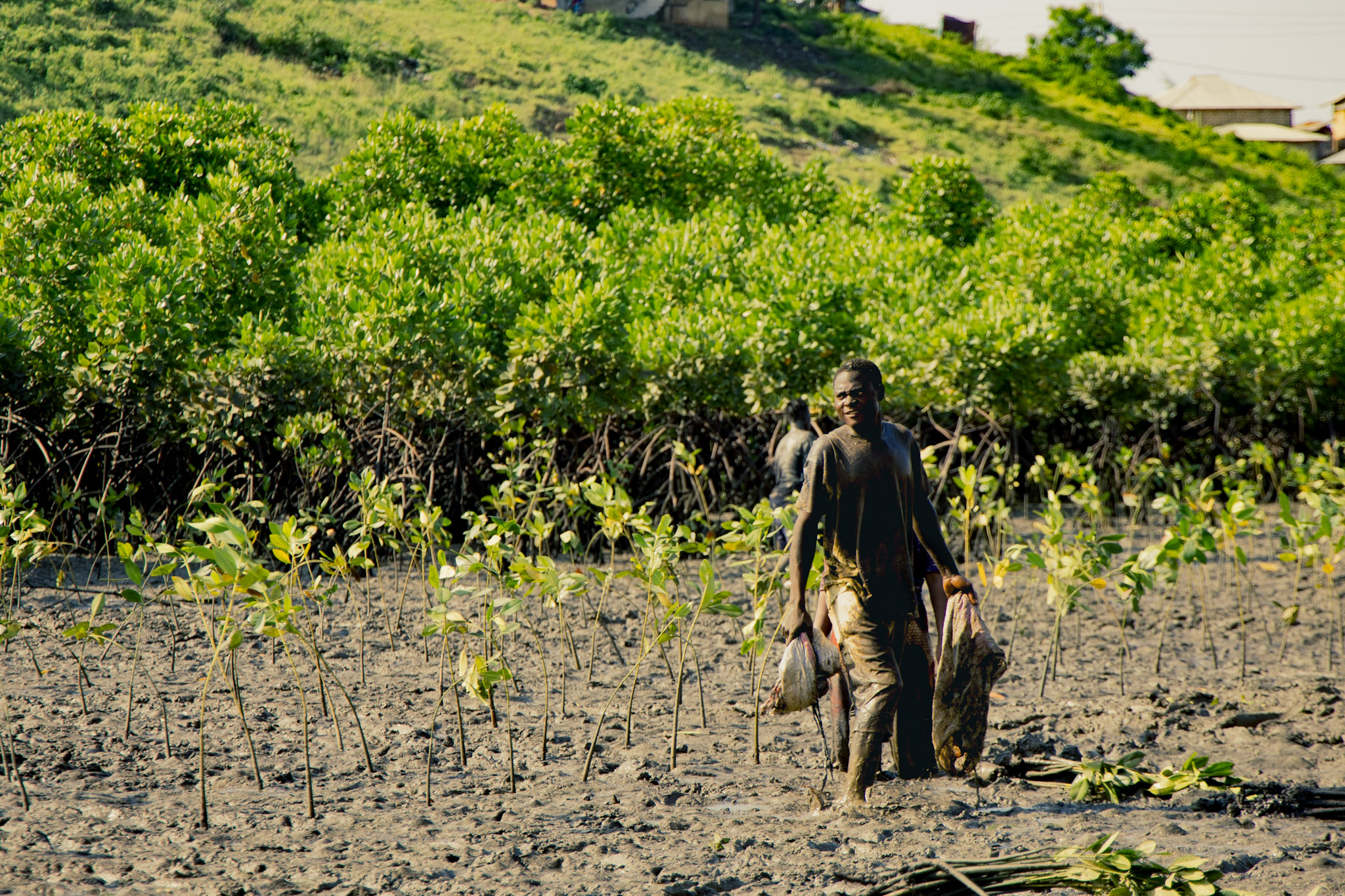
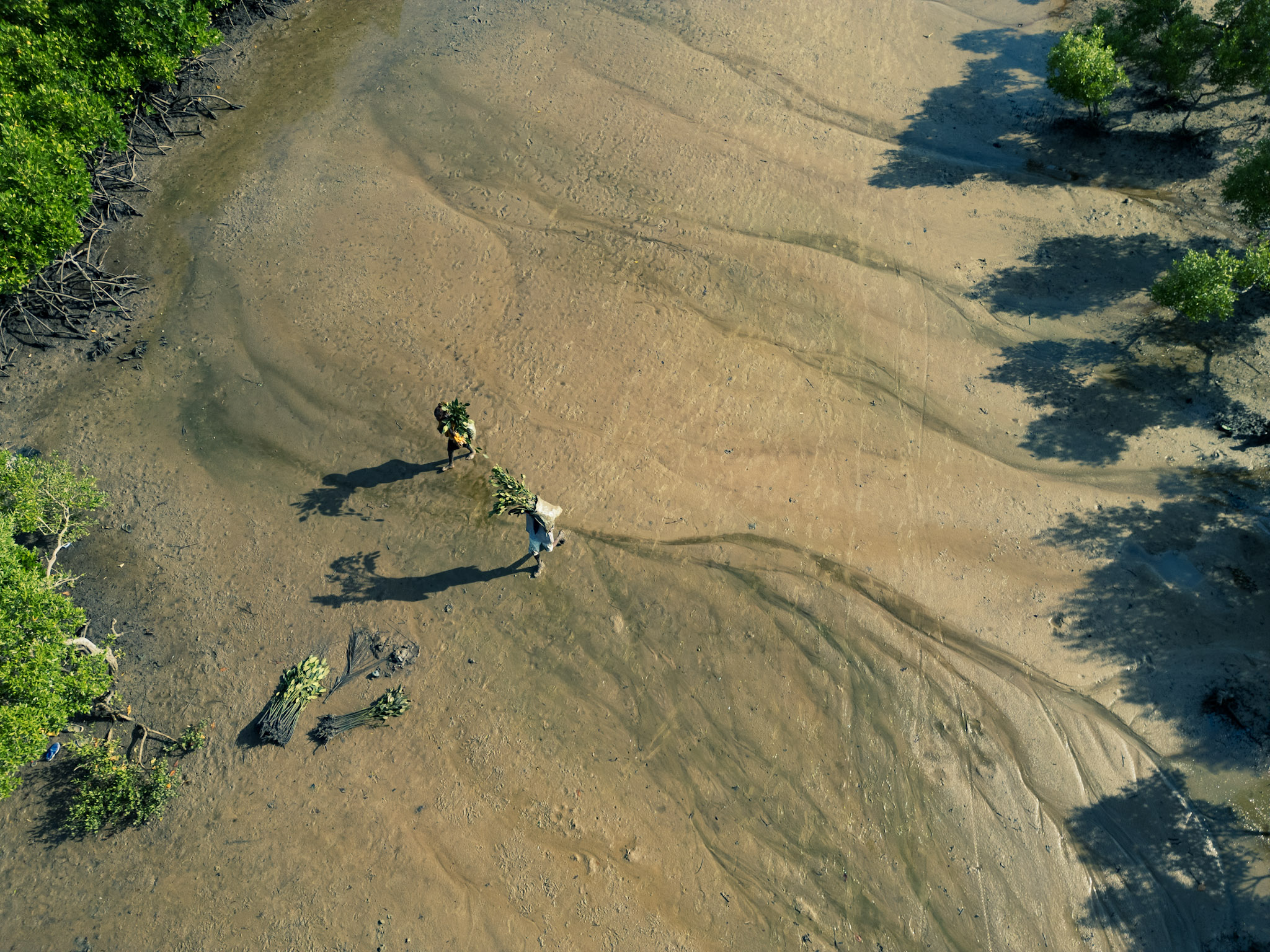
How does mangrove restoration contribute to climate action?
Mangrove trees are significant carbon reservoirs because they remove more greenhouse gas emissions from the atmosphere than terrestrial forests. Their special root system, which has semi-earthy and semi-marine components, collects biomass from organic matter, such as dead leaves and branches, over the years and binds CO2 emissions from the atmosphere. This particular root system stores far more CO2 than other tree species.
Worldwide, mangrove forests have been destroyed for agriculture or aquaculture, or cleared for timber and firewood. By damaging these enormous CO2 reservoirs, large amounts of CO2 are released again into the atmosphere. To avoid this,mangrove restoration projects protect mangrove forests and preserve coastal habitats for a variety of wildlife species - both in water and on land. The dense roots of mangroves also serve as natural protection against erosion, flooding and storms in coastal regions.
The project aims to contribute to these United Nations’ Sustainable Development Goals (SDGs).


Explore our projects
Biochar for Climate Action, Healthy Soils, and Better Harvests
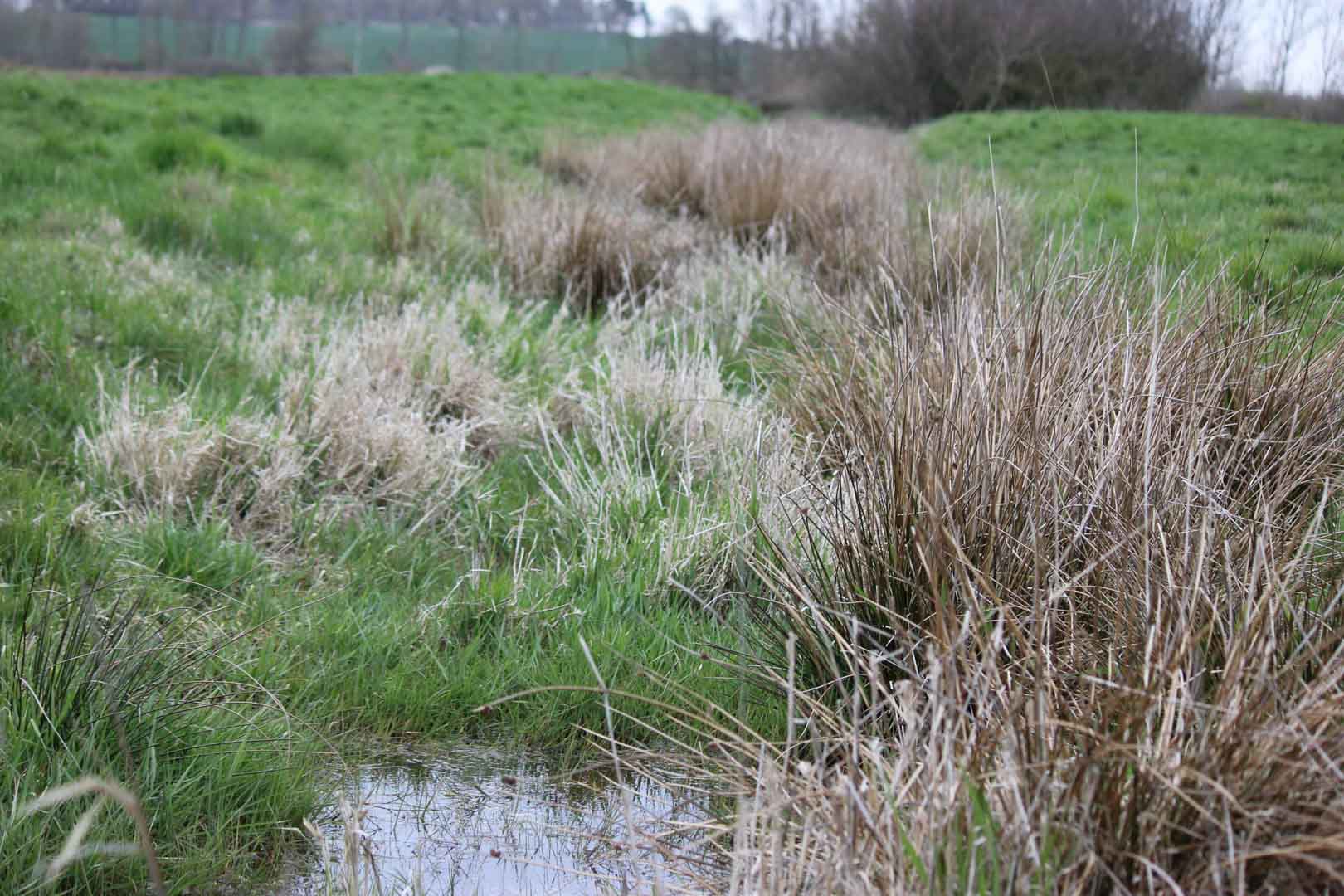
A certified climate project combined with additional commitment
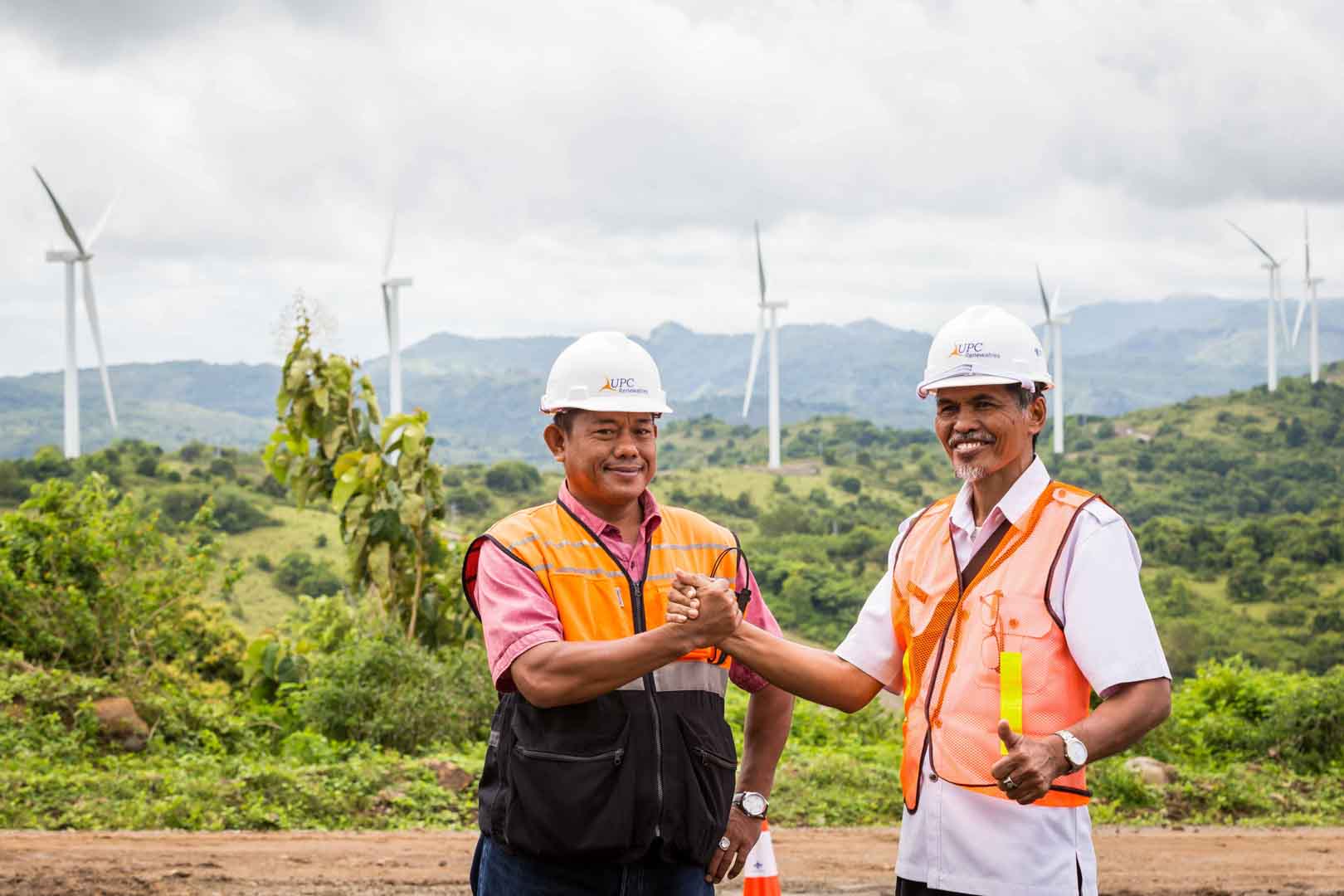
Expansion of renewable energy generation in Asia
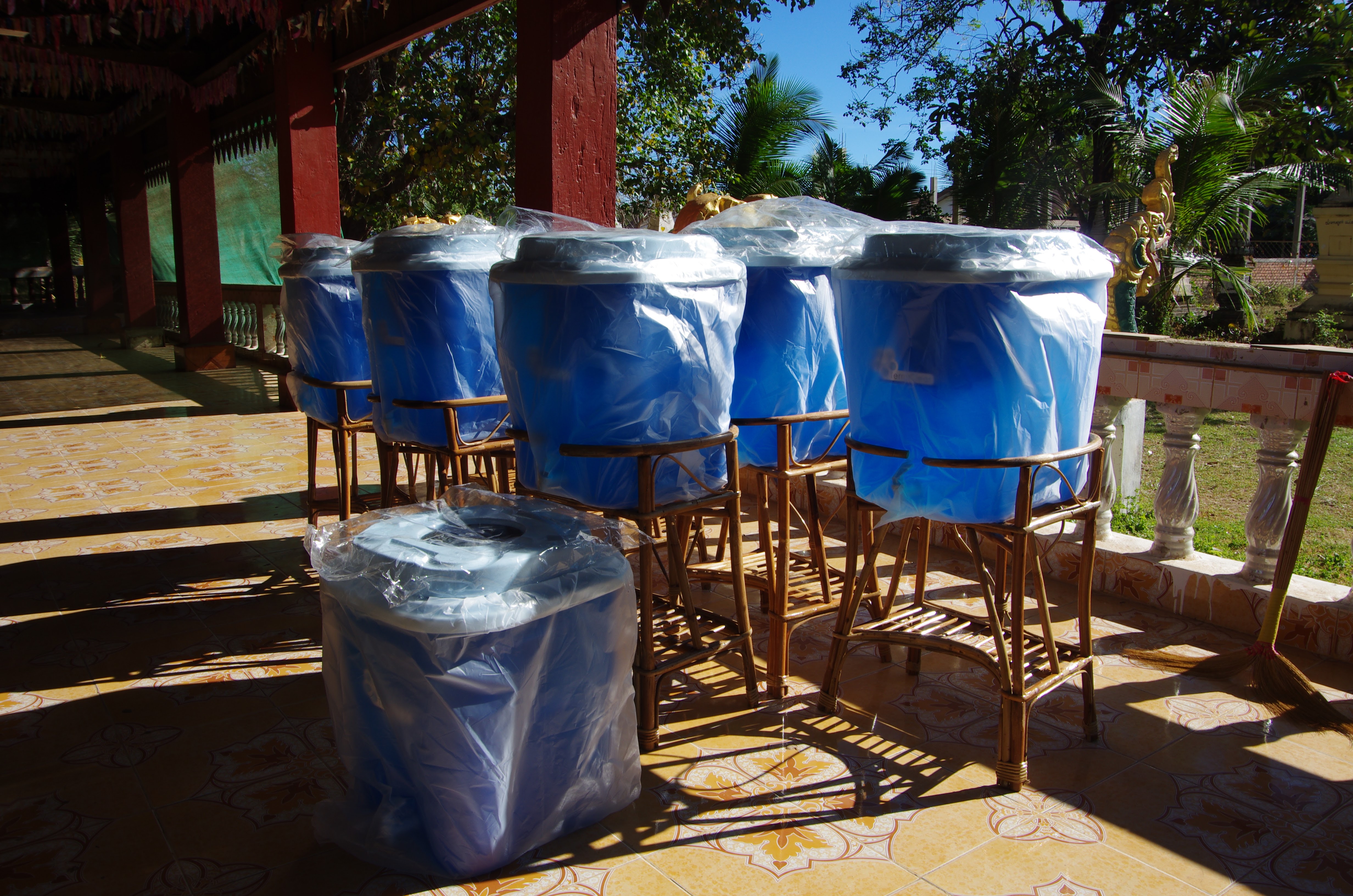
Ceramic water filters save CO2 and improve health
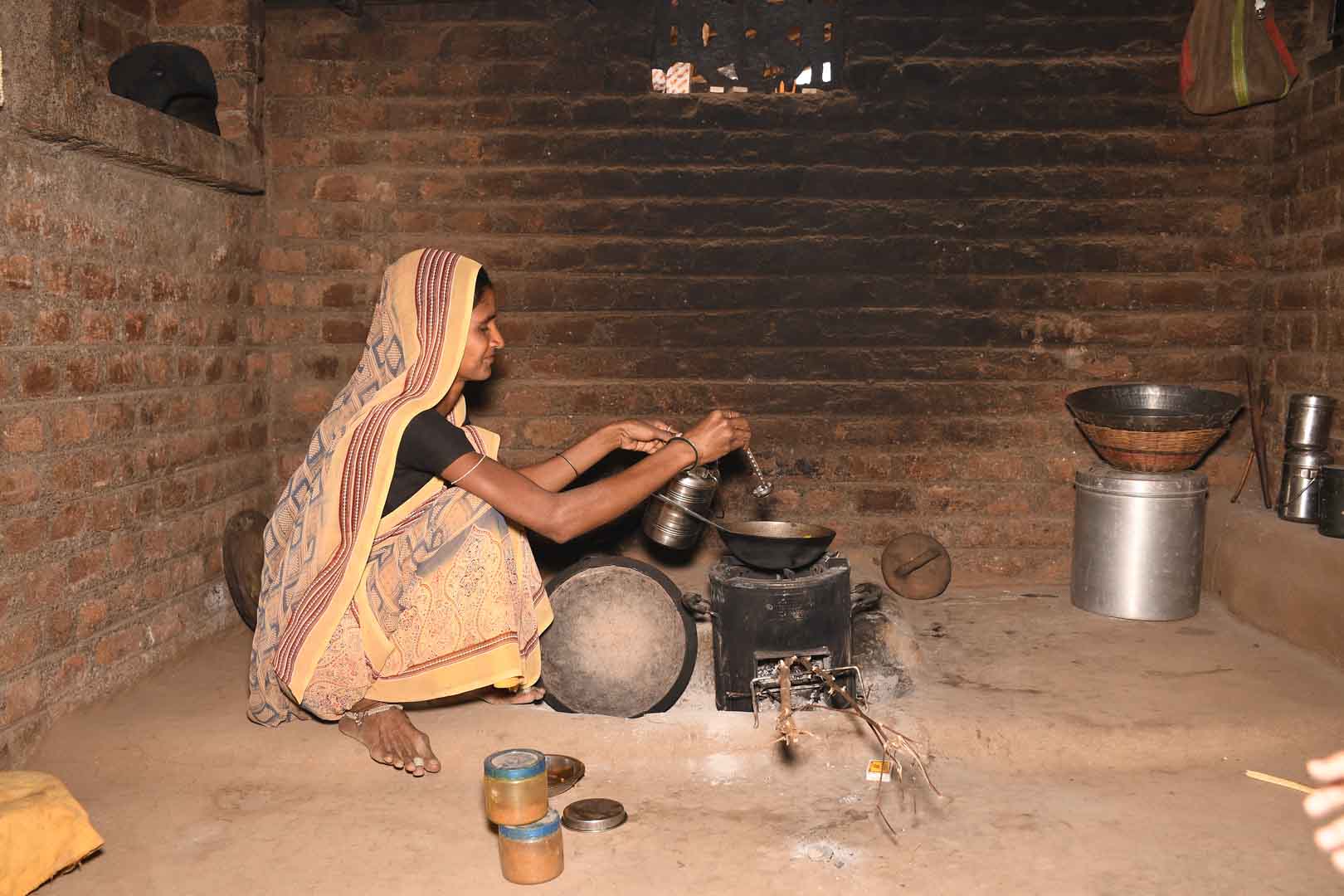
Improved cookstoves worldwide – for better health and cleaner air

A certified climate project combined with additional commitment
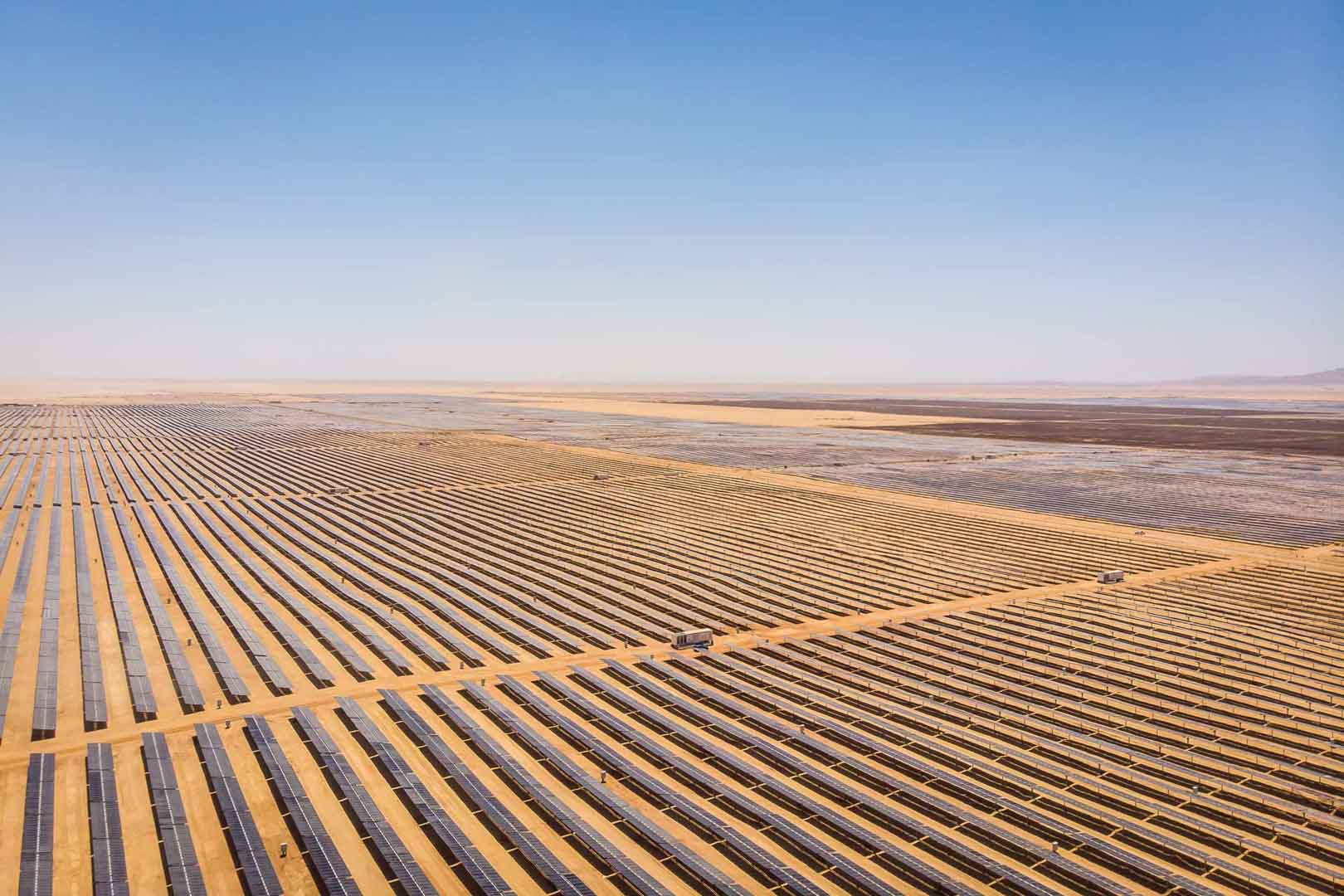
Powering access to renewable energy in Africa
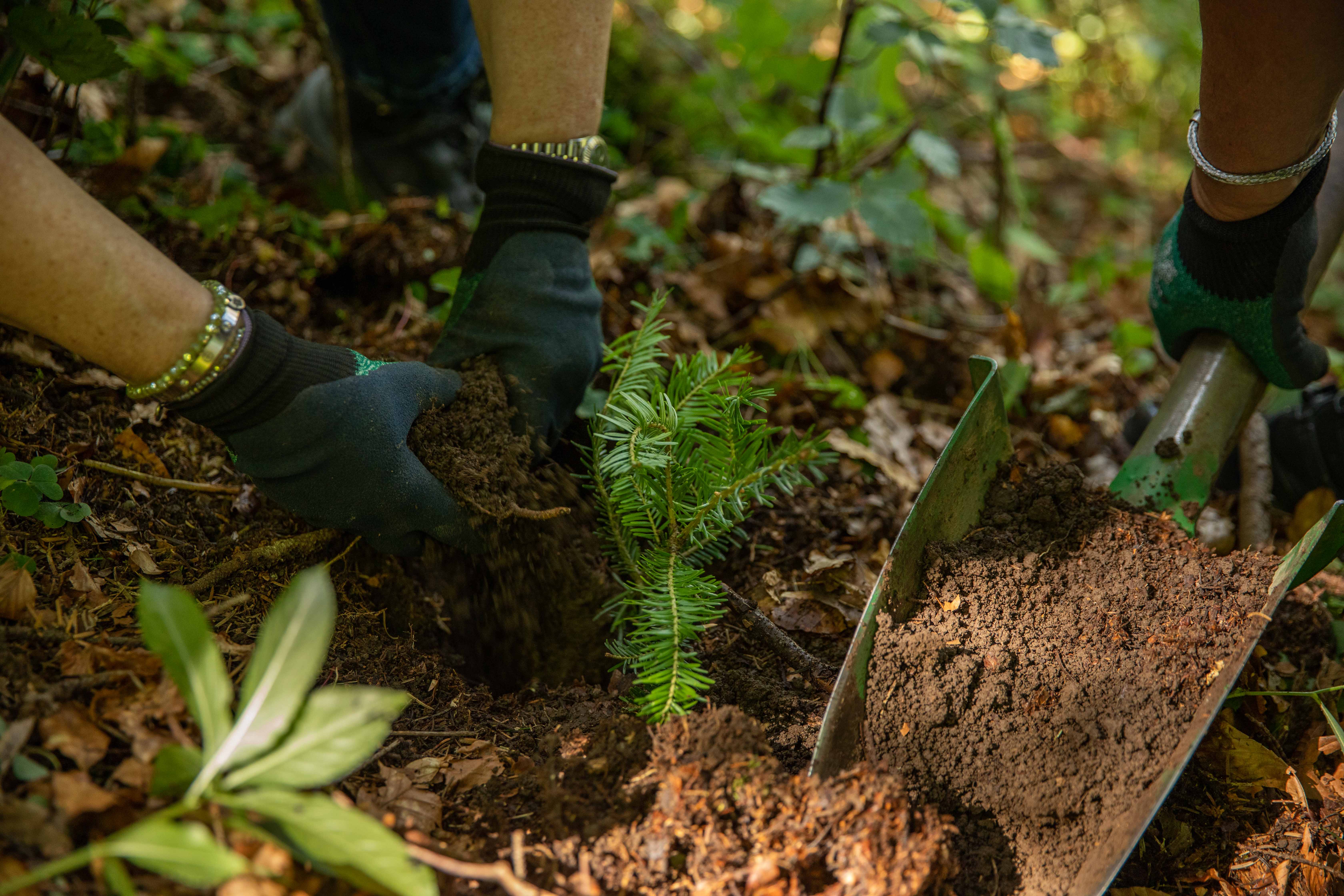
A certified climate project combined with additional commitment
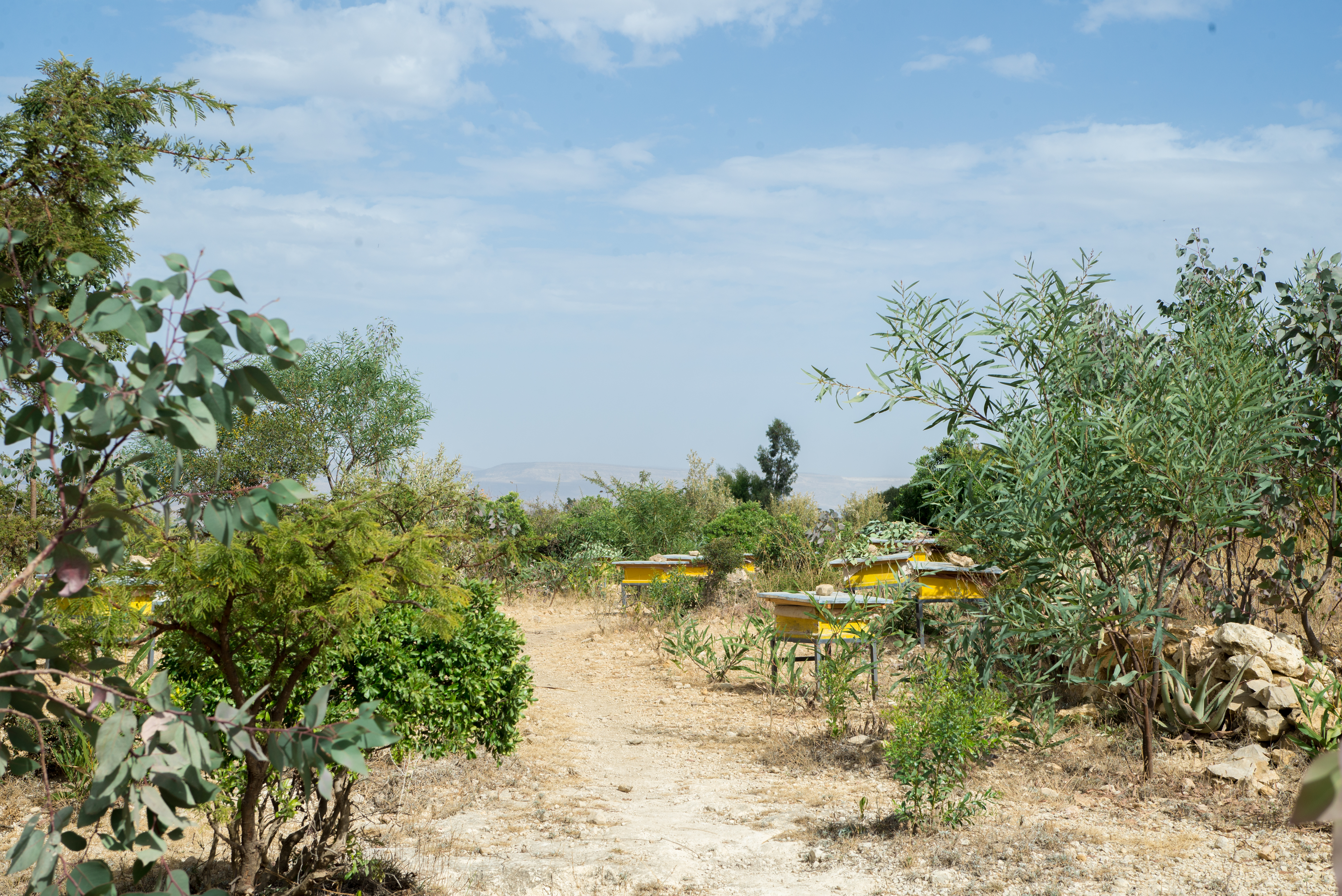
Restored ecosystems remove carbon
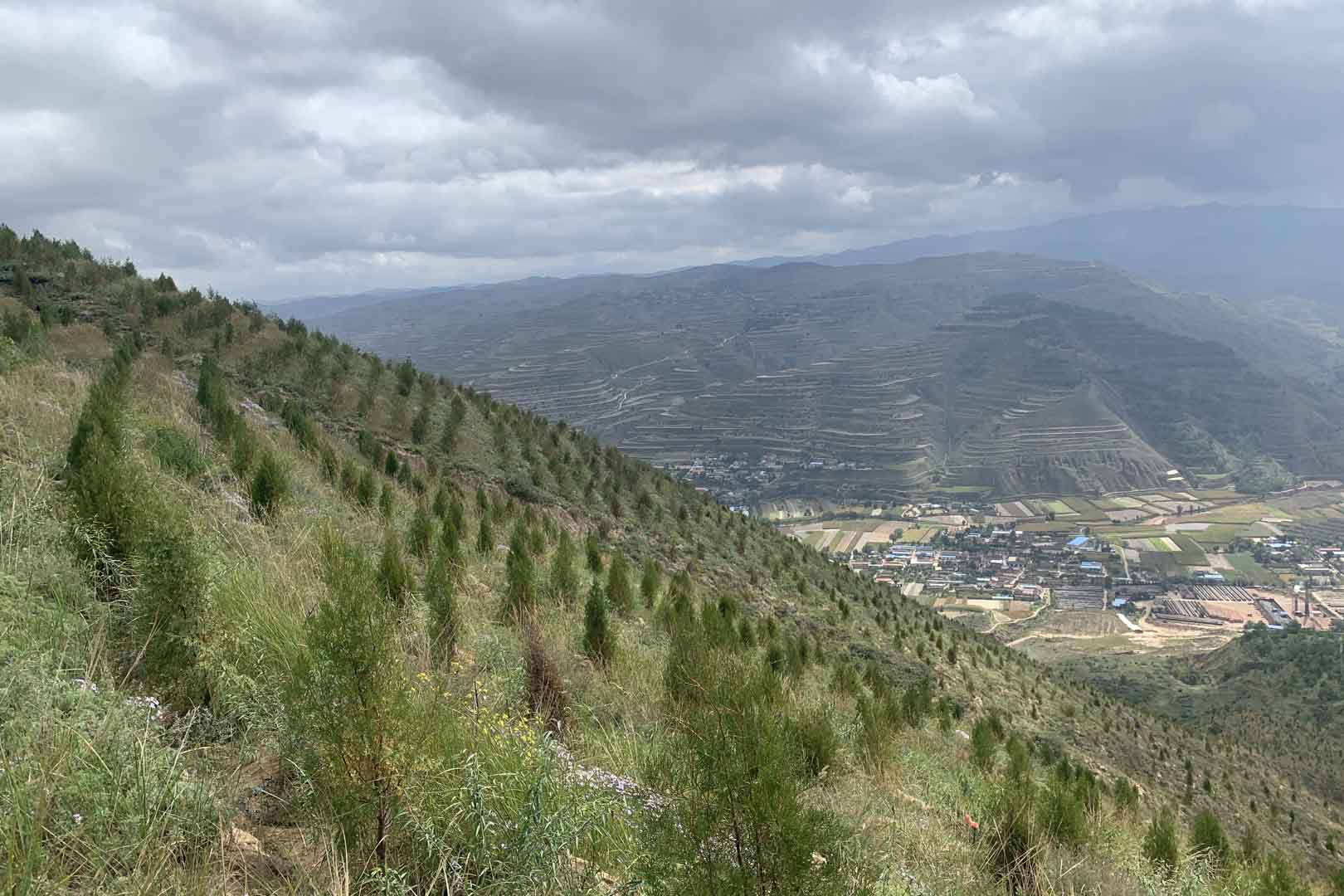
Turning degraded farmlands into healthy ecosystems
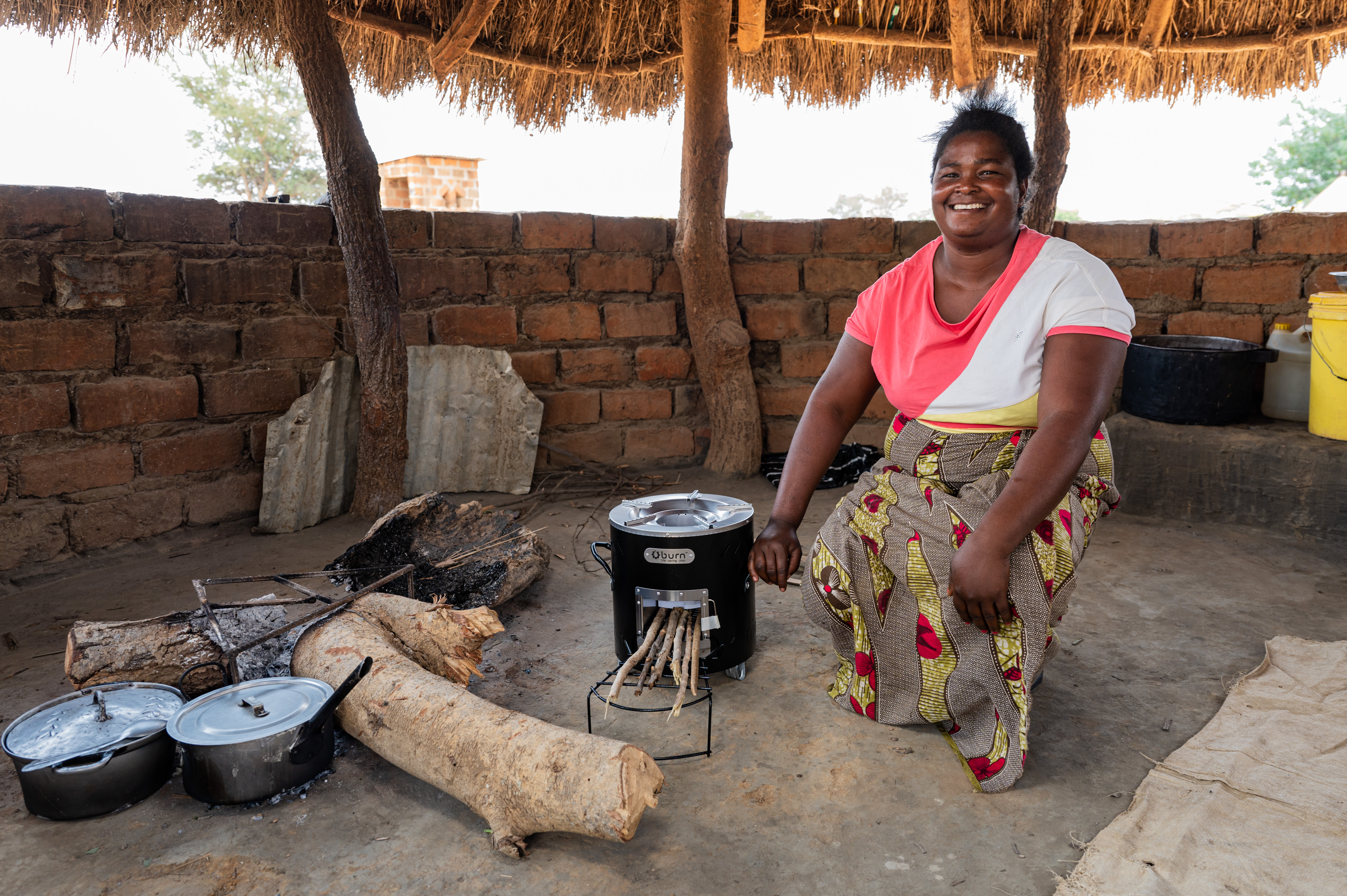
Improved cookstoves - better for health and the environment