
Devolver la fertilidad a los suelos
Décadas de agricultura intensiva han agotado y compactado los suelos en toda Europa. Hoy almacenan menos carbono y retienen peor el agua. Así, la agricultura se ha convertido en parte del problema climático.
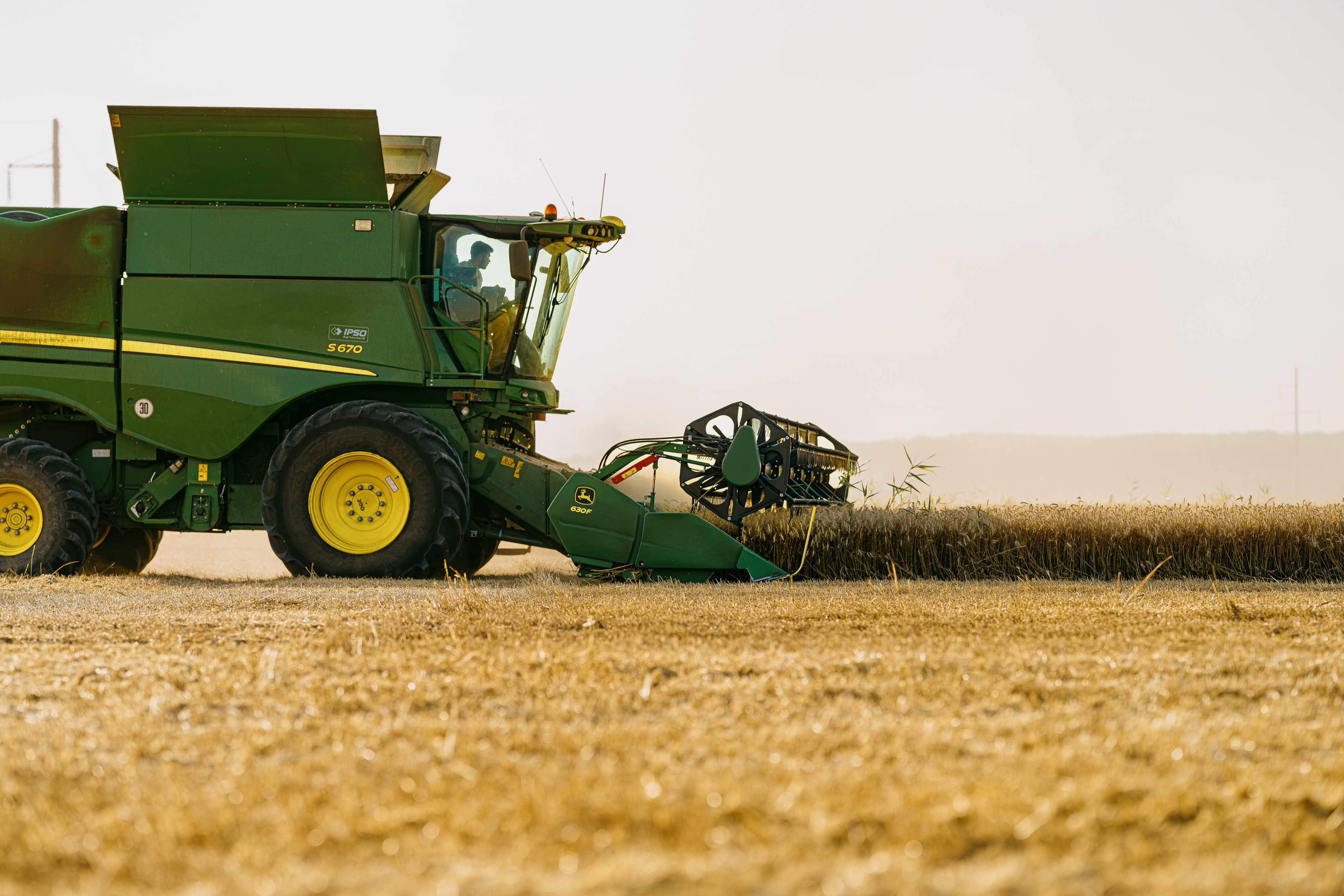
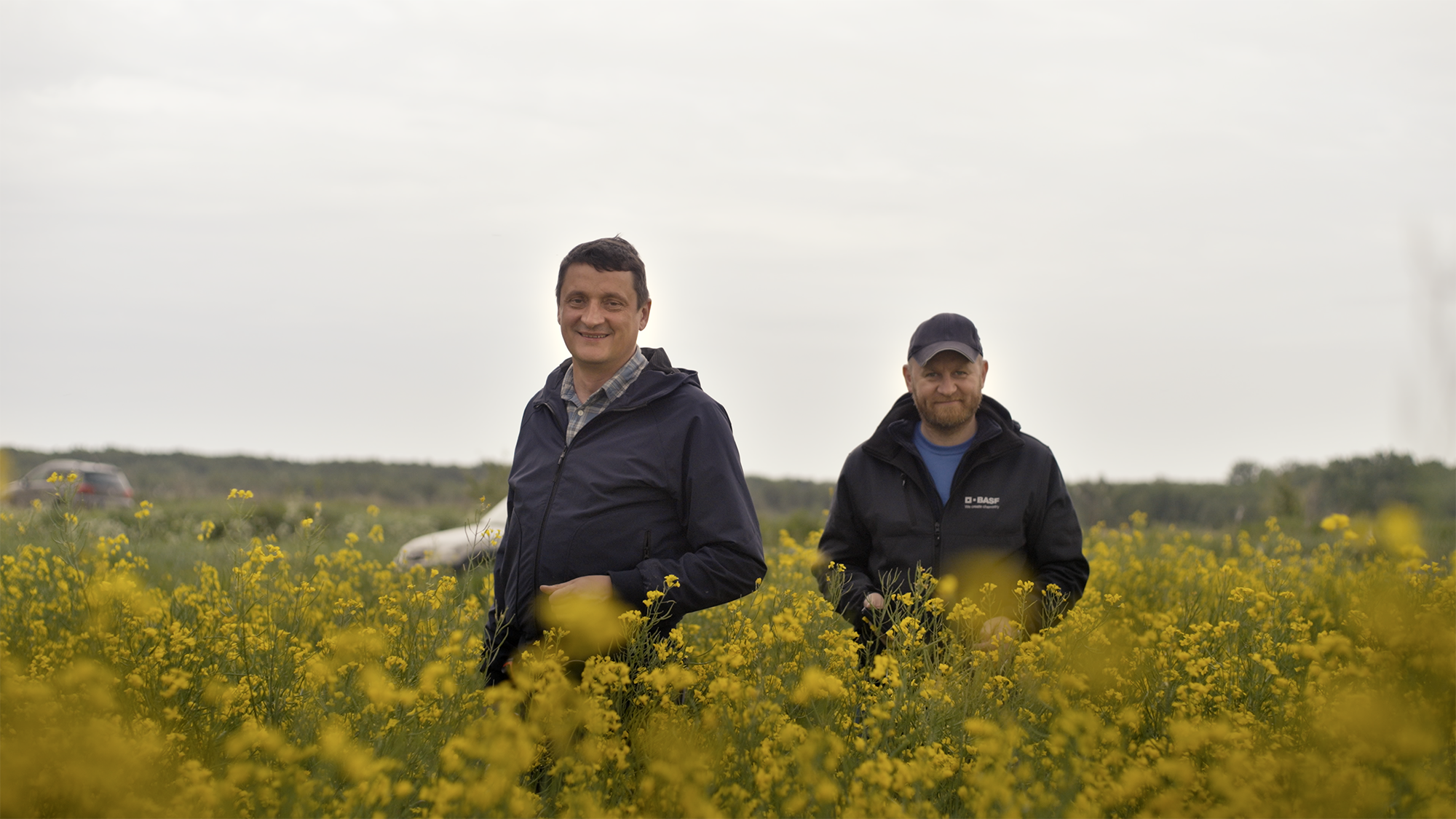
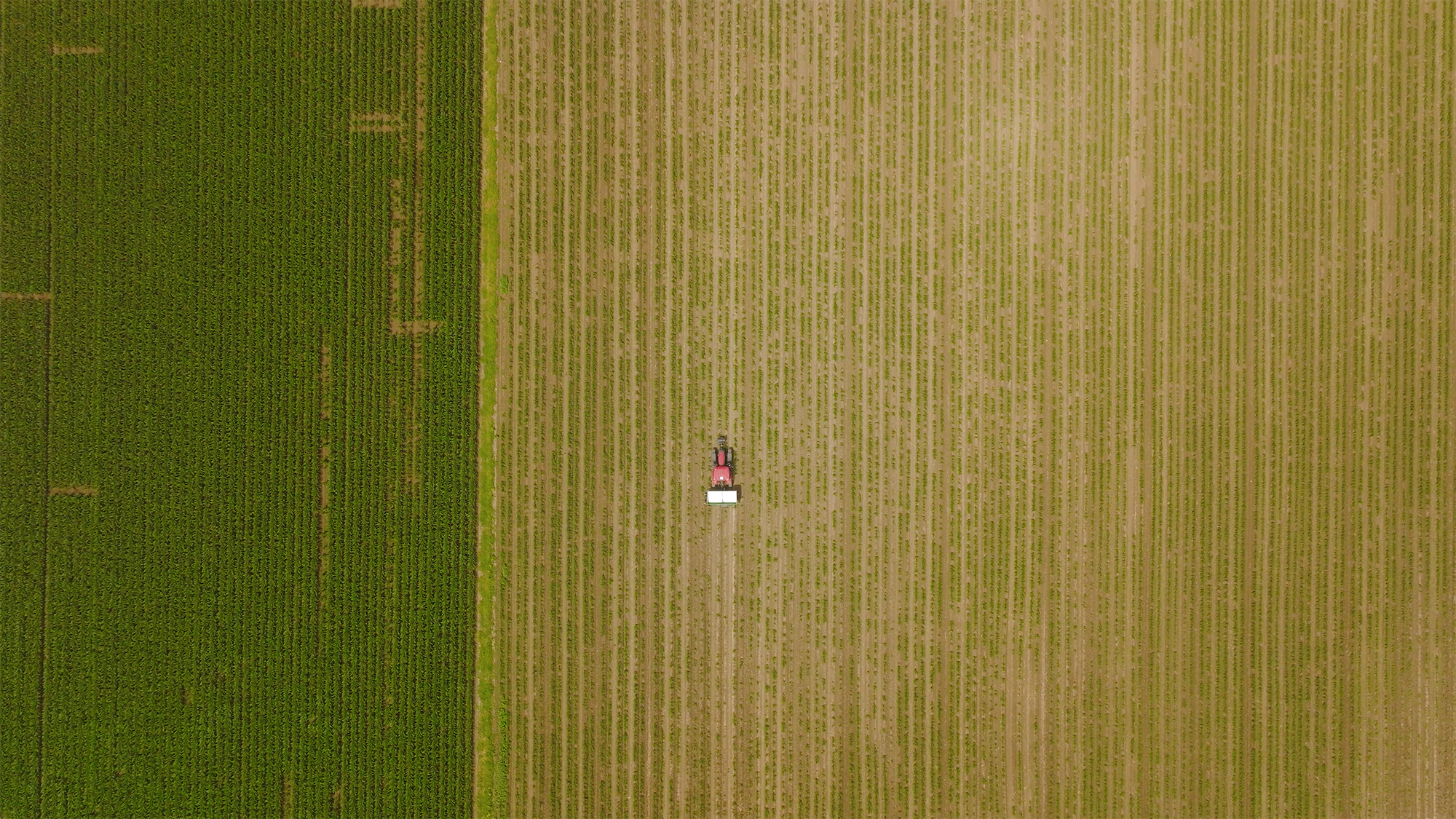
Este proyecto demuestra que existe otra forma de trabajar la tierra. En diez países europeos, los agricultores están adoptando prácticas regenerativas: reducen el laboreo, cultivan cubiertas vegetales, utilizan fertilizantes orgánicos y gestionan los residuos agrícolas de forma más responsable.
El resultado: suelos que almacenan más carbono, resisten mejor las sequías y sientan las bases de una agricultura más sostenible.

 El proyecto contribuye a los Objetivos de Desarrollo Sostenible de las Naciones Unidas


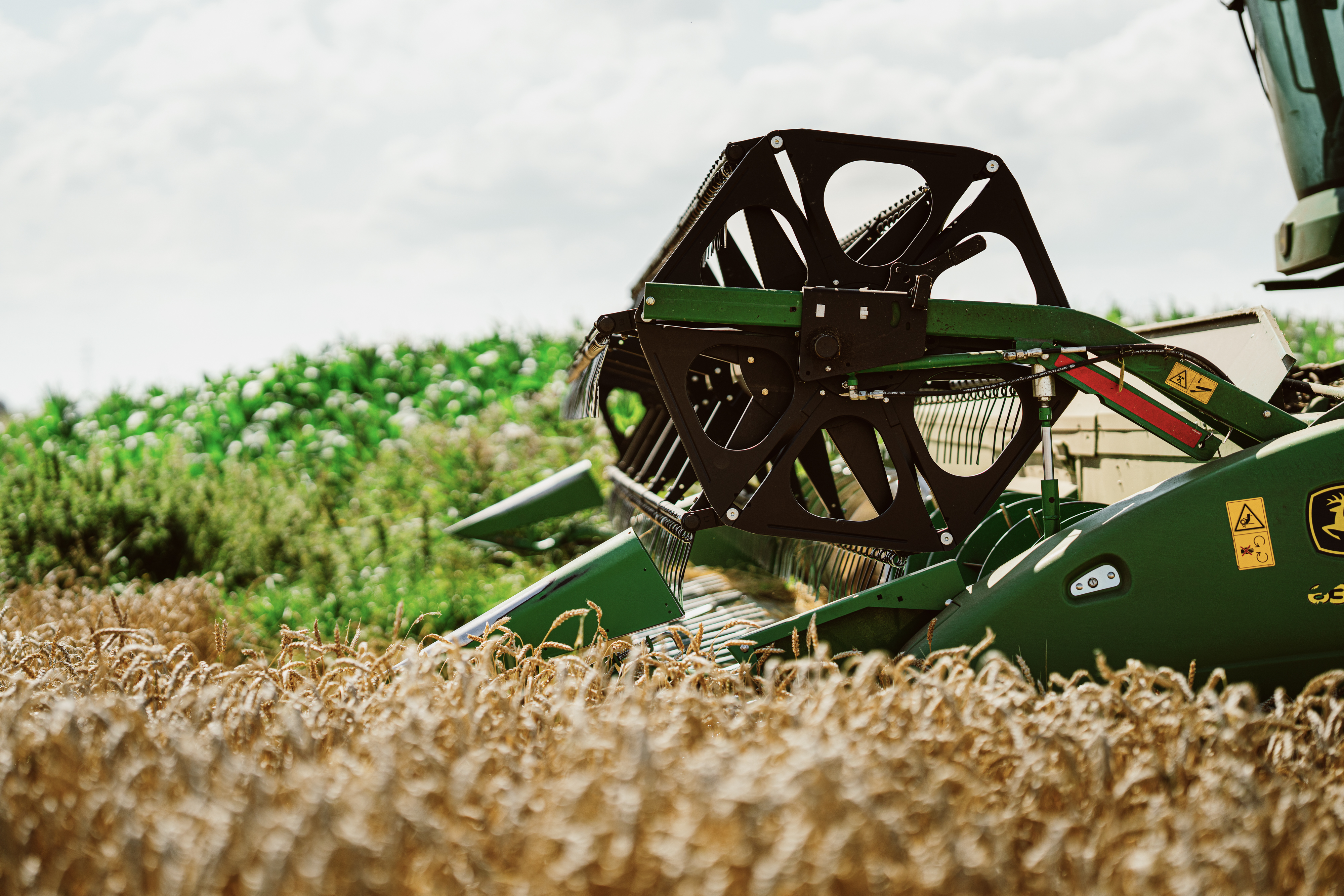
How regenerative agriculture contributes to climate action
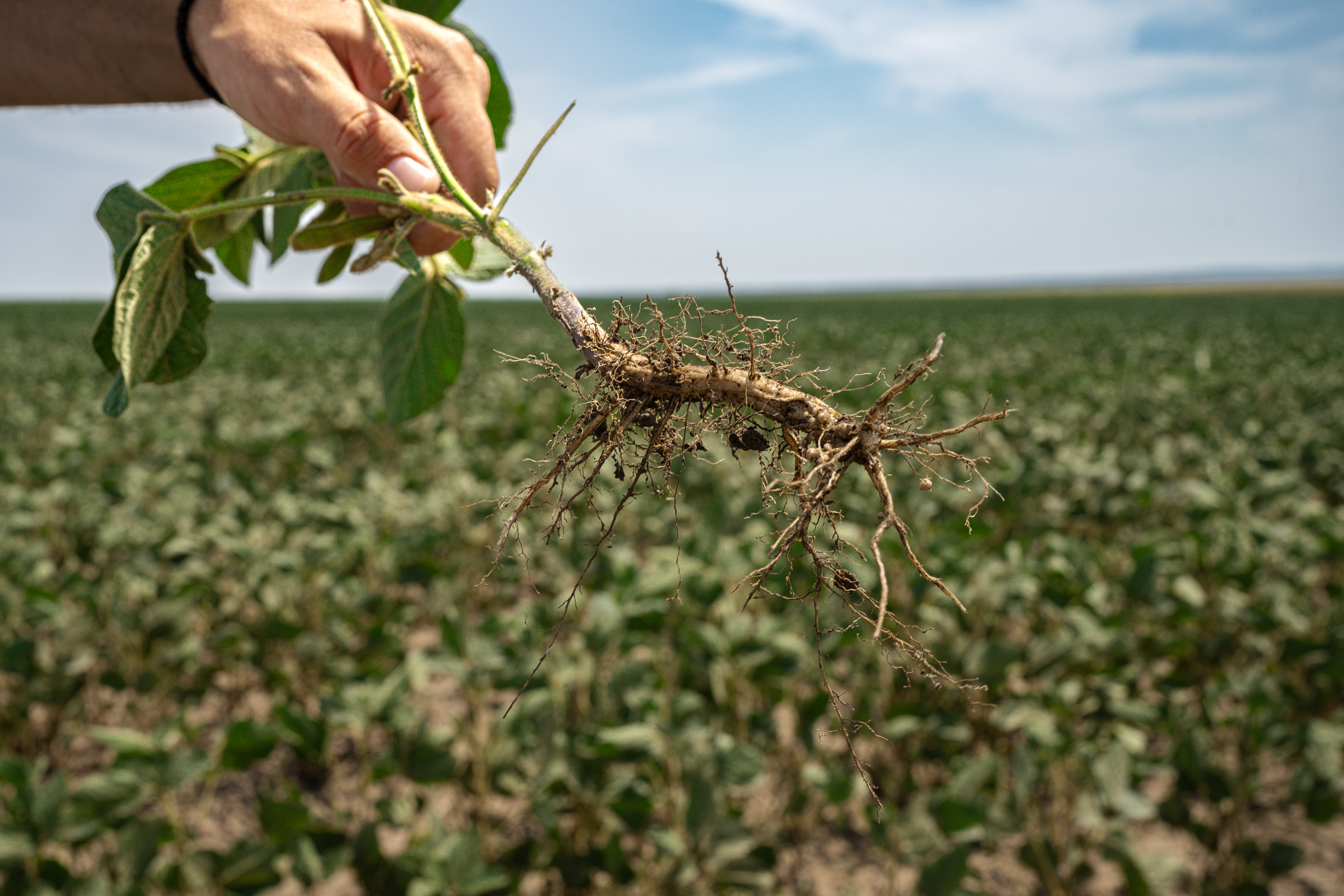
With food and agriculture accounting for one-fourth of all global greenhouse gas emissions, transitioning to more sustainable farming practices is one of the key climate action measures. Regenerative agriculture can reduce emissions, increase carbon removals and improve soil quality.
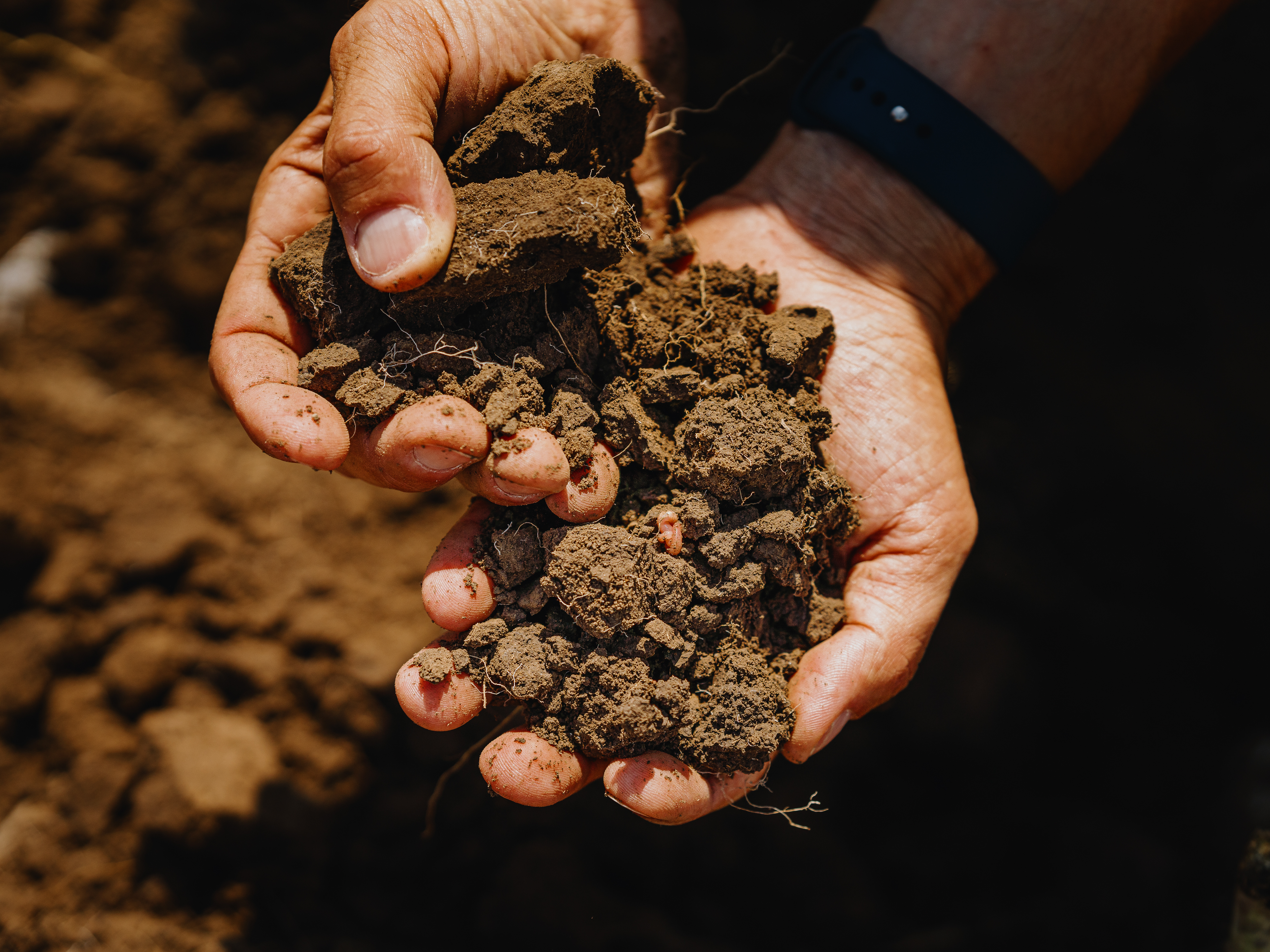
Reduced soil disturbance supports good soil structure, can increase soil organic carbon and helps conserve moisture. By maintaining a healthier, more biodiverse soil ecosystem, it can lower erosion risk and reduce fuel use through fewer or lighter field operations. The use of cover crops can improve soil organic carbon and fertility by capturing excess nutrients after harvest. Cover crops also help conserve soil moisture, reduce erosion, reduce compaction and lower nutrient losses.
The use of organic fertilisers can improve nutrient availability and increase soil organic matter, supporting healthier, more resilient plants and more robust farming systems. Because nutrients are often released more gradually, this approach can, when applied appropriately, reduce the risk of surface runoff, erosion and plant stress.
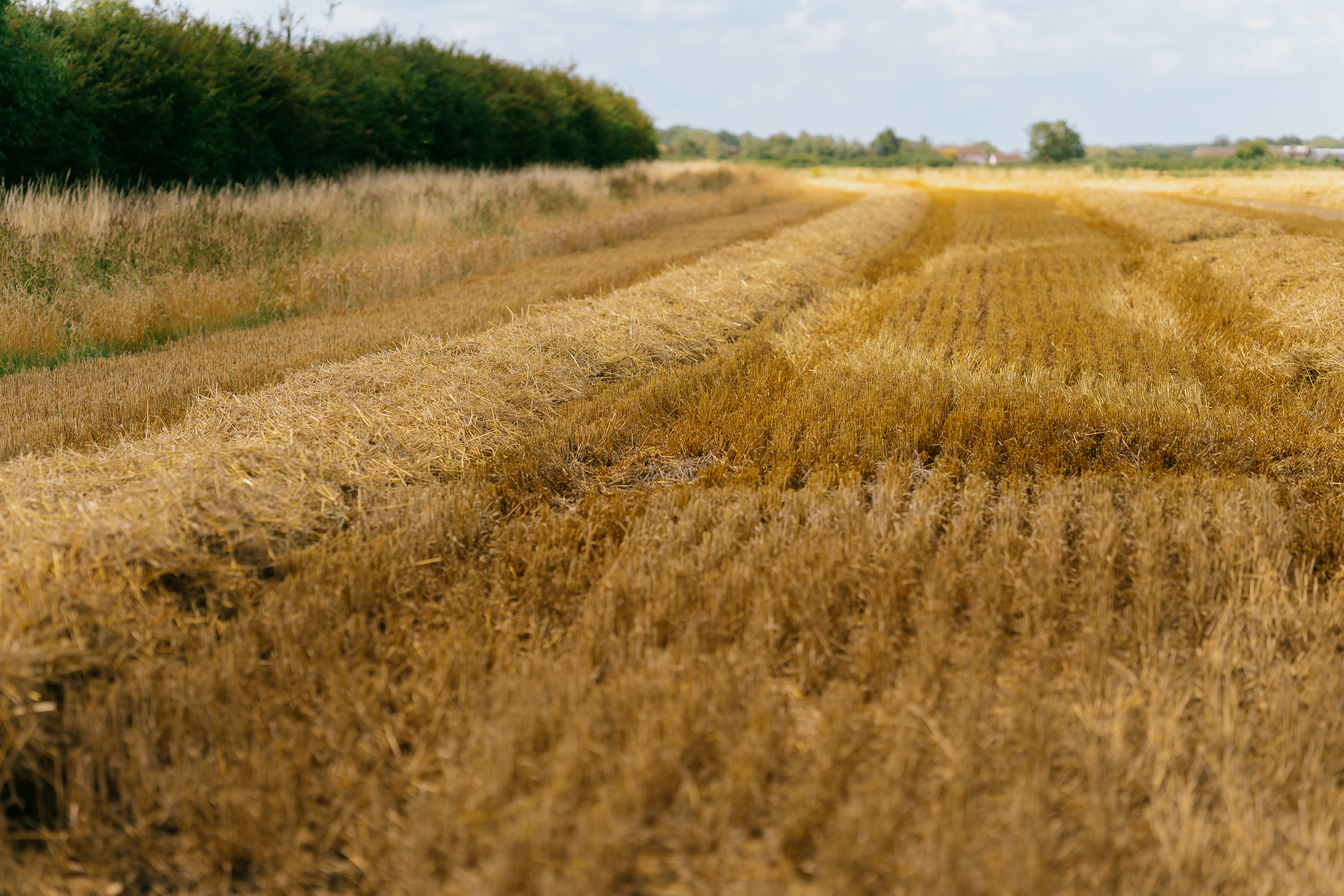
Finally, improved residue management means leaving crop residues such as straw and stalks on the field and distributing them as mulch, so the soil remains covered by a protective plant layer. This shields soils from erosion and extreme temperatures while retaining moisture. Returning residues to the soil adds organic matter and can contribute to higher soil carbon over time. Climate projects in the ClimatePartner portfolio are registered with international standards.
El proyecto pretende contribuir a estos Objetivos de Desarrollo Sostenible (ODS) de las Naciones Unidas.


Cuatro criterios para que los proyectos cumplan los umbrales de calidad
El ciclo de vida de un proyecto climático
Un proyecto climático tiene un ciclo de vida determinado que consta de varias fases, desde la evaluación de la viabilidad hasta la retirada de las Reducciones Verificadas de Emisiones (REV).
El promotor del proyecto revisa la viabilidad general del proyecto, el diseño y la financiación. A continuación, se prepara el Documento de Diseño del Proyecto (DDP), que contiene toda la información básica sobre el proyecto, como el objetivo, la ubicación, el calendario y la duración.

En esta fase, auditores independientes examinan el DDP y la información que contiene. Esta fase también suele incluir visitas sobre el terreno con entrevistas y análisis in situ. Los auditores son inspectores acreditados e imparciales que deben estar aprobados por la norma pertinente como organismo de validación y verificación (OVV). TÜV Nord/Süd, S&A Carbon LLC. y SCS Global Services son ejemplos de VVB.

Una vez validado, el proyecto puede registrarse con una norma como la Verified Carbon Standard o la Gold Standard. Todos los proyectos climáticos de alta calidad se basan en normas internacionales. Proporcionan el marco para el diseño, la construcción, la contabilidad del carbono y el seguimiento de los proyectos. Las normas reconocidas hacen que el sistema de proyectos climáticos y los propios proyectos sean resilientes, trazables y creíbles.

Una vez registrado el proyecto climático, comienza el seguimiento. Aquí, los promotores del proyecto supervisan y documentan los datos de las actividades y los avances del proyecto. La duración de la fase de seguimiento varía de un proyecto a otro: puede abarcar dos años, pero también es posible que se documente a lo largo de cinco o siete años.

Al final de cada fase de seguimiento, un VVB comprueba y evalúa si los valores y las actividades del proyecto que figuran en el informe de seguimiento son correctos. Al igual que en la validación, las visitas al emplazamiento del proyecto suelen formar parte del proceso de verificación.

Una vez verificadas, las reducciones de emisiones confirmadas en la fase de verificación pueden expedirse como REV. Las fases de seguimiento, verificación y expedición de REV se repiten periódicamente y, por tanto, se consideran un ciclo.

Una vez que se ha utilizado un REV, hay que retirarlo. Este proceso también se refleja en el registro. Si la financiación de un proyecto climático se realiza a través de ClimatePartner, las REV se agrupan en un sistema certificado por TÜV Austria y se retiran periódicamente. Así se garantiza que cada REV ya no pueda venderse y solo se utilice una vez, evitando la doble contabilidad.
Explorar más proyectos
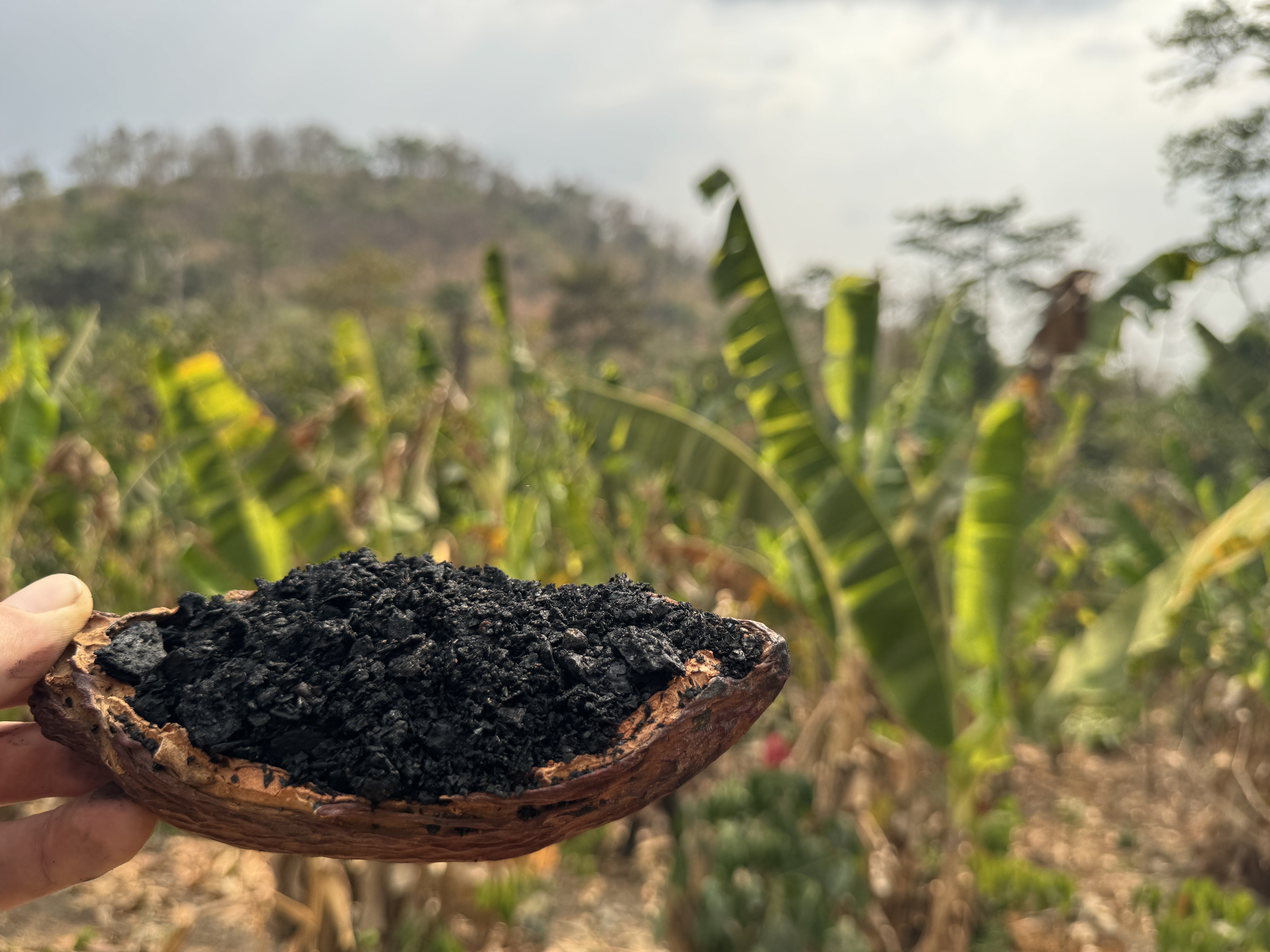
Biochar para Acción Climática, Suelos Saludables y Mejores Cosechas
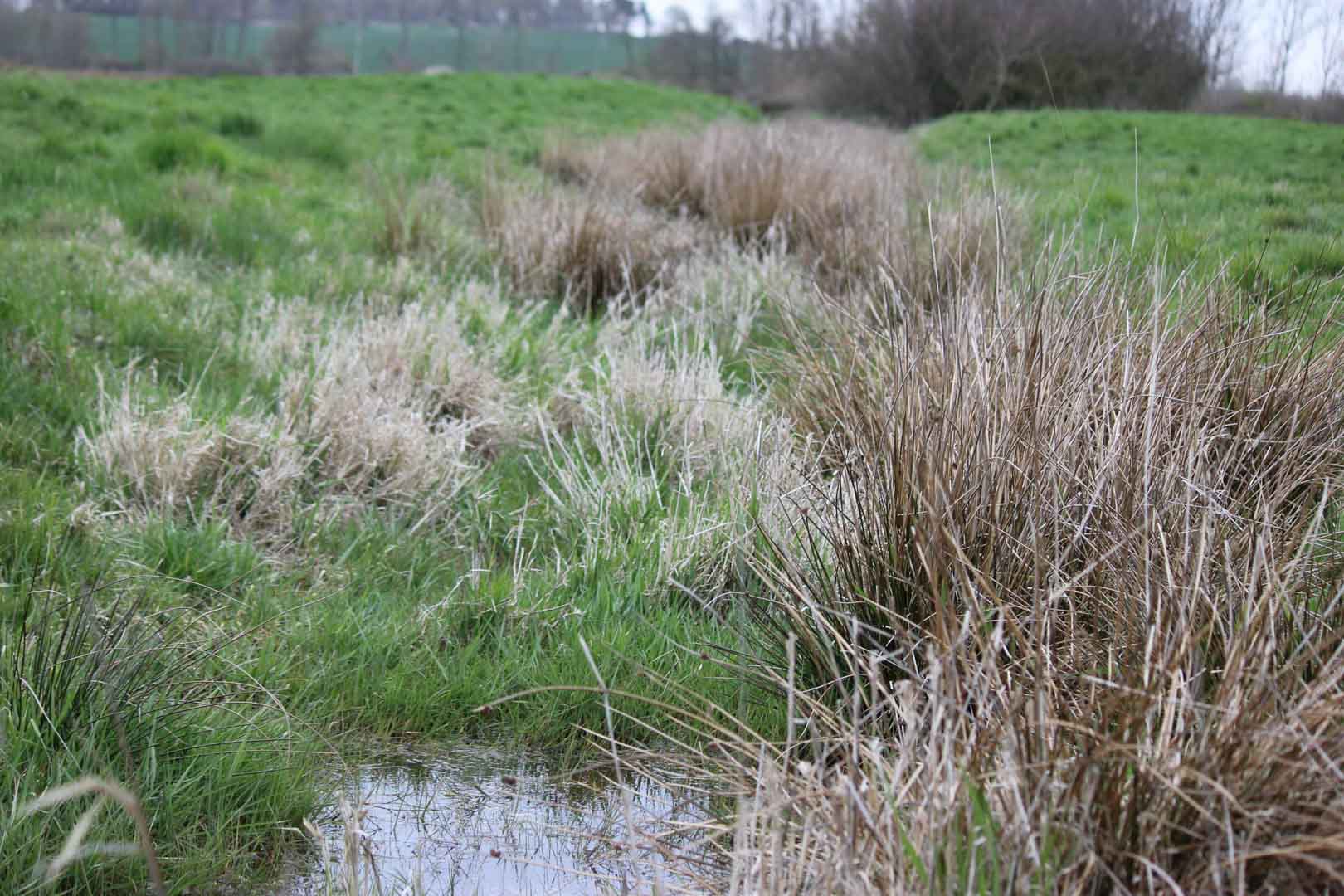
Un proyecto climático certificado combinado con un compromiso adicional
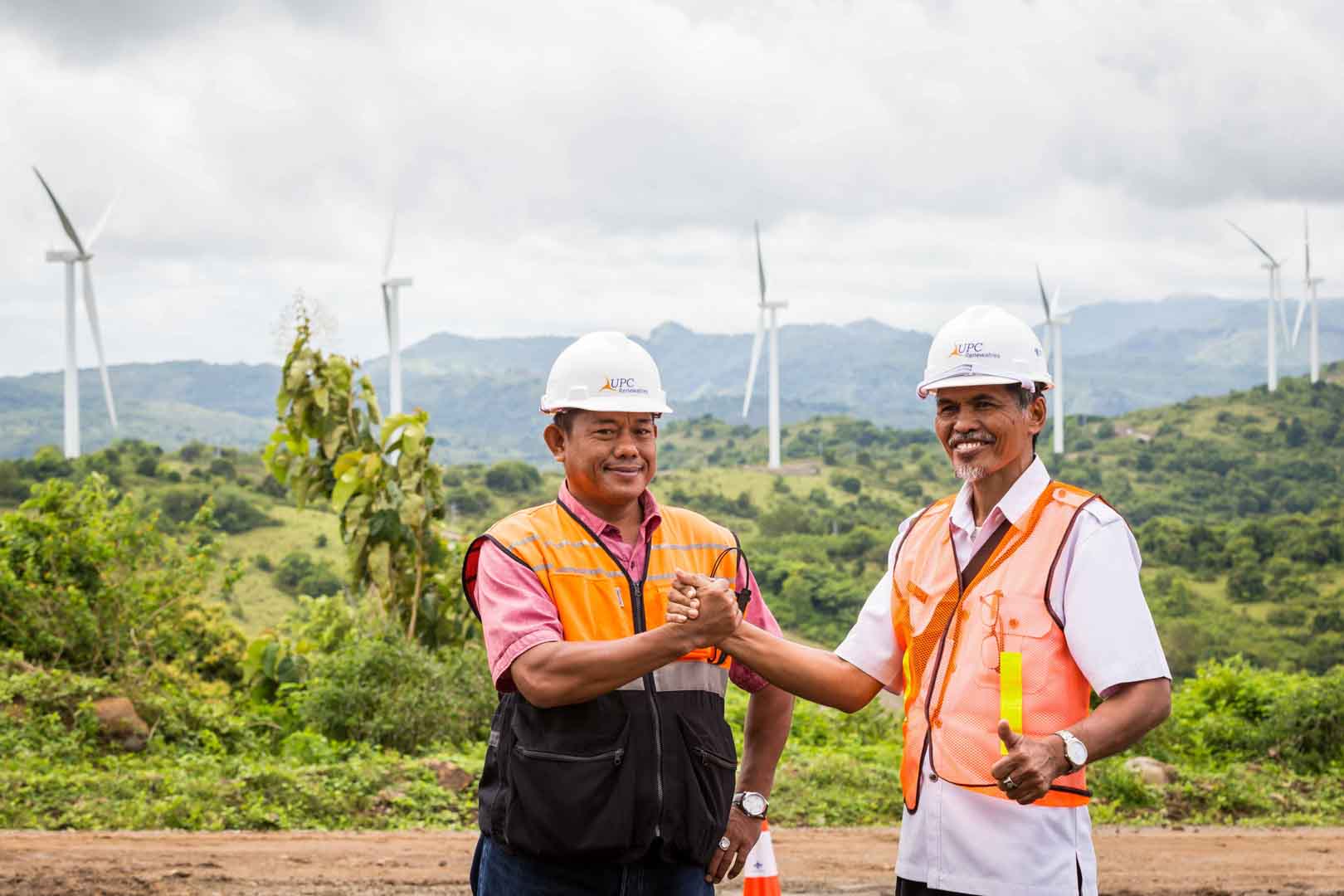
Generar energía renovable en Asia
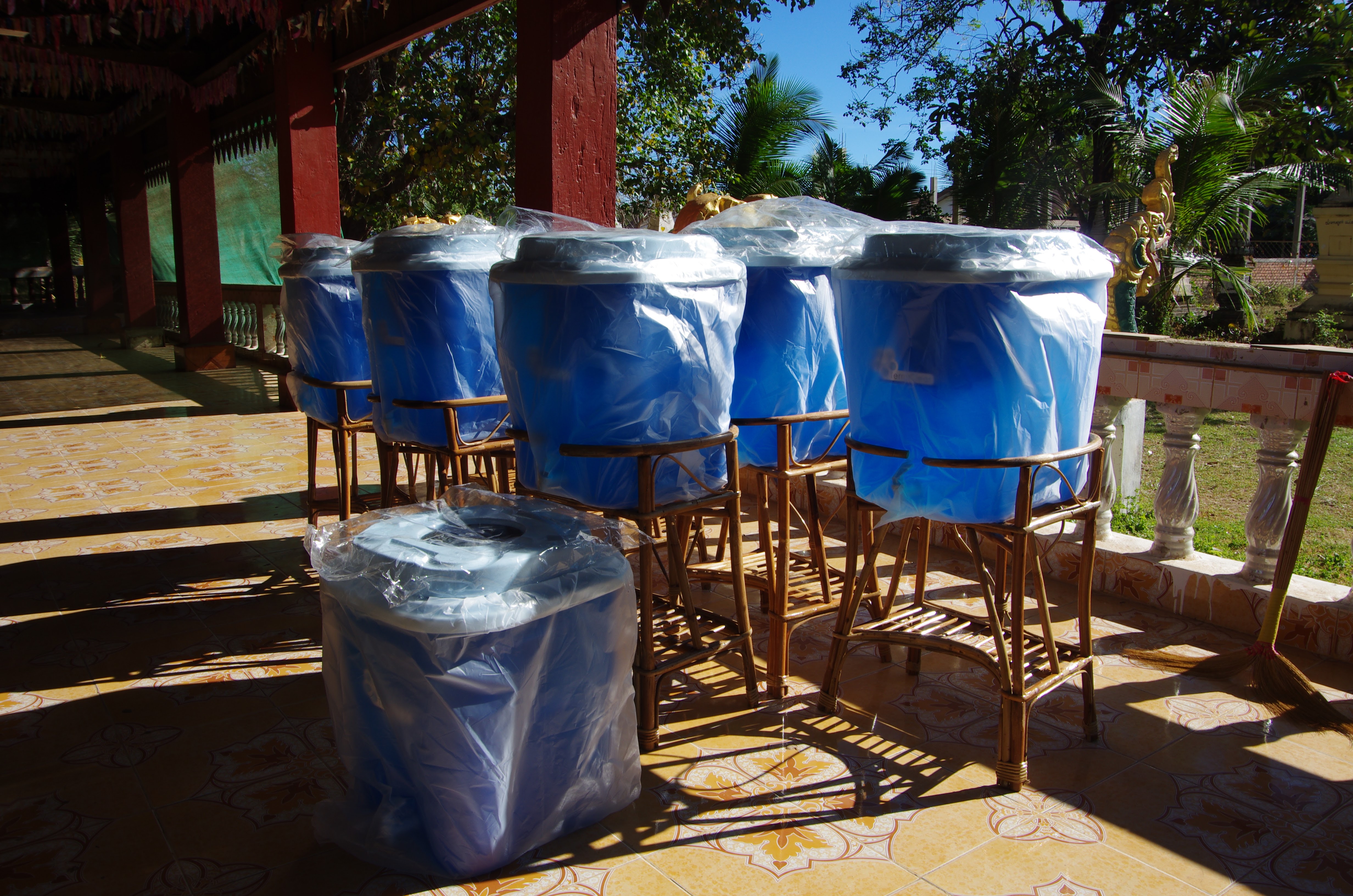
Los filtros de agua cerámicos ahorran CO2 y mejoran la salud
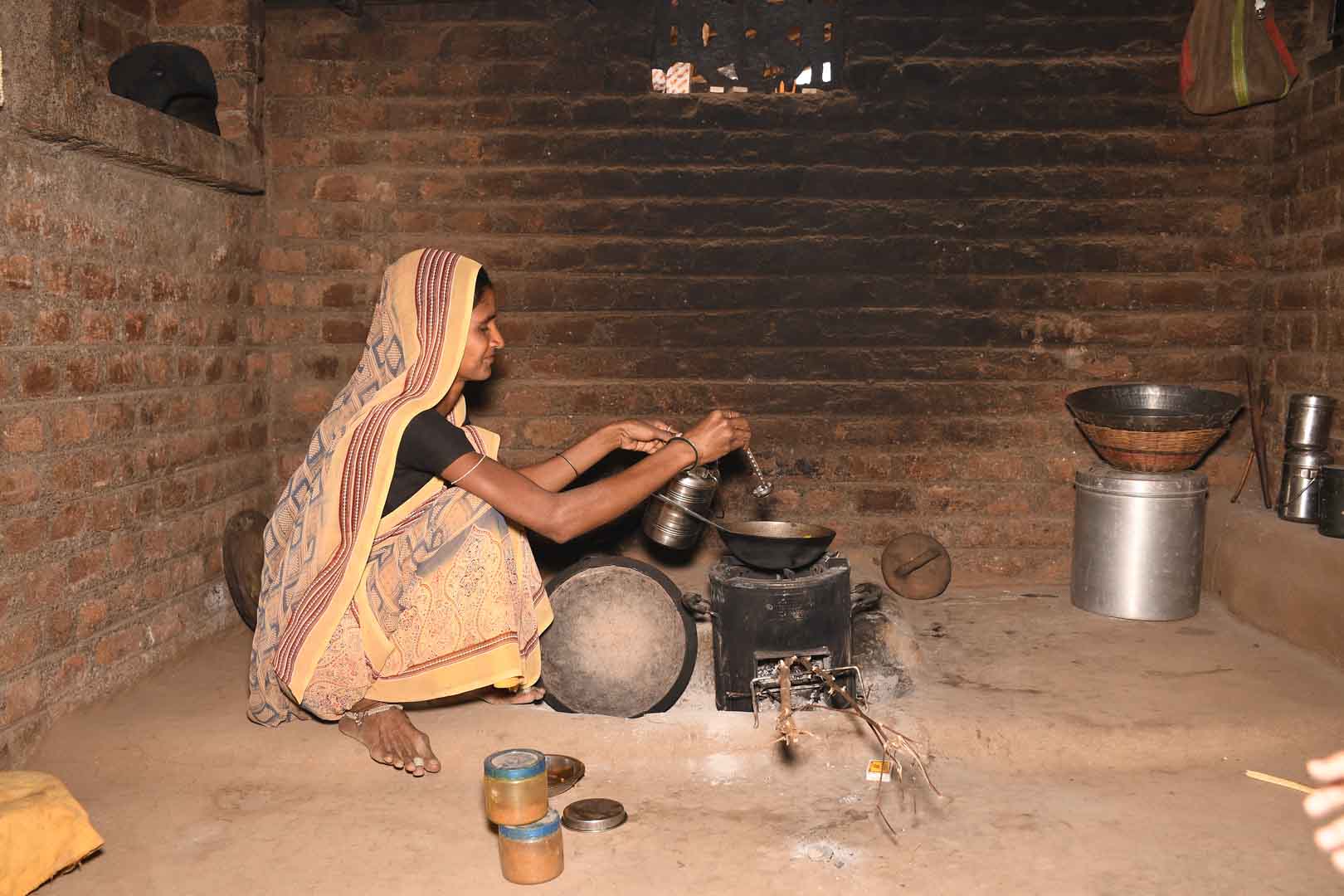
Estufas mejoradas en todo el mundo: para una mejor salud y un aire más limpio

Un proyecto climático certificado combinado con un compromiso adicional
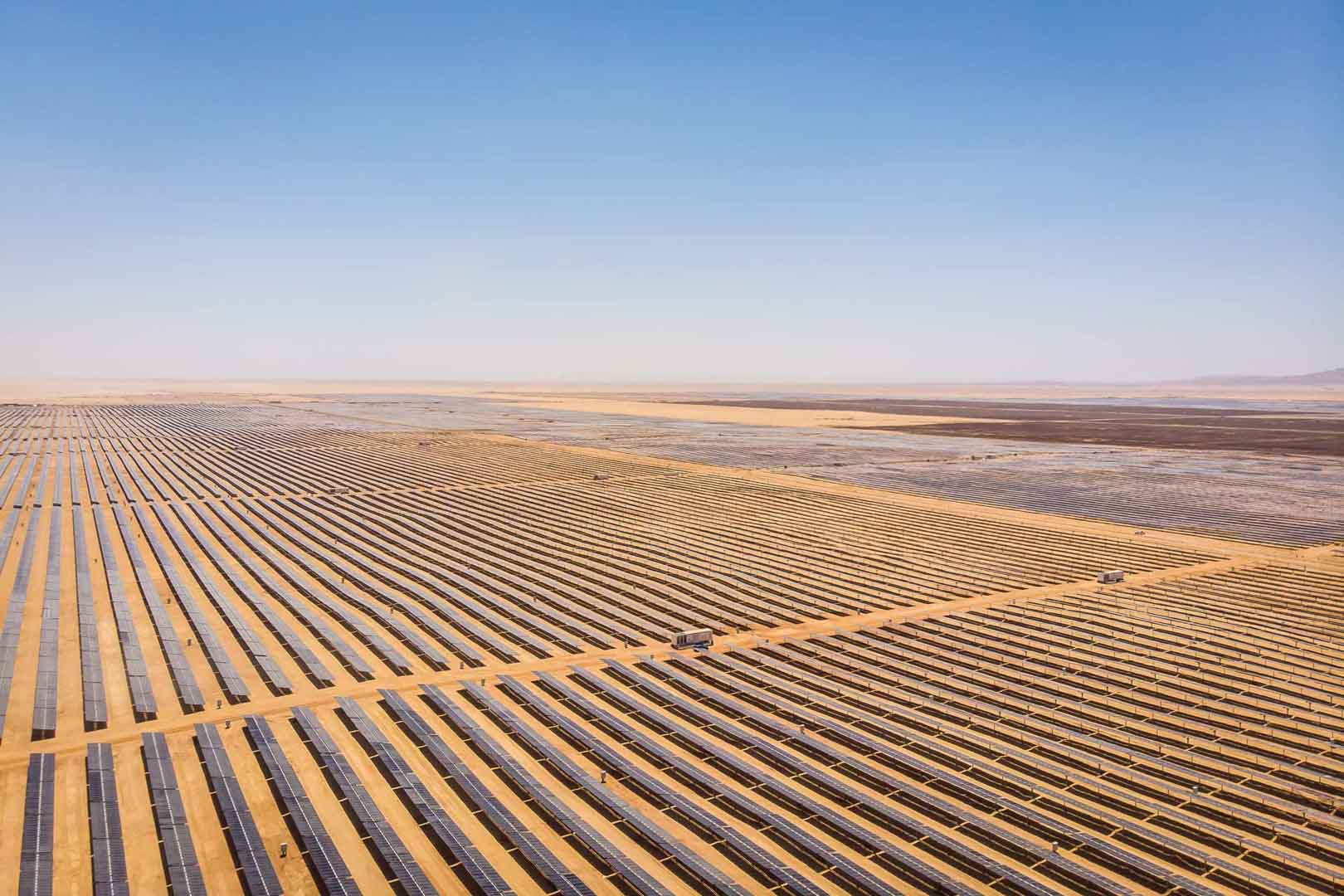
Impulsar el acceso a la energía verde en África
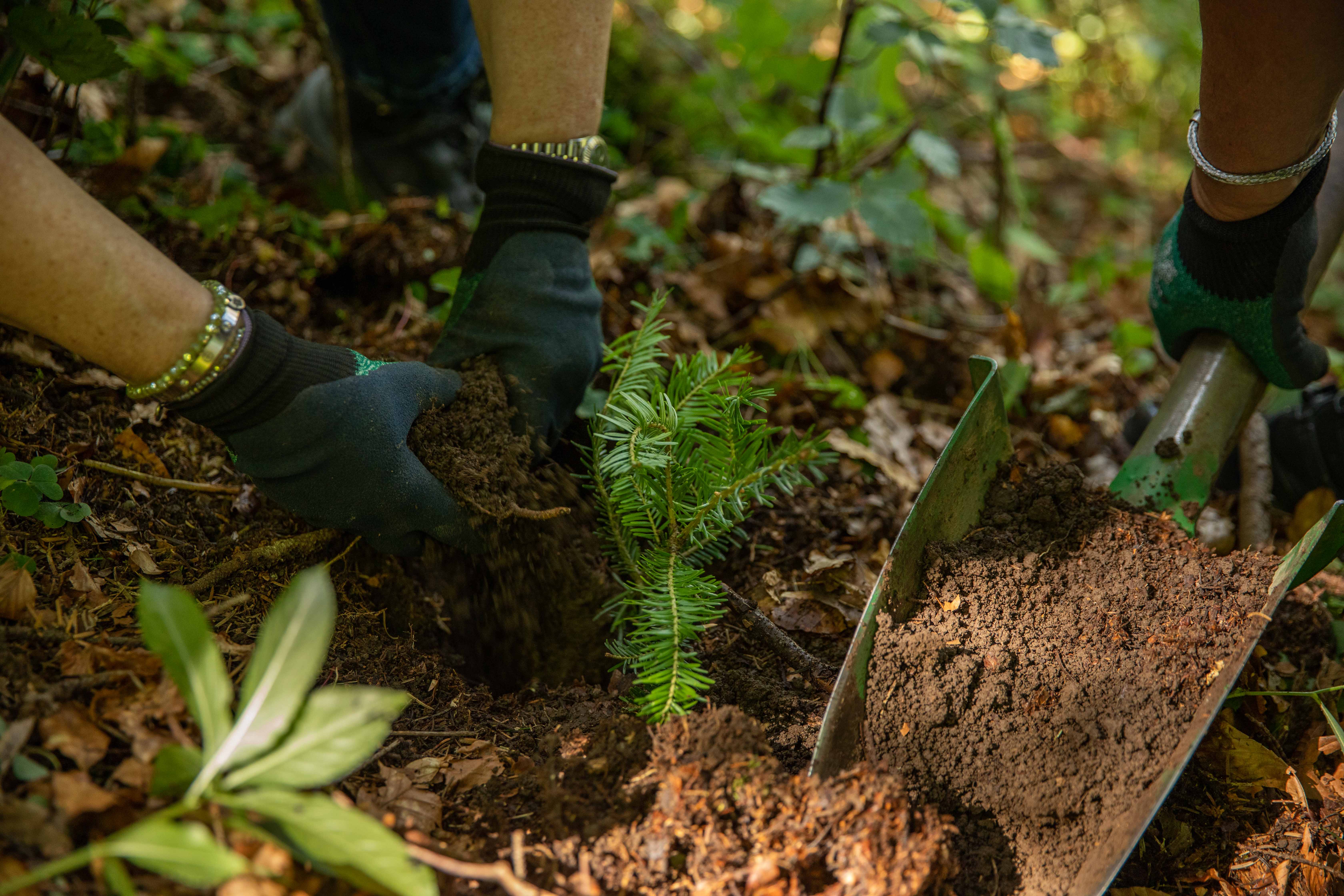
Un proyecto climático certificado combinado con un compromiso adicional
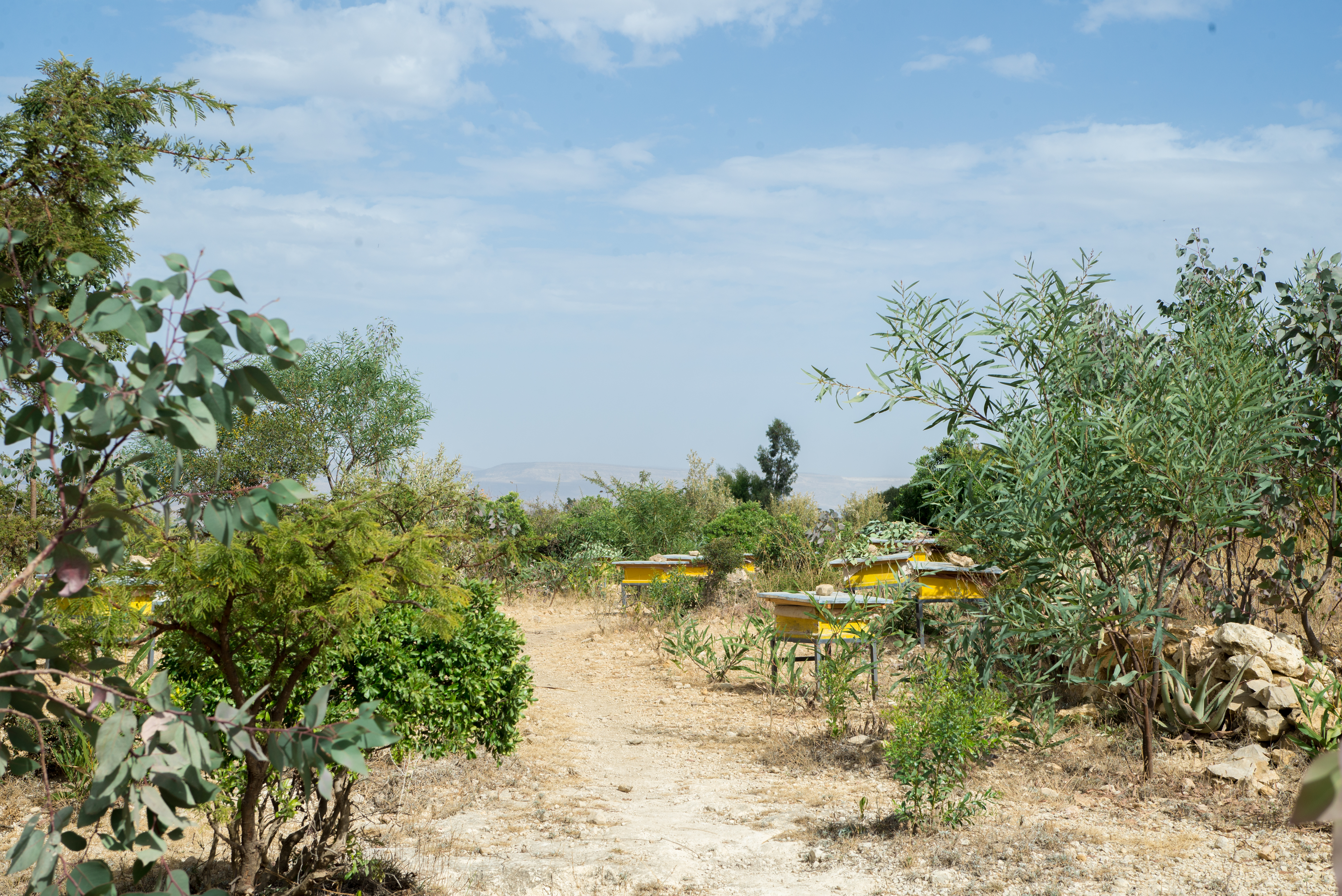
Los ecosistemas restaurados eliminan CO2
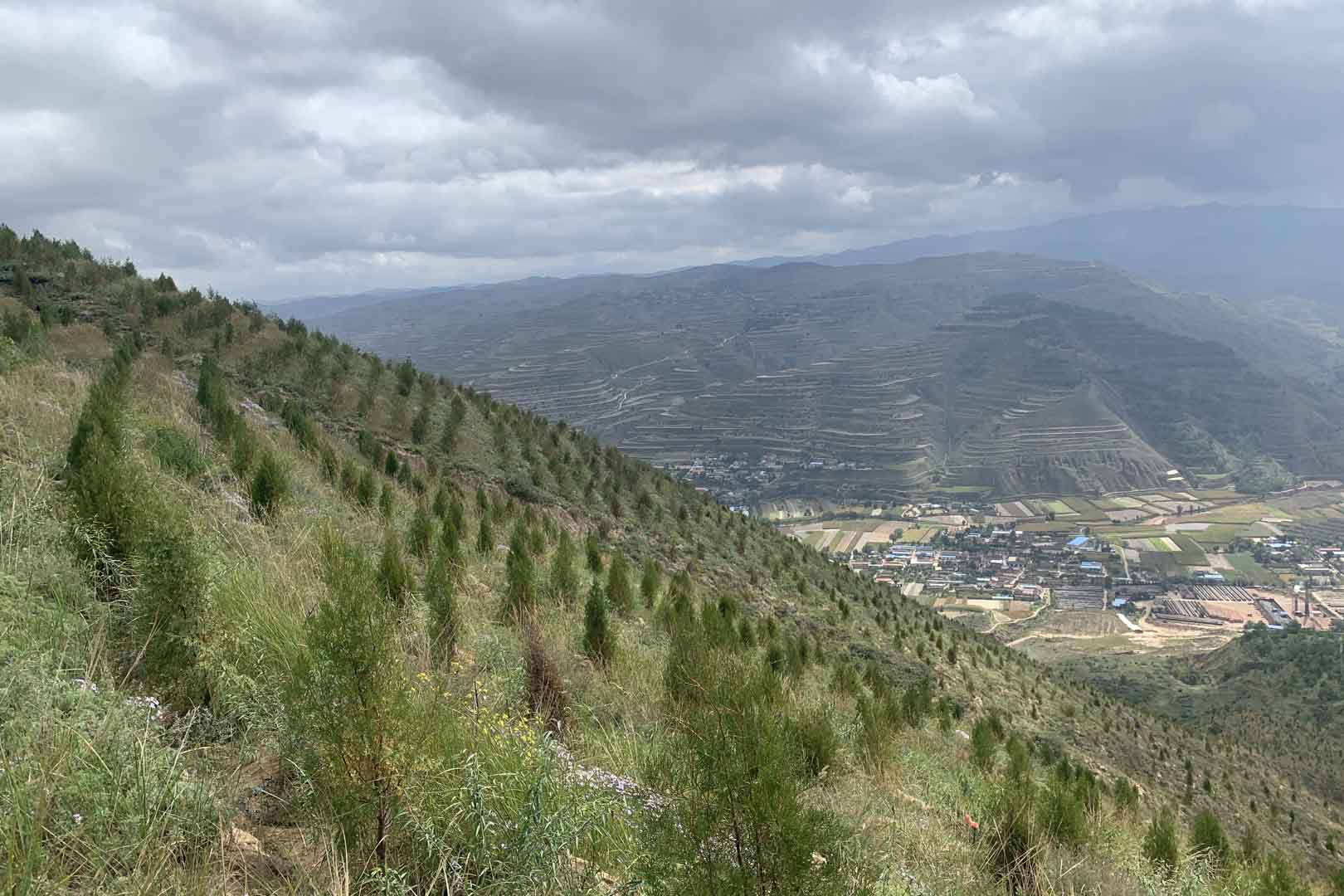
De tierra de cultivo dañada a un saludable ecosistema
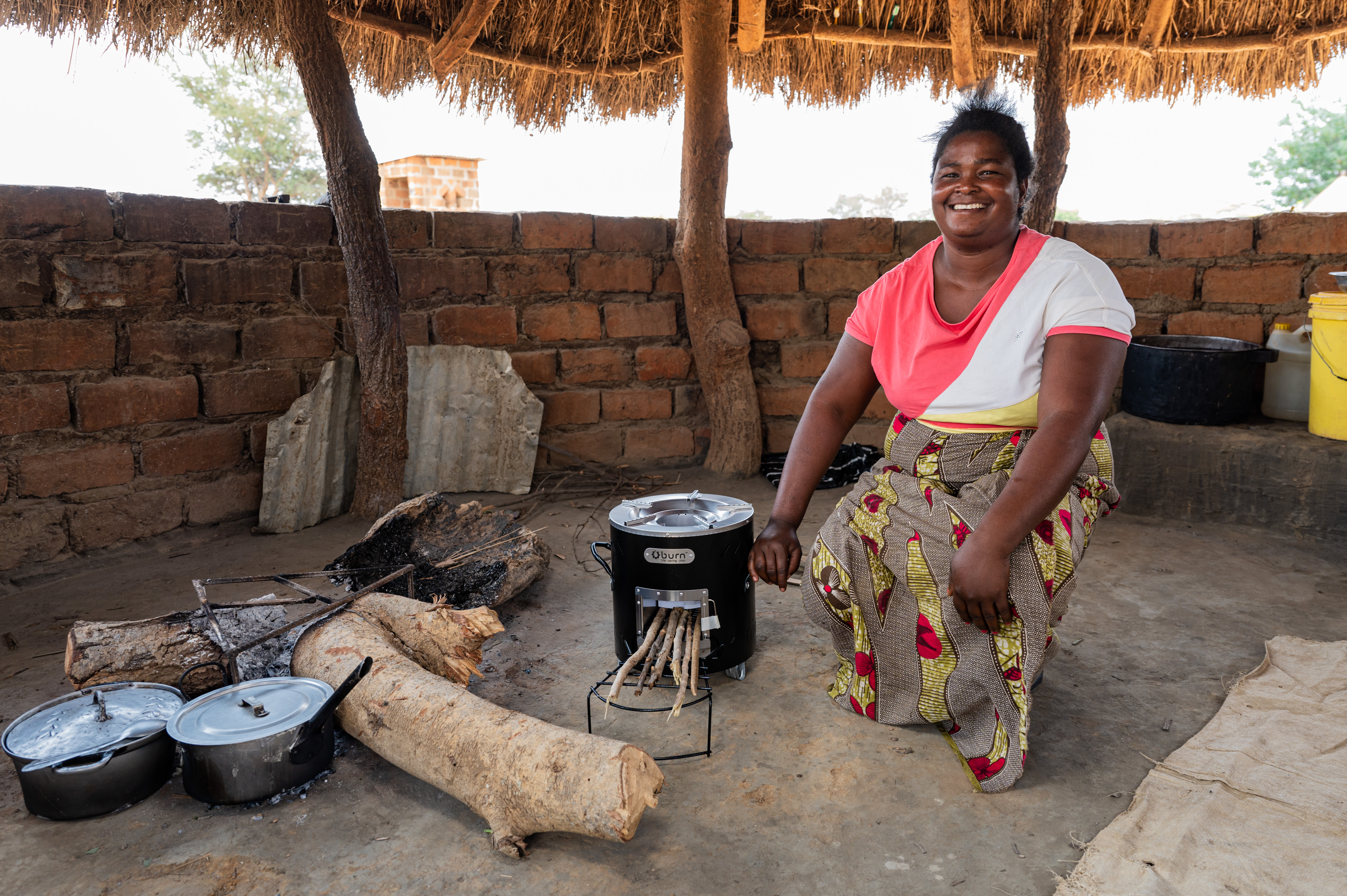
Cocinas mejoradas: mejores para la salud y el medio ambiente