
Restoring mangroves, protecting coastlines in Kenya
Mangrove forests play a significant role in the protection of the coastlines around the world, providing highly valuable ecosystem services to coastal communities. Benefits include reducing the impact of waves and storm surges, improving water quality, reducing soil erosion, providing nursery grounds for a wide range of terrestrial and aquatic species, and supporting coastal tourism. This project has planted mangrove seedlings to restore the degraded mangrove forests of Tudor Creek, together with our community-based local partners Brain Youth Group and Amani Jipange. These groups will also be benefitting from the socio-economic programmes provided through the project. |
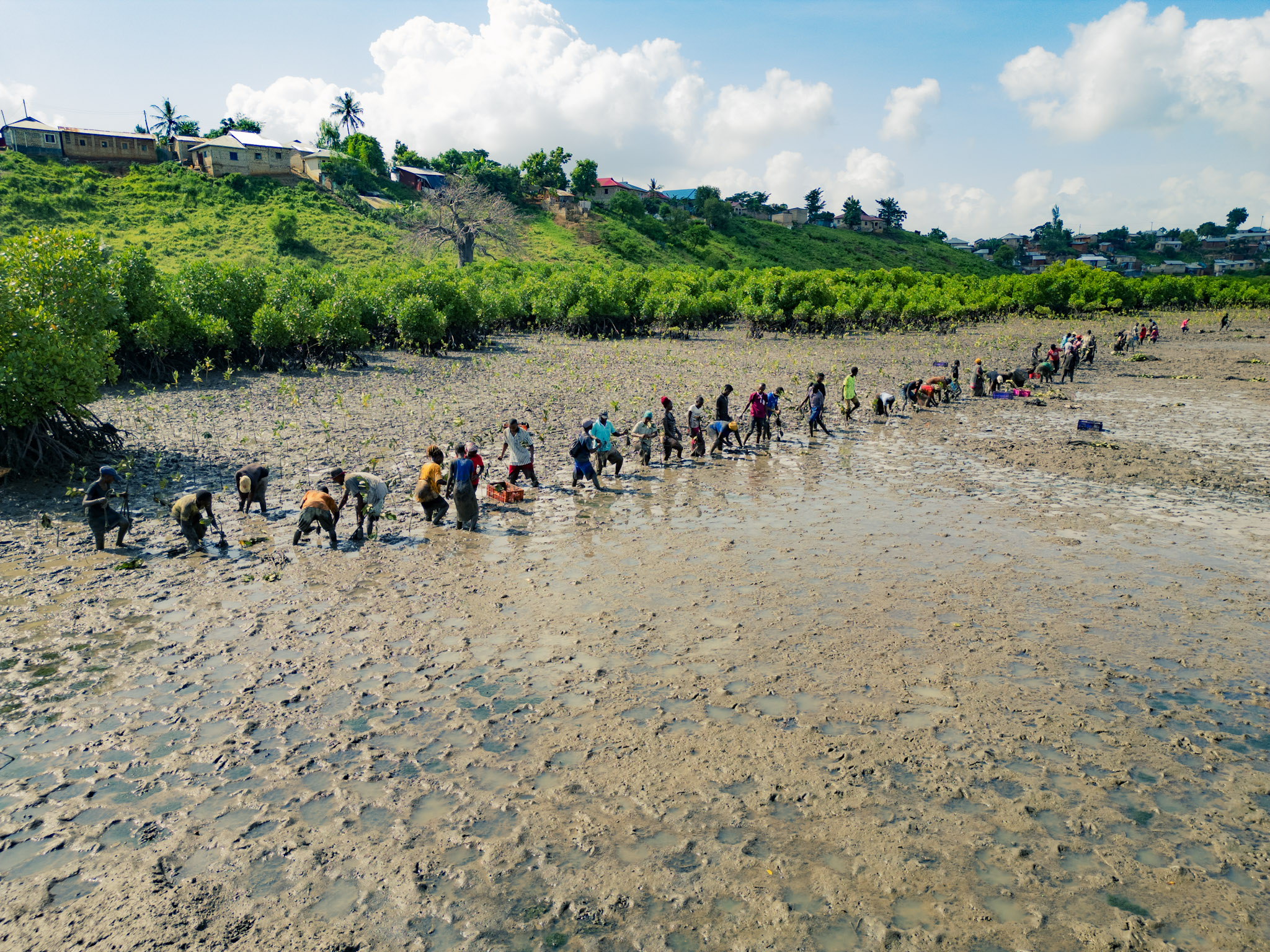
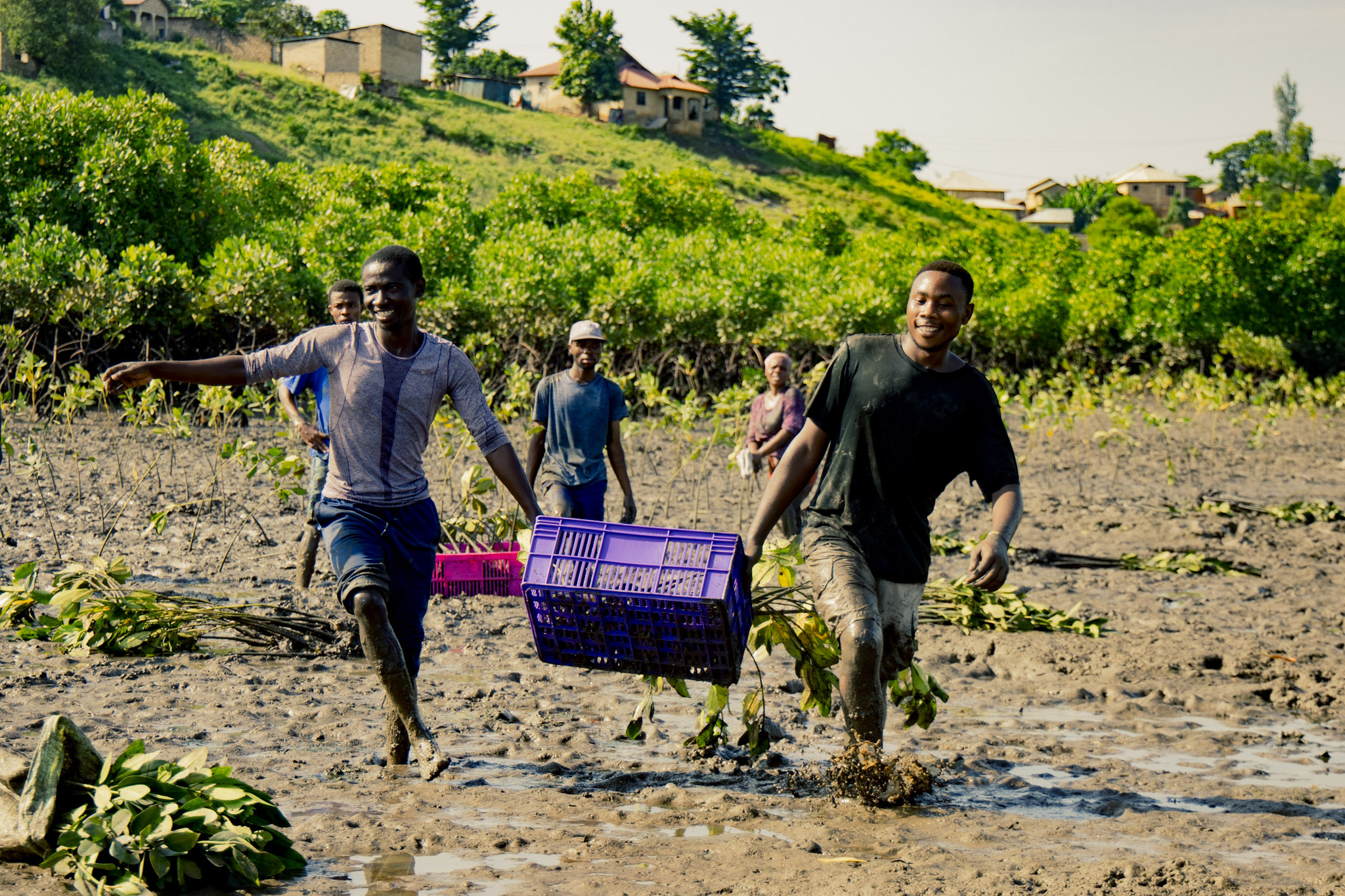
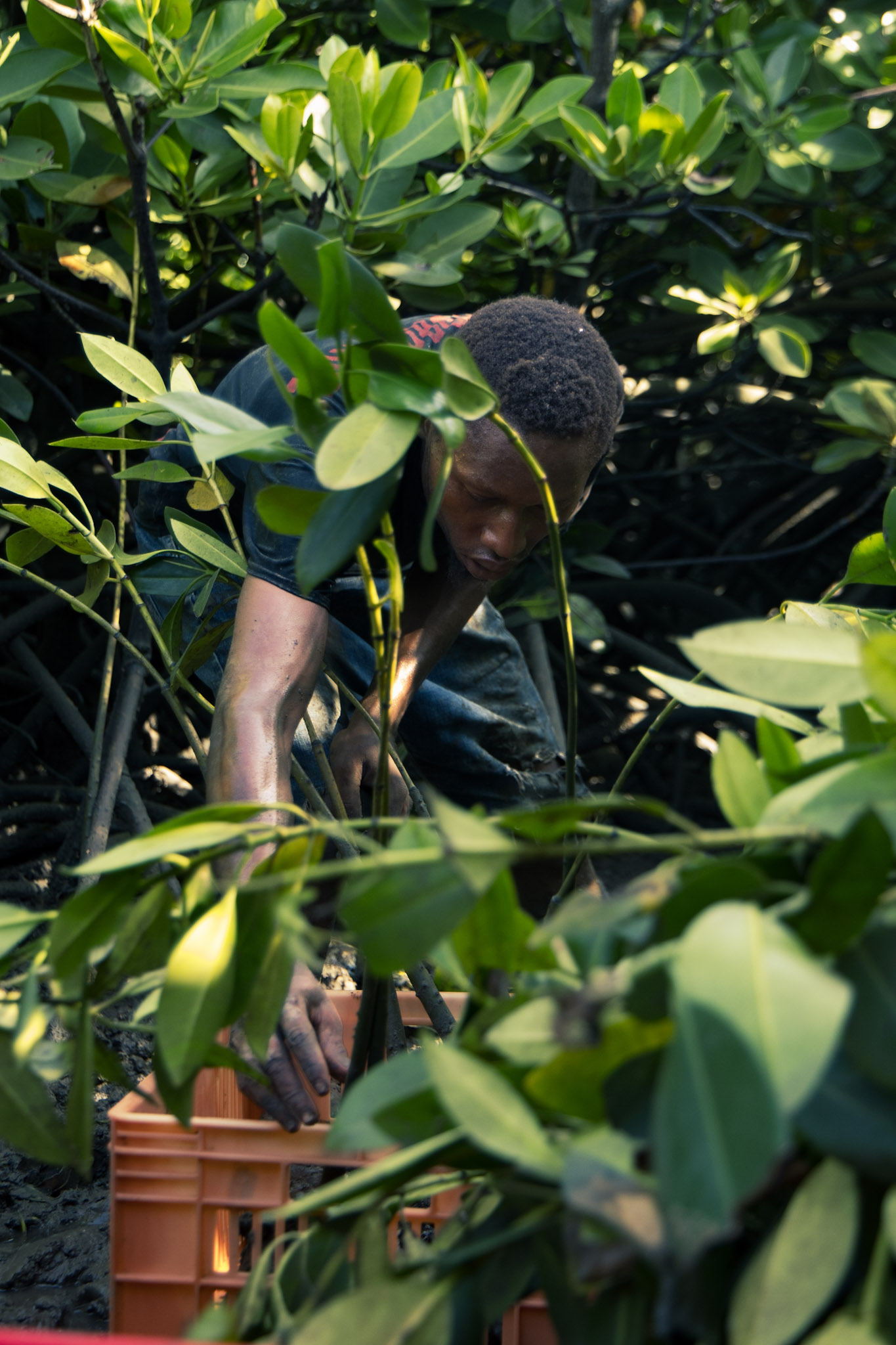
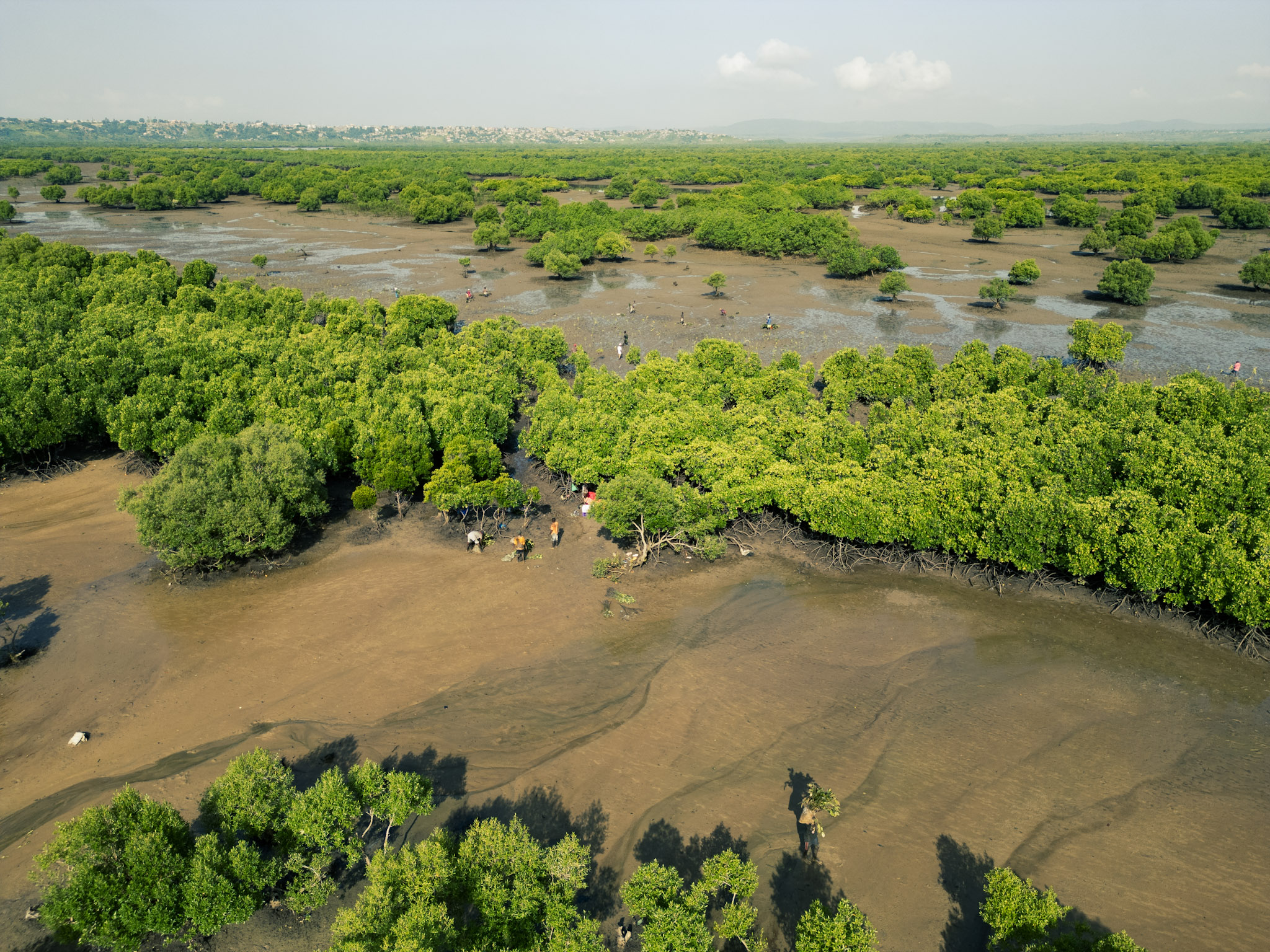
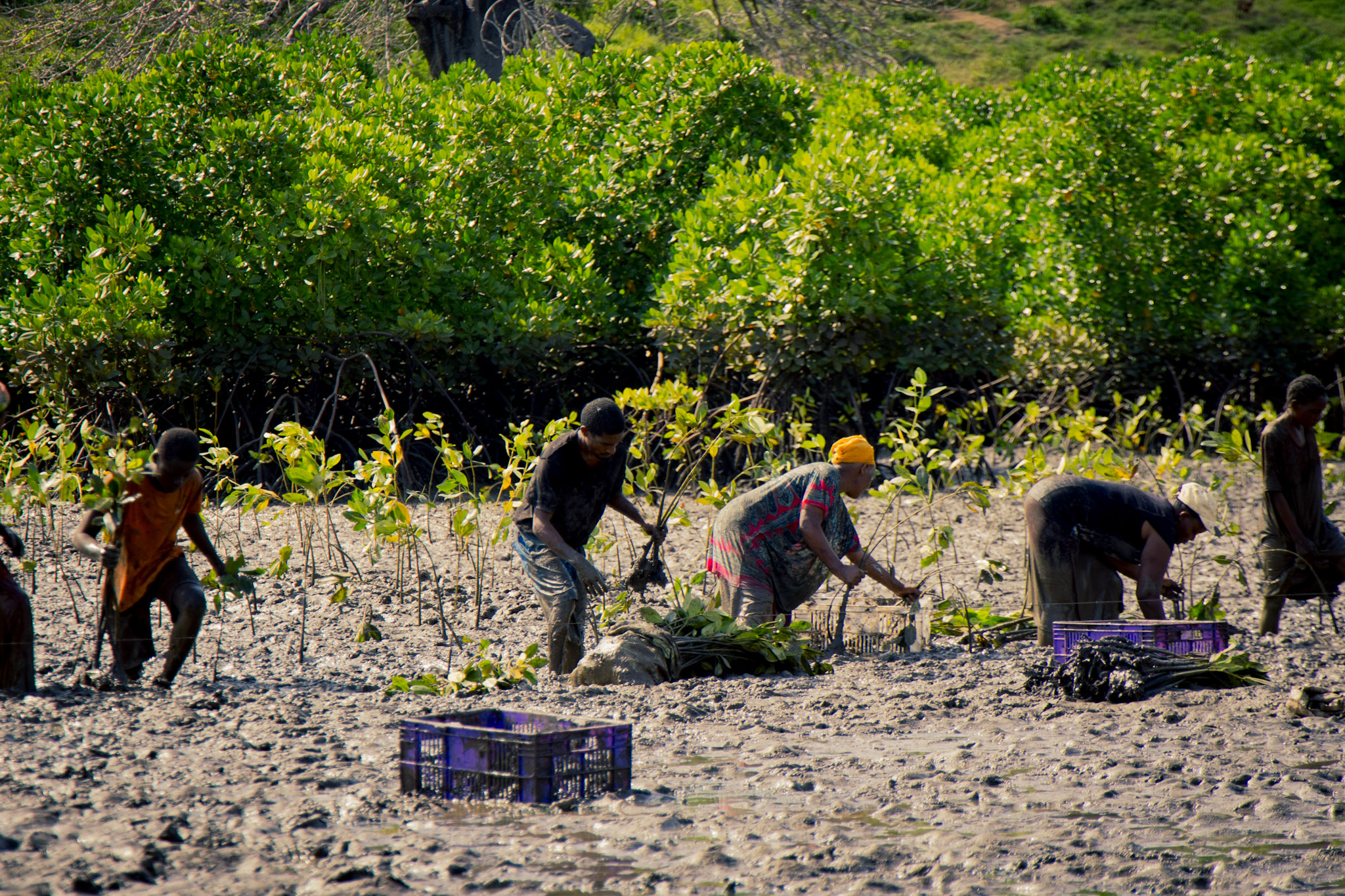
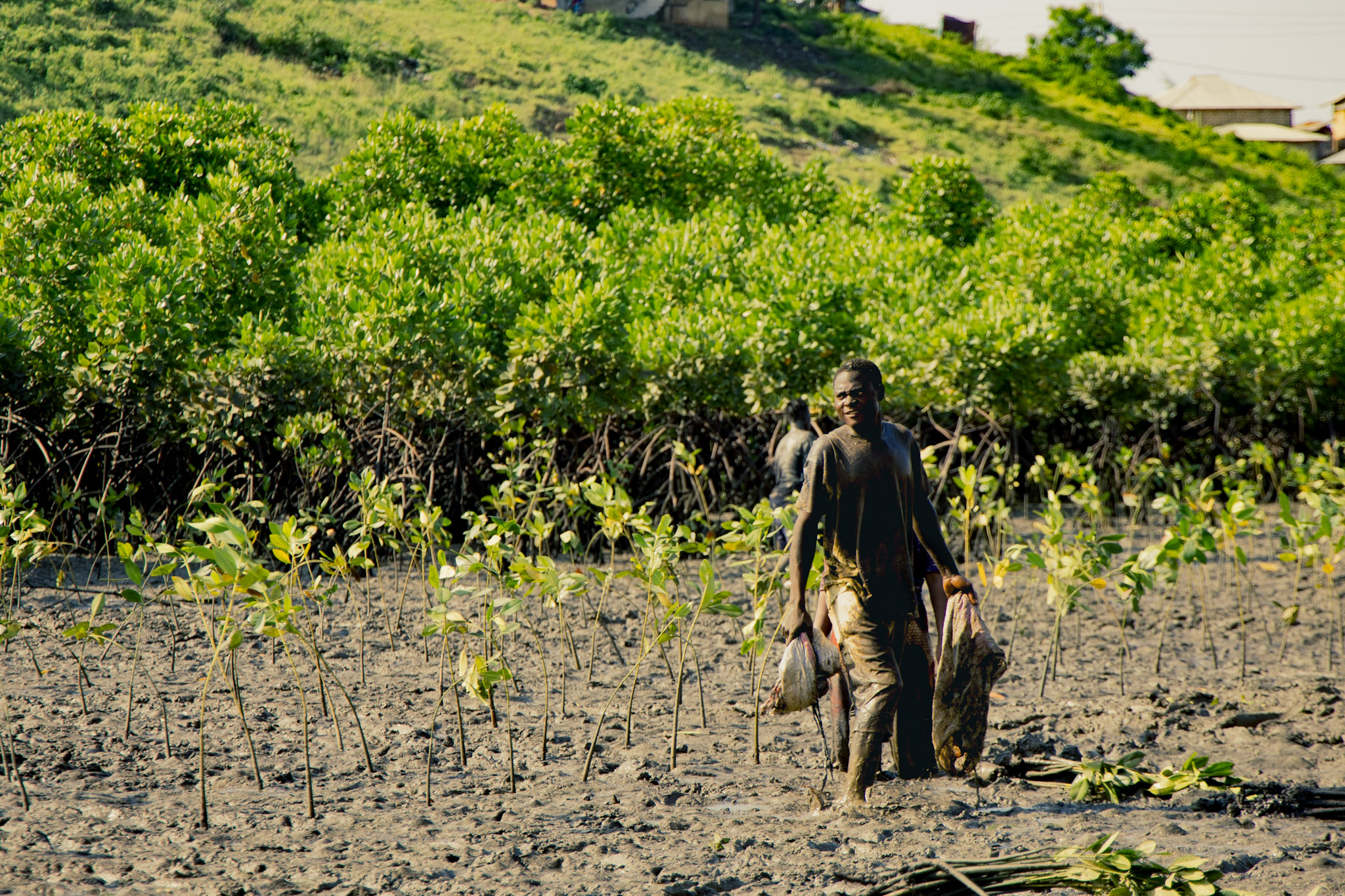
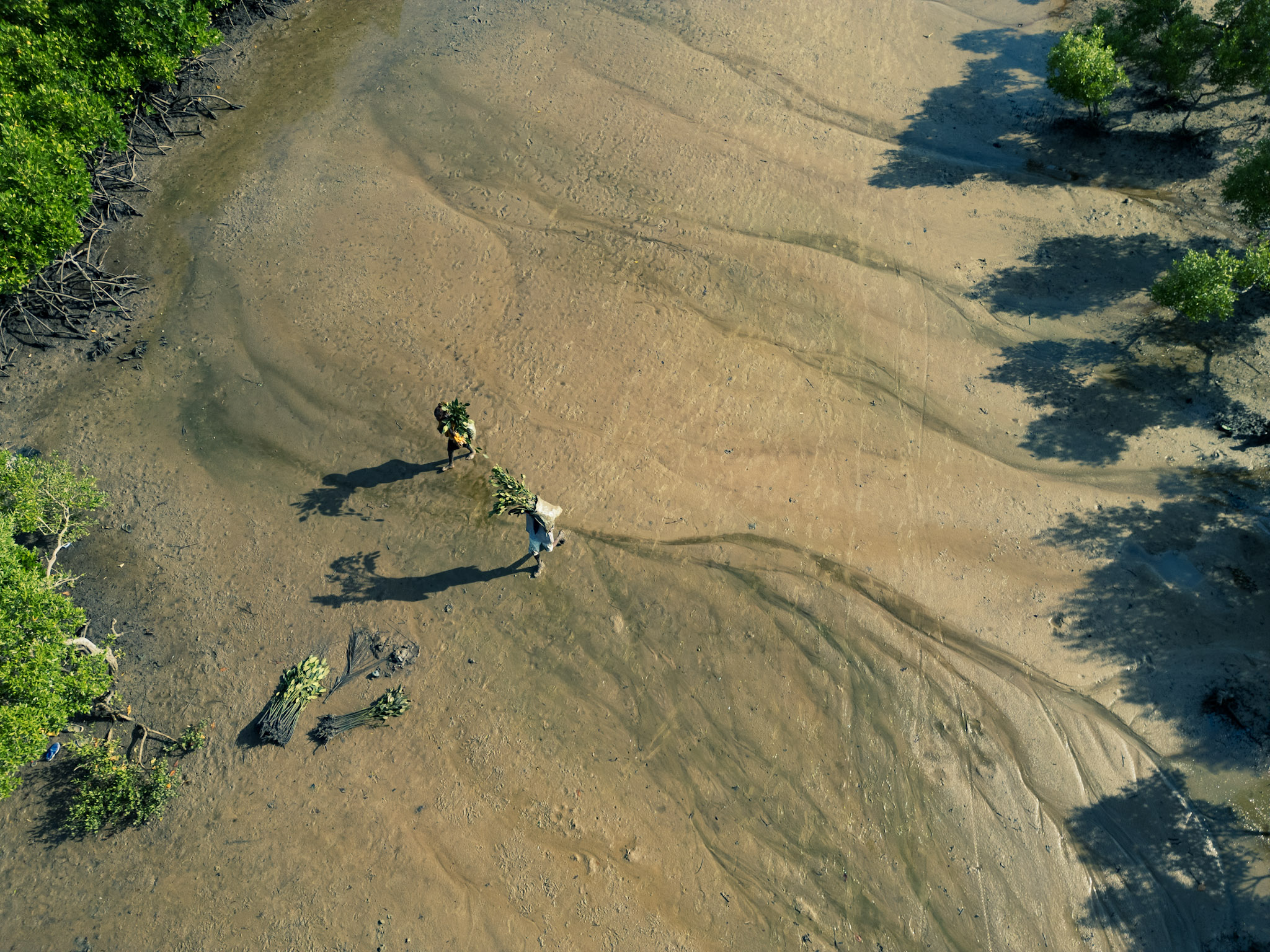
How does mangrove restoration contribute to climate action?
Mangrove trees are significant carbon reservoirs because they remove more greenhouse gas emissions from the atmosphere than terrestrial forests. Their special root system, which has semi-earthy and semi-marine components, collects biomass from organic matter, such as dead leaves and branches, over the years and binds CO2 emissions from the atmosphere. This particular root system stores far more CO2 than other tree species.
Worldwide, mangrove forests have been destroyed for agriculture or aquaculture, or cleared for timber and firewood. By damaging these enormous CO2 reservoirs, large amounts of CO2 are released again into the atmosphere. To avoid this,mangrove restoration projects protect mangrove forests and preserve coastal habitats for a variety of wildlife species - both in water and on land. The dense roots of mangroves also serve as natural protection against erosion, flooding and storms in coastal regions.
El proyecto pretende contribuir a estos Objetivos de Desarrollo Sostenible (ODS) de las Naciones Unidas.


Explorar más proyectos
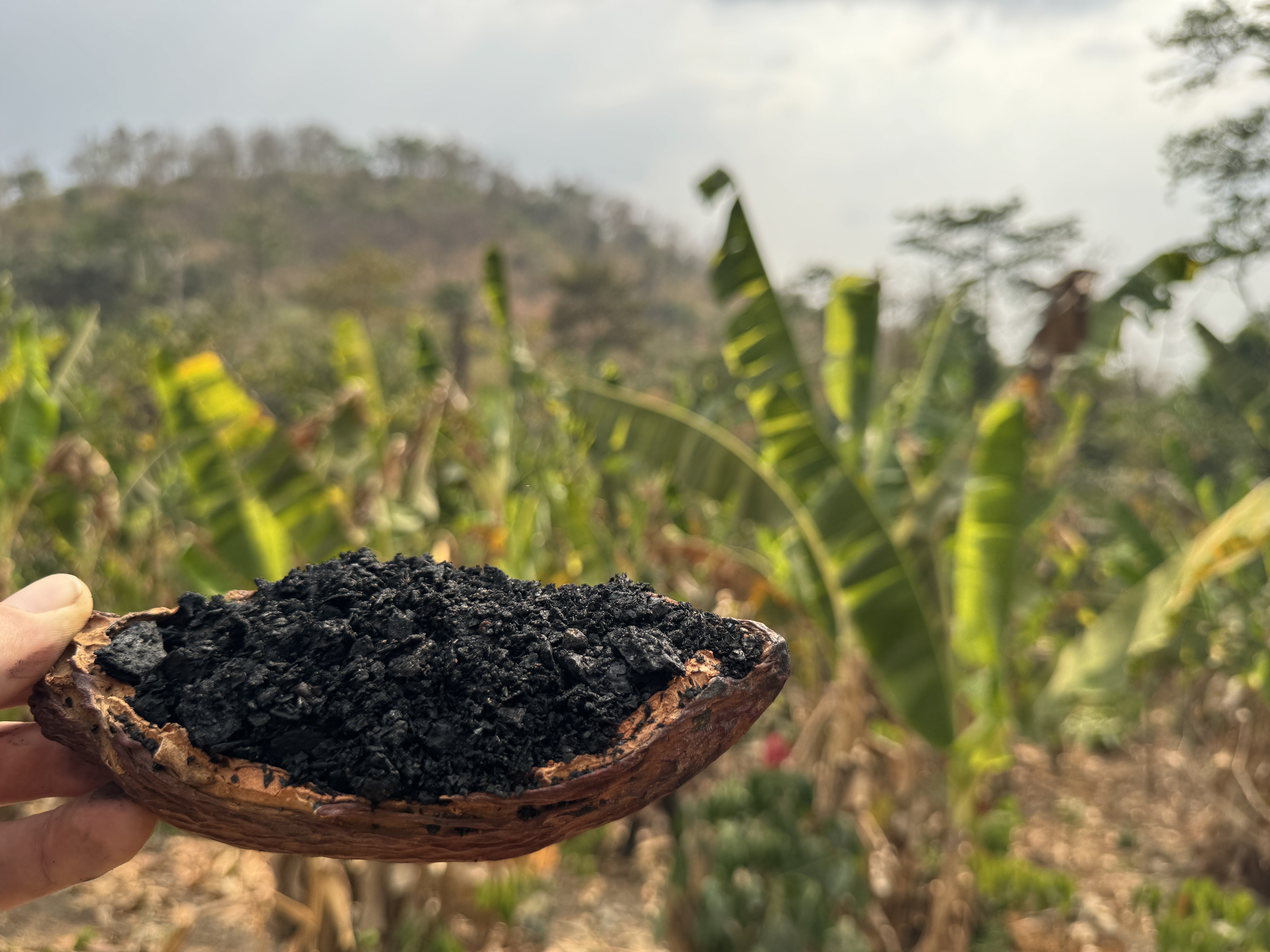
Biochar para Acción Climática, Suelos Saludables y Mejores Cosechas
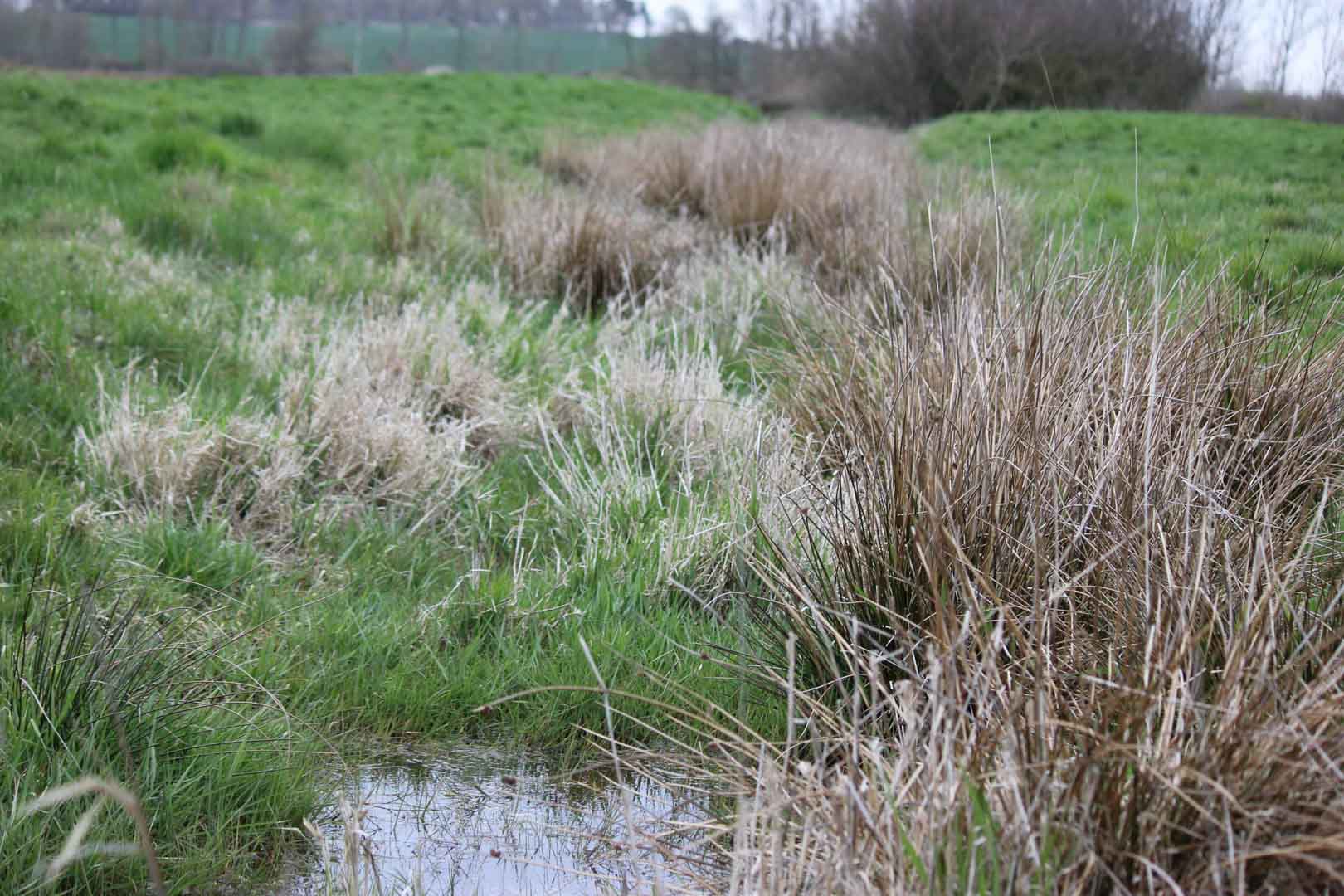
Un proyecto climático certificado combinado con un compromiso adicional
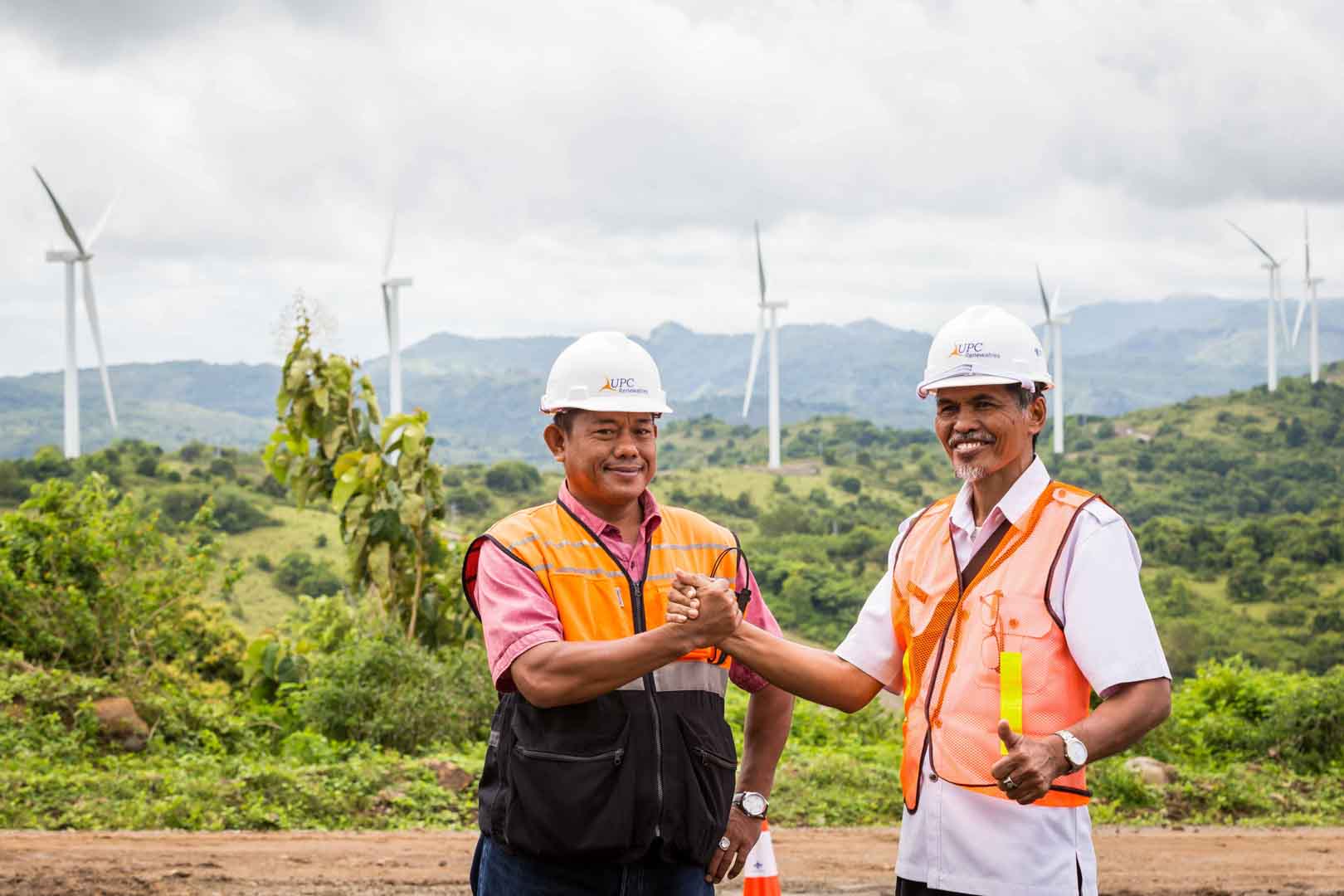
Generar energía renovable en Asia
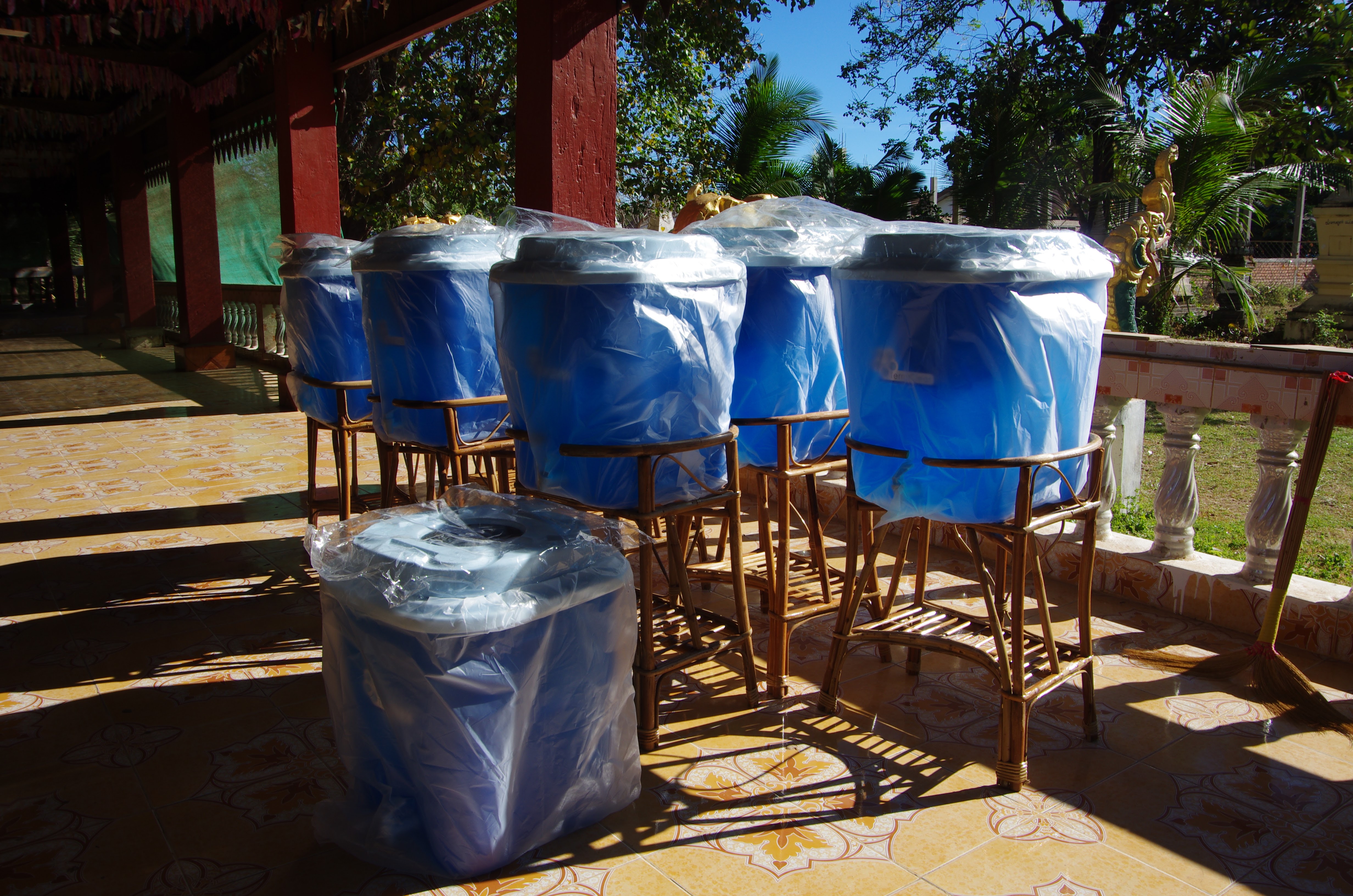
Los filtros de agua cerámicos ahorran CO2 y mejoran la salud
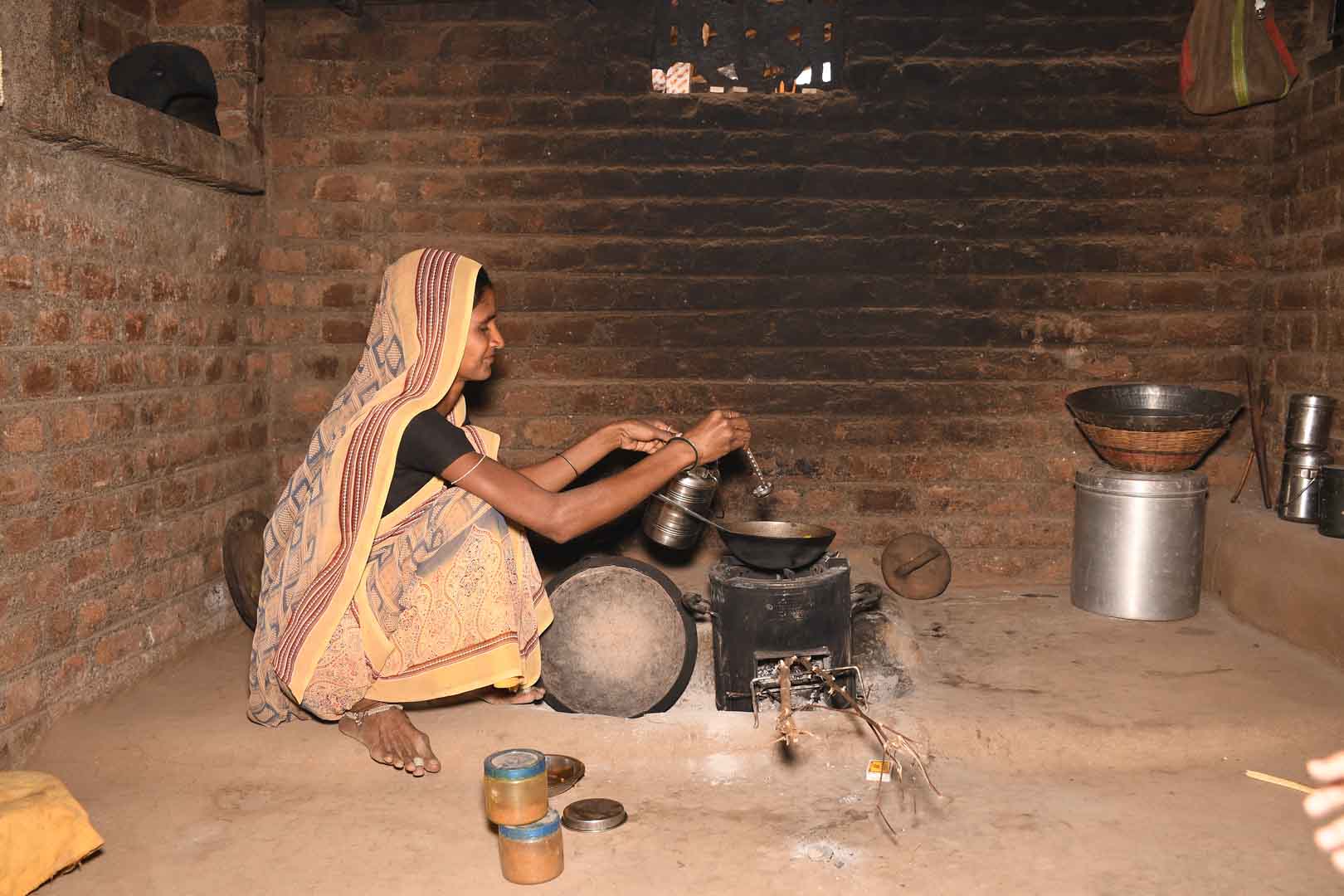
Estufas mejoradas en todo el mundo: para una mejor salud y un aire más limpio

Un proyecto climático certificado combinado con un compromiso adicional
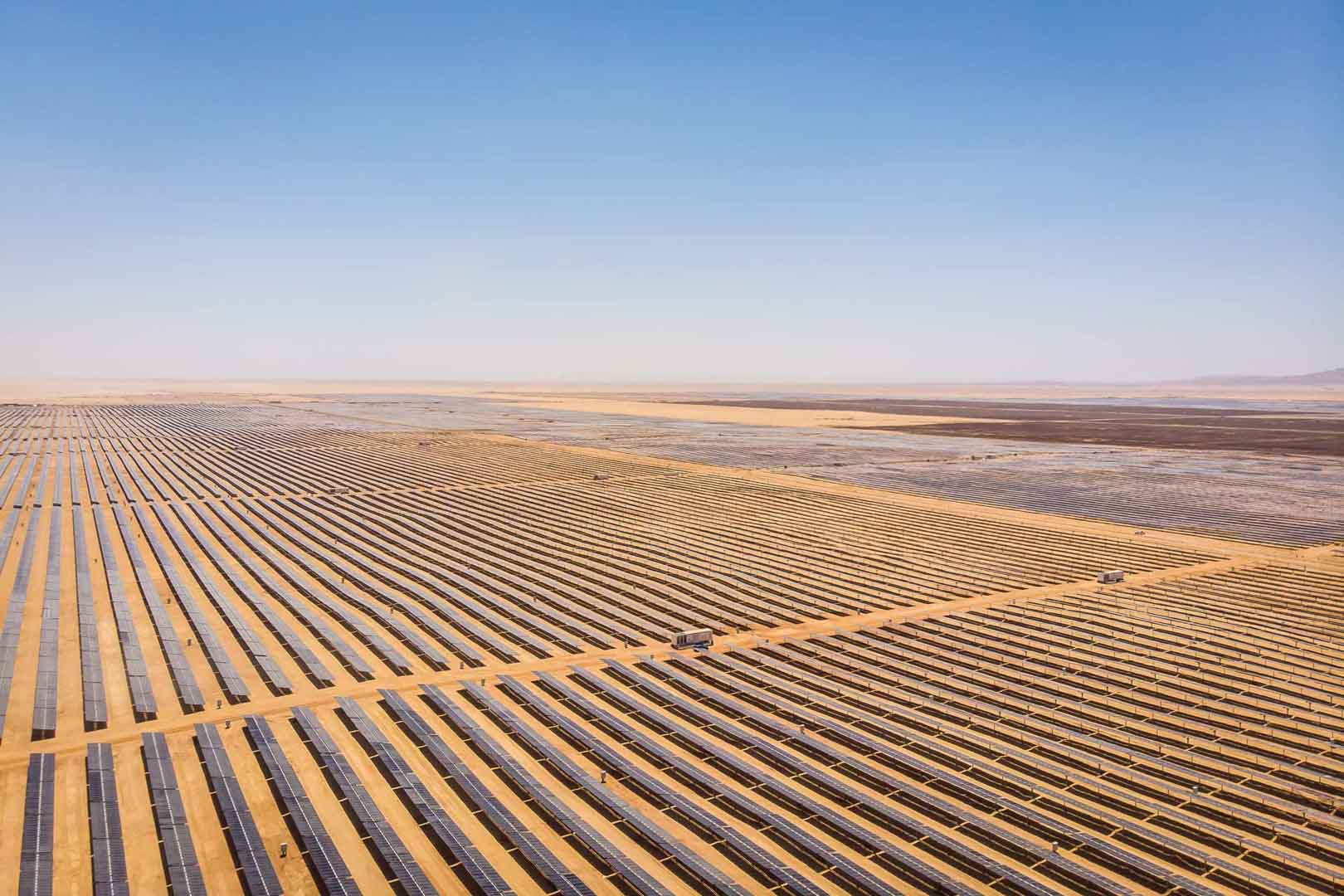
Impulsar el acceso a la energía verde en África
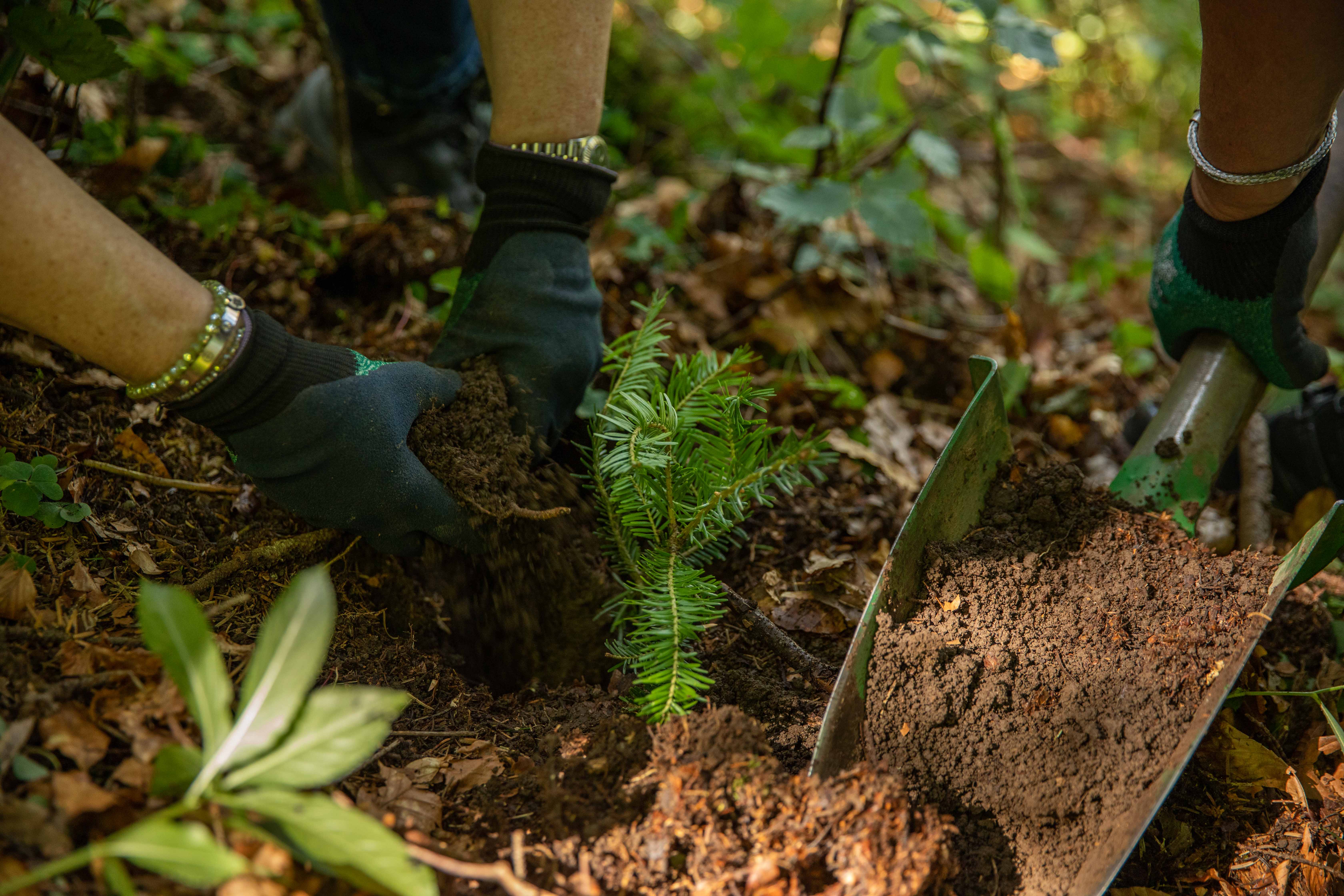
Un proyecto climático certificado combinado con un compromiso adicional
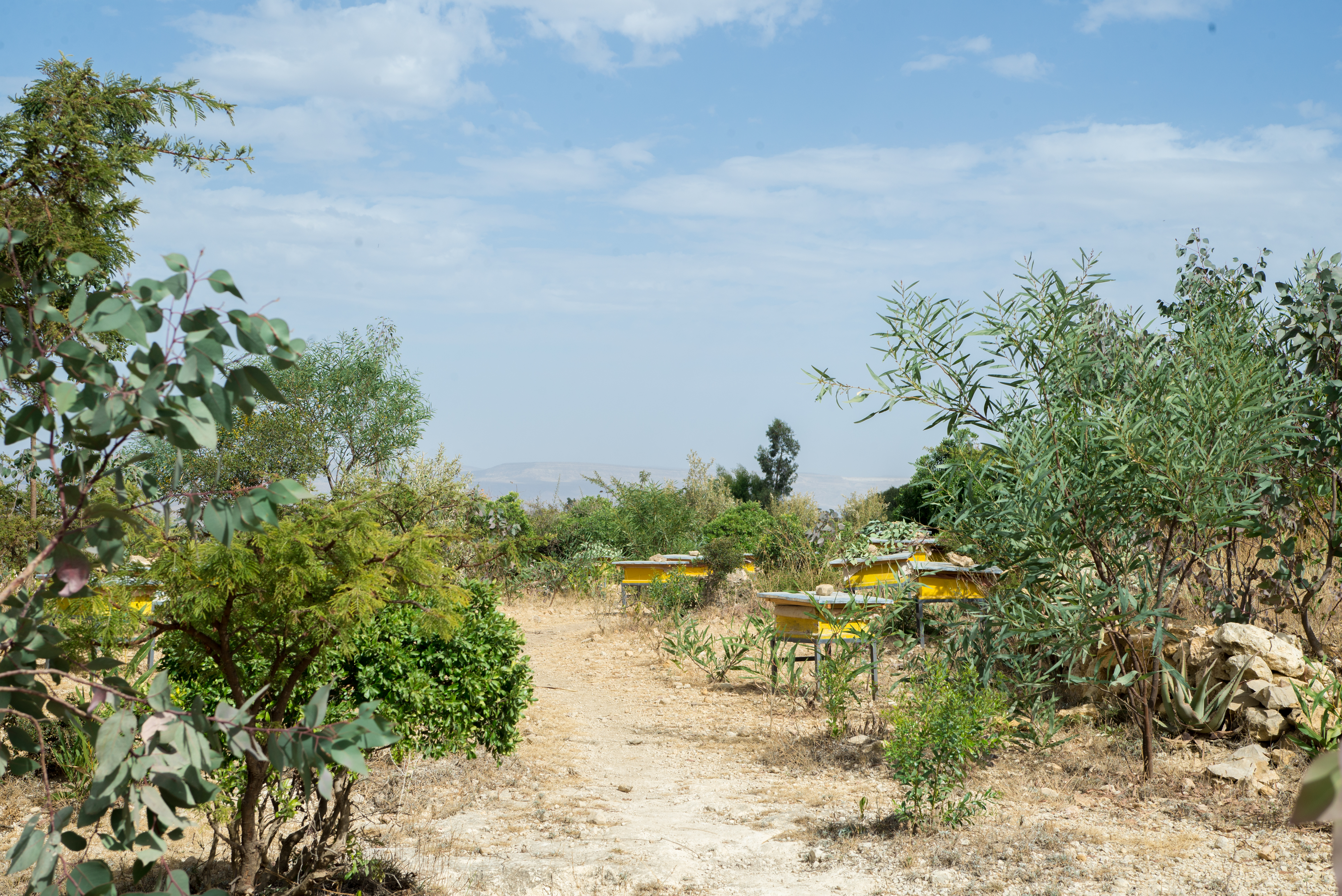
Los ecosistemas restaurados eliminan CO2
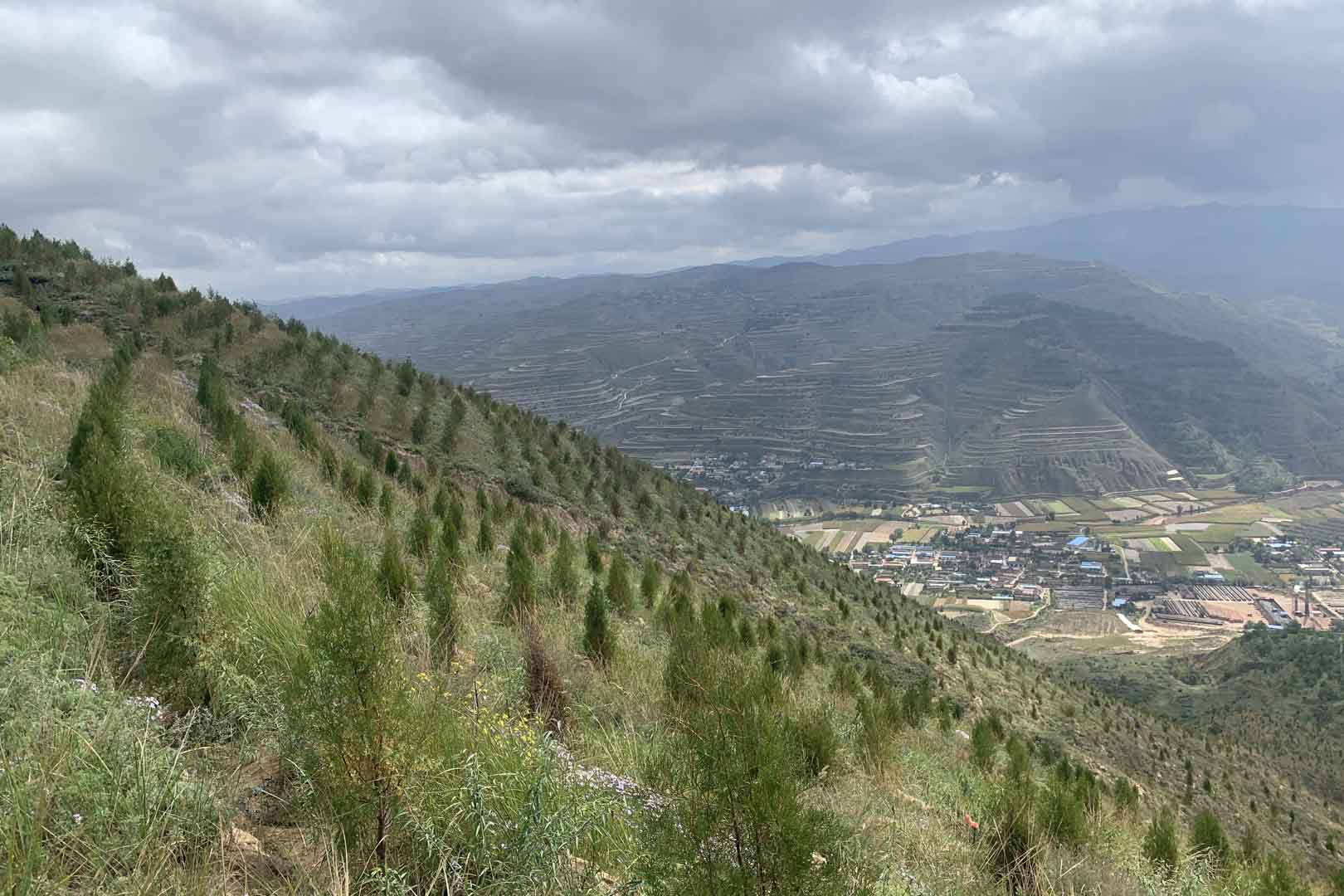
De tierra de cultivo dañada a un saludable ecosistema
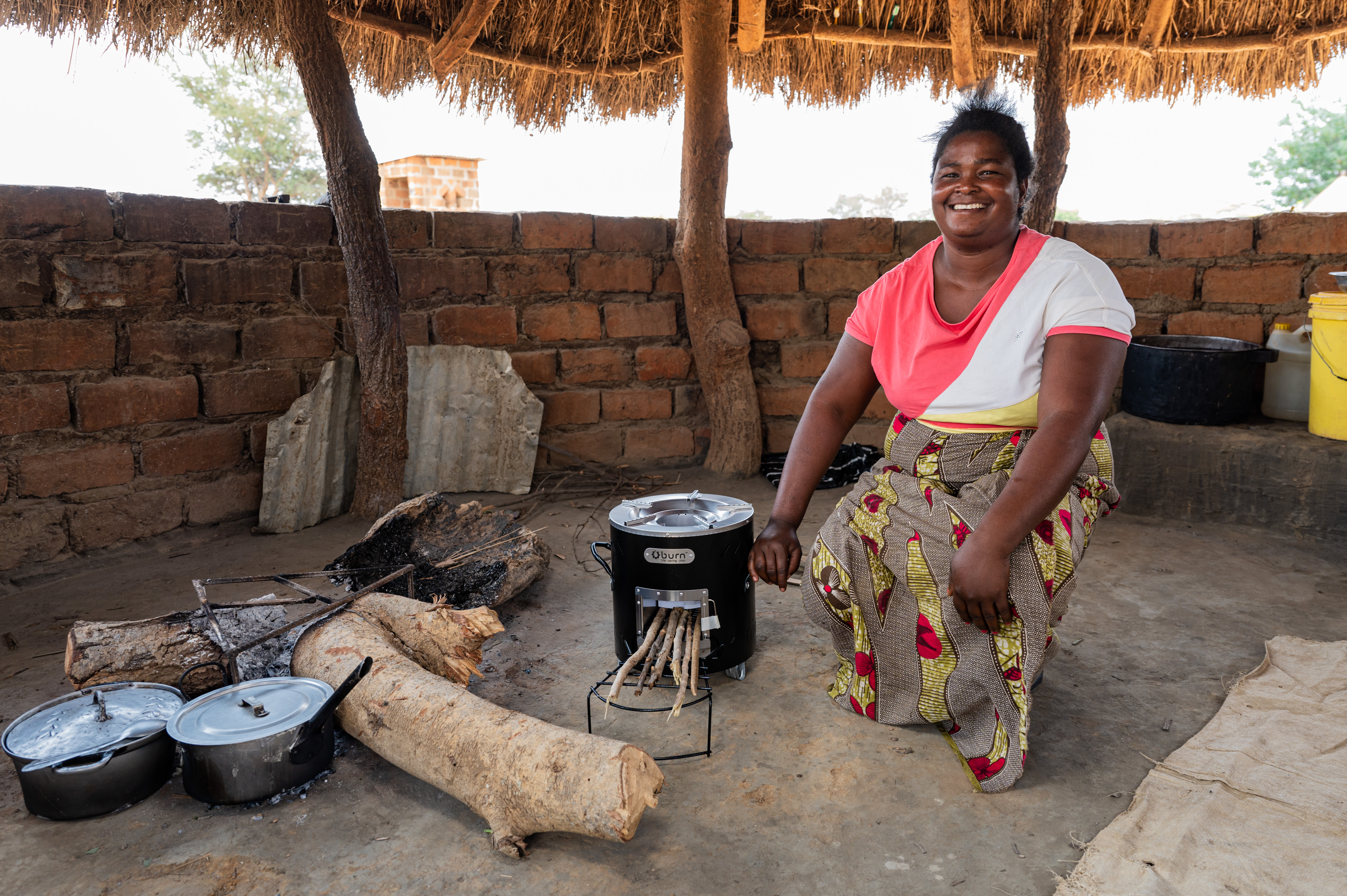
Cocinas mejoradas: mejores para la salud y el medio ambiente