
Revitalizing and protecting habitats in the Ammergau Alps
Species-rich mountain meadows, moors, and wild river landscapes are among the most endangered habitats in Europe. In Germany, 95 percent of the original peatlands are considered “dead” (NABU). Many rivers have been straightened, and natural floodplains have been lost, leading to a dramatic decline in biodiversity. Populations of freshwater fish species alone have declined by over 80 percent since 1970 (WWF).
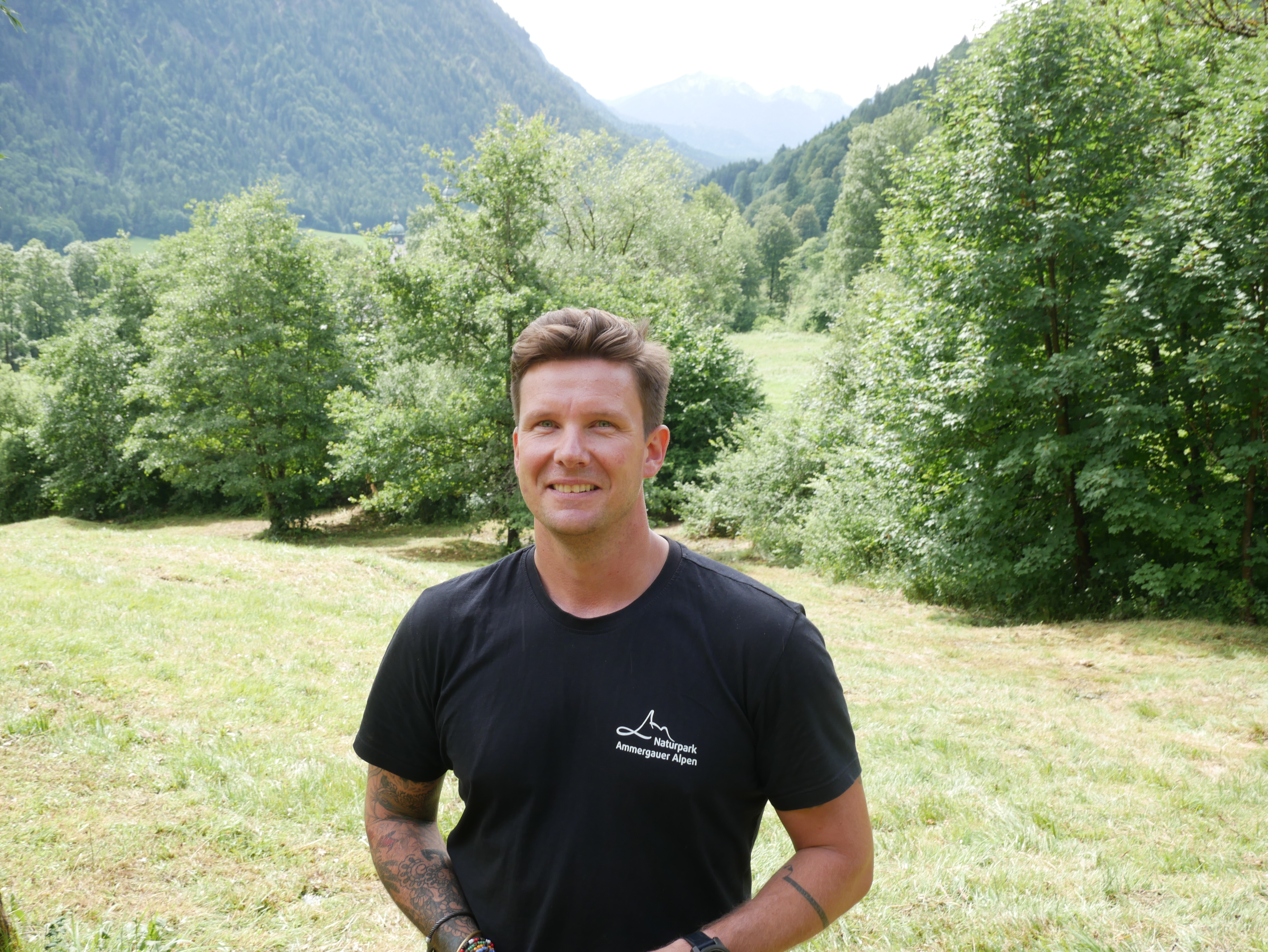
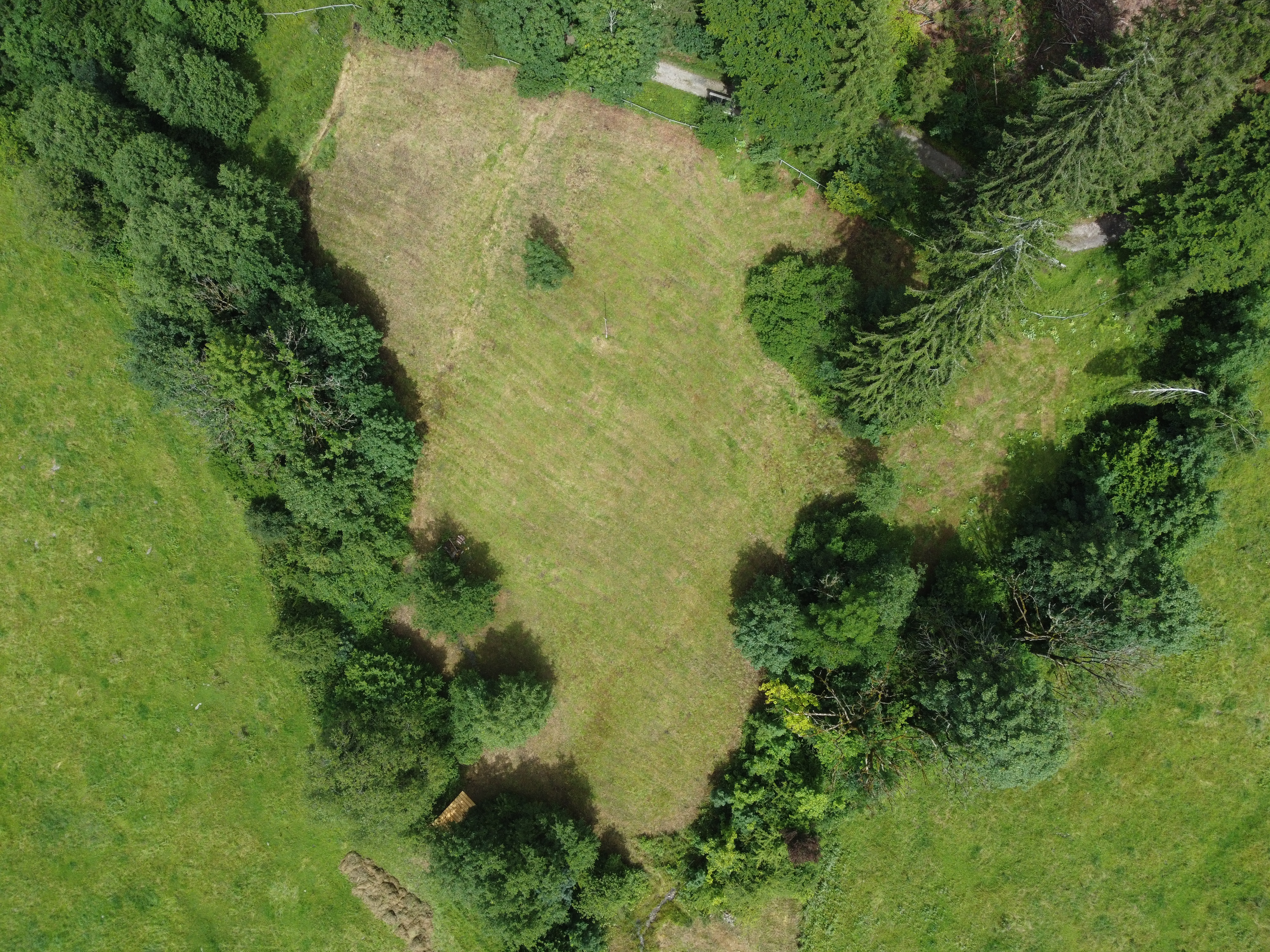
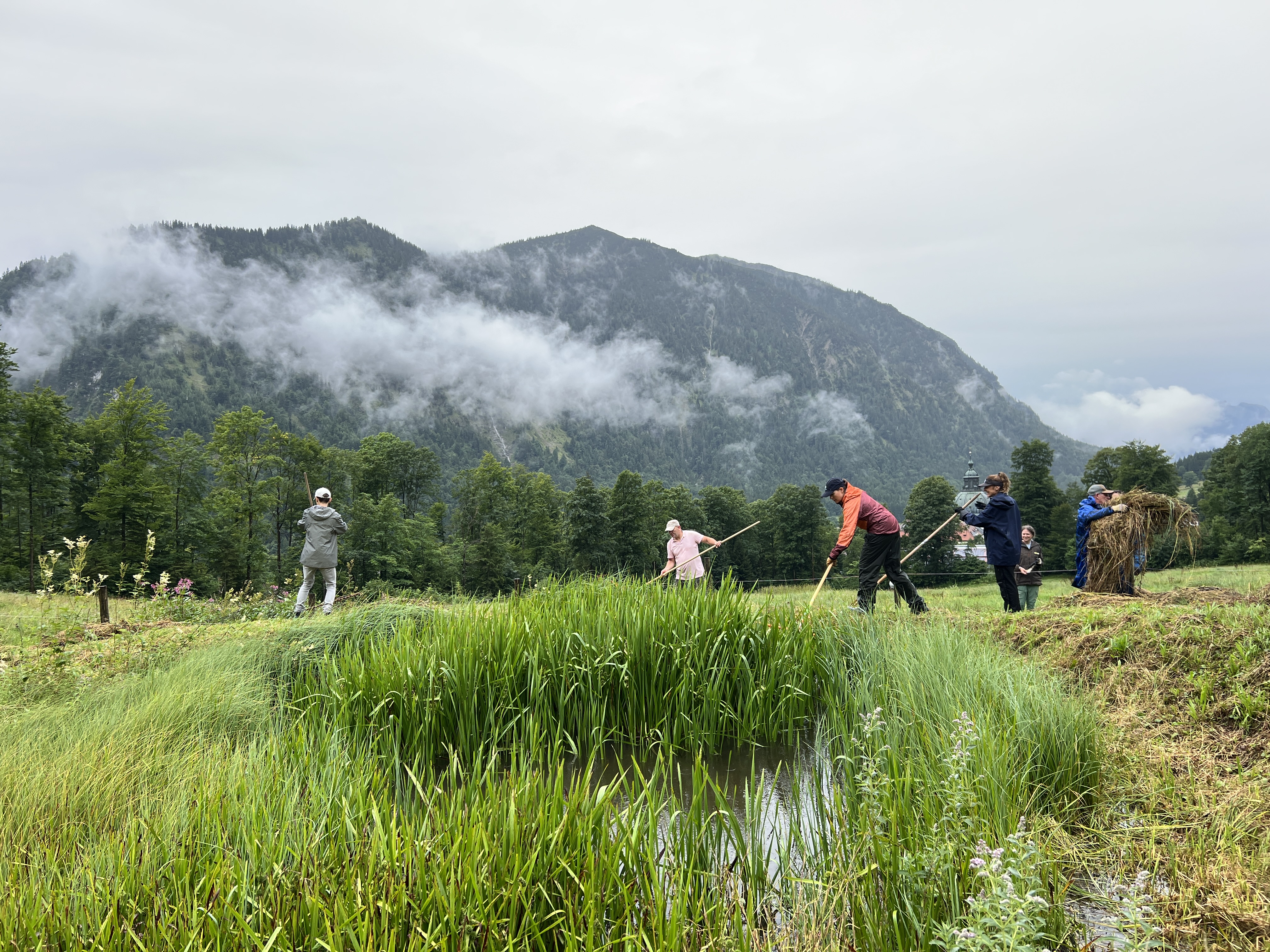
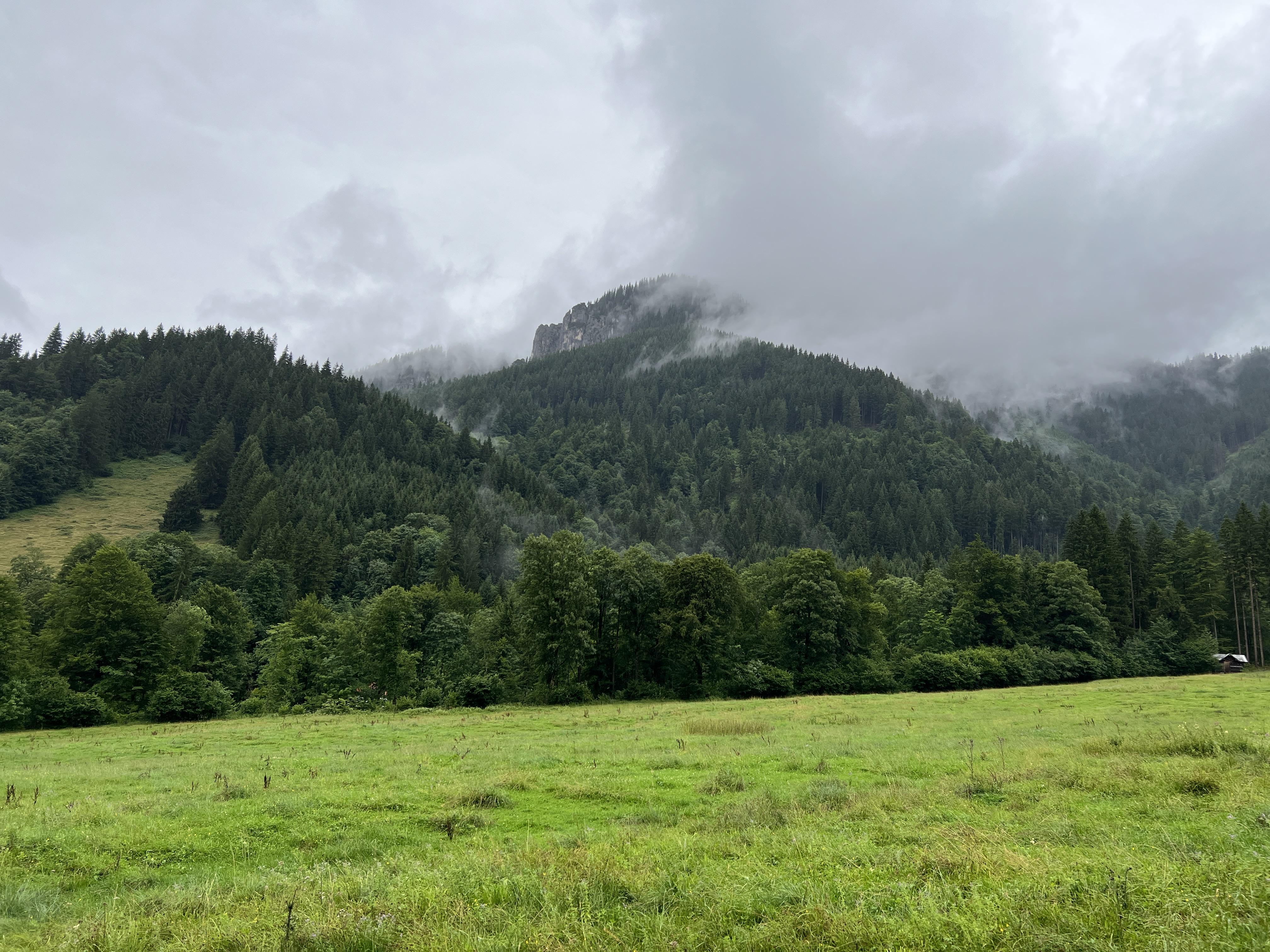
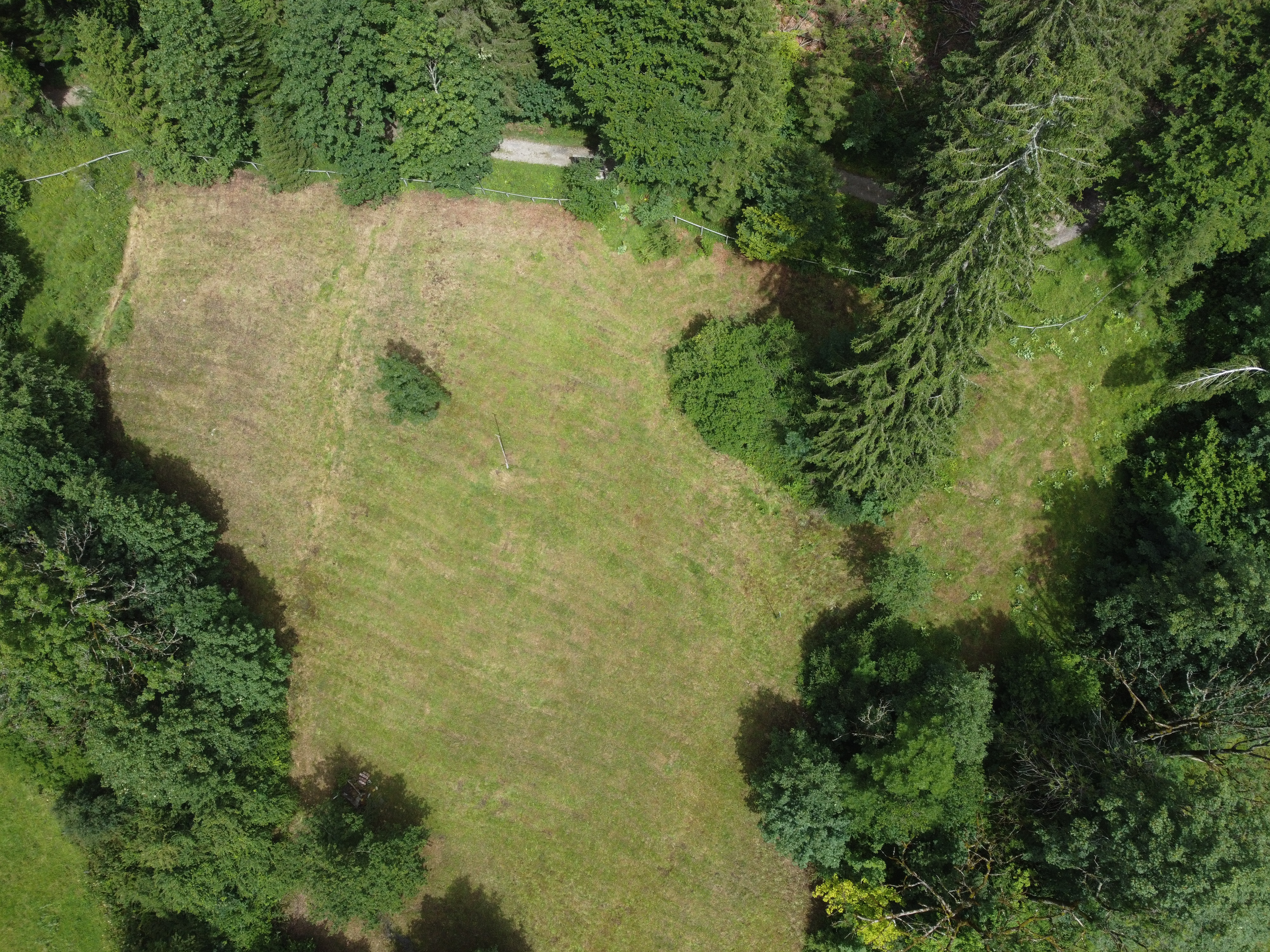
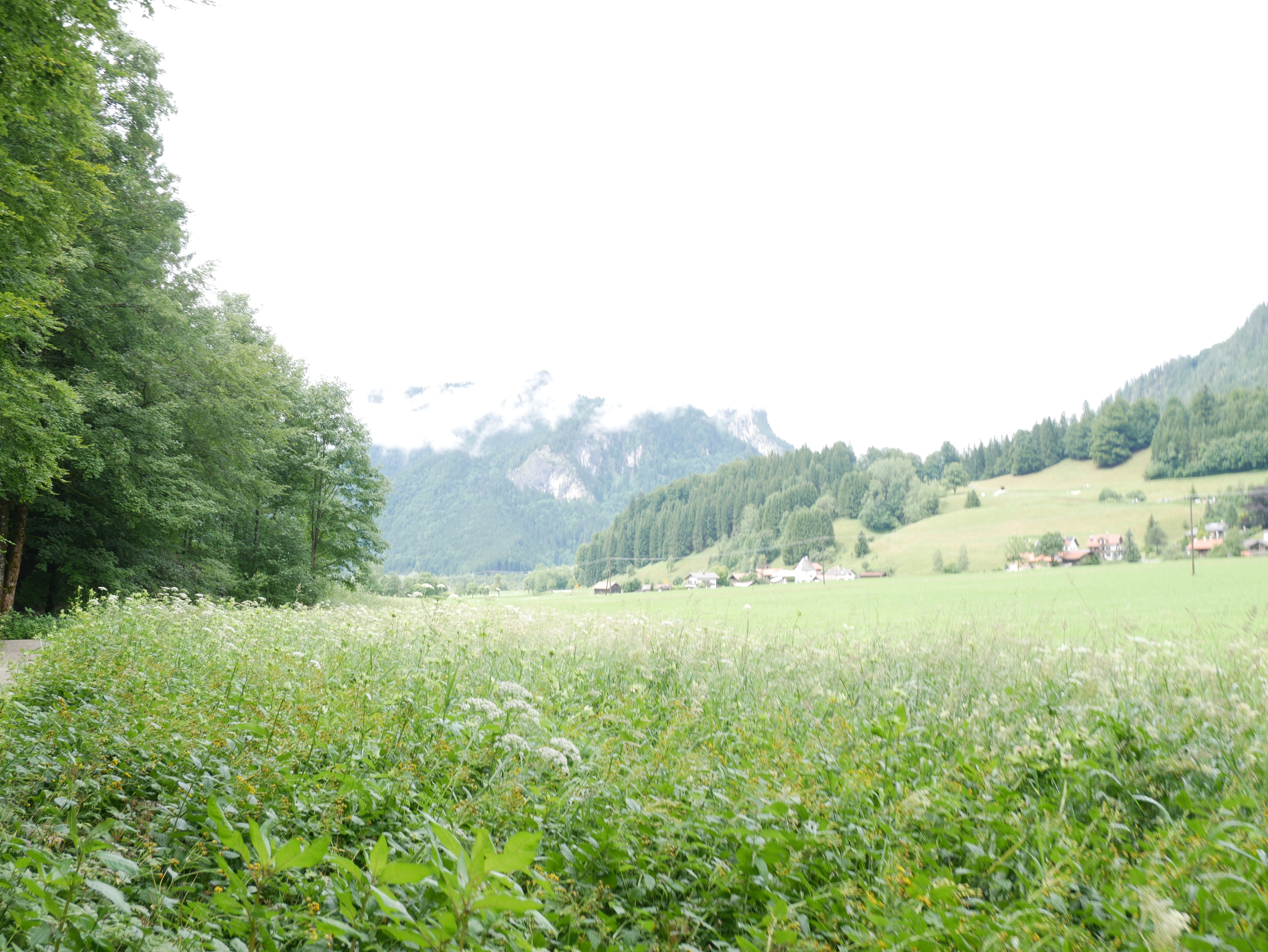
The mountain meadows of the Ammergau Alps are among the most species-rich in all of Europe. They have evolved over centuries through gentle, traditional land use – with minimal fertilization, few cuts, and moderate grazing. However, as their maintenance is labor-intensive and costly, these remote areas are increasingly being abandoned. The result: shrubs and trees spread, rare grasses and herbs disappear – and with them, animal species such as wild bees, butterflies, and meadow birds.
The loss of these ecosystems not only impacts biodiversity but also weakens vital ecological functions such as carbon storage, water regulation, and climate action.
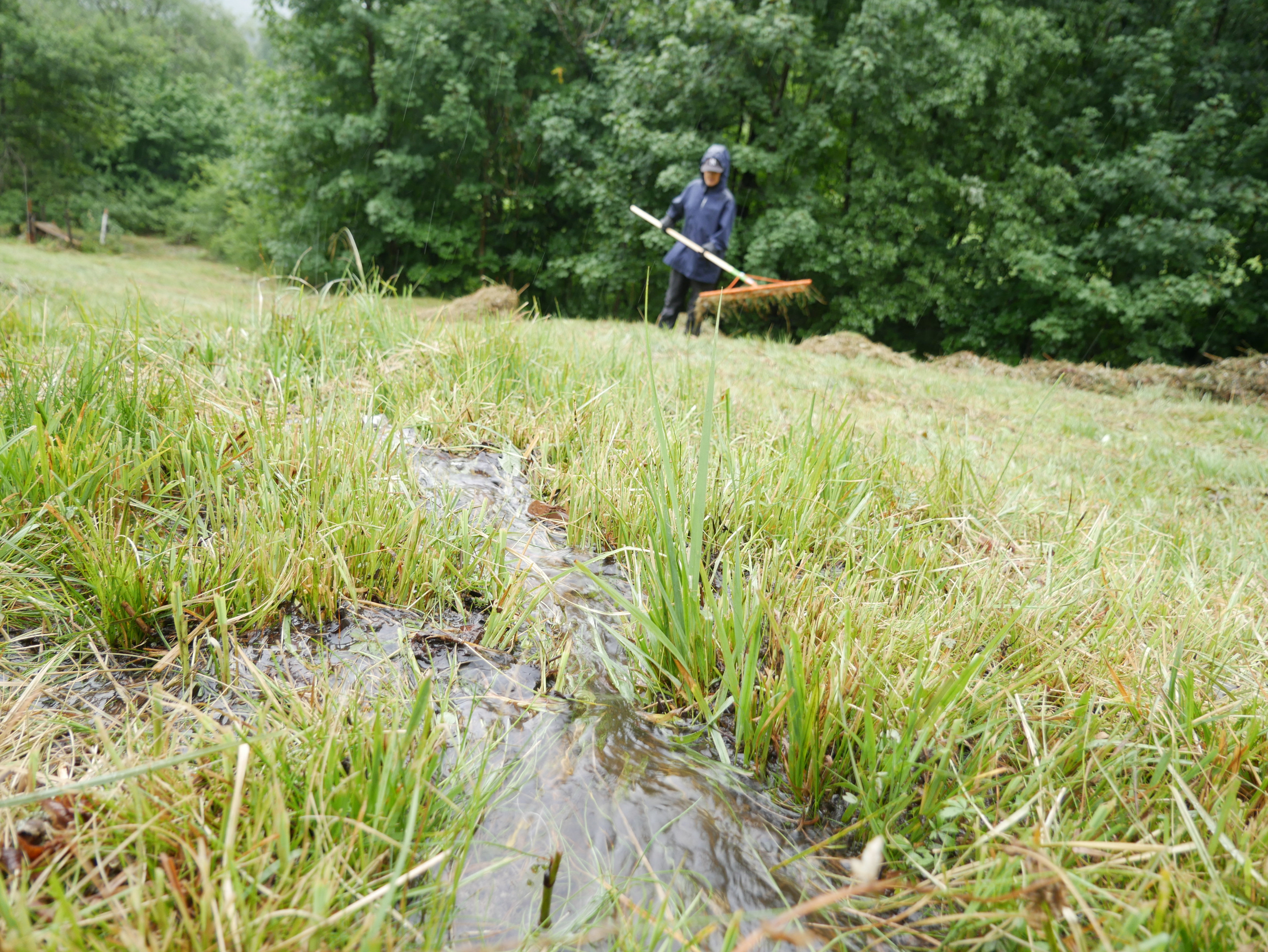
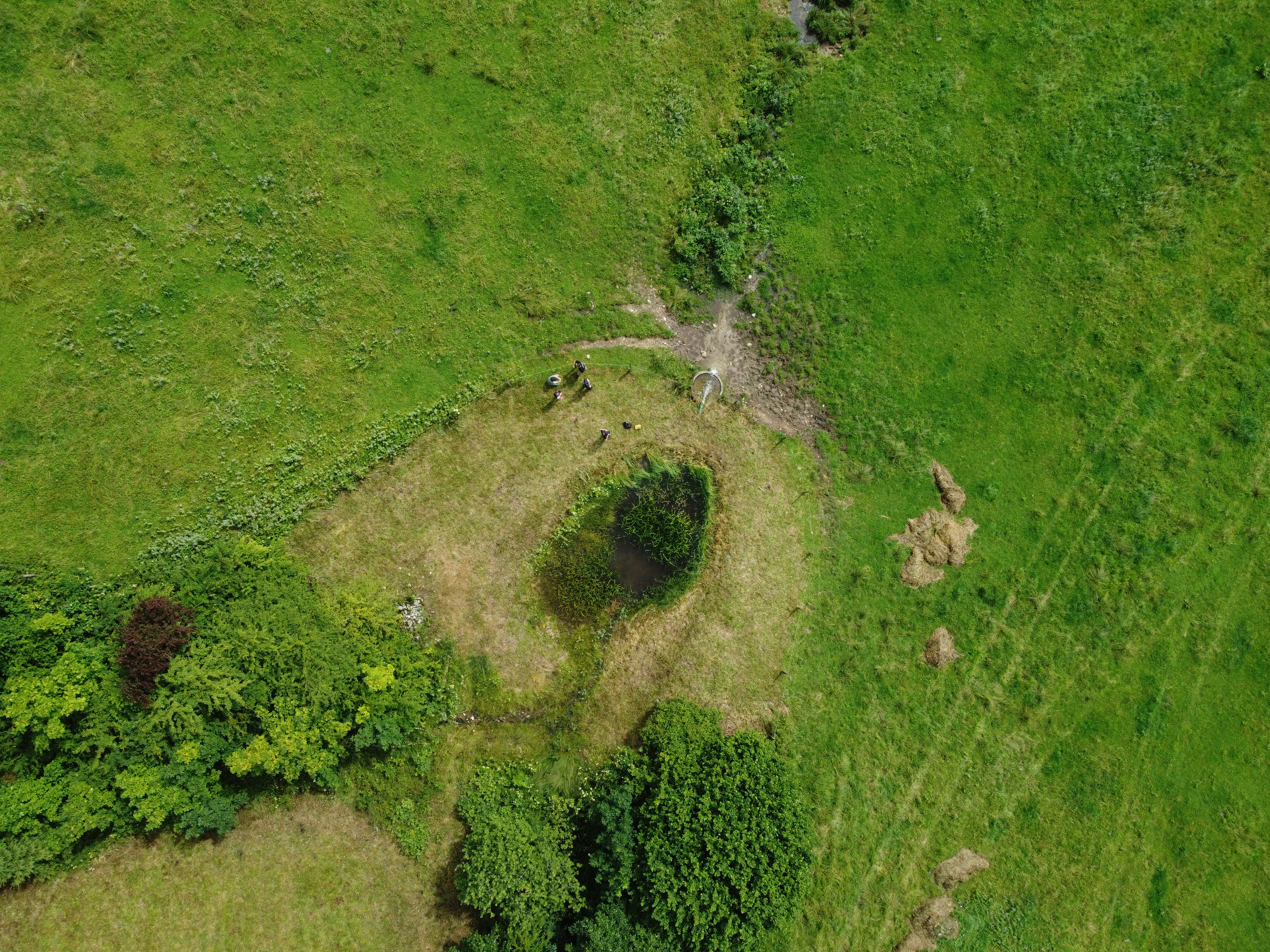
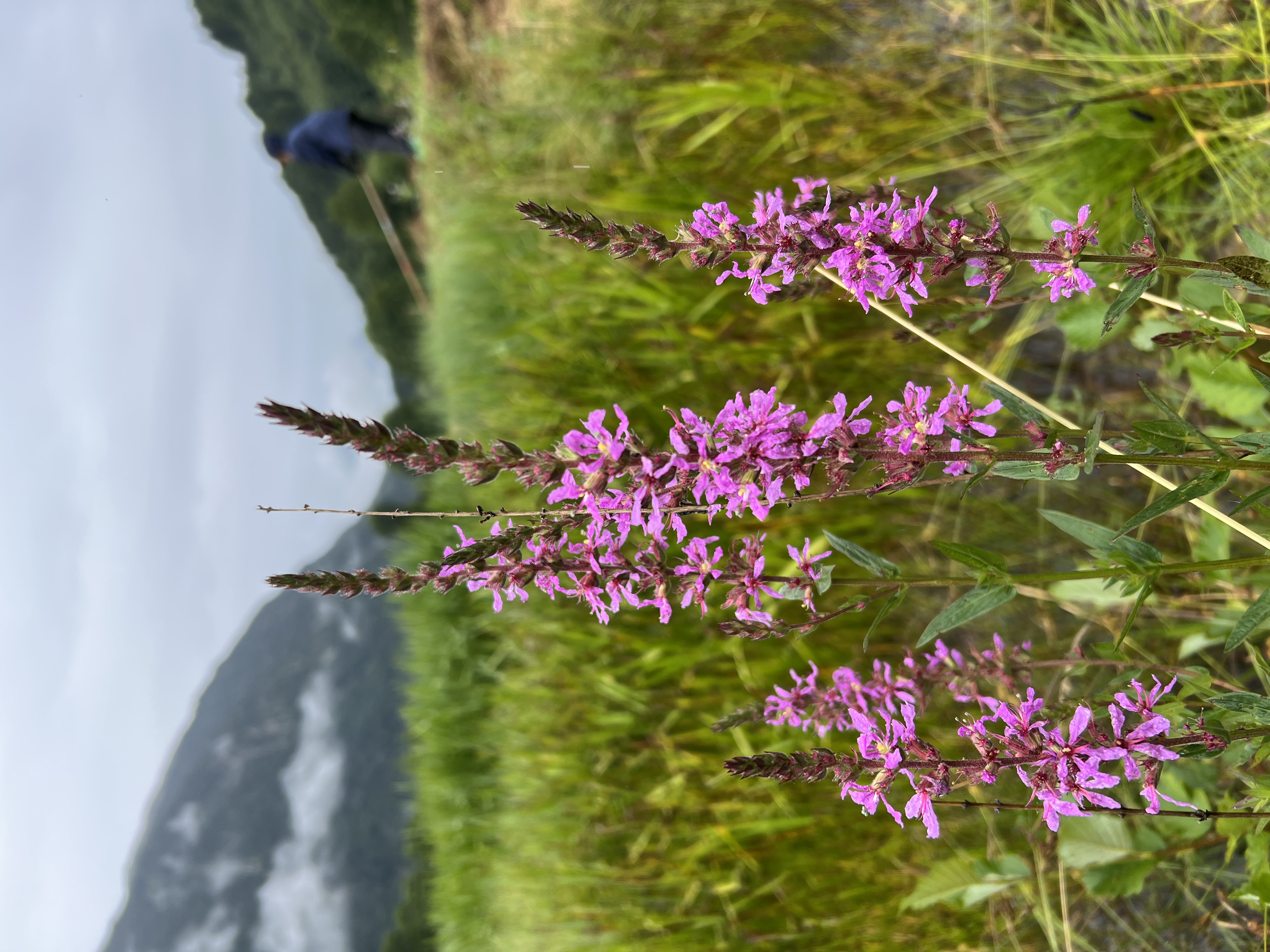
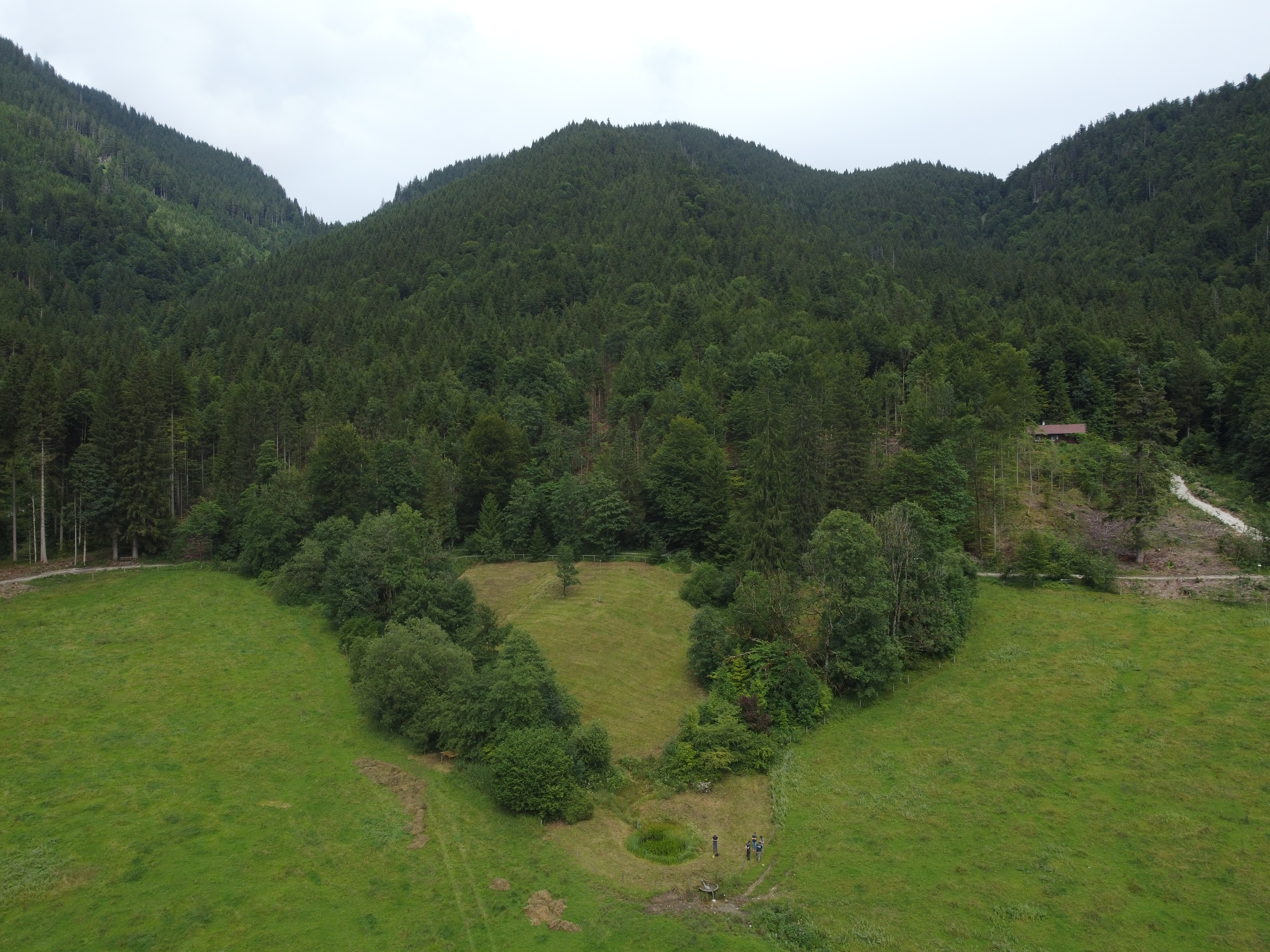
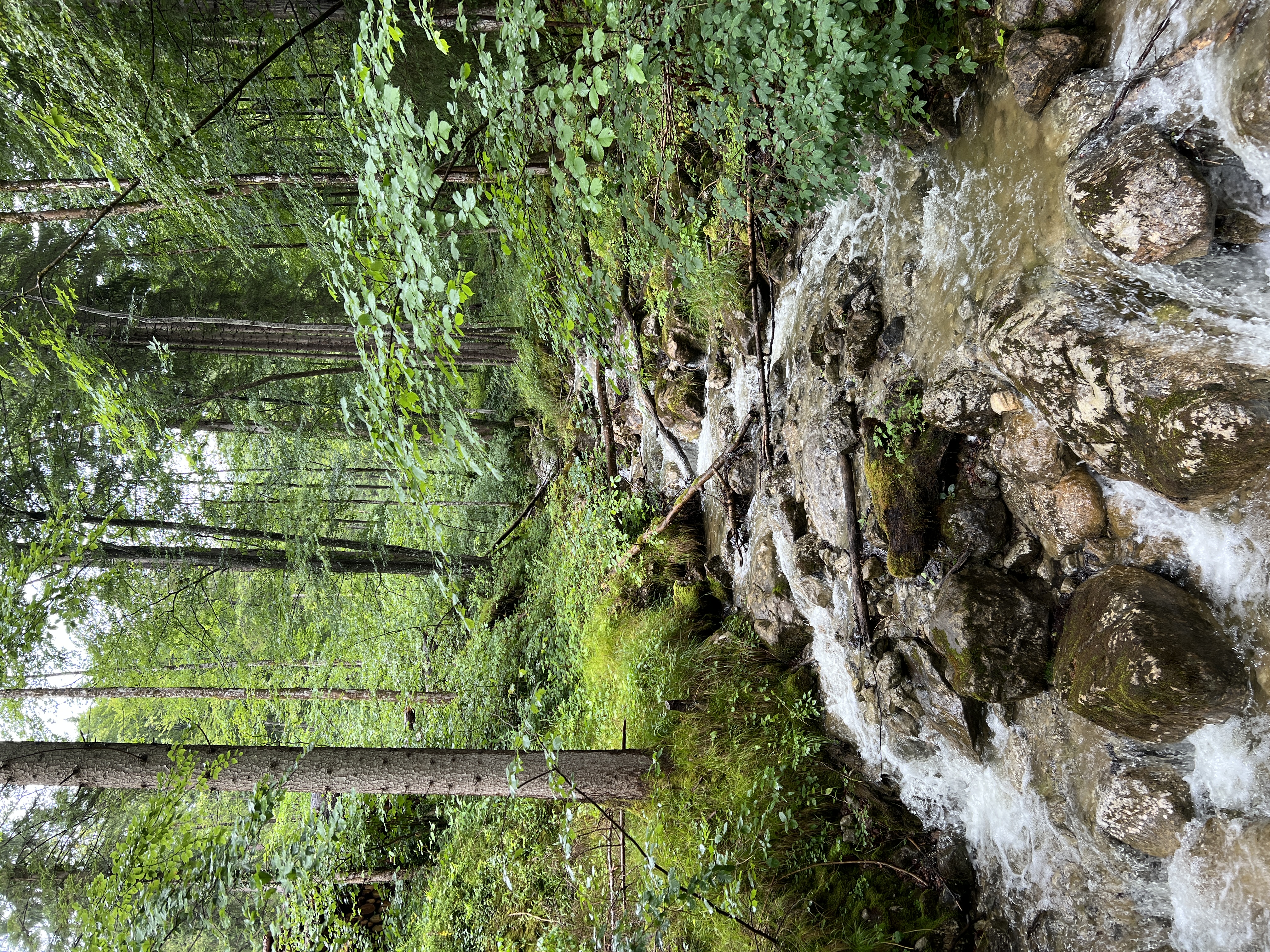
This is where the nature conservation project in the Ammergau Alps comes in. Across an area of 227 km², species-rich mountain meadows are preserved through mowing and clearing, peatlands are revitalized through rewetting, and wild river landscapes are restored by exposing gravel banks. In addition, the project removes invasive plant species and introduces native trees such as willows to strengthen ecological stability.
Thanks to close cooperation with local stakeholders, 15 hectares of mountain meadows have already been preserved, 15–20 hectares of forest have been reforested, and 2–3 hectares of moorland have been rewetted. The project helps to safeguard the unique biodiversity of the Ammergau Alps and strengthens the resilience of local ecosystems to the impacts of climate change.
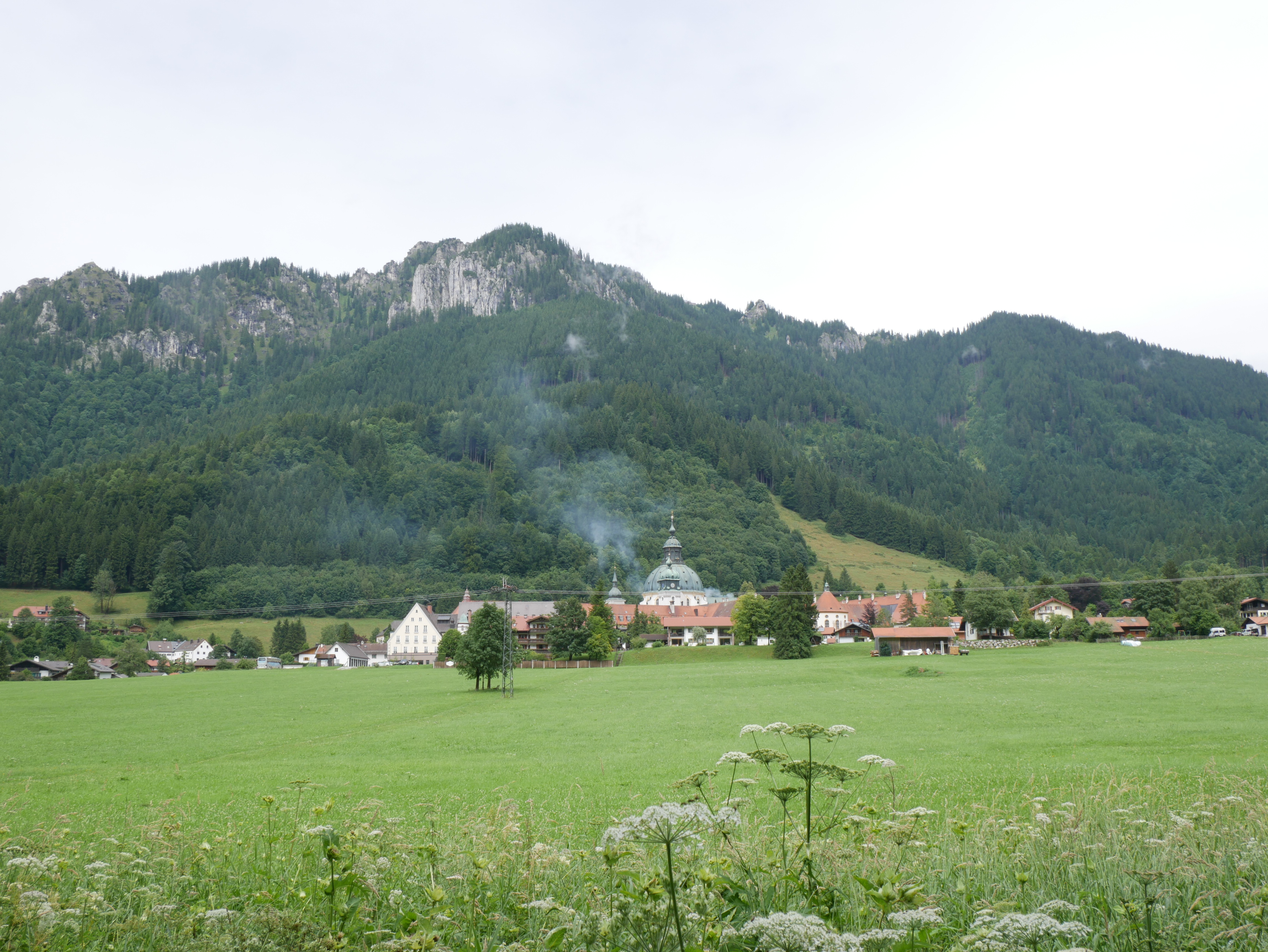
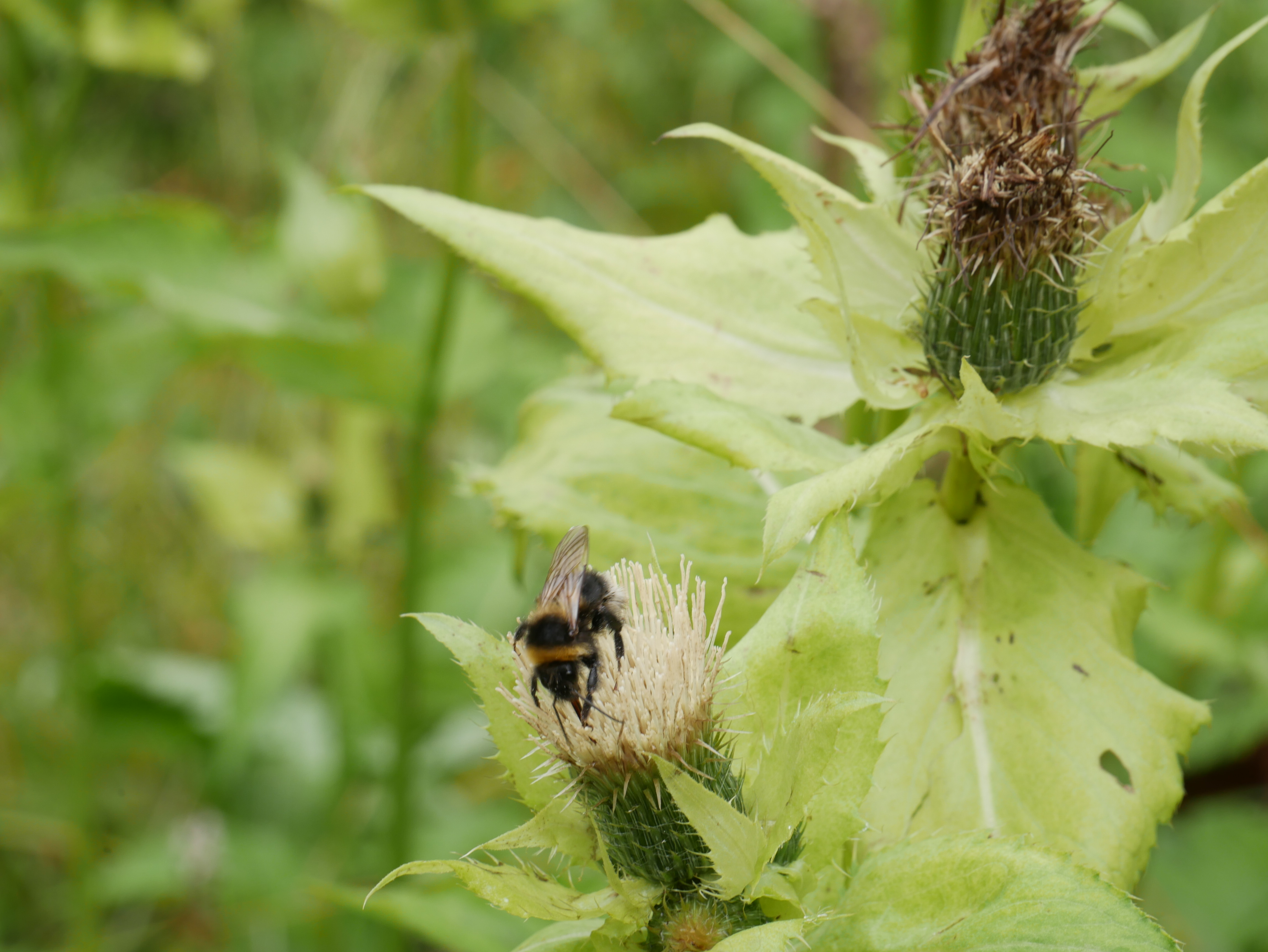
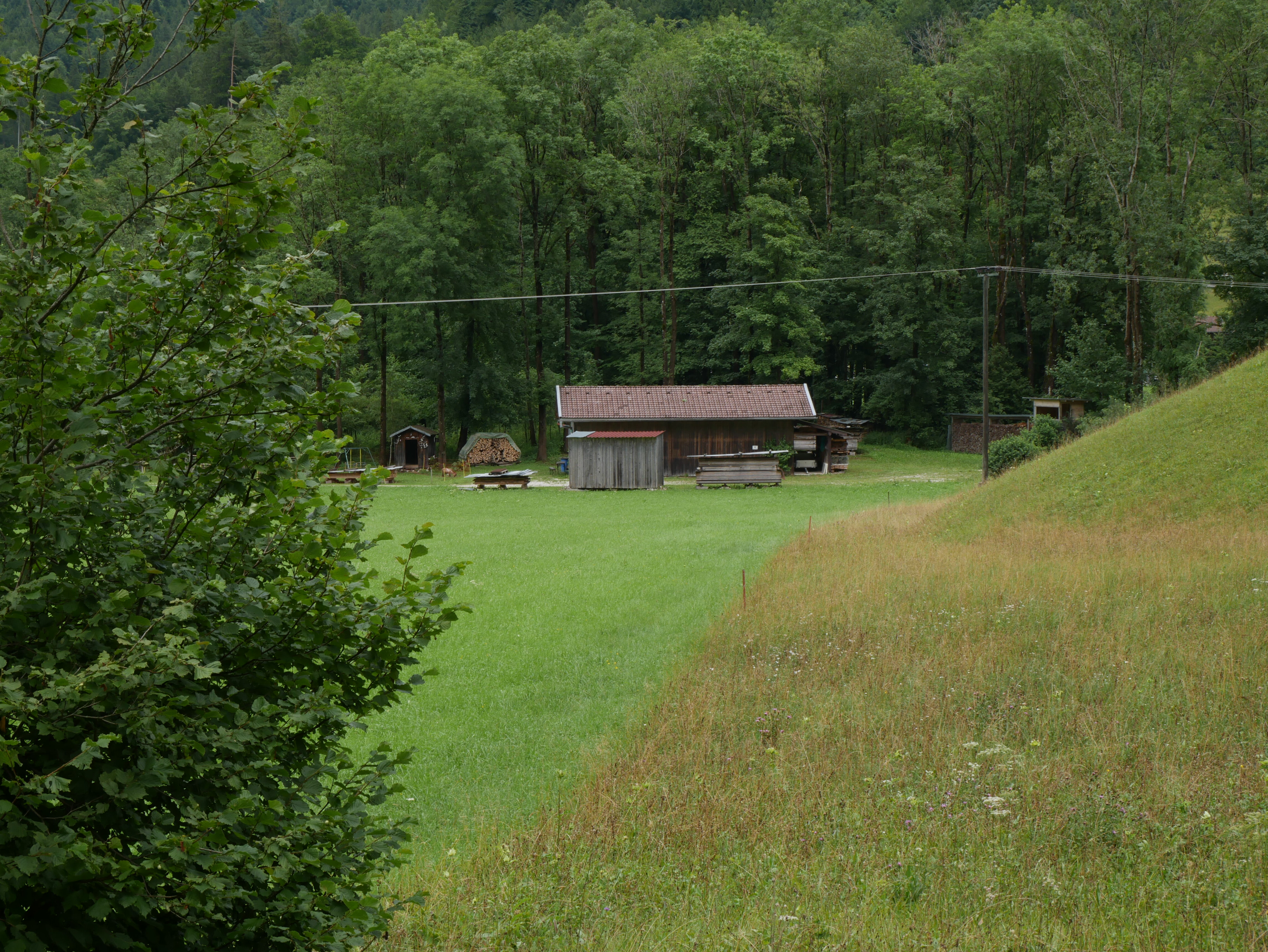
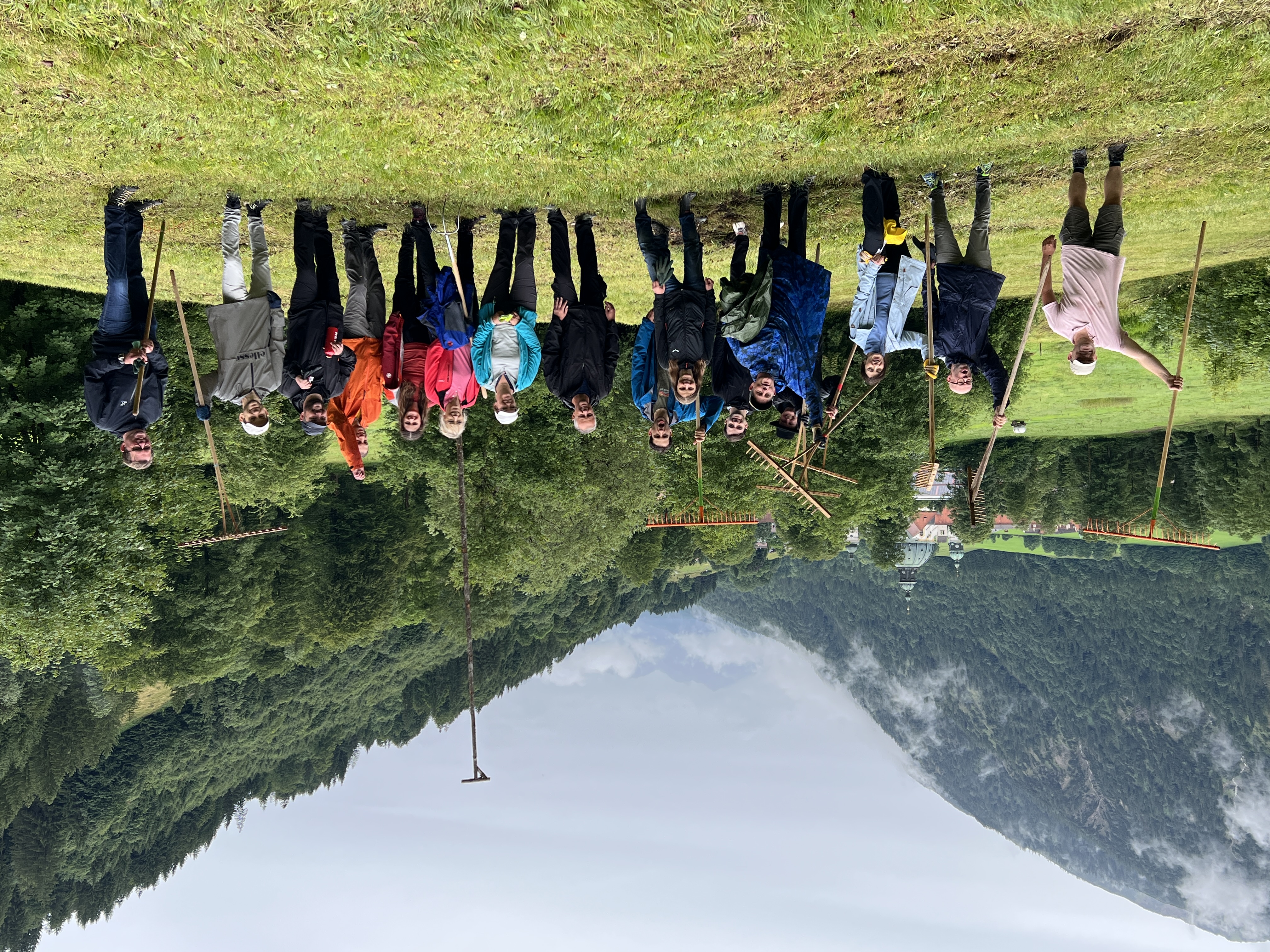
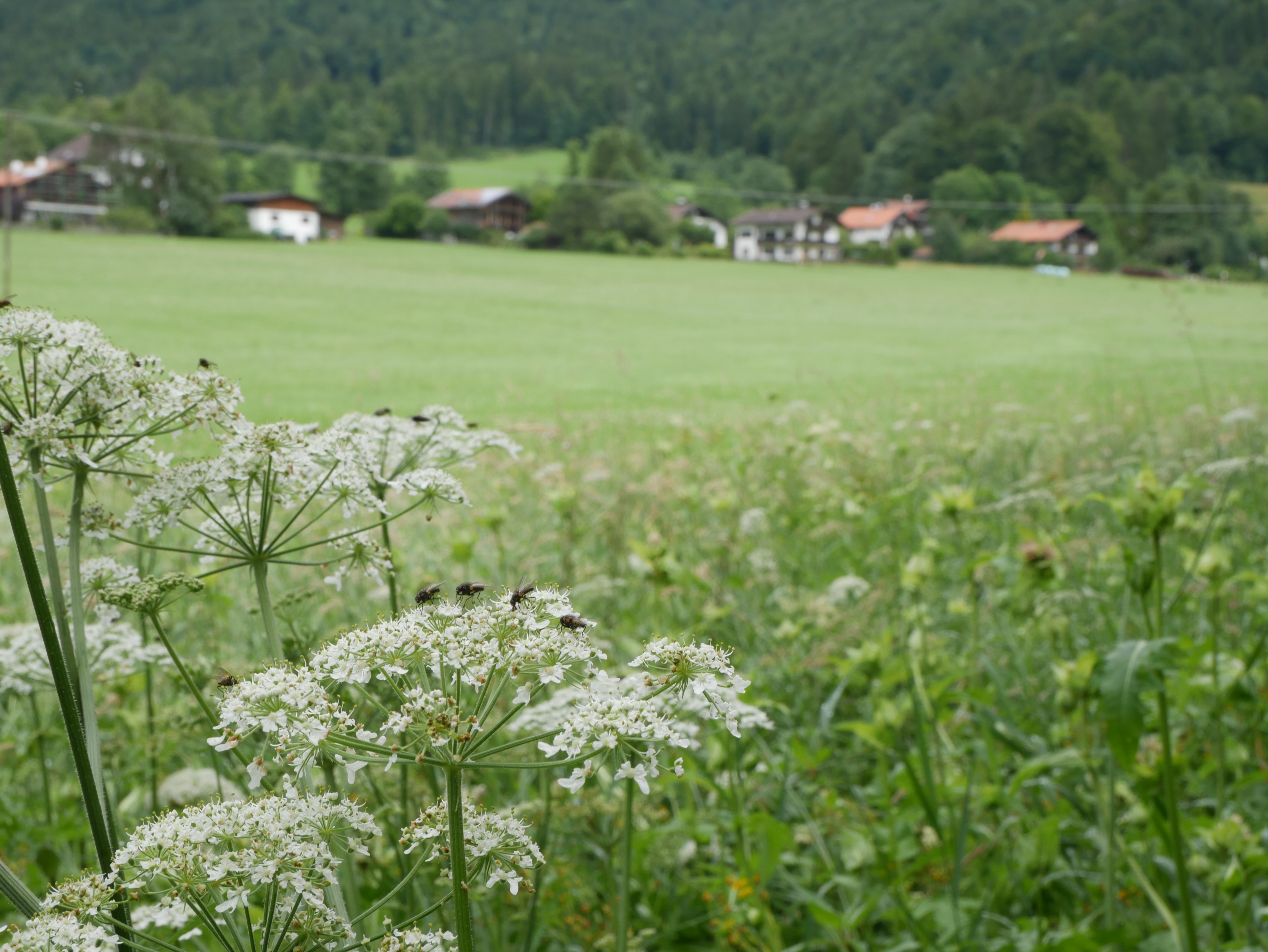

Nature conservation: restoring ecosystems and creating new habitats
Forests, peatlands, and meadows are vital ecosystems. They store carbon, provide essential habitats for animal and plant species, and regulate the natural water balance. When these systems are intact, they act as buffers, reducing the impacts of droughts, floods, and other extreme weather events, while supporting biodiversity and climate resilience.
However, centuries of intensive land use, agriculture, and infrastructure development have fragmented natural landscapes. Habitats that were once interconnected are now divided into isolated patches. For many species, intensively farmed fields and roads become insurmountable barriers. This disrupts natural behaviors such as foraging, reproduction, and migration. Without gene flow between these isolated populations, genetic diversity declines, ultimately reducing their ability to adapt and survive.
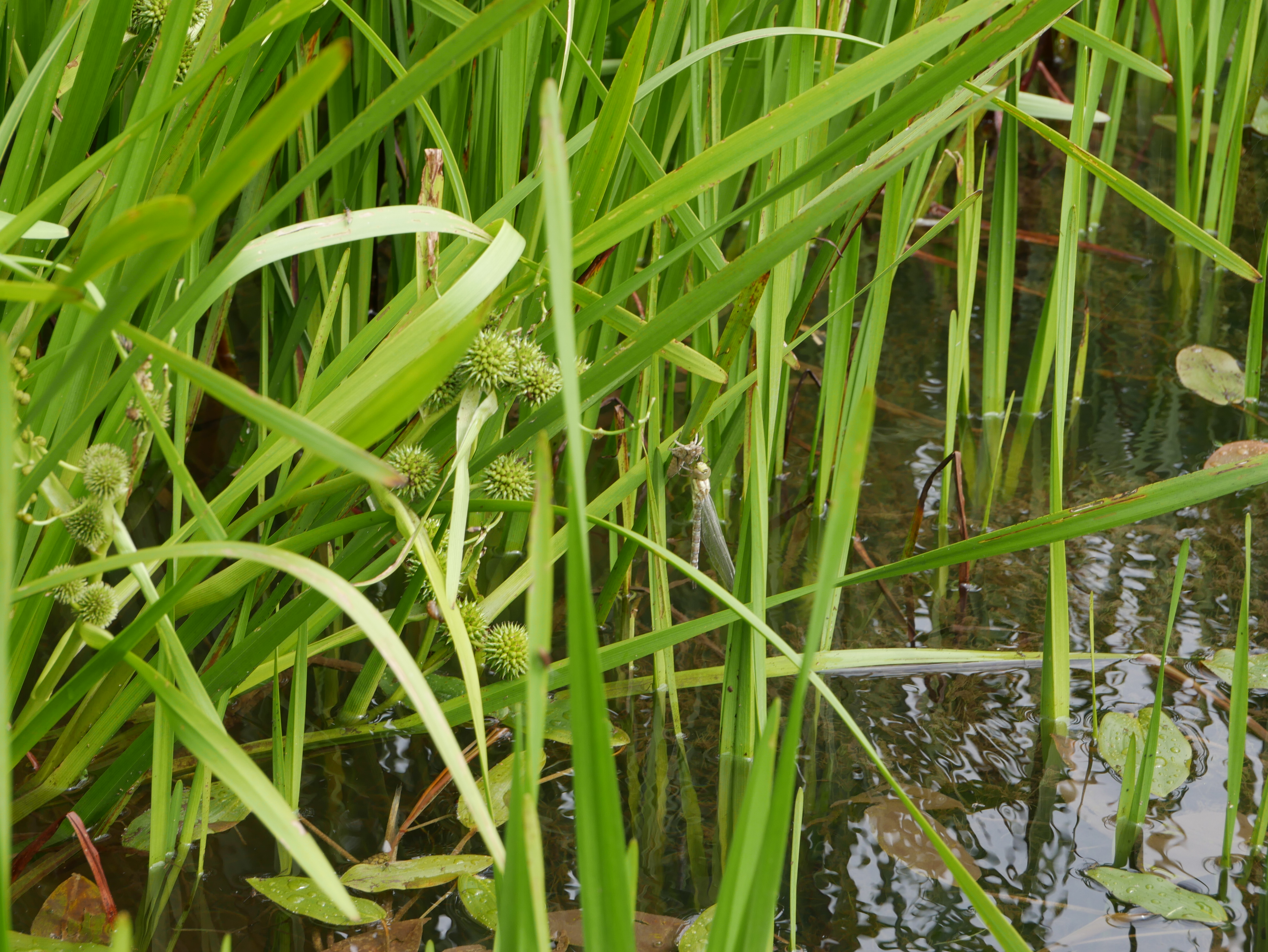
Our nature conservation projects address these challenges by restoring degraded landscapes and creating near-natural areas. These restored areas form part of a broader biotope network, enabling wildlife to move safely between habitats. A flowering strip, for example, can provide a vital corridor through agricultural land, while newly planted hedges can connect separated forest areas. Similarly, renatured streams and rewetted peatlands restore water dynamics and bring back rich biodiversity, while deadwood enrichment supports a wide range of species.
Depending on the project, measures may include:
Planting and maintaining hedges and thickets to connect habitats
Creating flower strips as corridors for pollinators and insects
Renaturation of streams to improve water quality and biodiversity
Fencing and protecting trees
Rewetting and protecting peatlands as natural carbon sinks
Deadwood enrichment to create diverse microhabitats
Afforestation with native tree species
Het project heeft als doel om bij te dragen aan deze Sustainable Development Goals (SDG's) van de Verenigde Naties.


Ontdek meer projecten
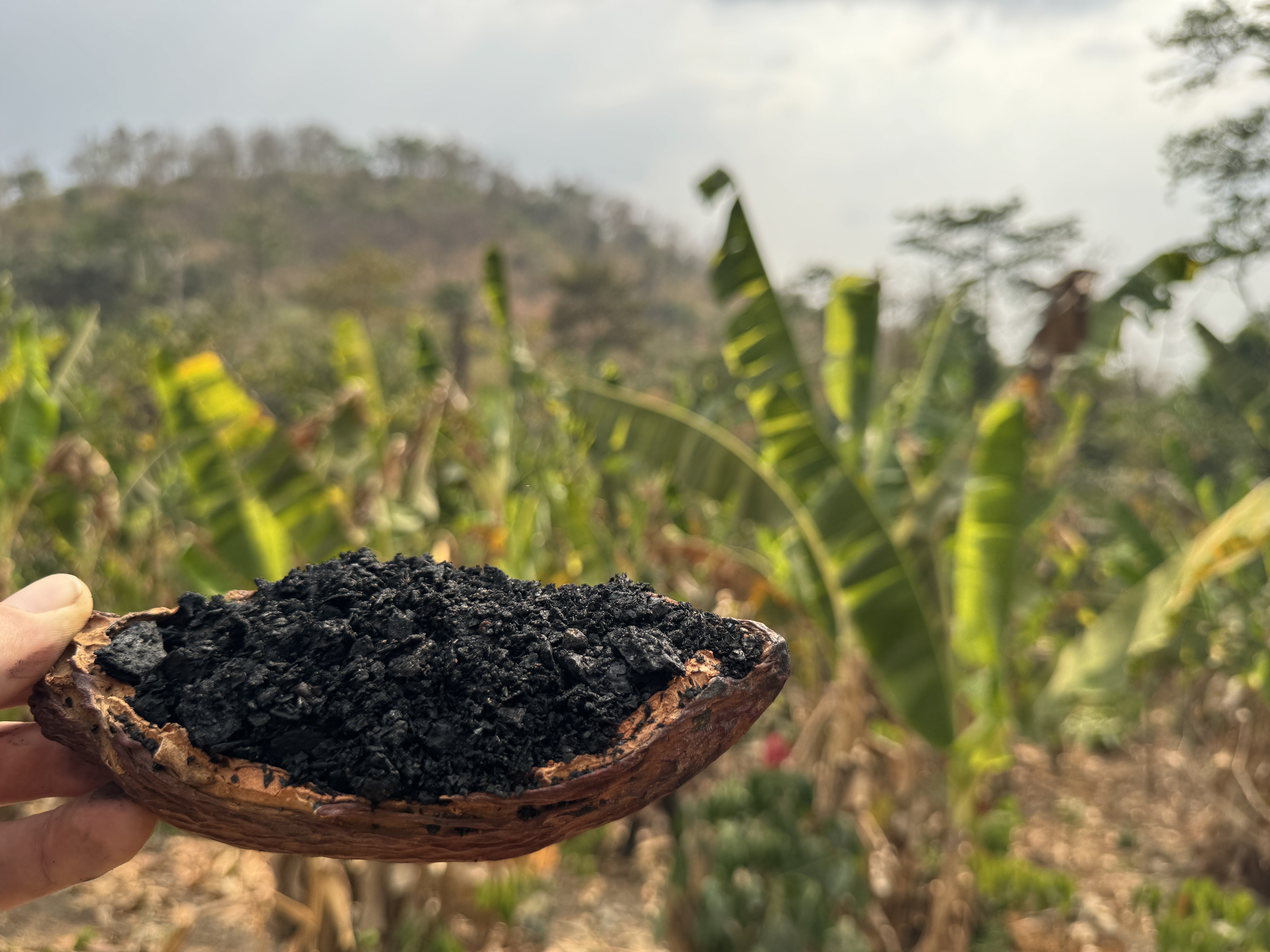
Biochar voor Klimaatactie, Gezonde Bodems en Betere Oogsten
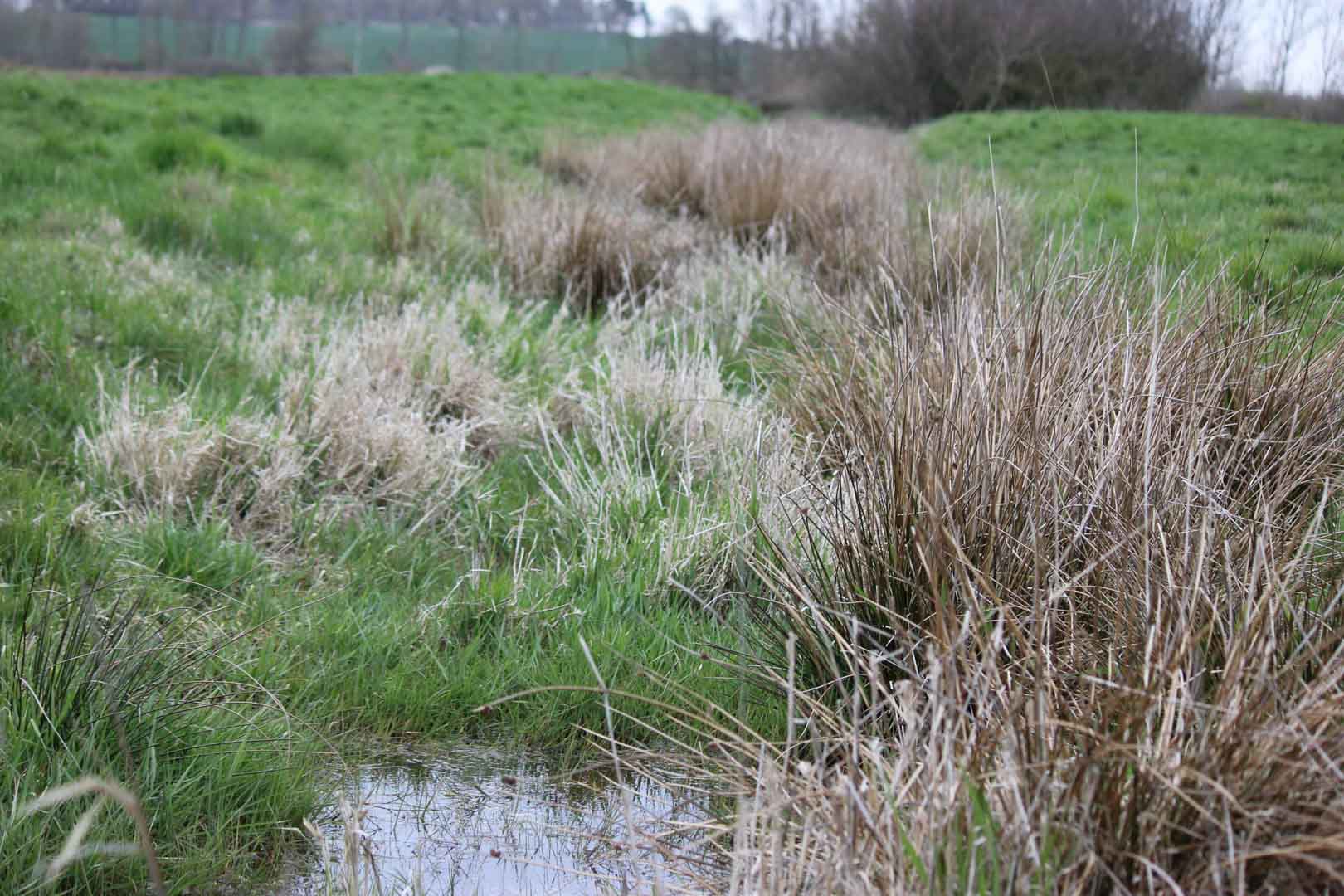
Een gecertificeerd klimaatproject gecombineerd met extra inzet
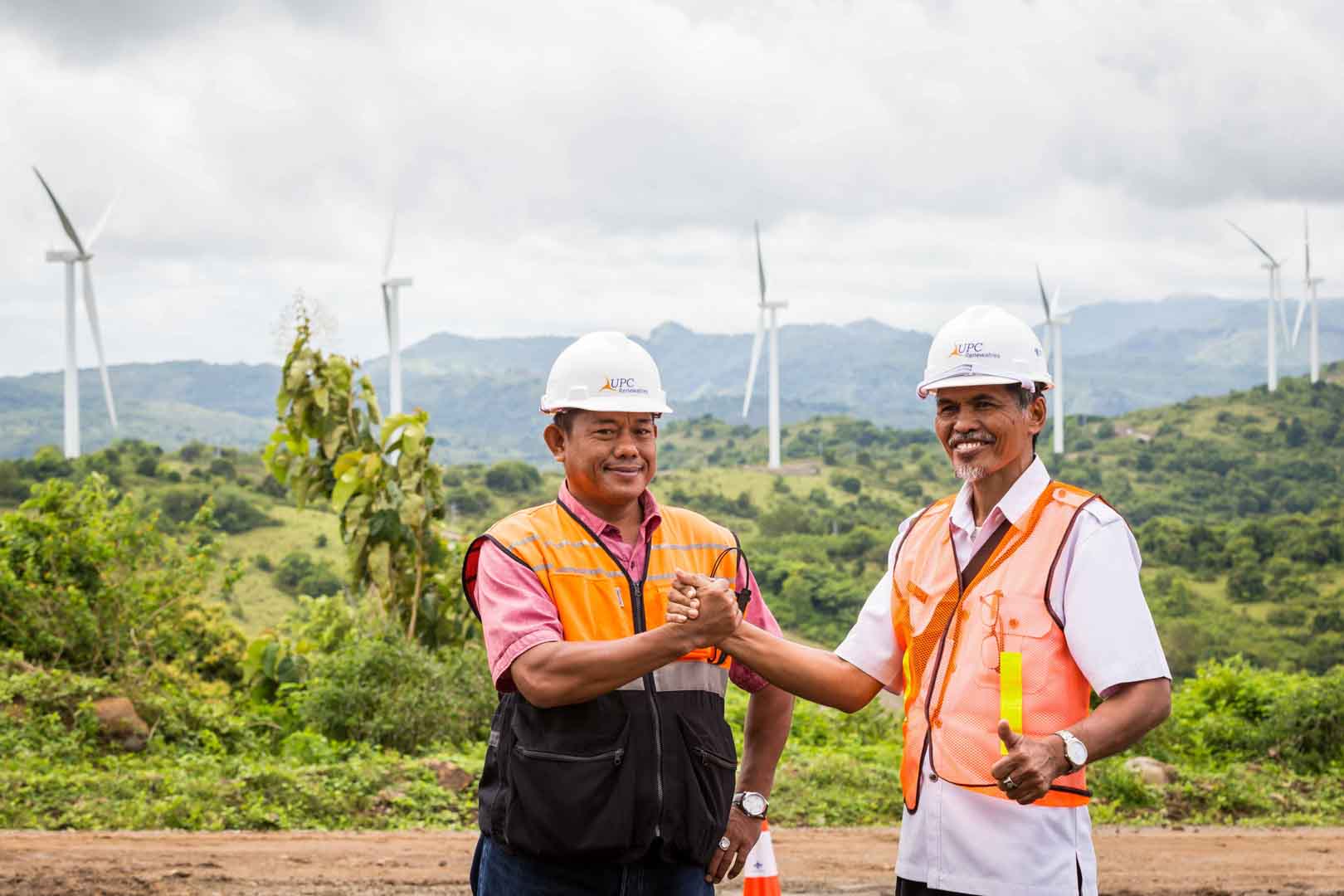
Duurzame energie opwekken in Azië
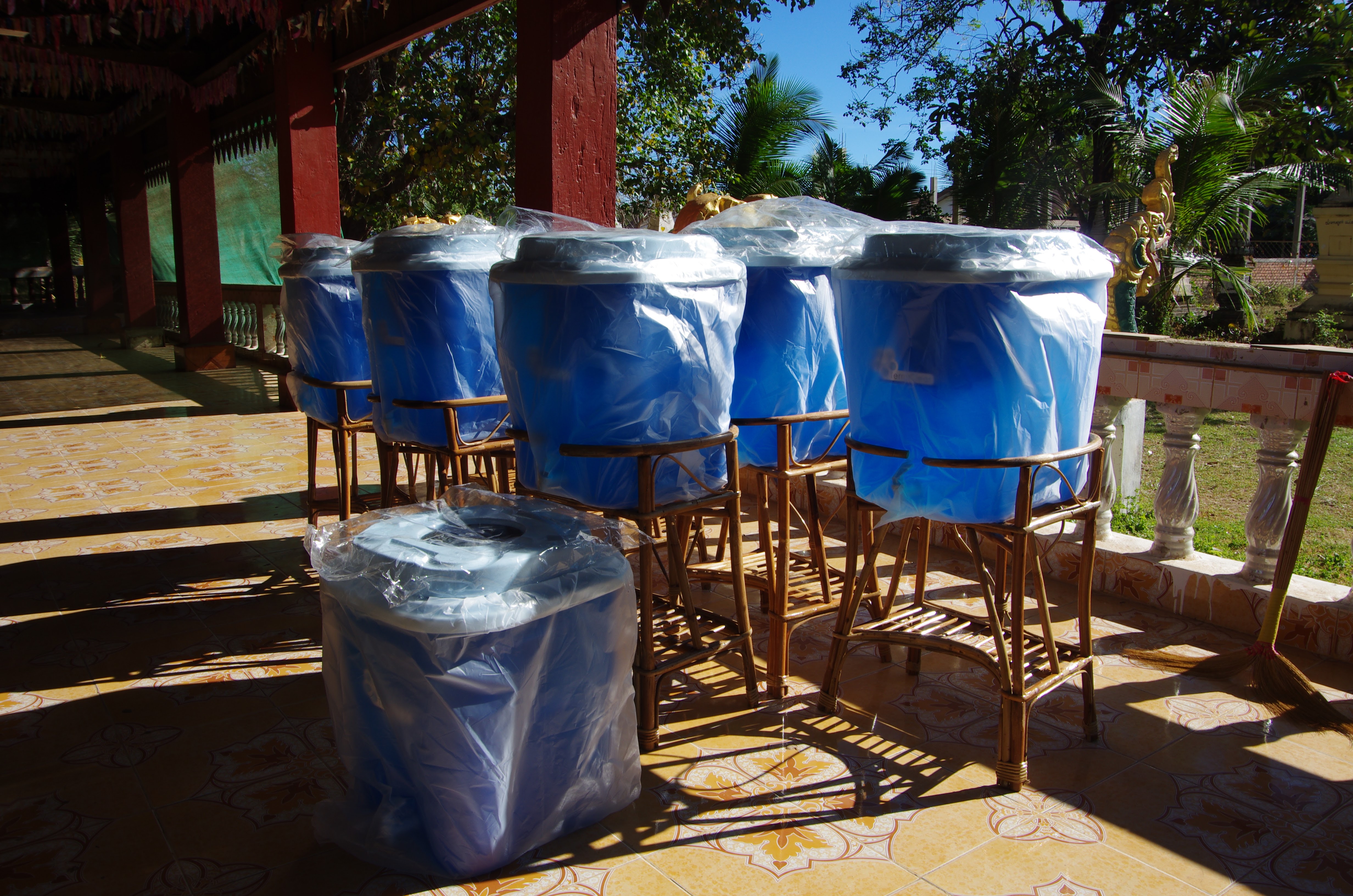
Keramische waterfilters besparen CO2 en verbeteren de gezondheid
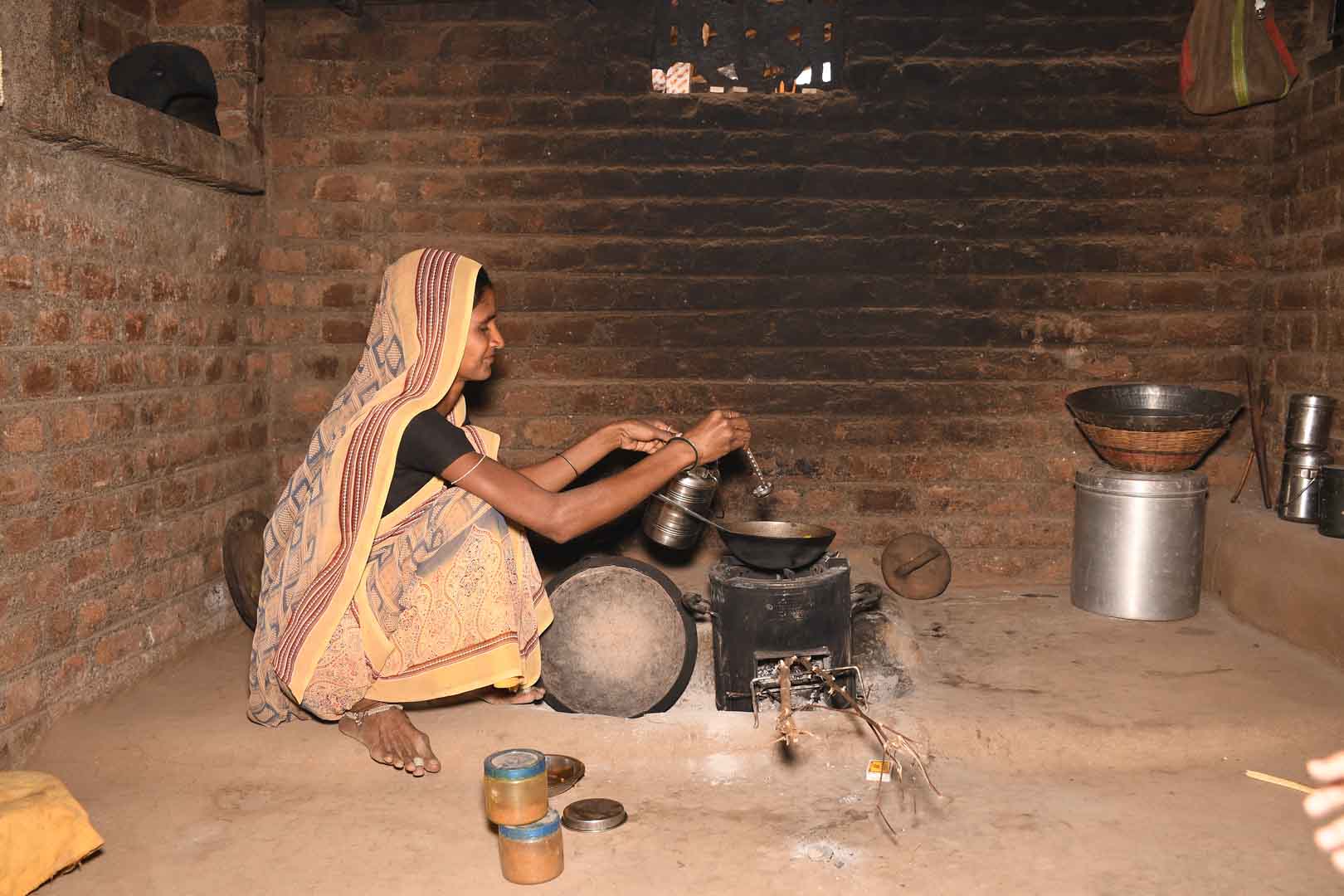
Verbeterde kooktoestellen wereldwijd – voor een betere gezondheid en schonere lucht

Een gecertificeerd klimaatproject gecombineerd met extra inzet
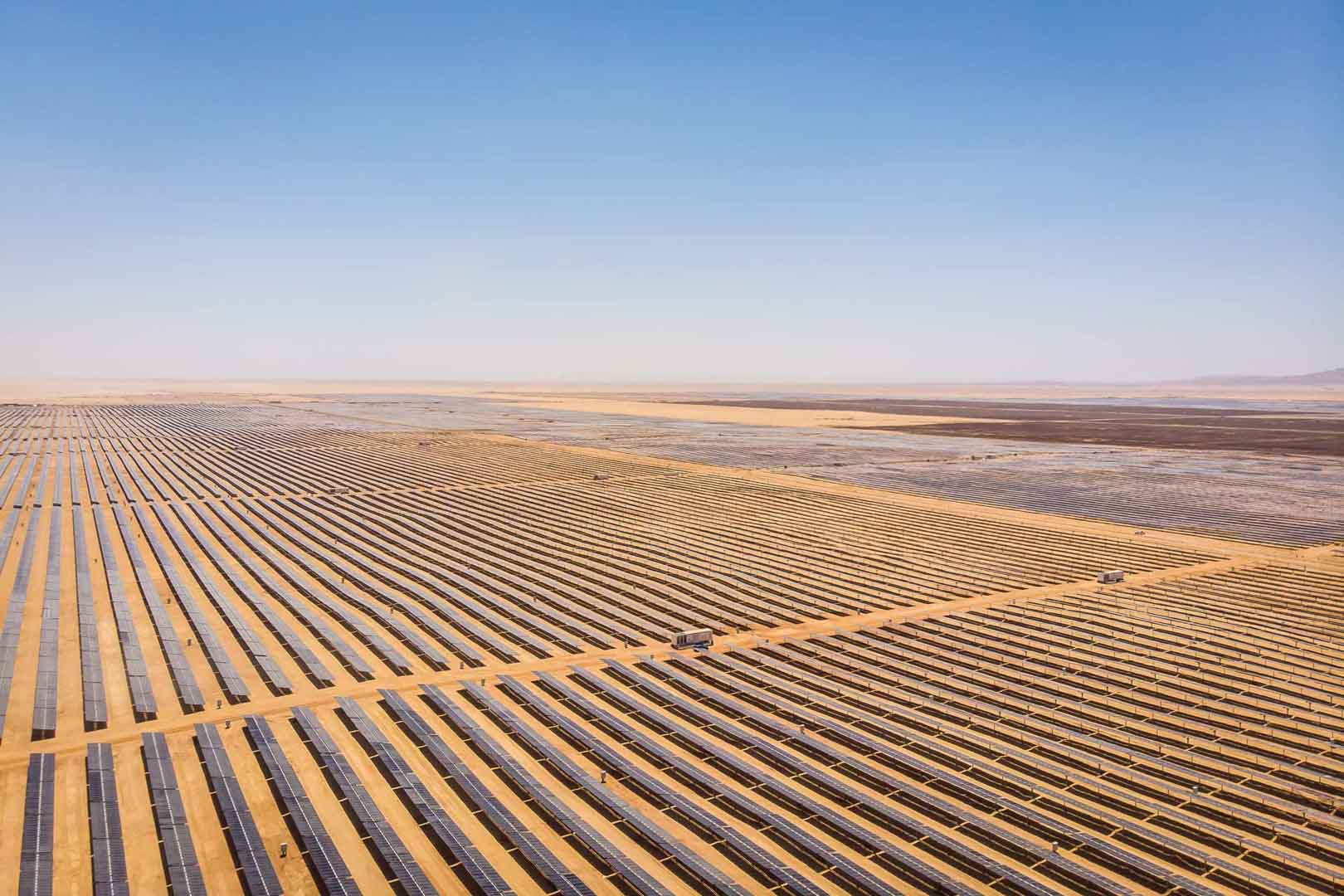
Toegang tot groene energie in Afrika
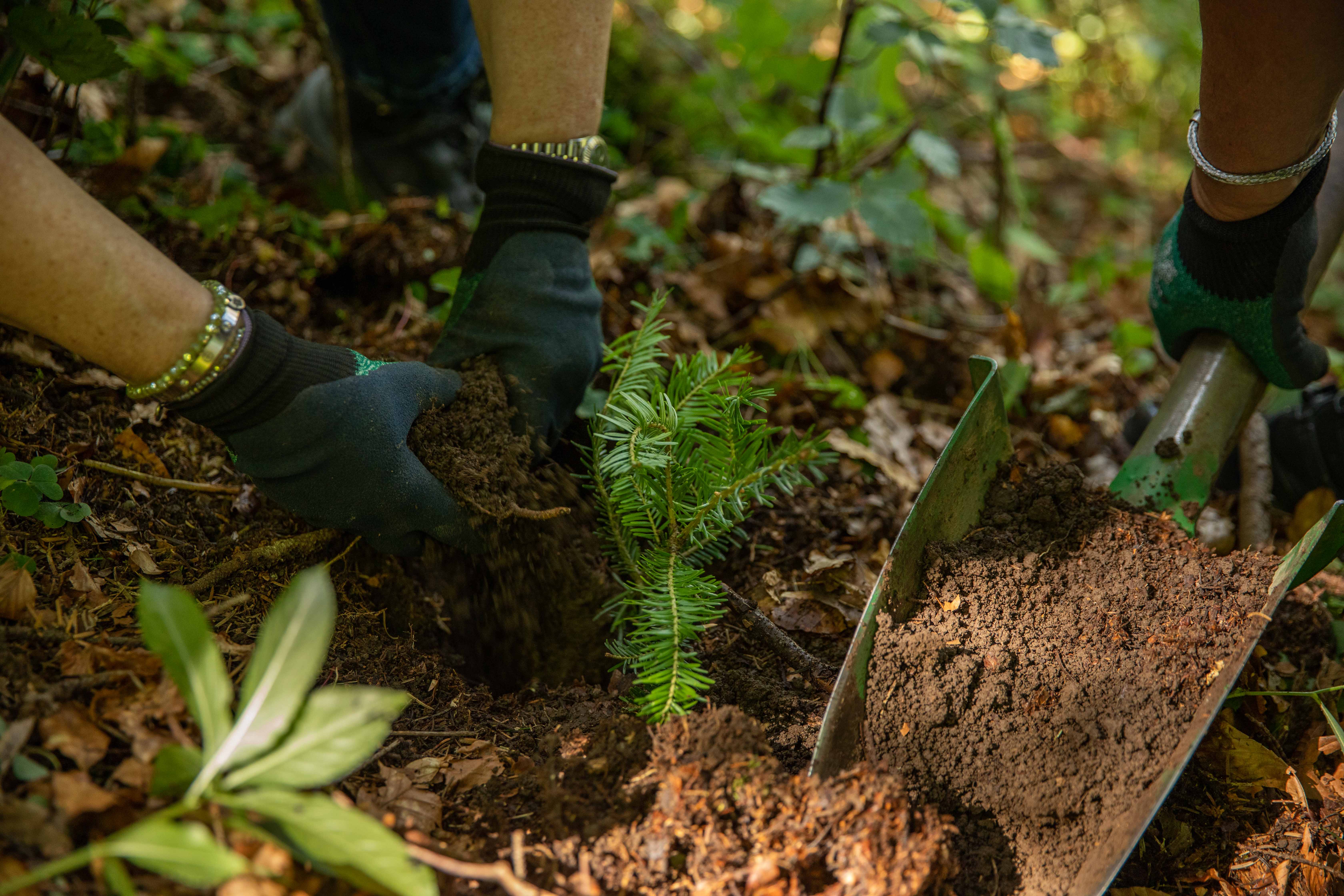
Een gecertificeerd klimaatproject gecombineerd met extra inzet
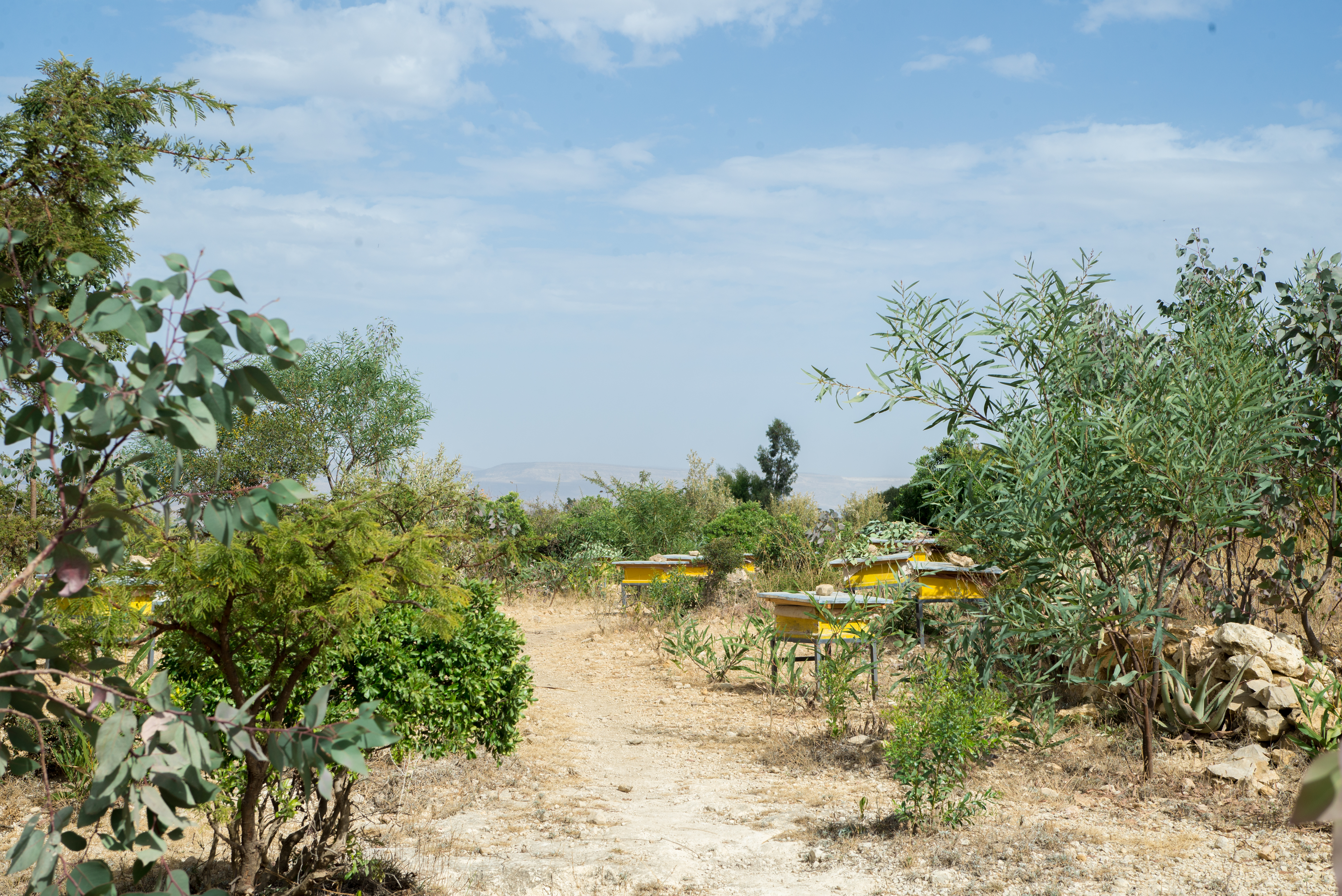
Herstelde ecosystemen verwijderen CO2
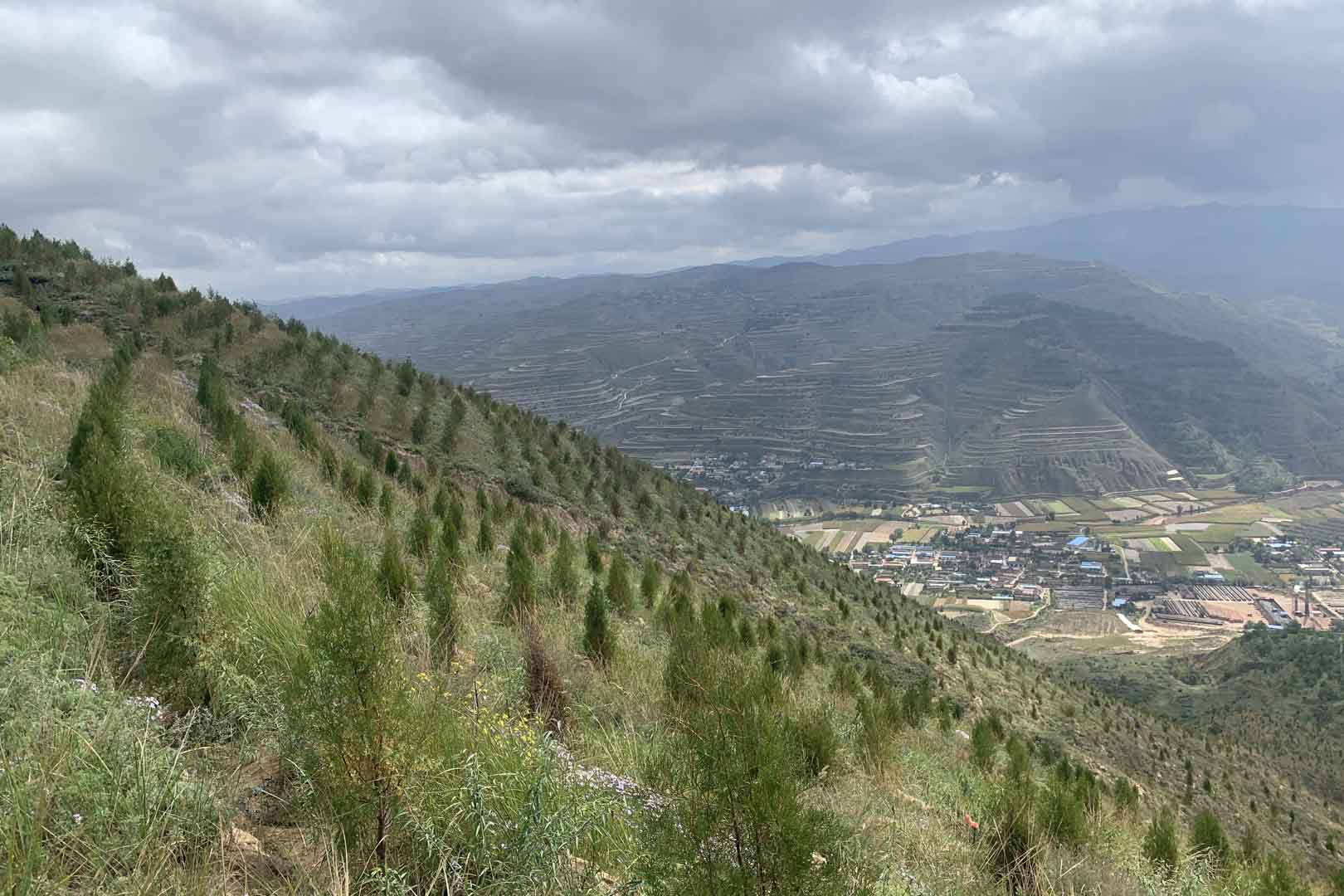
Gedegradeerde landbouwgronden veranderen in gezonde ecosystemen
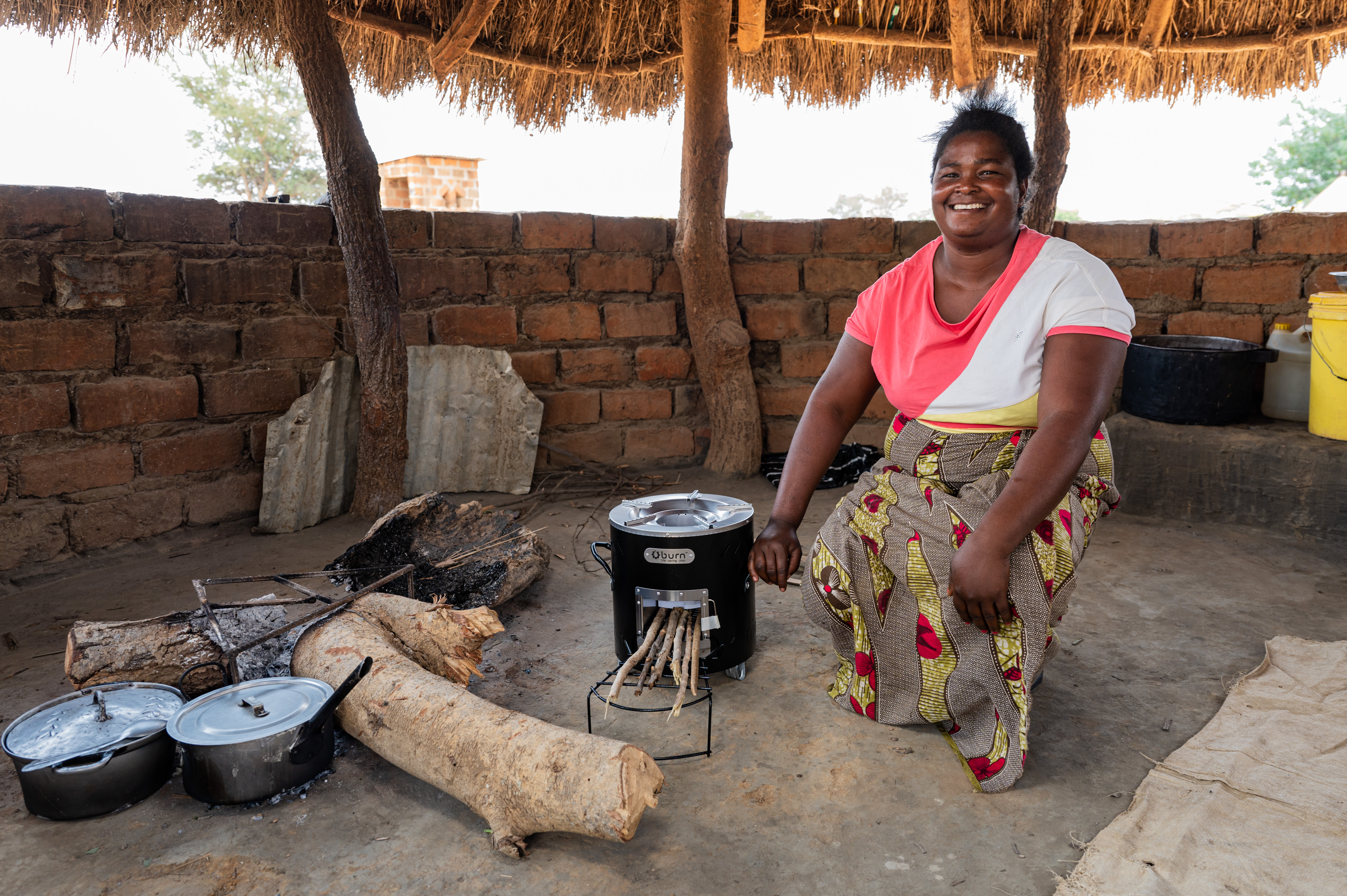
Verbeterde kooktoestellen - beter voor gezondheid en milieu