
Energy from rice husks instead of coal
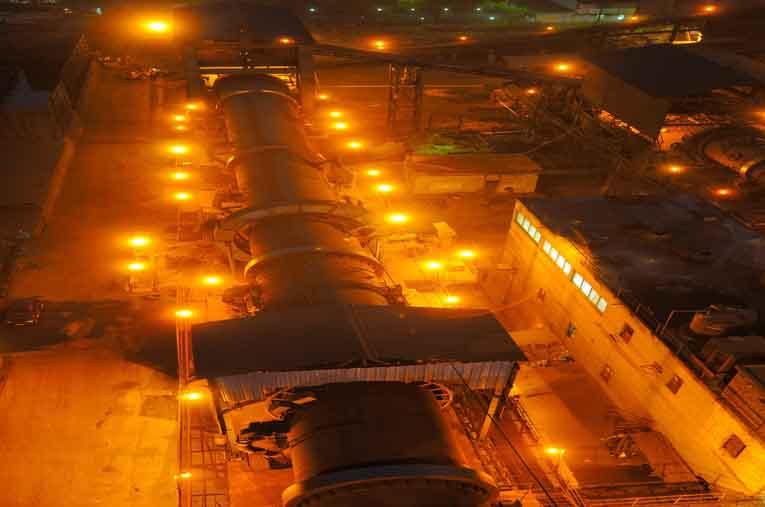
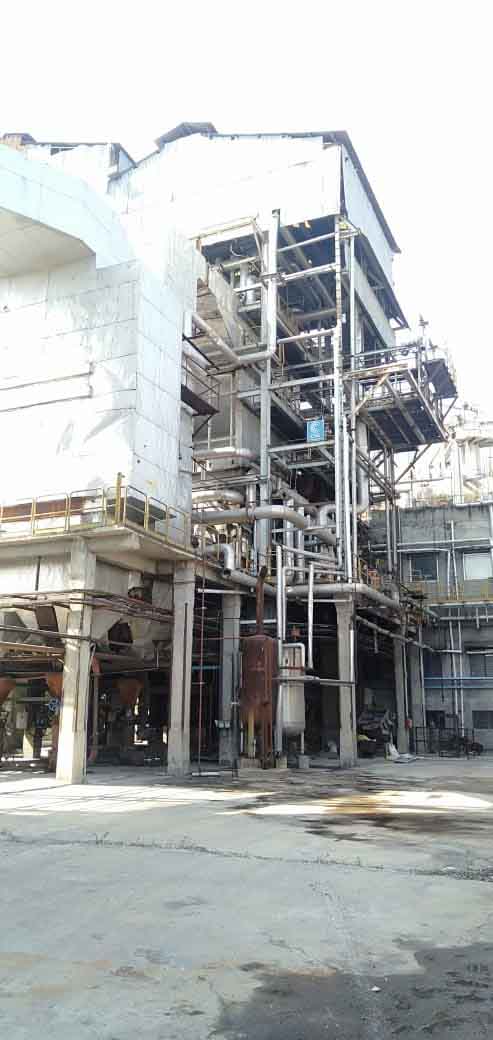
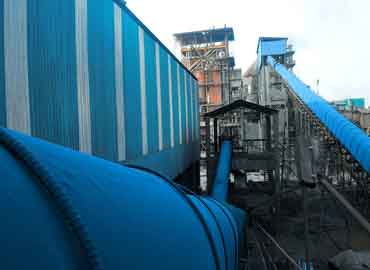
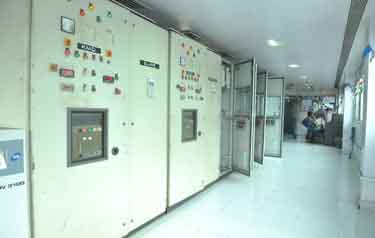
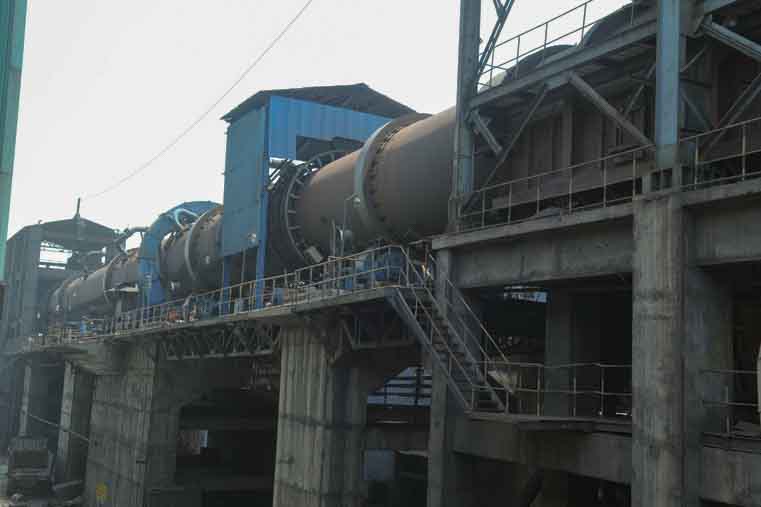
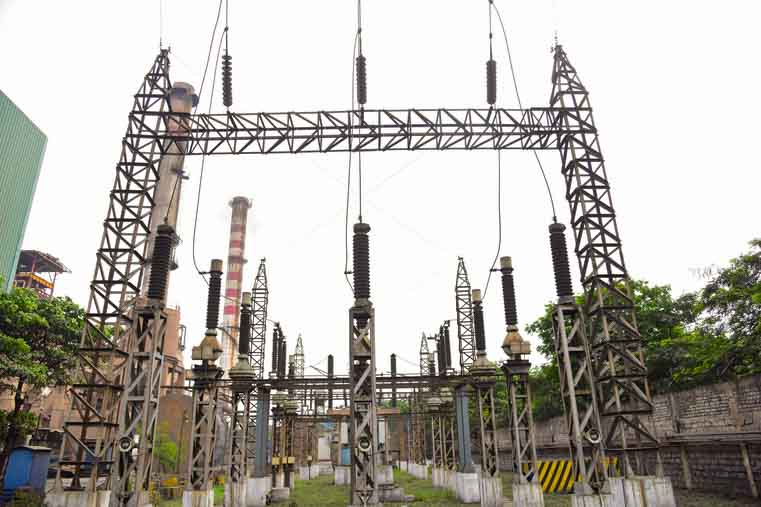
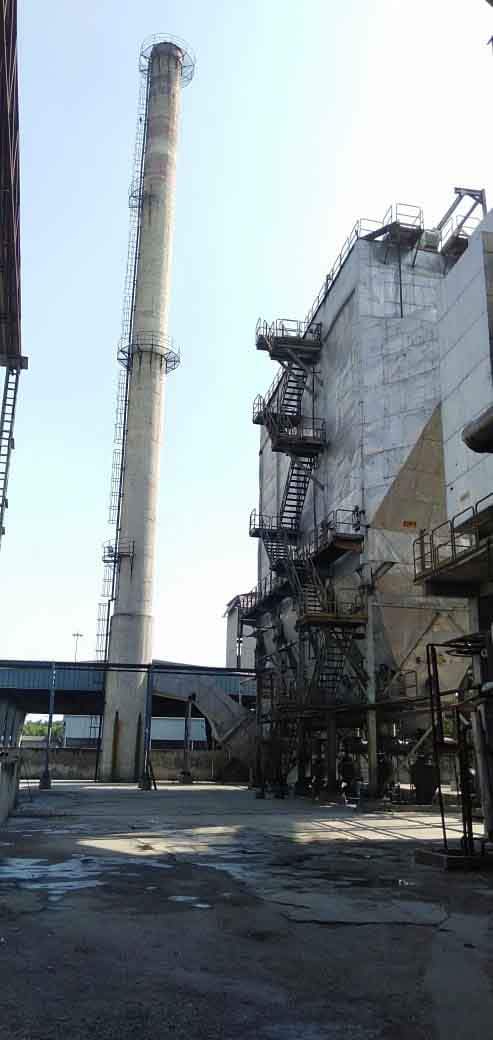
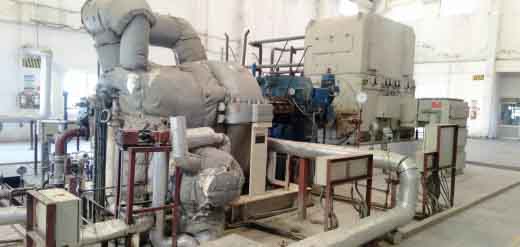
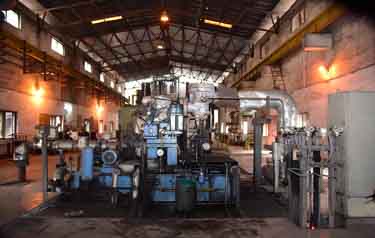
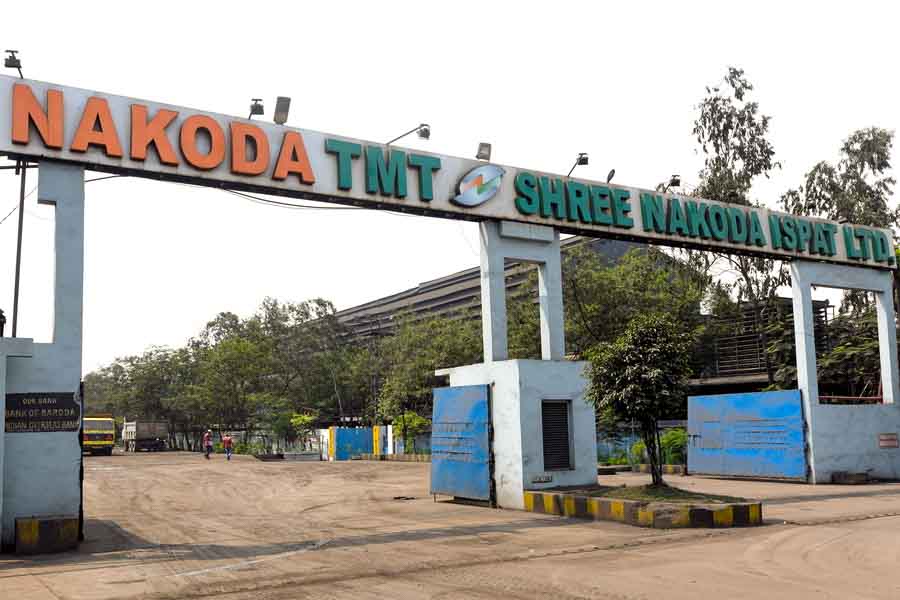
Located at Siltara in the Raipur district in the state of Chattisgarh, the company Shree Nakoda Ispat Limited produces different iron commodities like billets and sponge iron. Before the project started, less than half of the electricity consumed by the factory was generated at an in-house 6 MW waste heat recovery (WHR) based power plant, while the remaining power was drawn from the grid. With an expansion in production due to the growing demand for their products, the company's energy consumption grew from 8 MW to nearly 18 MW. As it was not possible to increase power supply from the existing WHR plant, the company had the options of drawing more electricity from the fossil fuel-dominated state grid or to generate coal-based power in-house. Instead, they decided to install an in-house biomass-based power generation plant, aiming at becoming independent from the grid.
The biomass used at the power plant mainly consists of rice husks from local farms. Chhattisgarh is called the “Rice Bowl of India” due to a large paddy growth in the state, which ensures a consistent supply of rice husk throughout the year.
How biomass projects help contribute to climate action
Biomass refers to organic residues such as tree branches, leaves, sawdust, wood chips or coconut shells. Those are of a biogenic, non-fossil nature that can be used to generate renewable energy. One way to generate renewable energy, among others, is to fire kilns using biomass. This process prevents harmful smoke and large quantities of CO2 to be released.
As an additional greenhouse gas reduction measure, biomass climate projects mostly prevent biomass from rotting in the open air, so that no methane (CH4) is released. Biomass projects in the ClimatePartner portfolio are registered with international standards.
The project aims to contribute to these United Nations’ Sustainable Development Goals (SDGs).


Explore our projects
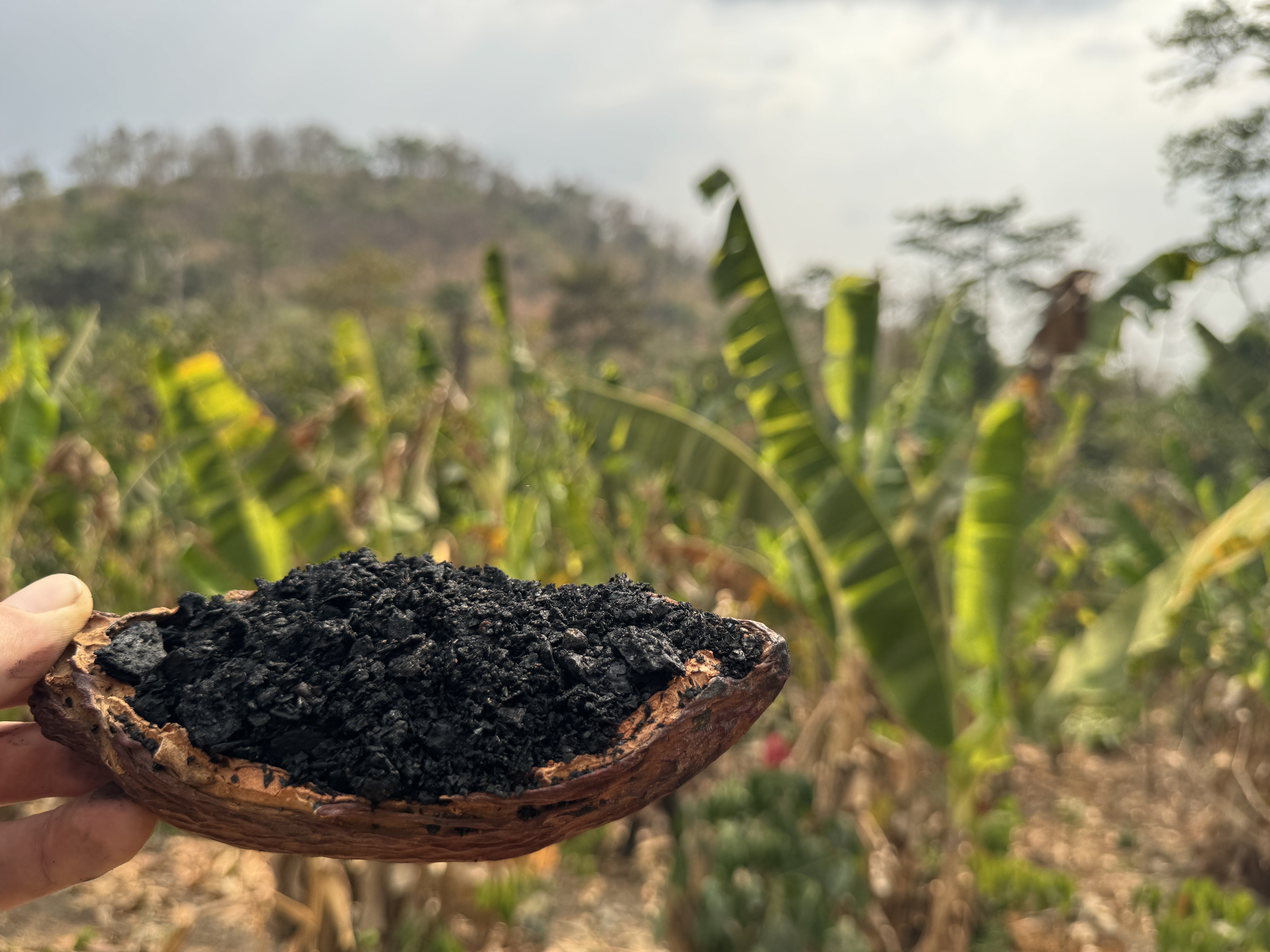
Biochar for Climate Action, Healthy Soils, and Better Harvests
A certified climate project combined with additional commitment
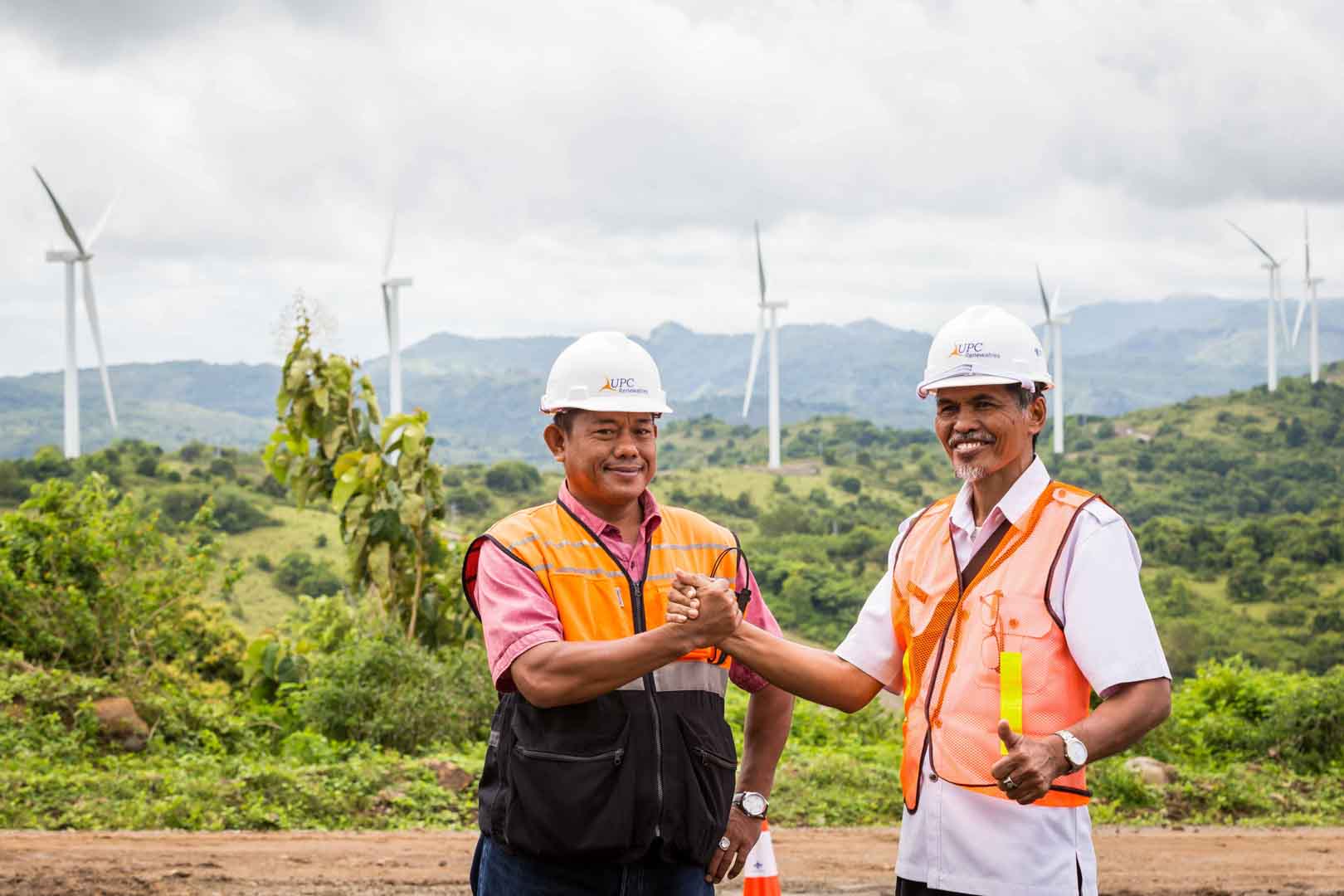
Expansion of renewable energy generation in Asia
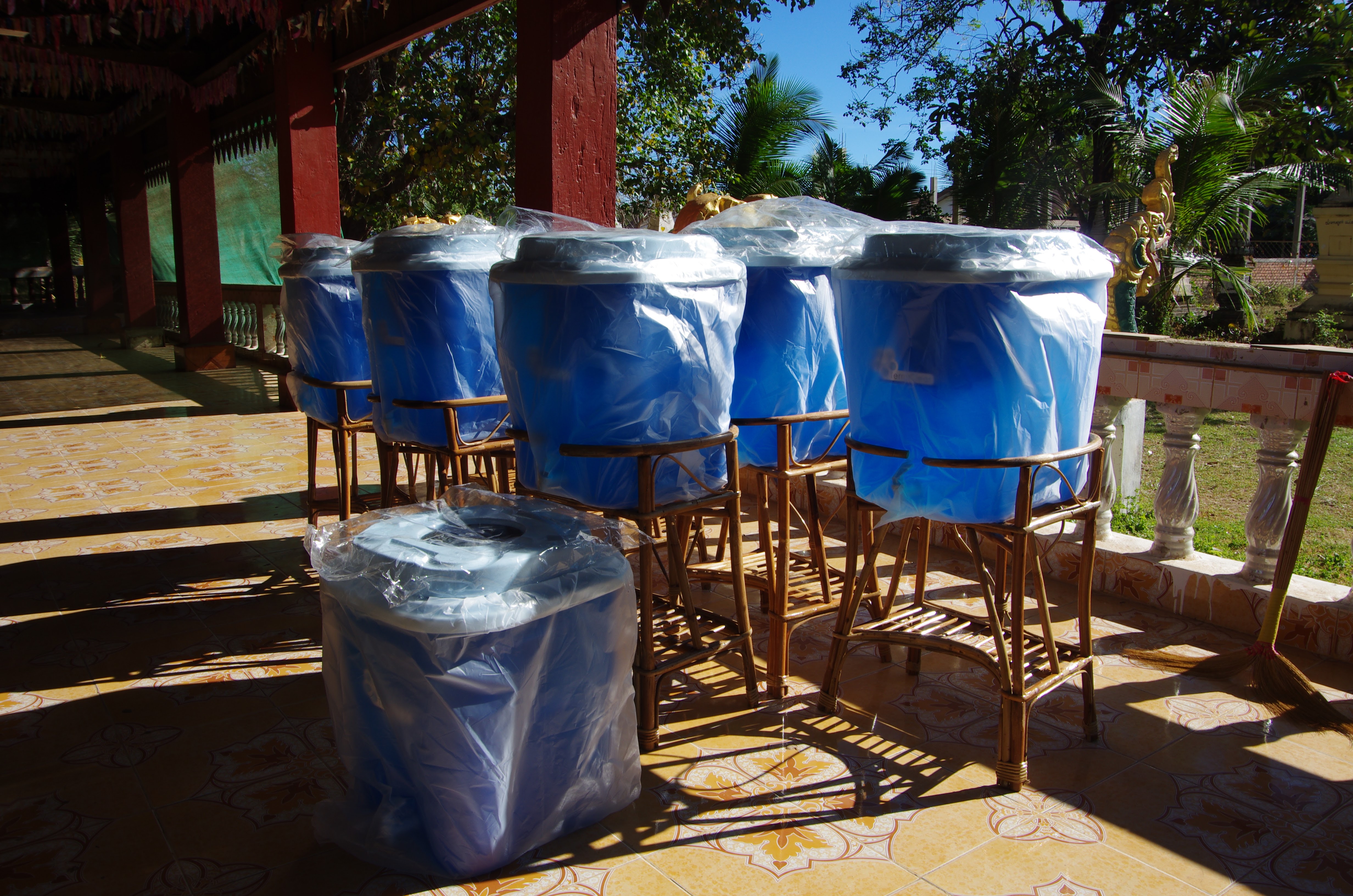
Ceramic water filters save CO2 and improve health
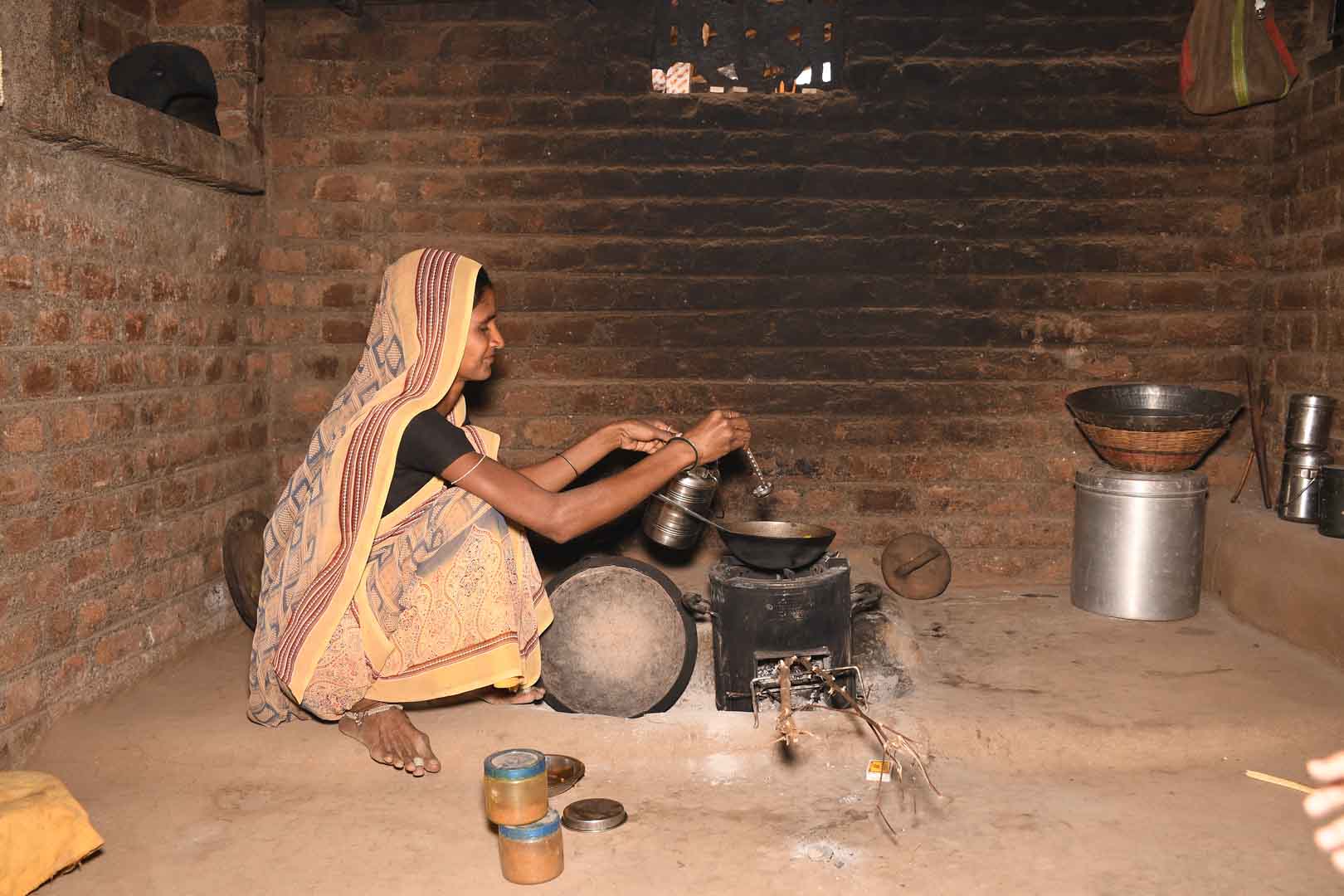
Improved cookstoves worldwide – for better health and cleaner air

A certified climate project combined with additional commitment
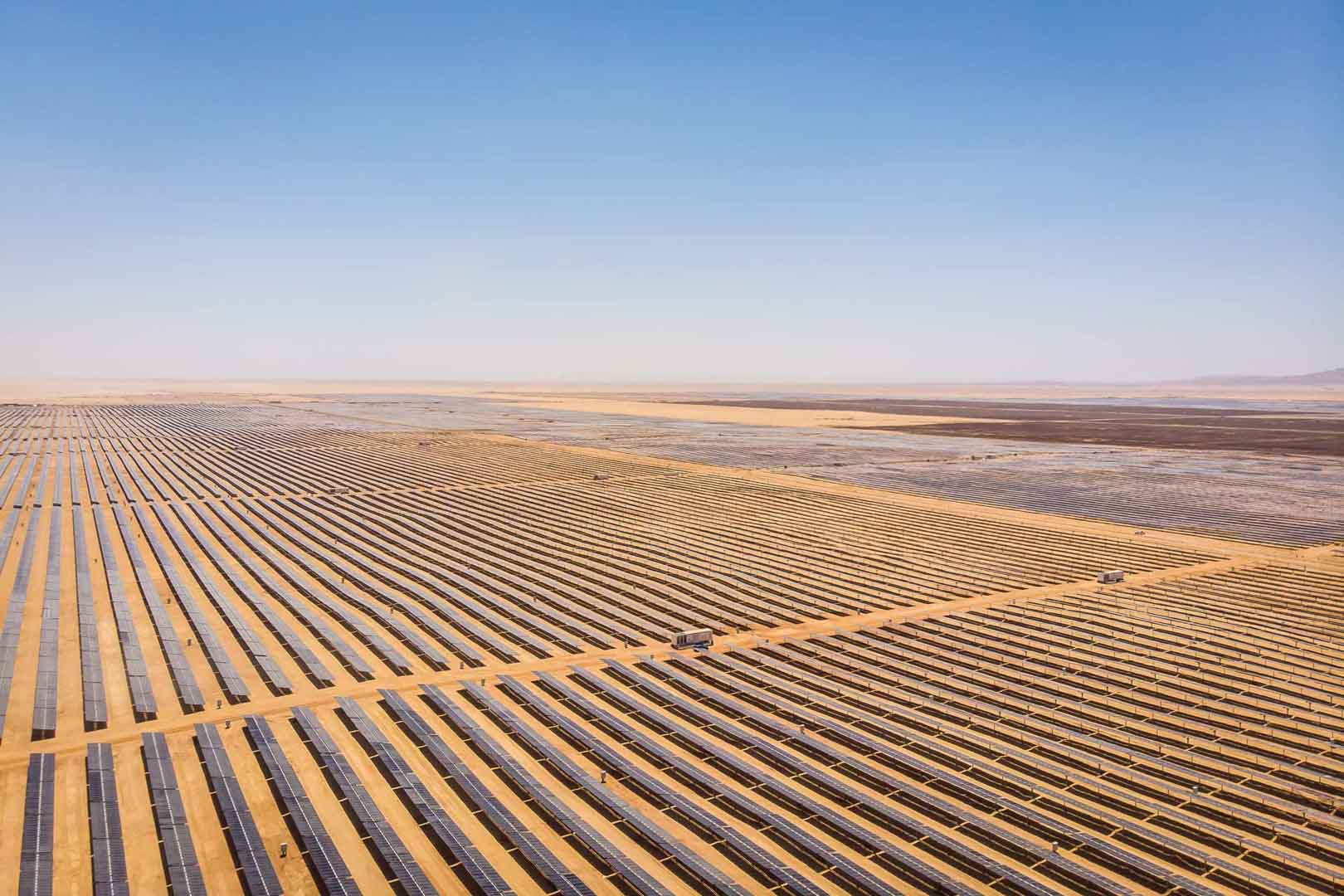
Powering access to renewable energy in Africa
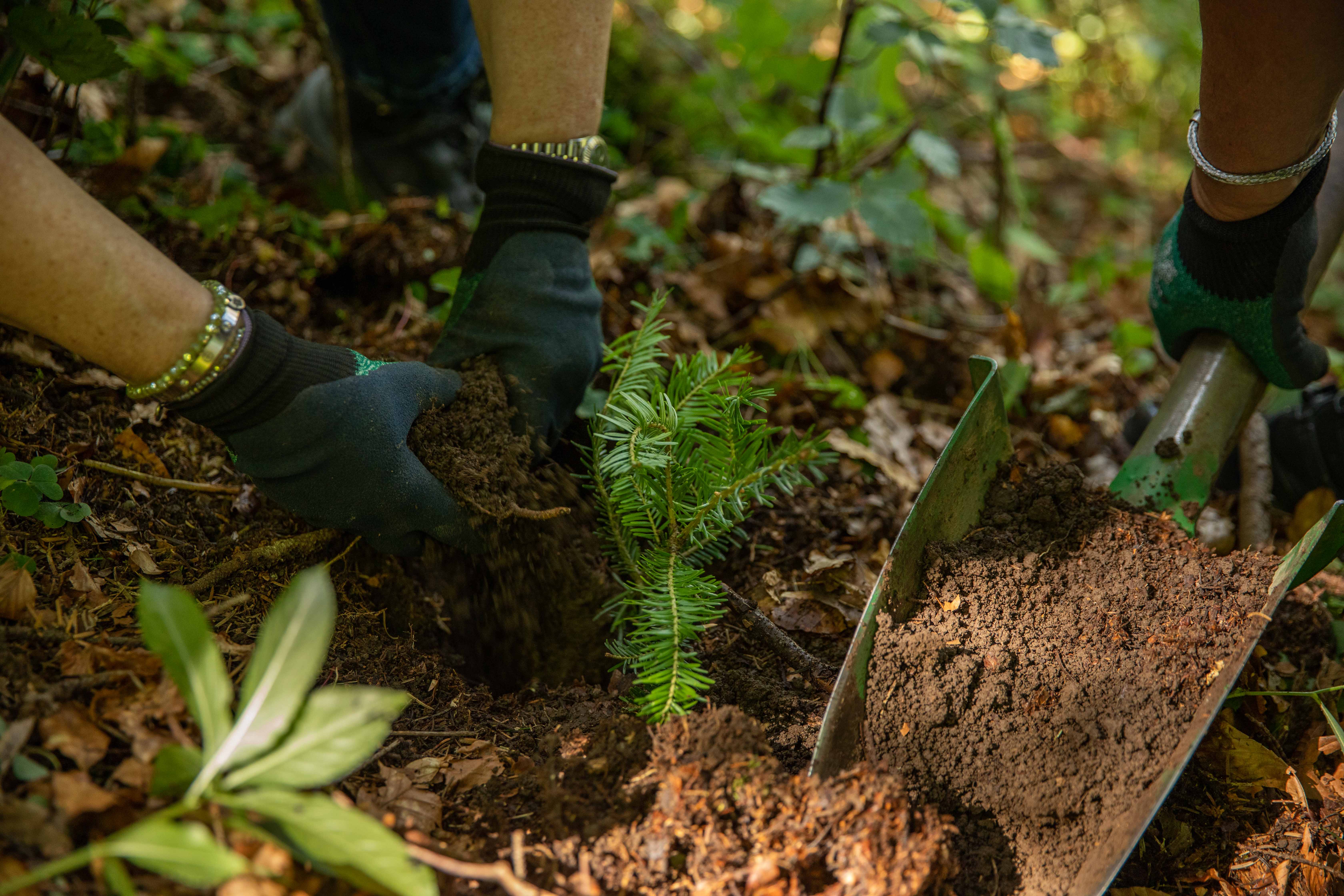
A certified climate project combined with additional commitment
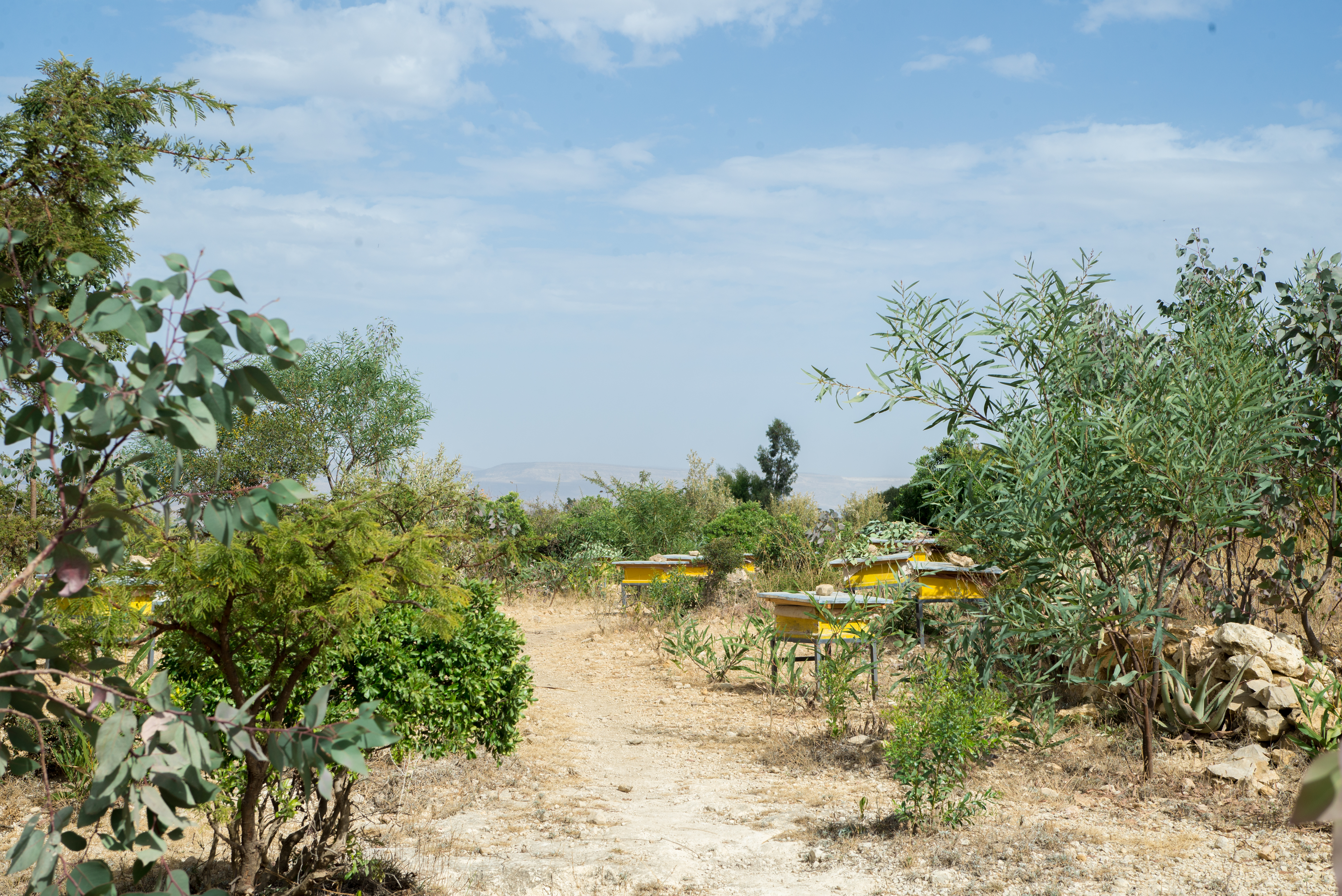
Restored ecosystems remove carbon
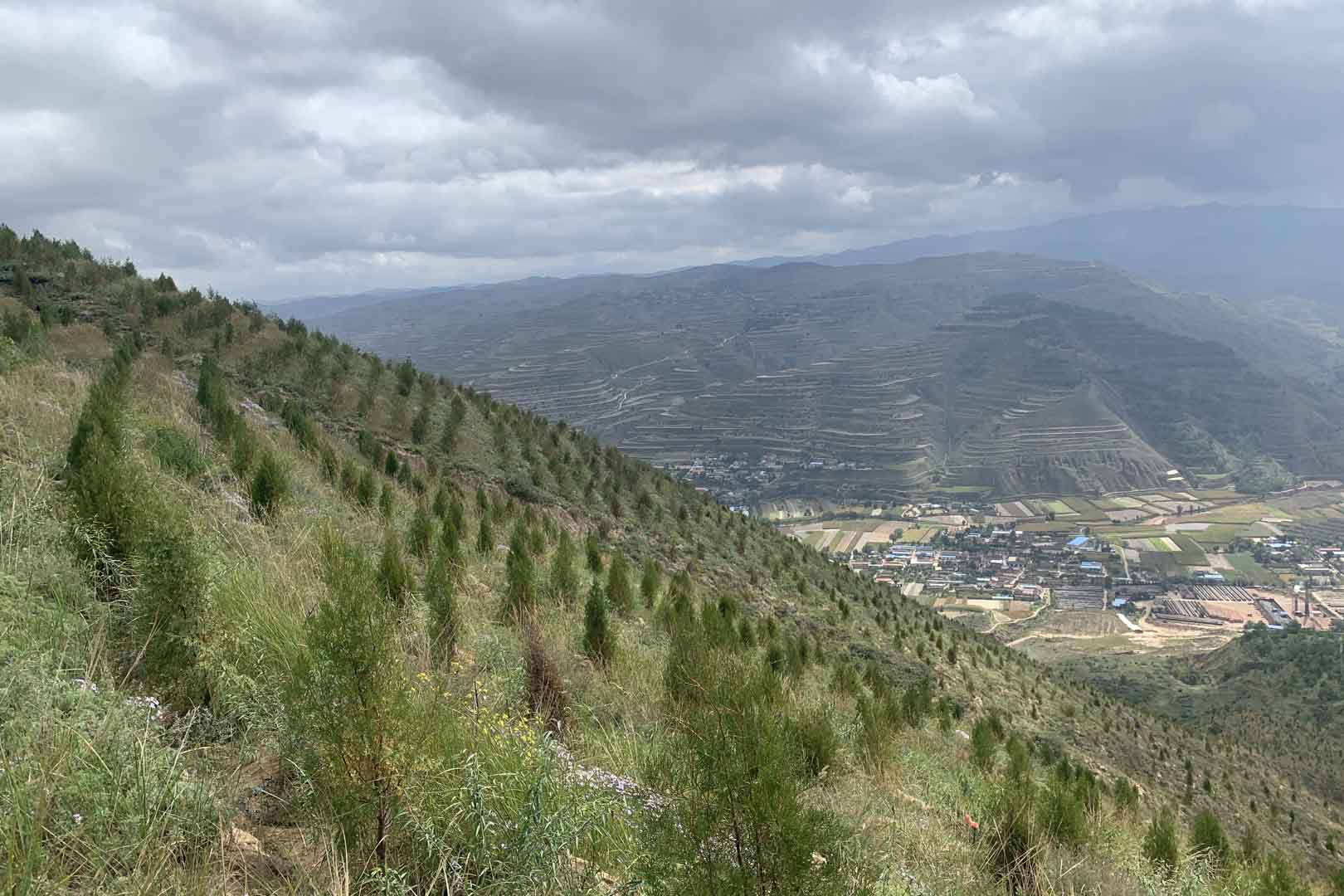
Turning degraded farmlands into healthy ecosystems
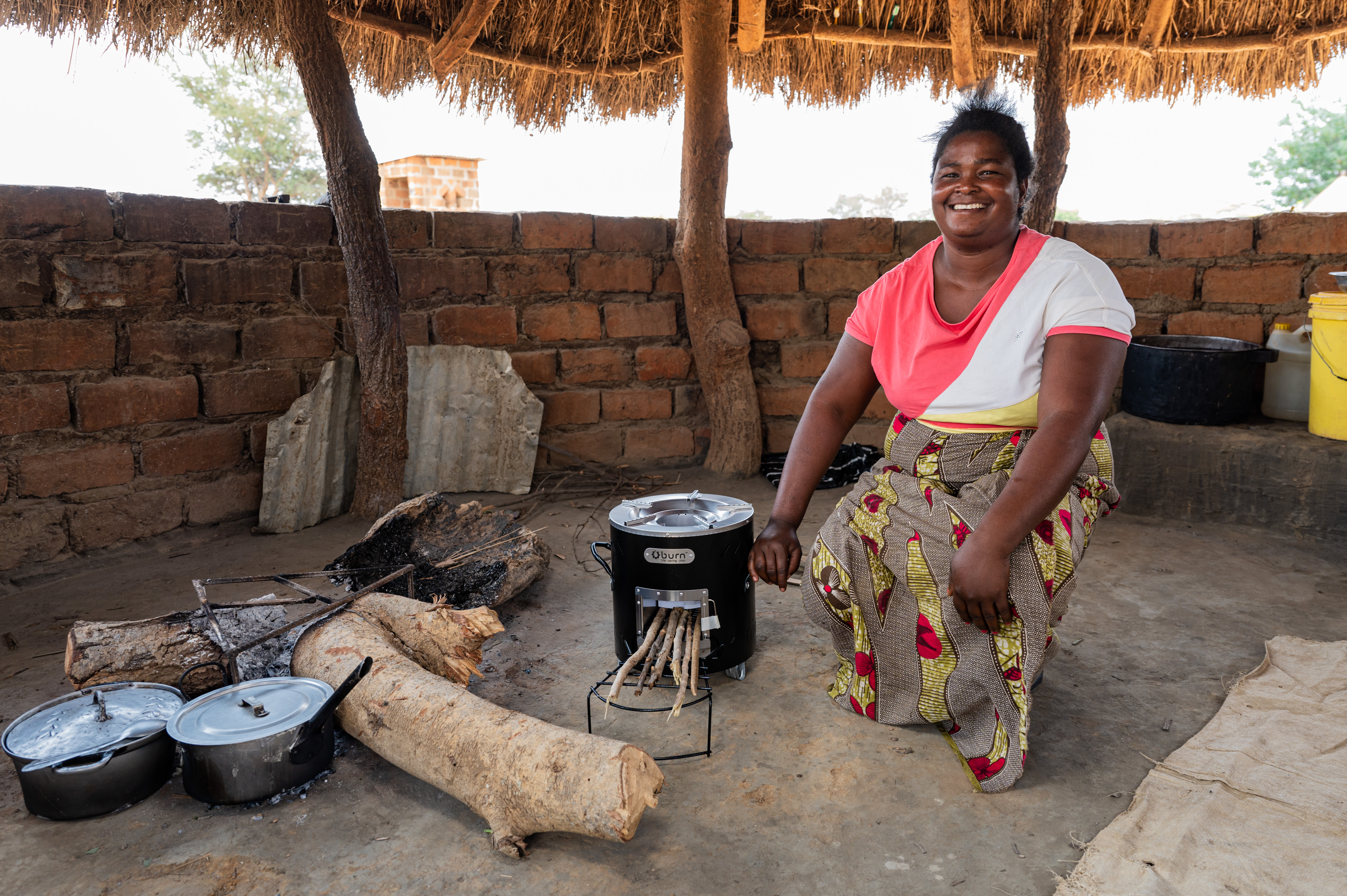
Improved cookstoves - better for health and the environment