
A certified climate project combined with additional commitment
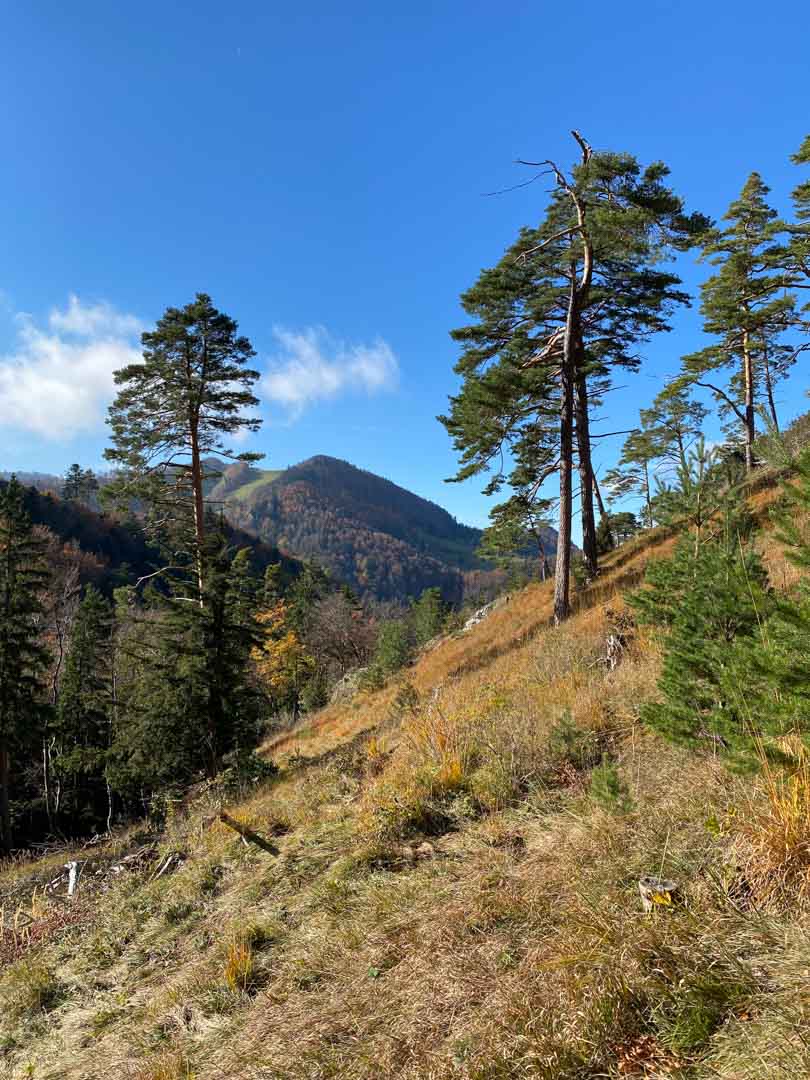
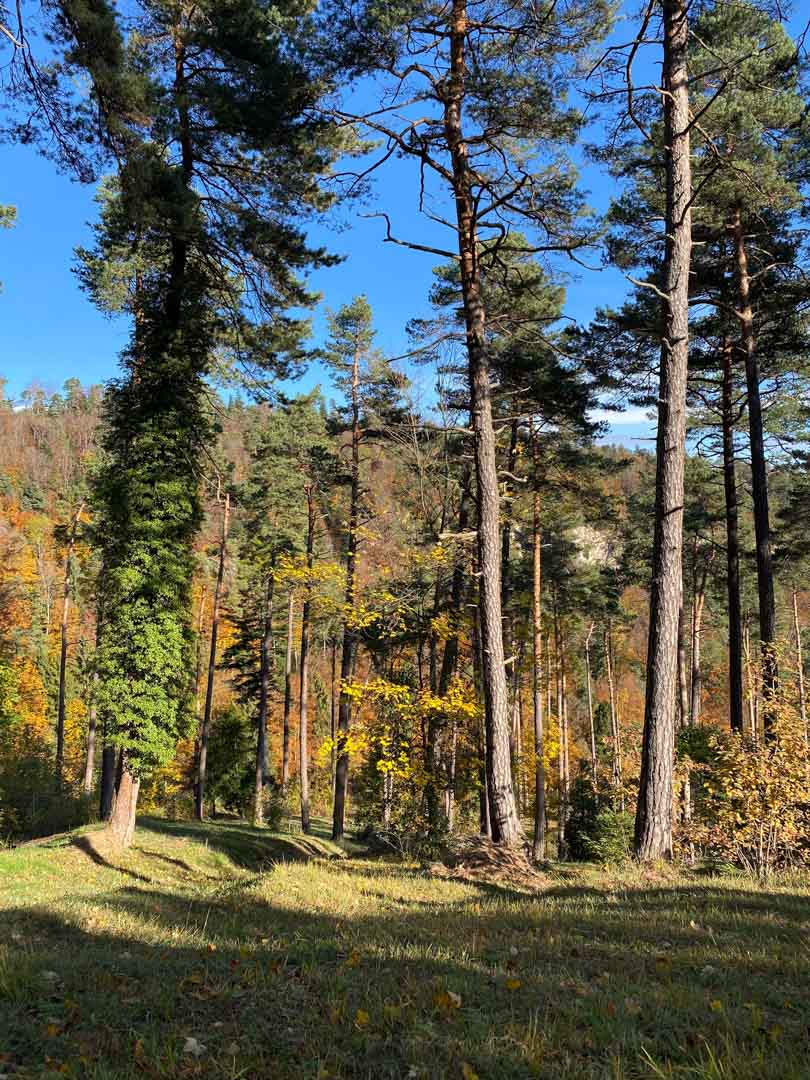
Our native forests are under increasing pressure. Insect infestations, fungal diseases, and a rise in extreme weather events – including heatwaves, prolonged droughts, and storms – are severely impacting forest health. When forests are damaged, it’s not only biodiversity that suffers; important protective functions can also decline, for example against erosion.
Strengthening the resilience and climate stability of our forests is therefore more important than ever. Reforestation with species that are better adapted to local conditions and a changing climate plays a key role in this effort.
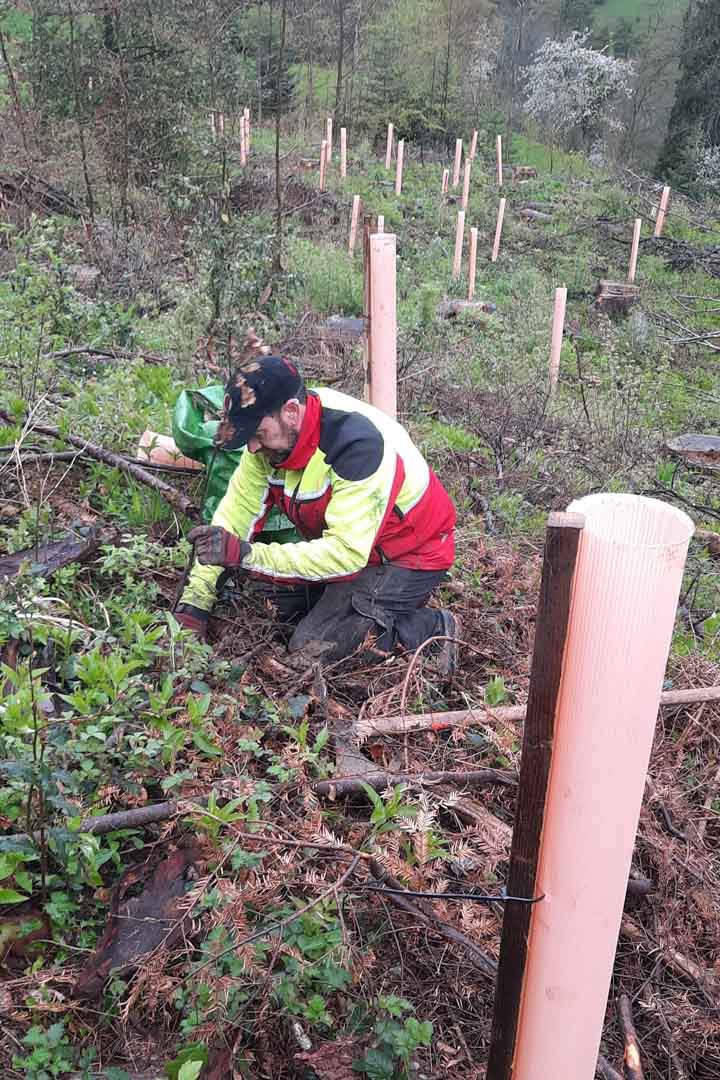
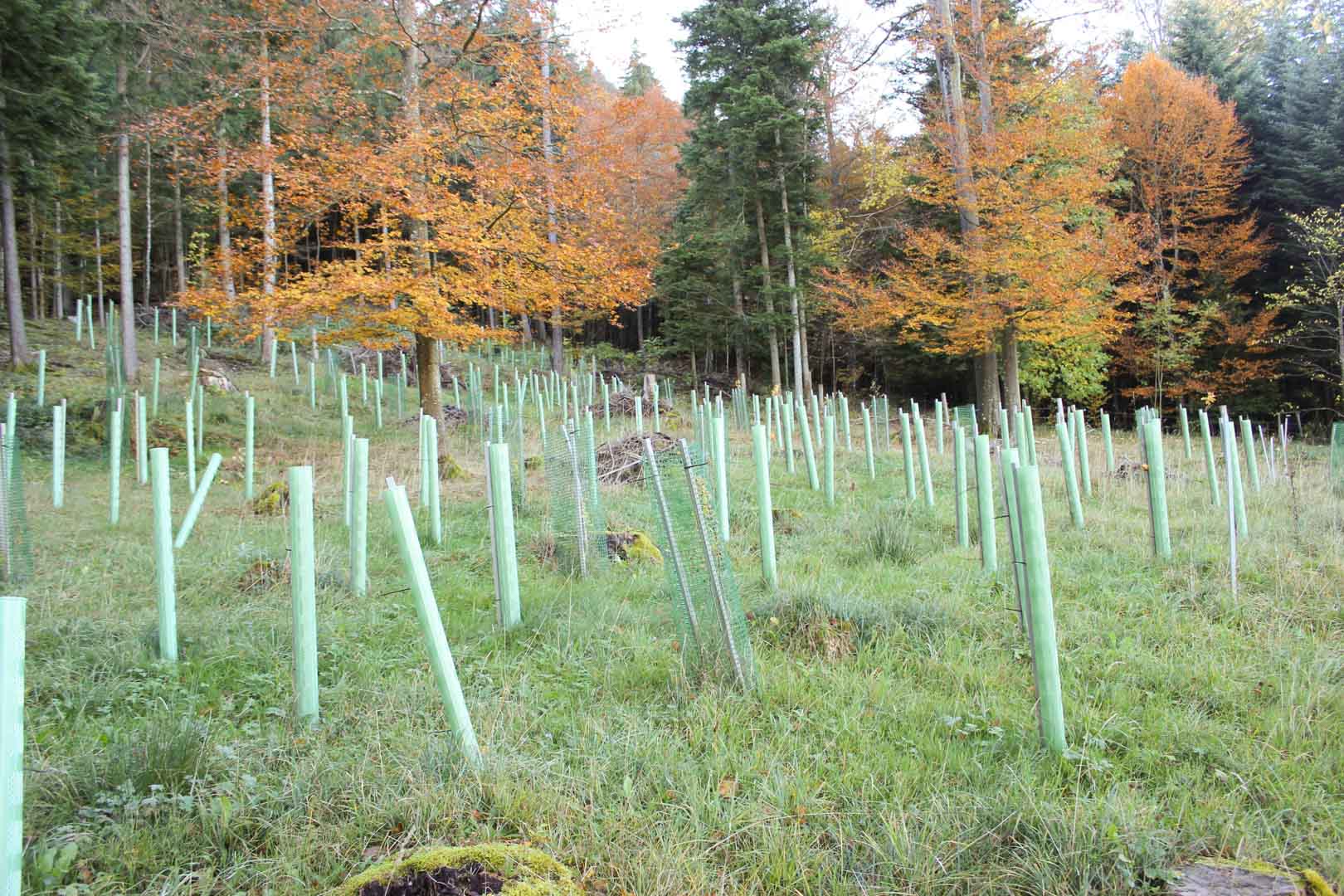
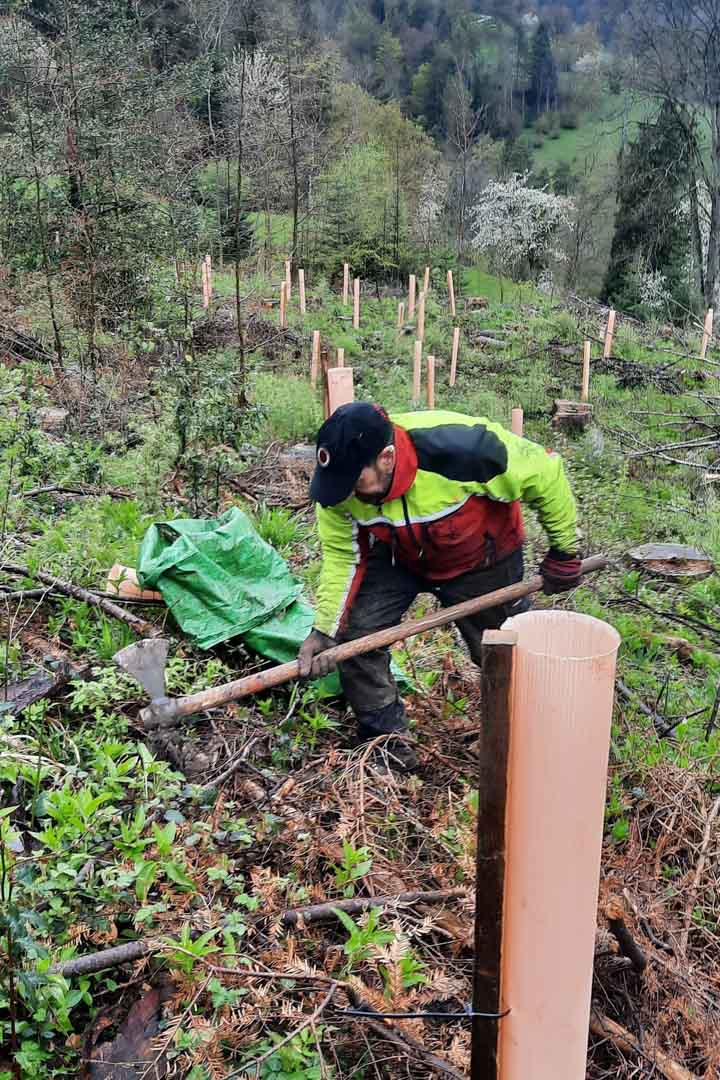
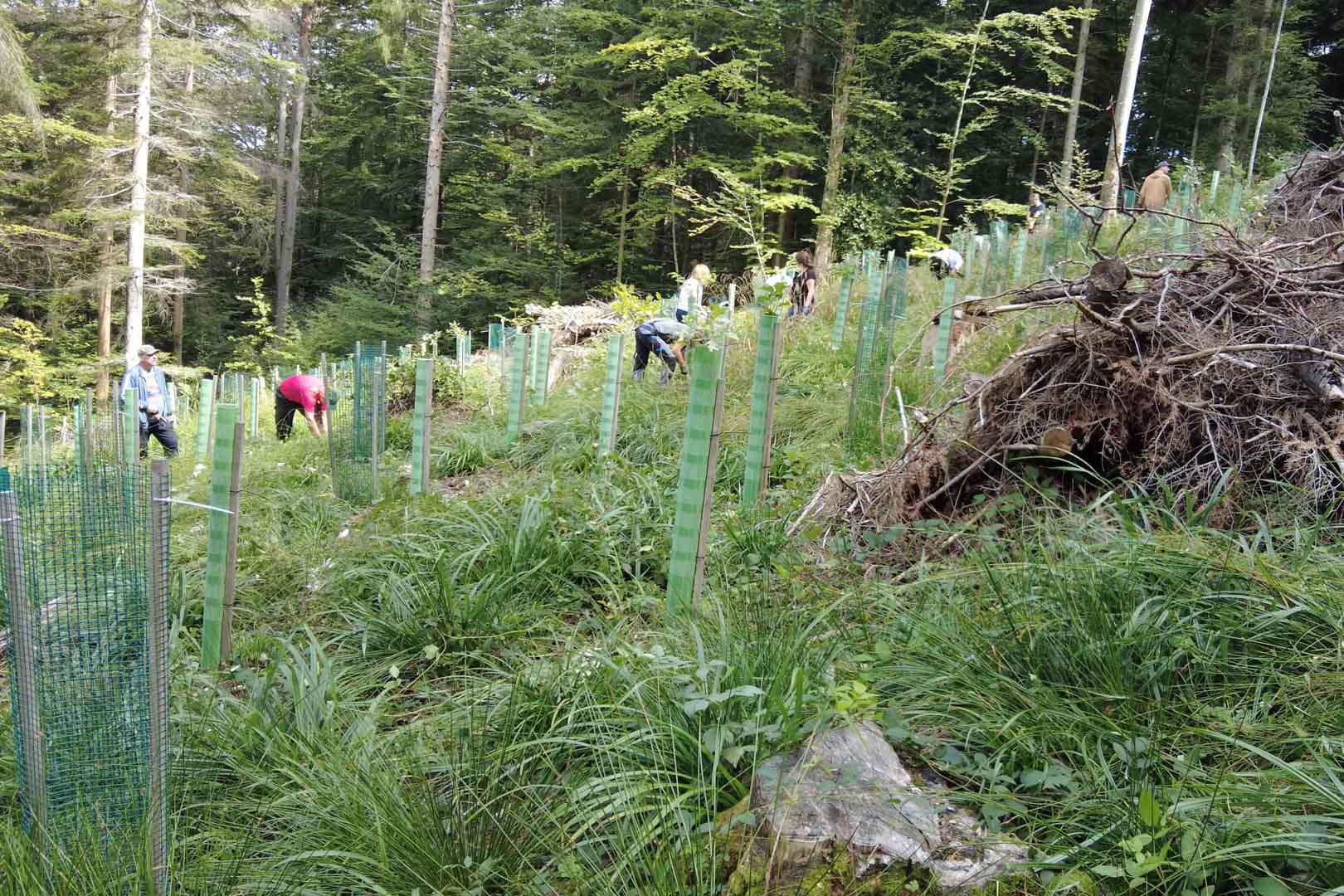
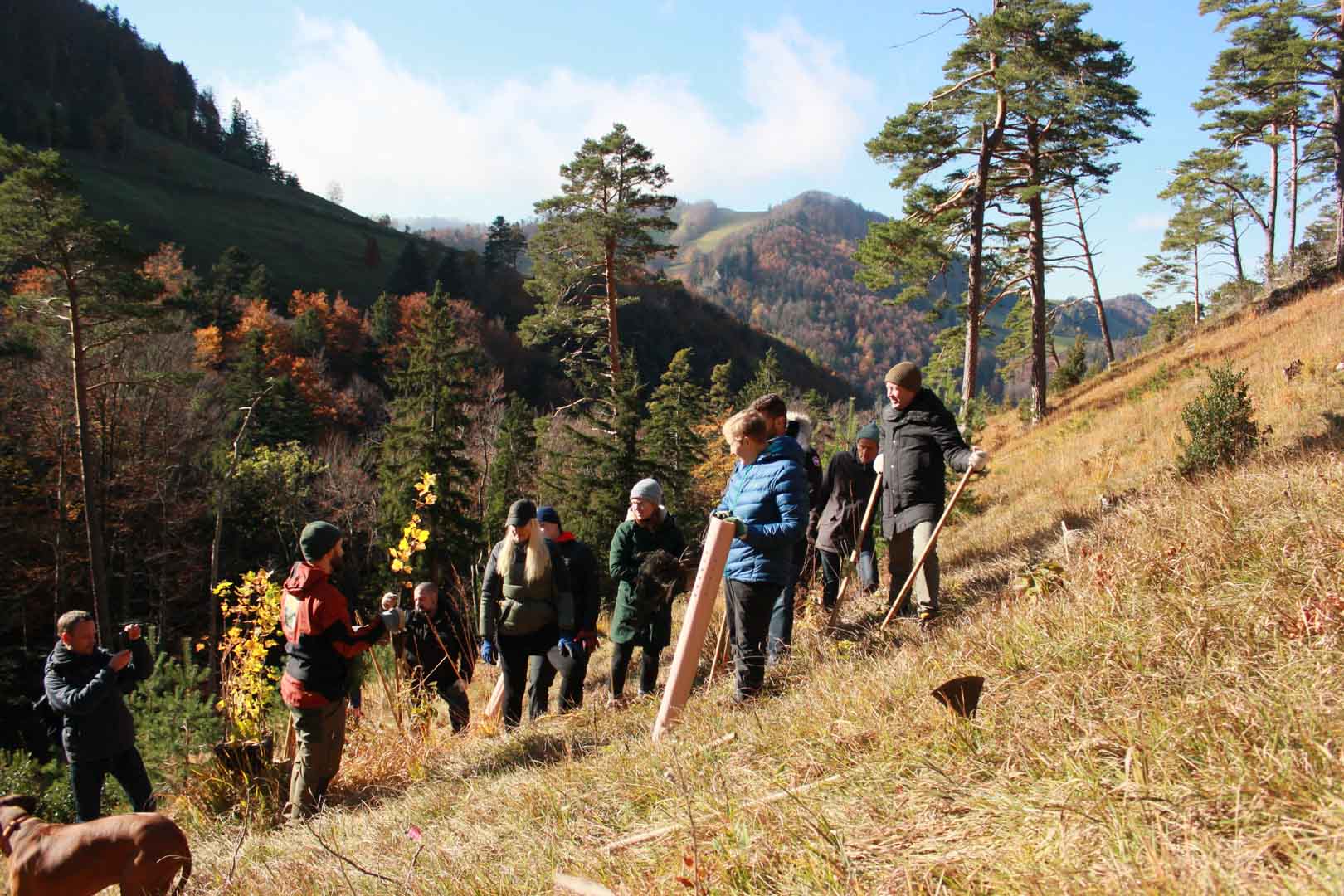
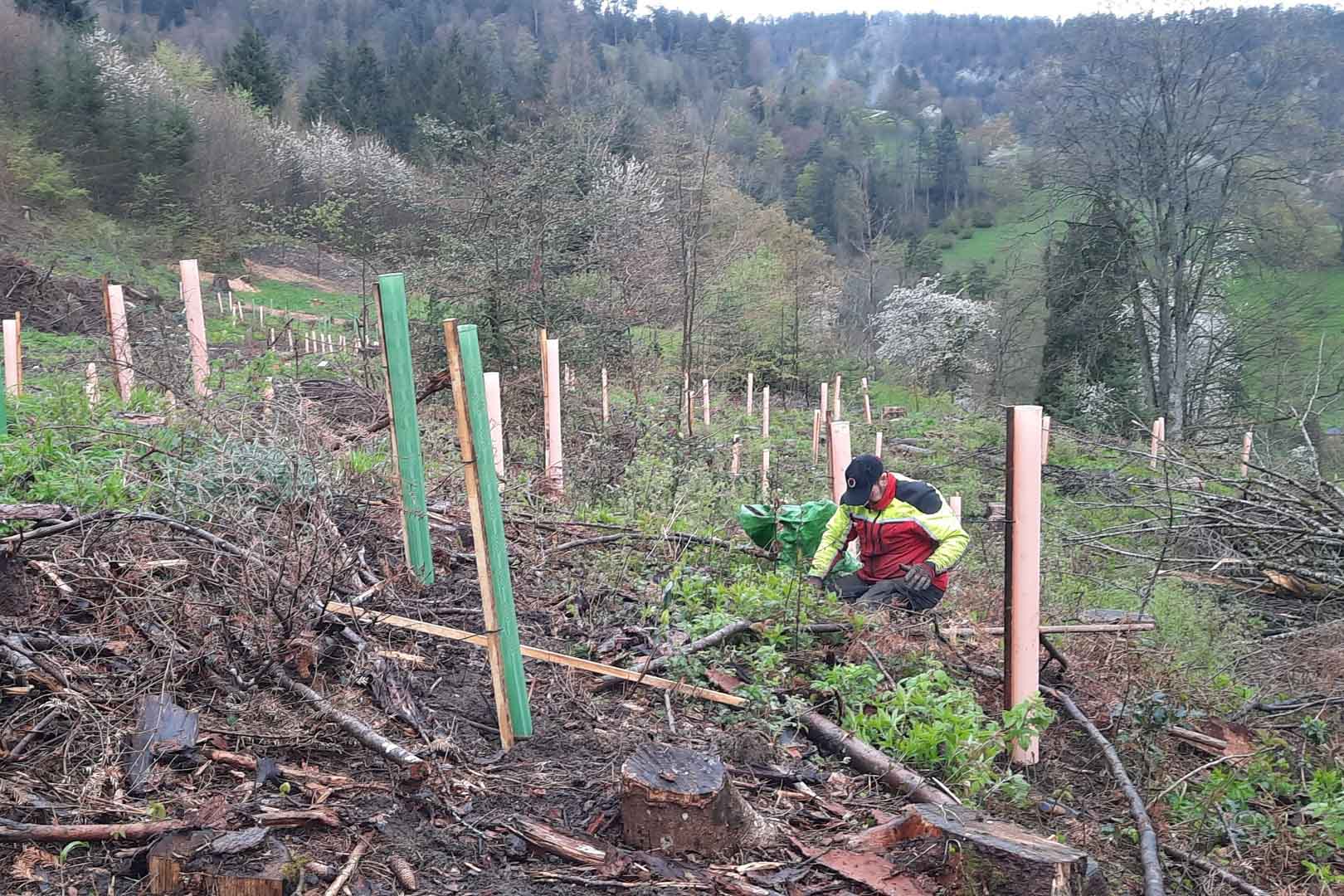
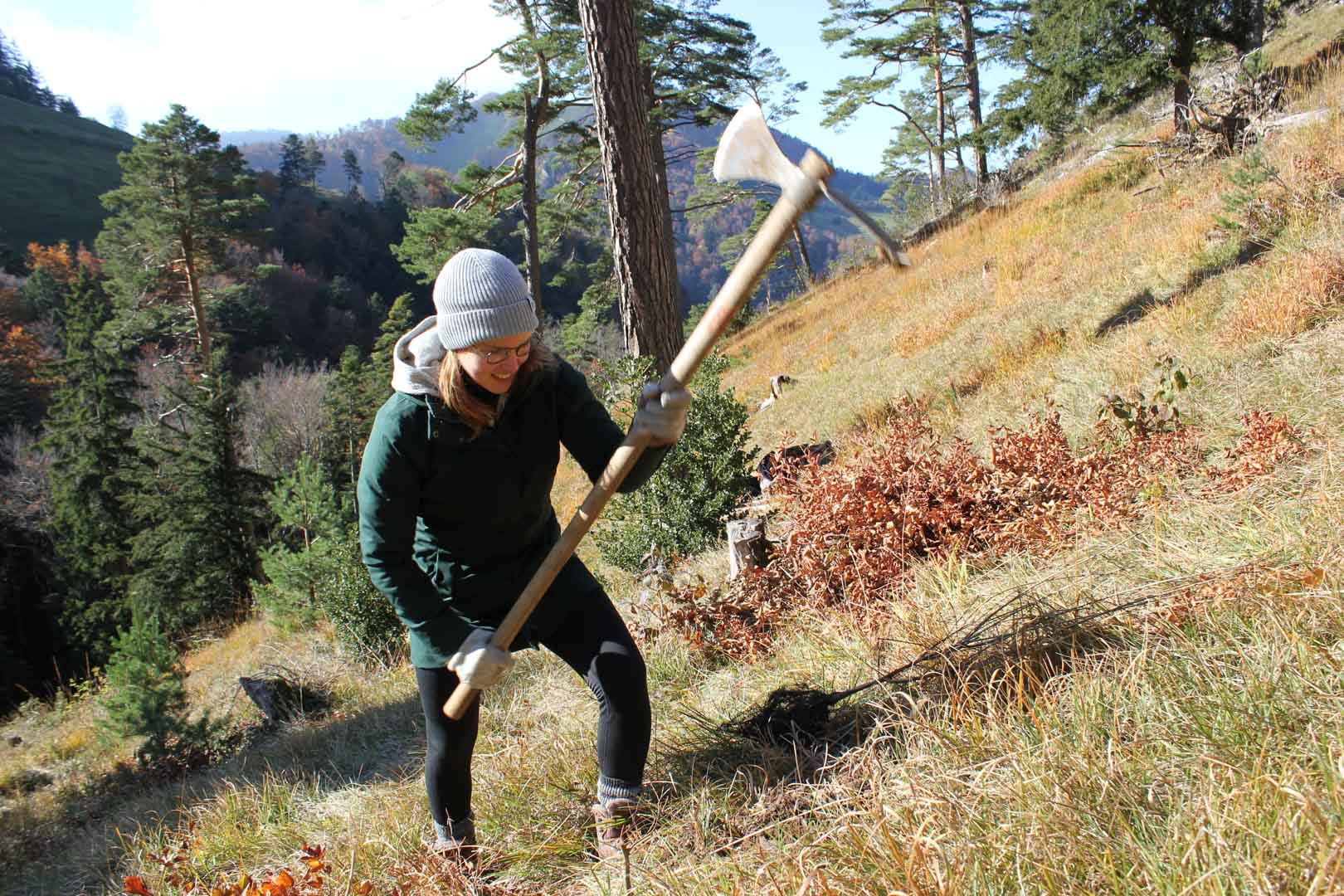
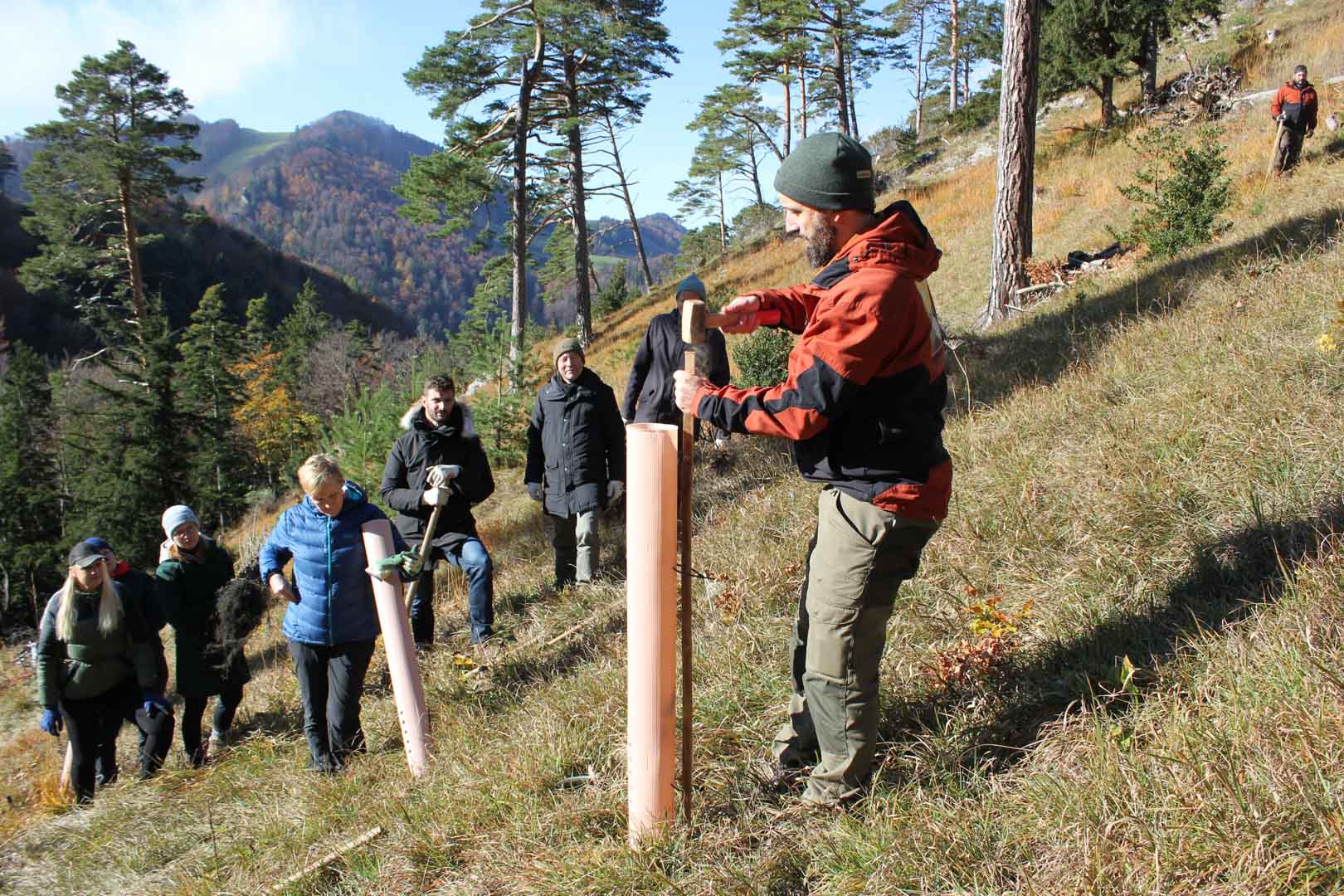
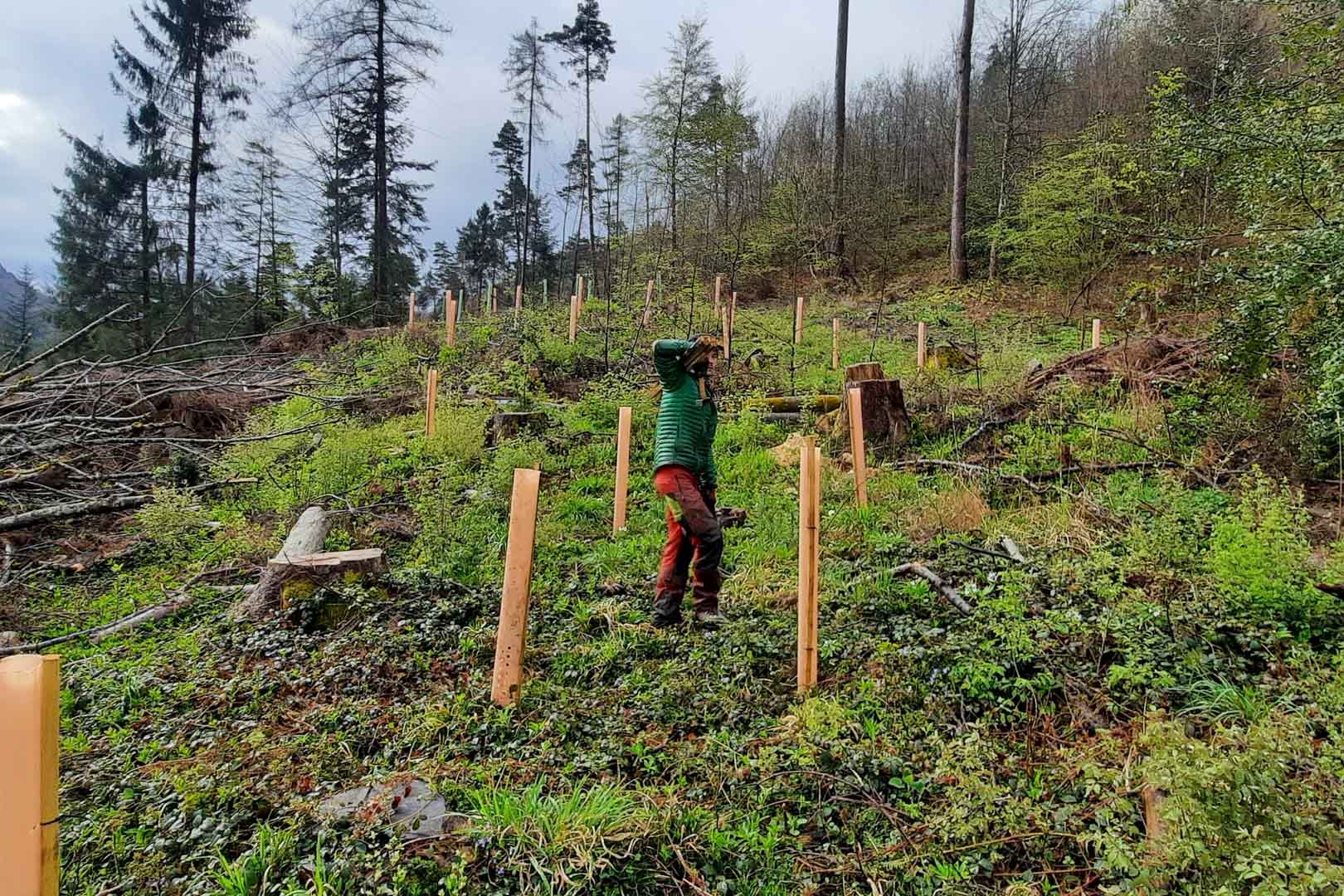
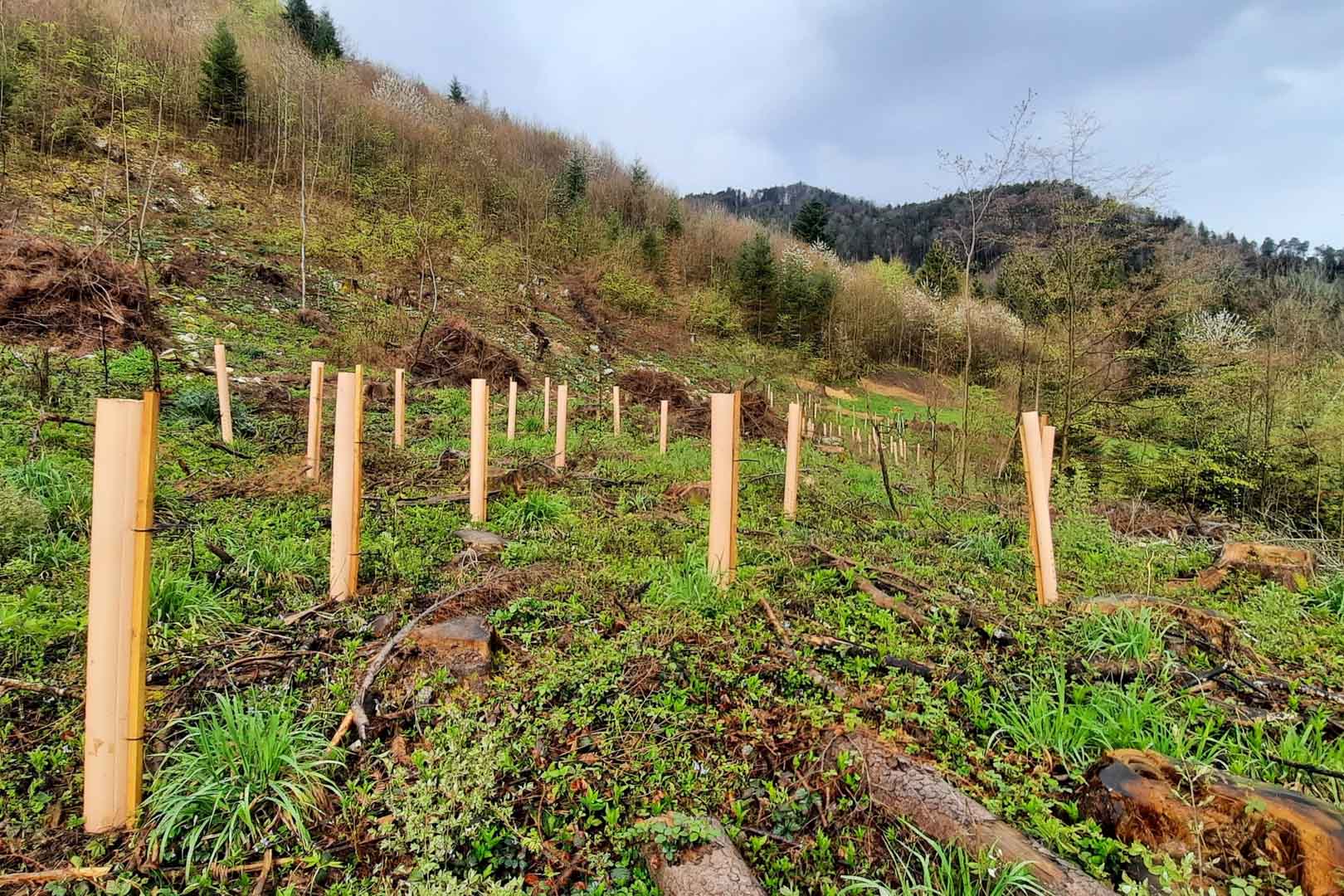
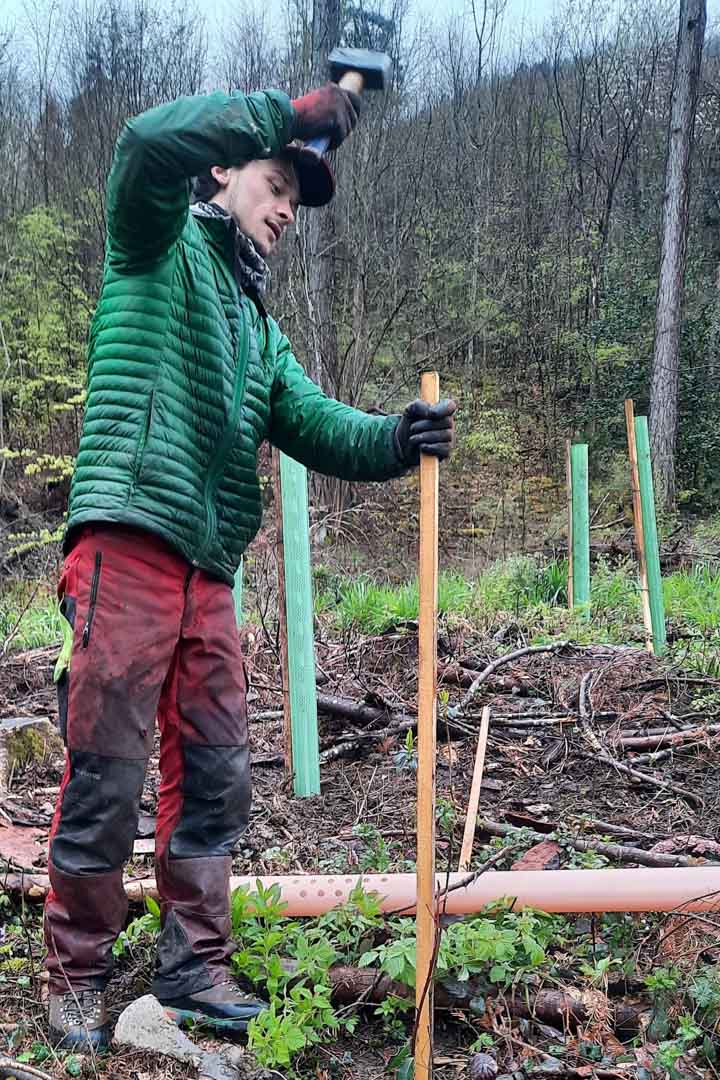
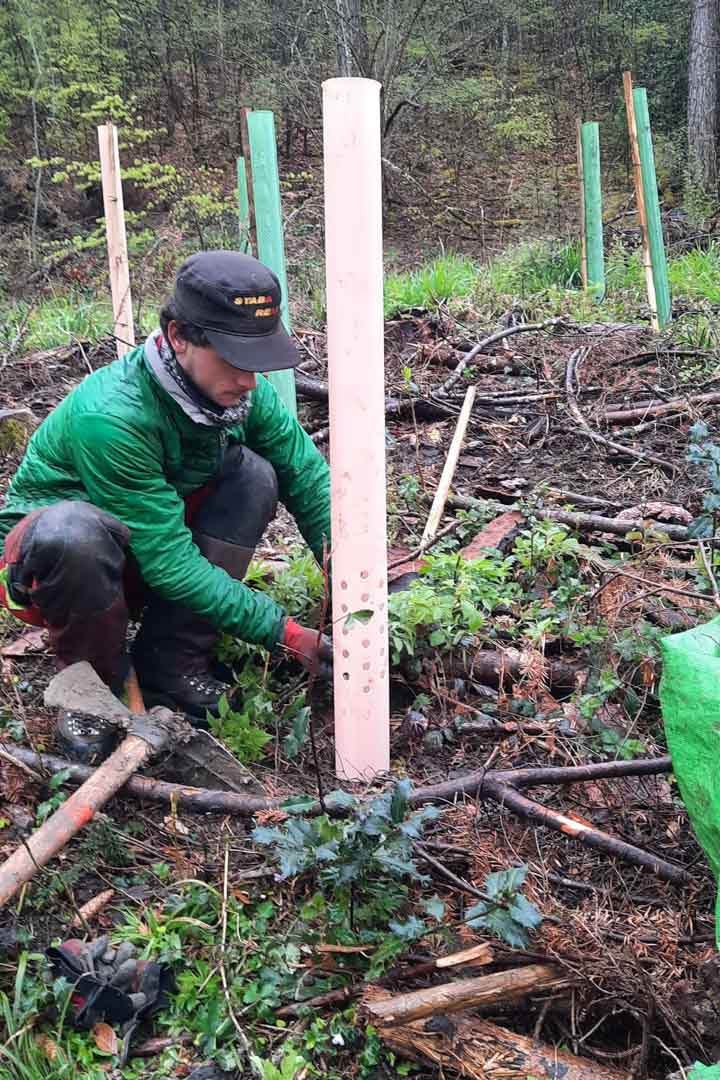
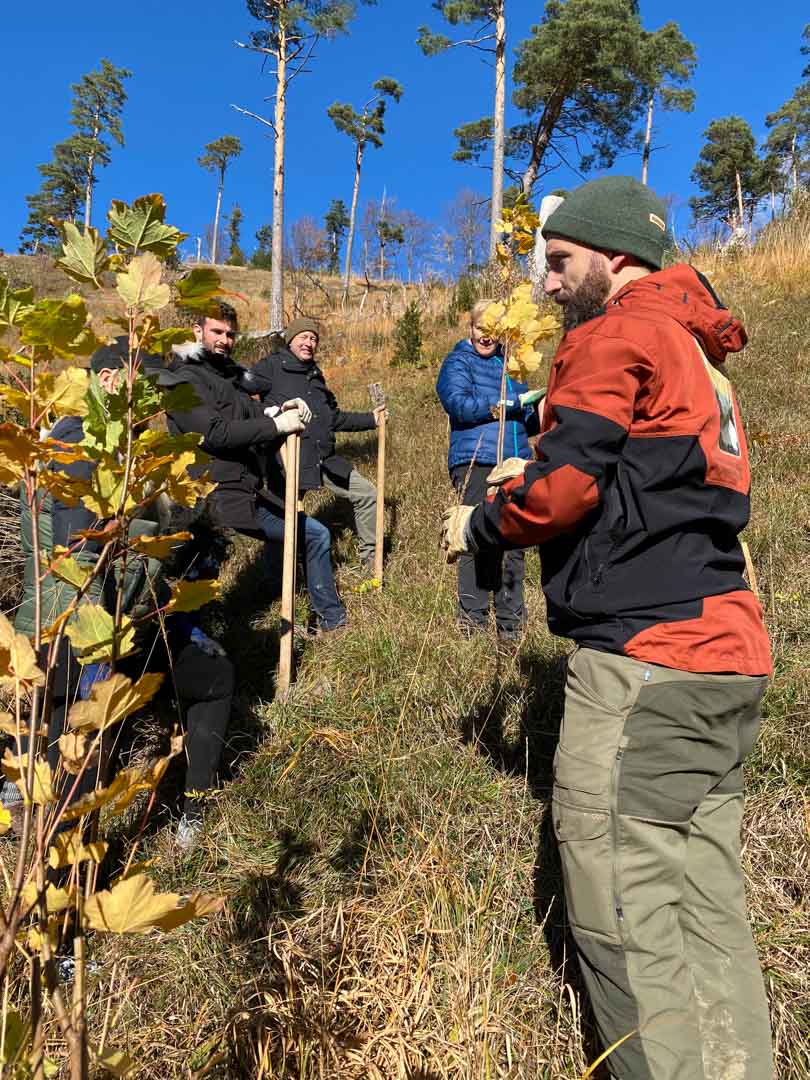
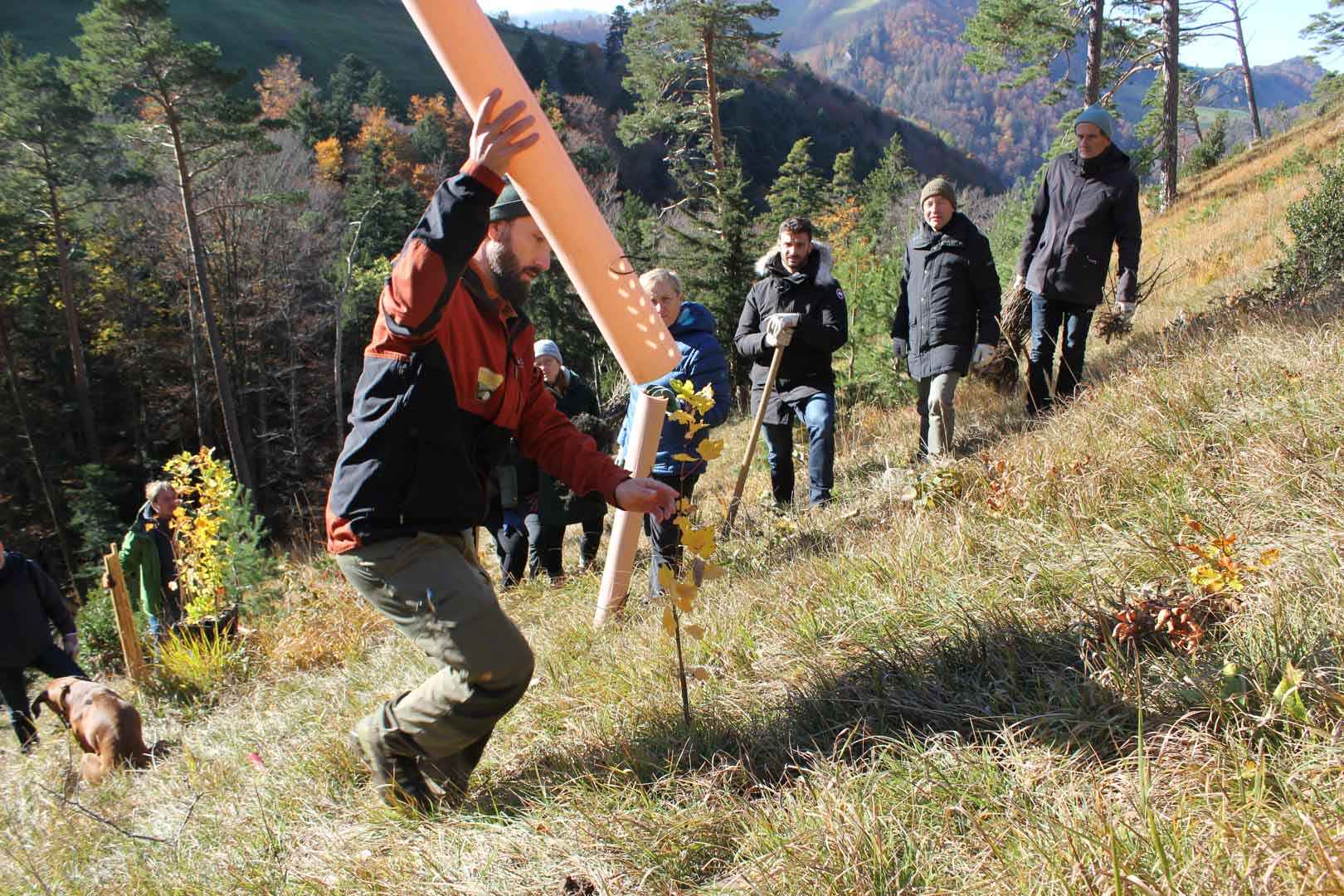
This project actively contributes to long-term forest restoration. This project supports forest transformation by specifically selecting and planting native, climate-adapted tree species. In this way, we promote the development from structurally poor stands and monocultures into stable, resilient mixed forests.
The tree-planting initiative is part of a combined project.
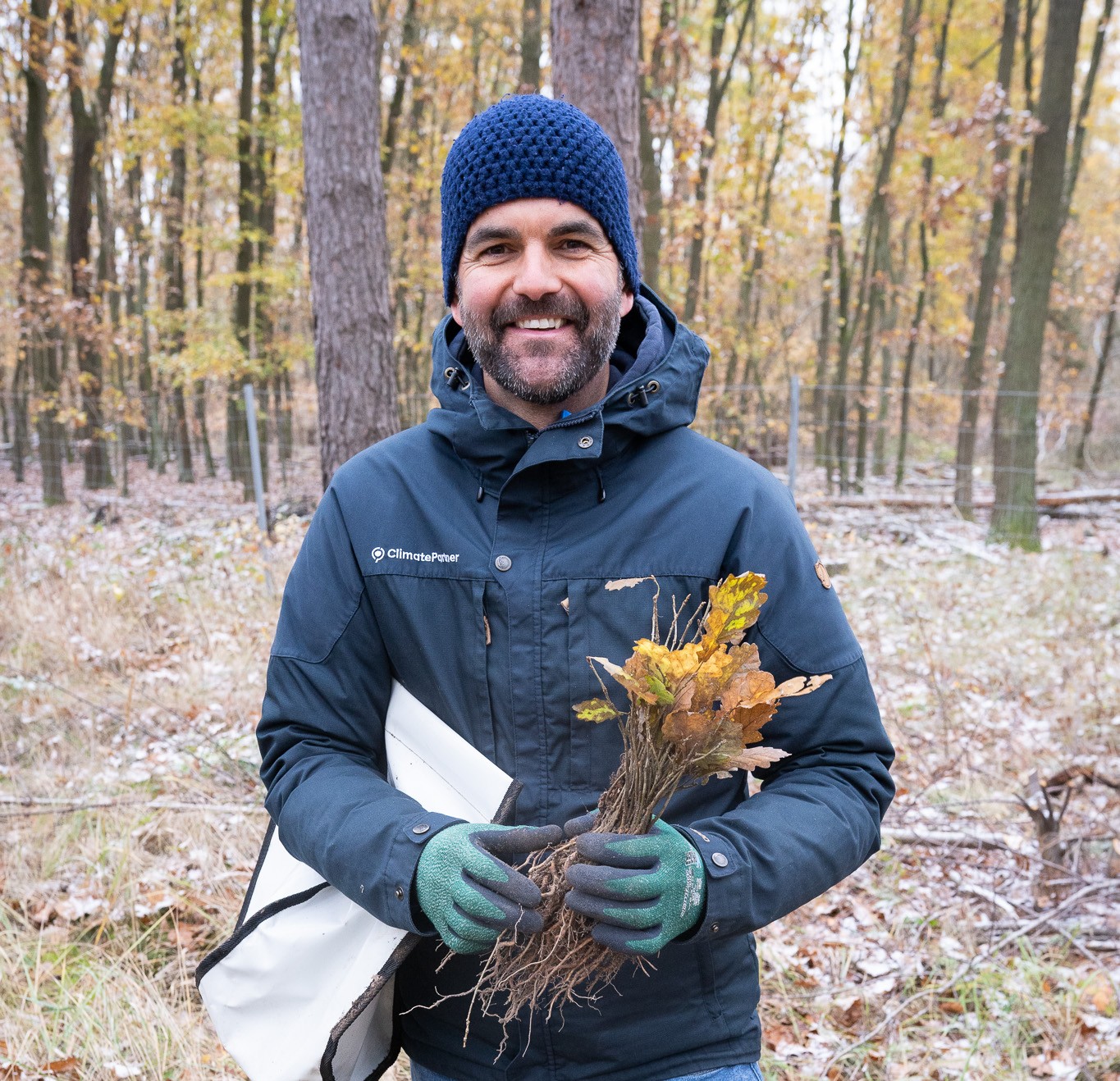
Companies investing in this project support both the planting of climate-resilient trees and a certified international climate project – delivering double the impact. For every tonne of CO2 saved through the contribution via a certified climate project, we plant one tree in Switzerland.
Currently, tree planting in Switzerland is combined with a certified improved cookstoves project in India (climatepartner.com/1499). The aim of this project is to facilitate cleaner cooking practices and improve health by providing improved cookstoves to indigenous households and families living below the poverty level in Maharashtra.
Combined climate projects to date:
Wind energy, Ovalle, Chile (climatepartner.com/1272)
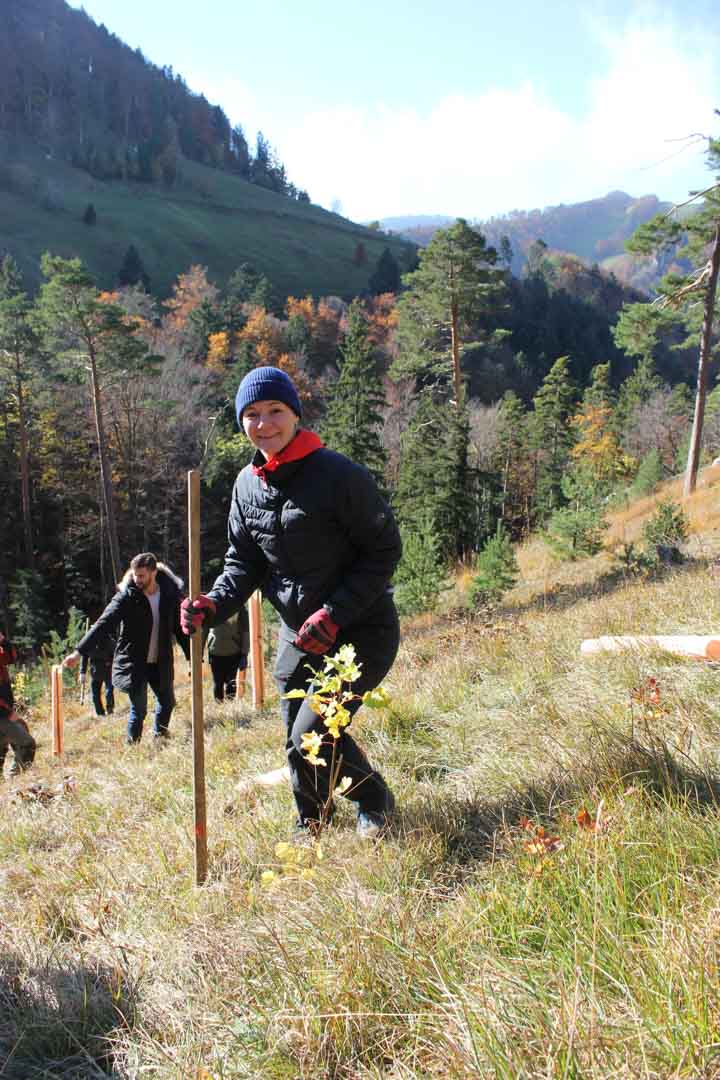
How does woodland creation contribute to climate action?
Forests play a key role in climate action. They absorb CO₂ from the atmosphere and store carbon in trees and soil – making them one of the planet’s most important natural carbon sinks. But their impact goes far beyond carbon storage.
Forests are home to a vast range of biodiversity. They filter rainwater, cool the air, and provide shade. At the same time, they help mitigate the effects of climate change by preventing soil erosion, stabilising slopes, and reducing the severity of extreme weather events such as floods and droughts.
However, the pressure on forests is increasing. Spruce trees, in particular, are highly vulnerable to extended dry periods – their shallow roots are unable to access deeper, moister soil layers. As a result, they become more susceptible to pests like the bark beetle, leading to widespread forest dieback.
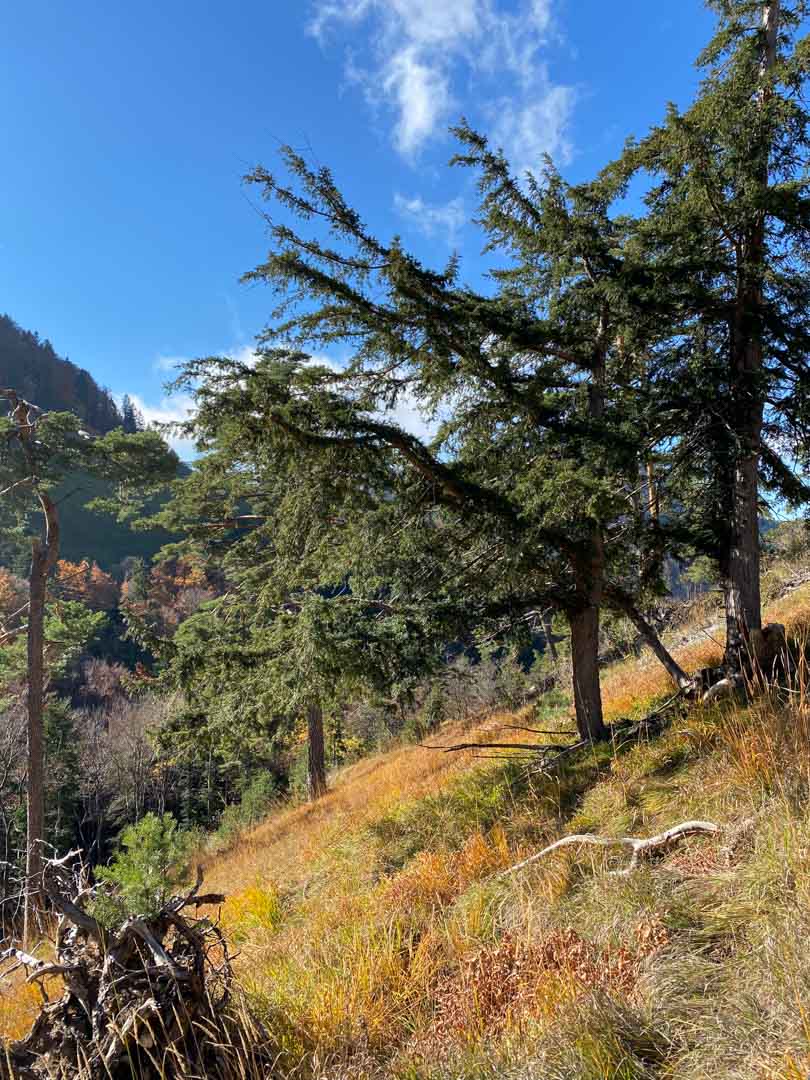
To counter this, forests must be transformed into more resilient, site-appropriate mixed woodlands. We plant tree species that are better adapted to local conditions and the current and future climate. In doing so, we help establish robust forest ecosystems that can continue to provide essential ecological functions – for the climate, biodiversity, and people.
The project aims to contribute to these United Nations’ Sustainable Development Goals (SDGs).


What’s a combined project?
With combined projects, ClimatePartner brings together funding for international, certified climate projects with additional support for nature conservation projects.
Explore our projects
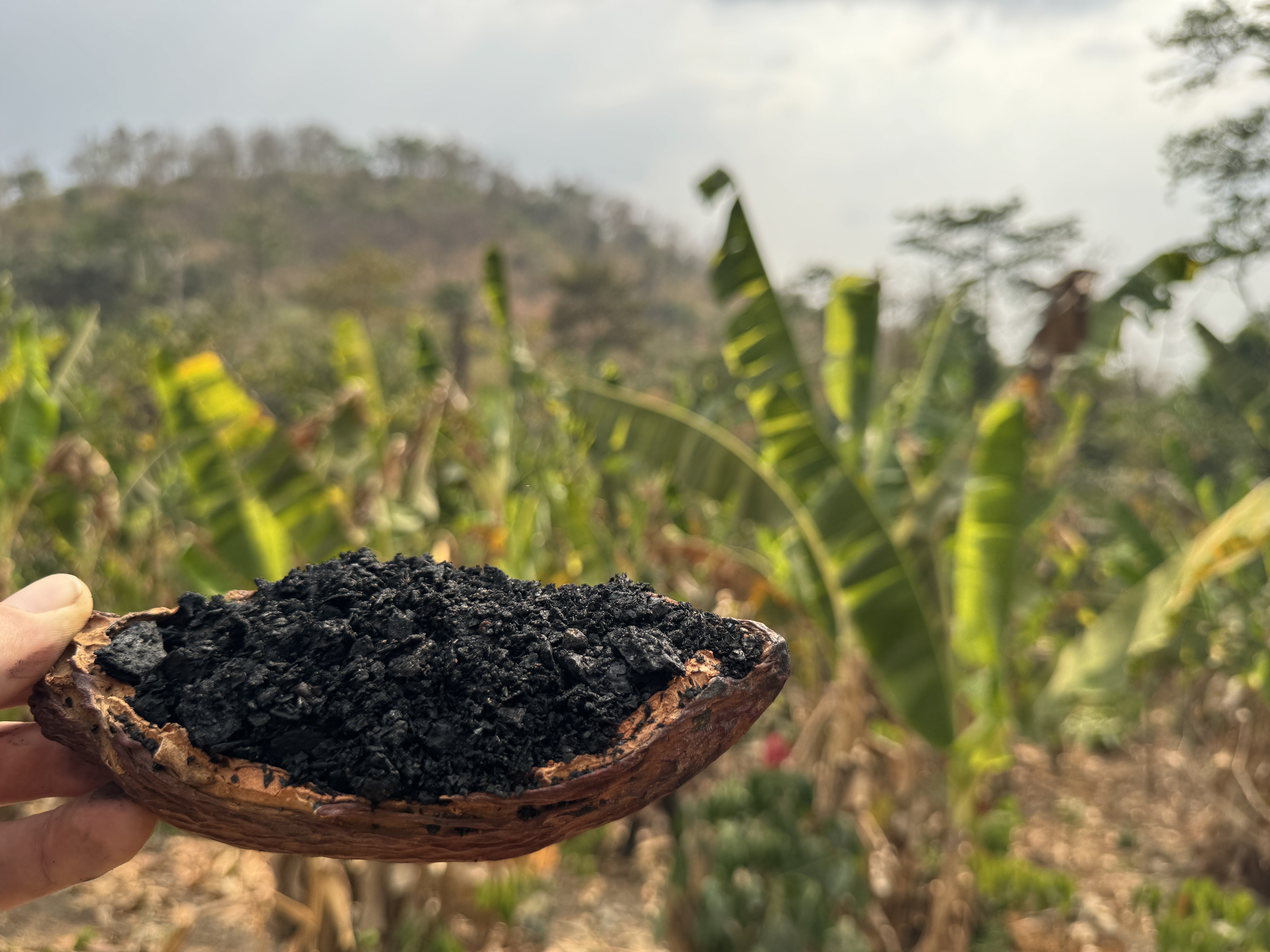
Biochar for Climate Action, Healthy Soils, and Better Harvests
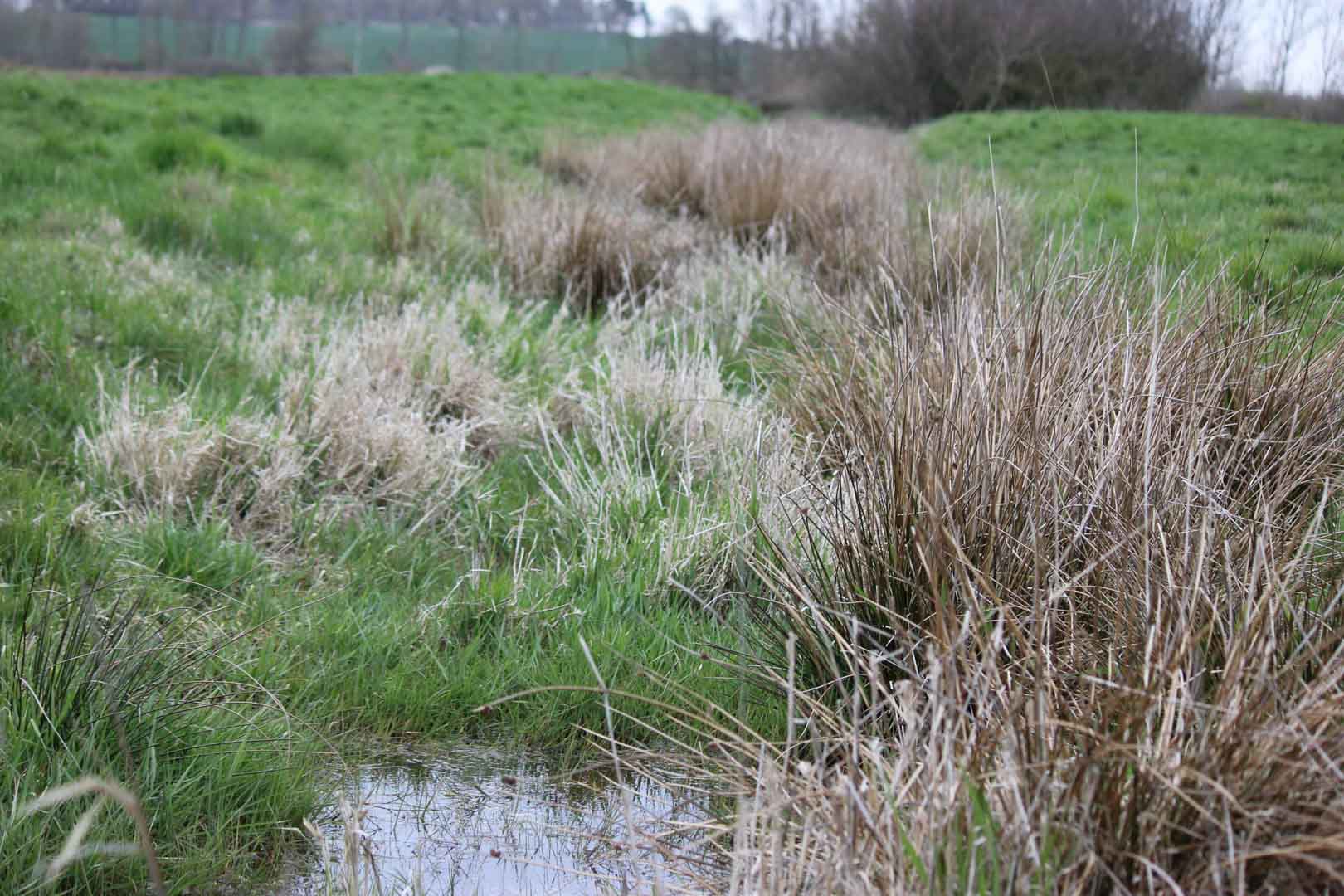
A certified climate project combined with additional commitment
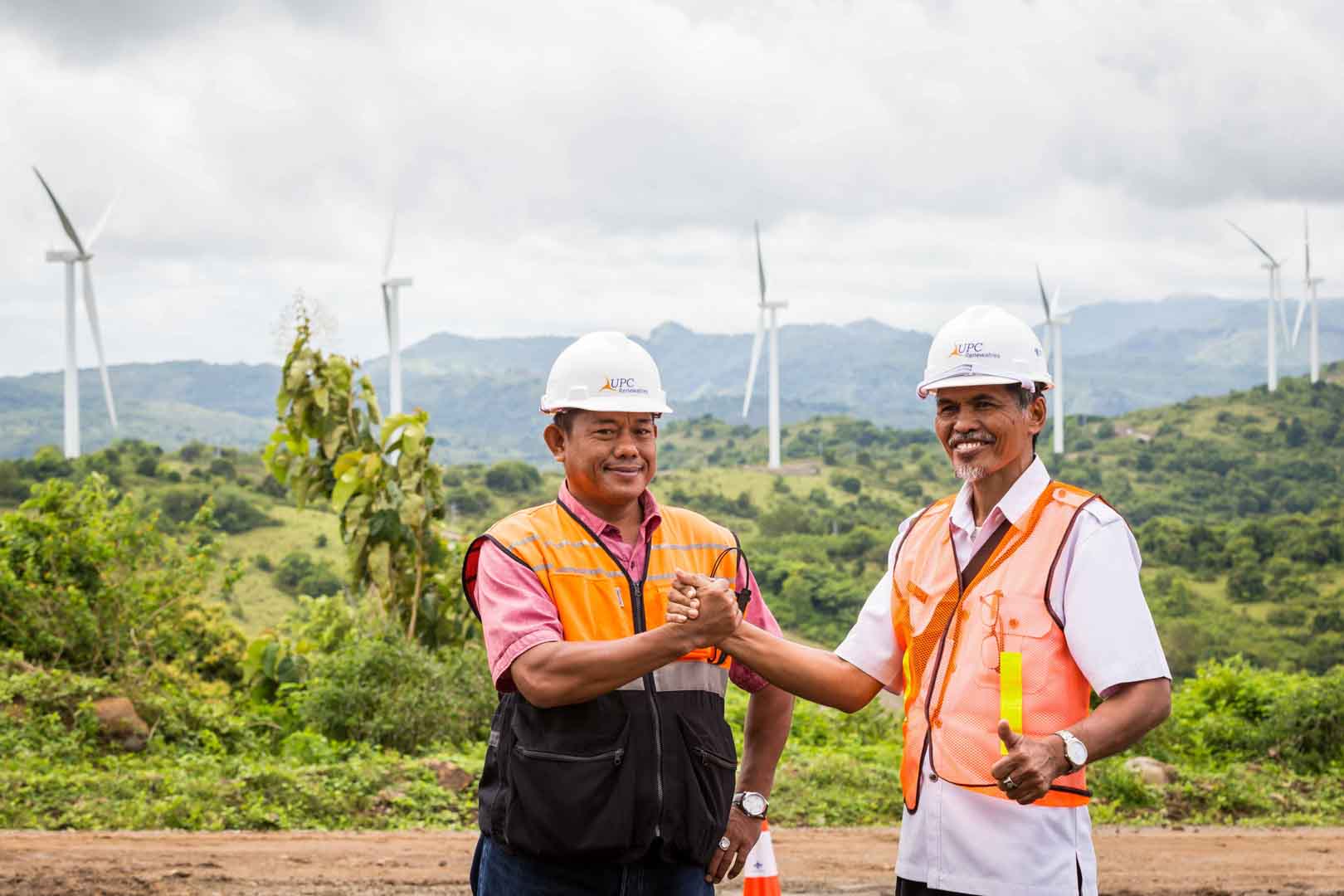
Expansion of renewable energy generation in Asia
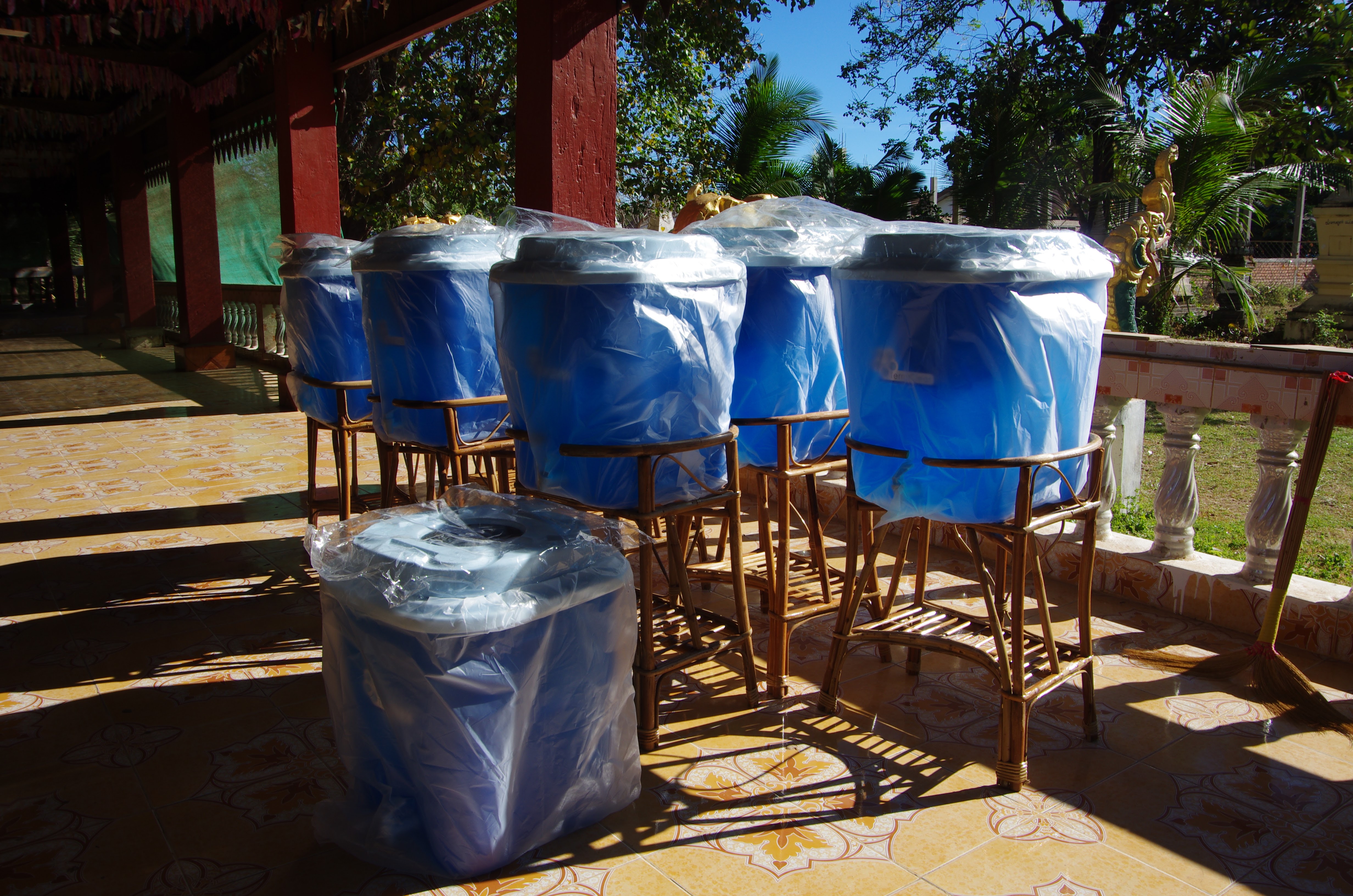
Ceramic water filters save CO2 and improve health
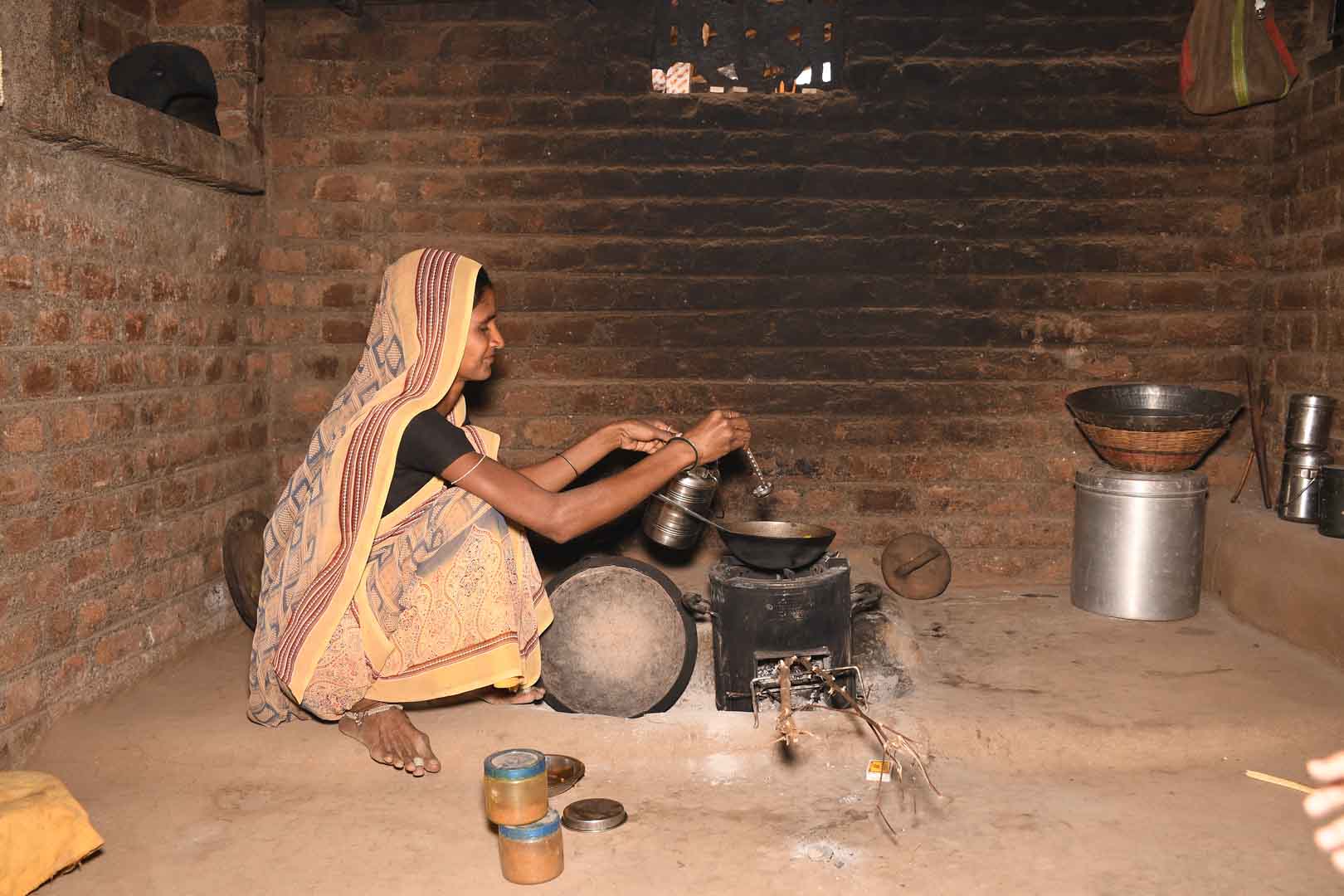
Improved cookstoves worldwide – for better health and cleaner air

A certified climate project combined with additional commitment
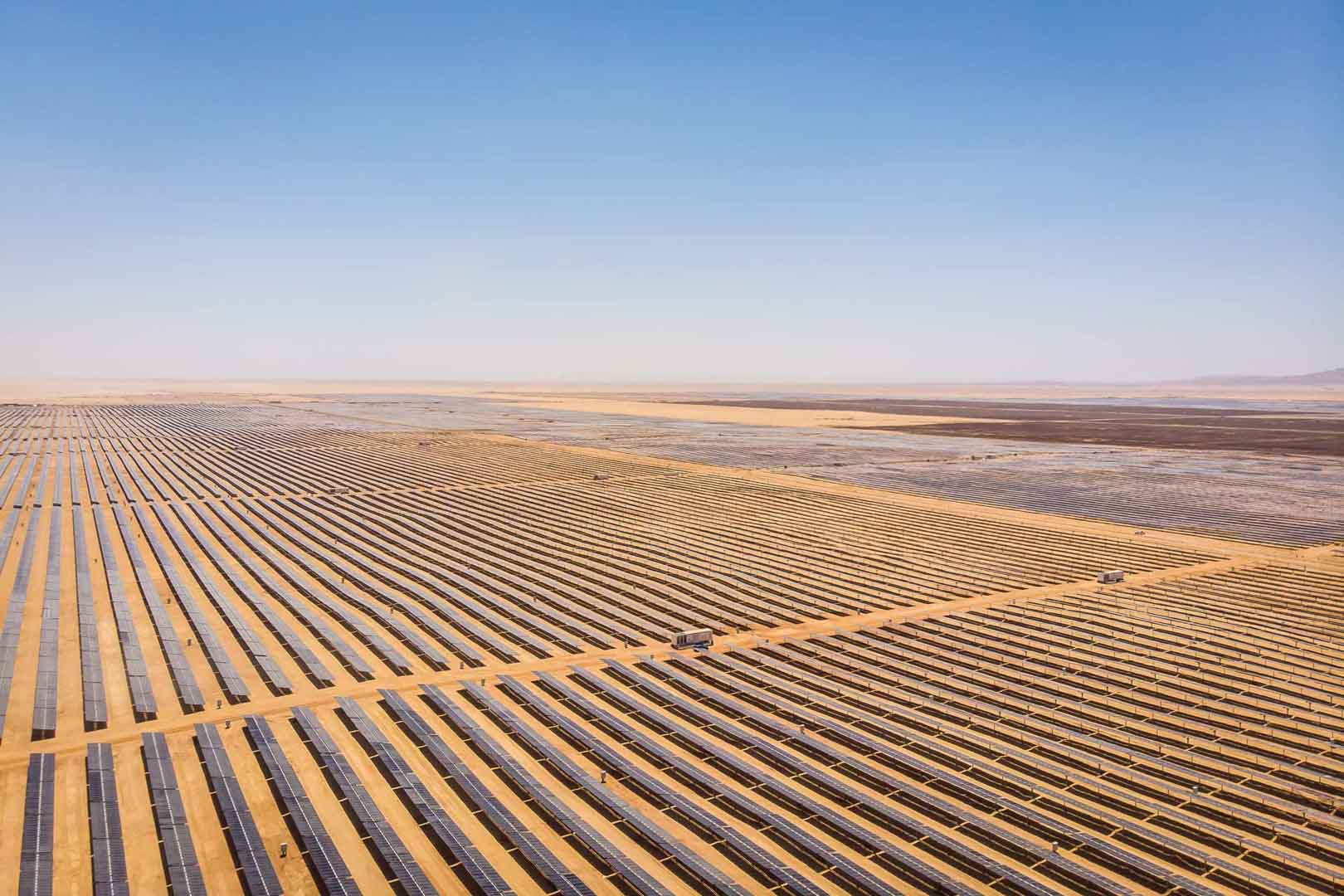
Powering access to renewable energy in Africa
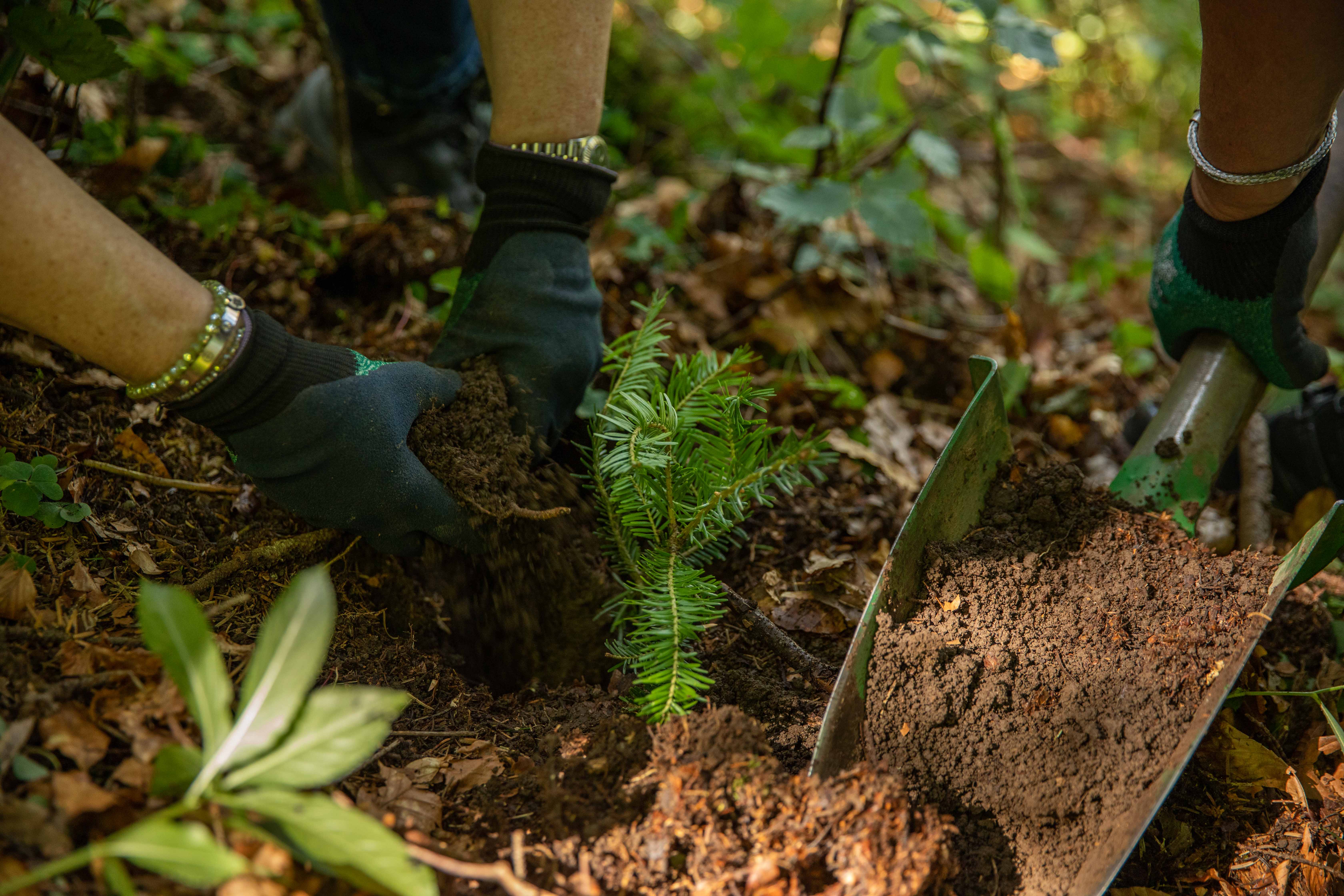
A certified climate project combined with additional commitment
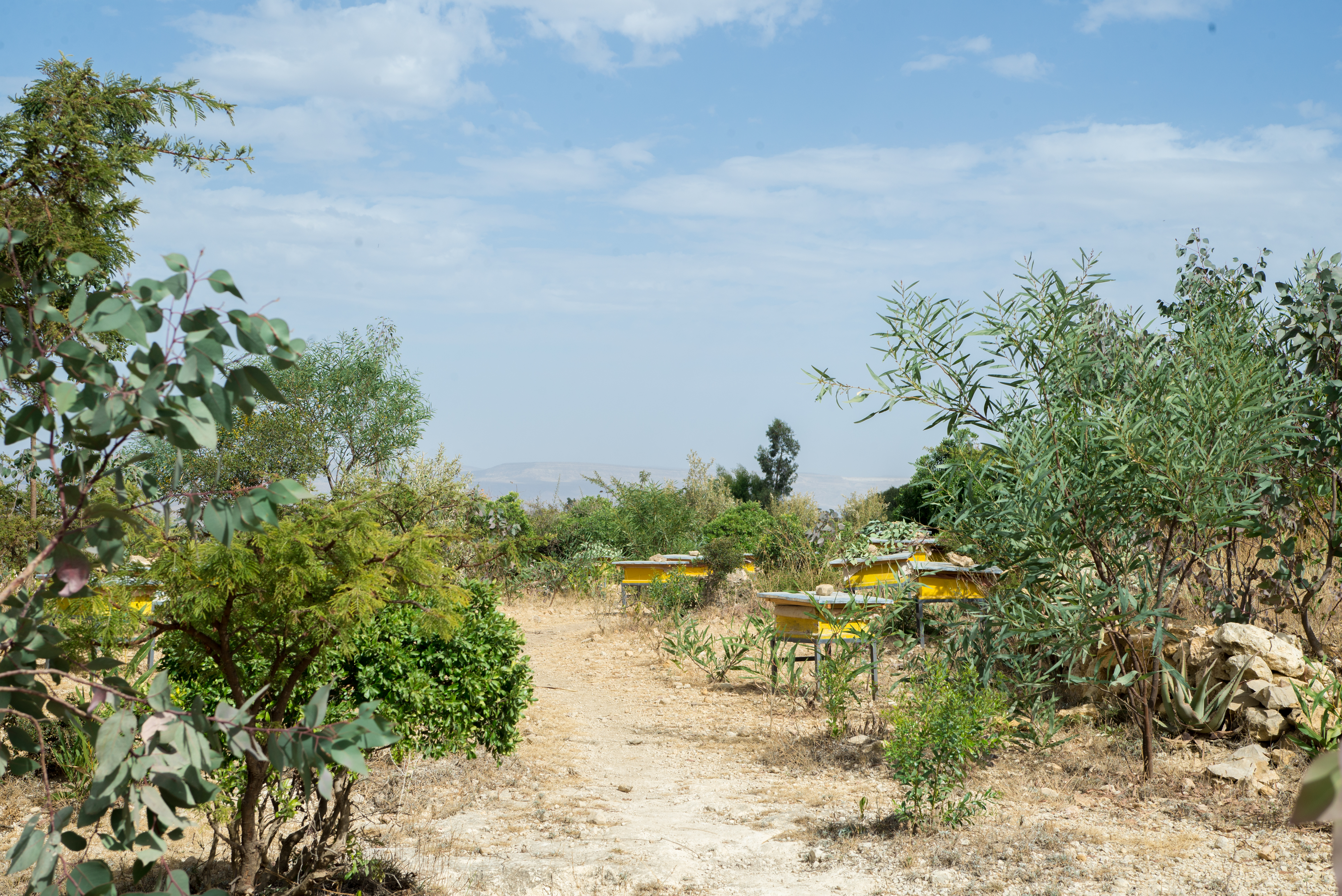
Restored ecosystems remove carbon
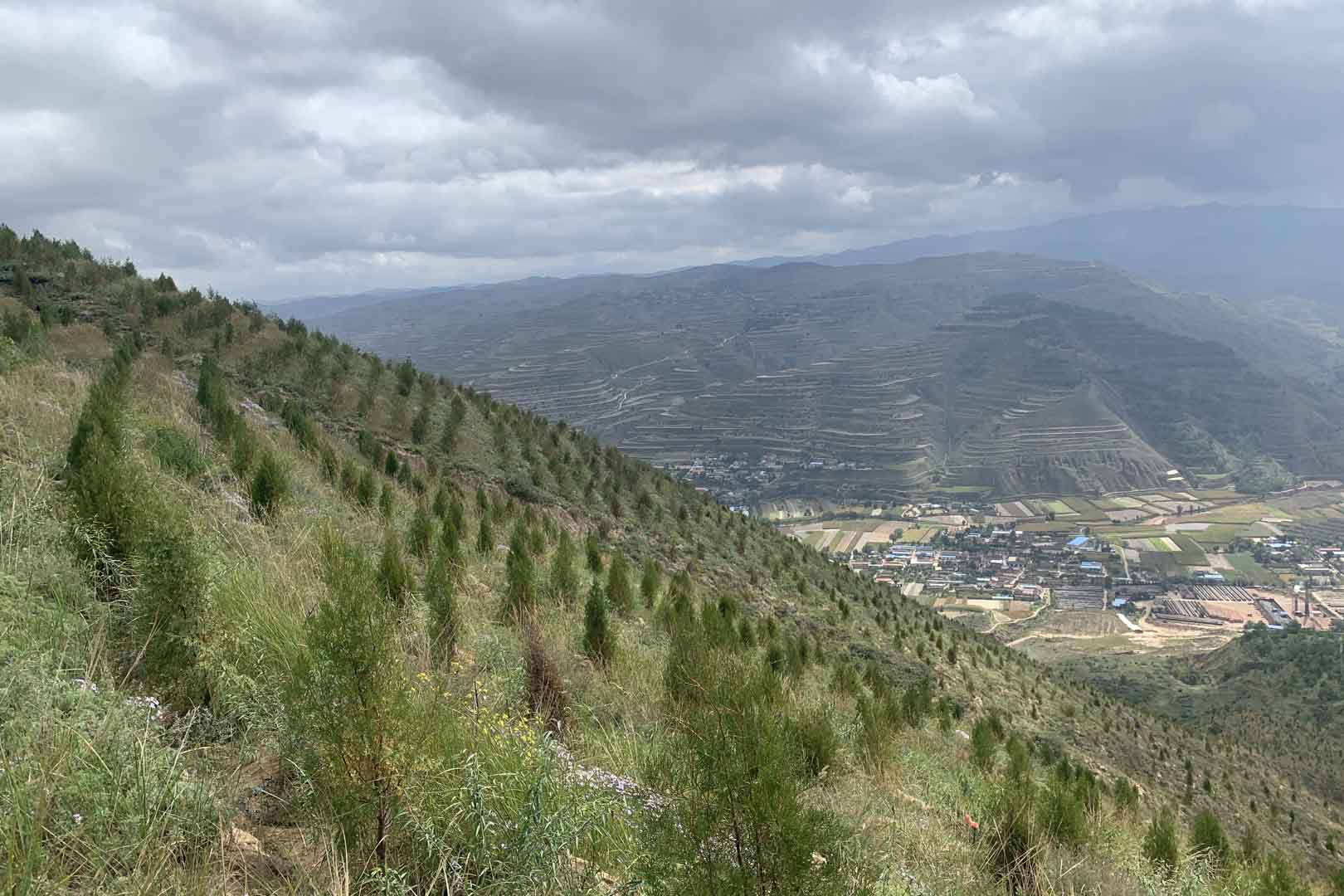
Turning degraded farmlands into healthy ecosystems
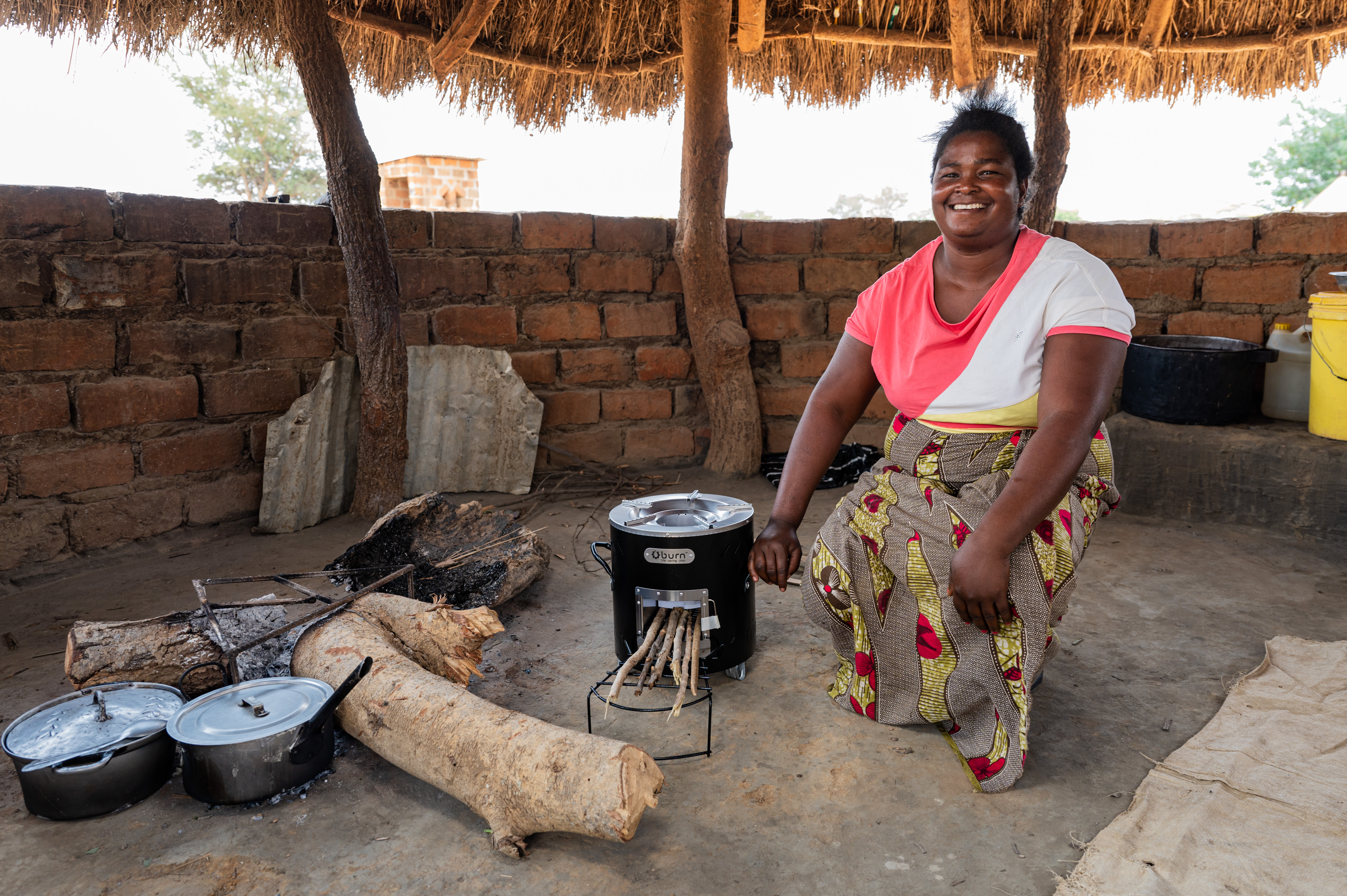
Improved cookstoves - better for health and the environment