
Swamp Forest Revival: Restoring Balance to Düsseldorf’s Biodiversity
Decades of forest management in the project area has led to the replacement of natural wetlands with fast-growing tree plantations, resulting in habitat loss and reduced biodiversity. Dominated by unsuitable poplar trees, the damp to wet soils are now plagued by disease, disappearing wetlands, and a decline in rare species that depend on these ecosystems.
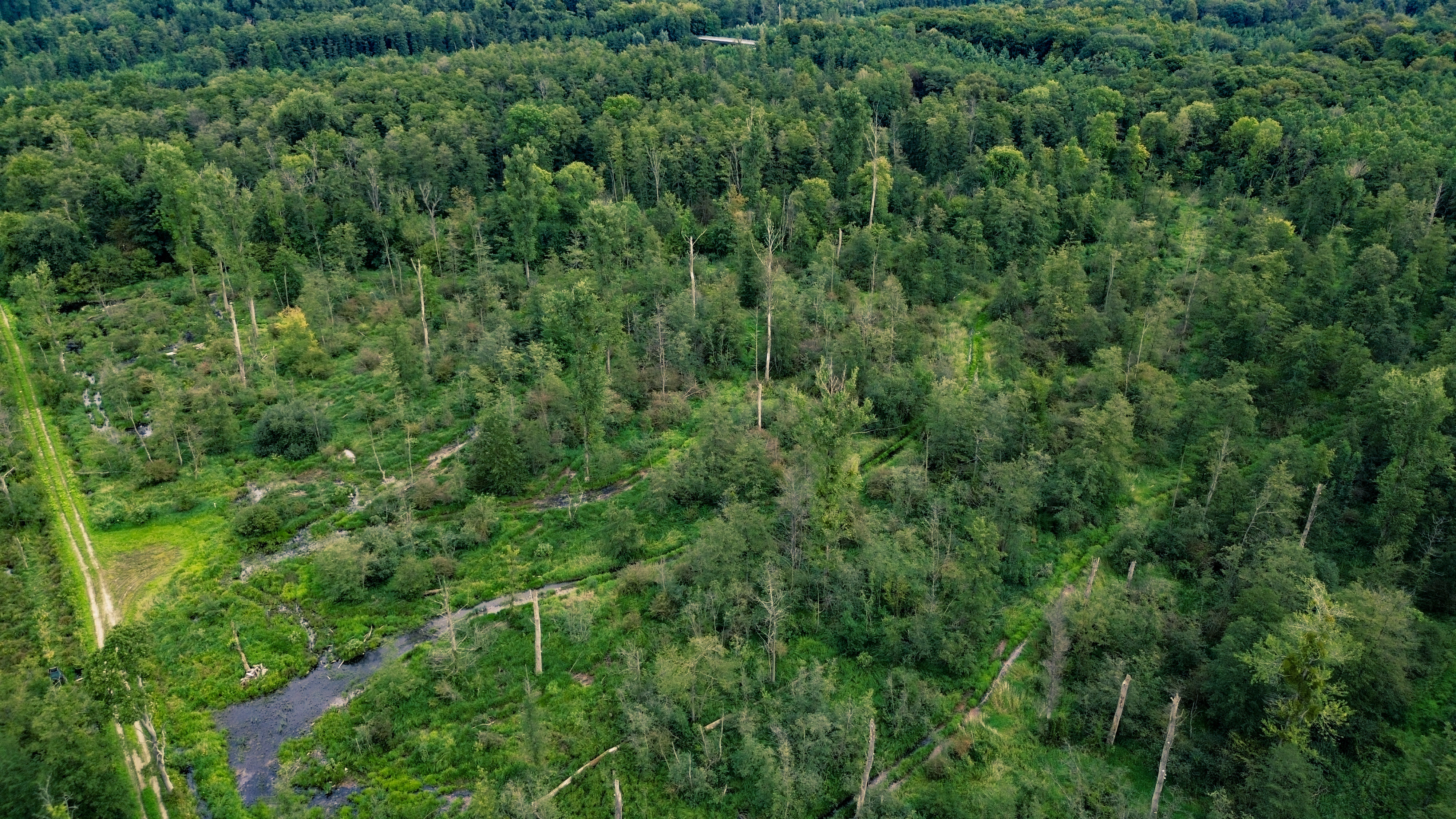
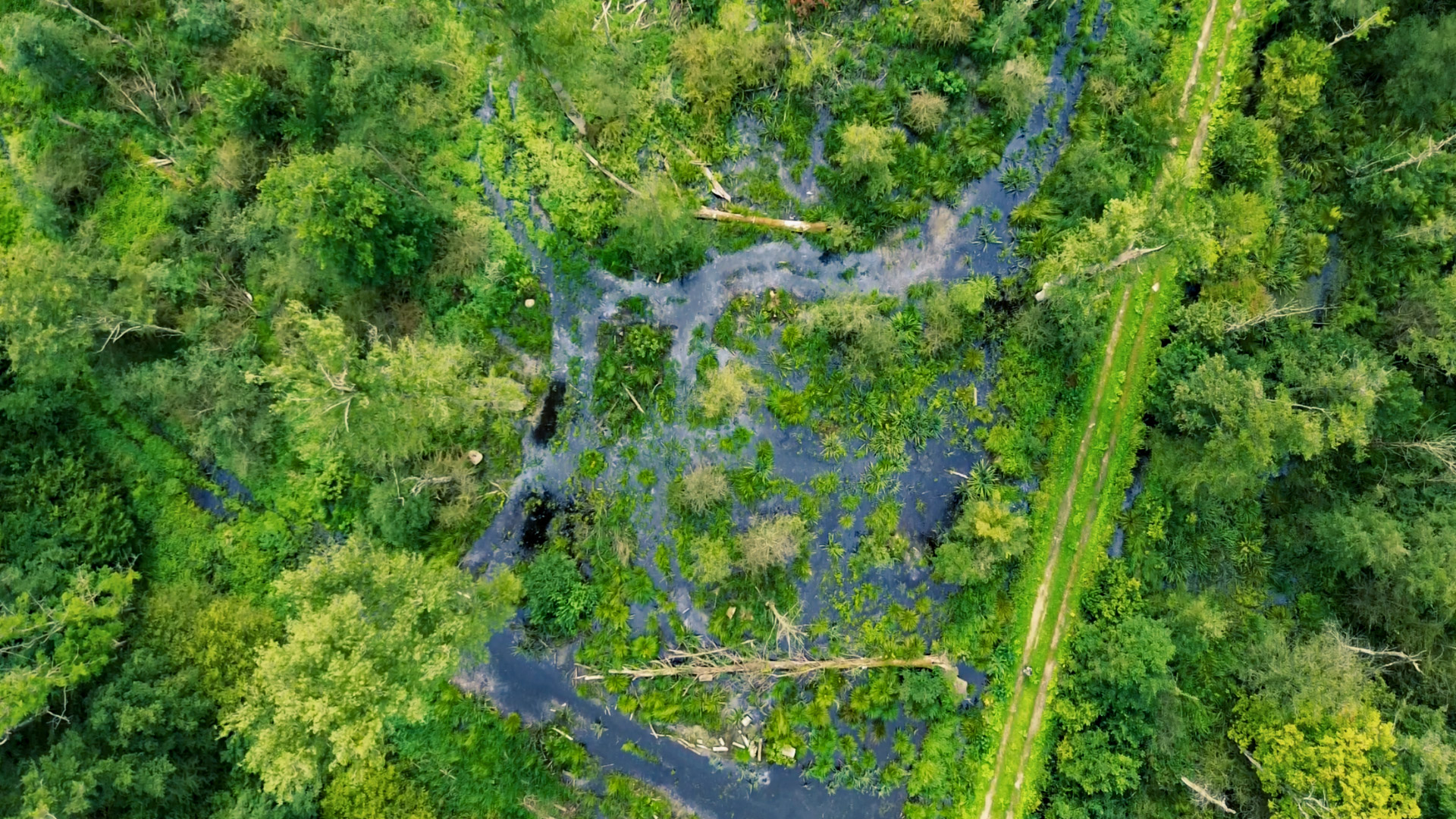
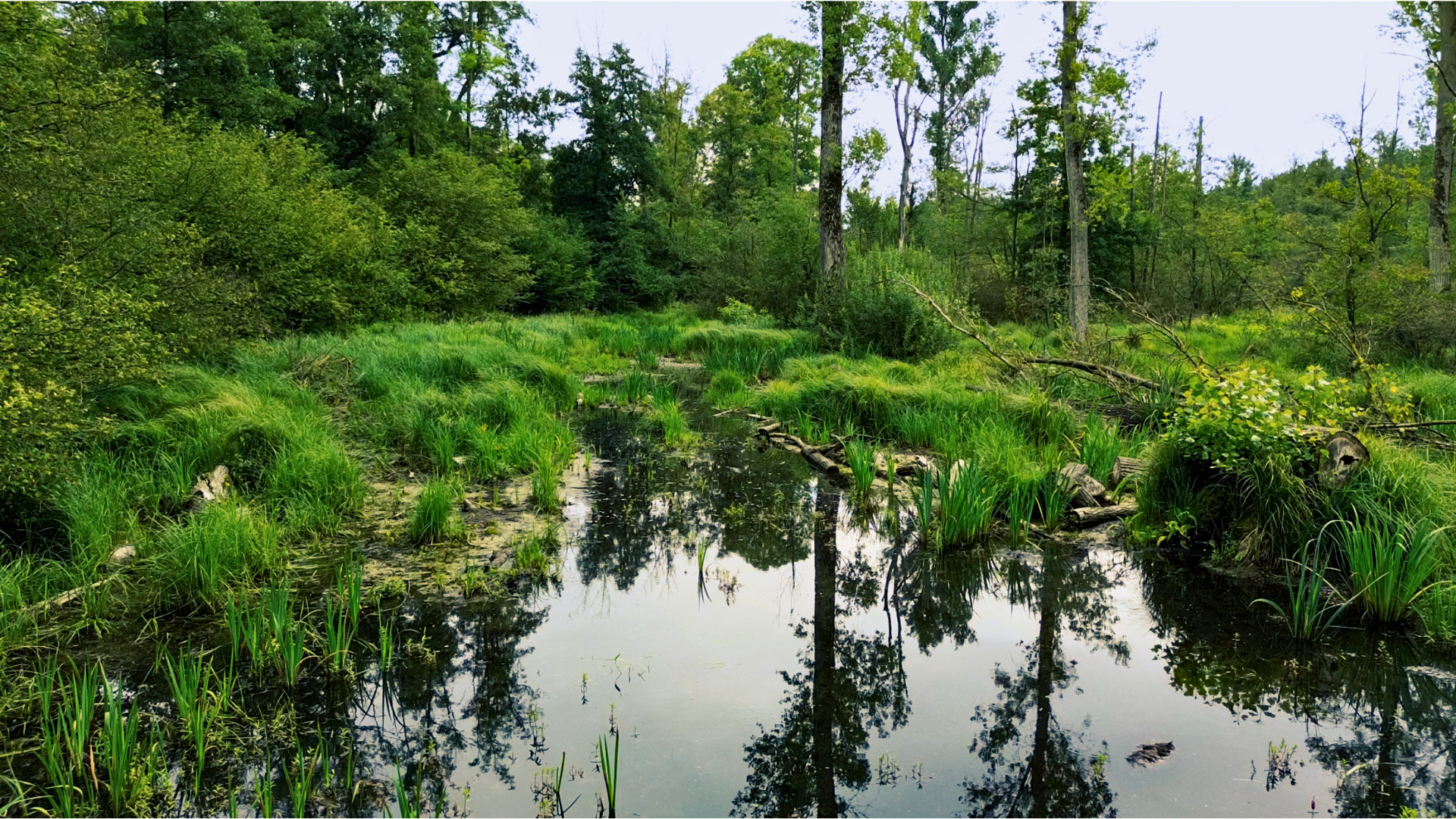
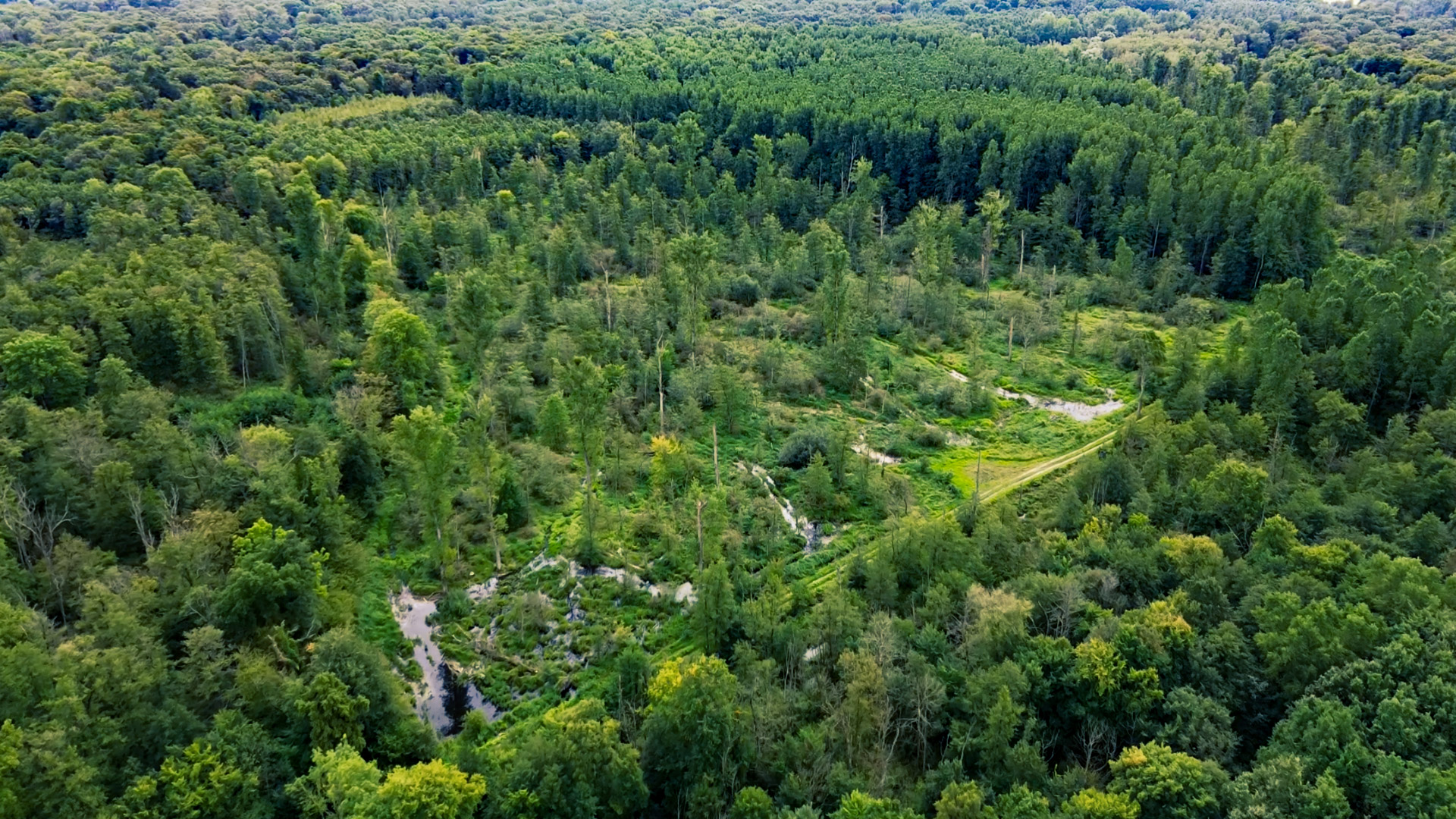
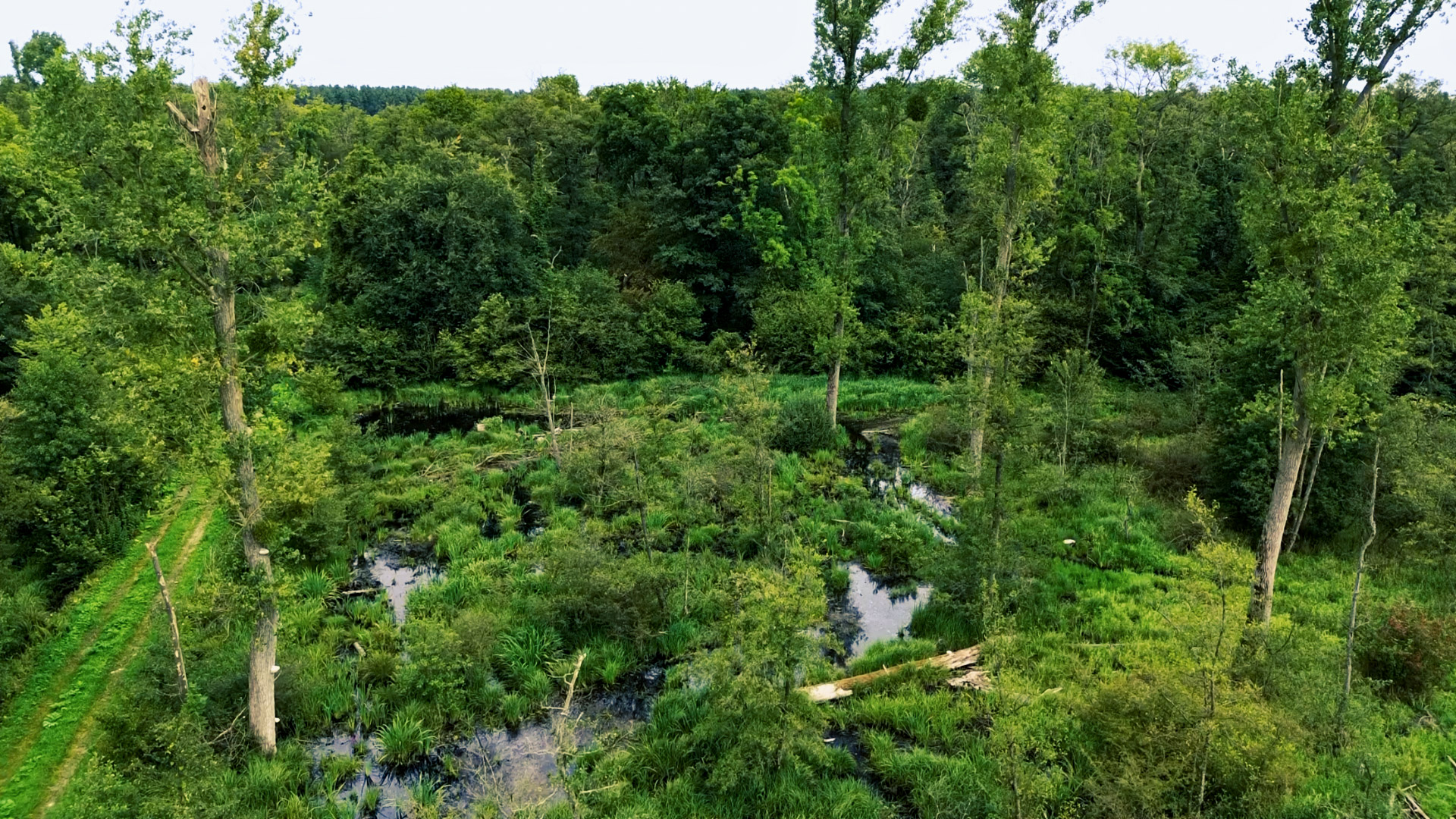
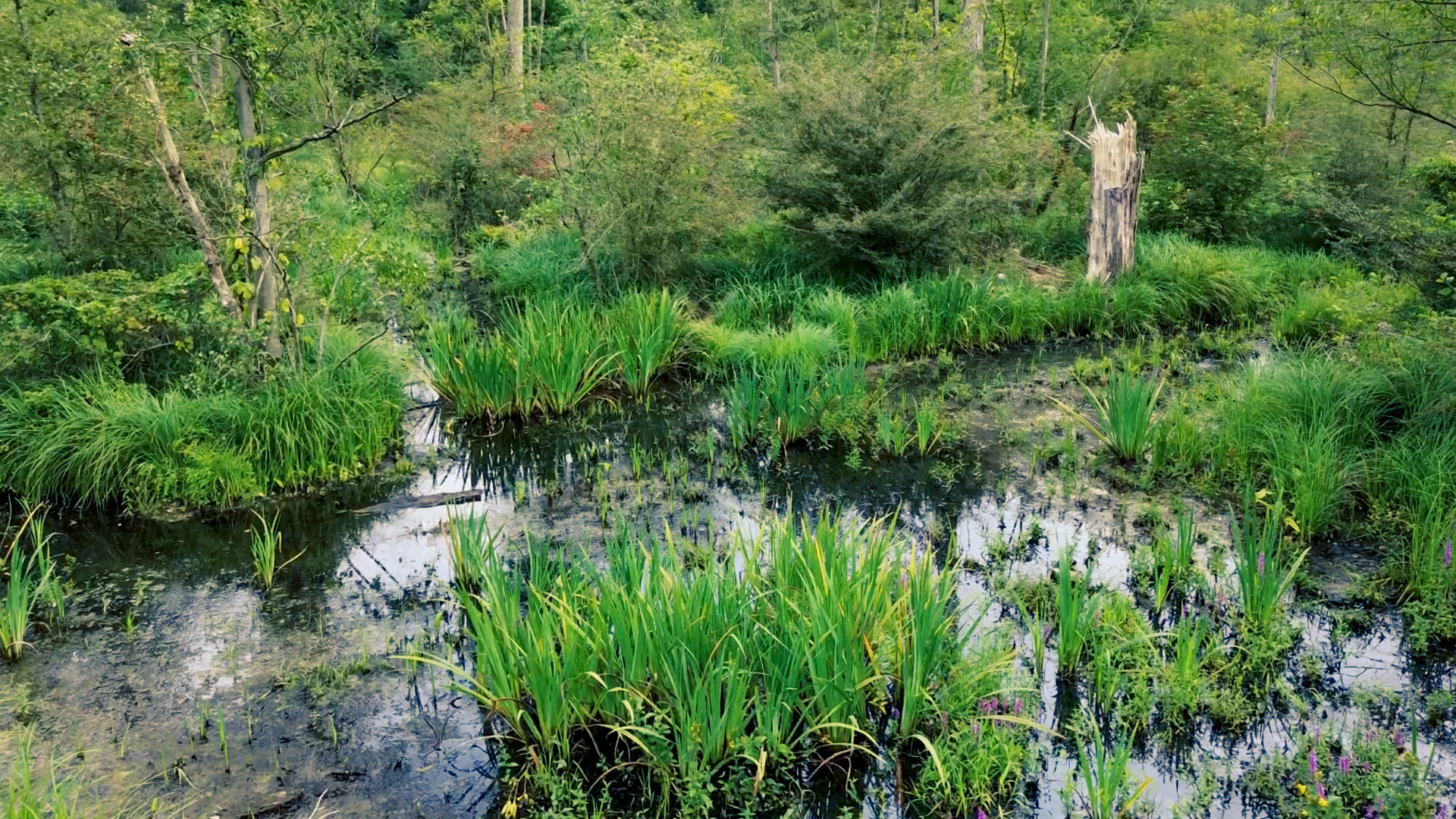
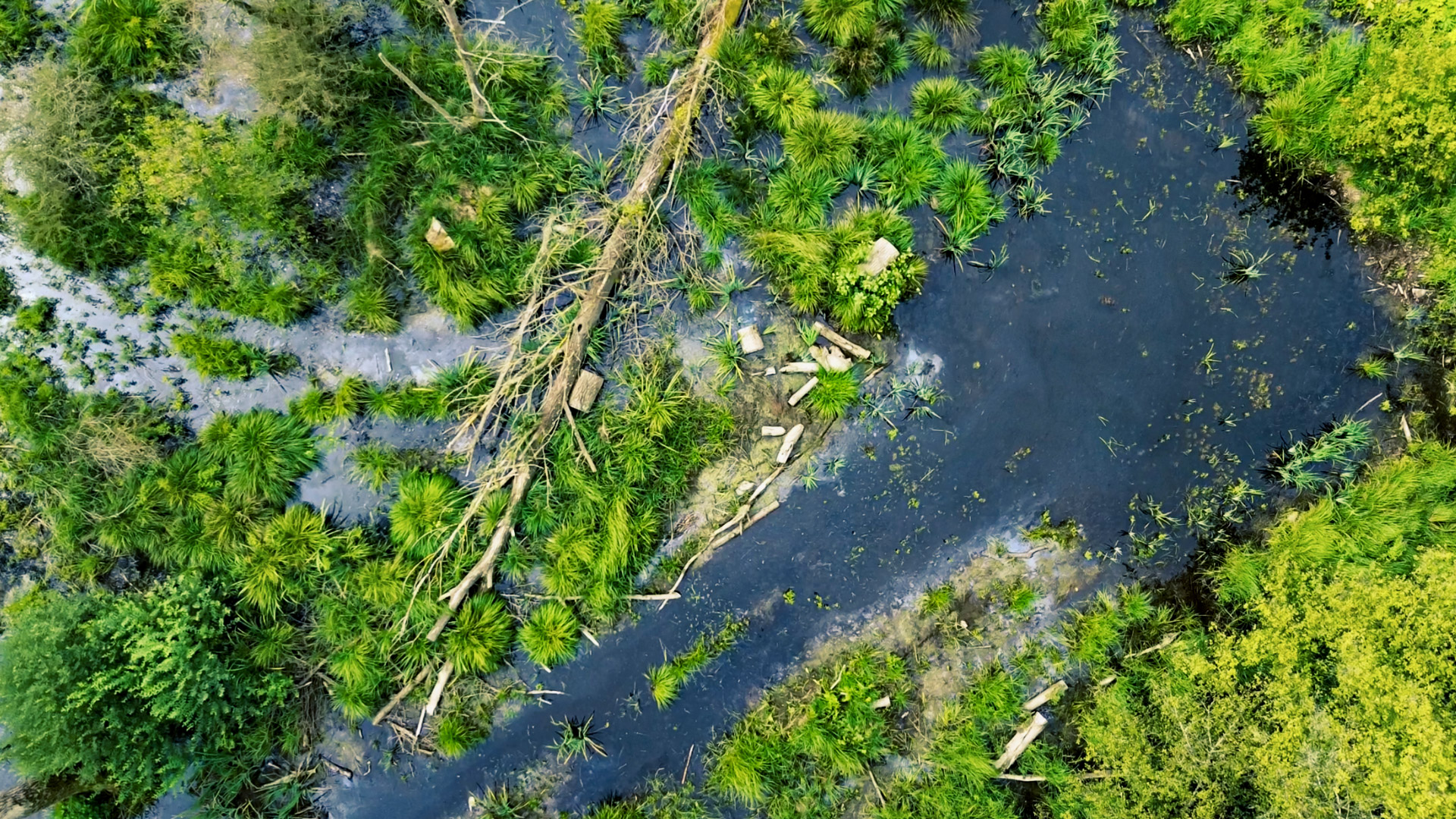
This project restores the ecological balance. On around 52,000 square meters – a former poplar plantation crisscrossed by two streams and marked by wet depressions – non-native trees are being removed. In their place, native tree species like alder and willow are being specifically promoted and maintained. Deadwood is intentionally left behind to provide habitat for many species. In the depressions, small swamps and wet clearings are created to increase structural diversity.
This way, the area is gradually transforming back into a species-rich, near-natural swamp forest ecosystem. Swamp forests play crucial roles: They purify water and air, store large amounts of water – making them especially valuable in the face of climate change – and provide vital habitat for numerous animal and plant species, including dragonflies, butterflies, and migratory birds. Moreover, due to its proximity to the metropolitan region, the area is also a valuable local recreation space.
Independent third-party verifiers will monitor the project's impacts, ensuring high standards of quality and effectiveness through regular site visits by project experts.
How does the restoration of swamp forests support nature conservation and climate action?
A swamp forest is a forest ecosystem where soils are permanently or periodically saturated with water. The high water level shapes plant growth and creates unique environmental conditions that support a wide range of specialized animal and plant species – including many endangered amphibians, dragonflies, waterbirds, and rare mosses and ferns.
Swamp forests make a vital contribution to climate and water protection: Their waterlogged soils store large amounts of carbon, help cool the local microclimate, and act as natural water reservoirs in the landscape.
Ecologically, swamp forests are among the most species-rich yet most endangered habitats in Central Europe. Decades of drainage, river straightening, intensive agriculture and forestry, and afforestation with non-native species have severely degraded or entirely destroyed many of these ecosystems.
The goal of restoration efforts is to ecologically upgrade degraded swamp forests and re-establish natural vegetation and water dynamics. This includes removing non-native trees, deliberately leaving deadwood, and promoting native species such as alder and willow.
Restoring swamp forests helps stabilize the microclimate, improves the water balance, and creates essential habitats for threatened species. It is a powerful tool for strengthening both biodiversity and climate resilience – now and for future generations.
The project aims to contribute to these United Nations’ Sustainable Development Goals (SDGs).


Explore our projects
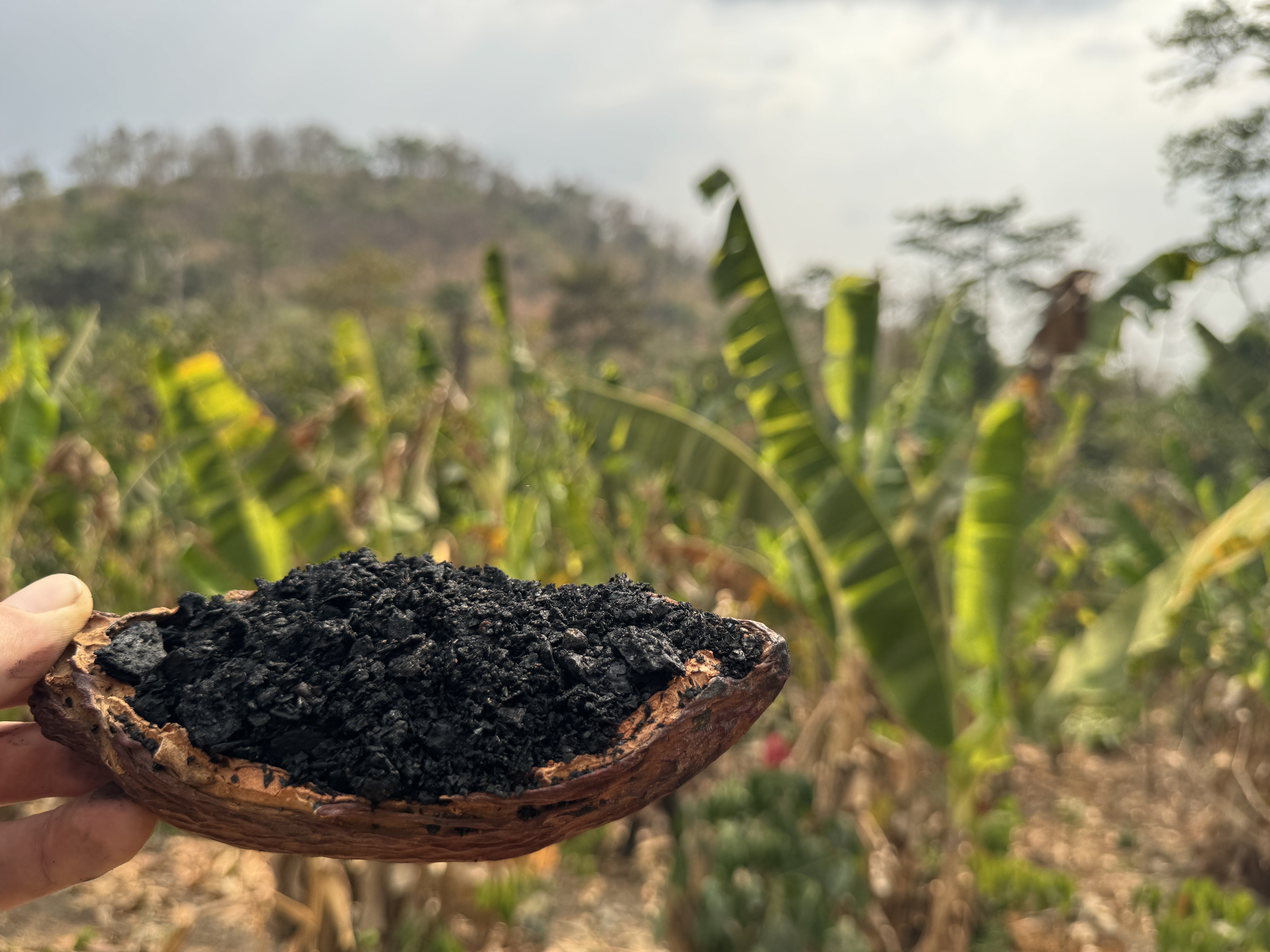
Biochar for Climate Action, Healthy Soils, and Better Harvests
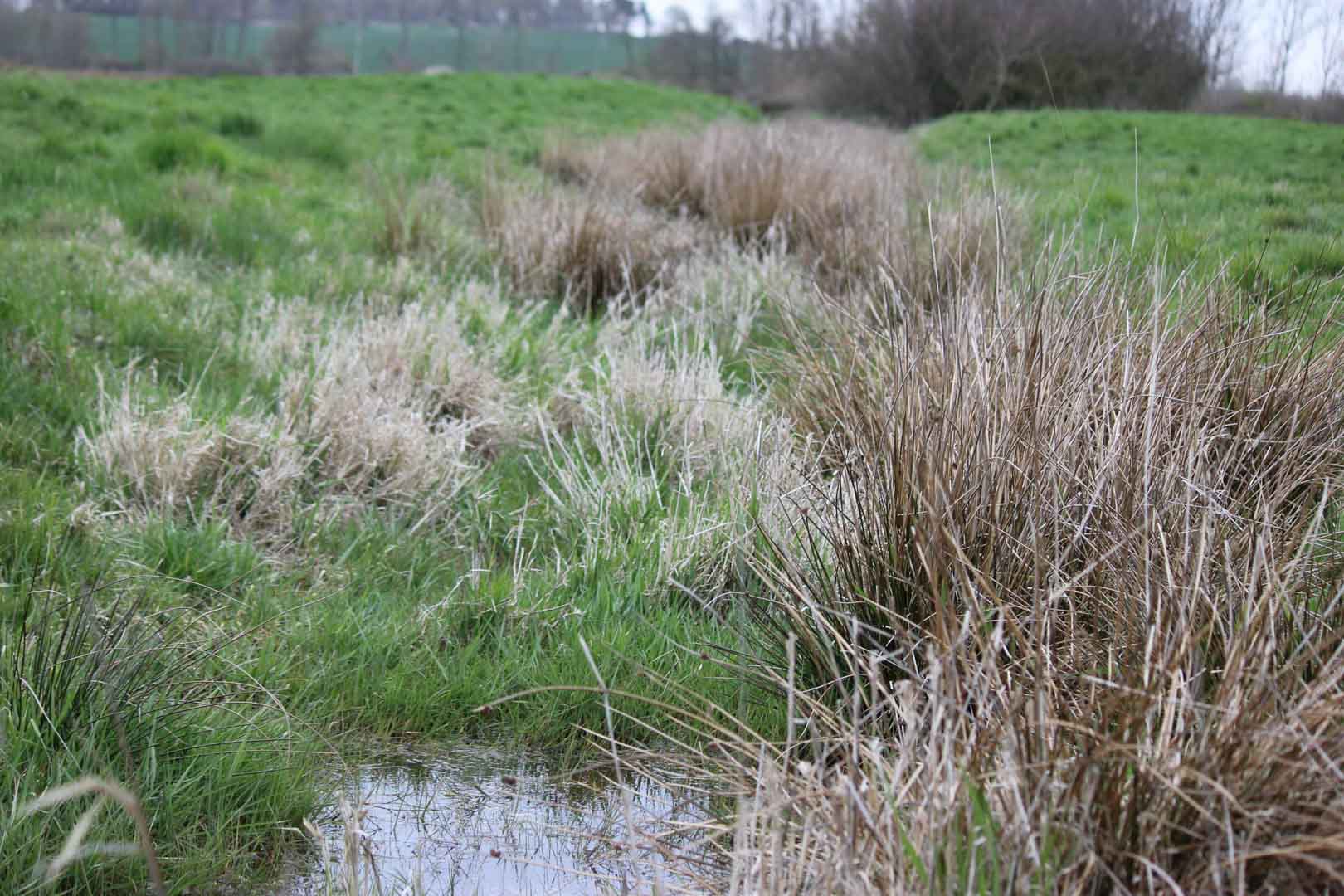
A certified climate project combined with additional commitment
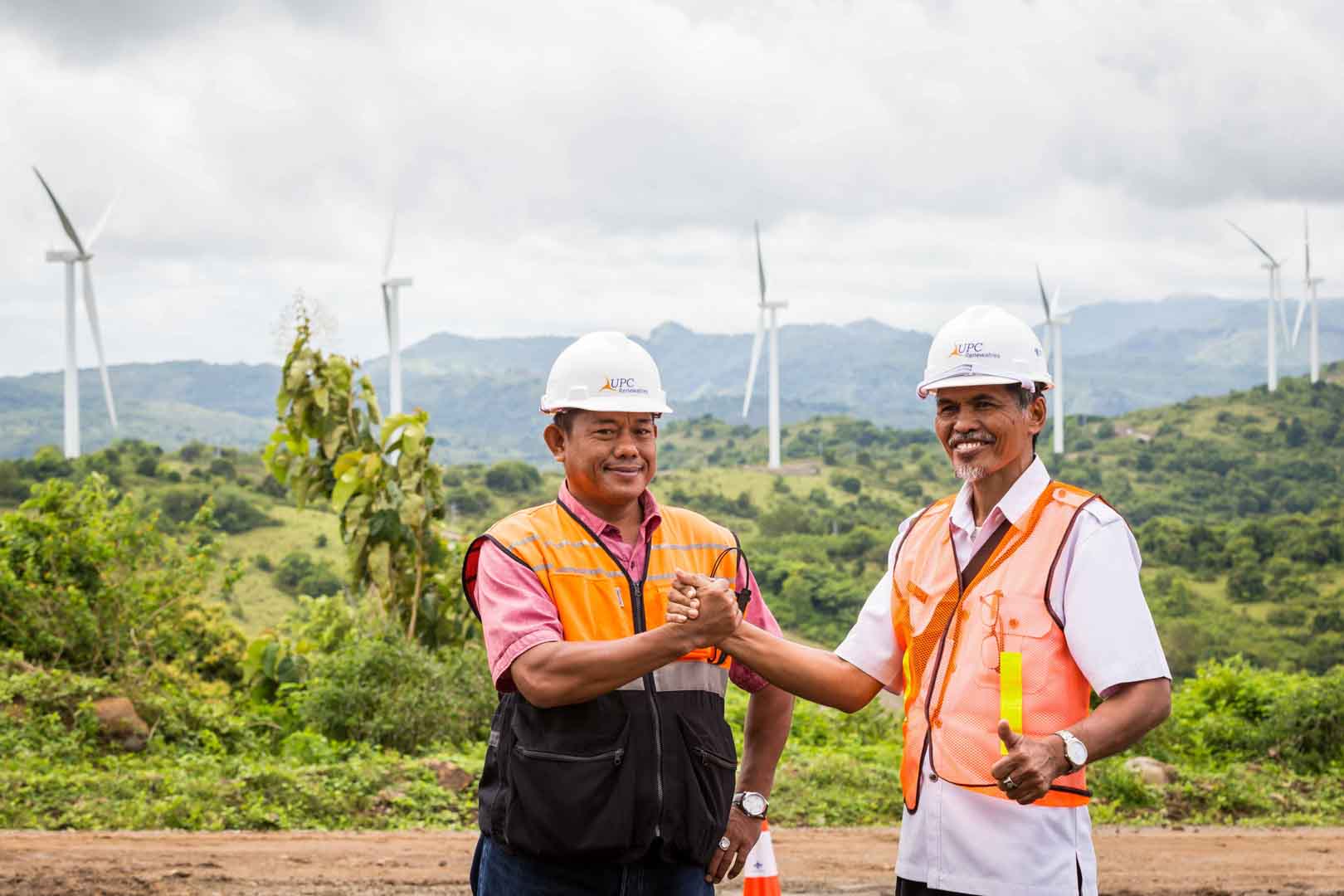
Expansion of renewable energy generation in Asia
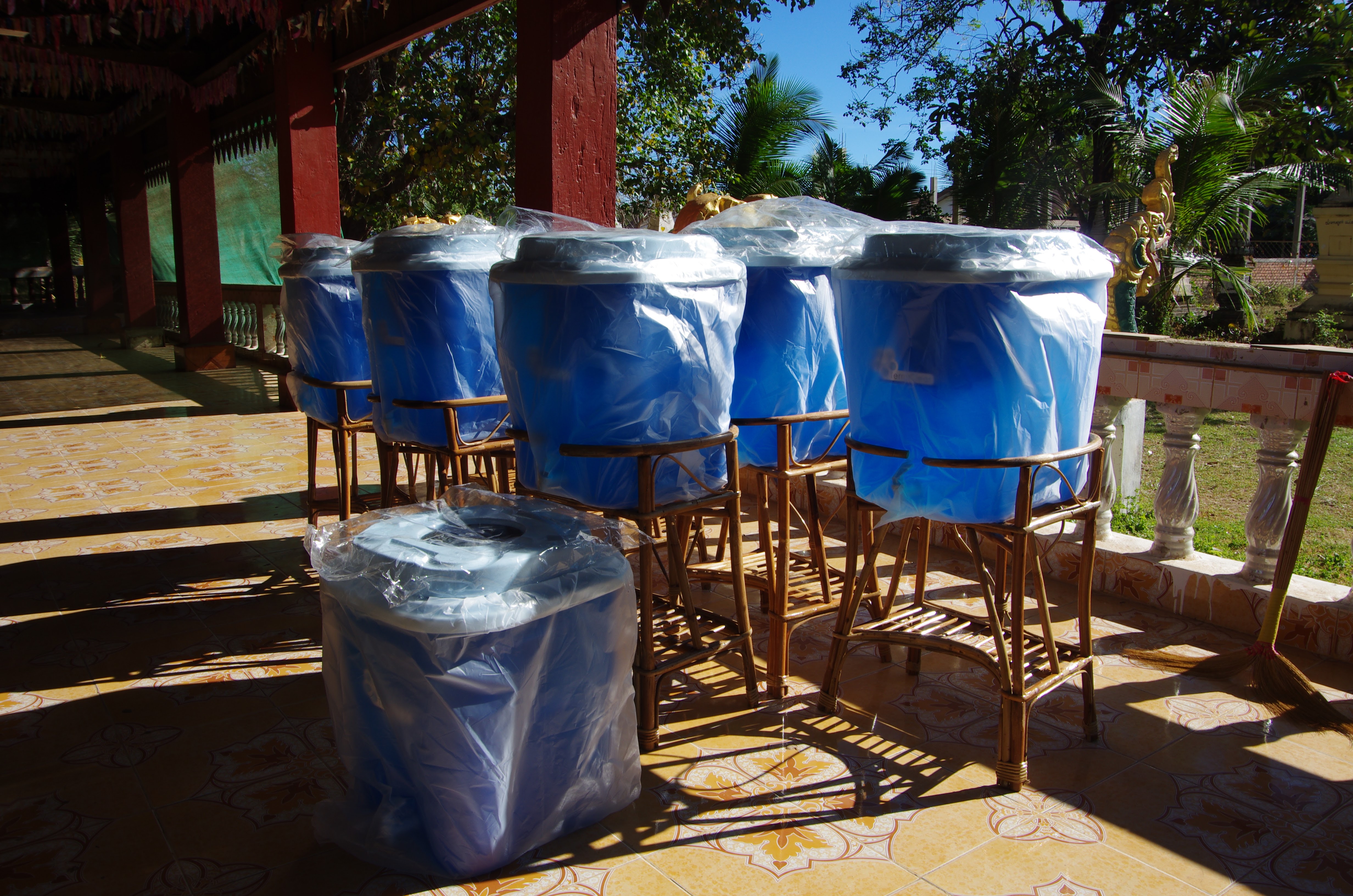
Ceramic water filters save CO2 and improve health
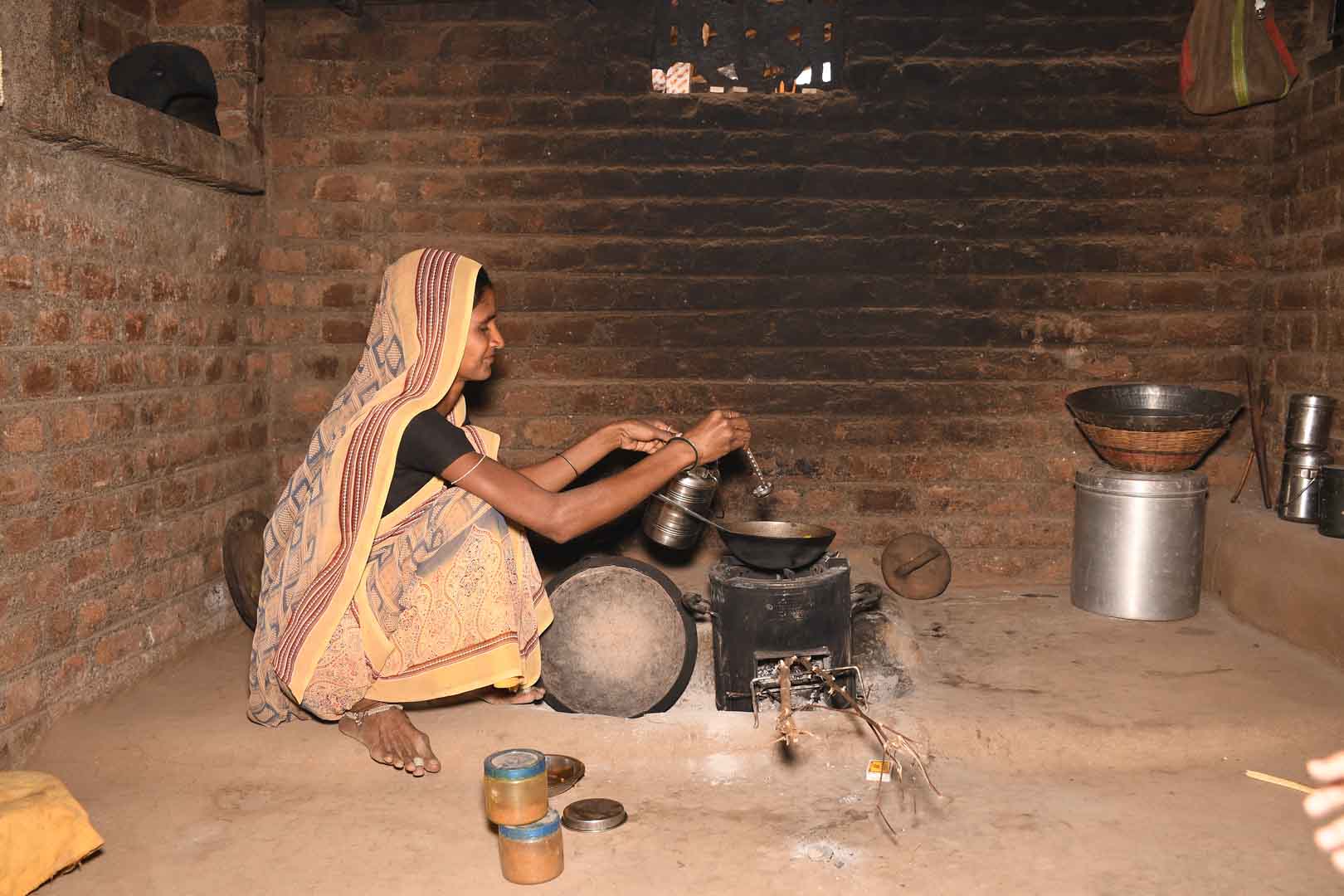
Improved cookstoves worldwide – for better health and cleaner air

A certified climate project combined with additional commitment
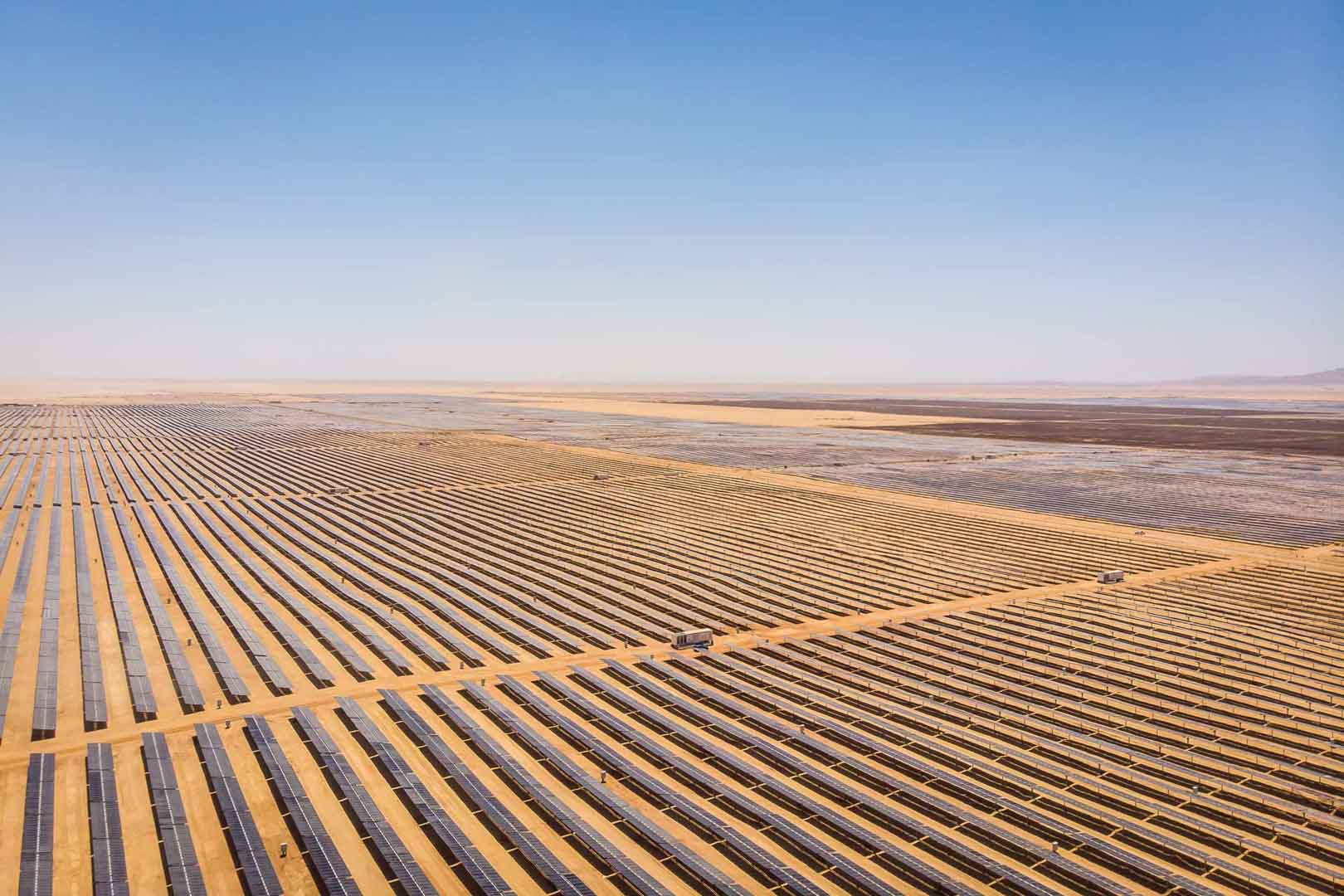
Powering access to renewable energy in Africa
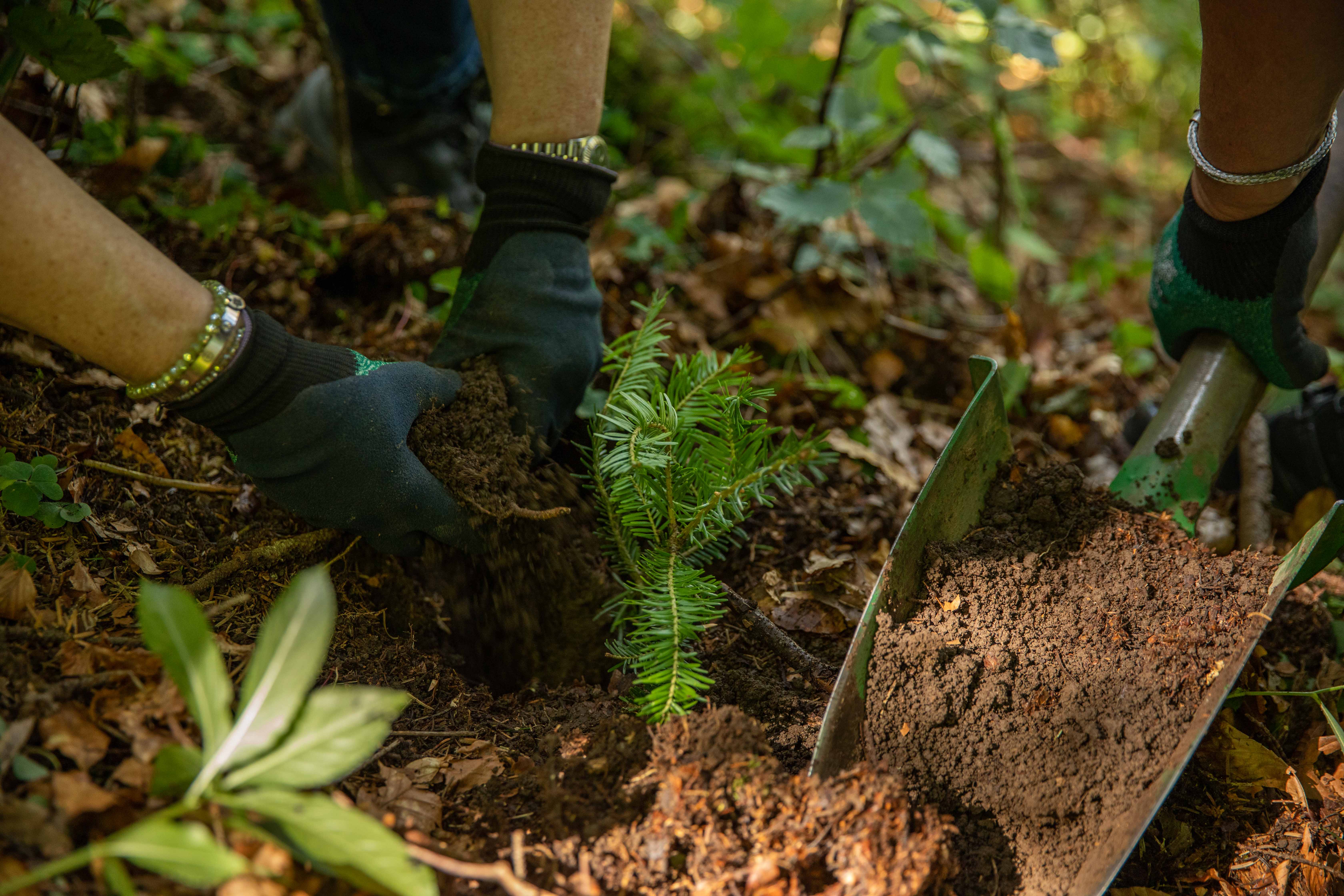
A certified climate project combined with additional commitment
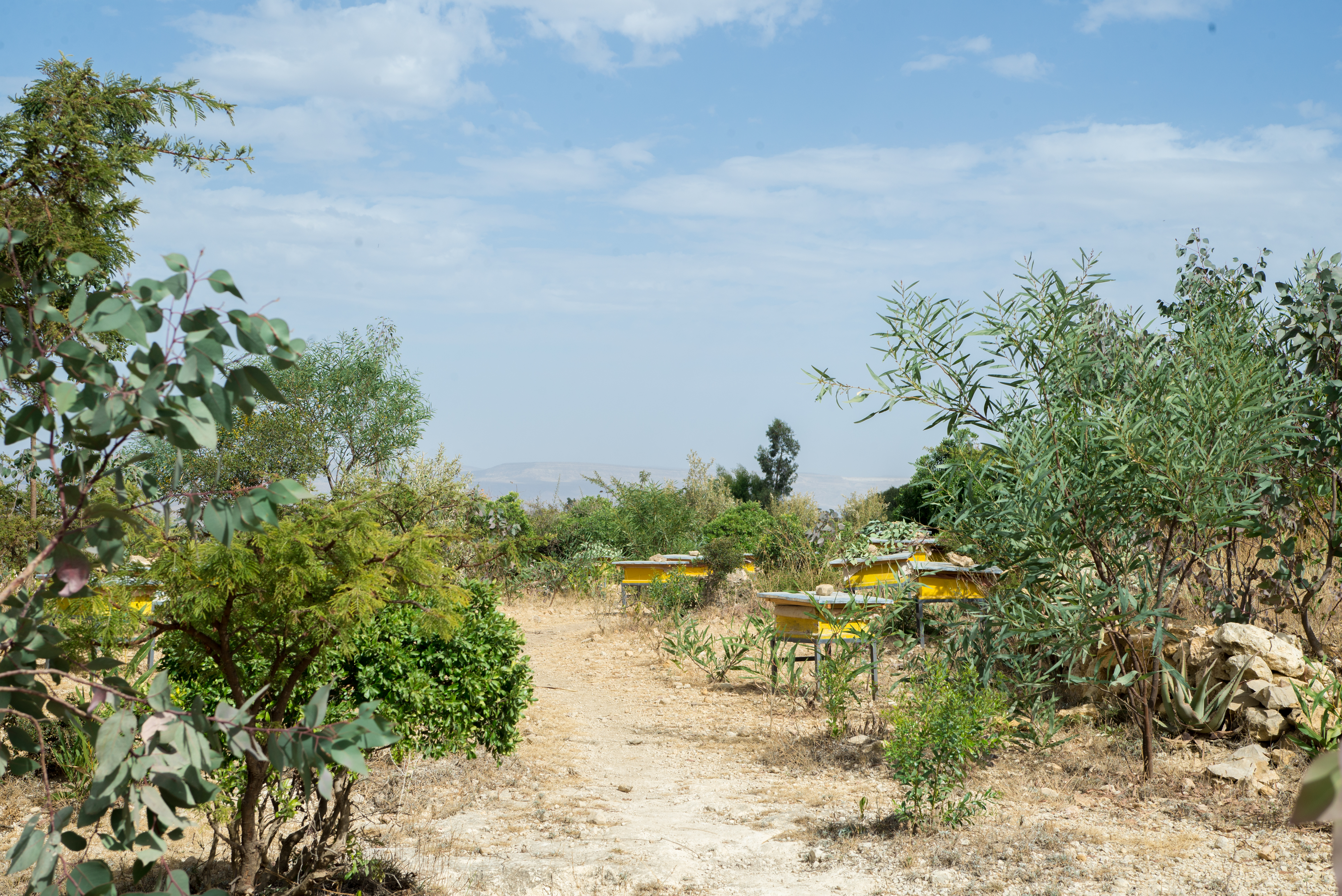
Restored ecosystems remove carbon
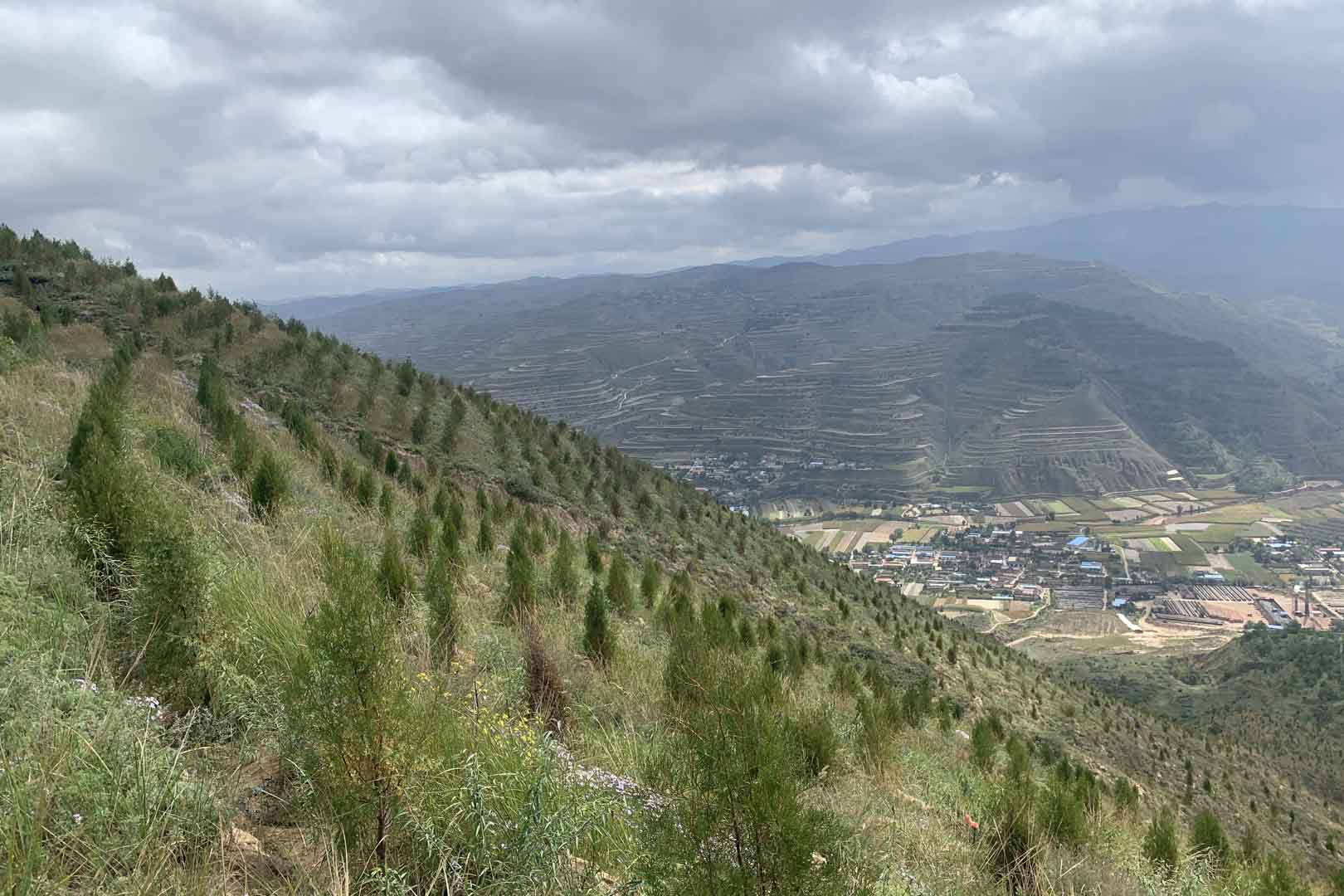
Turning degraded farmlands into healthy ecosystems
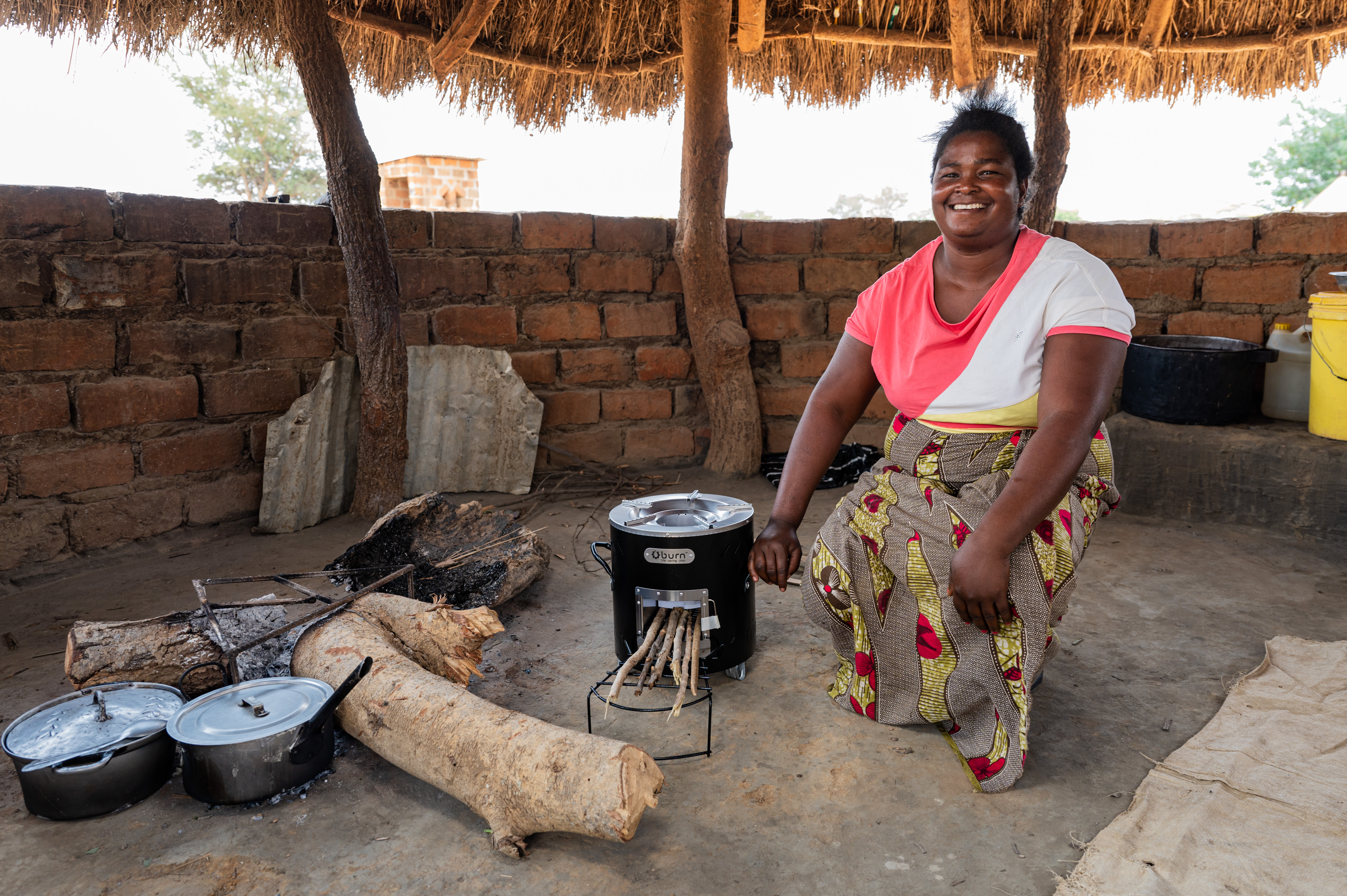
Improved cookstoves - better for health and the environment