
From Pollution to Progress: Tackling Plastic Waste in Coastal Cambodia
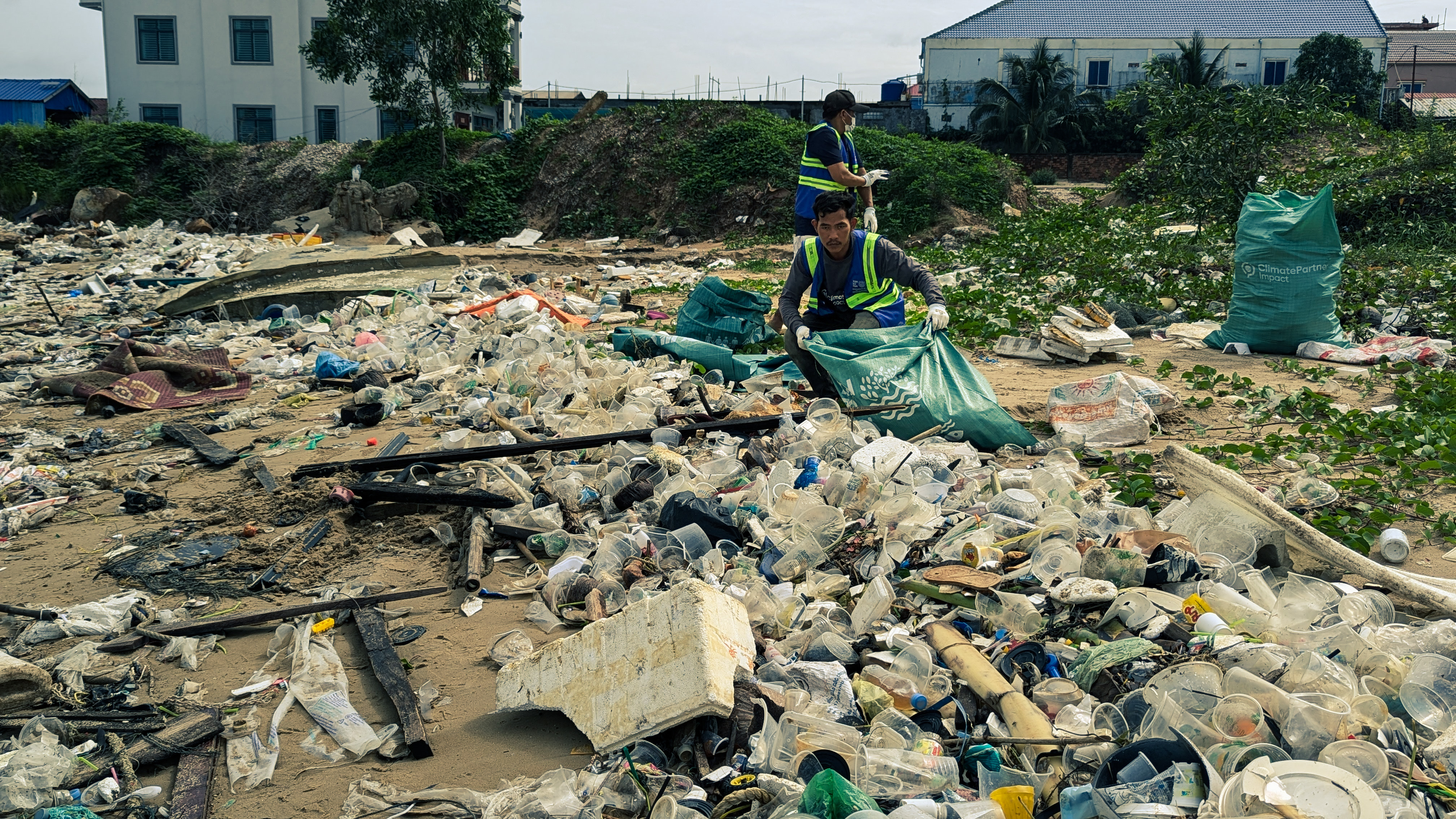
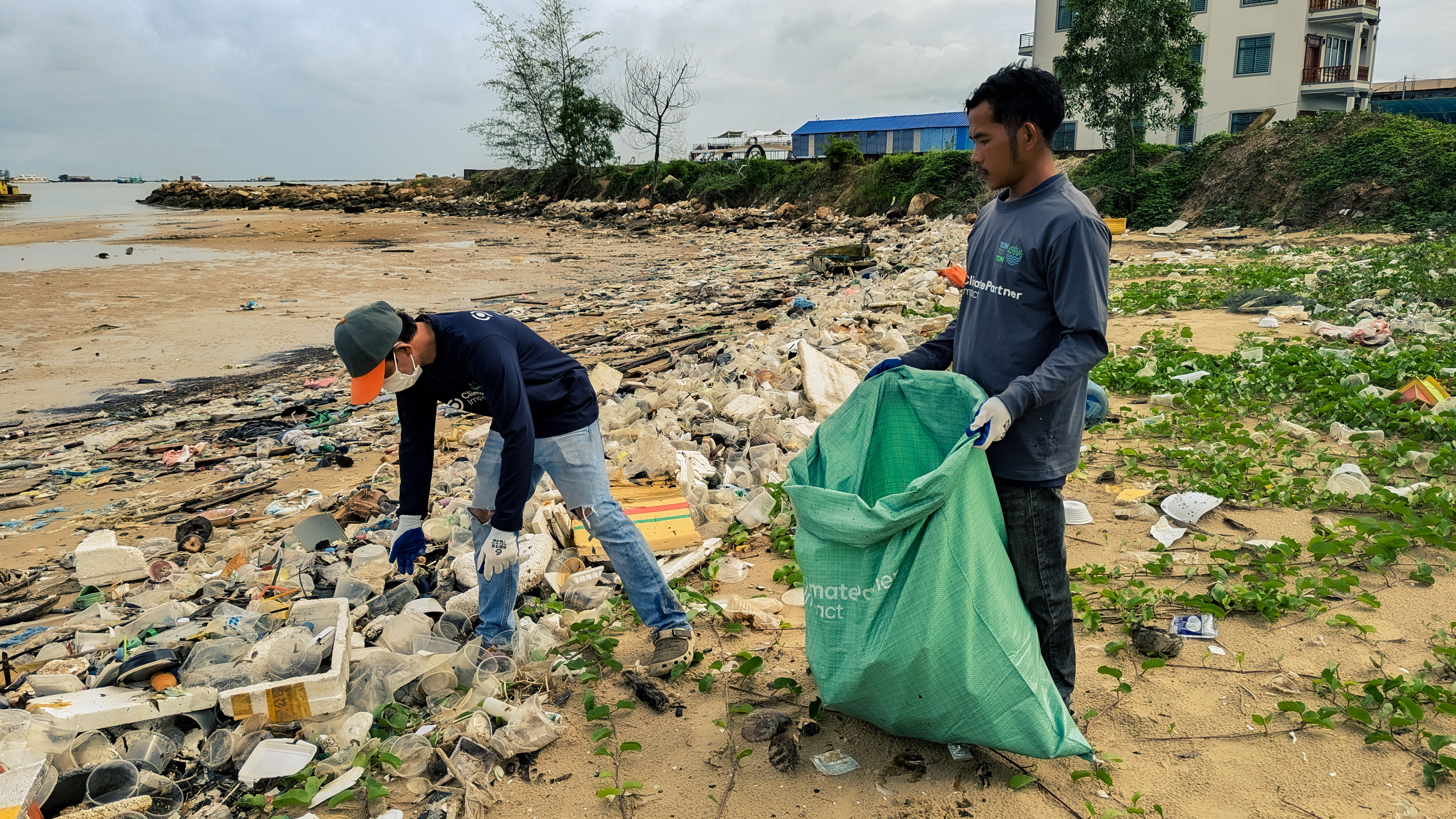
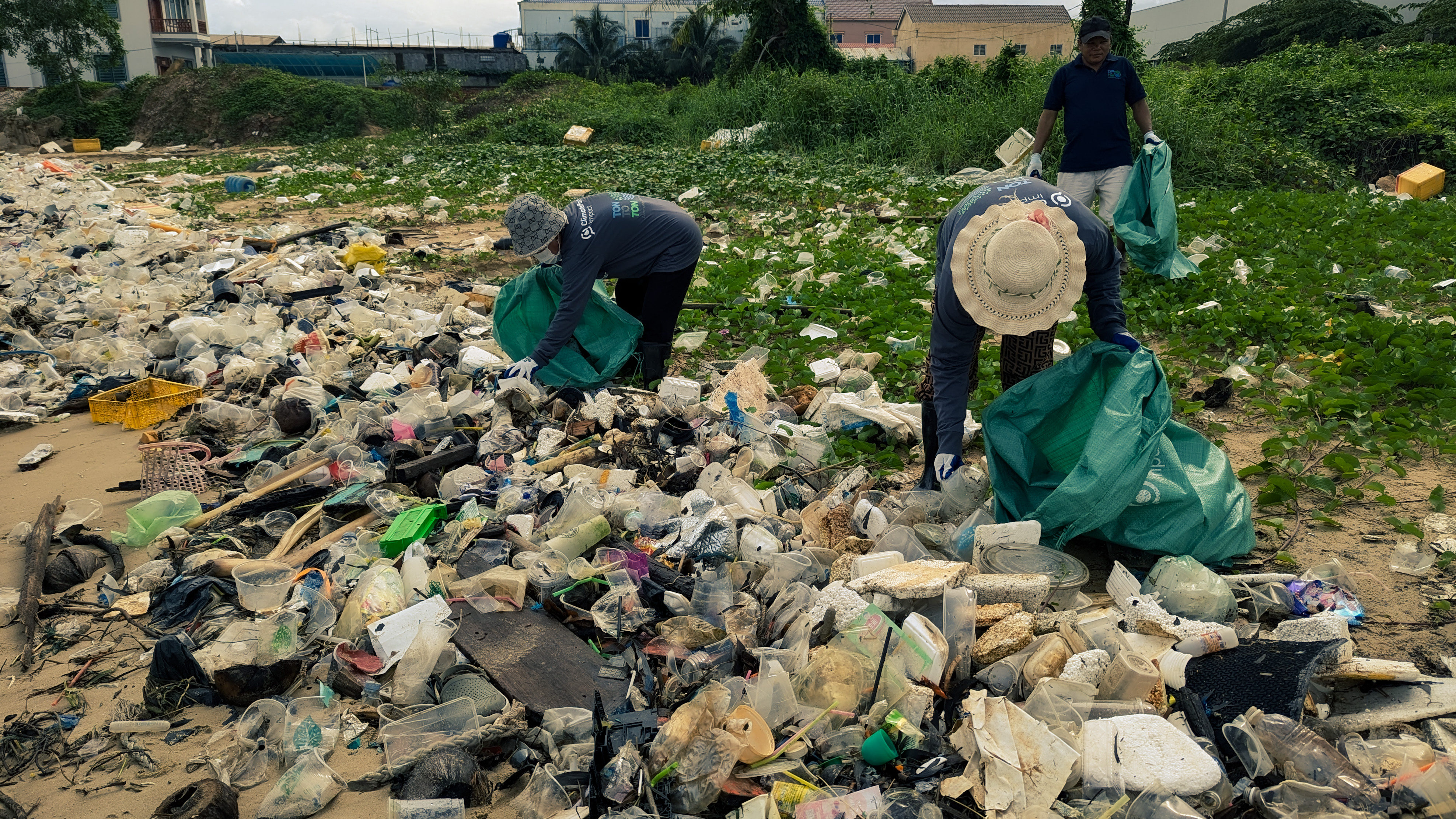
Sihanoukville, Cambodia's first deep-water port, faces significant challenges due to rapid development, including land disputes, limited waste management, and plastic pollution that harms coastal ecosystems. To combat the ocean-bound plastic problem, this project engages the local community in collecting and repurposing recyclable and orphan plastic waste from polluted coastal areas.
The project aims to empower local communities by creating jobs and improving living conditions. By targeting ocean-bound plastic, which significantly contributes to marine litter, the project seeks to remove land and marine pollution in Sihanoukville.
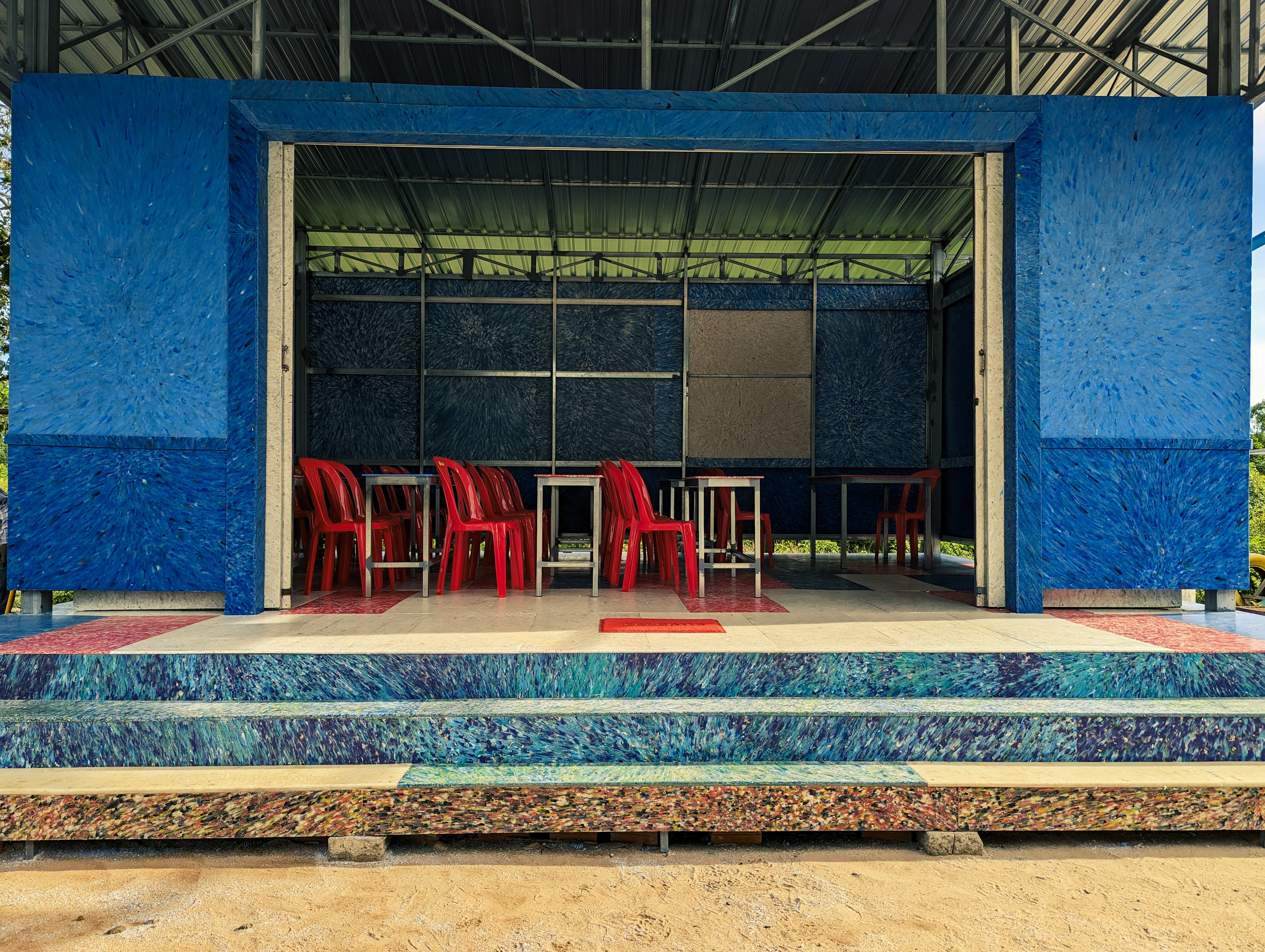
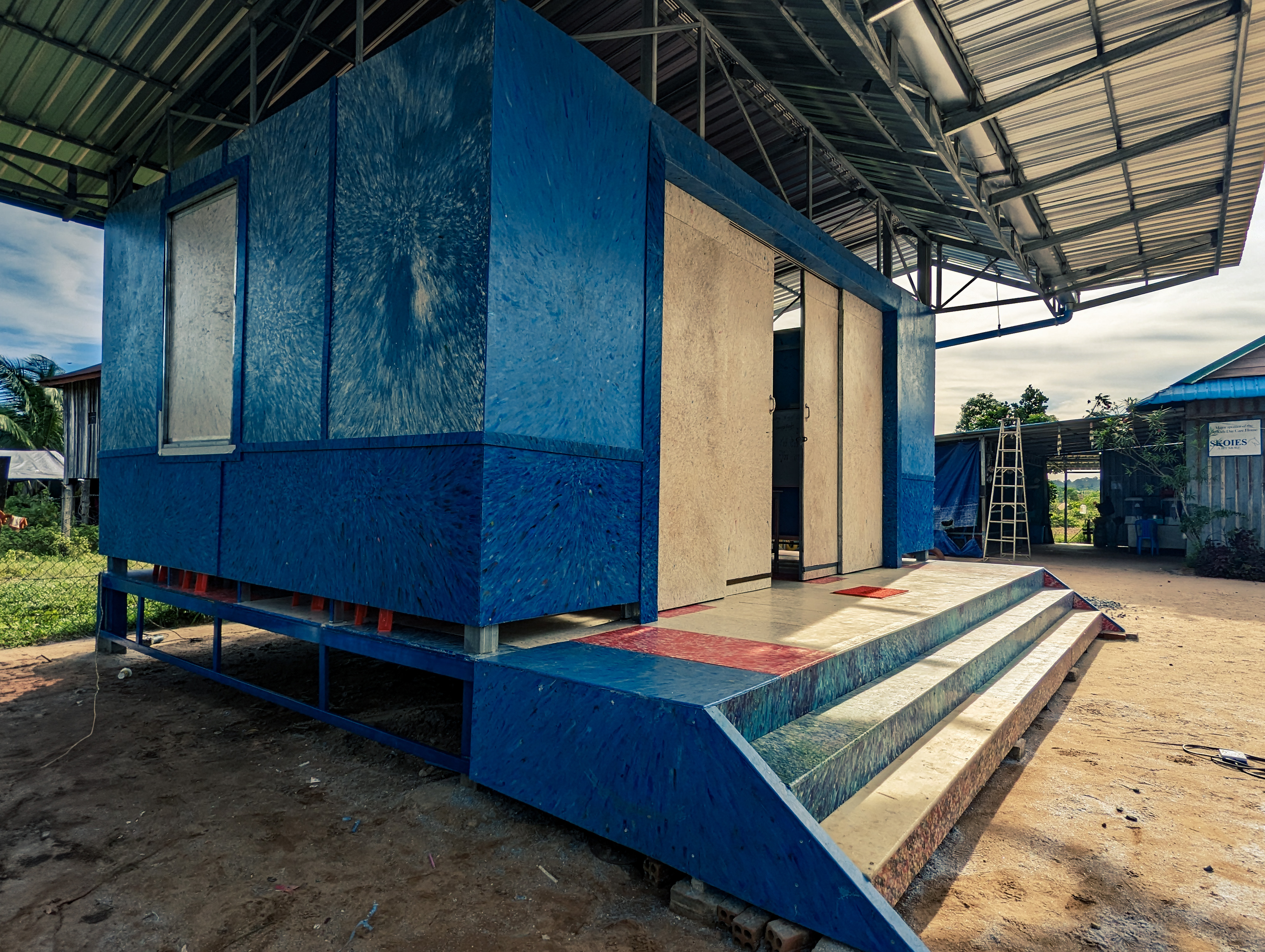
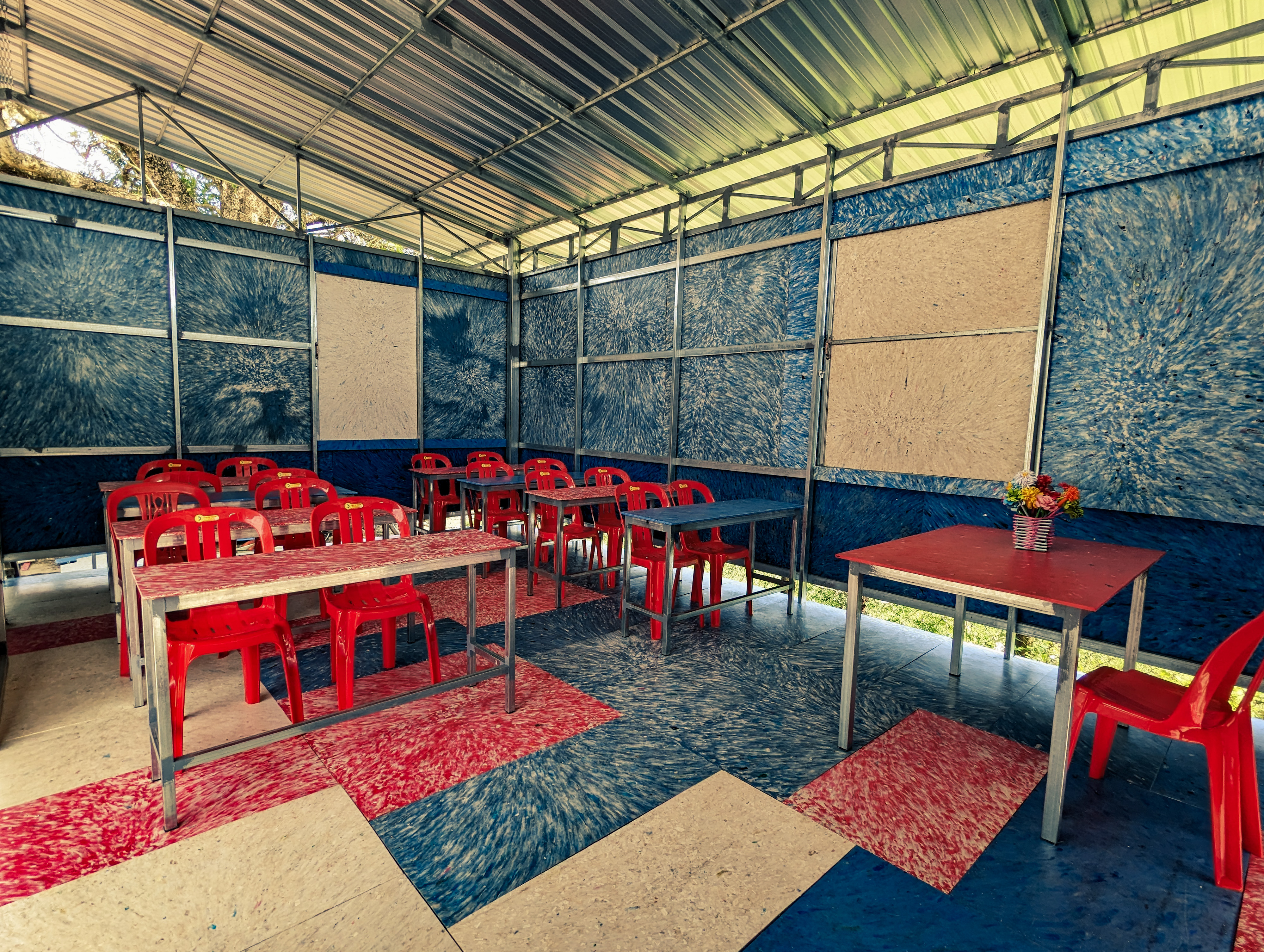
At our local partner TONTOTON's Material Recovery Facility, collected plastic is upcycled, recycled, or used as an alternative energy source, creating a circular solution that prevents waste from ending up in landfills. Upcycled materials are repurposed to construct schools and renovate homes, enhancing livelihoods.
Plastic collectors receive benefits such as health insurance and training opportunities, while the community benefits from educational programs on managing ocean plastic waste. This project is under the Social + Ocean Bound Plastic Neutrality Certification.
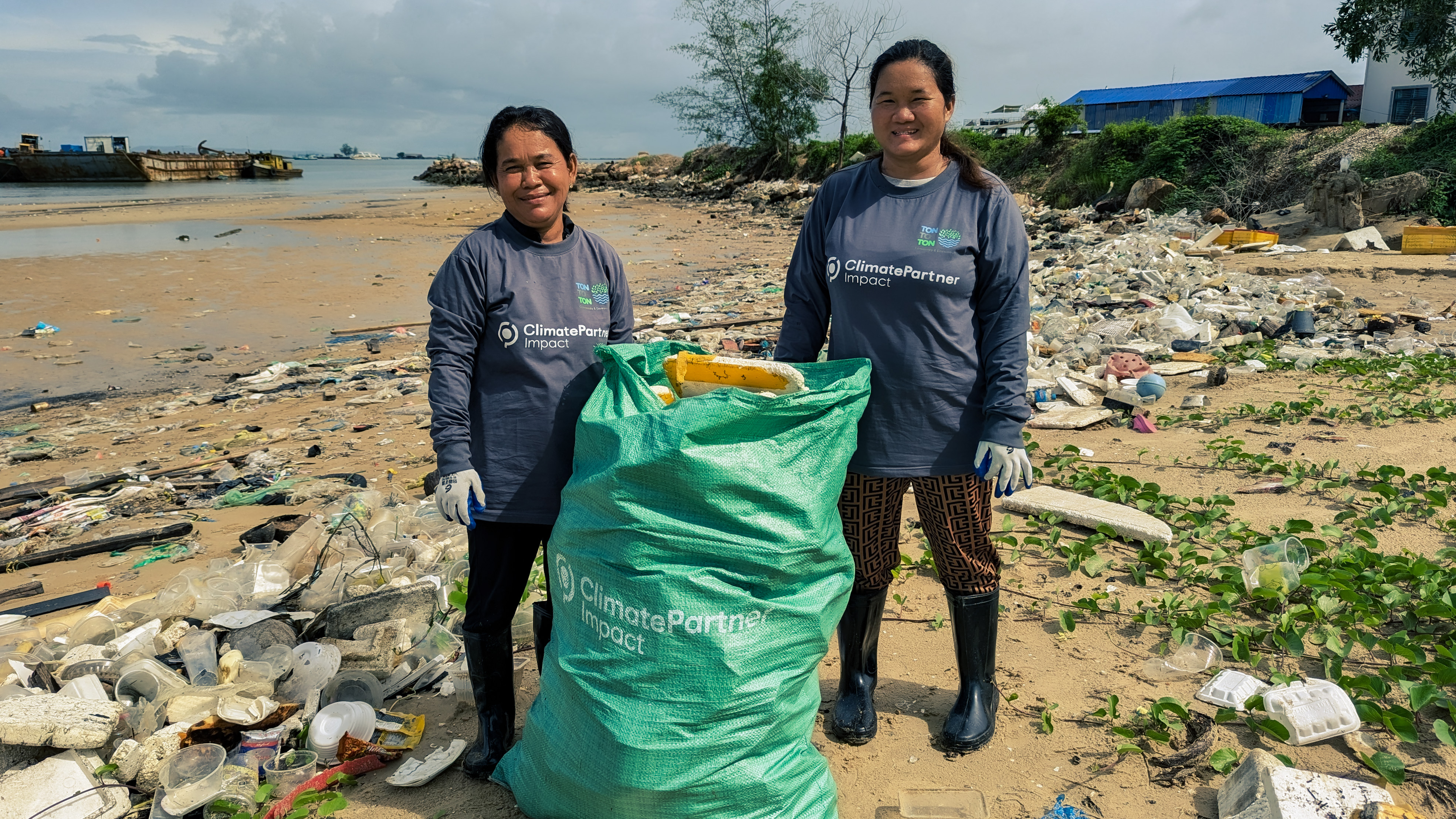
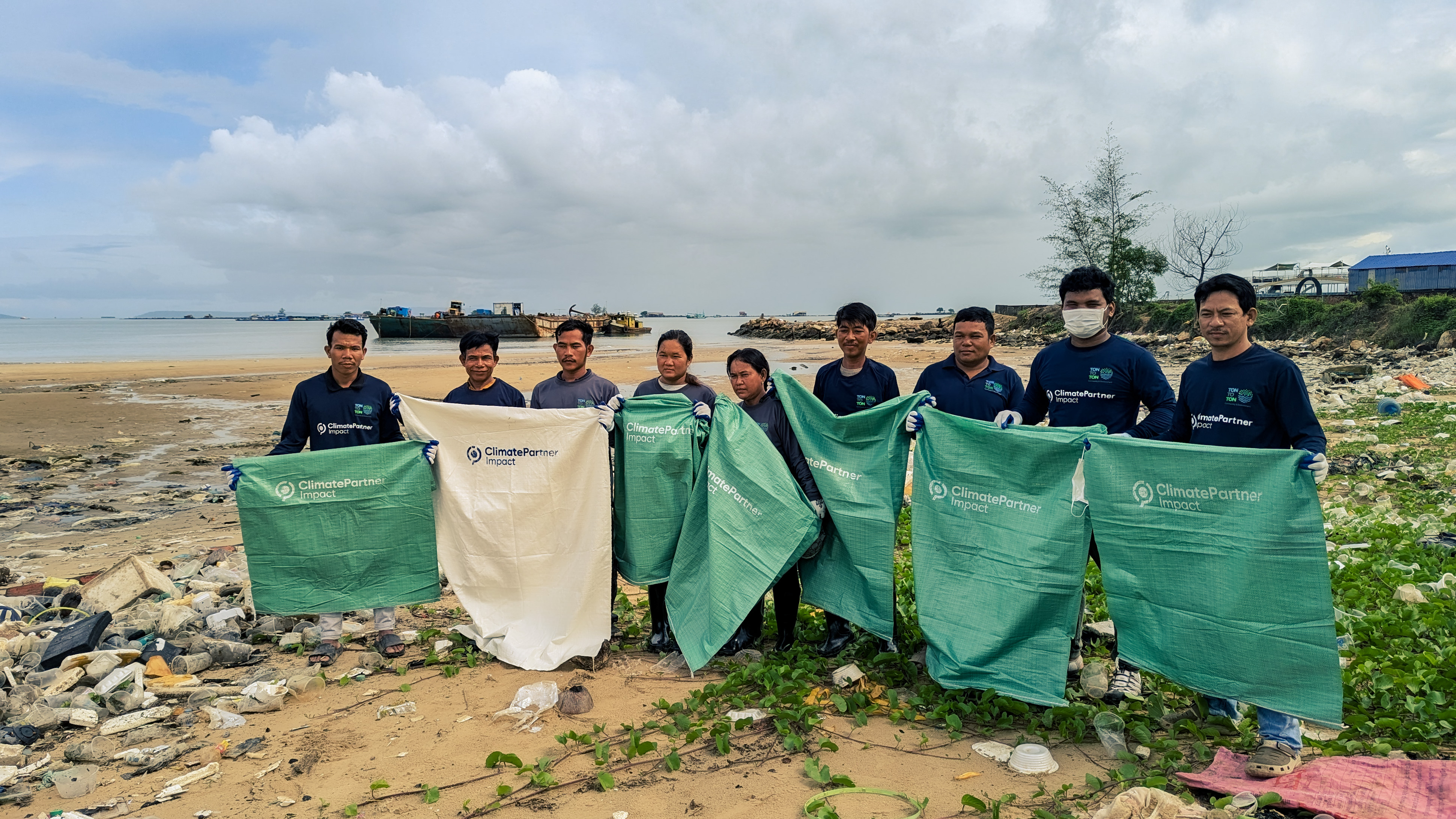
Reducing plastic pollution and protecting marine ecosystems
Oceans play a vital role in stabilising our climate and preserving biodiversity. They absorb roughly one-third of human-made carbon emissions . Overall, our oceans store around 16 times more carbon than all land-based ecosystems (forests, soils, plants). This makes them one of the planet’s most important climate regulators. But their ability to protect us is at risk.
Every minute, the equivalent of one garbage truck full of plastic enters the ocean. Most of this pollution originates in coastal regions with limited waste infrastructure. Once in the ocean, plastic disrupts ecosystems, harms marine life, and threatens the health and livelihoods of people who depend on the sea.
To reduce ocean-bound plastic, dedicated collection systems are used to intercept waste before it reaches the water. These efforts focus on recovering both recyclable and non-recyclable plastics in areas lacking formal waste management. The collected plastic is then sorted, processed, and either recycled, upcycled, or used as alternative fuel – depending on material quality and local capacity.
These projects prevent pollution at the source, reduce pressure on marine ecosystems, and contribute to a more circular, resource-efficient economy.
The project aims to contribute to these United Nations’ Sustainable Development Goals (SDGs).


Explore our projects
Biochar for Climate Action, Healthy Soils, and Better Harvests
A certified climate project combined with additional commitment
Expansion of renewable energy generation in Asia
Ceramic water filters save CO2 and improve health
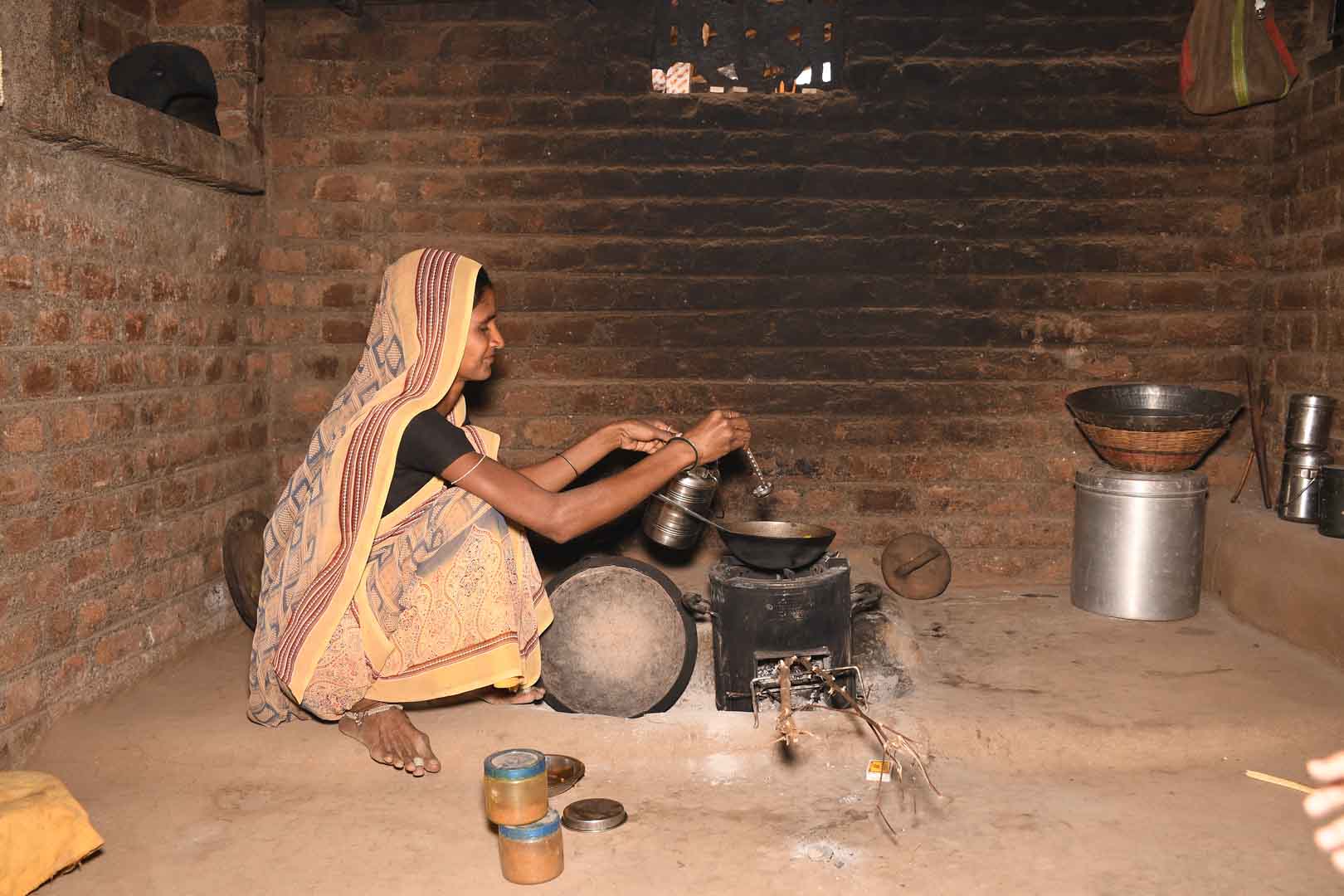
Improved cookstoves worldwide – for better health and cleaner air

A certified climate project combined with additional commitment
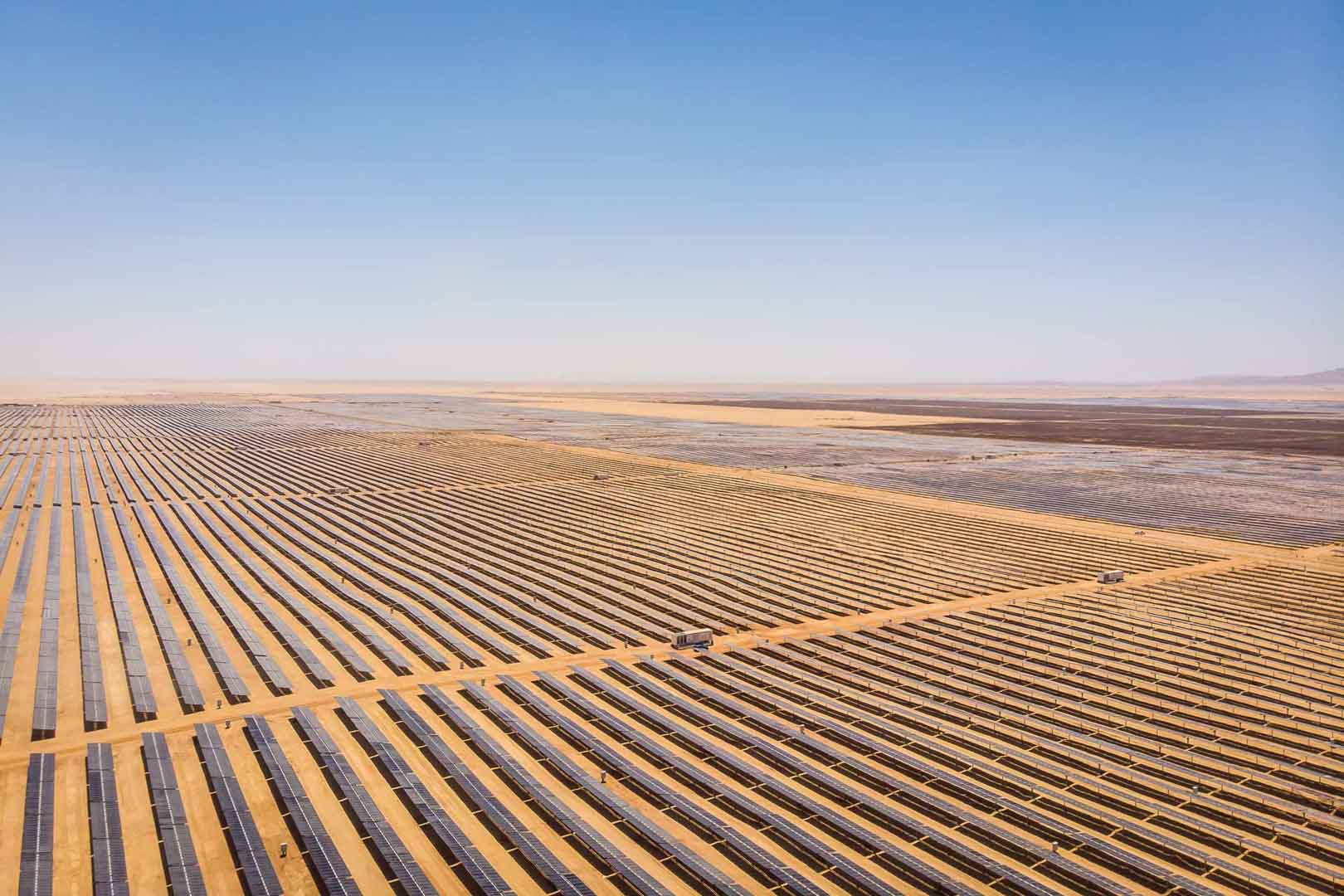
Powering access to renewable energy in Africa
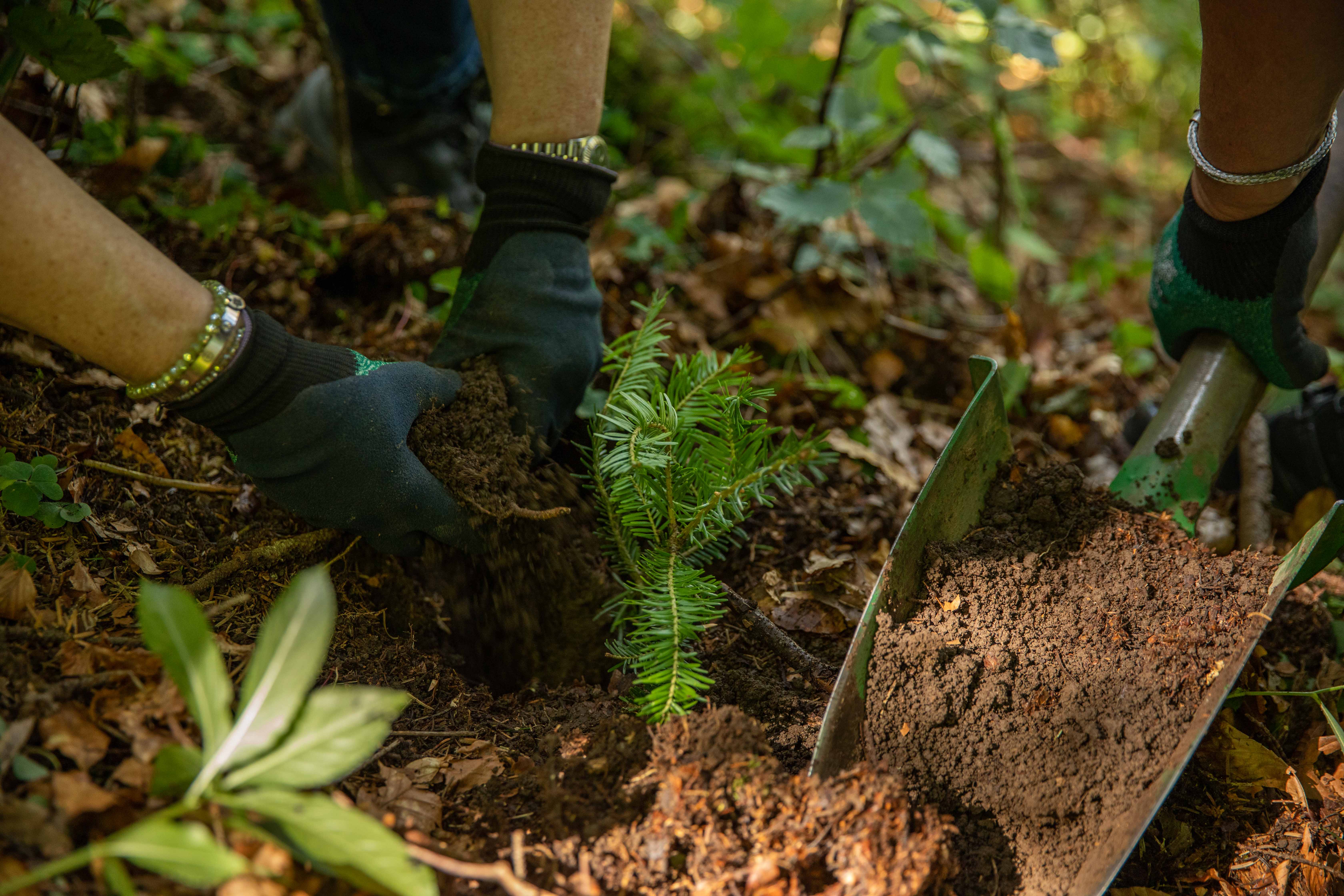
A certified climate project combined with additional commitment
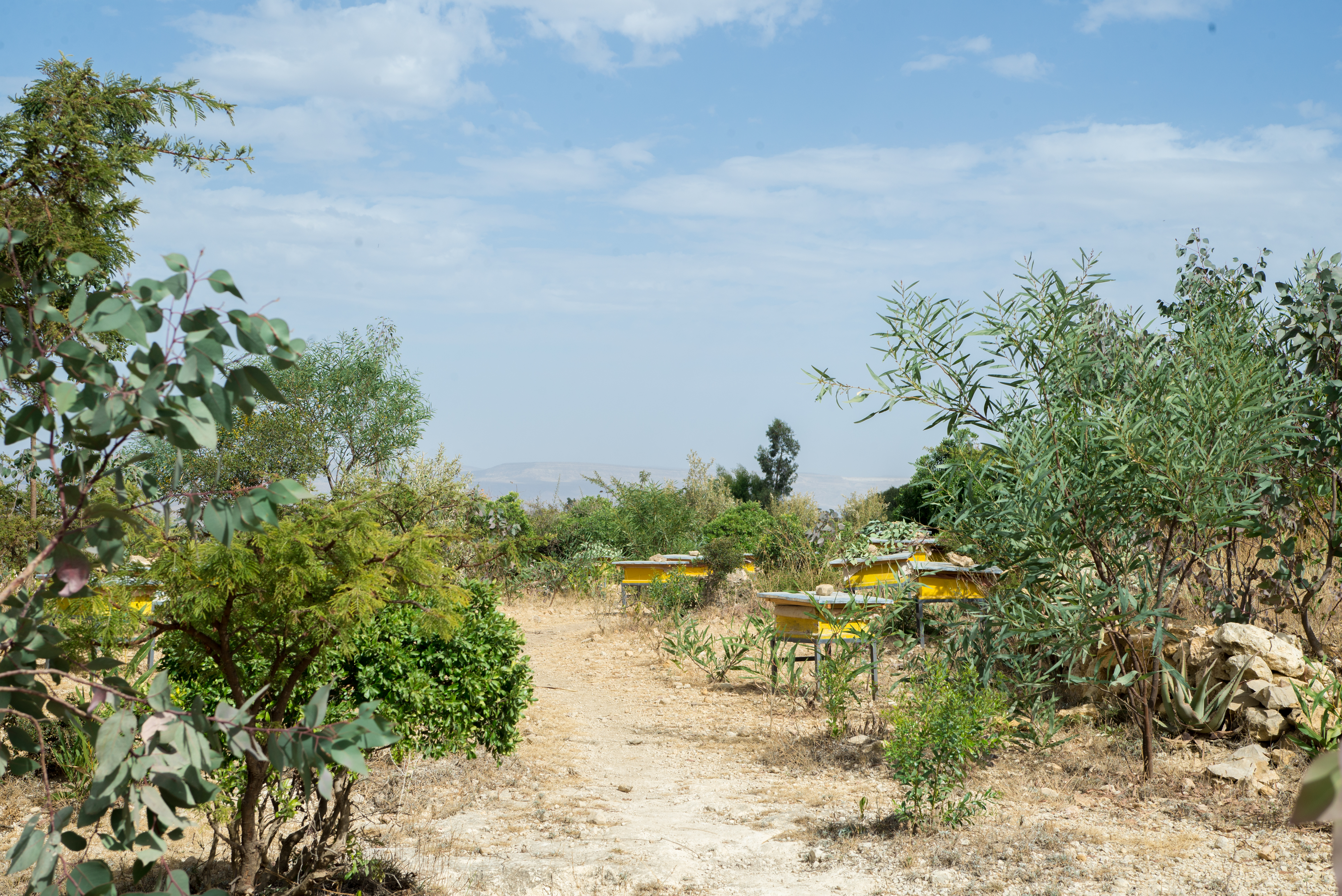
Restored ecosystems remove carbon
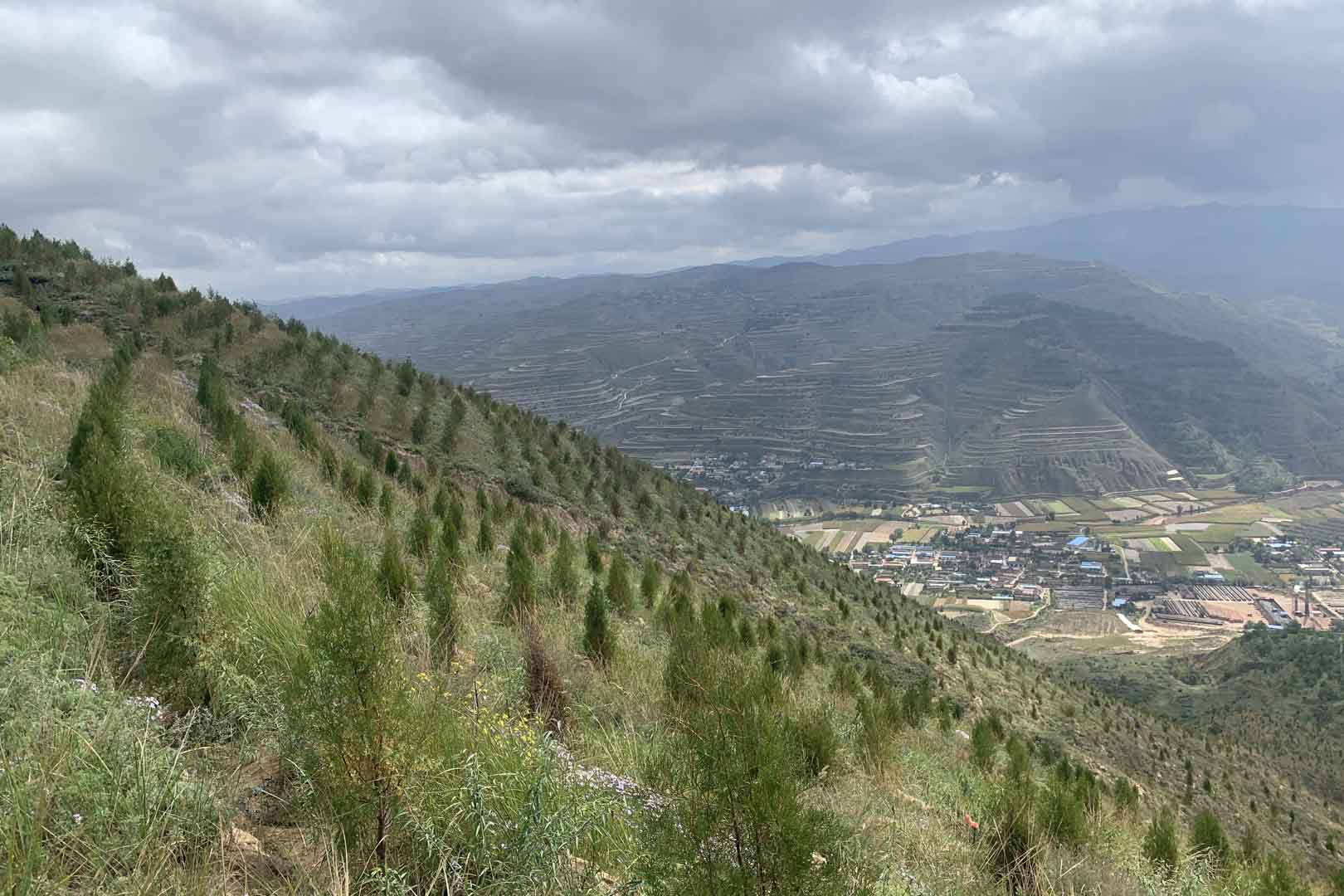
Turning degraded farmlands into healthy ecosystems
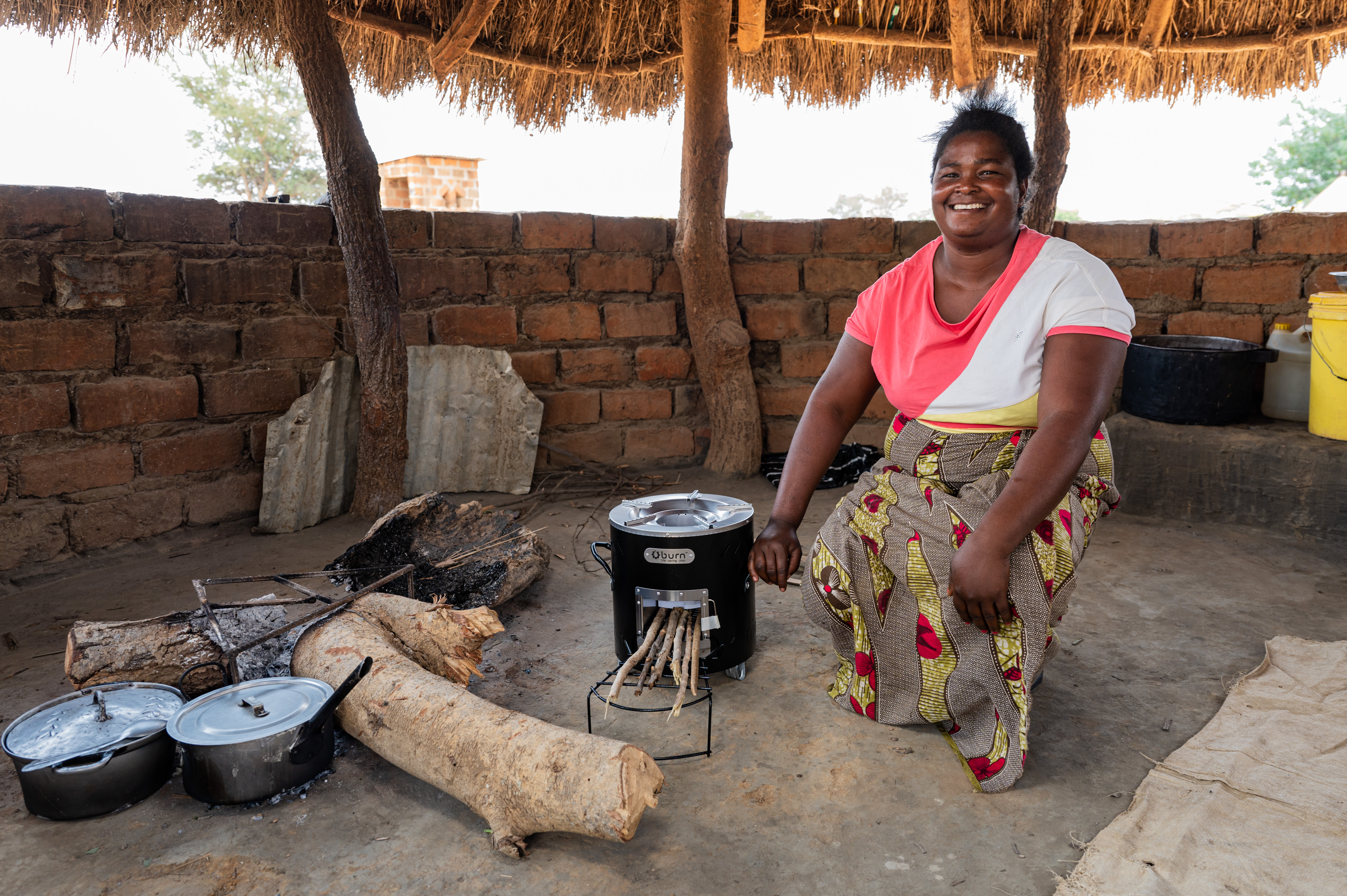
Improved cookstoves - better for health and the environment