
Ecological Enhancement of the Hunte Stream
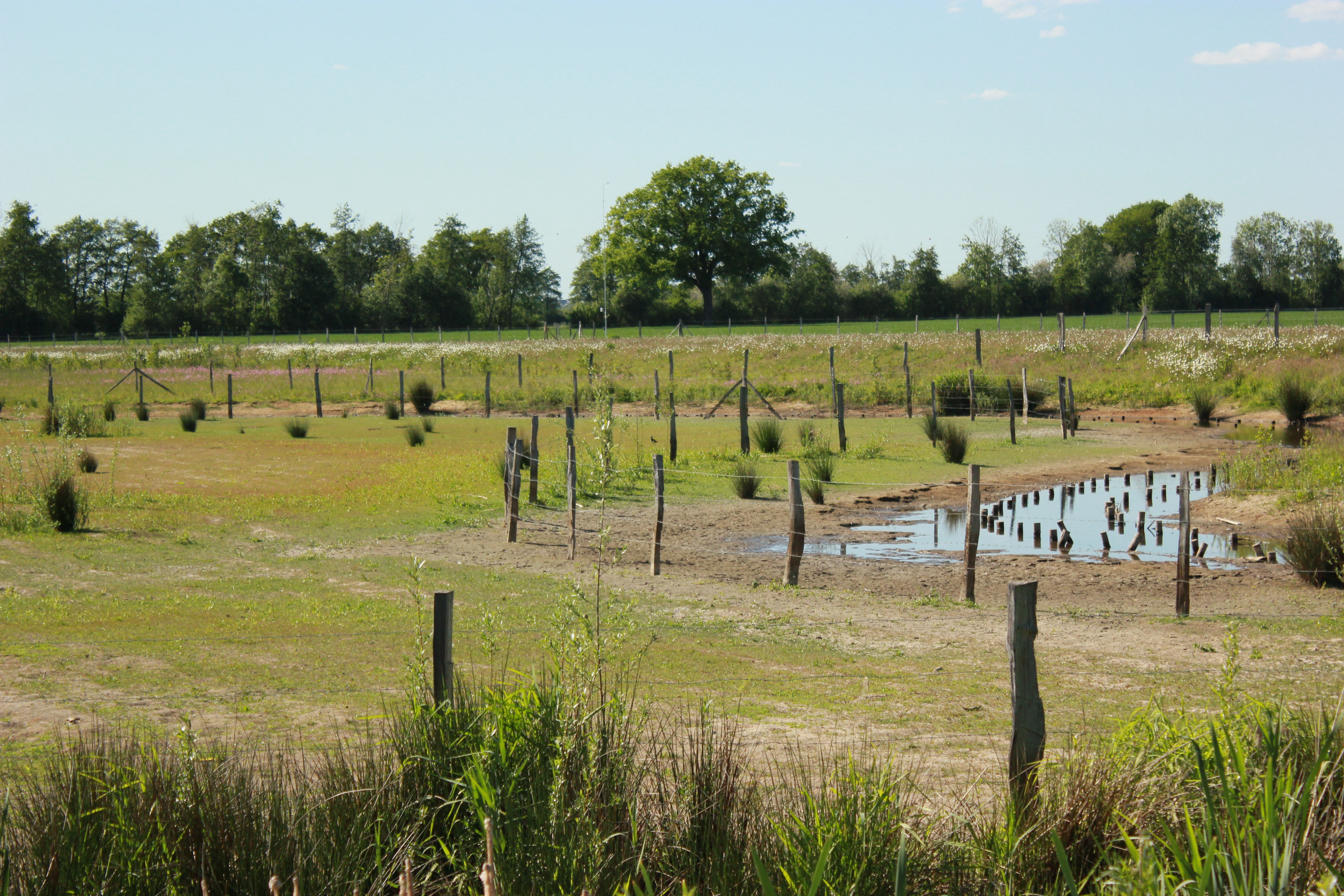
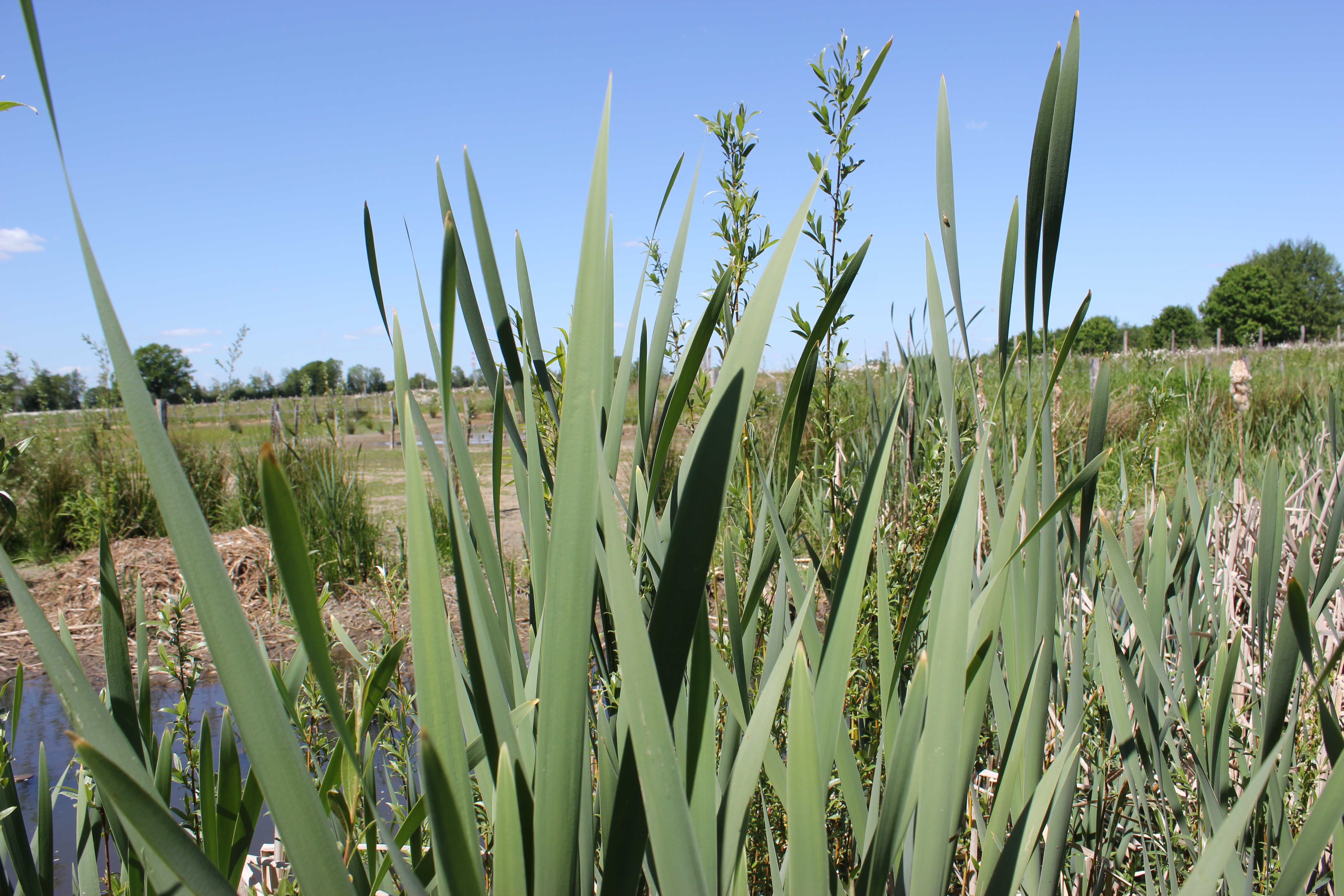
The Osnabrück district was once shaped by species-rich floodplain landscapes, natural river courses, and mixed forests. However, decades of intensive agriculture have altered these habitats. Soils have been compacted, waterways straightened or drained, and mixed forests have in many places been replaced by monocultures of coniferous trees. The consequences are noticeable, particularly for biodiversity. To counter this development, the project focuses on the ecological enhancement of formerly species-poor agricultural land.
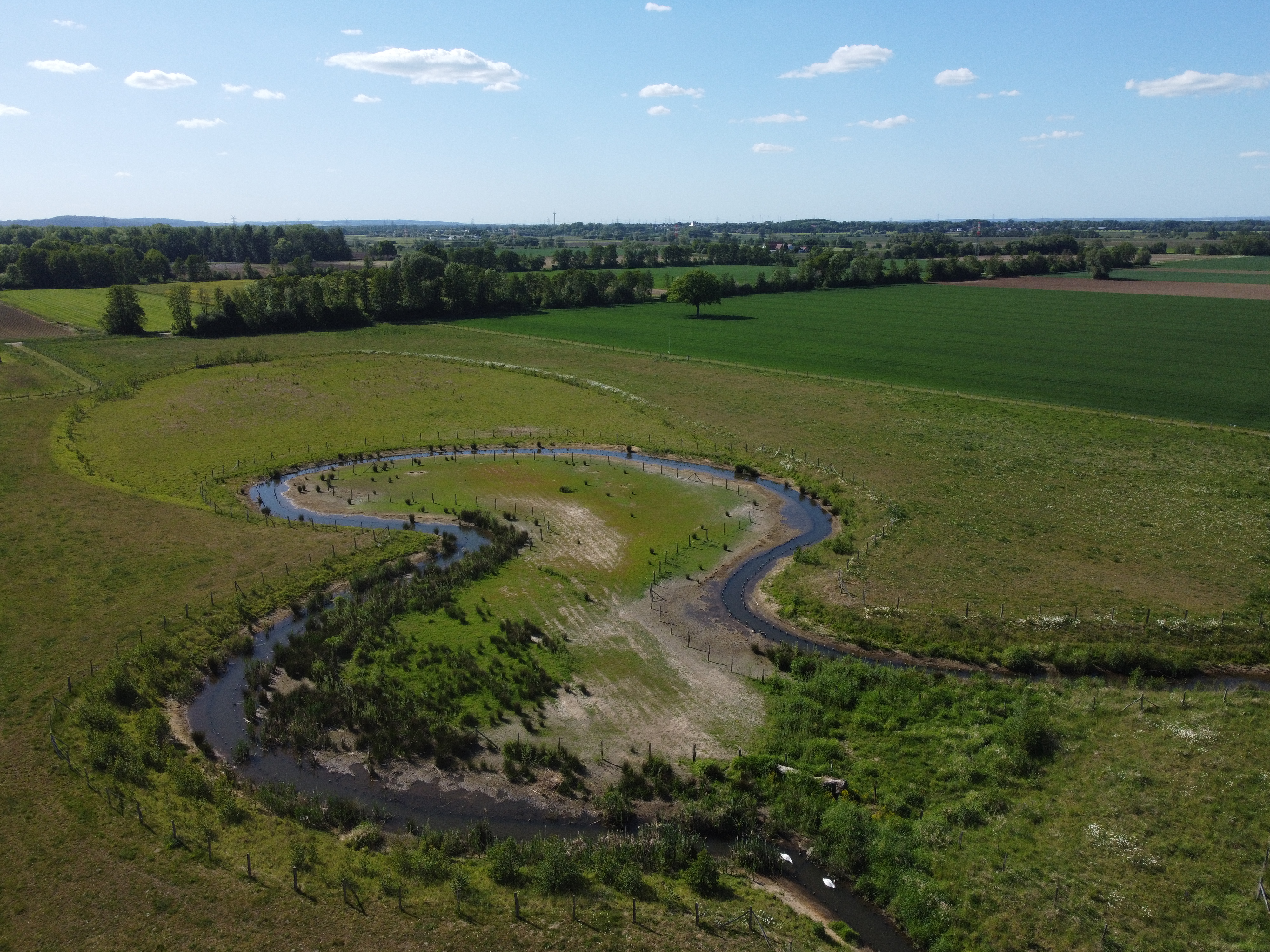
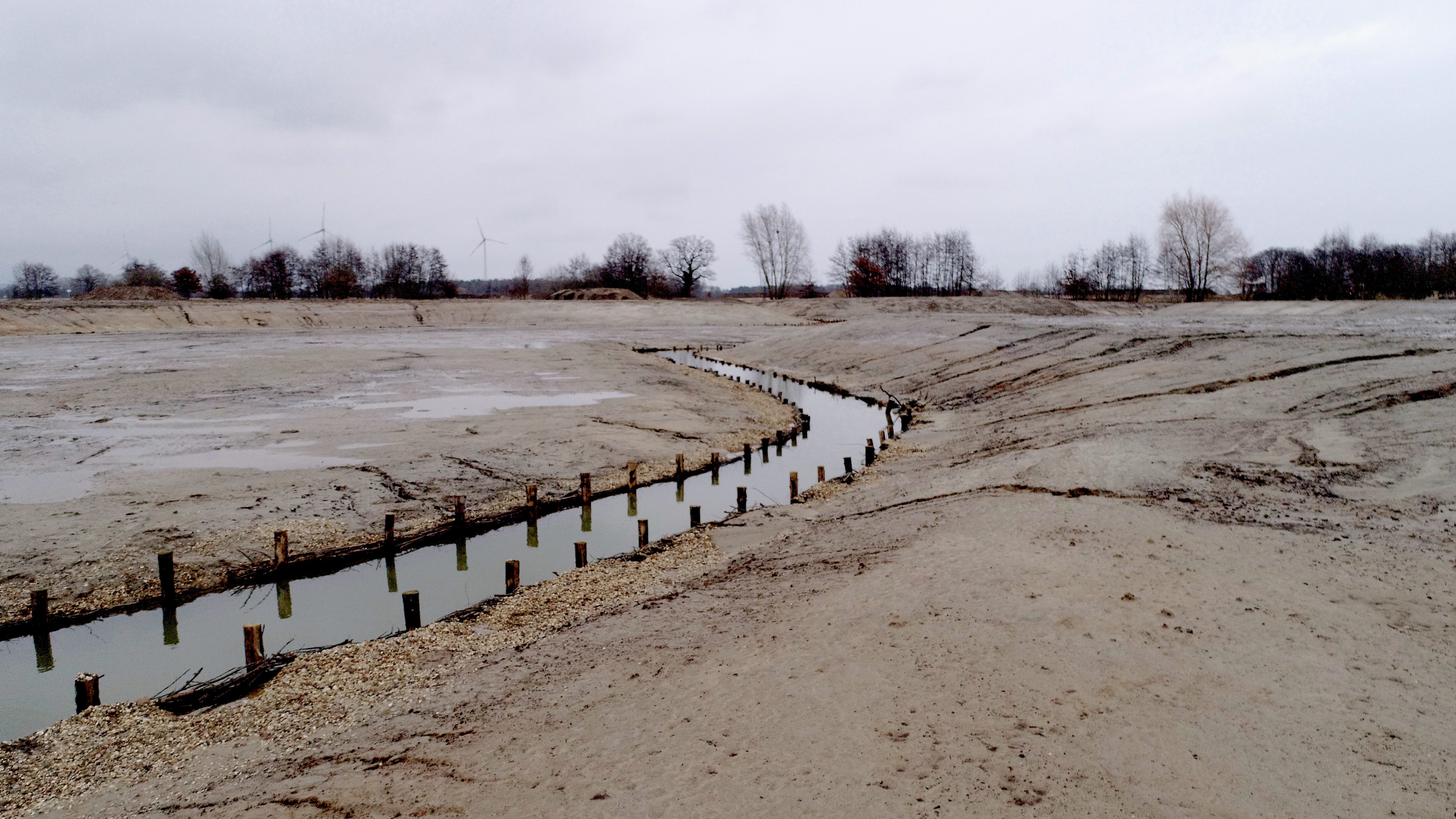
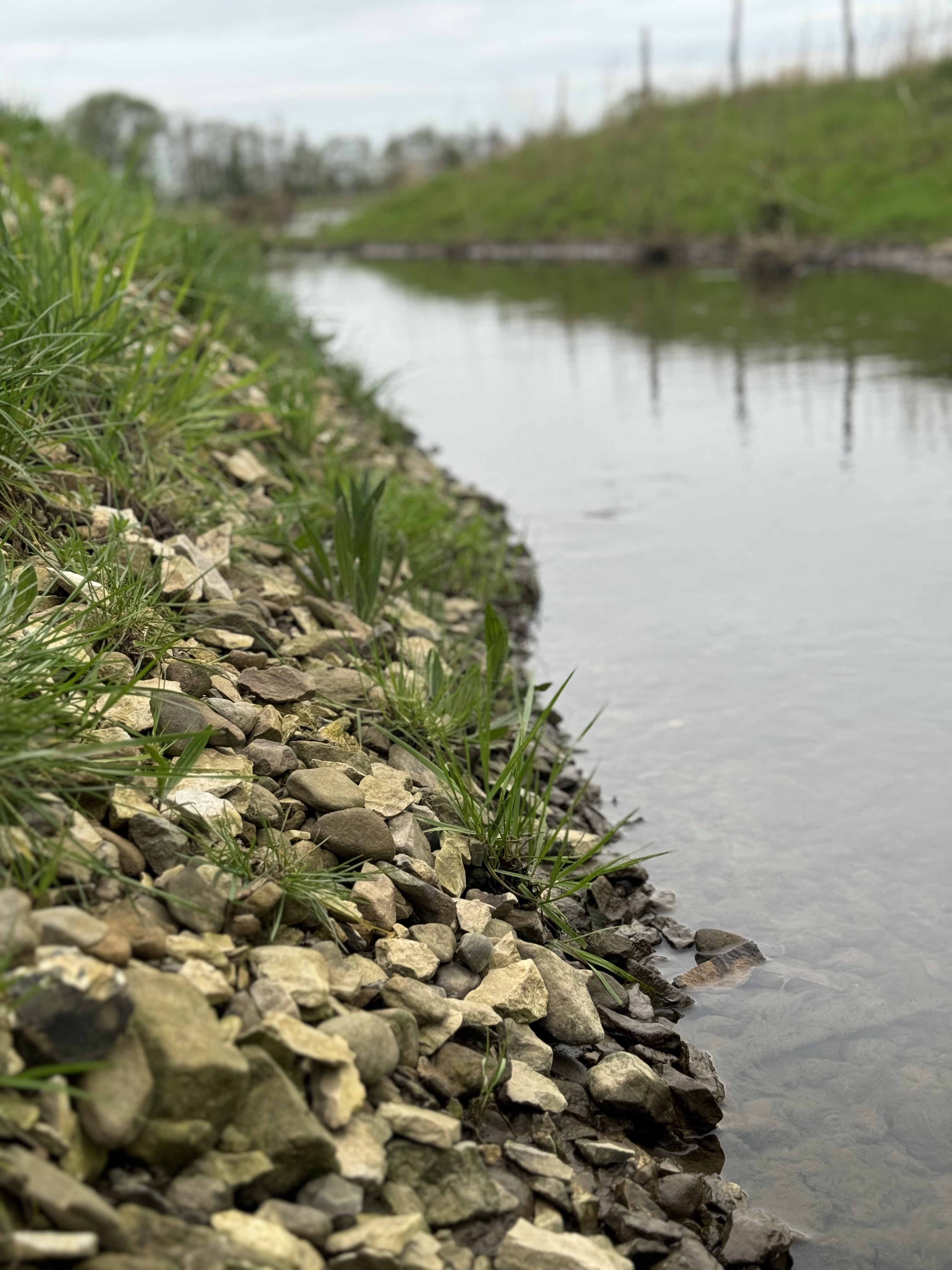
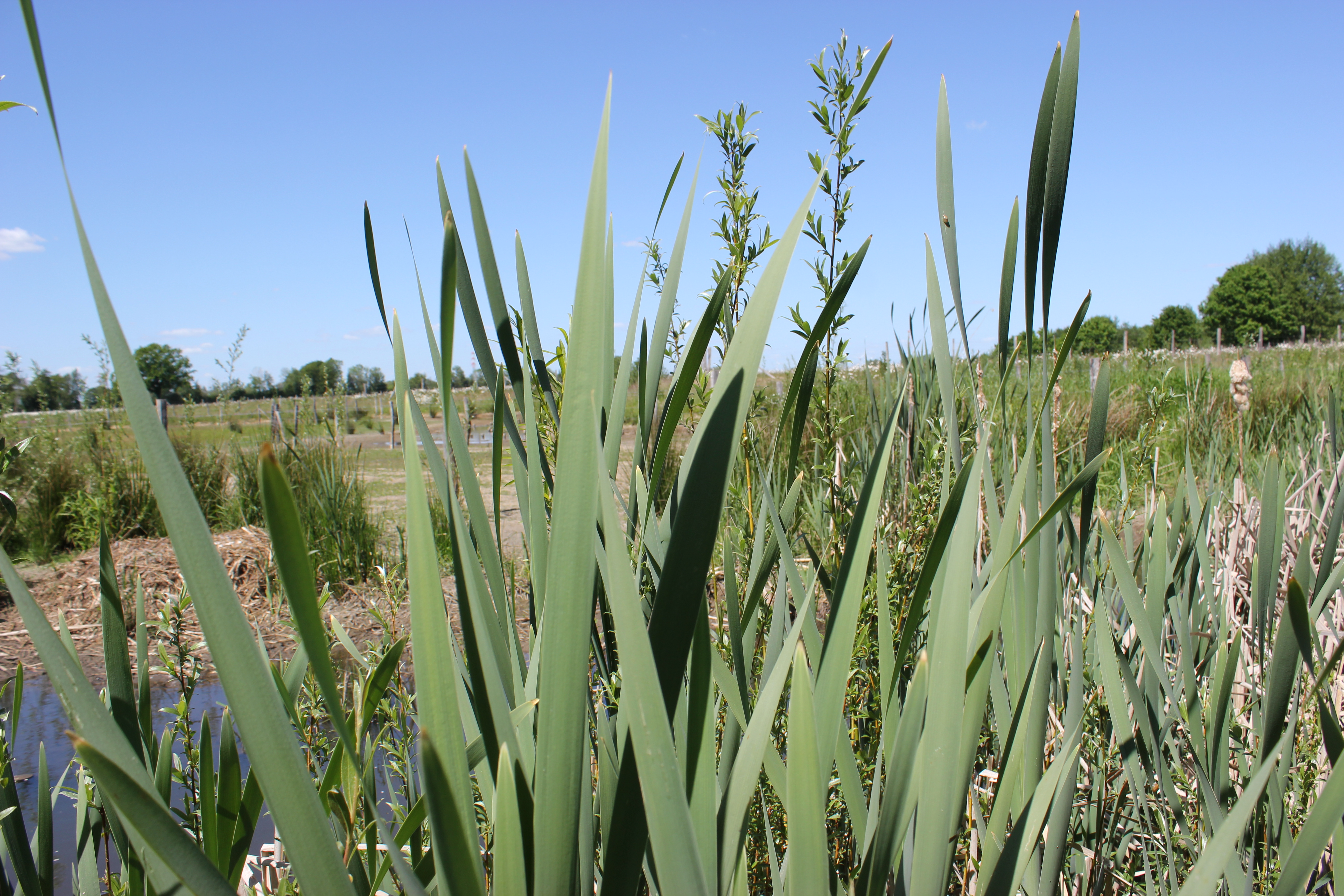
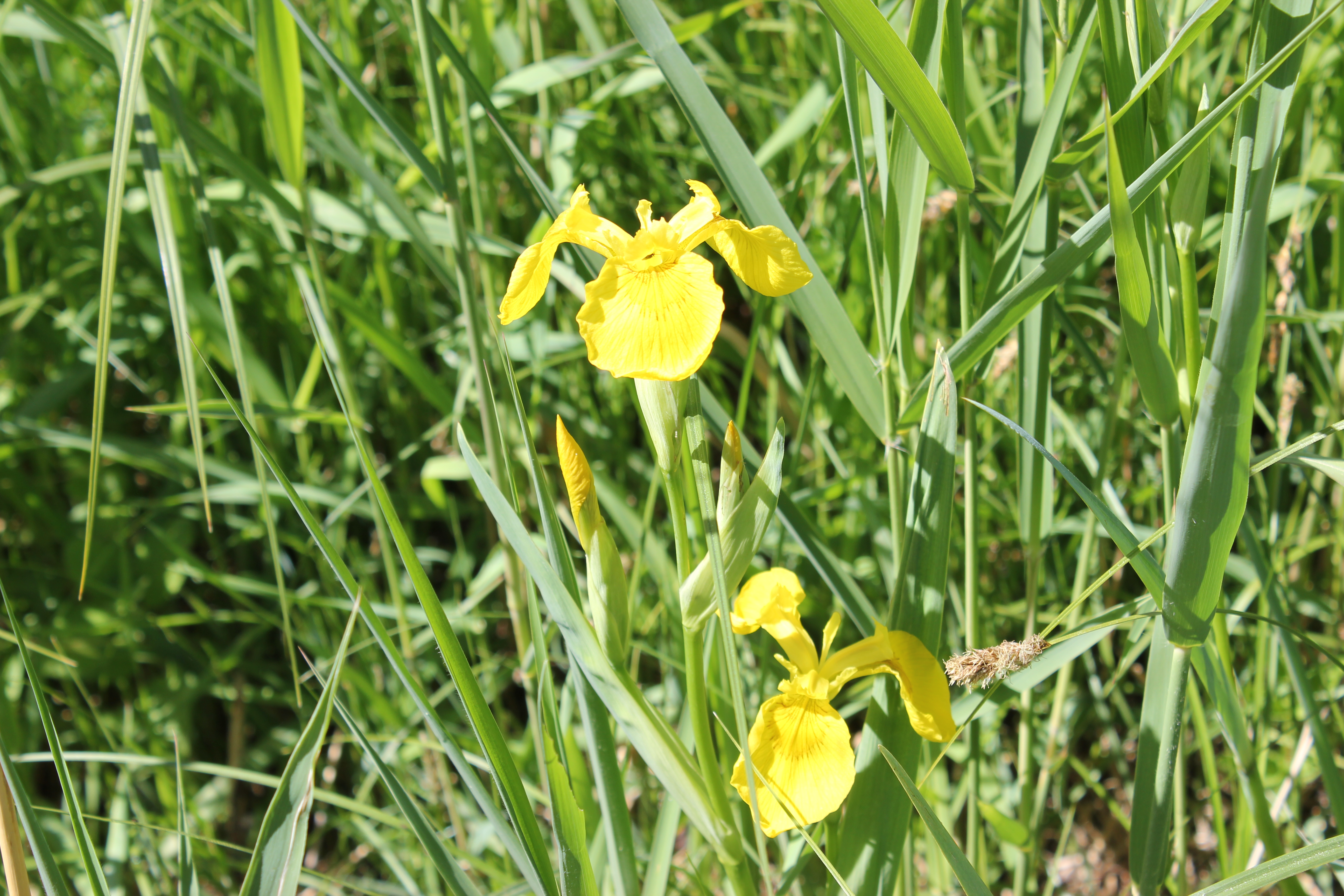
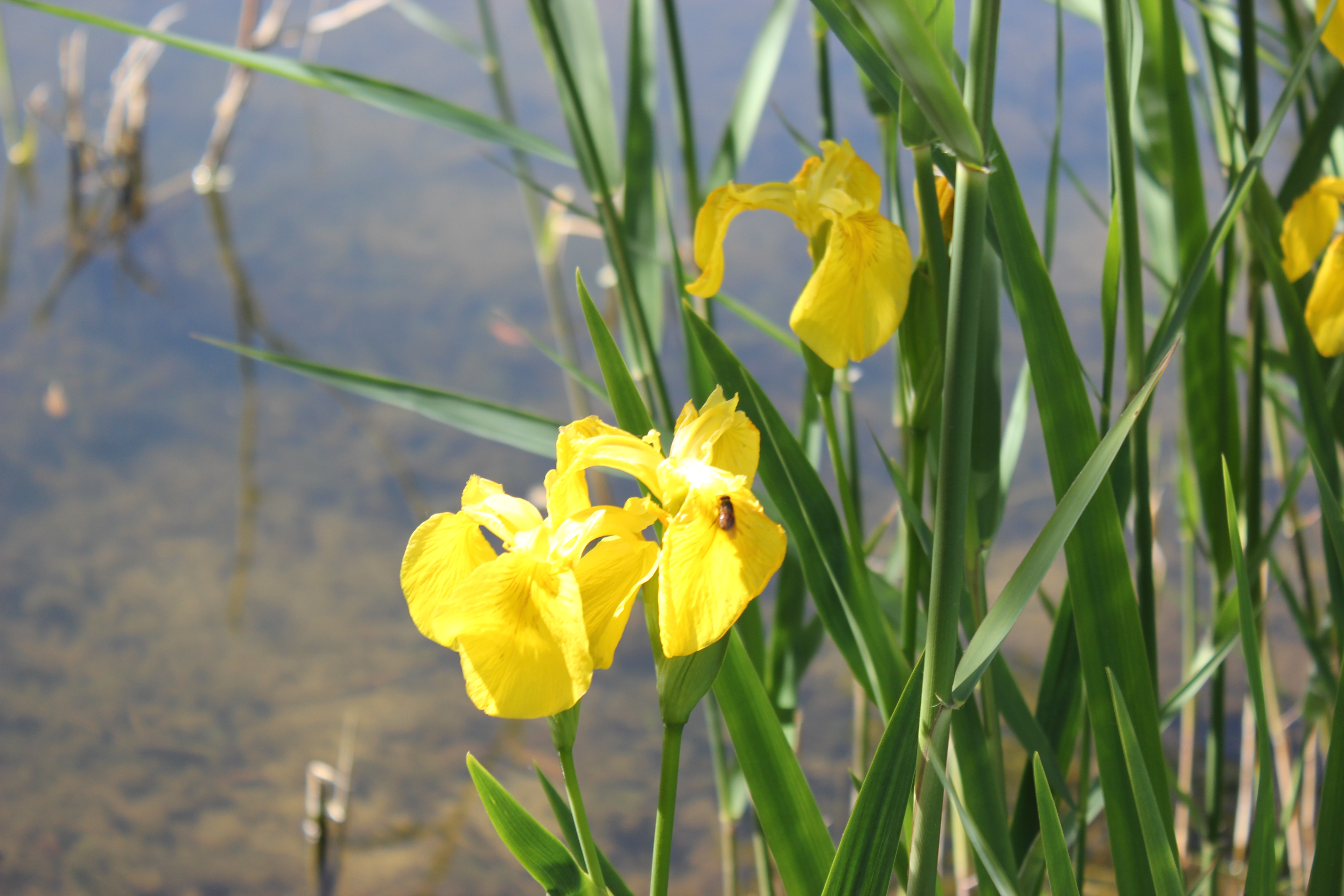
A central component of the conservation initiative is the restoration of a 600-meter stretch of the Hunte River. The previously straightened stream is being extended and transformed into a near-natural watercourse. Former river meanders are being reconnected. By specifically introducing deadwood and gravel, the natural dynamics of the stream are promoted, strengthening its ability to self-regenerate.
The surrounding landscape is also being ecologically enhanced through:
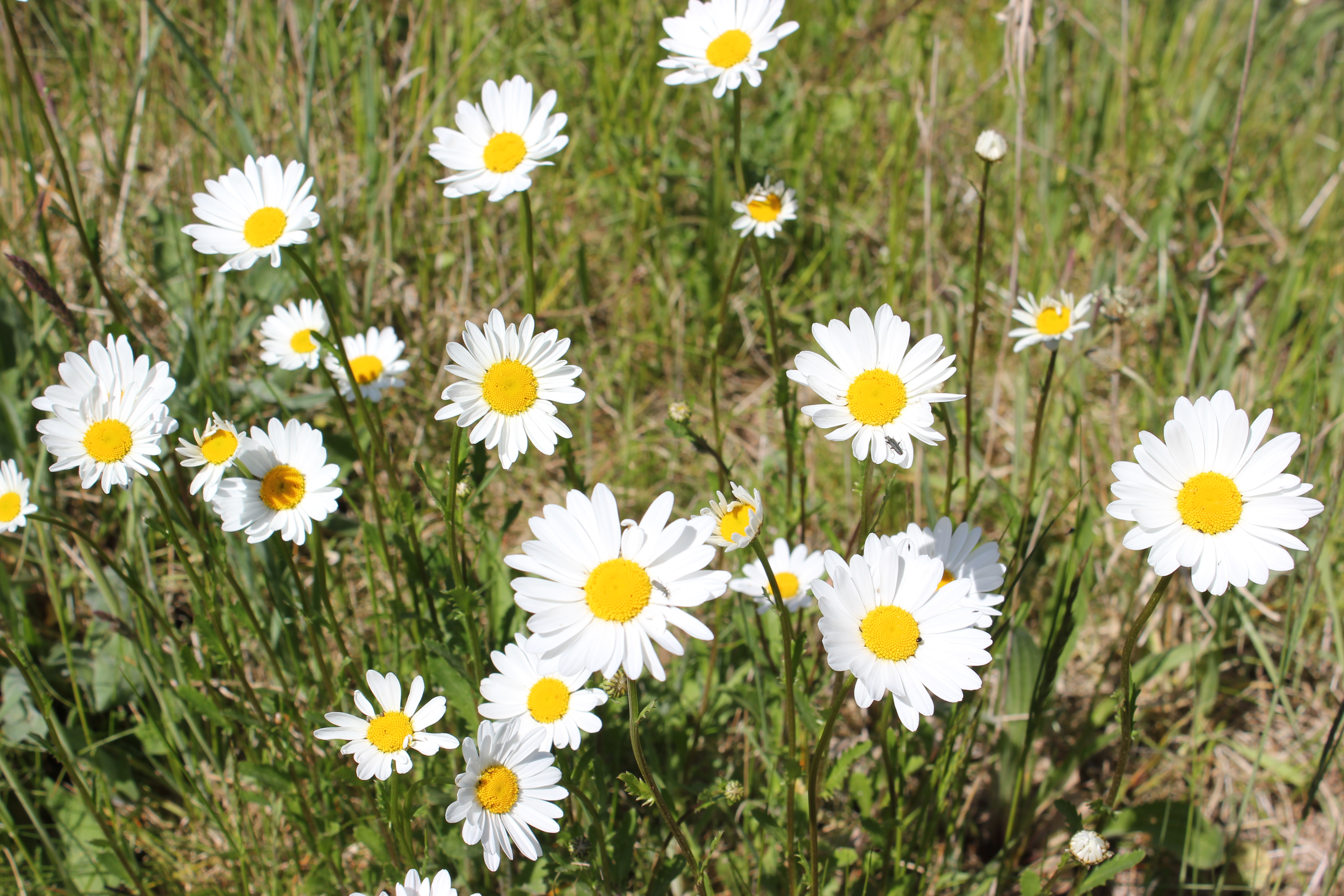
The creation of species-rich grassland
A structurally diverse hedge of shrubs and trees as an important link in the regional habitat network
The planting of a traditional orchard
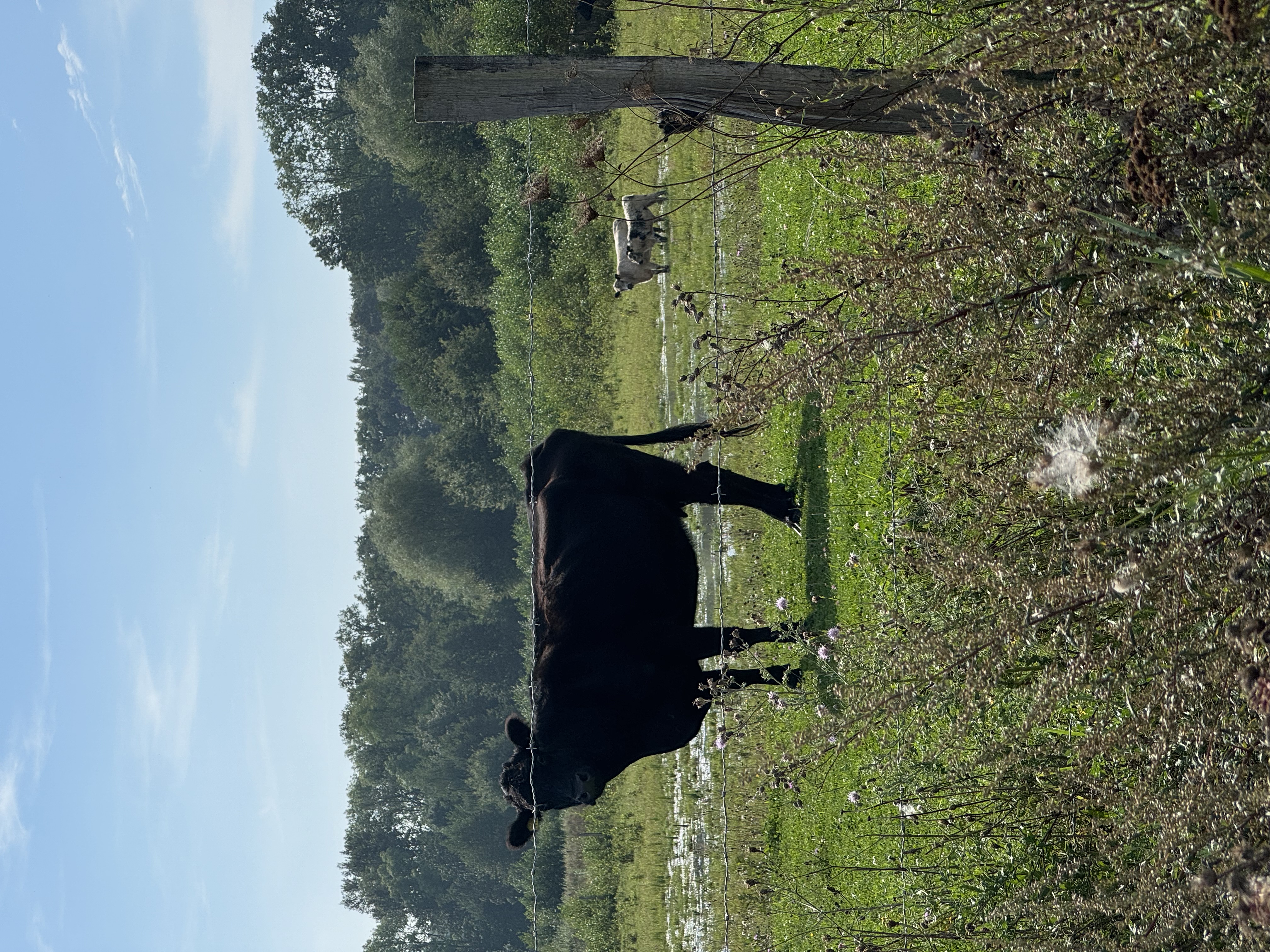
A sustainable grazing concept to maintain open landscapes
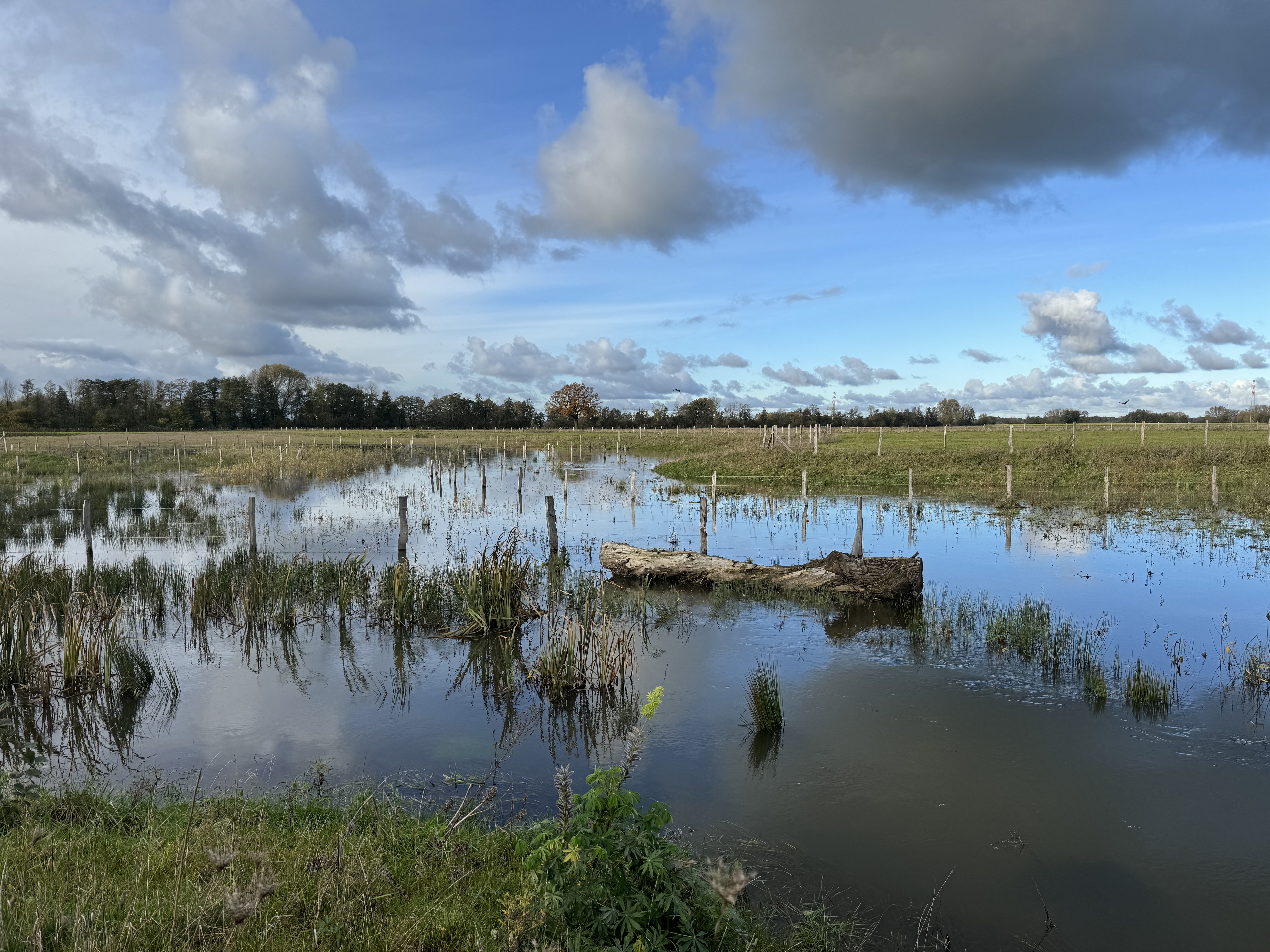
This creates valuable habitats for endangered species of fish, amphibians and insects, among others.
This river restoration initiative is part of a combined project.
Companies investing in this project support not only regional nature restoration measures but also a certified climate project – creating double the impact. For every ton of CO₂ reduced through the certified climate project, a financial contribution is made toward the restoration of the biotope.
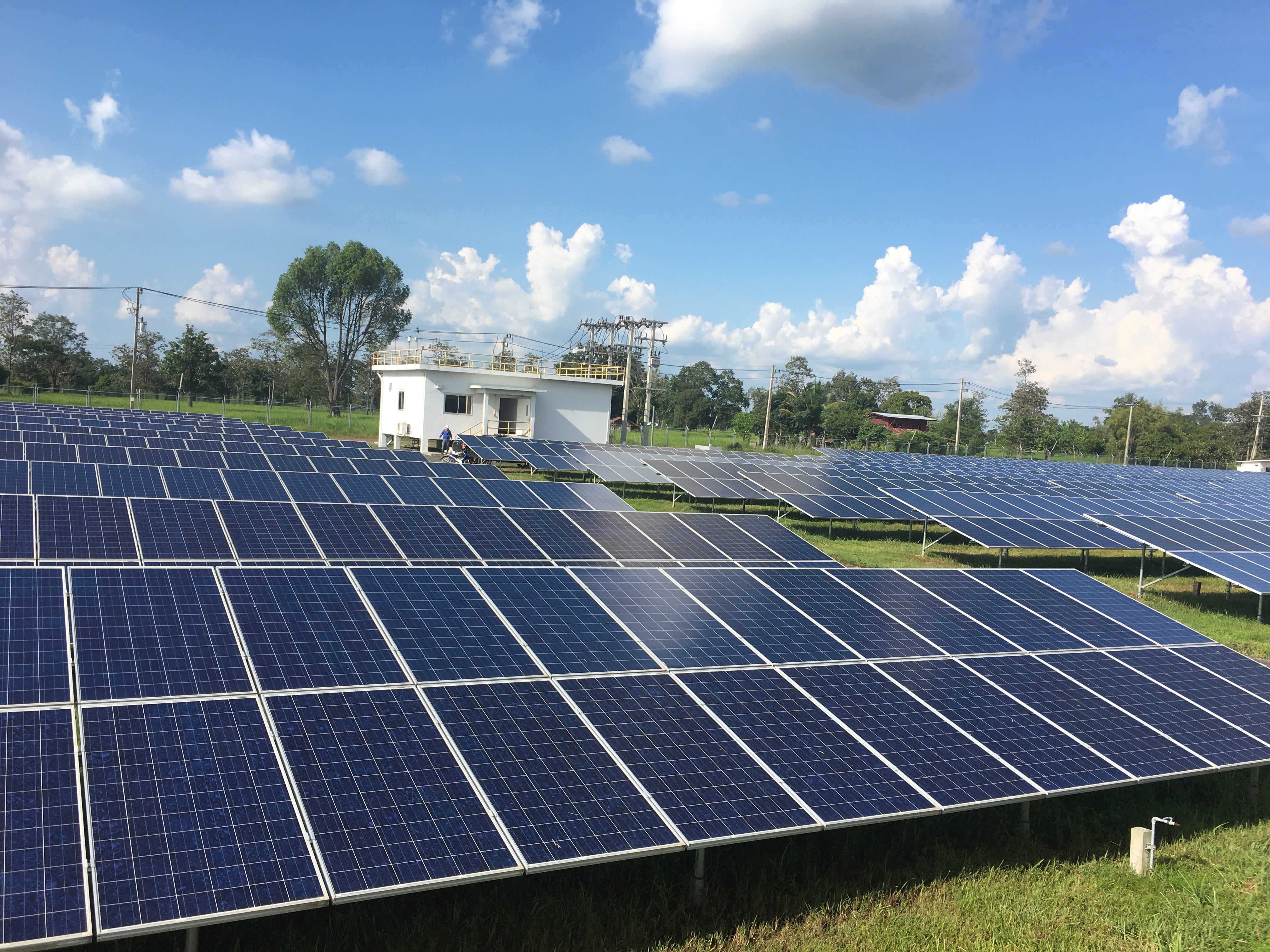
Currently, the river restoration project is combined with a solar energy project in India (www.climatepartner.com/1232). As part of the project, a 100 MW solar power plant was commissioned in the Indian state of Karnataka. In addition, the project is socially engaged: it donates books and furniture to schools and funds talent competitions for children.


Our additional commitment: a financial contribution for every tonne of carbon reduced
With our combined project, we combine verified emission reductions through a certified climate project with an additional commitment to regional nature conservation. European ecosystems are also affected by climate change. Our regional nature conservation initiatives are therefore committed to preserving or restoring natural habitats and adapting them to climatic changes.
Possible project activities include the protection and conversion of native forests, the conservation of animal and plant biodiversity, peatland restoration, or the conversion of agricultural land. The certified climate project is registered with international standards.
The project aims to contribute to these United Nations’ Sustainable Development Goals (SDGs).


What’s a combined project?
With combined projects, ClimatePartner brings together funding for international, certified climate projects with additional support for nature conservation projects.
Explore our projects
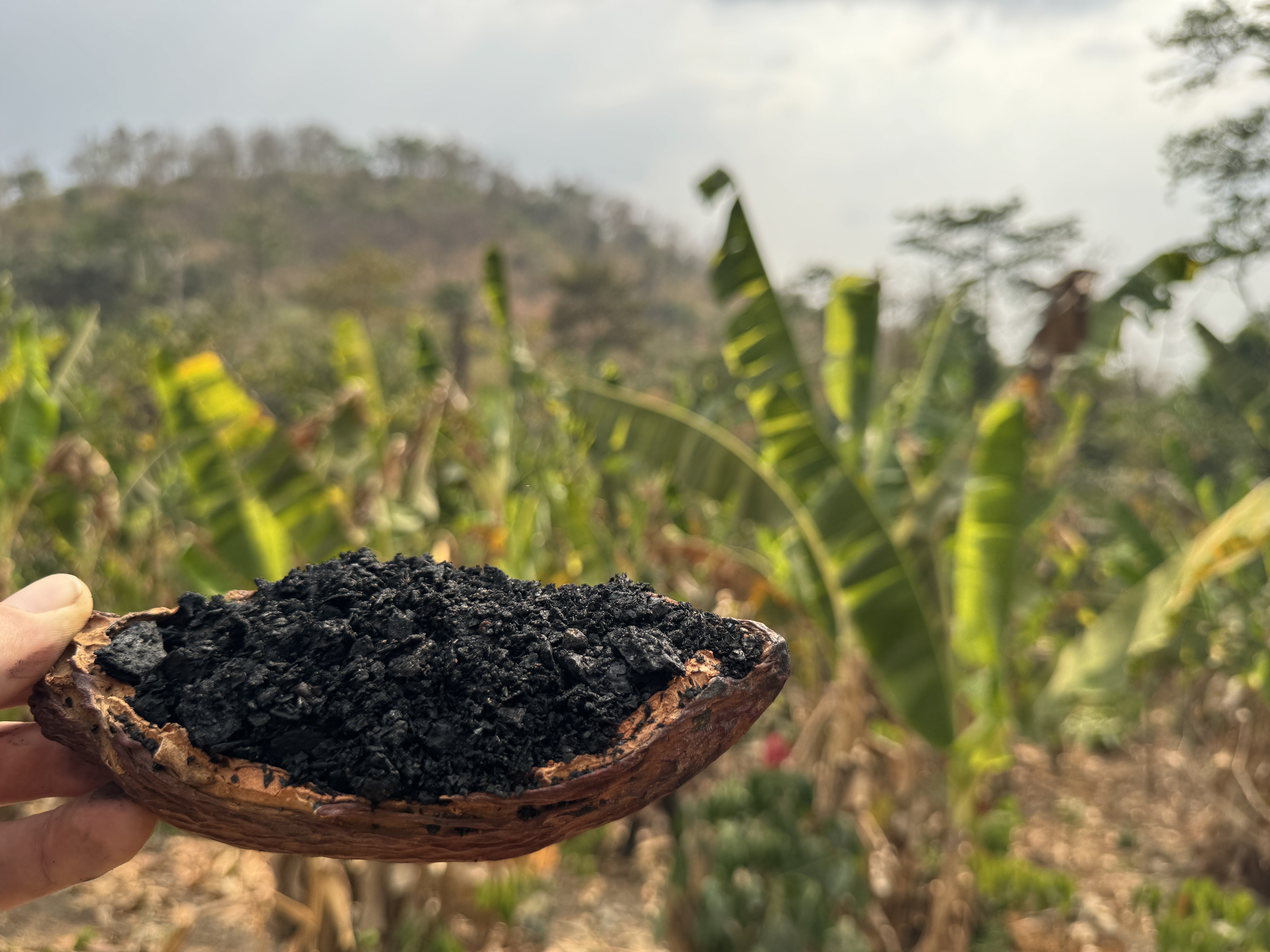
Biochar for Climate Action, Healthy Soils, and Better Harvests
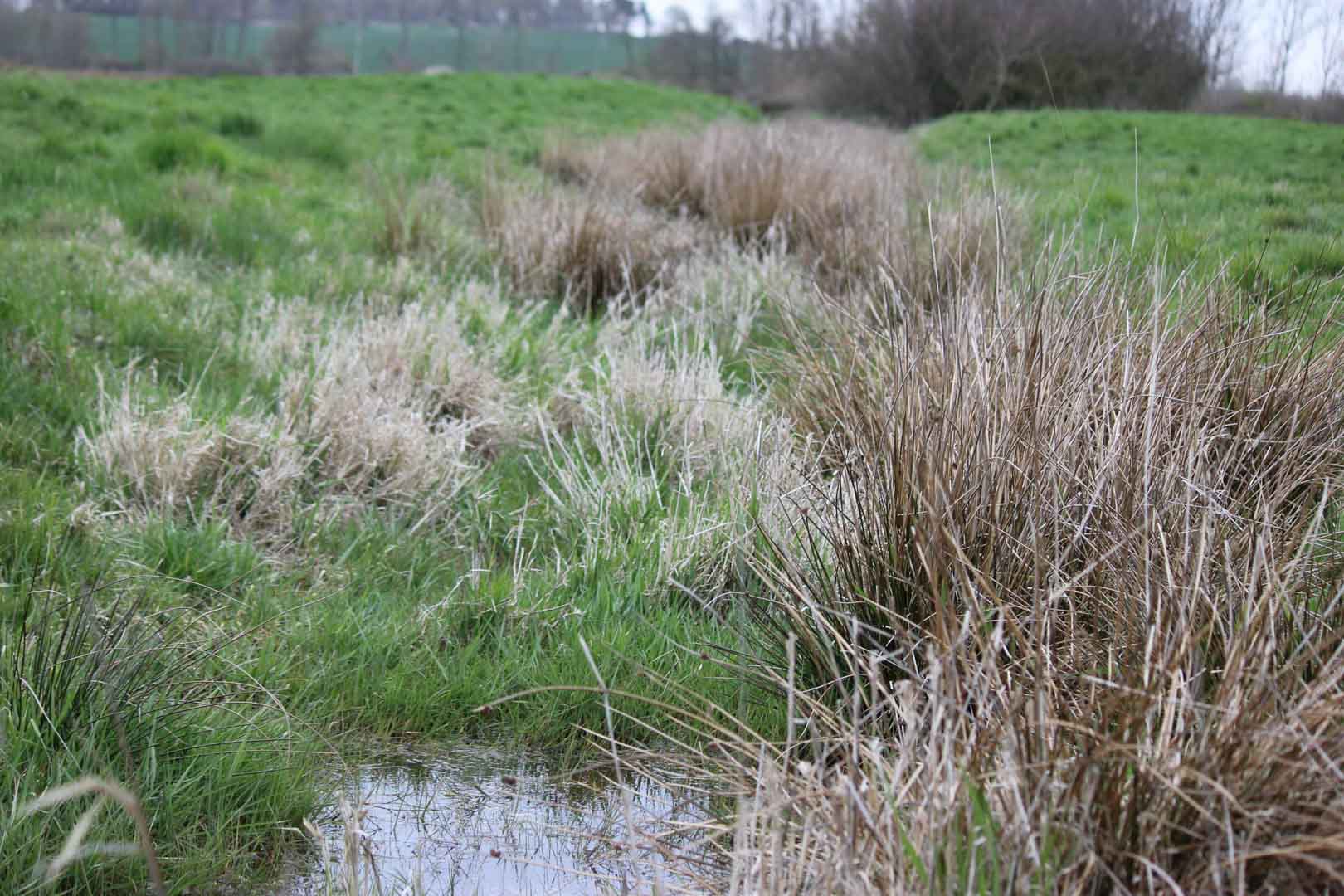
A certified climate project combined with additional commitment
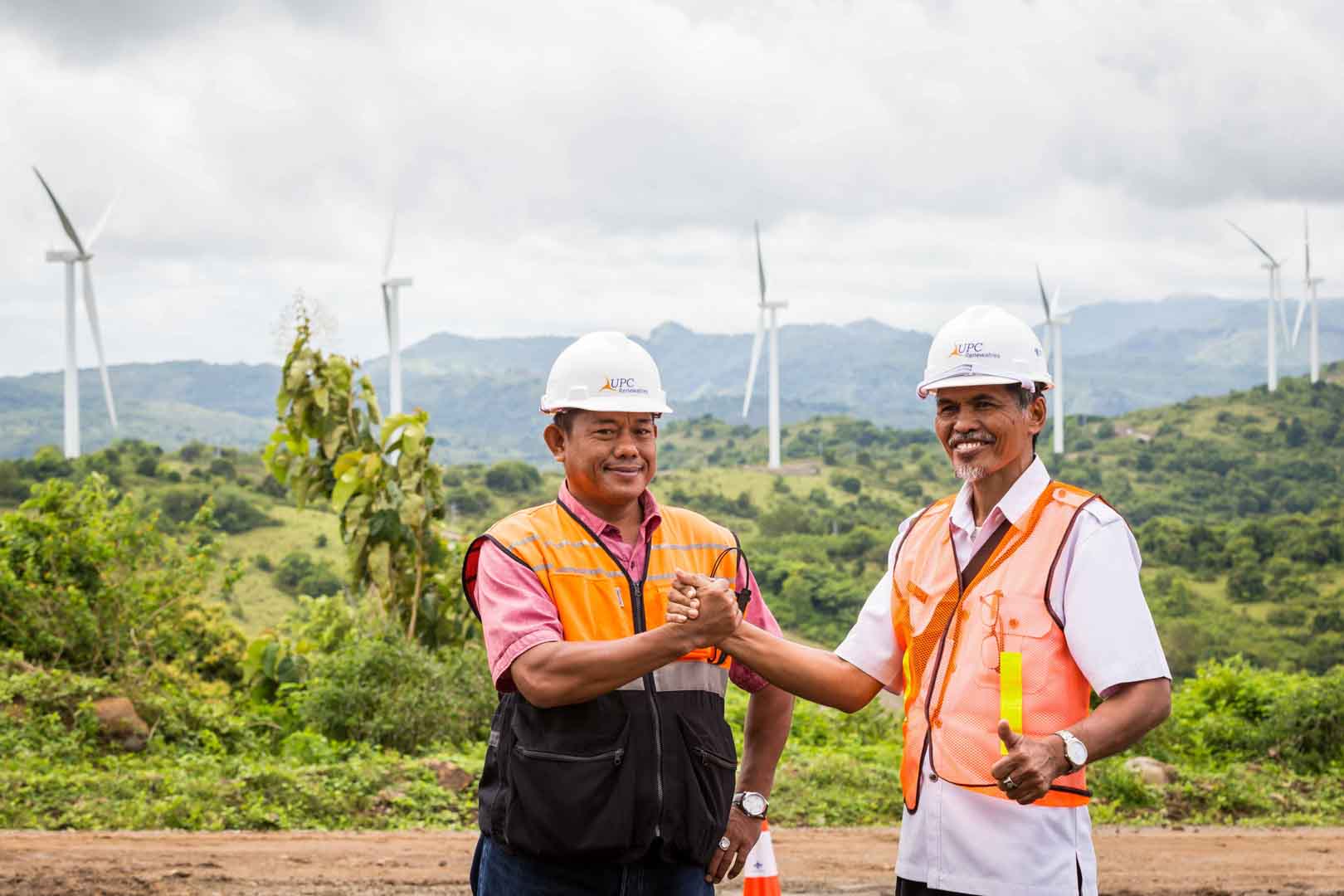
Expansion of renewable energy generation in Asia
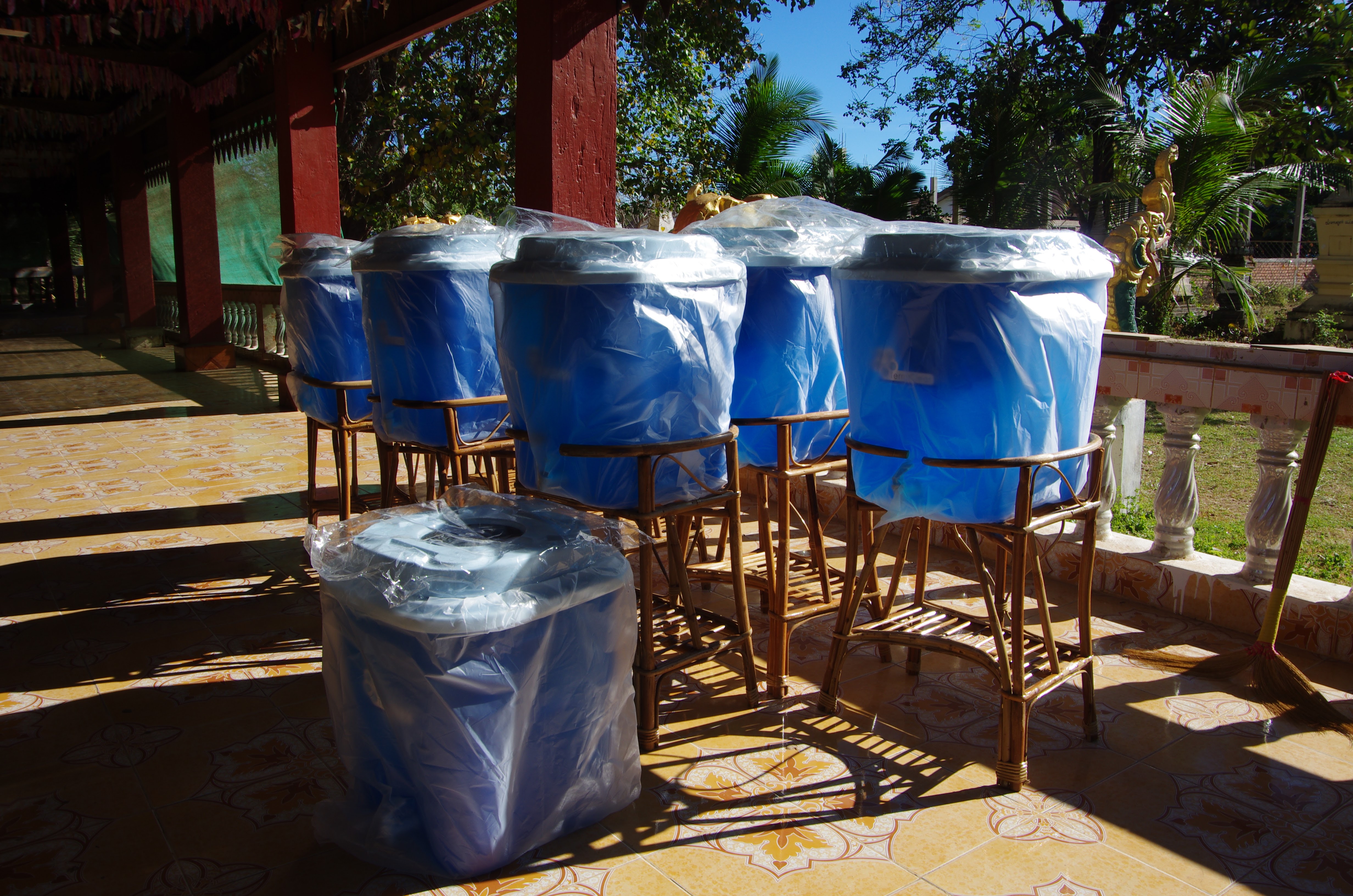
Ceramic water filters save CO2 and improve health
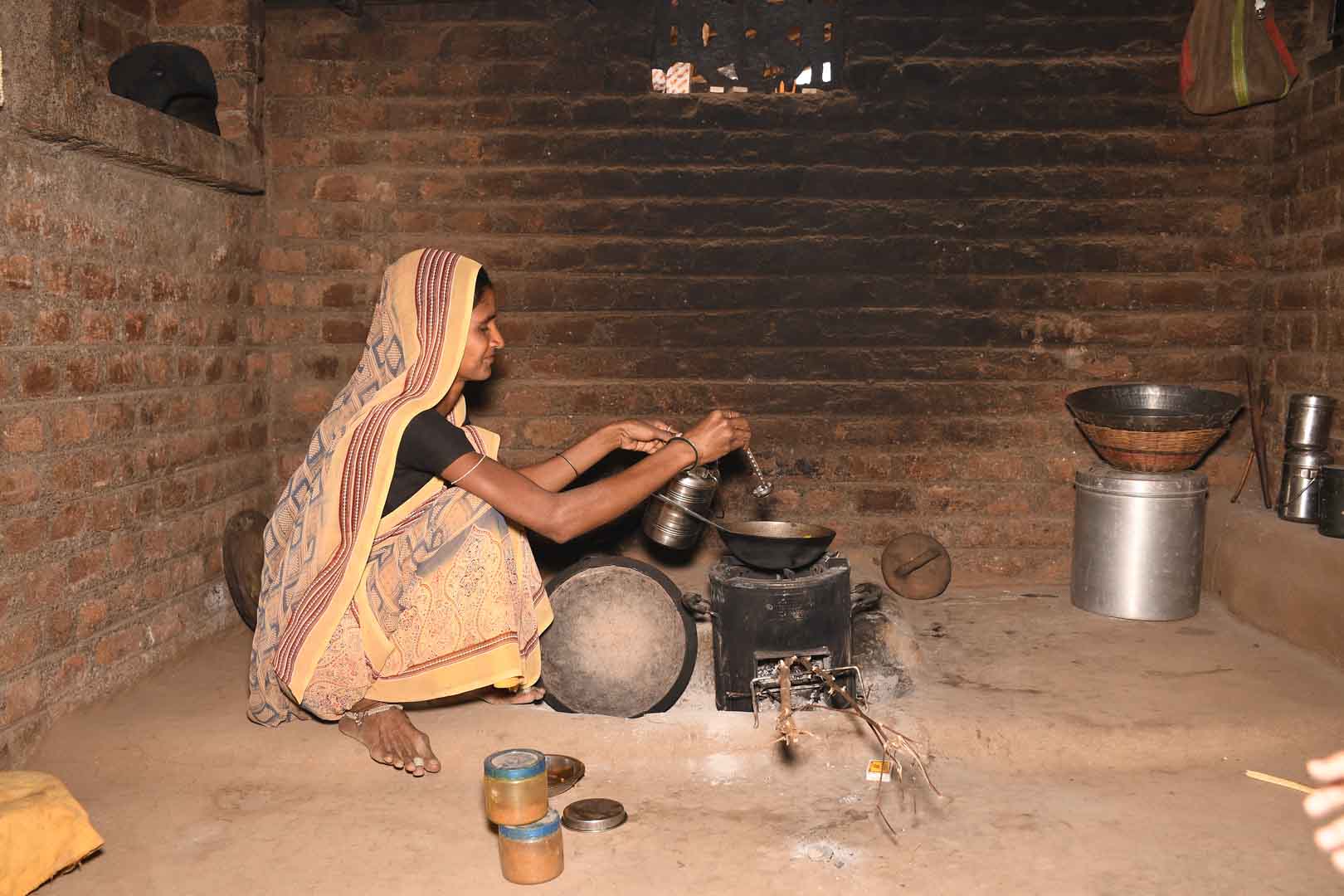
Improved cookstoves worldwide – for better health and cleaner air

A certified climate project combined with additional commitment
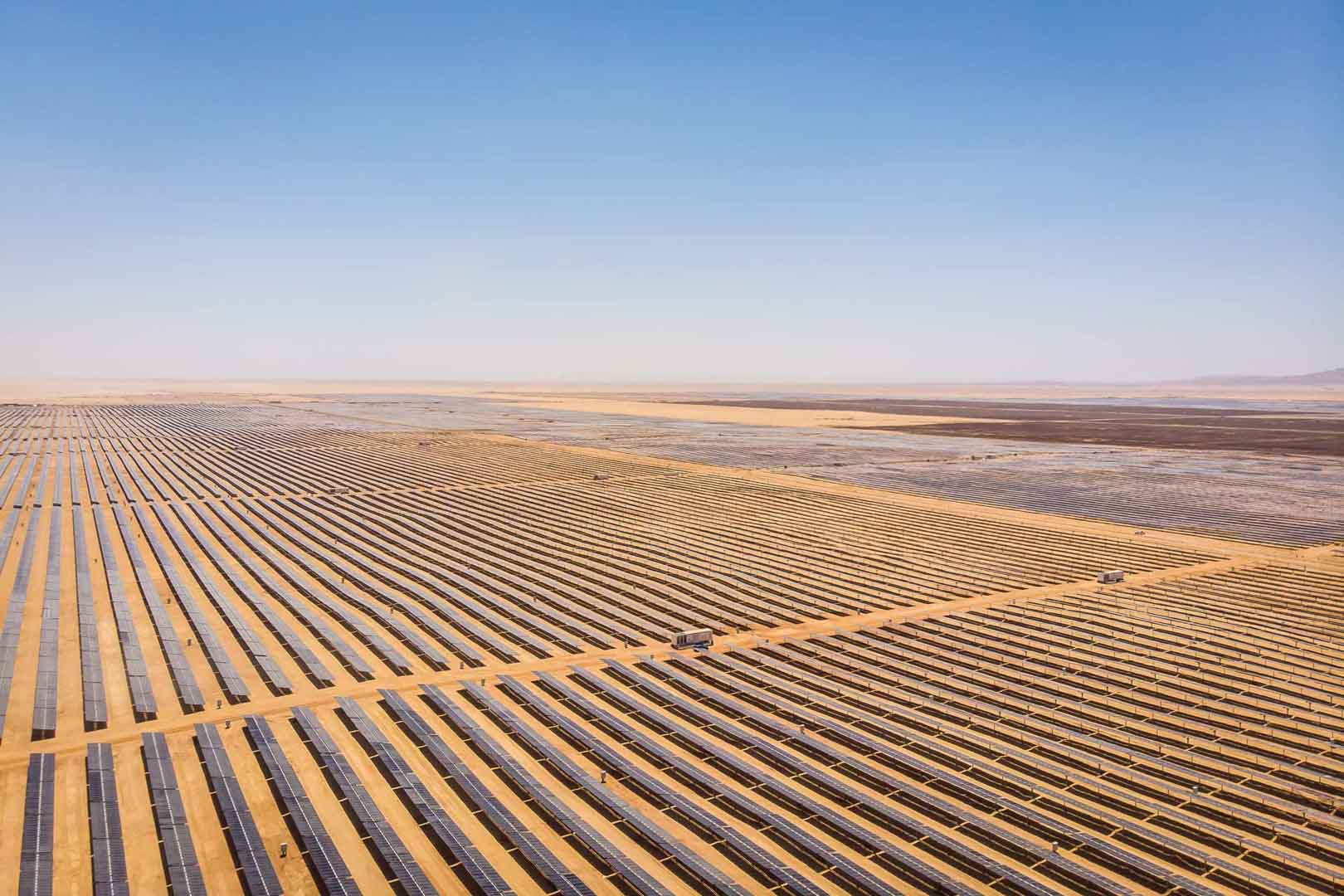
Powering access to renewable energy in Africa
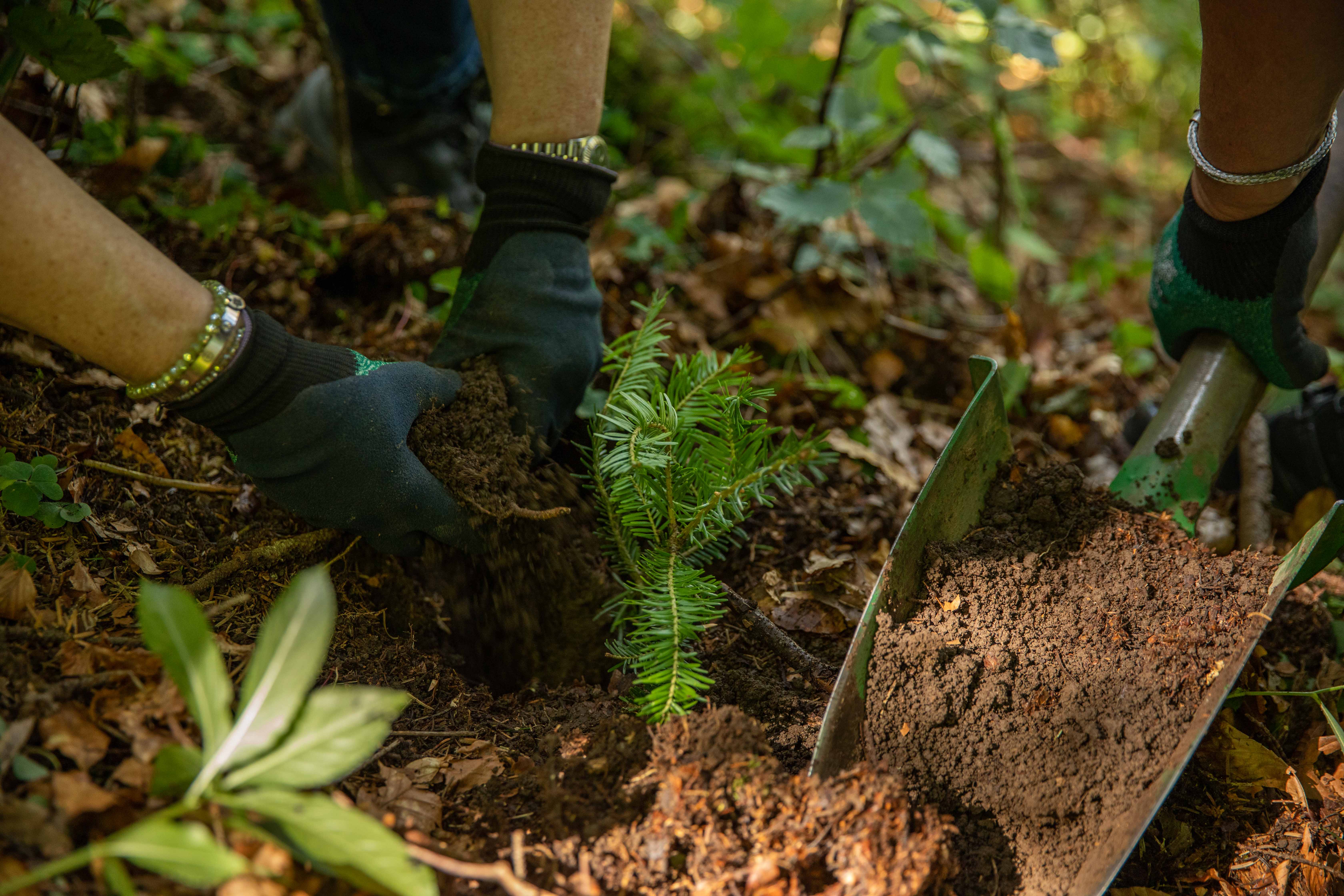
A certified climate project combined with additional commitment
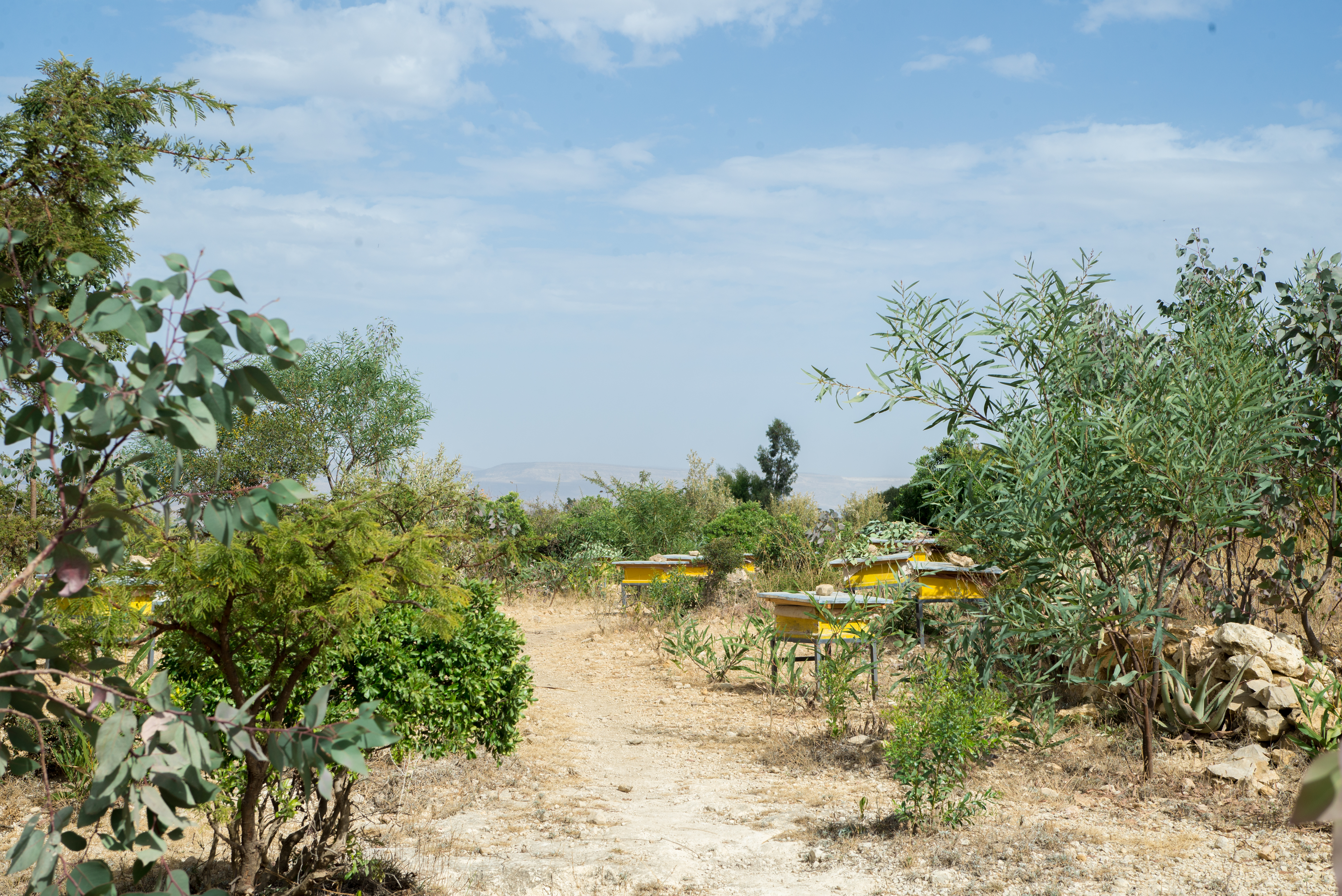
Restored ecosystems remove carbon
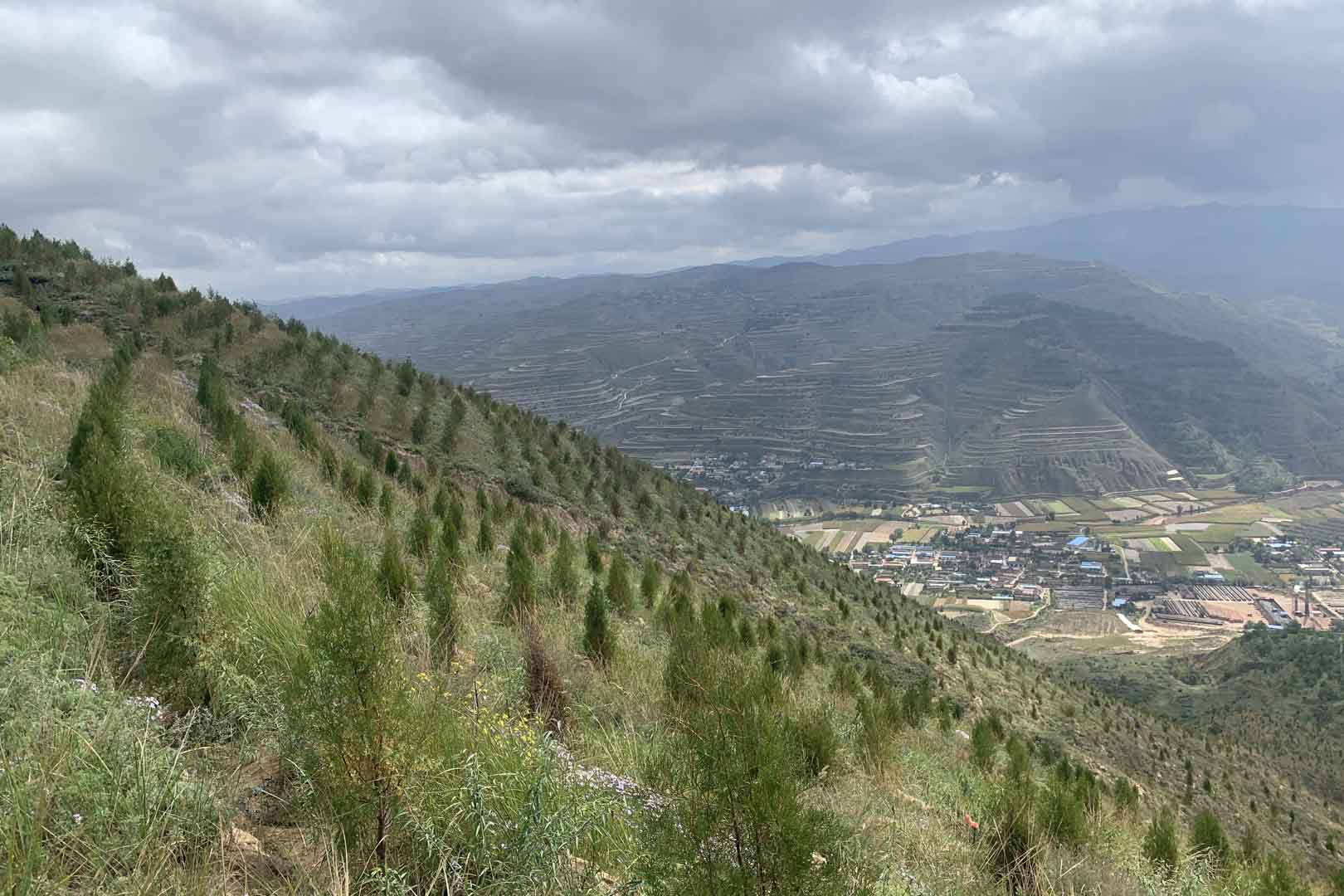
Turning degraded farmlands into healthy ecosystems
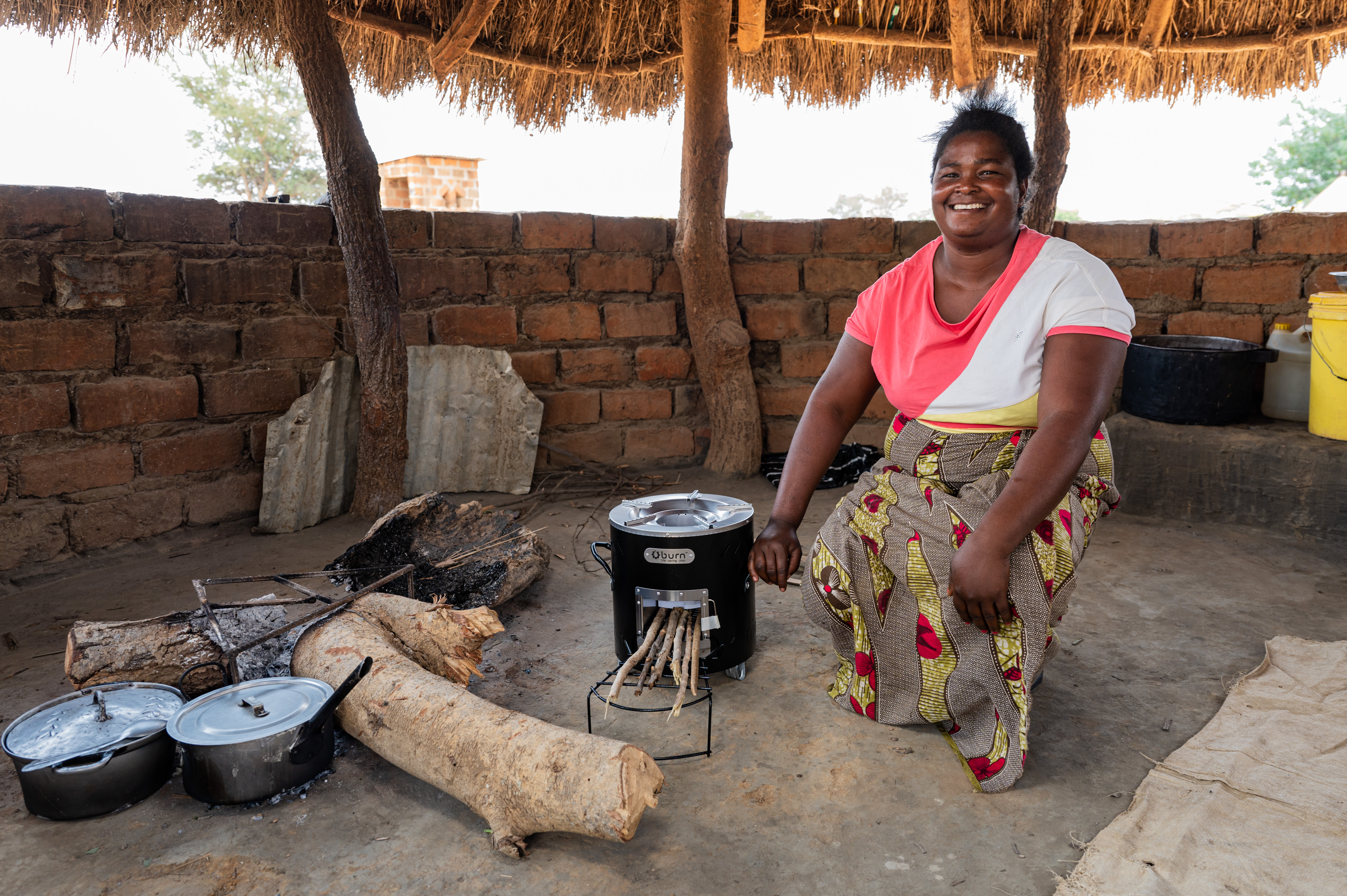
Improved cookstoves - better for health and the environment